Sunday afternoon rolls around, you’re motivated to meal prep, containers are lined up like soldiers, and then… Wednesday hits. You open your fridge to find a science experiment gone wrong. Well, meal prep is only genius if your food actually survives the week.
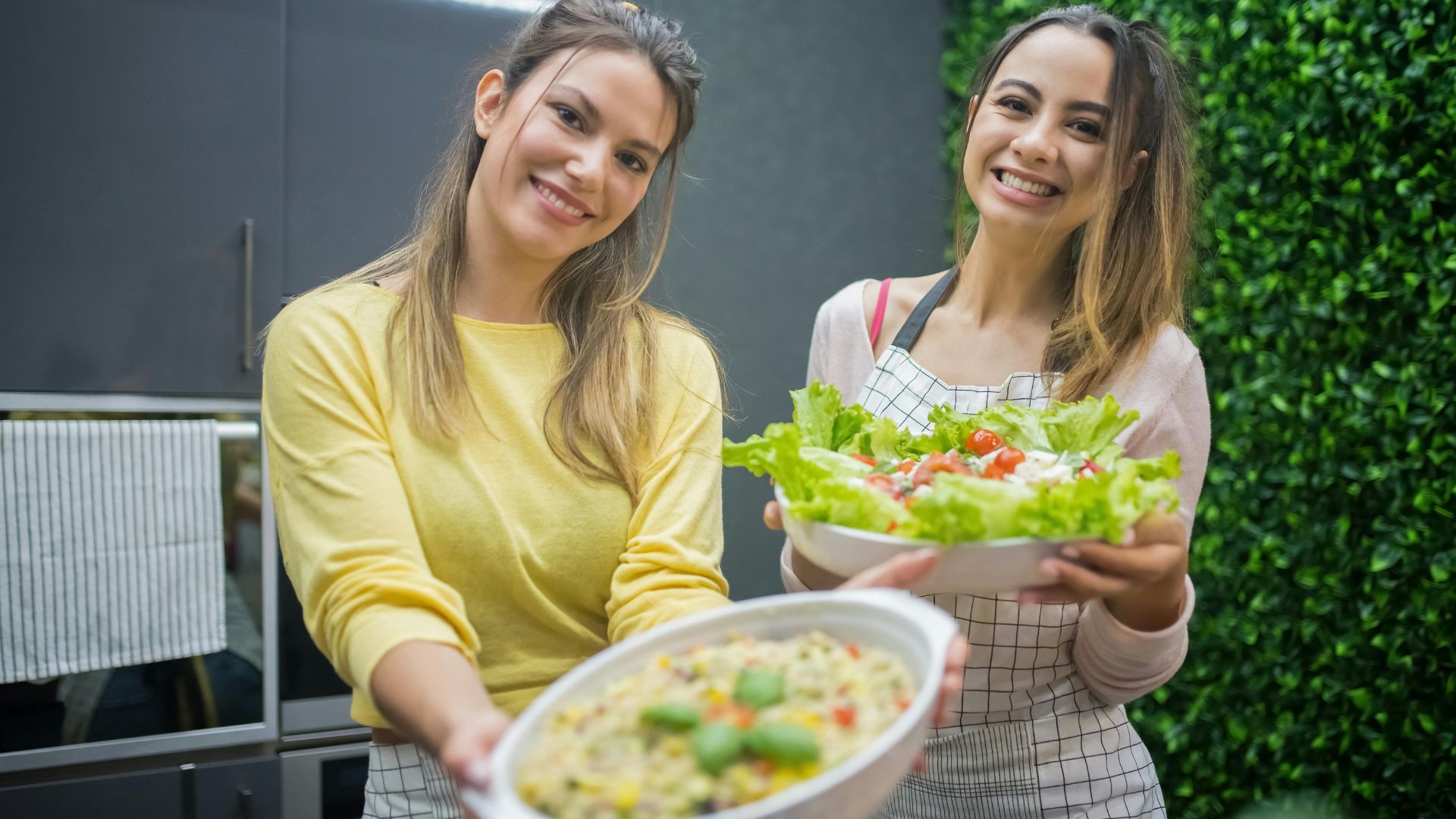
Sunday afternoon rolls around, you're motivated to meal prep, containers are lined up like soldiers, and then... Wednesday hits. You open your fridge to find a science experiment gone wrong. Well, meal prep is only genius if your food actually survives the week.
Some ingredients stay fresh and delicious for days. Others? They basically wave the white flag by Tuesday morning. The difference between meal prep success and sadness often comes down to knowing which foods are your allies and which are secretly sabotaging your efforts from inside.
If you want to become a meal prep mastermind, let's begin the roundup with seven kitchen champions that'll make your week easier.
Roasted Root Vegetables
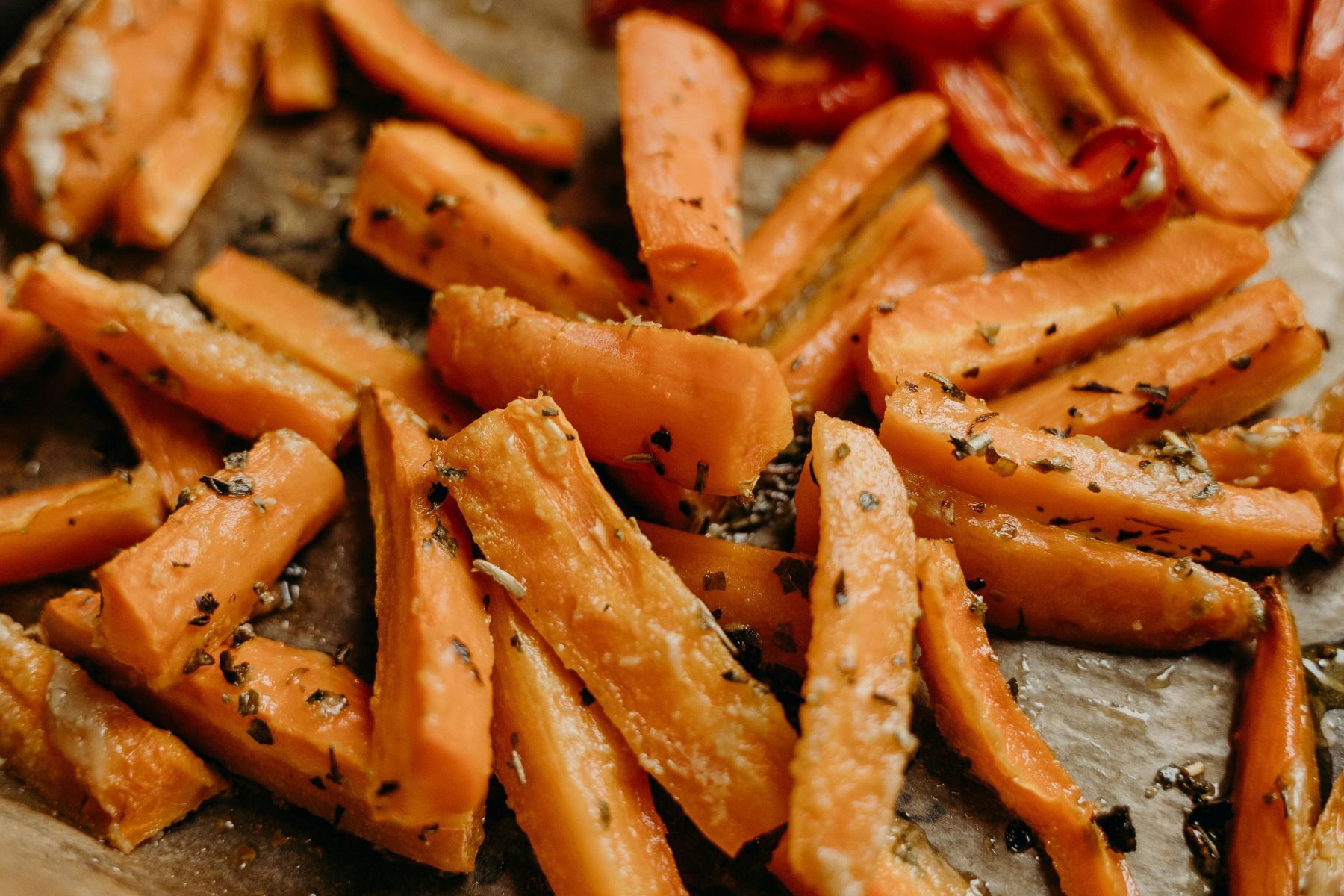
Root vegetables are the superheroes of meal prep. Carrots, sweet potatoes, beets, and parsnips get sweeter and more flavorful as they sit, making them perfect for grabbing throughout the week. Roast them with olive oil and seasoning, and they'll stay fresh in your fridge for five to seven days without losing their texture or taste.
Cooked Grains
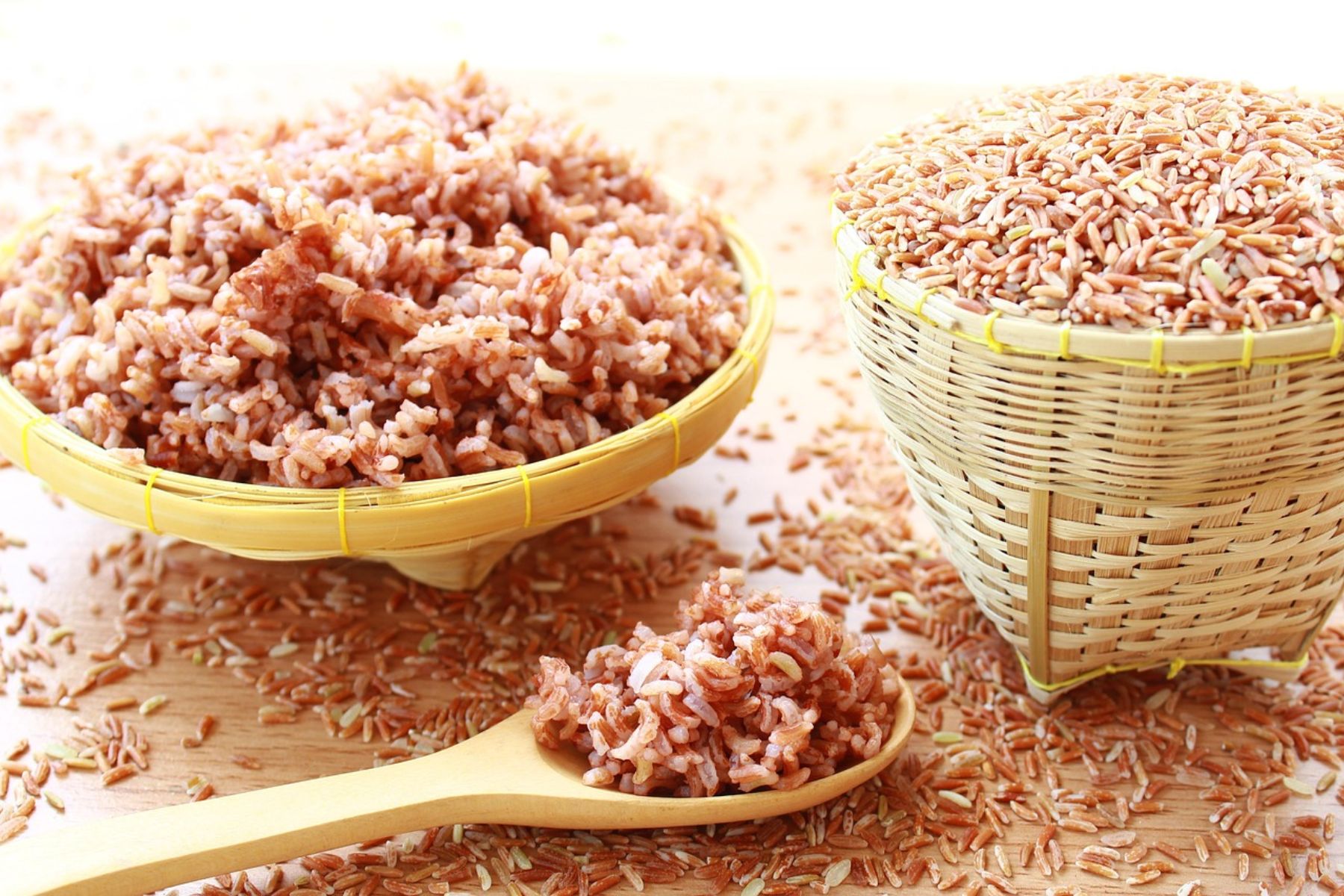
Grains are practically indestructible. When stored properly, brown rice, quinoa, farro, and barley remain fluffy and separated, ideal for bowls or quick stir-fries. These cooked grains can last up to six days in the fridge and reheat beautifully without turning into mush. You have endless possibilities for weeknight dinners without any extra effort.
Hard-Boiled Eggs
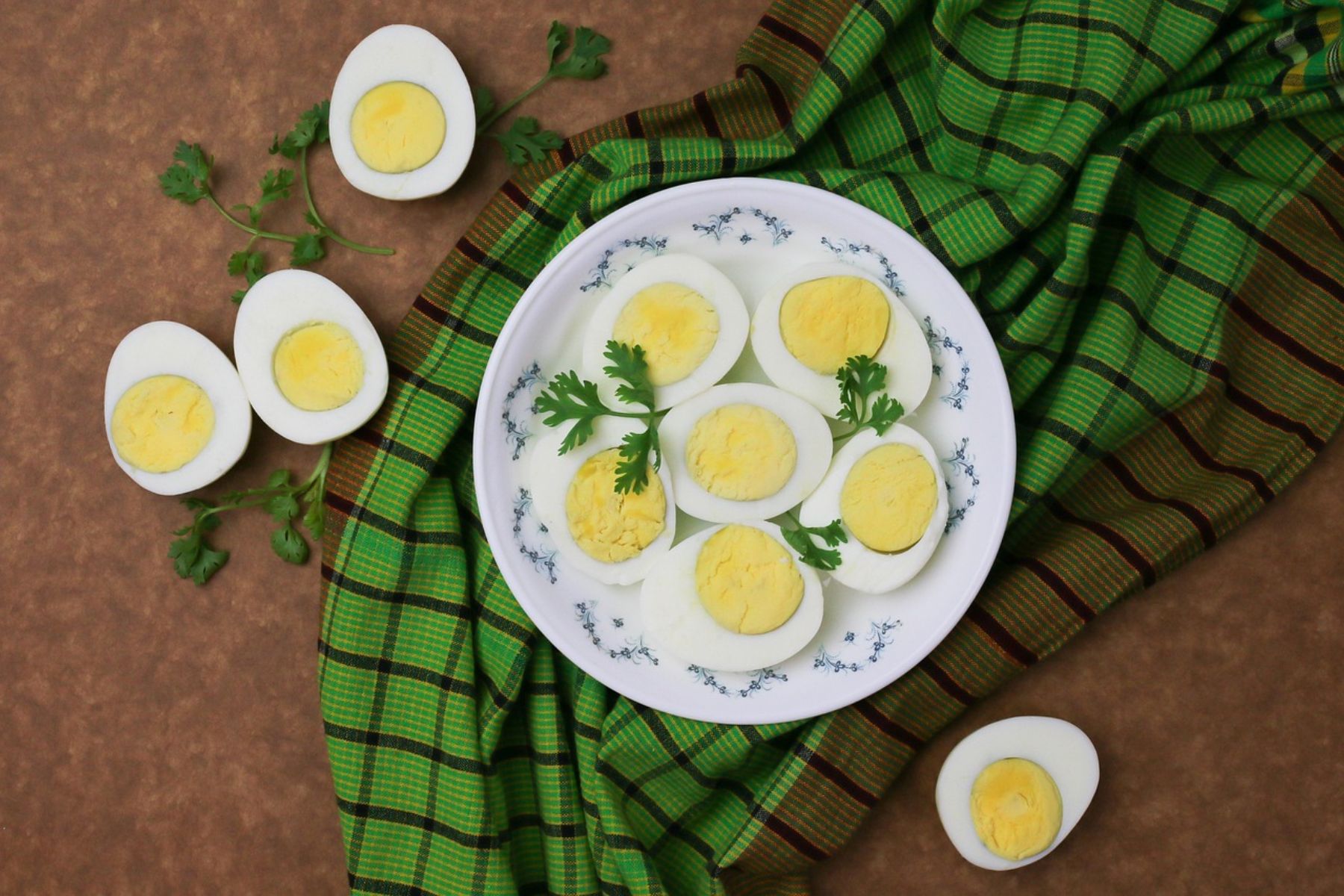
Hard-boiled eggs work for every meal—breakfast, snacks, or salads—and their texture stays intact for up to seven days. Unlike scrambled or fried eggs that turn rubbery, hard-boiled eggs maintain their creamy yolks and firm whites. Plus, they're already portioned. Nature's original grab-and-go food that requires zero reheating and fits into any eating schedule!
Thick Leafy Greens
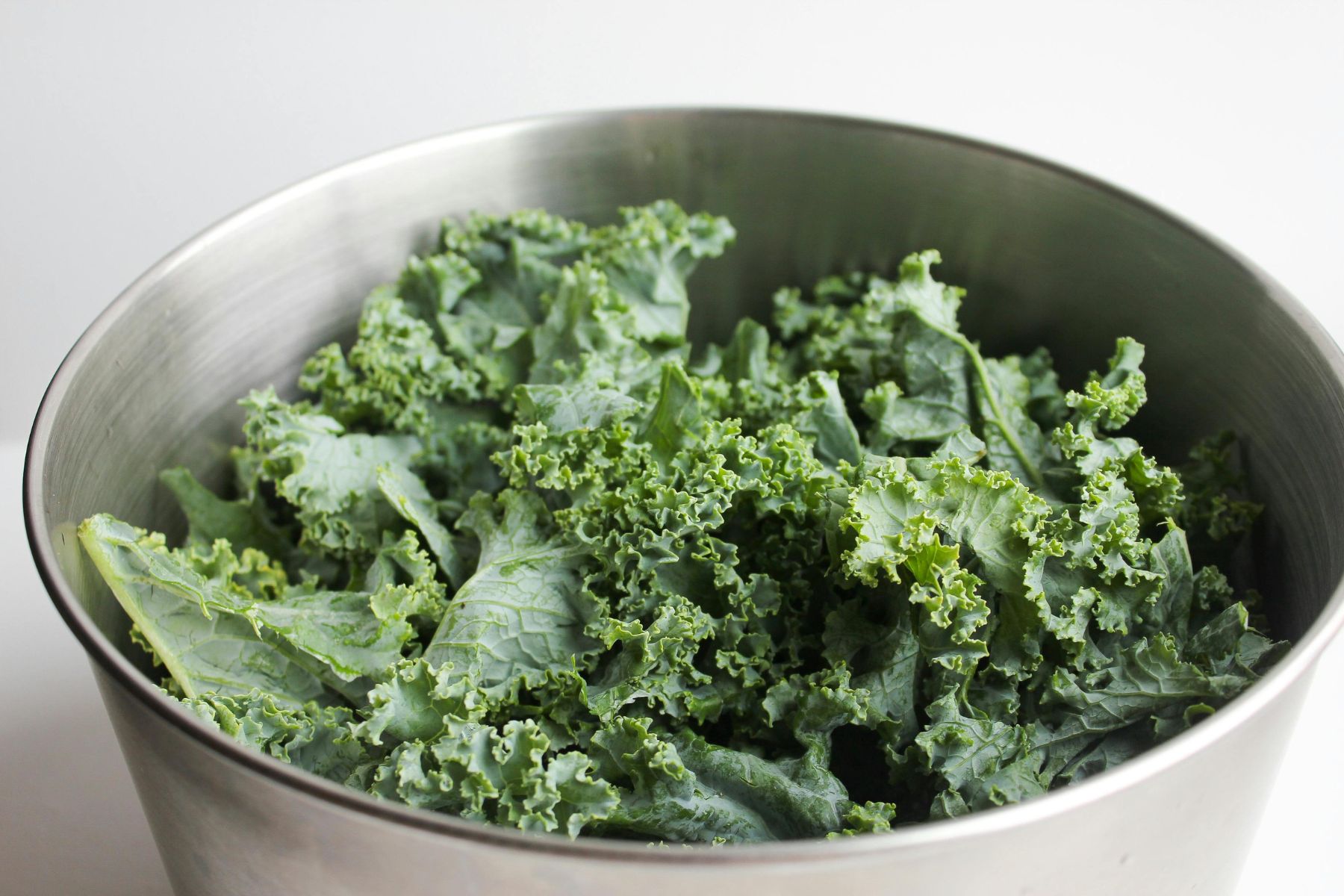
Not all leafy greens wilt under pressure. Some tough options like kale, collards, and cabbage actually improve with time. Since these leaves stand up to dressings and don't get soggy, you can prep them for salads that last four to five days. Raw or cooked, sturdy greens maintain their nutritional punch and satisfying crunch.
Cooked Ground Turkey
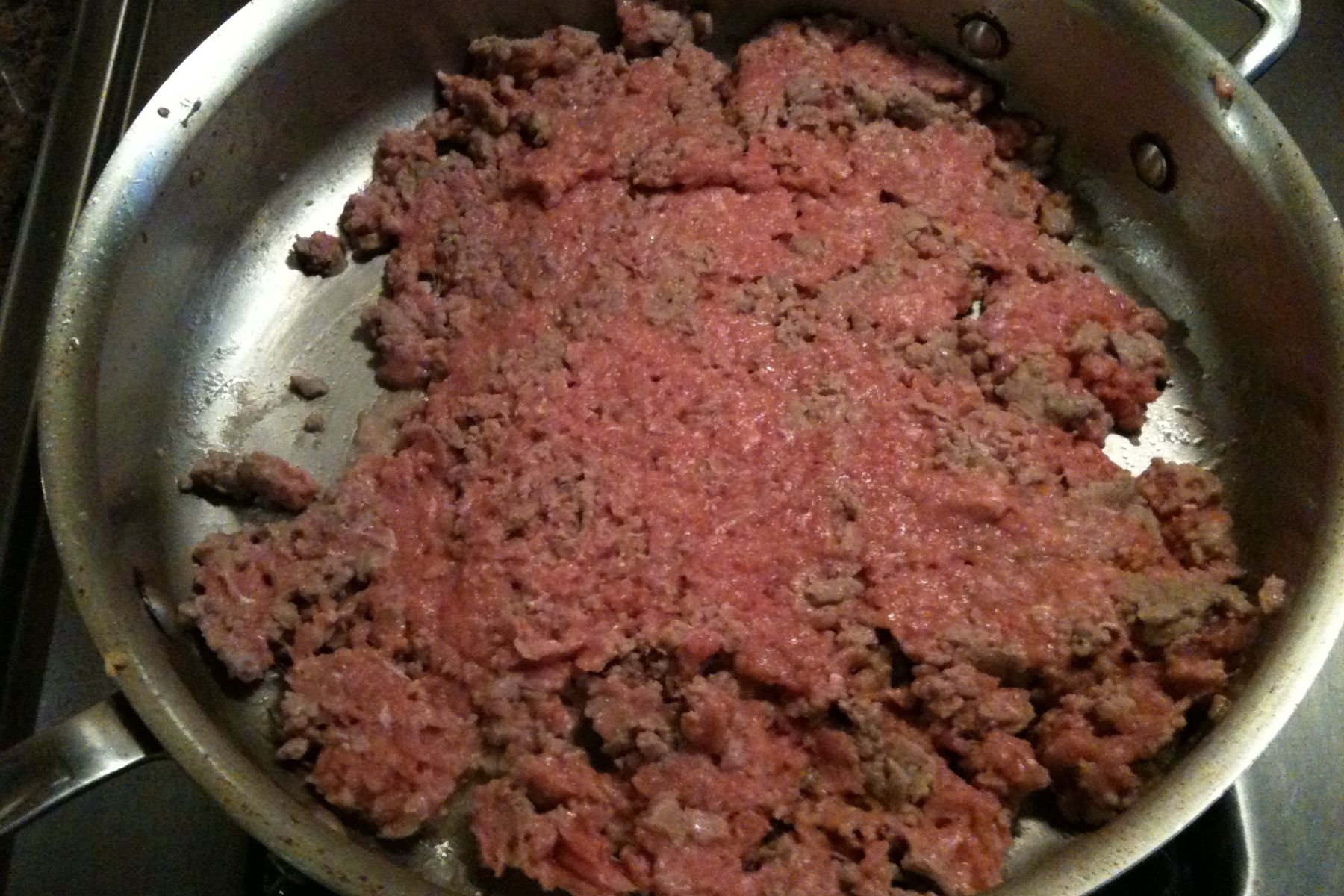
When stored properly, ground turkey remains moist and flavorful for up to four days. Season it with different spice blends—Italian or Asian—and it transforms effortlessly into pasta sauces or breakfast scrambles. Ground turkey breaks down well for portion control, reheats evenly without drying out, and costs less than most other proteins.
Beans And Lentils
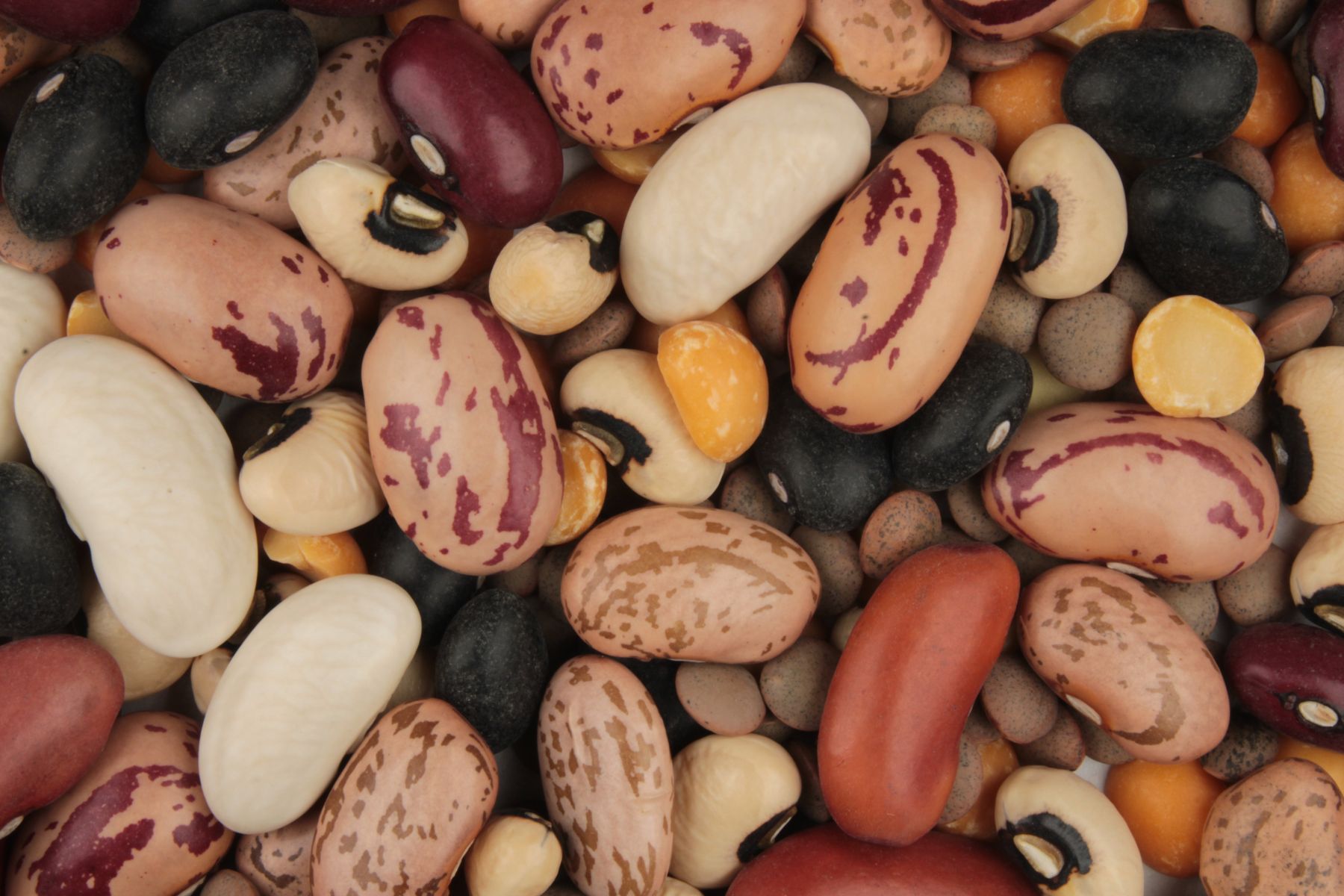
Whether canned or cooked from scratch, beans and lentils are highly reliable. Rich in protein and fiber, these legumes last up to five days. They even taste better after sitting for a day or two as flavors meld together, so you can prep them for soups, salads, and side dishes. Just one batch can give you numerous possibilities, from Mediterranean to Mexican cuisine.
Overnight Oats
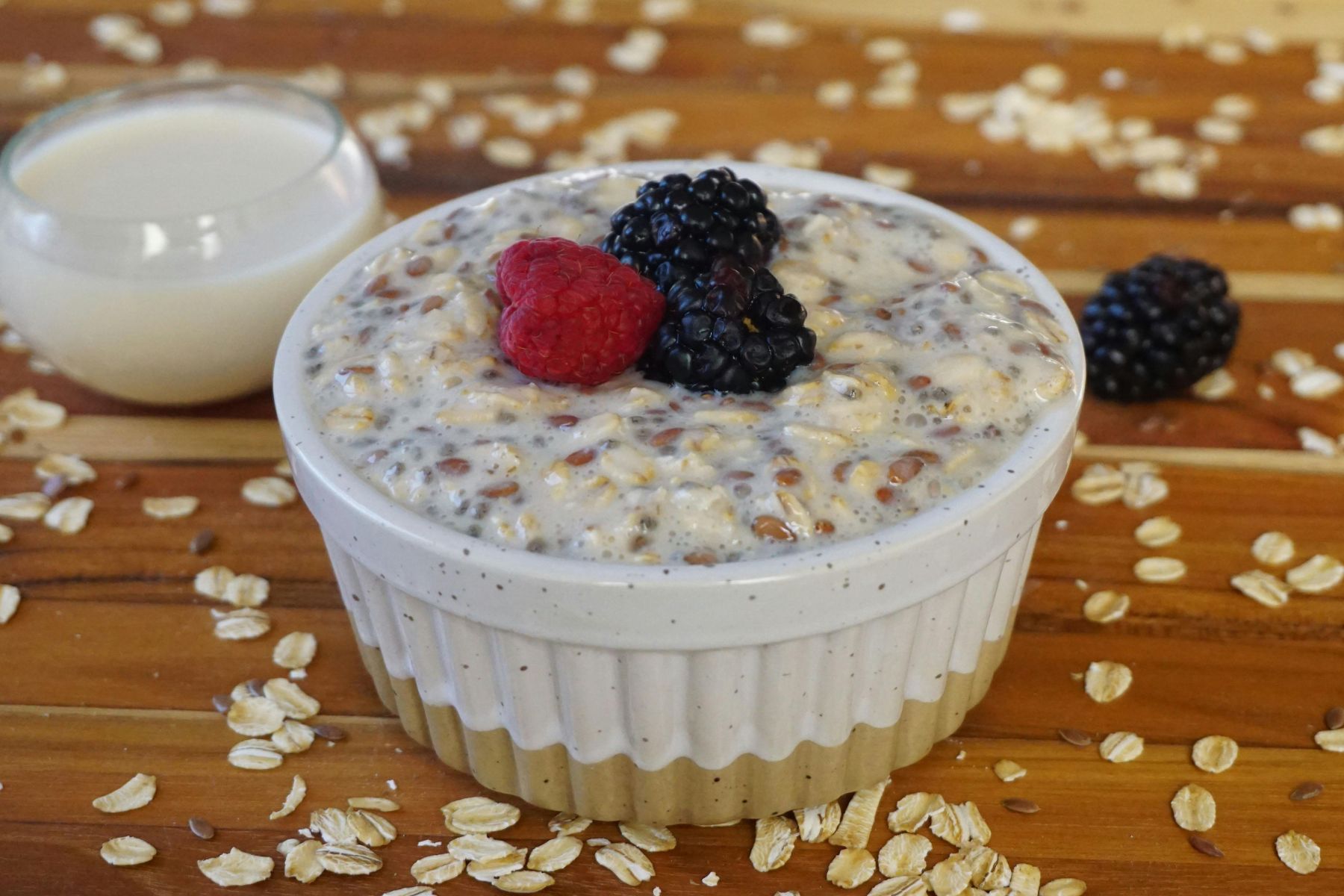
Mix oats with milk and toppings on Sunday night, and you've got ready-made breakfasts that last up to four days. The oats soften perfectly, creating a creamy texture that doesn't require cooking. You can prep multiple flavors at once—berry, chocolate, peanut butter—you won't ever get bored. It's the rare meal prep that always tastes great and improves with age.
Now, let's talk about the foods that sabotage even the best-laid meal prep plans.
Fresh Berries
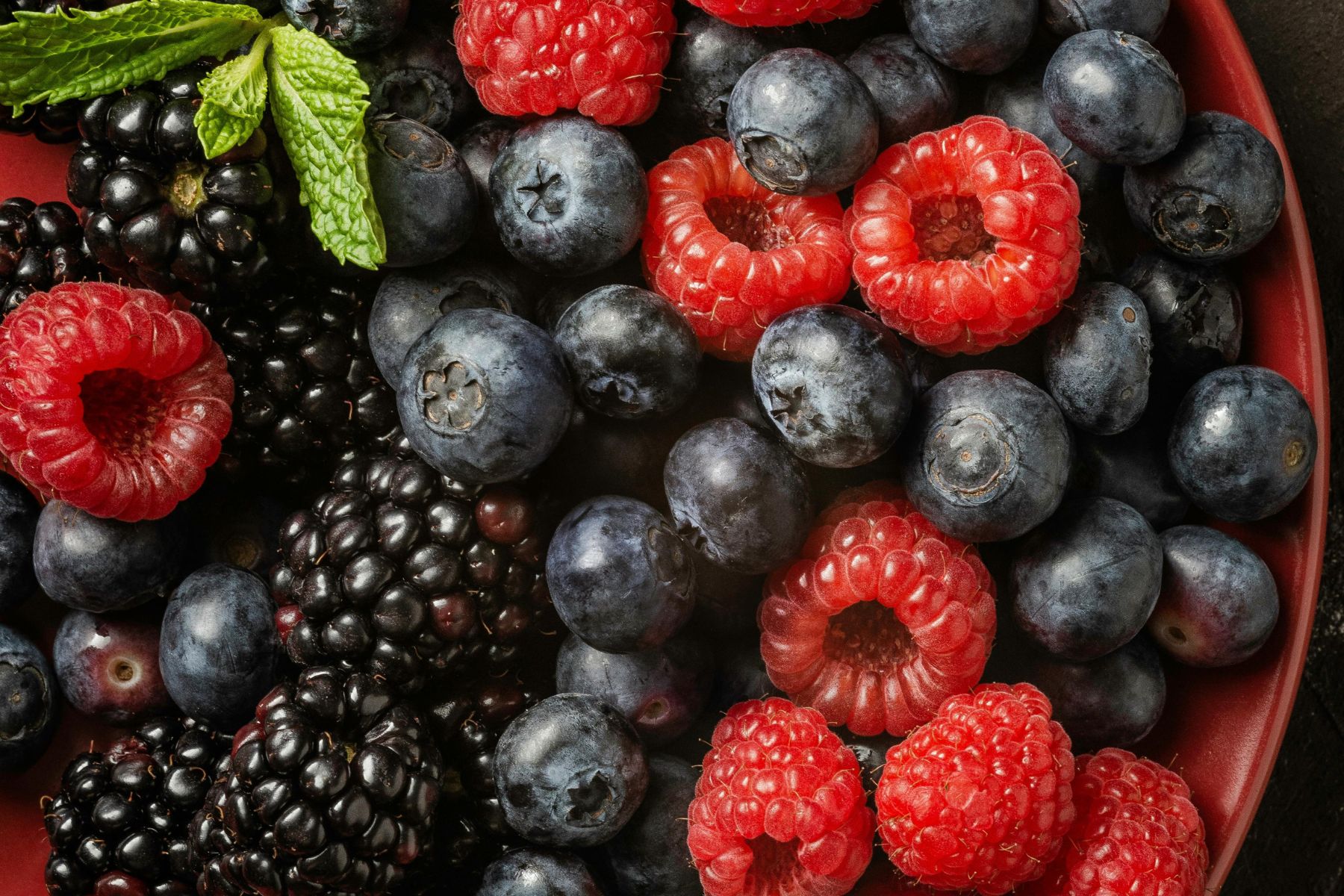
Berries are beautiful liars. They look perfect in your meal prep containers one day, then mysteriously transform into moldy mush within two days. Their high water content and delicate skin make them incredibly vulnerable to breakdown. Even when stored properly, strawberries, raspberries, and blackberries rarely make it past three days.
Cooked Pasta
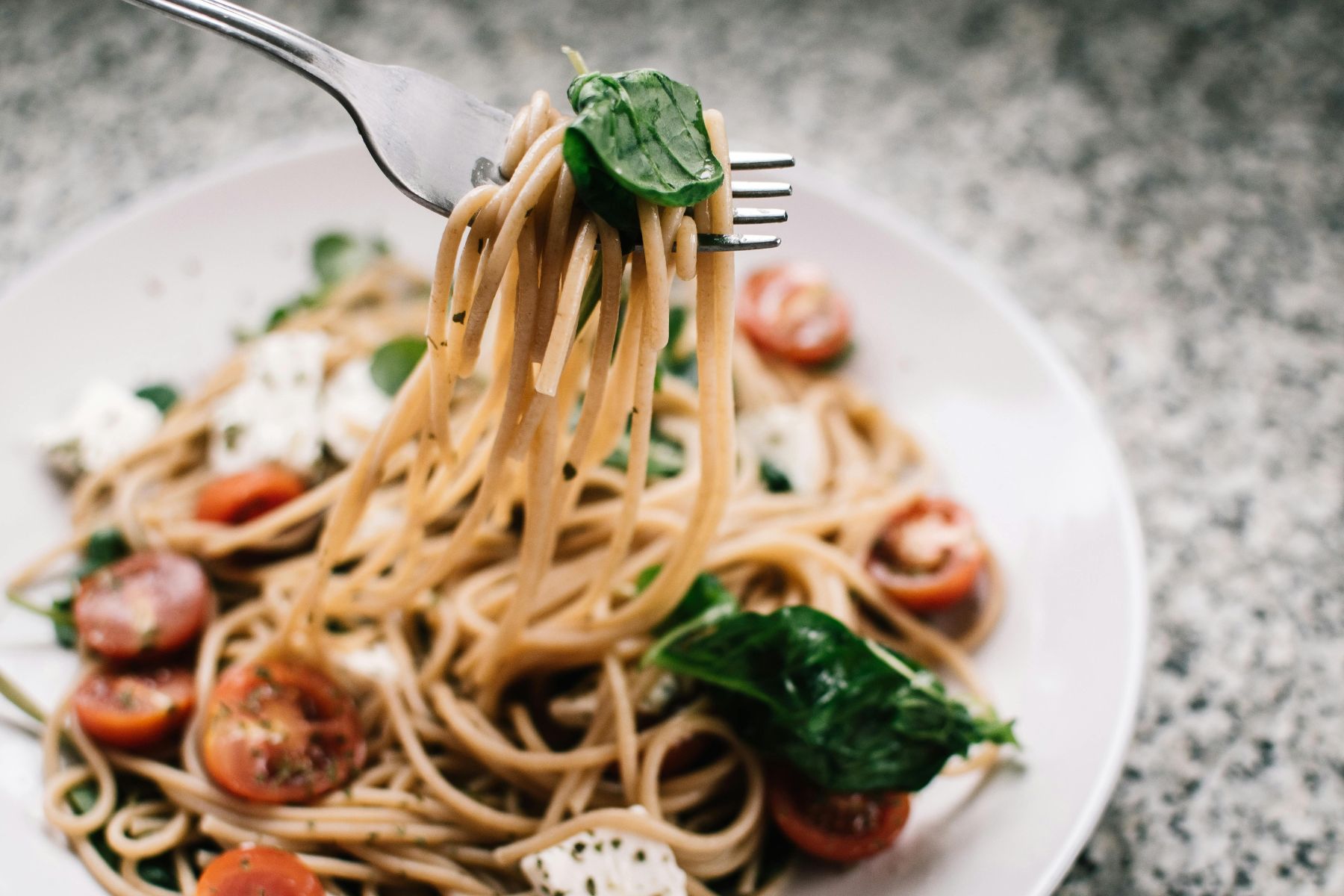
Cooked pasta dishes continue to absorb moisture as they sit, turning into a sticky, clumped-together blob by day two. They also dry out easily, which makes them hard and unappetizing. Even reheating doesn't rescue this prep. You need to store pasta and sauce separately, or better yet, cook it fresh.
Crispy Foods Like Fried Chicken
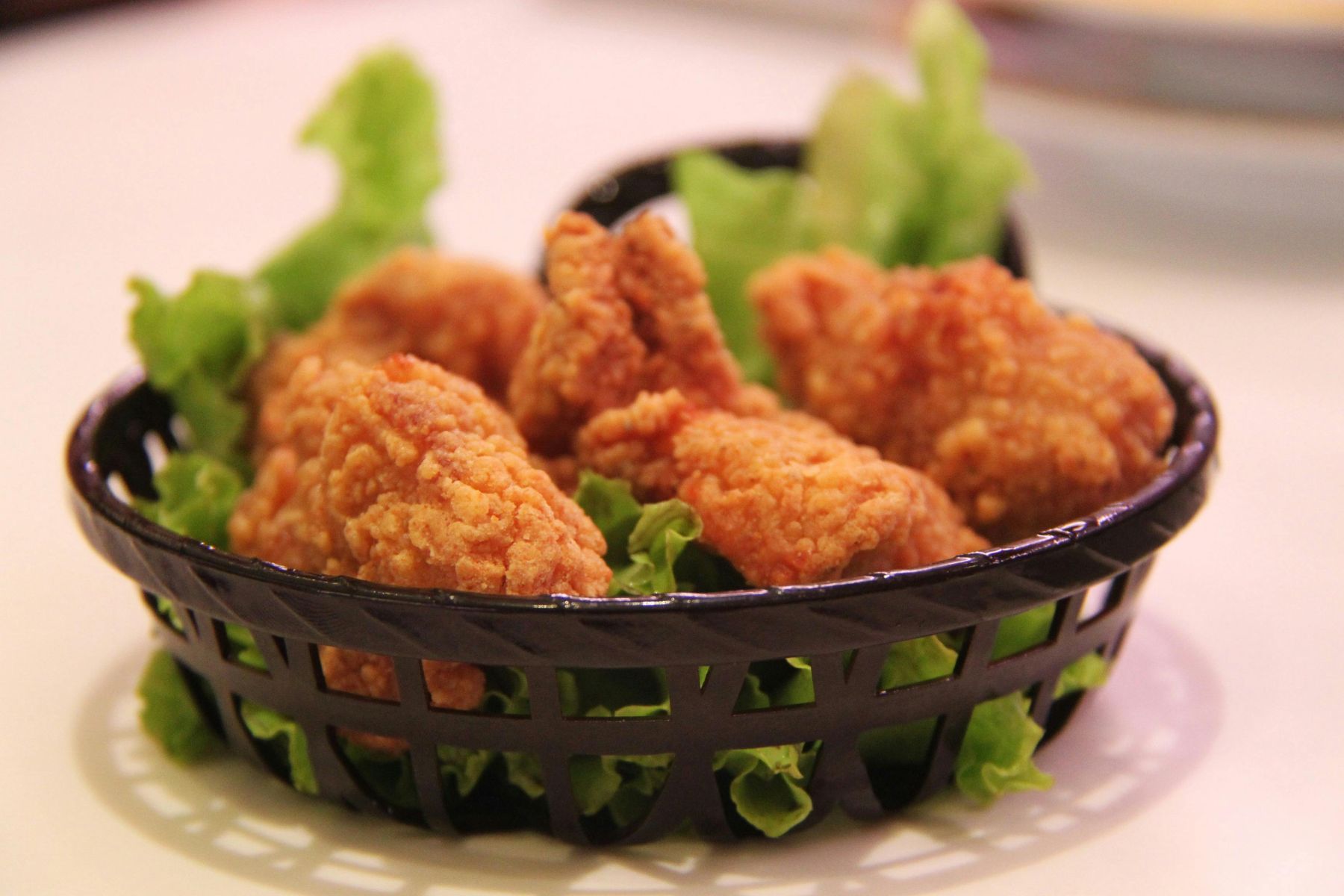
Anything that relies on crunch is doomed in meal prep. Fried chicken, breaded fish, tempura vegetables, and crispy tofu all turn disappointingly soggy within hours of being sealed in a container. Steam from the food itself creates moisture that destroys the coating and leaves you with sad, limp breading.
Avocado
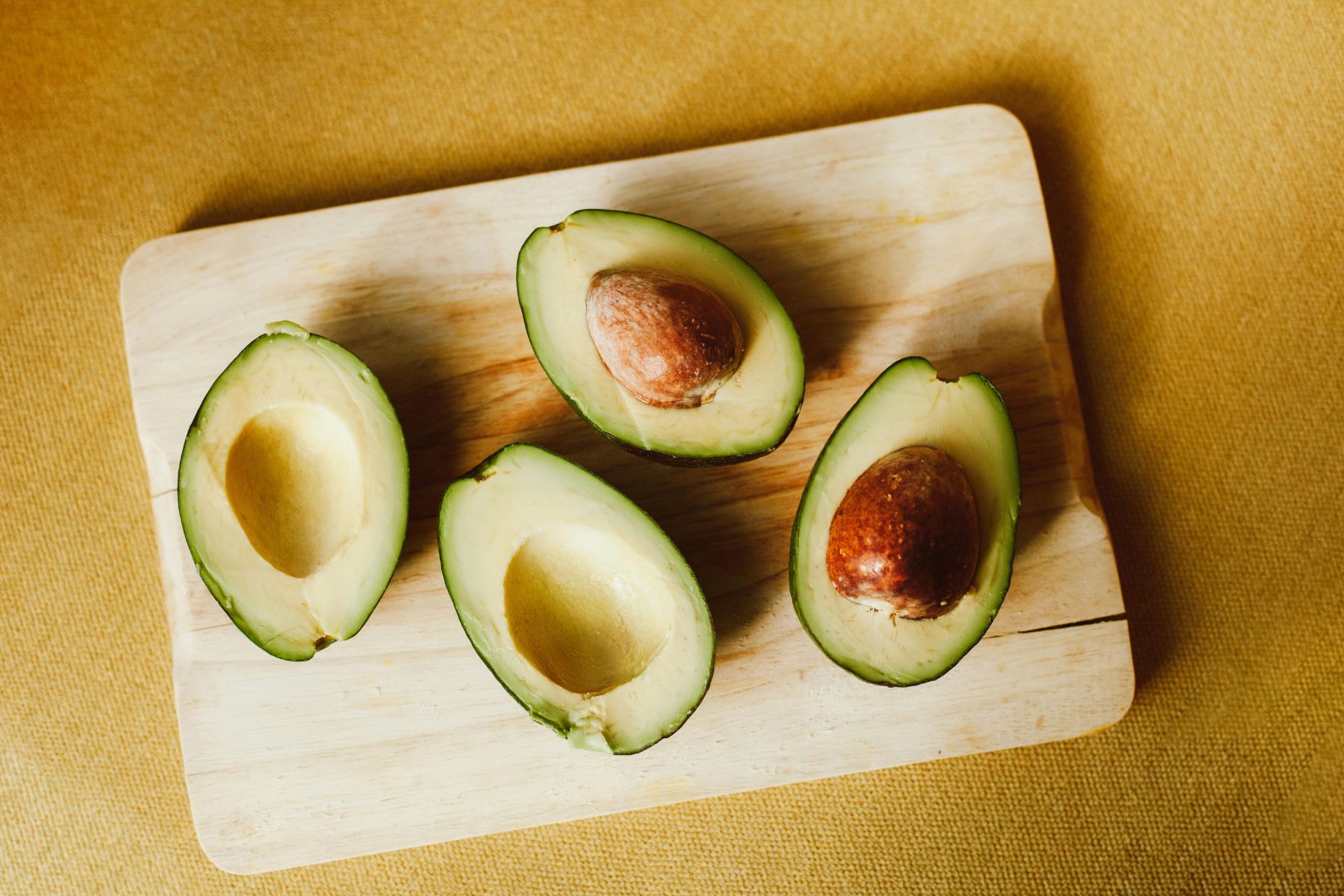
Avocado oxidizes faster than you can say "guacamole." Cut avocado turns brown and slimy within a day, no matter how much lemon juice you squeeze on it or how tightly you wrap it. The texture becomes mushy, and that beautiful green color morphs into an unpleasant brown shade. Whole avocados are also tricky—they go from rock-hard to overripe in what feels like minutes.
Delicate Lettuces
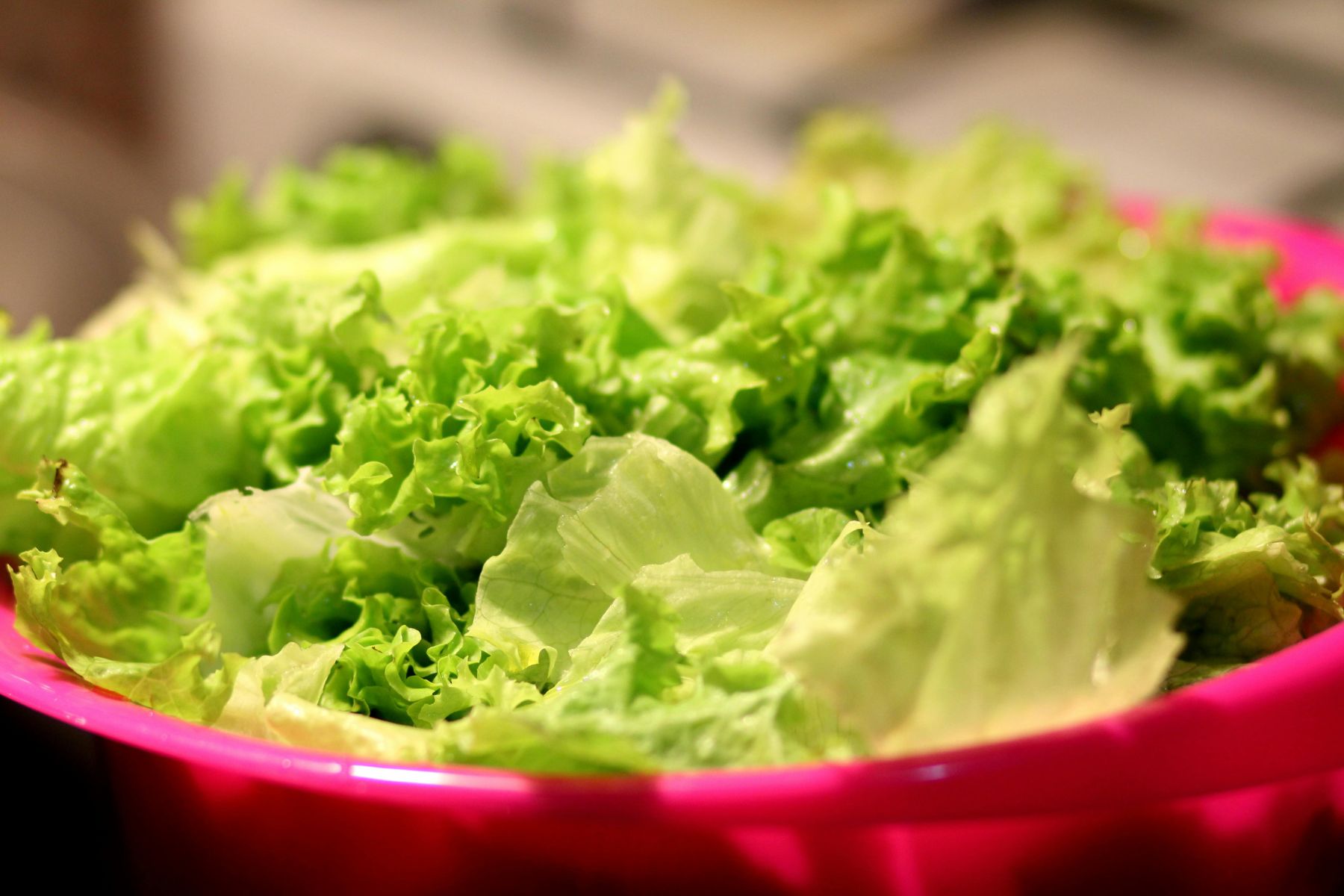
Iceberg, romaine, and mixed spring greens—these tender leaves turn sludgy when exposed to moisture. Even with the best storage techniques, lettuce varieties rarely stay fresh past two days. The cell walls break down quickly, releasing water that speeds up the decay. If you're craving salads, prep your toppings and proteins, but add fresh lettuce daily.
Soft Cheeses
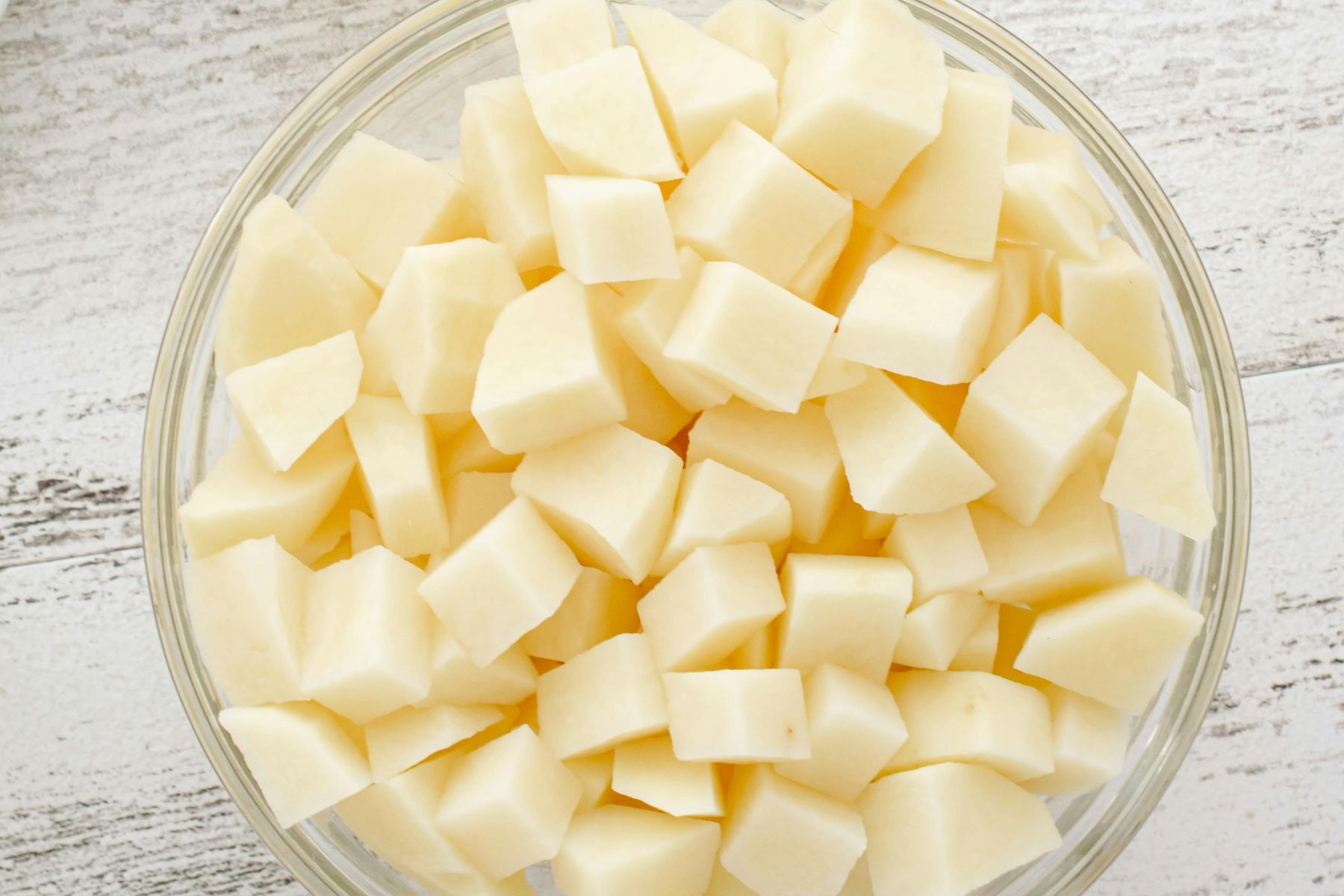
Fresh mozzarella, goat cheese, ricotta, and other soft cheeses don't age gracefully. They release excess moisture that makes everything around them soggy while simultaneously drying out and crumbling themselves. Those delicate flavors fade quickly and develop off-tastes after just one day. Soft cheeses are also prone to absorbing odors from other foods.
Cooked Seafood
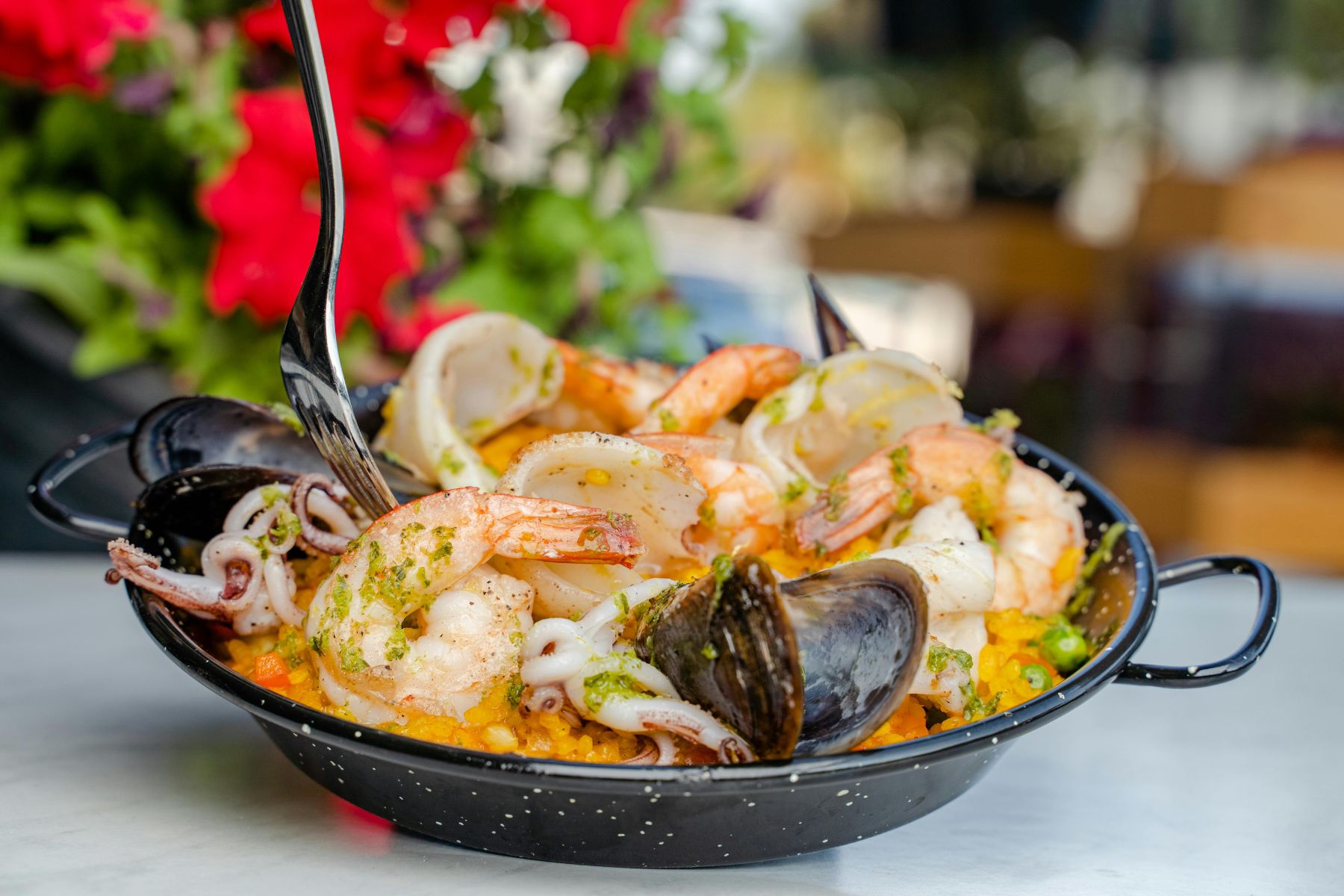
Fish and shellfish have incredibly short shelf lives compared to other proteins. Cooked salmon, shrimp, and other seafood develop strong fishy odors and questionable textures after just one or two days (even when properly refrigerated). Their delicate flesh is also susceptible to bacterial growth than chicken or beef. So, seafood needs to be cooked and eaten fresh.