You know that feeling when you walk into a room and something just feels… off? The walls look fine, the couch is comfortable, yet the space somehow feels louder than it should. It’s not you—it’s the design quietly messing with your mood.
Interestingly, our surroundings have more power over us than we realize. The colors, the light, even the placement of furniture can affect how our brains process calm or chaos. What feels cozy to one person might make another feel trapped. And sometimes, the smallest detail can tilt the balance completely.
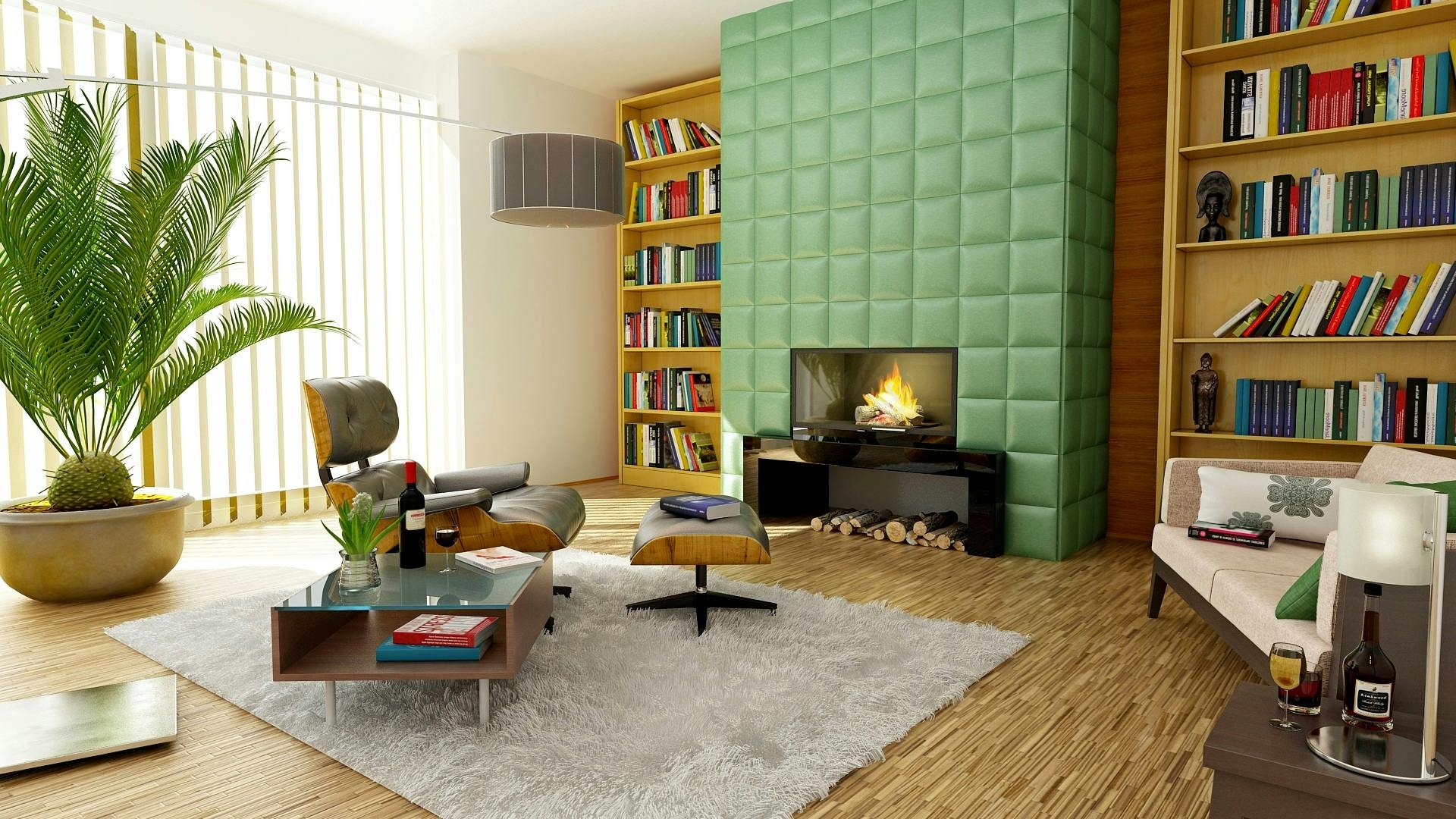
You know that feeling when you walk into a room and something just feels… off? The walls look fine, the couch is comfortable, yet the space somehow feels louder than it should. It’s not you—it’s the design quietly messing with your mood.
Interestingly, our surroundings have more power over us than we realize. The colors, the light, even the placement of furniture can affect how our brains process calm or chaos. What feels cozy to one person might make another feel trapped. And sometimes, the smallest detail can tilt the balance completely.
That’s why creating a peaceful home is all about understanding how your space communicates with you. And once you start noticing what helps you unwind and what subtly winds you up, every room begins to tell a different story. So, first, let’s take a look at seven design choices that quietly nurture calm and make your home feel like a genuine retreat.
Choose Low-Reflective Matte Finishes
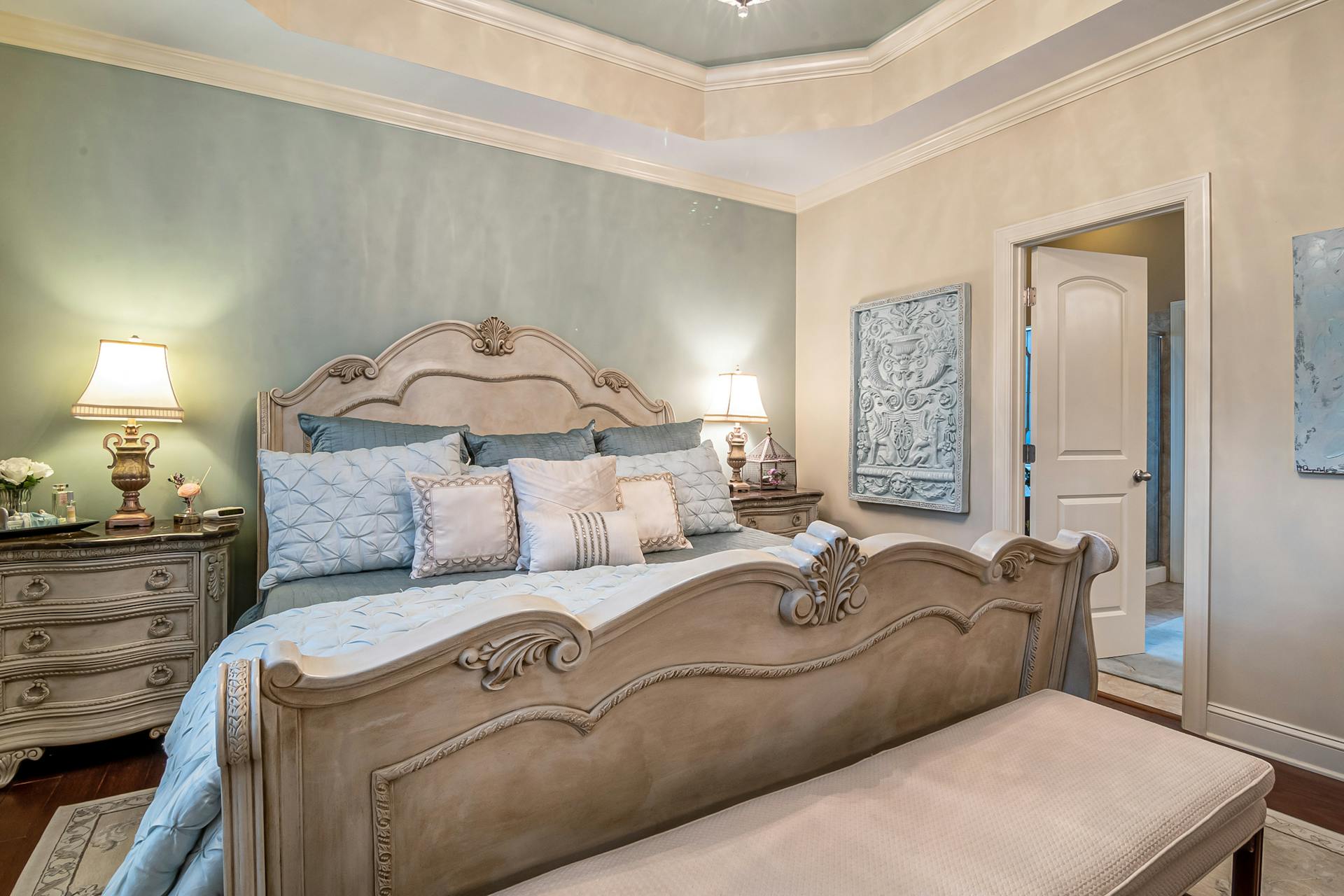
When light strikes a matte surface, its microscopic irregularities scatter photons in multiple directions, creating a diffused effect rather than harsh reflections. This reduced glare and visual distractions foster a more peaceful environment, allowing spaces to achieve visual balance.
Balance The Room With Symmetrical Layouts
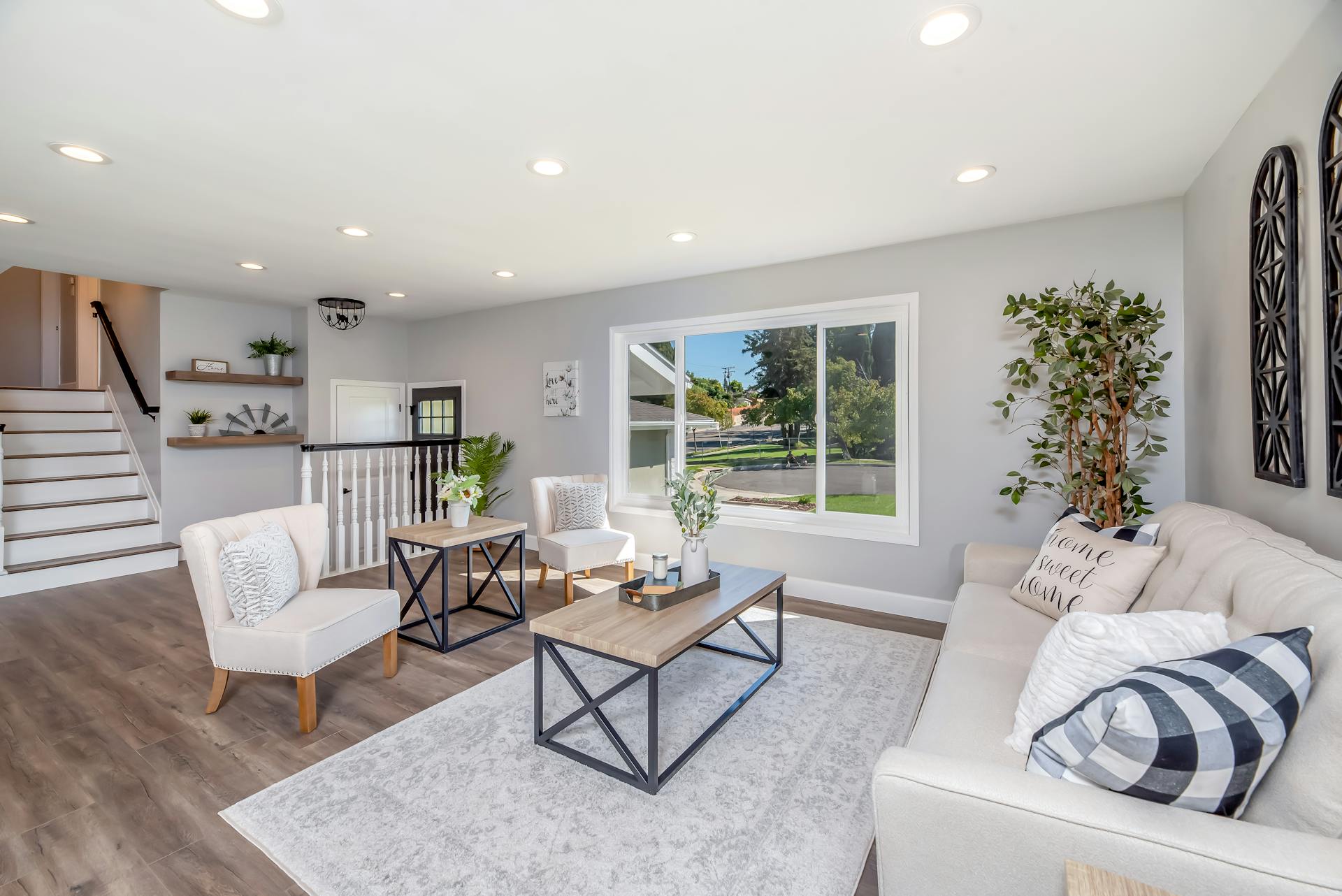
Start by identifying a central focal point—such as a fireplace, window, or artwork—and arrange matching furniture pieces on either side of it. Use pairs of lamps or tables to mirror each other and maintain proportion. Such a layout promotes balance, clarity, and a calm visual flow throughout the space.
Embrace Muted, Nature-Inspired Palettes
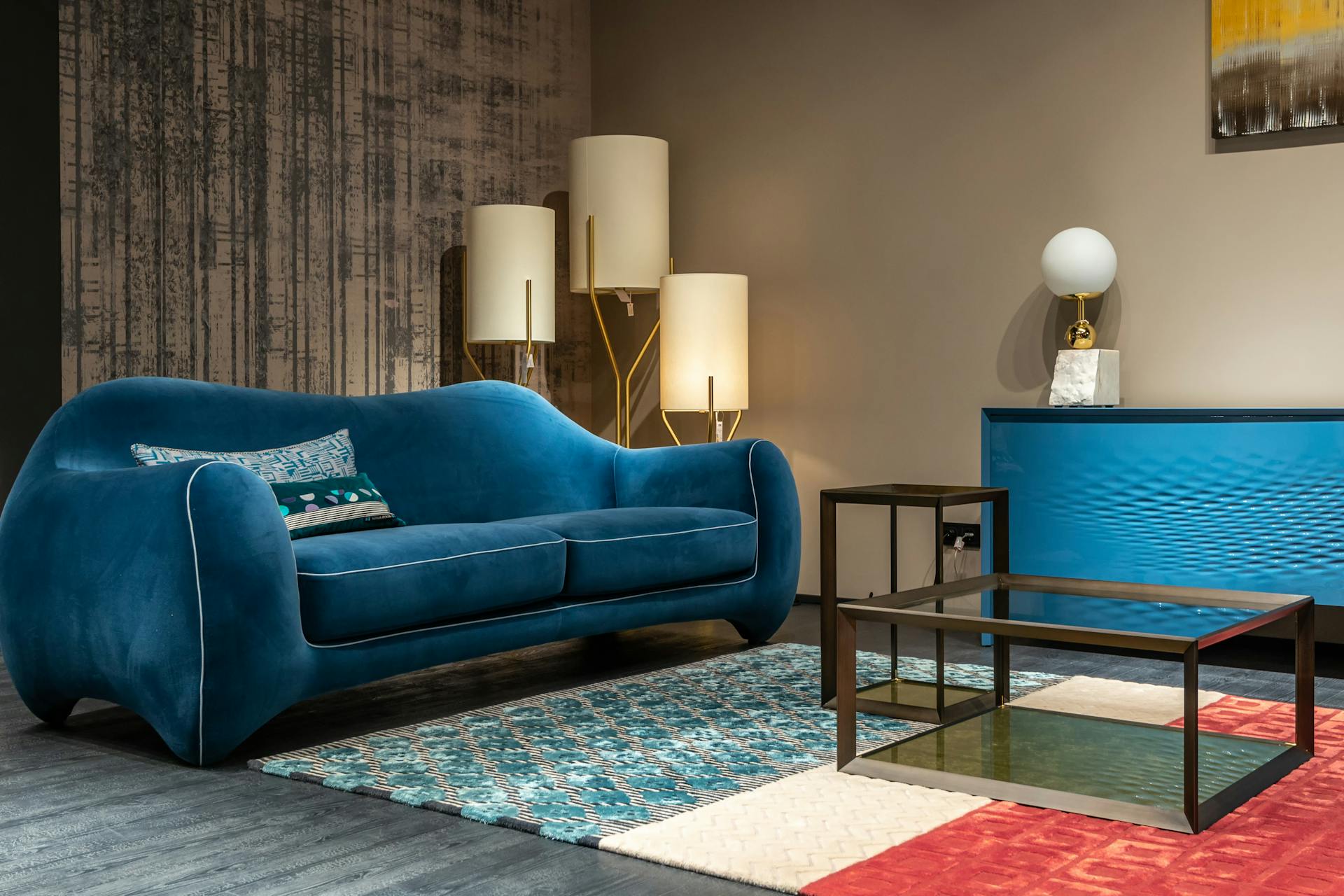
Nature has perfected the art of serenity through its palette of muted tones, from misty morning blues to soft forest greens. By bringing these gentle hues indoors, designers tap into a proven formula for tranquility, as natural color schemes reduce visual stimulation.
Soften Spaces With Rounded Forms
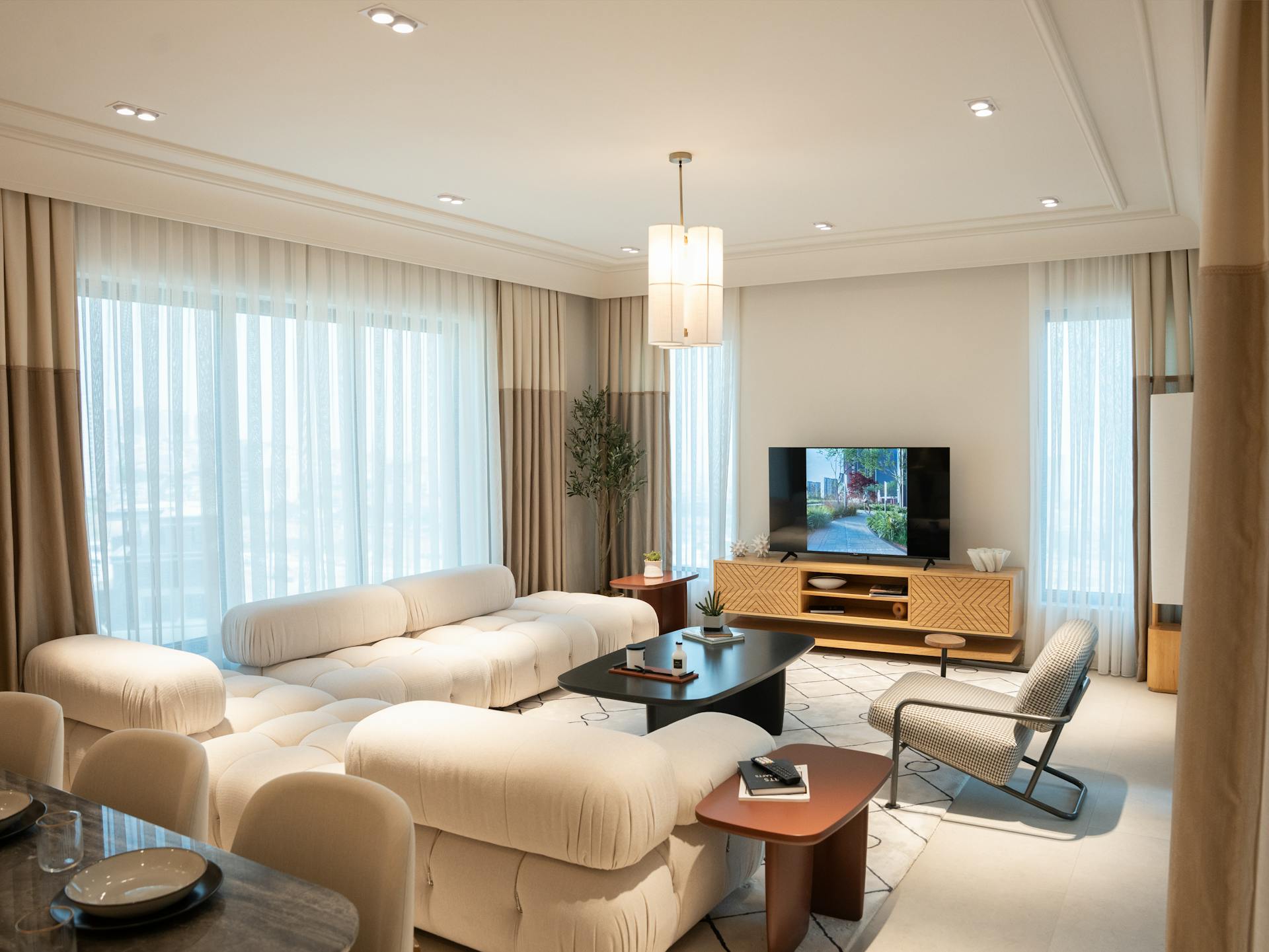
Nature rarely deals in right angles. So, swap out boxy furniture for pieces with smooth edges or curved silhouettes. Add a circular coffee table, an oval mirror, or round cushions to break up harsh lines. Even simple touches—like arched lamps or curved decor—help your room feel more fluid and inviting.
Layer Ambient Lighting For A Gentle Glow
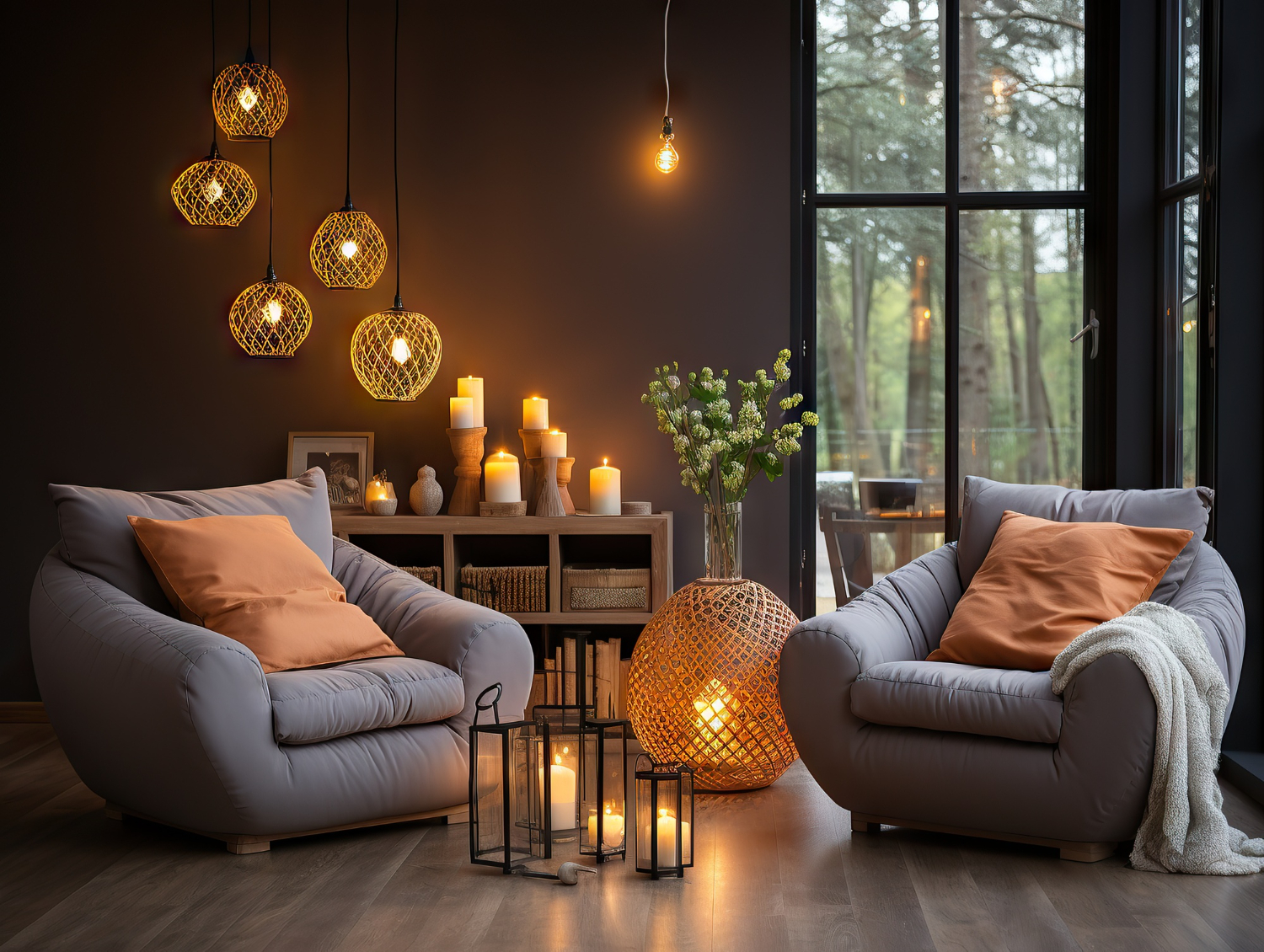
Unlike stark single-source lighting that flattens spaces into submission, layered illumination dances through rooms with artistic grace. That’s why strategic placement of table lights and wall fixtures creates pools of warm, sunset-inspired radiance that deepen spaces.
Keep Open Sightlines Between Key Zones
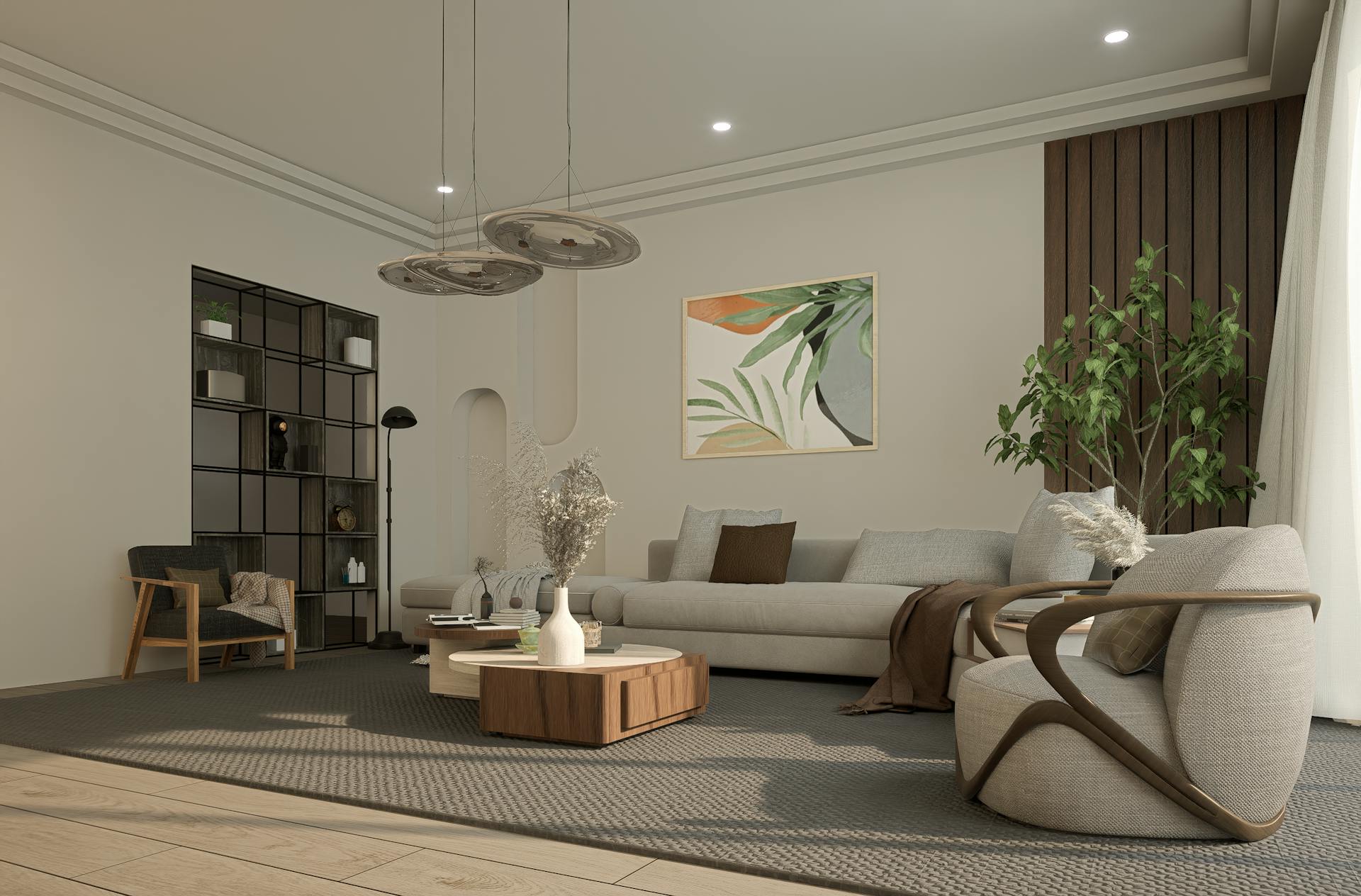
Our brains instinctively equate visual barriers with confinement, which explains why open sightlines between key zones work wonders for our well-being. These unobstructed views dissolve boundaries, fostering a harmonious flow that makes spaces feel more expansive.
Bring In Biophilic Elements That Thrive
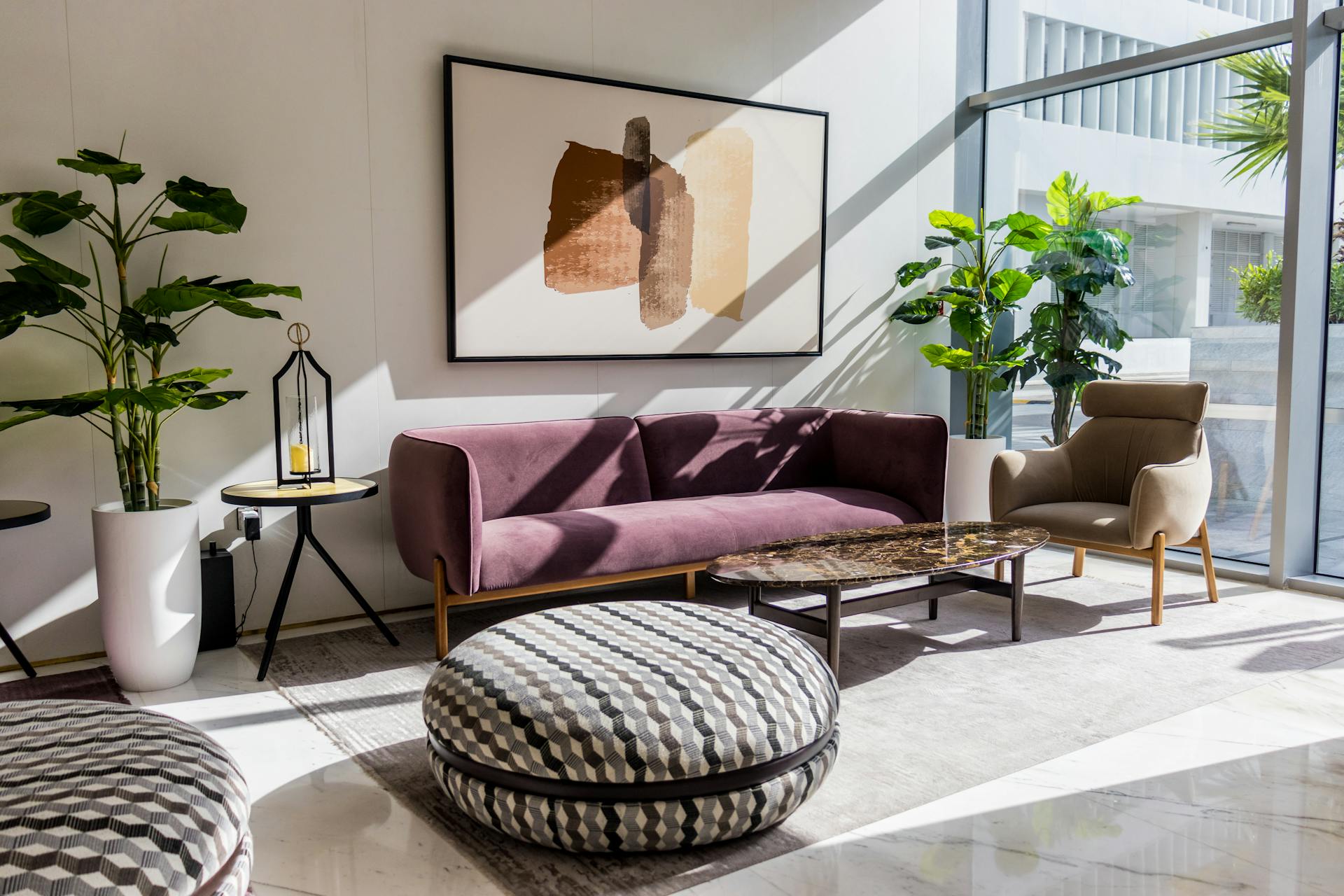
Choose plants that flourish indoors—like peace lilies, pothos, or snake plants—and place them where they’ll catch natural light. Mix different heights and leaf shapes to create visual depth. Add natural textures such as wood or jute to tie everything together and keep the space feeling alive.
Now, here are seven choices that sneak stress right back into your space.
Overhead Lighting That Overpowers The Room
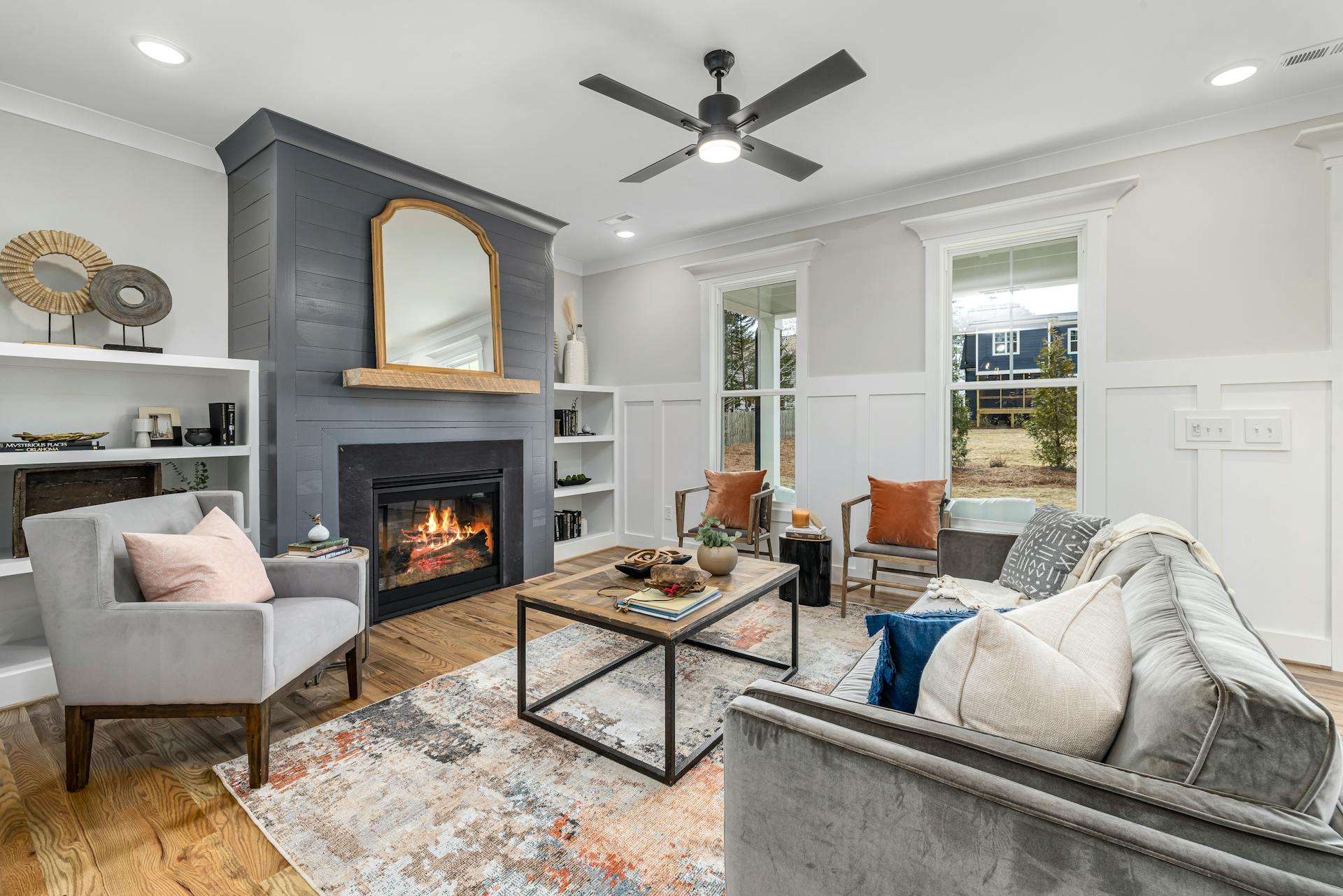
While bright overhead lighting might serve its purpose during productive daytime hours, it becomes problematic as evening approaches. These intense beams, reminiscent of institutional spaces like DMVs, actively disrupt the body's natural sleep-wake rhythm by interfering with melatonin production.
Too Many Patterns Fighting For Attention
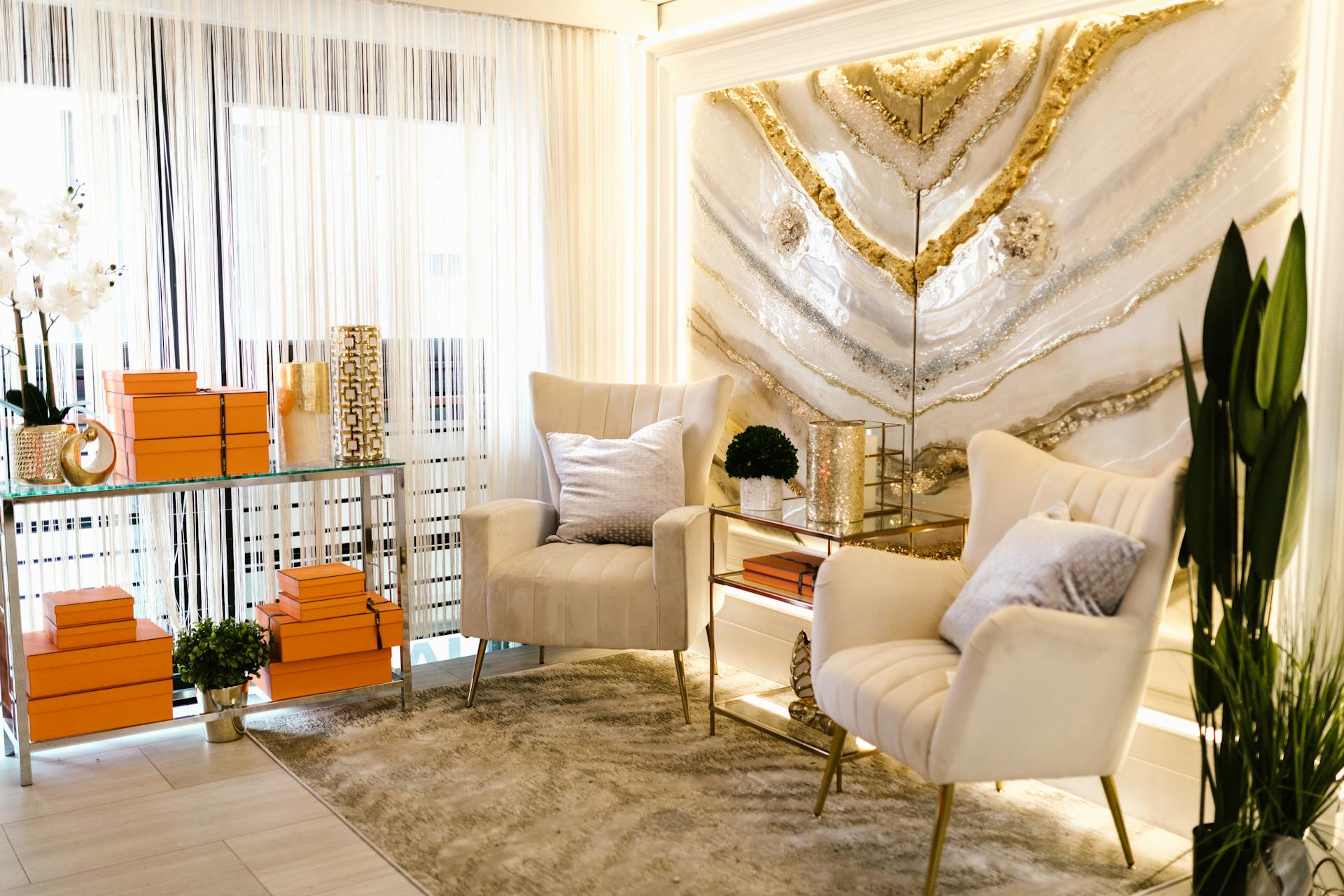
Picture a room where stripes, florals, and geometrics all compete across walls, cushions, and curtains. Each element demands attention, leaving your eyes darting from one pattern to another. The result is visual noise—a space that feels restless, cluttered, and impossible to unwind in.
TVs Turned Into Focal Points Everywhere
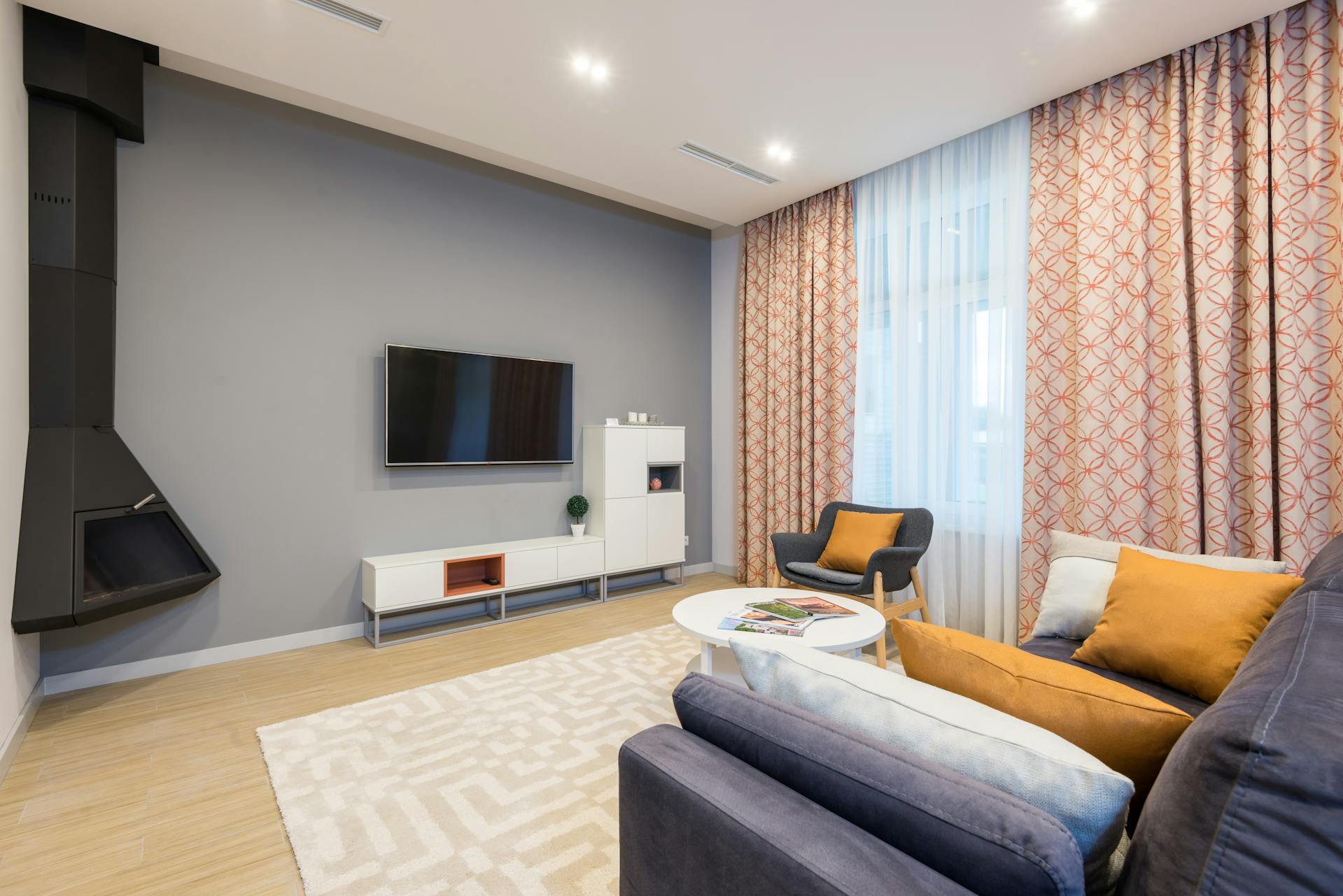
Walk into most living rooms, and the television instantly steals the spotlight. Sofas face it, decor bends around it, and conversations often pause for it. Over time, this unspoken arrangement reshapes how people gather, shifting focus away from connection and toward constant, passive viewing.
Open Storage That Feels Visually Chaotic
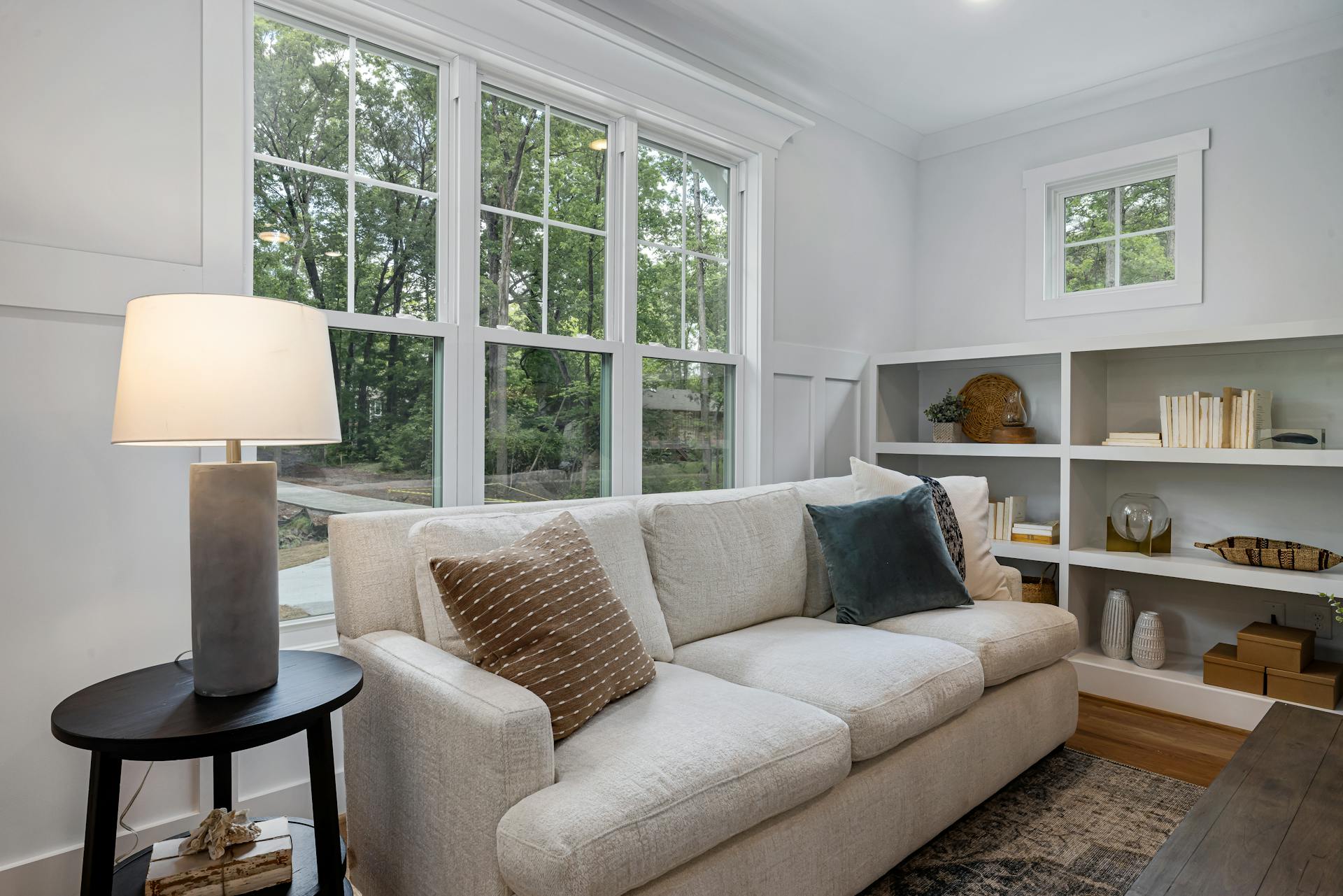
Open shelves start out looking stylish but quickly turn cluttered when every item is on display. Books, dishes, and decor pieces begin competing for attention, turning calm walls into busy backdrops. What once felt airy can soon overwhelm the senses with constant visual noise.
Sharp Furniture Edges In Tight Walkways
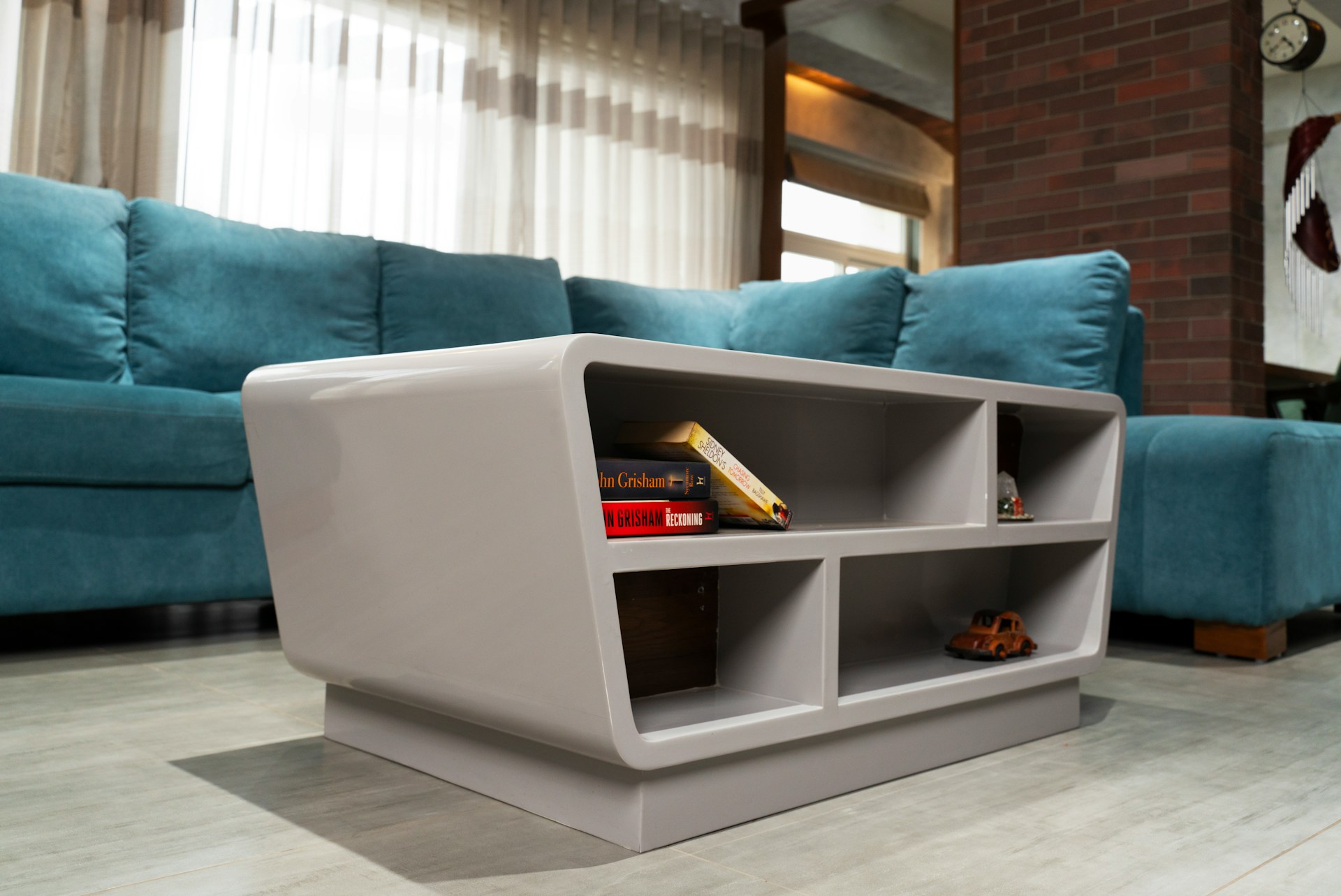
Our primitive brains are hardwired to perceive sharp edges as potential threats, making sharp-cornered furniture in narrow walkways a source of subconscious stress and anxiety. This evolutionary response makes daily navigation feel unsafe and spaces appear more aggressive.
Furniture That Interrupts Natural Flow
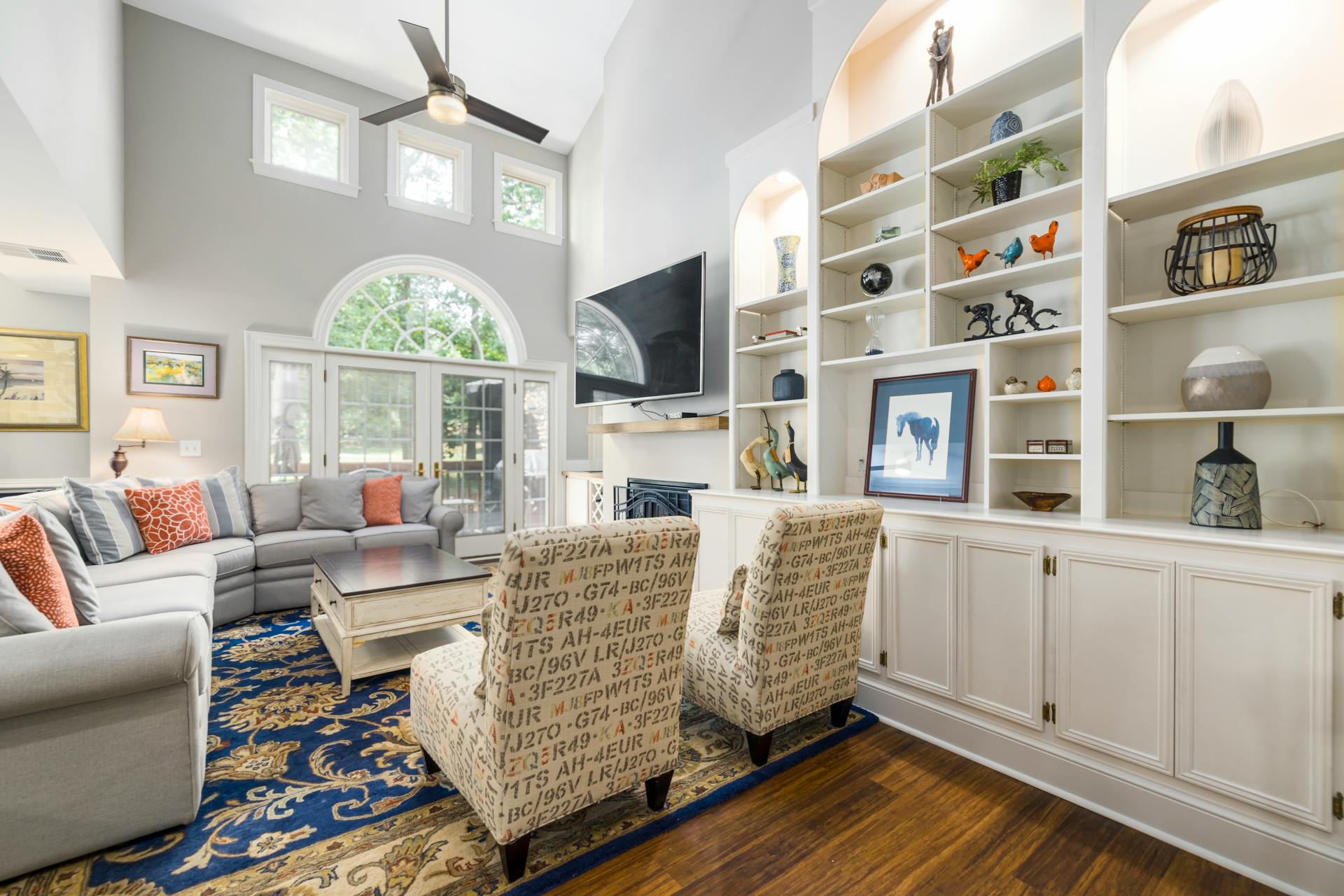
A misplaced sofa, oversized table, or bulky chair can break the natural rhythm of movement in a room. Every step feels obstructed, forcing detours and awkward navigation. Instead of guiding you smoothly through the space, the layout begins to feel unintentionally tense.
No Way For Natural Light
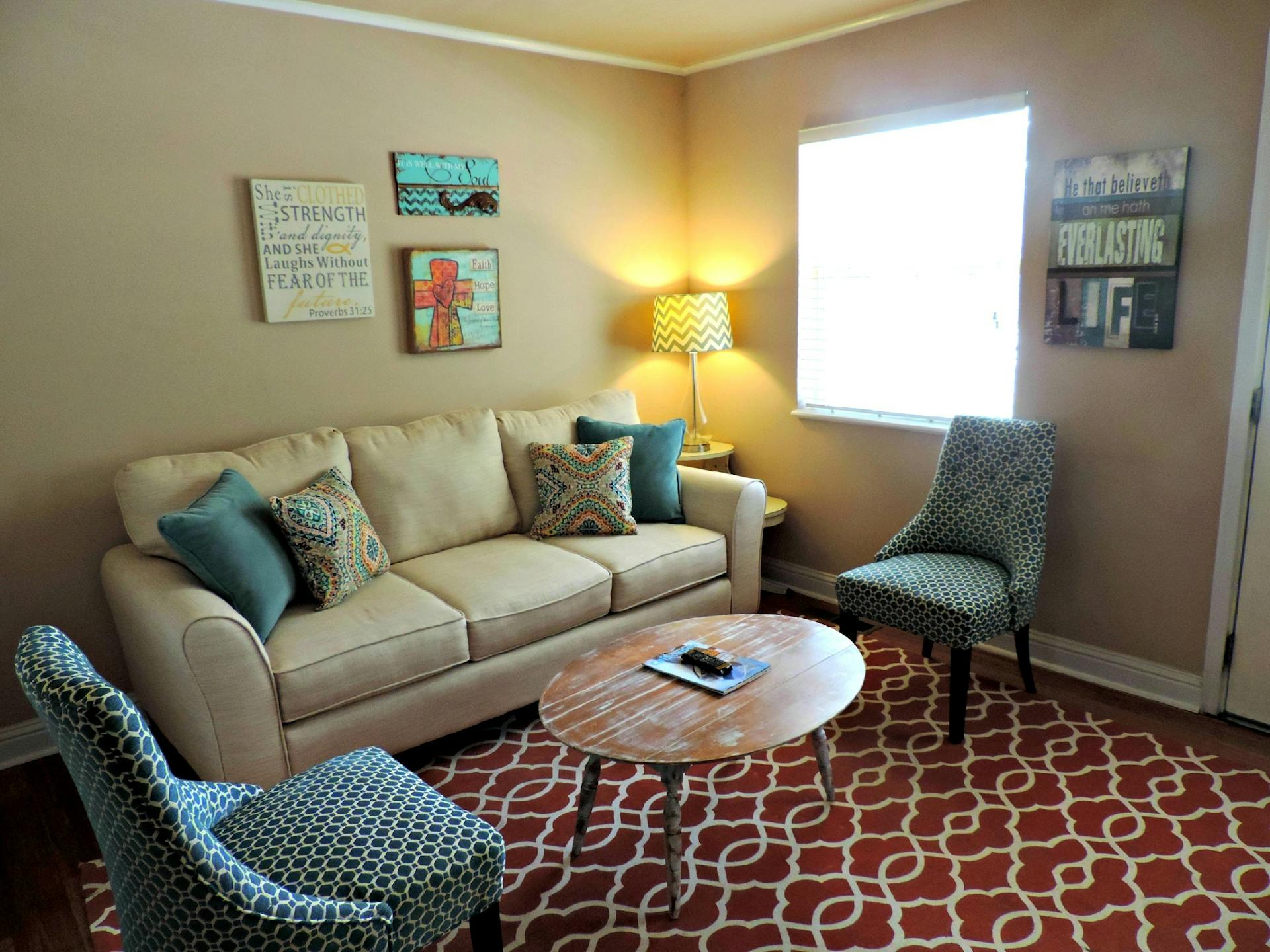
No matter how good your lighting setup is, natural light brings a quality no bulb can match. Rooms without it often feel flat and enclosed, missing that gentle shift of daylight that keeps spaces lively. Without sunlight, even beautiful interiors can lose their warmth and energy.