Sometimes, people buy a car that looks great on paper but turns out to be a glorified snack crumb collector. When it comes to juggling kids, daily commutes, and Costco runs, you know the wrong car can make everyday life feel like a chore.

Sometimes, people buy a car that looks great on paper but turns out to be a glorified snack crumb collector. When it comes to juggling kids, daily commutes, and Costco runs, you know the wrong car can make everyday life feel like a chore.
That’s why choosing the right family car matters more than ever, and in 2025, only a few options make the cut. You want safety, space, comfort, and tech that doesn’t feel like it was coded in 2009. Plus, you want all that without torching your savings.
So, we’ve rounded up the best and worst family cars under $35,000. Read on to dodge the lemons and find the ride that actually fits your life. Let’s look at the top options first.
Subaru Forester: ~$29,995

Subaru’s Forester is the Swiss Army knife of family cars. You get standard all-wheel drive, top safety scores by the IIHS, and a roomy cabin that doesn’t feel like a sardine can. EyeSight driver-assist tech adds an extra layer of protection without the luxury markup.
RAV4 Hybrid: ~$33,500
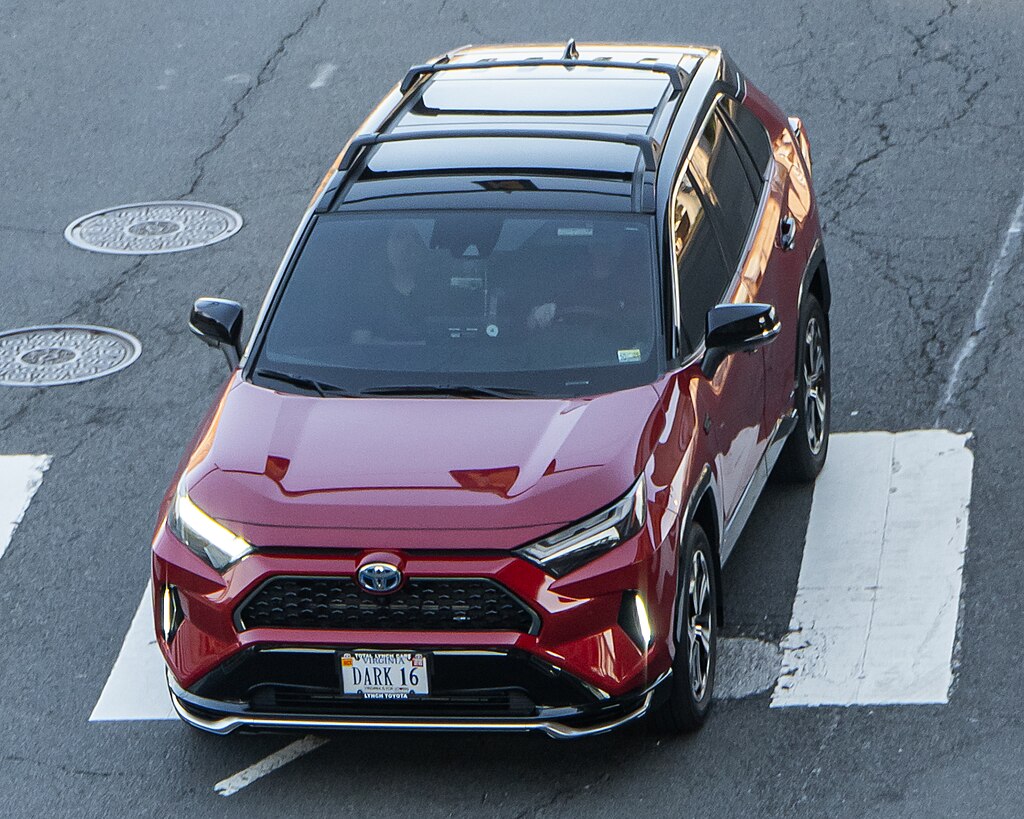
This SUV makes gas stations feel optional. The RAV4 Hybrid is a fuel-sipping machine with around 40 mpg combined. It has Toyota Safety Sense 3.0, a spacious cargo hold, and enough tech to keep your family safe and entertained.
Honda CR-V: ~$32,950
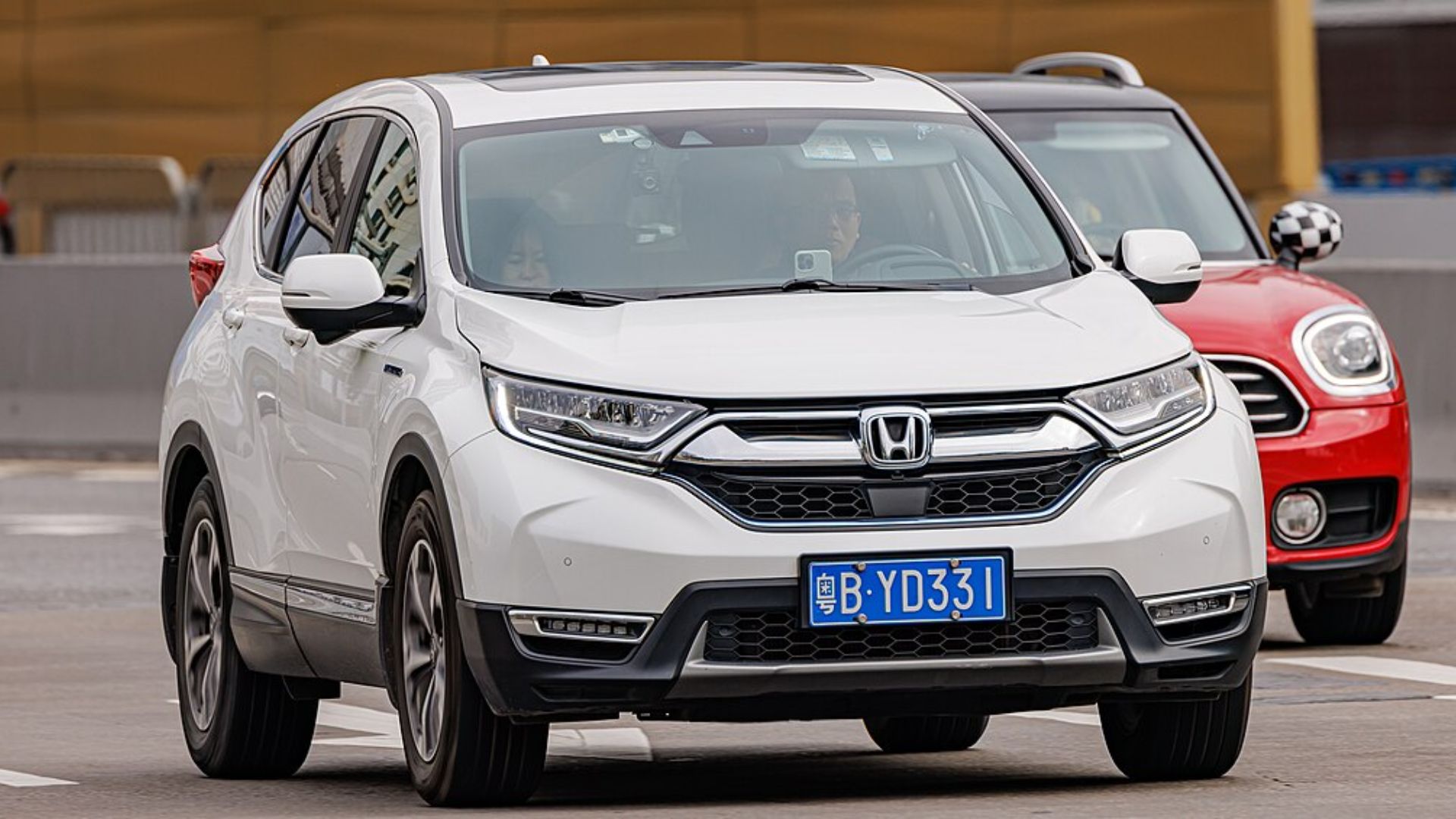
Call the CR-V the smooth operator of the bunch. It’s built for families who want comfort without compromise. The car handles like a dream, offers 76.5 cubic feet of cargo space, and packs the Honda Sensing suite for smarter driving.
Ford Maverick Hybrid: ~$26,995
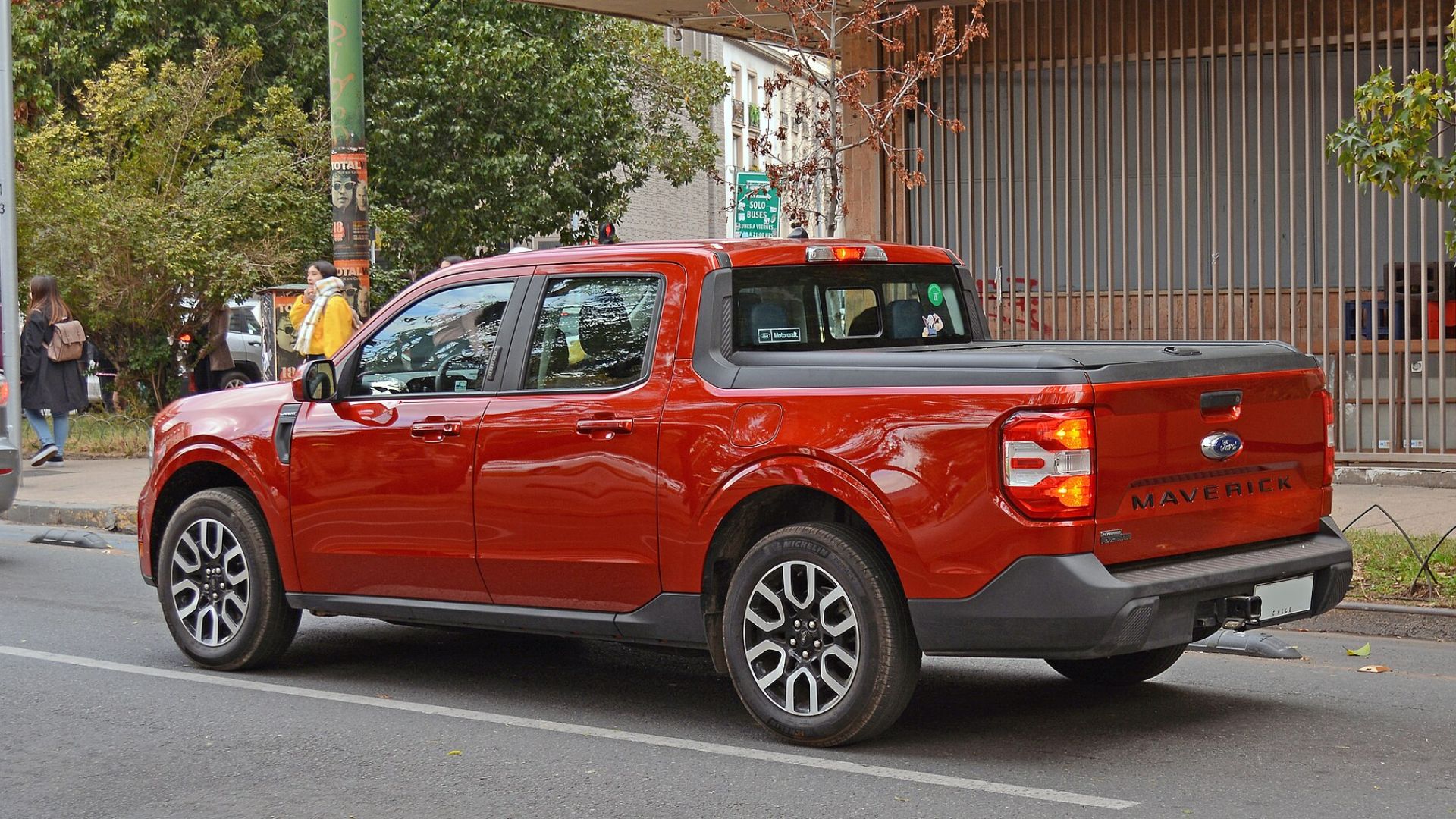
Maverick Hybrid is a compact truck that moonlights as a family hauler. It seats five, gets 37 mpg combined, and costs less than most sedans. Whether you’re hauling mulch or soccer gear, this hybrid’s got your back.
Mazda CX-50: ~$30,300
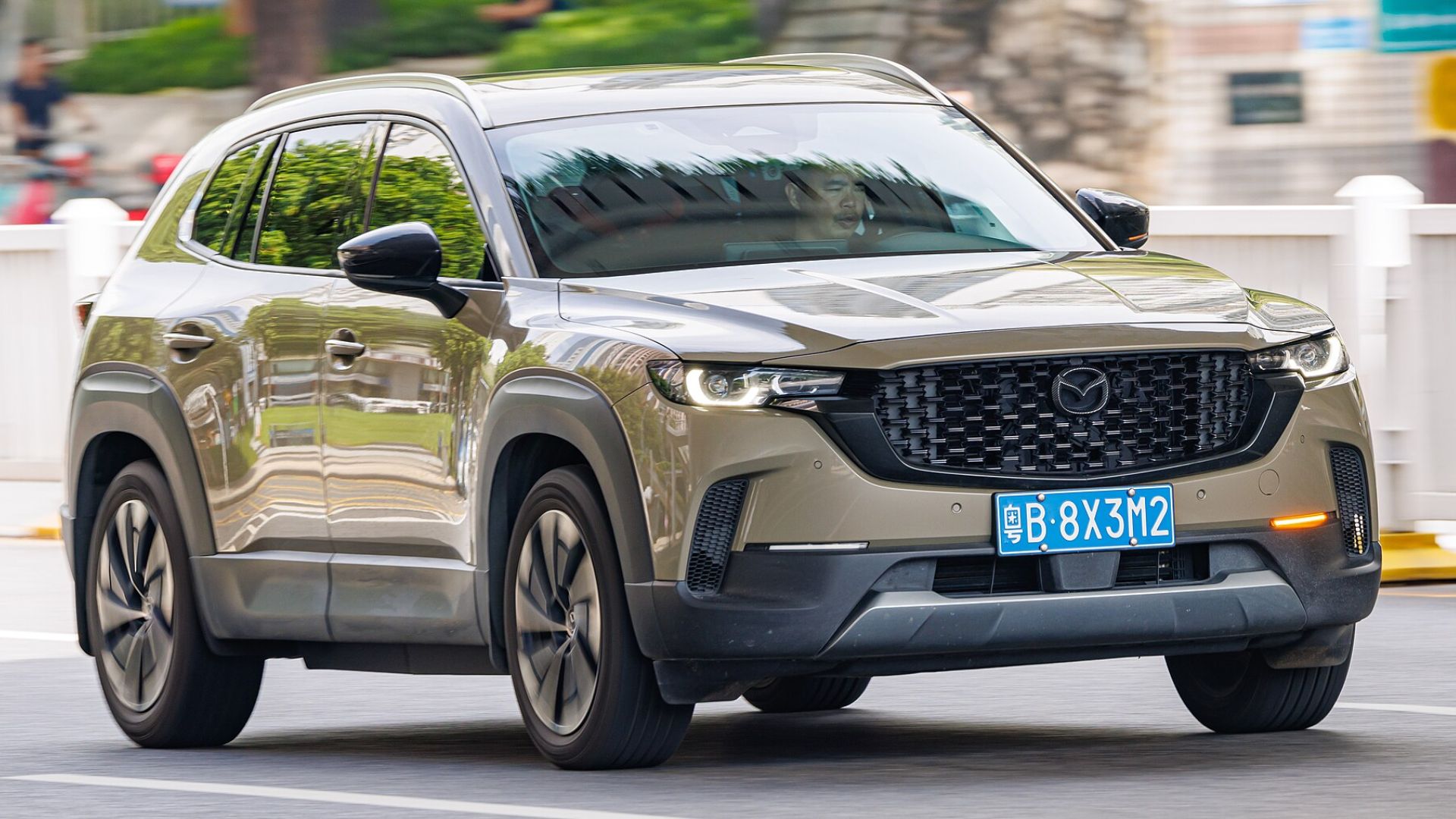
The CX-50 brings style and substance. You get a premium interior, sporty handling, and optional AWD for weekend escapes. If you want a family car that doesn’t scream “parent taxi,” this one whispers “cool and capable.”
Hyundai Sonata Hybrid: ~$30,000
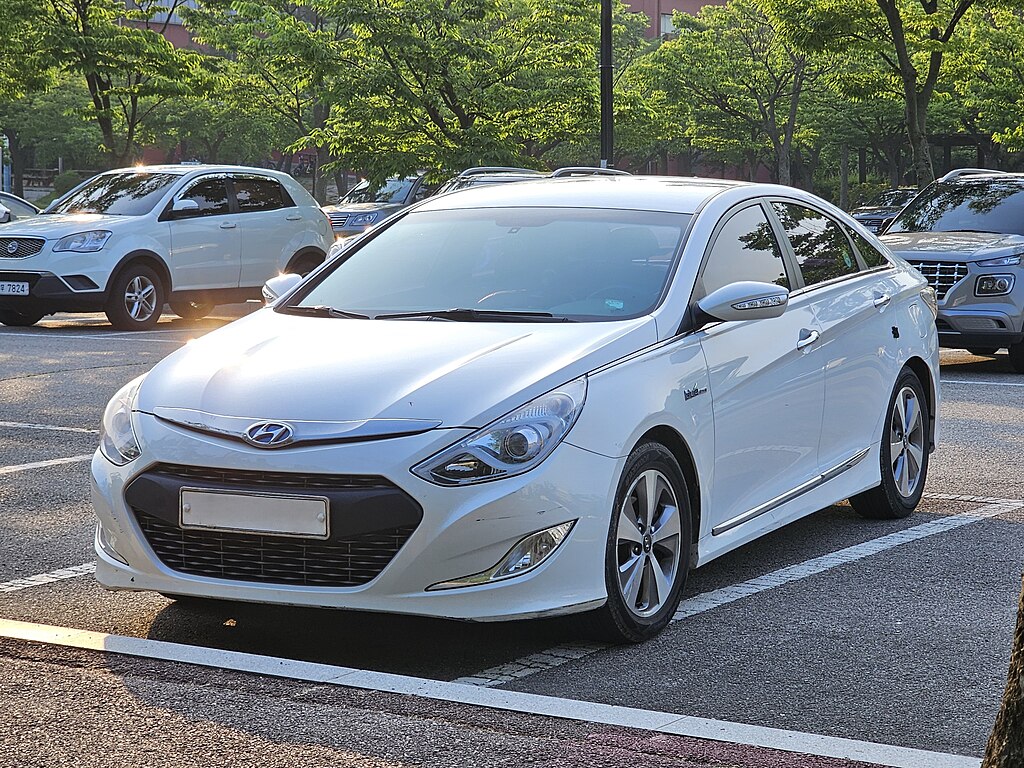
Sonata Hybrid is a sedan that stretches its legs. It offers a roomy back seat, a tech-forward dashboard, and up to 54 mpg highway. It’s perfect for long drives, short errands, and everything in between.
Chevrolet Trax: ~$20,500
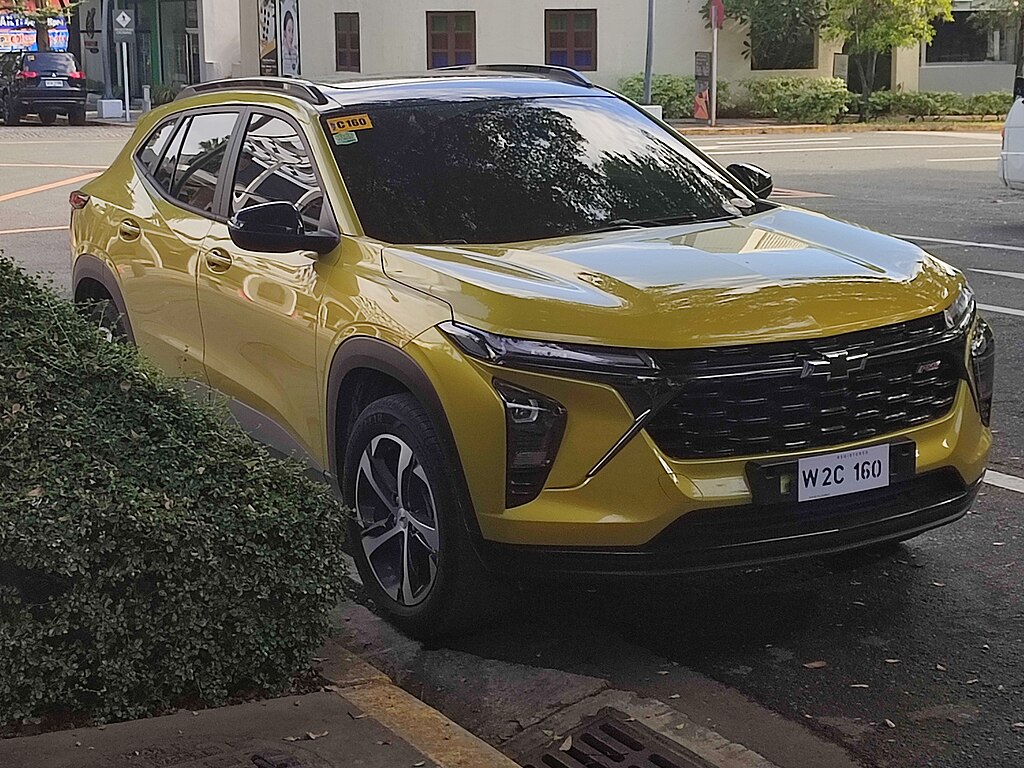
Trax got a glow-up for 2025. It’s now roomier, techier, and still budget-friendly. The upgrades are not flashy, but functional—and that’s what counts when you’ve got car seats, backpacks, and a dog that thinks he owns the back row.
Now, let’s take a look at the budget cars you might want to steer clear of.
Mitsubishi Mirage: ~$17,650
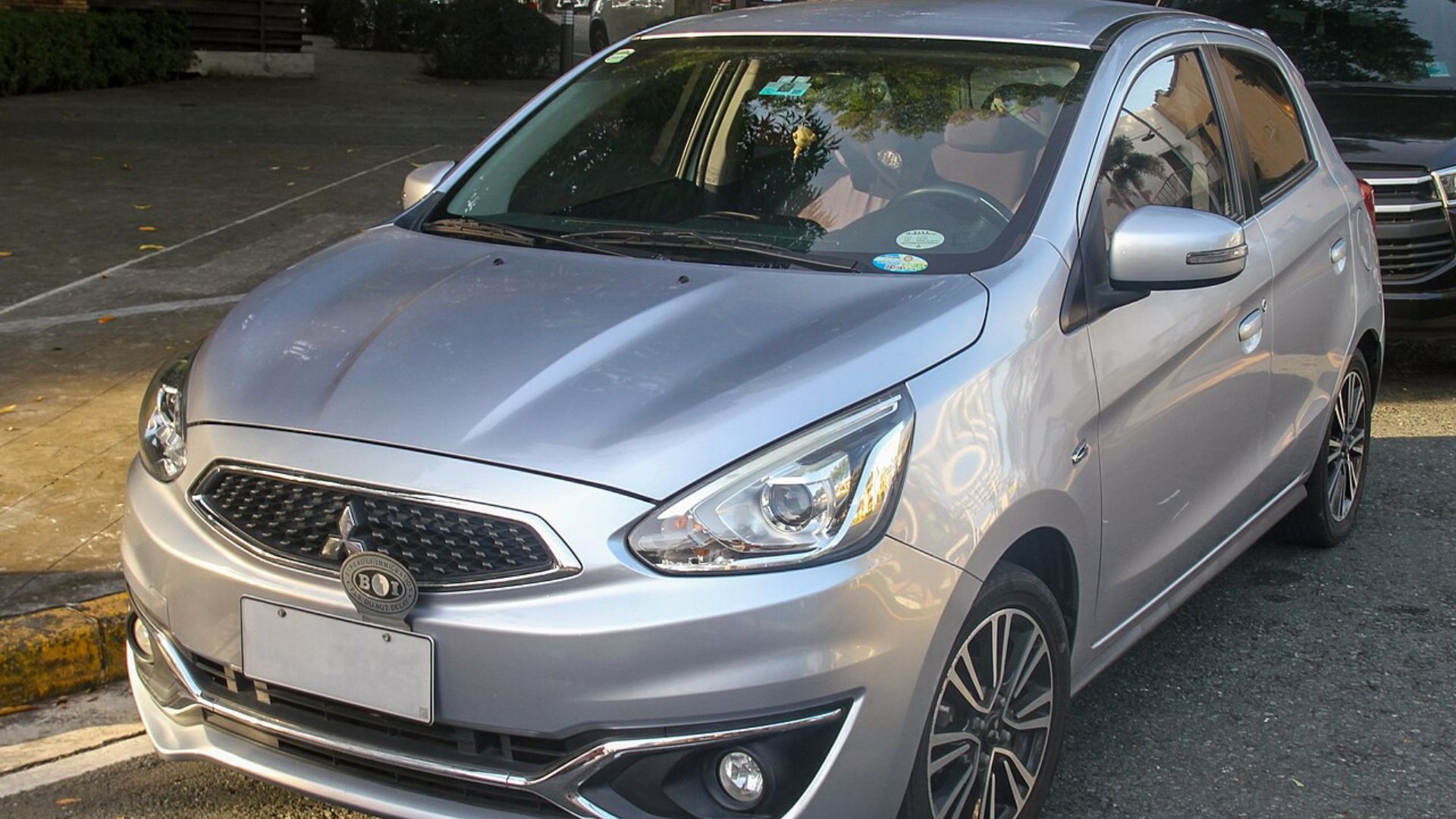
The Mirage produces just 78 horsepower, one of the least powerful new cars sold in the U.S. per the IIHS. It earned a Marginal rating in the small overlap front crash test and Poor for lower leg/foot protection. While it’s affordable, its safety and performance fall short for family use.
Jeep Renegade: ~$25,445
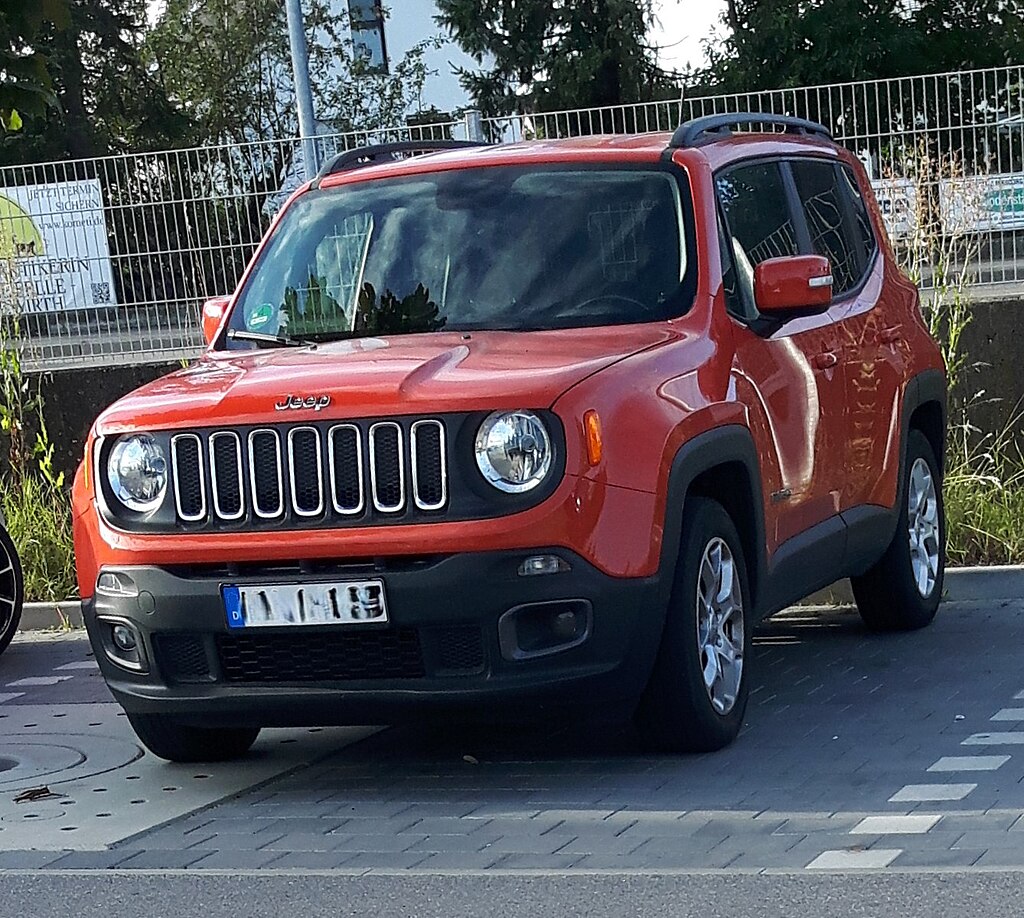
This one looks rugged, but it’s not built for everyday family comfort or efficiency. The Renegade’s 23 mpg city / 29 mpg highway fuel economy is rough for a compact SUV. Rear legroom sits at 35.1 inches, and Consumer Reports has flagged it for inconsistent reliability.
Nissan Versa: ~$18,330
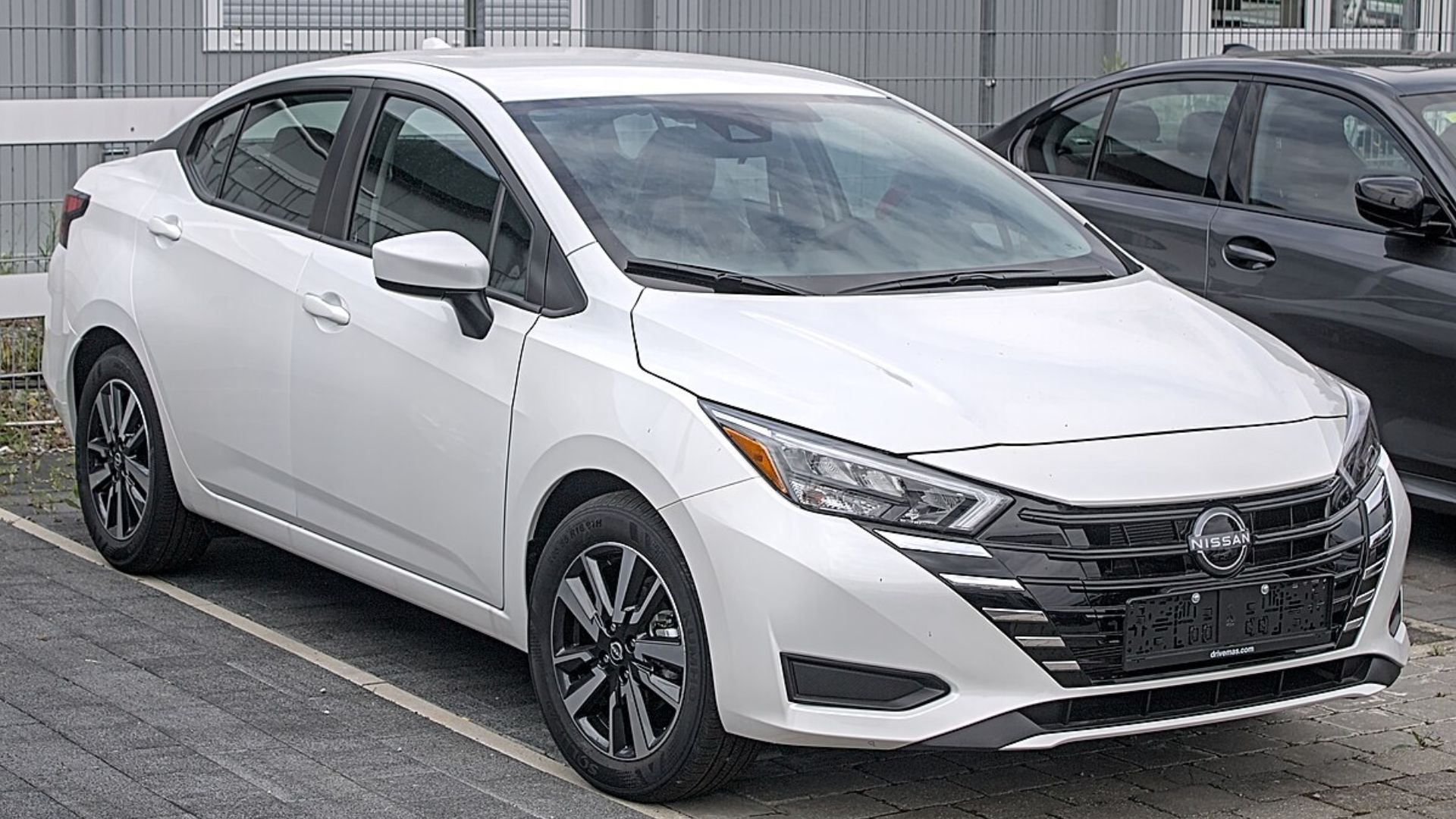
Even with standard safety features like lane departure warning and rear automatic braking, the Versa has mixed crash test results. The IIHS rated it Acceptable in the small overlap front test. Moreover, it feels sluggish on the highways and has tight legroom.
Kia Rio: ~$17,875
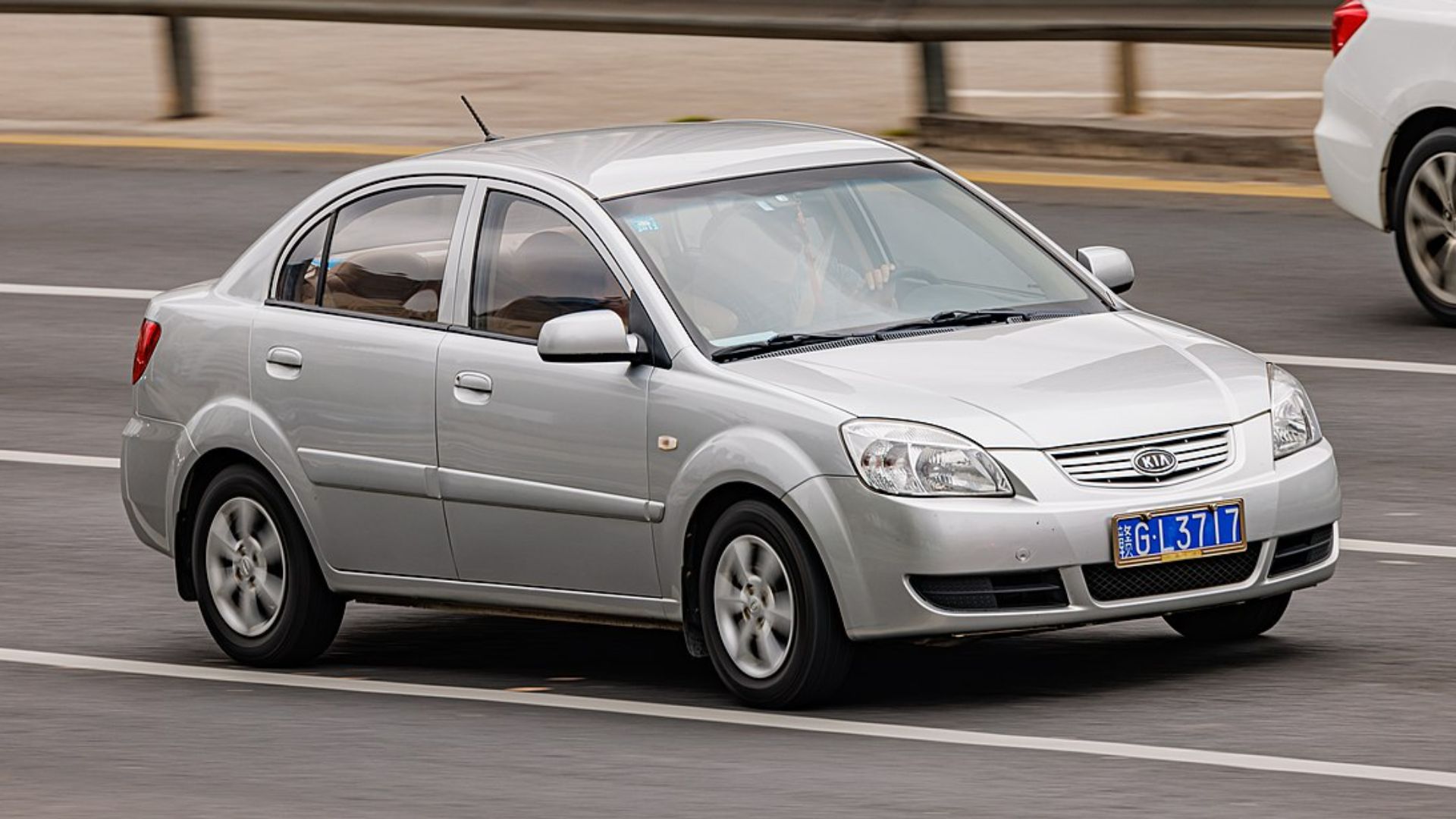
The Rio’s 120-hp engine won’t thrill anyone, and its 33.5 inches of rear legroom makes backseat battles inevitable. It also lacks advanced safety tech like adaptive cruise or lane centering, and its 13.7 cubic feet trunk barely fits a week’s worth of groceries.
Hyundai Accent: ~$9,000 – $12,000
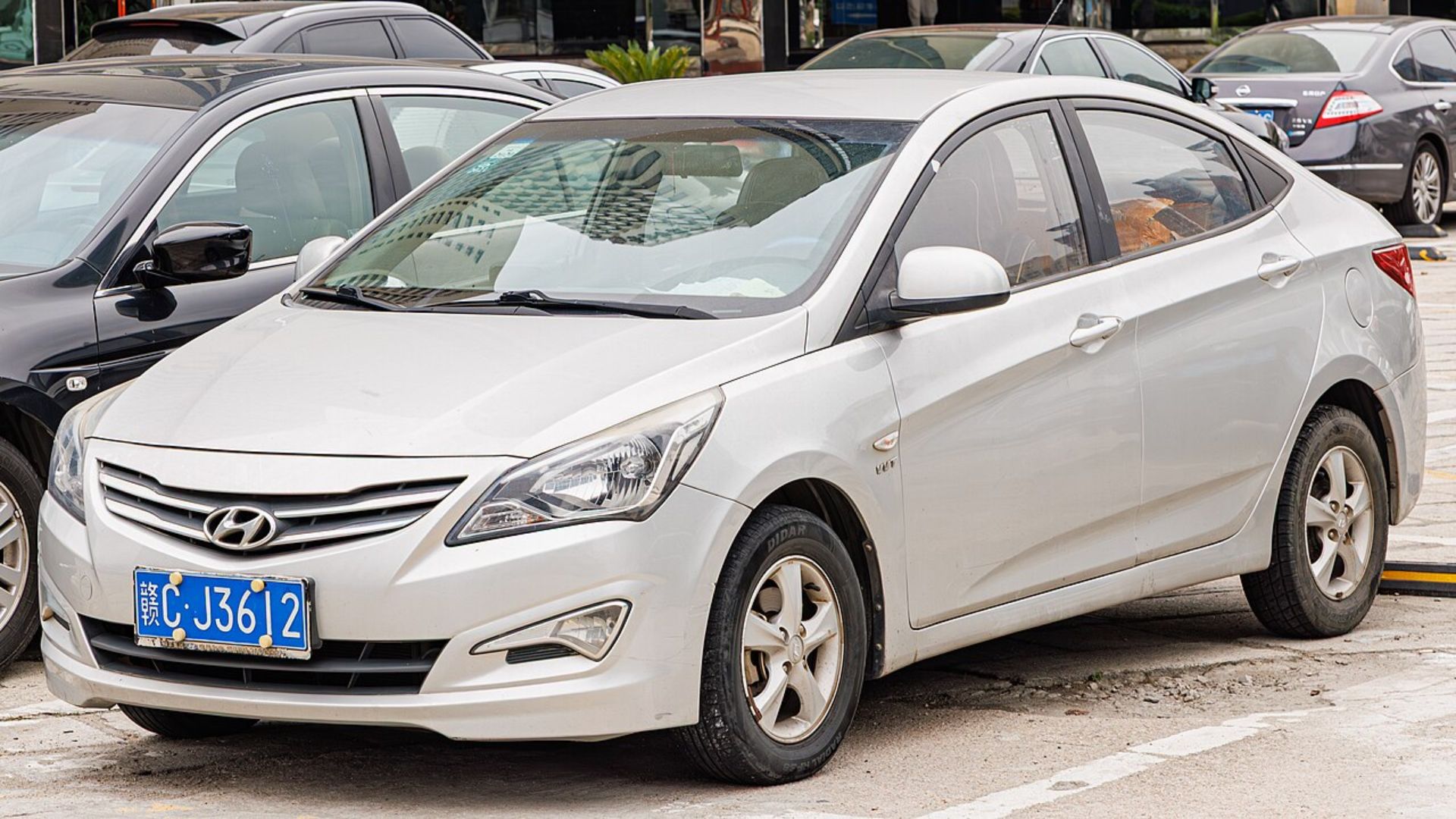
This once beloved ride is fading from the scene, and for good reason. The Accent has barebones features and resale value that’s nothing to brag about. Its 130-hp engine is fine for solo drives, but it’s been discontinued in the U.S. since 2022, making it a risky buy for long-term support.
Fiat 500X: ~$27,400
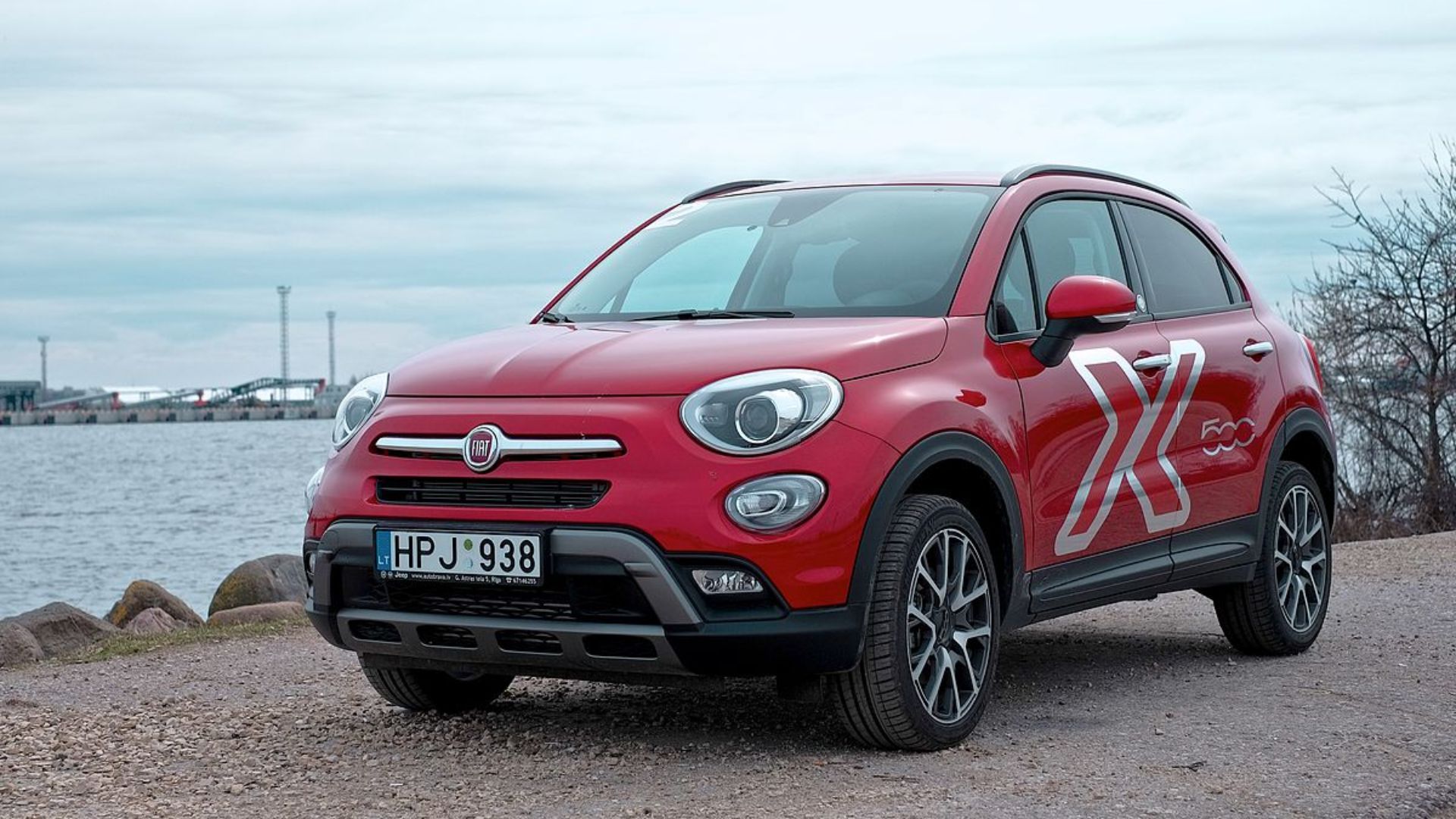
It looks cute, but that’s just it. Looking at Consumer Reports data, the 500X has a long history of reliability issues and a cramped back seat. It’s also pricier than it should be for what you get. Think of it as the espresso shot of family cars: small, jittery, and not for everyone.
Chevrolet Spark: ~$8,000 – $11,000
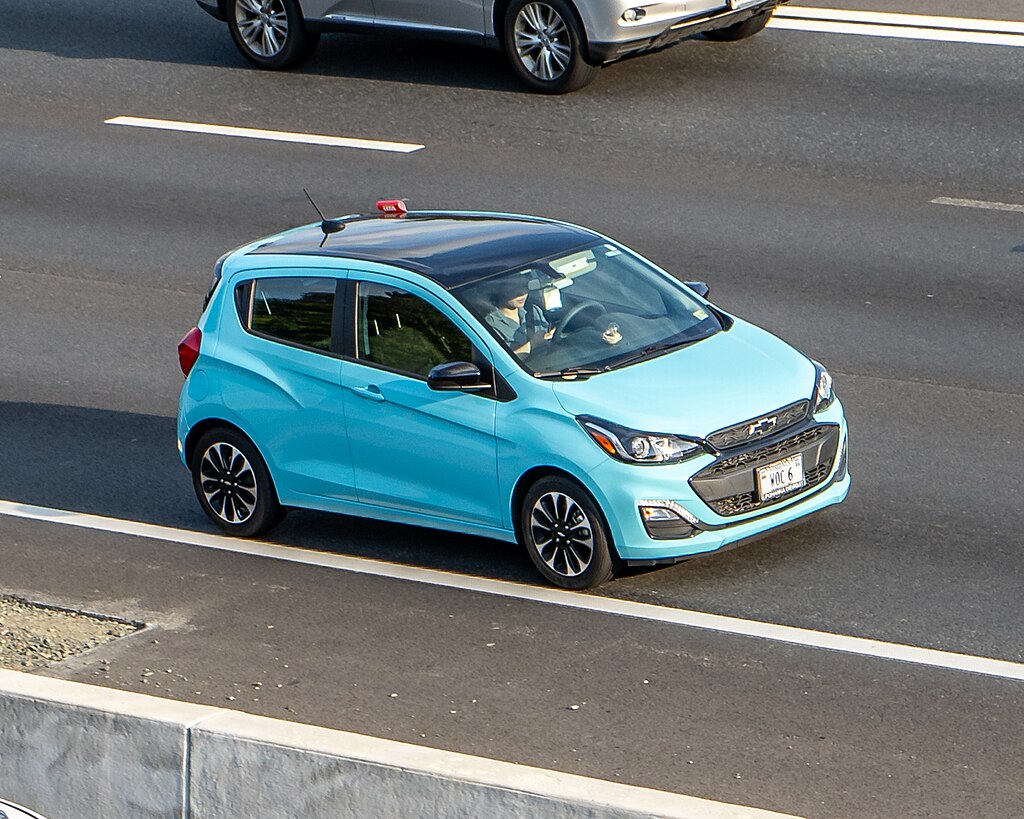
The Spark’s 98-hp engine struggles on highways, and its 11.1 cu ft of cargo space barely fits a stroller. It was discontinued after 2022, meaning parts and support will only get scarcer. The IIHS also gave it a Poor rating in side crash tests—not recommended for family safety.