History leaves us traces of human aspirations to freedom, equality and justice. It brings to life the uprisings of peoples driven by the conviction that change is possible, but, above all, that it is sometimes necessary to fight for it. These political revolutions reshaped entire nations, toppled regimes and redefined the contours of power. Yet for every successful revolution, how many others have failed, their ideals shattered, their leaders imprisoned or executed? This slideshow explores 7 landmark political revolutions that succeeded… and 7 that failed, despite their fervor. So, nuance is essential when it comes to judging the complexity of revolutionary dynamics.
History leaves us traces of human aspirations to freedom, equality and justice. It brings to life the uprisings of peoples driven by the conviction that change is possible, but, above all, that it is sometimes necessary to fight for it. These political revolutions reshaped entire nations, toppled regimes and redefined the contours of power. Yet for every successful revolution, how many others have failed, their ideals shattered, their leaders imprisoned or executed? This slideshow explores 7 landmark political revolutions that succeeded... and 7 that failed, despite their fervor. So, nuance is essential when it comes to judging the complexity of revolutionary dynamics.
The English Revolution (1640-1688)
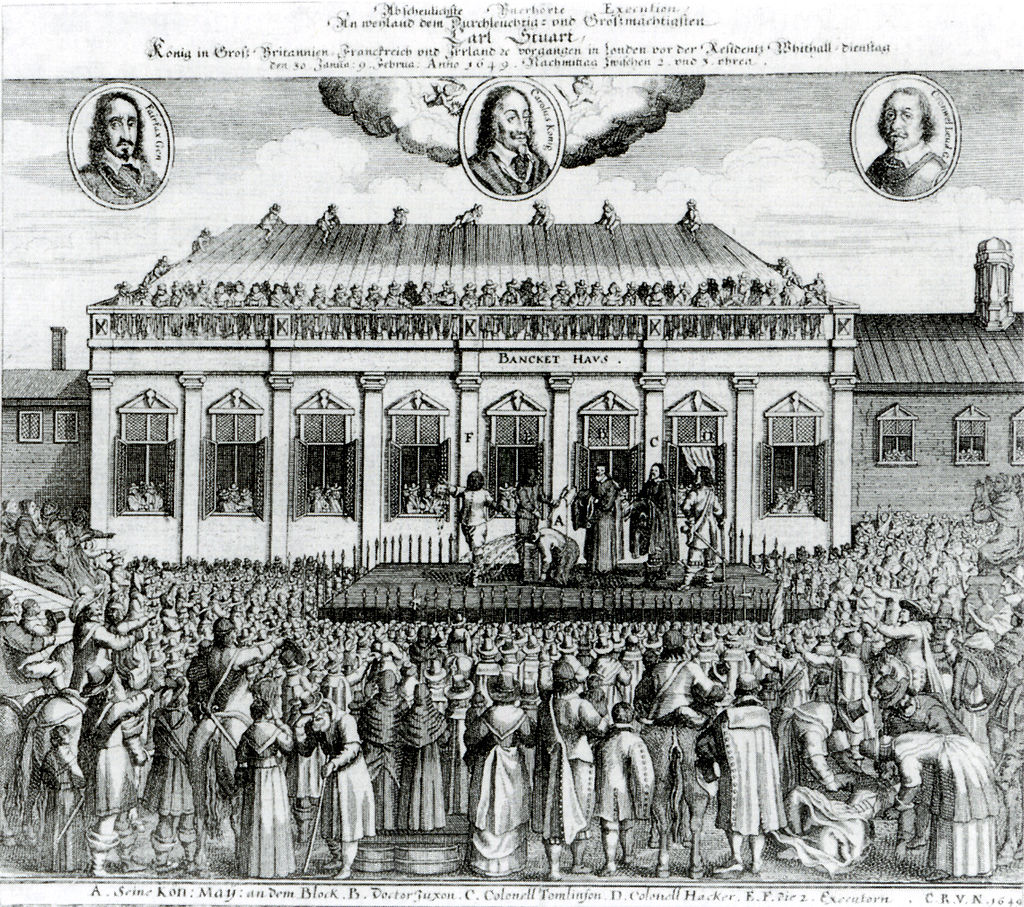
This period transformed royal power in England, whose authority was greatly diminished by its end. During the Civil War (1642 to 1651), King Charles I was executed and the monarchy abolished. This was followed by the Commonwealth of England, led by Cromwell. James II restored the monarchy before launching a peaceful revolution, known as the Glorious Revolution, and being replaced by William III of Orange and the constitutional monarchy.
The American Revolution (1775-1783)
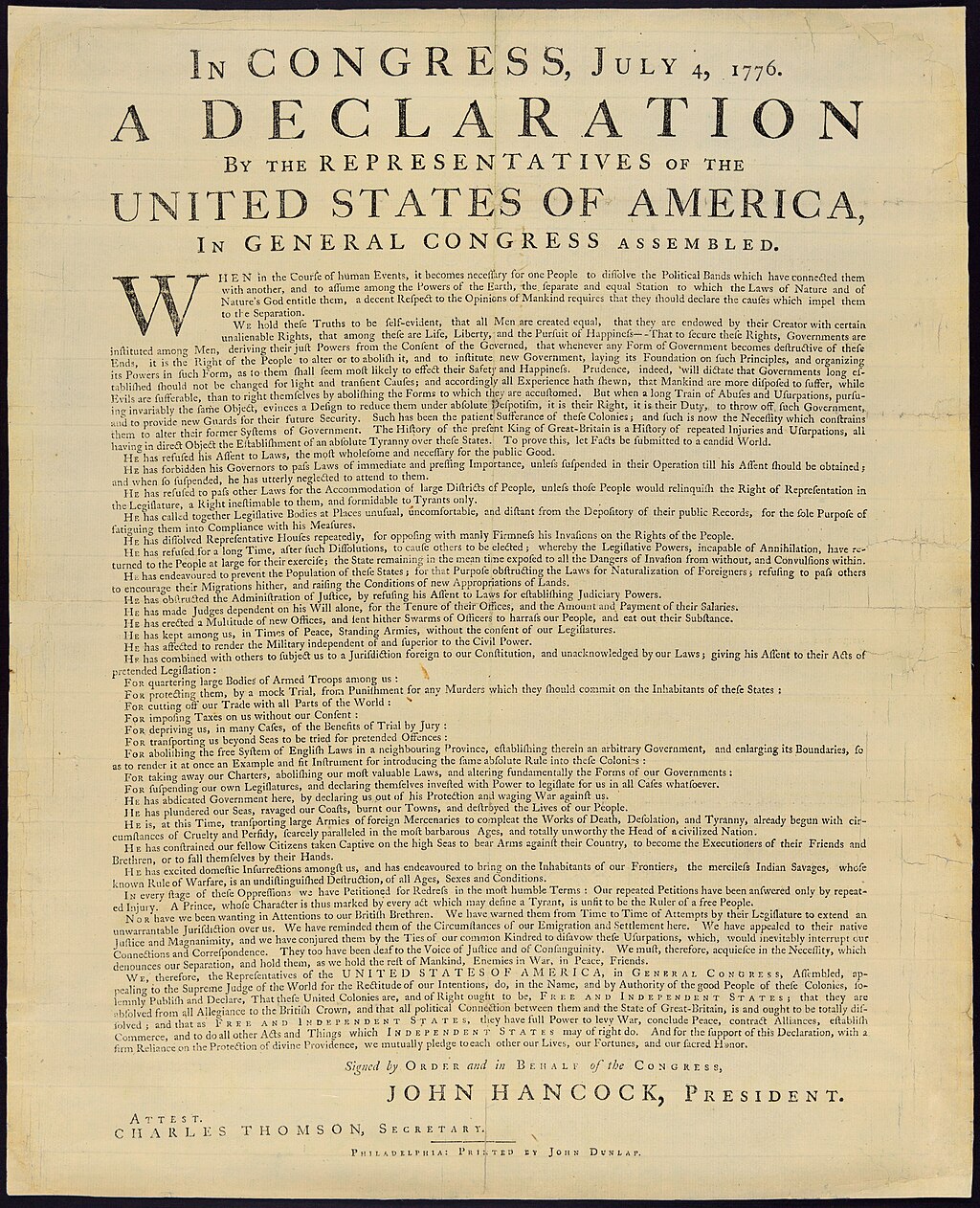
The thirteen American colonies rise up against British rule, demanding "no taxation without representation". Inspired by the Enlightenment, this struggle for independence led to the creation of the United States. The Declaration of Independence of 1776 was the founding act, laying the foundations for a modern democracy and a republican constitution.
The French Revolution (1789-1799)
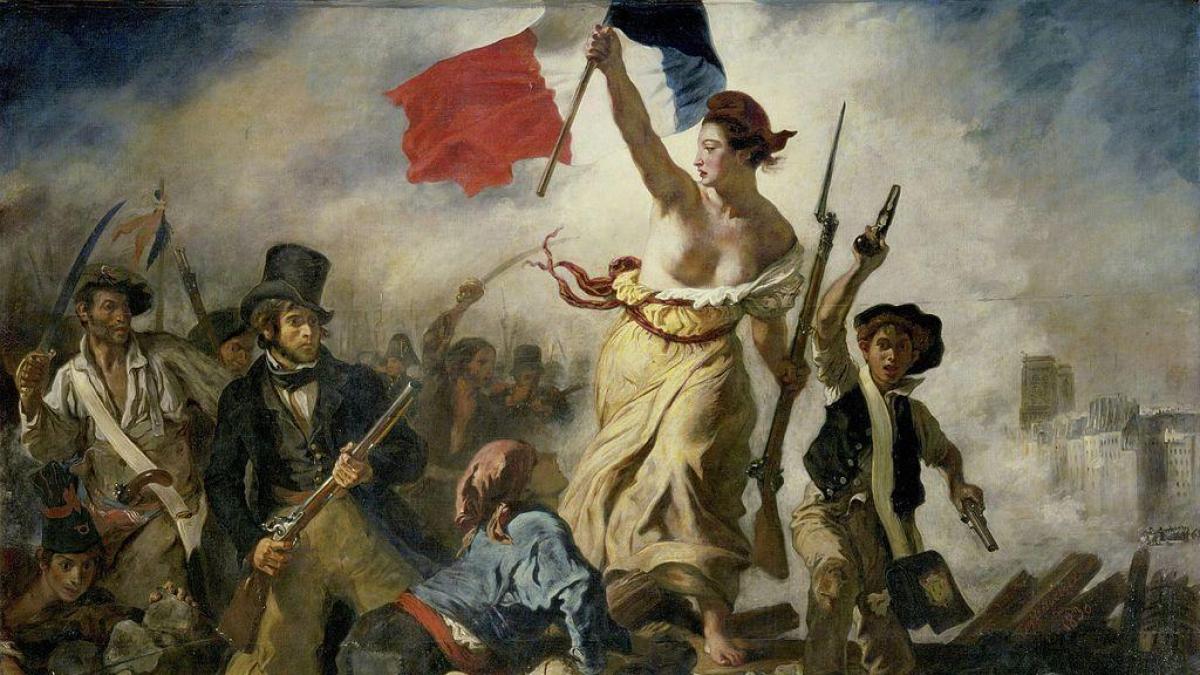
This major upheaval put an end to the Ancien Régime in France. The people fought against absolute monarchy and social inequality, the Revolution having abolished privileges. The French motto "Liberté, égalité, fraternité" was adopted. Although interspersed with violent episodes and Napoleonic battles, it left a lasting legacy that laid the foundations for modern human rights.
The Revolutions of 1848 (The People's Spring)
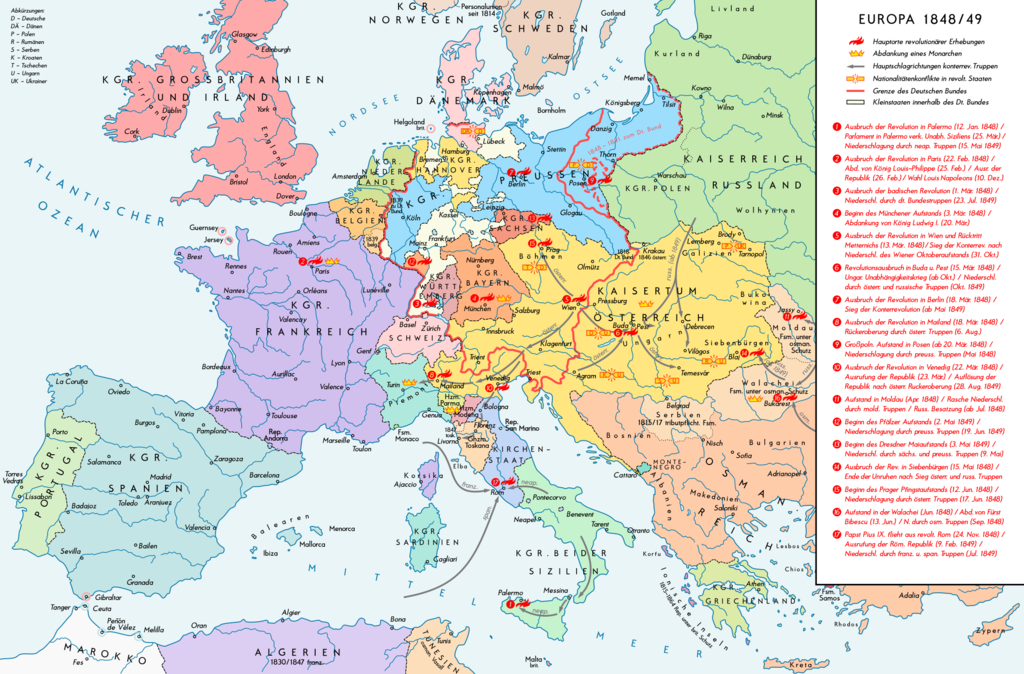
This succession of uprisings shook Europe, driven by liberal and nationalist tendencies calling for a constitution, freedom of the press and autonomy. In France, the revolt led to the Second Republic. Although many of these revolutions were stifled, they sowed the seeds for the future. They reveal the strengthening of democratic ideals and the desire for national unity.
5. The Mexican Revolution (1910-1920)
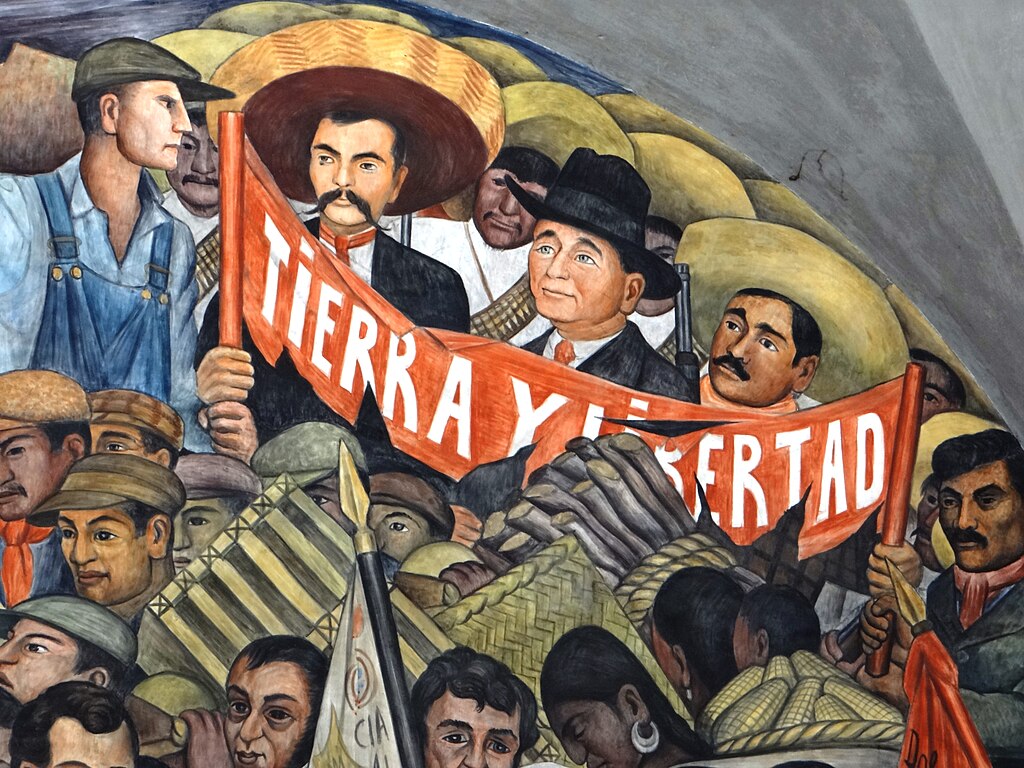
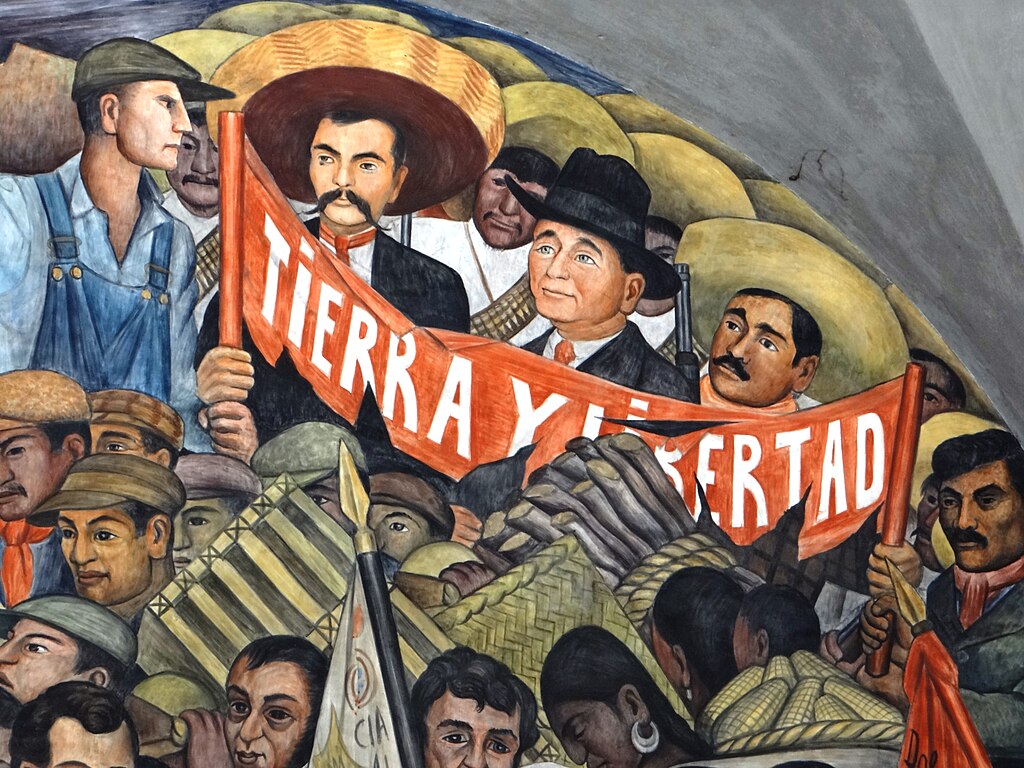
It was a devastating armed conflict born of protest against the dictatorship of Porfirio Díaz. It was aimed at agrarian reform and social justice, while emblematic figures such as Zapata and Villa emerged. Despite the chaos, it led to the progressive Constitution of 1917, which guaranteed important rights. It forged modern Mexico and profoundly marked its national identity.
The Russian Revolution (1917)
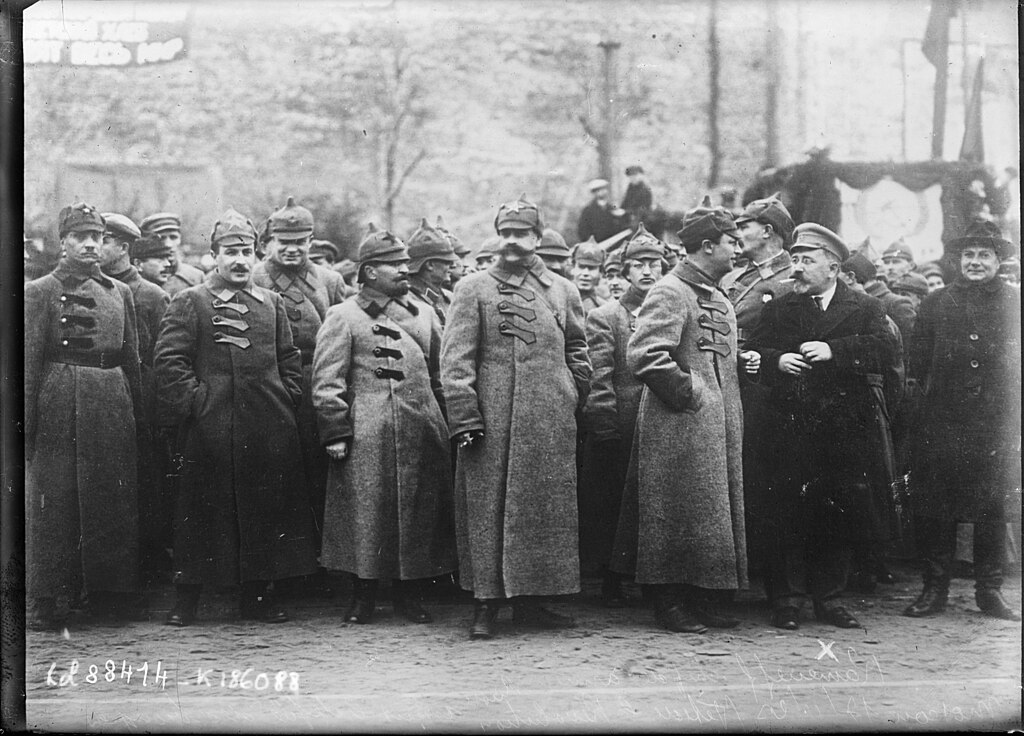
This revolution transformed Russia in two stages. The February Revolution overthrew the Tsarist regime. Then, in October, Lenin's Bolsheviks seized power, establishing the first socialist state. This event had a colossal global impact: it inspired communist movements and marked the beginning of the Soviet era, which would redefine geopolitical balances for decades to come.
The Cuban Revolution (1953-1959)
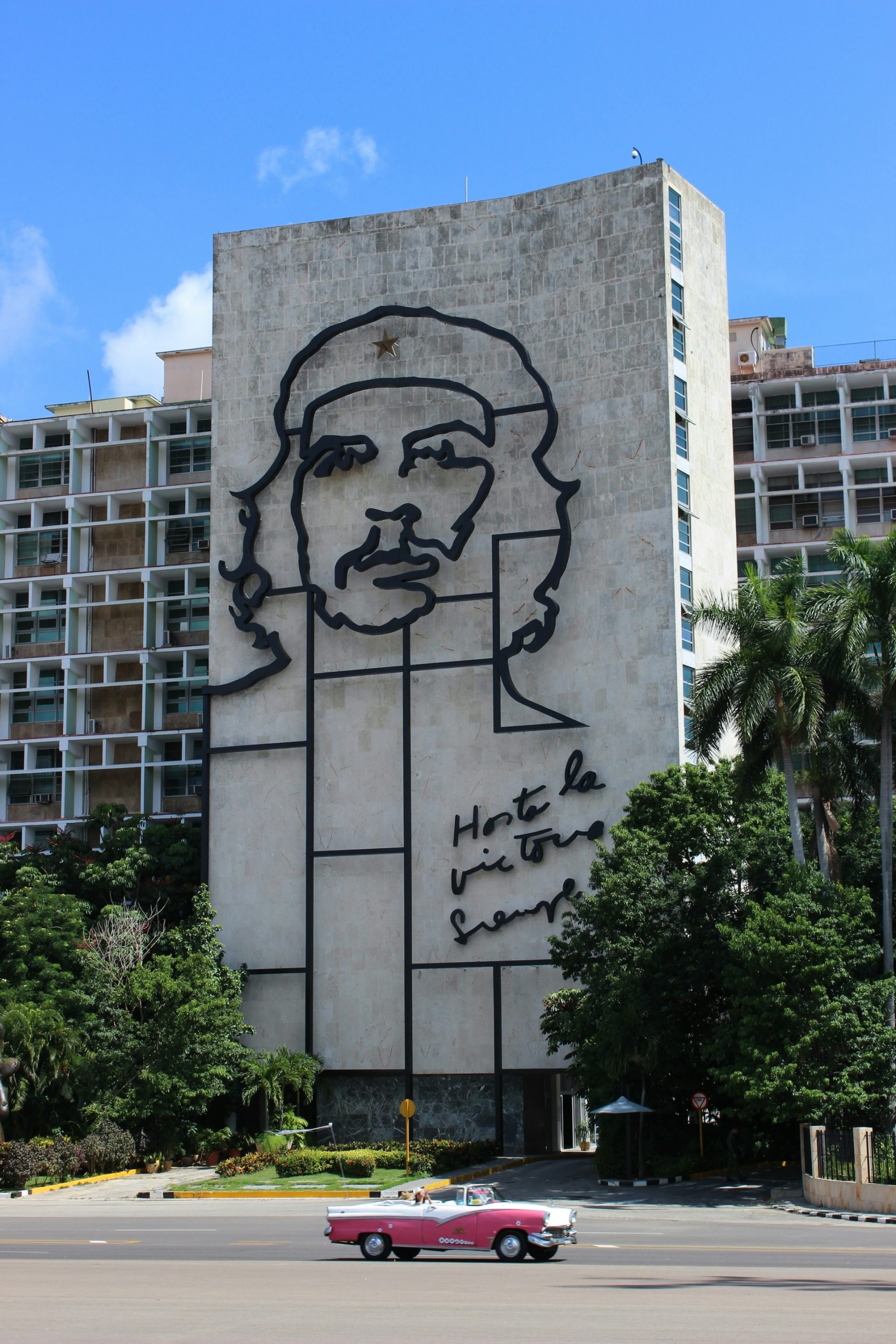
this guerrilla movement overthrew the Batista dictatorship, under the aegis of Fidel Castro and Che Guevara. Starting in the Sierra Maestra, the July 26 Movement won widespread popular support. The revolutionaries' victory established a communist regime in Cuba, defying the United States. It became a symbol for other liberation movements in Latin America.
The Rustaud revolt (Germany, 1524-1525)
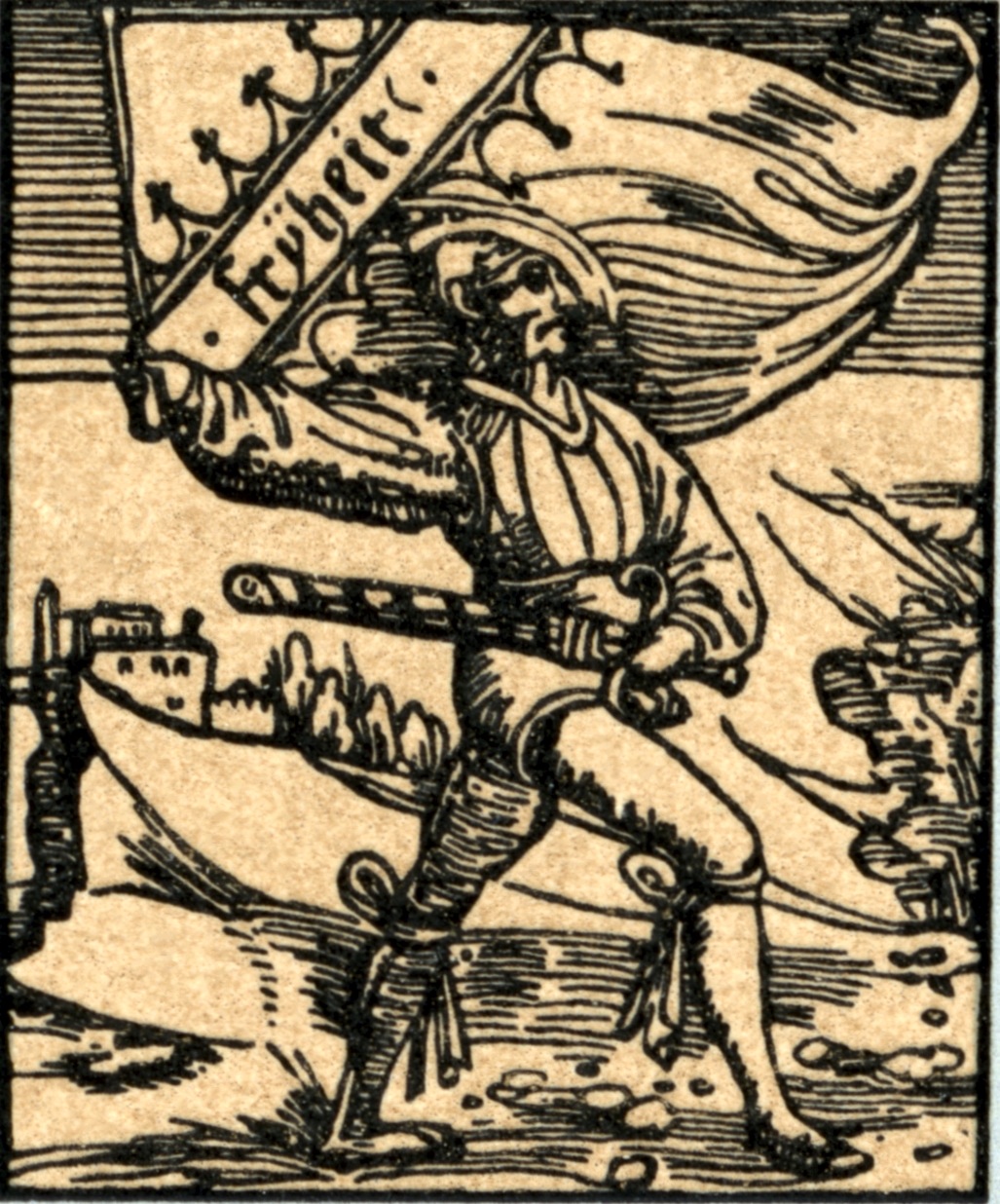
also known as the "Peasants' War", this peasant revolt was inspired by the ideas of the Reformation, demanding an end to serfdom and feudal injustice. However, poorly organized and divided, they were brutally repressed by the German princes. Mass massacres put an end to the movement.
The Polish Revolution of 1830 (November Uprising)
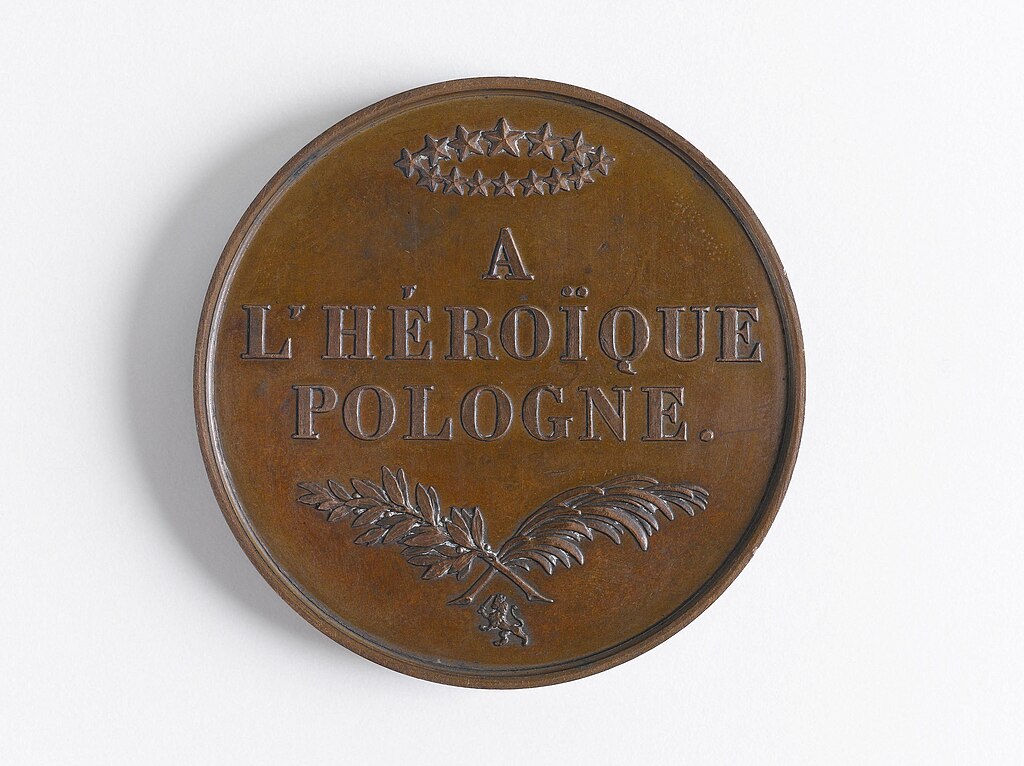
The Poles were driven to revolt to restore their independence from Russian domination. Drawing on European revolutions, they launched a courageous armed struggle. Despite some initial successes, the insurrection was crushed by the more powerful Russian army. Repression was severe, accompanied by forced Russification and mass exile of intellectuals and patriots.
The Hungarian Revolution (1848)
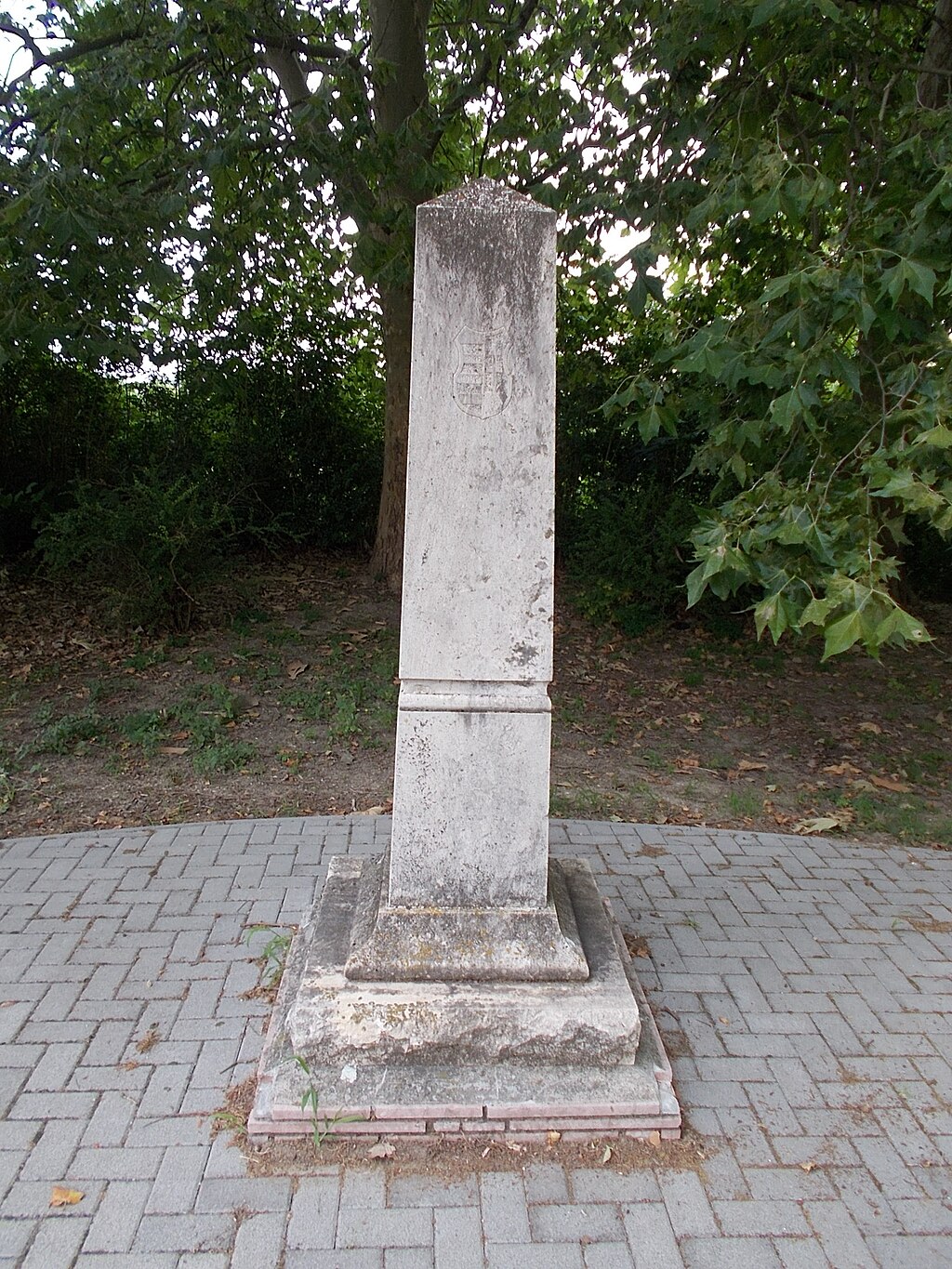
The Hungarian Revolution of 1956 was a popular attempt to overthrow Soviet tutelage and establish democratic socialism. The insurrection was violently crushed by the Red Army after just a few days of autonomy. As part of the People's Spring, Hungary, led by Lajos Kossuth, proclaimed its independence from the Austrian Empire. A government and army were formed, but brutally crushed by Austria, with crucial help from Russia. The country was placed under a regime of occupation, losing its autonomy for almost two decades. Aspirations for independence were stifled.
The Paris Commune (1871)
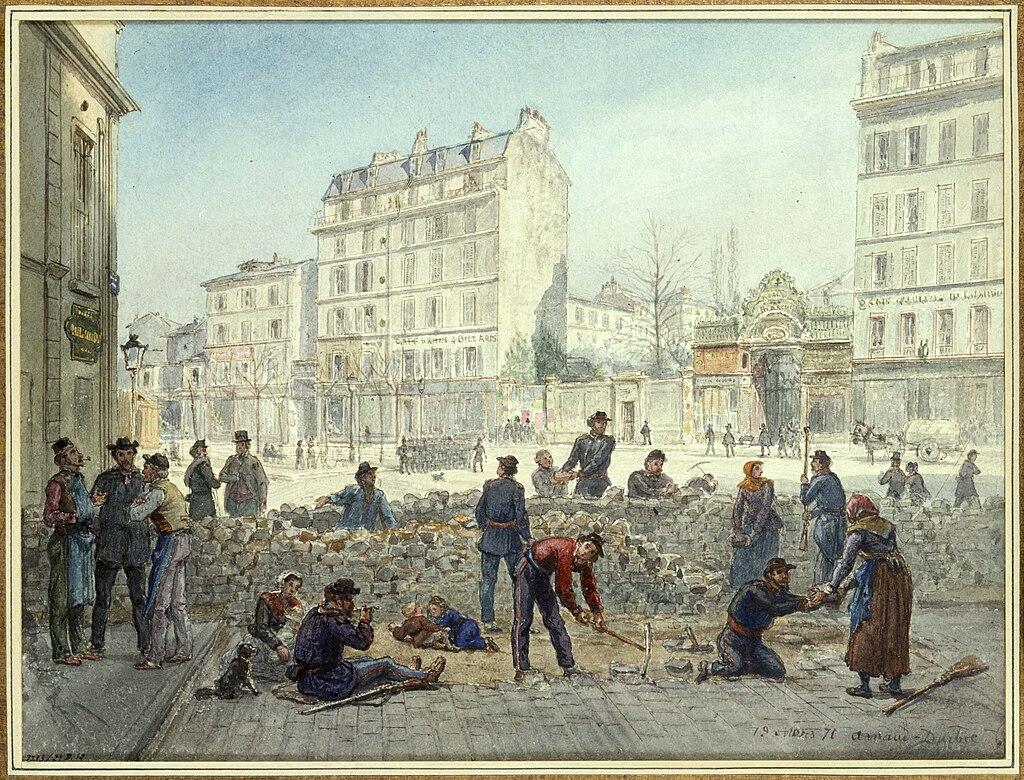
After the French defeat of 1870, exasperated Parisians elected the Commune, headed by an autonomous workers' government. For 72 days, the Commune introduced bold social reforms (secularism, workers' rights). However, the government installed in Versailles caused thousands of deaths, hence its other name of "Bloody Week". It was the brutal end of a unique experiment in popular and workers' democracy.
12. The German Revolution (1918-1919)
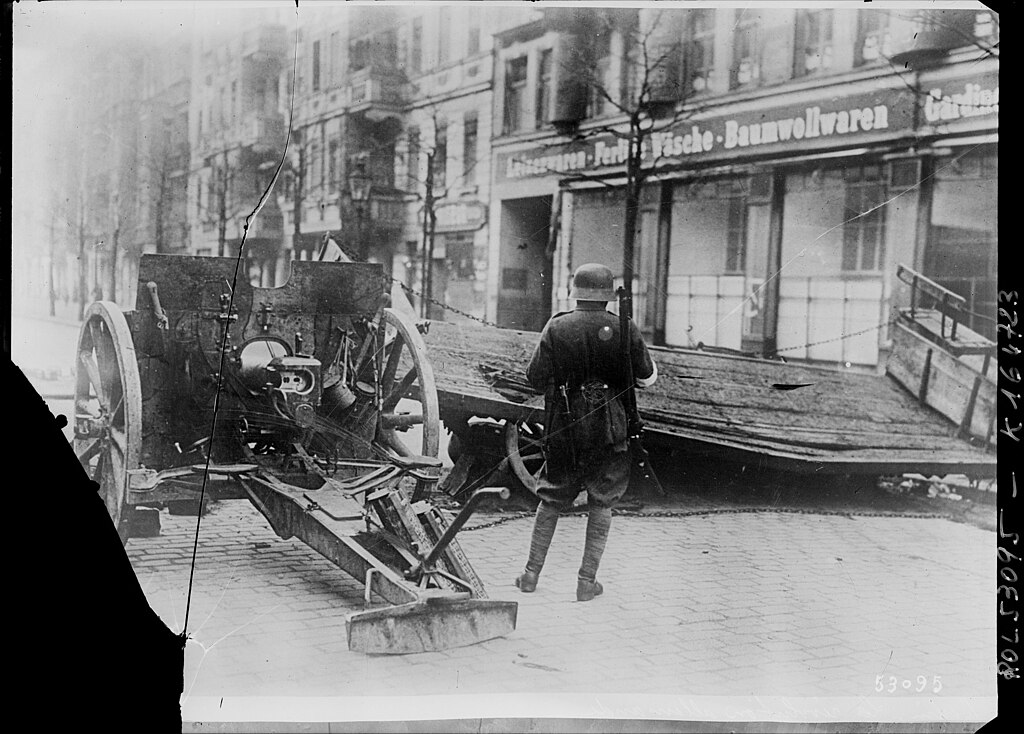
Germany experienced workers' uprisings and mutinies at the end of the First World War. The Kaiser abdicated, while workers' and soldiers' councils emerged, aspiring to a socialist republic. As the moderate Social Democrats feared Bolshevism, they joined forces with the army to stop the radicals. The Weimar Republic was born, but the revolutionary transformation failed.
The Hungarian Revolution (1956)
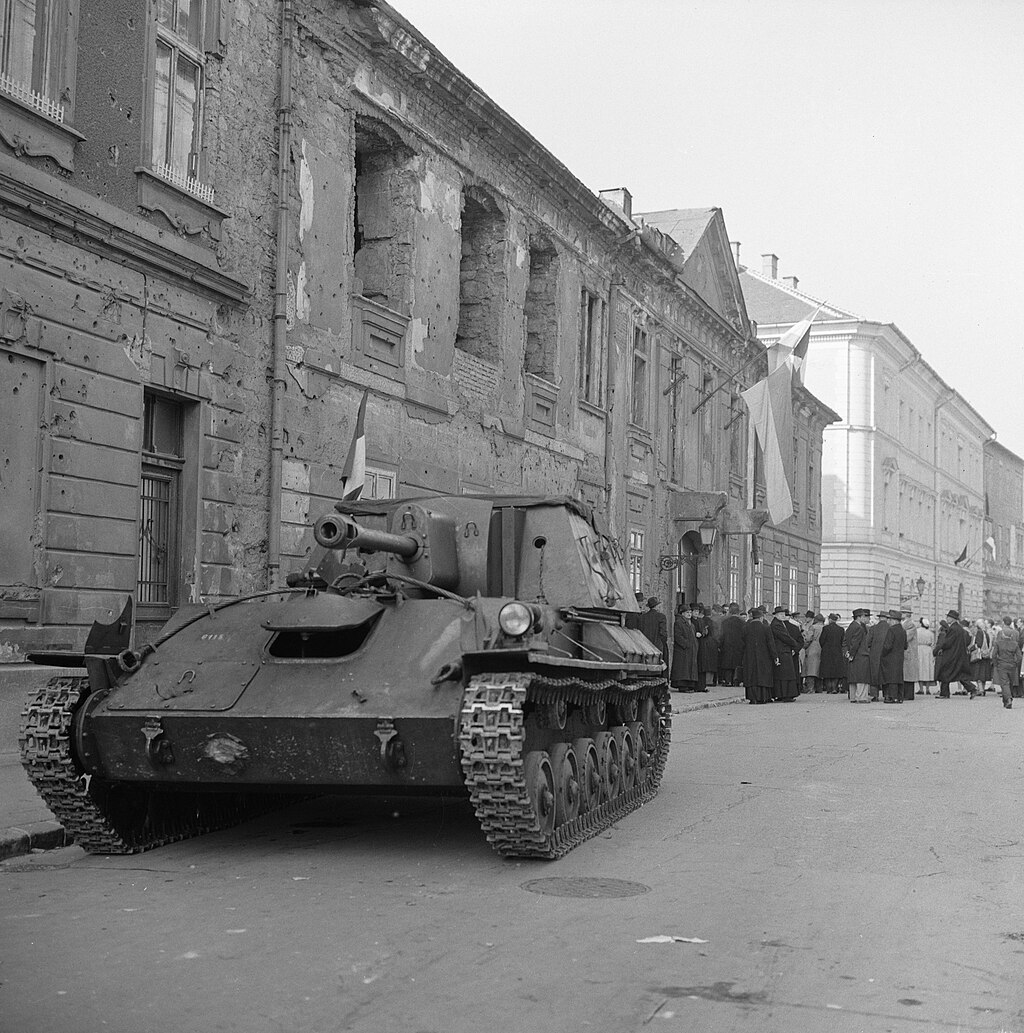
This spontaneous uprising was directed against the pro-Soviet Communist regime and the Soviet occupation. Hungarians demanded democratic reforms and the withdrawal of Russian troops. Imre Nagy's government tried to respond, even announcing its withdrawal from the Warsaw Pact. But the USSR intervened en masse with tanks in the streets of Budapest to brutally crush the rebellion.
Prague Spring (Czechoslovakia, 1968)
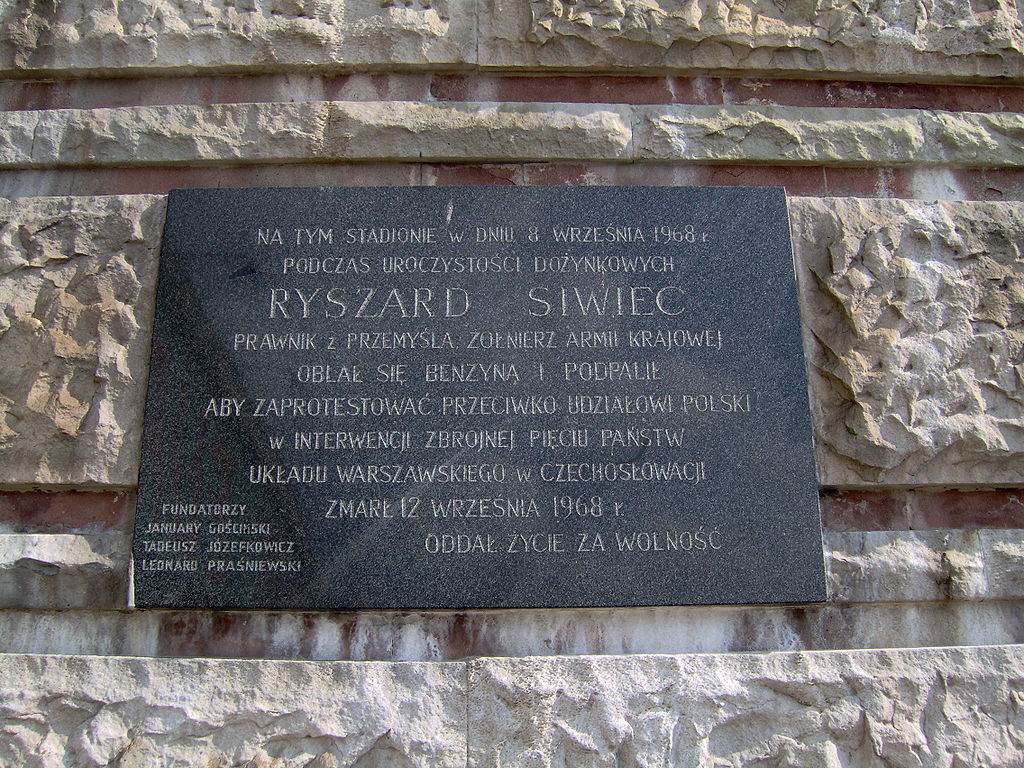
The Prague Spring of 1968 was a wave of liberal reforms in Czechoslovakia aimed at establishing socialism with a human face. Censorship was relaxed, and freedom of expression increased under Alexander Dubček. This period ended with the military invasion of Moscow and Warsaw Pact forces, reaffirming Soviet control over the Eastern bloc.
The Spanish Civil War (1936-1939)
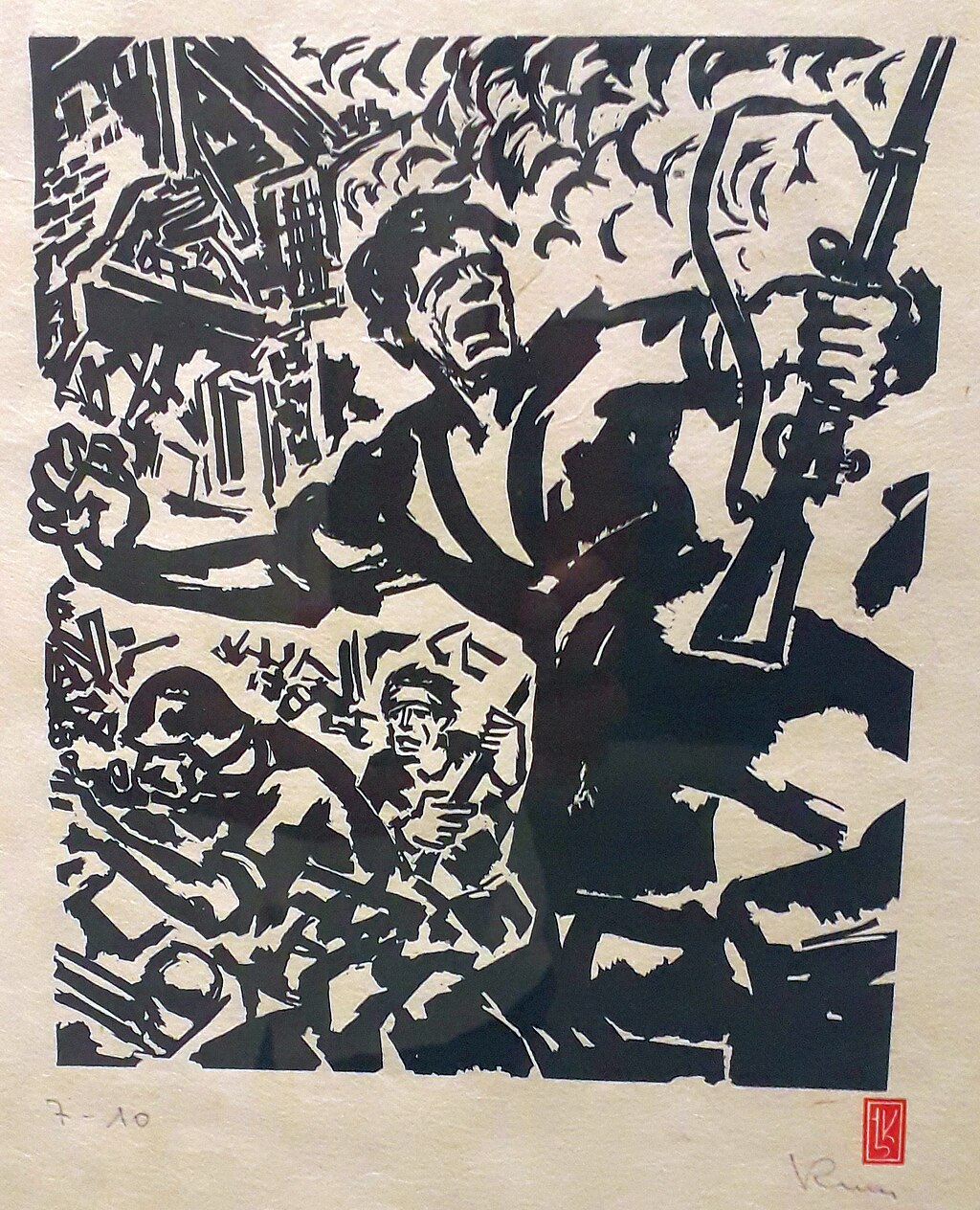
This conflict corresponds to the civil war that pitted the Spanish Republican government, the Popular Front, against the insurrectionary, nationalist military under General Franco. Franco's victory led to almost 40 years of dictatorship, crushing all revolutionary, socialist and republican impulses. This insurrection served as a test for Hitler before the Second World War.