Technology takes giant leaps forward every year, and the innovations never cease to amaze us. Whether it’s electronics that are becoming ever more miniaturized, AI that is becoming ever more powerful, or new energies that are more efficient and less polluting, we all have something to marvel at. Scientific progress inevitably has an impact on our daily lives. We see them in new appliances, new ways of getting around, or simply in the way we live. So the future looks bright, with countless exciting inventions. However, some of them can be disappointingly « hyped ». Here, then, are seven truly promising technologies, and seven others for which we may be a little too enthusiastic.

Technology takes giant leaps forward every year, and the innovations never cease to amaze us. Whether it's electronics that are becoming ever more miniaturized, AI that is becoming ever more powerful, or new energies that are more efficient and less polluting, we all have something to marvel at. Scientific progress inevitably has an impact on our daily lives. We see them in new appliances, new ways of getting around, or simply in the way we live. So the future looks bright, with countless exciting inventions. However, some of them can be disappointingly "hyped". Here, then, are seven truly promising technologies, and seven others for which we may be a little too enthusiastic.
1 . The generative AI revolution

Generative artificial intelligence has the ability to generate photos, videos, sound, text or even 3D models. The AIs currently available are so powerful that they produce breathtakingly realistic and beautiful renderings. This is a real revolution in the fields of creative professions, marketing, media and education.
2 . The promise of nuclear fusion

Nuclear fusion involves producing clean, inexpensive energy by reproducing the same temperature and pressure conditions as those found on the sun, in a confined environment. It's an ambitious vision that's already beginning to take shape in international projects such as SPARC in the United States and ITER in France.
3 . Quantum computers are already here

Quantum computers will have a computing capacity a million billion times greater than today's supercomputers. This performance will revolutionize calculations in cryptography, chemistry, physics, medicine and many other fields. Quantum computers already exist, but they need further development, as they remain unstable.
4 . 6G for a world a thousand times more connected
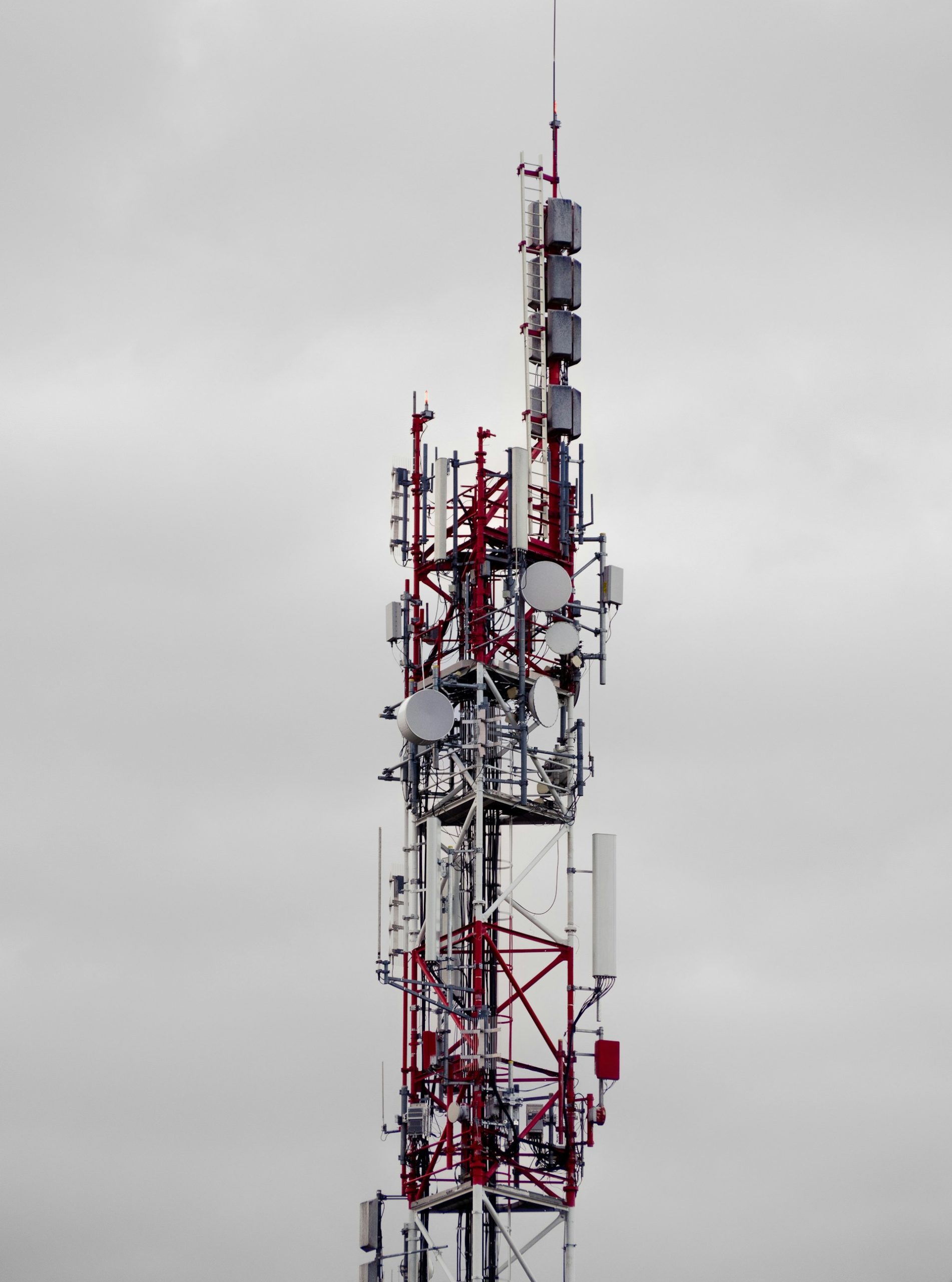
6G is the next generation of wireless communications technology. It will probably be available from 2030, and will deliver speeds 500 times faster than 5G, with ten times less latency. This technology will have a major positive impact on communications, medicine, industry and security...
5 . The prospect of genetic medicine

Genetics has now progressed to such an extent that it opens the way to a whole new way of treating the sick: gene therapy. This involves acting directly on patients' DNA to treat them. Faster genome sequencing makes it possible to detect, prevent and treat diseases more effectively.
6 . Green hydrogen, one of the energies of the future
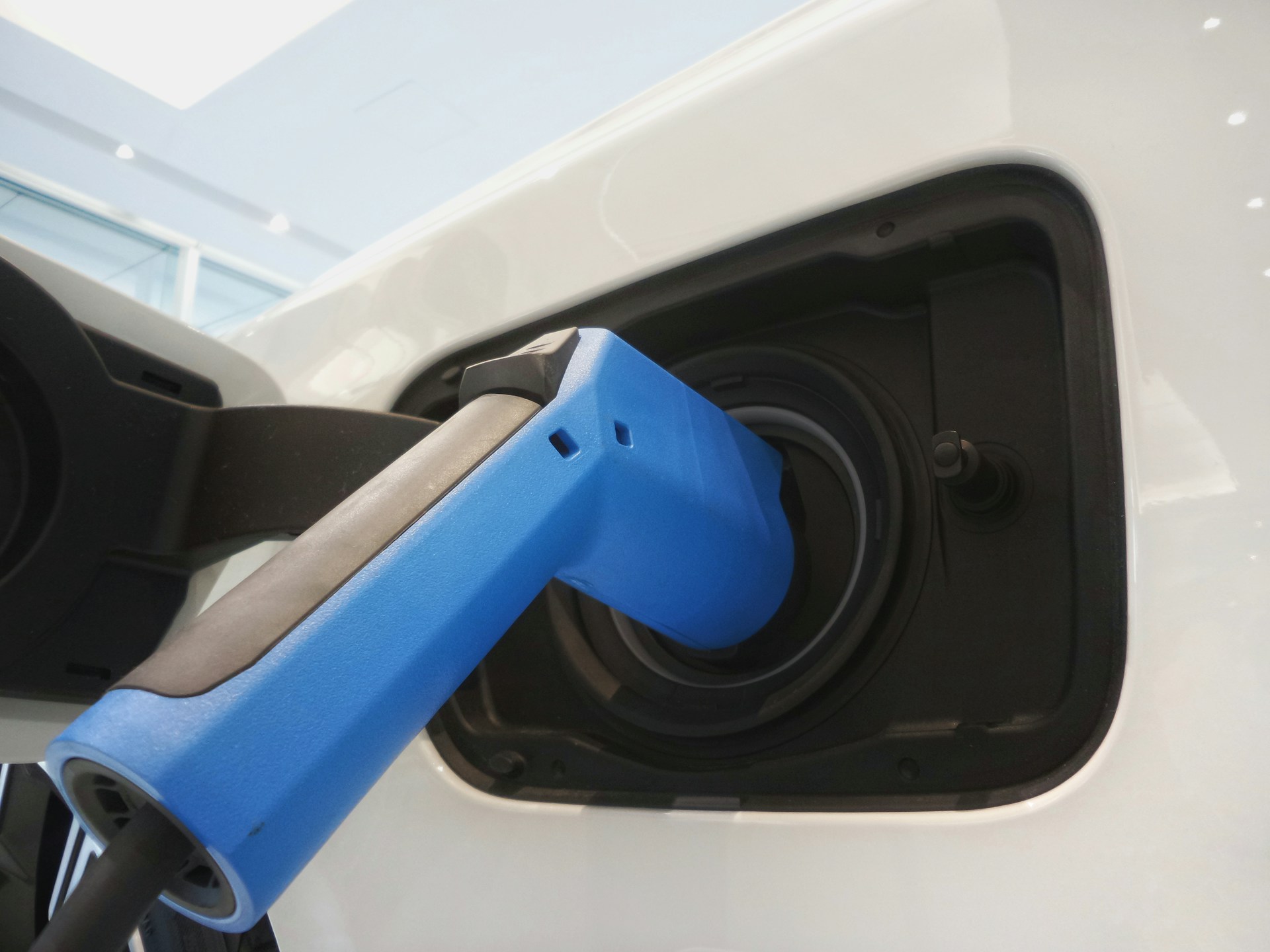
Hydrogen is an excellent fuel for producing electricity without polluting the environment, since its combustion emits only water. If it is produced ecologically, using renewable energies, we speak of green hydrogen. In the near future, it will be a fuel of choice for transport and industry.
7 . New forms of agriculture

in the future, food will also have to be produced locally, including in urban environments. Projects are already demonstrating the possibility of producing fruit and vegetables in urban complexes through vertical farming. This relies on automation through robotics and AI, but also on a more reasoned use of resources, particularly water.
8 . Cryptocurrencies: the money of the future?

Crypto-currencies raised a lot of prospects when they first appeared, particularly when they first spiked. However, these virtual currencies remain too volatile to merit the trust of operators. What's more, the energy requirements of blockchains are very high, which is another brake on their mass adoption.
9 . The NFT fiasco

In 2021, NFTs, or non-fungible digital tokens, boomed. However, this boom was quickly forgotten, leading to disappointment among many buyers. In reality, NFTs were purely speculative. Even though they may have some real-world applications, NFTs are increasingly being abandoned.
10 . The failure of the Metaverse

The Meta group, which owns Facebook, tried to launch a virtual world in which it was possible to work, chat, hold meetings and even make purchases. The technology was a failure, as few users adopted it due to its lack of real utility.
11 . Autonomous cars: a long way off

Several automakers have been working for years on autonomous cars that do not require a driver. This technology has come a long way, but strict regulations, safety concerns and the failures observed in numerous tests mean that the democratization of these 100% autonomous vehicles is still some way off.
12 . The augmented reality revolution won't happen

Augmented reality, which involves mixing real images with digitally projected ones, has not taken off as quickly as predicted. Its uses remain marginal, confined to certain fields such as fashion and gaming. Its high cost and lack of professional utility have prevented this technology from becoming widespread.
13 . The failure of hyperloop

Hyperloop, the concept of transport in capsules in pressurized tunnels at very high speeds, was a highly ambitious project envisaged by many countries and players. Although trials were carried out, none resulted in a real project. Tesla's hyperloop was even completely abandoned.
14 . Flying cabs: a broken promise
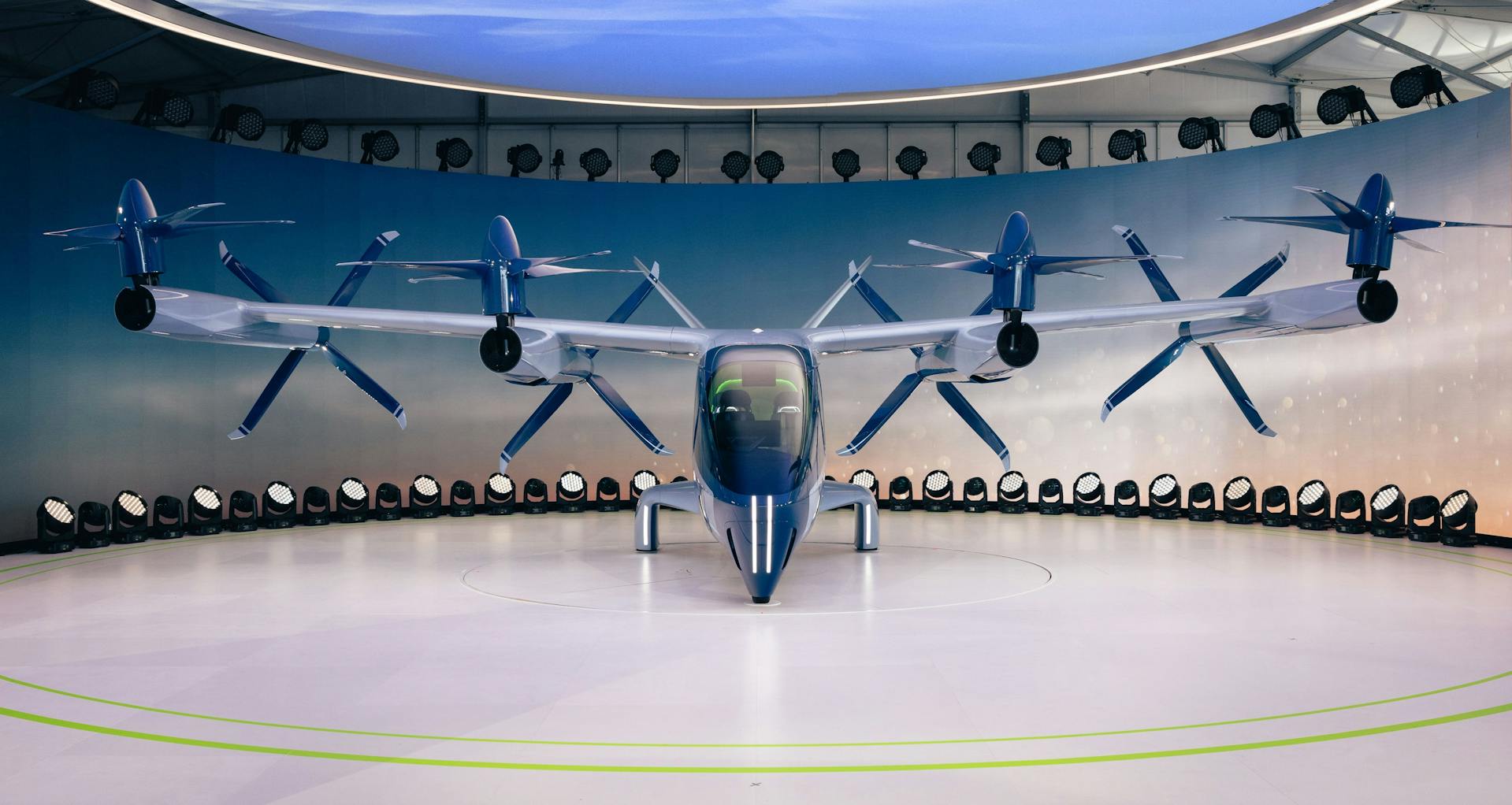
Autonomous electric flying cabs have long been the promise of many manufacturers. However, it is clear that the deployment of such vehicles is currently difficult. These vehicles are struggling to establish themselves as mainstream means of transport, and remain even more exclusive than helicopters, for example.