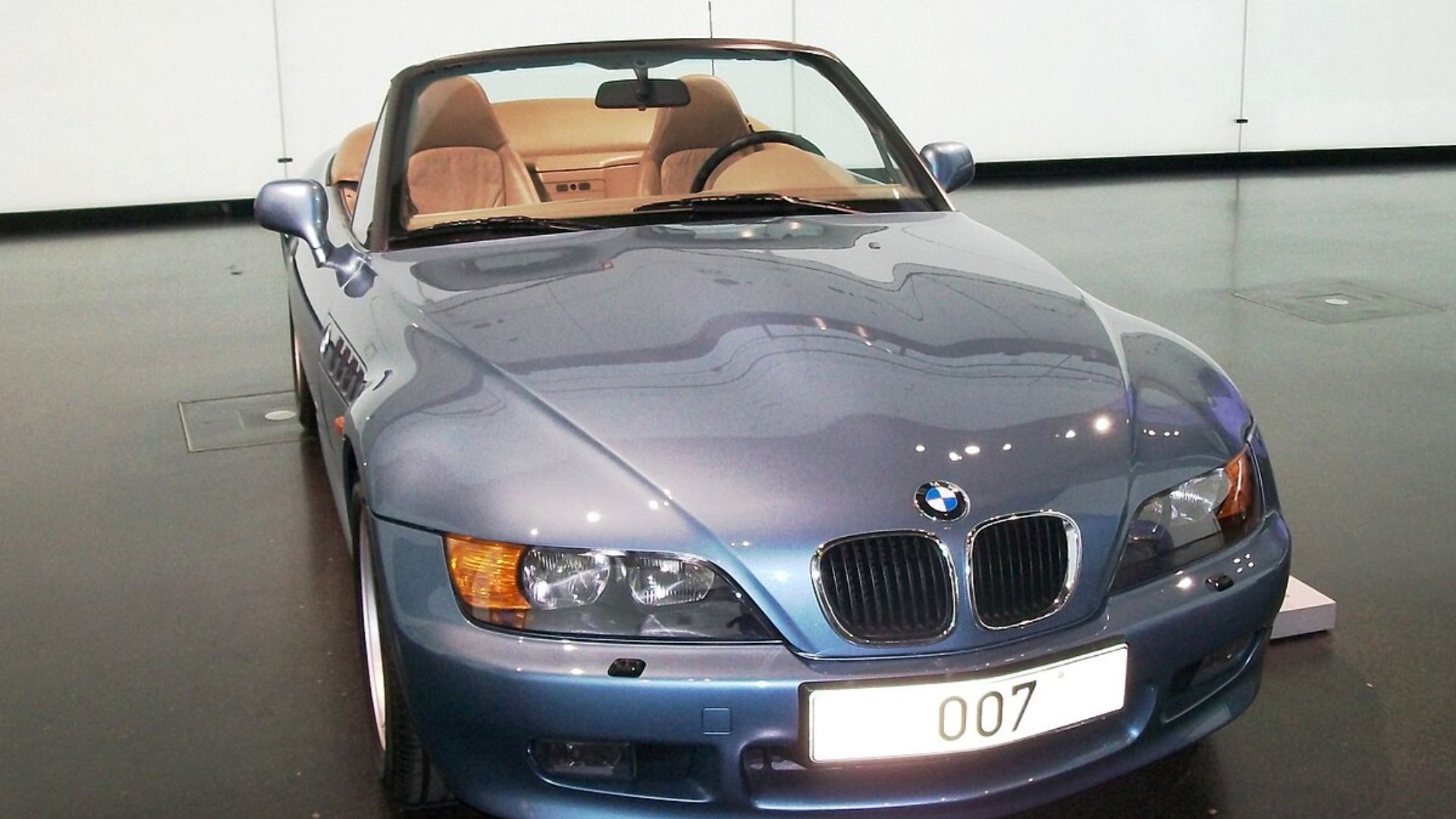
Next time you're watching a film, take a look at the items in each scene. The things characters wear, hold, or drive often carry more weight than you might think. Some of the world's most recognizable brands became household names after just a few seconds on screen. This list follows the brands that used film to leave a lasting impression—some for the better and some for the worse. The most innovative placements strengthened the story, while the most distracting ones interrupted it. To start, we'll explore the product placements that felt natural and added value to the scenes they appeared in.
Reese's Pieces
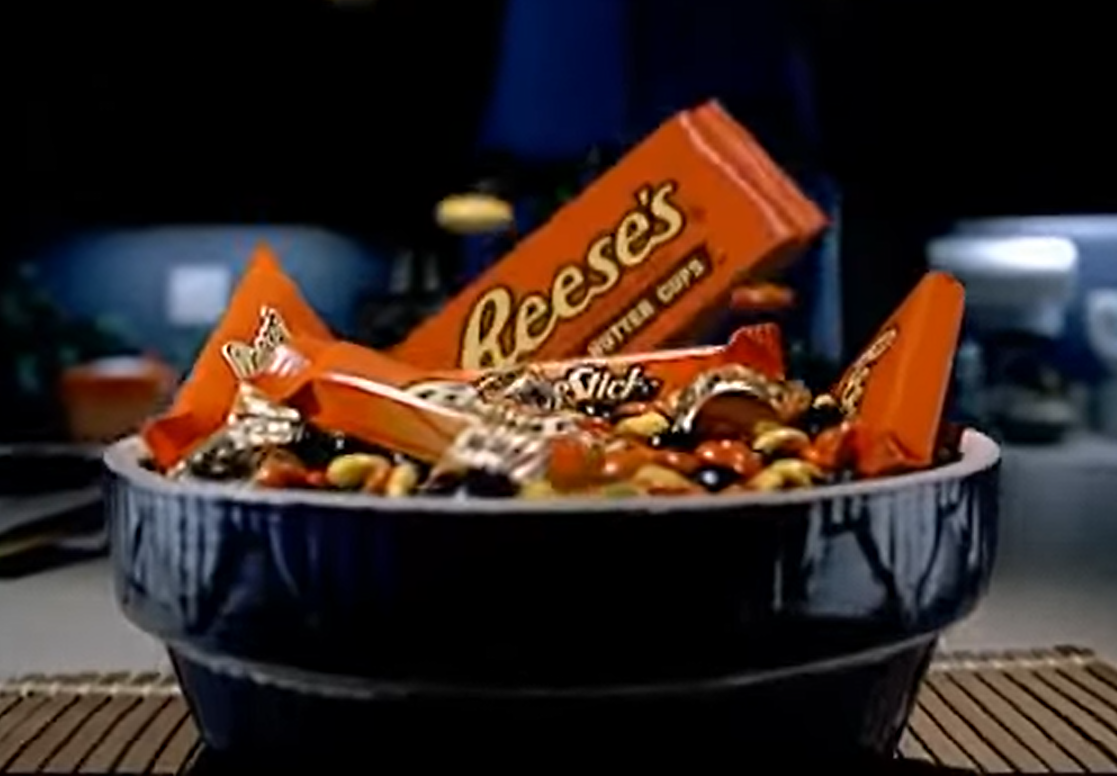
M&M's declined Spielberg's request to feature their candy in “E.T. the Extra-Terrestrial,” so he turned to Reese's Pieces. The substitution paid off quickly. Sales rose 65% within weeks. Hershey invested $1 million in promotional support. That brief screen moment turned Reese's Pieces into a lasting icon in both cinema and marketing history.
Ray-Ban
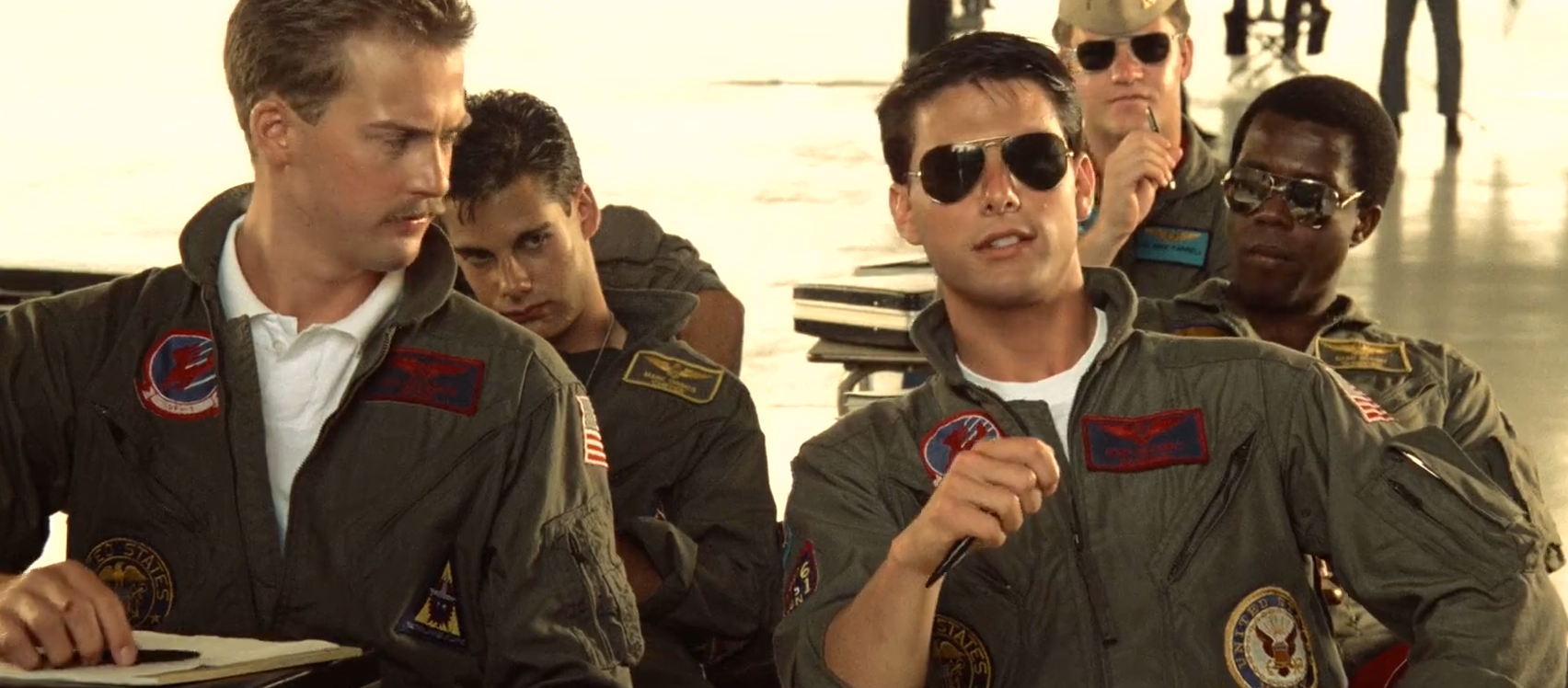
Ray-Ban Aviators had lost their edge until "Top Gun" placed them on Tom Cruise. The sunglasses matched the image of a Navy pilot and caught public attention. Civilian demand soared. In just seven months, Ray-Ban reported a 40% increase in sales. The placement redefined the brand's cultural presence and helped anchor its long-term popularity.
BMW
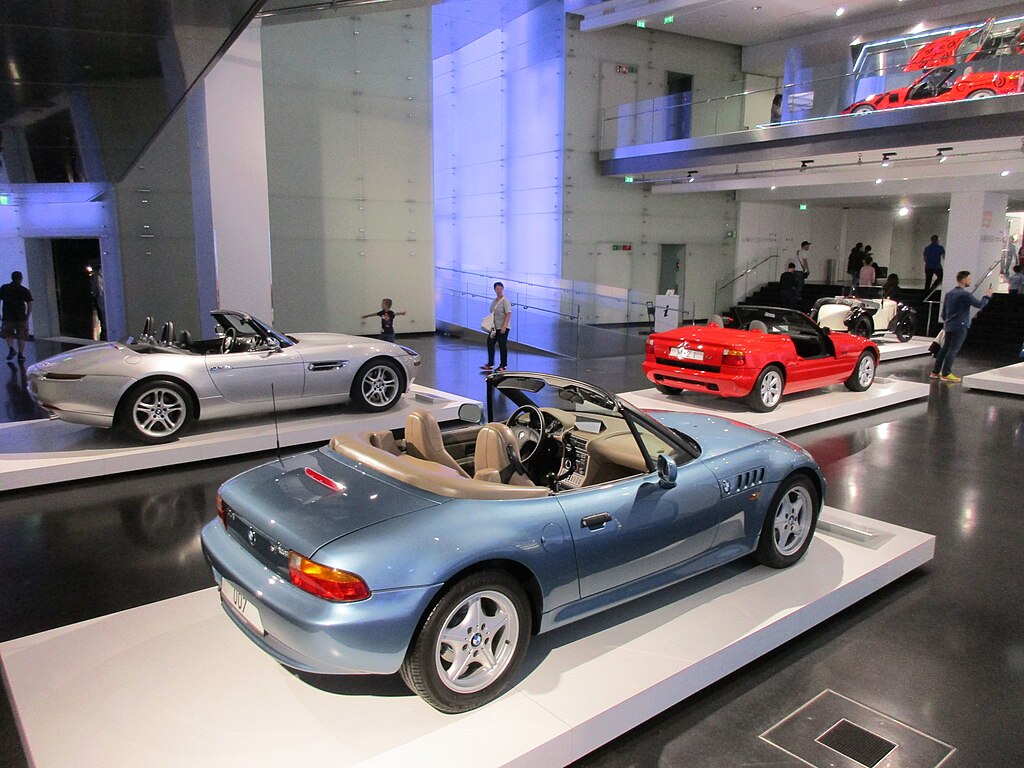
James Bond appeared in "GoldenEye" driving the BMW Z3, even though the car wasn't yet in showrooms. While European markets had to wait, American pre-orders brought in $240 million. Because the screen time was brief yet impactful, it generated intense anticipation and positioned the Z3 as a rising luxury icon.
FedEx
Wilson
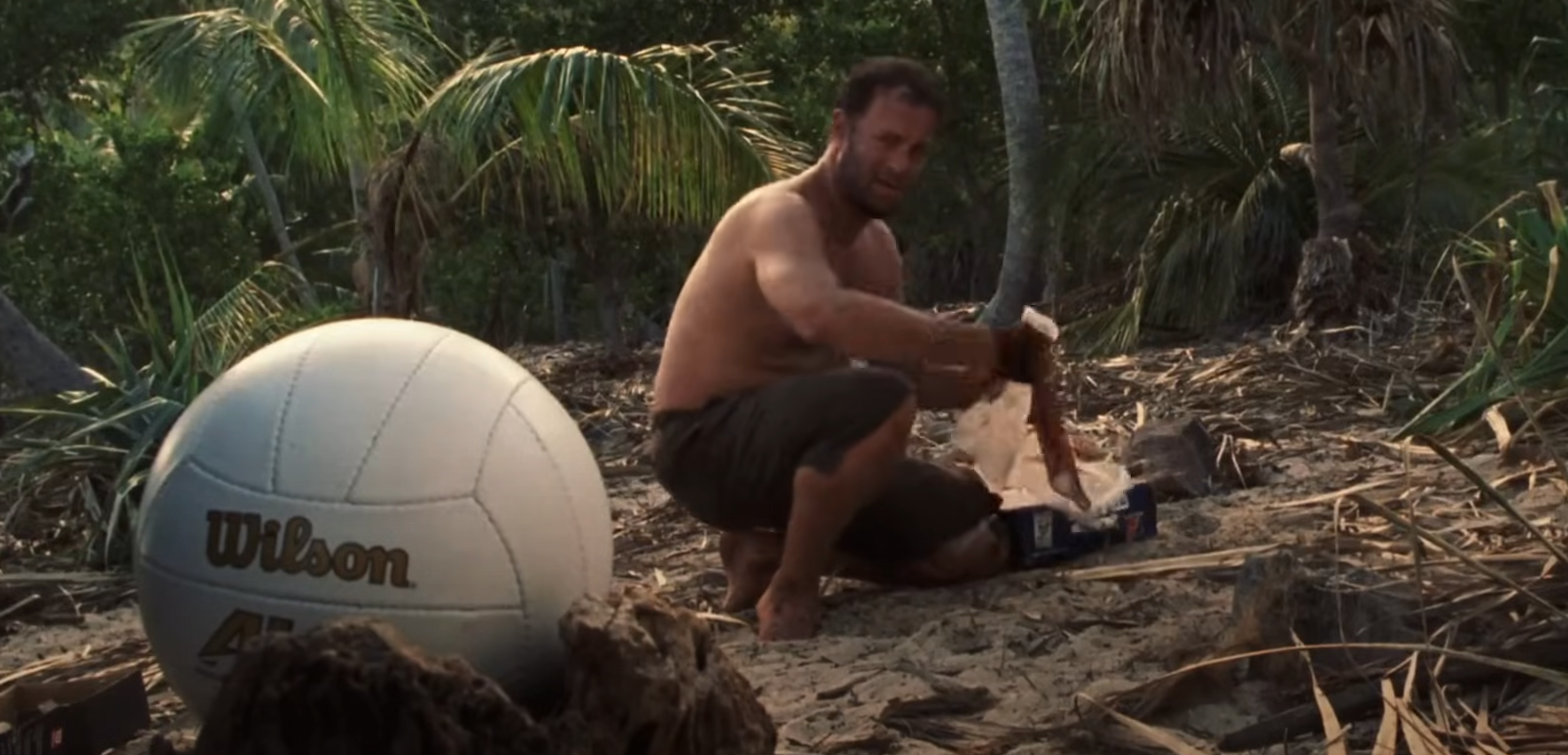
The Wilson volleyball didn't speak a word in "Cast Away," but it made a lasting impression. Museum exhibits later displayed the prop. Its branded face became a symbol of isolation and resilience. Audiences empathized deeply, and sales surged following the film's release. It became a memorable part of the film's emotional journey and was integral to the story.
Etch A Sketch
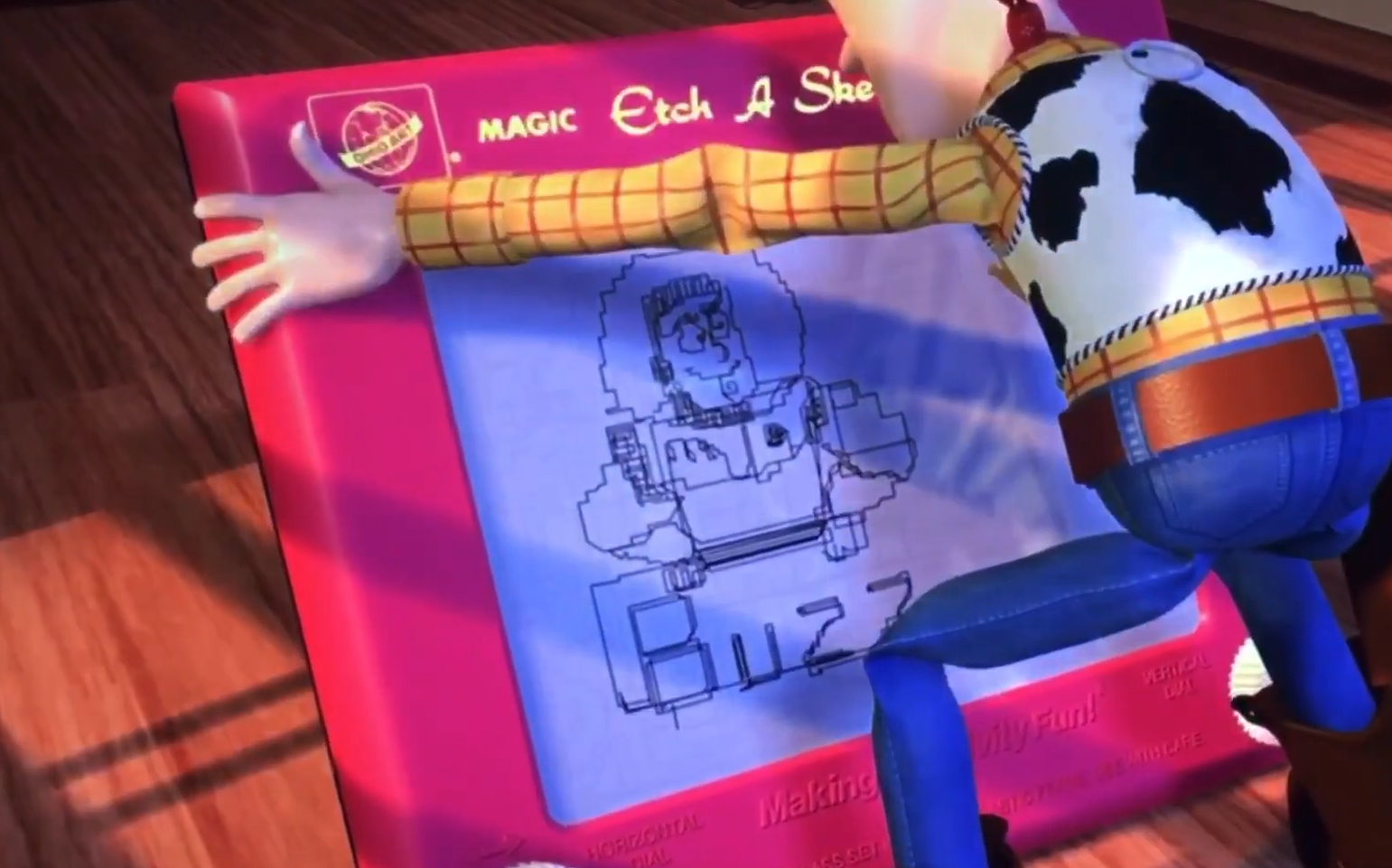
Etch A Sketch appeared briefly in "Toy Story" during a visual gag. The cameo sparked interest in the classic toy. Sales surged, and Ohio Art reported its highest holiday figures to date. The character returned in sequels, too. Its placement was quick but effective, which renewed consumer awareness and positioned the toy for another generation.
Macallan
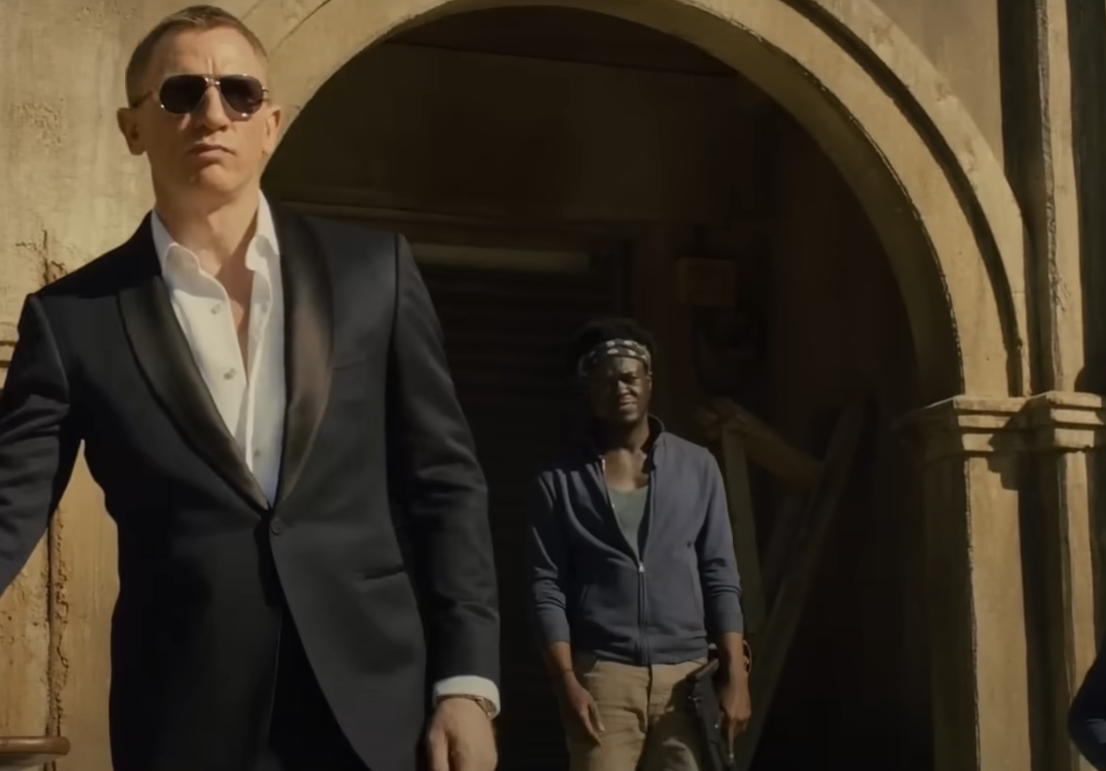
Macallan whisky saw a boost in sales after its subtle appearance in “Skyfall.” Its quiet presence matched Bond's persona. The bottle was placed during a calm scene between Bond and Silva without being directly mentioned. Seamless integrations like this one mock the brand placements that interrupt more than they support. Now, let’s move to the most distracting brand placement moves.
Beats
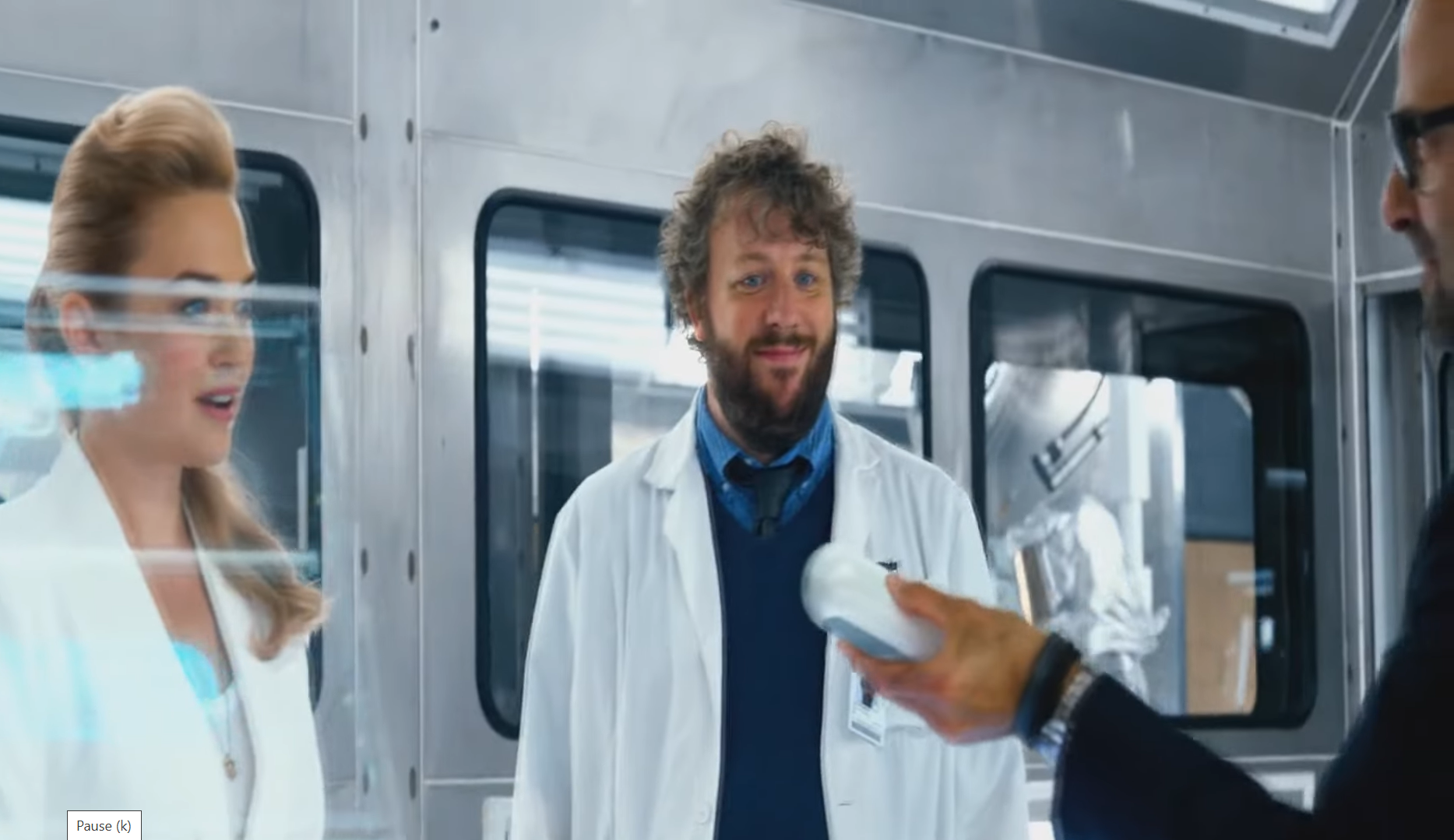
The battle raged, and in the middle of it all sat a Beats Pill speaker. In "Transformers: Age of Extinction," its placement had no narrative justification. As a result, viewers instantly noticed, and critics labeled it intrusive by arguing that marketing had unmistakably compromised the film's dramatic intensity.
McDonald's
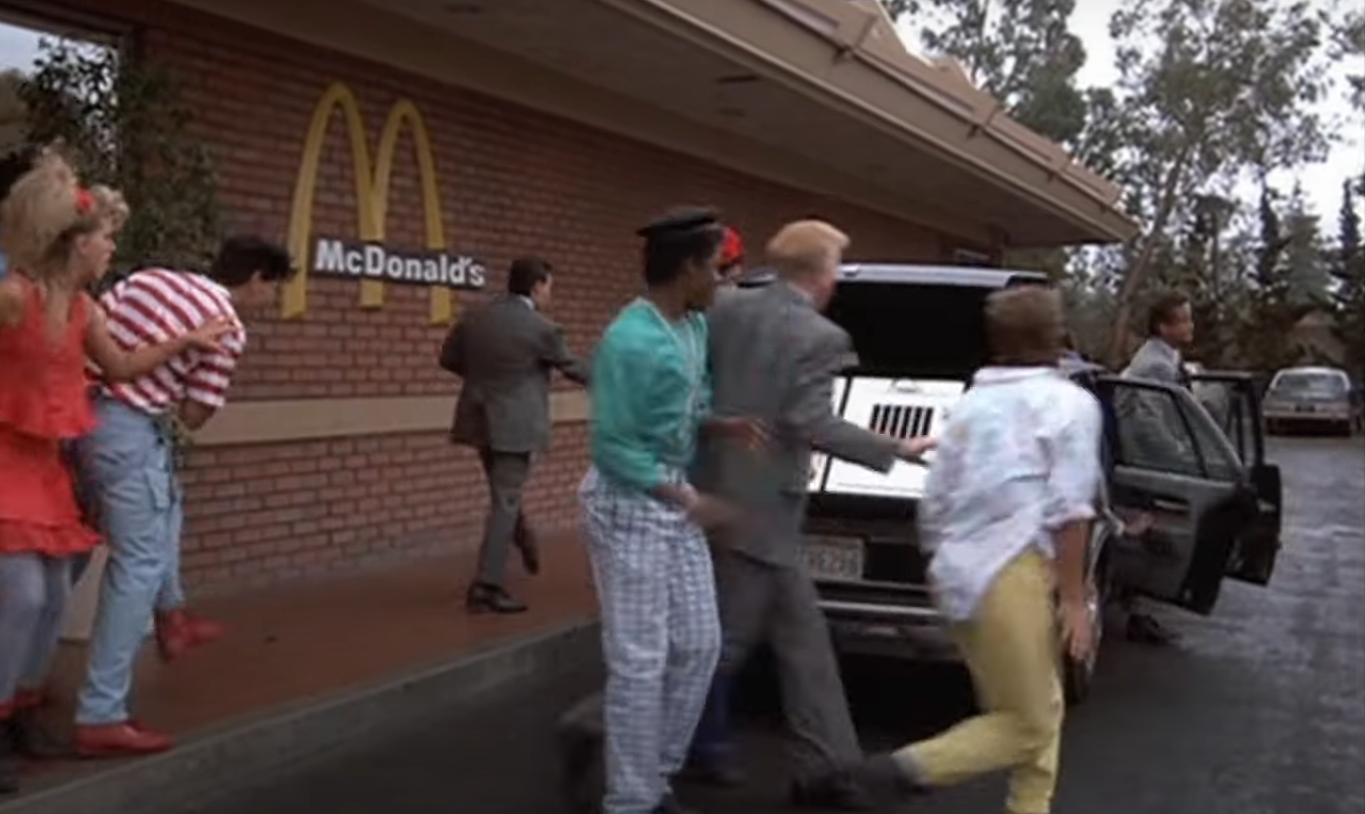
The scene in "Mac and Me" was part of a corporate-funded production backed by McDonald's and Coca-Cola. Critics slammed it for targeting children too directly, and the placement still feels uncomfortably obvious. Children dance, and Ronald McDonald joins in—all inside a McDonald's, where storytelling gives way to choreography.
Marlboro
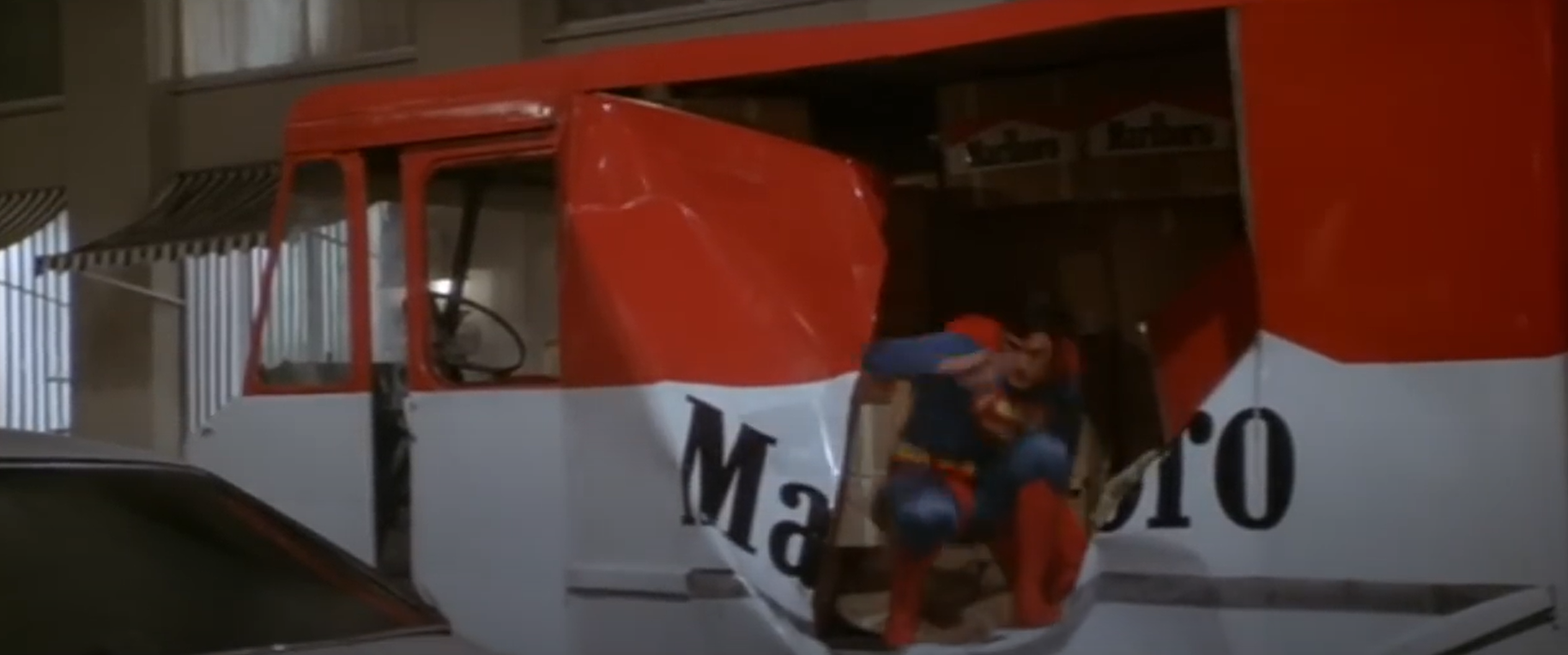
A Marlboro-branded truck appears during a tense moment in "Superman II," where a character is nearly killed. The brand had also shown up in "Supergirl" and "License to Kill," raising concerns about tobacco's role in mainstream entertainment. Criticism came quickly after the film's release, as viewers questioned its placement in a superhero story.
Bud Light
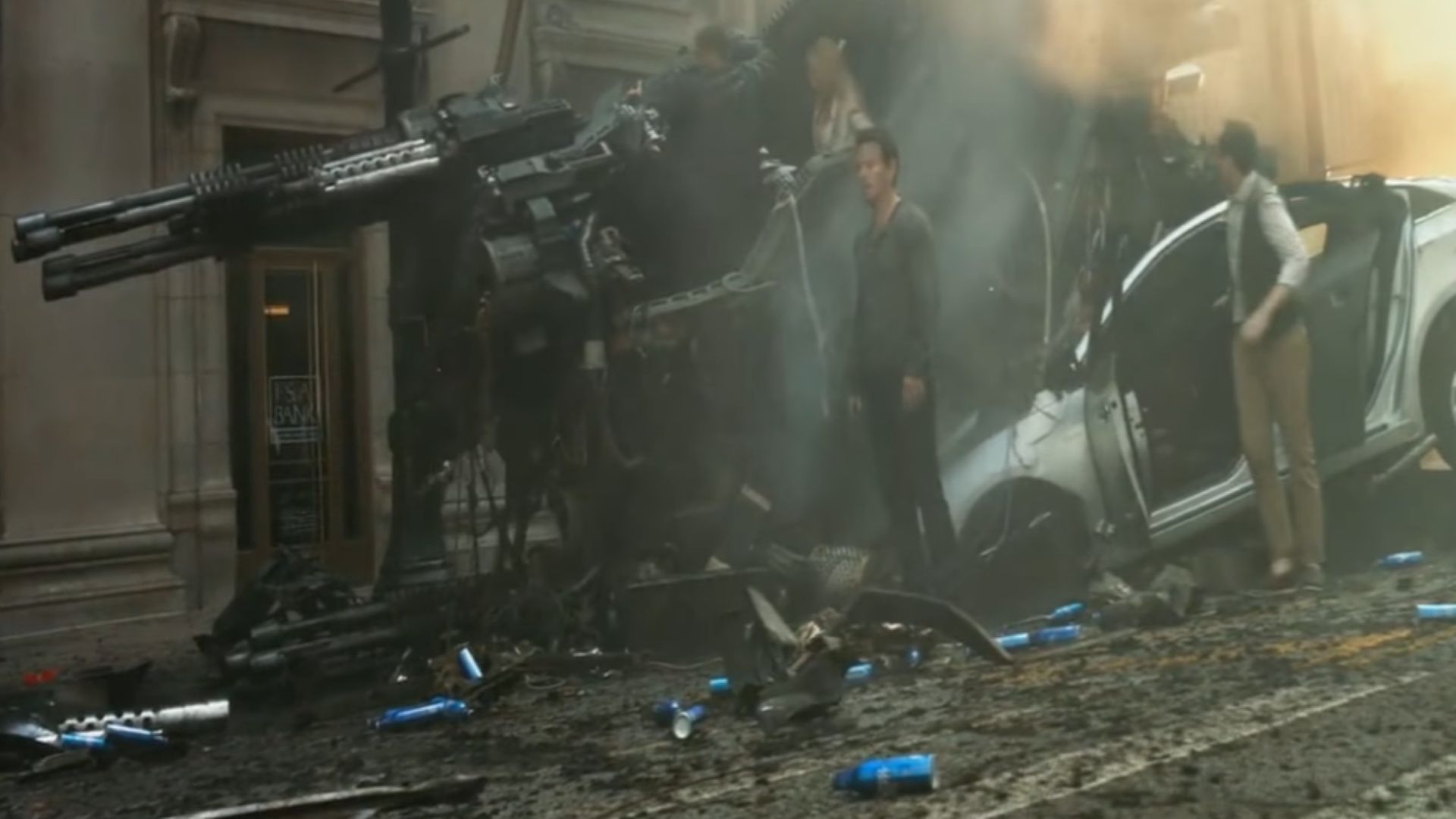
Once again, it’s "Transformers: Age of Extinction." The camera lingers as Mark Wahlberg cracks open a Bud Light after retrieving it from a wrecked truck. Critics quickly labeled the moment a clumsy commercial. It wasn't subtle. The scene unfolds naturally until branding takes center stage by revealing a misplaced attempt at seamless integration.
Converse
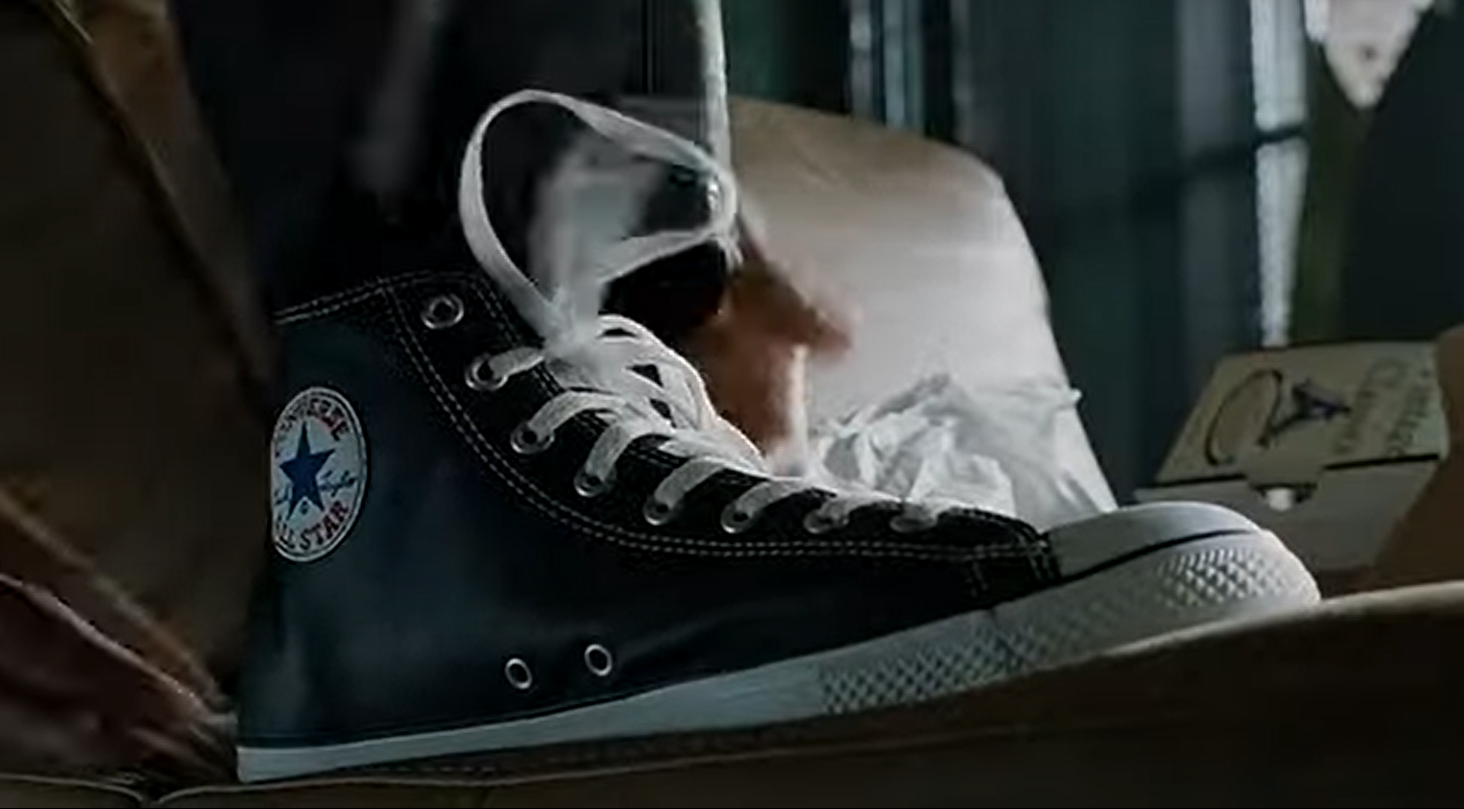
Close-ups captured the sneakers, and Will Smith pointed them out directly in dialogue. Critics noted that the Converse branding felt self-aware in a futuristic context. The styling clashed with the film's timeline. It was 2035, but the sneakers were straight from 2004, which drew attention rather than reinforcing the story's vision in "I, Robot."
Starbucks
Mountain Dew
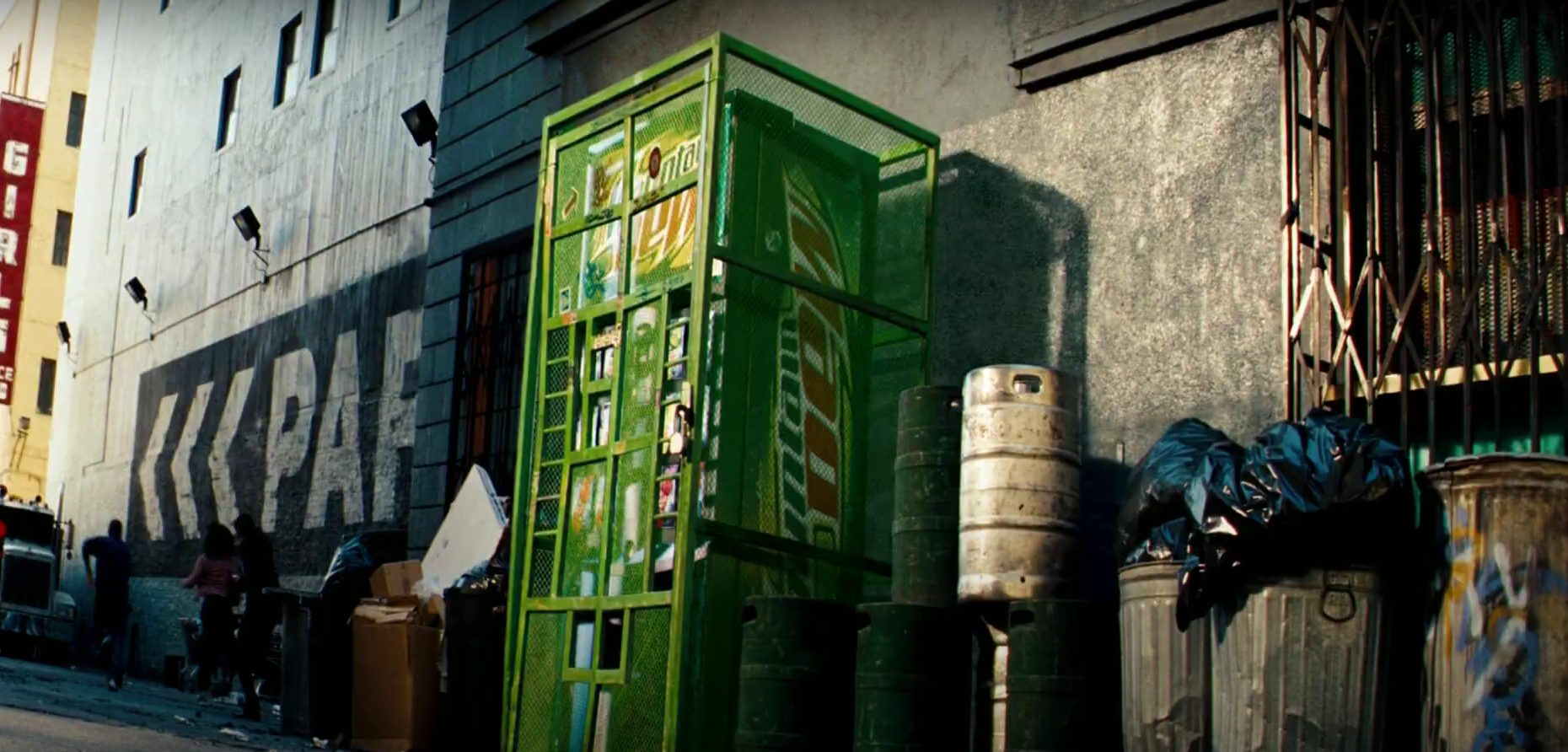
In "Transformers" (2007), the branding isn't subtle. A vending machine explodes into a robot—one that’s blasting cans of Mountain Dew. Critics found the moment cartoonish and out of place. The absurdity escalated quickly, and the placement felt like a commercial that hijacked a sci-fi showdown.