7 Tech Innovations Changing Society & 7 We Should Be Wary Of
Sometimes, it might feel like technology is changing so rapidly that you can’t keep up. New advancements, such as artificial intelligence, CRISPR gene editing and cryptocurrency, make headlines and disrupt the economy, with advocates claiming this technology will change the world. As cyberattacks become more common, the Internet starts to seem like a dangerous place.
Fortunately, not all technology is overwhelming. In fact, seven of these advancements could improve your life, reduce energy costs, lower emissions and create a brighter future. However, you’ll also learn about seven technologies that come with risks–and when you encounter them, it’s important to use them responsibly.
Sometimes, it might feel like technology is changing so rapidly that you can't keep up. New advancements, such as artificial intelligence, CRISPR gene editing and cryptocurrency, make headlines and disrupt the economy, with advocates claiming this technology will change the world. As cyberattacks become more common, the Internet starts to seem like a dangerous place.
Fortunately, not all technology is overwhelming. In fact, seven of these advancements could improve your life, reduce energy costs, lower emissions and create a brighter future. However, you'll also learn about seven technologies that come with risks--and when you encounter them, it's important to use them responsibly.
5G Offers More Connectivity and Faster Speeds
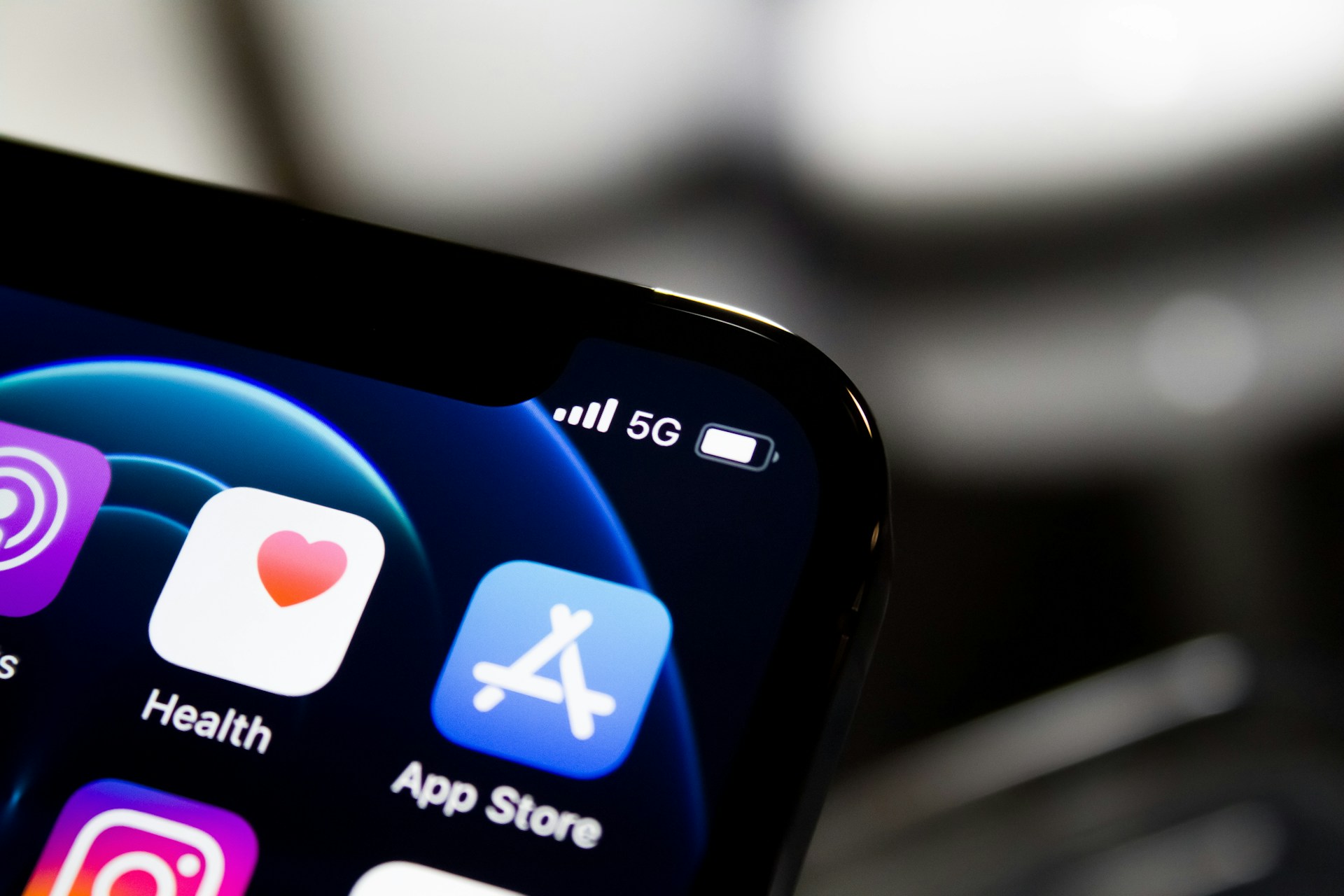
For the past few years, wireless network companies have been upgrading their technology to get ready for 5G, which is the latest advancement in smartphone technology. With 5G, you can enjoy faster speeds, more communication and reduced buffering, all while using less bandwidth. This makes it easier than ever to stay in touch with loved ones.
CRISPR Gene Editing Could Treat Diseases
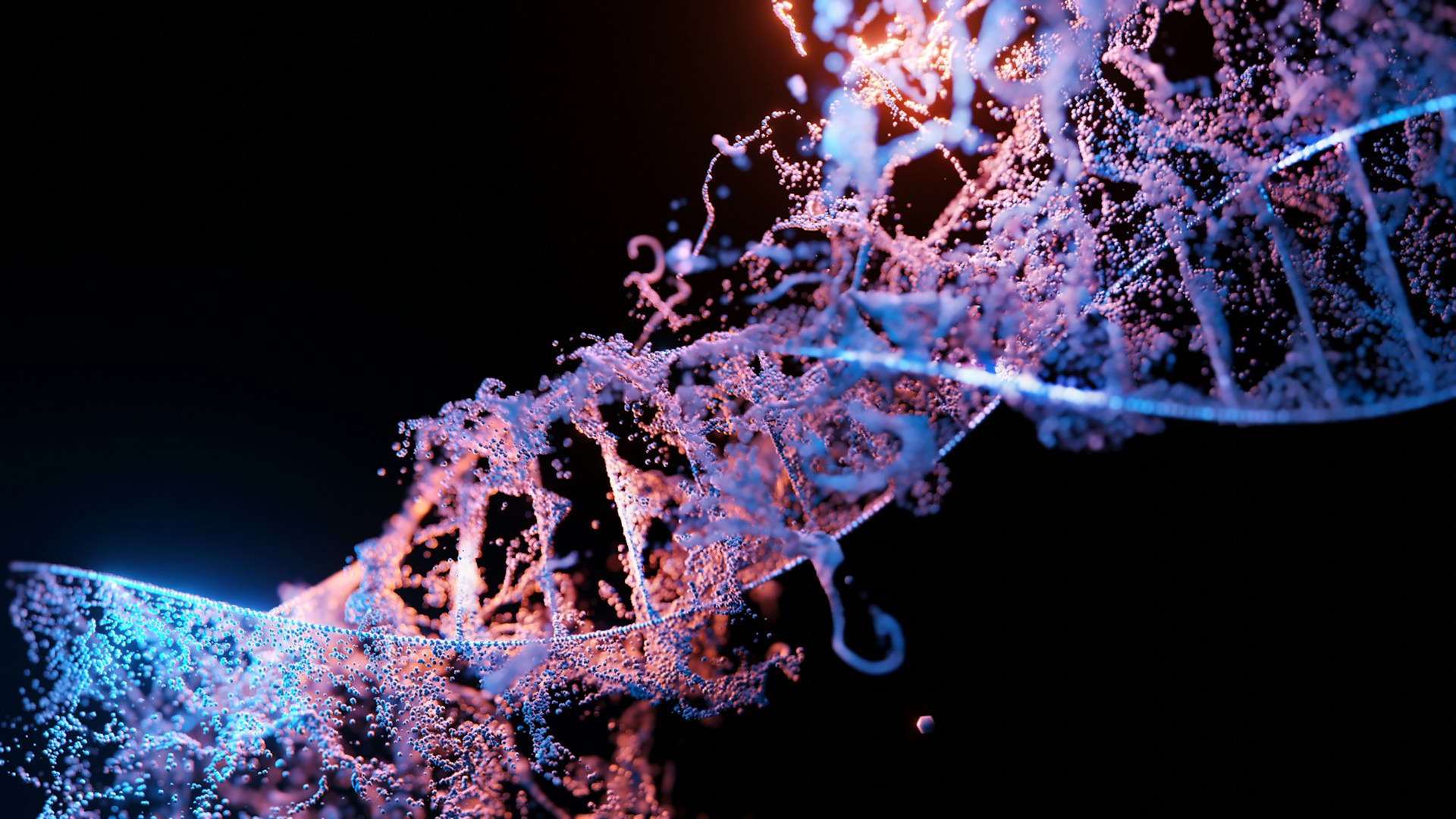
Clustered Regularly Interspaced Short Palindromic Repeats (CRISPR) is a group of DNA sequences that scientists use to edit genes. While this technology is still in its early stages, scientists might be able to use CRISPR to remove genetic defects and cure terminal diseases. As a result, people could live longer and enjoy a better quality of life.
Renewable Energy Could Reduce Emissions

Most of the technology that people use every day generates emissions that contribute to global warming. Wind and solar power could change that by replacing fuel-burning equipment with clean energy sources. If more households and businesses make the switch, humanity might be able to ease the effects of climate change.
Blockchain Technology Creates Decentralized Transactions
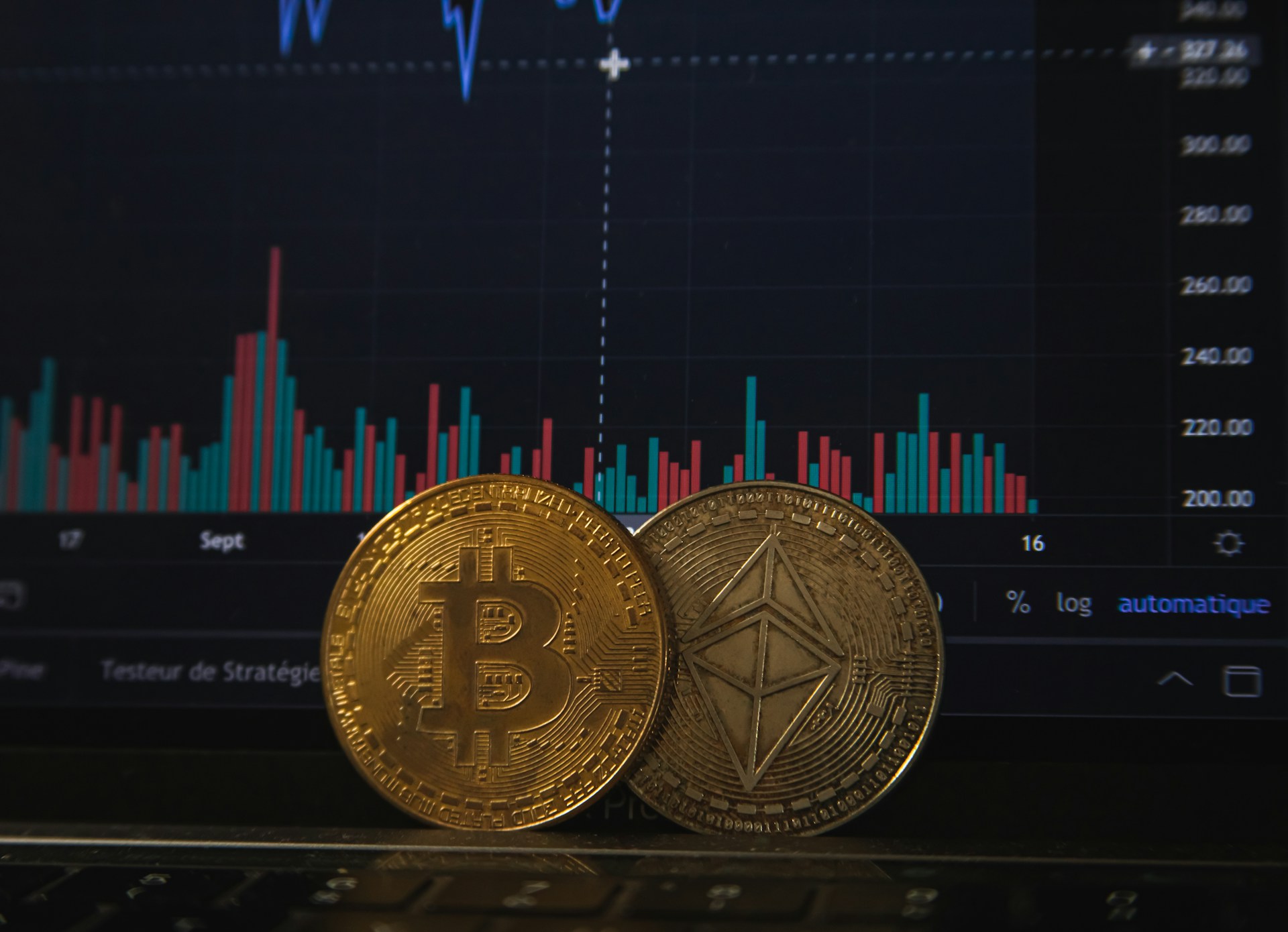
The blockchain contains a public record of all cryptocurrency transactions, creating a transparent, decentralized economy that anyone can use. While crypto started as a tool for personal use, major industries are investing in blockchain technology to promote security, efficiency and transparency, strengthening supply chains and reducing the risk of fraud.
Electric Vehicles Run On Cleaner Energy
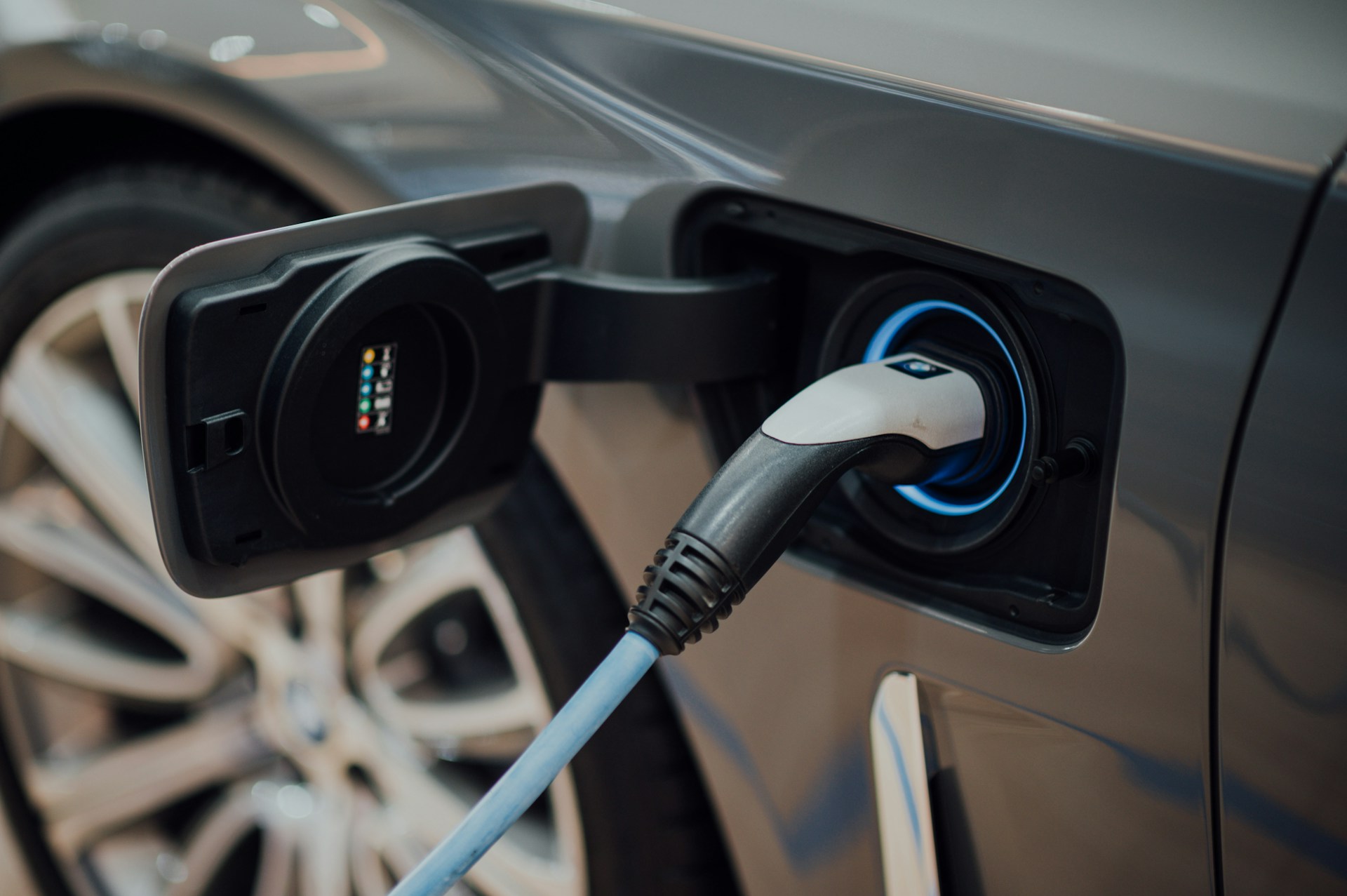
In the past, electric vehicles (EVs) were a rarity. However, as more consumers turn to clean energy, EV charging stations are appearing in busy areas throughout the United States. This makes them more accessible to drivers who worry about the mileage. As EVs become increasingly popular, drivers will produce less greenhouse gas.
Artificial Intelligence Helps You Make Decisions
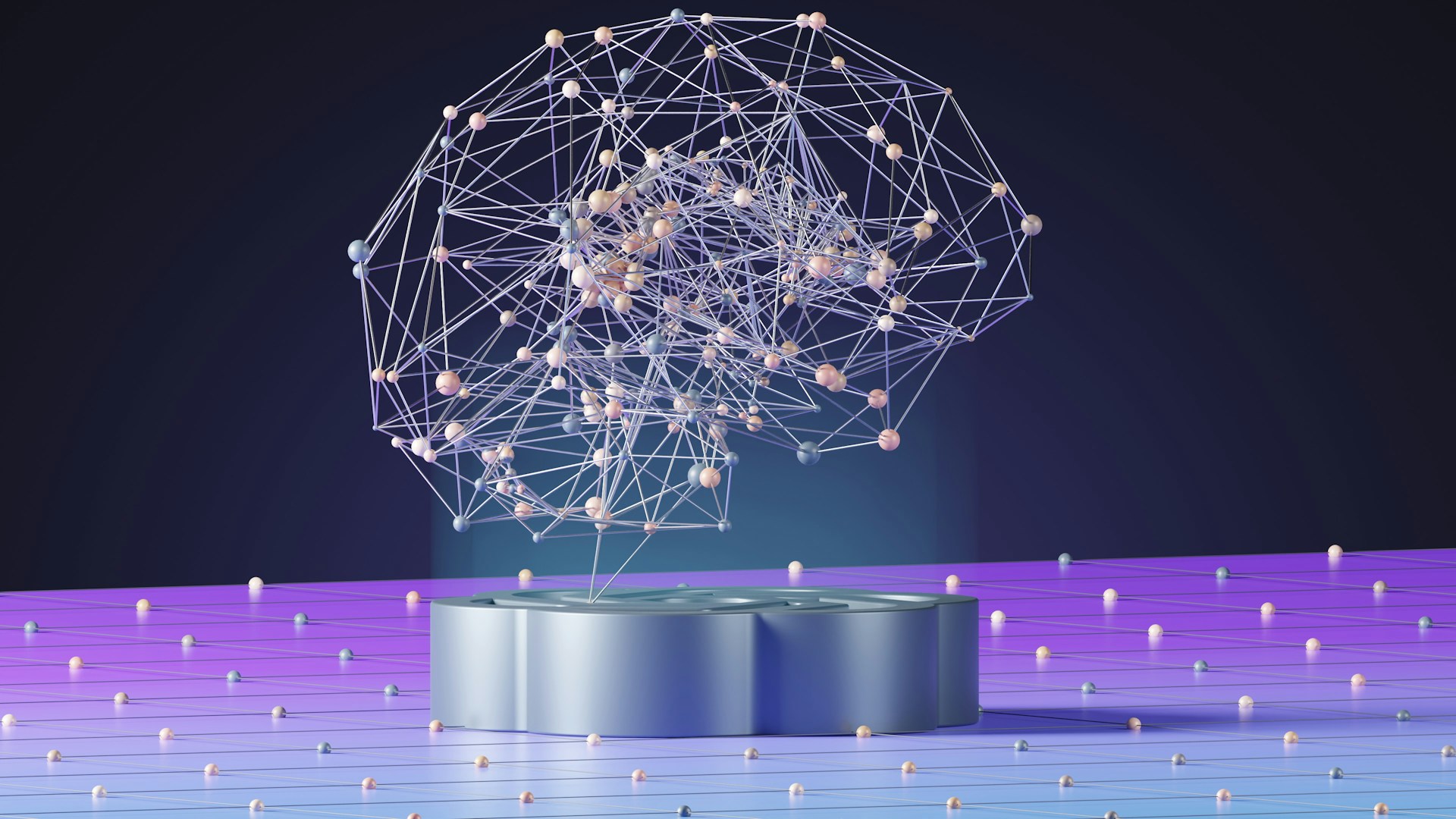
Artificial intelligence (AI) places most of the Internet at your fingertips. Simply ask the bot "What should I make for dinner?" or "How do I prepare for a job interview?", and you'll get a clean, detailed answer in seconds. While AI has some limitations, it makes everyday tasks a breeze for busy households.
Virtual Reality Takes Entertainment to a New Level

Once, playing video games involved staring at a screen. Today, virtual reality (VR) allows you to fully immerse yourself in that world. You can talk to friends, embark on adventures, attend meetings and travel the globe, all without leaving your bedroom. Plus, as the technology advances, the graphics might become increasingly lifelike.
Facial Recognition Technology Could Violate Your Privacy
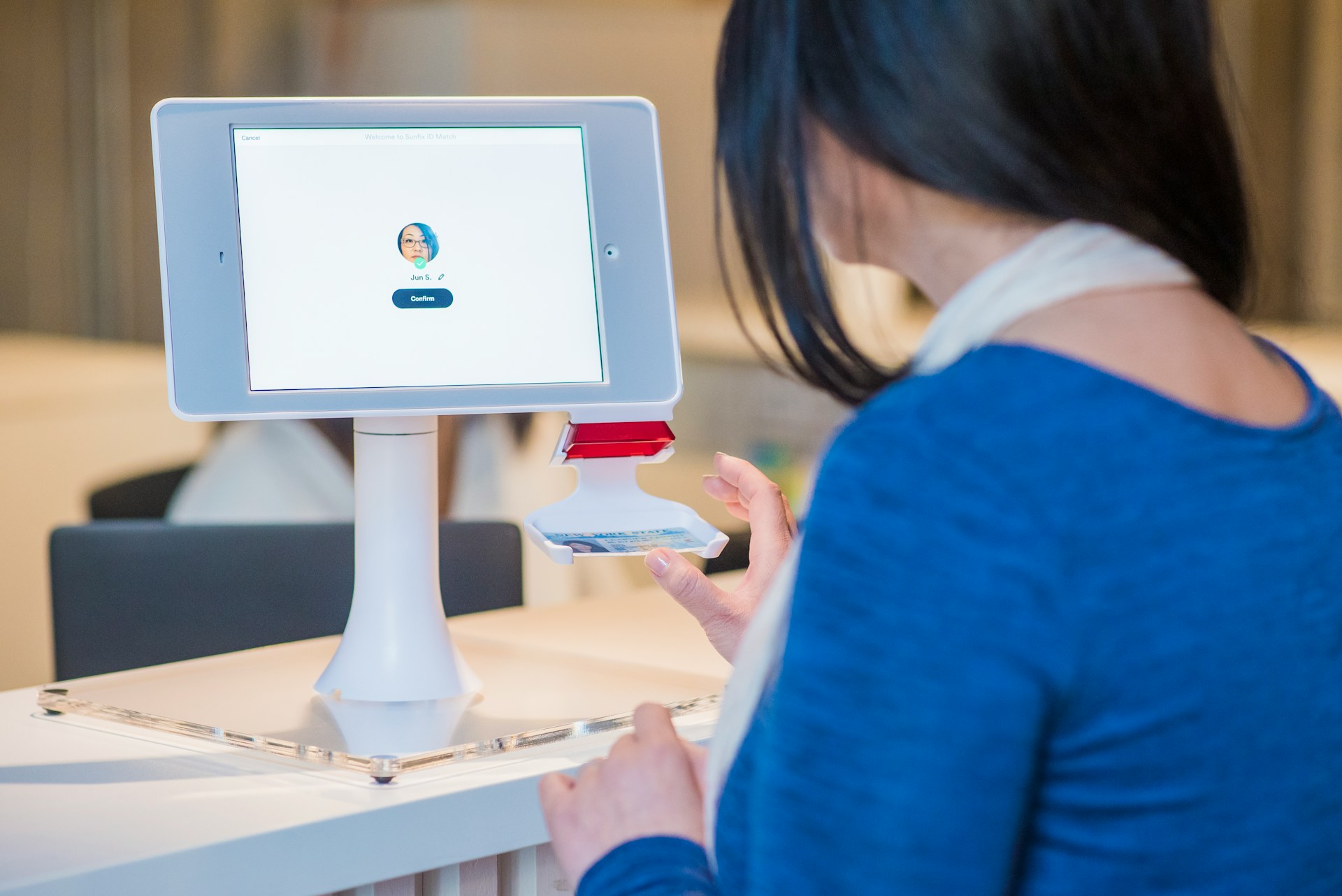
Facial recognition technology logs you into a website or grants you access to a space by scanning your face. While this advancement is convenient, it could pose a threat to your privacy. For example, a company might store your information without your knowledge and sell it to businesses or hand it over to the government.
Deepfake Videos Might Spread Misinformation

Deepfakes are hyperrealistic videos that place another person's face on an existing video clip. This makes it easy to spread misinformation by generating fake videos of politicians, athletes, celebrities and even private citizens. AI has accelerated the process, making it more crucial than ever to verify videos before you share them.
Autonomous Weapons Raise Ethical Concerns

Advocates for autonomous weapons claim that they allow soldiers to target criminals and terrorists without putting themselves in danger. However, trusting a machine to take another person's life raises a lot of ethical concerns--and if the machine malfunctions, it could kill innocent people. Attacking from a distance could also make it easier to dehumanize others.
Social Media Algorithms Promote Anger and Division

Social media platforms want to keep you hooked for as long as possible. As a result, when you like a post, you'll see more posts in the same category. This includes political posts, inflammatory messages, fake videos and conspiracy theories. When you browse social media, use critical thinking skills to keep yourself safe.
Quantum Computing May Pose a Security Risk
Quantum computing's sophisticated methods could break into encrypted sites, resulting in increased cybercrime, data theft and identity loss. Many businesses are trying to stay ahead of this risk, but it's only a matter of time before hackers start using quantum computing to break into government and financial databases, compromising thousands of people.
Internet of Things Could Make Hacking Easier
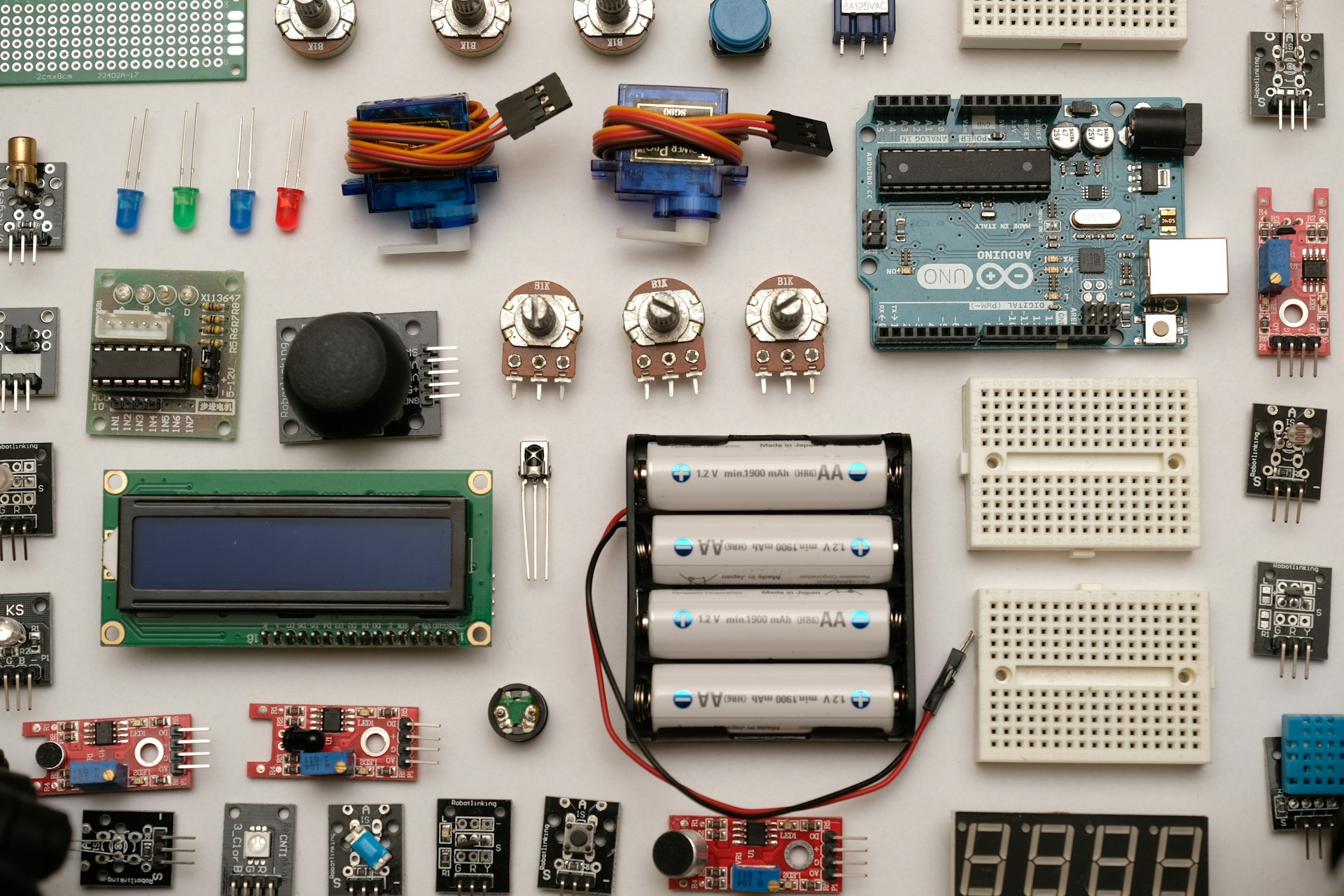
Internet of Things (IoT) is a network made up of smart devices, such as smartphones, thermostats, fridges, laptops, watches and vehicles. While the IoT has a lot of benefits, it also gives hackers more ways to launch an attack. Some devices are more vulnerable than others, and one incident could expose years of sensitive data.
Increased Technology Use May Increase Security Breaches
As people become increasingly reliant on technology, they're more likely to share personal details online. This might include telling ChatGPT your medical history or sharing your family secrets over text. With an online paper trail, hackers can seize your data while companies sell your personal information to the highest bidder.