Flying can be very tedious, especially on long-haul flights. In addition to spending hours on end doing nothing on the plane, you also have to put up with the sometimes unpleasant behavior of fellow passengers, not to mention the less-than-ideal comfort of some aircraft. Sure, there’s always the option of flying first class, but not everyone is Elon Musk.
Flying can be very boring, especially on long-haul flights. In addition to the many hours spent doing nothing on the plane, you also have to put up with the sometimes unpleasant behavior of fellow passengers, not to mention the less-than-ideal comfort of some aircraft. Sure, there’s the option of flying first class, but not everyone is Elon Musk.
So you need to bring your own comfort with you—but don’t overdo it, so as not to bother others. To avoid any unpleasant surprises, here are the top 7 accessories to bring on a plane, followed by 7 others you’d be better off avoiding.
Sleep mask

A sleep mask quickly becomes a must-have on a plane, especially when the flight crosses multiple time zones.
Even if you take off in the evening, daylight often accompanies you for much of the journey, which naturally makes it hard to fall asleep.
A good mask effectively blocks ambient light: cabin lighting, nearby screens, open windows…
It creates a bubble of darkness that helps your brain switch to rest mode, promotes deeper sleep, and reduces jet lag-related fatigue. Lightweight, compact, and comfortable, it’s one of the most useful accessories for arriving feeling more rested.
Earplugs
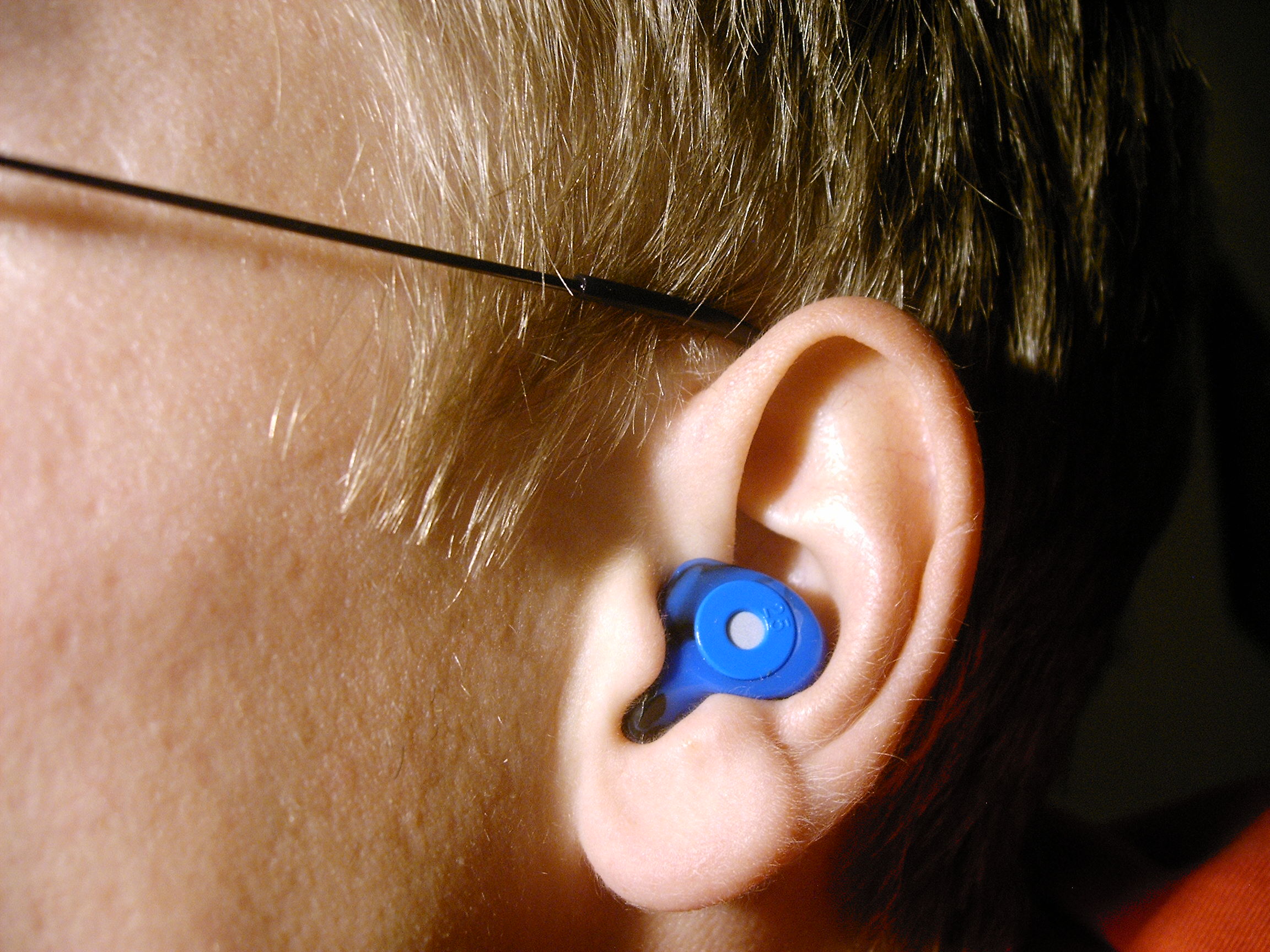
Earplugs or a pair of noise-canceling headphones make a real difference on a plane, where noise levels remain high throughout the flight.
Between the constant hum of the engines, repeated announcements, and conversations all around, the noise environment can quickly become exhausting, especially on long flights.
Earplugs offer a simple, lightweight, and affordable solution to mitigate these nuisances. Noise-canceling headphones, on the other hand, create a more immersive bubble by neutralizing the low frequencies of the engine and improving overall comfort.
In both cases, they promote relaxation and sleep while reducing stress caused by ambient noise.
Portable charger
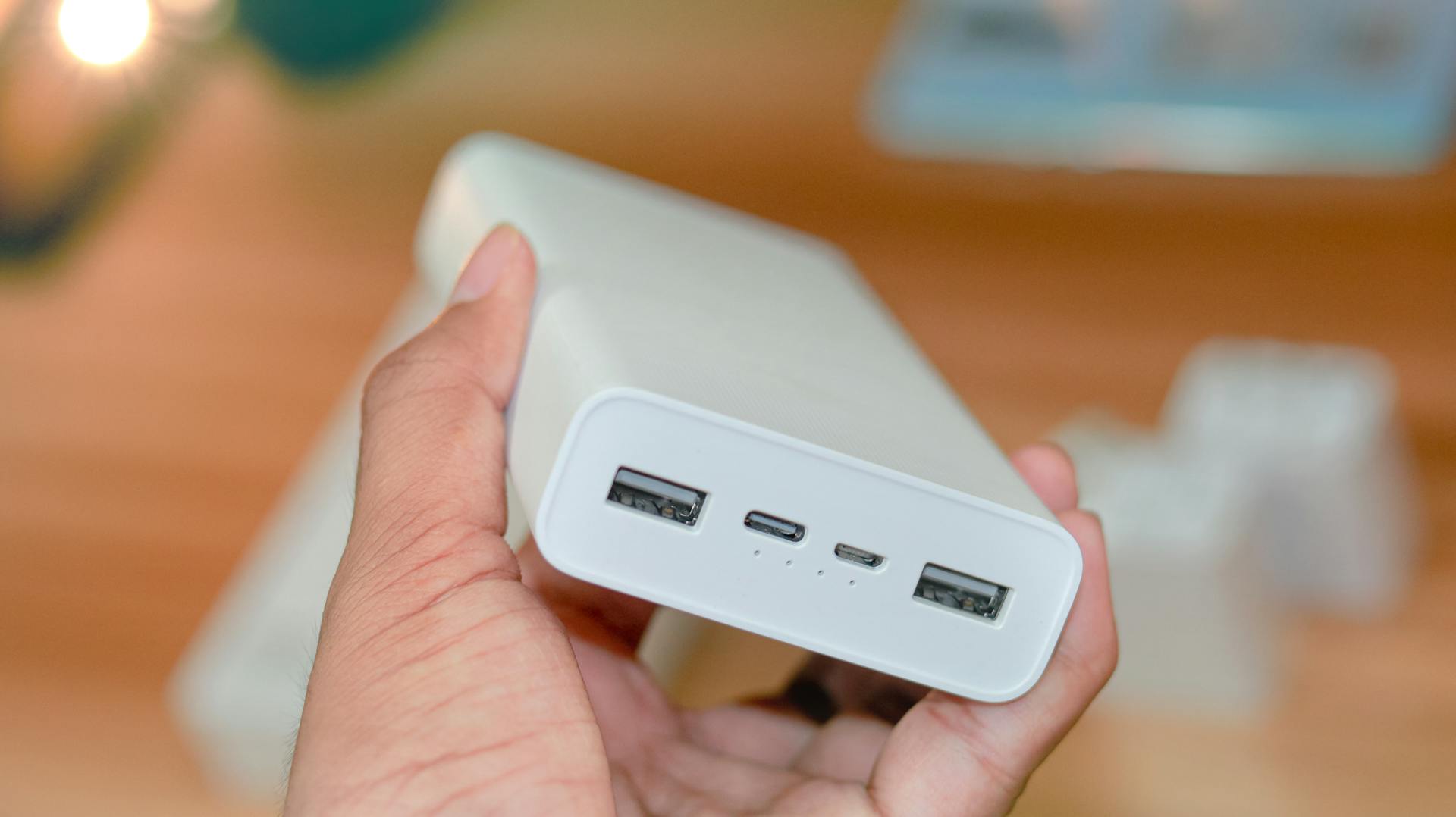
A phone or tablet is essential on a plane, but only if the battery lasts the entire flight.
Without enough battery life, the device becomes useless just when you need it most: to watch a movie, listen to music, read, work, or simply show your boarding pass upon arrival.
Since not all planes have working power outlets or USB ports, a portable charger becomes a real lifesaver.
It eliminates the stress of watching the battery percentage drop, ensures you stay reachable, and lets you use the device until landing without worrying about it running out of power.
Travel pillow
A travel pillow is one of the most useful accessories for a night flight, as it supports the neck and prevents the minor strains that build up when trying to sleep while seated.
Placed around the shoulders, it stabilizes the head and reduces involuntary movements that wake you up or prevent you from finding a comfortable position.
Inflatable models have the advantage of being lightweight and compact, perfect for maximizing space in carry-on luggage, even if they aren’t as plush as foam versions.
Despite its limitations, this pillow significantly improves the quality of rest and makes the trip much more bearable.
Disinfectant wipes
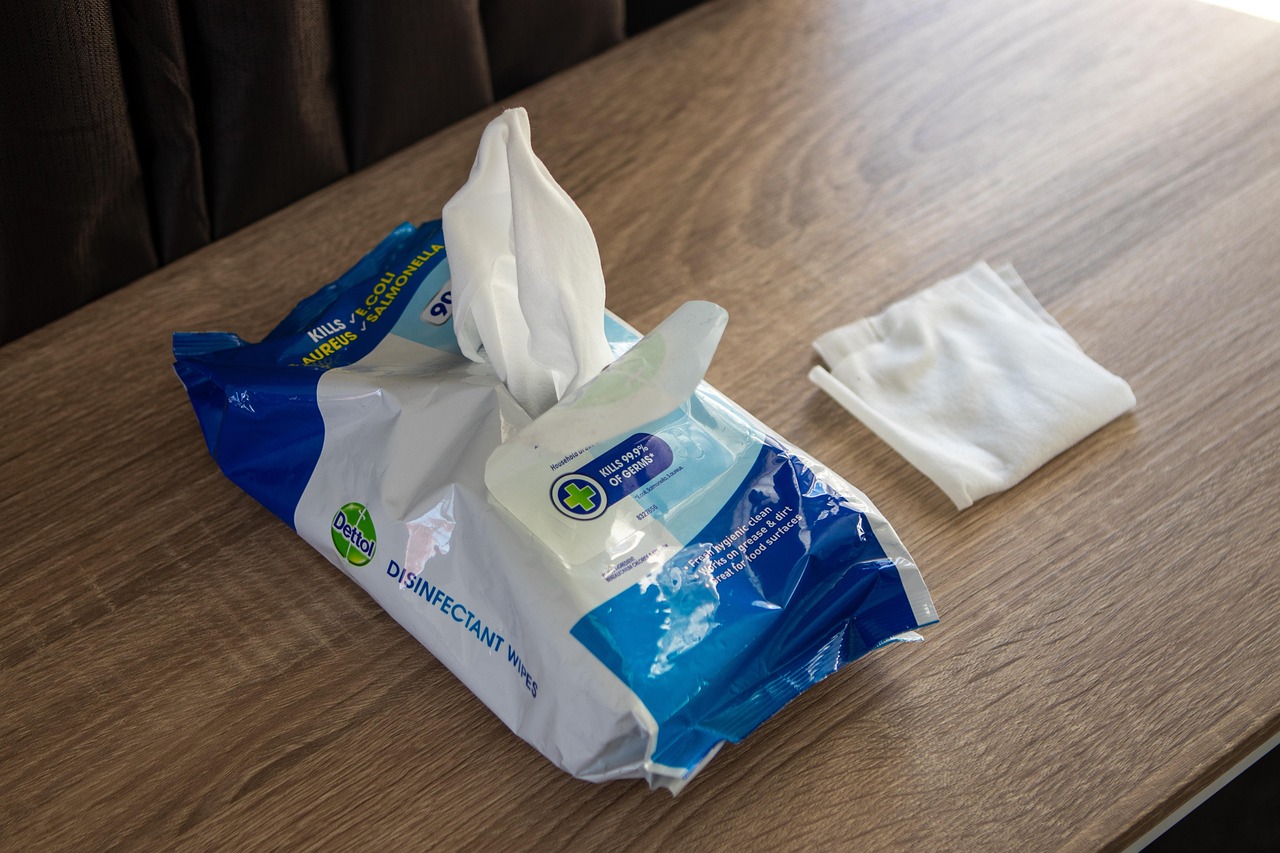
A pack of disinfectant wipes is one of the most useful items to have on a plane, since maintaining good hygiene can quickly become a challenge in such a confined and crowded space.
The restrooms are used by dozens of passengers, and surfaces like armrests, tray tables, and touchscreens aren’t always cleaned between flights.
Having wipes on hand lets you quickly sanitize whatever you touch, clean your hands before eating, and reduce the risk of contamination.
It’s a simple, reassuring, and practical step, especially on long flights where access to a clean sink isn’t guaranteed.
Compression socks
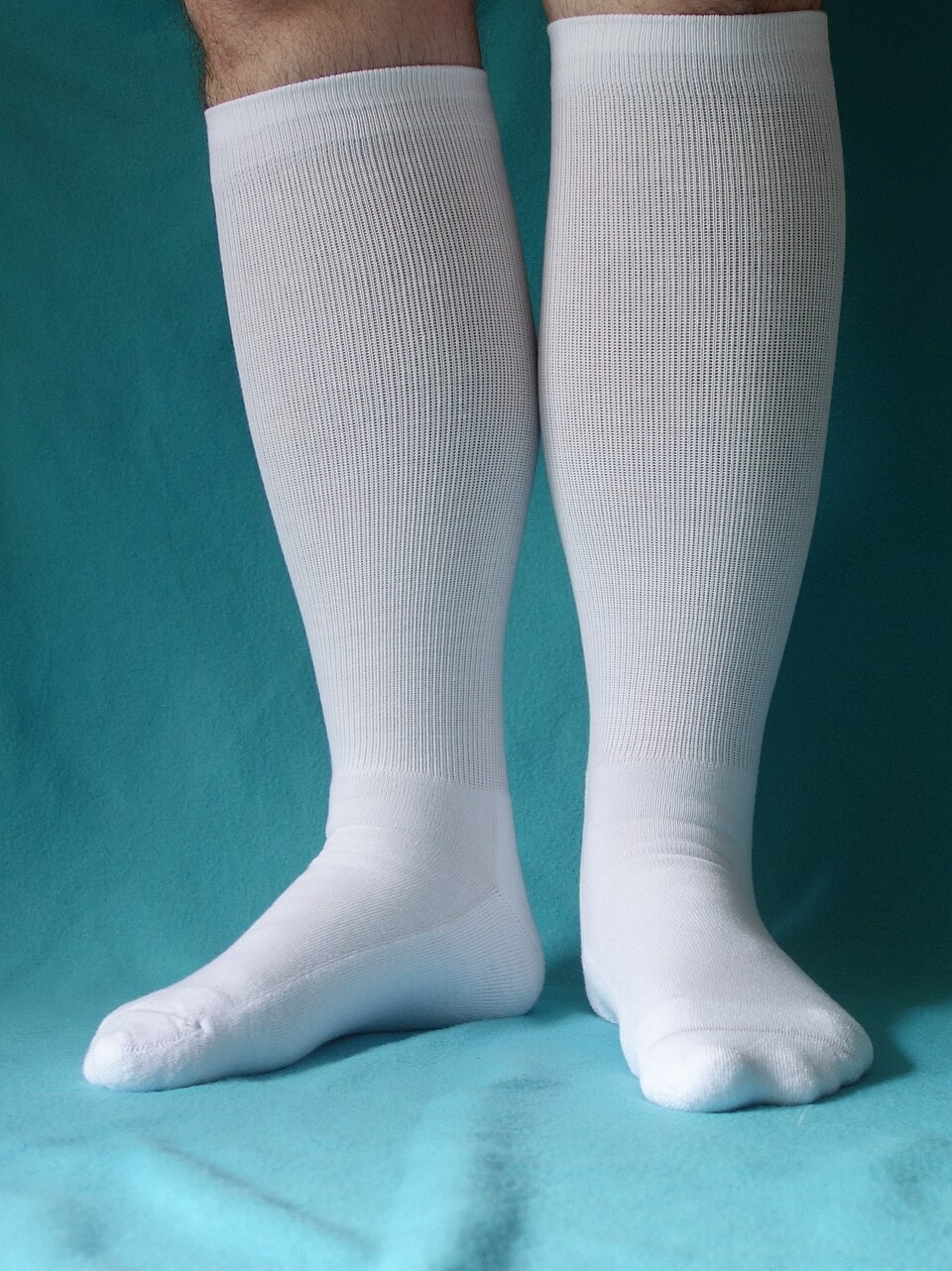
Compression socks are especially useful on flights, as sitting for several hours naturally slows down blood circulation in the legs.
This stagnation causes numbness, heaviness, and sometimes unpleasant swelling in the ankles. The socks apply gentle, gradual pressure that helps blood flow back up toward the upper body, thereby reducing the feeling of tired legs upon landing.
They provide real comfort on long flights, especially if you move around little or sleep. Lightweight and easy to slip into carry-on luggage, they help make the trip more enjoyable and less taxing on your legs.
Travel water bottle
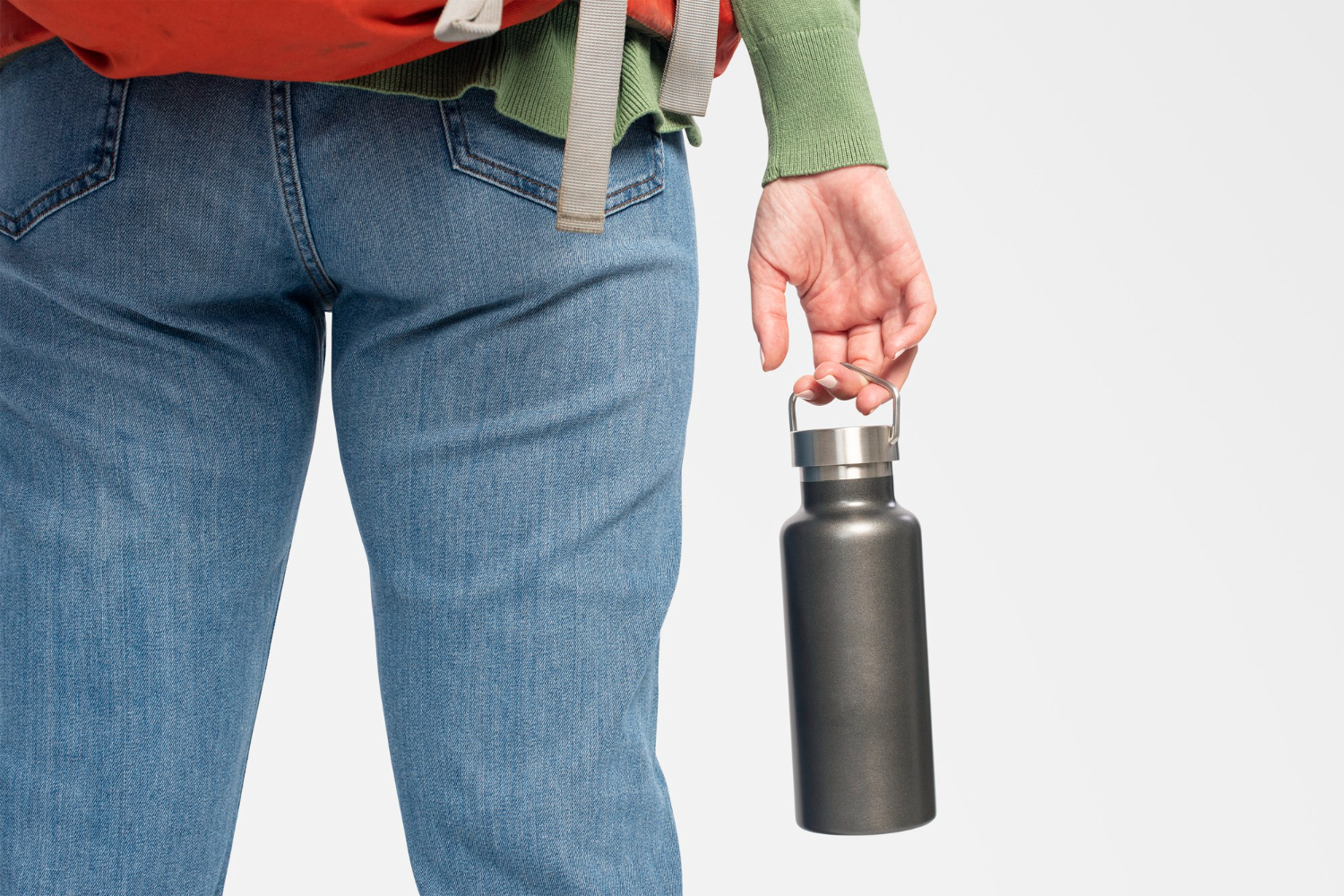
An empty water bottle or reusable bottle is one of the most practical items to bring on a flight, since liquids are prohibited before going through security.
Once you’ve cleared security, there’s nothing stopping you from filling your container at a water fountain or drinking water station.
This allows you to stay hydrated throughout the trip without relying on the small portions served on board or the often exorbitant prices at airport shops.
It’s also an eco-friendly and economical solution that avoids buying disposable bottles and ensures you always have water on hand during the flight.
Inflatable footrest
The airplane footrest is one of those accessories that seem promising on paper but often turn out to be useless—or even annoying—in practice.
In a space as confined as economy class, it quickly encroaches on other passengers’ personal space and can be perceived as disrespectful.
Setting it up also restricts movement, blocks access to the adjacent seat, and draws the attention of the flight crew, as some airlines explicitly prohibit its use for safety reasons.
Ultimately, it takes up more space than it provides real comfort, especially when you can simply stretch your legs or walk a bit down the aisle.
Knee pads
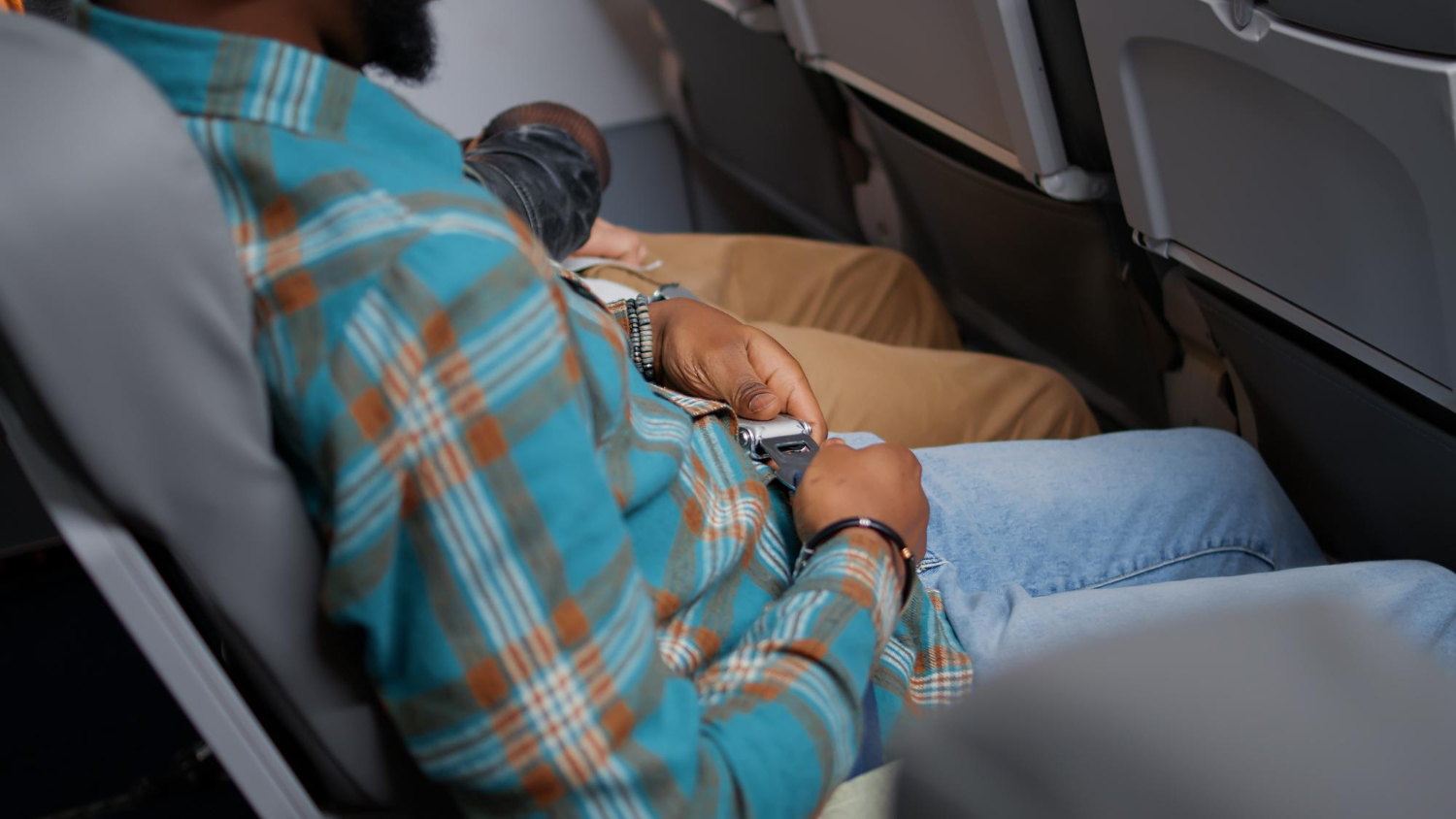
The Knee Defender is one of those accessories that causes more problems than it solves. Sure, it can prevent the passenger in front of you from reclining their seat, but this “comfort” often comes at the cost of a confrontation.
The device has already sparked altercations mid-flight, including an incident serious enough to force an emergency landing in the United States.
Preventing someone from using a normal feature of their seat is perceived as an act of aggression, even if the reclining bothers you.
The best approach remains communication: ask politely, find a compromise, or adjust your own posture. The Knee Defender, on the other hand, only makes the atmosphere more tense and ruins the travel experience.
Jumpsuit

A trendy jumpsuit may seem stylish and comfortable for traveling, but it quickly becomes a useless item once you’re on the plane.
Even on a short flight, it’s almost certain you’ll need to use the restroom, and that’s when the trouble begins: taking off a jumpsuit in a tiny space, with a floor that’s sometimes wet and a door that doesn’t close properly, is a real challenge. This garment requires you to undress almost entirely, which is neither practical nor hygienic.
To avoid this headache, it’s better to choose a model with a zipper or a two-piece outfit, which is much better suited to the constraints of travel.
Short clothing
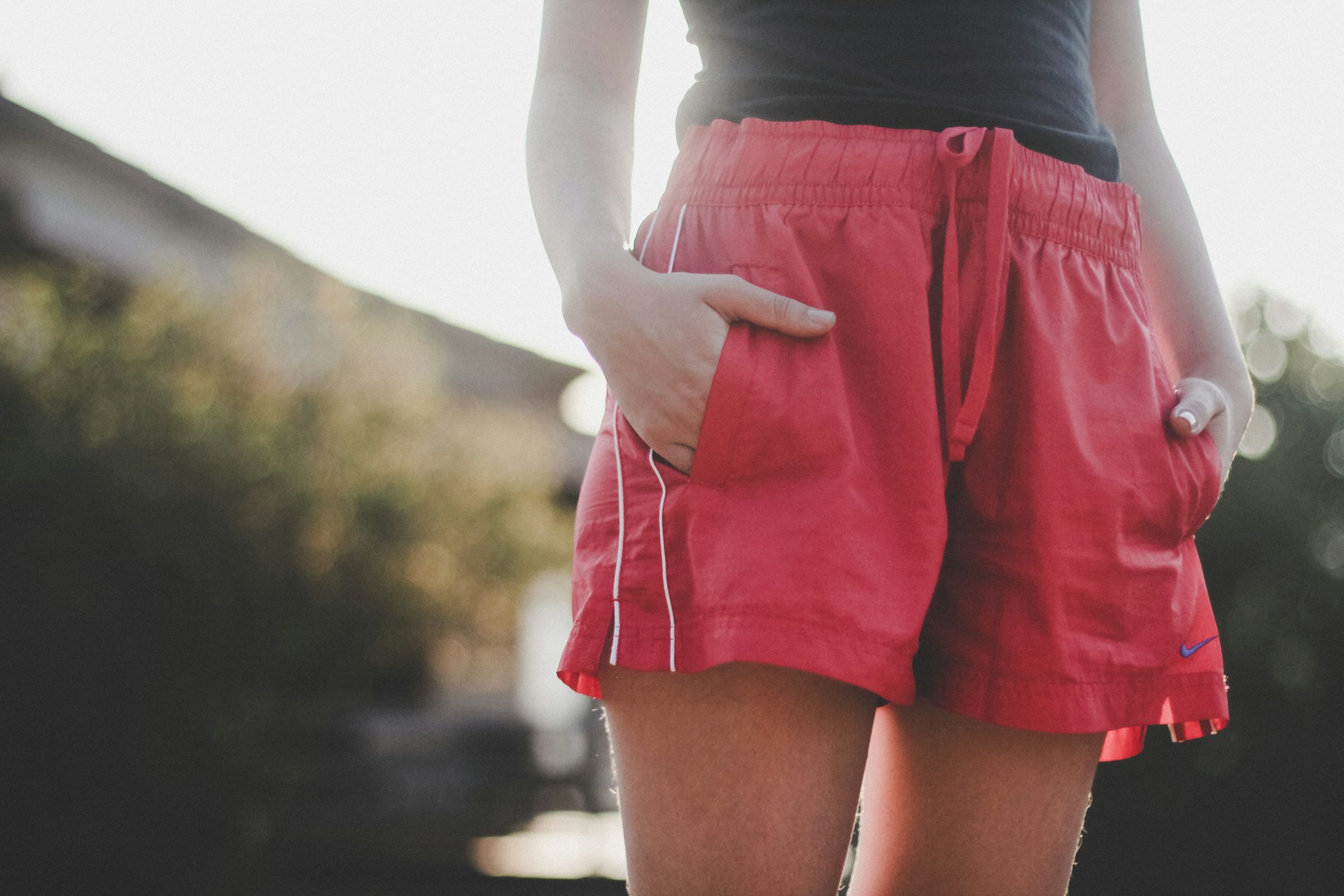
Wearing your vacation outfit on the plane might seem practical and festive, but it’s often an unnecessary and uncomfortable choice.
Cabin temperatures are set to a cool level, similar to early fall, and sitting still for several hours in light clothing increases the risk of getting cold.
Shorts, a summer dress, or a tank top quickly become insufficient in the face of constant air conditioning. The contrast between the heat outside and the coolness of the plane creates lasting discomfort, sometimes accompanied by chills or muscle stiffness.
It’s best to travel with layered clothing, which is better suited to temperature fluctuations.
Reading lamp is too bright
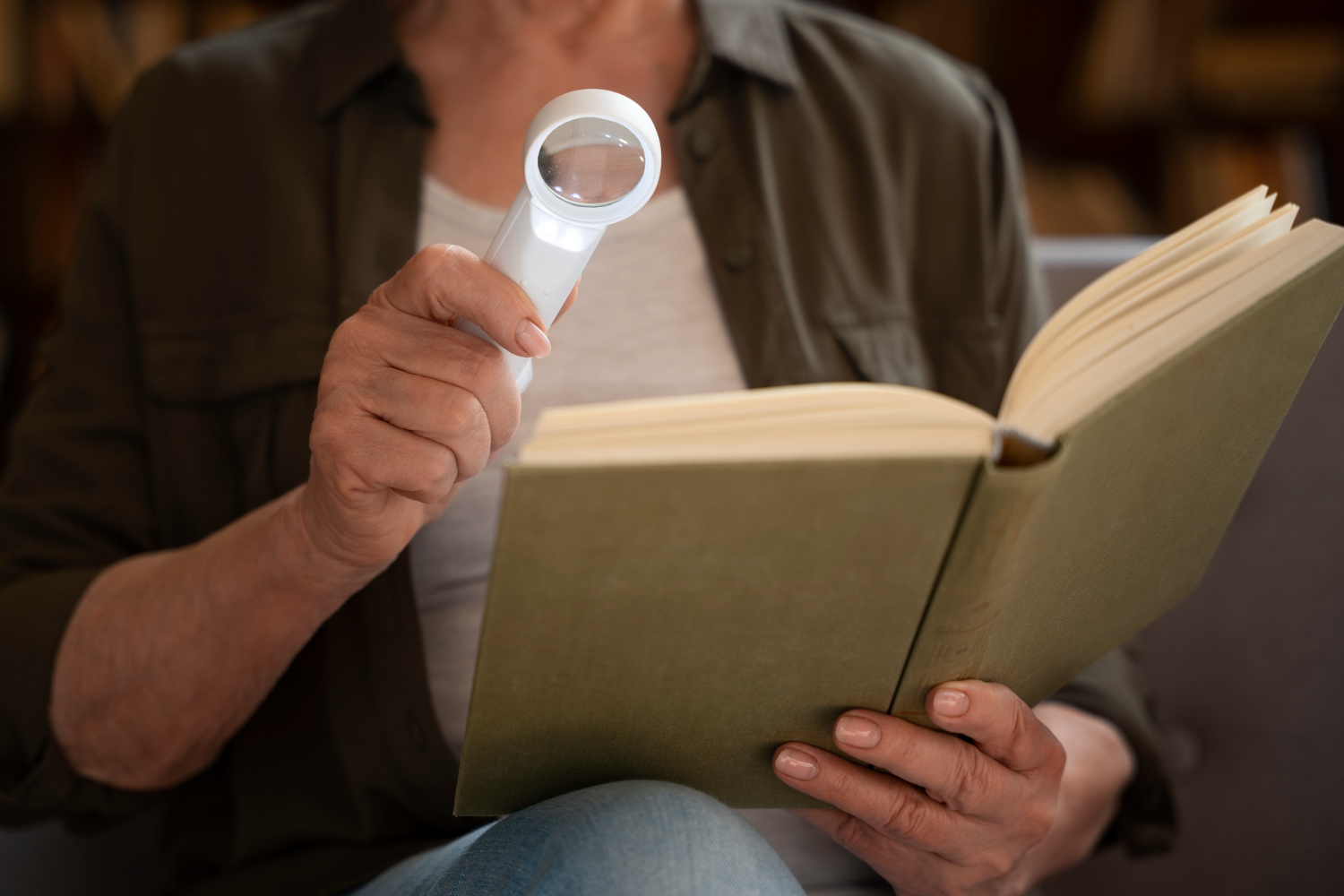
An individual reading light may seem convenient on a night flight, but it quickly becomes a nuisance when misused. Every passenger has the right to turn on their light, but only if the light is confined to their own seat.
A light that is too bright or poorly aimed immediately shines on neighbors, prevents them from sleeping, and creates tension in an already confined environment. Even the slightest light disturbance can disrupt an entire row, especially when passengers are trying to rest.
To avoid conflicts and maintain harmony in the cabin, it’s best to refrain from using a light or to use a soft, discreet light source.
USB Mini Fan
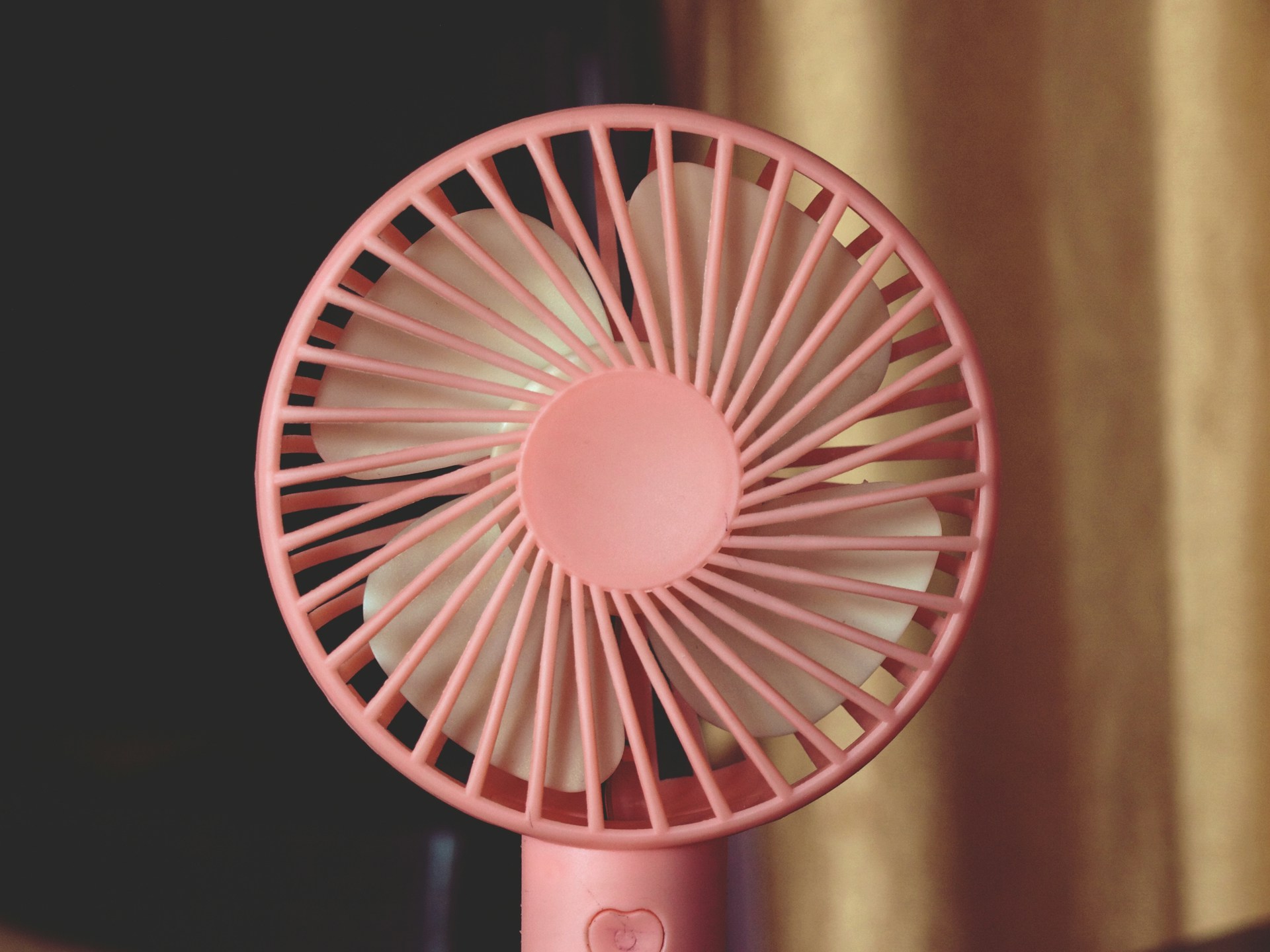
A portable fan might seem like a smart way to cool off on a plane, but it almost always turns out to be useless.
The cabin temperature is already set to prevent any feeling of heat, and the air conditioning runs continuously, even when the plane is flying over very hot areas like the
Sahara or the Arabian Desert. So this little fan just ends up taking up space in your bag without providing any extra comfort.
It can also disturb nearby passengers with its noise or directed airflow. In practice, it serves no purpose and simply adds weight to your luggage, even though cabin space is already limited.
Bluetooth speaker
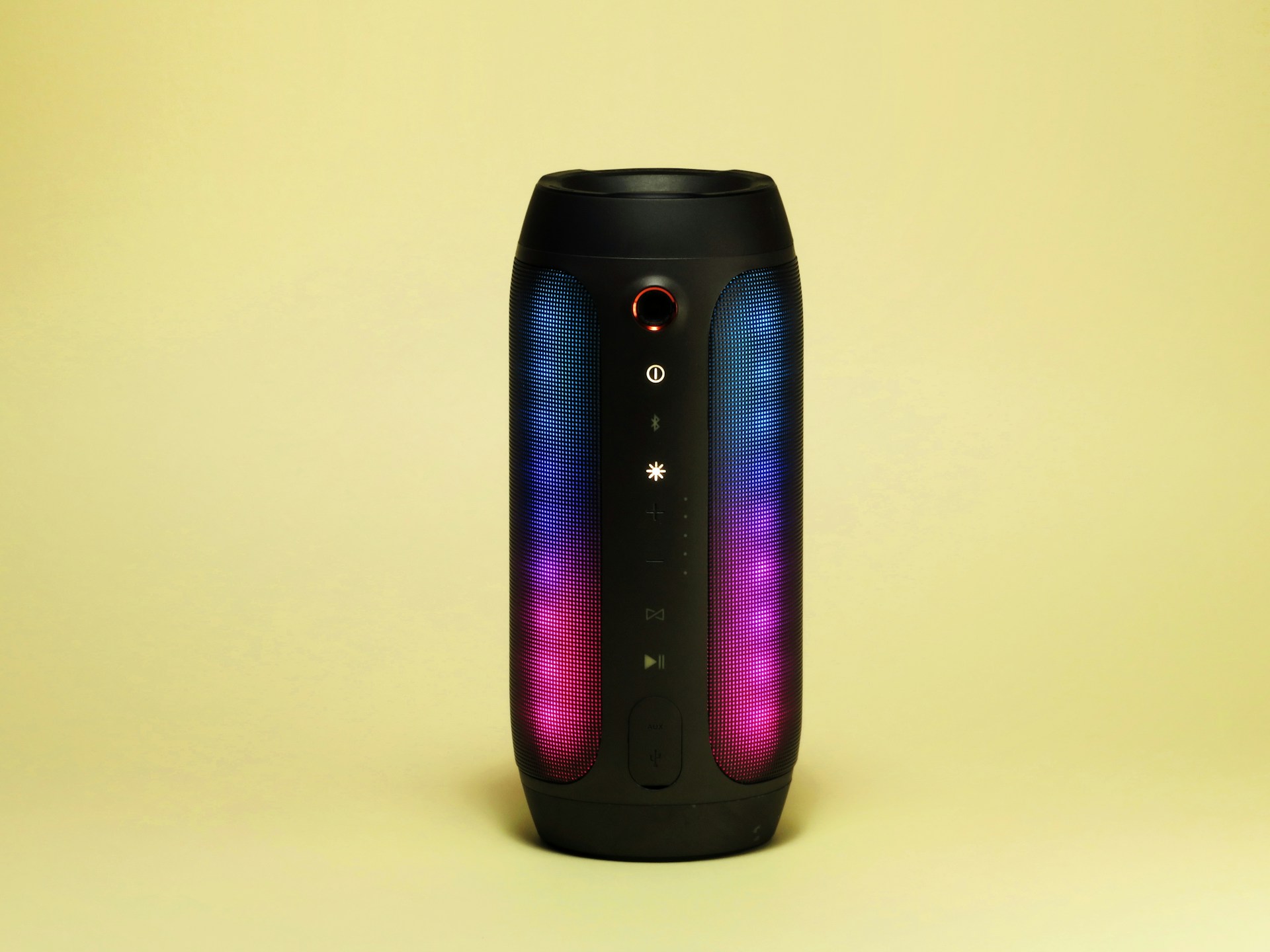
A Bluetooth speaker is one of those completely useless accessories on a plane, because even though you can bring it into the cabin, you’ll almost never be allowed to use it.
Playing music in a confined space where hundreds of passengers are gathered would create a real racket, as everyone has their own tastes, needs, and sometimes even a desire to sleep.
It is precisely to avoid this auditory chaos that airlines prohibit the use of personal speakers and provide headphones to those who don’t have them.
The speaker will therefore only weigh down your luggage without offering any real benefit during the flight.