In recent years, virtual reality (VR) has established itself as a leading technology. It holds the promise of total immersion and radical transformation of the way we interact. From mental health to education, from video games to vocational training, it opens up fascinating and sometimes revolutionary prospects. However, not all VR applications are as successful as expected. Some struggle to convince, held back by technical problems, lack of ergonomics or poorly targeted use. The latter point to the limits of a technology still in search of maturity. In this contrasting panorama, come and discover the seven game-changing uses of VR. At the same time, you’ll see the seven others that, despite their promise, haven’t found their audience.
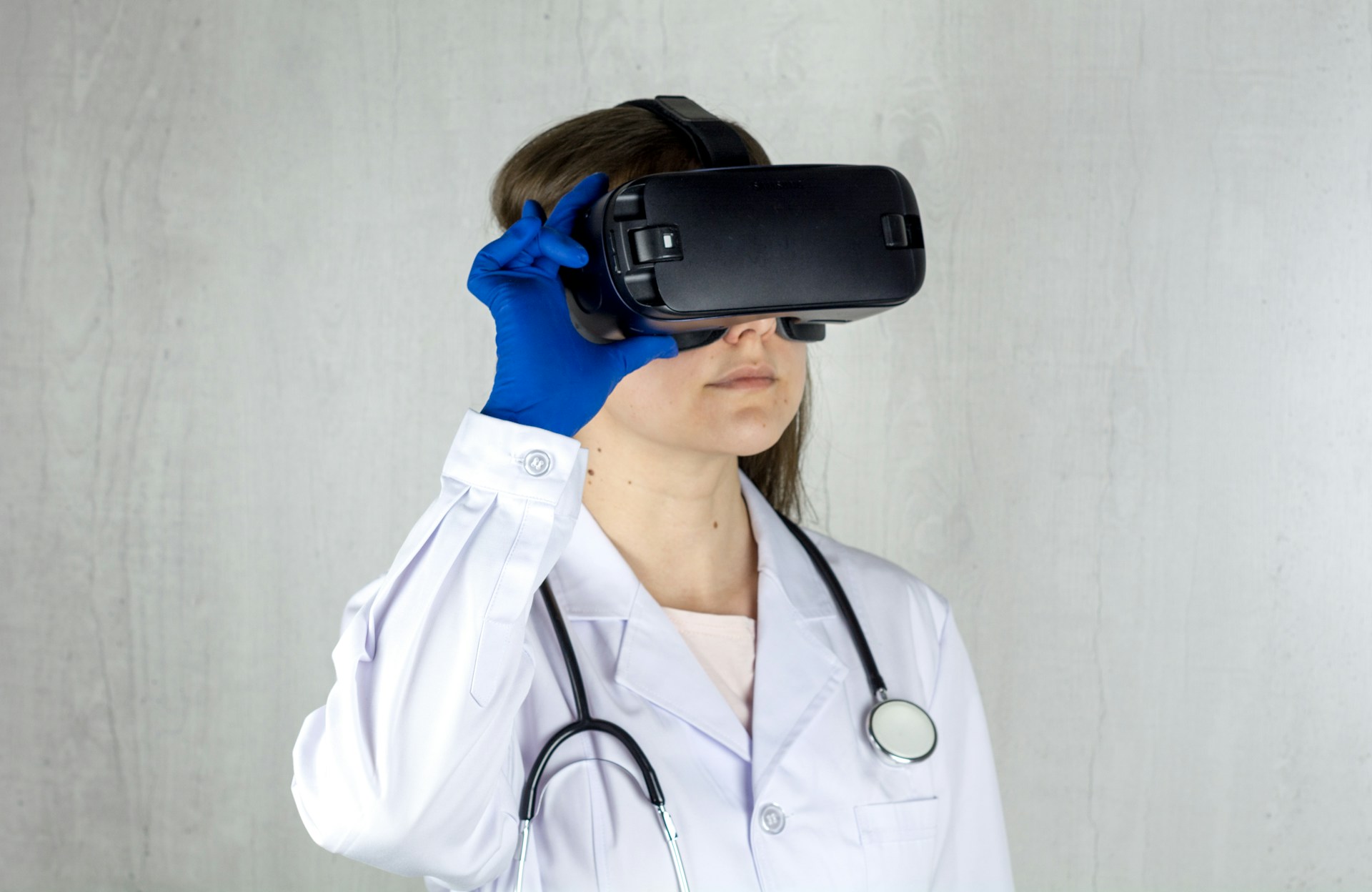
In recent years, virtual reality (VR) has established itself as a leading technology. It holds the promise of total immersion and radical transformation of the way we interact. From mental health to education, from video games to vocational training, it opens up fascinating and sometimes revolutionary prospects. However, not all VR applications are as successful as expected. Some struggle to convince, held back by technical problems, lack of ergonomics or poorly targeted use. The latter point to the limits of a technology still in search of maturity. In this contrasting panorama, come and discover the seven game-changing uses of VR. At the same time, you'll see the seven others that, despite their promise, haven't found their audience.
1. Immersive video games
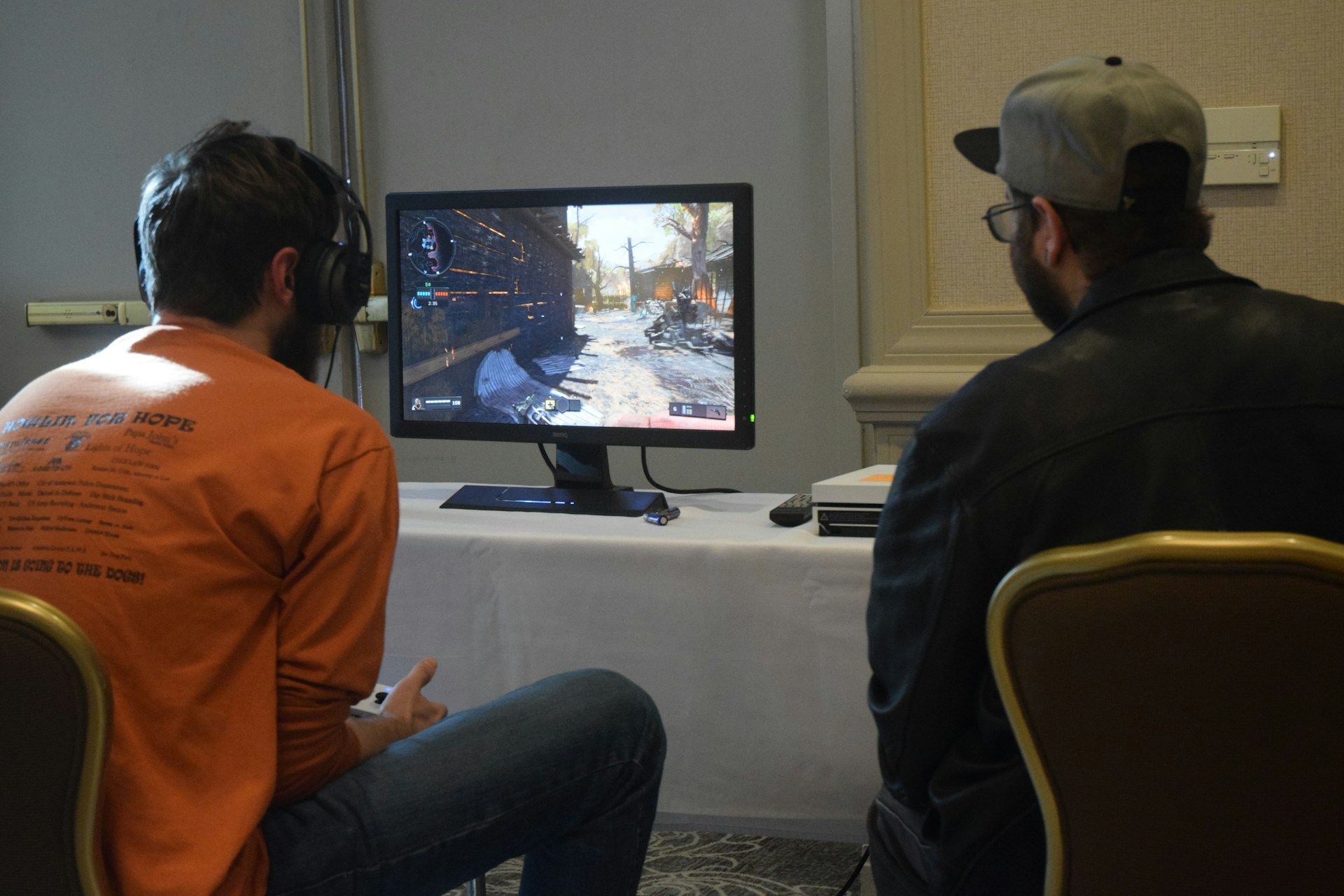
Virtual reality redefines the gaming experience with ultra-realistic worlds, interactive gameplay and unprecedented sensory rendering. The addition of haptic gloves and motion platforms offers total, natural and unrivalled immersion. Examples include Asgard's Wrath 2, Beat Saber... These high-end immersive games are a real success!
2. Mental health therapy

Artificial Intelligence-assisted therapy and biofeedback in VR is one of the alternatives in mental health therapy. Graduated exposure in controlled environments has proved its worth in the treatment of anxiety disorders, phobias, post-traumatic stress, etc. VR provides a safe, personalized framework with clinically measurable results, and facilitates access to therapy.
3. Medical and surgical training
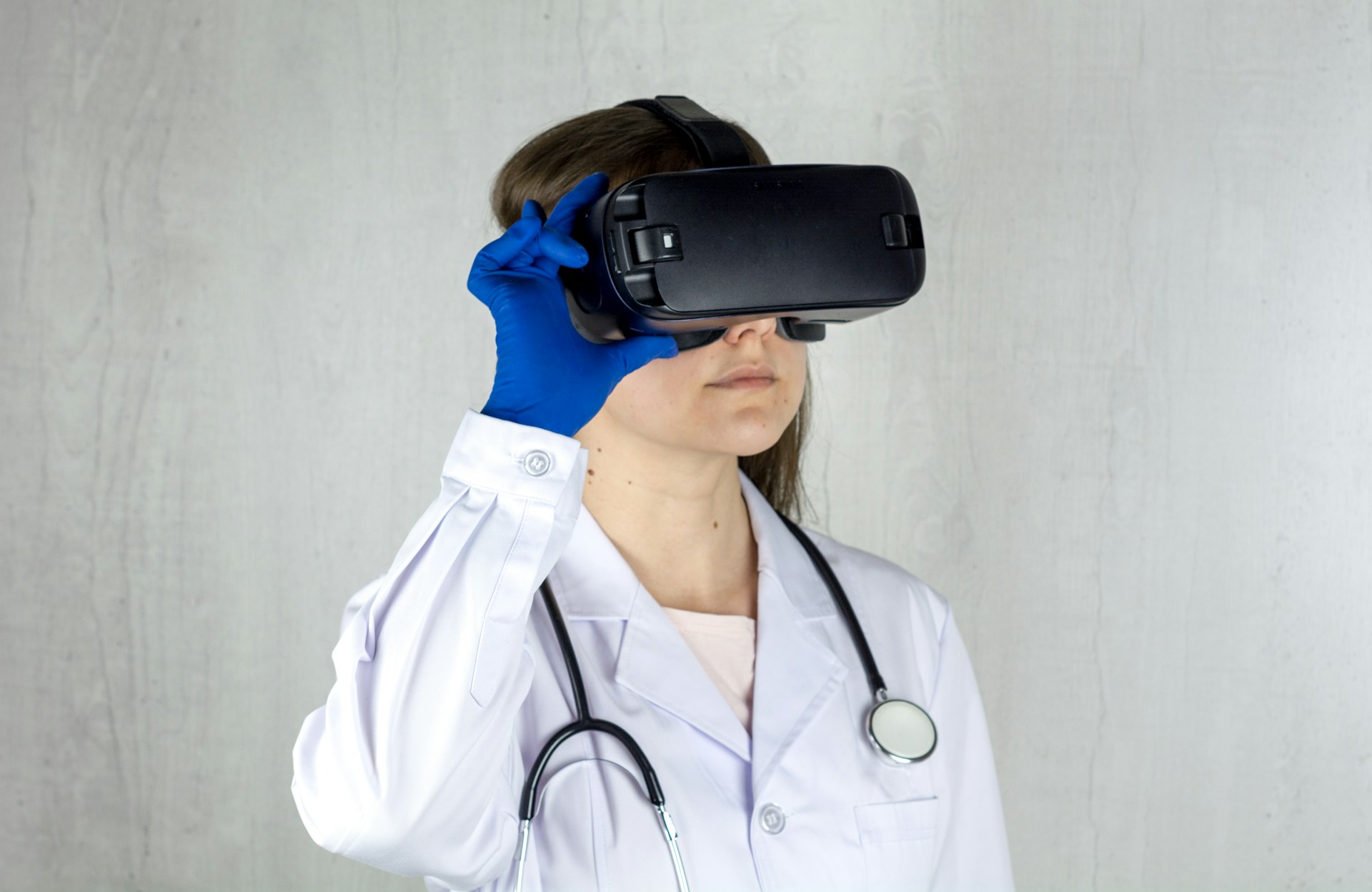
Surgical simulations, virtual diagnostics, 3D organ dissections... Virtual reality enables future doctors and surgeons to practice effectively without risk. Realism and real-time feedback enable them to improve precision while reducing medical errors. The application of VR in the field of medical training greatly facilitates its accessibility.
4. High-security professional practice
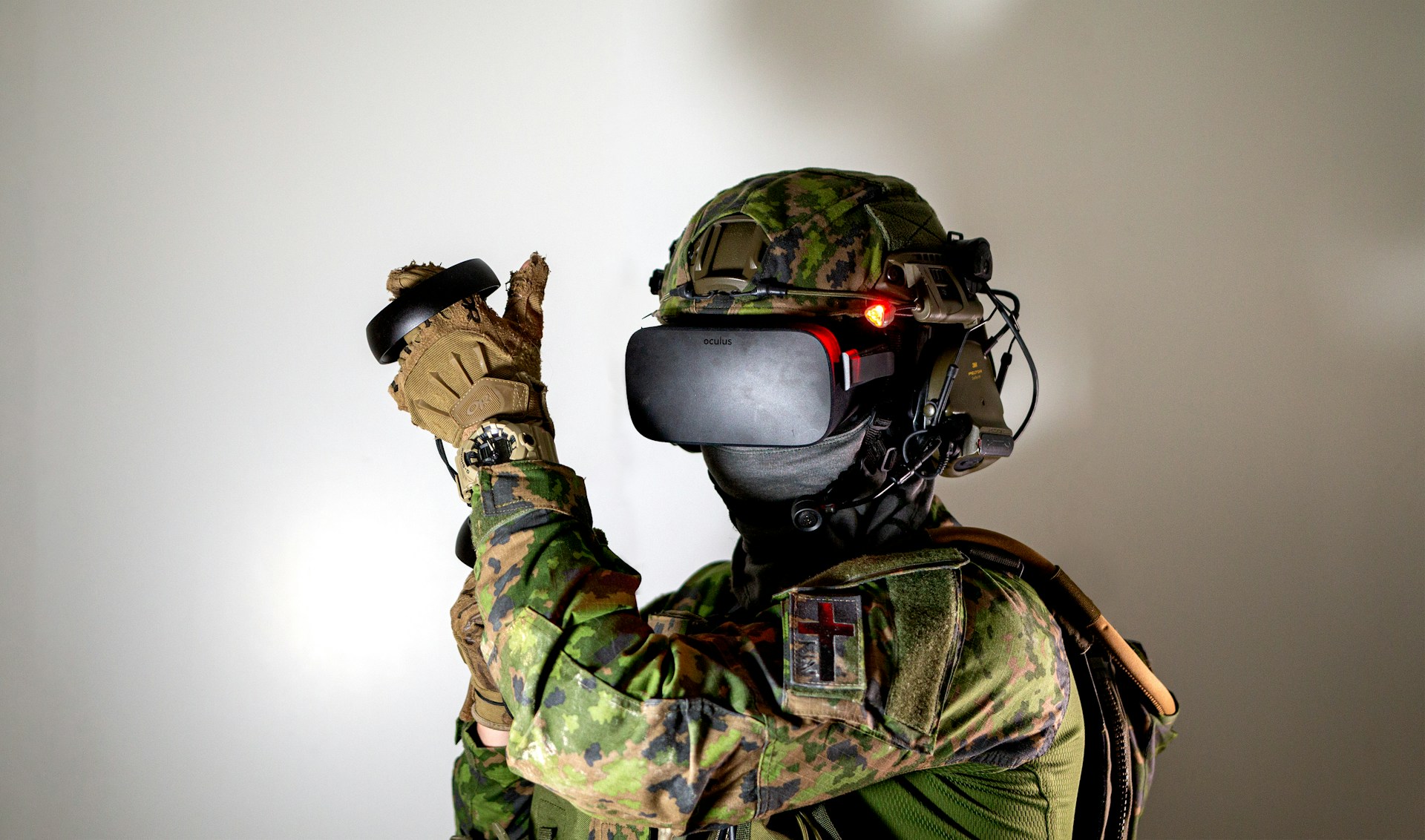
It's not just in medical training that VR is so useful. It is also used in high-precision professional practice. Firefighters, pilots, military personnel, industrial technicians... can also use VR to train in extreme virtual scenarios. This solution has the advantage of being economical, secure and effective.
5. Immersive education
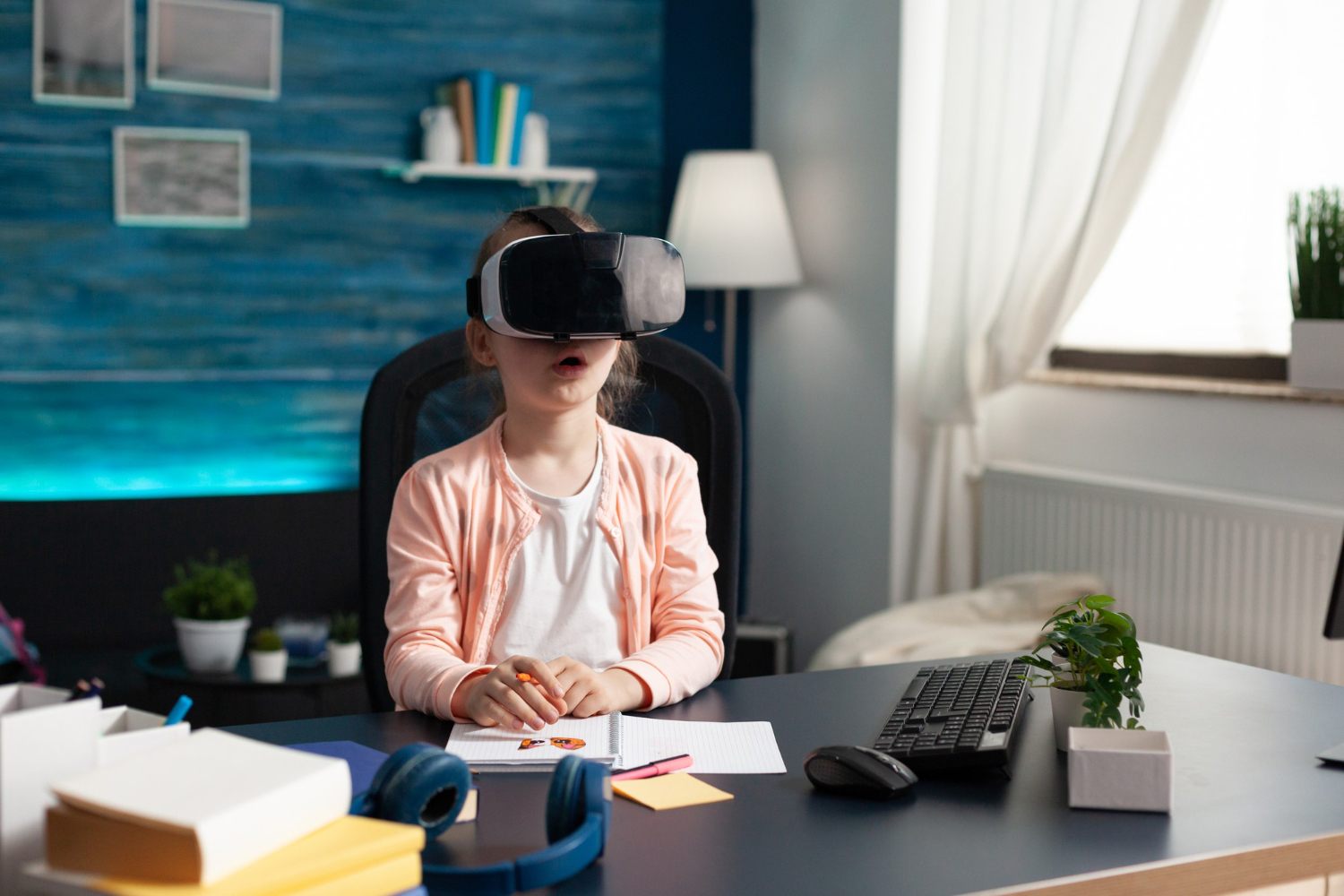
Virtual tours of ancient Rome, immersive courses in cell biology... The application of virtual reality in education also presents opportunities for personalized learning. Not to mention the ability to simulate real-life situations in dangerous or costly environments for a more realistic and engaging hands-on learning experience.
6. Virtual tourism
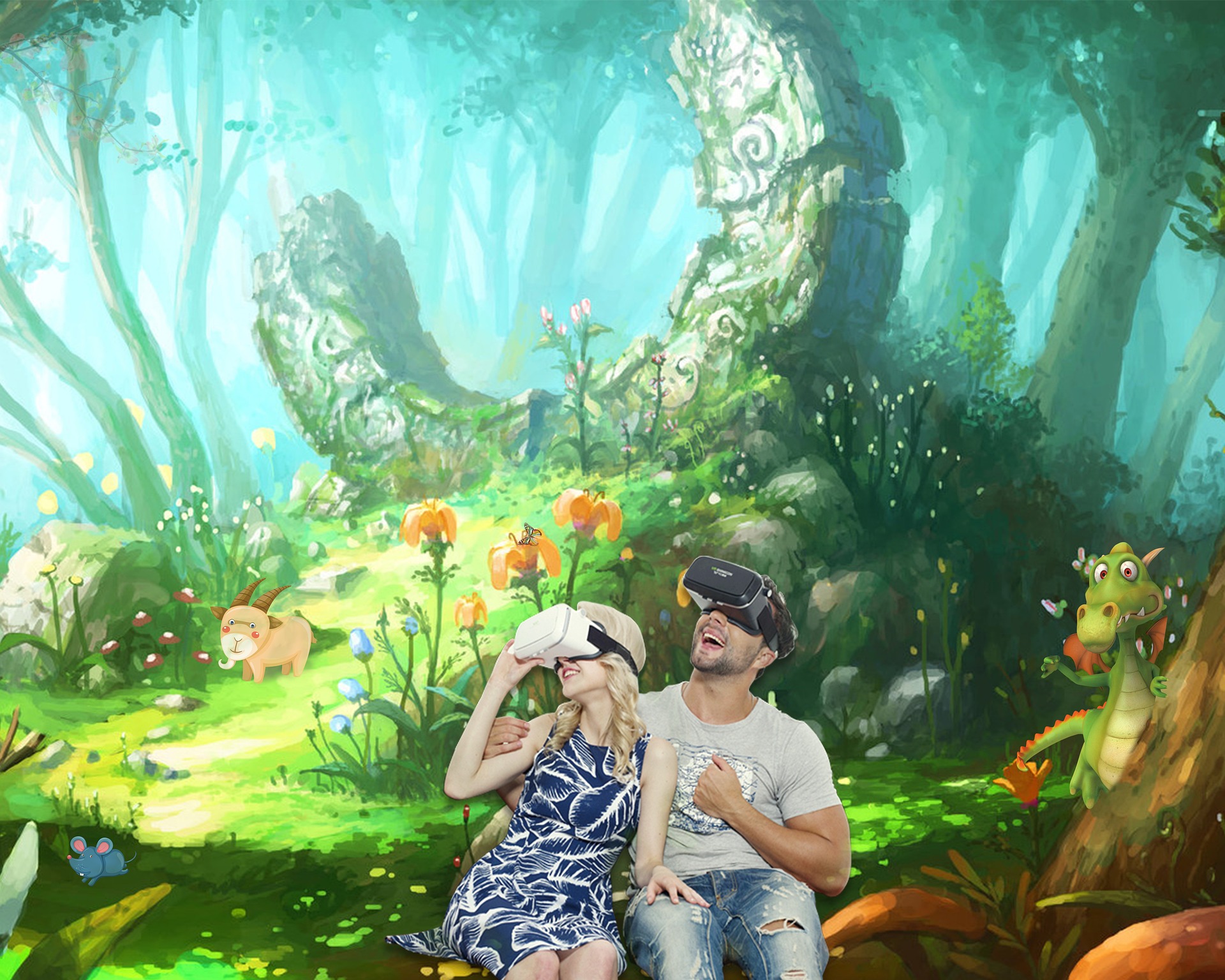
Thanks to virtual reality, it's now possible to visit the other side of the world without having to leave your living room. Travel is becoming more accessible, more inclusive and far less expensive. Virtual travel lets you indulge in immersive tourism, whatever your degree of mobility and budget.
7. Shopping and viewing products in 3D
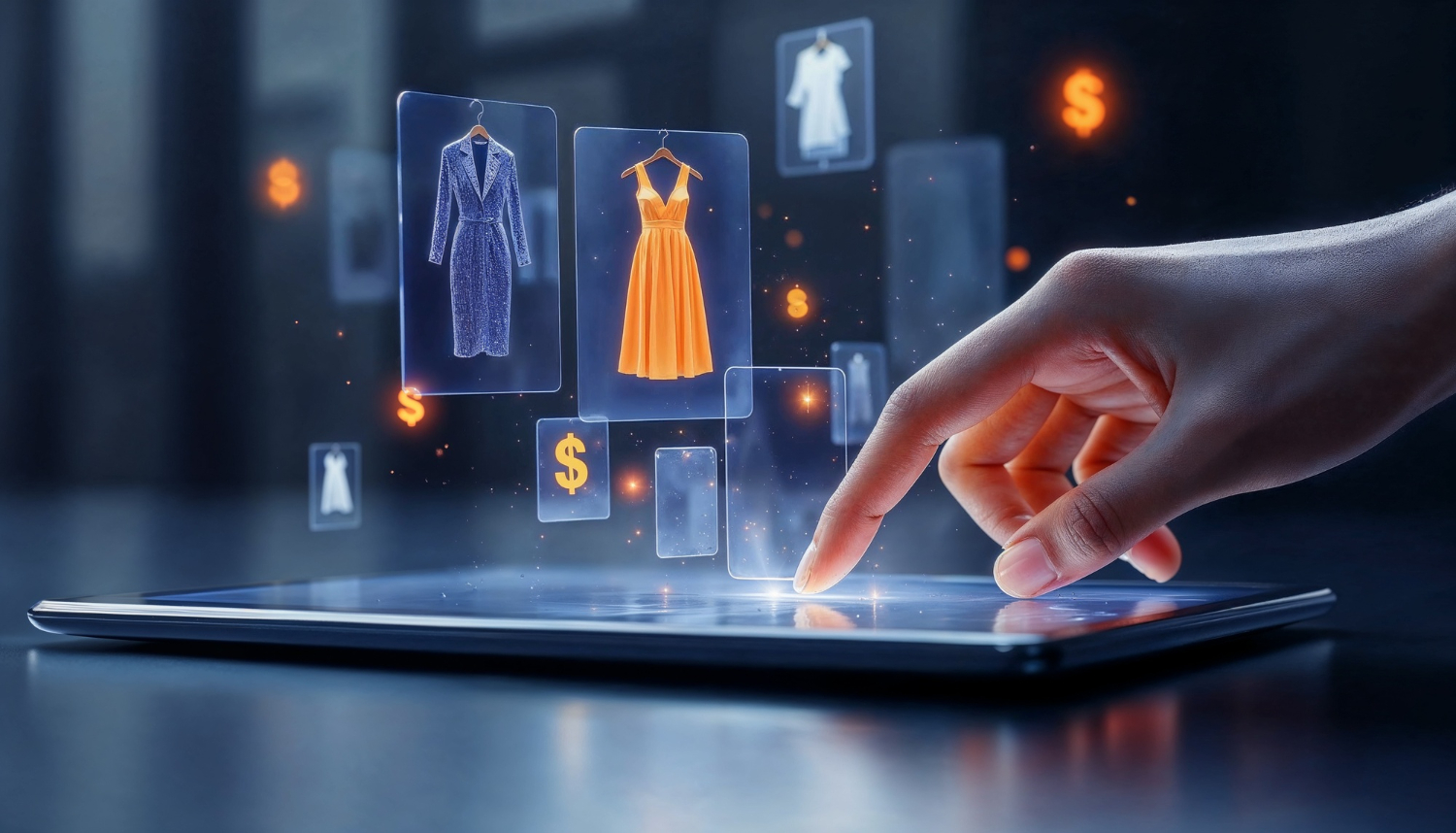
Virtual reality is revolutionizing shopping. It lets you explore products in 3D, at actual size, without having to leave your home. Try on an item virtually, see how a piece of furniture fits into your interior... You can do it all as if you were physically there in the store. This makes for a more immersive, personalized and reliable customer experience.
1. Virtual offices and collaborative working in VR
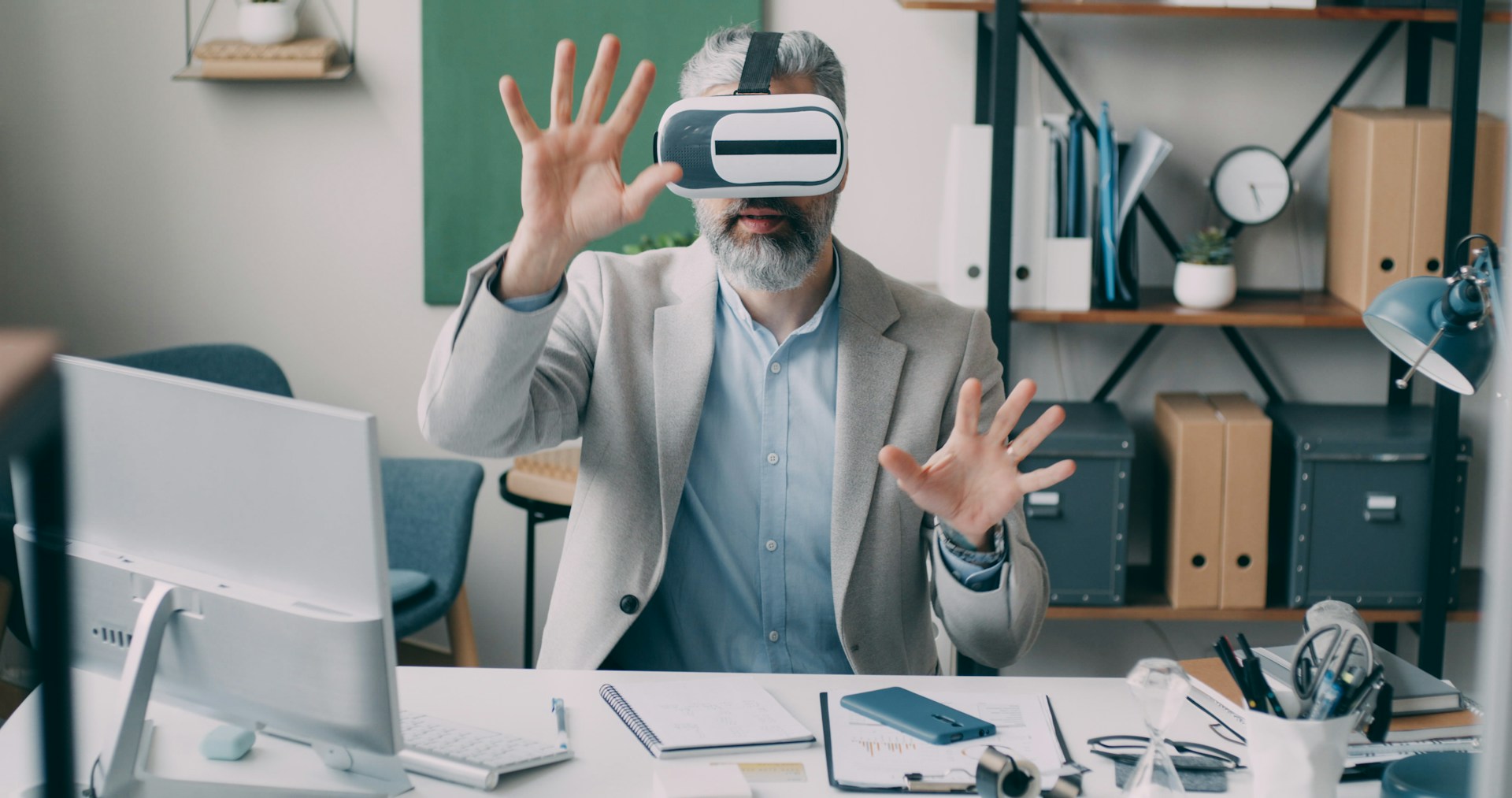
Virtual offices were intended to replace open workspaces. However, the experience is uncomfortable, unergonomic and tiring, especially for the eyes. Interfaces are complex and slow. Productivity is far lower than with traditional tools. As a result, they are not widely adopted, despite major investments such as Meta's Horrizon Workrooms.
2. Social networking in VR
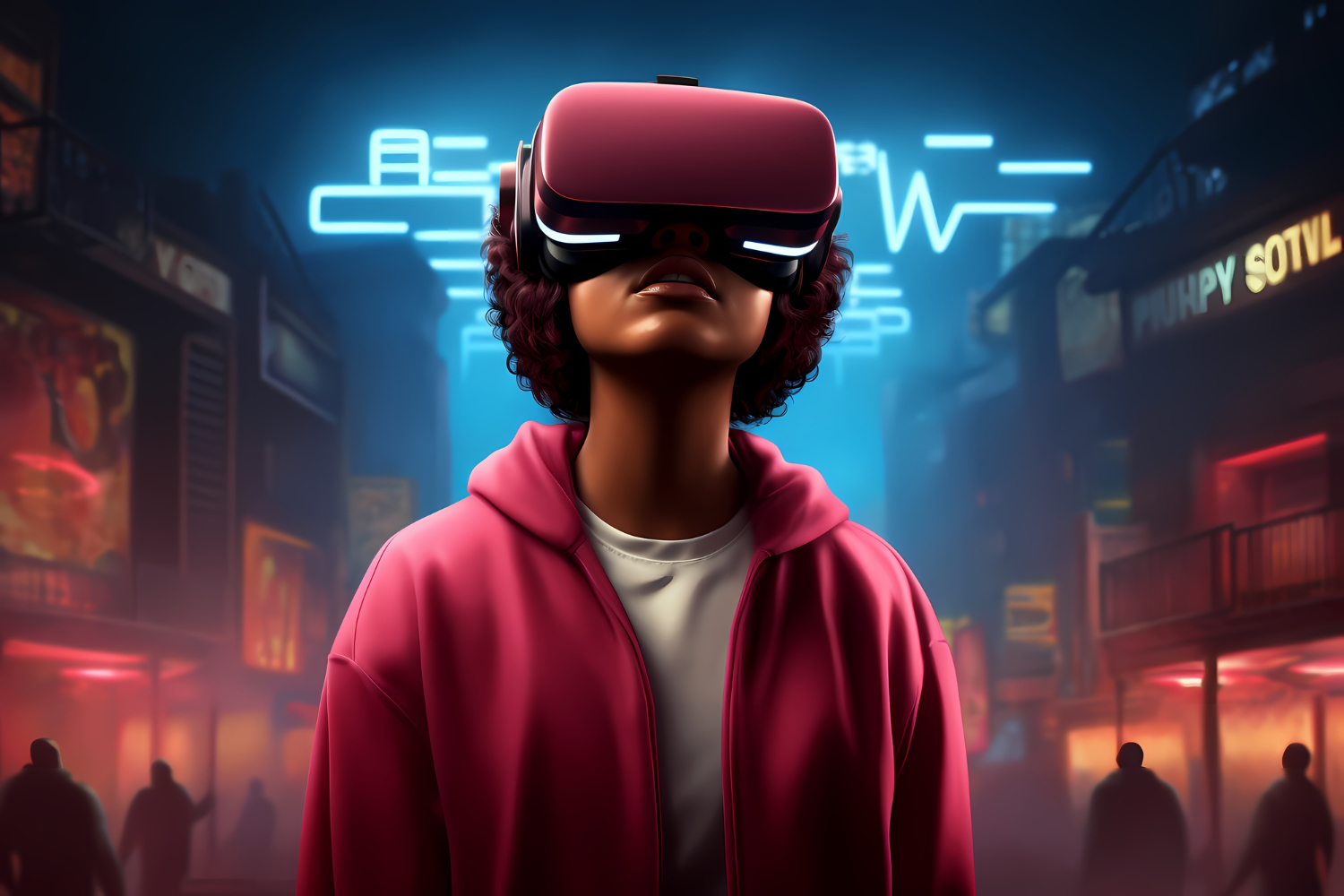
Immersive social networking hasn't caught on with the public. Their unexpressive avatars, lack of social appeal, deserted worlds and absence of authentic human connections limit their appeal. Platforms like Meta Horizon Worlds struggle to build loyalty. Users feel more isolated than engaged. There are too many technical frictions, and their uncertain social benefits are unconvincing.
3. Cinema in VR
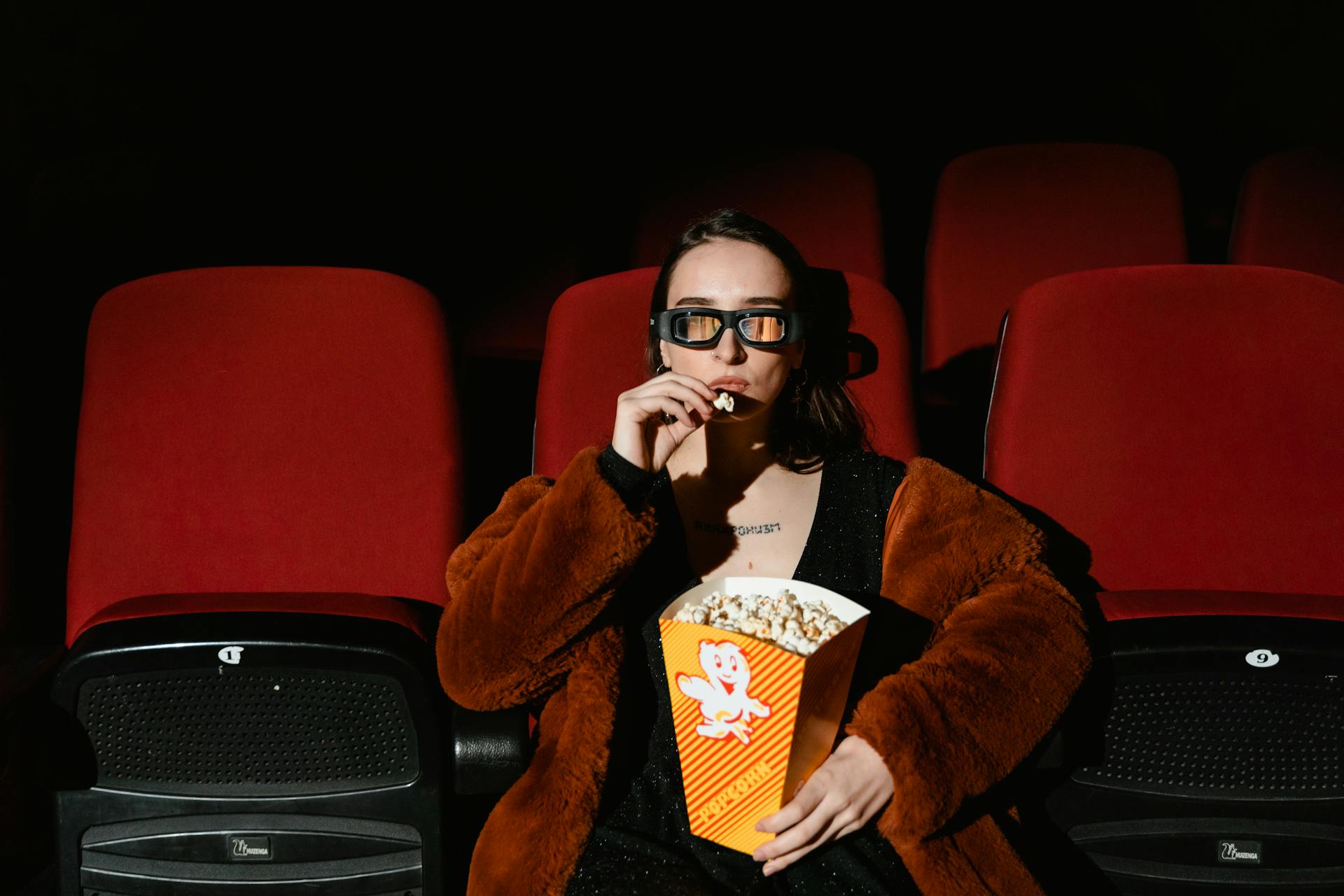
Movie viewing in VR seemed promising, but the reality is disappointing. Users deplore the discomfort felt with the headset during prolonged use. They also disapprove of the poor image quality below 4K. The experience is neither user-friendly nor practical. VR cinema has thus failed to win over the public, even technology enthusiasts.
4. Fashion and virtual catwalks
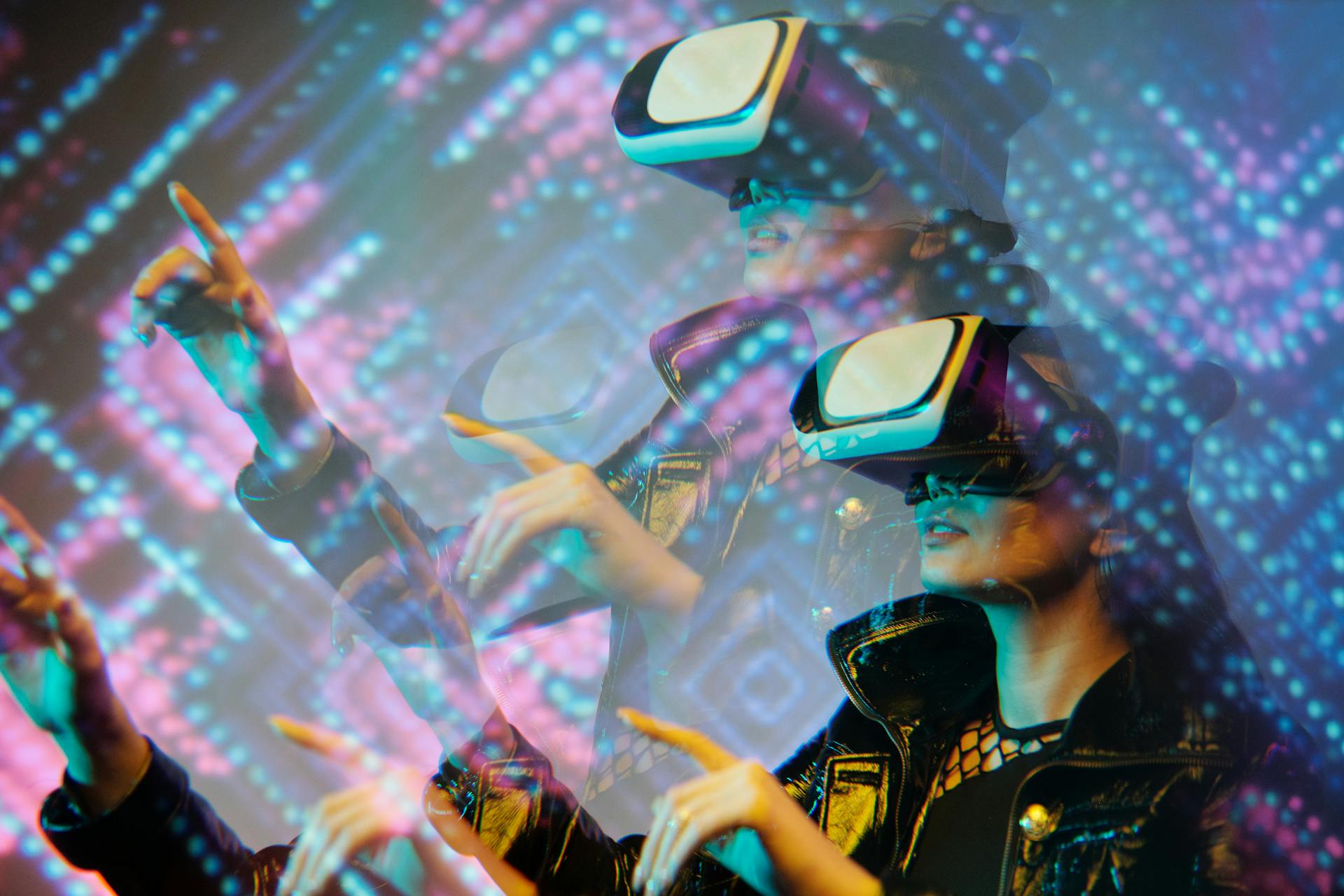
Fashion shows in VR were intended to reinvent the fashion industry by making it more accessible. However, the rendering of fabrics, movements and volumes lacks realism. The experience remains cold, overly technical, and struggles to convey the emotion or prestige of a physical fashion show. Designers and viewers alike have yet to find the elegance or impact they expect.
5. Mass consumption simulations (restaurants, hotels)
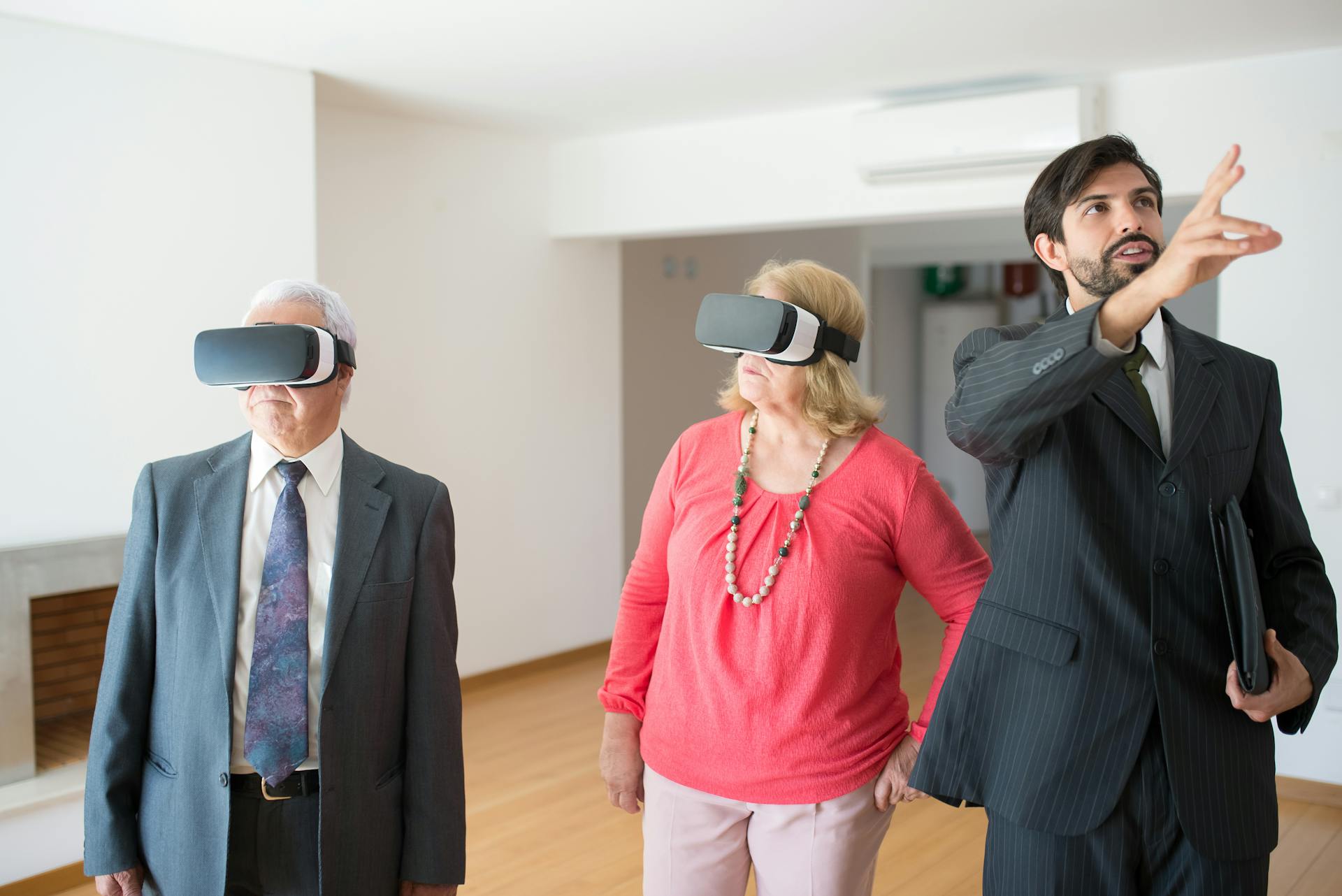
Some chains have tried to offer VR experiences to visit a room or simulate a gourmet menu. But VR doesn't reproduce smells, tastes or textures. The experience remains disconnected from the expected sensory reality. Despite its cost, mass consumption simulation has no real impact on the customer's decision.
6. Team sports simulation in VR
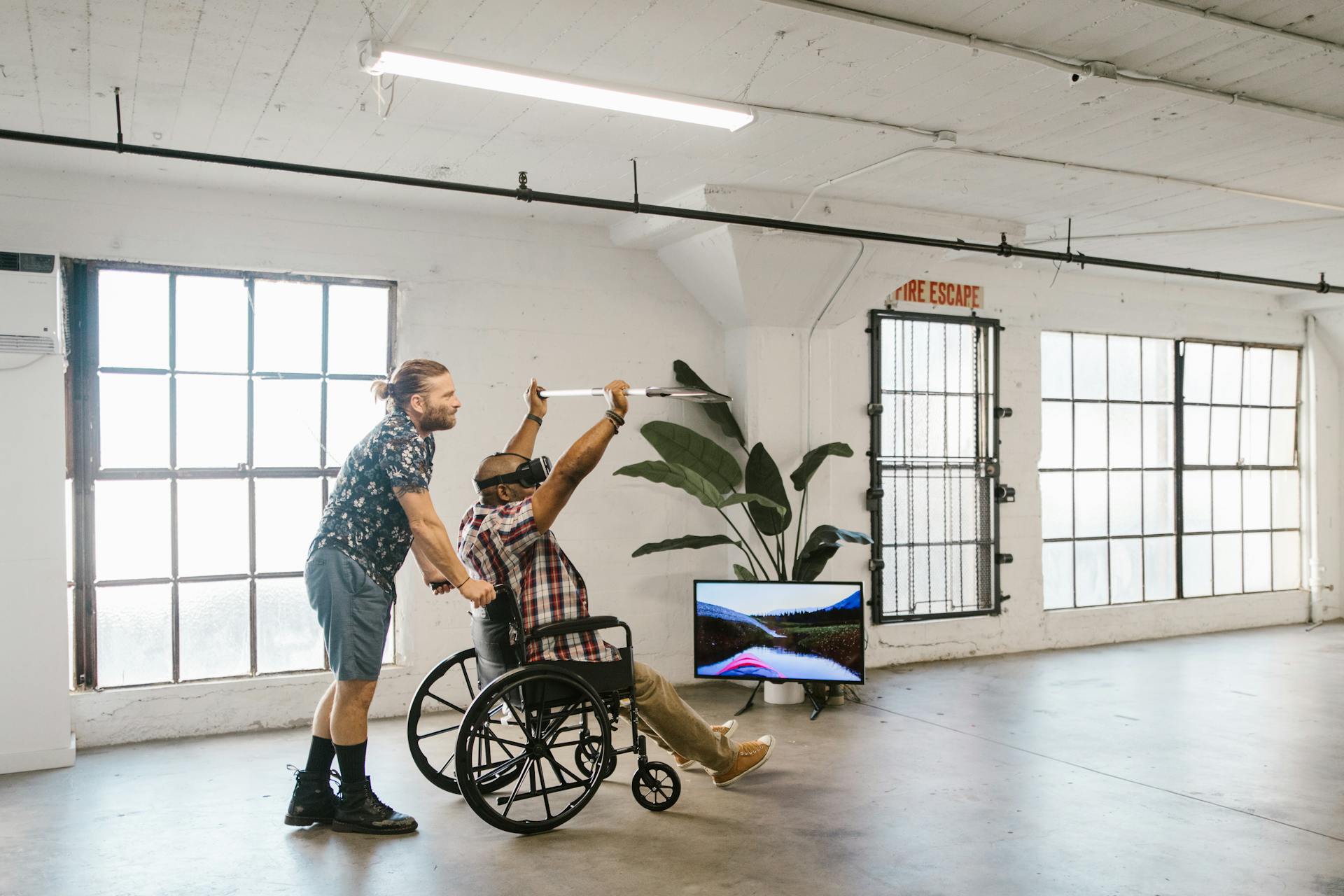
Team sports simulations in VR struggle to reproduce the physical intensity, real-time coordination and social dynamics of real matches. Technical limitations, such as latency and reduced field of view, hamper responsiveness. The lack of physical contact and team feel reduces engagement, making the experience less immersive, unrealistic and convincing.
7. Virtual business trips and trade shows
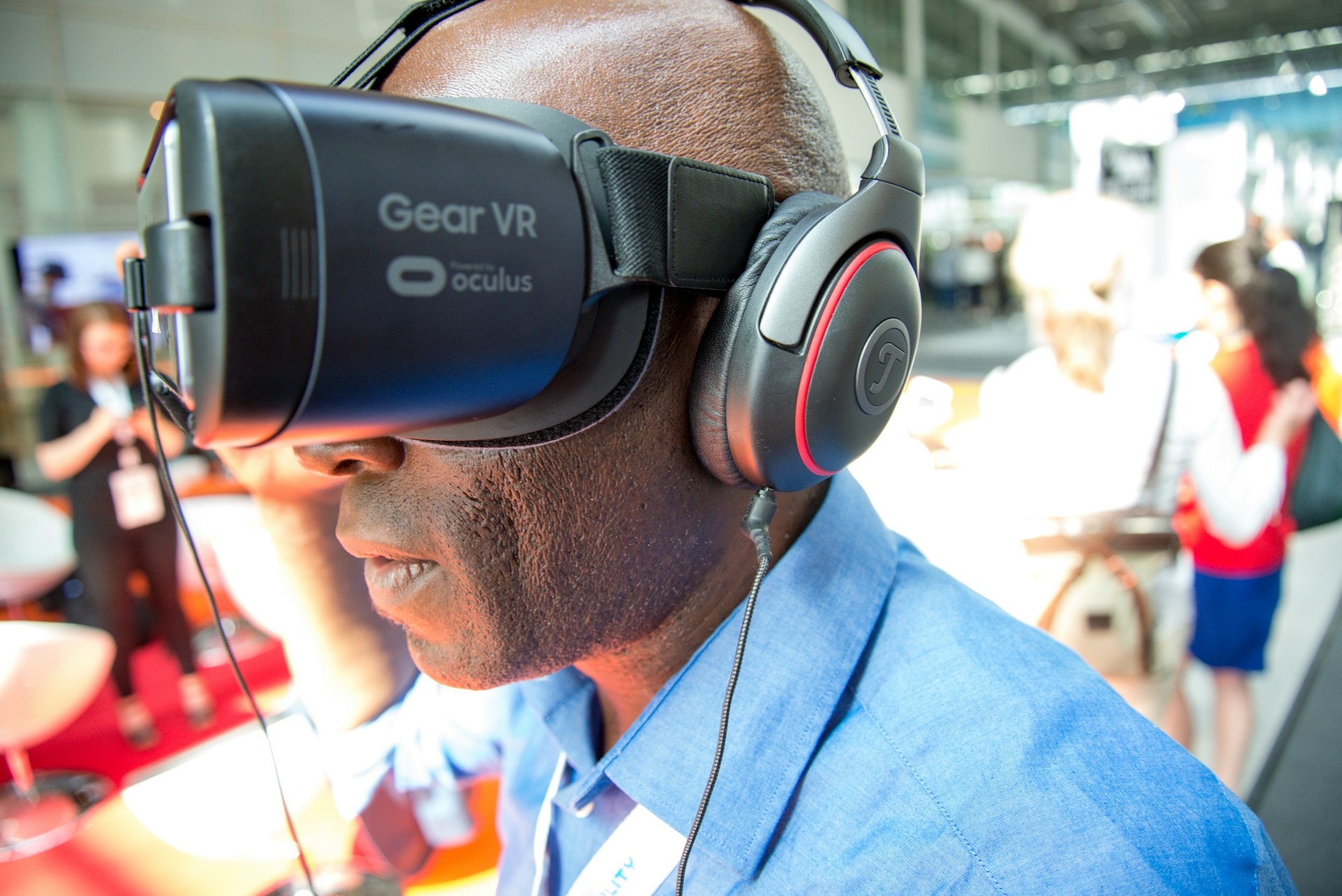
During the Covid pandemic, virtual reality fairs and trade shows were intended to replace physical events. But human interaction is poor, movement around stands is artificial, and product discovery is unintuitive. Business trades lack spontaneity. The application of VR in this field has not been as successful as expected!