Kids thrive on routine. And not just the command-like “brush your teeth, go to bed” type of instructions. It’s the little things, those everyday check-ins, shared laughs during breakfast, or even how you say goodbye before school. These moments often go unnoticed, but they help kids feel safe, seen, and part of something steady. It’s less about structure and more about real connection. Think of it like this: in all the busy chaos of growing up, it’s the familiar beats that anchor them. And they remember those vividly. Sometimes more than the big stuff.

Kids thrive on routine. And not just the command-like “brush your teeth, go to bed” type of instructions. It’s the little things, those everyday check-ins, shared laughs during breakfast, or even how you say goodbye before school. These moments often go unnoticed, but they help kids feel safe, seen, and part of something steady. It’s less about structure and more about real connection. Think of it like this: in all the busy chaos of growing up, it’s the familiar beats that anchor them. And they remember those vividly. Sometimes more than the big stuff.
Morning Wake-Up Rituals Set The Emotional Tone

The way you greet your child in the morning sets the mood for everything that follows. A gentle and friendly “Hi, arise and shine” daily greeting lowers their stress and ties emotional meaning to your voice. Even your tone can echo through their whole day. So, make those first moments count.
Family Breakfast Creates Belonging

Start the day with a shared table, even if it’s just toast and juice. Eating breakfast together strengthens emotional ties and supports mental well-being in kids. Those 15 minutes of eye contact and conversation stick with them long after they’ve left the house. This serves as the starter of a great day.
School Drop-Off Rituals Provide Reassurance
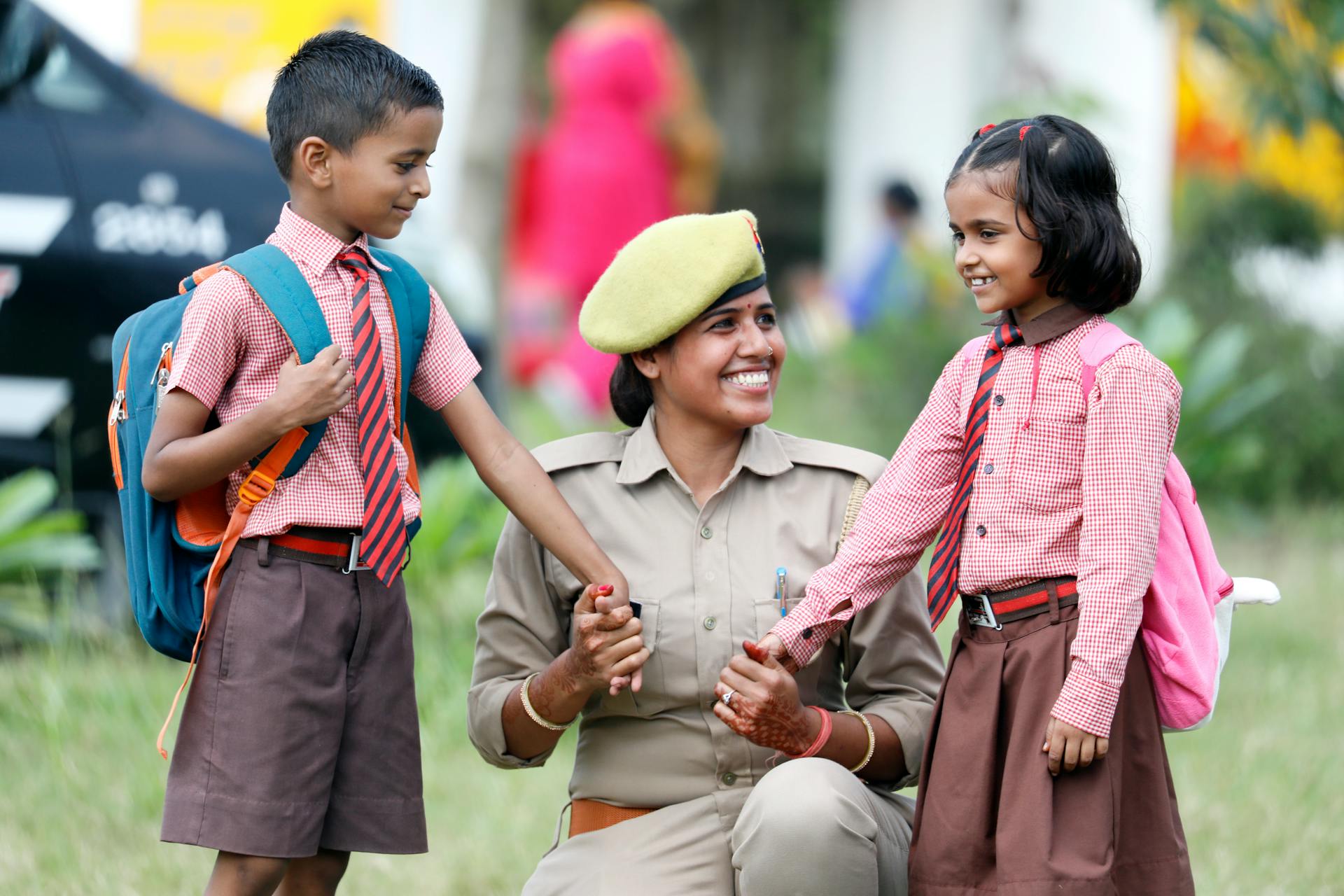
Whenever you drop off your son or daughter, make it smooth and steady. A repeated hug, wave, phrase, or secret handshake can make goodbyes easier for your child. That familiar gesture becomes an emotional reassurance. When they know what to expect, they feel safer, and that steady moment quietly says, “You’ve got this.”
After-School Hellos Offer Emotional Repair

The way you find work tiring during the day, your kids do too. That said, use afternoons as your chance to reset. Greet your child with a warm hello, and even sit together for a few minutes to catch up. What this tells your child is that “I want to know all about your day.”
Homework Time Reinforces Support

Homework is more than a path to good grades. It's a chance to show your child they're not alone when things get tough. Just being nearby, creating a calm space, and staying present gives them confidence. When a problem feels too hard, your presence shows they’re supported and not expected to figure it all out alone.
Evening Playtime Allows Emotional Expression
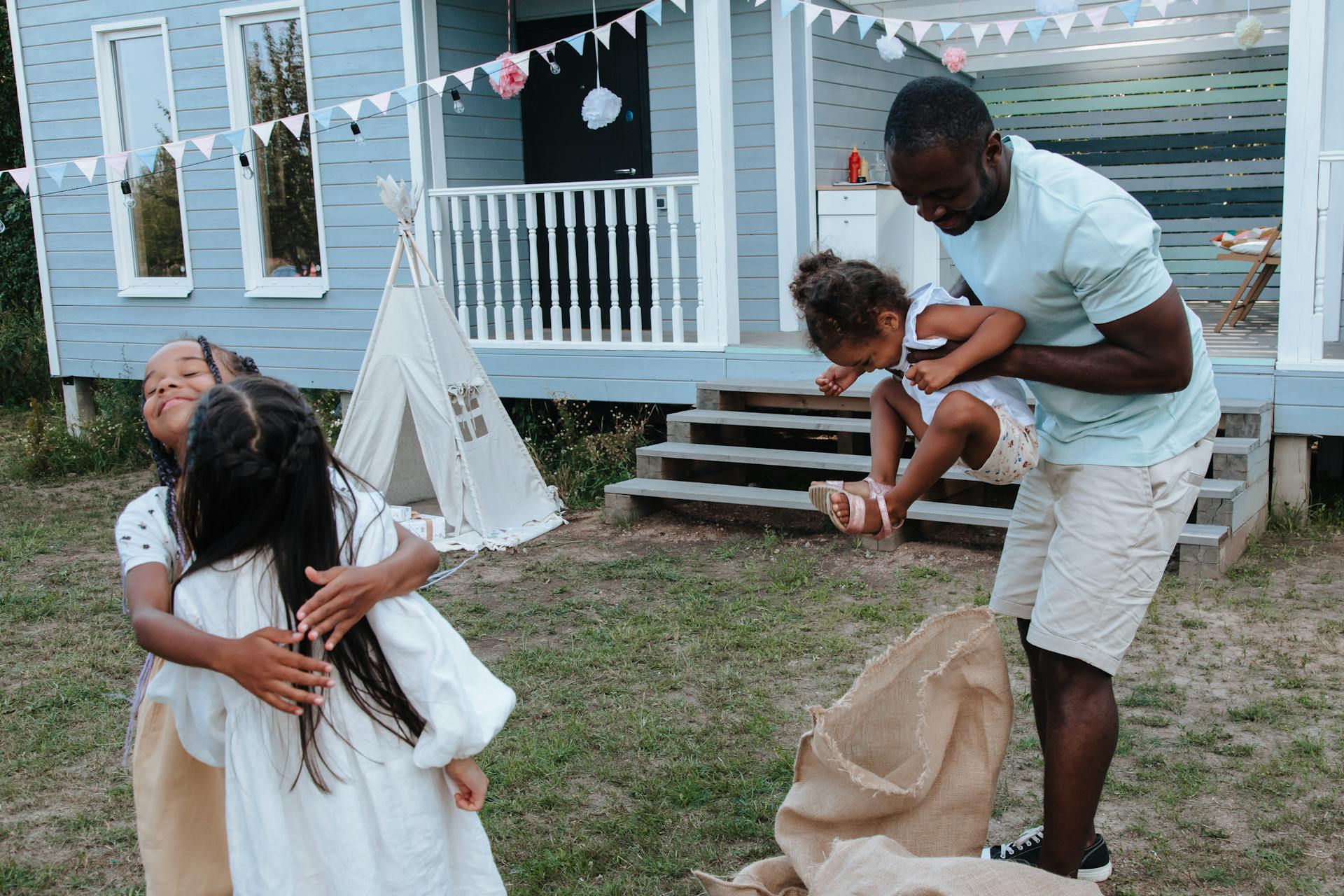
The basis of an evening routine is to reflect on what has passed. When you set aside a little time for open-ended play, it provides kids with space to release energy and express their feelings through imaginative play. If you listen closely, you’ll learn a thing or two about their life that they don’t openly share.
Dinner Together Anchors The Day
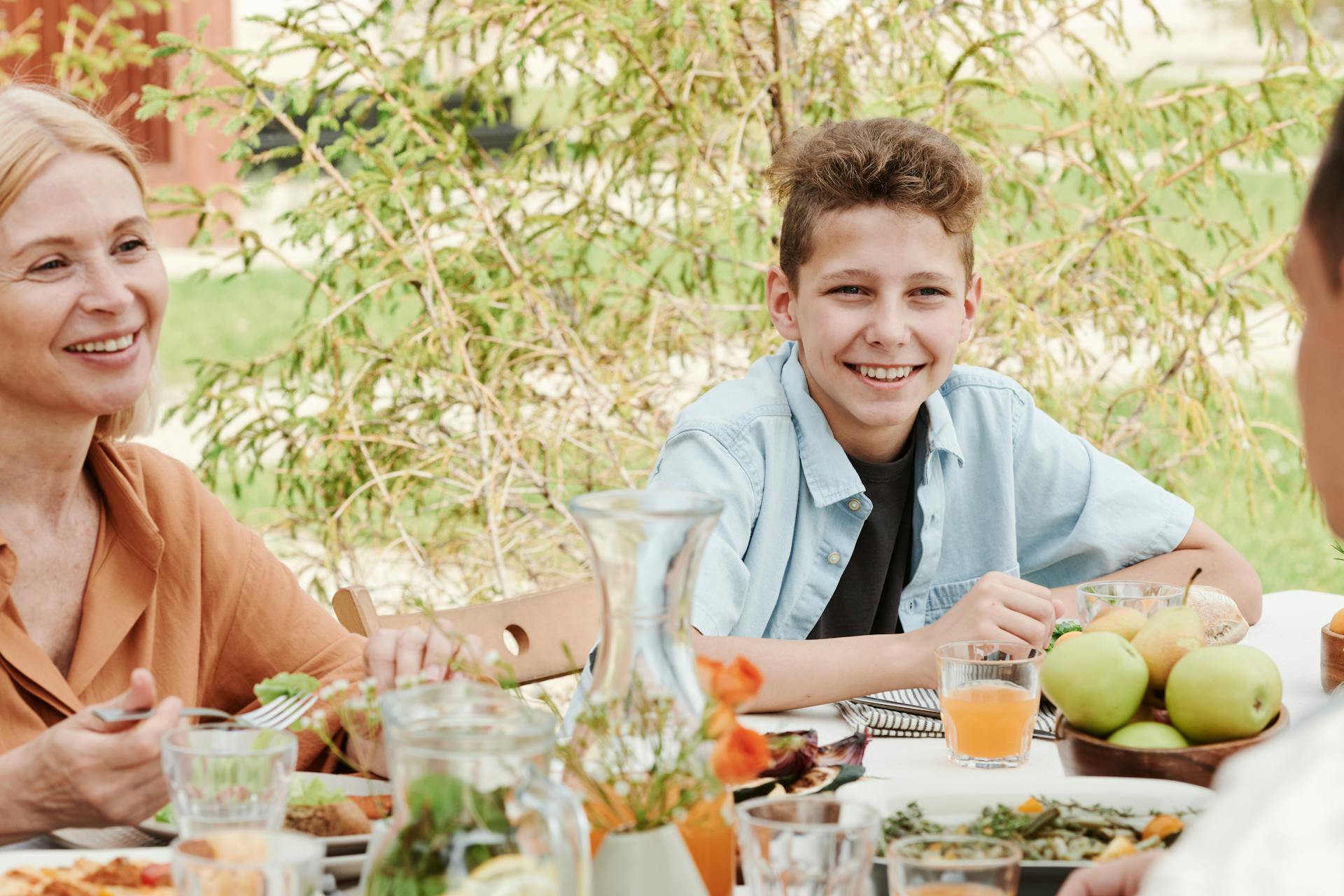
You had breakfast together, and now it's time to gather all the information on the day’s shenanigans over dinner. Spark a conversation, or just eat silently; whatever flies in your home. If you are a conversing family, these conversations build emotional tools and empathy. If you prefer silence, it also plays an anchoring role.
Bath Time Encourages Emotional Reset

Parents, bathtime is also an excellent opportunity to reset the day. Scientifically, warm water helps relax the body. Psychologically, the act of washing up signals a fresh start, and the closeness during those moments builds trust. You might be surprised how often children open up during these calm and contained times.
Bedtime Stories Build Emotional Language
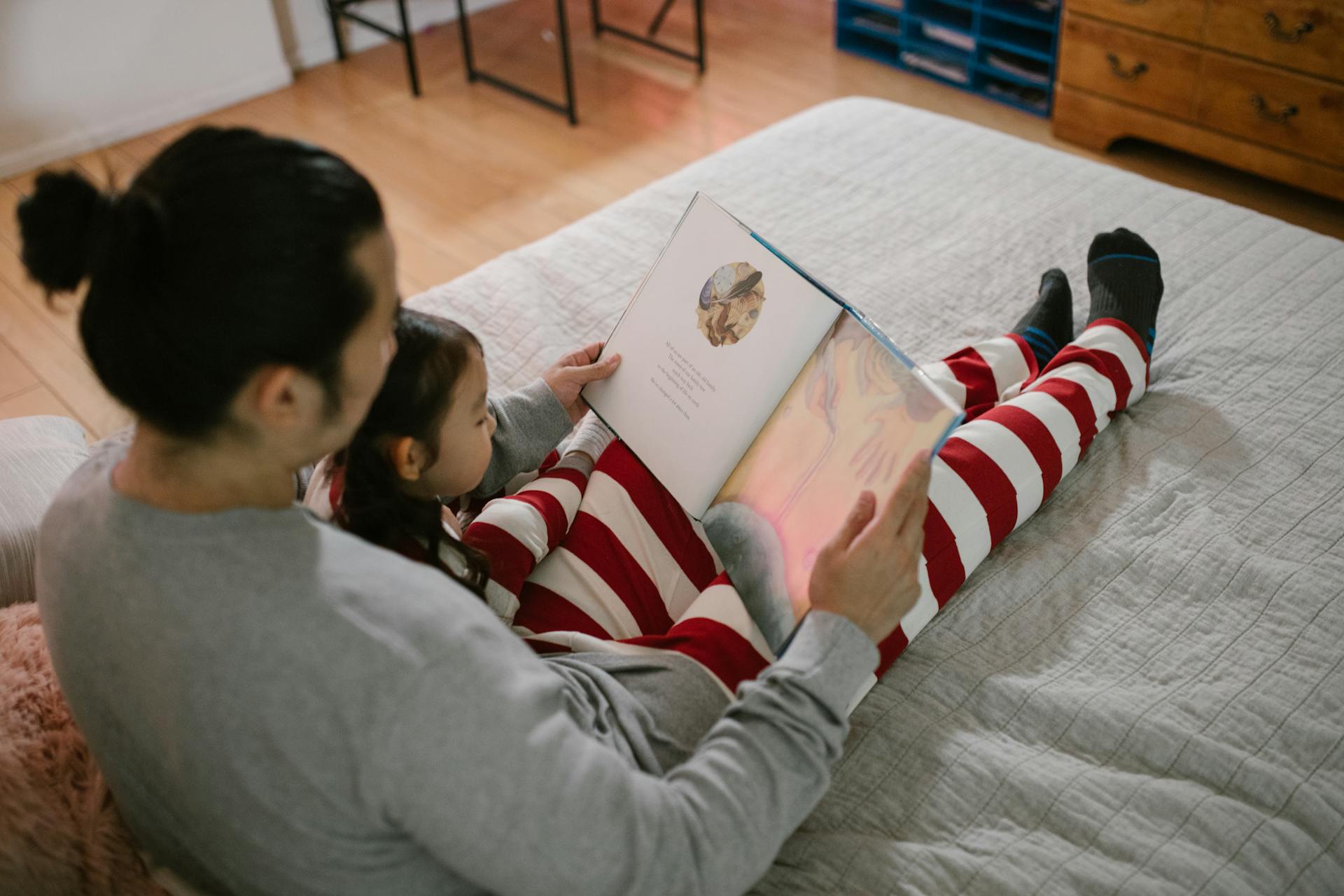
Stories are essentially the material that helps us all expand our minds, and giving your kids a story or two at bedtime helps. Different stories help kids explore feelings by watching and hearing others do it first. Repeating familiar tales also builds both comfort and vocabulary. Plus, it’s a shared ritual that nurtures closeness.
Tucking In Signals Safety

After you have already read them their bedtime story and said a word of gratitude, it's time for the final act (before the forehead kiss): the tuck. A tuck-in might seem like something very simple, but this action signals that it’s safe to rest. With that, your child can comfortably head to slumberland.
Saying Goodnight The Same Way Matters

Consistency at bedtime brings comfort. Saying goodnight the same way each night can ease anxiety and build trust. Those familiar final words—no matter how simple—become emotional anchors, and they offer stability and love. Over time, they form lasting memories that children may carry with them well into adulthood.
Weekend Routines Offer Anticipated Joy

It's the weekend, so do you have a routine? If not, get on it as soon as possible, because weekends can be emotional bookmarks. The regular pancake breakfast or Saturday bike ride offers kids something to look forward to. Such a structure outside of school grounds instills joy. So, for the love of play, make it fun.
Chores Build A Sense Of Purpose
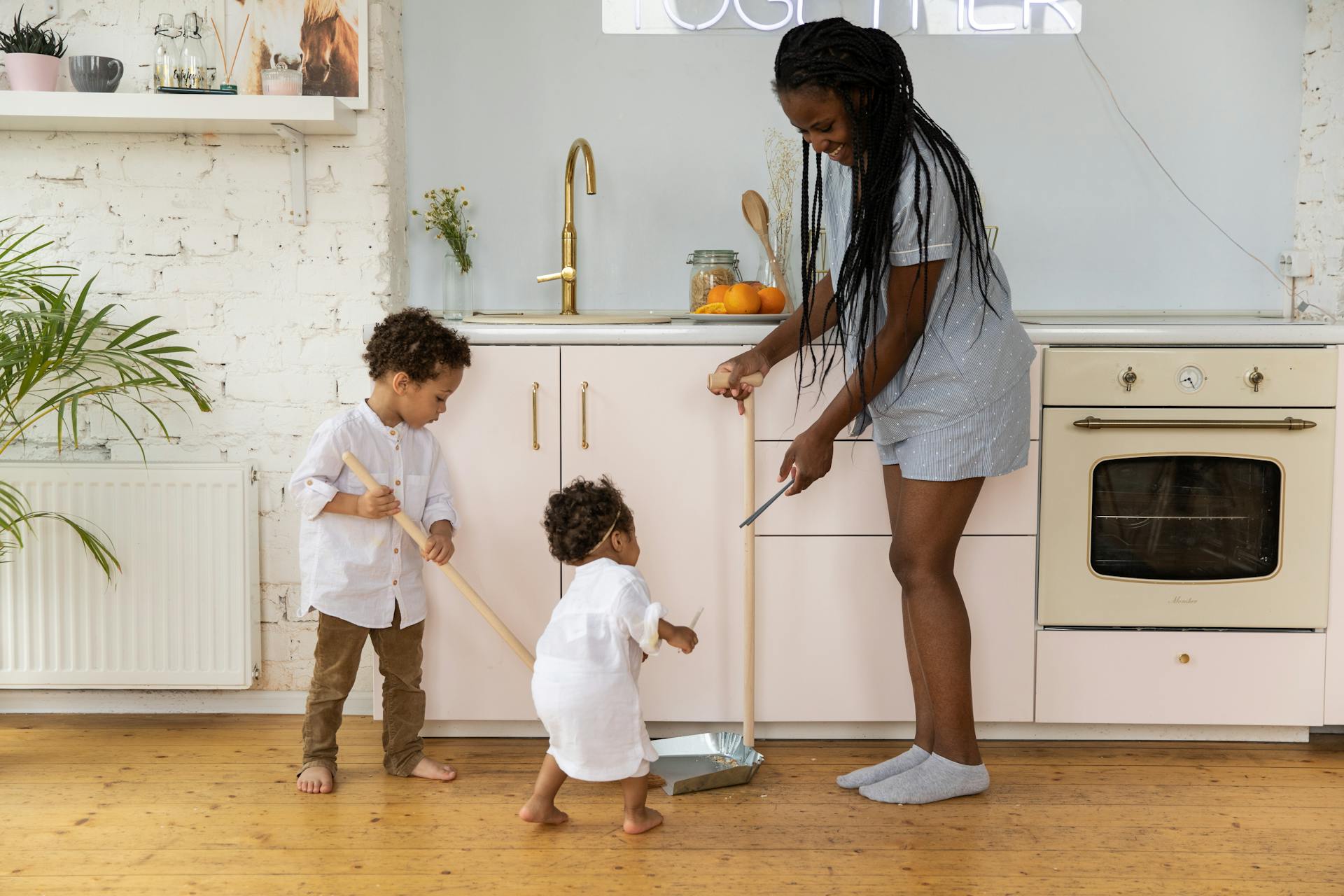
Let kids pitch in on the daily running of the home. They could pick up the plates from the table and take them to the sink. They can even help you wash the car or arrange groceries after a run. Or even clean or walk the dog. A daily chore tells them they’re needed and capable.
Screen Time Limits Show Boundaries And Love

Holiday Traditions Deepen Emotional Roots

Holiday rituals stick. A favorite song, a family recipe, the shared tradition of decorating the Christmas tree—these moments connect memory with feeling. For children, they help map time and shape identity. As a matter of fact, these rituals are more meaningful than gifts because they offer something deeper: your presence during a special time.