Ever since the first Formula 1 race in 1950, most people have assumed that it is always about speed, precision, and that feeling in your throat as the cars zip past. Sure, it encompasses all that, but there’s more to it. We have teams that make history and others that make blunders. Then we have the automotive part: the machines that smash lengths of 190 miles and still stand. But the real secret ingredient? That has to be the drivers! Over the years, we’ve seen them all. But the ones that stick around are the ones that reshaped the game. These are beyond the winners of races; they are the ones who took the sport to new places, making it what it is today. Some changed how the cars were built, others changed how drivers are seen, and a few even changed the very culture of F1 itself. It’s all about breaking boundaries, daring to do things no one thought possible, and making history in the process. The world of Formula 1 isn’t the same because of them—it’s better, faster, and, well, a whole lot more exciting. Ready to dive into the stories of the drivers who flipped the script? Hold on tight because the ride’s about to get wild.
Ever since the first Formula 1 race in 1950, most people have assumed that it is always about speed, precision, and that feeling in your throat as the cars zip past. Sure, it encompasses all that, but there’s more to it. We have teams that make history and others that make blunders. Then we have the automotive part: the machines that smash lengths of 190 miles and still stand. But the real secret ingredient? That has to be the drivers! Over the years, we’ve seen them all. But the ones that stick around are the ones that reshaped the game. These are beyond the winners of races; they are the ones who took the sport to new places, making it what it is today. Some changed how the cars were built, others changed how drivers are seen, and a few even changed the very culture of F1 itself. It’s all about breaking boundaries, daring to do things no one thought possible, and making history in the process. The world of Formula 1 isn’t the same because of them—it’s better, faster, and, well, a whole lot more exciting. Ready to dive into the stories of the drivers who flipped the script? Hold on tight because the ride’s about to get wild.
1. Juan Manuel Fangio (1950–1958)
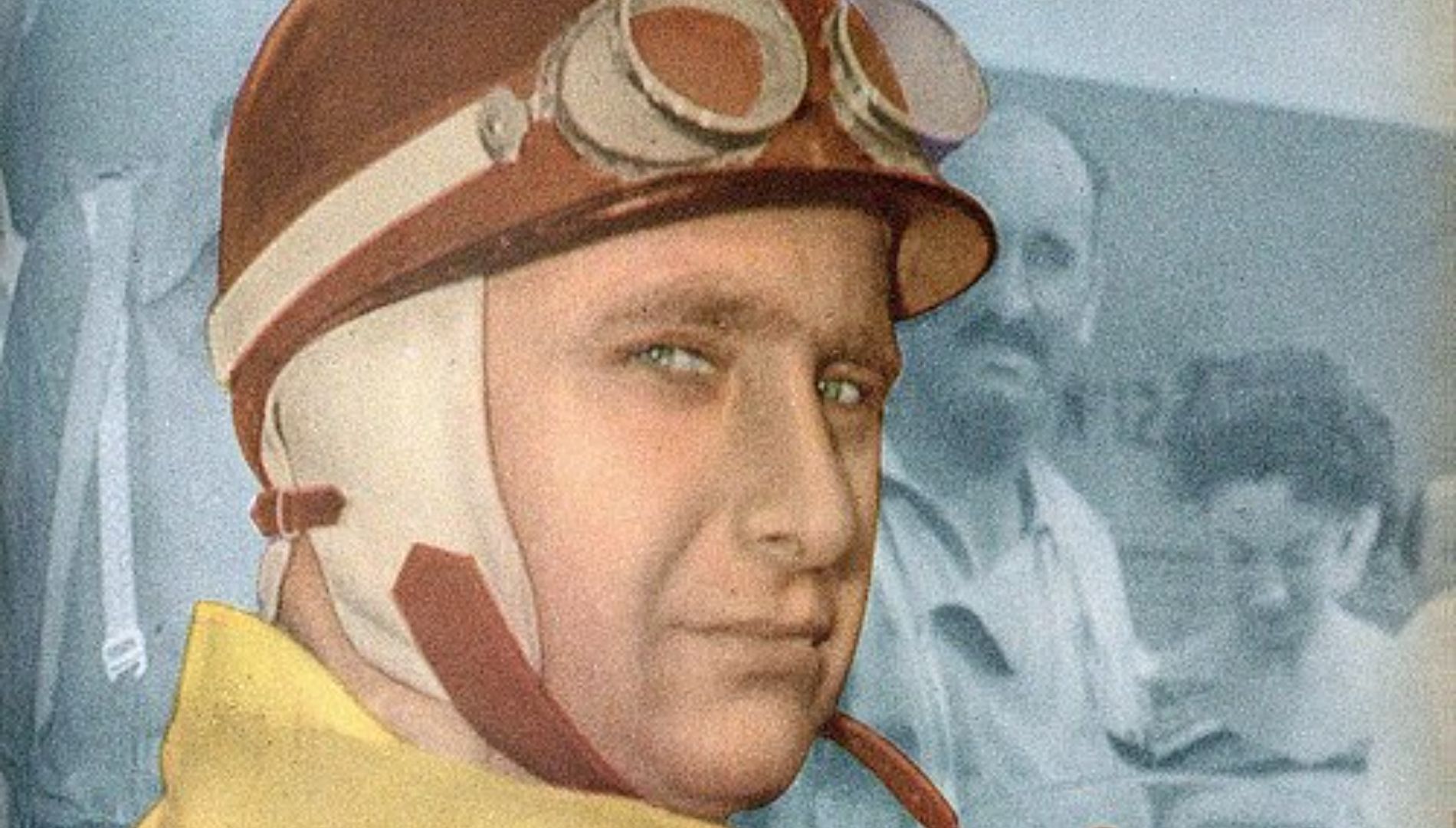
Juan Manuel Fangio’s five Formula 1 World Championships remained unmatched for nearly 50 years until Michael Schumacher surpassed him in 2003. His success with four different teams—Alfa Romeo, Ferrari, Mercedes, and Maserati—demonstrated an extraordinary ability to adapt to various engineering philosophies and competitive environments. One of his most remarkable performances came at the 1957 German Grand Prix, where, after falling to 12th due to a slow pit stop, he staged an astonishing comeback. How? He set multiple lap records to claim victory. Through this, Fangio set the standard for adaptability and strategy.
2. Stirling Moss (1951–1961)
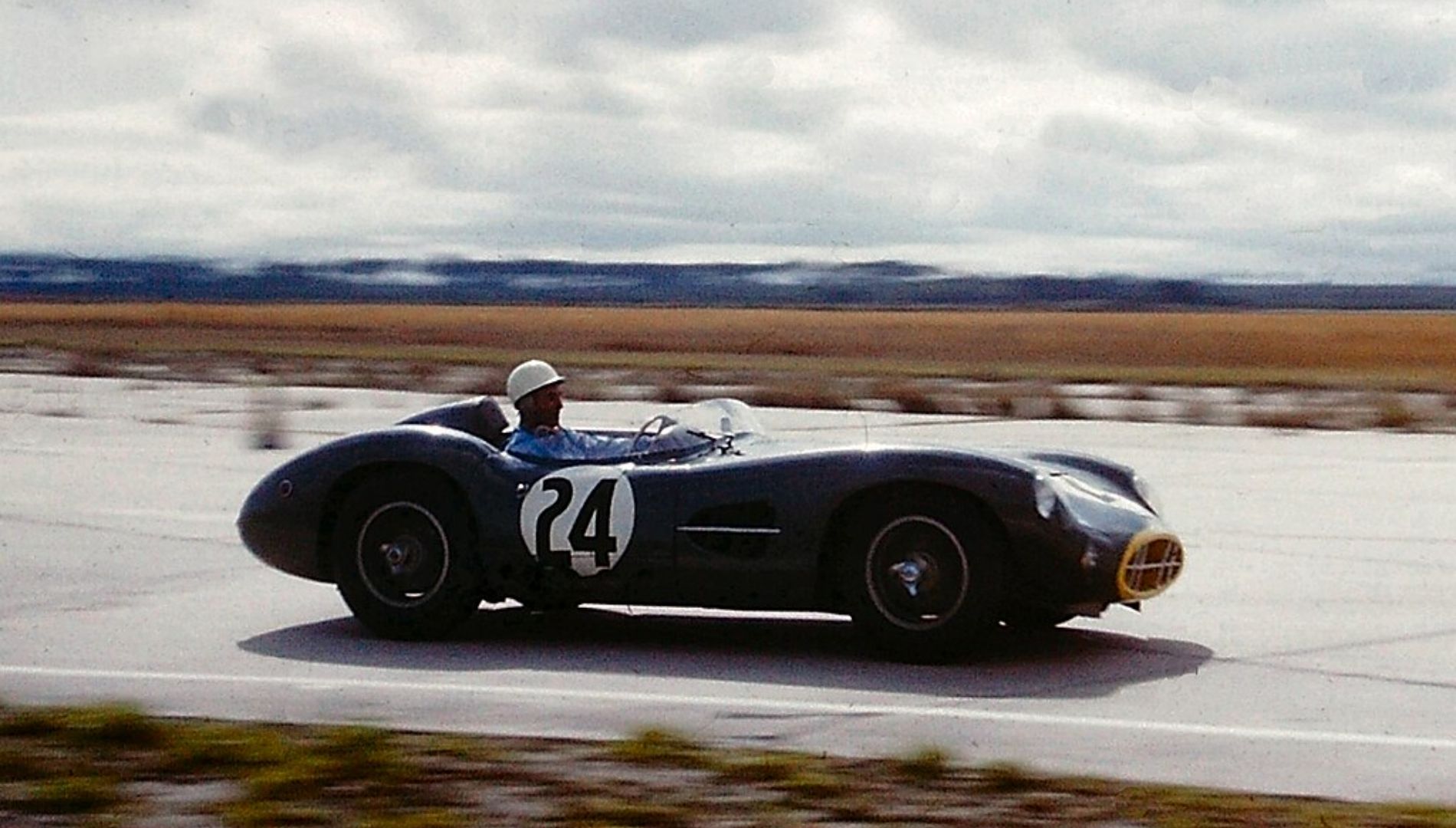
Despite never clinching a championship, Stirling Moss became a symbol of brilliance in F1. His 16 Grand Prix wins in 66 races proved his exceptional driving, but his fierce determination and sportsmanship made him stand out. Moss was the driver who pushed the limits of the sport, often taking risks others wouldn’t. Ever heard the phrase "the greatest driver to never win a title"? That’s Moss. His battles, especially with Mike Hawthorn, marked an era, and it introduced us to the fact that a racer’s impact can go far beyond the title count.
3. Jim Clark (1960–1968)
4. Jackie Stewart (1965–1973)
5. Niki Lauda (1971–1985)
6. James Hunt (1973–1979)
7. Alain Prost (1980–1993)
8. Ayrton Senna (1984–1994)
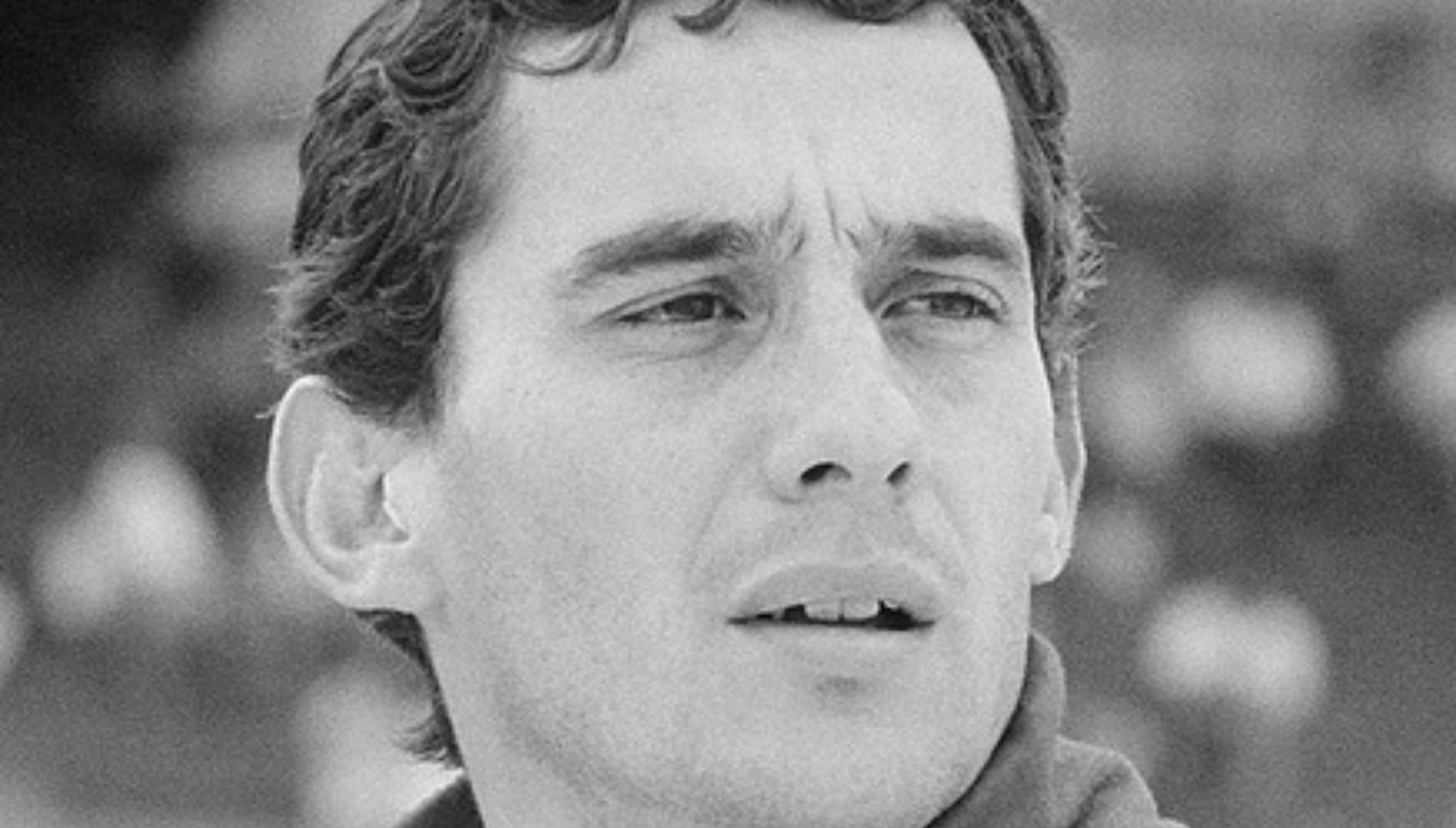
Meet Ayrton Senna, Alain Prost’s rival, who was a force of nature in his own right. Senna oozed raw, untamed speed, and his ability to perform miracles in the rain was nothing short of spectacular. His driving skills were confirmed during the 1993 race at Donington Park, where he made five overtakes in just the first lap. Sadly, in 1994, the world said goodbye to Senna after his fatal crash at Imola during the San Marino Grand Prix, a tragedy that led to sweeping safety reforms in Formula 1.
9. Michael Schumacher (1991–2012)
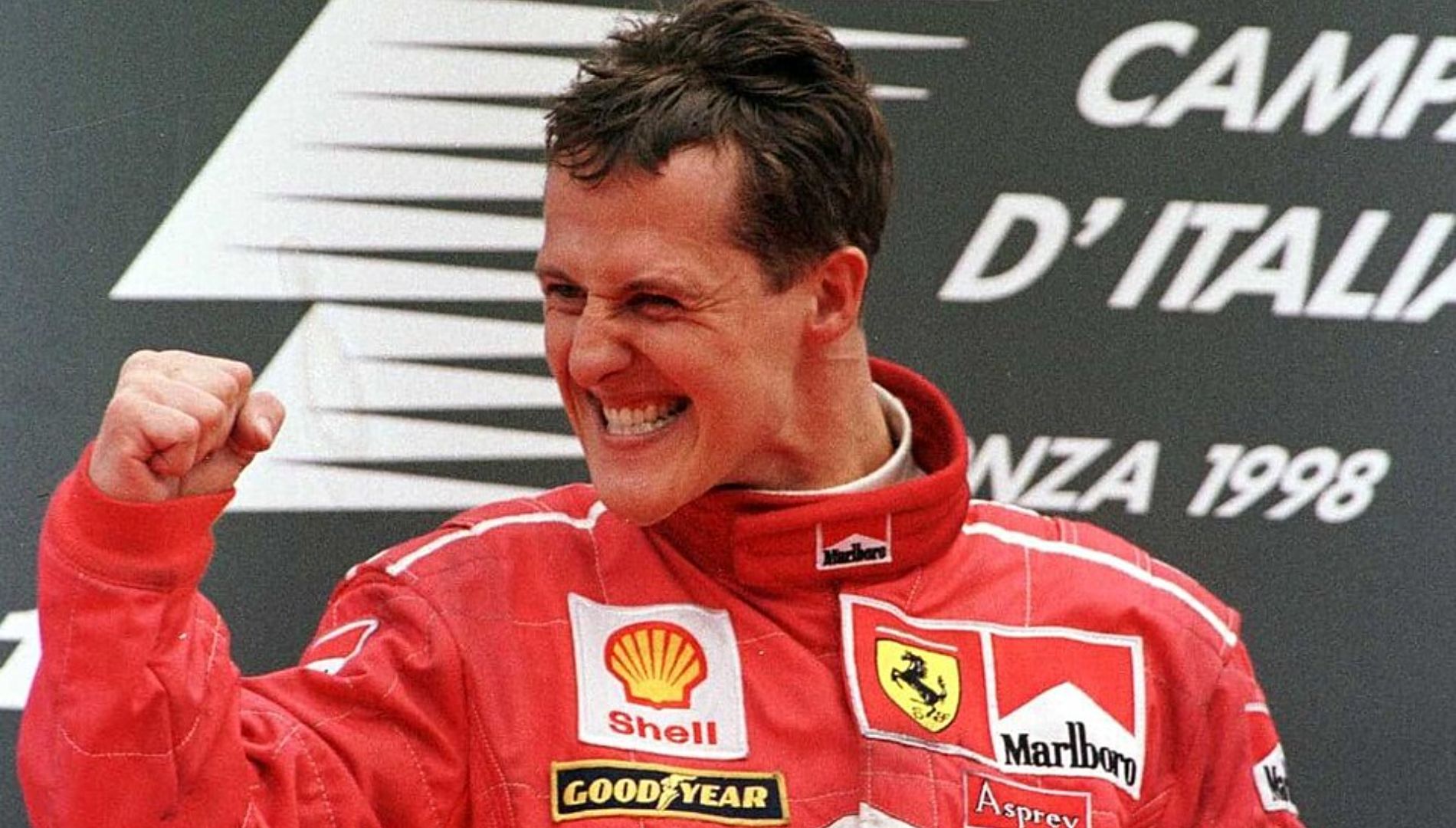
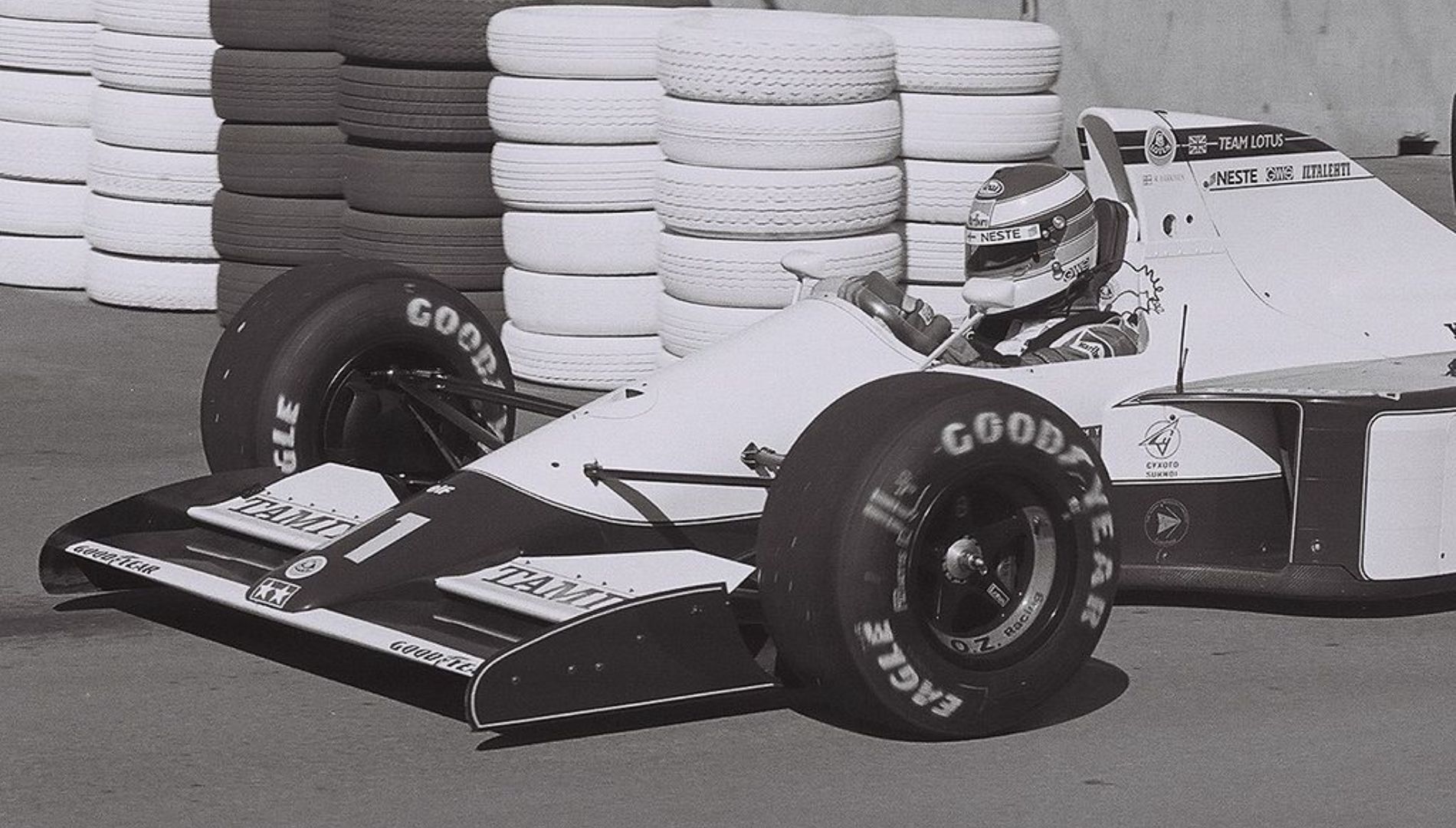
10. Mika Häkkinen (1991–2001)
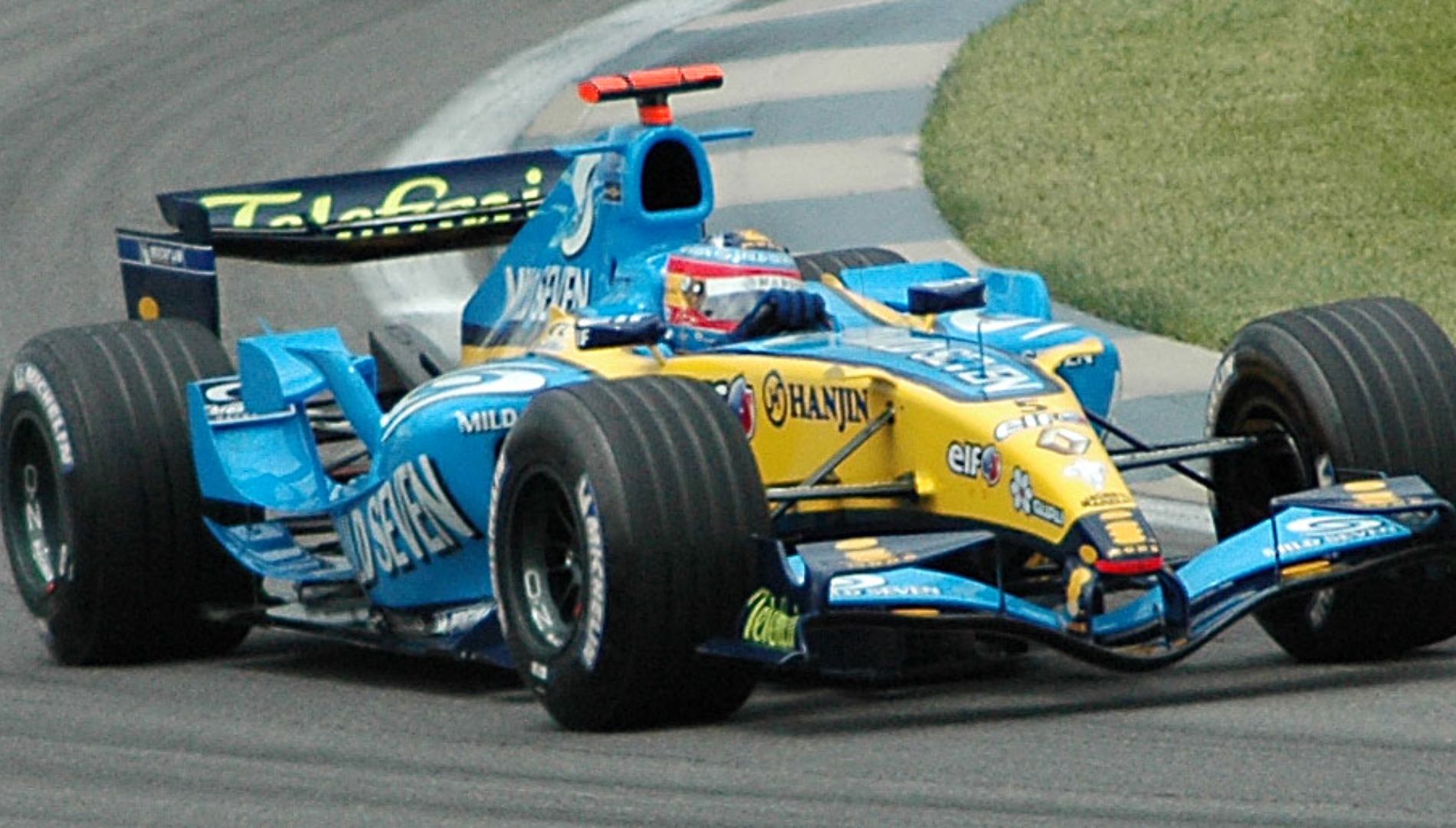
11. Fernando Alonso (2001–2018, 2021–Present)
12. Sebastian Vettel (2007–2022)
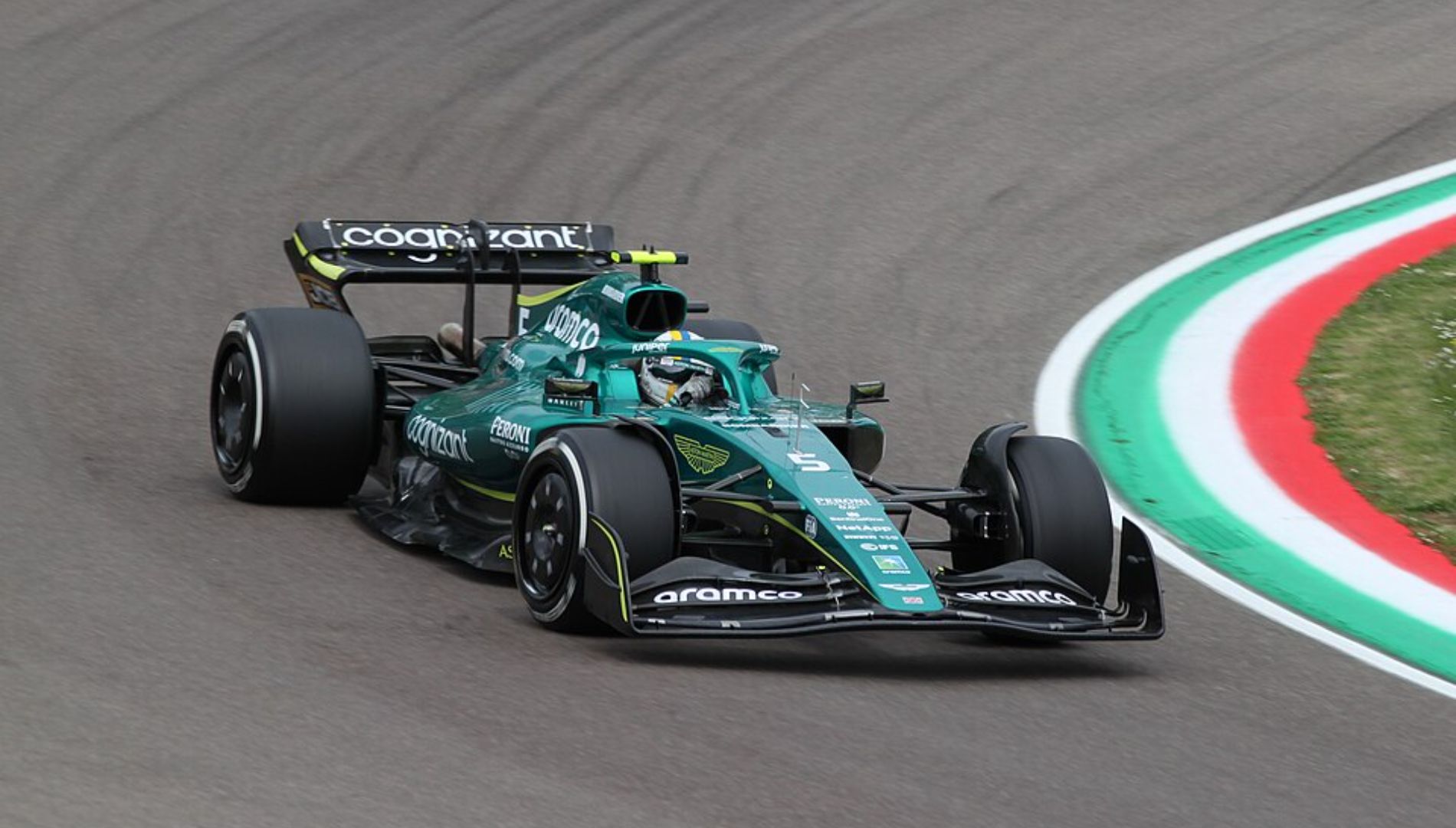
13. Lewis Hamilton (2007–Present)
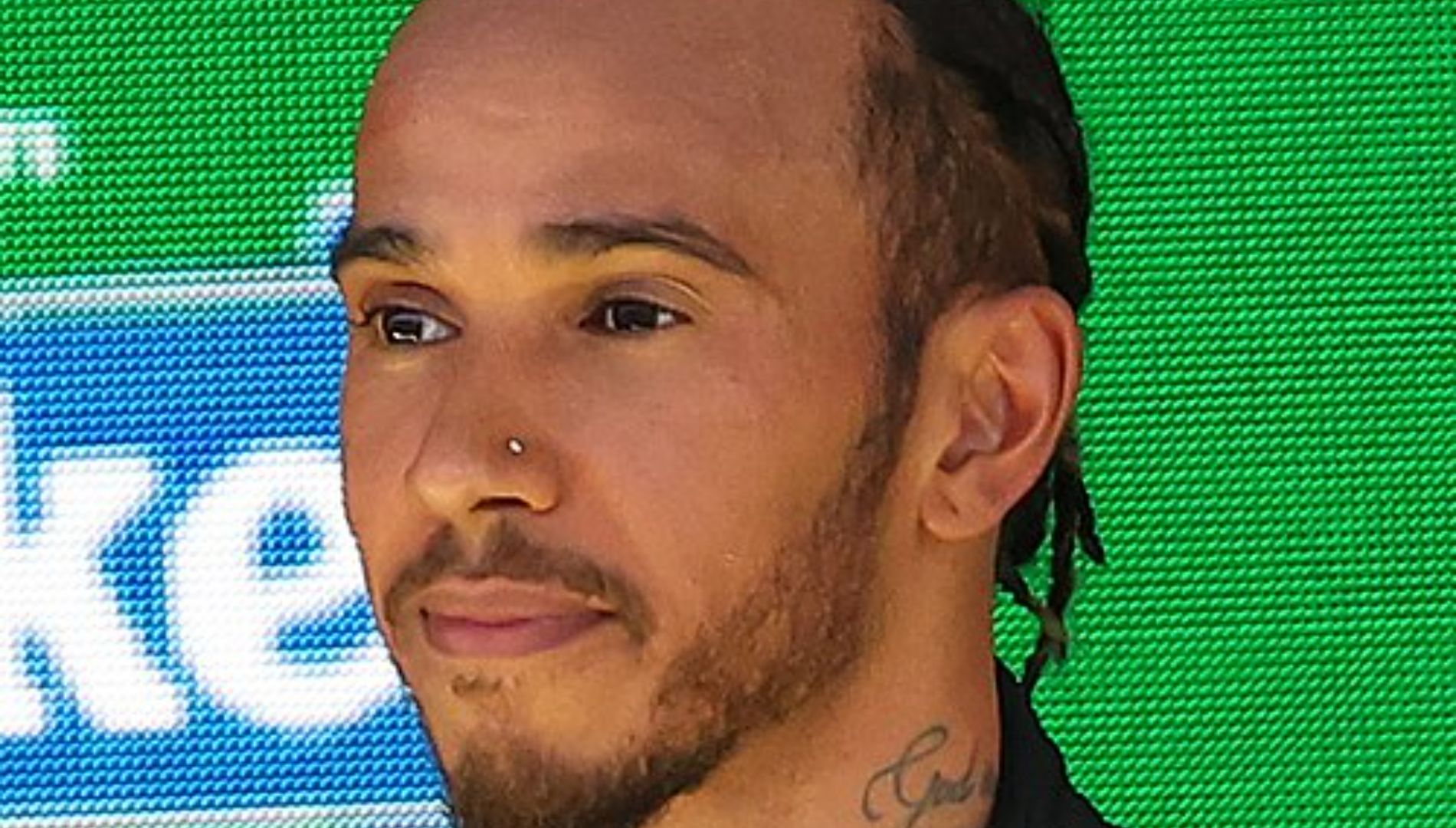
14. Max Verstappen (2015–Present)
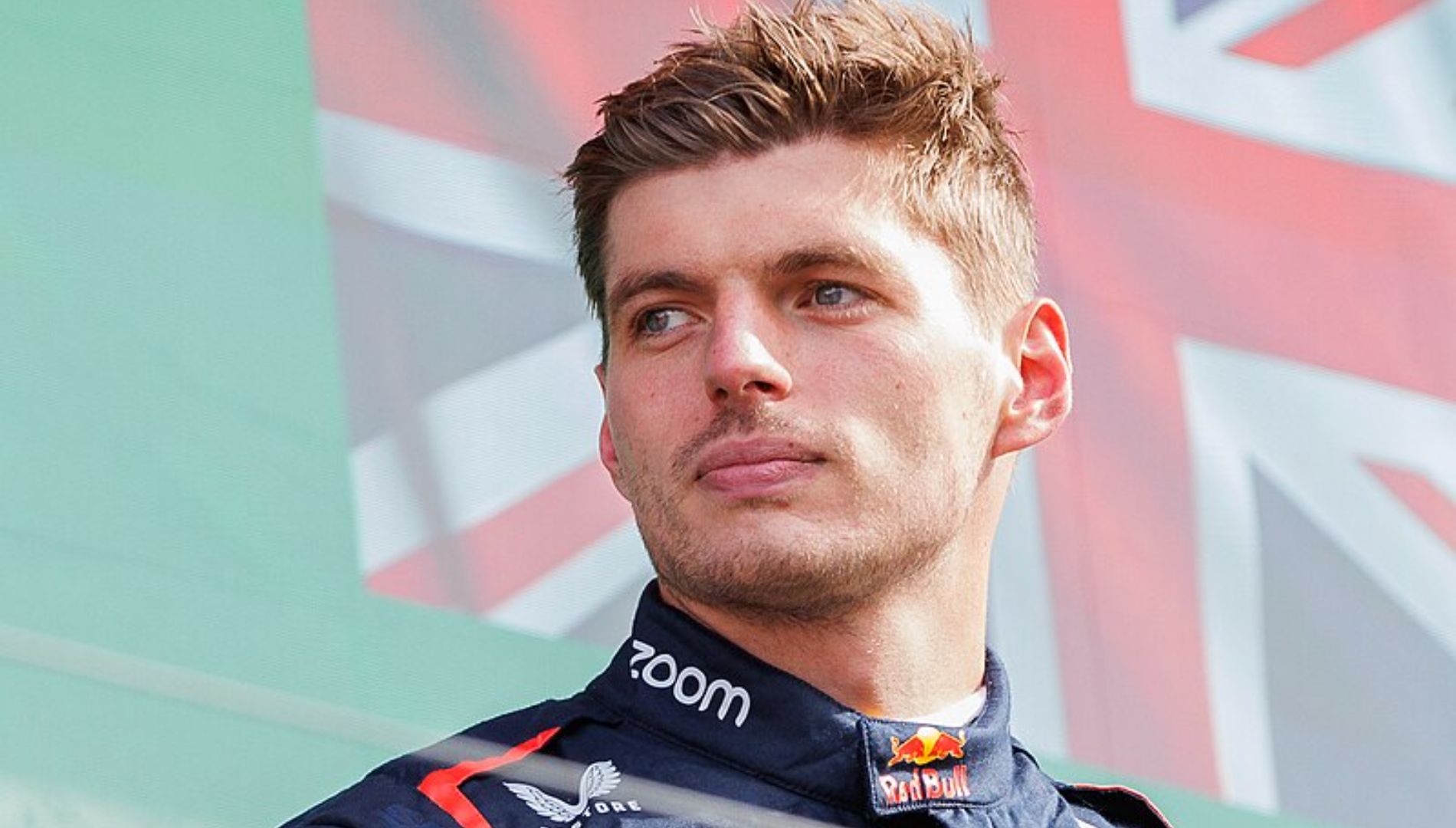
15. Kimi Räikkönen (2001–2021)
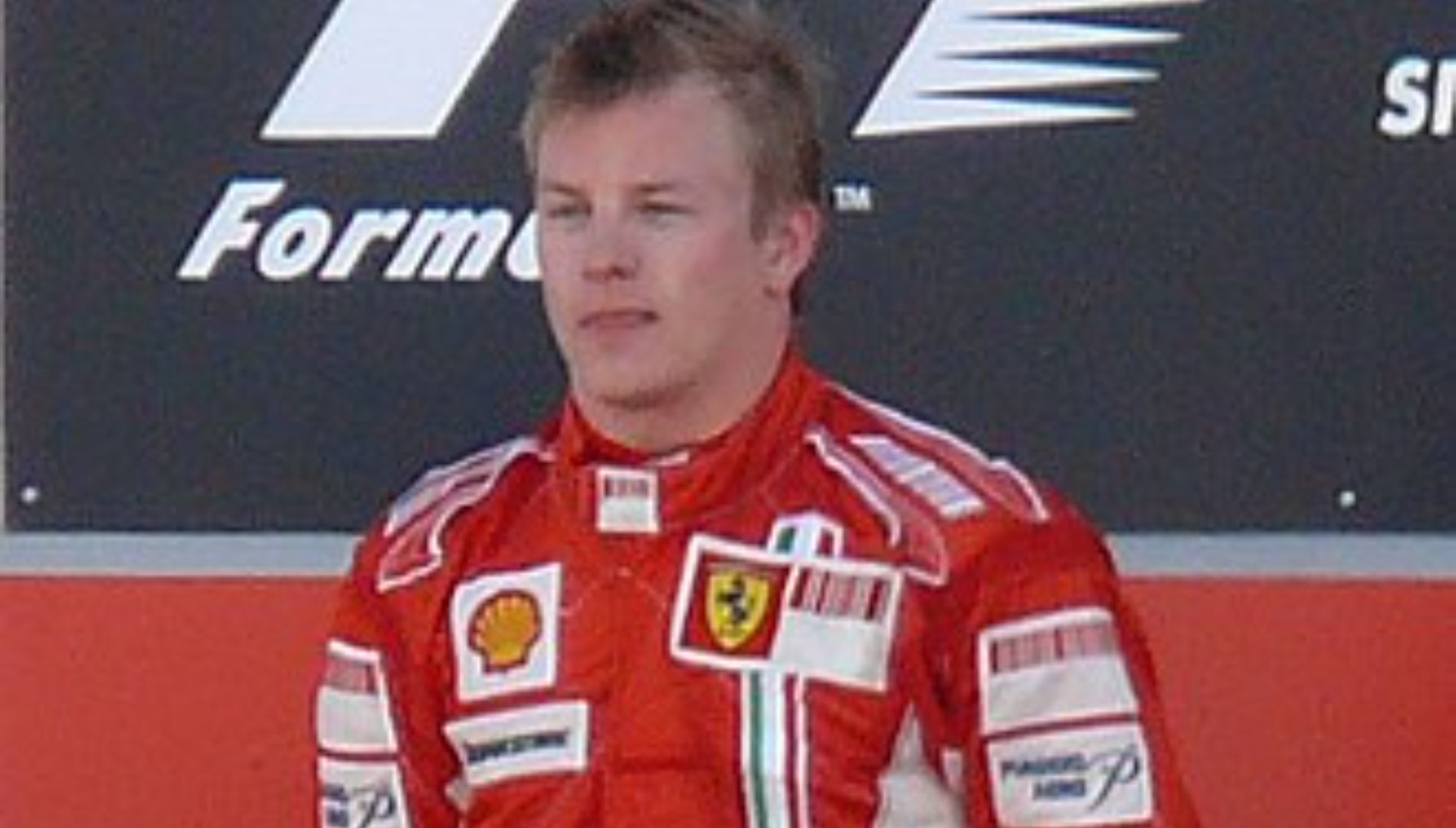
Kimi Räikkönen is called the "Iceman" because he is a calm and collected guy. His 2007 World Championship was one of the closest title fights in F1 history, as he snatched victory from both Lewis Hamilton and Fernando Alonso in a dramatic final-race showdown. His approach to racing was refreshingly simple—no politics, no overanalysis, just pure speed. Beyond his title, Räikkönen’s ability to remain consistently competitive for two decades remains impressive. And his iconic “Leave me alone, I know what I’m doing” radio call perfectly summed up his focused, independent, and utterly fearless approach.