You’ve been there: you sign up for a free trial of a new service, fully intending to cancel before the trial period ends. But somehow, you forget, and the next thing you know, you’re staring at an unexpected charge on your credit card statement. It’s not mere forgetfulness; it’s the result of carefully engineered strategies by companies to prevent you from canceling.

You've been there: you sign up for a free trial of a new service, fully intending to cancel before the trial period ends. But somehow, you forget, and the next thing you know, you're staring at an unexpected charge on your credit card statement. It's not mere forgetfulness; it's the result of carefully engineered strategies by companies to prevent you from canceling.
This piece will lay bare the tactics they employ, and by understanding these strategies, you can protect your wallet and make more informed decisions about the services you use. Ready to uncover the tactics behind the free trials? Let's dive in.
Automatic Credit Card Entry Required
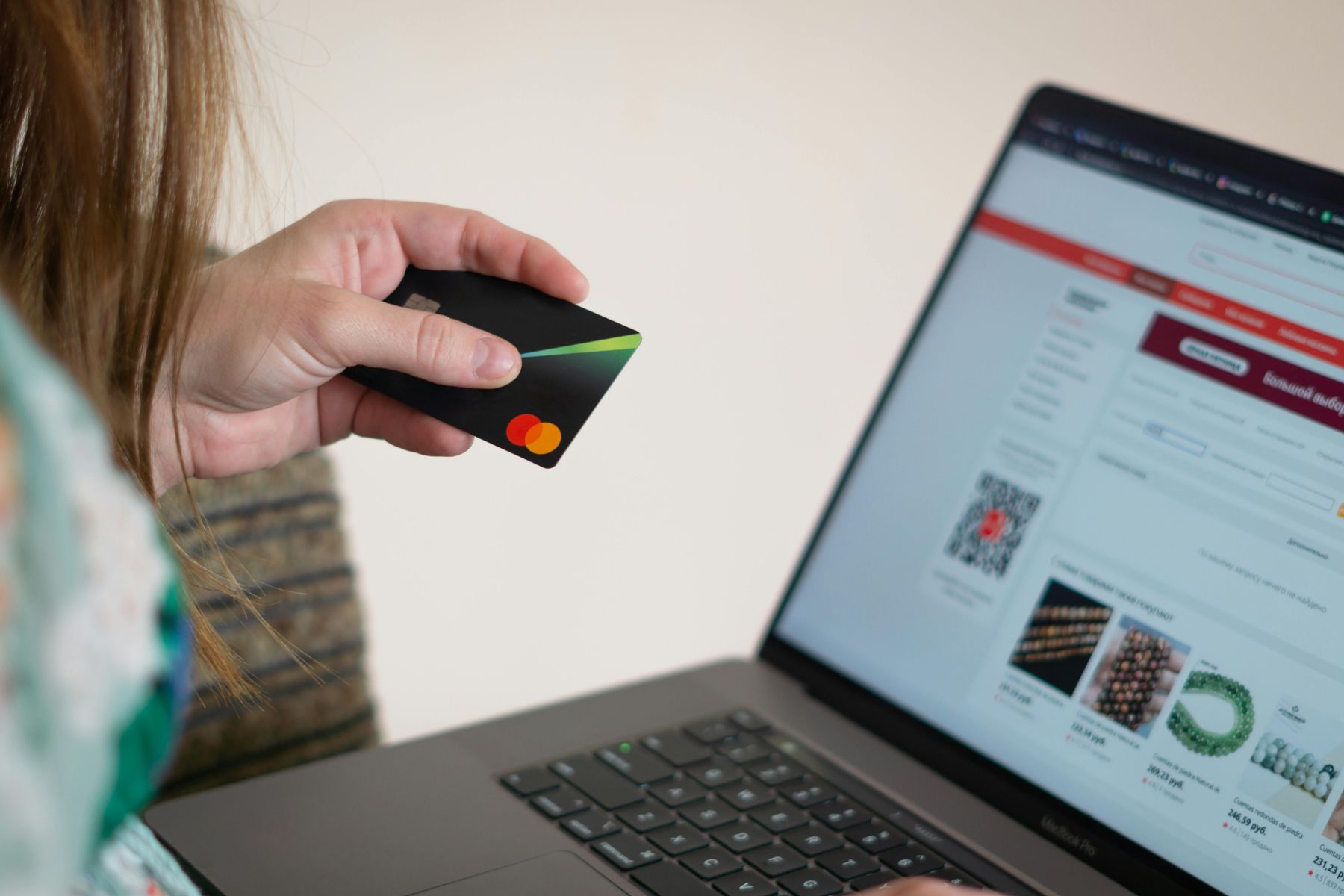
Packing payment information upfront is a wily strategy used by most companies offering free trials. At no initial cost to the consumer, it allows businesses to easily convert trials into paid subscriptions, as payments can be initiated the moment the trial ends. The saving grace? Use virtual credit cards that expire before the trial period is completed.
Auto-Renewal By Default
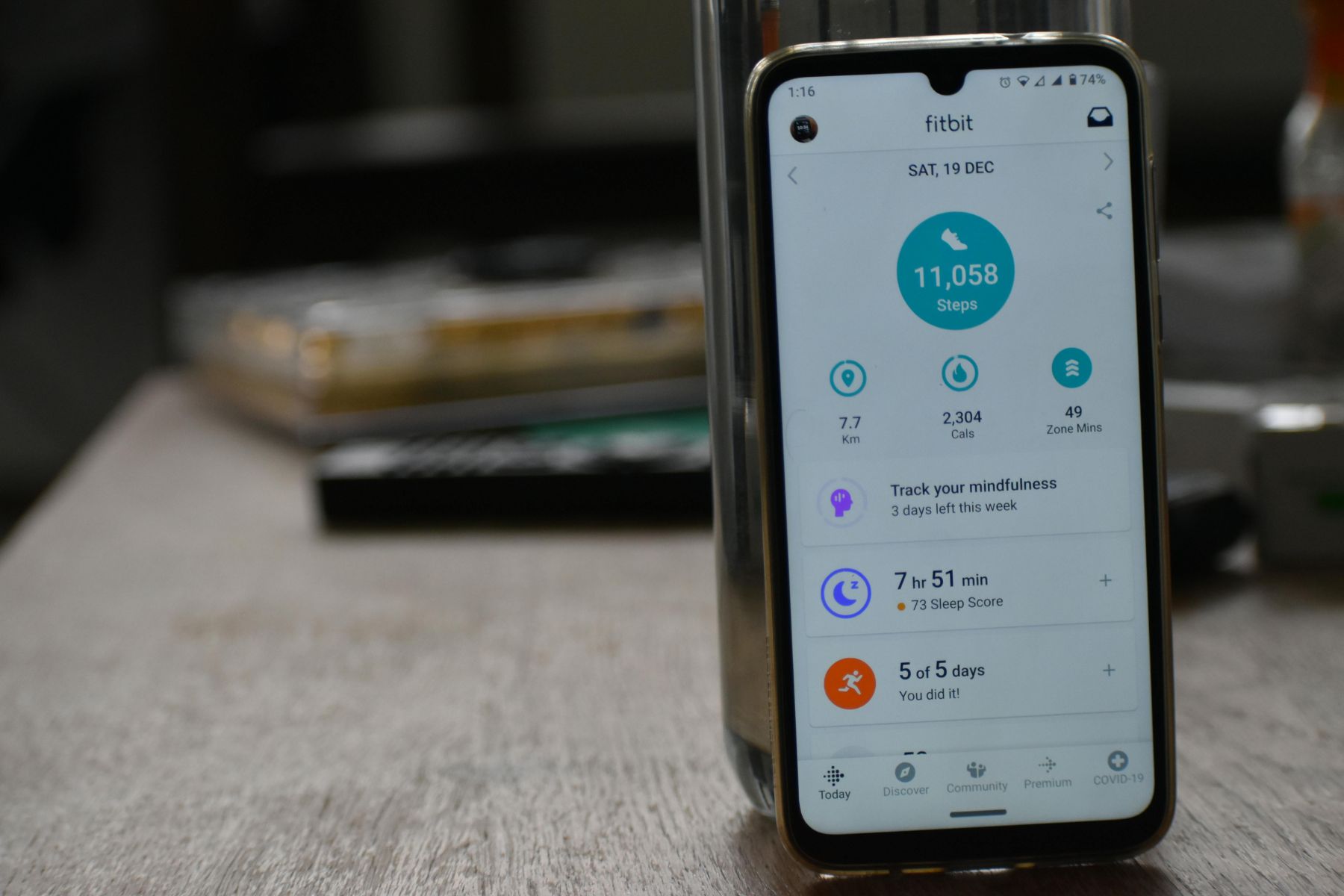
One cannot overlook the strategic placement of auto-renewal settings on digital platforms offering free trials. Studies from researchers at the Stanford Graduate School of Business have shown that default auto-renewal settings significantly increase the likelihood that users will stay subscribed, often unintentionally, until the financial damage is done.
No Reminder Emails Before Billing
Regrettably, nearly half of the 2024 9to5Mac-cited survey respondents admitted to being unwillingly charged for a service after the free trial ended. The reason for this high number? An intentionally engineered absence of reminders. Many firms choose not to alert customers to the impending end of their trial, thereby capitalizing on forgetfulness and securing payments.
Complex Cancellation Path

It's no cakewalk to call off free trials for many online users. They have to grapple with an array of bewildering menus and take multiple steps, almost like solving a complicated puzzle. This complexity fuels their frustration and triggers delays, causing the subscriptions to stay alive for longer than expected.
Oddly Short Trial Length

Several companies offer free trials that last a week or less, a duration that doesn’t provide sufficient time for a comprehensive evaluation of the service. The busyness of daily life can prompt users to bypass this narrow cancellation window. Short trials are intentionally engineered to increase the chances of users forgetting to cancel.
Cancellation Only Via Customer Support Call

Phoning customer support can be a taxing ordeal when trying to cancel a service, a method adopted by several enterprises to discourage users from discontinuing their subscriptions. This can resemble an unwelcome gauntlet, particularly for individuals grappling with social anxiety, and often results in customers deciding against canceling and paying for services they no longer require.
Hidden Trial Expiration Date In Fine Print

When companies bury key information in jargon-infested fine print, it benefits businesses at the expense of confused users. Most people, understandably deterred by the complexity and length of the legalese, fail to pinpoint the exact moment when a free trial transfigures into an unwanted paid service. They only realize it when the unexpected deduction manifests on their bank statements.
Pop-Up Encouraging Paid Upgrade Before Trial Ends
The art of misdirection is flawlessly practiced in service trials that incorporate on-screen pop-ups. By continually promoting upgrades, they effectively distract from the looming charge as the trial ends. They exploit psychology by incorporating persuasive language and visuals. This sophisticated form of 'nudging' subtly averts the notion of cancellation and directs the user's behavior towards purchase.
Notifications Overloaded With Promotions, Not Trial Alerts
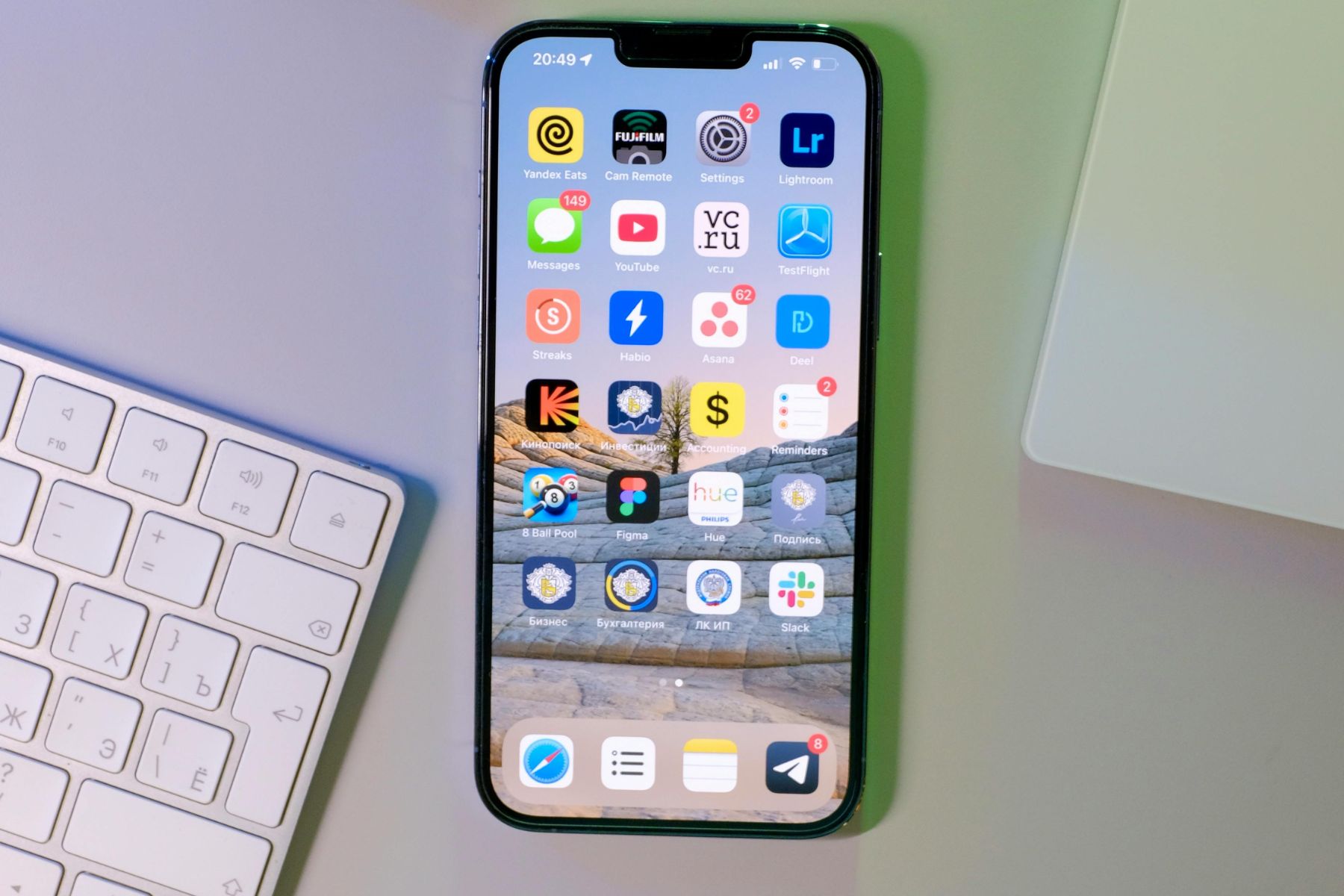
Discerning key communication from an onslaught of marketing emails can be a herculean task. When every ding of your inbox is shouting about the latest product update or special offer, it's easy for crucial information to get drowned out. This imbalance is not accidental but, in fact, engineered to exploit our cognitive overload.
Default Higher-Tier Plan After Trial

Ever wondered why your first full bill after a 'free' trial hit harder? That's due to a phenomenon known as billing shock. A significant number of users only discover the actual cost of their subscriptions after being hit with their first substantial charge, a result of unwittingly opting into premium tiers during the free trial phase.