Would you rather do everything yourself and later wonder why the grown-ups in your house don’t lift a finger, or involve them from the start? If raising responsible adults is the goal, teaching them at a young age wins every time. Why? Because habits form early, and so does the mindset that chores are shared responsibilities. Children observe, mimic, and begin to internalize what it means to make a meaningful contribution. Sharing everyday tasks is one way they learn. While it may not always happen side by side, when they’re invited to help, something begins to shift. They start to feel a sense of belonging—not because they were told what to do, but because they were included in the doing.
Would you rather do everything yourself and later wonder why the grown-ups in your house don’t lift a finger, or involve them from the start? If raising responsible adults is the goal, teaching them at a young age wins every time. Why? Because habits form early, and so does the mindset that chores are shared responsibilities. Children observe, mimic, and begin to internalize what it means to make a meaningful contribution. Sharing everyday tasks is one way they learn. While it may not always happen side by side, when they’re invited to help, something begins to shift. They start to feel a sense of belonging—not because they were told what to do, but because they were included in the doing.
Here is how everyday responsibilities shape their worldview.
Making The Bed Builds Ownership

Learning to make the bed helps children associate action with outcome. They begin to see how a small, daily task shapes the atmosphere of their own room. The habit builds predictability, which children often crave, and provides a sense of achievement that sticks. That moment of standing back to admire a neat bed? It matters.
Washing Dishes Teaches Accountability
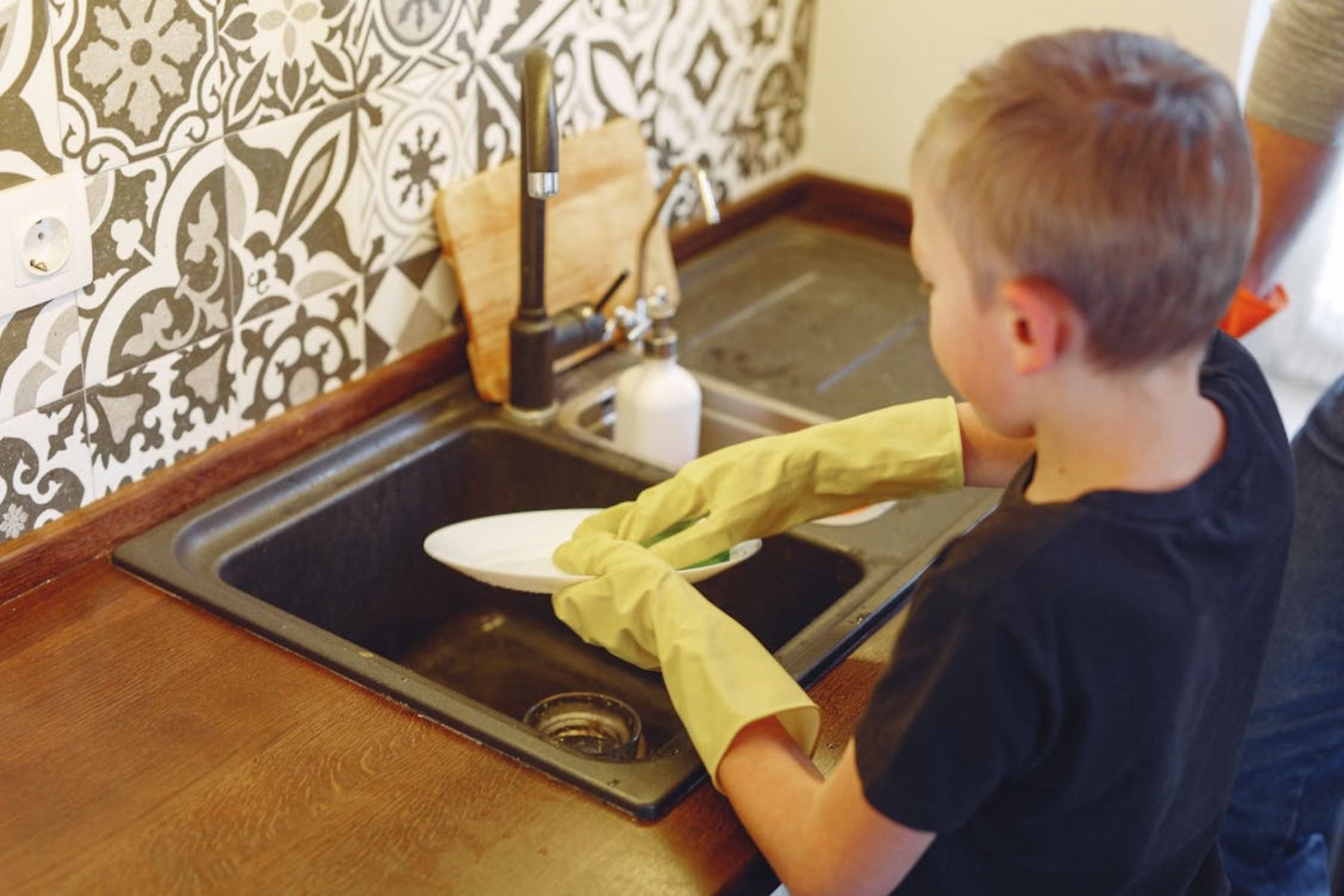
When your child steps up and washes the dishes, it delivers direct, hands-on learning. In the process, with your guidance, they get to see right away if something’s not done right—and they adjust. This task naturally introduces cause and effect, plus it gives them a real reason to think about others who come after.
Packing Lunch Encourages Planning
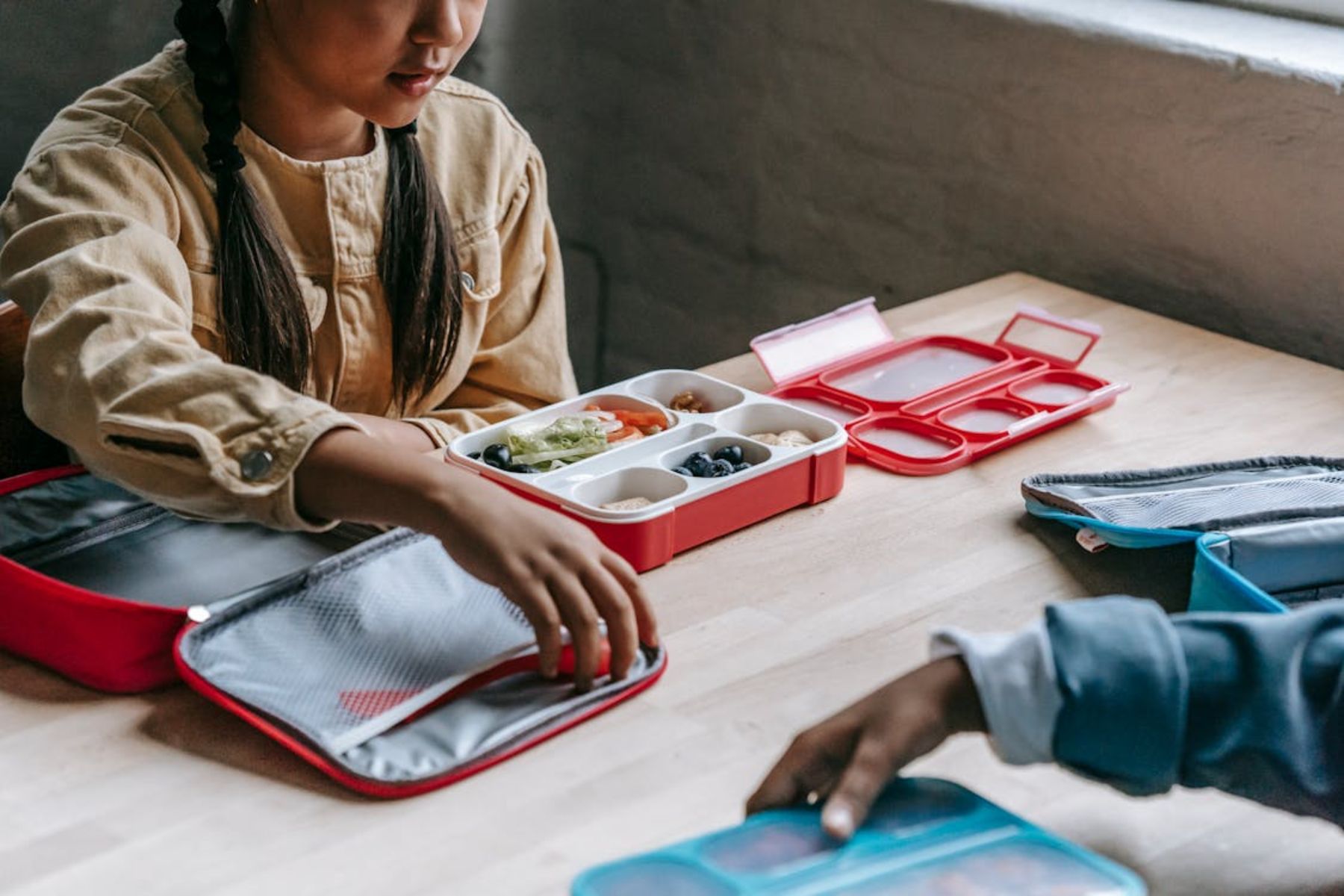
Whenever kids pack their own lunches, they begin to weigh their choices. Fruits or cookies? Leftovers or snacks? Each decision nudges them toward learning balance. It also puts daily planning into practice in a way they can taste—literally. Over time, packing lunch becomes a step toward thinking ahead.
Feeding Pets Promotes Empathy
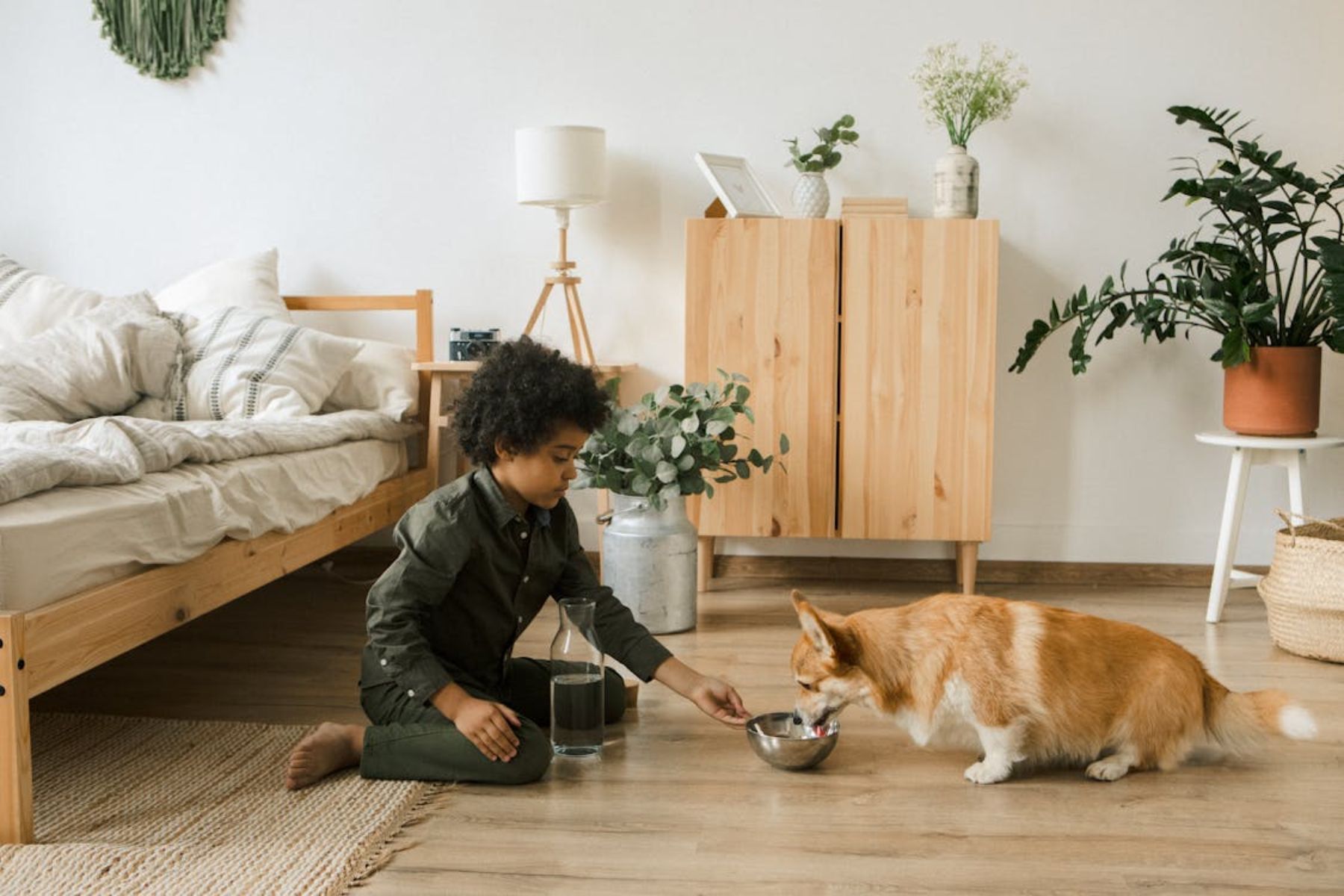
Feeding a pet is a gentle introduction to the responsibilities of caregiving. Children begin to notice routines outside themselves by recognizing that another being depends on them. That bond—reinforced daily—teaches consistency and builds emotional depth. Giving food and water becomes part of a shared relationship. With time, they do it themselves, without your input.
Folding Laundry Instills Order

Preference for order takes root in such simple acts. Invite kids to help with laundry, theirs and yours, ideally over light conversation or music. When you introduce this practice when they are younger, the better. Even stubborn teens may lean in when it feels like shared time. The heap shrinks, and so does the distance between you.
Taking Out Trash Teaches Completion
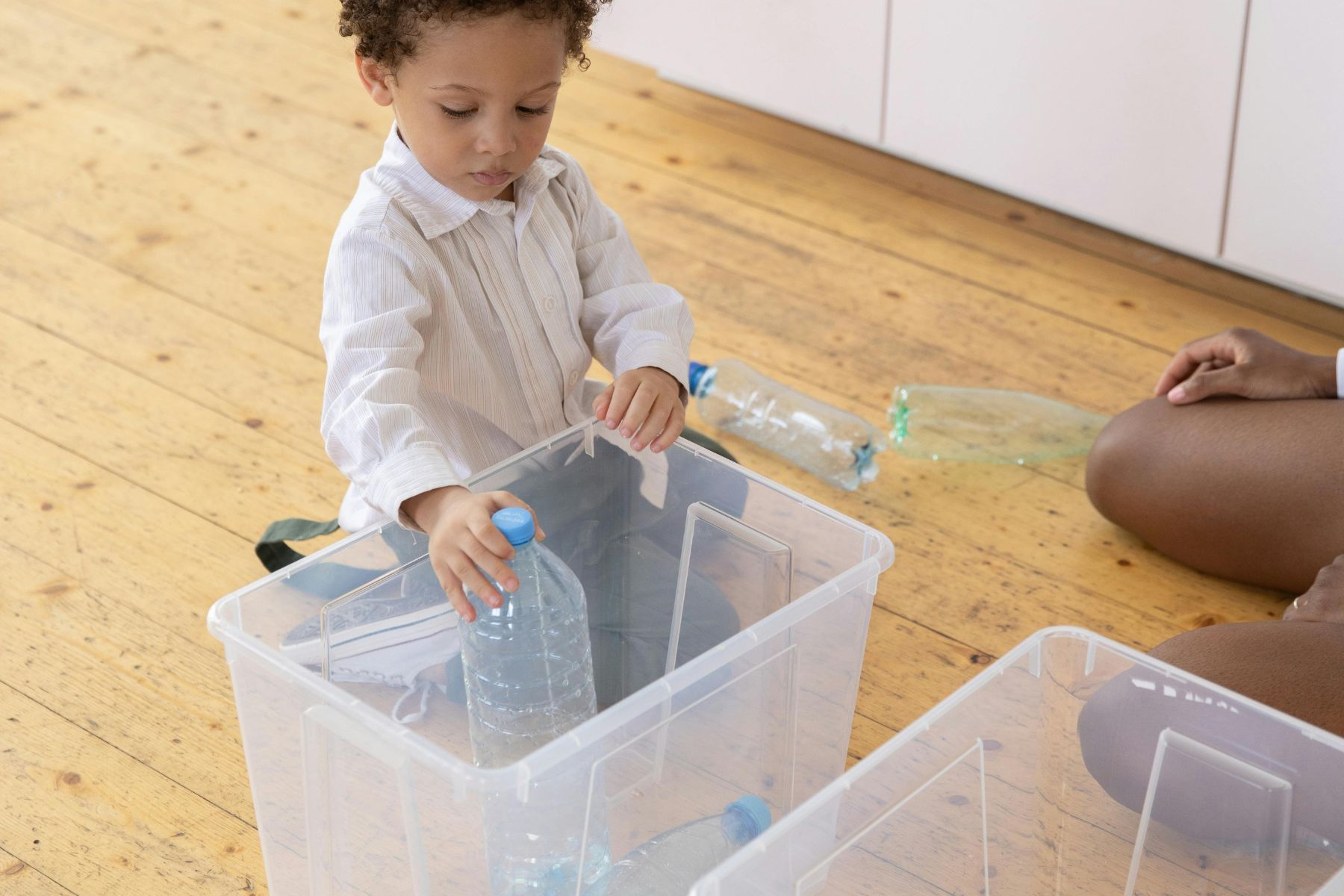
Trash duty is often short and straightforward, but it's a valuable teaching moment. The process—collect, tie, replace—teaches one to follow through without skipping steps. It also fosters early habits around waste and what gets thrown away, prompting questions that lead to more significant lessons down the line.
Cooking Builds Confidence
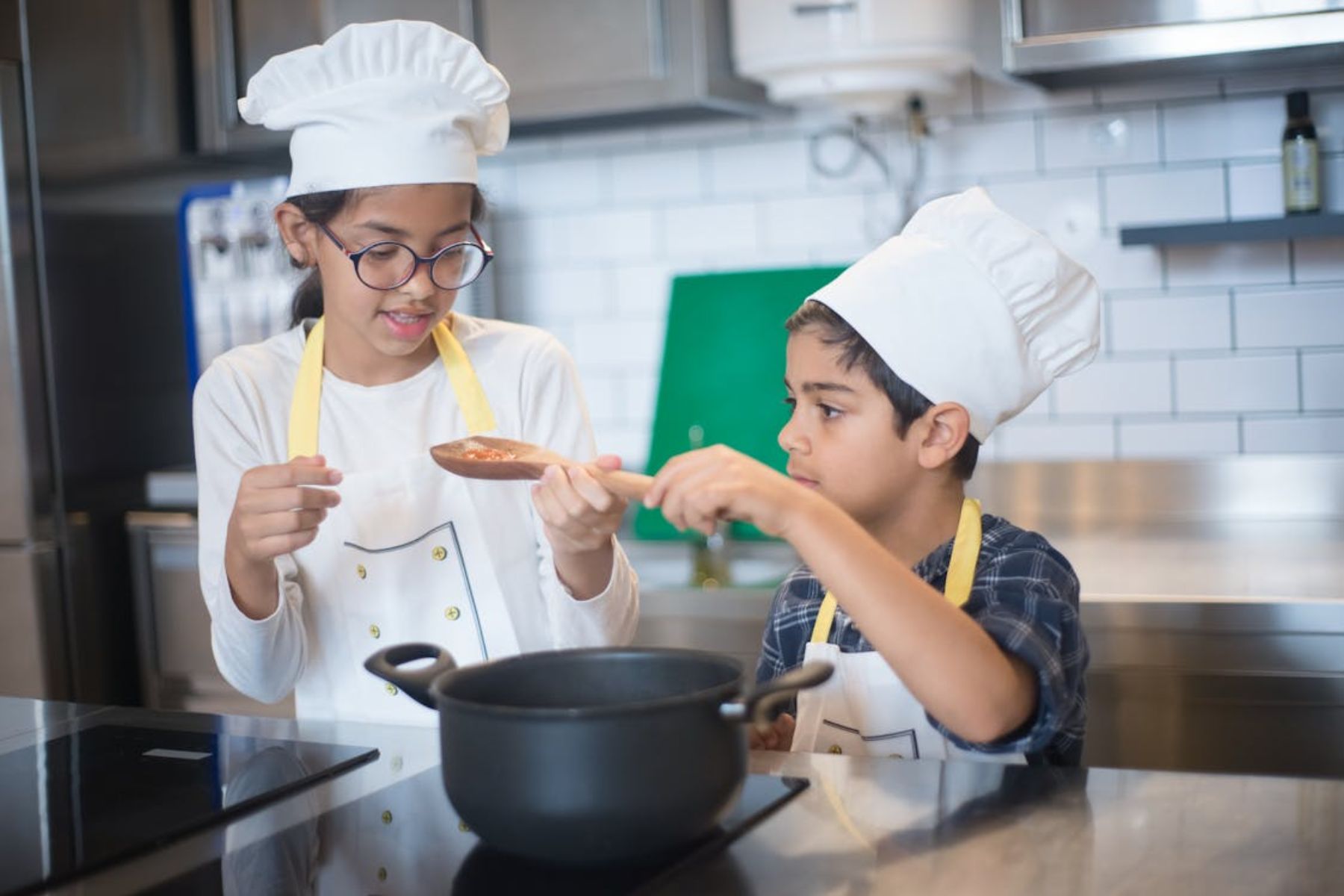
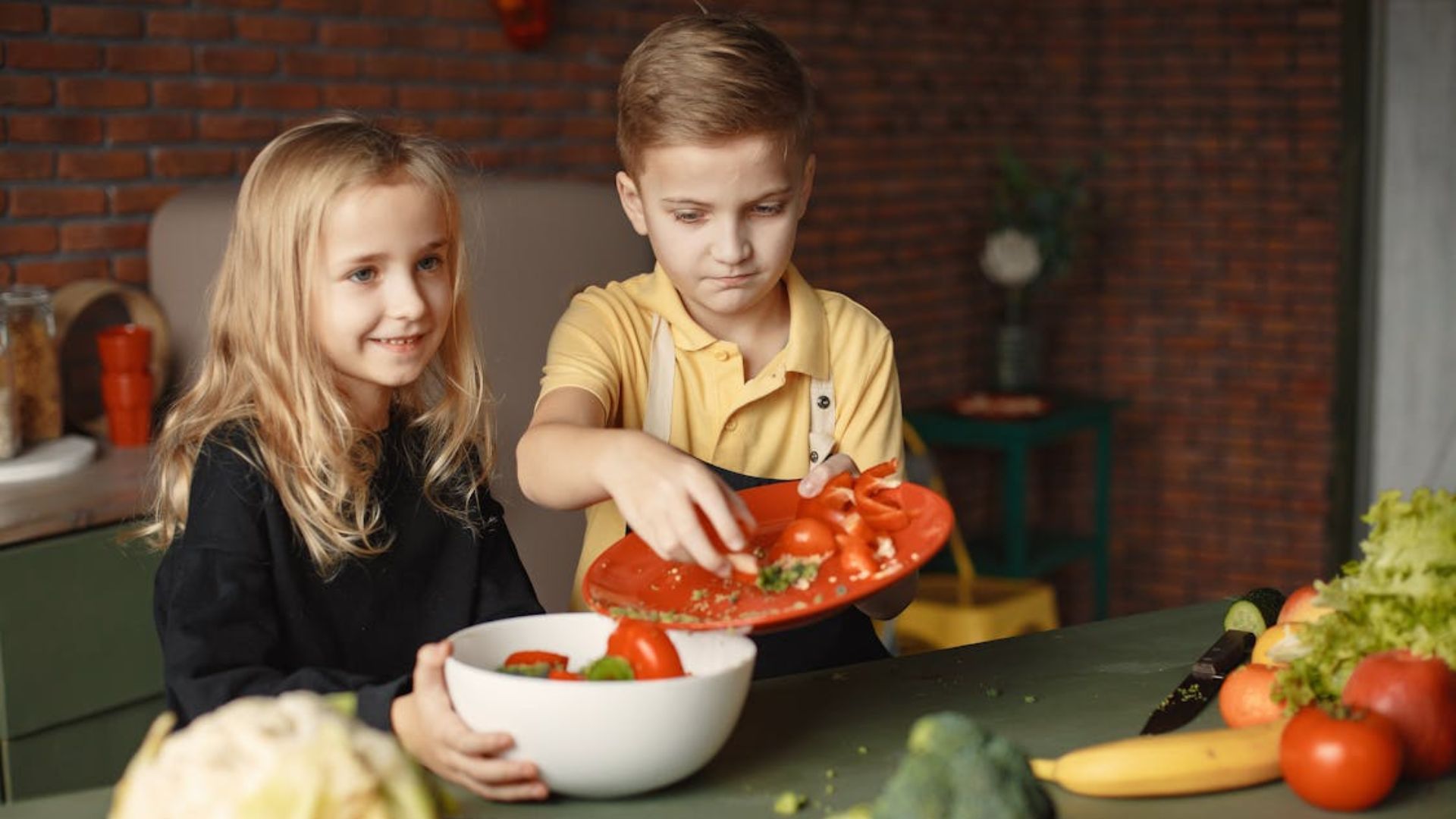
They’ve seen you prepare food from their formative years, so when you invite your child to cook, it gives them real responsibility—with heat, timing, and taste all in play. They learn to follow steps and think on their feet, as well as different food-making techniques. These skills boost confidence. Charity begins at home, and so do passions.
Watering Plants Connects Kids To Nature
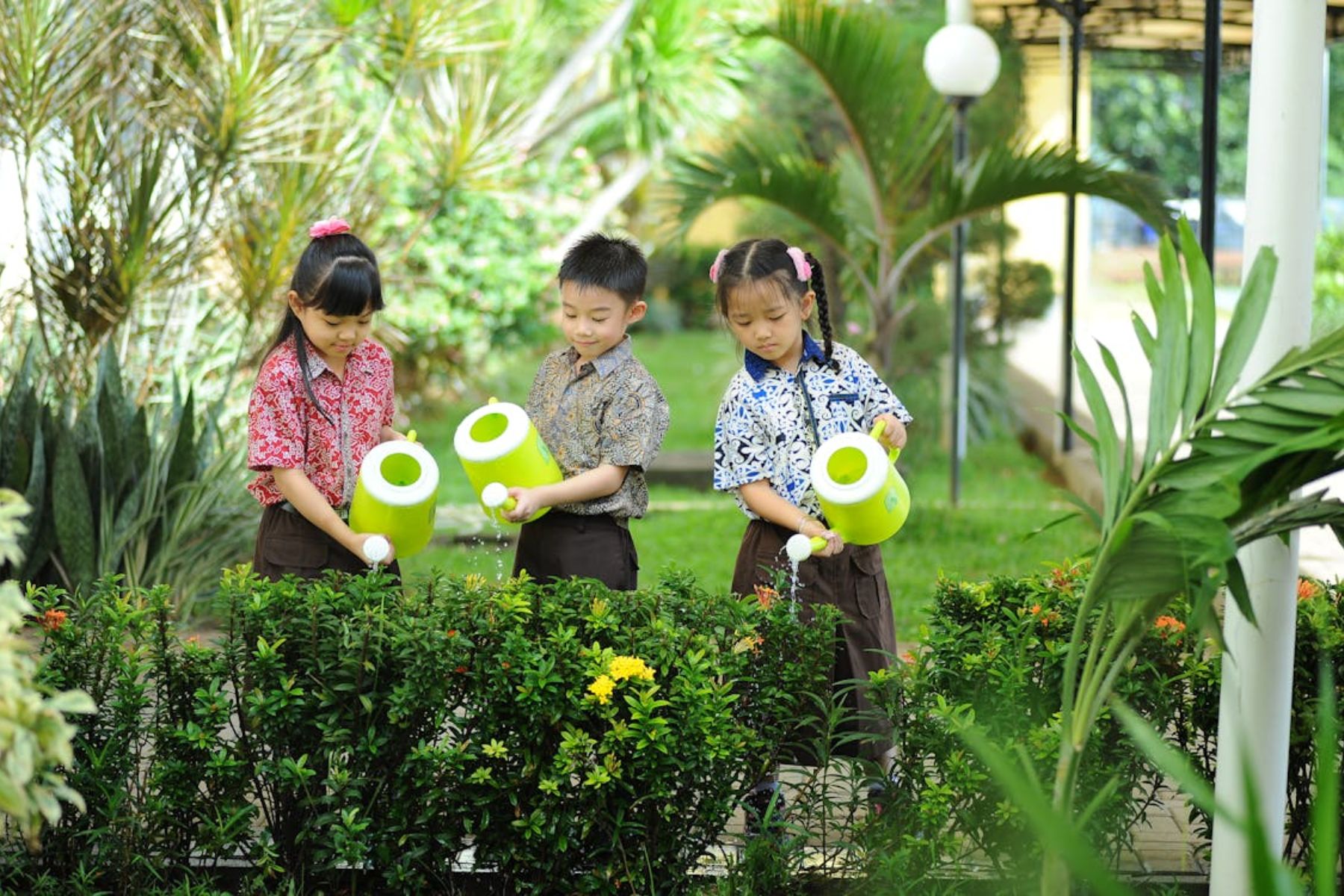
As you tend to your plants, have them do the same, because it teaches that growth takes time. Watching plants react to careful care helps them see how their actions matter. Watering, pruning, fertilizing, and propagating practices add rhythm to their routine and connect them to living things in a quiet, yet meaningful way.
Setting The Table Builds Anticipation
Sweeping Promotes Focus
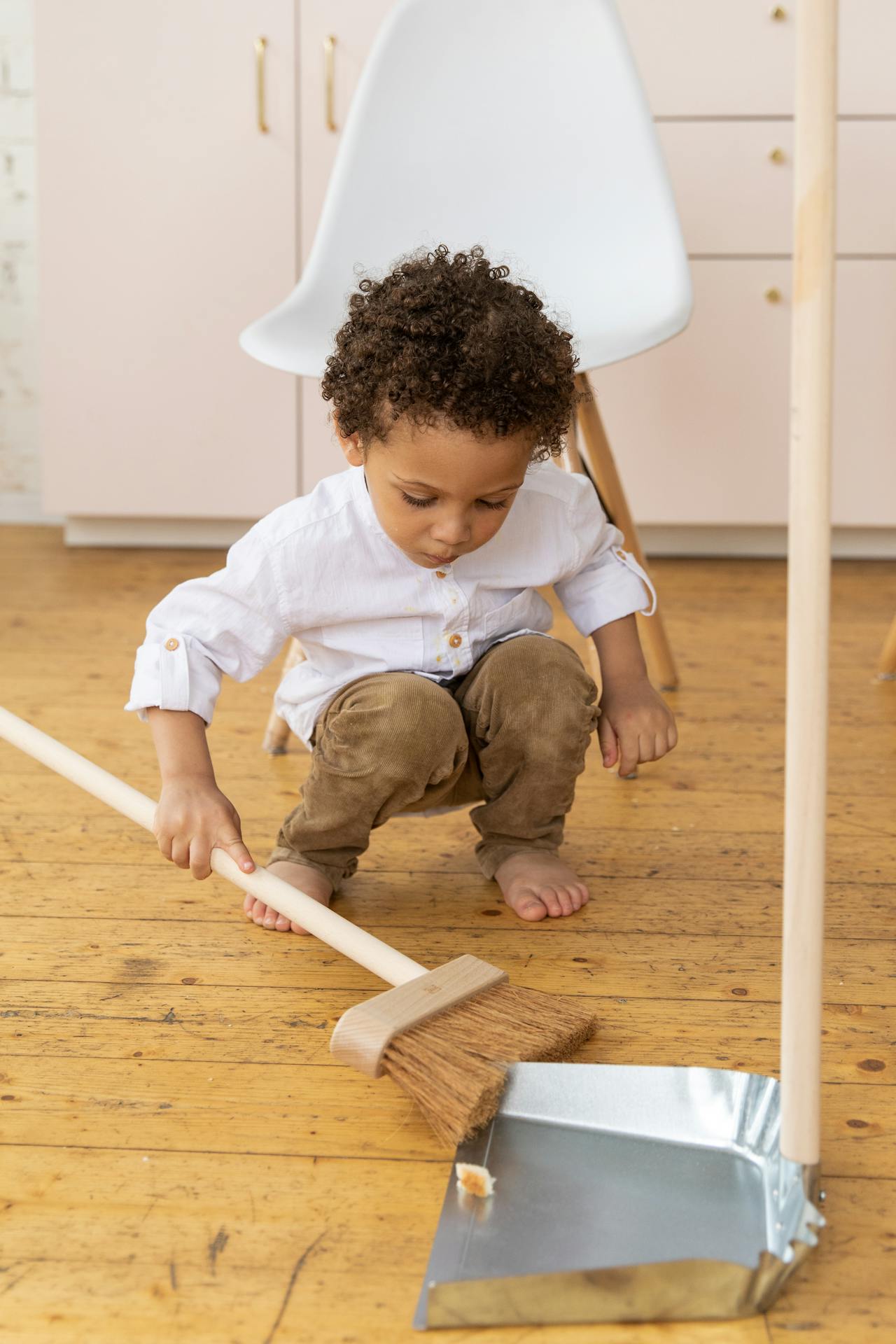
Whenever your child is sweeping, they experience a rare mix of action and reward. That clean line that forms with each stroke? It’s the evidence that effort pays off. It sharpens their awareness of their surroundings and gives them a direct hand in making a space cleaner. Over time, they learn to clean up after themselves.
Helping With Grocery Lists Fosters Decision-Making

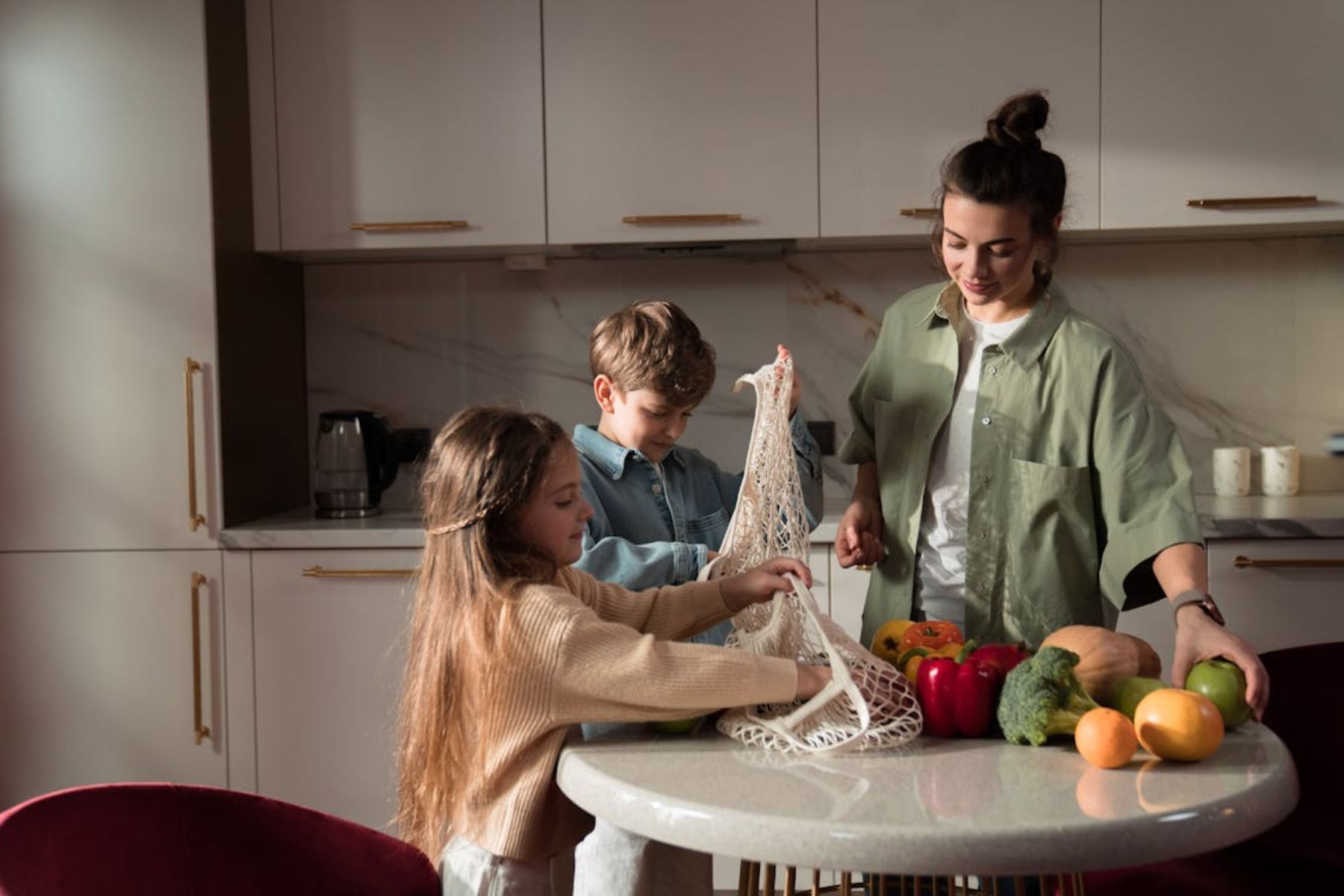
You want a child with budgeting prowess? Have them help with building a grocery list and even going shopping. This turns errands into life lessons where they start weighing choices and doing some quick math. Inviting them to such activities sparks conversations about cost, quantity, and priorities. And while snack requests slip in, so does real-world thinking.
Carrying Groceries Strengthens Grit
Cleaning The Car Encourages Team Effort
Helping With Siblings Sparks Leadership

When a sibling steps in to help care for the other, it cuts both ways. For the older sibling, the carer, it builds empathy, nurturing, and protective instincts. For the younger one, it helps them build trust, and they get a role model to emulate. The bond between the two inevitably strengthens.
Fixing Small Things Sparks Problem-Solving
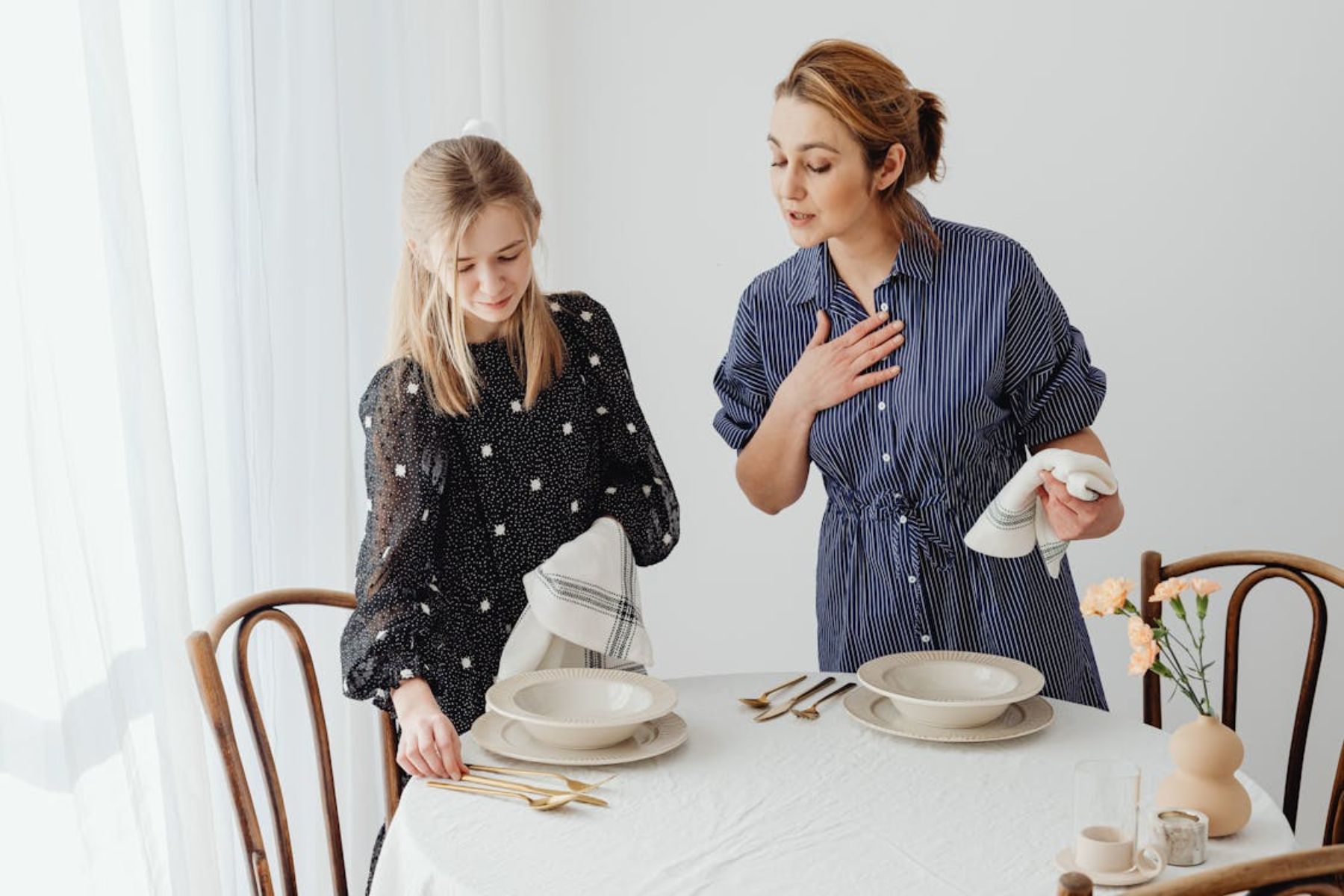
Even if they were not part of the cooking, have them prepare the table, as it builds presence. Children begin to understand their part in shared routines, and in doing so, feel invested in the mealtime experience. This introduces small lessons in manners and rhythm, and reinforces how small acts contribute to bigger moments.