Auto dealerships charge various fees when you buy a car, whether you pay cash or finance it. Sometimes, these fees are hidden, and the sales staff doesn’t explain them to you. Unfortunately, many consumers aren’t familiar with these fee structures and remain oblivious to these facts even after they pay off their car loans.

Auto dealerships charge various fees when you buy a car, whether you pay cash or finance it. Sometimes, these fees are hidden, and the sales staff doesn’t explain them to you. Unfortunately, many consumers aren’t familiar with these fee structures and remain oblivious to these facts even after they pay off their car loans.
The sales staff at these establishments know all about these fees. Unless asked, they don’t typically provide a full breakdown of these costs. These fees are often hidden within the terms of our loan contract. From administrative fees to undisclosed advertising fees, auto dealerships can swindle us out of extra cash through these sometimes unnecessary fees. Let’s learn how to decode dealership fees like a pro.
1. Research Dealership Fees in Your Area

Conduct research of auto dealerships in your city or state. These fees could include standard expenses for documentation and deal preparation. You can also check local laws related to necessary fees you can expect to pay a dealership when buying a car. By preparing, you can call the sales staff out if they attempt to violate these laws.
2. Ask For a Detailed Breakdown of Fees

When you visit a dealership, ask for a detailed breakdown of all fees. Review the document and pinpoint any fees that aren’t mandatory under your local laws and ordinances. Calculate the total cost minus these fees when the salesperson offers a total.
3. What Are the Documentation Fees?

Documentation fees reflect the cost of processing your contract and auto loan if you’re financing the car. Local laws can provide you with details about capped documentation fees. If you review these fees, you can determine if the auto dealership is exceeding these capped fees.
4. Identify Administrative or Internet Fees

An auto dealership’s finance manager may mention administrative or internet fees. You can research administrative fees for auto dealerships to find out if they are mandatory in your area. You should inquire about what internet fees the auto dealership is attempting to apply to your auto loan.
5. Destination and Delivery Costs

Auto manufacturers require destination charges for the delivery of the car to the dealership. If the car was at the dealership at the time of purchase, you may not be on the hook for these fees. These are mandatory fees charged to the dealership by the auto manufacturer.
6. Advertising Fees

Dealerships will charge advertising fees for all vehicles they sell. However, these advertising fees are included in the sticker price for the vehicle. There shouldn’t be an additional listing in the cost breakdown for these costs. You should request that they be removed if you see these charges listed separately from the total price for the car.
7. Dealer Add-Ons

Dealership add-ons are not mandatory, and you don’t have to pay for services you don’t want. These fees include services like paint protection applications or window tinting. You can refuse these services and the markup caused by these unnecessary additions.
8. Pre-Delivery Inspection Fees

The pre-delivery inspection fees are included in the dealership’s preparation costs. If you see these charges listed separately, bring them to the finance manager’s attention. You can make them remove these fees and extra charges. If they refuse, you can end the sale.
9. VIN Etching Fees
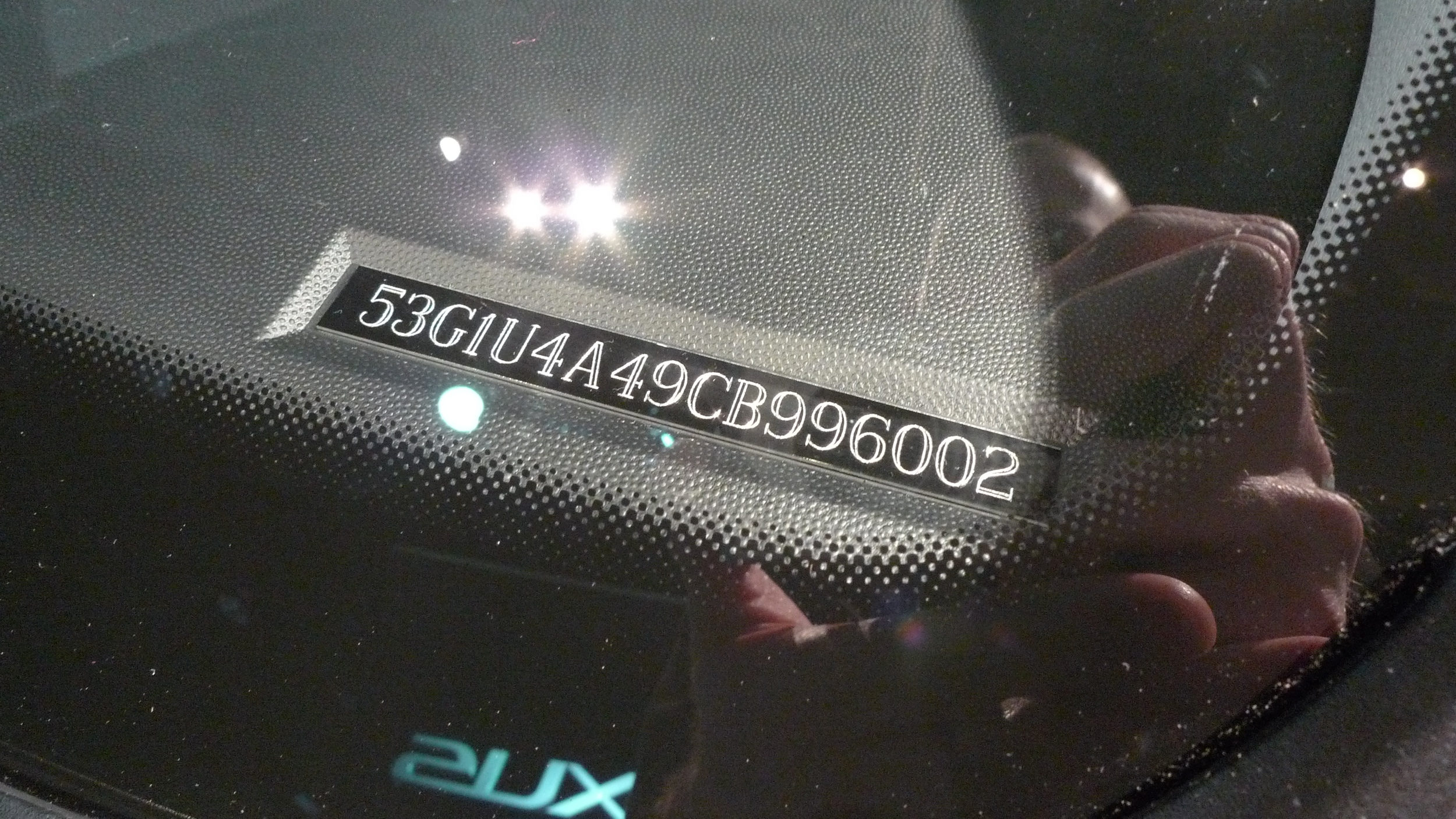
Typically, the car manufacturer will manage the VIN etching. However, if you’re buying a new car, the dealership may attempt to charge you for these services. You aren’t required by law to allow the dealership to perform VIN etching. There are private service providers who can perform the services for a lower fee.
10. Fees and Taxes for Buying the Car

Request a full calculation of your car’s total cost. Tell the finance manager, you want an itemized list of all fees. After you have this list, you’ll know the exact amount you owe for the car. If you need financing, they can add the interest when calculating the total cost.
11. State and Local Taxes

You cannot avoid paying state and local taxes when buying a car. However, you can research how these taxes are calculated. You may pay certain state taxes through the dealership, or you may be required to pay them through the DMV when registering your car. These requirements can vary from state to state.
12. Extended Warranties and Certain Dealer Packages

Determine if you are required to pay for an extended warranty for your car. You can ask the finance manager or the sales staff about these requirements. They are mandatory in some jurisdictions. You may also be required to pay fees for dealer packages available for your automobile.
13. Use Your Negotiation Skills

Put your negotiation skills to good use by demanding a more transparent fee structure. You may also get reduced charges by negotiating with the sales manager. However, you should be ready to walk out the door if they don’t agree with your preferred terms.
14. Finance Charges and Fees

When financing a car, the finance manager will discuss the terms of the auto loan. You can demand transparency and get a list of all related fees and services. The documentation could prevent you from facing more hidden fees or charges they could add to your auto loan later.
15. Check Consumer Reports For Fee Structures For Dealerships

Popular resources, like Consumer Reports can show you the typical tricks that dealerships use. By learning what to expect, you could avoid unnecessary charges and fees. You may also learn better strategies for negotiating for a better price.