There comes a point when your house stops being just “lived-in” and starts feeling like a constant to-do list. A window sticks, a faucet drips, the layout feels off, and suddenly, you’re not just fixing things—you’re thinking about bigger decisions. It’s not dramatic. It’s just practical. You might be sitting on the same couch you’ve had for years, in the same room with the same paint, wondering why everything feels slightly off. Maybe it’s the cramped kitchen. Maybe it’s the weird guest bathroom you’ve never liked. Or maybe it’s the realization that you’ve been ignoring those cracks because addressing them sounds expensive. So, if you’ve been weighing the pros and cons and wondering how to make the right call, it’s time to walk through the key signals that can guide your next move.
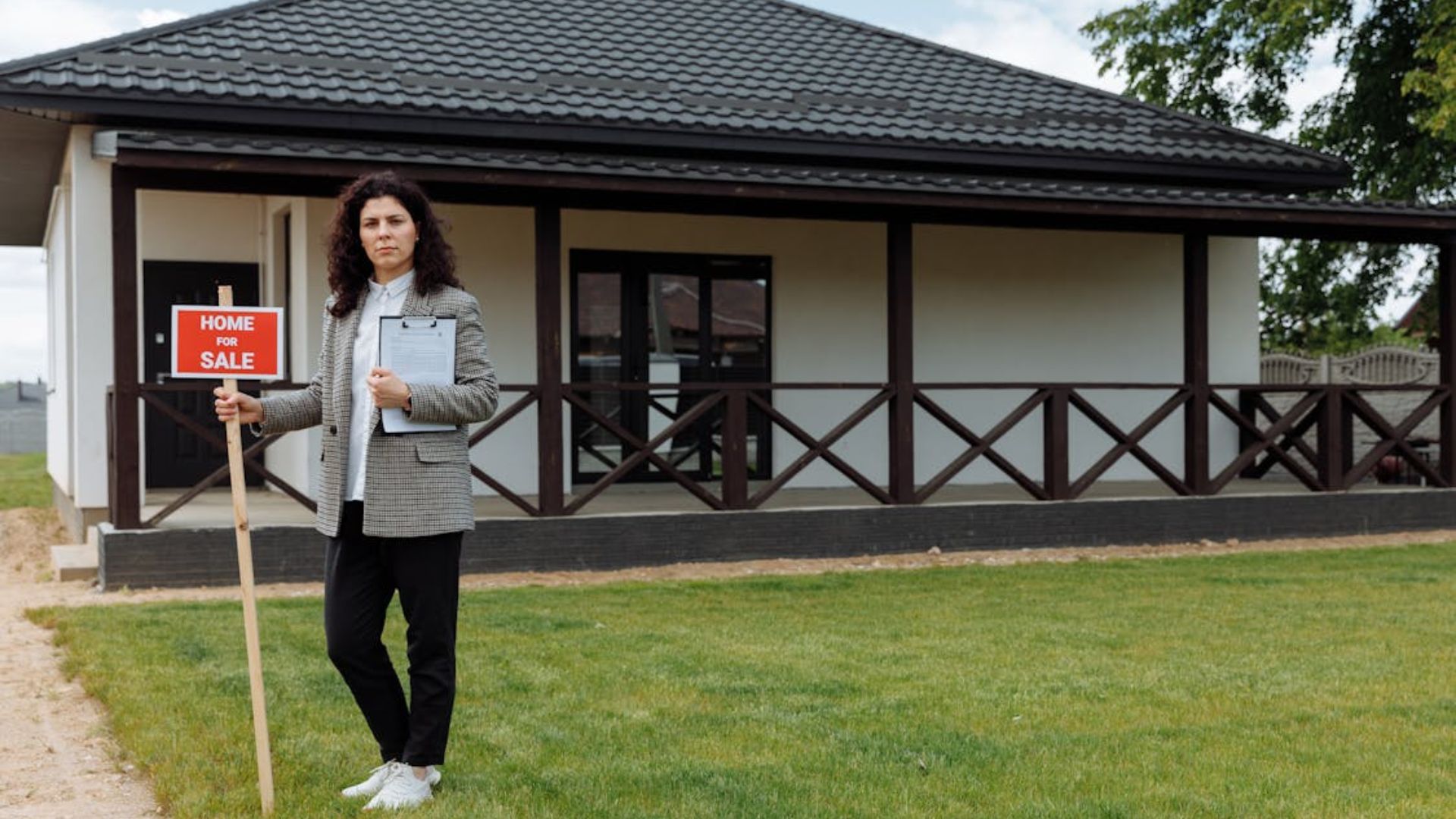
There comes a point when your house stops being just “lived-in” and starts feeling like a constant to-do list. A window sticks, a faucet drips, the layout feels off, and suddenly, you’re not just fixing things—you’re thinking about bigger decisions. It’s not dramatic. It’s just practical. You might be sitting on the same couch you’ve had for years, in the same room with the same paint, wondering why everything feels slightly off. Maybe it’s the cramped kitchen. Maybe it’s the weird guest bathroom you’ve never liked. Or maybe it’s the realization that you've been ignoring those cracks because addressing them sounds expensive. So, if you’ve been weighing the pros and cons and wondering how to make the right call, it’s time to walk through the key signals that can guide your next move.
Your Renovation Budget Exceeds Your Equity Cushion
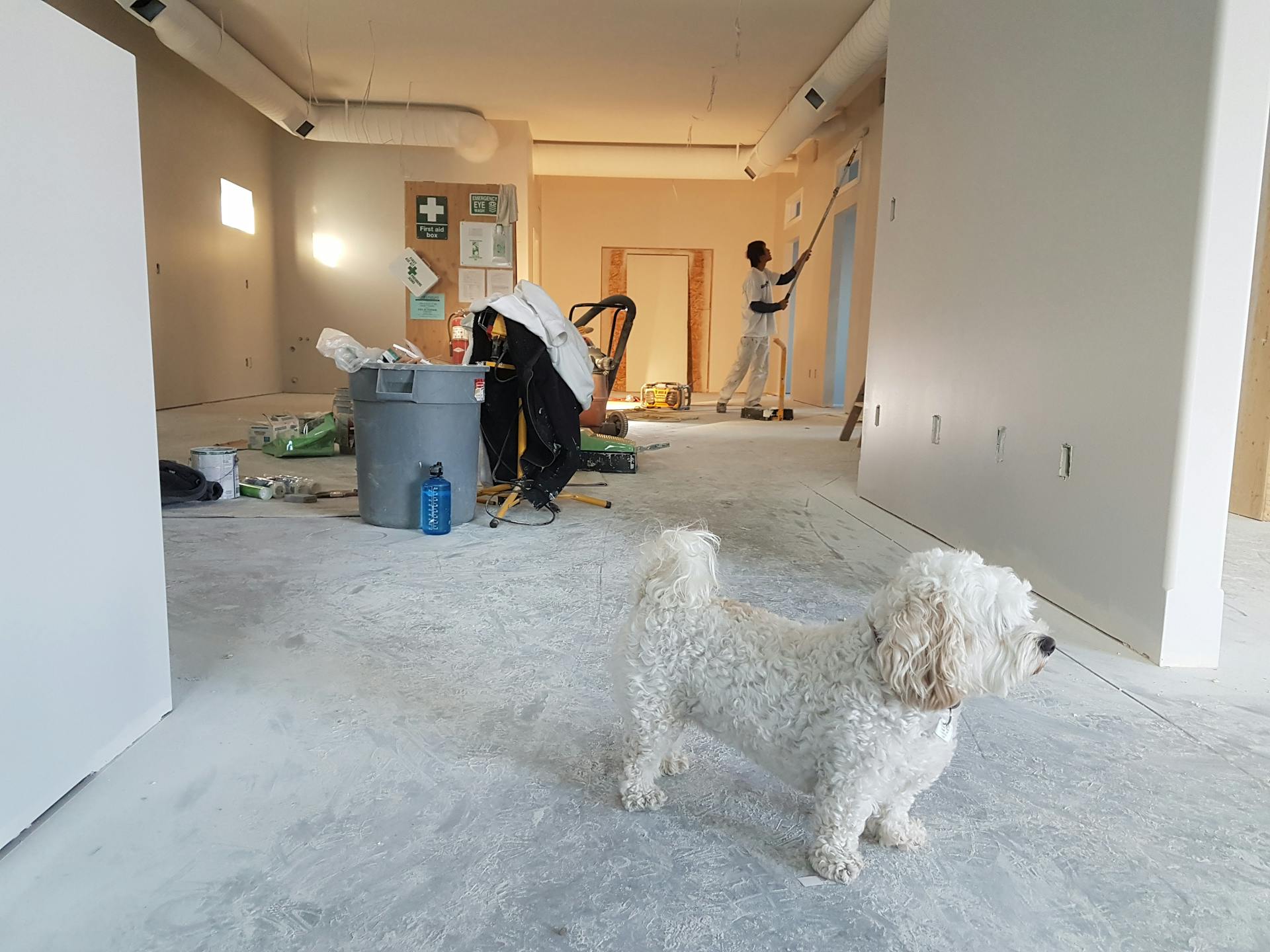
If your renovation budget overshoots the safety net of your equity cushion, complications can multiply quickly. Unexpected repairs often inflate expenses, while a high loan-to-value ratio can limit your access to additional funding. Rather than risking unfinished work, selling may offer a more stable financial path.
The Layout Can’t Support Your Long-Term Needs

Certain designs—like split-levels or homes with narrow hallways—pose significant accessibility challenges that aren’t easily resolved. As household needs evolve over time, older layouts lack the flexibility to accommodate change, which makes selling a more practical and forward-looking option.
Major Repairs Are Stacking Up Fast

Fixing things as they break might seem fine for now, but those quick patches can really add up. Big issues—like cracks in the foundation—usually need serious help. At some point, starting fresh by selling might actually save you more money than constantly pouring cash into endless repairs.
You’ve Hit The Ceiling On Neighborhood Value

Sometimes, even your dream kitchen can’t outshine your zip code. If every nearby home sells for less, dropping tens of thousands on upgrades won’t magically boost your property’s value. So, moving to a more desirable area might actually make more financial sense and give your upgrades the spotlight they deserve.
Your Local Market Is Hot for Sellers

Homes are flying off the market, and open houses resemble auctions. Low inventory makes your property more noticeable, often drawing in multiple buyers and sparking bidding wars. Those above-asking offers can turn into real gains. Renovating delays that momentum, as selling during a peak market creates a stronger financial jumpstart.
You Love The Location, But Not The Layout

The views are perfect, and everything you need is just a short walk away. But the layout? It’s a daily hassle. That’s when remodeling makes sense. You don’t have to give up the location you love—just tweak the space so it finally feels as good as it looks.
Expanding Would Break Zoning Or HOA Rules

Dreams of extra space hit a wall made of red tape. Zoning laws and HOA rules love to set limits—on square footage, height, and where walls can go. Renovation gets tangled in restrictions, turning upgrades into uphill battles. In such situations, selling opens doors to homes that already match your vision.
You’re Paying For Space You Never Use

Renovation focuses on improvement, not reduction, which means the core issue remains. Downsizing provides a strategic solution by aligning your space with actual needs, reducing expenses, and simplifying everyday living. Lastly, a more efficient layout enhances comfort far more than reconfiguring areas you rarely enter.
Your Family Is Growing, But The Home Can’t

Adding extra rooms sounds ideal until zoning rules or structural limits say otherwise. Small homes can only stretch so far before comfort turns into chaos. In short, moving opens up room to breathe, offering a faster path to peace than months of disruptive construction ever could.
Modernizing Would Destroy The Home’s Charm
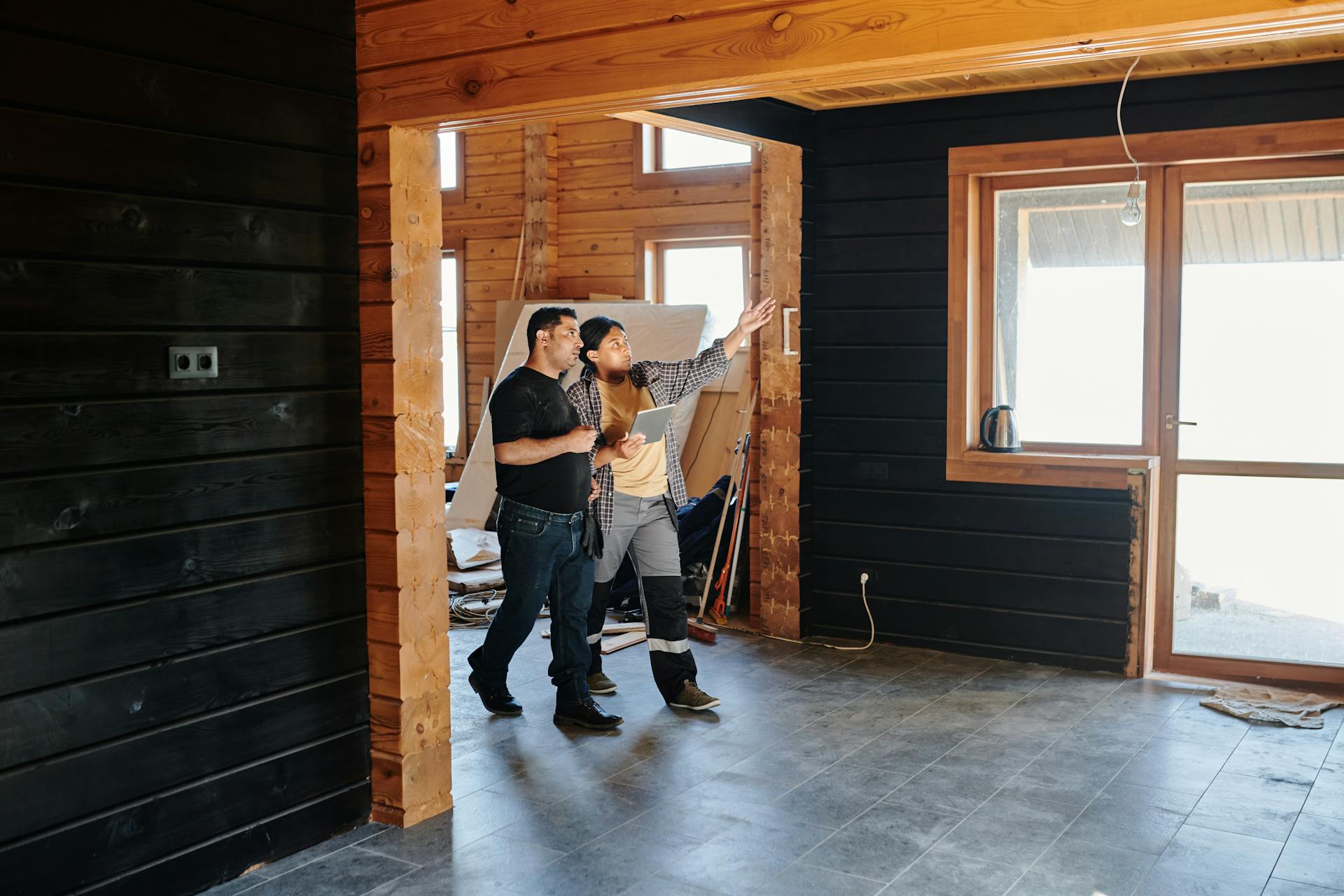
Some layouts simply weren’t built for open concepts, and forcing them risks stripping away what makes the home special. Upgrades may bring convenience but can also erase irreplaceable charm. Renovation, in these cases, becomes a tradeoff between comfort and authenticity.
Your Energy Bills Stay High Despite Upgrades

Old homes were simply built during eras with different standards, making true efficiency difficult to achieve. Switching to a newer build eliminates the guessing game and delivers measurable comfort without the constant battle against hidden energy loss.
Renovation Wouldn’t Solve Commute Or School Issues

Granite countertops won’t shorten a long commute, and no amount of remodeling can redraw school district boundaries. Even the most stunning home feels less enjoyable when every day starts with traffic or logistical stress. Moving creates a chance to align both by providing a place that truly supports the way you live.
You’re Renovating For Resale
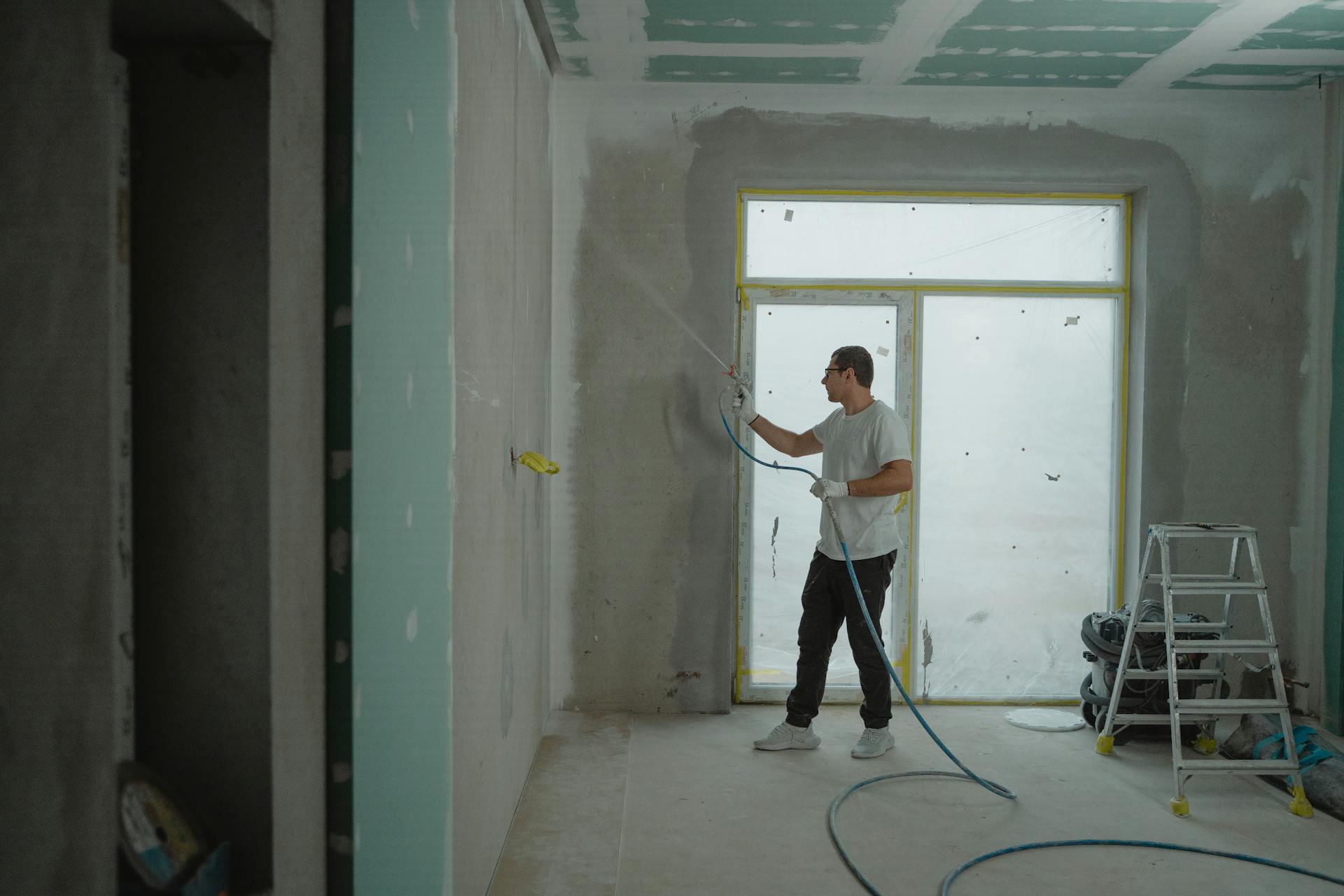
Renovating for resale means investing in improvements you might never enjoy and watching new floors and fixtures benefit someone else. Selling eliminates that gamble and lets you move forward without remodeling your life around an audience you haven’t even met.
Permits Are Denied Or Delayed Repeatedly

Historic properties bring complexity, demanding extra layers of approval just to get started. Each delay not only adds to the timeline but also inflates costs and chips away at momentum. Navigating the permitting maze becomes exhausting and turns upgrades into a drawn-out process with no clear end.
You’re Emotionally Ready For A Fresh Start

Sometimes, the place you’re living in just doesn’t feel right anymore. And even if it looks great, it can still feel off—especially when the memories don’t bring the same comfort they used to. In such situations, moving somewhere new can make a big difference.