If you’re a busy parent, you’re probably looking for ways to streamline your organization to save time and reduce the stress of transitions. A few stable routines can help you manage the school run and bedtime with your children.

If you're a busy parent, you're probably looking for ways to streamline your organization to save time and reduce the stress of transitions. A few stable routines can help you manage the school run and bedtime with your children.
Create an illustrated table

To help younger children understand the morning and bedtime transitions, you can create an illustrated chart to display in the kitchen. Pictograms attract children's attention and make it easier for them to understand the concept. They can then visualize the stages of their routine and become more independent.
Preparing in advance

To ease the morning transition, we recommend getting ready the day before. This helps reduce morning stress, while promoting a calmer start to the day. So remember to prepare clothes, school bags and snacks the day before. In this way, you can limit the number of things you forget, and make every transition from home to nursery or school a success.
Anticipating the night-time transition

If your child likes to negotiate at bedtime, you can set up a special bedtime routine. It could be a song, a nursery rhyme or a series of riddles. In either case, the musical rhythm serves as a cue for the child, while facilitating the transition to calm. If you play an instrument, don't hesitate to play a few notes to help your child fall asleep peacefully.
Taking the time to cuddle children

Setting up a routine makes organization smoother and helps avoid forgetfulness. However, it must not become a repetition of rigid or calculated gestures. To reinforce your child's emotional security, consider including a cuddle time during the evening routine, or a few spontaneous trades in the morning. These moments foster attachment and soothe the child during his routines.
Teaching children to appreciate time

To make routines easier to follow, you can use a timer or hourglass. This allows children to visualize the time remaining for each step. They can project themselves into the future and actively participate in managing their own time. For your part, using a timer helps to limit conflicts while keeping you as calmly organized as possible.
Involving children in new routines
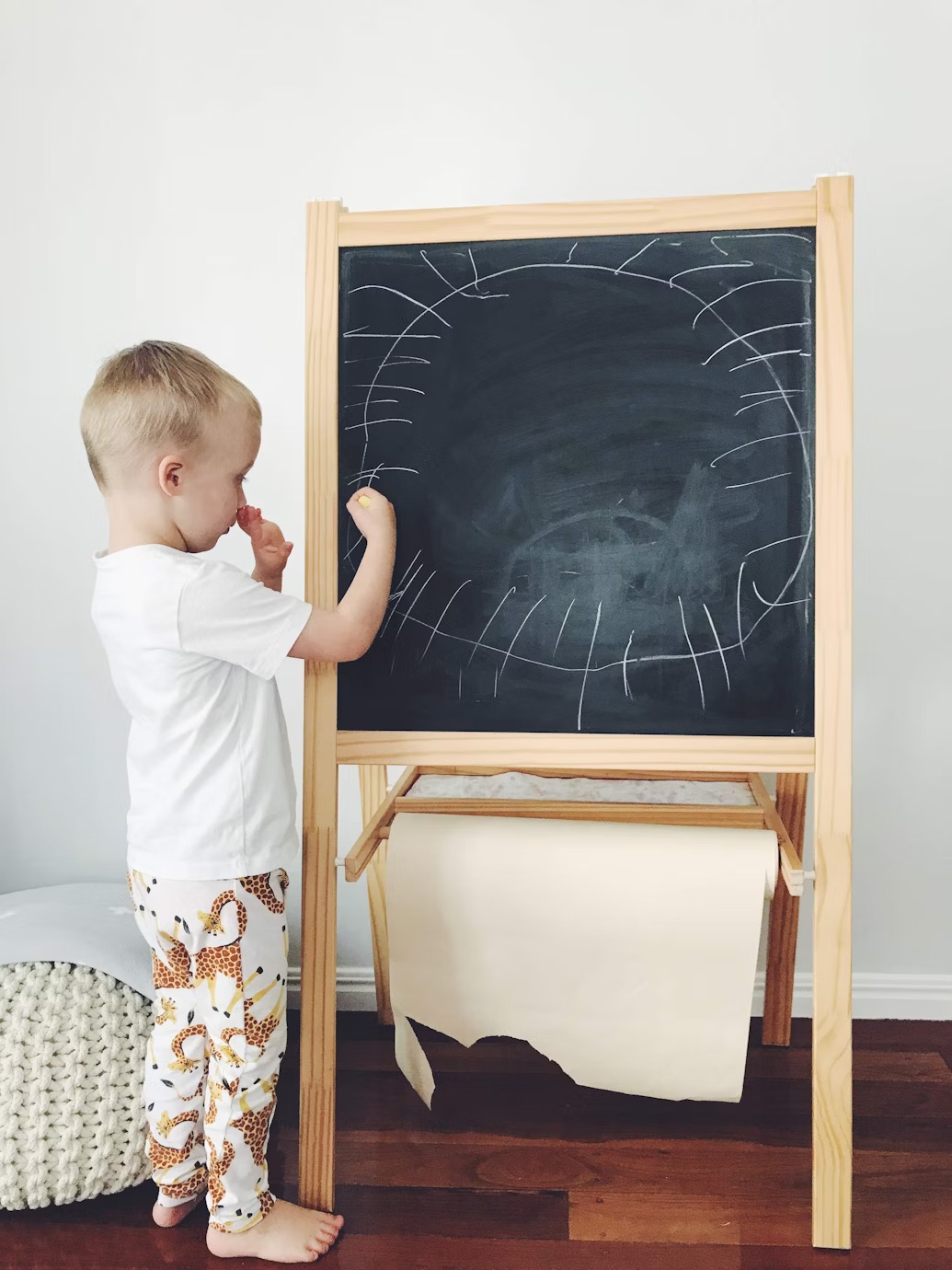
If you want to give your child a sense of responsibility and involvement, invite him or her to create new daily routines. On the one hand, the child feels listened to and can express himself more freely. On the other hand, it encourages them to respect routines in which they themselves have participated.
Valuing the child's efforts

For each step successfully completed, don't forget to offer a word of encouragement or a symbolic reward to create a positive climate around the routines. In the event of failure, take the time to discuss the reasons with the child. Perhaps the routine was unsuitable, or represented a major challenge for the child. A good discussion can help to de-dramatize the situation and get back on track.
Breaking down major transitions

Leaving for school is undoubtedly the biggest morning transition. To make this moment less stressful for your child, you can break it down into several simple stages. For example, plan a time of preparation (getting up, going to the toilet, getting dressed), a transitional stage (having breakfast in a quiet environment), and a time of departure (putting on the jacket, checking the schoolbag, saying goodbye at the door).
Allow a few minutes of calm before departure

For younger children, leaving for school can be perceived as a time of intense stress. So try to plan a few minutes of calm or trade beforehand. This encourages family bonding and prepares them positively for separation. If you have a nanny who accompanies your children to school in the morning, don't hesitate to include her in the departure transition.
Maintaining flexibility
Your family routine will be more effective if it's adaptable and allows for certain adjustments. All you need to do is preserve a few stable points of reference to reassure your children, while modifying a few habits as their needs evolve.