Over the years, we’ve heard it all when it comes to how someone chooses to dress. Some suggest it’s linked to your personality, others to your psychology, and the rest? They lean toward preference. The one thing they all seem to orbit, though, is emotion—how you feel. And that’s the lens we’re zooming in on today to make sense of wardrobe choices. Of course, not every pattern fits every person. Sometimes a clothing choice is simply what feels good in the moment, and that reason is just as valid. Personal context plays a big role, and none of this is meant to box anyone in. A few of these pointers will sound familiar, and a couple might surprise you. Either way, it’s worth hanging around to see what your closet could be saying, even when you’re not saying much at all.

Over the years, we’ve heard it all when it comes to how someone chooses to dress. Some suggest it’s linked to your personality, others to your psychology, and the rest? They lean toward preference. The one thing they all seem to orbit, though, is emotion—how you feel. And that’s the lens we’re zooming in on today to make sense of wardrobe choices. Of course, not every pattern fits every person. Sometimes a clothing choice is simply what feels good in the moment, and that reason is just as valid. Personal context plays a big role, and none of this is meant to box anyone in. A few of these pointers will sound familiar, and a couple might surprise you. Either way, it’s worth hanging around to see what your closet could be saying, even when you’re not saying much at all.
Wearing Black Often Signals A Need For Control
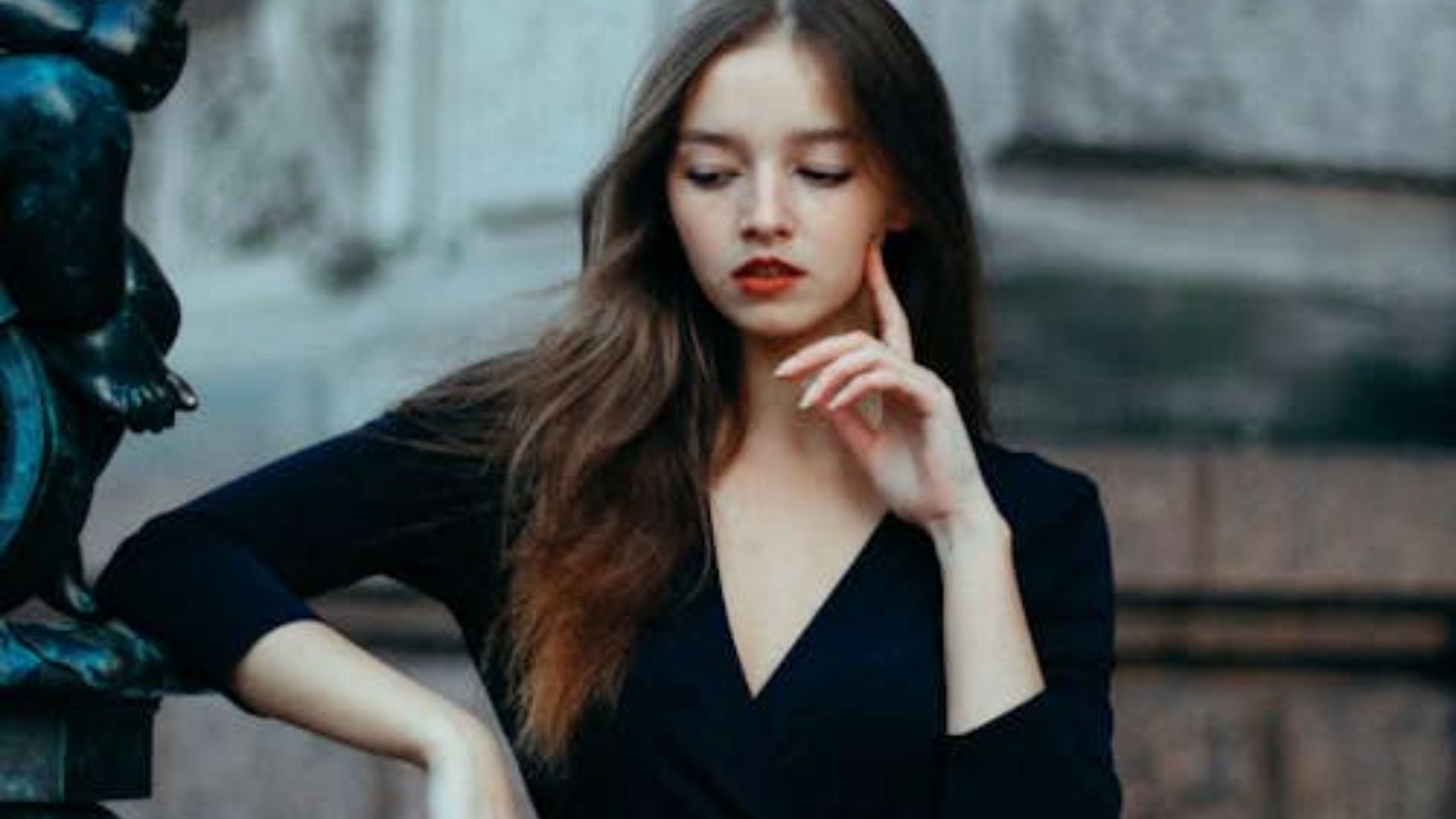
Black clothing often serves as a quiet emotional shield. It’s usually picked during emotionally vulnerable moments, such as at funerals. Psychologists attribute its use to control and seriousness, which explains its frequent use in high-stakes or vulnerable situations. Those high in neurotic (tense) traits especially favor black, perhaps craving that calm, authoritative presence.
Bright Colors Can Boost A Low Mood
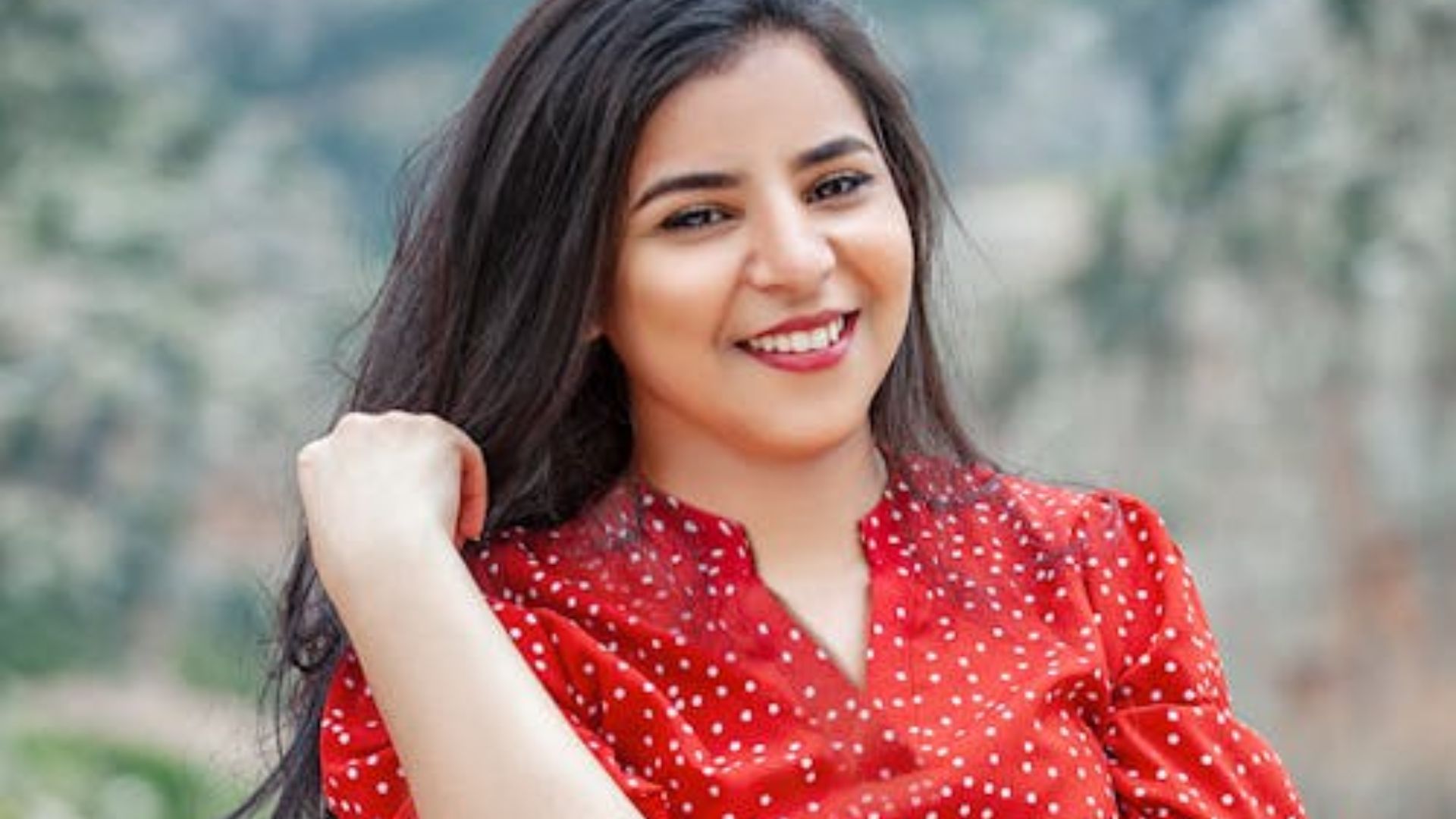
Bright hues, such as red or yellow, tend to lift spirits and lighten the mood. They’re not just eye-catching—they actually help boost serotonin and improve energy levels. Even when it’s subconscious, people often grab these hues to feel better. The added perk? Others see them as more open and friendly without even trying.
Loose Clothing Could Reflect Stress Or Fatigue
High Heels Correlate With A Need For Confidence
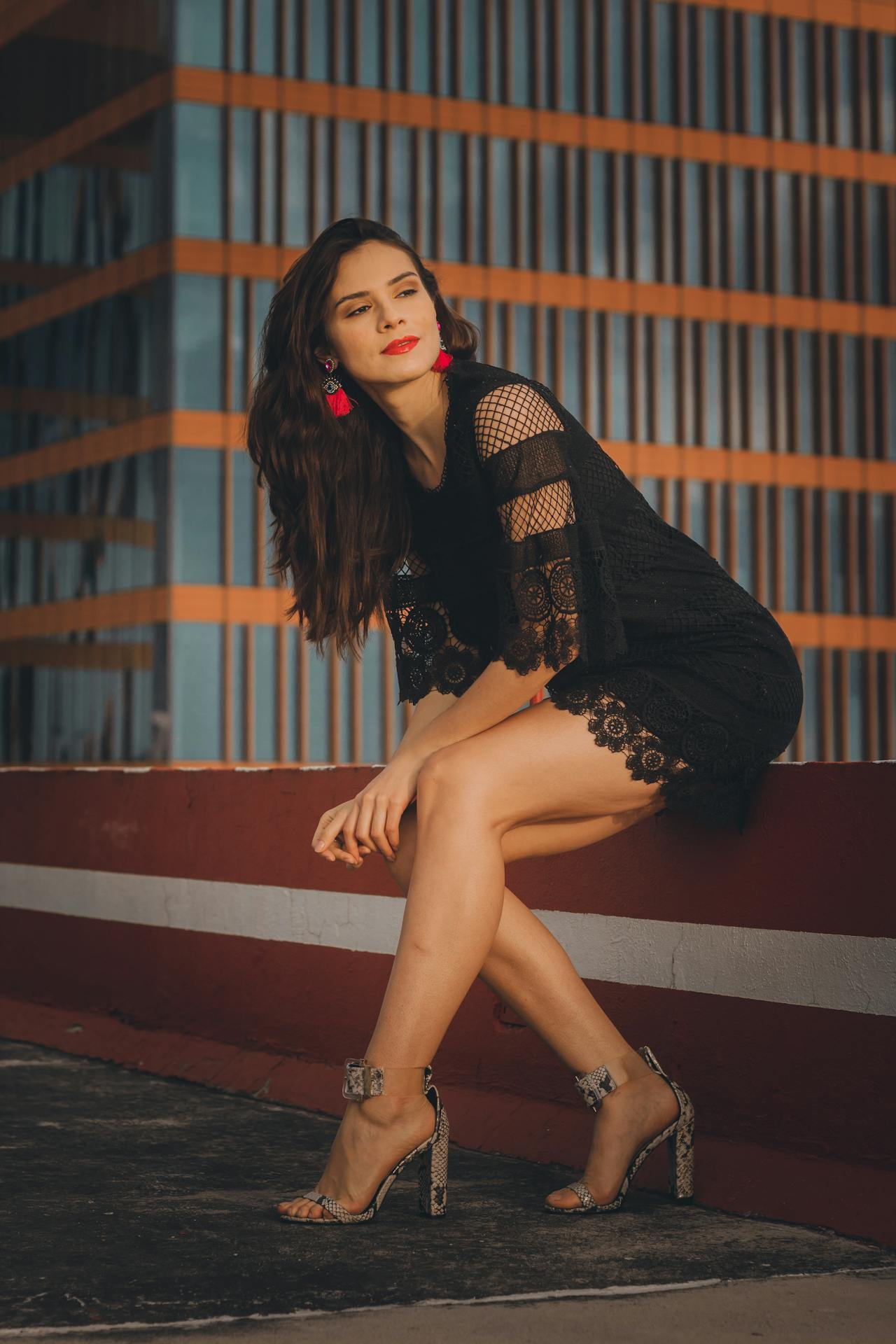
Think about it for a second, why would anyone wear shoes to become a few inches taller than they are? It’s to be seen! Heels fit this role perfectly. For women who wear them daily, they attest that their posture, both physically and emotionally, gets a boost. That’s why when ladies’ night comes around, heels are a must.
Neutral Tones Often Signal Emotional Stability
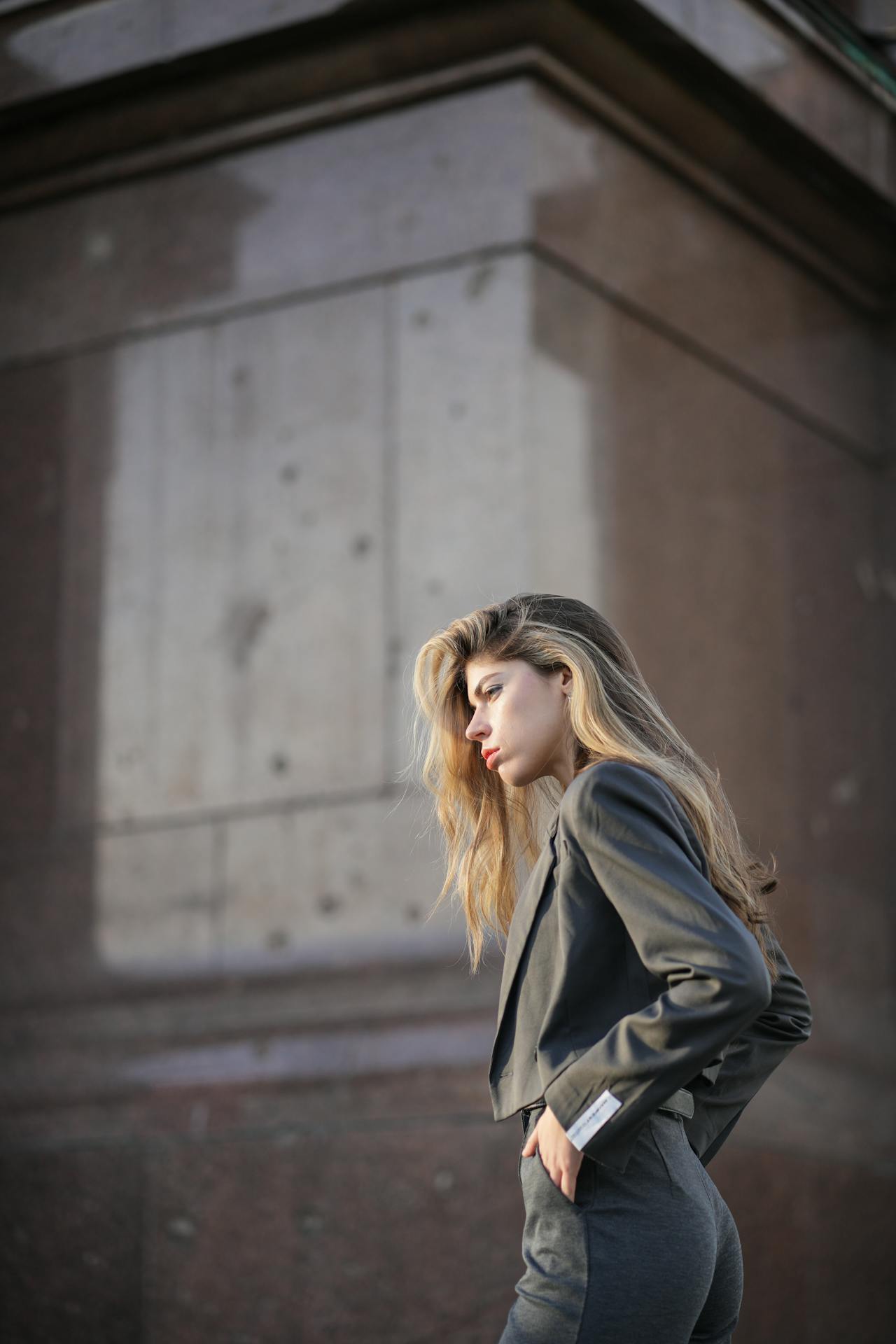
All the neutrals you own say a lot without saying much at all. These shades evoke a calm, thoughtful mood, perfect for moments when someone seeks mental silence. In times of transition, neutrals are a steady backdrop, a pause between what’s past and next. Most people who love these tones could possess high emotional control.
Frequent Outfit Changes May Indicate Anxiety
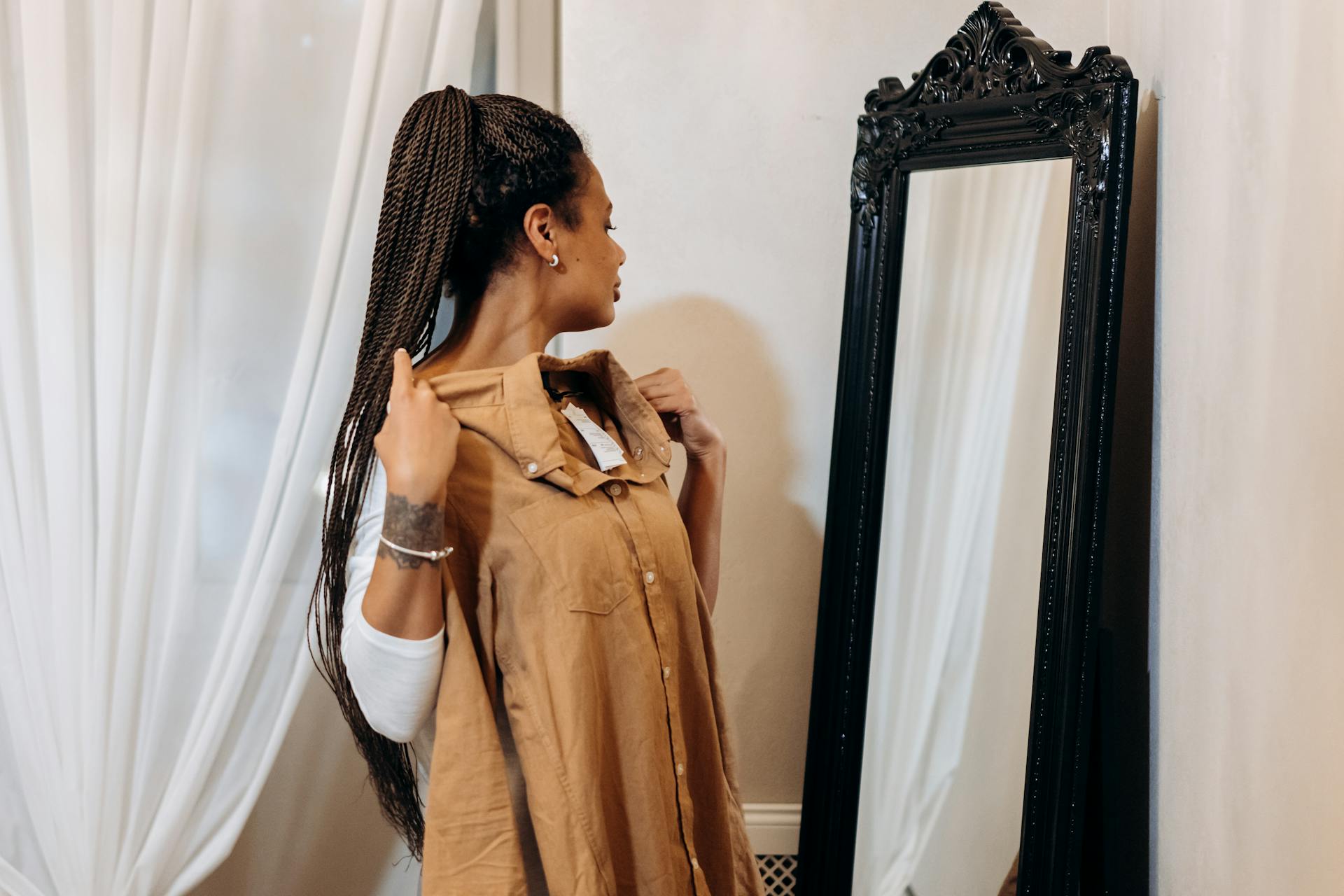
Switching outfits again and again? That might be more than indecision; it could be emotional noise, a plausible link to anxiety or social concern rather than simple fashion fuss. When you do this, especially before events, the habit may act as a tool to soothe nerves or create a sense of control.
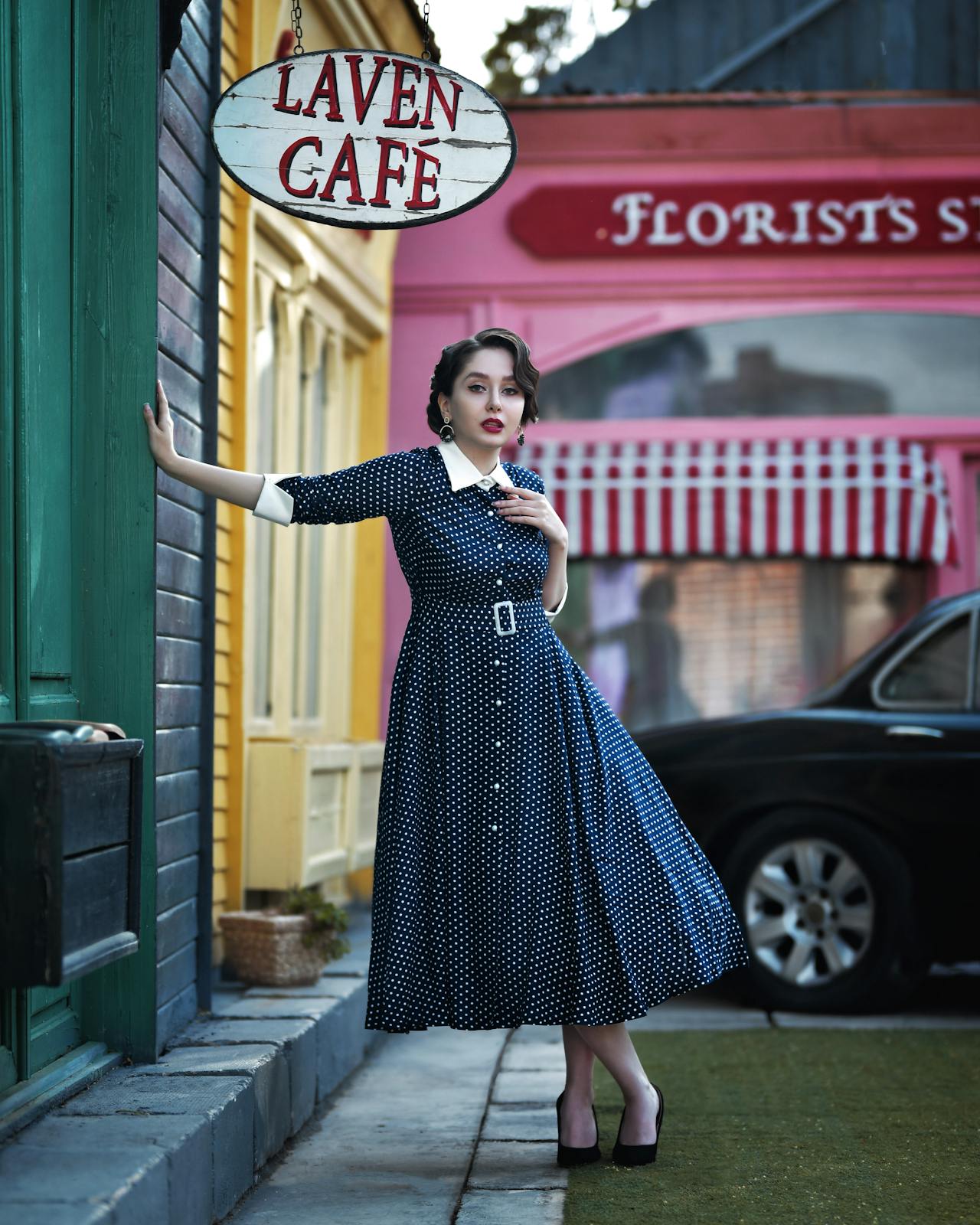
Vintage Clothing Tends To Reflect Sentimental States
Structured Outfits Show A Need For Control

Patterns Often Reflect Creative Or Restless Moods
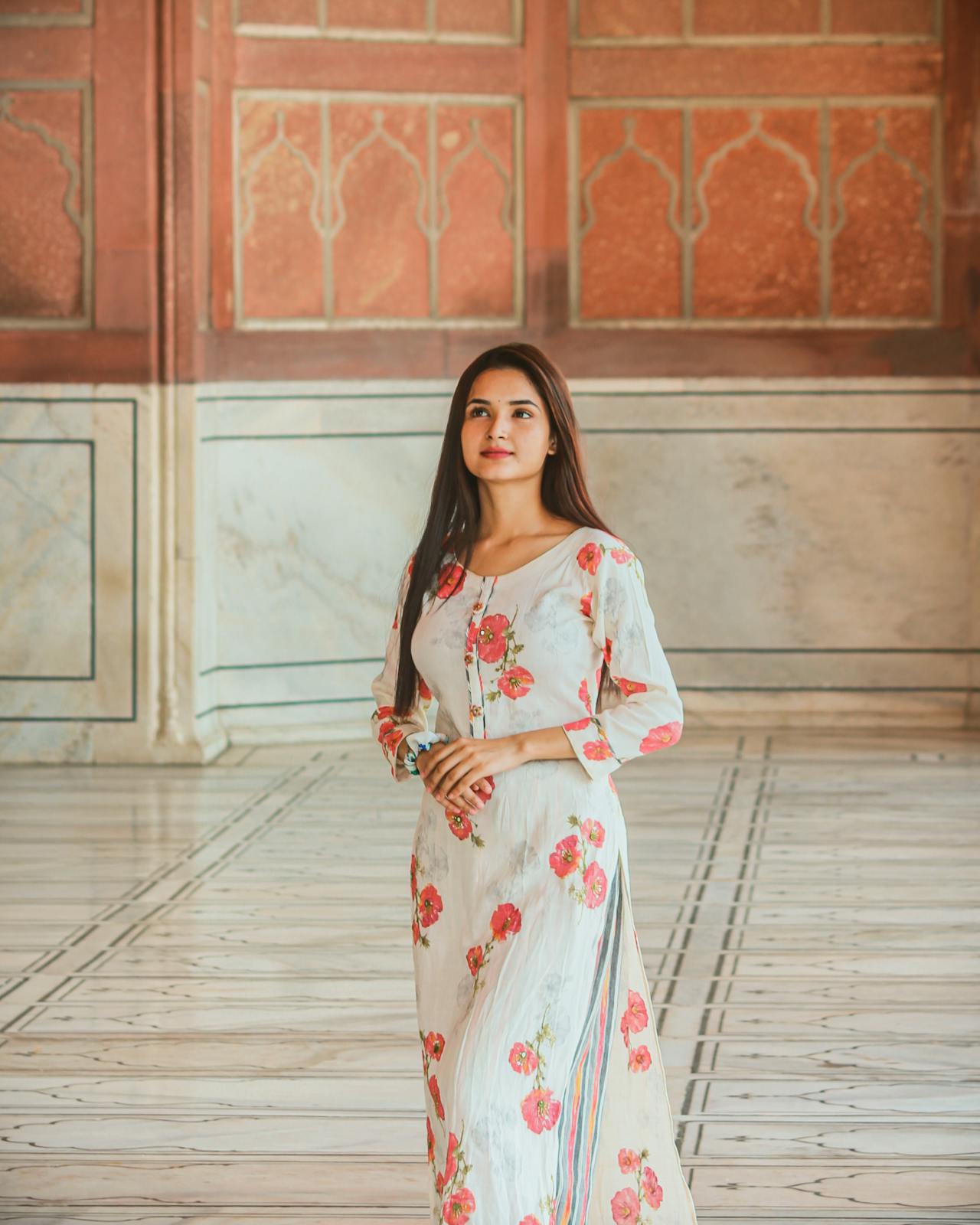
This preference for loud patterns might signal something stirring beneath the surface. You could be the kind of person who is emotionally expressive and often acts on impulse. Mood swings and high social energy are also likely traits if you go big, mixed, and bold. Interestingly, extroverts show a higher preference for such wild styles. Go figure.
Monochrome Dressing May Indicate Emotional Fatigue