Getting dressed might feel routine, but every outfit carries a hidden script. Grab a baggy sweater, and suddenly the world feels less sharp. Step into polished shoes, and your posture will shift before confidence even catches up. Slip on a neon jacket and watch strangers smile back.
None of this is a coincidence. Fashion has always doubled as a silent defense. It keeps people safe and occasionally disguises nerves better than words ever could. Style choices express what we hesitate to say, turning color, fabric, patterns, and shape into quiet signals of protection. Once noticed, it changes how closets are seen. Let’s explore how outfits keep emotions guarded while looking good doing it.
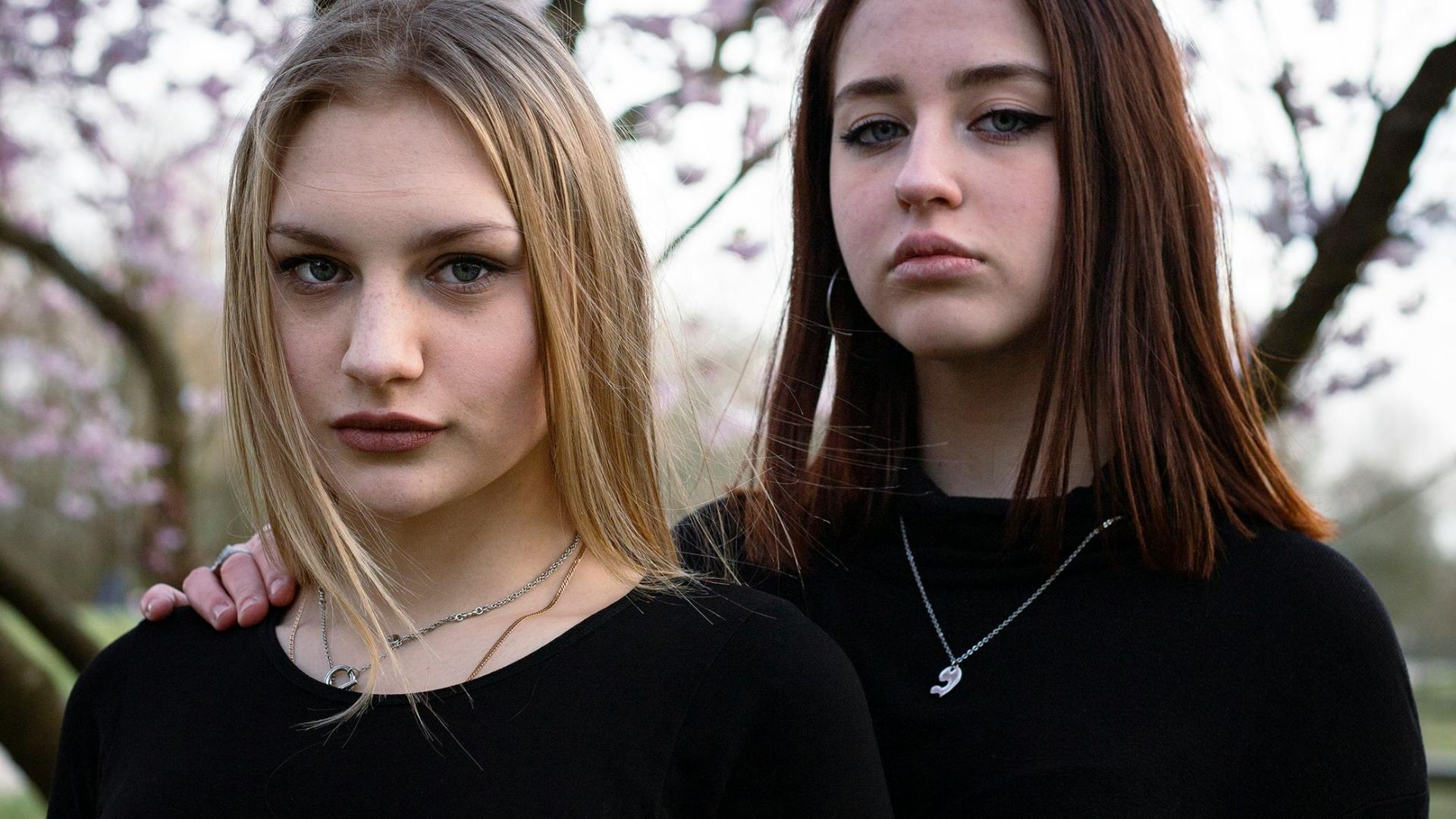
Getting dressed might feel routine, but every outfit carries a hidden script. Grab a baggy sweater, and suddenly the world feels less sharp. Step into polished shoes, and your posture will shift before confidence even catches up. Slip on a neon jacket and watch strangers smile back.
None of this is a coincidence. Fashion has always doubled as a silent defense. It keeps people safe and occasionally disguises nerves better than words ever could. Style choices express what we hesitate to say, turning color, fabric, patterns, and shape into quiet signals of protection. Once noticed, it changes how closets are seen. Let’s explore how outfits keep emotions guarded while looking good doing it.
Hiding In Plain Sight With Oversized Layers
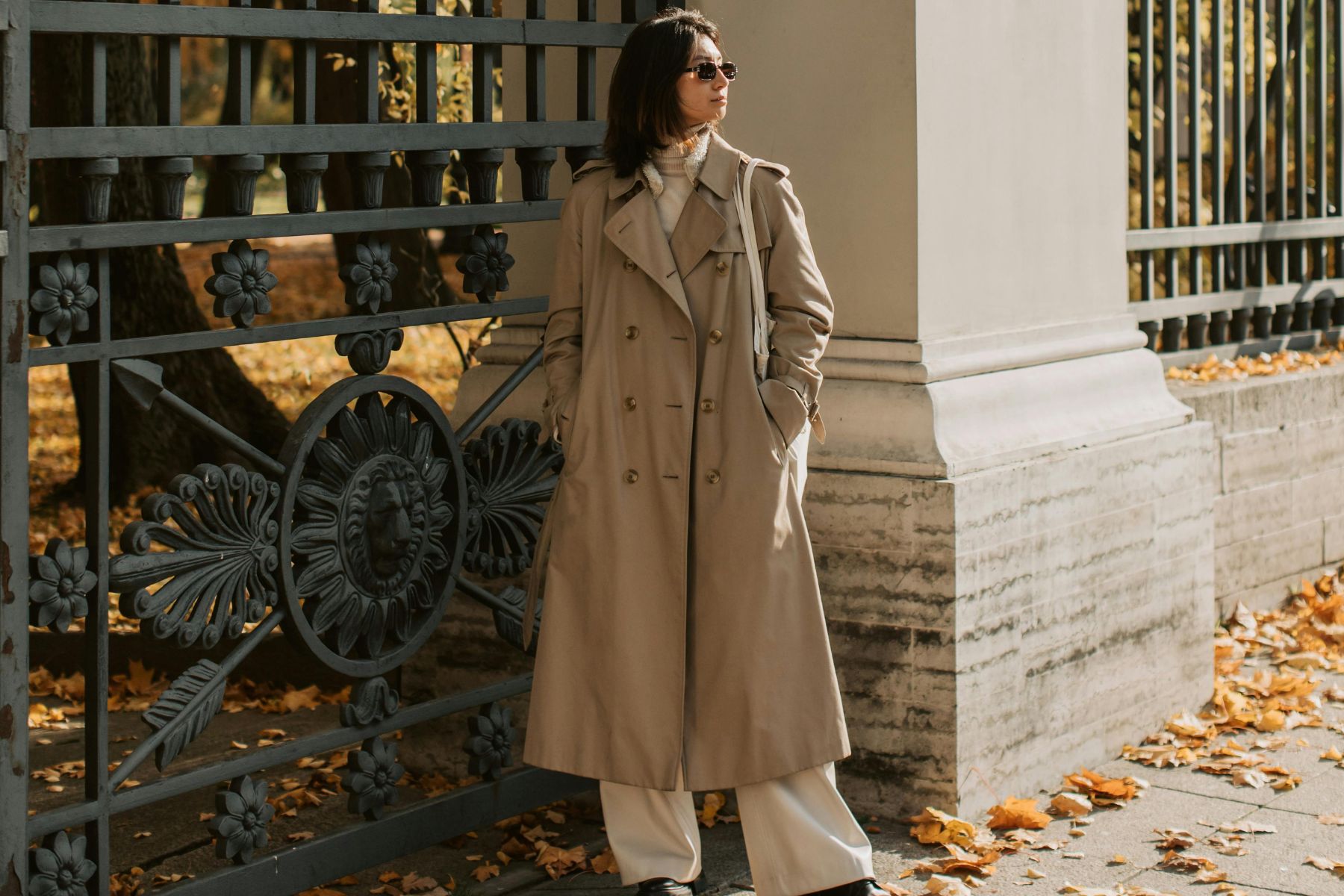
Loose fits reduce self-awareness and help ease social anxiety, often chosen when body image feels exposed. Billie Eilish wore baggy clothing to deflect scrutiny. Studies rank oversized hoodies as top comfort garments, while monks once used draped robes to withdraw from worldly attention.
Dark Outfits And Emotional Camouflage
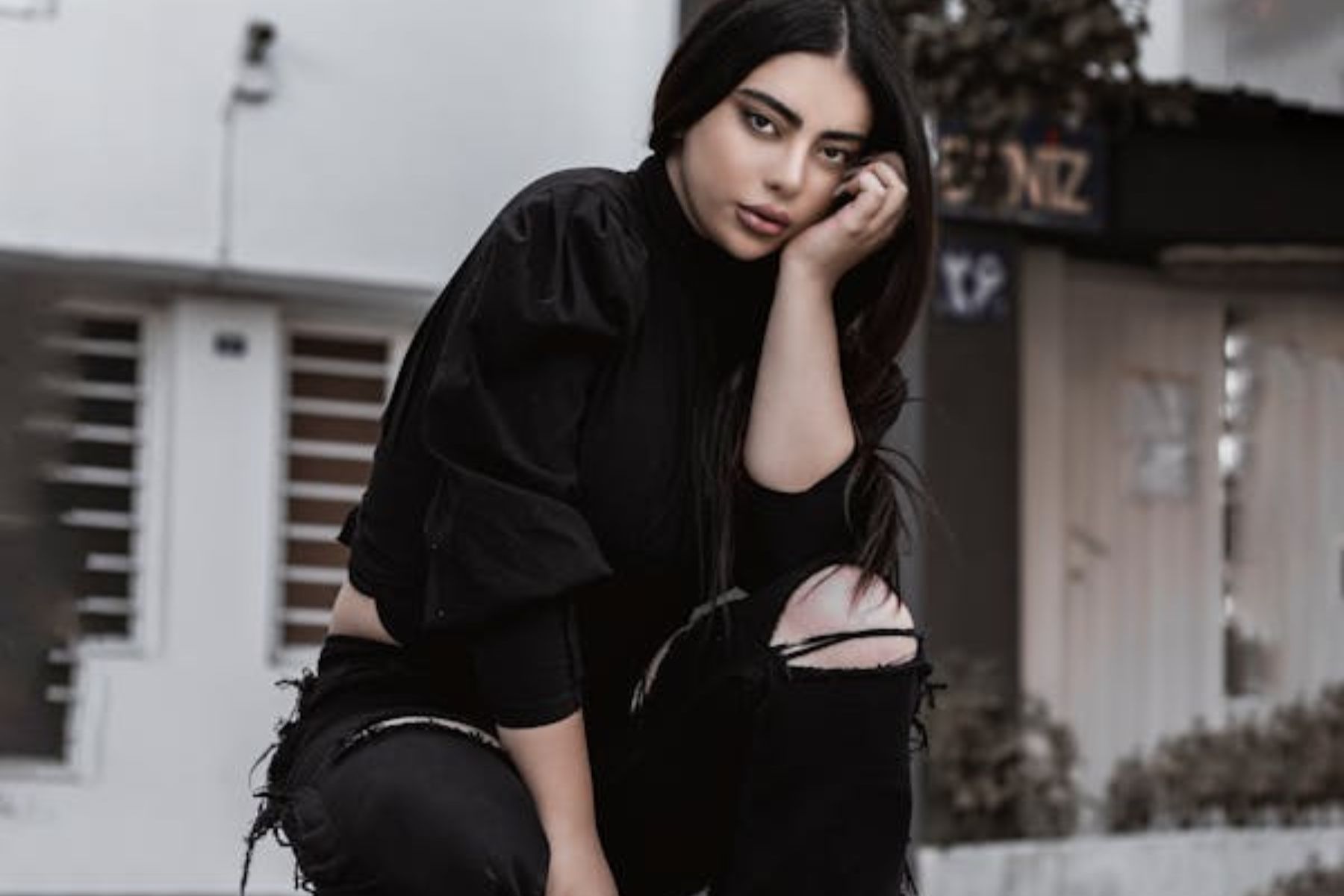
Black is often chosen to signal privacy and authority, with surveys linking it to stressful or sad times. Steve Jobs turned black turtlenecks into both identity and armor. In Renaissance Europe, black dye showed status, later fueling goth fashion as a cultural rebellion.
The Confidence Found In Structured Suits
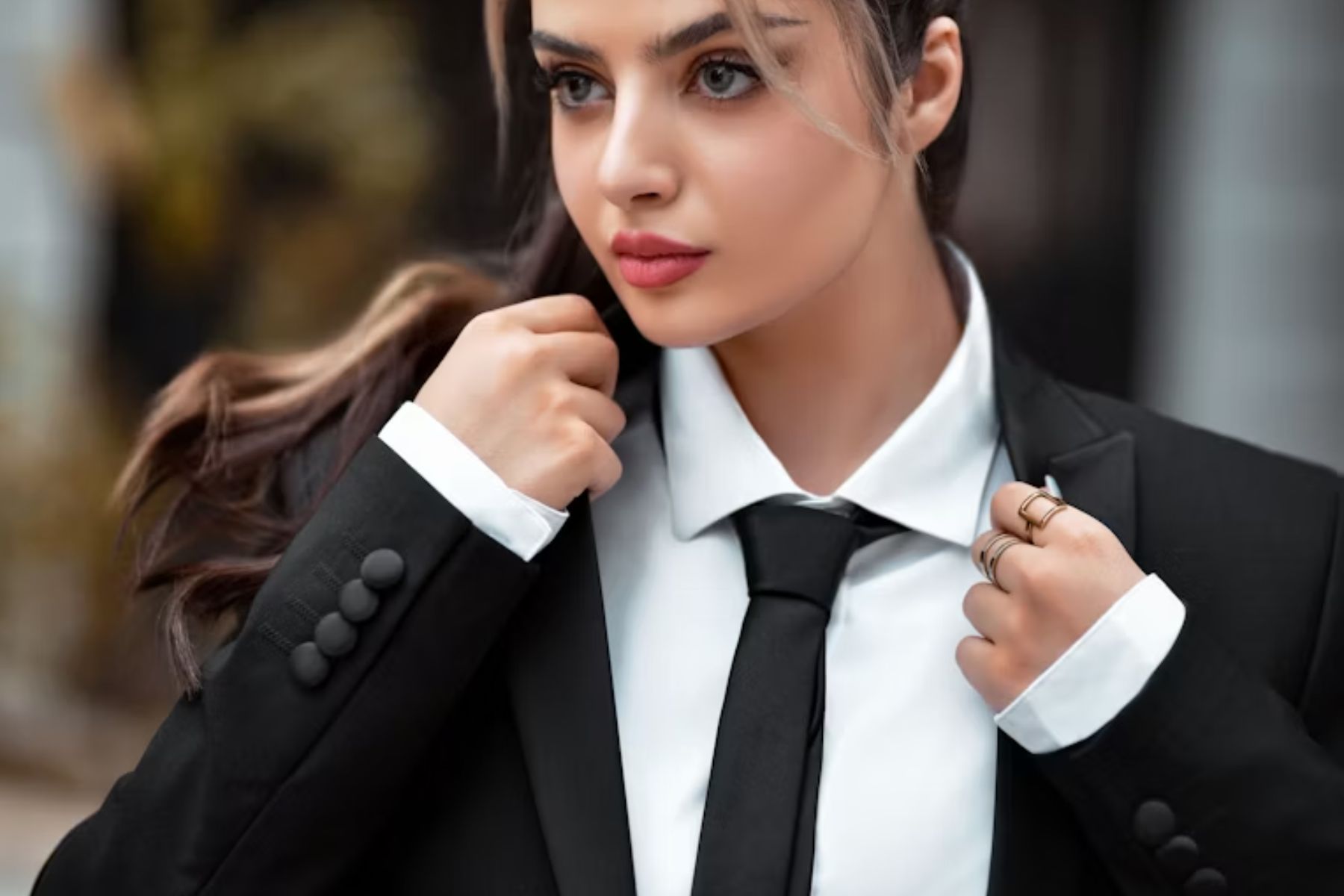
Structured suits act as confidence armor. Research shows formal attire boosts performance and self-belief, while tailoring conveys authority. Power dressing in the 1980s helped women enter corporate spaces. Margaret Thatcher used suits for strength projection. Today, suits remain the standard choice for job interviews worldwide.
Luxury Labels Project Status
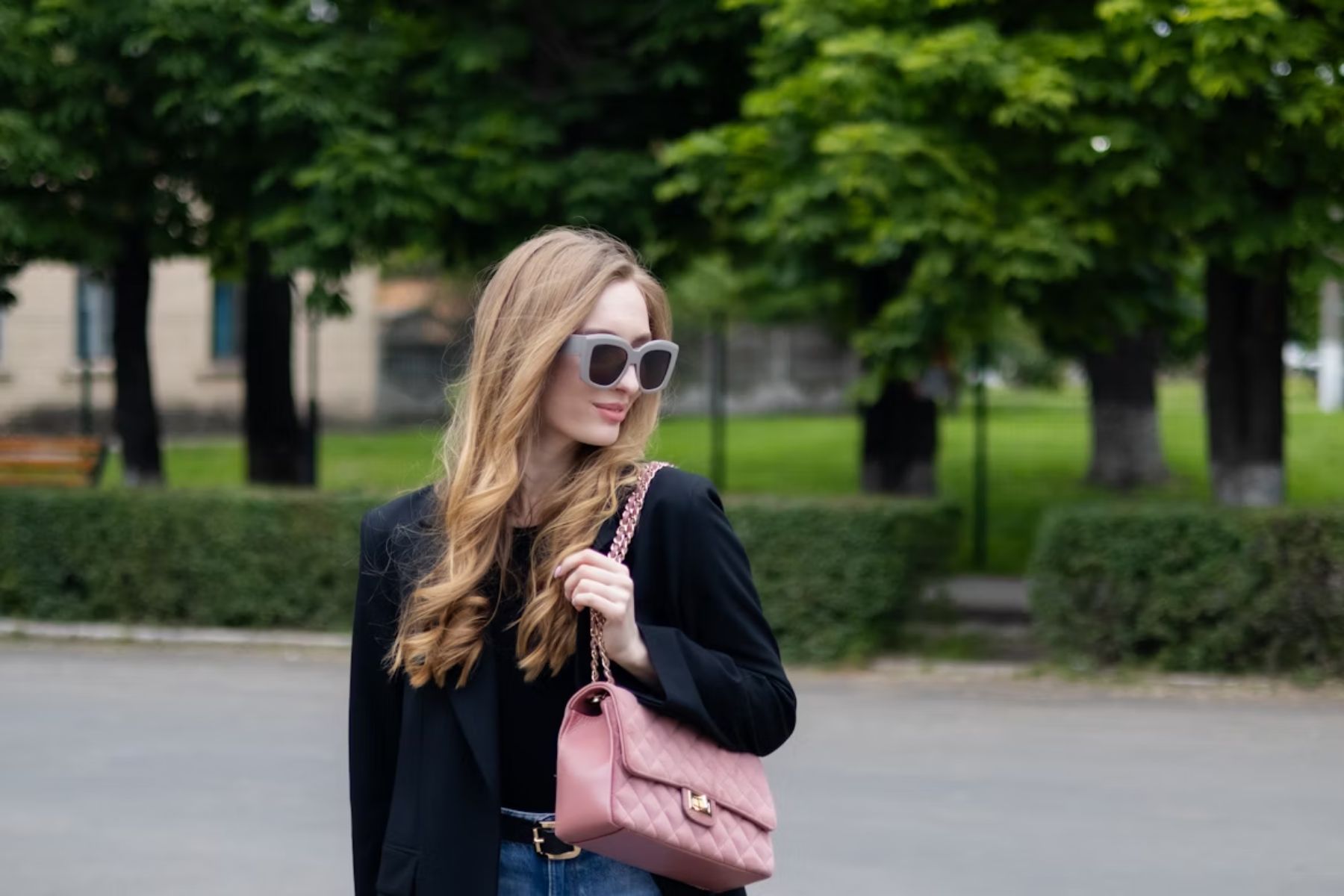
Luxury labels and visible logos enhance first impressions of wealth and competence, according to research. Louis Vuitton began as a trunk maker for Napoleon III’s wife and became a symbol of elegance and sophistication. Despite counterfeits flooding the market, luxury purchases still boost buyers’ confidence, according to consumer studies.
Blending Comfort With Control In Athleisure
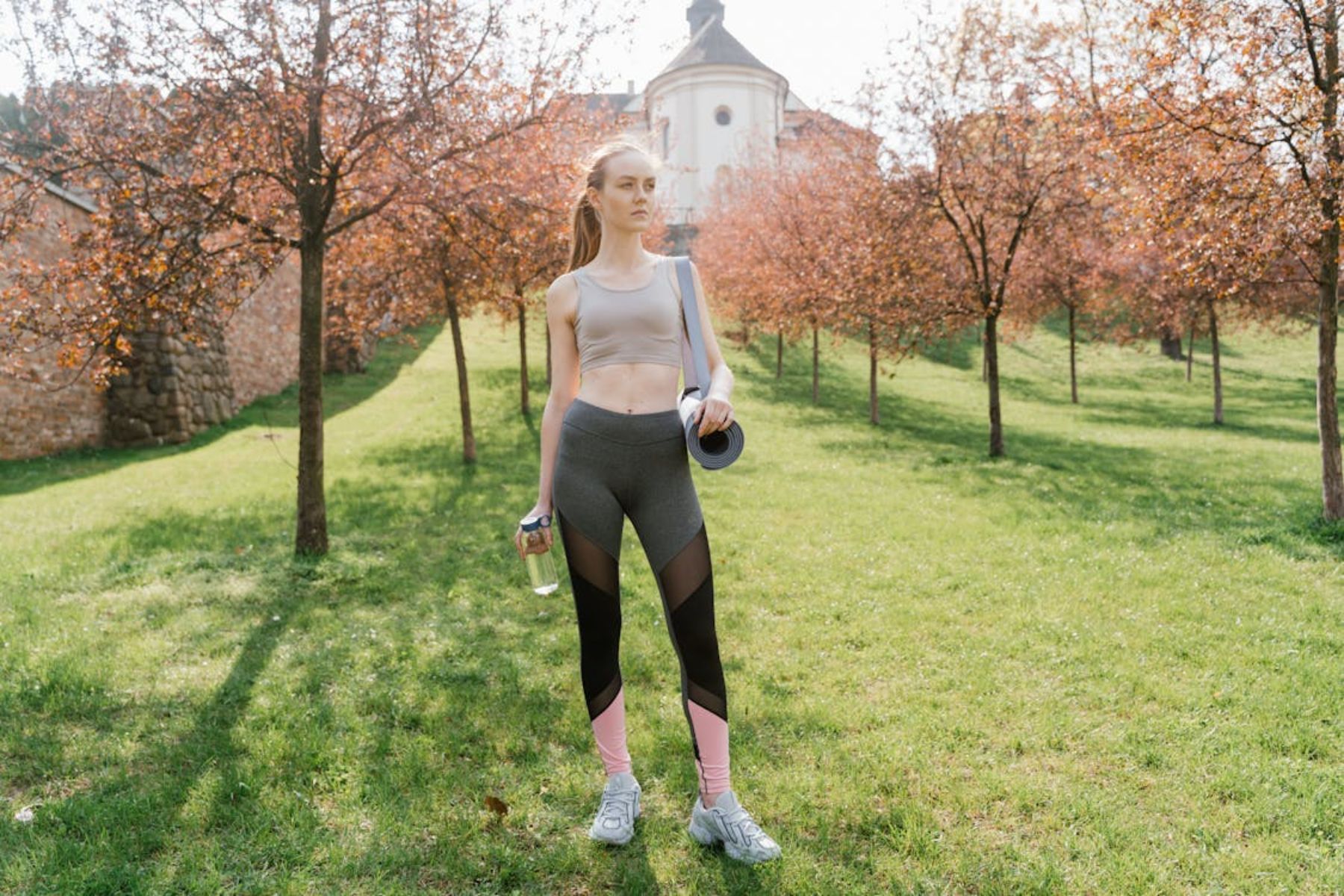
Designed for a flexible identity, athleisure blends comfort with control and balances activity with ease. Yoga pants sales more than doubled in a decade as studies link these outfits to perceived vitality. Once banned in schools and offices, leggings later inspired “workleisure,” a post-pandemic hybrid of style and function.
High Heels And Armor Through Elevation
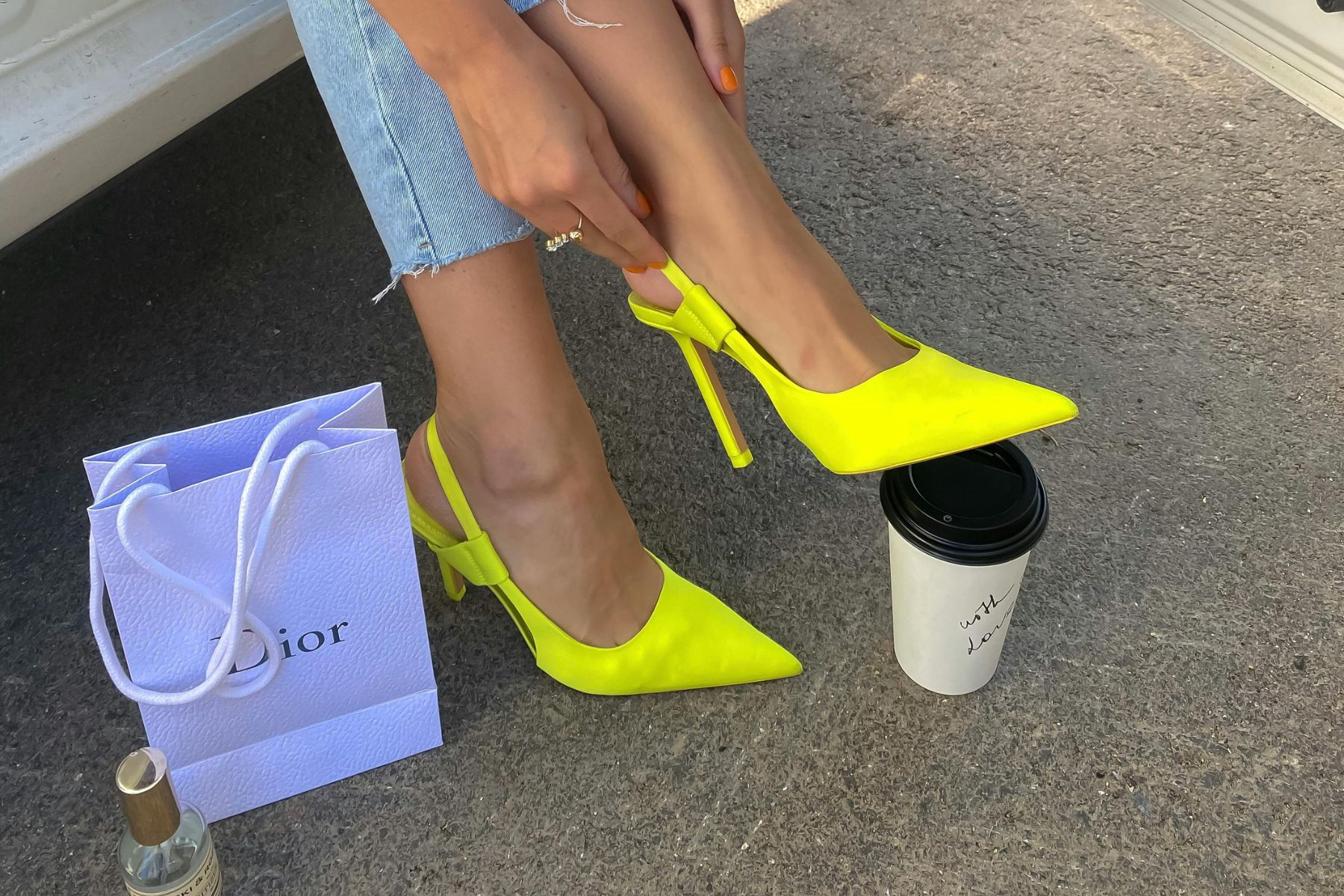
With origins in 16th-century men’s fashion as a marker of rank, high heels physically alter posture to project dominance. Louis XIV reserved red heels for royalty, and rich people followed with more styles and colors. Studies show heels shift gait toward assertiveness. Today, the world record heel height reaches a staggering 20 inches.
Uniforms Provide Comfort In Conformity

Uniforms eliminate daily choices, which reduces anxiety and strengthens identity within groups. Zuckerberg’s gray T-shirt reflects this principle in simplicity. School uniforms lower bullying rates in controlled studies. Airline uniforms go further, designed to inspire passenger trust and ensure psychological safety in high-pressure environments.
Bright Outfits Deflect Negativity
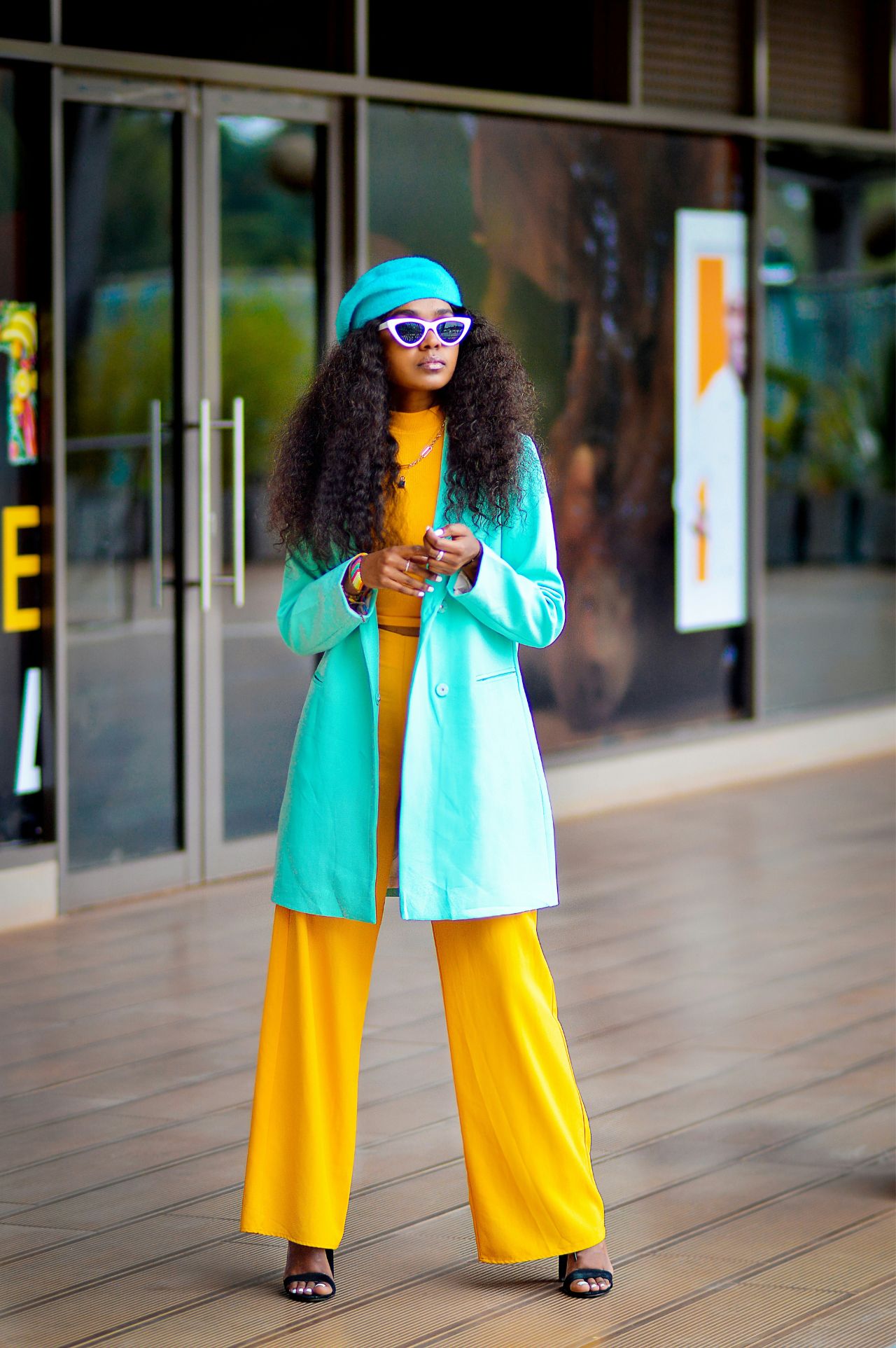
Bright shades like yellow, pink, and orange are tied to positive moods in color psychology, while signaling approachability. The dopamine dressing trend made headlines in 2022. Ancient Egyptians used vivid dyes for worship, and fluorescent yellow remains the most visible hue to human eyes.
Minimalist Dressing Offers Control Through Restraint
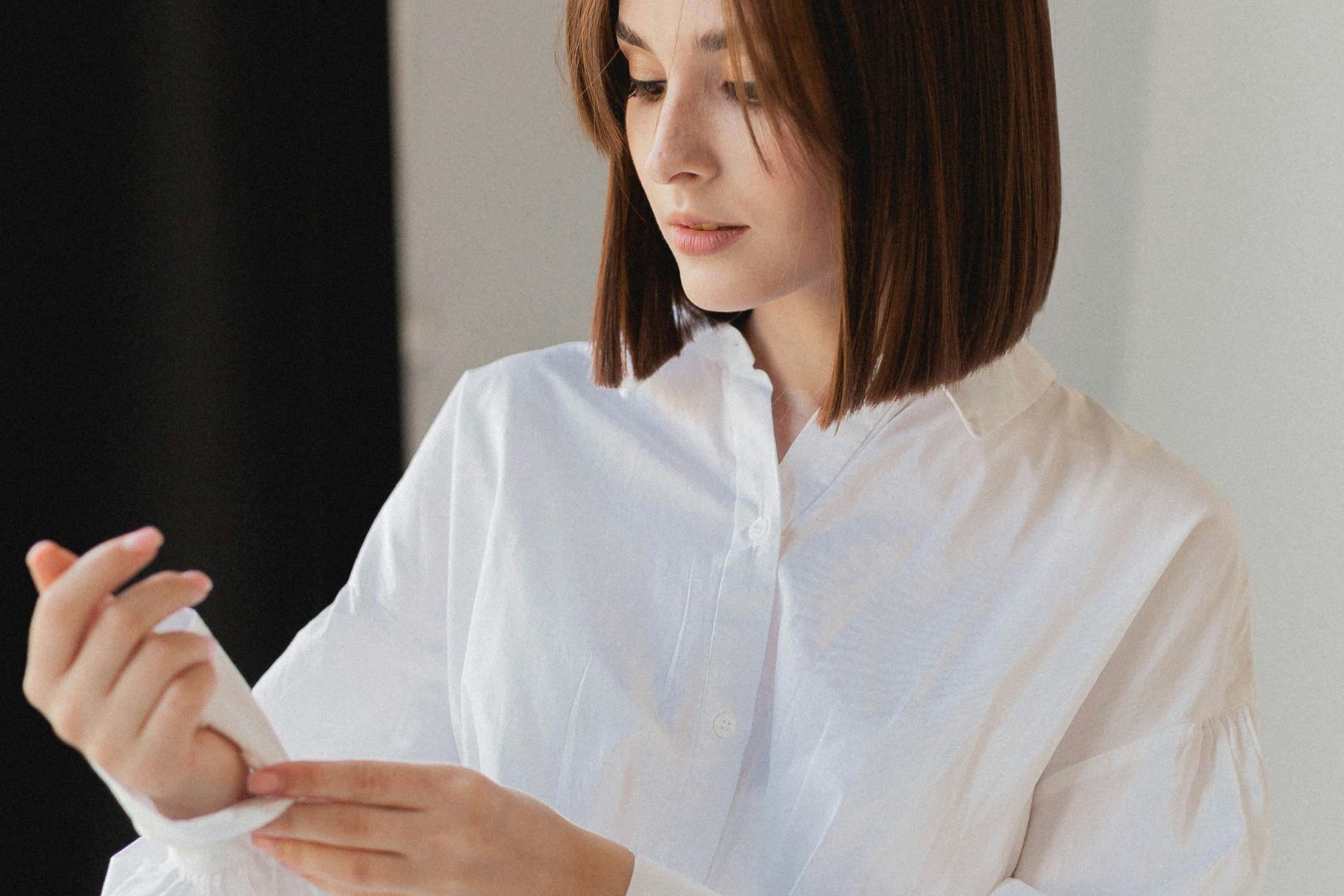
Minimalist dressing symbolizes control, and capsule wardrobes limit decisions and reduce stress, while linking style to clarity and boundary-setting. Marie Kondo’s “spark joy” philosophy reshaped shopping habits. Studies reveal most Americans wear just 20–30% of their wardrobes.
Statement Accessories And Big Impacts
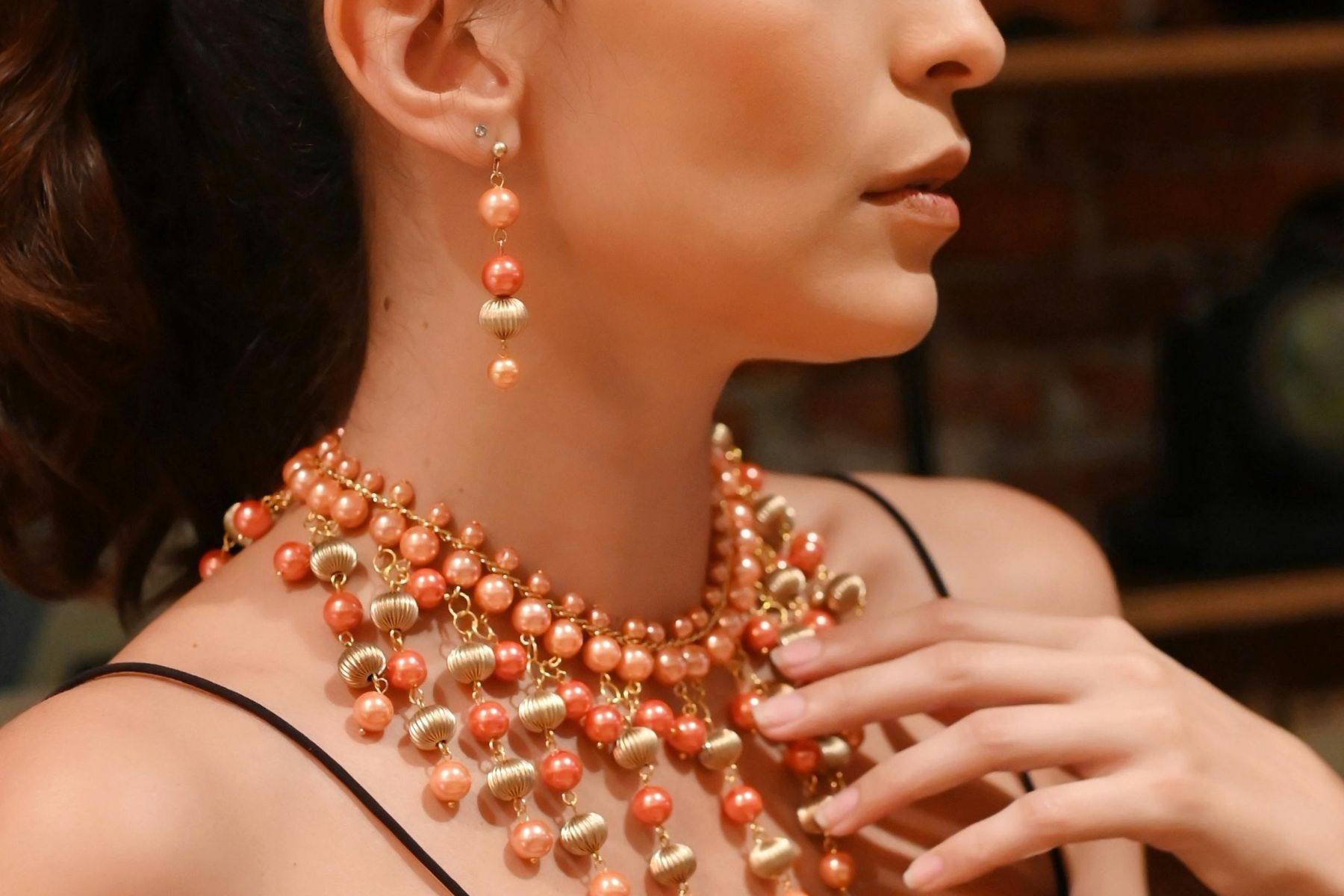
Statement accessories like scarves, jewelry, or talismans provide comfort, with studies linking such objects to increased confidence. Princess Diana famously used handbags to avoid awkward handshakes. The 1970s mood ring craze promised emotional insight. In many cultures, gemstones are still worn as charms for personal protection.