
There’s a certain look parents give each other on a video call when a toddler screams in the background—it’s part sympathy, part “same here.” The home has become a strange amalgamation of office, daycare, kitchen, and emotional battleground. You’re responding to emails while cutting apples, calming tantrums while trying not to lose your cool on mute. The days blur, but the feelings don’t. Guilt, joy, and exhaustion all show up without knocking. And somehow, through all the mental juggling, new patterns emerge. Not better or worse. Just different. It’s about the honest emotional shift happening in real time, which could be uplifting or overwhelming.
Boundaries Completely Vanished

Remote-working parents face relentless interruptions, with children disrupting their workday an average of 15 times daily, according to a 2021 Gallup study. Many kids assume their parents are available simply because they're home. The desperation has reached such extremes that some folks now retreat to bathrooms for privacy..
Burnout Accelerates Rapidly

Managing dual roles within the same physical space causes an overwhelming emotional burden. Many describe the exhausting feeling of "never clocking out" as work and family responsibilities blend seamlessly together. The constant switching between professional meetings and parenting duties swiftly accelerates mental fatigue.
Guilt Takes Over

Did you know that seven in ten remote parents experience crushing guilt? This is linked with divided attention throughout their workdays. Such emotional burden peaks during virtual meetings when kids need help, forcing parents to apologize to both colleagues and youngsters within the same minute.
Unexpected Bonding Emerges

Despite overwhelming challenges, a DadPad study found that 65% of parents discovered that working from home created deeper connections with their children. Spontaneous shared lunches, quick hugs between meetings, and post-call snack breaks became treasured moments. Kids even mimic their caretakers’ video conferences during imaginative play.
Creative Survival Tactics

Several parents stuck in this state have developed quirky coping mechanisms to preserve their sanity. These include fake "commutes" for mental transitions, wearing professional clothes only from the waist up, and incorporating LEGO breaks or laundry-folding karaoke sessions into daily routines for essential stress relief.
Children Mirror Stress

Kids absorb their elders' work anxiety more intensely when sharing living spaces, leading to noticeable spikes in childhood anxiety symptoms. They frequently ask, "Why are you sad again?" during tense workdays. Even those stressed Zoom call tones can upset sensitive toddlers who pick up emotional cues.
Accidental Office Helpers
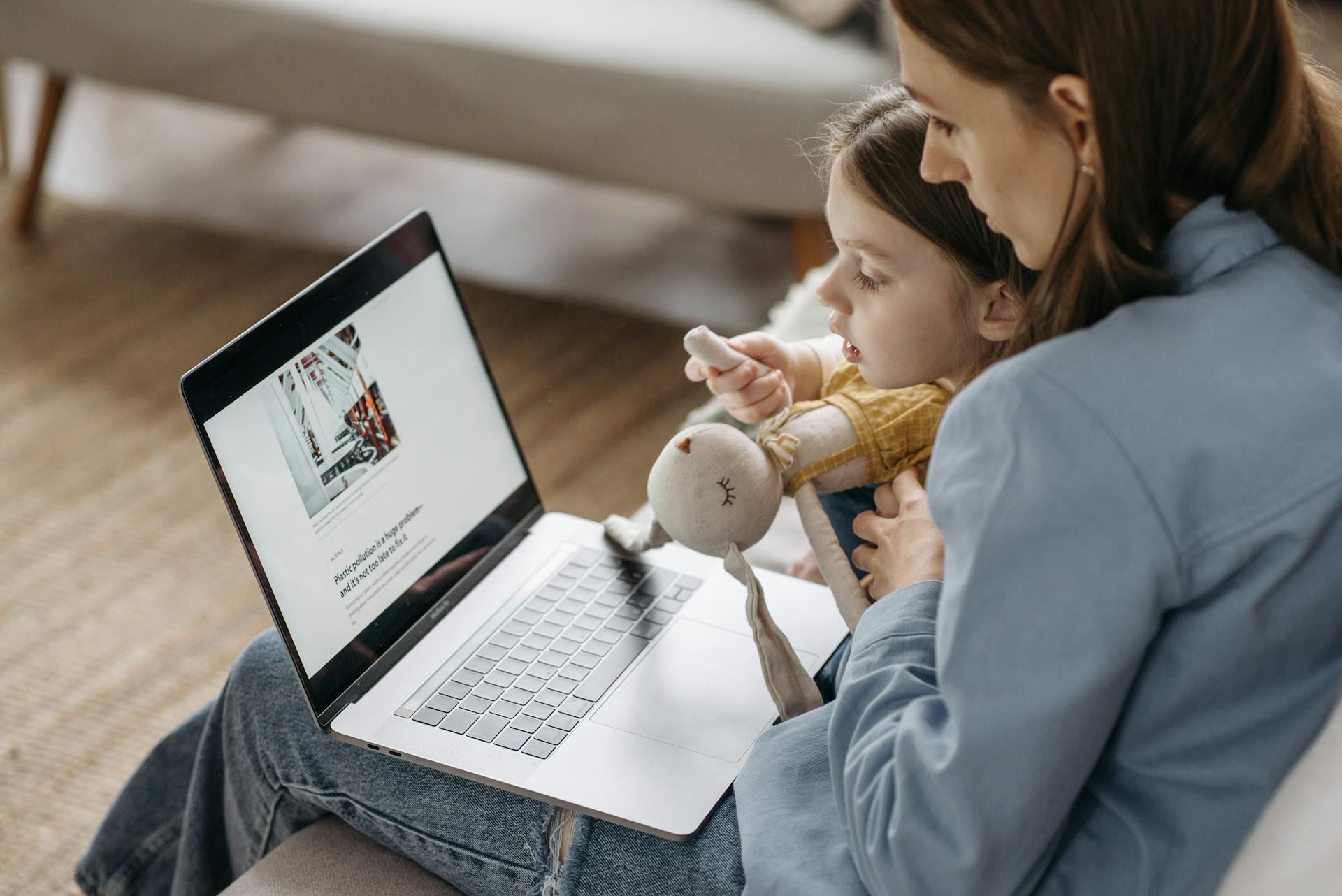
Not everyone appreciates their little one making surprise appearances during important work calls. Some children have accidentally answered business phones or clicked "send" on incomplete emails. The phenomenon became so common that many families now create dedicated "desk" setups where kids can work alongside their parents.
Success Gets Redefined

Many folks completely shifted their productivity definitions after transitioning to remote work. Success is measured by "emails sent plus hugs given," rather than traditional metrics. Parents celebrate small victories, such as completing calls without meltdowns, and professional achievements include mastering screen sharing while holding a child.
Office Return Conflict

50% of working parents say they would seek a new job if required to return full‑time, which is supported by International Workplace Group data. They desperately crave adult interaction and professional boundaries, but simultaneously fear losing precious family time. Some worry more about missing bedtime stories.
Support Networks Multiply

Online communities for such people have expanded four times since 2020, offering critical peer support for everything from nap schedules to mute button failures. Virtual "parent coffee breaks" became important social lifelines. Many parents credit these digital support groups with reducing their feelings of isolation and overwhelm.
Screen Time Doubled

Emotional Boundaries Needed

The Ohio State University claimed that 77% of parents with ADHD children and 73% with anxious children reported severe parent burnout. Mental health experts emphasize the importance of building personal buffer time through strategies like "5-minute decompression walks." Some households even use color-coded signs to establish clear “emotion zones.”
Micro Joy Moments

However, quick tickle fights and shared snacks between work tasks provide emotional boosts that help regulate stress levels in parents. These mini breaks tend to improve their daily well-being. Families record these precious "between tasks" moments through photos, treasuring spontaneous connections.
Work-Aware Children

Kids develop an understanding of adult stress and professional culture through constant exposure to their work lives. Some children ask, "Are you on a deadline?" before making requests, while others mimic office language, saying, "I'm in a meeting!" They gain empathy by watching parents juggle multiple roles.