
Original 1980s My Little Pony Toys
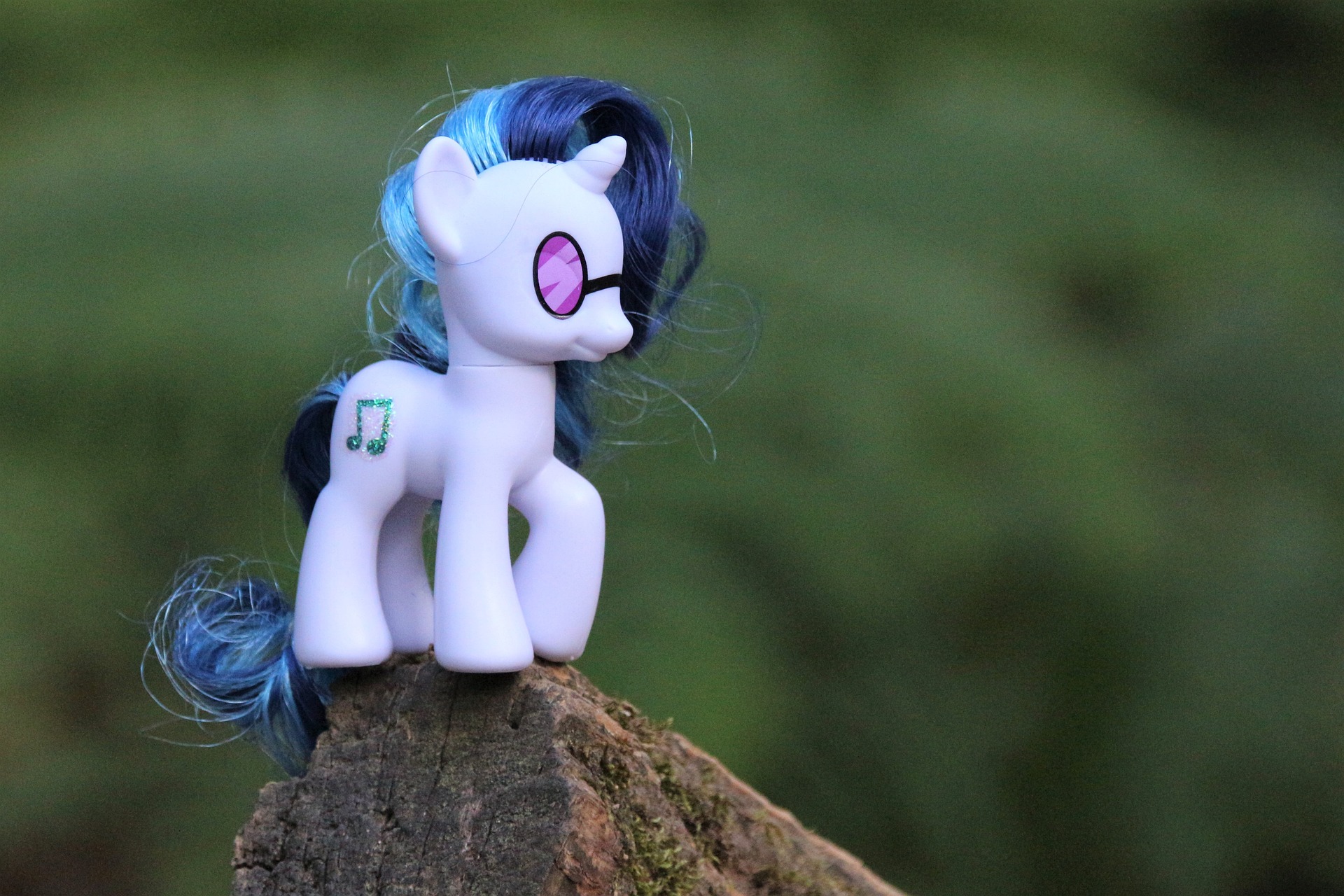
Launched by Hasbro in 1983, the first generation of My Little Pony brought a wave of pastel-colored magic to toy aisles. These ponies, with their brushable manes and signature “cutie marks,” had personalities and stories printed right on the packaging. Running strong until 1995, the G1 line even sparked an animated TV series.
1977 Kenner Star Wars Action Figures
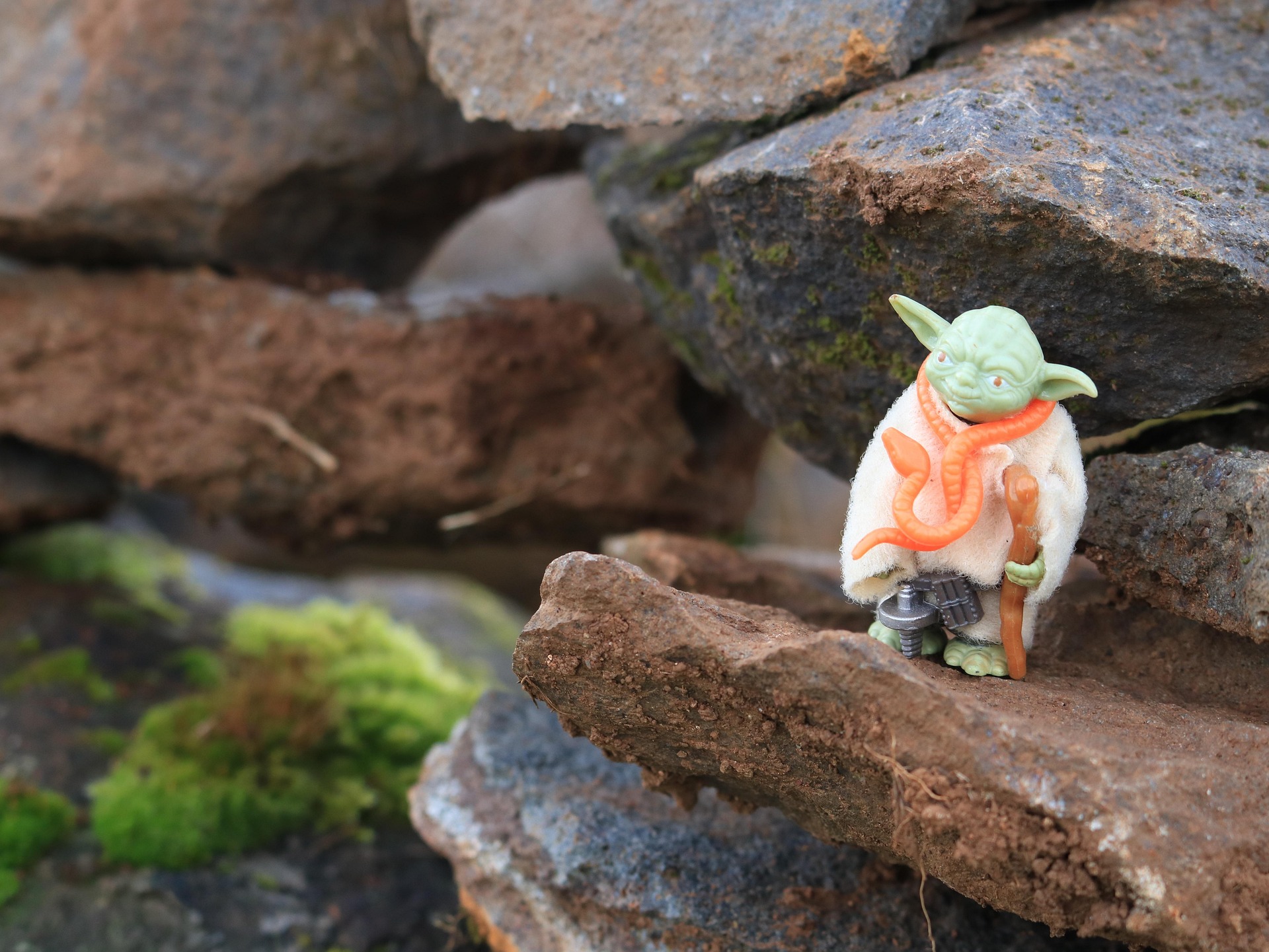
After “Star Wars: A New Hope” exploded onto screens in 1977, Kenner seized the moment with a line of 3.75-inch action figures. Released in waves alongside the film sequels, the collection eventually spanned over 100 distinct characters. Fans fondly recall the early quirks, like Darth Vader’s stiff vinyl cape, which added charm despite its simplicity.
Vintage Tamagotchi Virtual Pets
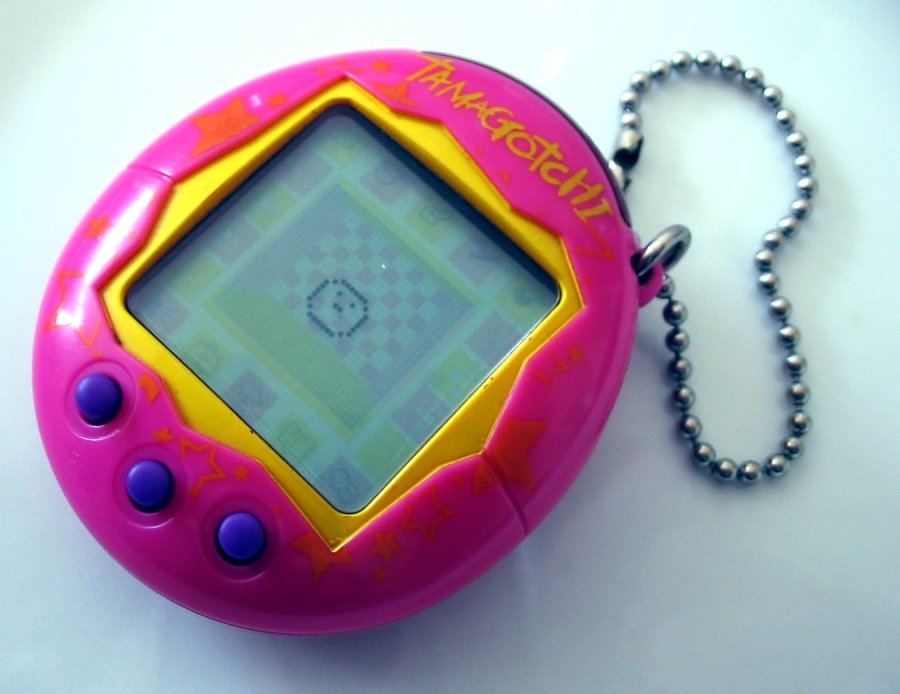
When Bandai released the Tamagotchi in 1996, they introduced a digital responsibility revolution. These pixelated pets demanded regular feeding, cleaning, and attention, evolving based on how well you cared for them. Later versions even allowed infrared “Tama-friend” connections, which let devices communicate and characters interact.
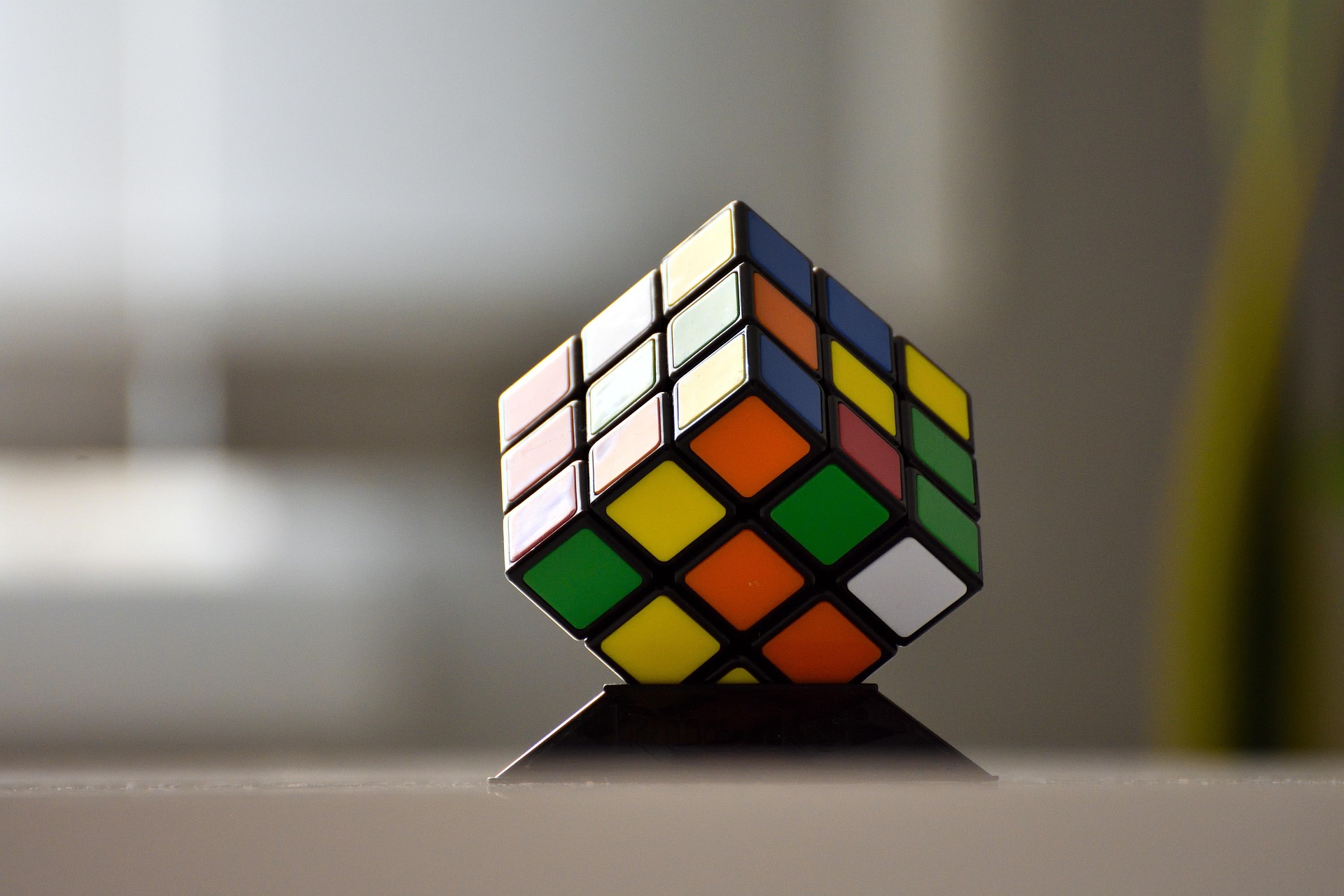
Classic Rubik’s Cube Puzzle
1990s Polly Pocket Compacts
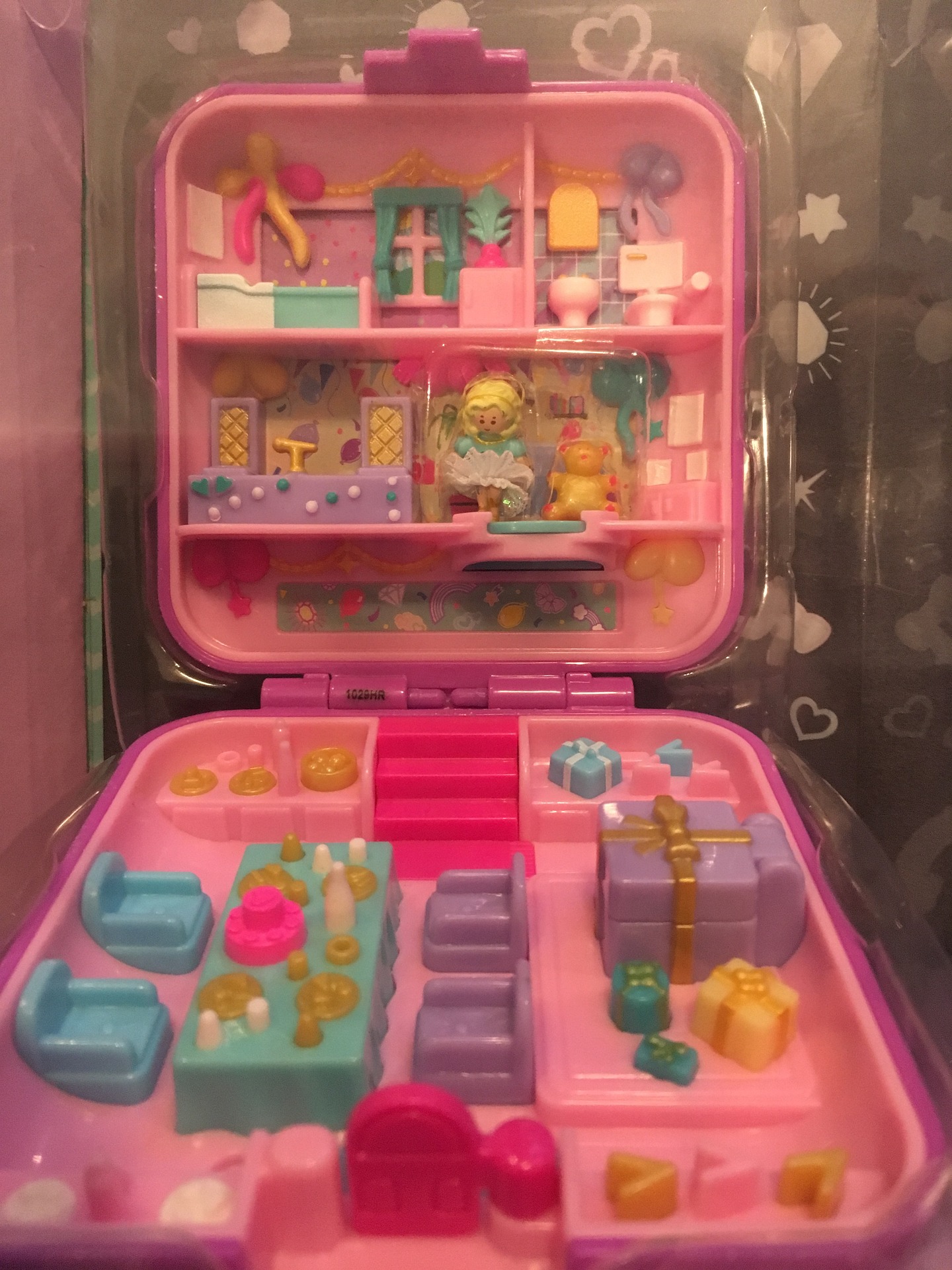
Tiny enough to fit in your palm but packed with wonder, Polly Pocket compacts turned childhood into a pocket-sized adventure. Debuting in 1989 thanks to Bluebird Toys—years after Chris Wiggs first designed the concept—these sets opened to reveal enchanting scenes like candy lands and fairy-tale castles.
Nintendo Game Boy Handheld Console
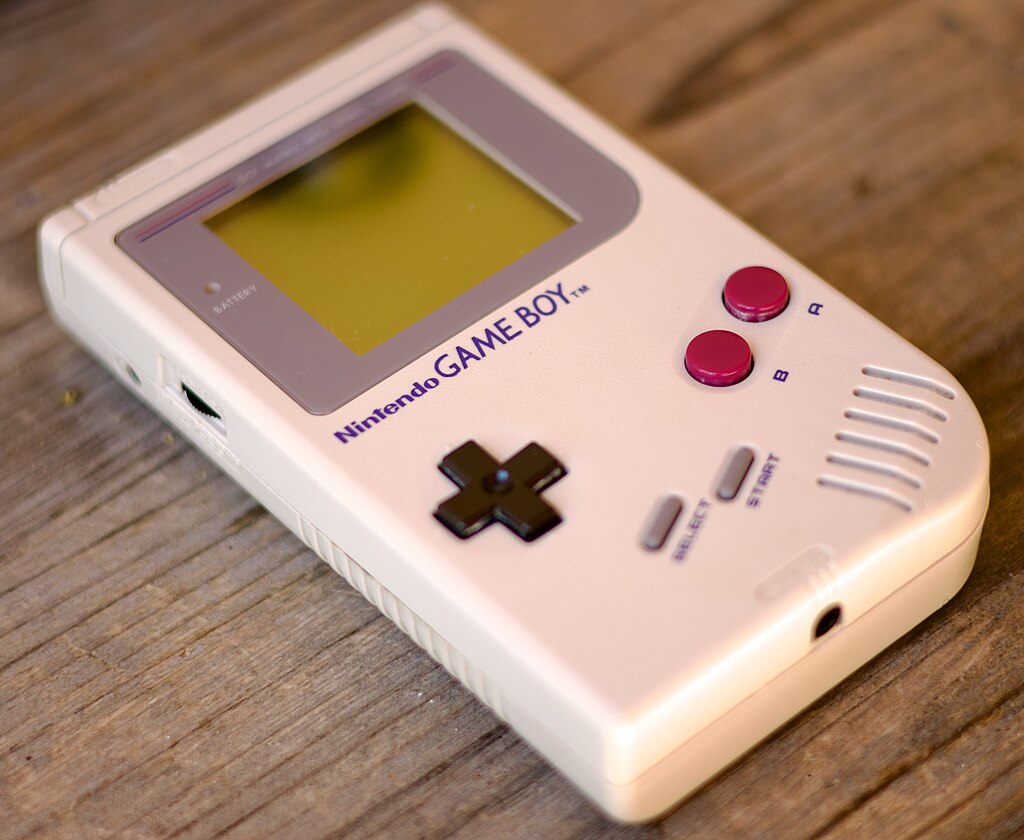
Gaming took to the streets in 1989 when Nintendo released the Game Boy, the first handheld console to capture the world’s attention. Its green monochrome screen and simple controls hid a revolution: interchangeable cartridges made endless adventures portable. In short, the Game Boy was the start of handheld gaming culture.
1984 Transformers G1 Figures
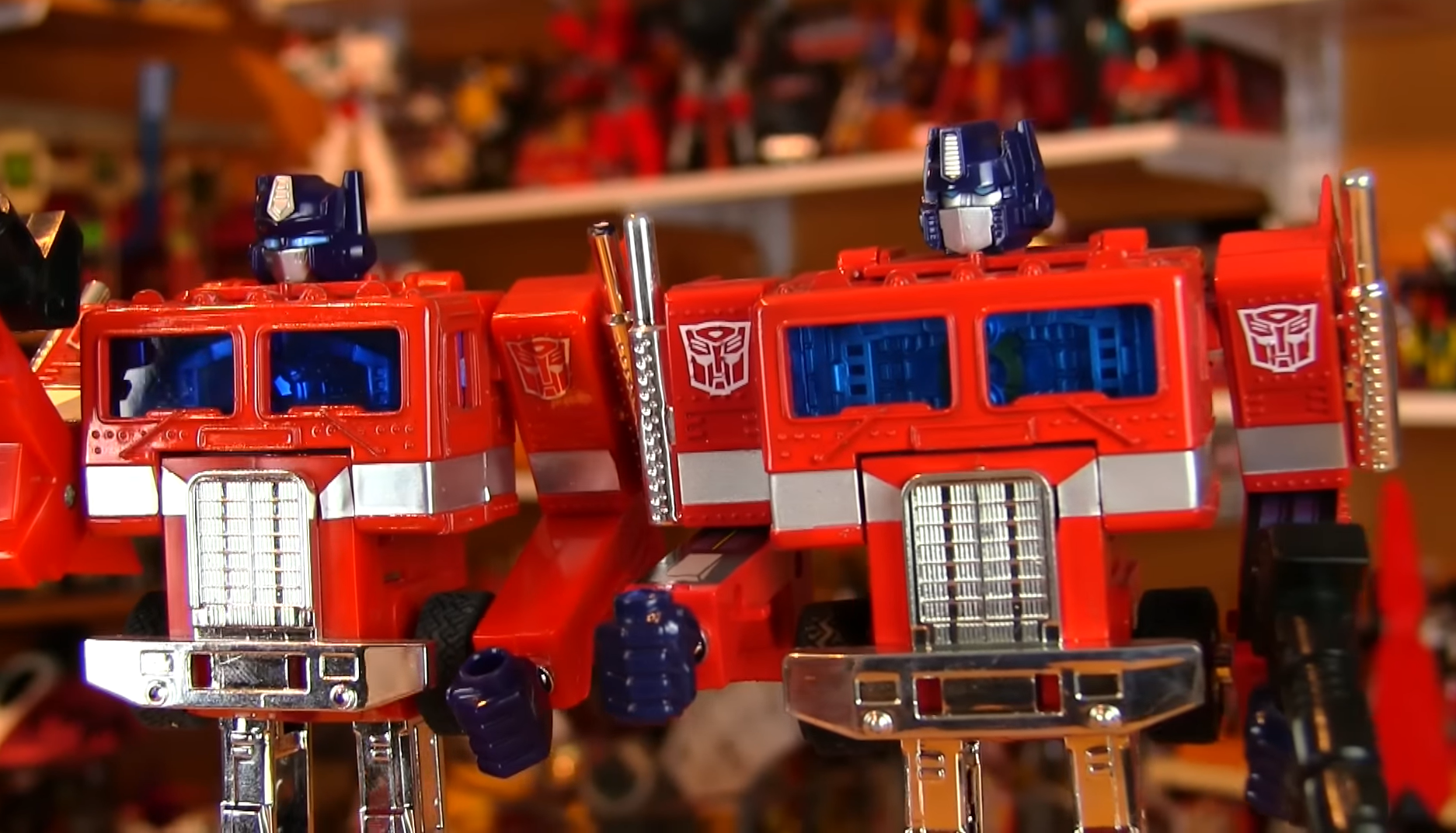
The Transformers G1 figures, born from Japan’s Diaclone and Microman lines, could shift into cars, jets, or animals. Released alongside an animated series designed to drive toy sales, the line quickly morphed into a cultural force. More than toys, these bots kicked off a franchise that still commands attention decades later.
Beanie Babies By Ty Inc.
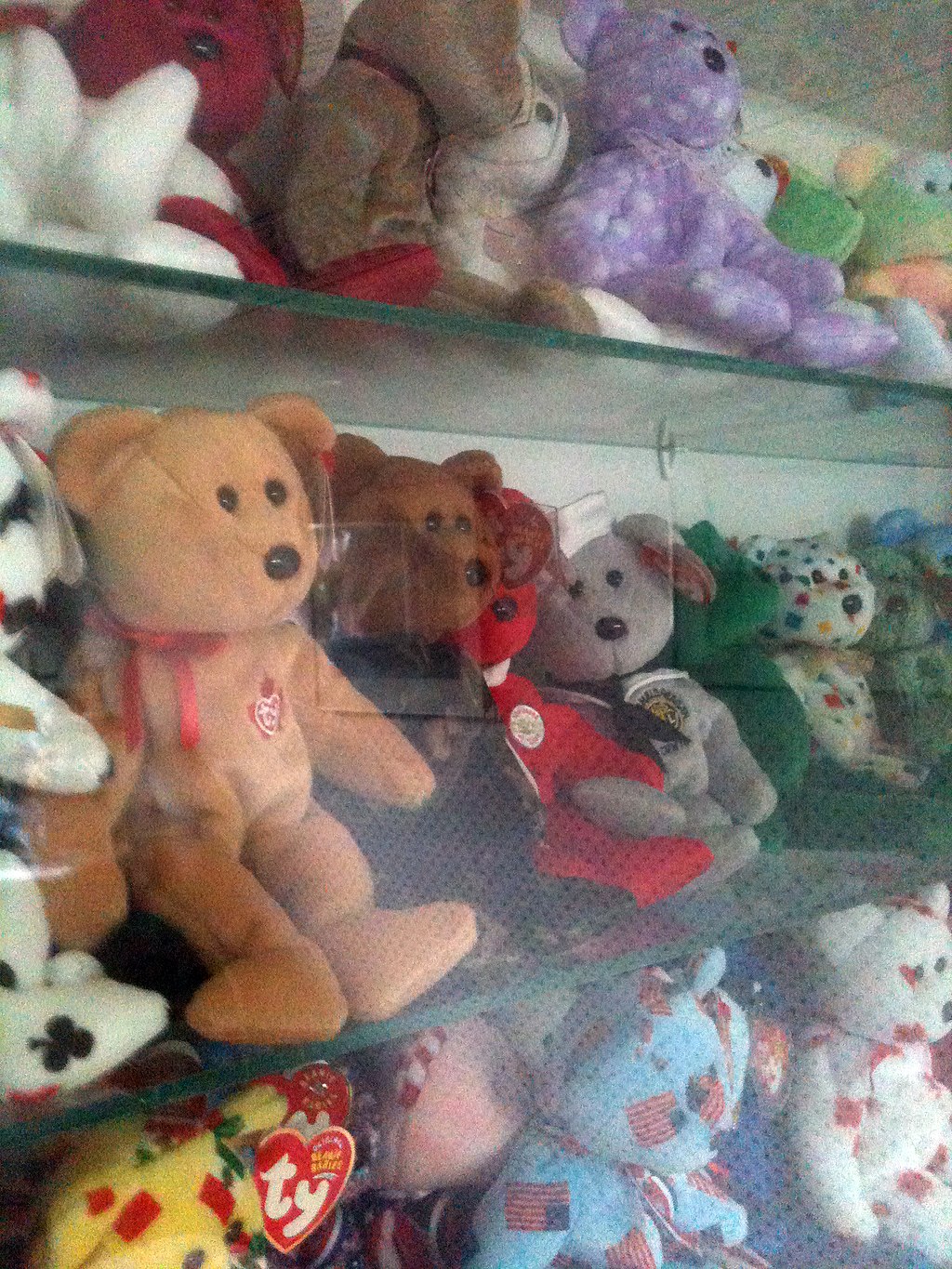
When Ty Warner introduced Beanie Babies, he redefined the plush toy market with a simple twist—under-stuffed bodies that made each animal more huggable. Plus, each Beanie Baby arrived with a swing tag that revealed its name, birthday, and a sweet little poem, which gave it a personality fans could adore.
1982 Masters Of The Universe Toys
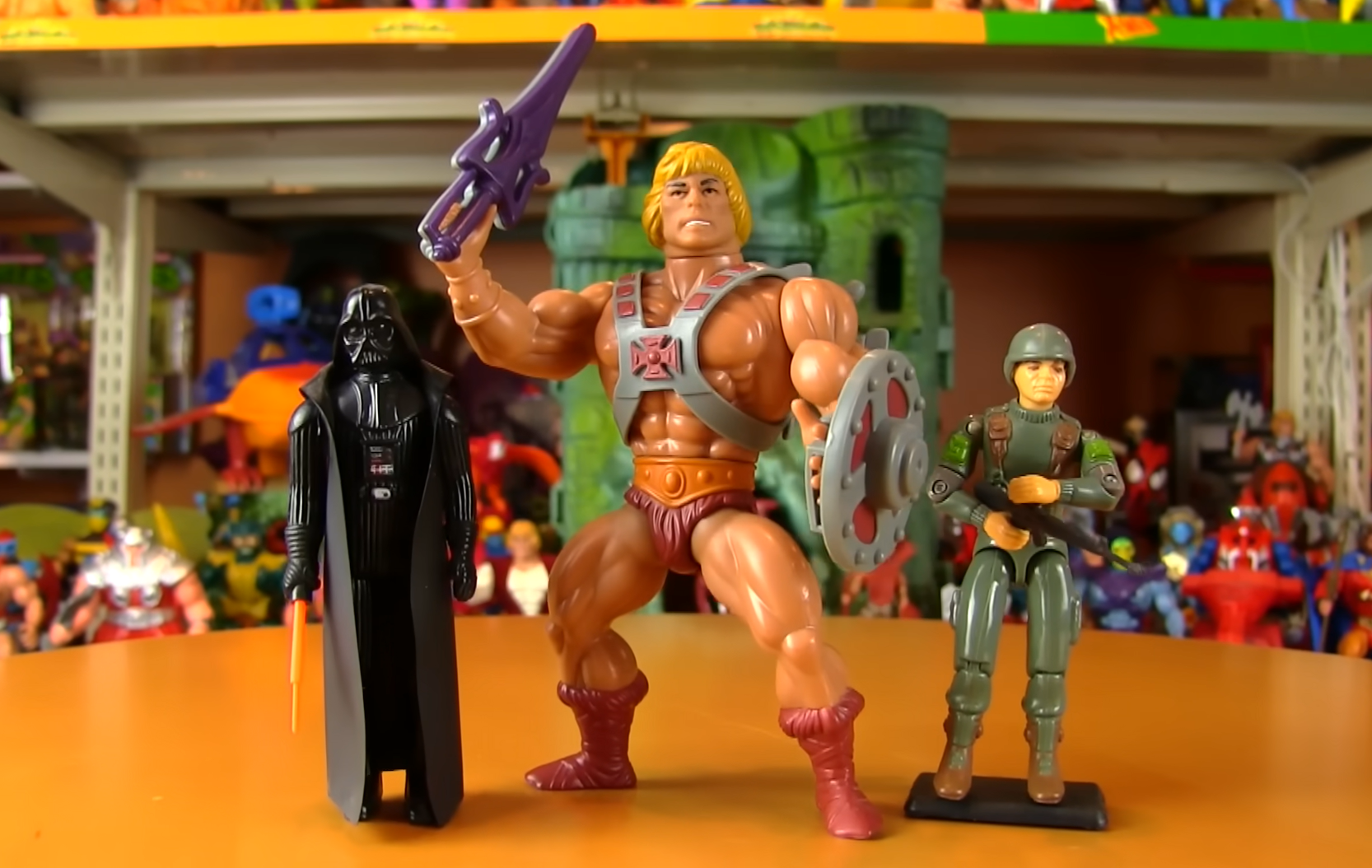
With exaggerated muscles and mix-and-match weapons, these figures turned living rooms into battlegrounds. He-Man’s spring-loaded waist lets kids use “power punches,” while mini-comics inside the packaging build an entire mythos around Eternia. Unusually, the cartoon followed the toys, cementing characters like Skeletor.
Original Cabbage Patch Kids Dolls
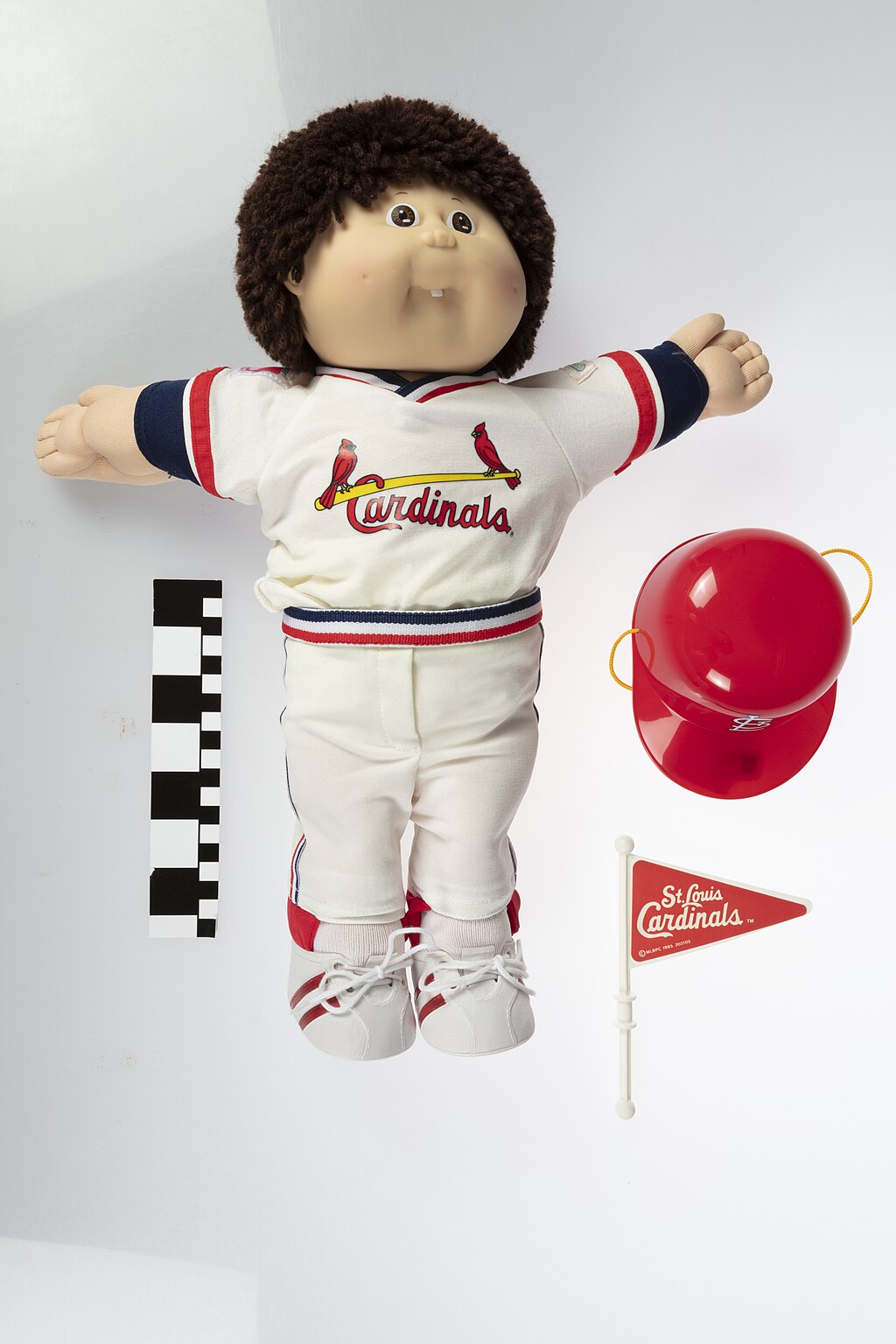
Cabbage Patch Kids were personalities waiting to be adopted. Each one came with a unique name, a “birth certificate,” and adoption papers, which made every kid feel like a real parent. Interestingly, early versions were hand-stitched with soft cloth faces and bore creator Xavier Roberts’ signature, stitched directly onto their bodies.
1990s Pogs And Slammers
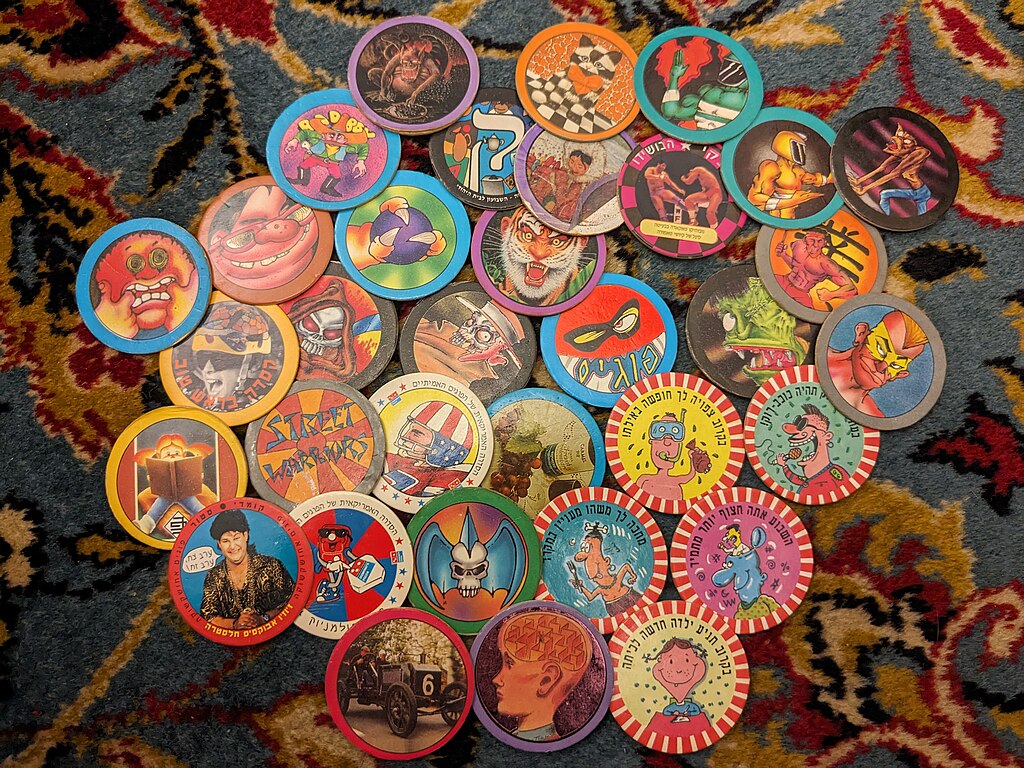
What began as a 1920s Hawaiian milk cap game resurfaced in the '90s as a cardboard-fueled craze called Pogs. Kids would stack the colorful discs and battle it out by slamming them with thick plastic or metal “slammers.” But not everyone was thrilled, as schools across the globe banned Pogs to curb disputes over prized pieces.
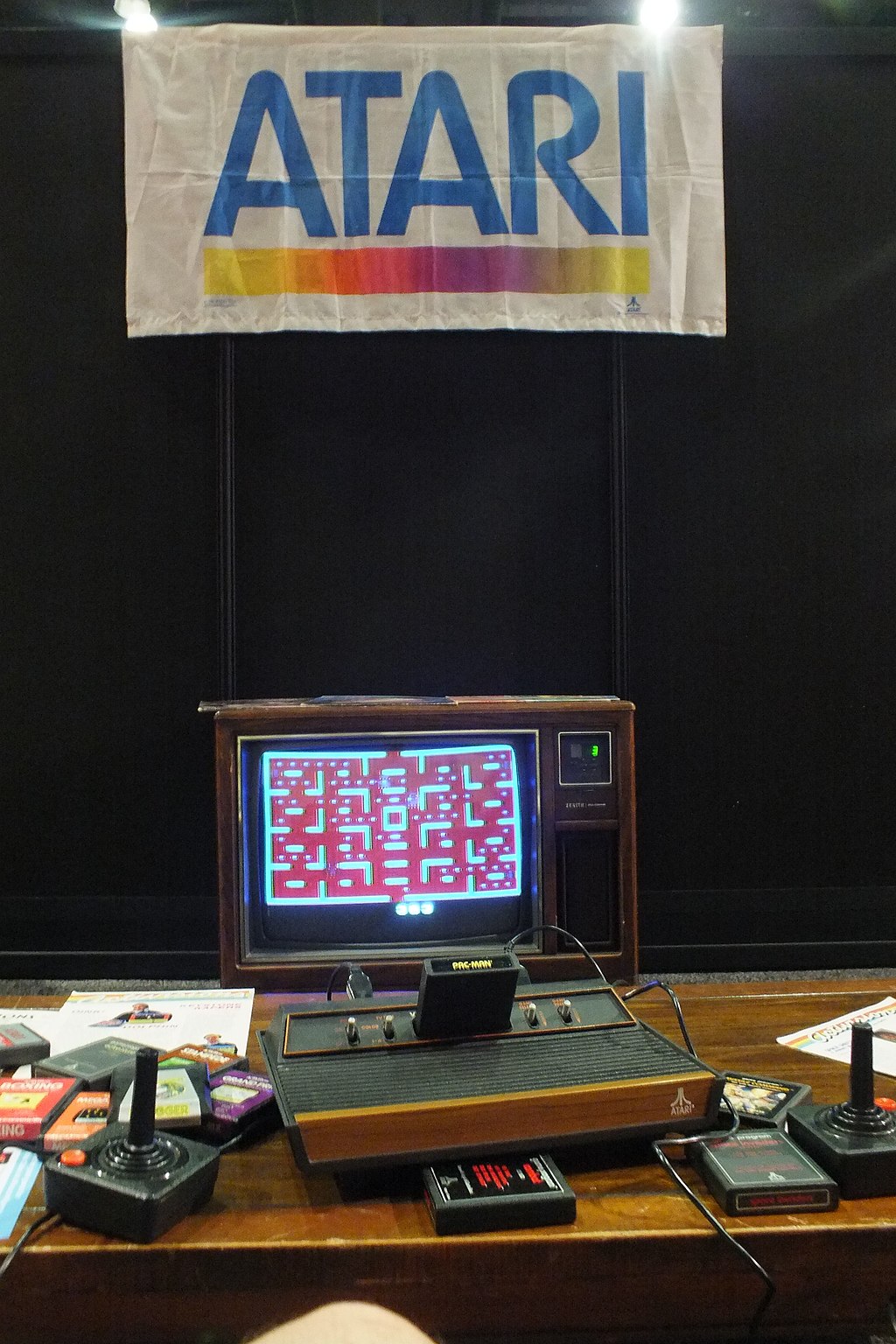
Atari 2600 Video Game System
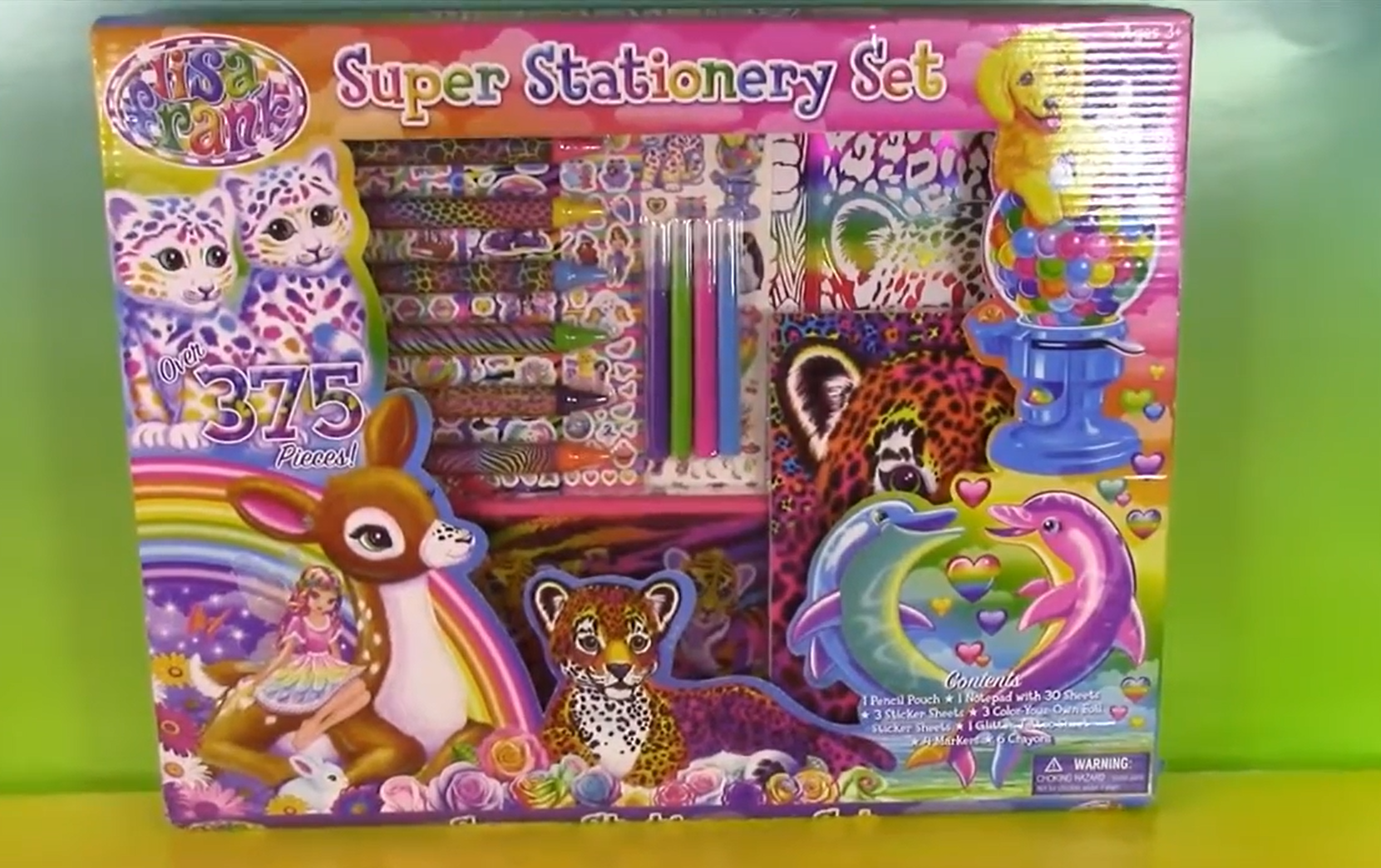
Lisa Frank Stationery Sets
Garbage Pail Kids Trading Cards
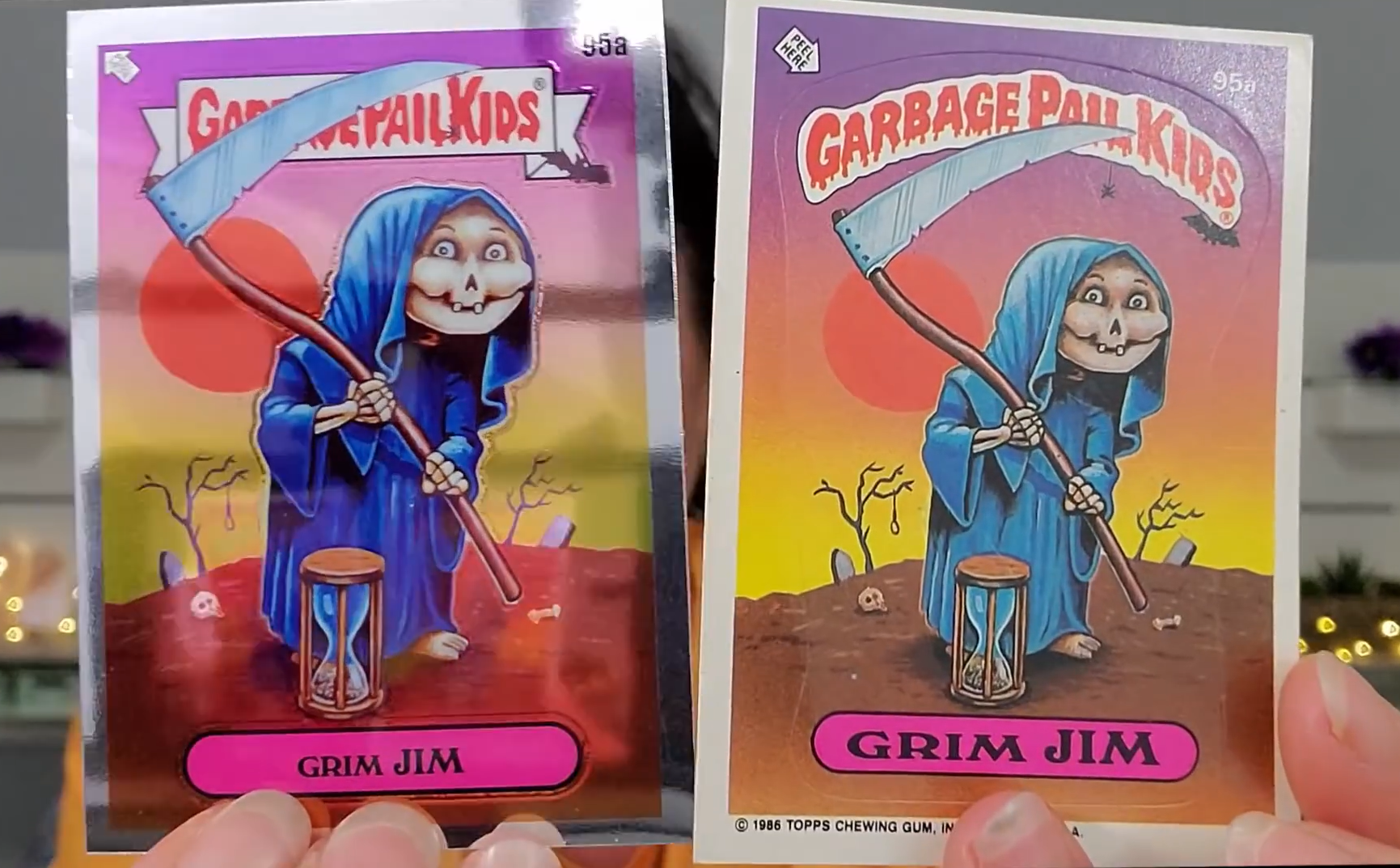
Launched in 1985 by Topps, Garbage Pail Kids trading cards gleefully skewered the Cabbage Patch Kid phenomenon with outrageous humor. Each sticker card featured a hilariously revolting child character and a twin with the same image but a different name. Their shock value sparked lawsuits and censorship battles, yet the franchise thrived.
1970s Evel Knievel Stunt Cycle
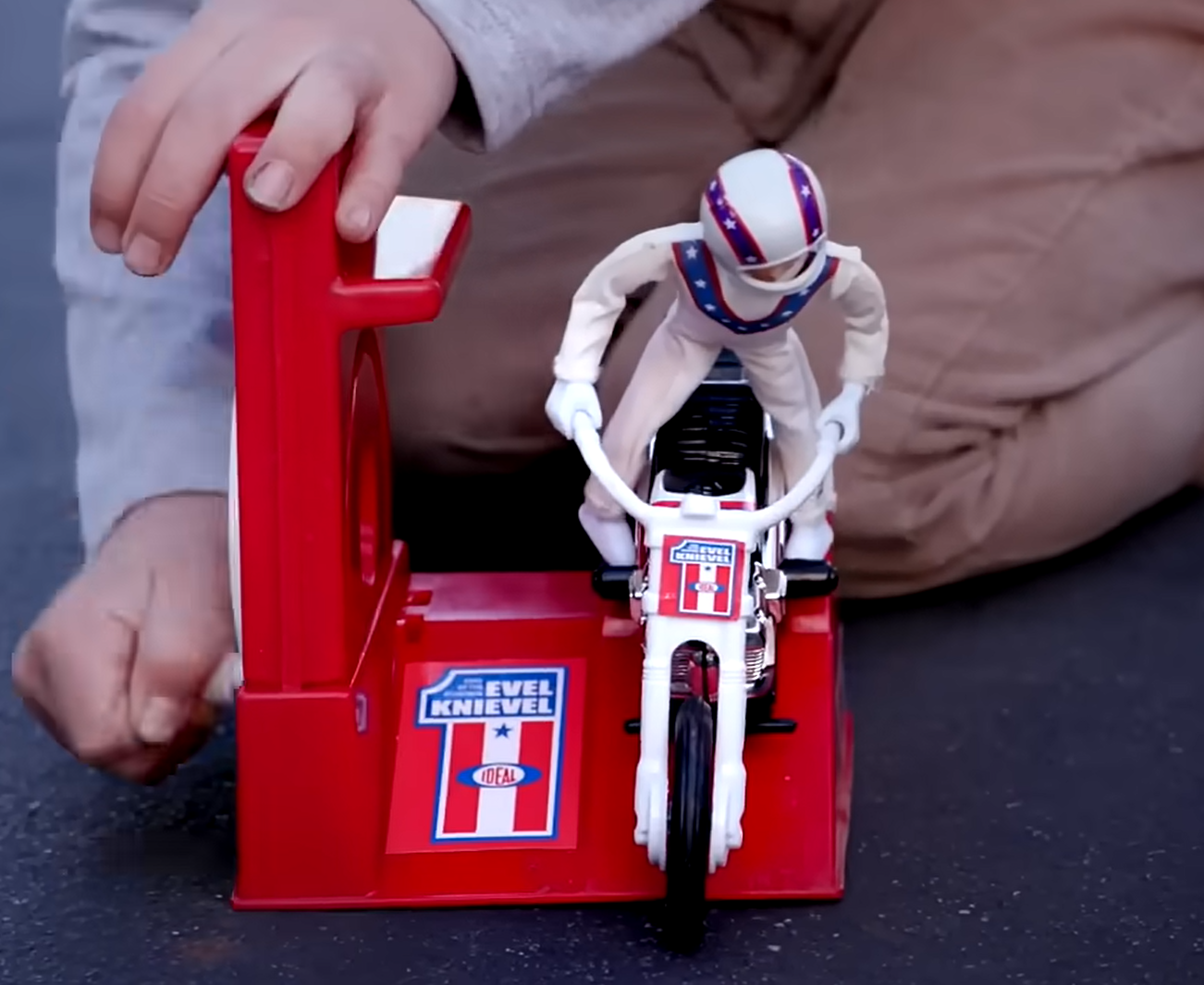
In the early 1970s, the Evel Knievel Stunt Cycle roared into toy collections with a wind-up launcher. Wearing a tiny version of his red-white-blue jumpsuit, Knievel’s likeness leaped over homemade ramps using a clever motorized mechanism. Kids across the country engineered wild obstacle courses, recreating the thrill of Knievel’s real-life jumps.