‘Shrinkflation’: 7 products that have gotten smaller, but the price hasn’t followed suit
Shrinkflation: this English term describes a practice that has become all too familiar on our store shelves—manufacturers quietly reducing a product’s weight or volume while keeping the price the same. Hard to spot at first glance, this reduction in content sneaks into packages with the same design or into bottles with updated dimensions. In this listicle, we review seven iconic categories where the effects of “shrinking portions” have been clearly felt, and we provide tips for spotting these changes before you buy.
Throughout the slides, you’ll find concrete examples (candy, coffee, soda, toilet paper, etc.), visual and practical clues to spot a difference (listed weight, number of units, slice thickness, capacity on the label), as well as friendly tips to preserve your purchasing power without giving up your favorite brands. Get into the habit of comparing prices per pound or per liter and reading the fine print: that’s often where the surprises lie. Enjoy reading, and may your shopping become smarter!
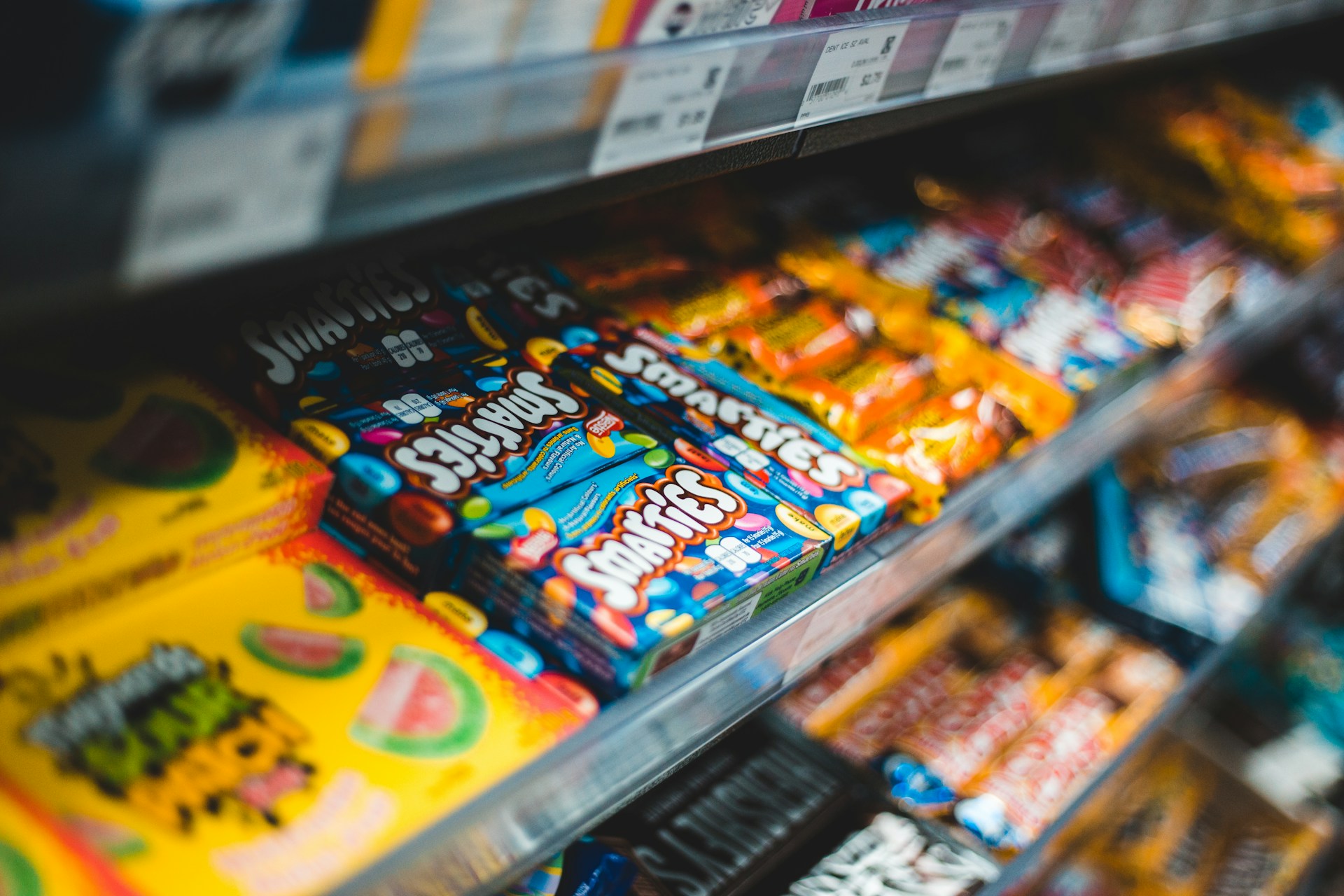
Bags of candy and chocolate bars were among the first to experience visible shrinkflation: a reduction of a few grams, nearly identical packaging, and no change in price. This shift is sometimes justified by a new recipe (less sugar, improved texture) or a “modernized” design. In practical terms, this means that the individual serving size or the number of units per package decreases, while the price remains the same.
To spot the scam, check the net weight listed and calculate the price per kilo: that’s the only reliable indicator. A bag that goes from 200 g to 180 g while displaying the same price amounts to a hidden price increase. Another clue: the density inside the package—if it looks emptier, manufacturers may have reduced the quantity or increased the air space to preserve the product’s appearance.
Cereal bars: a less filling snack
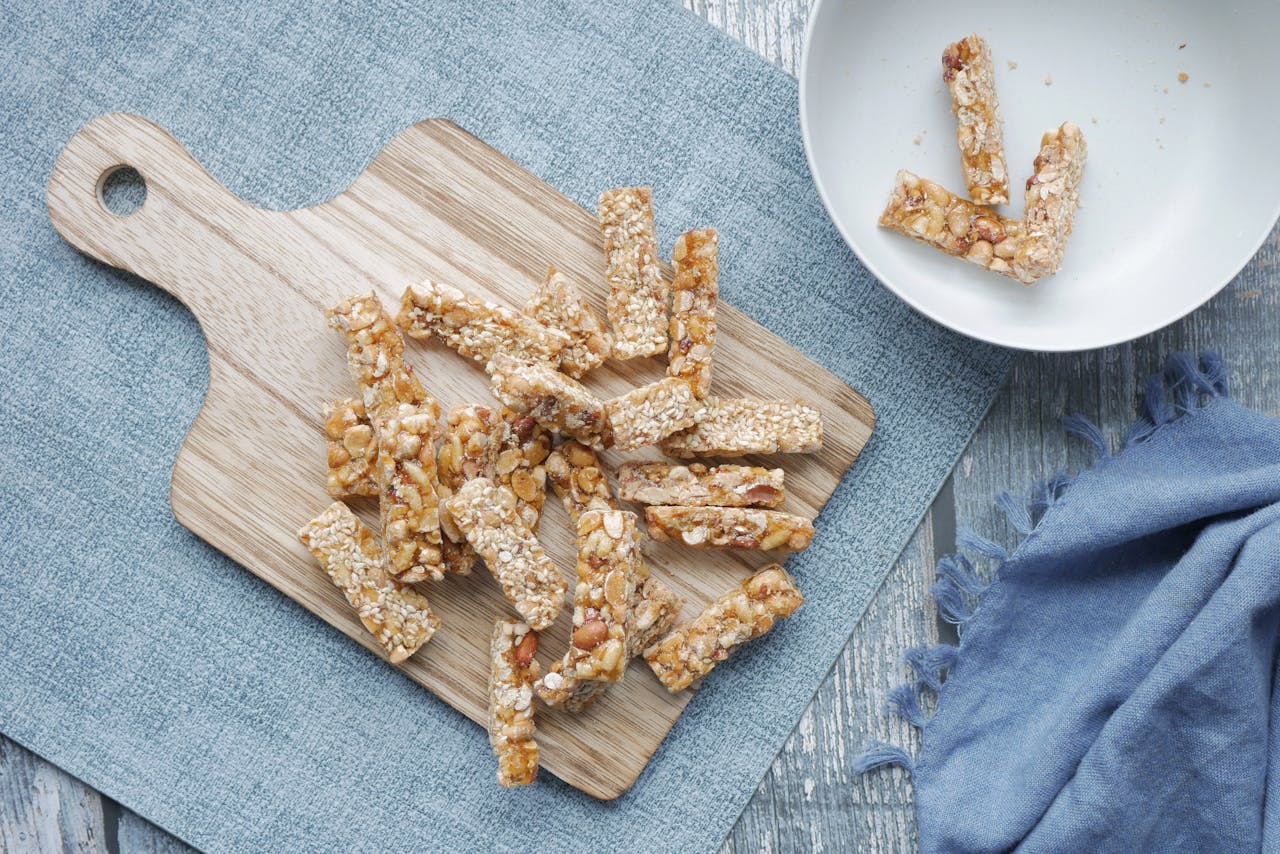
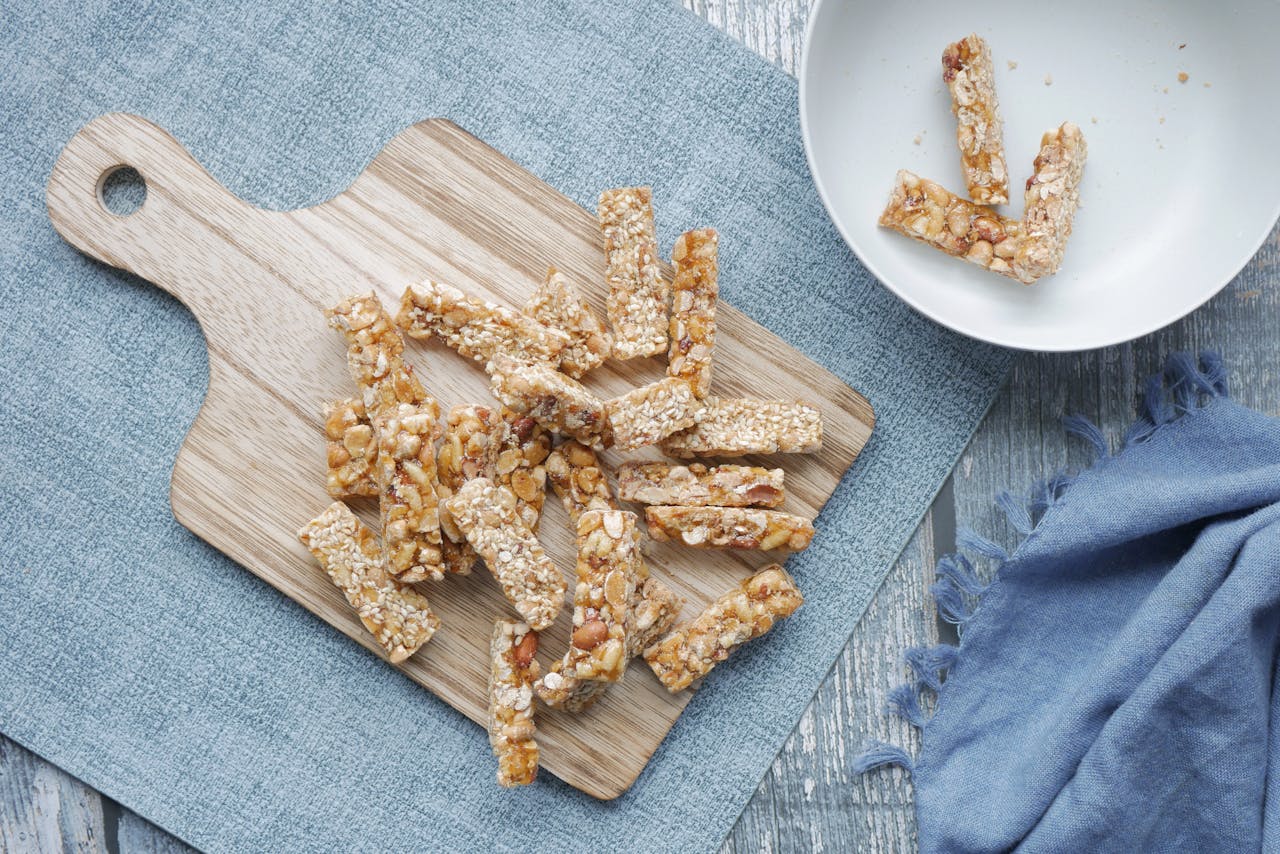
Cereal bars are convenient, but some brands have slightly reduced the size of each bar or changed the packaging to give the impression that the product hasn’t changed. We’re seeing thinner bars, sometimes weighing a few grams less per unit, which insidiously increases the price per pound. This phenomenon affects “health” products just as much as traditional snacks.
For the savvy consumer, the key is to compare the total quantity in the package with the number of bars. If the box contains the same number of bars but each one has less product, the reduction is real. Another tip: recalculate the price per pound or per bar to determine if the product costs more than before. These simple steps help prevent you from being caught off guard by a gradual reduction in portion size.
Bread: thinner slices, less convenience
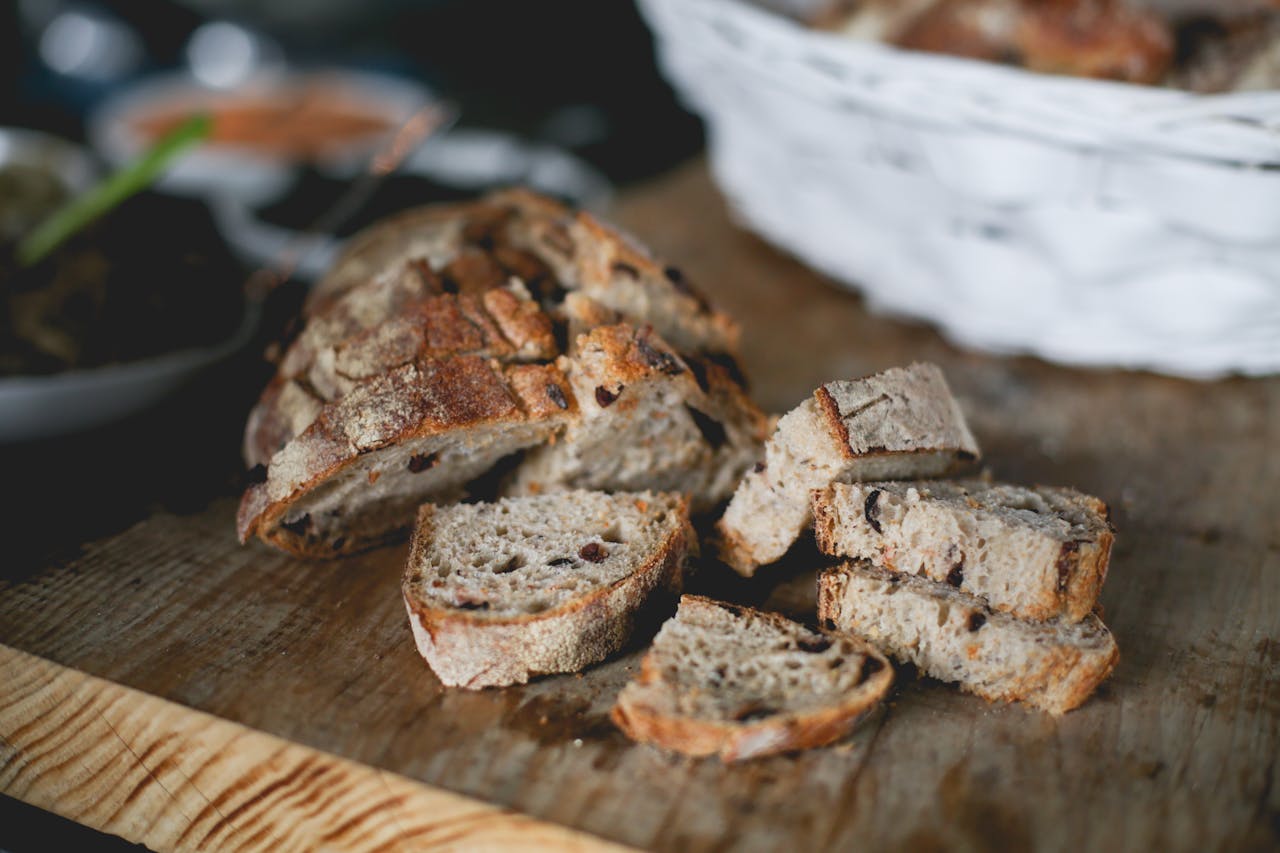
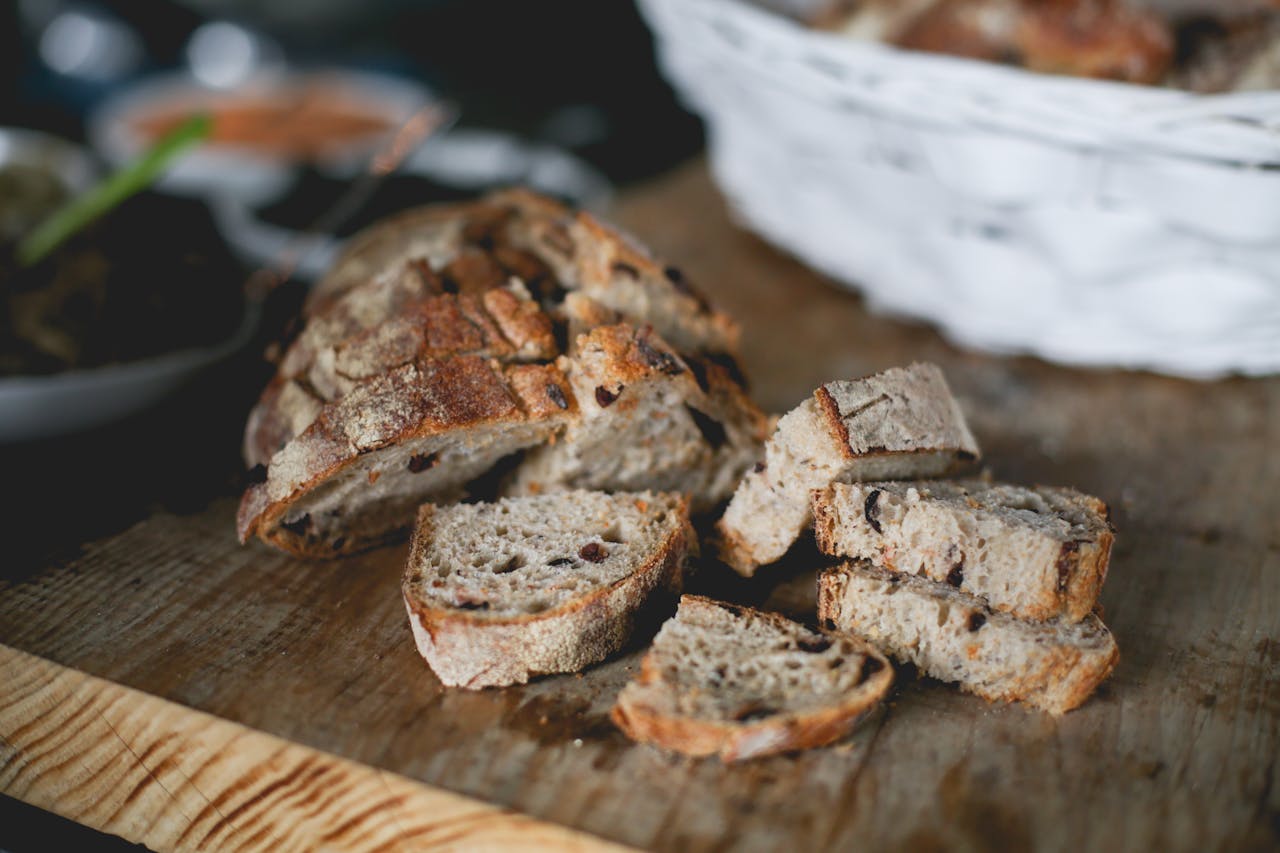
Bread, an everyday staple, is no exception. Loaves and pre-sliced bread have sometimes seen their weight decrease by about 5 to 10 percent, depending on the brand. The result: smaller, thinner slices that are less suitable for making a sandwich or serving with a meal. This affects the perception of quality and satiety, even though the receipt doesn’t reflect this reduction in quantity.
To avoid being taken advantage of, check the total weight of the loaf and the number of slices indicated (when specified). Comparing the thickness and size of different packages on the shelf also helps: a more compact loaf may hide a reduction in volume. Finally, opt for the price per kilo to get a clear picture of how the actual cost of your bread is changing.
Salad dressings and condiments: smaller bottles, diluted recipes
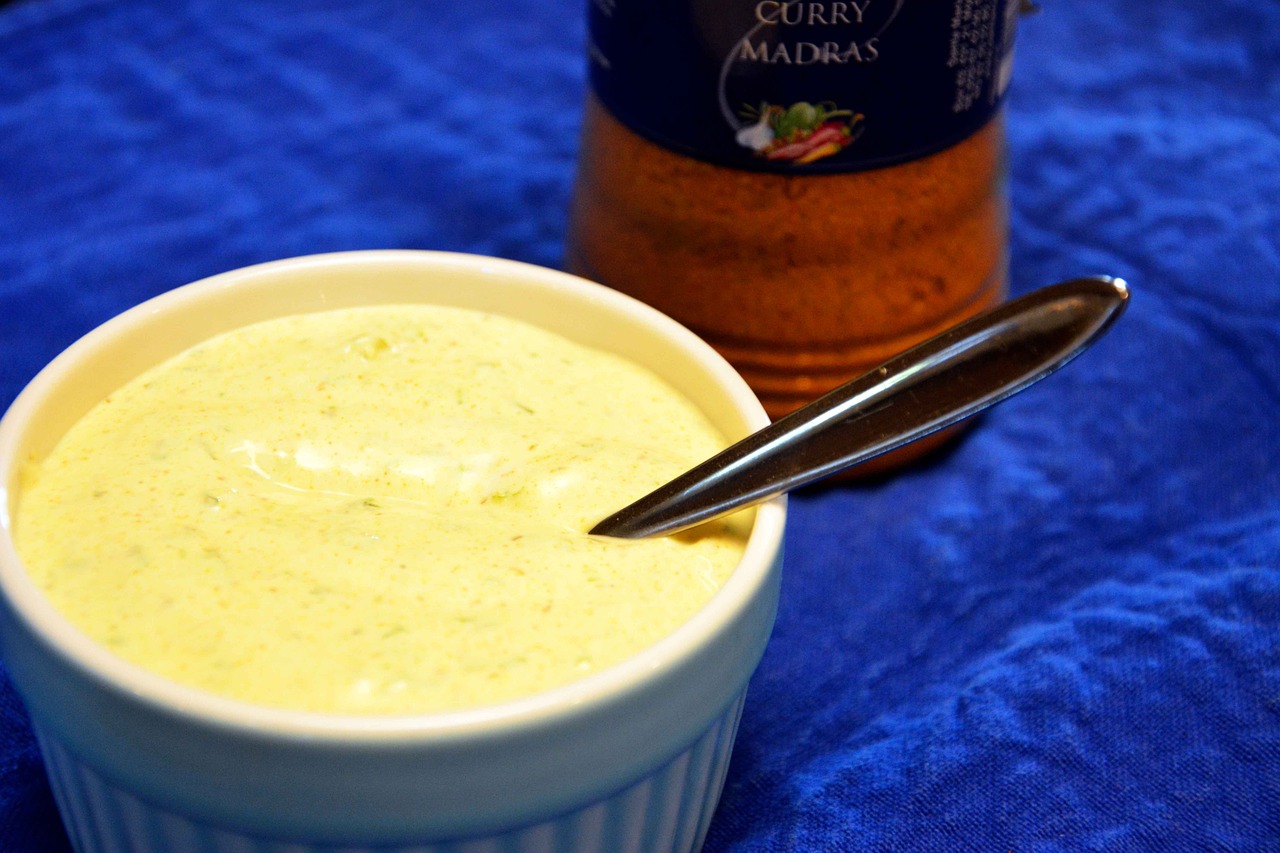
Condiments such as salad dressings have undergone two types of adjustments: a recipe that is sometimes thinner (less fat or emulsifiers) and a reduction in bottle size. By introducing a new "designer" format, manufacturers can reduce the volume by about 10% without lowering the price accordingly. The texture when served (less body, a waterier consistency) may reveal these changes.
To avoid this, it’s helpful to check the volume in milliliters listed on the bottle and compare the price per liter. If a “stylish” bottle offers less product for the same price, that’s where the hidden price hike lies. In practice, the savings made by the manufacturer often mean you have to buy more frequently.
Coffee: The bag gets lighter, but the price stays the same
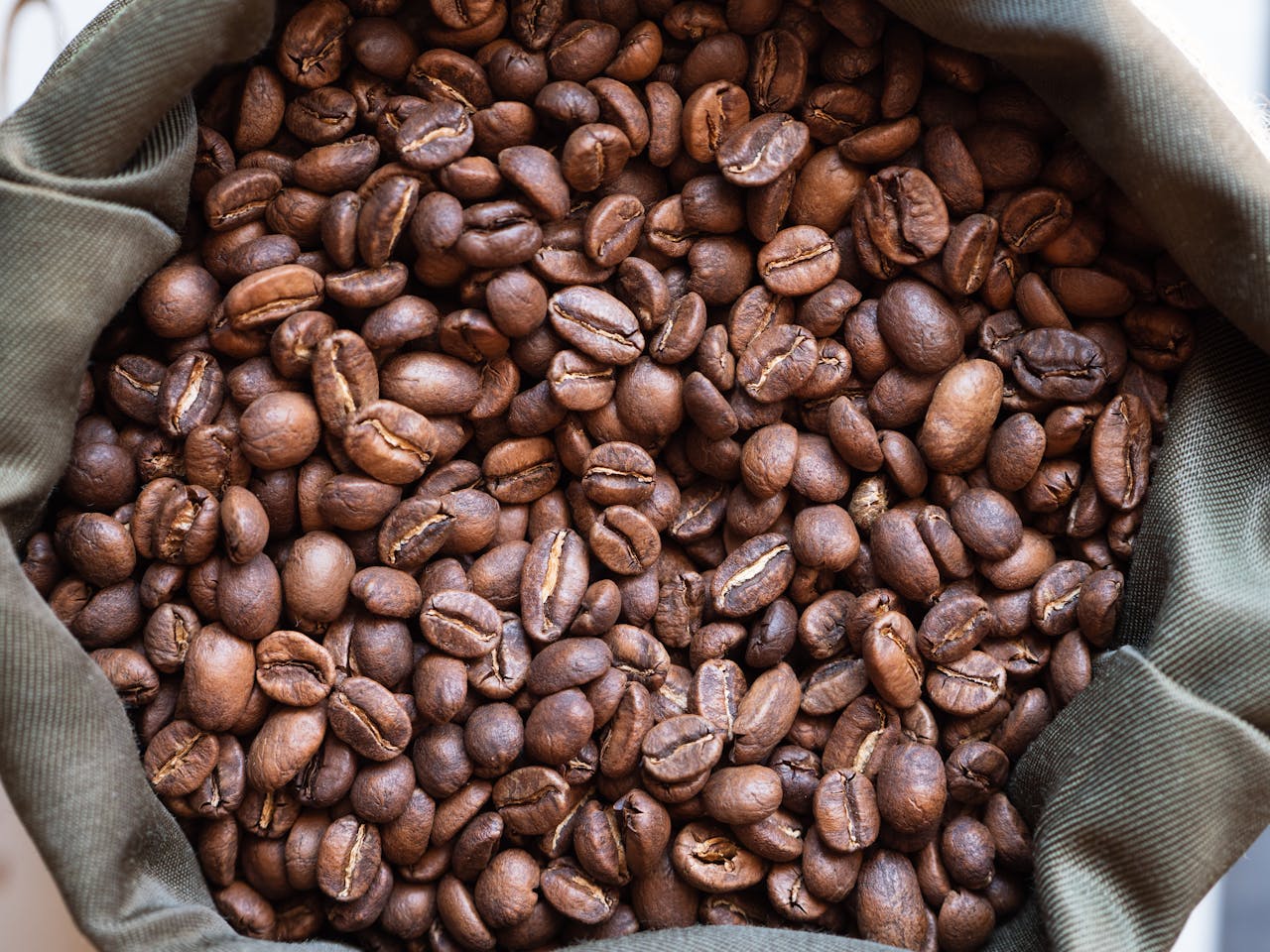
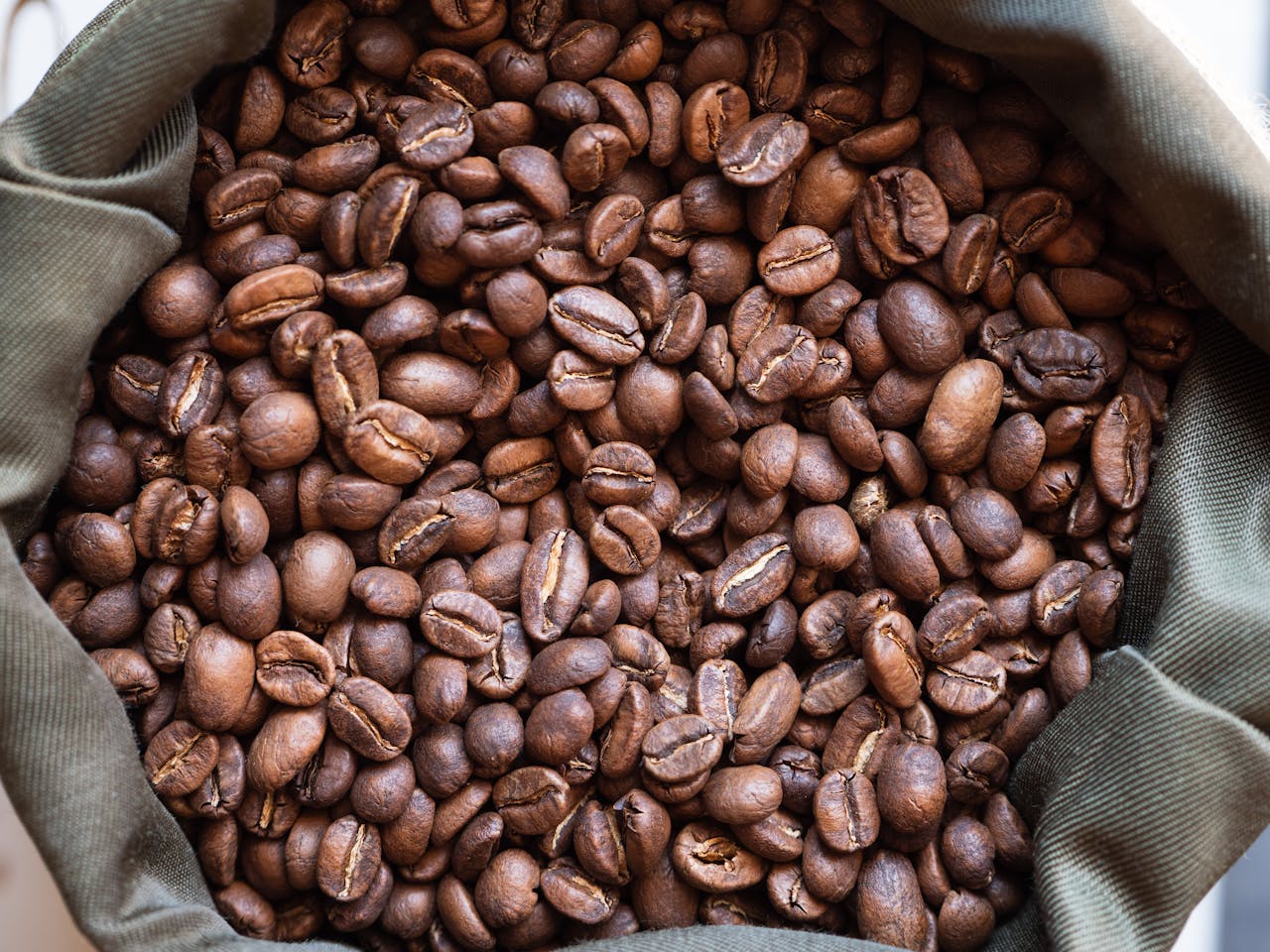
Coffee in bags clearly illustrates shrinkflation: large 1.5-kg sizes are becoming scarce, replaced by bags of 1.2 kg or 1 kg, while premium 500-g sizes are sometimes reduced to 350 g. The listed price may remain similar, which increases the cost per cup for loyal customers. Beyond the volume, this also affects coffee lovers who are attached to a particular brand.
To stay in control, the trick is to recalculate the price per kilo and compare promotional offers on that basis. Considering bulk purchases or trying store brands can also lower your coffee bill. Finally, paying attention to the net weight listed on the packaging helps avoid unpleasant surprises at the checkout.
Soft drinks: slimmer bottles, smaller sizes
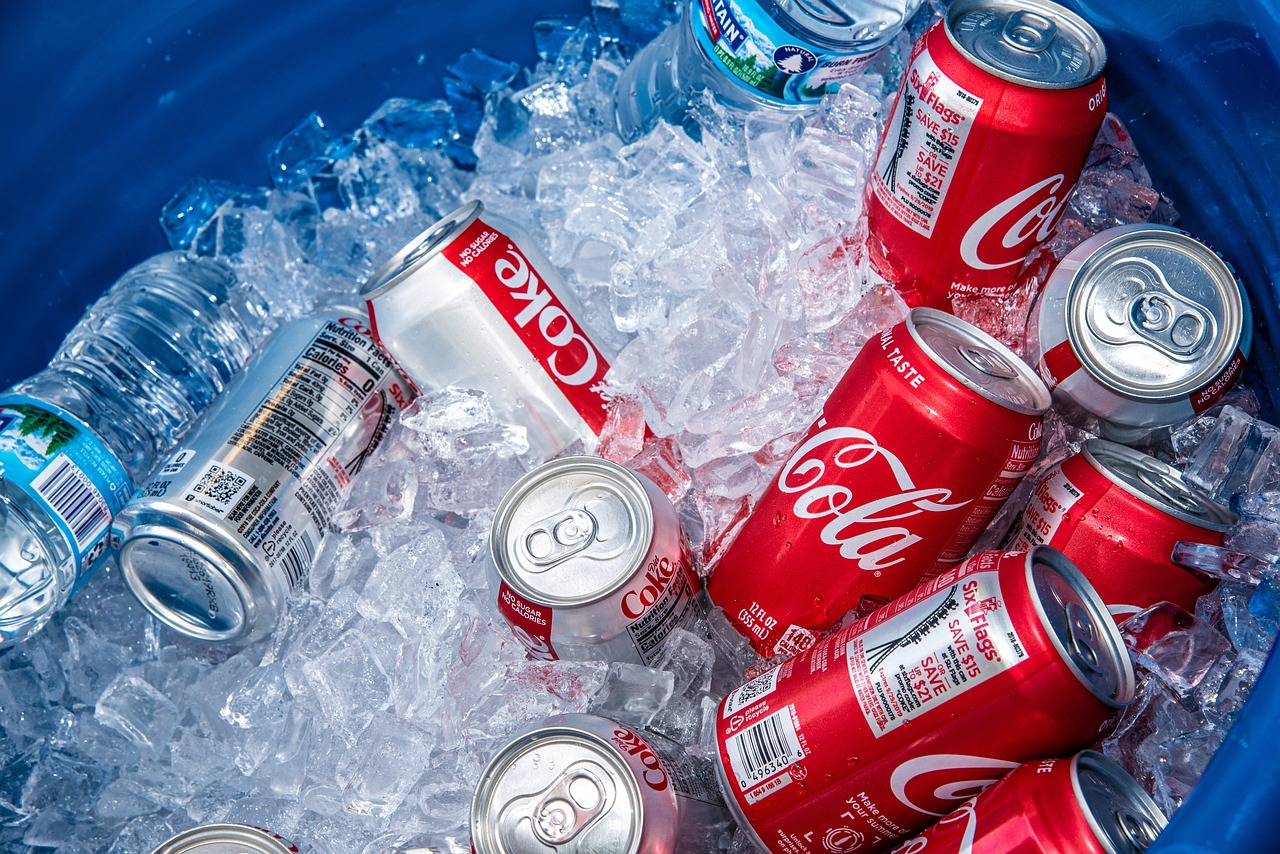
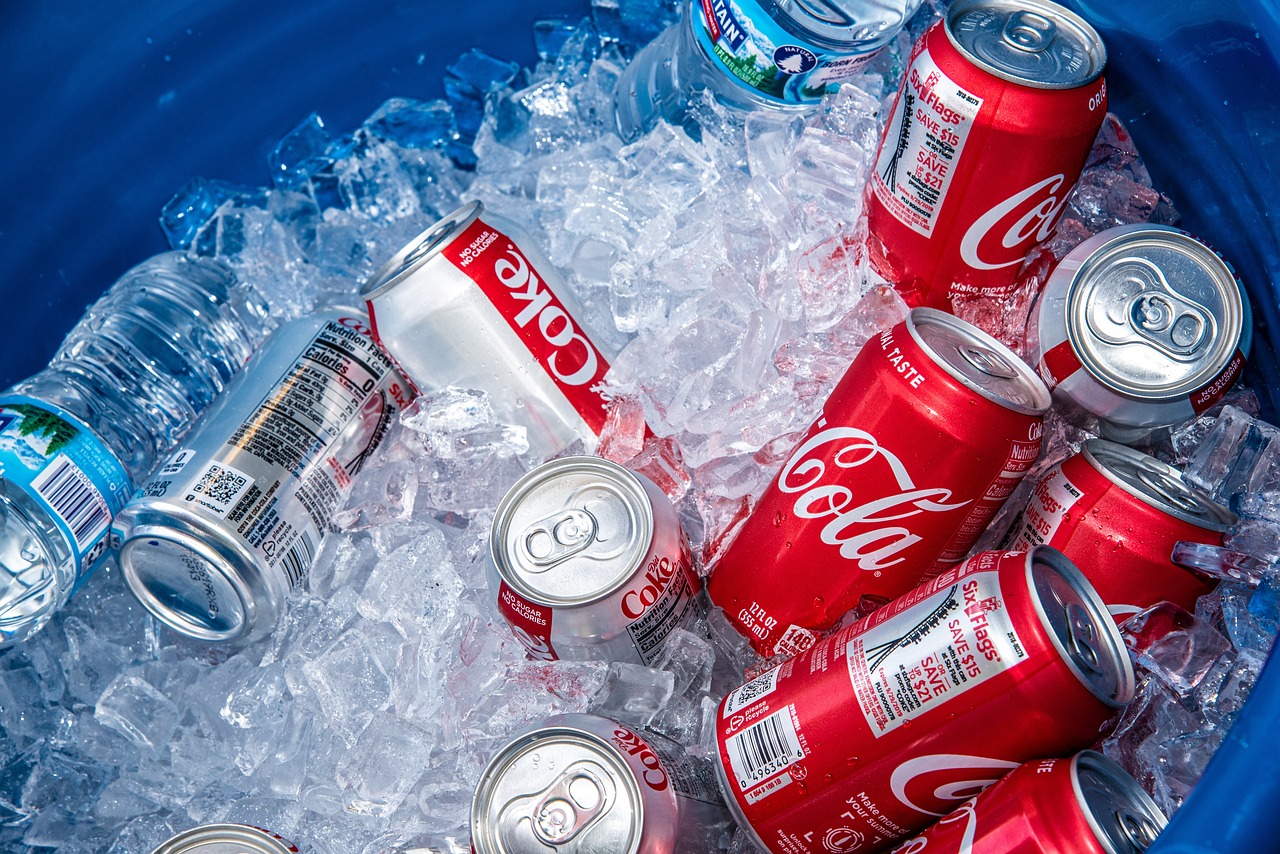
Soda bottles have often adopted a slimmer design, which can mask a reduction in volume. Some brands have switched from sizes like 650 ml to 500 ml without lowering the price. Consumers, accustomed to the bottle’s visual appearance, may not immediately notice the difference and end up paying more per liter for the same taste.
A useful tip is to compare the volume in milliliters and calculate the price per liter right at the shelf. Also keep an eye out for multi-packs: sometimes the unit price stays the same, but the bottles have a reduced volume. This ends up putting a strain on the beverage budget, especially for households that consume regularly.
Toilet paper: fewer sheets per roll
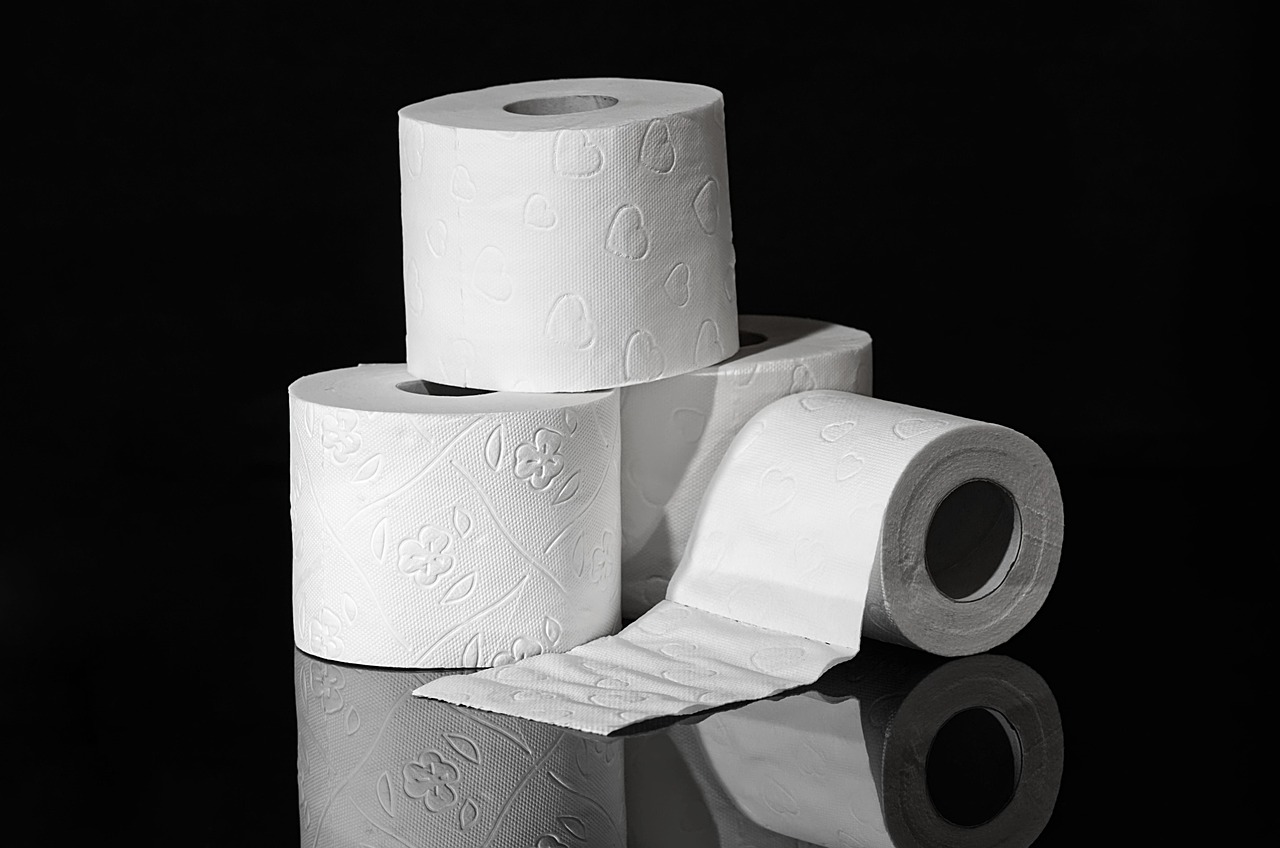
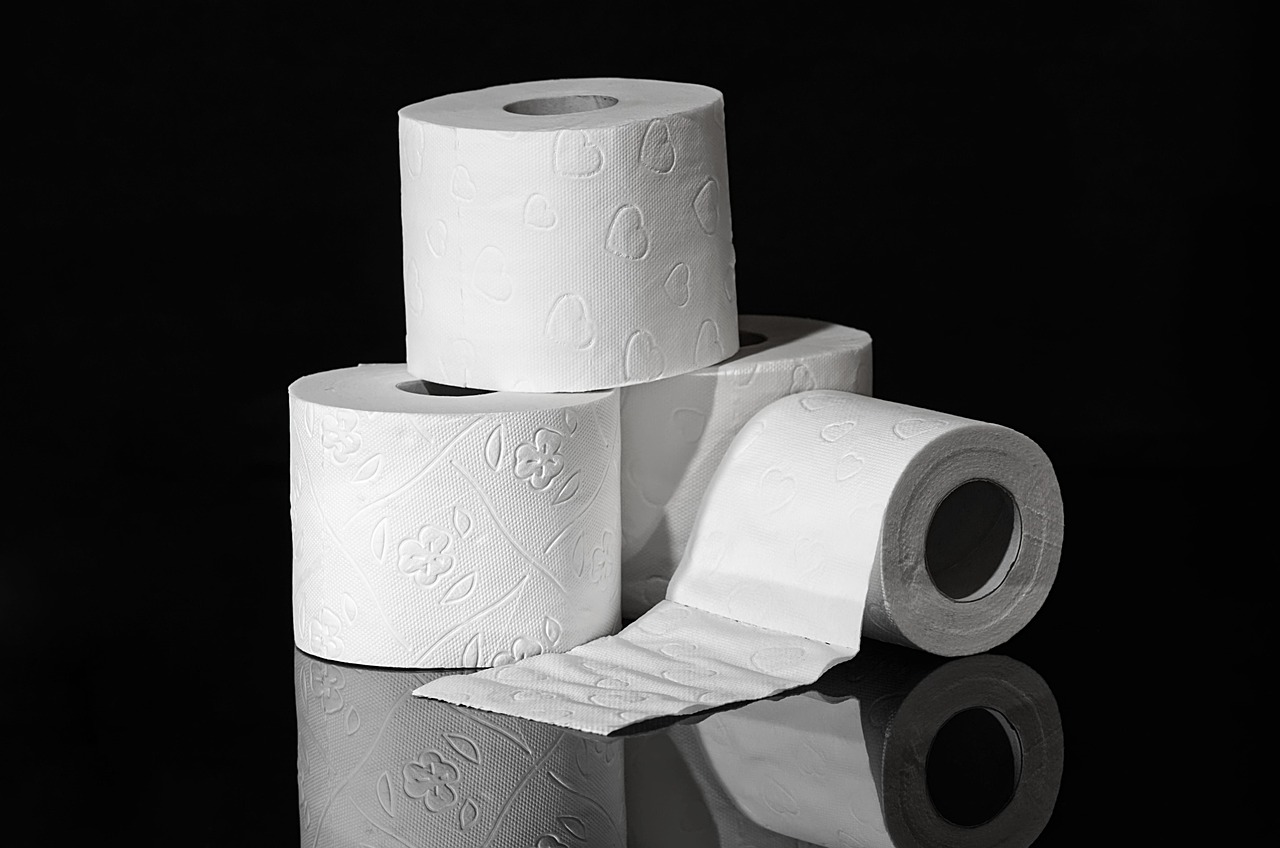
Household products like toilet paper are subtle but significant: some rolls lose dozens, or even a hundred sheets, without any apparent change in the packaging. The packaging may look the same, even though the actual amount of product inside decreases. The result? You have to buy it more often, leading to a real increase in monthly costs.
To avoid this, check the number of sheets per roll and compare the usable area (width x number of sheets) when that information is provided. Buying in bulk can help offset this, but again, you need to ensure that the comparison is based on the number of sheets or total linear meters, not just the number of rolls displayed.