Our daily lives are now invaded by connected objects, smart appliances and other gadgets of varying degrees of usefulness. Our homes are no exception to this universal phenomenon, and are increasingly cluttered with devices that are supposed to make them intelligent. From household appliances to entertainment devices such as televisions, these objects can provide interesting new functionalities.
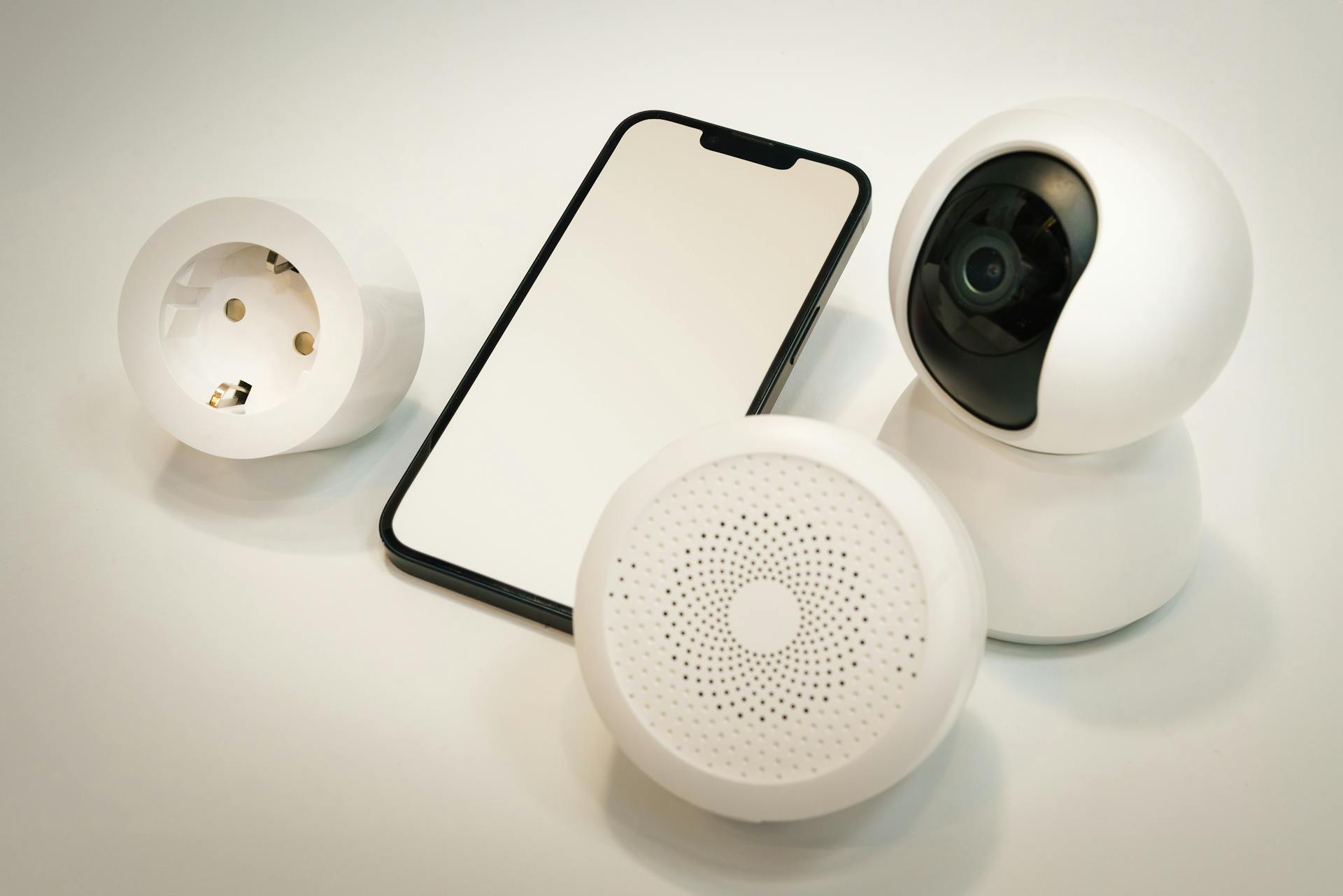
Our daily lives are now filled with connected objects, smart appliances and digital gadgets of all kinds. Homes are no exception to this trend and are increasingly cluttered with devices meant to make them “intelligent.”
From kitchen tools to entertainment systems, many of these innovations genuinely offer practical new features that simplify everyday routines. But alongside the useful options, there’s also a flood of gimmicky products that add little value and quickly become expensive clutter.
To help sort the essential from the unnecessary, here are seven smart home gadgets worth investing in and seven others that are more hype than help.
1. The smart thermostat
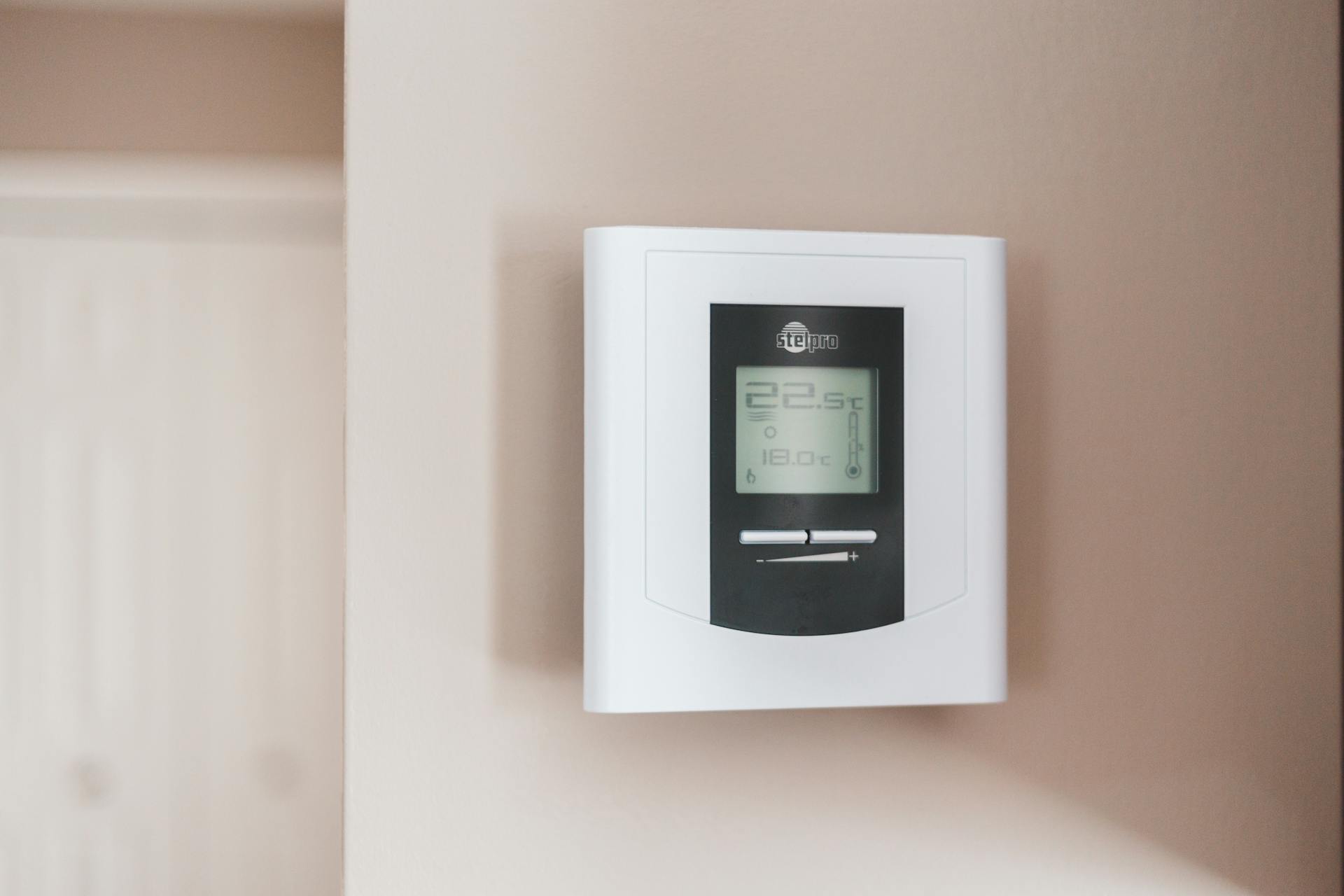
Temperature control is a key element of home comfort, and smart thermostats have become one of the most practical connected devices for managing it.
These systems continuously measure ambient temperature, offer highly accurate readings and automatically adjust heating or air‑conditioning to maintain the ideal level.
Beyond simple regulation, they learn your habits, optimize energy use and can be controlled remotely from a smartphone. This makes it easier to avoid unnecessary consumption while ensuring a consistently comfortable environment.
Smart thermostats are one of the rare gadgets that genuinely improve daily life by combining convenience, efficiency and long‑term savings.
2. Voice assistant

First introduced only a few years ago, voice assistants have quickly become central to the modern smart home.
Their hands‑free, voice‑activated design makes everyday tasks remarkably simple: controlling lights, adjusting the thermostat, launching music, switching on appliances or even unlocking a door without lifting a finger.
Beyond basic commands, they integrate with a wide ecosystem of connected devices, automate routines and provide instant access to information.
This combination of convenience and fluid interaction explains why voice assistants are now considered essential tools, transforming the home into a more intuitive and responsive environment.
3. Connected security cameras
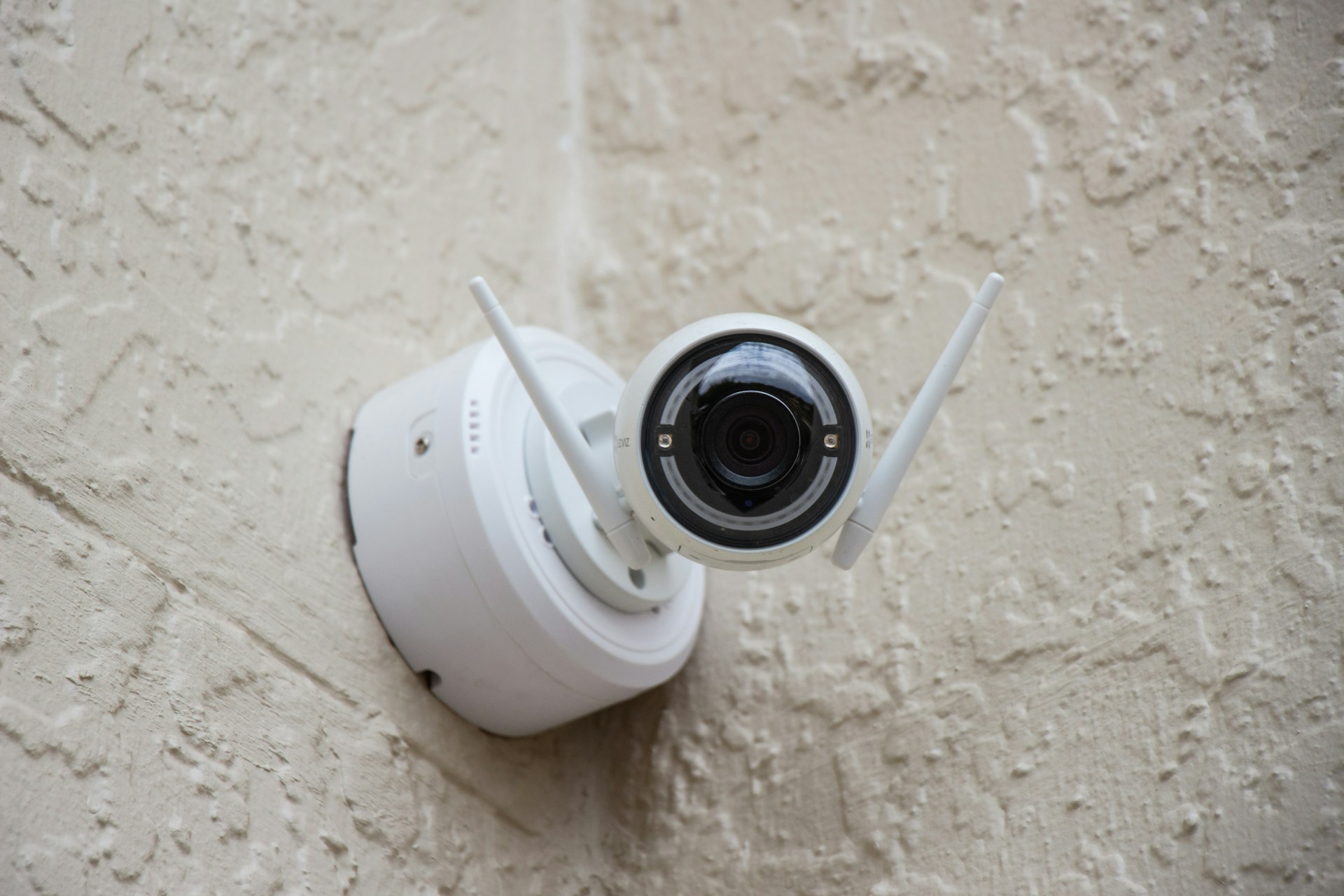
Connected security cameras have truly transformed the way we protect our homes. These devices offer continuous, 24/7 monitoring of entry points and selected rooms, giving homeowners a real sense of control and reassurance.
Their biggest advantage lies in remote access: with a smartphone or computer, users can watch live footage from anywhere, whether they’re at work, traveling or simply away for the evening. Many models also include motion detection, alerts and cloud storage, making it easier to react quickly in case of suspicious activity.
More than a simple gadget, connected cameras bring a new level of convenience and peace of mind to home security.
4. Connected sockets

Connected sockets add a real layer of convenience to any smart home setup. By turning a traditional outlet into a connected device, they allow you to switch appliances on or off remotely, whether you’re in another room or miles away.
Most models also include scheduling features, making it easy to automate daily routines turning on a lamp before bedtime, starting the coffee maker before waking up, or powering a heater just before you get home.
They help reduce unnecessary energy use and bring more flexibility to everyday life. Simple yet effective, connected sockets are one of the most practical smart home upgrades.
5. Connected LED bulbs

Connected LED bulbs take traditional energy‑saving lighting a step further by adding real smart functionality to the home.
Beyond their low consumption, they can be controlled from a smartphone, remote control or any compatible connected device via Wi‑Fi or Bluetooth.
This makes it easy to adjust brightness, change colors, create lighting moods or schedule automatic routines without ever touching a switch. They also integrate seamlessly with voice assistants, allowing hands‑free control throughout the house.
Practical, flexible and customizable, connected LED bulbs are one of the simplest ways to upgrade everyday comfort while keeping energy use under control.
6. The connected smoke detector

Smart homes also need stronger safety features, and connected smoke detectors play a key role in that protection. These devices offer far greater accuracy than traditional models, detecting smoke or unusual heat levels with impressive responsiveness.
Their real advantage, however, lies in remote alerts: if smoke is detected, a notification is instantly sent to your smartphone, allowing you to react quickly even when you’re away from home. Some models also integrate with other smart devices, triggering lights or alarms to help evacuate safely.
Reliable and proactive, connected smoke detectors bring an essential layer of security to any modern home.
7. The smart lock
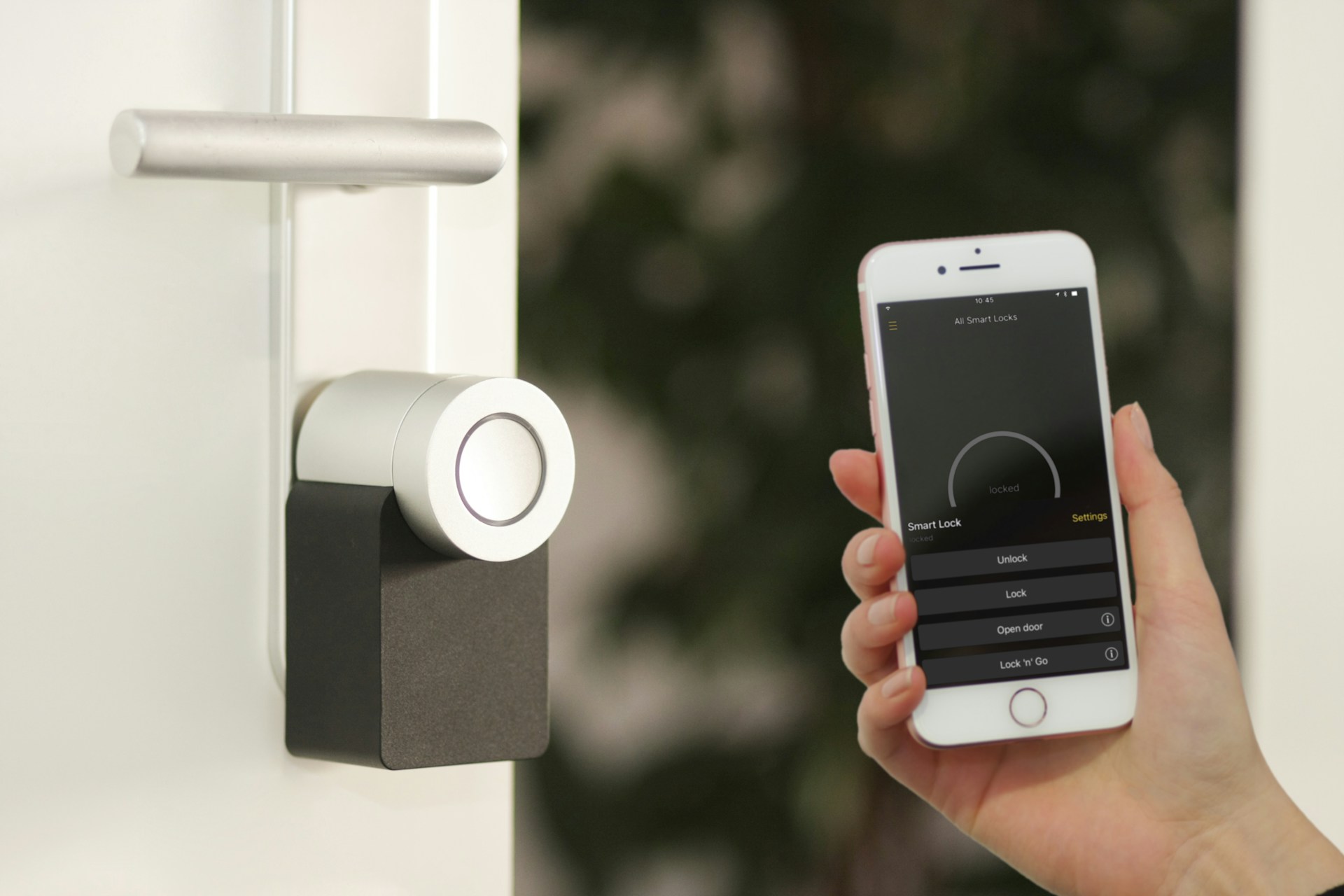
Connected locks are another valuable addition to a modern home’s security system. Unlike traditional locks, they can be controlled remotely through a wireless connection or a built‑in SIM chip, allowing homeowners to lock or unlock their doors from anywhere.
Many models also offer alternative access methods, such as badges, keypads or temporary codes that can be shared with guests or service providers. This flexibility makes everyday life easier while strengthening overall protection.
By combining convenience, traceability and enhanced control, connected locks stand out as a true asset for any smart home looking to improve both security and practicality.
8. The connected refrigerator
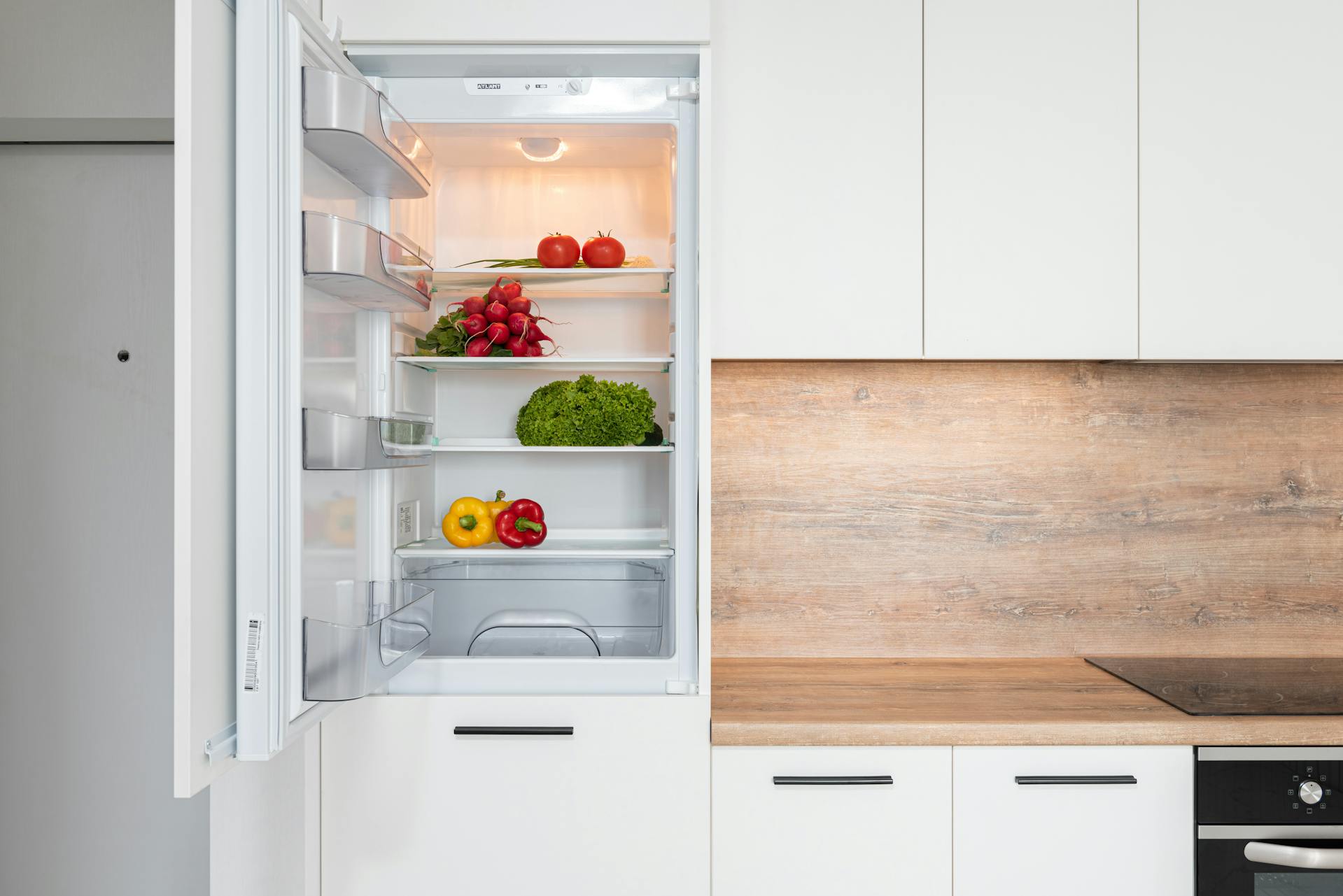
Connected refrigerators are one of the latest strategies used by appliance manufacturers to push high‑tech products that look innovative but offer little real value.
Behind their sleek screens and futuristic interfaces, many of their so‑called “smart” features like automatic product detection or built‑in shopping list creation are unreliable, slow or simply don’t work as advertised.
In practice, these functions end up being more gimmicky than helpful, while significantly inflating the price of the appliance.
For most households, a connected fridge is less a genuine upgrade and more an unnecessary expense disguised as modern convenience.
9. The intelligent coffee machine

A good cup of coffee is a cherished morning ritual for many, and appliance manufacturers have eagerly capitalized on this habit. After introducing bulky “professional” machines for home use, they’ve now moved on to smart or fully connected coffee makers.
But despite their flashy features and inflated prices, these devices add very little to the experience. Brewing great coffee doesn’t require Wi‑Fi, apps or complex automation just quality beans, hot water and a bit of pressure.
In most cases, connected coffee machines are more of a marketing gimmick than a genuine improvement, making them an unnecessary expense for everyday coffee lovers.
10. The connected dishwasher

Connected dishwashers stand out mainly because they can be controlled remotely from a smartphone but this feature is far less useful than it sounds. Since you still need to be physically present to load and unload the machine, remote control adds little to the overall experience.
The only other “smart” advantage is programming cycles, yet this function has existed for years on traditional, non‑connected models. In the end, the added technology mostly drives up the price without offering meaningful benefits.
For most households, a connected dishwasher is more of an unnecessary upgrade than a real improvement in everyday convenience.
11 Automatic curtains

Automatic curtains that open or close based on time, temperature or sunlight may sound impressive, but in reality they offer very little added value.
These features can easily be replaced with a simple daily gesture, and most households don’t need such automation for something so quick and effortless.
Despite their high‑tech appeal, their price is often disproportionate to the convenience they provide. The installation, maintenance and connectivity requirements only add to the overall cost.
In the end, automatic curtains are more of a luxury gadget than a practical upgrade, making them an unnecessary expense for most smart homes.
12. The smart mirror
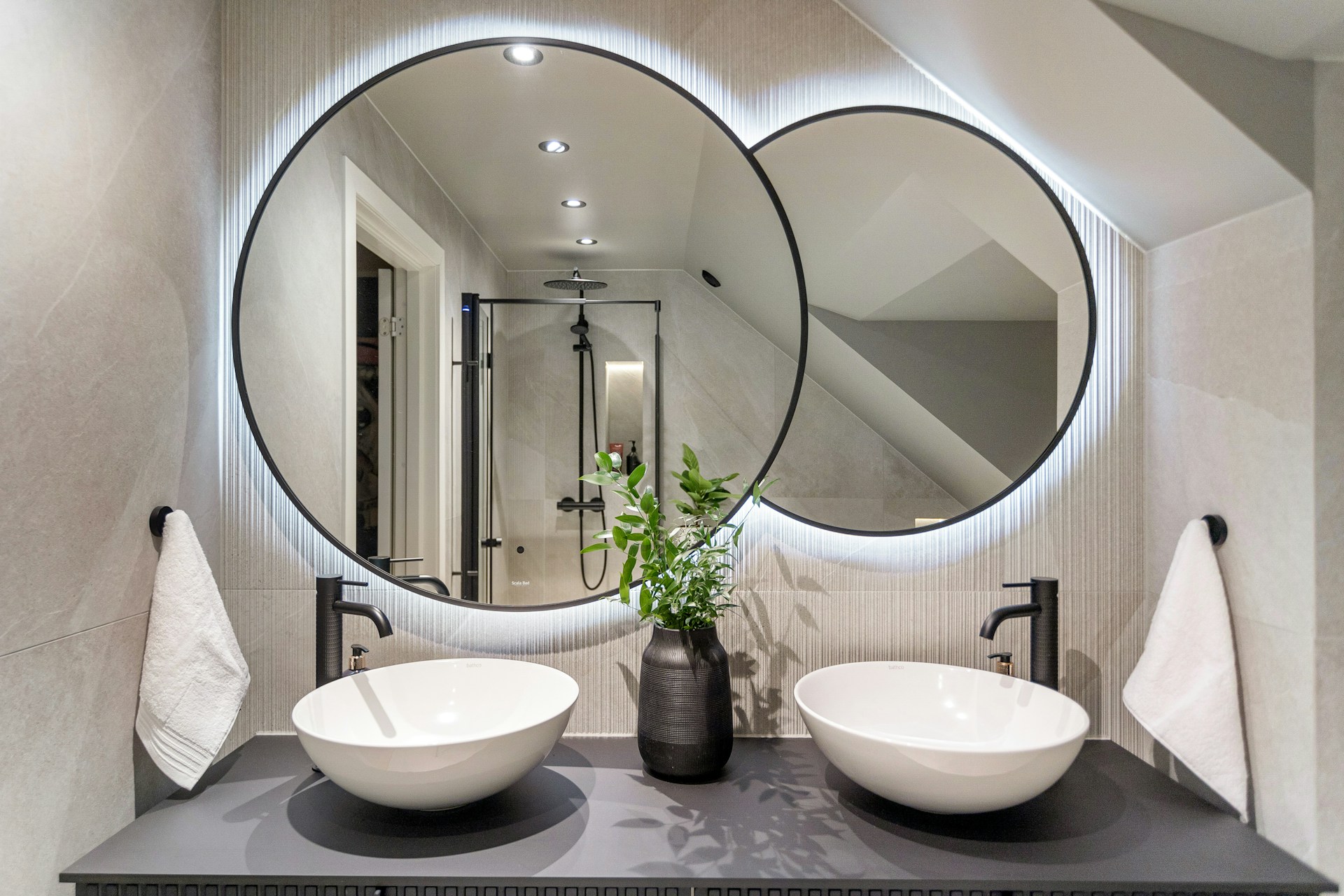
Connected mirrors try to reinvent an object whose purpose is already perfectly fulfilled: reflecting our face and body, nothing more. Despite their flashy screens and quirky features weather updates, beauty tips, virtual try‑ons they rarely offer anything truly useful in everyday life.
Most of these functions are easier to access on a phone, making the mirror’s “smart” layer feel more gimmicky than practical. On top of that, their price is often disproportionately high compared to the value they provide.
In the end, connected mirrors are more of a novelty item than a meaningful upgrade, and easily fall into the category of unnecessary gadgets.
13. The intelligent bed

Intelligent beds have recently made their way onto the market, promising a futuristic sleep experience with features like temperature regulation, adjustable tilt and even built‑in ventilation.
While these functions may sound impressive, they offer limited real‑world benefits for most users. Their biggest drawback is the price: these high‑tech beds are often sold at exorbitant rates that have little to do with their actual usefulness.
In practice, a well‑designed traditional bed already provides all the comfort needed for quality sleep.
Given the cost and the minimal added value, sticking with a classic bed remains the most sensible and budget‑friendly choice.
14. Connected food processors

Connected food processors take a genuinely useful appliance and overload it with features that add little to everyday cooking.
While a classic food processor already helps prepare meals quickly and keeps cleanup to a minimum, the connected versions mainly introduce functions like remote control or recipe programming options that sound impressive but rarely improve the actual cooking experience. These additions significantly inflate the price without offering meaningful benefits in return.
For most home cooks, a traditional model remains far more practical, efficient and budget‑friendly. In short, connected food processors are an unnecessary upgrade disguised as innovation.
15. Conclusion

A truly intelligent home should enhance comfort while helping you save money, energy and resources not the opposite.
That’s why it’s essential to distinguish between devices that genuinely improve daily life and those that simply inflate your electricity bill without offering real value.
Many so‑called “smart” gadgets consume power unnecessarily, require costly maintenance or add features you’ll rarely use. Avoiding these superfluous purchases is not only good for your wallet, it’s also a responsible choice for the planet.
By focusing on practical, efficient technologies, you can build a smart home that’s both comfortable and sustainable.