The most dangerous cars in history have often become famous as much for their extreme performance as for their serious safety flaws. Models like the Ford Pinto and the Chevrolet Corvair sparked major controversies due to their design. Other vehicles, including the Dodge Viper RT/10, the Shelby Cobra 427, and the Plymouth Hemi Cuda, were feared above all for their power, which was difficult to control without modern electronic aids.
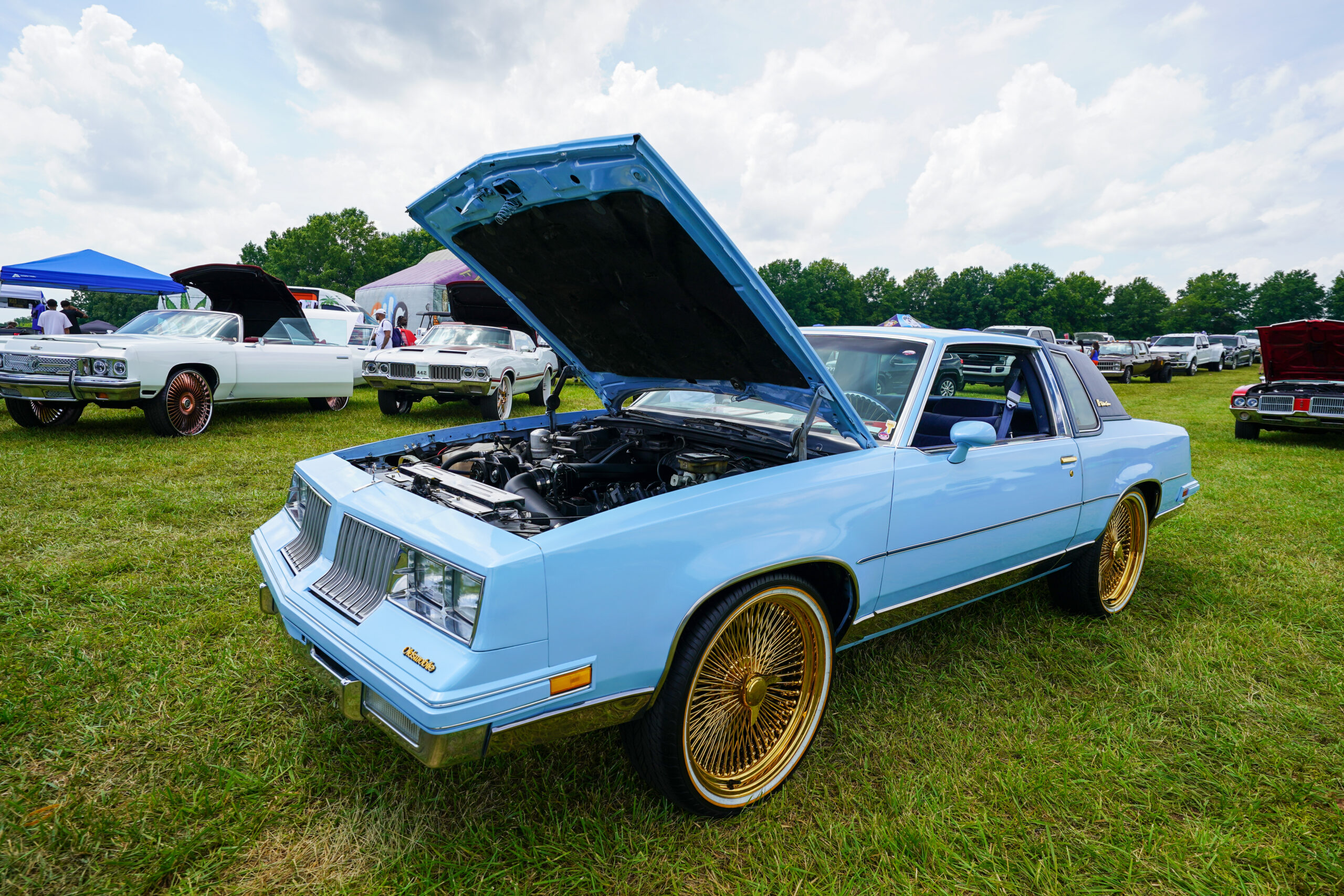
The Oldsmobile Cutlass Supreme was a very popular car in America thanks to its comfort, elegant styling, and powerful V8 engines. Produced by Oldsmobile through General Motors Heritage, it offered solid performance for its time, but some models were considered dangerous due to their unpredictable handling. The most powerful versions had a lot of torque and rear-wheel drive that was difficult to control on wet or snowy roads.
The brakes and suspensions of earlier generations were not always suited to this high power output. The lack of modern electronic aids such as stability control also increased the risk of losing control. Despite this, the Cutlass Supreme remains a beloved classic car today, appreciated for its quintessentially American style and powerful character.
Plymouth Hemi Cuda
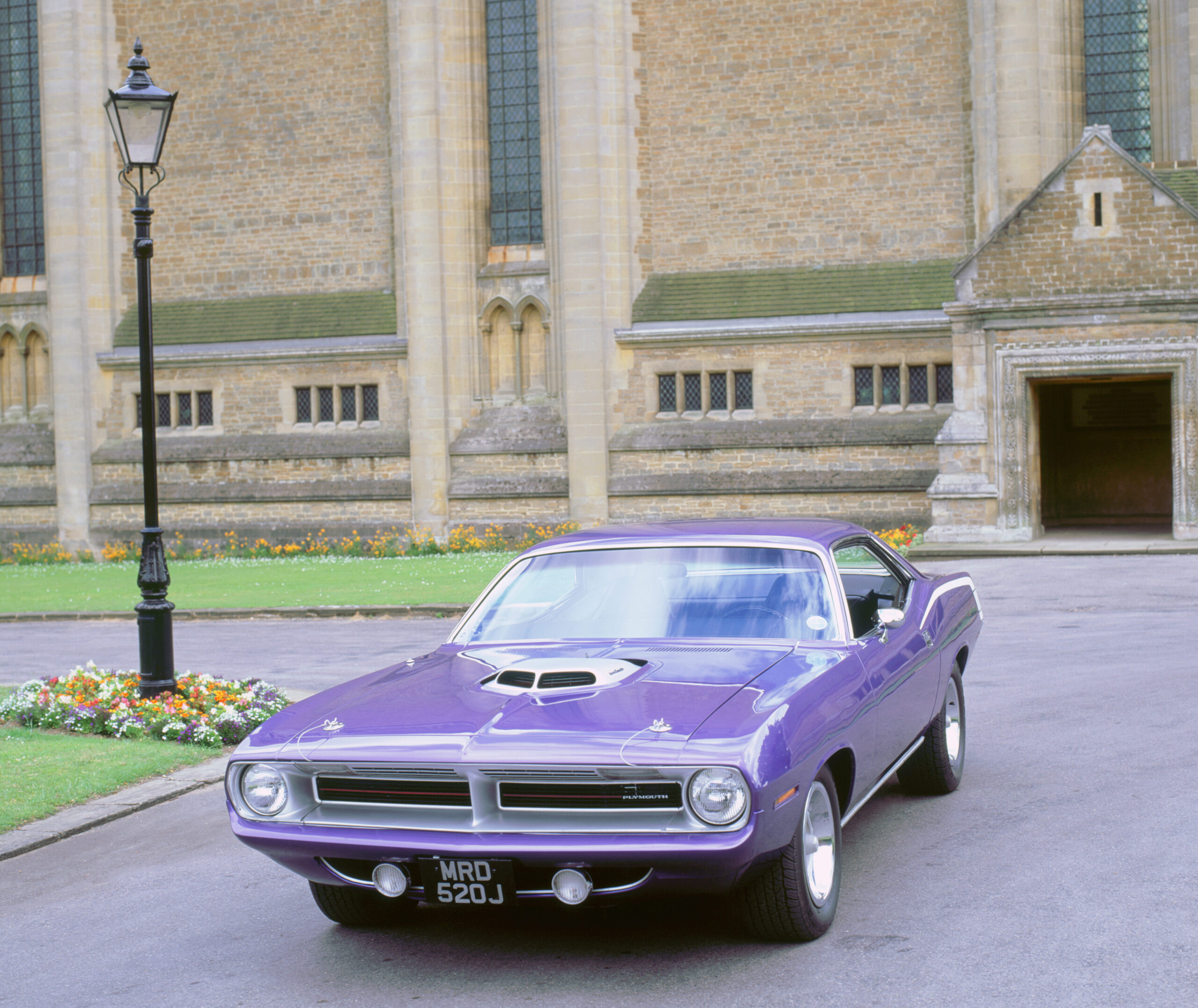
The Plymouth Hemi Cuda became a legend among American muscle cars thanks to its extremely powerful HEMI engine. In the 1970s, few cars could rival its impressive acceleration. However, this raw power also posed a huge danger to inexperienced drivers. The narrow tires of the era and the complete lack of electronic aids made loss of control a frequent occurrence during aggressive starts.
Many enthusiasts still consider the Hemi Cuda a difficult car to master even today. Despite this, it has become one of the most sought-after American cars among collectors. Its aggressive design, legendary engine, and unpredictable nature have contributed to its unique reputation in the history of the most dangerous and iconic American performance cars ever produced.
Dodge Viper RT/10
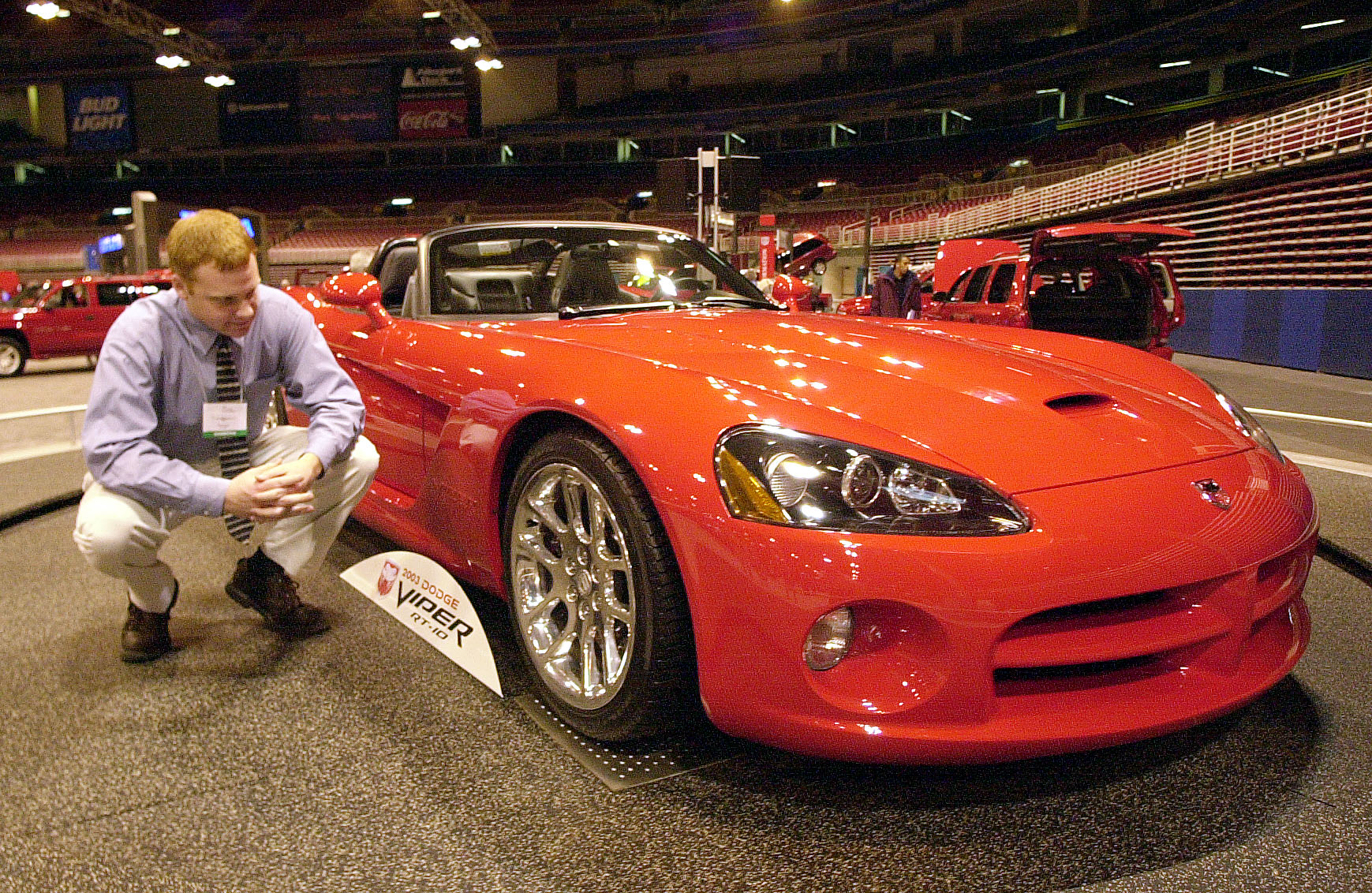
The Dodge Viper RT/10 is famous for its immense power and raw character. Introduced by Dodge in the 1990s, it was equipped with a massive V10 engine capable of impressive performance. However, the early generations lacked traction control, electronic stability control, and even some essential modern driver-assistance features. This lack of assistance made the car extremely difficult to control, particularly for inexperienced drivers.
Its massive torque could cause sudden loss of traction, and several spectacular accidents reinforced its dangerous reputation. Despite this, the Viper remains a legend among American enthusiasts, appreciated for its mechanical authenticity and wild handling. It perfectly represents the era of American supercars—uncompromising and free of protective electronics.
Chevrolet Camaro ZL1
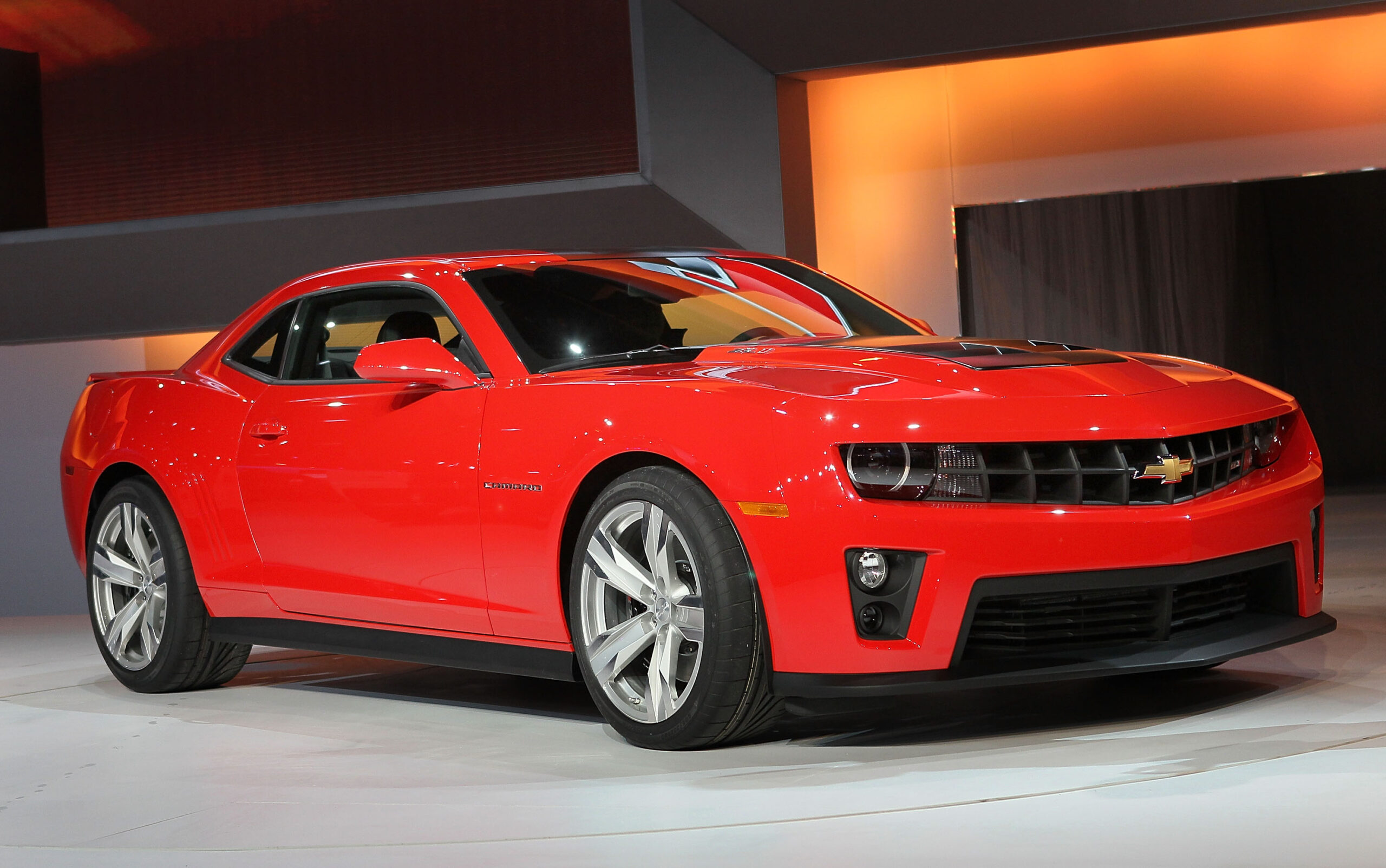
The Chevrolet Camaro ZL1 ranks among the most powerful American muscle cars ever produced. Its supercharged engine delivers immense power capable of turning even the slightest acceleration into an extreme experience. However, this raw mechanical power has also contributed to several serious accidents, particularly among young drivers drawn to its performance. The rear-wheel drive and massive torque require excellent control of the vehicle, especially on wet roads.
Despite modern electronic systems, many owners still underestimate the Camaro’s impressive capabilities. Its aggressive design and intimidating sound also reinforce its reputation as a dangerous car. Yet it remains extremely popular among fans of American performance, perfectly embodying the spirit of modern muscle cars designed to deliver speed, power, and thrills without major compromises.
Mercury Cougar XR-7
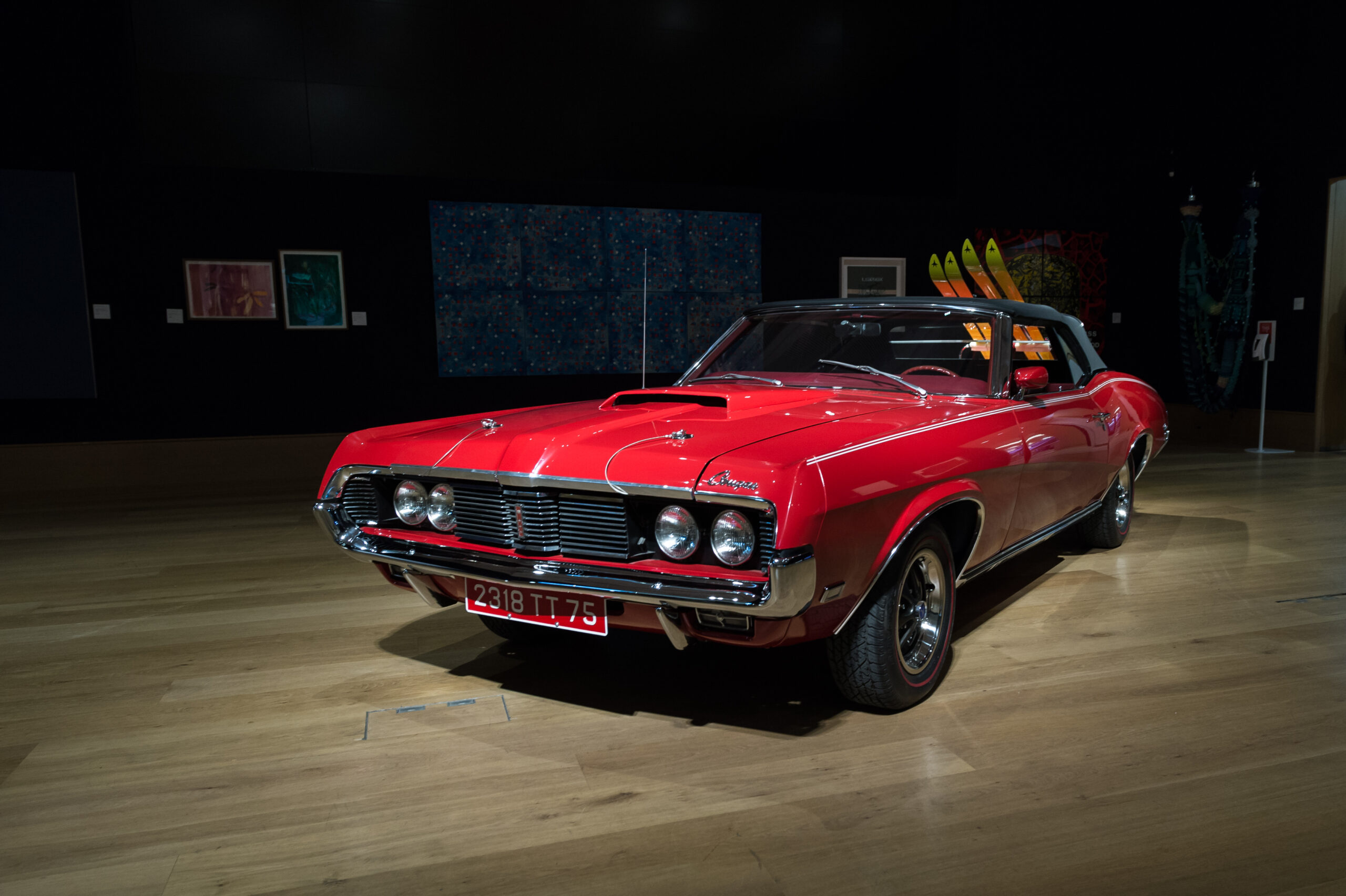
The Mercury Cougar XR-7 was a more luxurious and powerful version of the famous Cougar produced by Mercury through Ford Heritage. In the 1960s and 1970s, several XR-7 models were equipped with large V8 engines capable of delivering impressive acceleration for the time. However, this significant power often exceeded the capabilities of the tires, suspensions, and brakes available at that time. The car could easily lose traction during sudden acceleration or in fast corners.
Like many classic American muscle cars, it had neither traction control nor modern electronic driver-assistance systems. Its heavy weight and rear-wheel drive also made driving in rainy conditions particularly risky. Despite this, the Cougar XR-7 remains a beloved icon among fans of classic American cars today.
Lincoln Continental
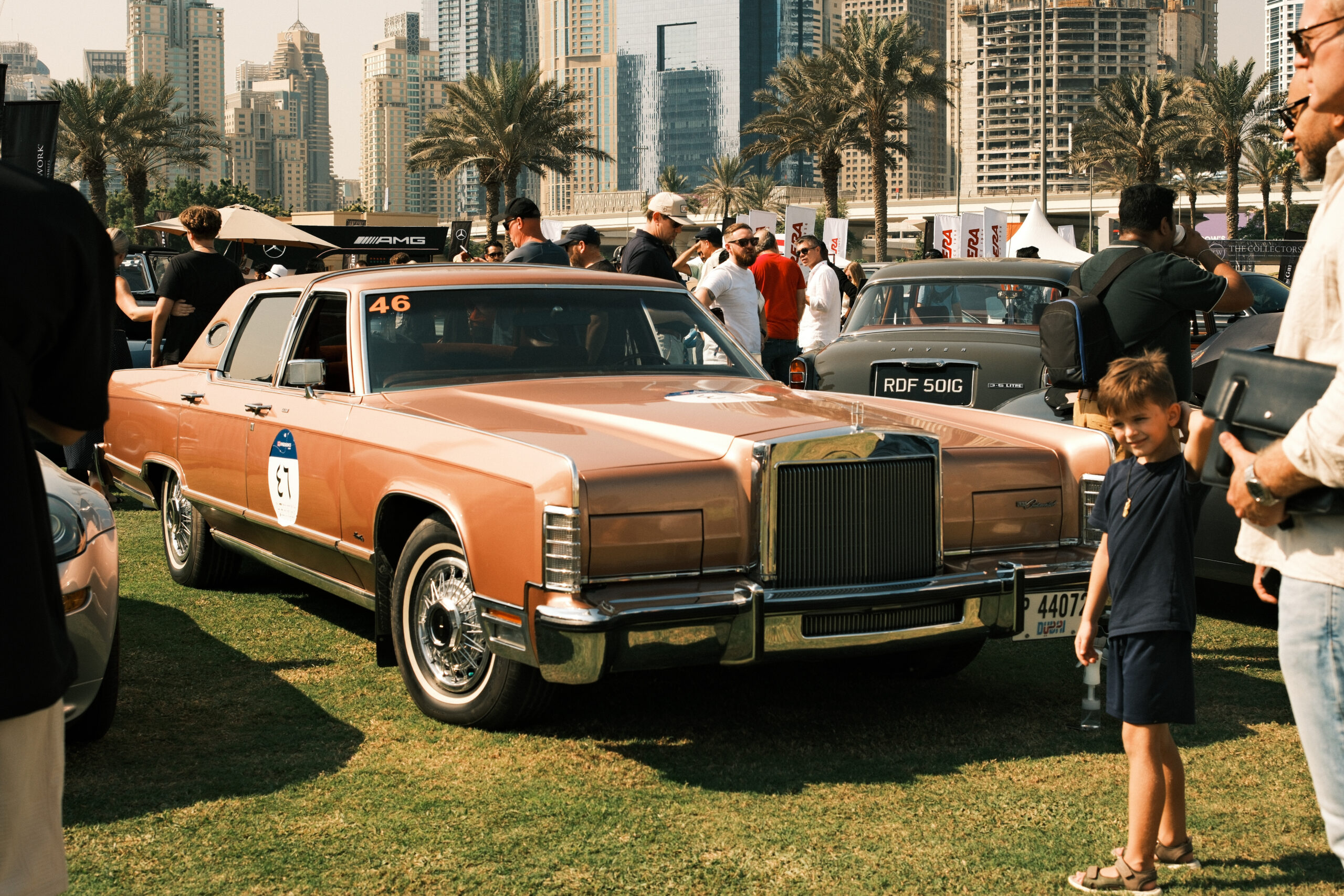
The Lincoln Continental became famous as one of the most luxurious American sedans of its time, but many older models also posed significant safety risks. Built by Lincoln, it focused primarily on comfort, power, and imposing size rather than agility or modern safety features. Its considerable weight increased braking distances, especially at high speeds.
The soft suspension improved comfort but sometimes reduced stability in tight turns or during sudden changes in direction. Older models lacked electronic stability control and advanced crash protection systems. Its large body also limited visibility around the vehicle. Despite these flaws, the Continental remains a prestigious icon of classic American automobiles and traditional luxury.
Pontiac Fiero
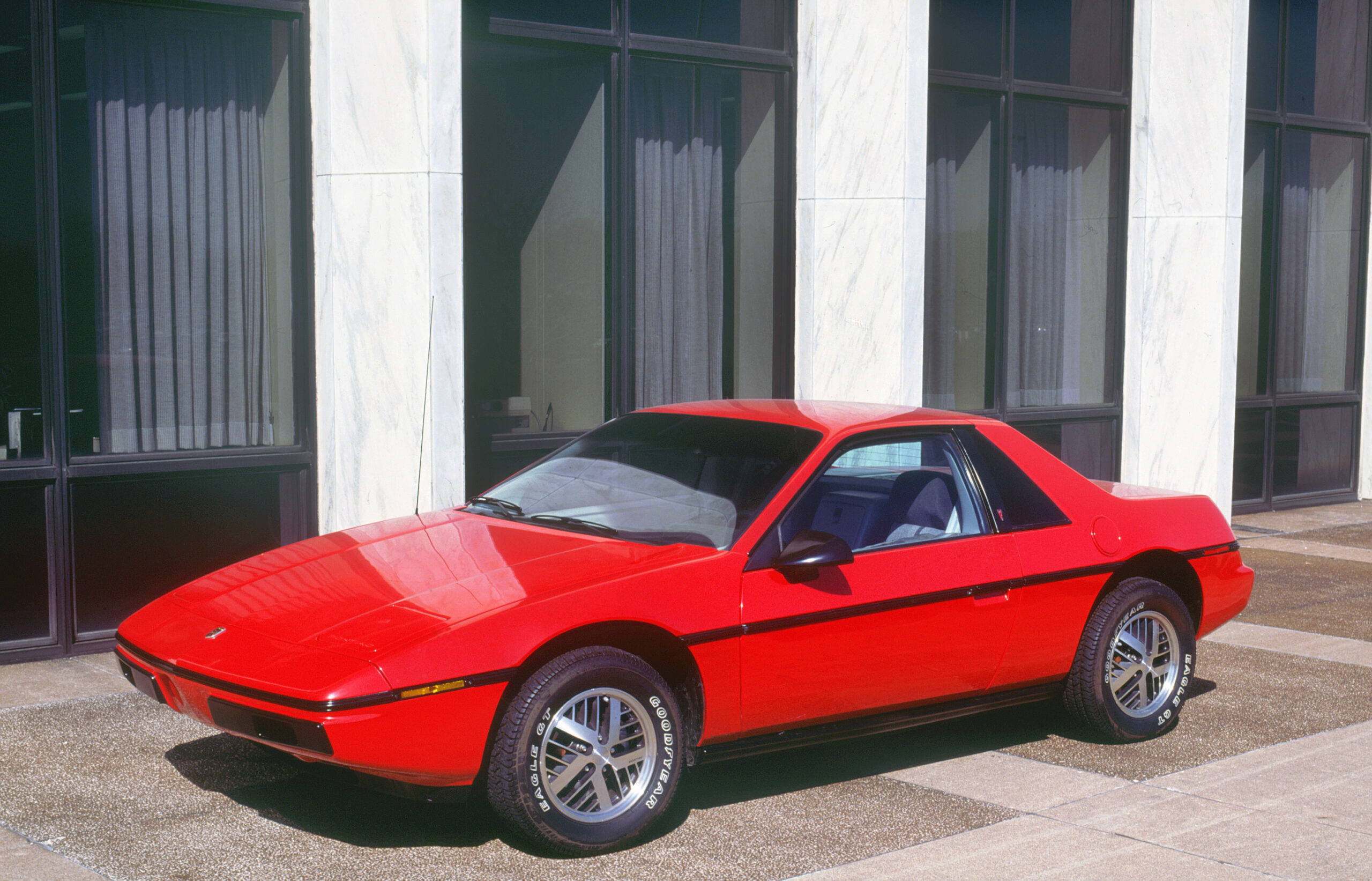
The Pontiac Fiero was launched by Pontiac through General Motors Heritage as a small, economical mid-engine sports car. Despite its promising concept, the early versions suffered from serious mechanical issues. Some engines were prone to overheating, which could lead to fires, resulting in several major recalls in the United States. This situation severely damaged the model’s reputation, even though subsequent generations were improved.
The Fiero also had handling that was sometimes unpredictable for drivers unaccustomed to mid-engine cars. Despite these flaws, it retained a loyal following of enthusiasts thanks to its futuristic design and unique character. Today, the Pontiac Fiero remains an American cult car often associated with mechanical risks and General Motors’ unfulfilled ambitions.
Ford Pinto
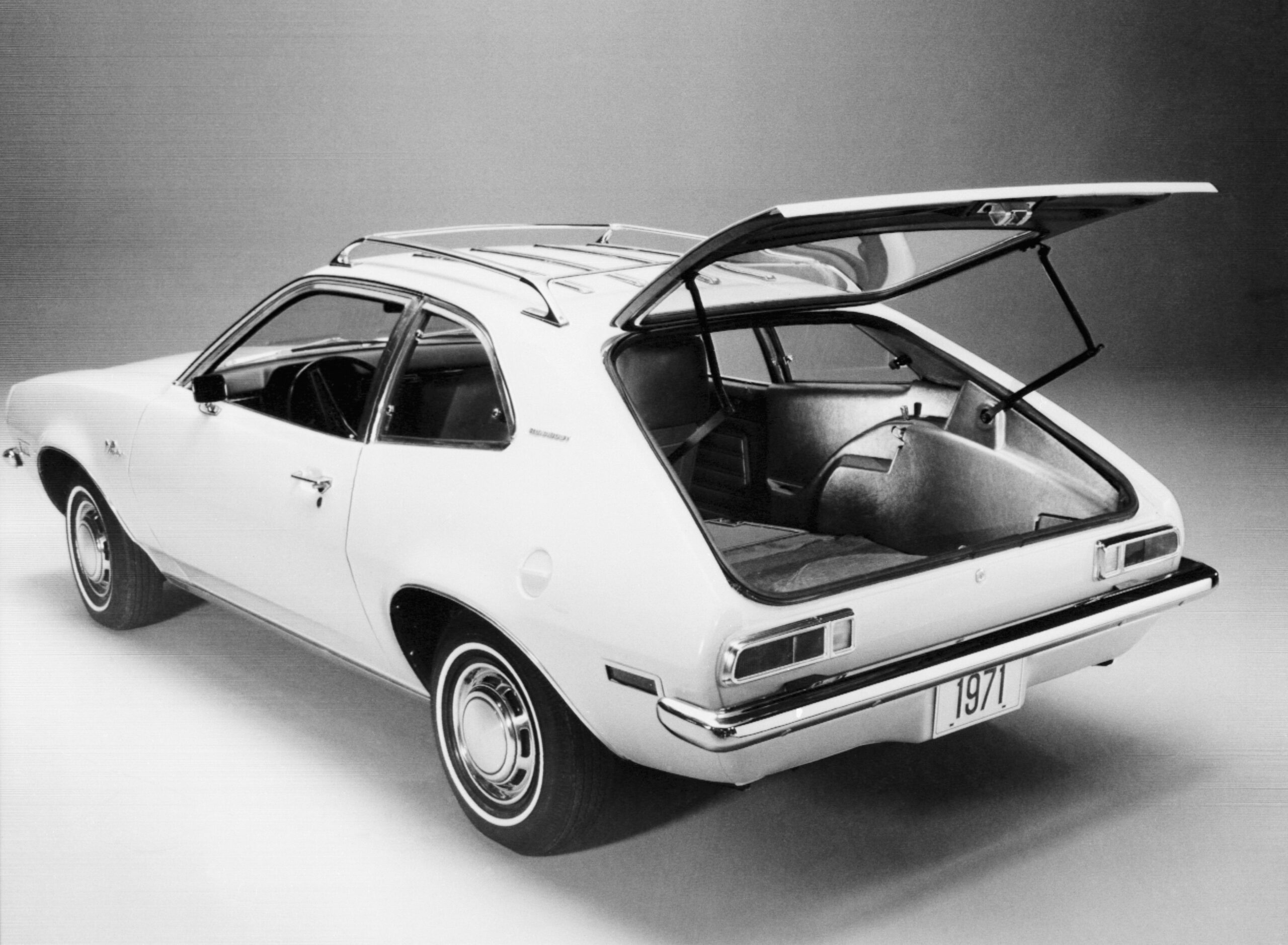
The Ford Pinto became one of the most iconic symbols of automotive safety issues in America. Launched in the 1970s to compete with imported compact cars, it was economical and popular, but its poorly positioned gas tank posed a serious danger in rear-end collisions. Several accidents resulted in fatal fires, sparking a massive media and legal scandal.
Internal documents revealed that Ford Motor Company had investigated the problem before deciding that a recall would be too costly. This controversy tarnished the model’s reputation and helped reshape American automotive safety standards. To this day, the Pinto remains a famous example of the dramatic consequences of design negligence in American automotive history.
Jeep CJ
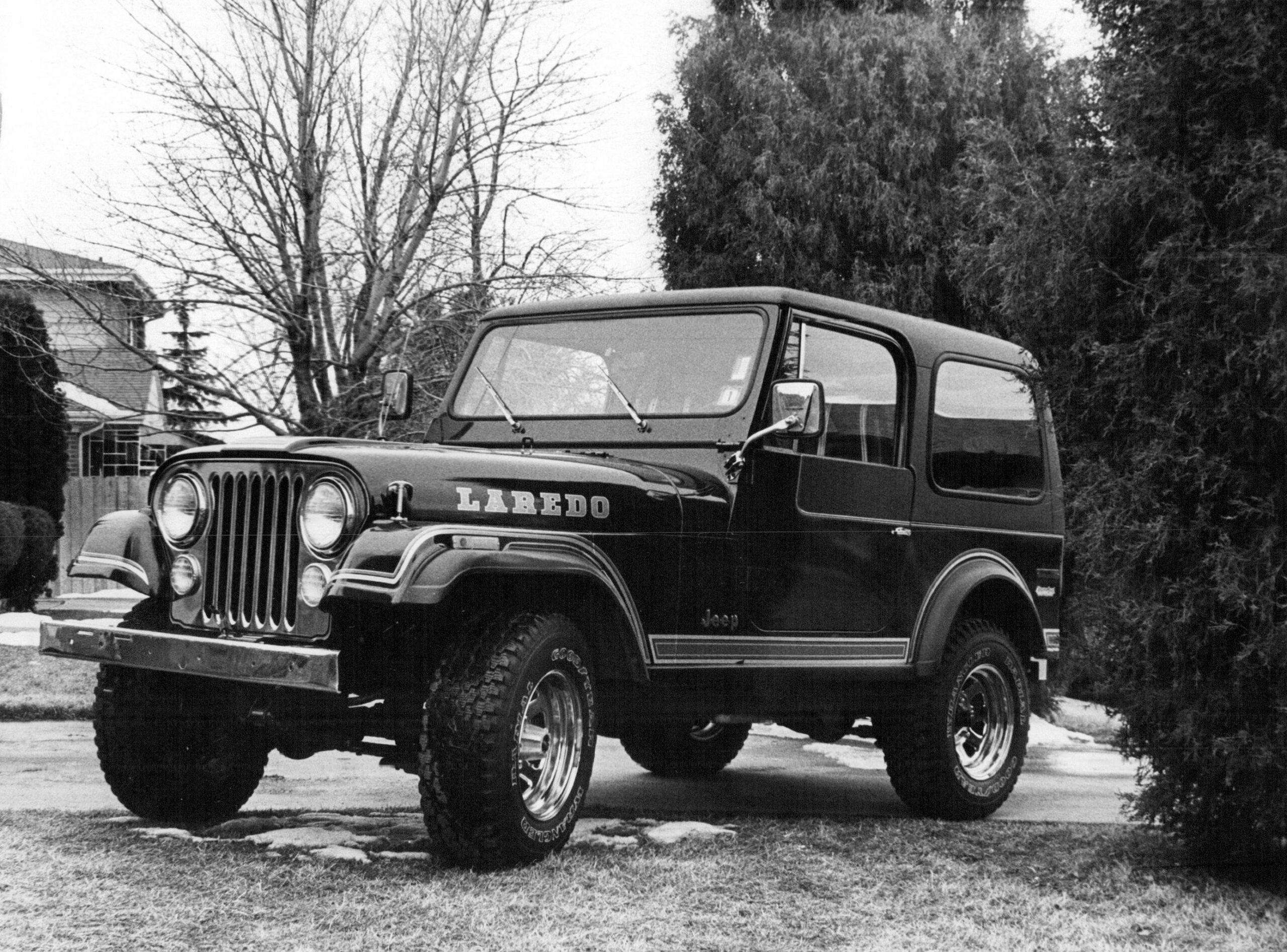
The Jeep CJ is recognized as one of the most iconic off-road vehicles in the United States, but also as one of the most controversial in terms of safety. Manufactured by several divisions, including Jeep, it had a high center of gravity that increased the risk of rollovers. During the 1970s and 1980s, several fatal accidents drew the attention of the media and road safety organizations.
Critics criticized the CJ for its limited stability during sudden maneuvers or at high speeds. Despite this, its ruggedness and exceptional off-road capabilities allowed it to retain immense popularity. The Jeep CJ remains a symbol of freedom and adventure today, even though its history underscores the crucial importance of stability in the design of American utility vehicles.
AMC Gremlin
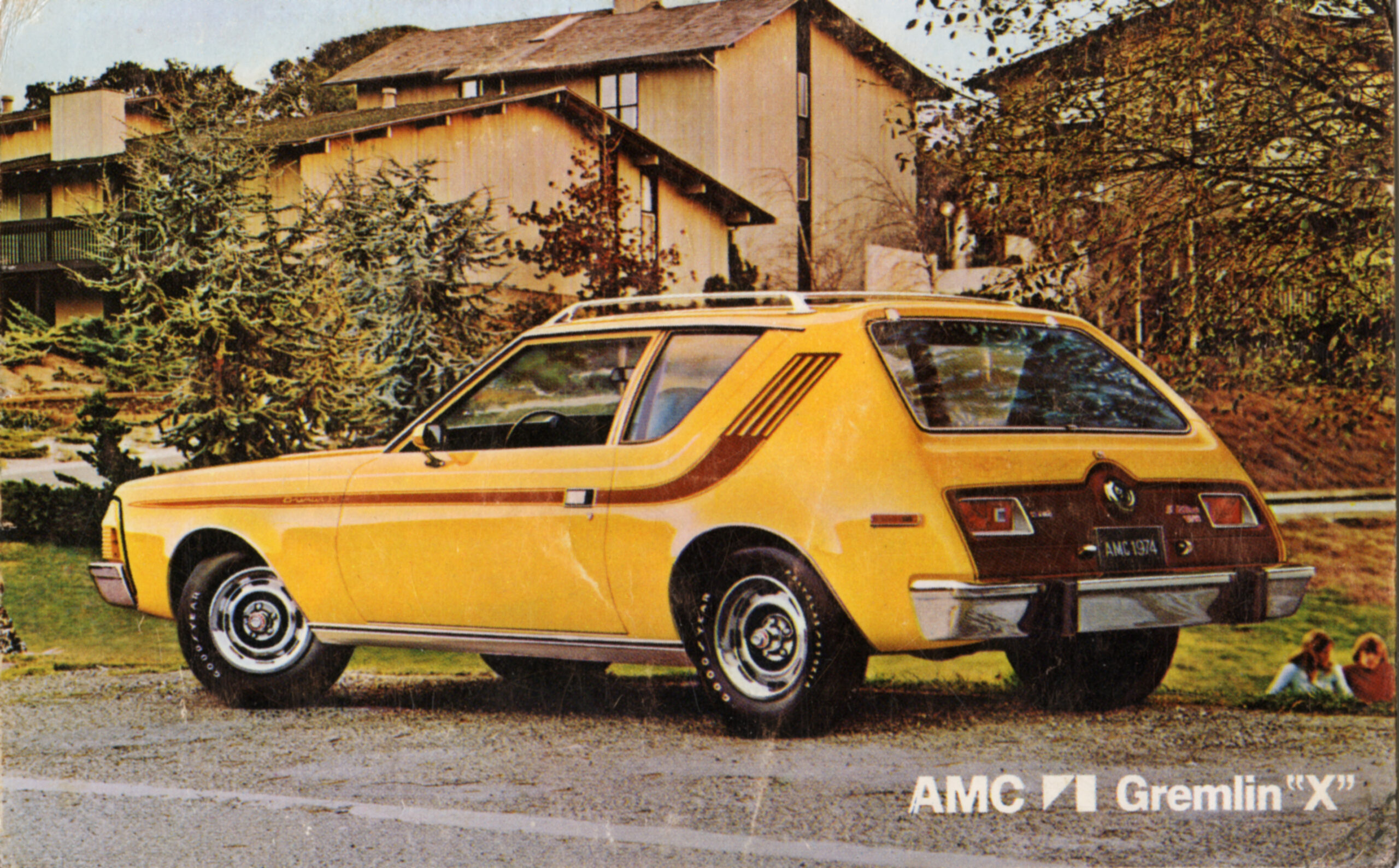
The AMC Gremlin is often cited as one of the most controversial American cars of its era. Produced in the 1970s by American Motors Corporation, it was designed to compete with low-cost imported compact cars. Despite its affordable price, many critics raised concerns about its safety, stability, and overall build quality. Its compact structure offered limited protection in major collisions, which worried many consumers.
The Gremlin also had handling that was sometimes unpredictable at high speeds. Although it has become a retro cultural icon in the United States, its reputation as an economical but unsafe car persists to this day. It perfectly exemplifies the sometimes risky compromises made by certain American automakers during the energy crisis of the 1970s.
Chevrolet Corvette C2
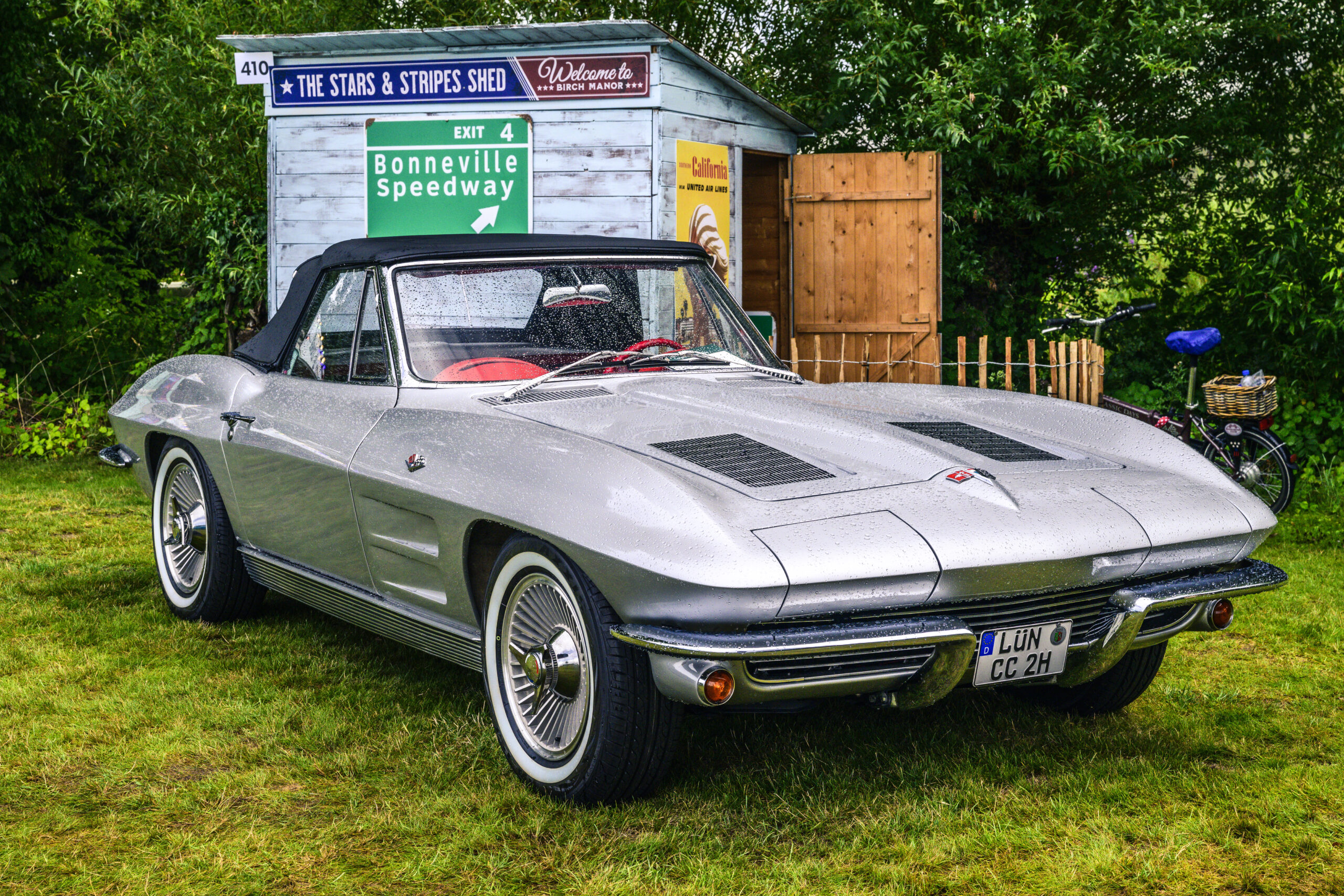
The Chevrolet Corvette C2, produced in the 1960s, represented a major breakthrough for American sports cars. Its spectacular design and powerful V8 engines allowed it to achieve impressive performance for its time. However, the suspensions, brakes, and tires available at that time were not always capable of effectively handling that power. Several accidents involved loss of control at high speeds, particularly on wet roads.
Despite these risks, the Corvette C2 became an absolute icon of American motoring. Enthusiasts still appreciate its aggressive styling and raw driving experience today. This generation perfectly symbolizes an era when American automakers often prioritized power over the modern safety and advanced driver-assistance technologies widely available today.
The 15 Deadliest American Cars in History
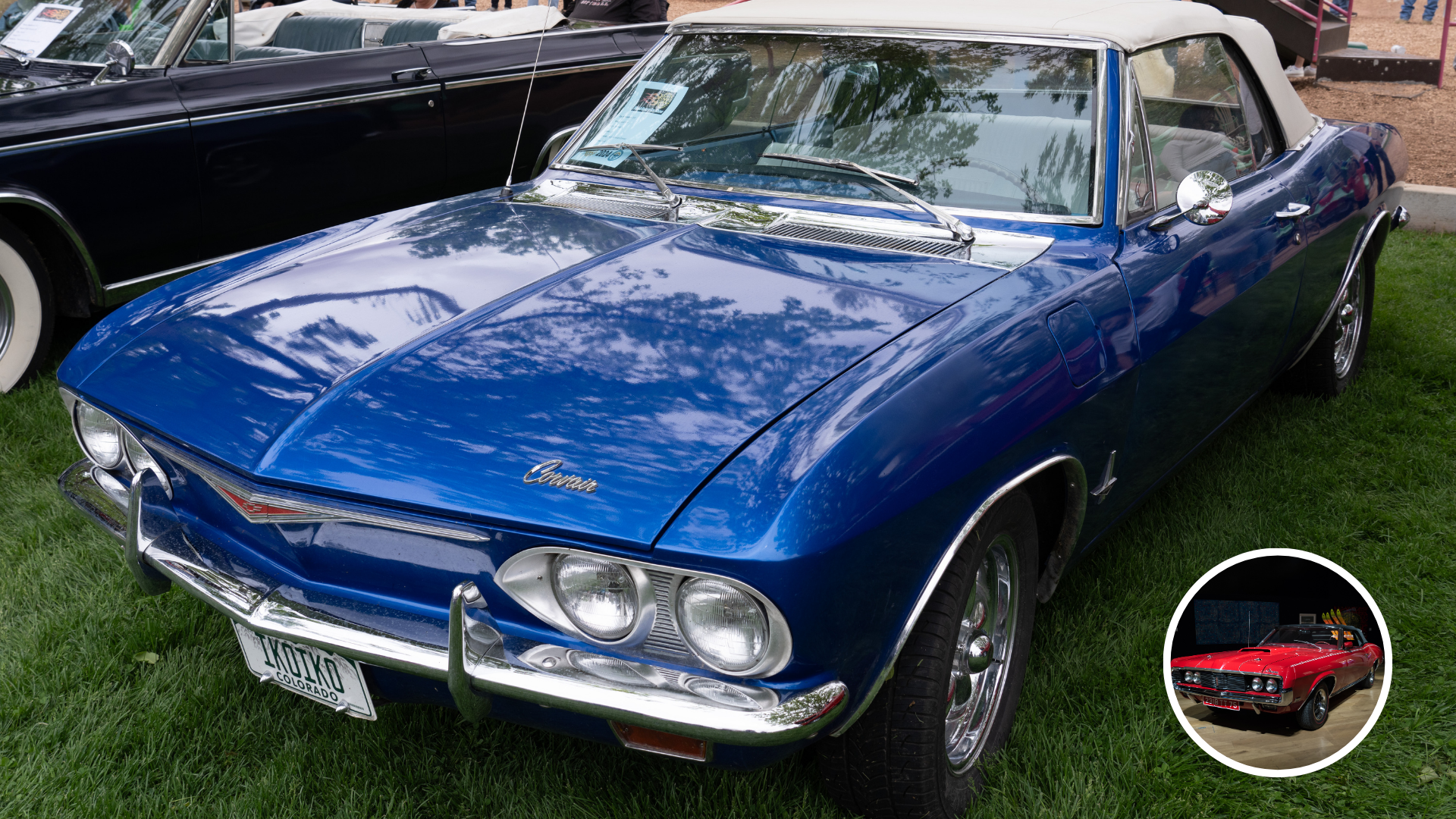
The most dangerous cars in history have often become famous as much for their extreme performance as for their serious safety flaws. Models like the Ford Pinto and the Chevrolet Corvair sparked major controversies due to their design. Other vehicles, including the Dodge Viper RT/10, the Shelby Cobra 427, and the Plymouth Hemi Cuda, were feared above all for their power, which was difficult to control without modern electronic aids.
Some American SUVs also suffered from a high risk of rollovers. Despite their dangers, many of these cars have become legendary thanks to their style, performance, and influence on automotive history. Today, they serve as a reminder of the vital importance of modern road safety standards.
Cadillac Eldorado
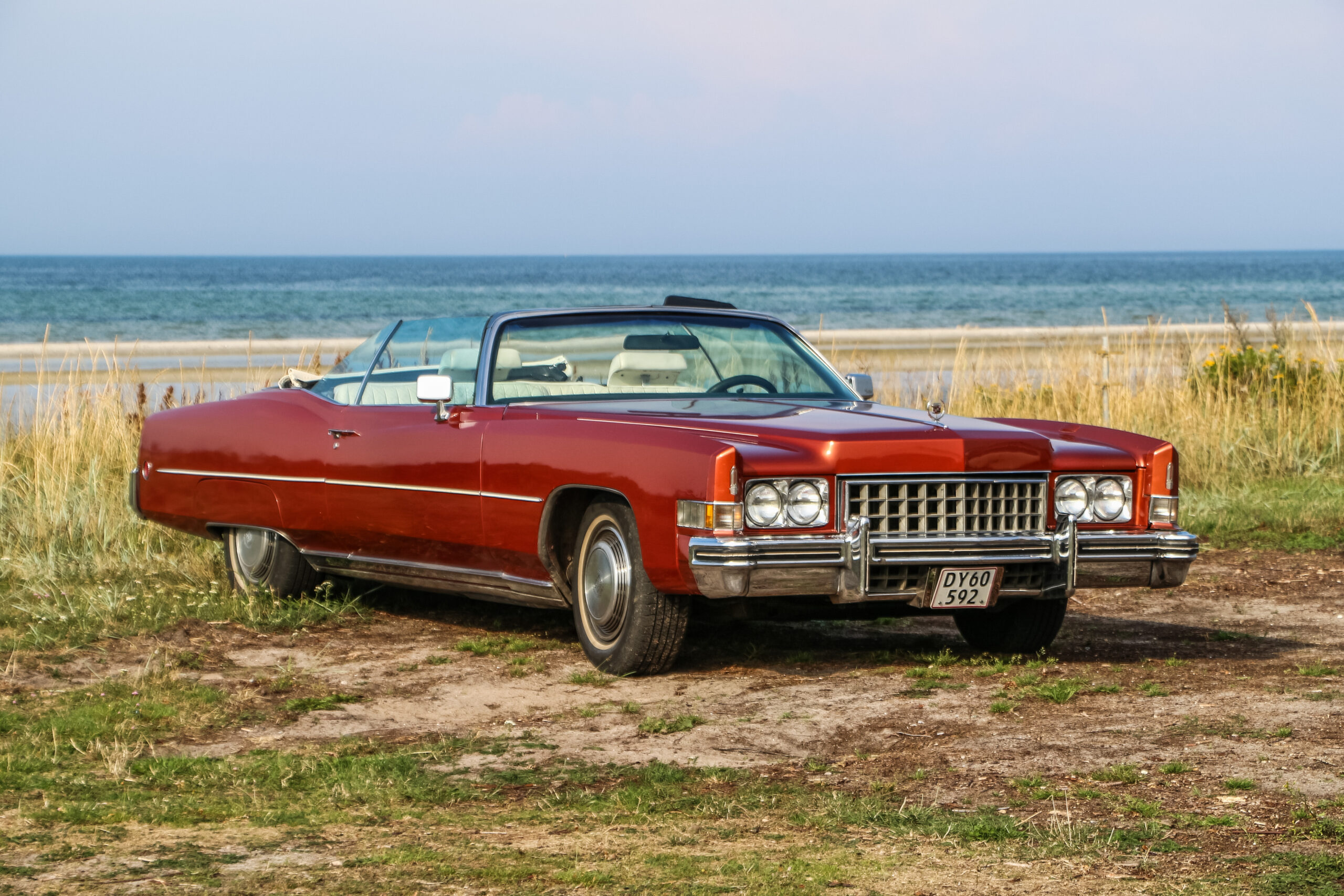
The Cadillac Eldorado was known for its massive size, heavy weight, and powerful V8 engines—impressive features, but ones that could sometimes be dangerous on the road. Manufactured by Cadillac, it prioritized comfort and power over handling and braking. Some models had very light steering and soft suspension, which reduced stability during sudden maneuvers at high speeds.
Its massive body also made emergency braking difficult and increased stopping distances. In the 1960s and 1970s, modern safety standards were still limited, which made accidents more severe despite the vehicle’s luxury. Today, the Eldorado remains an American icon, but also an example of the powerful cars built before the advent of modern safety technologies.
Ford Bronco II
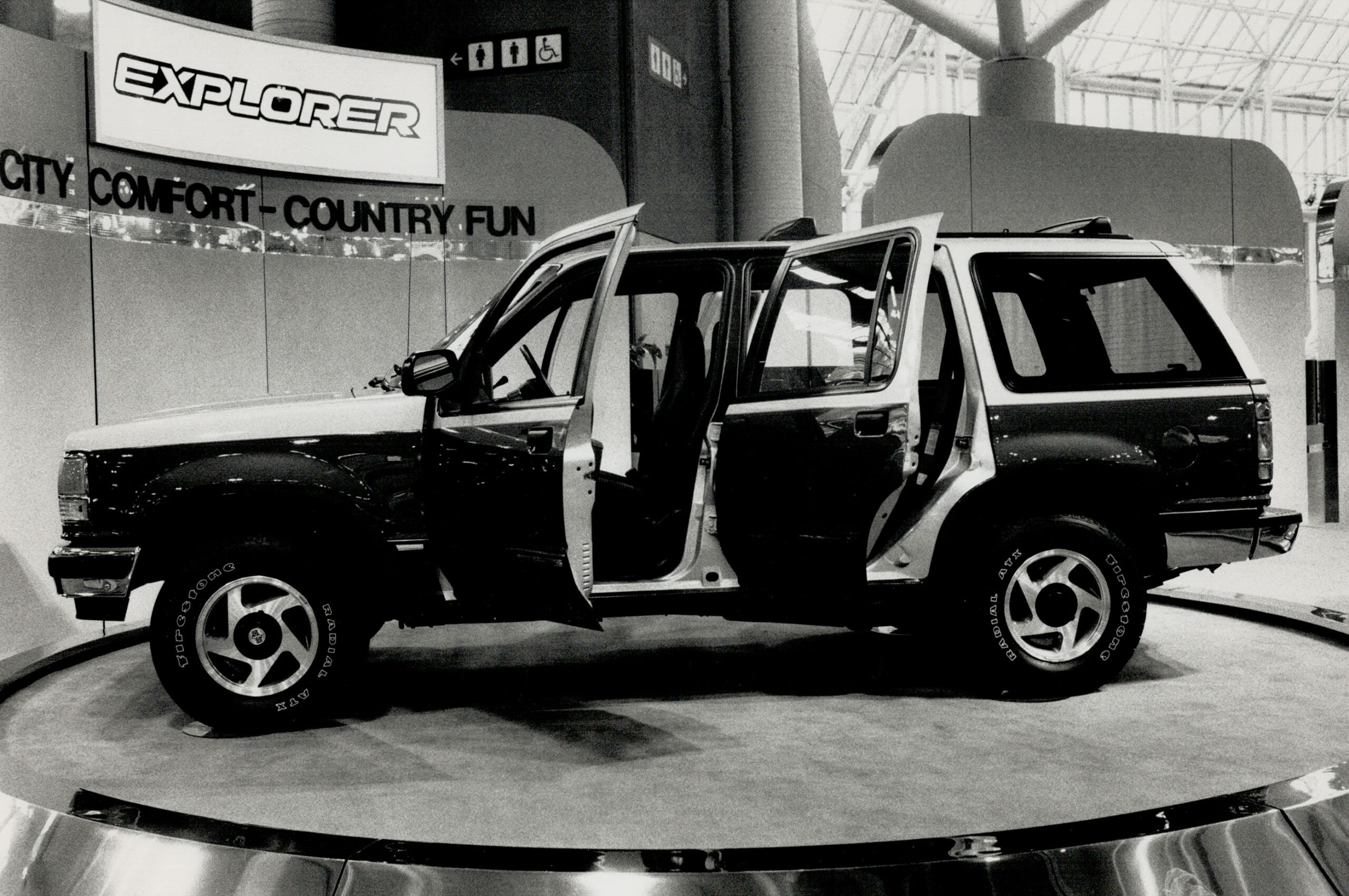
The Ford Bronco II became notorious for its numerous rollover accidents. Produced by the Ford Motor Company in the 1980s, this small SUV had a short wheelbase and a high center of gravity, which severely compromised its stability. Several studies and journalistic investigations linked the Bronco II to a high rate of fatal rollovers.
Critics accused Ford of prioritizing cost and design over safety. Despite the controversies, the vehicle remained popular thanks to its off-road capabilities and rugged appearance. The Bronco II scandal helped raise public awareness in the U.S. about the potential dangers of poorly balanced SUVs. Even today, it is often cited as one of the most controversial vehicles in modern North American automotive history.
Shelby Cobra 427

The Shelby Cobra 427 was one of the most feared American cars of its era. Thanks to the collaboration between Carroll Shelby and a powerful American V8 engine, this extremely lightweight car boasted a terrifying power-to-weight ratio. In the 1960s, very few vehicles could rival its explosive acceleration. However, its compact chassis and narrow tires made driving particularly challenging at high speeds.
Many drivers easily lost control, especially in the rain or during aggressive acceleration. Despite its danger, the Cobra 427 became an absolute icon of American performance. Its wild character and timeless style continue to fascinate collectors and enthusiasts of classic sports cars around the world to this day.