The rise of artificial intelligence will undoubtedly be the great technological revolution of the early 21st century. The dizzying progress being made, particularly in conversational engines, is generating a great deal of enthusiasm among specialists and individuals alike. Indeed, numerous applications are now possible in everyone’s daily life. Whether it’s to help you work, complete your daily tasks, study or play, AI is already everywhere. However, it can also have controversial uses, particularly when it comes to image rights and privacy. Here are 7 excellent uses for AI and 7 more controversial ones.
The rise of artificial intelligence will undoubtedly be the great technological revolution of the early 21st century. The dizzying progress being made, particularly in conversational engines, is generating a great deal of enthusiasm among specialists and individuals alike. Indeed, numerous applications are now possible in everyone's daily life. Whether it's to help you work, complete your daily tasks, study or play, AI is already everywhere. However, it can also have controversial uses, particularly when it comes to image rights and privacy. Here are 7 excellent uses for AI and 7 more controversial ones.
1 . Voice assistants: AI friends for everyday life
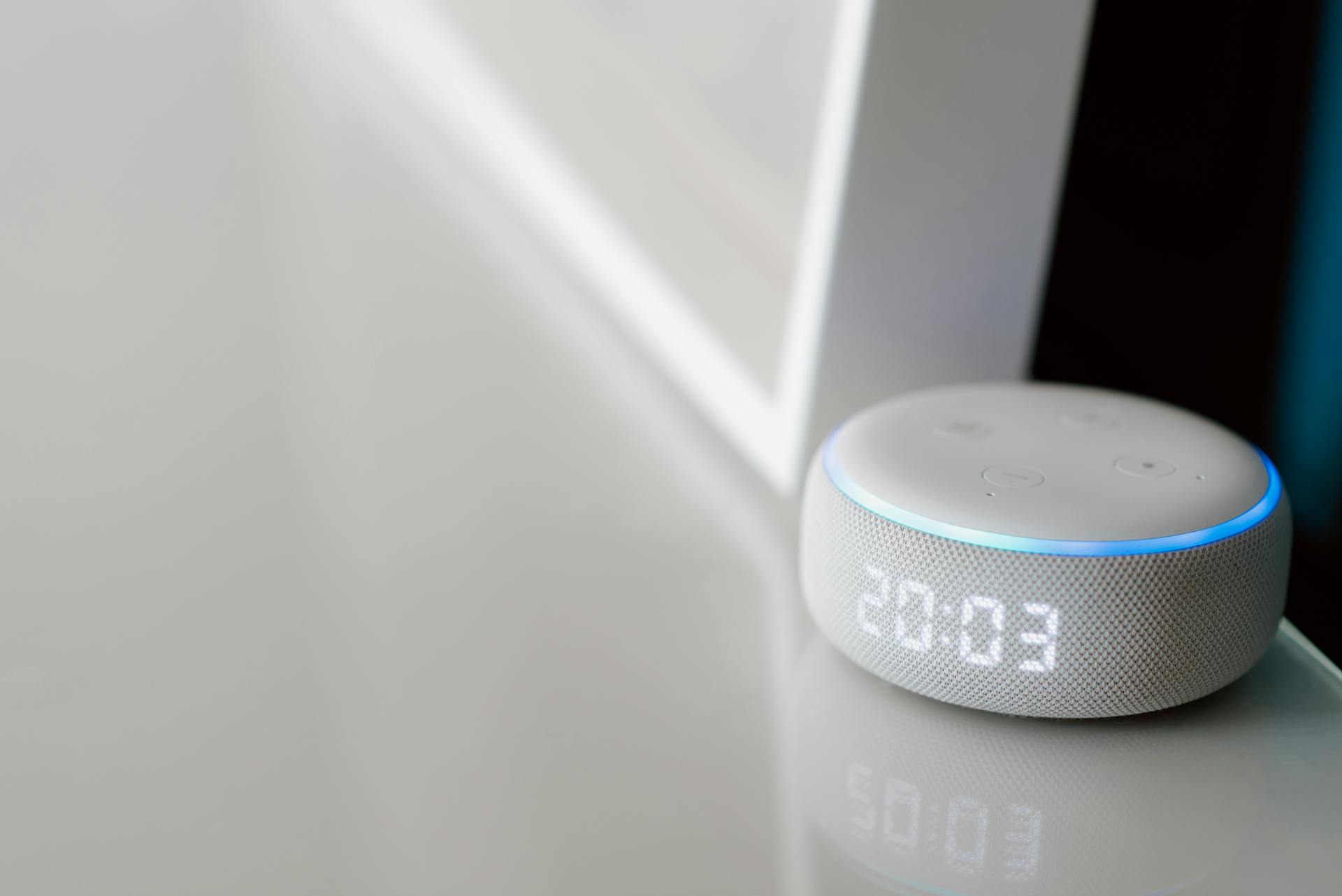
Voice assistants first appeared many years ago, but recently they've become frighteningly effective, thanks to advances in AI. Siri and Alexa, to name the best-known, enable individuals to organize their daily lives more easily, perform quick searches with their voice, order food or book a cab or flight.
2 . Instant pocket translators
Who hasn't dreamed of having an instant interpreter when traveling away from home? Today, this dream is accessible to all, as countless AI-powered applications and devices enable instant translation of any language. What's more, these tools can translate text taken from photographs as well as sentences and words spoken in person.
3 . A more personalized cultural offering

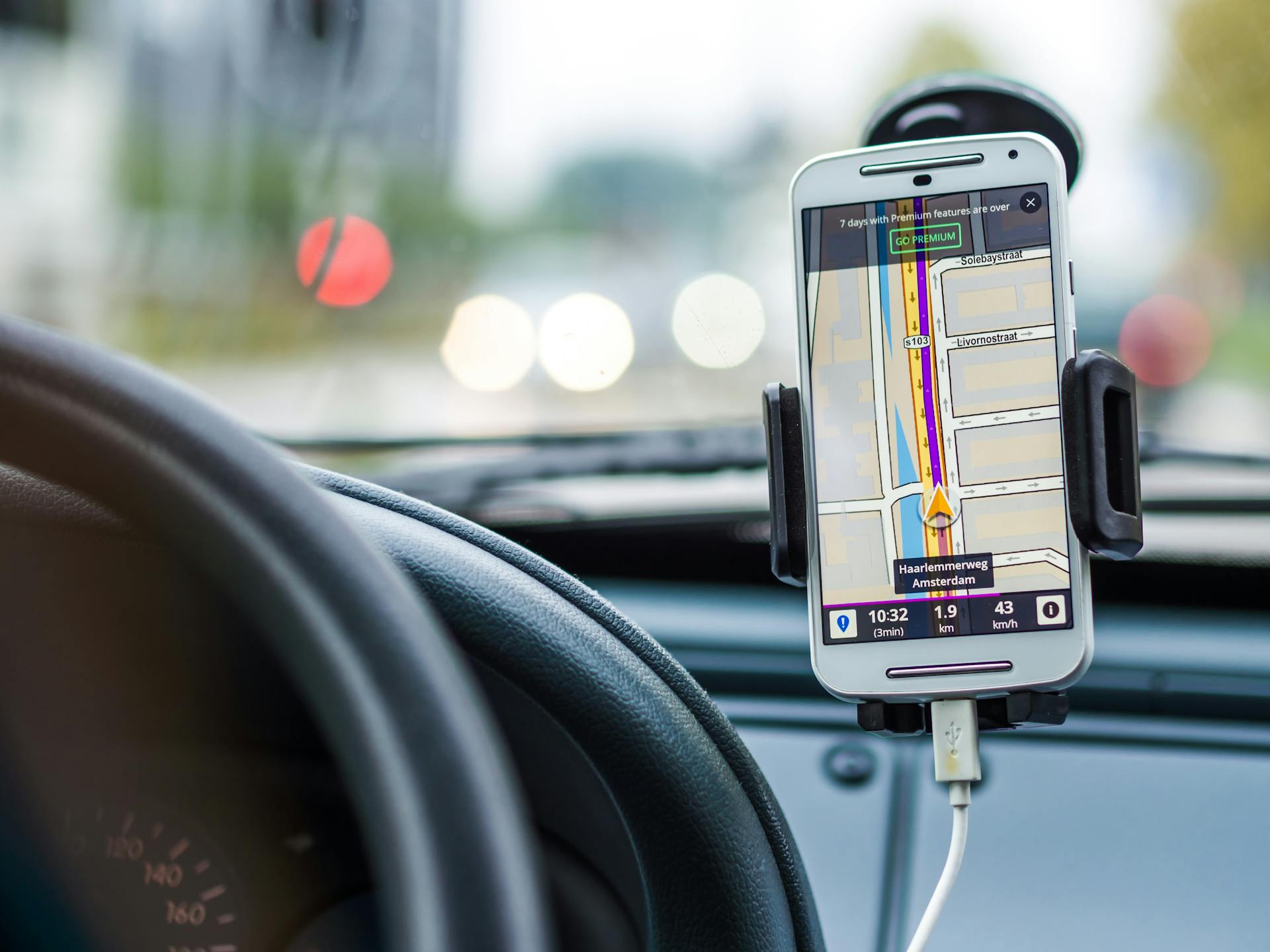
4 . Safer, faster journeys
5 . Helping to develop medicine

AI also has numerous applications in the healthcare sector. It enables faster, more accurate diagnosis of diseases, thanks in particular to high-performance analysis of medical imaging images. AI can also help doctors to analyze symptoms and test results more quickly.
6 . Enhanced security with facial recognition

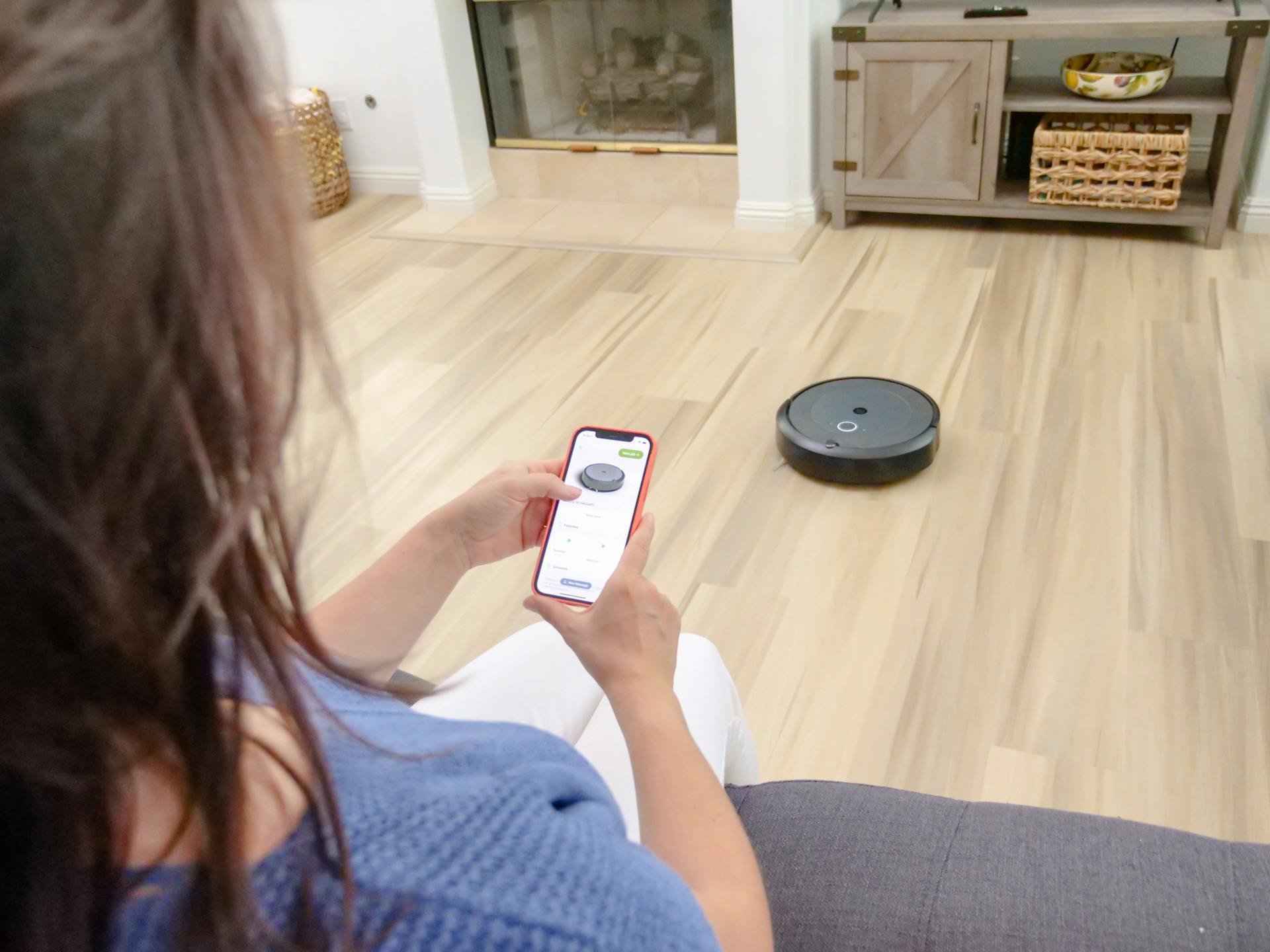
7 . Smarter domestic robots
8 . A mass surveillance tool

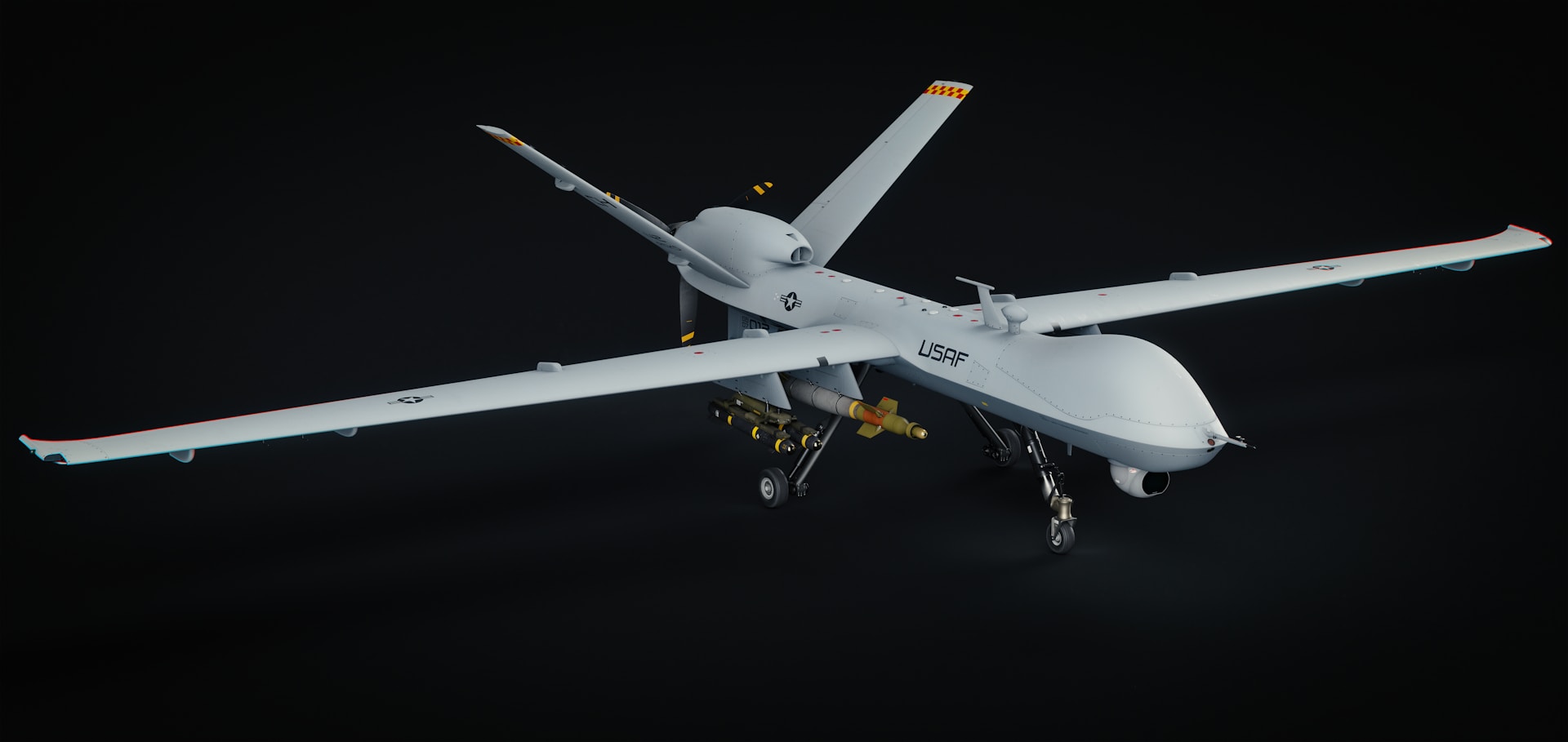
Artificial intelligence is also being criticized by defenders of rights and freedoms, as it can be (and in some countries already is) used as a tool for mass surveillance. Drones, facial-recognition cameras and surveillance software are all threats to individual privacy and rights.
9 . Deep fakes on the rise
10 . The dangers of AI data processing
11 . Abuses during recruitment

Other companies use artificial intelligence to manage their recruitment processes. Applicants' CVs are scanned, analyzed, sorted and ranked by AI. This removes the human element from the recruitment process, to the detriment of both candidates and companies, who may be deprived of skilled employees who have been unfairly passed over.
12 . Pupils and students graded by AI

13 . The risk of autonomous weapons
14 . Excesses in the commercial exploitation of AI
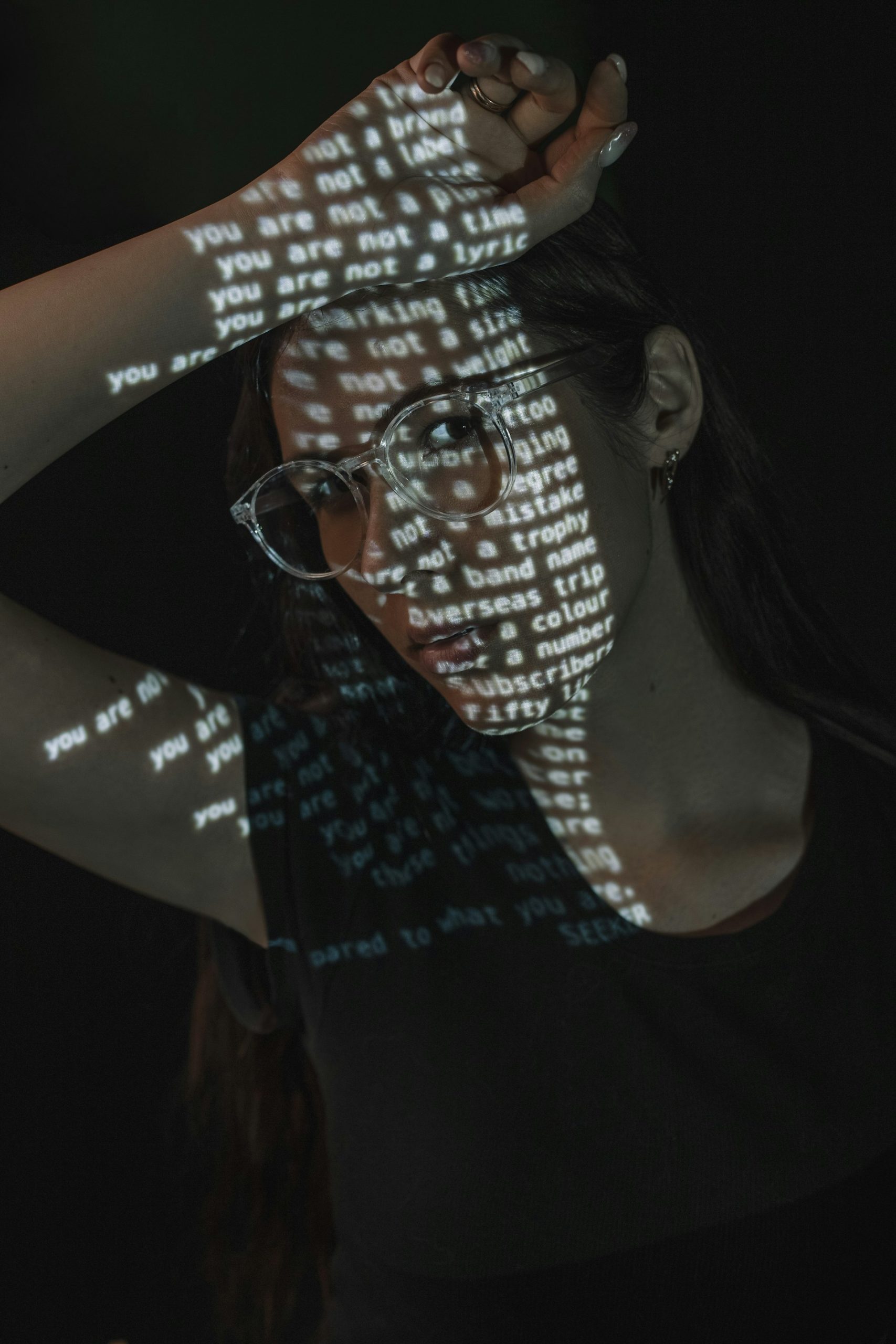
More and more companies are using AI to refine their advertising targeting by extracting and analyzing data from individuals. This information often falls within the realm of privacy and can be highly intimate, which makes this practice particularly worrying, especially as it is used by very powerful international groups.