The 7 Greatest Inventions and 7 That Fell by the Wayside
All inventions cause the world to react in one way or another. In many cases, discoveries push the boundaries of human output and unlock unforeseen possibilities for the species. Of course, for every ultra-successful invention that has a profound impact on humanity, several novel ideas come and go without leaving a lasting mark. These misfit inventions still have cool things to teach us, but sometimes it just makes sense to move on to a better alternative that comes along.

All inventions cause the world to react in one way or another. In many cases, discoveries push the boundaries of human output and unlock unforeseen possibilities for the species.
Of course, for every ultra-successful invention that has a profound impact on humanity, several novel ideas come and go without leaving a lasting mark.
These misfit inventions still have cool things to teach us, but sometimes it just makes sense to move on to a better alternative that comes along.
Join us for a list of the top 7 inventions that made a lasting impact, and 7 that fell into obscurity as time moved forward.
1. Wheel

The wheel is so deeply embedded in daily life that we rarely pause to recognize how revolutionary it truly was. This simple circular invention dramatically expanded humanity’s ability to move, transport, and build, turning heavy labor into manageable effort.
From ancient carts to modern trucks, wheels have enabled trade, construction, and long‑distance travel, shaping the foundations of civilization. Today, they are everywhere once you start noticing the, on vehicles, machinery, luggage, office chairs, and even inside the mechanisms of our devices.
The world quite literally keeps turning because of this idea, making the wheel one of history’s most enduring and transformative inventions.
2. Electricity

Electricity has become so fundamental to modern life that it’s difficult to imagine any object or tool functioning without it. Yet its widespread adoption in the 19th century marked one of the most dramatic turning points in human history.
Electric power reshaped cities, illuminated homes, and enabled technologies that transformed communication, industry, and daily living. From the lightbulb to the device you’re using right now, nearly everything relies on this invisible force to operate.
Electricity didn’t just make tasks easie, it redefined what was possible, powering the innovations that continue to drive our world forward.
3. Transistor
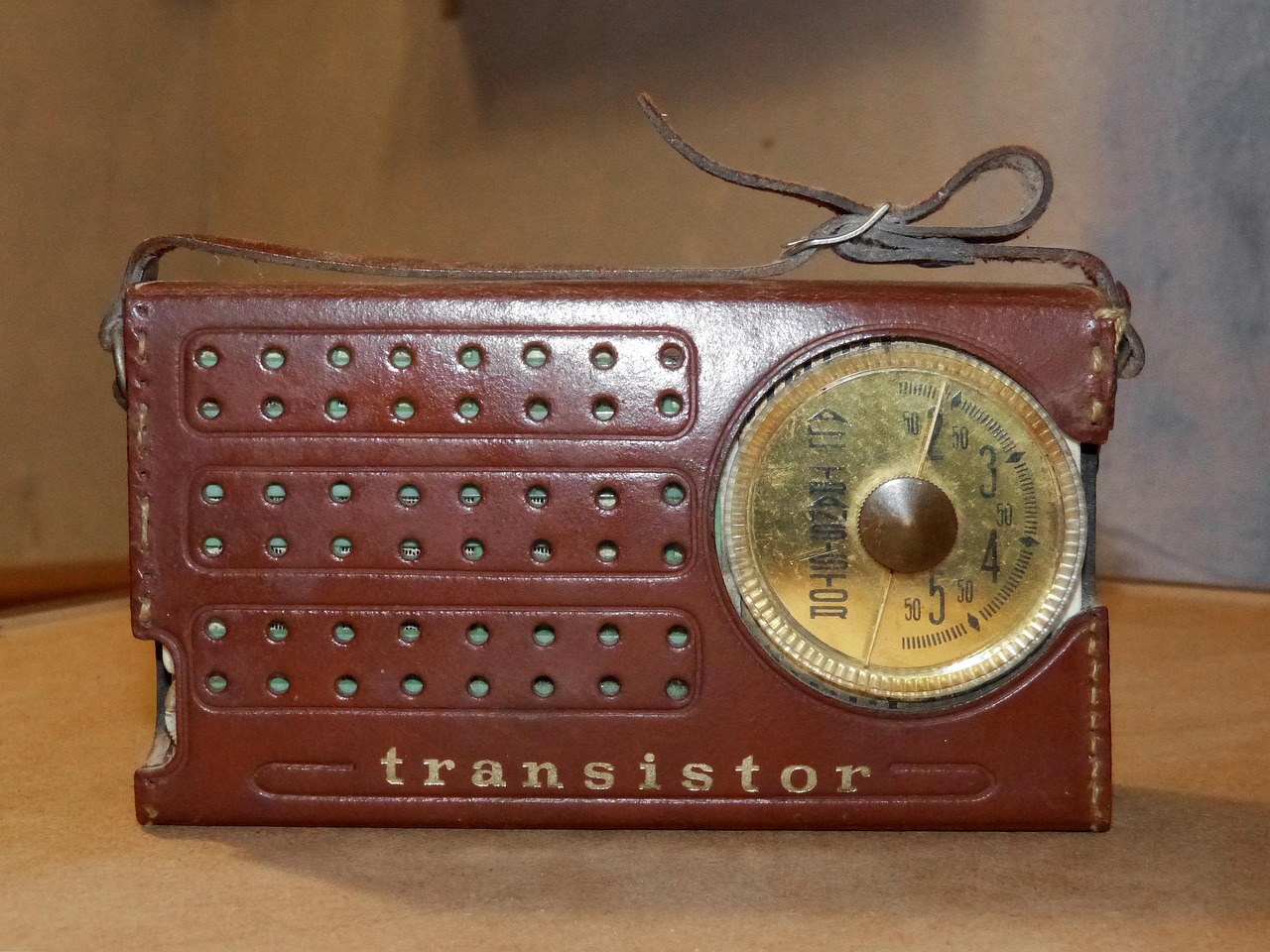
The 1947 invention of the transistor by John Bardeen, Walter Brattain, and William Shockley marked a turning point that reshaped the entire technological landscape.
By replacing bulky, fragile vacuum tubes with a tiny, efficient semiconductor device, the transistor unlocked unprecedented computing potential. It made machines faster, smaller, more reliable, and infinitely more scalable.
This breakthrough laid the foundation for integrated circuits, microprocessors, and ultimately the digital revolution. Every modern devic, from laptops to smartphone, traces its lineage back to this single innovation.
The transistor didn’t just improve technology; it transformed how we communicate, work, and live, making it one of history’s most influential inventions.
4. Fire

Fire stands as one of humanity’s most transformative discoveries, a force that reshaped survival, culture, and technology. Its controlled use allowed early societies to cook food, stay warm, and protect themselves, laying the groundwork for healthier, more stable communities.
Over time, fire became the driving power behind metalworking, engines, and countless industrial processes that built the modern world. Though inherently dangerous when left unchecked, its mastery unlocked extraordinary progress.
Every heating system, combustion engine, and powered tool traces its origins back to this elemental breakthrough. Fire remains a reminder that even the most powerful forces can elevate civilization when guided with intention.
5. Penicillin
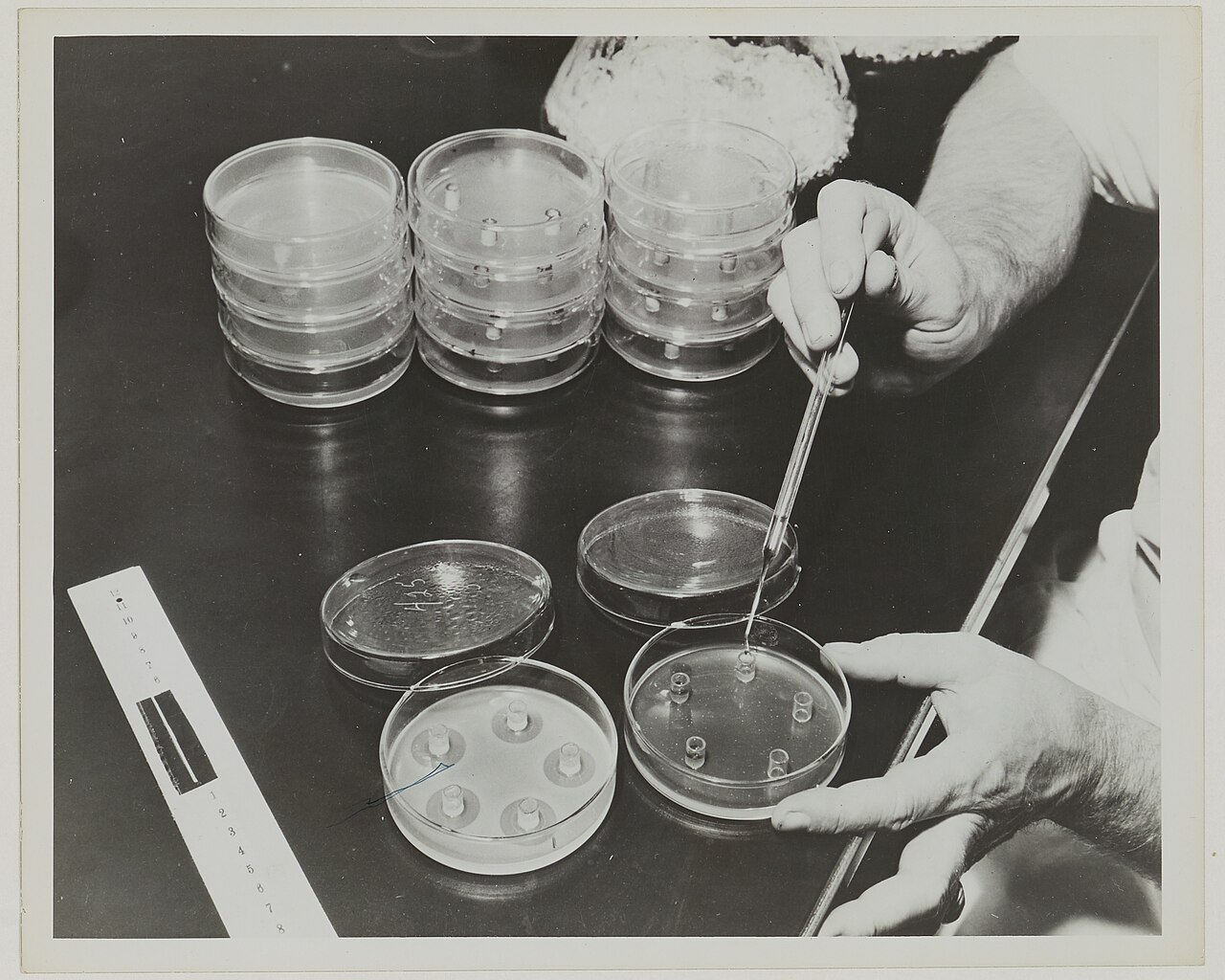
Alexander Fleming’s discovery of penicillin marked one of the most important breakthroughs in medical history.
When he observed that a strain of green mold, Penicillium notatum, could stop the growth of harmful bacteria, he opened the door to a new era in the treatment of infectious diseases.
Many of these bacteria were responsible for illnesses that once caused widespread suffering and death. Penicillin transformed medicine by offering a reliable way to fight infections, save wounded soldiers, and prevent countless complications.
Its impact is measured in millions of lives preserved, making it a discovery that fundamentally reshaped human health.
6. Optical Lenses

Optical lenses shape an enormous portion of modern life, quietly powering tools that help us see, explore, and understand the world.
Millions of people rely on glasses and contact lenses every day, while photographers depend on precision‑crafted optics to capture everything from family moments to scientific phenomena.
Lenses also sit at the heart of microscopes, enabling researchers to study cells, bacteria, and the building blocks of life.
And with the invention of the telescope, this same technology allowed humanity to look outward for the first time, revealing the vast scale of the universe. Few inventions have expanded human visio, literally and figurativel,as profoundly as optical lenses.
7. The Printing Press
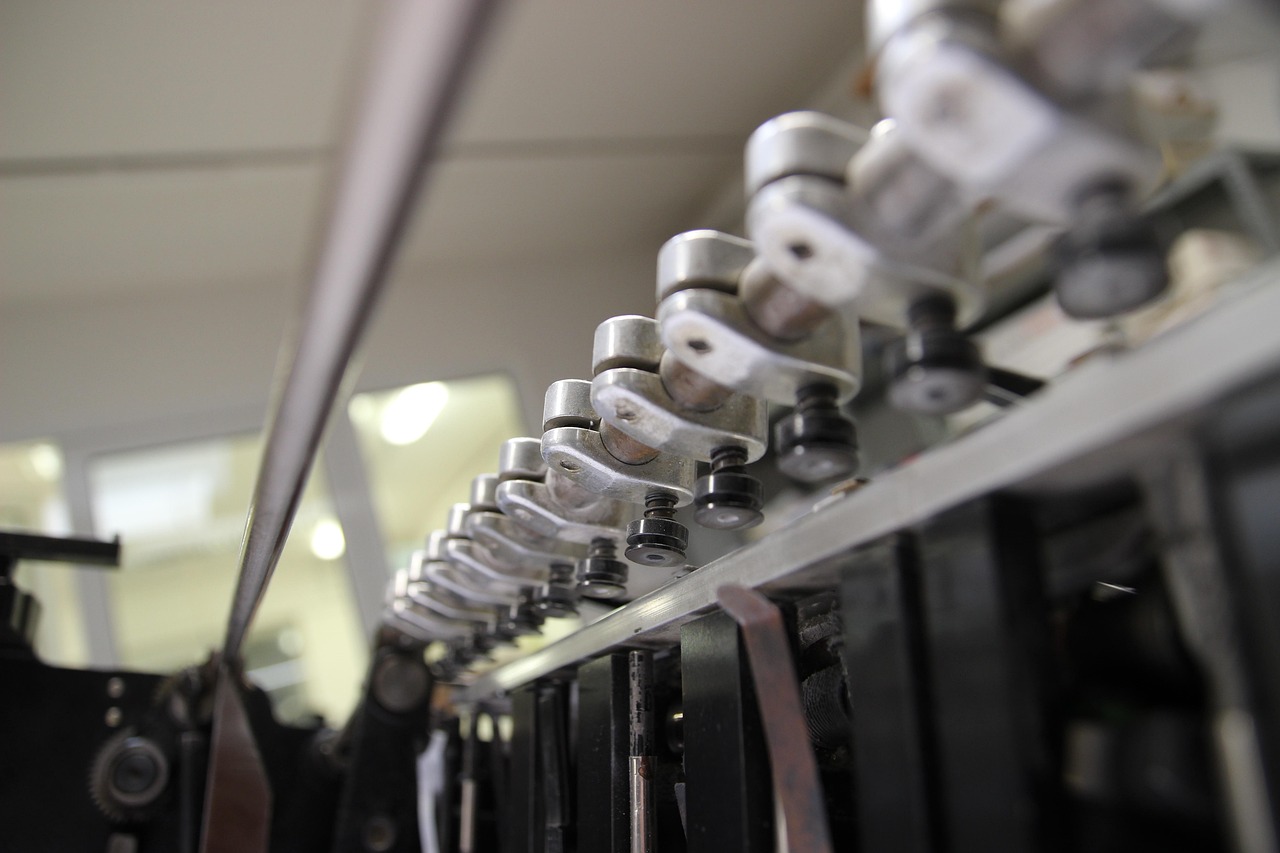
The printing press, developed by Johannes Gutenberg around 1450, revolutionized the way ideas could be shared and preserved.
By enabling the mass production of books and pamphlets, it broke the limitations of hand‑copied manuscripts and made knowledge accessible to far more people.
This shift accelerated literacy, fueled scientific progress, and helped spread philosophical and political movements that shaped the modern world.
With the press, eternal truths, groundbreaking discoveries, and unforgettable stories could finally be recorded accurately and distributed widely.
Its impact still echoes today, forming the foundation of how information is communicated, stored, and transmitted across generations.
8. Phone Books

Phone books were once an essential tool in everyday life, serving as a centralized directory for anyone who needed to make a call. Before smartphones and online profiles, you had to know a person’s numbe, or look it up among thousands of printed listings.
These hefty books connected entire communities, helping people find local businesses, services, and personal contacts with ease. As digital communication took over, phone books quickly became obsolete, replaced by search engines, contact apps, and social media platforms.
Today, they stand as a reminder of a time when information wasn’t instantly accessible, and staying connected required a bit more effort.
9. Car Phone Antenna

Car phones and their antennas became iconic symbols of status and mobility in the 1980s, a time when cellular technology was still in its infancy.
Maintaining a reliable connection was difficult and expensive, largely because network coverage was limited and signal strength varied dramatically outside major urban areas.
External antennas mounted on cars helped boost reception, allowing drivers to place calls while on the road, something that felt futuristic and exclusive.
Although these antennas quickly disappeared as mobile networks improved and handheld phones became mainstream, they capture a fascinating moment when wireless communication was just beginning to reshape everyday life.
10. Adding Machines
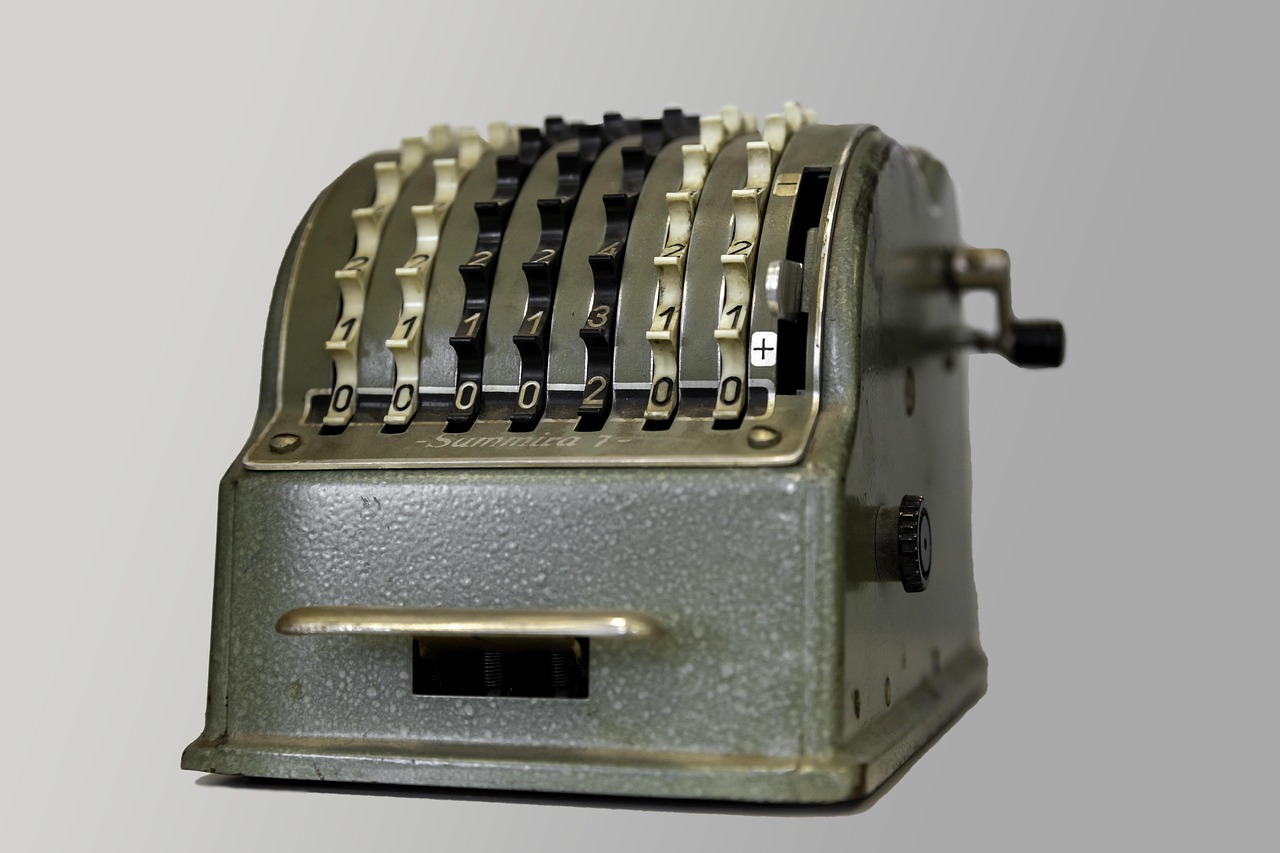
Adding machines dominated offices for nearly a century, offering a mechanical way to perform calculations that would have been slow and error‑prone by hand.
Their clacking keys and rolling paper tapes became the soundtrack of bookkeeping, accounting, and early business administration. But despite their reliability, these machines were bulky, limited in function, and far slower than what later technologies could achieve.
The arrival of portable electronic calculators and eventually personal computers, rendered them obsolete almost overnight.
What once felt essential is now a relic of a transitional era in computation, illustrating how quickly innovation can reshape even the most established tools.
11. Punch Card Data Storage
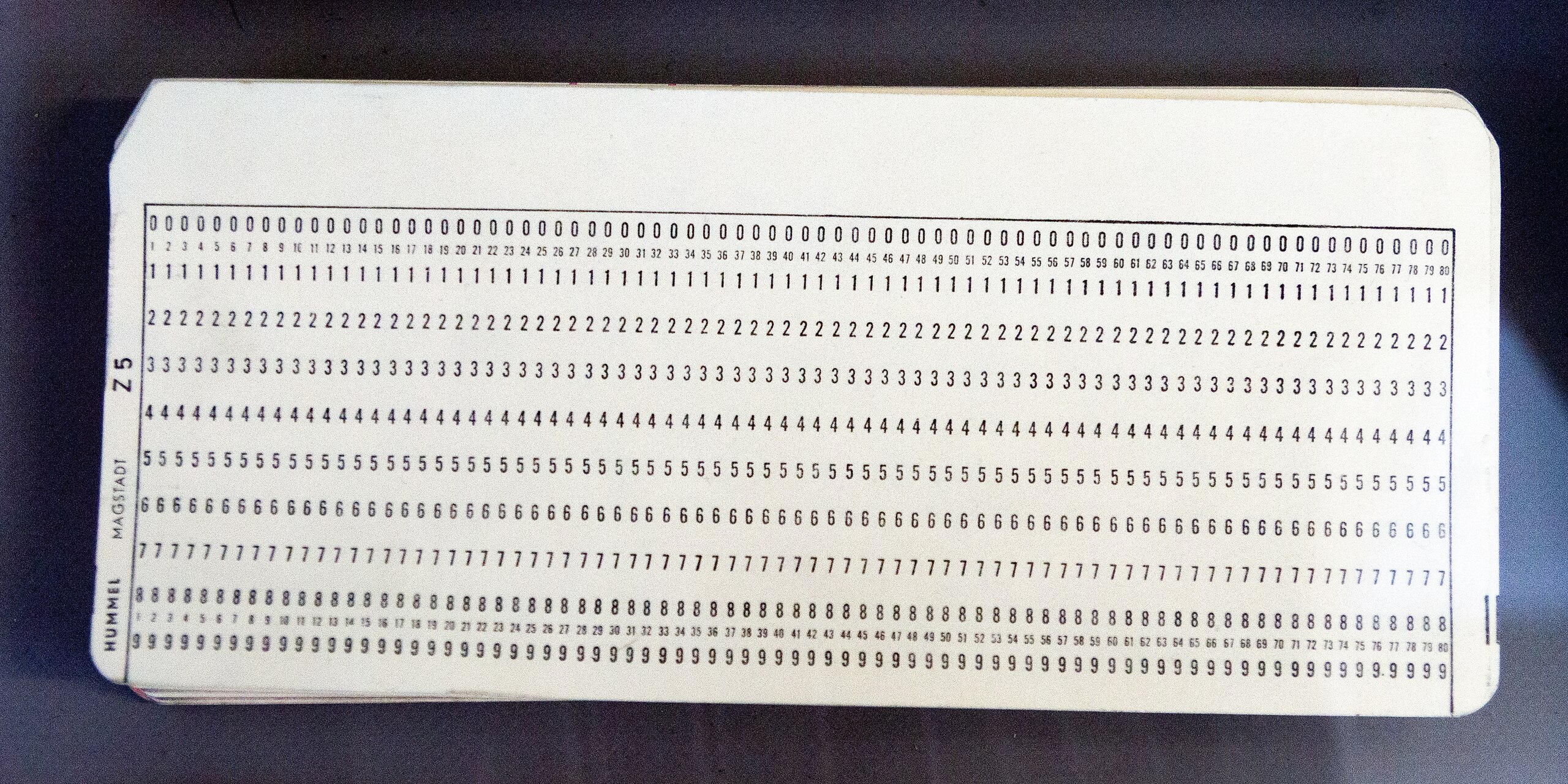
Punch cards were once the backbone of early computing, allowing large quantities of data to be processed through carefully arranged holes on stiff paper.
Each card held only 80 characters, barely enough for a modern tweet, yet entire programs and databases depended on thousands of them.
Their physical nature made them vulnerable to simple accidents: a coffee spill, a bent corner, or a dropped stack could erase hours of work. As computers grew more powerful and storage needs expanded, punch cards quickly became impractical.
Modern digital systems replaced them with faster, safer, and vastly more efficient methods, leaving punch cards as relics of computing’s fragile beginnings.
12. Steel Ice Cube Trays

Manual ice trays from earlier decades demanded real physical effort, turning the simple act of cooling a drink into a small workout.
Users had to pull a stiff lever to crack the sheet of ice that formed across the tray, then twist the entire metal frame to free the cubes. The steel construction made these trays heavy, cold to handle, and often stubborn when the ice clung to the surface.
While they were durable, they were far from convenient, especially compared to today’s flexible plastic trays and automatic ice makers. Their disappearance reflects how quickly comfort and ease reshape everyday tools.
13. Car Cigarette Lighters and Ashtrays

Car cigarette lighters and built‑in ashtrays were once standard features in vehicles throughout the 20th century, reflecting a time when smoking was deeply woven into daily routines.
As cars became central to commuting, many drivers wanted the convenience of lighting a cigarette on the road, and manufacturers responded by integrating lighters, ashtrays, and even dedicated storage compartments.
But as public awareness of smoking’s health risks grew and cultural attitudes shifted, these features quickly lost relevance.
Modern vehicles now prioritize wellness, connectivity, and cleaner interiors, leaving cigarette lighters behind as relics of an era when smoking and driving were seen as perfectly compatible.
14. VHS Tapes
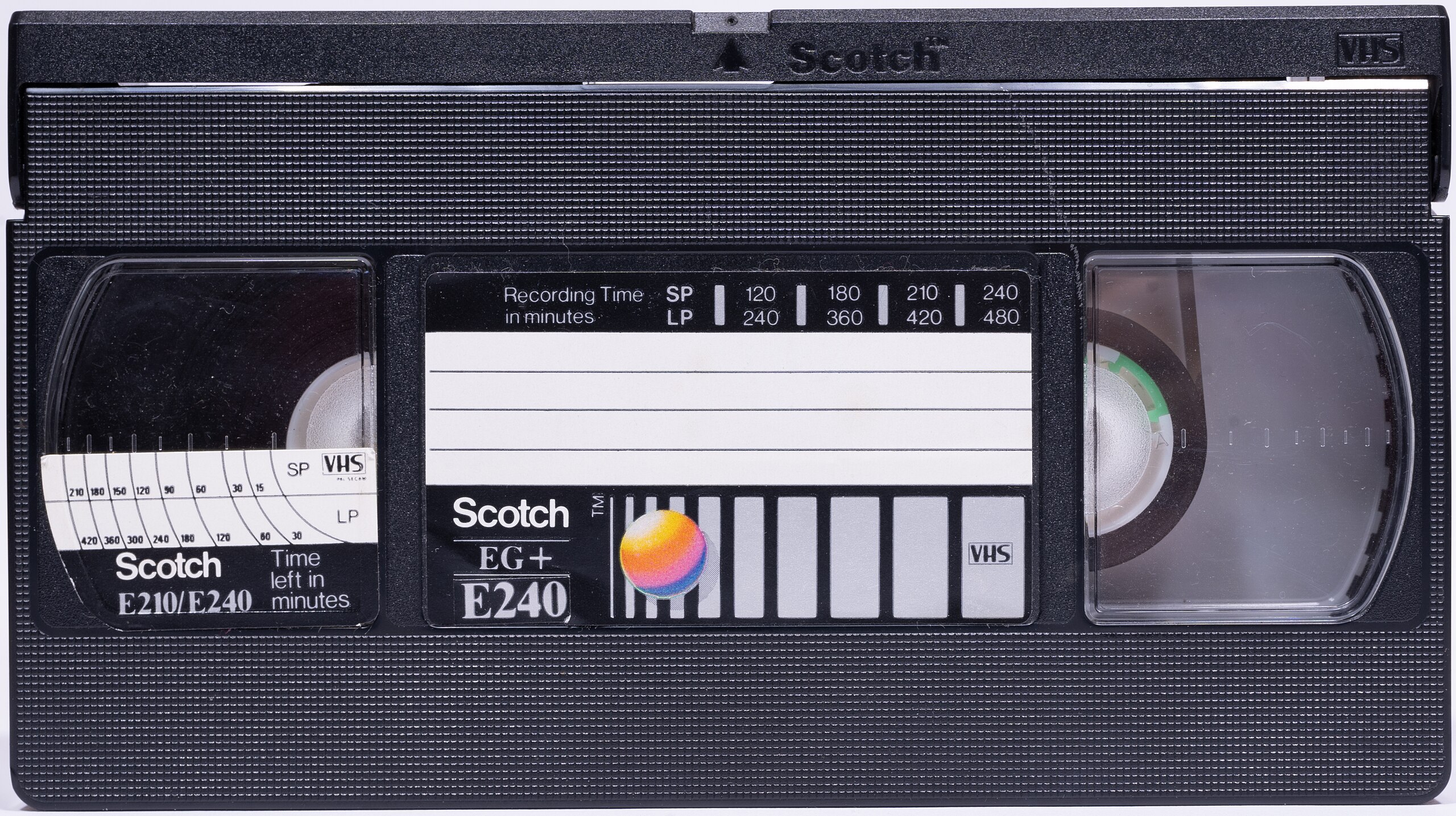
Bringing movies into the living room was a cultural milestone in the 1980s and 1990s, when home entertainment first became truly accessible.
VHS tapes allowed families to watch films on their own schedule, turning movie nights into a shared ritual long before streaming existed.
Rewritable tapes added another layer of freedom, letting viewers record TV shows, sports events, or late‑night broadcasts to enjoy later, an early form of time‑shifting that felt revolutionary at the time.
Although on‑demand platforms and subscription services have made this technology obsolete, VHS remains a symbol of the era when home media first captured the world’s imagination.