These days, sustainable tourism is on the rise. A growing number of visitors and travelers from around the world are concerned about their carbon footprint and are seeking to drastically reduce their environmental impact. More than just a trend, eco-friendly travel represents a real urgency and a necessity for the preservation of our beautiful planet. However, tourist destinations that have been stripped of their natural character, overcrowded, and polluted still exist today. Found in every corner of the world, some sites have been completely degraded by the tragic phenomenon of overtourism.

These days, sustainable tourism is on the rise. A growing number of visitors and travelers from around the world are concerned about their carbon footprint and are looking to drastically reduce their environmental impact.
More than just a trend, eco-friendly travel is a real urgency and a necessity for preserving our beautiful planet.
However, tourist destinations that have been stripped of their natural character, overcrowded, and polluted still exist today. Found in every corner of the world, some sites have been completely degraded by the tragic phenomenon of overtourism.
Here is a non-exhaustive list of the seven most nature-friendly destinations and the seven destinations that top the list in terms of pollution and environmental degradation.
1. Kenya

Kenya has established itself as one of Africa’s most committed destinations when it comes to sustainability. The country actively protects its ecosystems through an extensive network of nature reserves and national parks, where flora and fauna are at the heart of exemplary conservation programs.
Eco-friendly accommodations are widely available, offering travelers environmentally conscious options without sacrificing comfort.
Kenya is also investing in renewable energy, particularly wind and geothermal power, as well as in innovative water management projects.
A destination where tourism and conservation go hand in hand.
2. Nepal
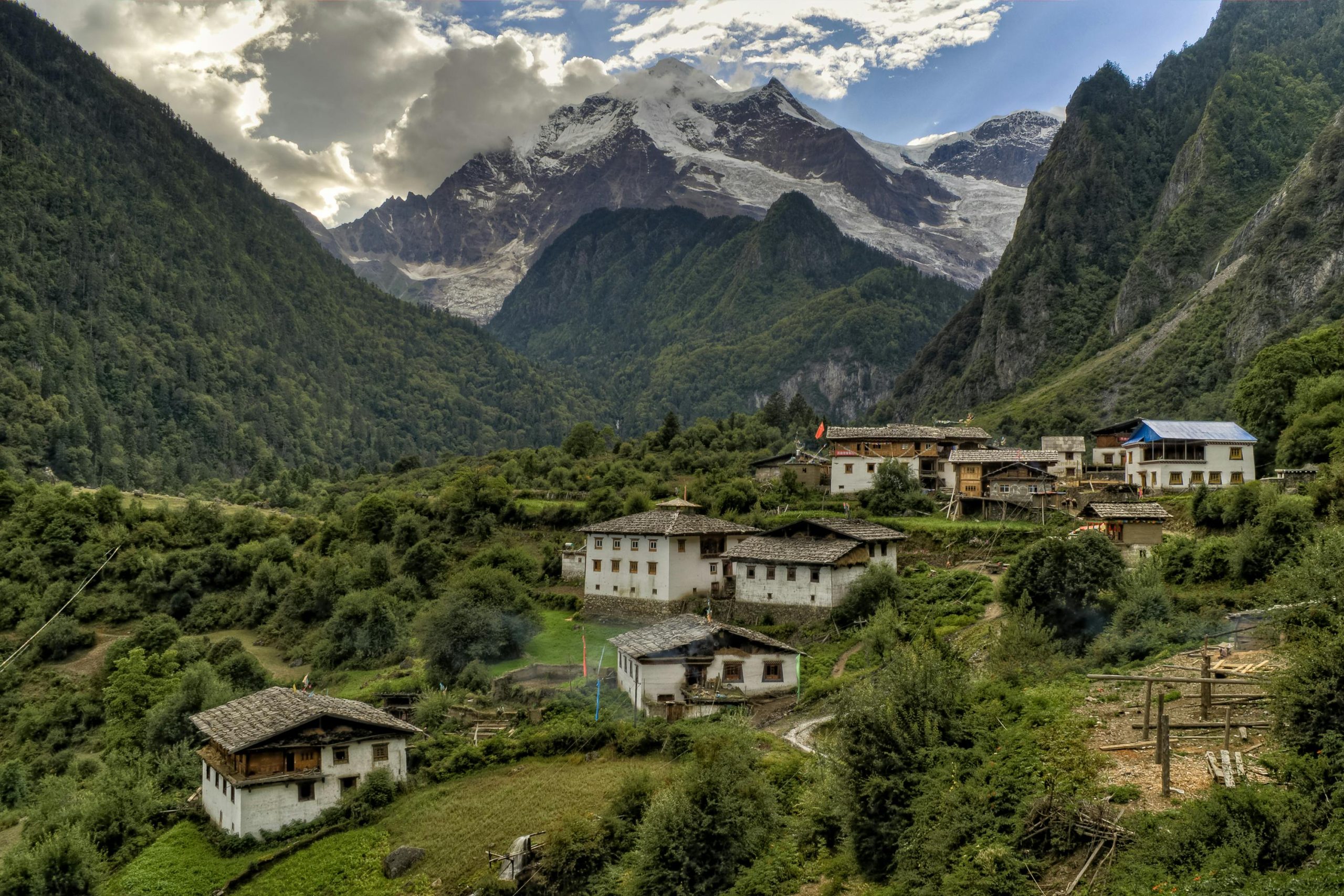
Nepal stands out for its remarkable commitment to preserving its ecosystems, which are among the most unique in the world.
The country is investing heavily in the protection of its mountainous regions, where sustainable tourism has become a priority.
Local authorities, communities, and guides work together to limit the impact of visitors, particularly on Himalayan trails.
Hoteliers are also participating in this collective effort by adopting eco-friendly practices: water management, waste reduction, and renewable energy.
Nepal demonstrates that high-altitude tourism can go hand in hand with respect and sustainability.
3. Japan

This archipelago is distinguished by a particularly ambitious environmental policy, based on the widespread development of renewable energy and the systematic reduction of waste.
Thanks to highly structured waste sorting and recycling programs, both residents and travelers are encouraged to adopt responsible practices.
Most hotels rely on eco-friendly technologies, optimized water management, solar panels, and sustainable materials to minimize their carbon footprint.
These efforts also help preserve local crafts, which remain at the heart of the region’s cultural identity. A destination where sustainability and traditions coexist harmoniously.
4. Portugal

Portugal has established itself as one of Europe’s leaders in sustainable tourism thanks to a series of ambitious initiatives aimed at protecting its natural parks, coastlines, and fragile ecosystems.
In recent years, the country has strengthened its conservation policies, particularly in heavily visited coastal areas.
Accommodations also play a key role: the majority of hotels now rely on renewable energy, strict waste management, and eco-friendly practices.
This collective effort allows Portugal to offer a more environmentally conscious tourism experience, where exploration and sustainability go hand in hand.
5. Costa Rica
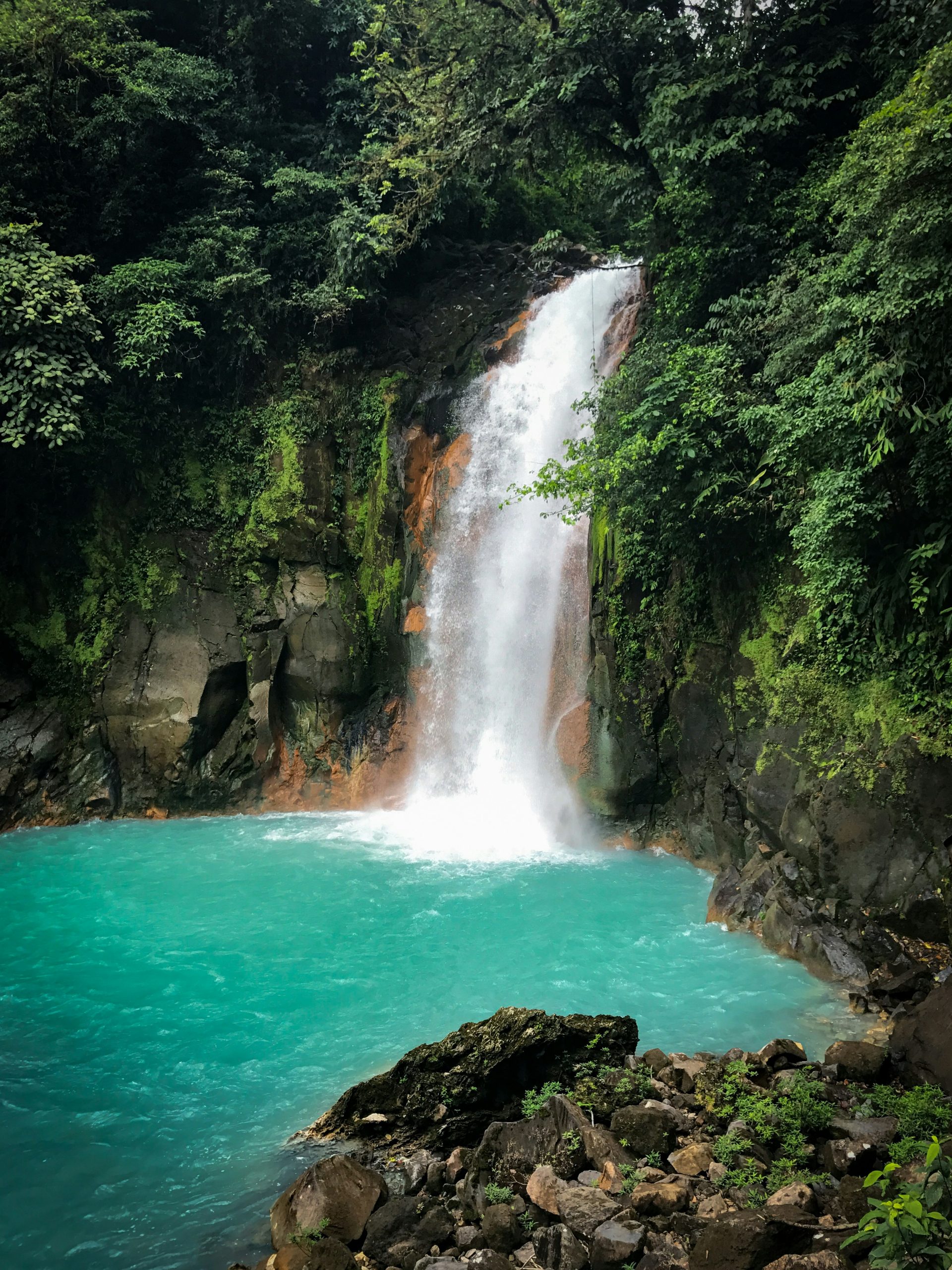
A true pioneer in sustainable tourism, Costa Rica has set aside nearly 25% of its territory for biological reserves and national parks—a commitment that is rare on a global scale.
This extensive protection of biodiversity attracts travelers seeking ecolodges—small-scale accommodations with 5 to 75 rooms, designed to be financially and environmentally sustainable.
The country also enforces strict management of organic waste and promotes infrastructure powered by renewable energy.
In Costa Rica, every stay becomes an experience where preserved nature, comfort, and environmental responsibility coexist harmoniously.
6. New Zealand
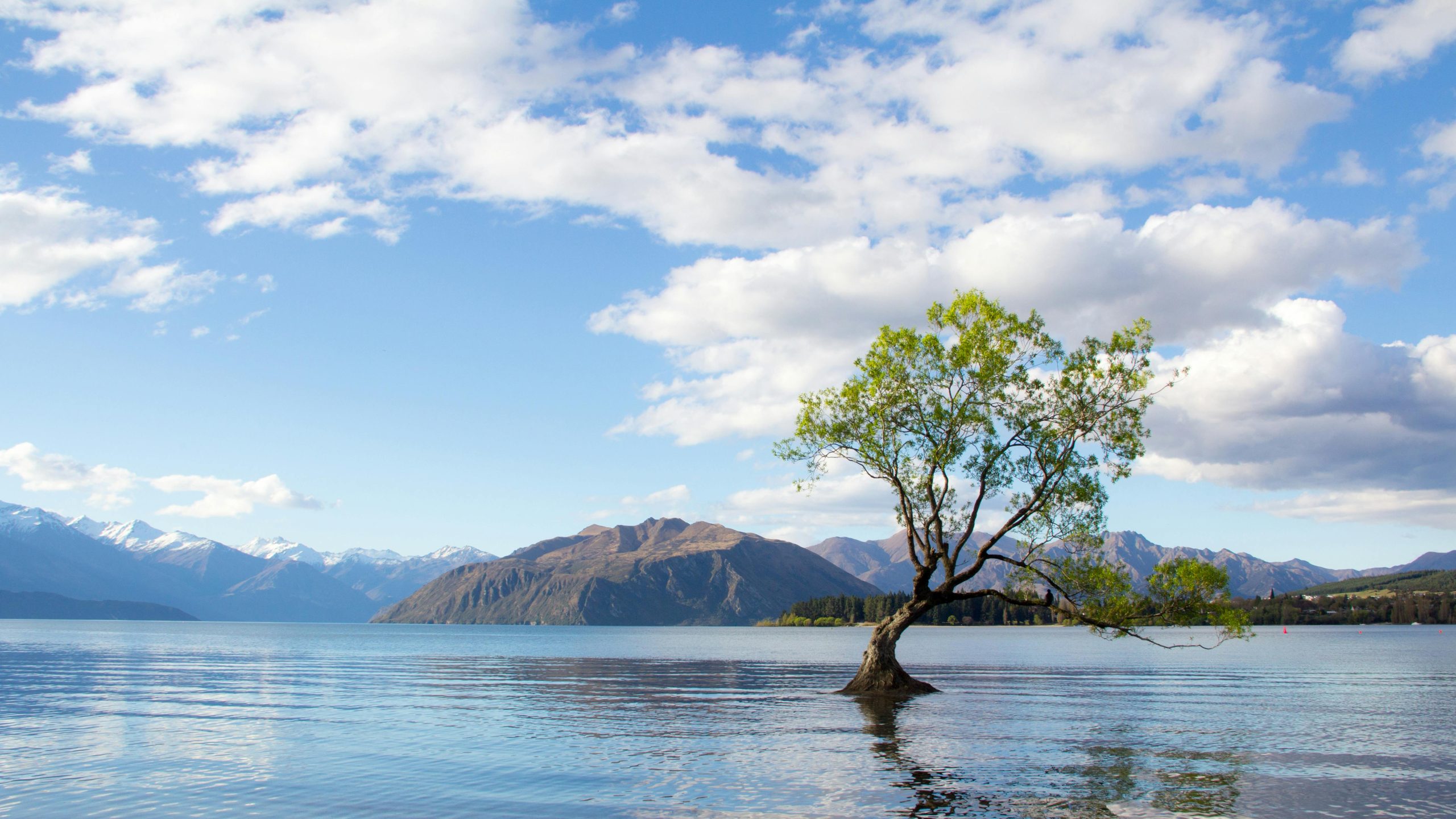
New Zealand is often cited as a global leader in sustainability, thanks to its consistent and ambitious efforts to protect its natural environments.
The country rigorously safeguards its forests, fjords, beaches, and mountains, offering travelers a pristine setting where nature reigns supreme.
An eco-friendly stay here truly comes into its own: hiking on perfectly maintained trails, exploring protected national parks, and encountering unique wildlife.
Visitors can even participate in conservation programs, directly contributing to the preservation of this exceptional heritage.
7. Iceland

Iceland is one of the most impressive examples of a successful energy transition: thanks to hydroelectricity and geothermal energy, the country has significantly reduced the carbon footprint associated with its electricity production.
This approach also extends to tourism, where many operators are committed to eco-friendly practices, particularly for whale watching and nature excursions.
Travelers can also stay in hotels designed to minimize their environmental impact through optimized energy and resource management.
In Iceland, every experience invites you to discover nature while deeply respecting it.
8. Venice
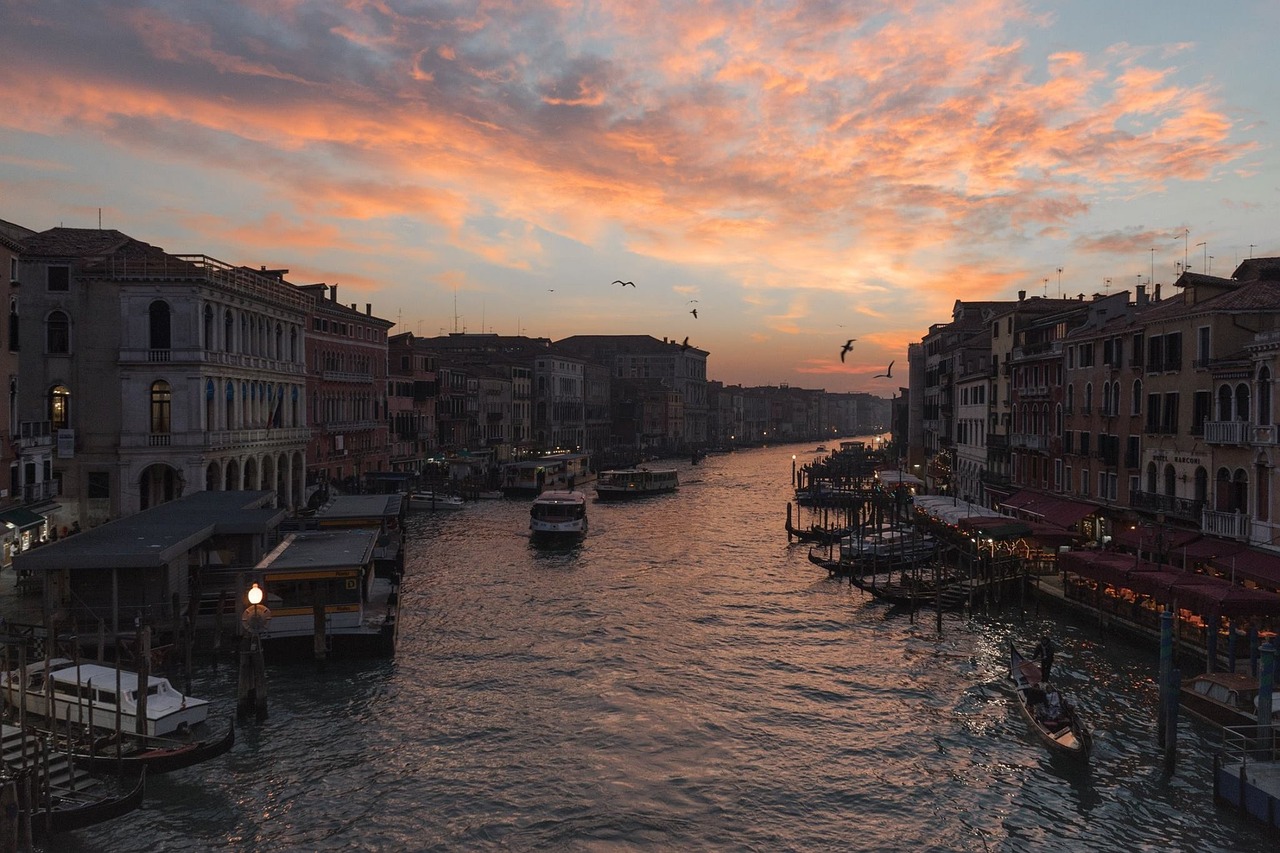
Venice is currently facing a major environmental crisis, largely exacerbated by overtourism.
The massive influx of visitors is undermining the lagoon city: rising sea levels, constant congestion in the canals, water pollution, and erosion of the foundations directly threaten its stability.
Infrastructure struggles to absorb this daily pressure, transforming a fragile gem into a vulnerable territory.
In an effort to stem this tide, the city introduced a tax in 2025 for day-trippers—a symbolic yet necessary measure to encourage more responsible tourism and preserve this unique heritage.
9. Bali

Bali is now one of the destinations most affected by mass tourism, to the point where its once-idyllic landscapes are struggling to preserve their original beauty.
Its legendary beaches, once synonymous with tranquility and a tropical paradise, are now littered with trash—a direct consequence of inadequate logistical management in the face of the influx of visitors. The situation is alarming: the island produces more than 1.6 million tons of waste per year, a volume that is difficult to manage.
This environmental pressure is undermining local ecosystems and underscores the urgent need for more responsible tourism to preserve this threatened gem.
10. Dubai

The rapid urban development of this iconic city is evident in its artificial islands and monumental skyscrapers, which are profoundly reshaping the coastal landscape.
This spectacular expansion, however, comes at a considerable environmental cost: construction work is altering the seabed, destroying fragile habitats, and causing lasting disruption to ecosystems.
The lack of sustainability is also evident in the massive reliance on water desalination—an energy-intensive process—as well as in the heavy use of air conditioning, which is essential given the extreme climate.
A fascinating destination, but one whose ecological footprint remains a particular cause for concern.
11. Las Vegas

Las Vegas embodies energy excess on a massive scale: its casinos, lit up around the clock, its gigantic hotels, and its air-conditioned facilities, running day and night, consume colossal amounts of energy.
The city also depends on extremely fragile water resources, notably Lake Mead, whose water level is dropping dangerously. Added to this is mass tourism, which further amplifies its carbon footprint through travel, entertainment, and intensive consumption.
Las Vegas illustrates just how vulnerable an urban model can become when its environmental balance relies on limited resources and extraordinary energy demand.
12. Koh Samui

Prized for its luxury resorts and idyllic beaches, this Thai island is now suffering the consequences of ecotourism that has spiraled out of control.
The massive influx of visitors far exceeds local management capacity, to the point that the main landfill site can no longer handle the approximately 200,000 tons of uncollected waste.
Due to a lack of adequate infrastructure, some of the wastewater ends up being discharged into the sea, threatening coral reefs and biodiversity.
This imbalance illustrates the fragility of a paradise under extreme tourist pressure, where sustainability struggles to keep pace with demand.
13. Mount Everest

With more than 58,000 visitors a year, Mount Everest is facing a level of tourist pressure that has become difficult to sustain. Trails and high-altitude camps are littered with trash due to a lack of infrastructure capable of handling such a large influx of visitors.
Overcrowding is turning Himalayan villages into makeshift hotels, profoundly disrupting local life and economic balances. The inexperience of many tourists further exacerbates the situation: abandoned gear, dangerous behavior, and haphazard waste management.
This combination of factors is destabilizing an already fragile ecosystem, making Everest one of the most striking symbols of unsustainable tourism.
14. Cancun
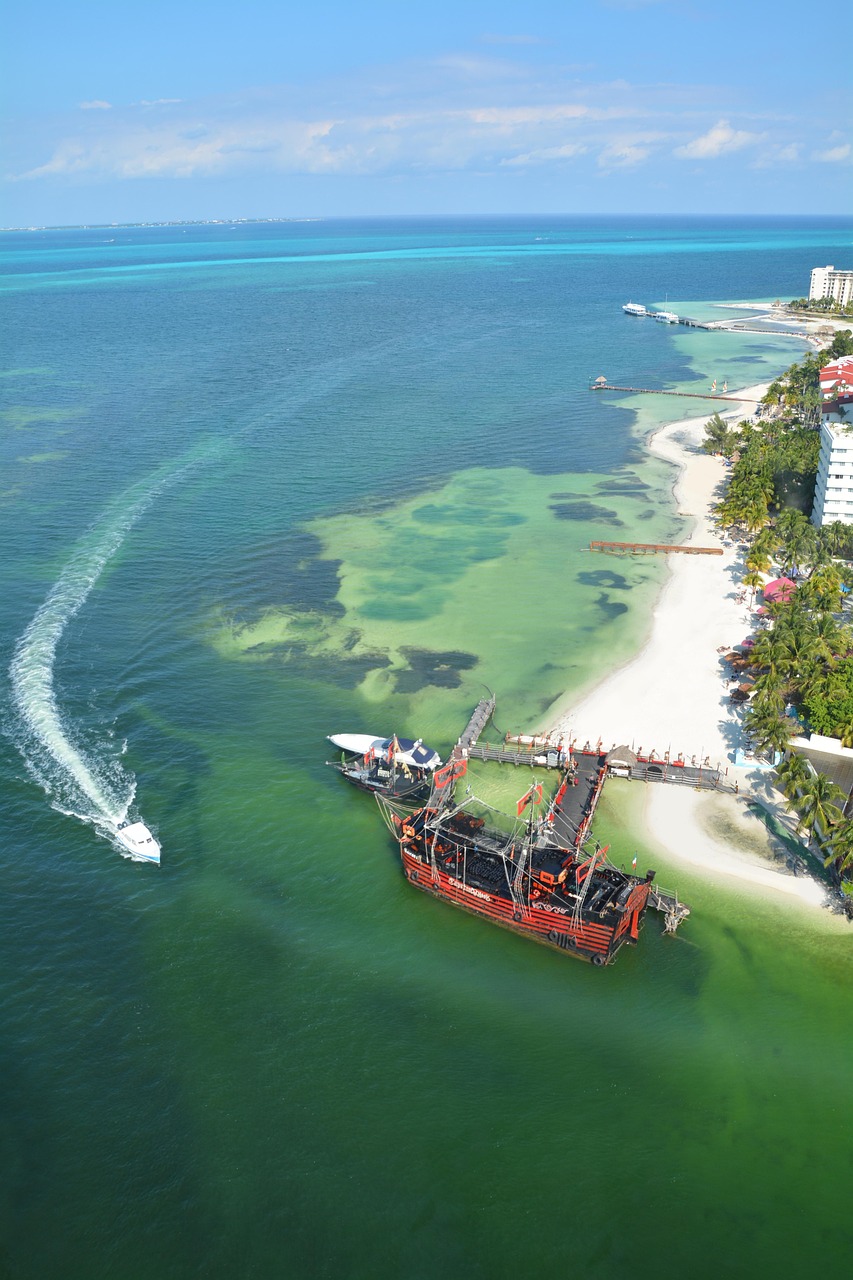
The rapid urbanization of this city in Yucatán, combined with the massive construction of luxury resorts, is seriously threatening its biodiversity.
Tourism expansion is encroaching on natural areas, destroying mangroves, and damaging the underwater flora—all of which are essential to coastal balance.
The waste of natural resources—water, energy, and land—compounds the overexploitation of the coastline, which is being transformed to meet ever-growing demand.
This constant pressure is causing lasting damage to local ecosystems and highlights the excesses of tourism development that is advancing faster than nature’s ability to regenerate.