Some homes feel like a hug. Others feel like a storage closet with Wi-Fi. If yours leans toward the second one, don’t panic. Creating a warm home environment is about making your place feel lived in—in a good way. Not the “why are there shoes on the microwave” kind of lived-in, but the kind that makes people say, “I could hang out here for hours.”
Some homes feel like a hug. Others feel like a storage closet with Wi-Fi. If yours leans toward the second one, don’t panic. Creating a warm home environment is about making your place feel lived in—in a good way. Not the “why are there shoes on the microwave” kind of lived-in, but the kind that makes people say, “I could hang out here for hours.”
And no, this isn’t about buying 42 throw pillows or lighting a vanilla candle and calling it a day. That’s marketing. Real warmth has nothing to do with trendy decor and everything to do with the stuff that works for your life. So if your home currently feels like it’s wearing pants that don’t fit, or it seems like a place you exist in, not one you belong to—this is for you. Here are ten simple, realistic basics that can help your home feel like a happy place where you can finally exhale and binge-watch without guilt.
Let Natural Light Set The Tone
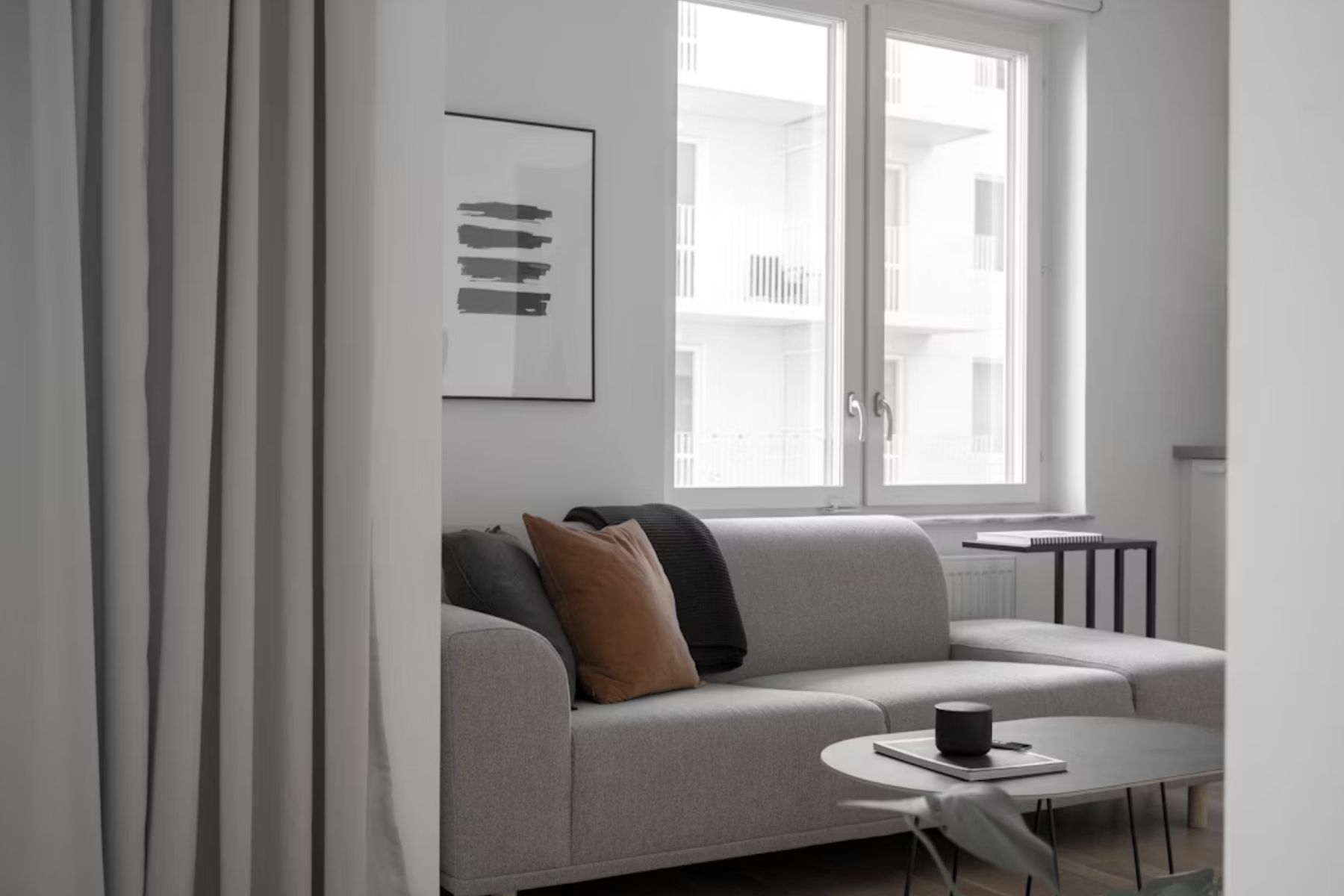
Natural light sparks serotonin, giving your mood a welcome lift and your mind a sense of calm. Daylight also nudges your body’s internal clock into a better sleep rhythm. Even a soft, indirect glow can wrap your room in visual warmth, making everything feel just a little more peaceful.
Use Warm-Toned Bulbs In Key Spaces
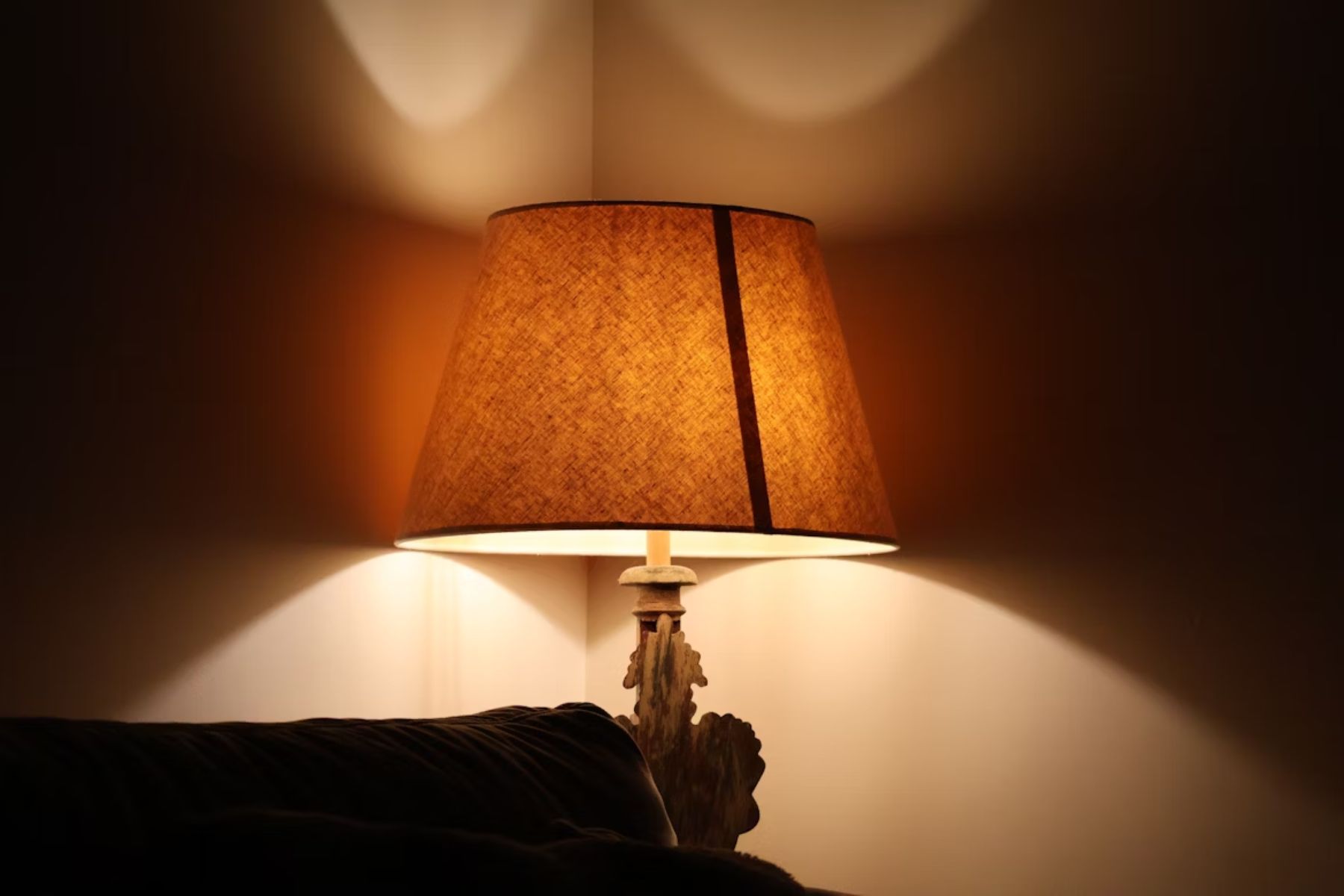
Ranging from 2700K to 3000K, the glow of warm-toned bulbs tells your brain it’s time to relax. There’s a reason your favorite restaurant bathes you in amber light as it keeps you comfortable and lingering longer. Moreover, these days, smart bulbs let you fine-tune that glow to match your mood or the hour.
Add Textiles That Invite Touch
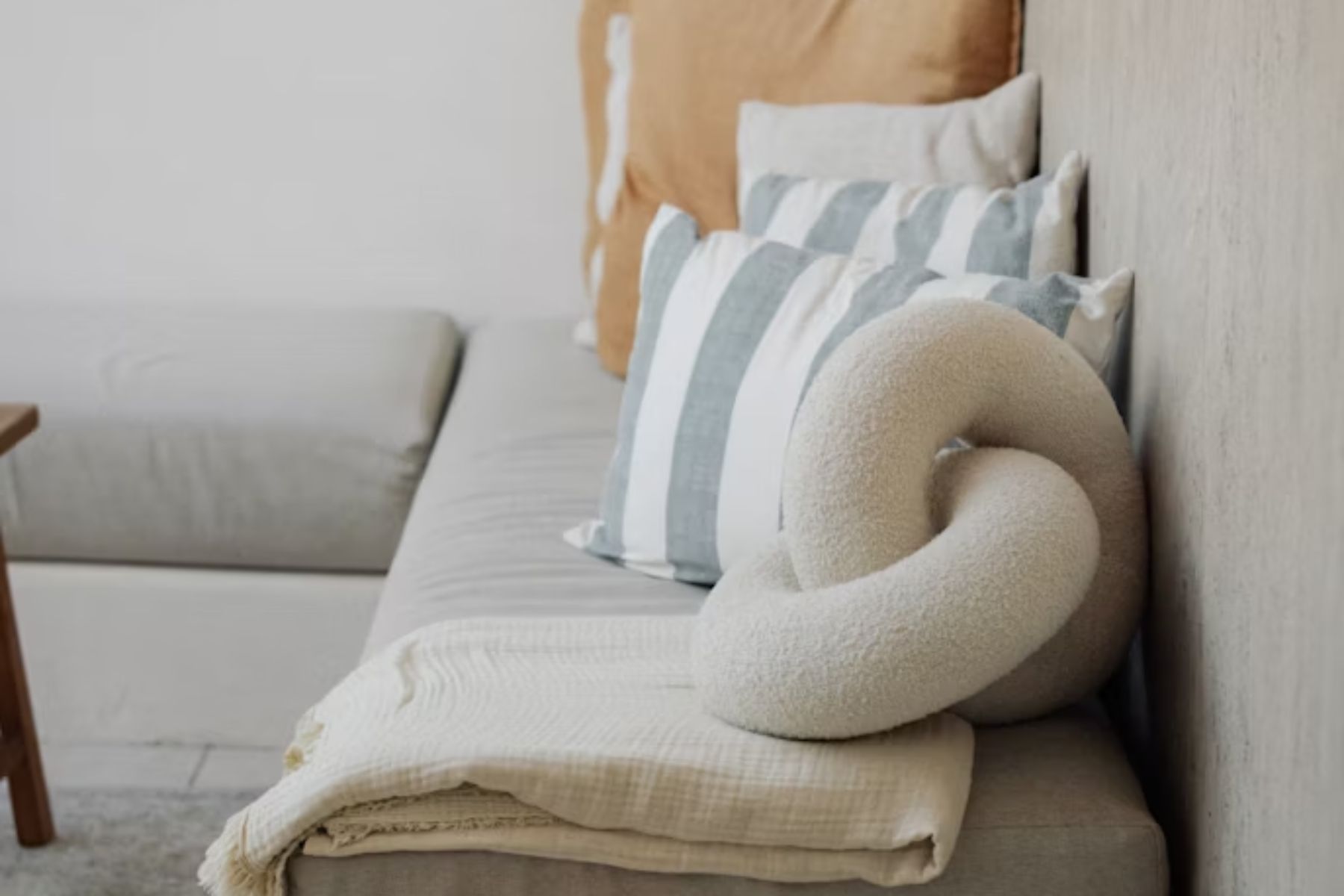
Texture has its own quiet magic. It beautifully draws you in with softness and warmth. Fabrics like wool, chenille, and velvet do more than look elegant. So, throw in a blanket or a couple of soft pillows, and the whole vibe changes—more comfort, more charm, and a whole lot more you’ll want to sink into.
Include Personal Mementos For Familiarity
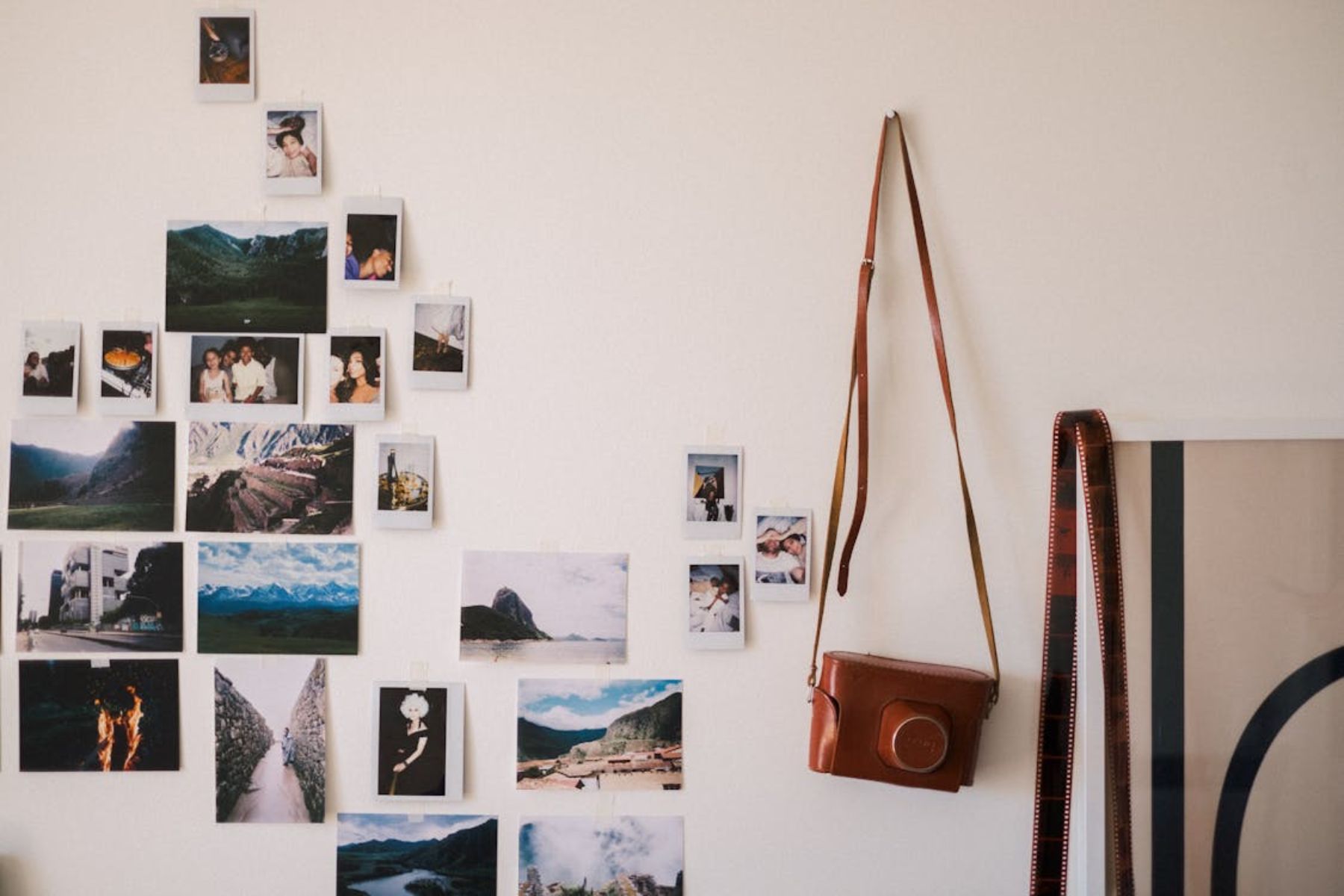
Home is your story on display. Personal photos, keepsakes, and heirlooms bring emotional grounding, turning empty walls into spaces that breathe with memory. Moreover, a gallery wall of snapshots or a shelf lined with passed-down treasures brings generations of warmth into modern corners.
Layer Scents With Purposeful Fragrance Zones
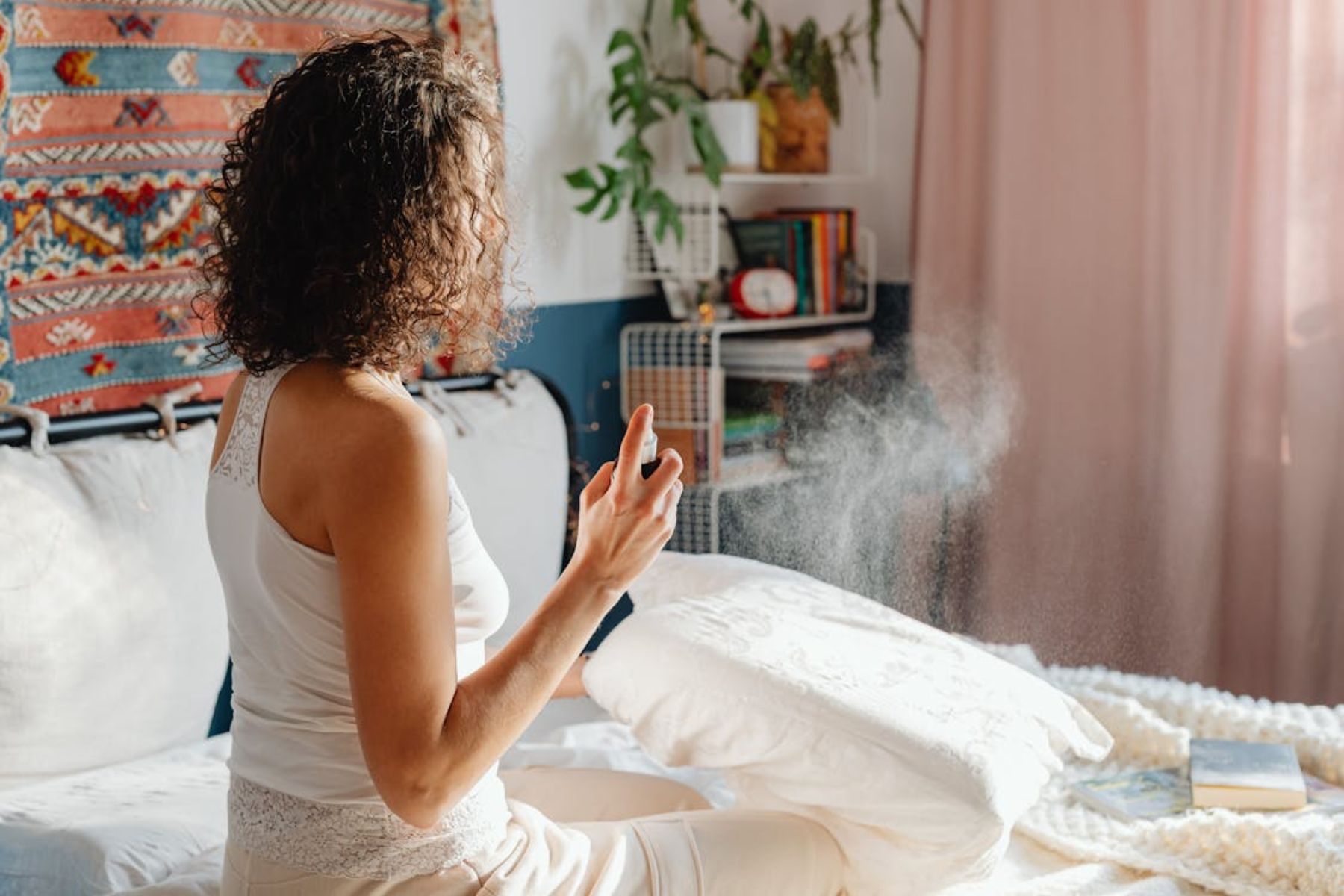
Smell is the shortcut to emotion—one whiff, and your brain’s already feeling something. This happens due to the limbic system, which links scent to mood. For visitors, the fragrance present in your space can create a lasting sensory association—one they may unconsciously connect with the feeling of “home” long after they’ve left.
Choose Earthy, Muted Wall Colors
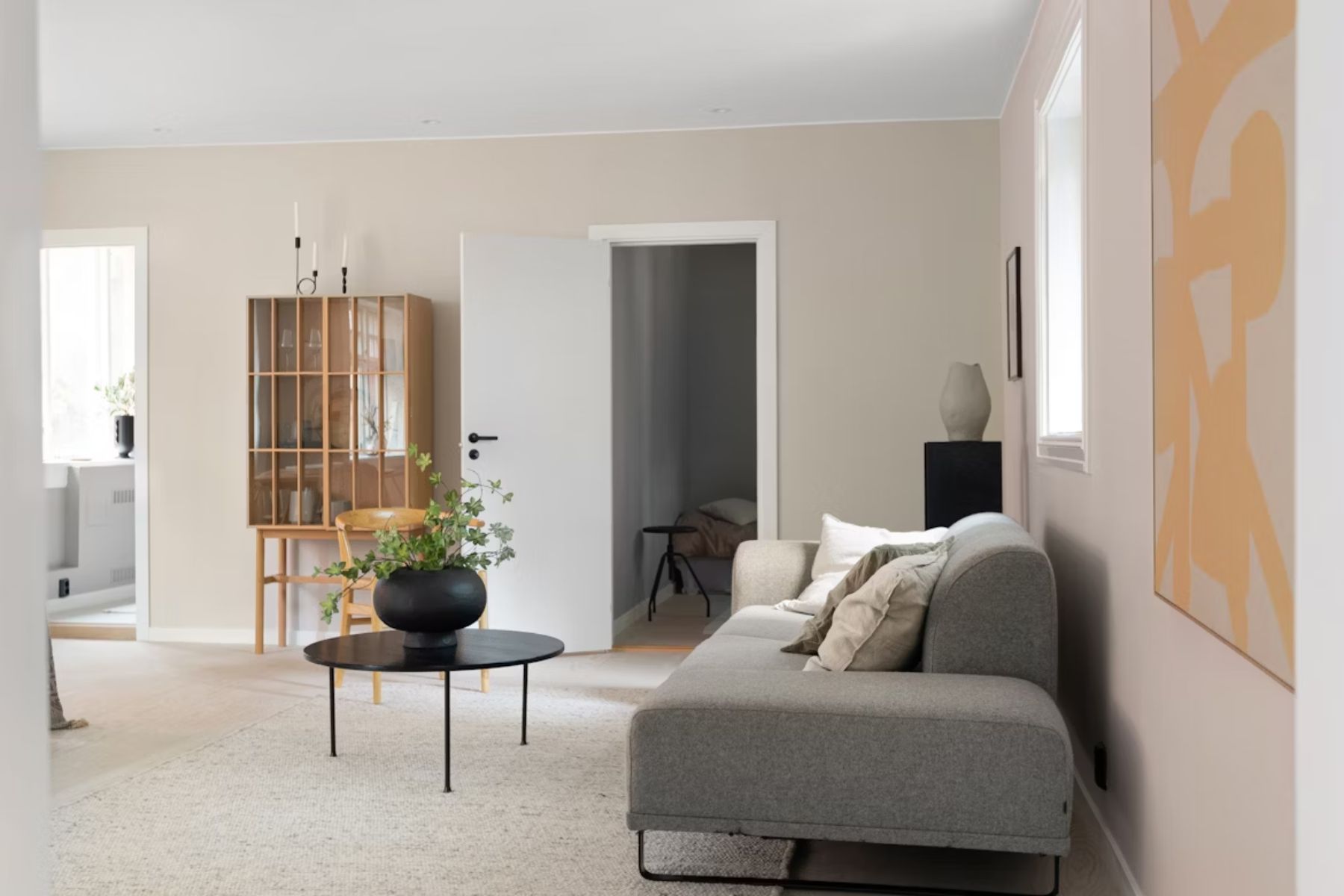
Colors like terracotta and taupe have that down-to-earth charm that makes a space feel calm. They borrow their vibe straight from nature. And when you use softer shades on your walls, they tone down harsh lighting and give the whole room a cozy, welcoming glow.
Incorporate Rounded Furniture Shapes
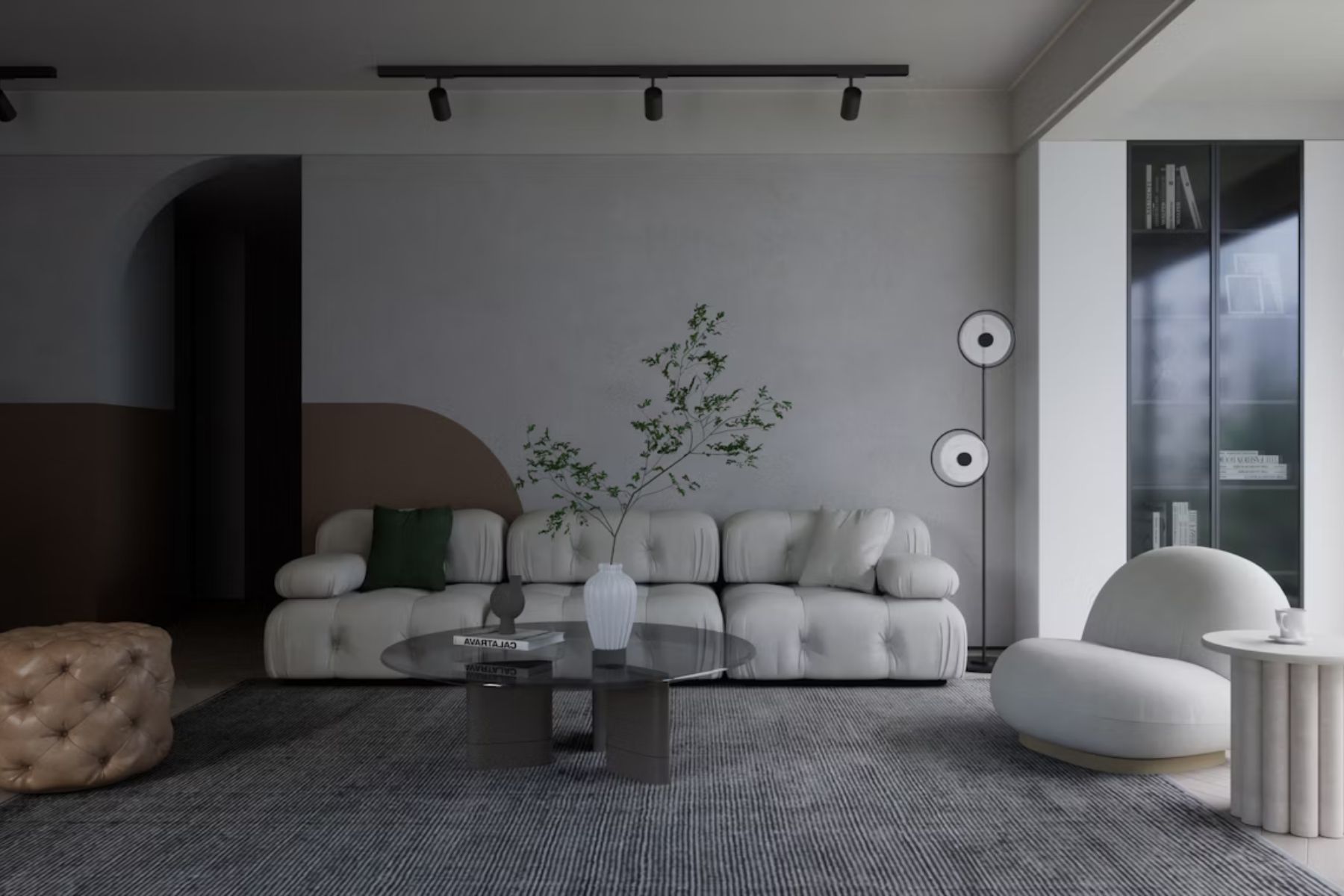
There’s something instinctively comforting about a curve. Rounded furniture—be it a soft-edged sofa, circular mirror, or pillowy ottoman—creates a sense of ease that sharp lines just can’t match. Even the simple addition of an arched doorway or a round rug can shift a space’s energy from structured to serene.
Create Nooks For Solitude And Stillness
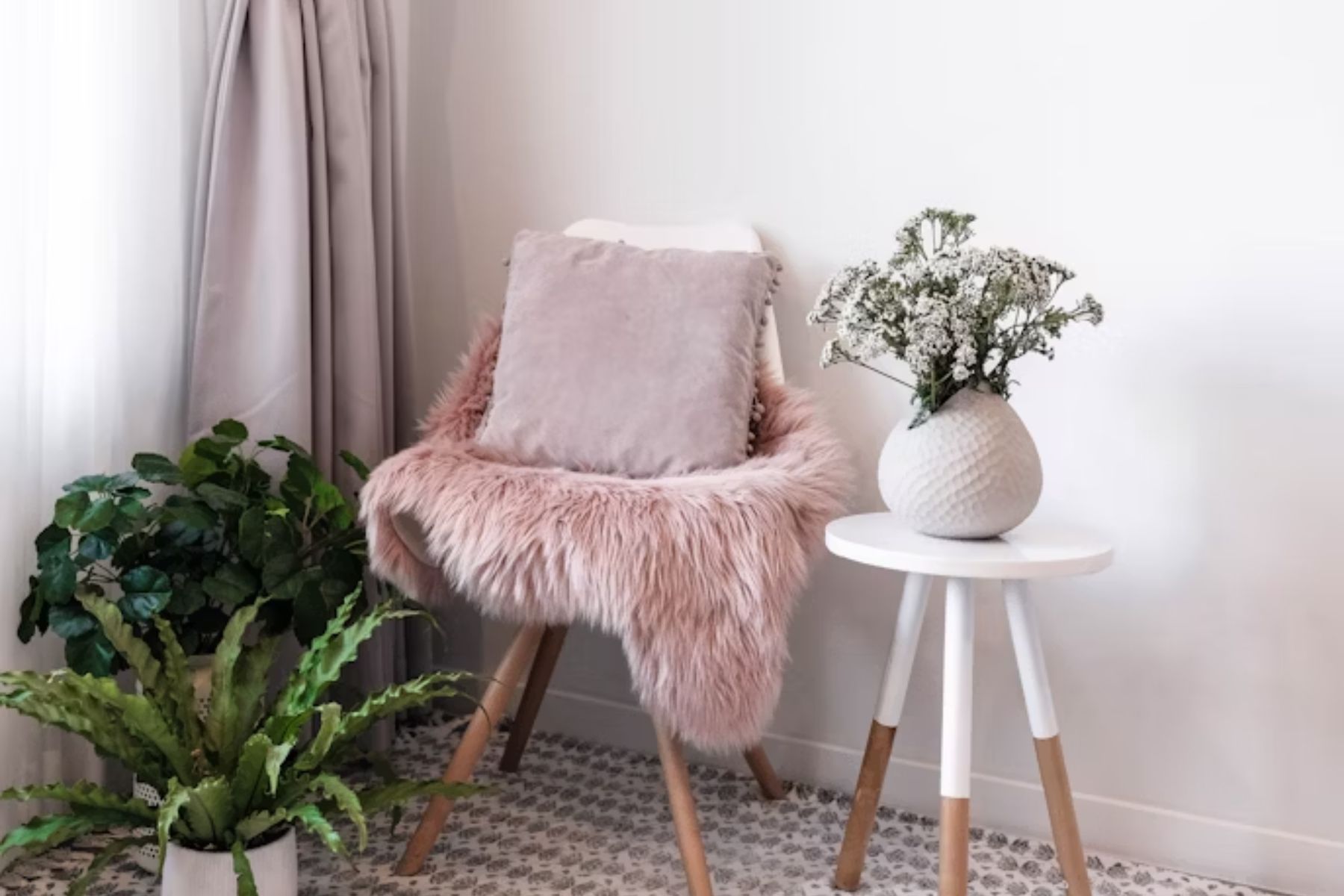
Every home needs that one quiet spot, which serves as the kind of place where you can let the noise of the day fade out. That’s why carving out a cozy nook matters so much. It doesn’t have to be fancy. It’s about feeling like you’ve stepped out of the rush for a minute.
Embrace Soft, Ambient Background Sounds
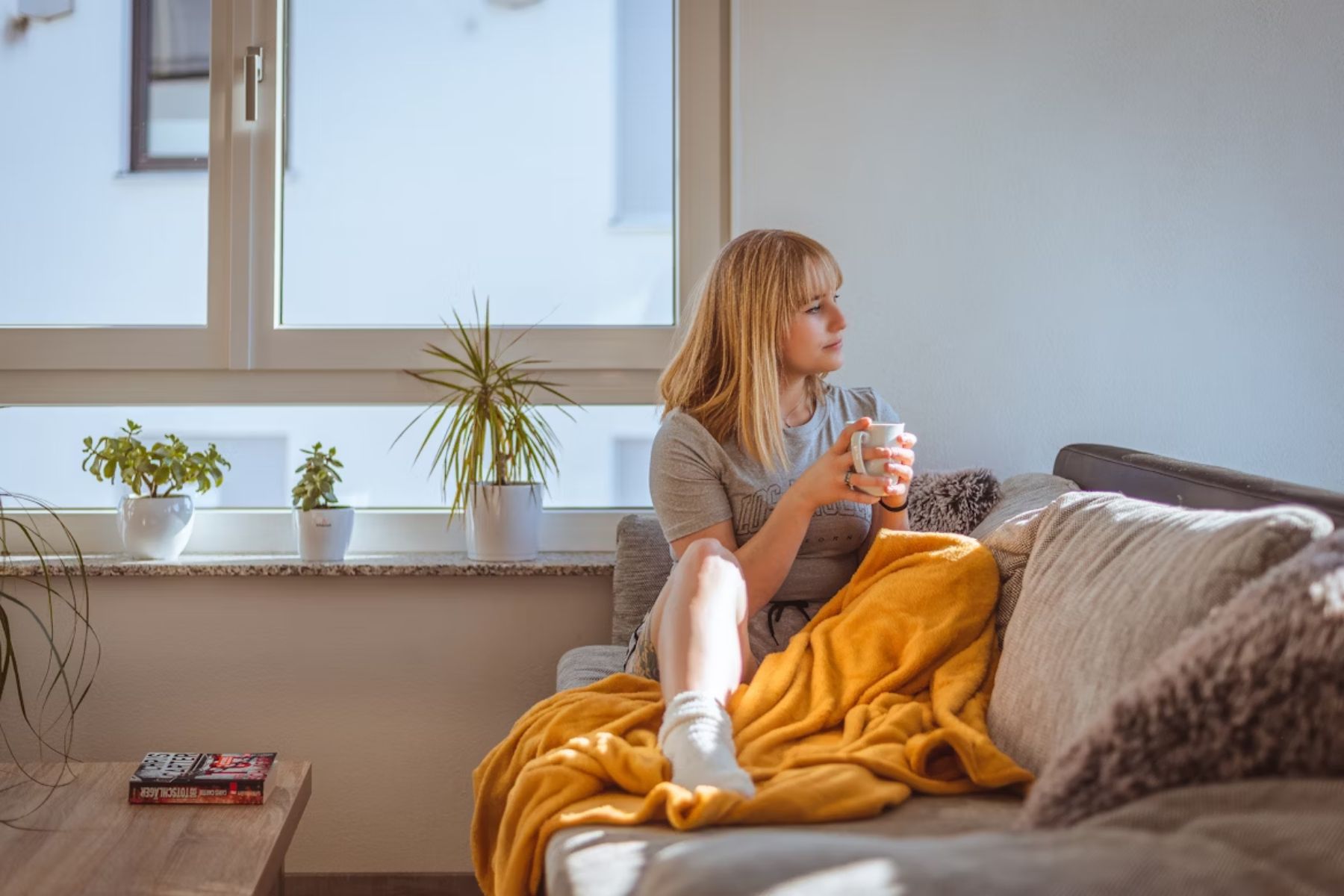
Sound significantly influences how a space feels, even when it operates in the background. Studies in environmental psychology confirm that soft, consistent sounds—such as white noise or ambient lo-fi—can reduce stress, mask distracting noise, and promote relaxation.
Use Plants To Introduce Calm Energy