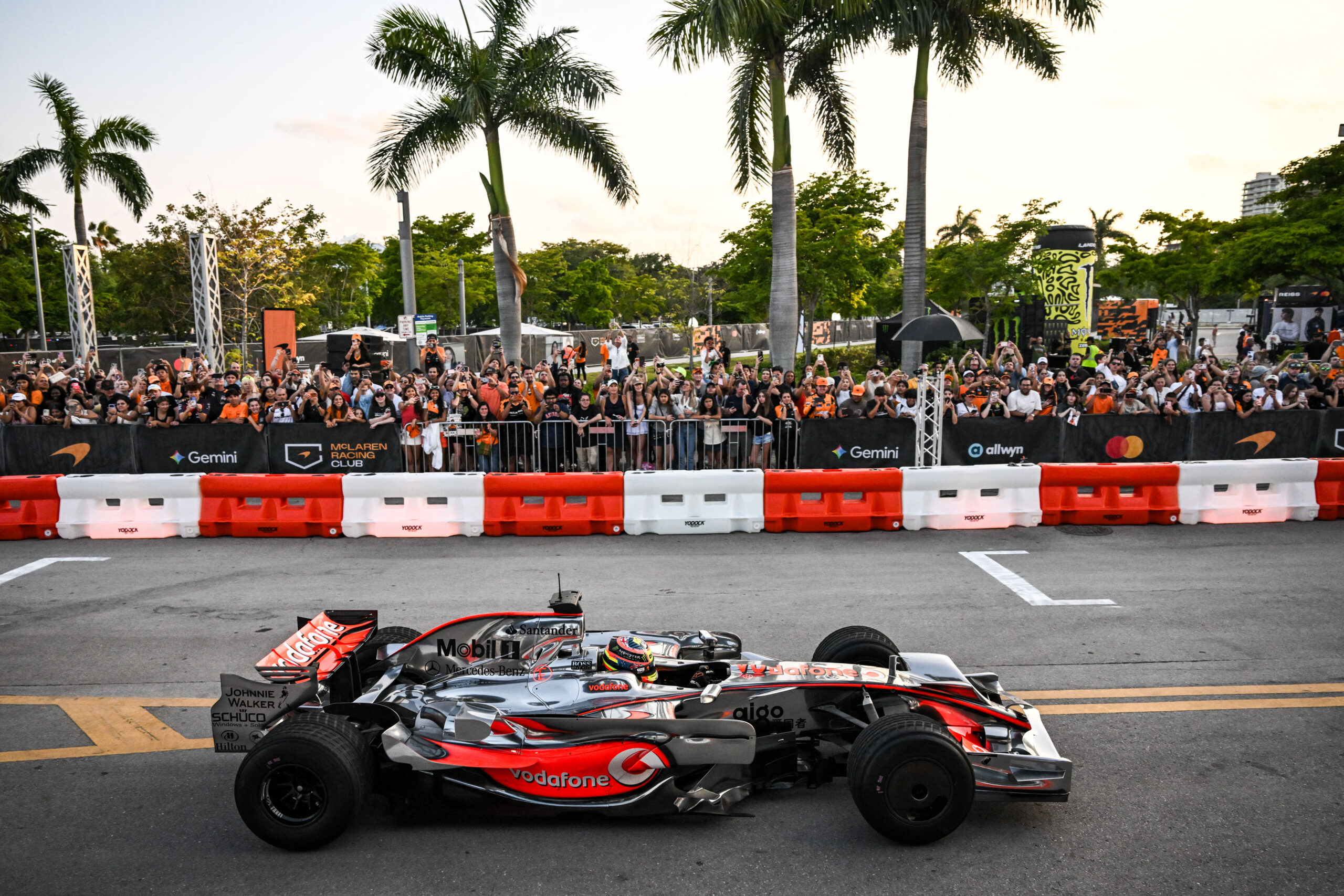
Scuderia Ferrari is the most iconic and longest-standing team in Formula 1. Having competed since the first world championship in 1950, it is the only team to have participated in every season of the sport. Ferrari has built a unique reputation thanks to its sporting heritage, technical innovations, and numerous successes.
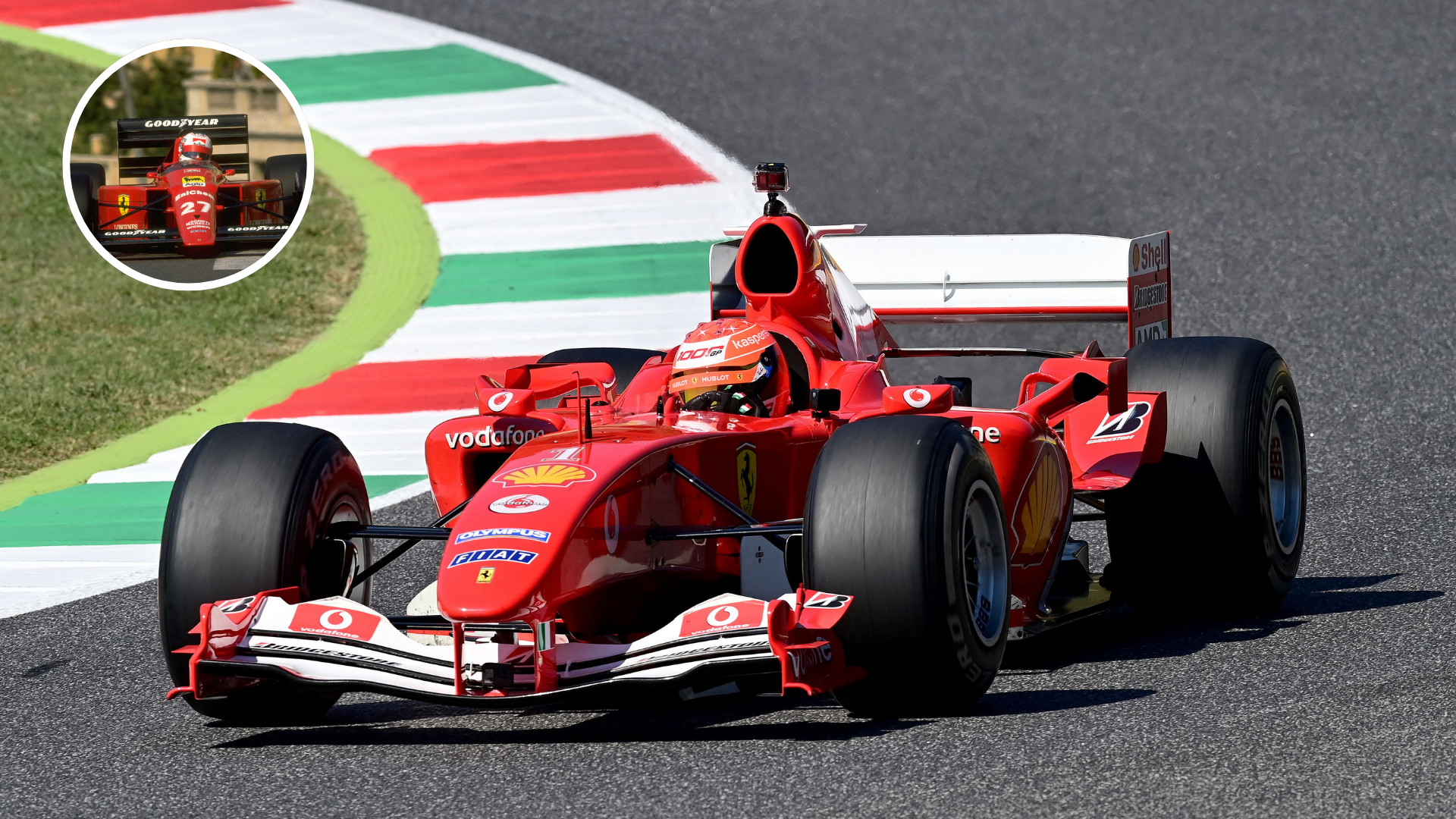
Scuderia Ferrari is the most iconic and oldest team in Formula 1. Having competed since the first world championship in 1950, it is the only team to have participated in every season of the sport. Ferrari has built a unique reputation thanks to its sporting heritage, technical innovations, and numerous successes.
The team has won multiple world titles with legendary drivers such as Michael Schumacher, Niki Lauda, and Alberto Ascari. Renowned for its iconic red single-seaters, Ferrari embodies the passion, performance, and excellence of motorsport. Despite increasingly fierce competition, Scuderia remains one of the major symbols of Formula 1 worldwide.
McLaren MP4/4
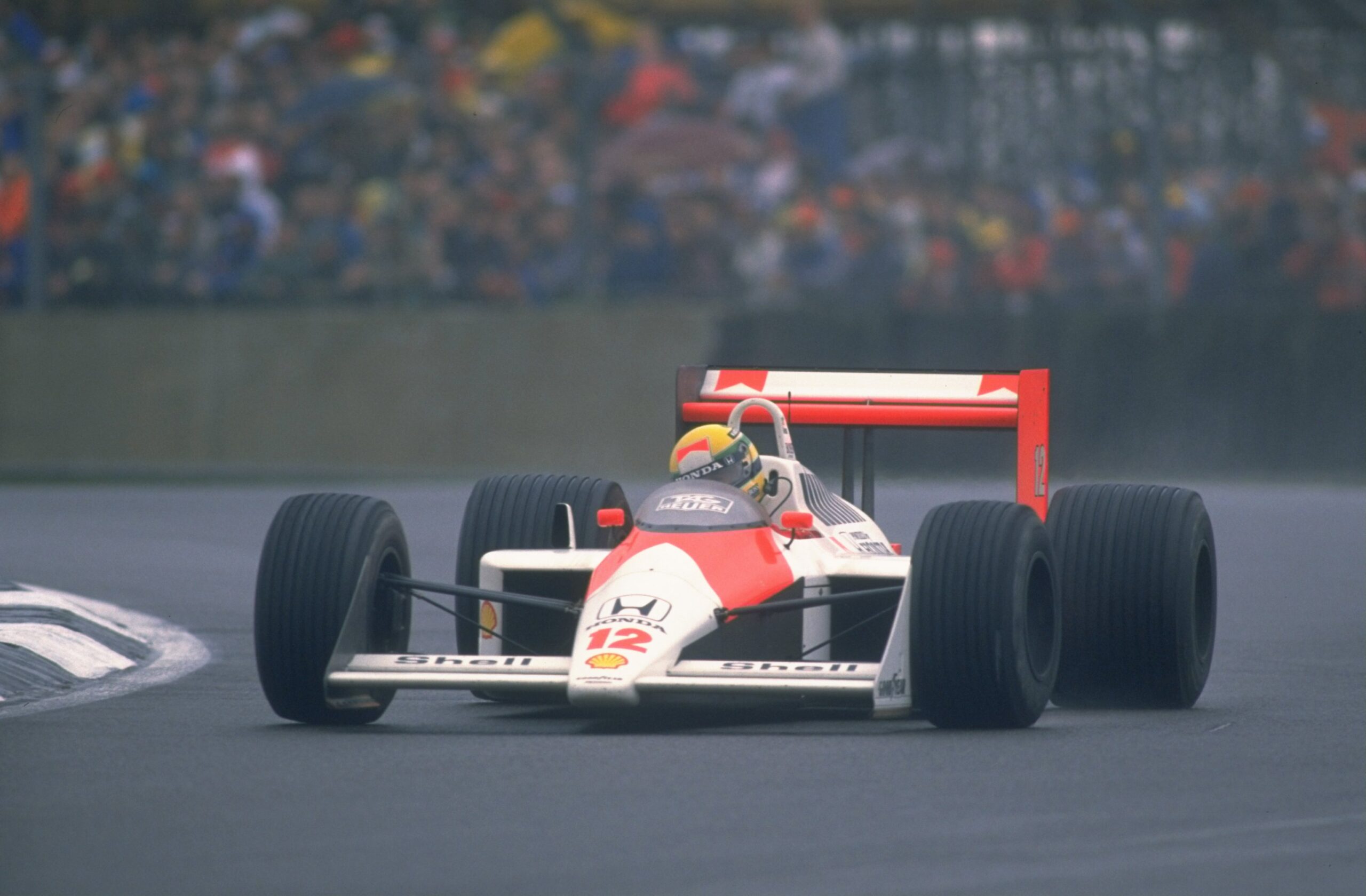
The McLaren MP4/4 is considered one of the most dominant F1 cars in the history of Formula 1. Unveiled in 1988 by the McLaren team, it left its mark on the era with its exceptional performance and aerodynamic efficiency. Built around a Honda turbo engine and a very low chassis, it offered remarkable speed while maintaining excellent stability.
Driven by two legends, Ayrton Senna and Alain Prost, the MP4/4 won 15 of the 16 Grand Prix races in the 1988 season, an impressive record for the time. Its sleek design and historic results have made it a true icon of motorsport and an absolute benchmark in Formula 1.
Lotus 72
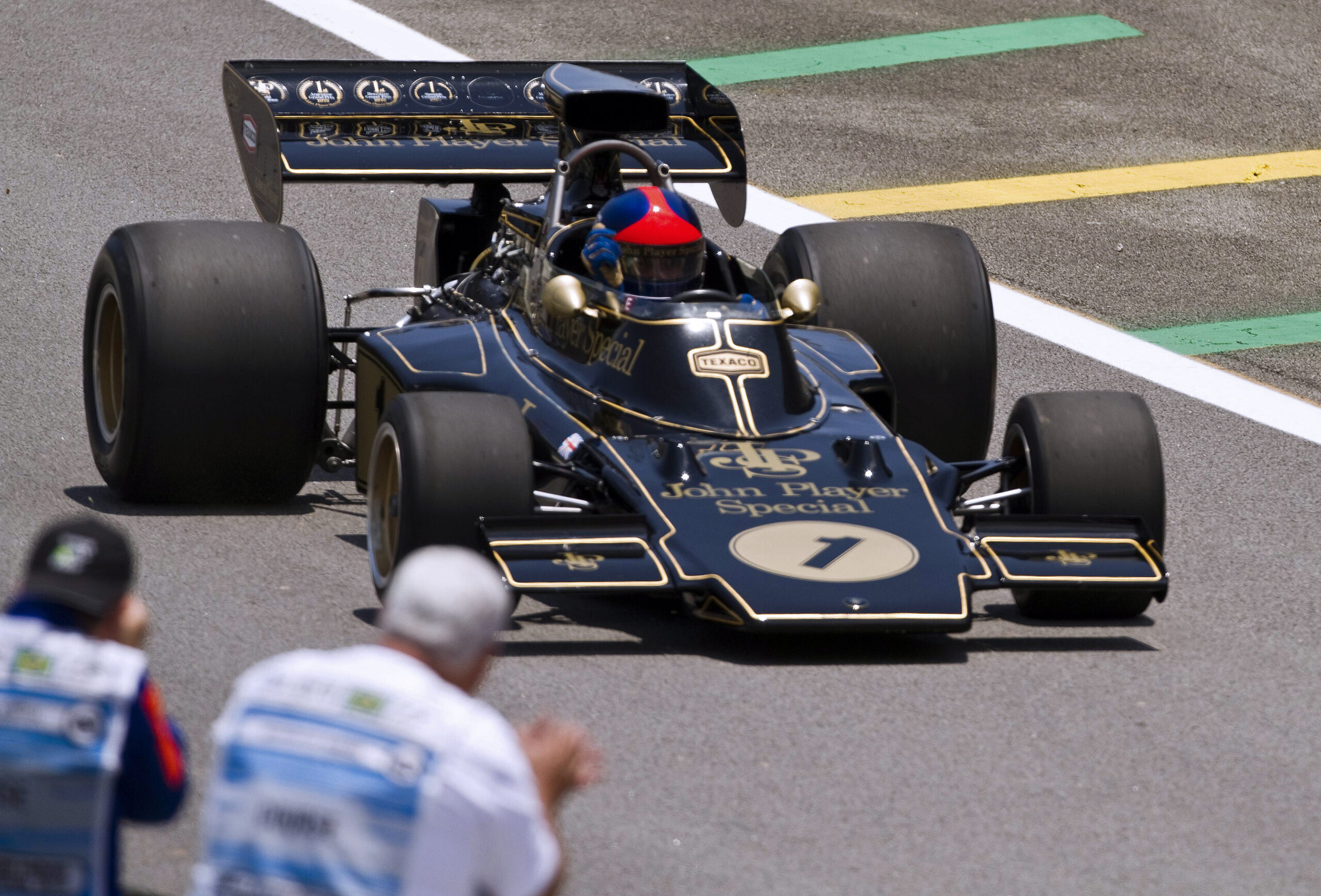
The Lotus 72 is one of the most revolutionary cars in the history of Formula 1. Unveiled in 1970 by Team Lotus and designed by Colin Chapman, it transformed the technical standards of its era. Its innovative design notably featured side-mounted radiators, improving the car’s aerodynamics and balance. With its sleek silhouette and wedge-shaped profile, it quickly became a benchmark.
The Lotus 72 won several world championships and was driven by legendary drivers such as Jochen Rindt and Emerson Fittipaldi. Its influence on the design of modern Formula 1 cars is still evident today.
Williams FW14B
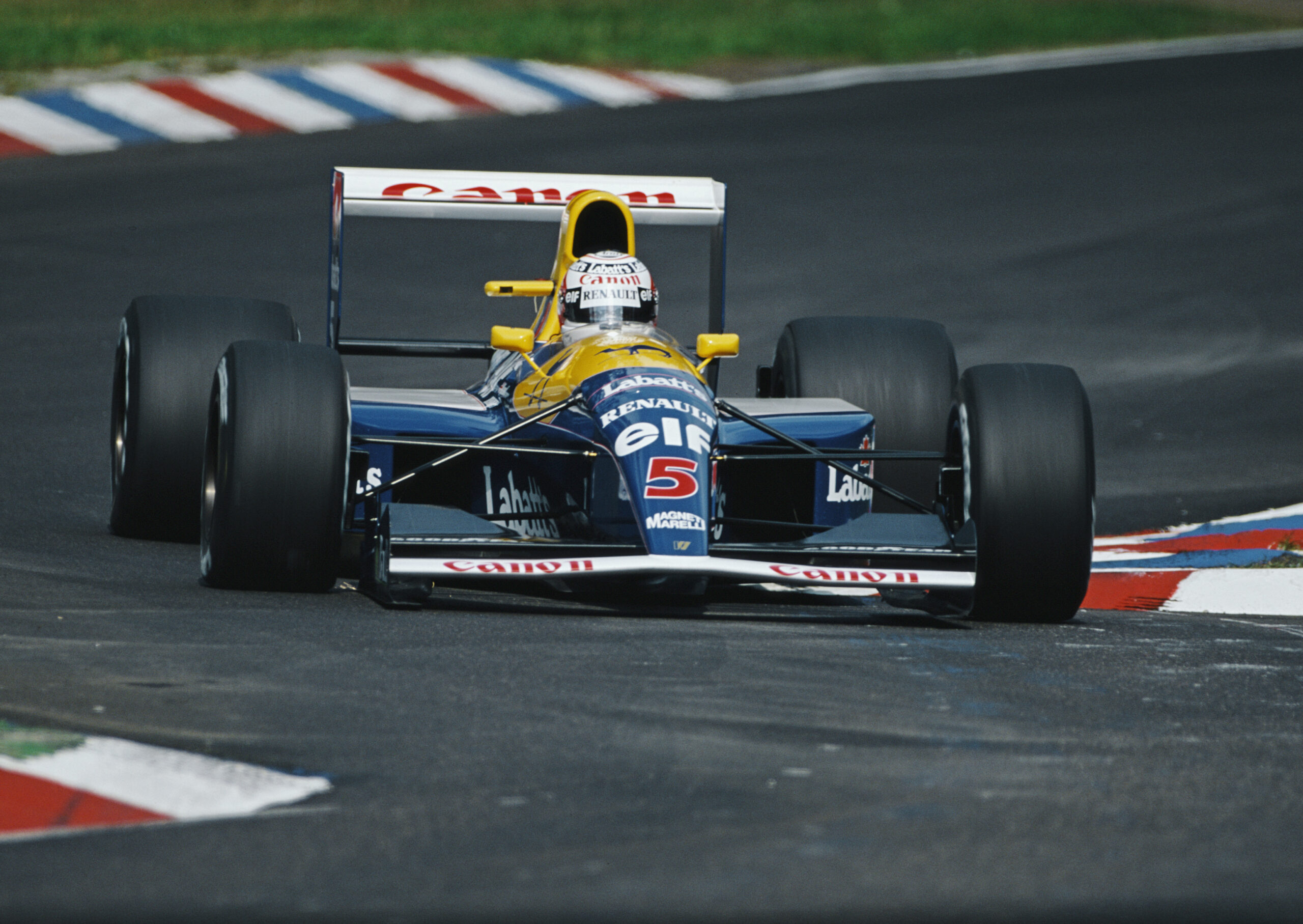
The Williams FW14B is considered one of the most technologically advanced cars in Formula 1 history. Unveiled in 1992 by Williams Grand Prix Engineering, it stood out for its use of electronic systems that were revolutionary for its time. Its active suspension automatically adjusted the car’s handling to optimize grip and performance.
It also featured aids such as traction control and highly sophisticated electronic management systems. Driven primarily by Nigel Mansell, the FW14B dominated the 1992 season and enabled Williams to win both the drivers’ and constructors’ championships. Its technological edge had a lasting impact on the evolution of modern Formula 1.
Mercedes F1 W11
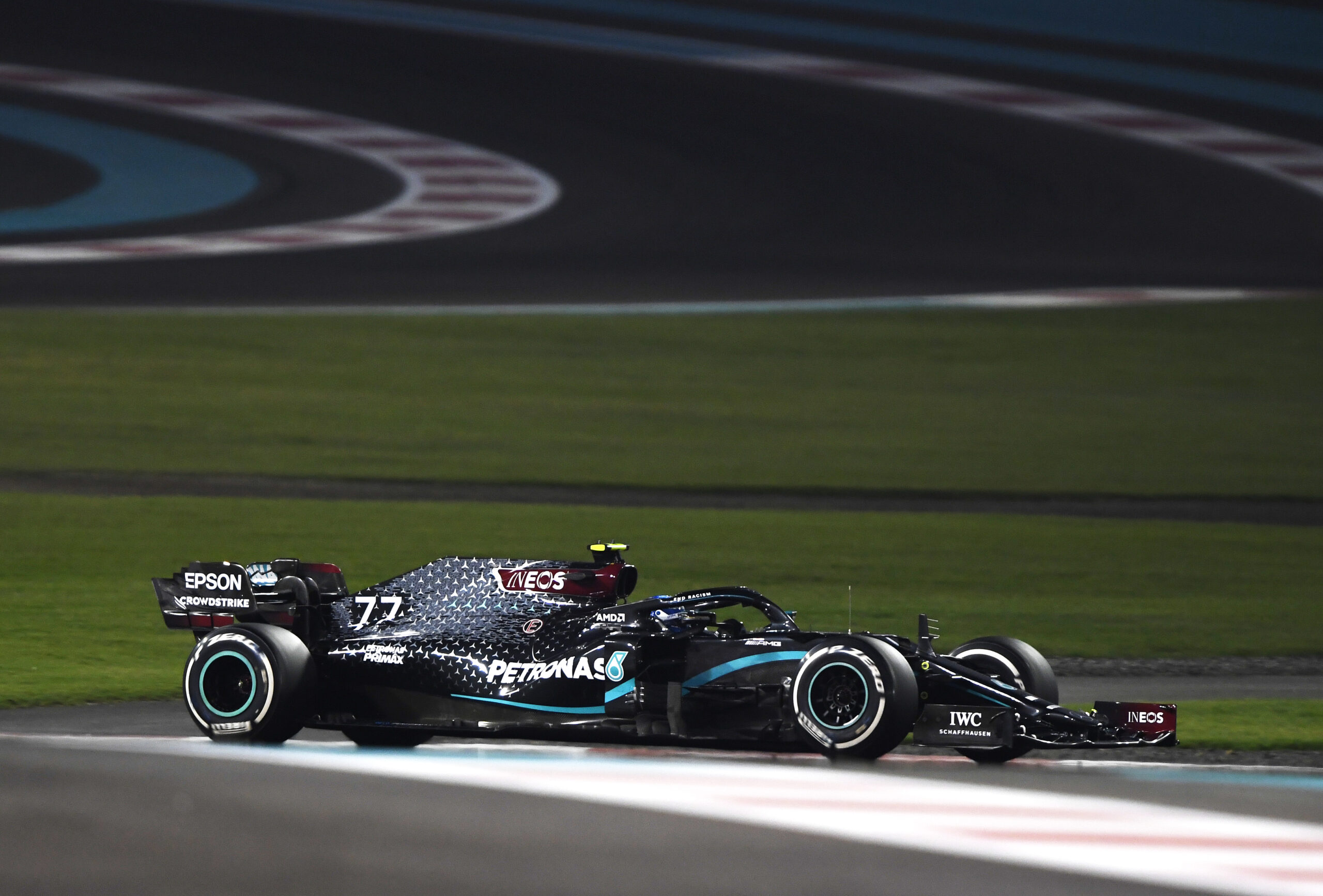
The Mercedes F1 W11 is regarded as one of the most successful cars in Formula 1 history. Unveiled for the 2020 season by the Mercedes-AMG Petronas Formula One Team, it impressed with its speed, aerodynamic efficiency, and consistency in races. The W11 was equipped with an extremely powerful hybrid engine and featured a very well-balanced chassis.
It also introduced the DAS (Dual Axis Steering) system, an innovation allowing the driver to adjust the angle of the front wheels in certain situations. Driven notably by Lewis Hamilton, it dominated the season and contributed to several records. Today, the W11 remains a modern benchmark in automotive performance.
Ferrari 312T
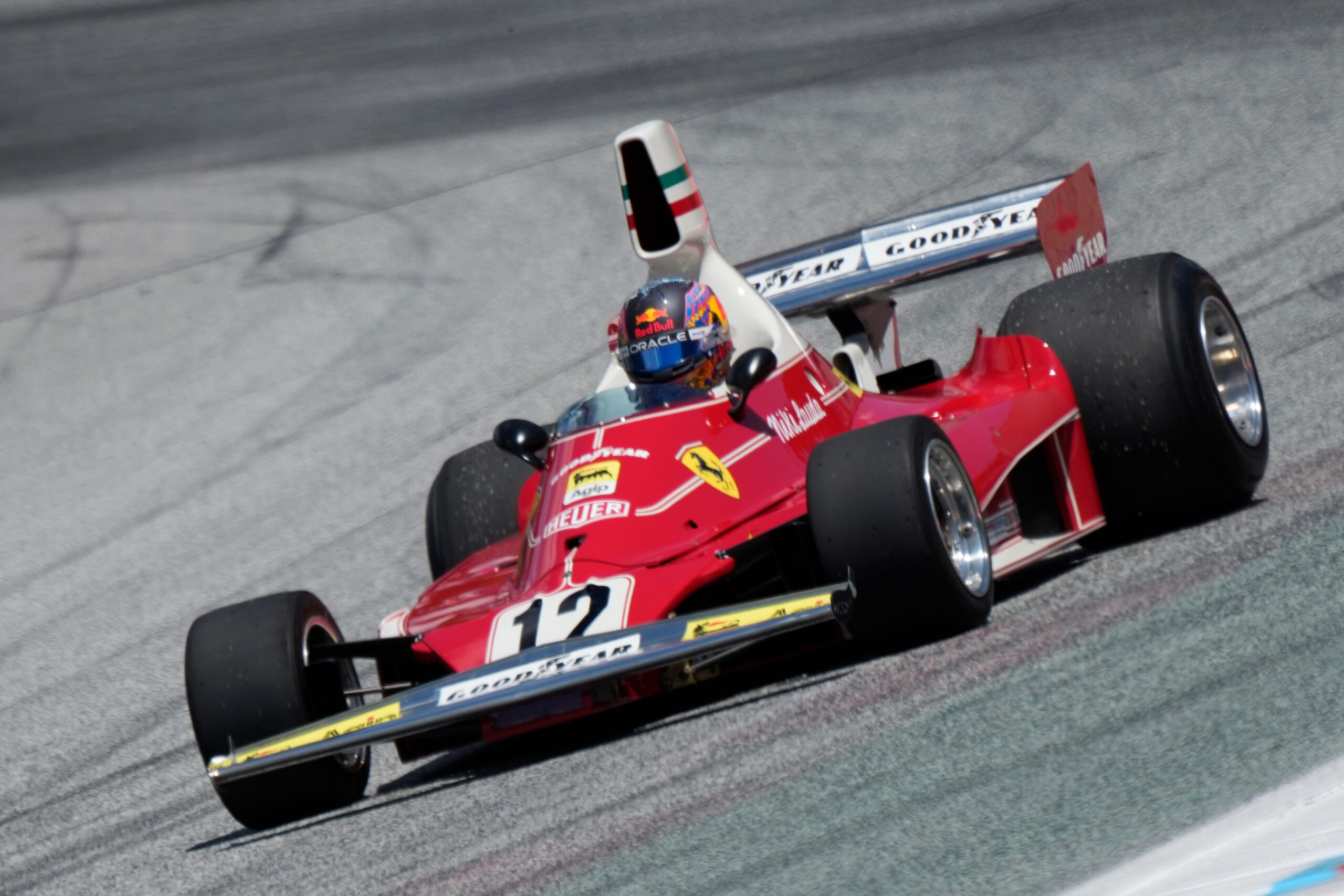
The Ferrari 312T is one of the most iconic cars in Formula 1 history. Unveiled in 1975 by Scuderia Ferrari, it marked a turning point for the team thanks to its technical innovation and exceptional results. Its name refers to its transverse gearbox (“T” for transverse), a design that improved weight distribution and cornering performance.
Equipped with a naturally aspirated V12 engine, the 312T combined power, stability, and reliability. Driven by Niki Lauda, among others, it helped Ferrari return to the top of the sport with several world titles. Even today, it remains a symbol of Ferrari’s golden age in Formula 1.
Brabham BT46B
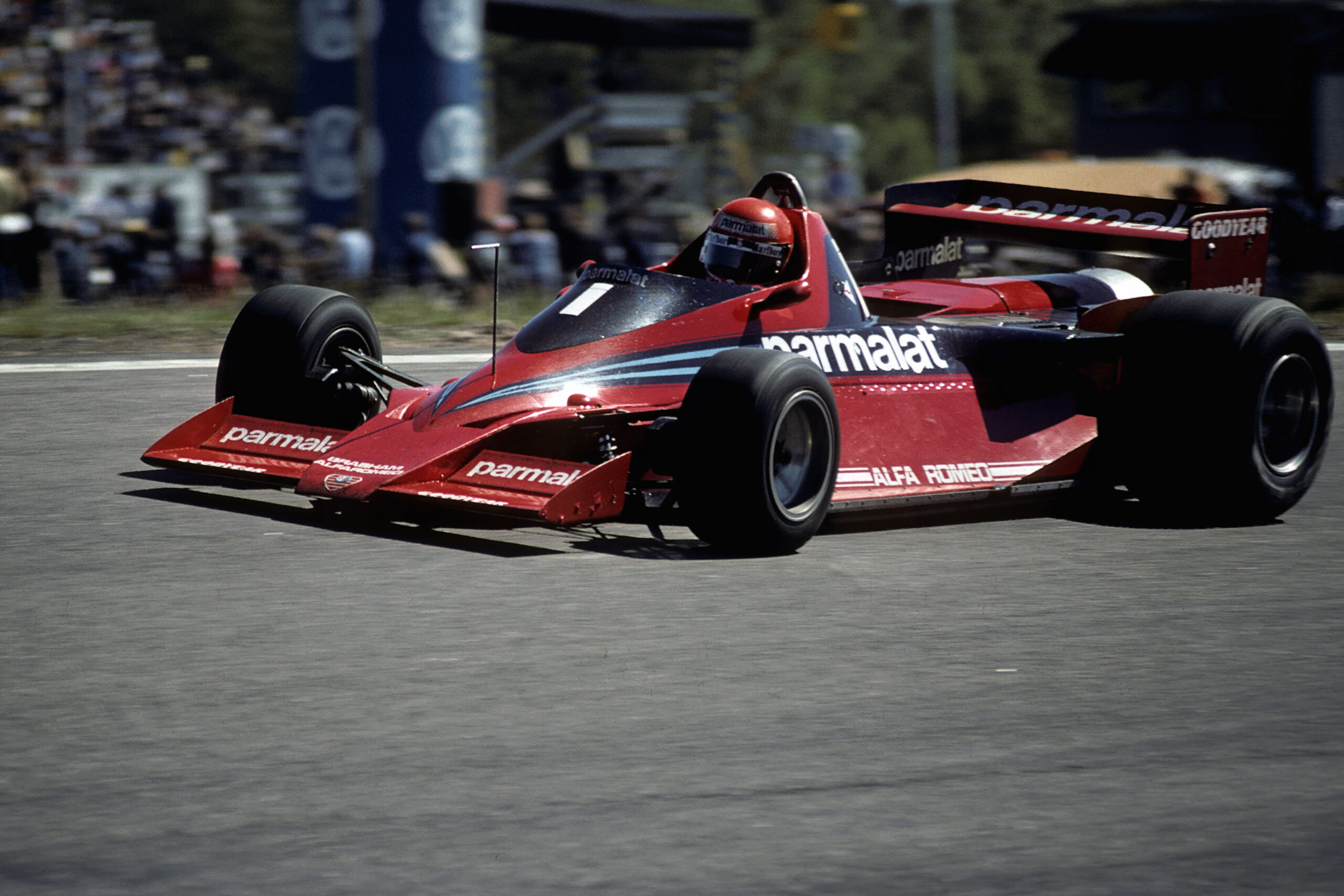
The Brabham BT46B is one of the most famous and controversial cars in Formula 1 history. Unveiled in 1978 by the Motor Racing Developments team, it became legendary thanks to its rear ventilation system, which earned it the nickname “vacuum car.” This fan created a strong ground effect by sucking air under the car to increase downforce in corners.
Driven by Niki Lauda, the BT46B won its only race at the 1978 Swedish Grand Prix. Despite this immediate success, it was quickly retired. Its technical boldness made it a true legend of motorsport.
Brawn BGP 001
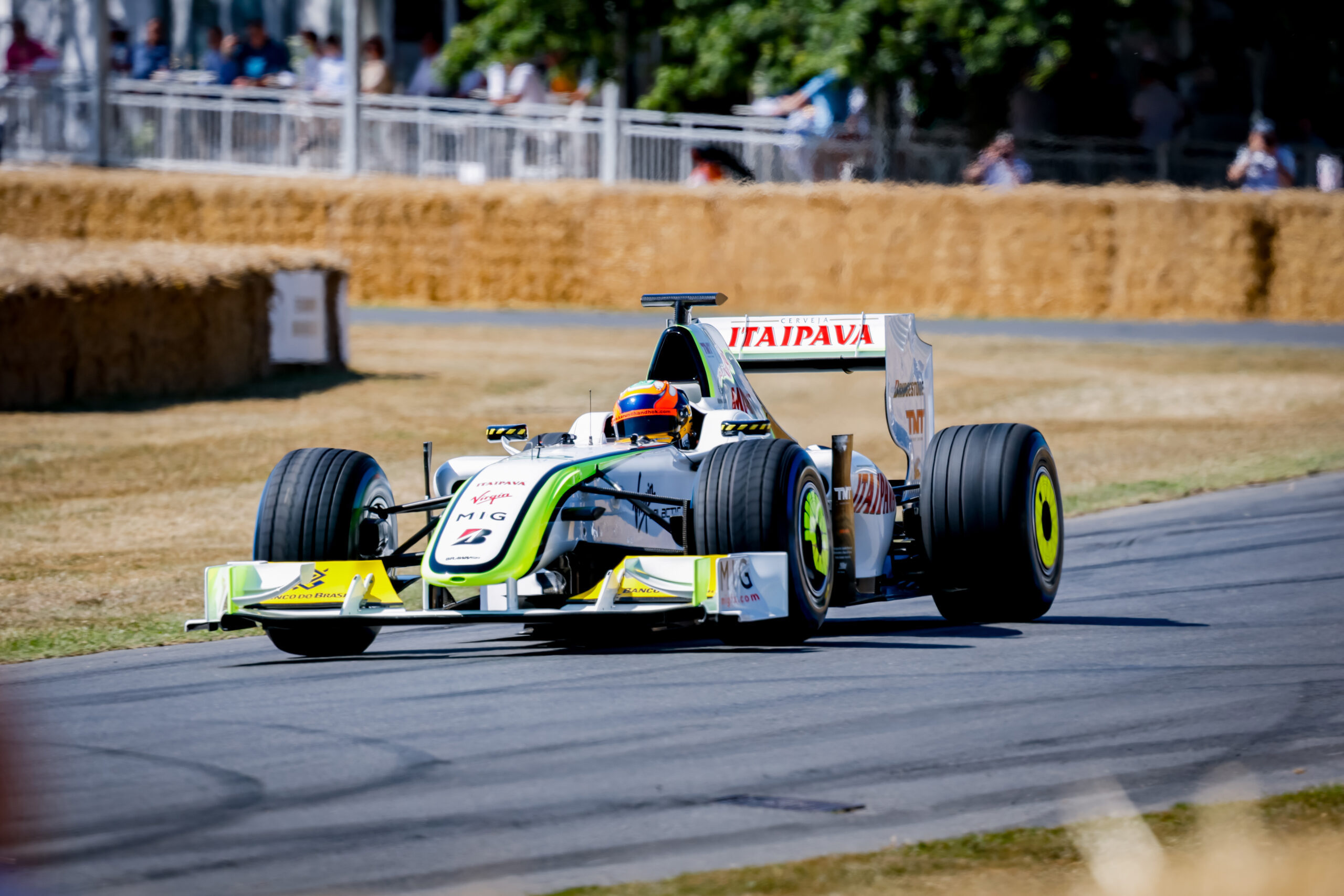
The Brawn BGP 001 stands out as one of the most surprising cars in Formula 1 history. Debuting in 2009 under the Brawn GP team colors, it became famous for winning the championship in the team’s first and only season. Born out of Ross Brawn’s acquisition of the former Honda team, the car benefited from an innovative interpretation of the aerodynamic regulations, notably thanks to its double diffuser.
Thanks to Jenson Button and Rubens Barrichello, it dominated the early part of the season before securing the drivers’ and constructors’ titles. The BGP 001 remains a unique example of efficiency, ingenuity, and sporting achievement.
Ferrari F2002
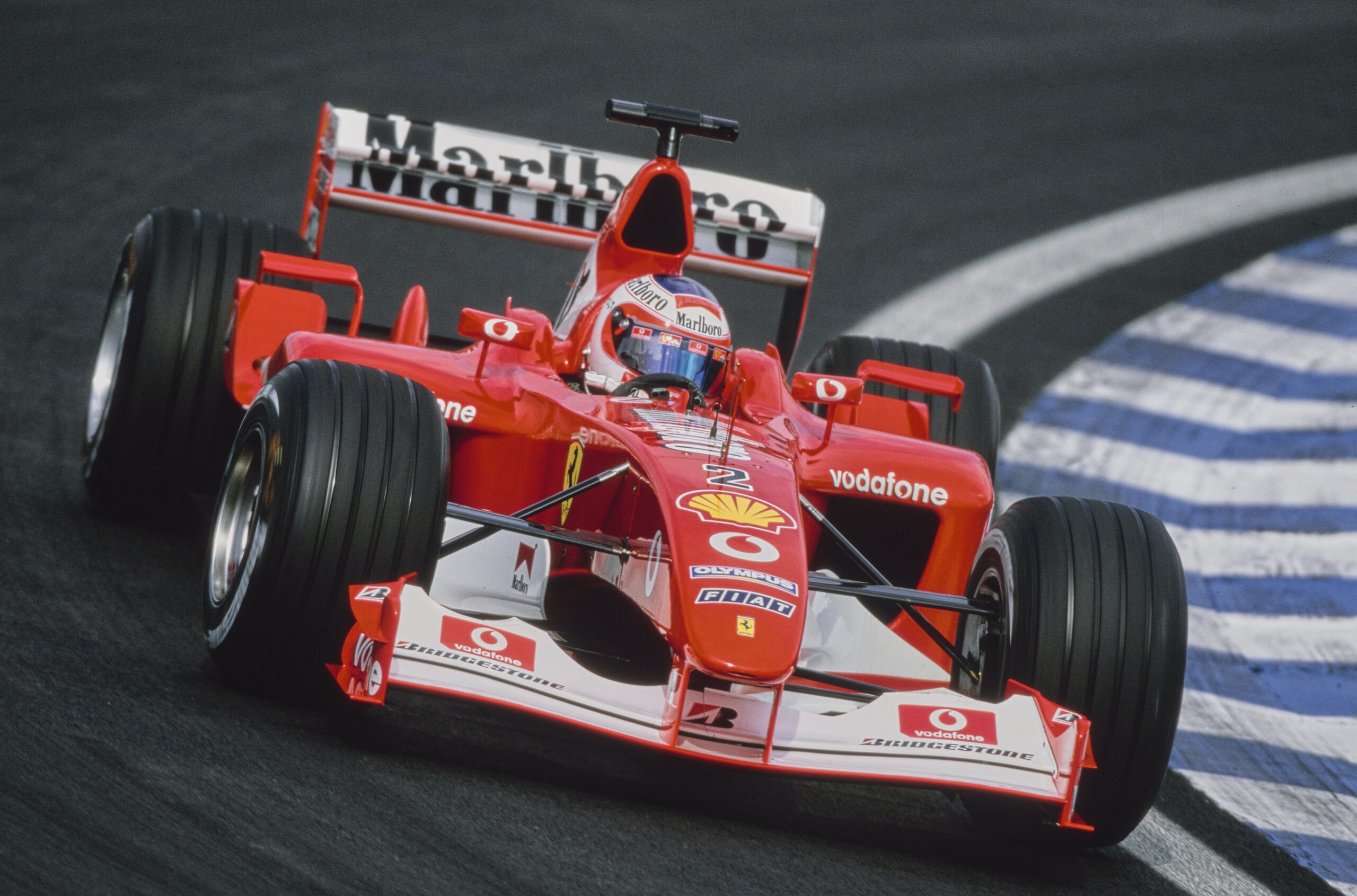
The Ferrari F2002 has established itself as one of the most dominant cars in Formula 1 history. Unveiled in 2002 by Scuderia Ferrari, it marked a period of exceptional dominance for the Italian team. Designed with highly efficient aerodynamics, a lightweight chassis, and a powerful, reliable V10 engine, it delivered remarkable performance.
It was with the driver duo of Michael Schumacher and Rubens Barrichello that the F2002 won the majority of the races in which it competed. Schumacher secured his fifth world title with this car. Thanks to its efficiency and consistency, the F2002 remains an absolute benchmark in the history of Ferrari and Formula 1.
Renault R25
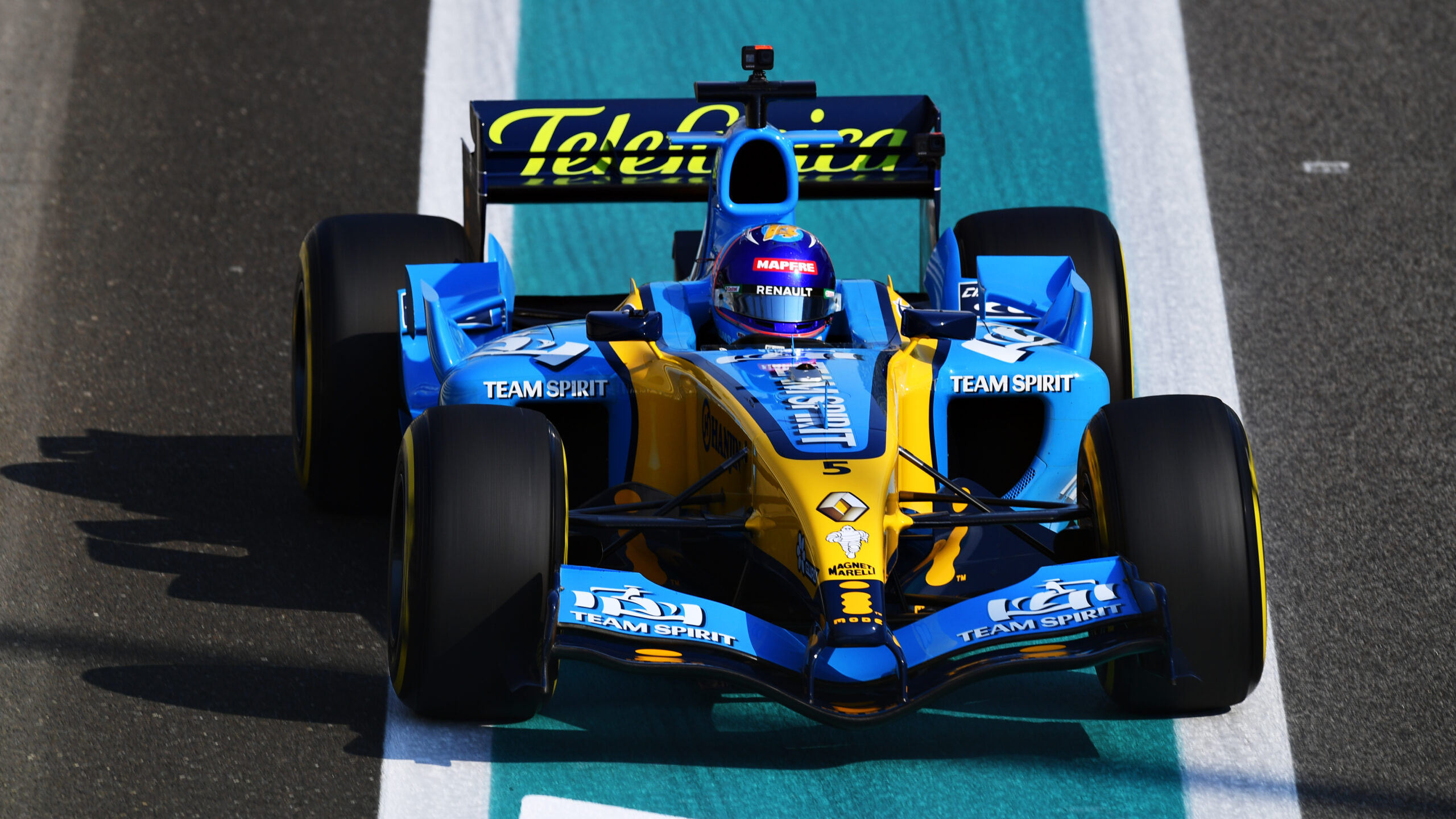
The Renault R25 is undoubtedly one of the most memorable cars of the 2000s in Formula 1. Unveiled for the 2005 season by the Renault F1 Team, it stood out for its balance, reliability, and consistent performance. Equipped with a Renault V10 engine and a particularly efficient chassis, the R25 enabled the French team to challenge Ferrari’s dominance.
With Fernando Alonso and Giancarlo Fisichella at the wheel, it secured several key victories throughout the season. Thanks to these results, Alonso became the youngest world champion of his time, and Renault clinched the constructors’ title, ushering in a new era in Formula 1.
Mercedes W196
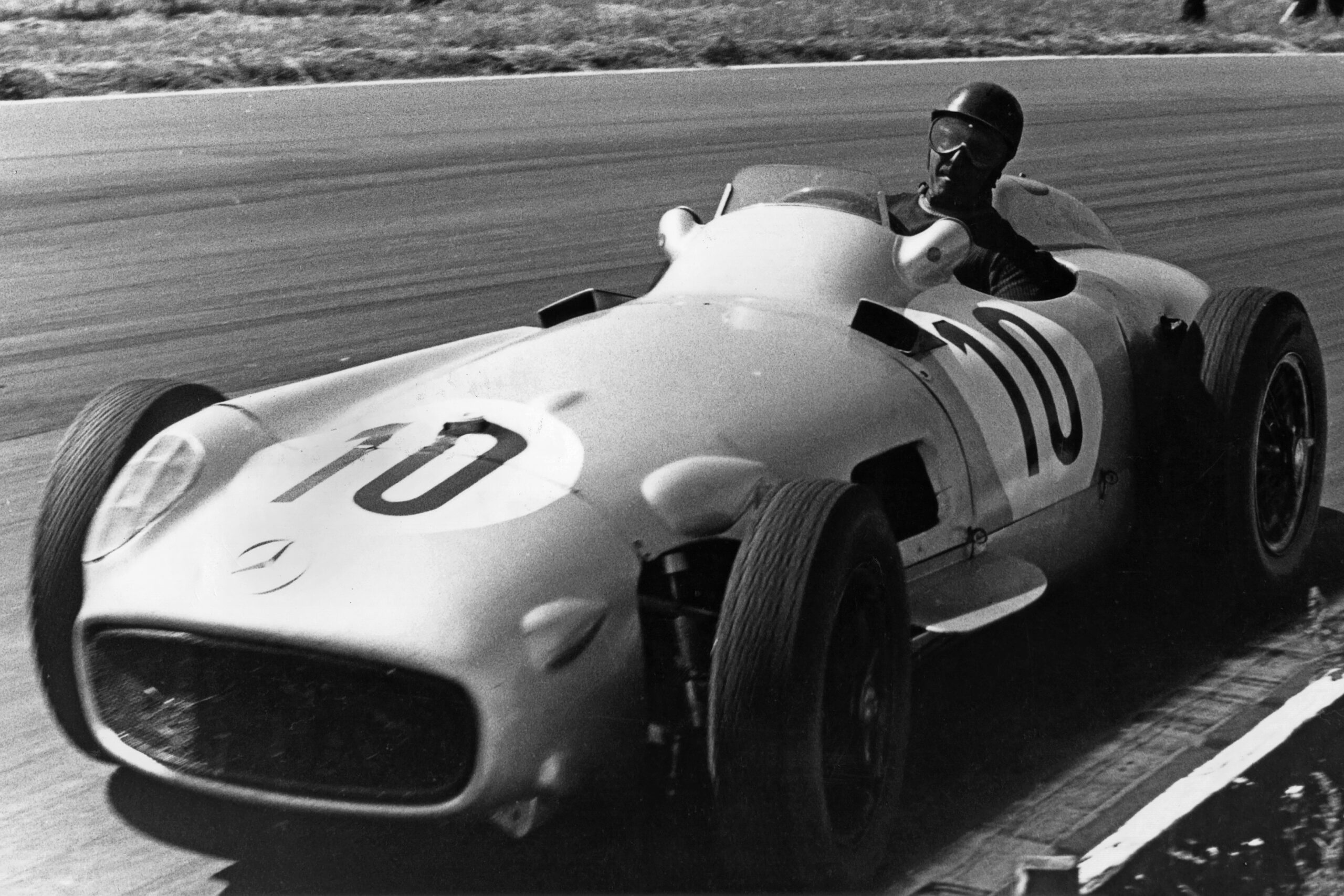
The Mercedes-Benz W196 is one of the greatest legends in the history of Formula 1. Introduced in 1954 by Mercedes-Benz Grand Prix, it left an indelible mark on its era thanks to its exceptional technological advancement. It was available in an open-wheel version or with a streamlined body designed for very fast circuits.
The W196 was powered by an inline-eight-cylinder direct-injection engine, a rare and innovative technology for the time. It secured numerous victories with drivers such as Juan Manuel Fangio and Stirling Moss, enabling Fangio to win several world championships. Today, the Mercedes W196 remains a symbol of precision, innovation, and excellence in motorsports.
Red Bull RB19
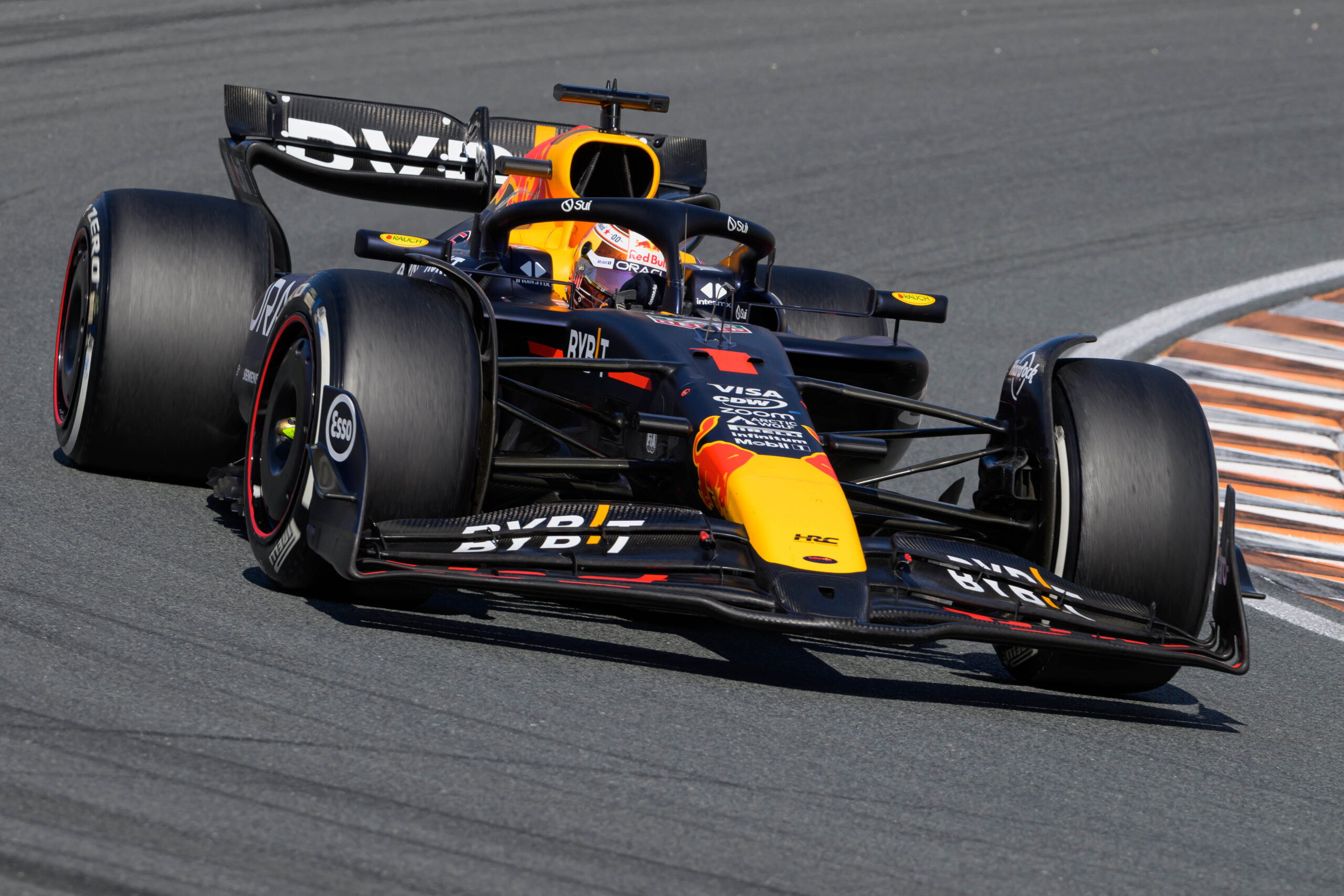
The Red Bull RB19 has established itself as a frontrunner in Formula 1. Unveiled for the 2023 season by Red Bull Racing, it stood out for its exceptional aerodynamic efficiency, excellent tire management, and great versatility on all types of circuits.
Designed under the technical leadership of Adrian Newey, the RB19 combined top speed, stability, and consistency. Thanks to Max Verstappen and Sergio Pérez, it managed to dominate nearly the entire season with a record number of victories. The RB19 is already considered a modern benchmark and a symbol of technical mastery in Formula 1.
Ferrari 641
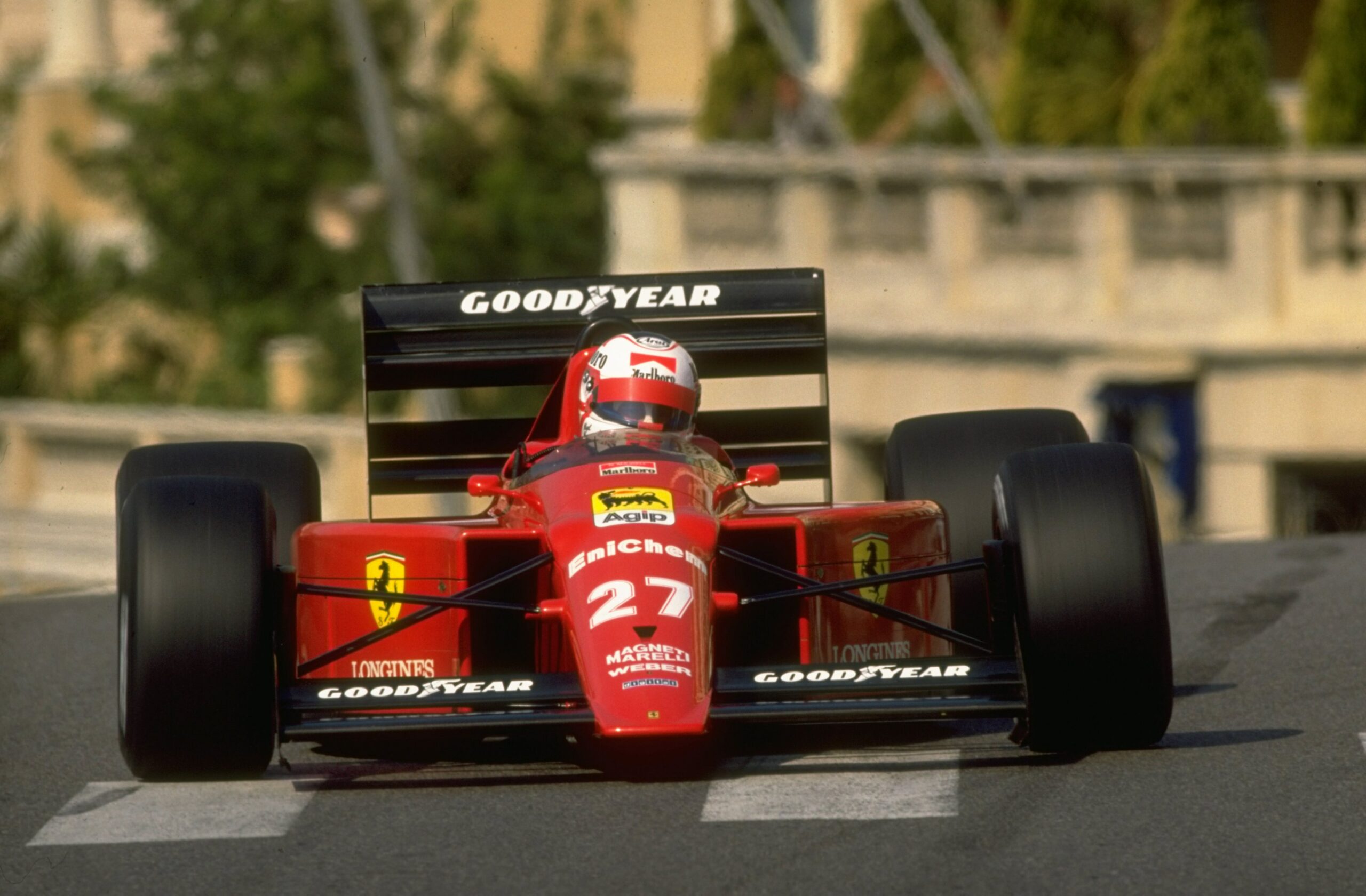
The Ferrari 641 is one of the most admired cars in Formula 1 history for its elegance and innovation. Unveiled in 1990 by Scuderia Ferrari, it was an evolution of the famous Ferrari 640 and stood out for its refined design and outstanding performance. Equipped with a naturally aspirated V12 engine and a semi-automatic steering wheel-mounted gearbox—a revolutionary technology at the time—it helped modernize the sport.
Renowned drivers such as Alain Prost and Nigel Mansell secured several victories and enabled Ferrari to contend for the world title. Even today, it remains a benchmark for aesthetics and technology in Formula 1.
Lotus 49
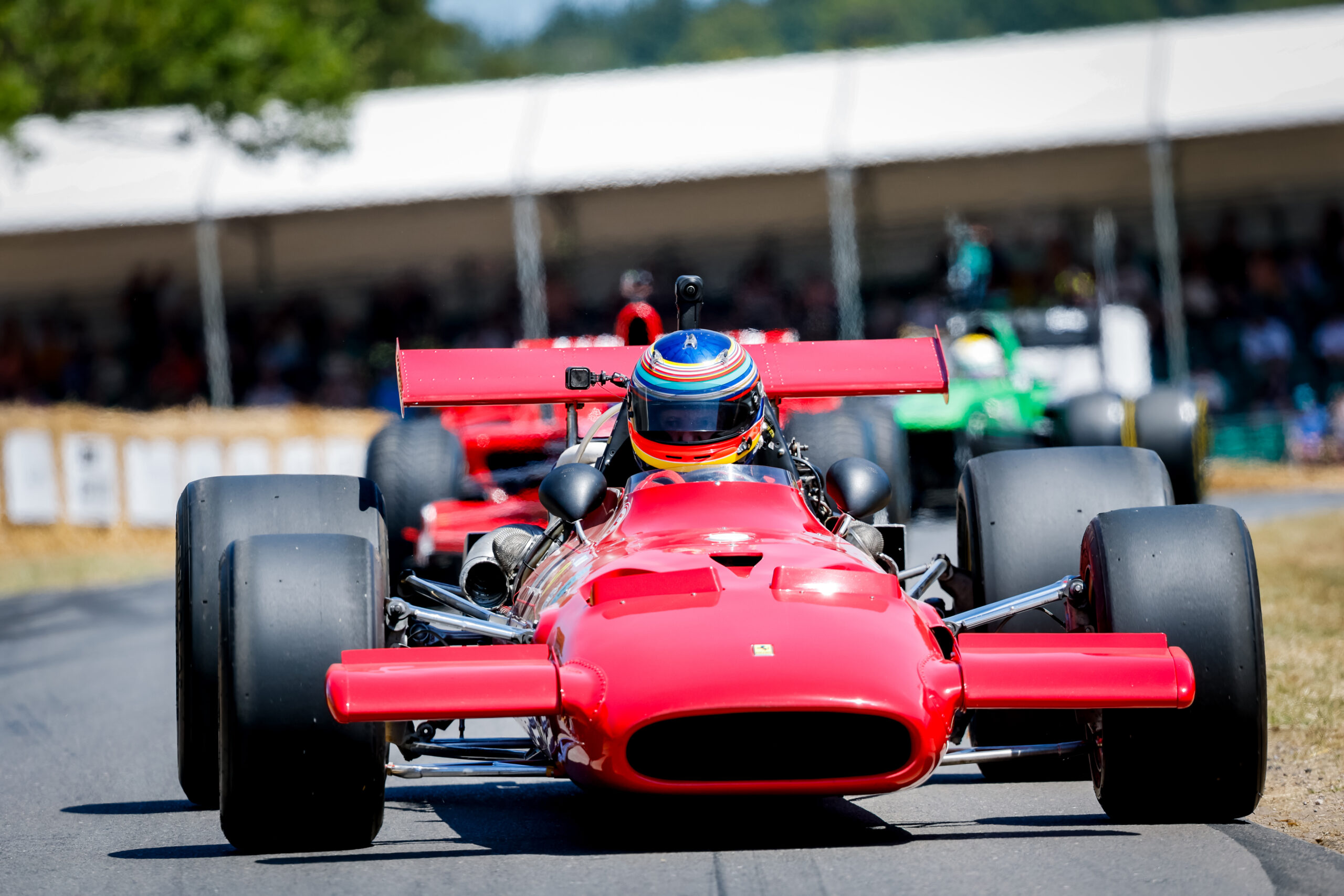
The Lotus 49 is undoubtedly recognized as one of the most influential cars in Formula 1 history. Unveiled in 1967 by Team Lotus and designed by Colin Chapman, it revolutionized race car design by using the engine as a structural component of the chassis. This innovation reduced weight and improved overall performance.
The Lotus 49 was equipped with the famous Ford-Cosworth DFV engine, which set the standard for many years. It is worth noting that Jim Clark and Graham Hill helped Lotus secure several major victories and left a lasting mark on the technical evolution of Formula 1.
McLaren MP4/23