Some automakers rely on numbers, others on letters, but a few have dared to choose names that are completely out of the ordinary. Over the decades, the automotive industry has given us names that are as surprising as they are unforgettable—inspired by fictional characters, animals, natural phenomena, or even words that make us smile. Behind these original names often lie fascinating stories, bold marketing strategies, or nods to popular culture. Whether they’ve become icons or true curiosities, these models continue to be the talk of the town many years after their launch. Here are 14 cars with the most original names—vehicles that prove that a simple name can sometimes make as much of a mark on history as their performance.
Some automakers rely on numbers, others on letters, but a few have dared to choose names that are completely out of the ordinary. Over the decades, the automotive industry has given us names that are as surprising as they are unforgettable—inspired by fictional characters, animals, natural phenomena, or even words that make us smile.
Behind these original names often lie fascinating stories, bold marketing strategies, or nods to popular culture. Whether they’ve become icons or true curiosities, these models continue to be the talk of the town many years after their launch. Here are 14 cars with the most original names—vehicles that prove that a simple name can sometimes make as much of a mark on history as their performance.
TVR Sagaris
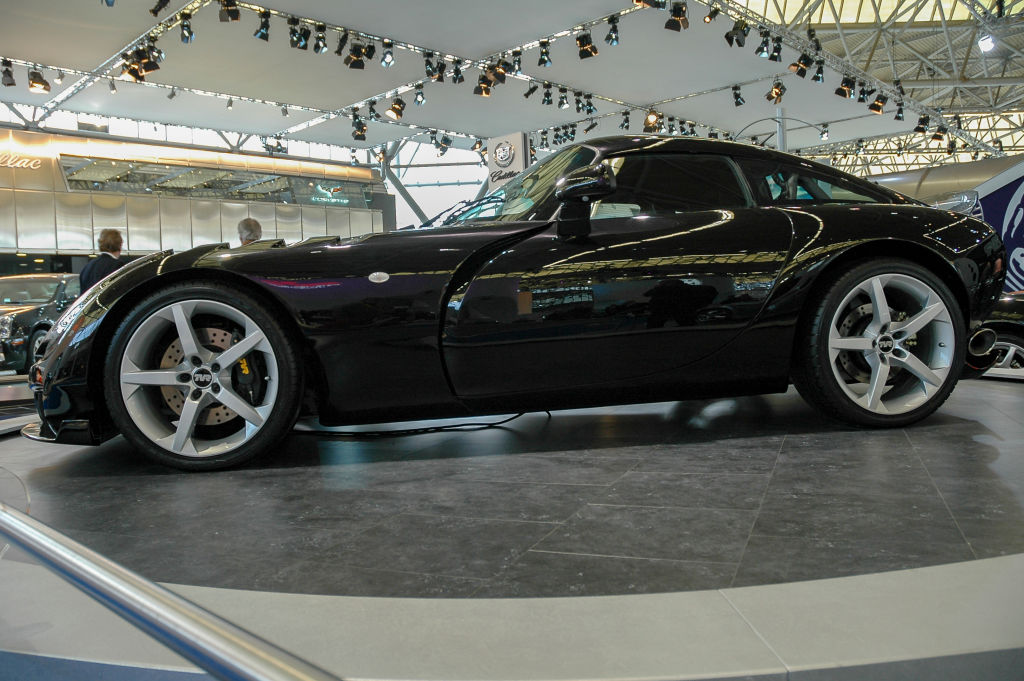
The TVR Sagaris has a name as mysterious as its personality. It is said to refer to the sagaris, a battle axe used in ancient times by the Scythians—a choice that perfectly reflects the radical character of this British sports car. Unveiled in 2004, the Sagaris was designed to offer an uncompromising driving experience.
Its 4.0-liter inline-six engine produced nearly 400 chevaux, sent exclusively to the rear wheels via a manual transmission. Devoid of electronic aids such as traction control or stability control, it demanded a great deal of skill from its driver. With its spectacular design and unusual name, the Sagaris remains one of TVR’s most fascinating creations.
Subaru BRAT
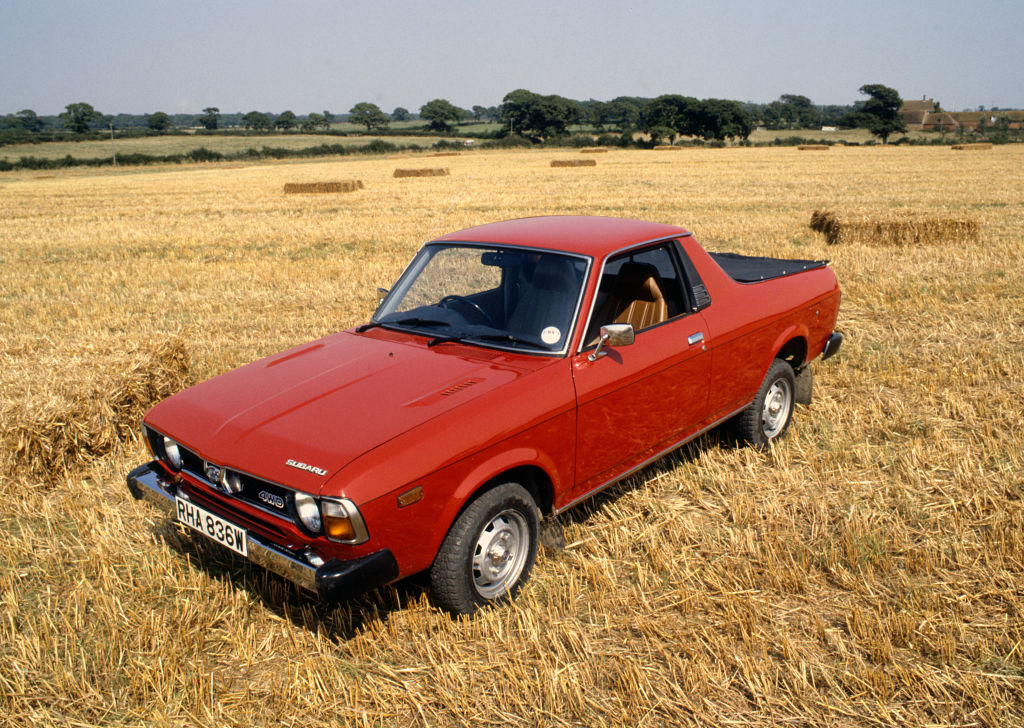
The Subaru BRAT is as famous for its name as it is for its original design. BRAT stands for Bi-drive Recreational All-terrain Transporter, but the word also means “brat” in English—a playful nod to its character. This small pickup truck, derived from the Subaru Leone, was designed primarily for the North American market.
To avoid taxes on imported pickup trucks, Subaru installed two rear-facing seats in the bed, officially reclassifying the vehicle as a passenger car. Thanks to its all-wheel drive, light weight, and ruggedness, the BRAT won over adventure seekers. Today, it remains one of the most original models ever produced by Subaru.
Nissan Cedric
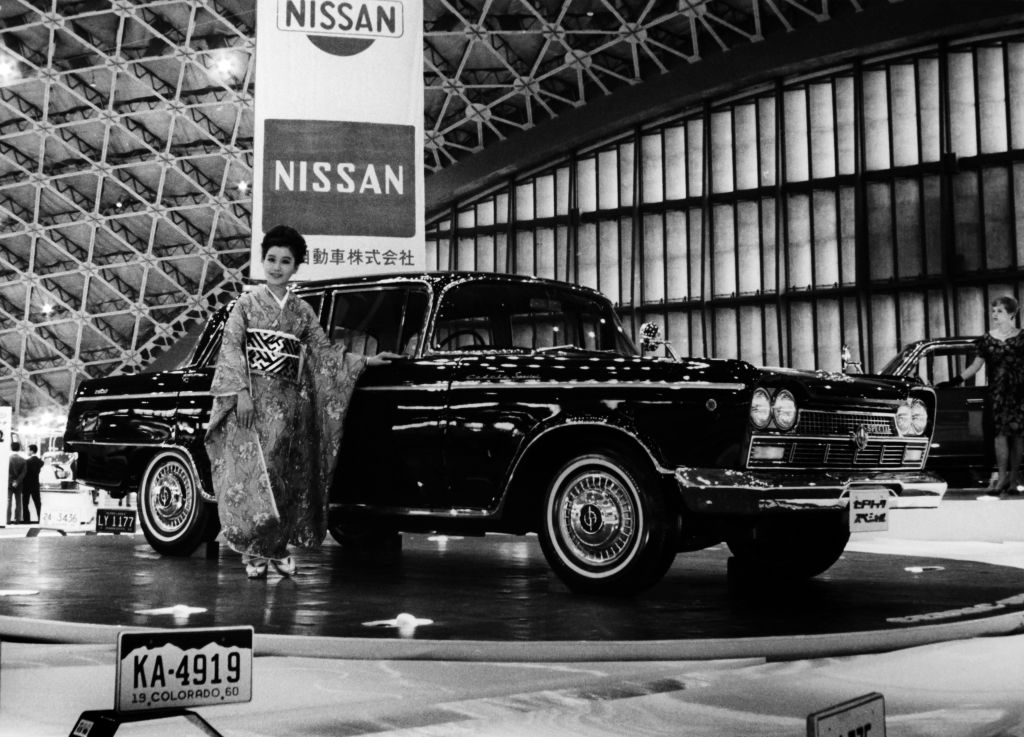
Unlike names that evoke power or speed, Cedric is simply a first name. Nissan chose this name in the late 1950s, drawing inspiration from the character Cedric Errol, the hero of the novel Little Lord Fauntleroy. This luxury sedan quickly became one of the brand’s most prestigious models in Japan, serving families, corporate executives, and high-end taxis alike.
Over the decades, the Cedric has evolved to feature six-cylinder engines, turbocharged versions, and a level of comfort worthy of much more expensive cars. Its name, unusual in the automotive world, continues to surprise and adds to its unique charm.
Studebaker Dictator
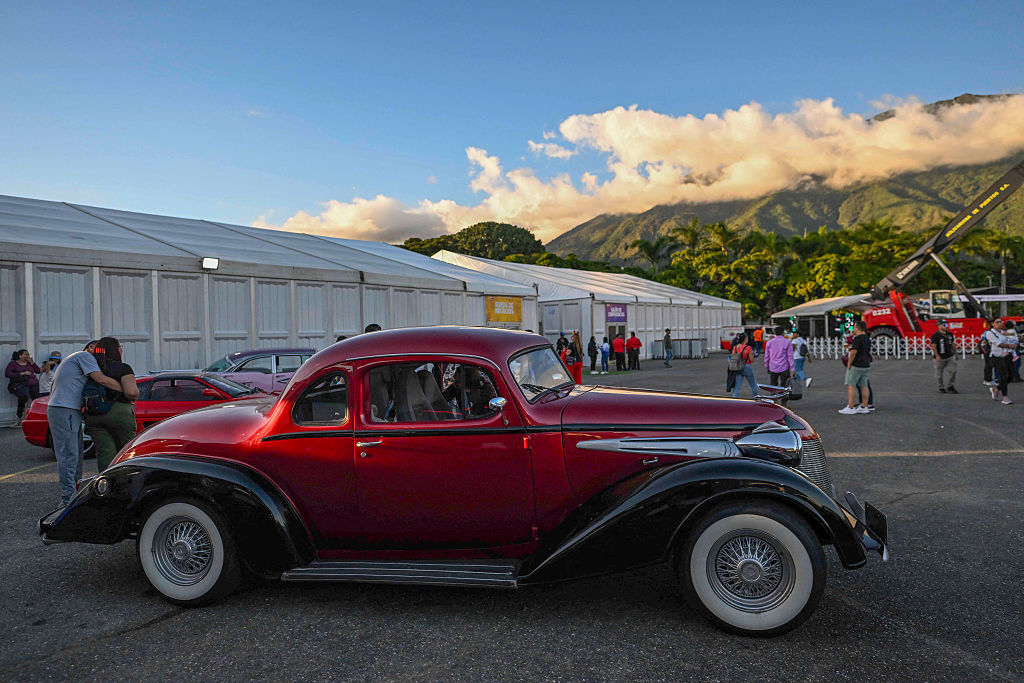
Few car names provoke as much reaction as “Dictator.” Introduced by Studebaker in 1927, this American sedan was intended to symbolize the brand’s dominance in the market thanks to its excellent value for the money. At the time, the term did not yet carry the negative connotation it would take on a few years later with the rise of totalitarian regimes.
Despite strong initial sales, the name quickly became embarrassing on the international stage, particularly in Europe. Studebaker finally dropped the name in 1937 in favor of “Commander.” Today, the Dictator is best known for its provocative name, which makes it one of the most surprising and controversial in the entire history of the automobile.
Plymouth Prowler
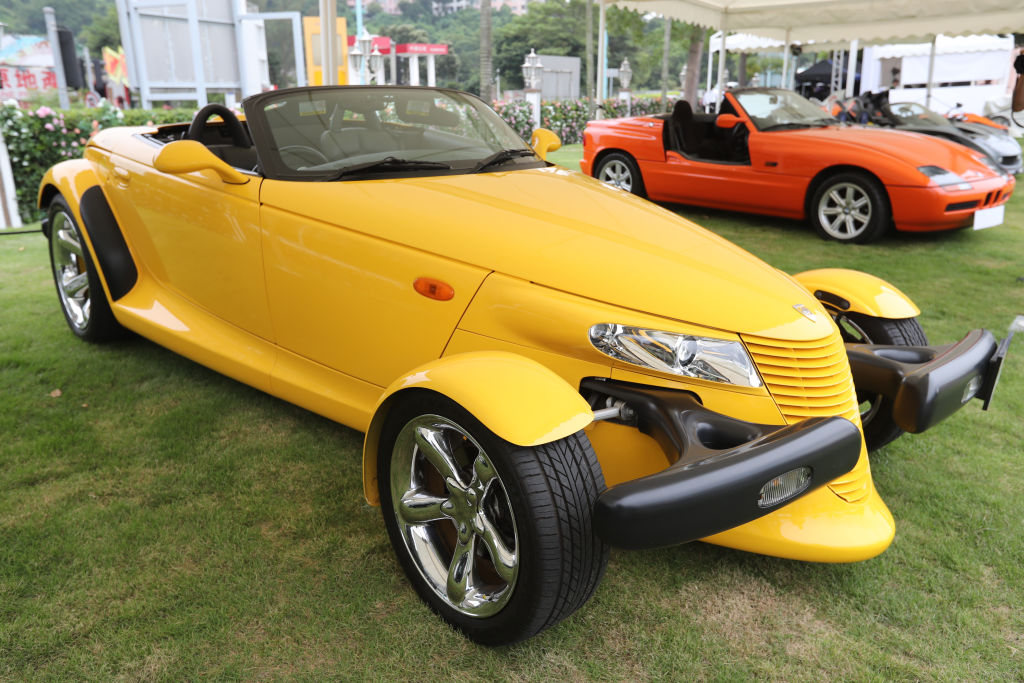
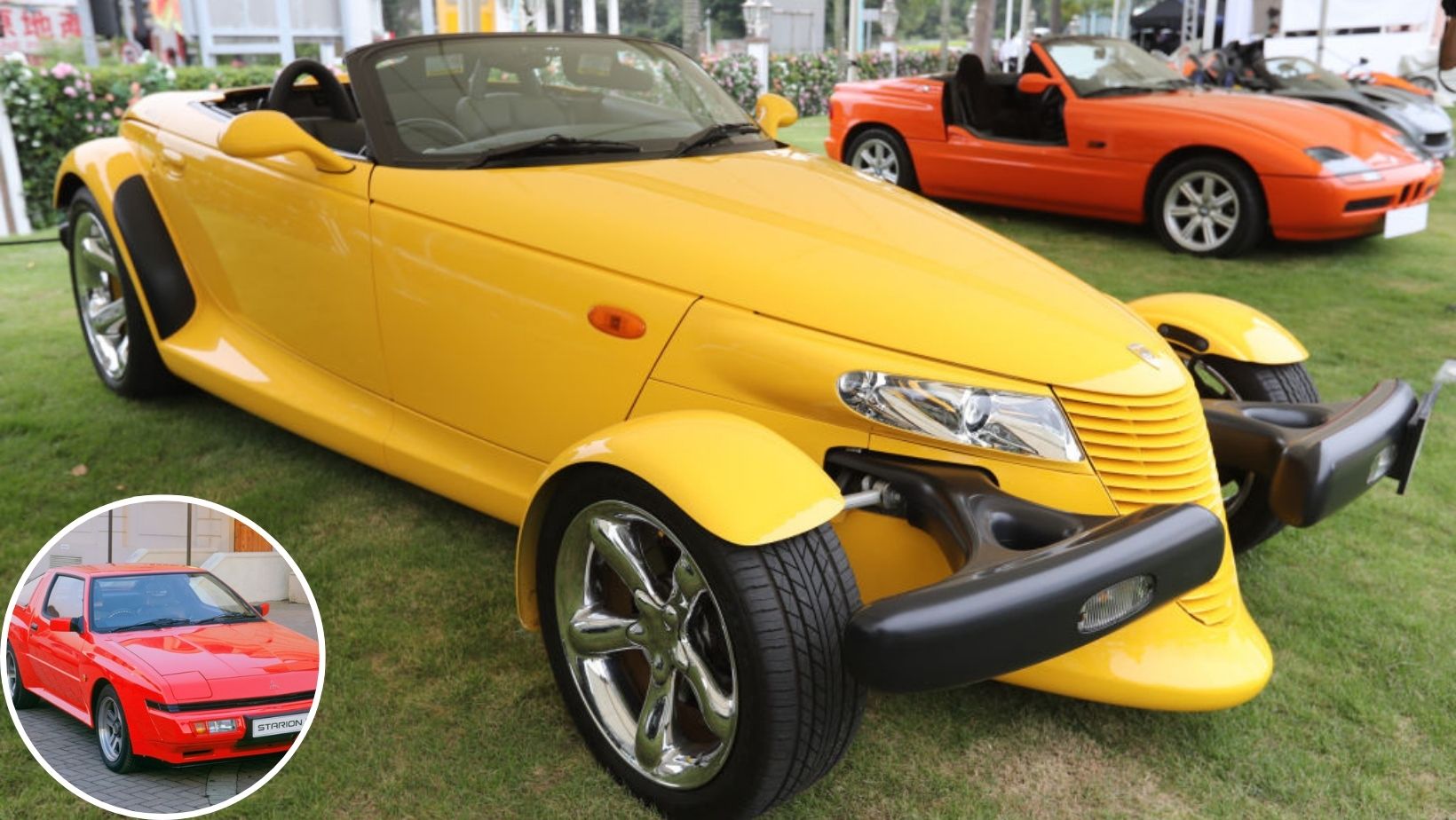
The name “Prowler,” which can be translated as “stalker” or “predator,” was a perfect fit for this spectacular car. Launched in the late 1990s, the Plymouth Prowler captured the spirit of 1930s American hot rods with exposed front wheels, an aluminum body, and unmistakable styling.
Its 3.5-liter V6 produced up to 253 chevaux, delivering respectable performance, even if many would have preferred a V8. The Prowler was never designed to break speed records; its appeal lay primarily in its unique design and commanding presence on the road. Even today, its name plays a major role in its status as a cult car.
AMC Gremlin
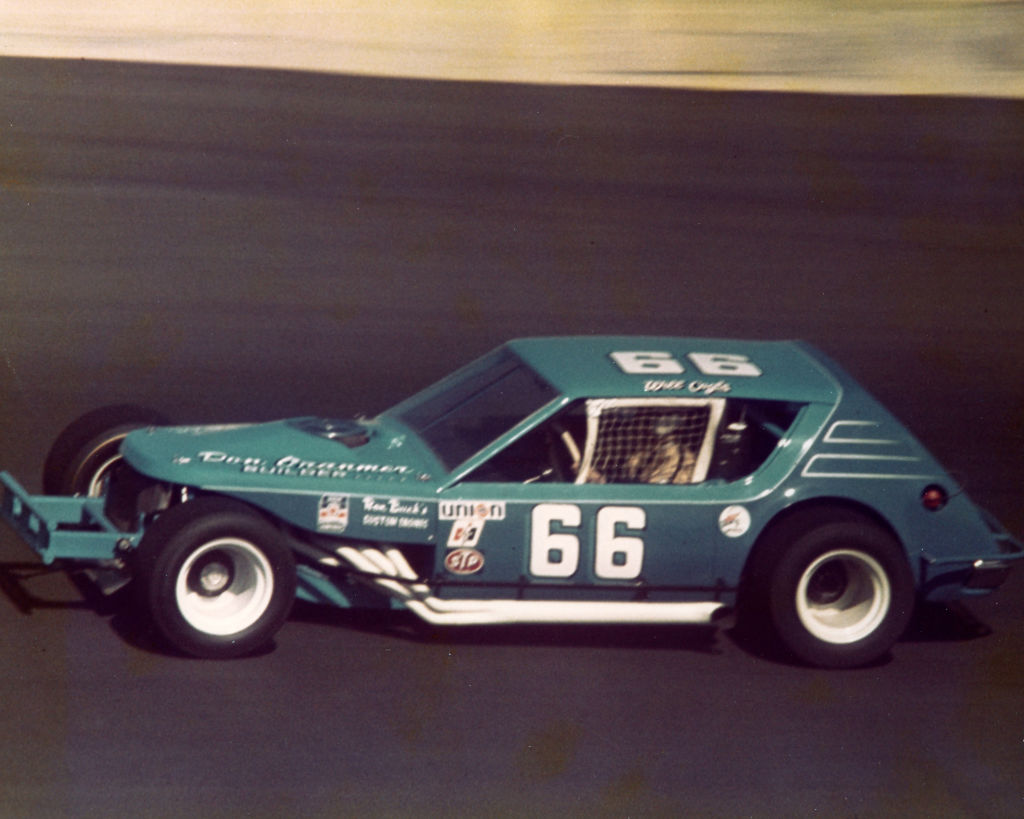
When American Motors Corporation unveiled the Gremlin in 1970, its name immediately caught people by surprise. In British folklore, a gremlin is a mischievous little creature believed to be responsible for mechanical breakdowns. AMC, however, chose this name for its new compact car, fully embracing its unique character.
With its truncated rear end, compact size, and affordable price, the Gremlin was aimed at drivers seeking an alternative to imported cars. Available with several engine options, including a powerful V8 in certain versions, it offered surprising performance for its size. While opinions were divided on its styling, its name quickly became one of the most famous and unusual in the entire American automotive industry.
De Tomaso Mangusta
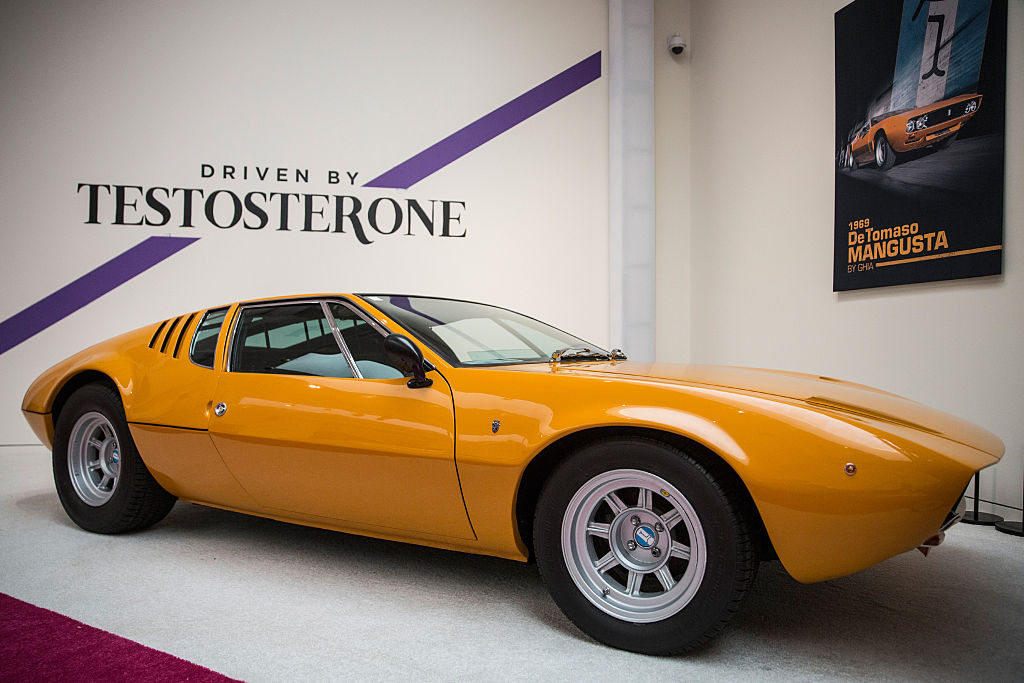
The De Tomaso Mangusta has one of the most evocative names in automotive history. “Mangusta” means “mongoose” in Italian, an animal renowned for its ability to defeat cobras. This choice was no accident: Alejandro de Tomaso wanted to symbolically challenge Carroll Shelby, whose famous AC Cobras were dominating the sports car scene at the time.
Unveiled in 1967, the Mangusta was a spectacular exotic car powered by a mid-rear-mounted Ford V8 engine. Its low-slung silhouette and twin butterfly-style rear hoods made it instantly recognizable. With fewer than 500 units produced, it is now one of the most sought-after De Tomaso models among collectors.
Toyota Sera
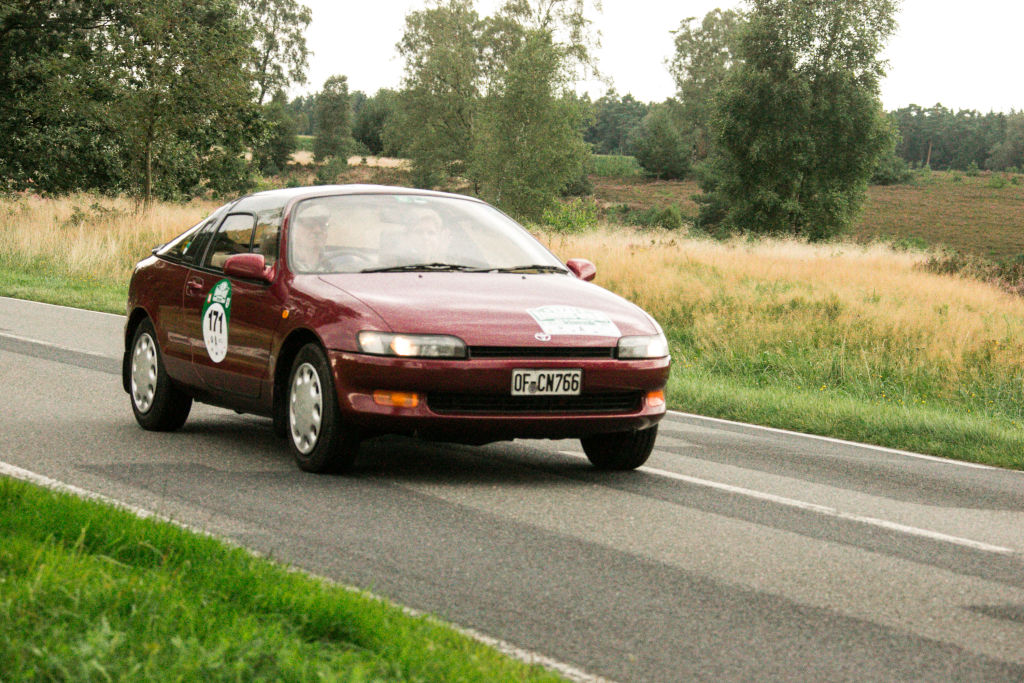
Few Japanese cars have turned as many heads as the Toyota Sera. Unveiled in the early 1990s, it is best known for its spectacular butterfly doors—a feature rarely seen on a car in this class. Its name, Sera, evokes the future and innovation, perfectly in keeping with its bold design.
Hidden beneath its futuristic body was a 1.5-liter four-cylinder engine known for its reliability, but it was the car’s vast glass surface that truly impressed. In fact, several McLaren engineers are said to have drawn inspiration from the Sera’s door mechanism when developing the doors for the legendary F1. Today, the Sera remains a true collector’s item.
Nissan Figaro
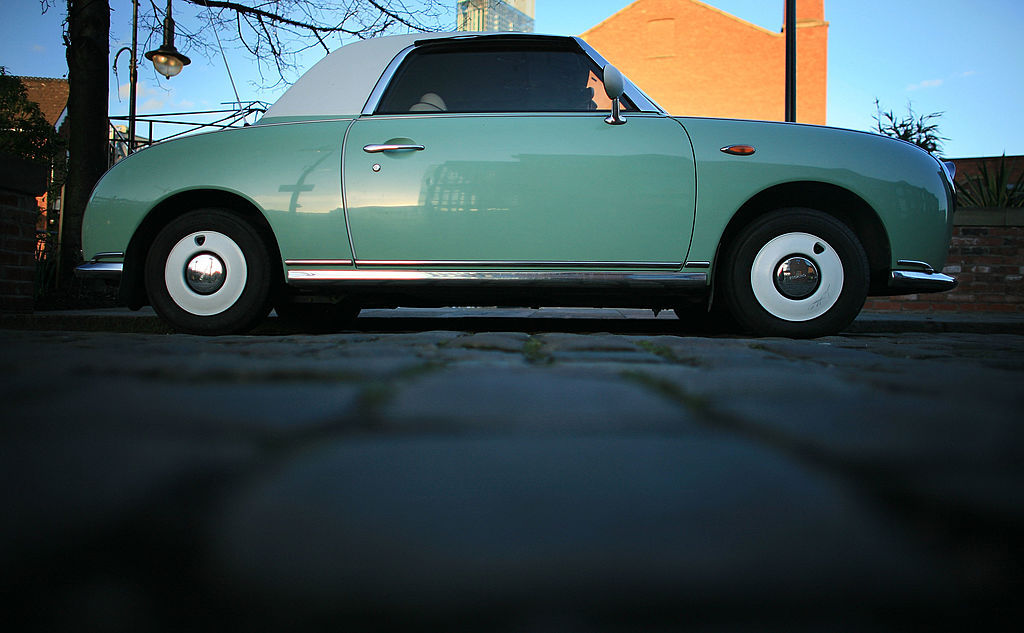
With its retro look and a name inspired by the famous character Figaro, this little Nissan has become a true icon. Produced exclusively in 1991 as part of the Pike Factory project, the Figaro blended the charm of 1950s cars with mechanics that were modern for its time. Its 1.0-liter turbocharged engine, automatic transmission, and convertible top gave it a unique personality.
Sold exclusively in Japan, it quickly achieved classic car status thanks to its timeless style and limited production run. Its elegant and refined name continues to contribute to its immense popularity among enthusiasts, who consider it one of Nissan’s most original creations.
Isuzu MU Wizard
The Isuzu MU Wizard certainly deserves its place among cars with the most original names. Introduced in the late 1980s, this compact SUV was known by several names depending on the market, but “Wizard” is the one that left the strongest impression. Evoking magic and adventure, it stood in stark contrast to the much more conventional names of its competitors.
Based on a sturdy chassis derived from Isuzu pickup trucks, the Wizard was designed to tackle both paved roads and more challenging trails. Reliable, easy to maintain, and equipped with genuine off-road capabilities, it built an excellent reputation among outdoor enthusiasts. Even today, its name remains one of the most surprising in Japanese automotive history.
GMC Typhoon
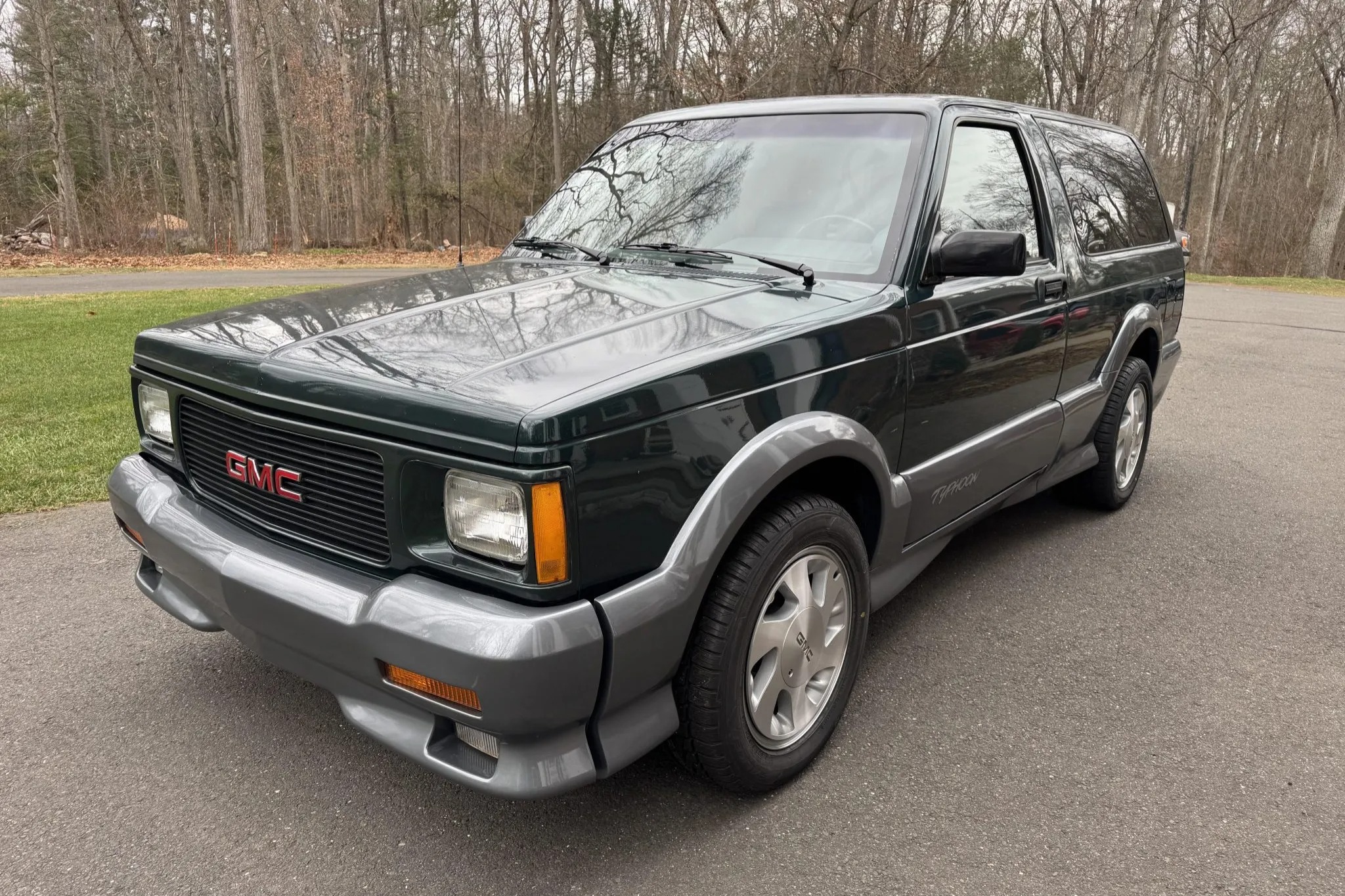
The GMC Typhoon has a name that immediately evokes the power and ferocity of a natural phenomenon. Launched in 1992, this high-performance SUV completely changed the perception of sport utility vehicles at the time. Equipped with a 4.3-liter turbocharged V6 engine producing 280 chevaux and all-wheel drive, it could accelerate from 0 to 100 km/h in just over five seconds—an exceptional feat in the early 1990s.
The Typhoon even outperformed several renowned sports cars in acceleration. Produced for only two years with a total of about 4,700 units, it is now highly sought after by collectors. Its spectacular name perfectly matches its explosive temperament and its place in automotive history.
Toyota Deliboy
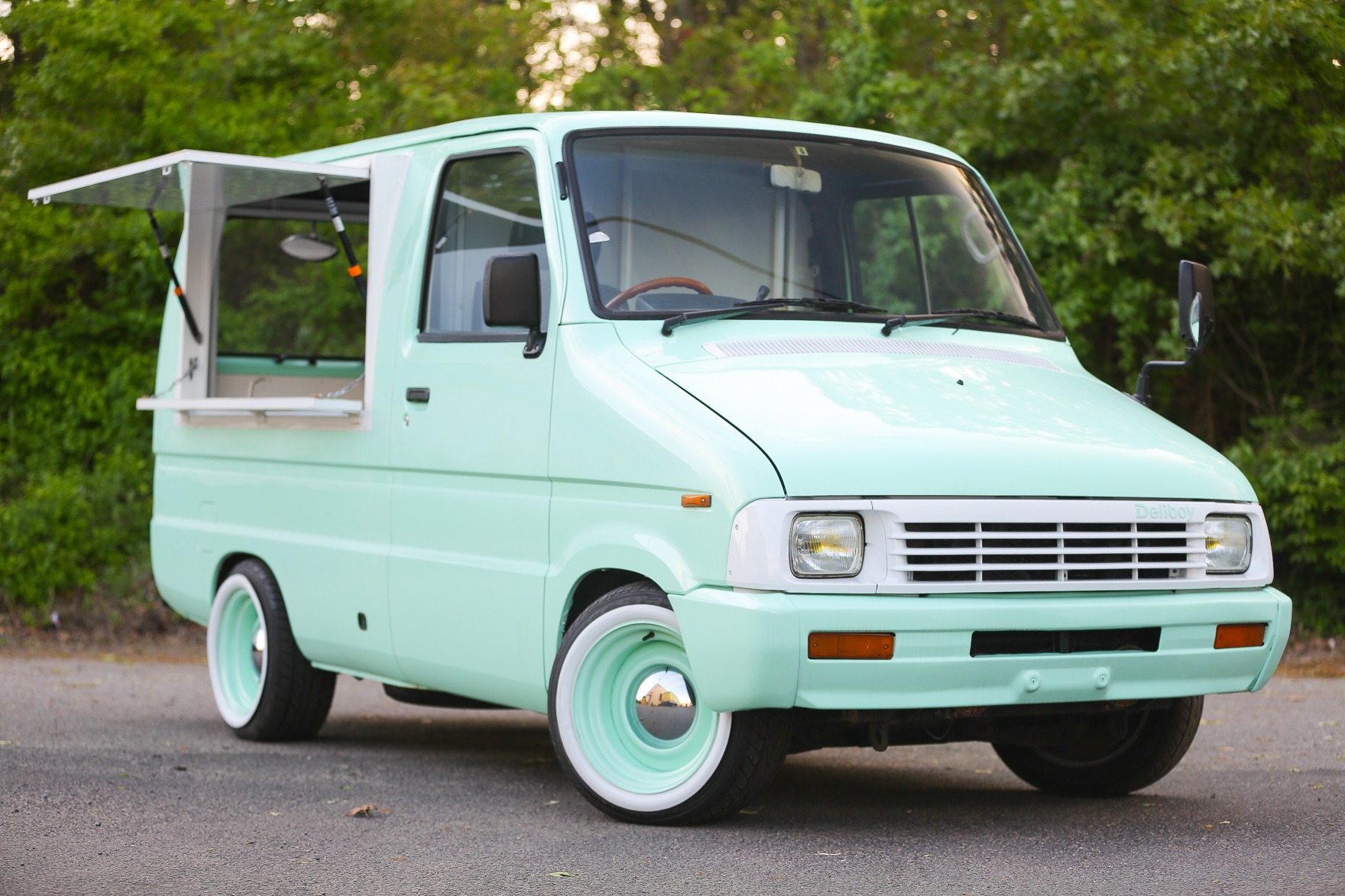
With a name like Deliboy, it’s impossible to go unnoticed. This small Japanese utility vehicle, which went on sale in the late 1980s, was designed for delivery companies and local businesses. Its name was a direct reference to its purpose: to quickly transport goods in urban areas.
Compact, maneuverable, and known for its reliability, the Deliboy used proven Toyota mechanics that kept maintenance costs low. Its generous cargo space made it a valuable asset for professionals. Although it never gained widespread popularity outside of Japan, its unique name helped it build a reputation among enthusiasts of unusual vehicles and collectors.
Volkswagen Thing
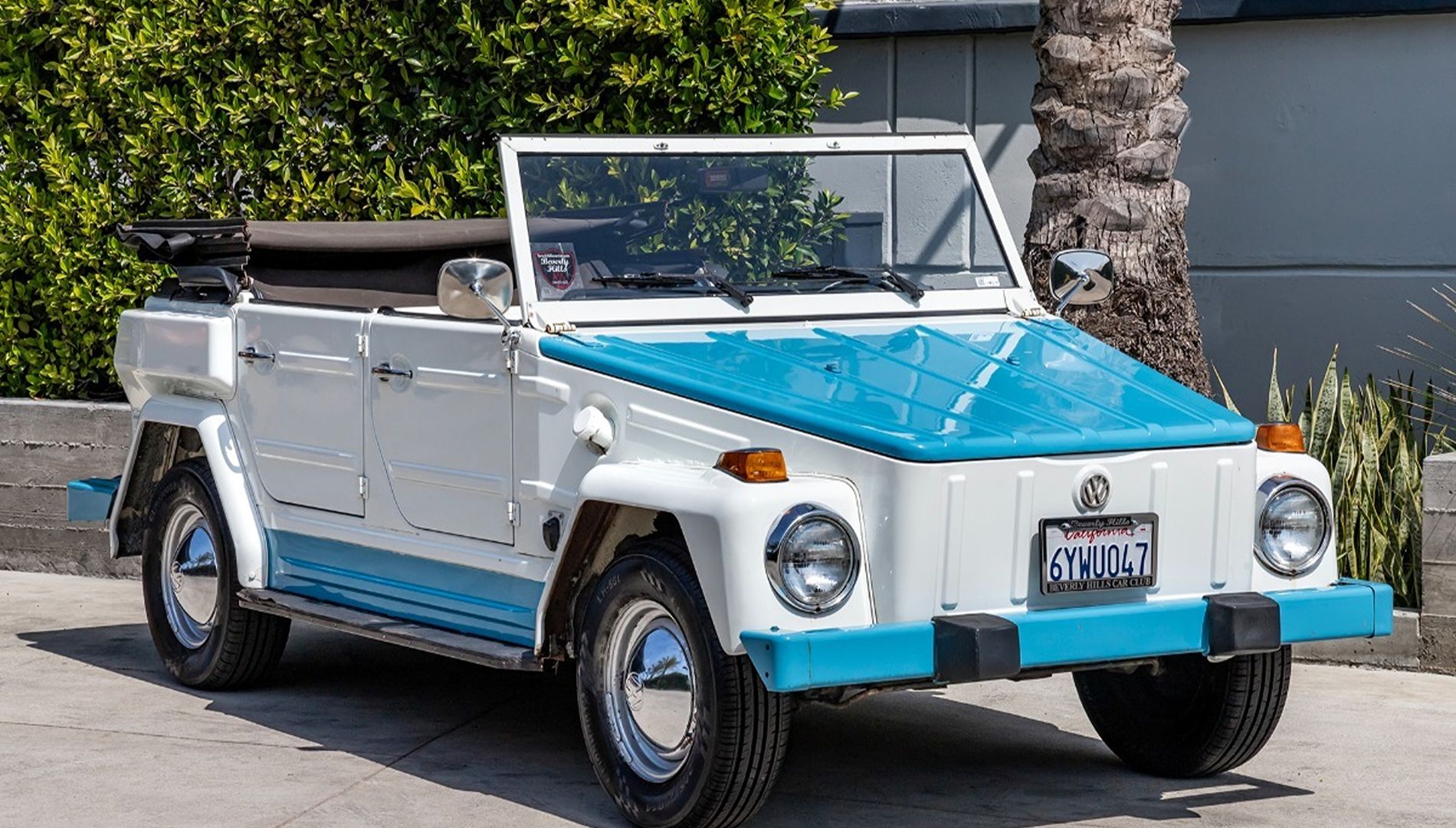
It’s hard to imagine a more unusual name than “Thing,” which literally means “thing” in English. Marketed in North America in the early 1970s, this Volkswagen was known by various names elsewhere in the world, including Type 181, Kurierwagen, and Trekker. Originally designed for military use, it quickly became a recreational vehicle thanks to its simple body, removable panels, and fold-down windshield.
Powered by Volkswagen’s famous air-cooled four-cylinder engine, the Thing relied more on its ruggedness than on its performance. Its boxy styling and quirky name have made it a true cult classic, still highly sought after by enthusiasts of unconventional models.
Mitsubishi Starion
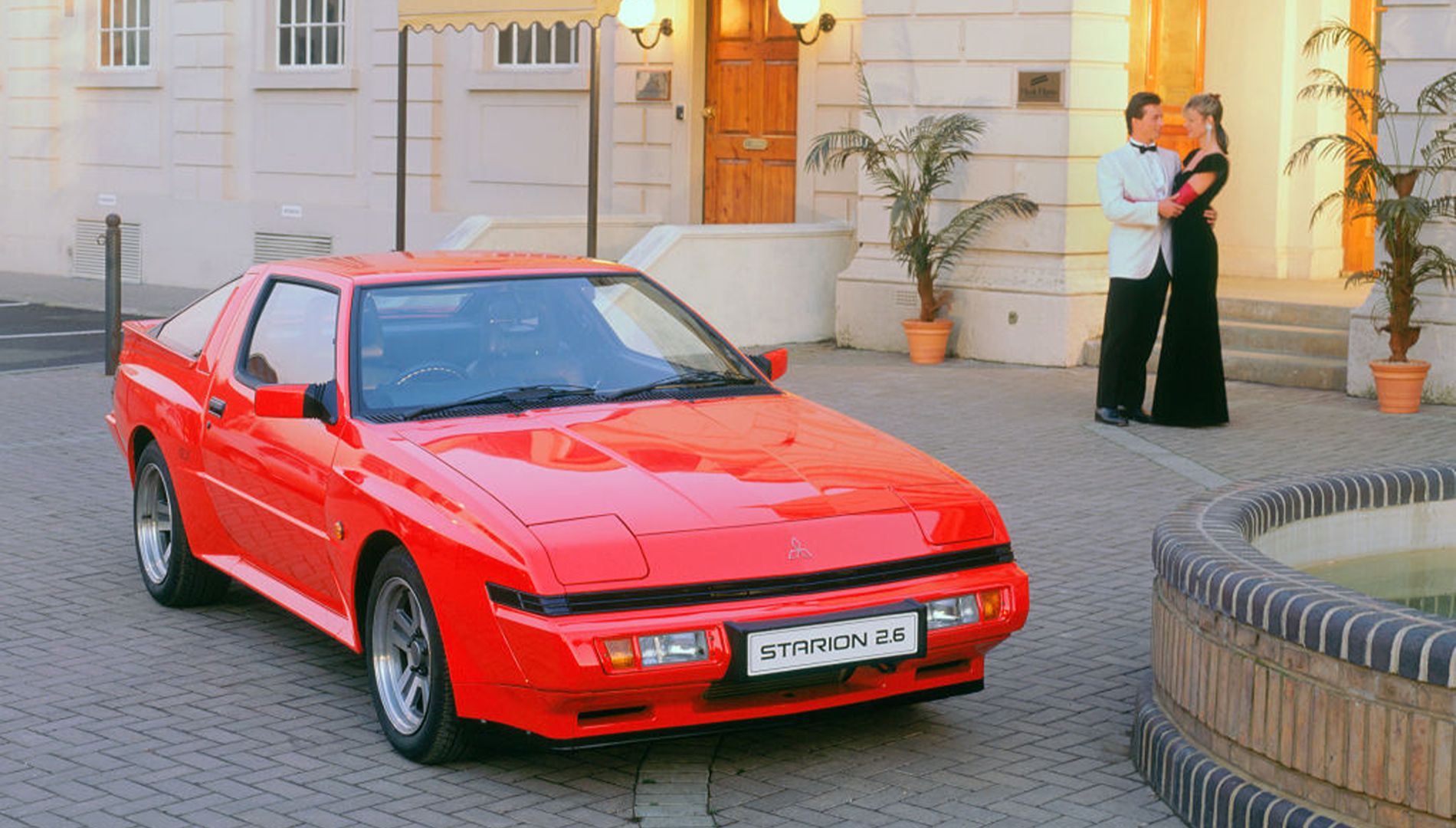
The name Starion still intrigues car enthusiasts. Many believe it’s a mispronunciation of the word “Stallion” in Japanese, although Mitsubishi has never officially confirmed this origin. Regardless of its history, this name has become inextricably linked to one of the most beloved Japanese sports coupes of the 1980s. Powered by a turbocharged four-cylinder engine and available with rear-wheel drive, the Starion competed directly with models like the Nissan 300ZX and the Toyota Supra.
Its dynamic handling, flared fenders, and angular styling still give it a unique charm today. Its mysterious name continues to fuel discussions among enthusiasts around the world.