Your closet is basically a personality quiz you never signed up for. That favorite jacket you reach for on autopilot? It says more about you than the small talk at a dinner party.

Your closet is basically a personality quiz you never signed up for. That favorite jacket you reach for on autopilot? It says more about you than the small talk at a dinner party.
Colors, fabrics, patterns, even the way your shoes look after a week on the go, all reveal tiny hints about your habits and quirks. Believe it or not, some outfits broadcast ambition the second you walk into a room. On the other hand, certain pieces tell the world you’d rather stay laid-back and comfortable. Accessories add their own flair and turn a watch or necklace into a kind of punctuation mark on your identity.
The funny part is, most of this happens without conscious thought—your wardrobe has been busy sending signals long before you realized it. Once you start connecting the dots, it’s hard not to see every outfit as a coded message about who you really are.
Color Choices Reveal Emotional Tendencies
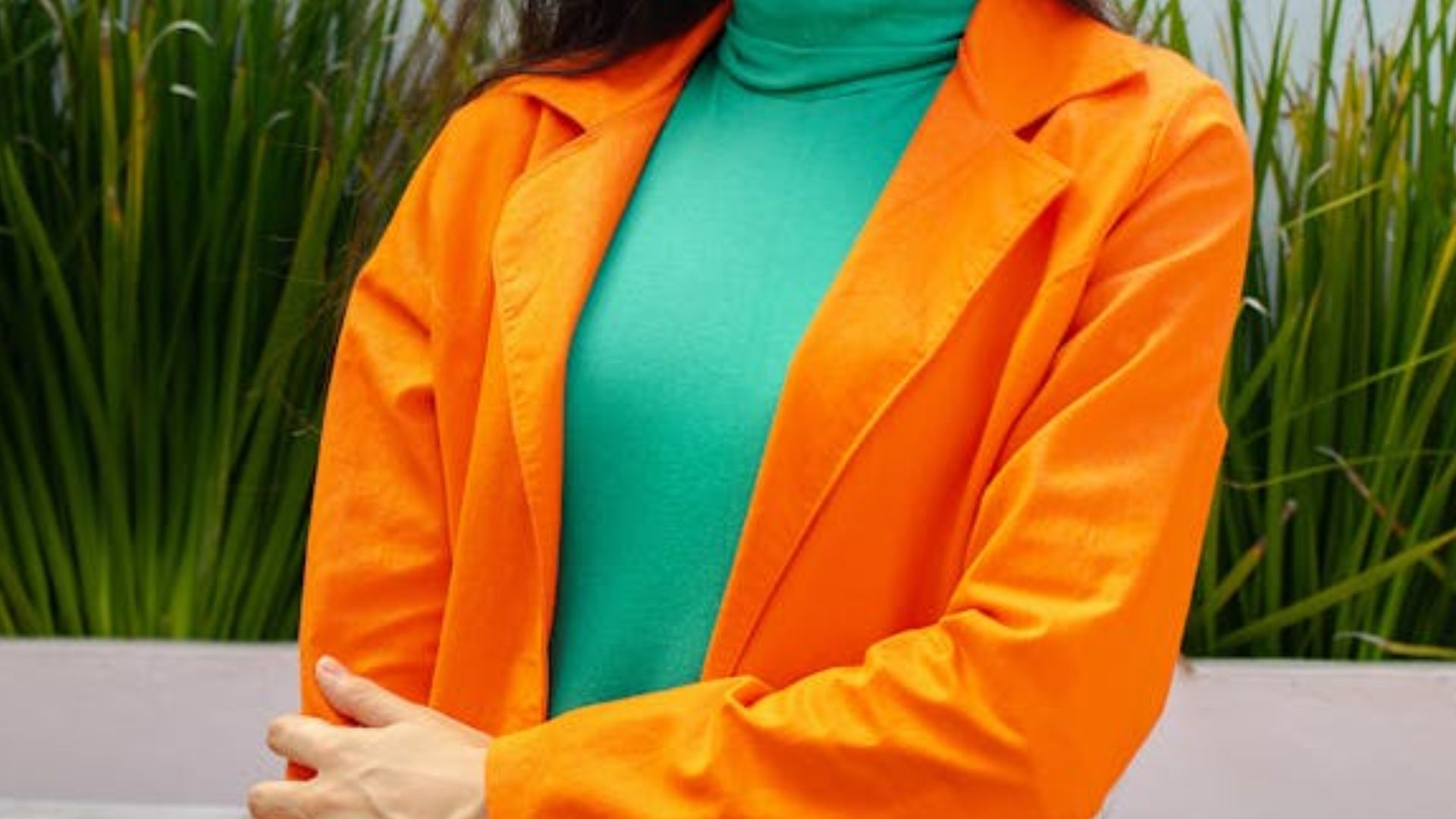
Brighter colors make wearers appear more approachable and outgoing, while black conveys authority and professionalism. Red stands out most—boosting confidence and even raising heart rate. Athletes in red often enjoy a psychological advantage, with opponents subconsciously perceiving them as stronger or more dominant during competition.
Fabric Preferences Signal Comfort Vs. Status Priorities

Natural fabrics like cotton and linen signal comfort and practicality. Linen once symbolized high status in Ancient Egypt, as it was worn by the elite. Cashmere’s rarity comes from goats producing only a few ounces each year, which reinforces its luxury reputation in modern wardrobes.
Tailoring Indicates Attention To Detail
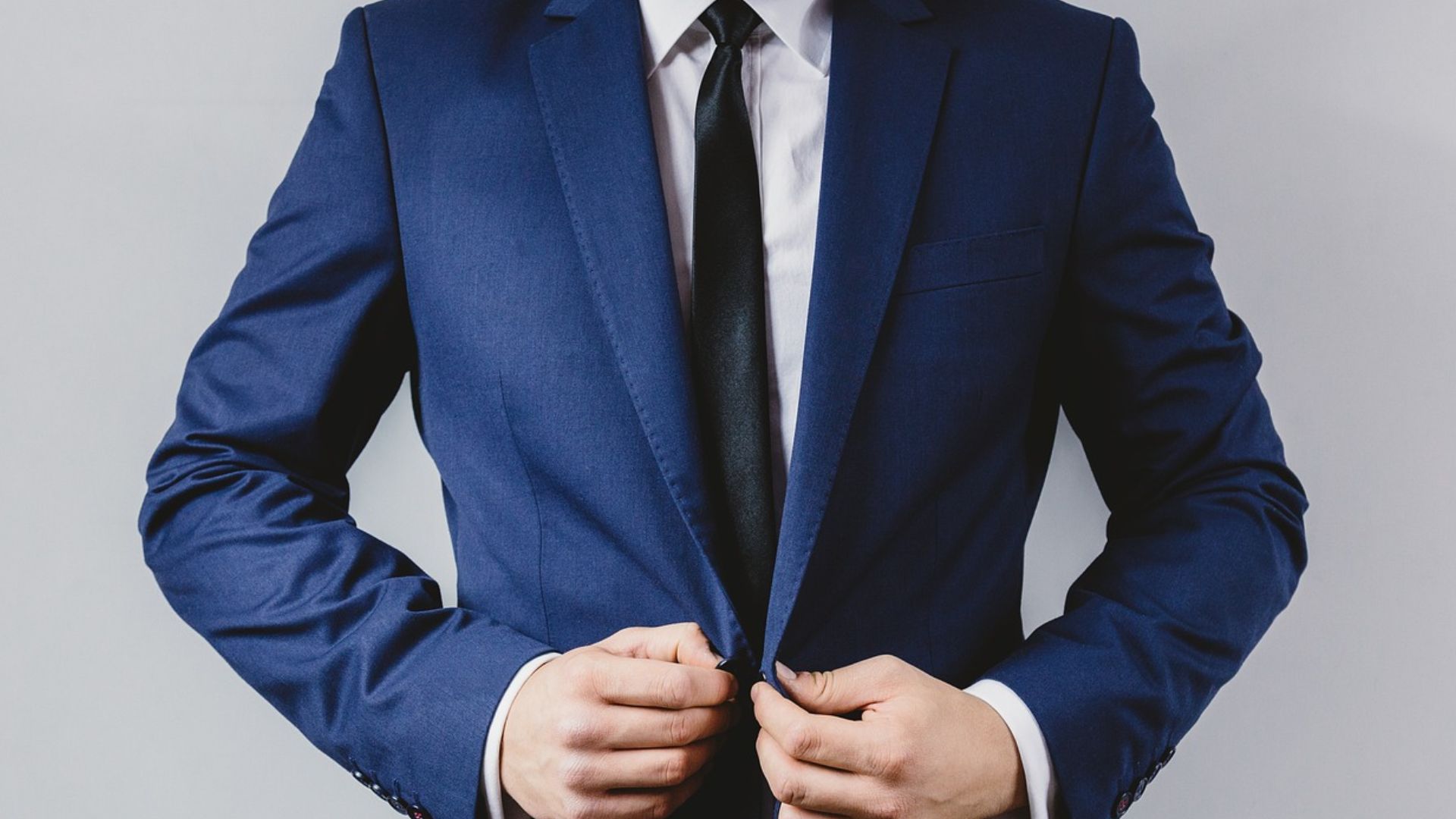
Do you want to look professional and competent? Well-tailored clothing is the answer. In contrast, poorly fitting outfits may unintentionally suggest carelessness. Custom-tailored suits gained prominence in 19th-century London, a tradition that continues today. Fitted clothes not only enhance appearance but also increase the likelihood of receiving positive attention and compliments.
Brand Loyalty Reflects Social Identity
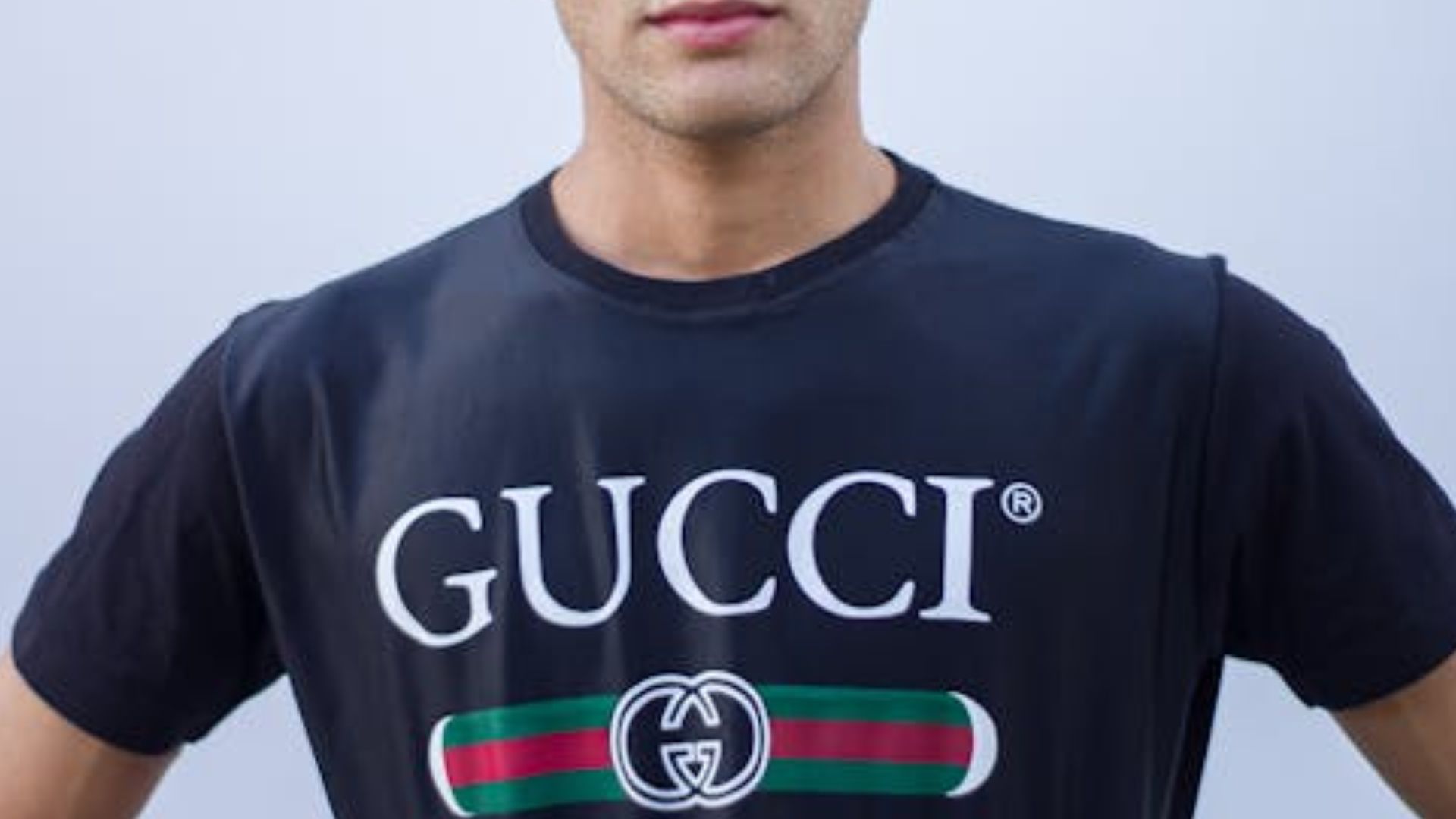
Clothing brands communicate more than style—they reveal social identity and values. Interestingly, people who wear eco-friendly brands are frequently perceived as more trustworthy by others. Choosing luxury brands often signals prestige, while sustainable labels align with eco-conscious beliefs.
Footwear Shows Practicality Or Boldness
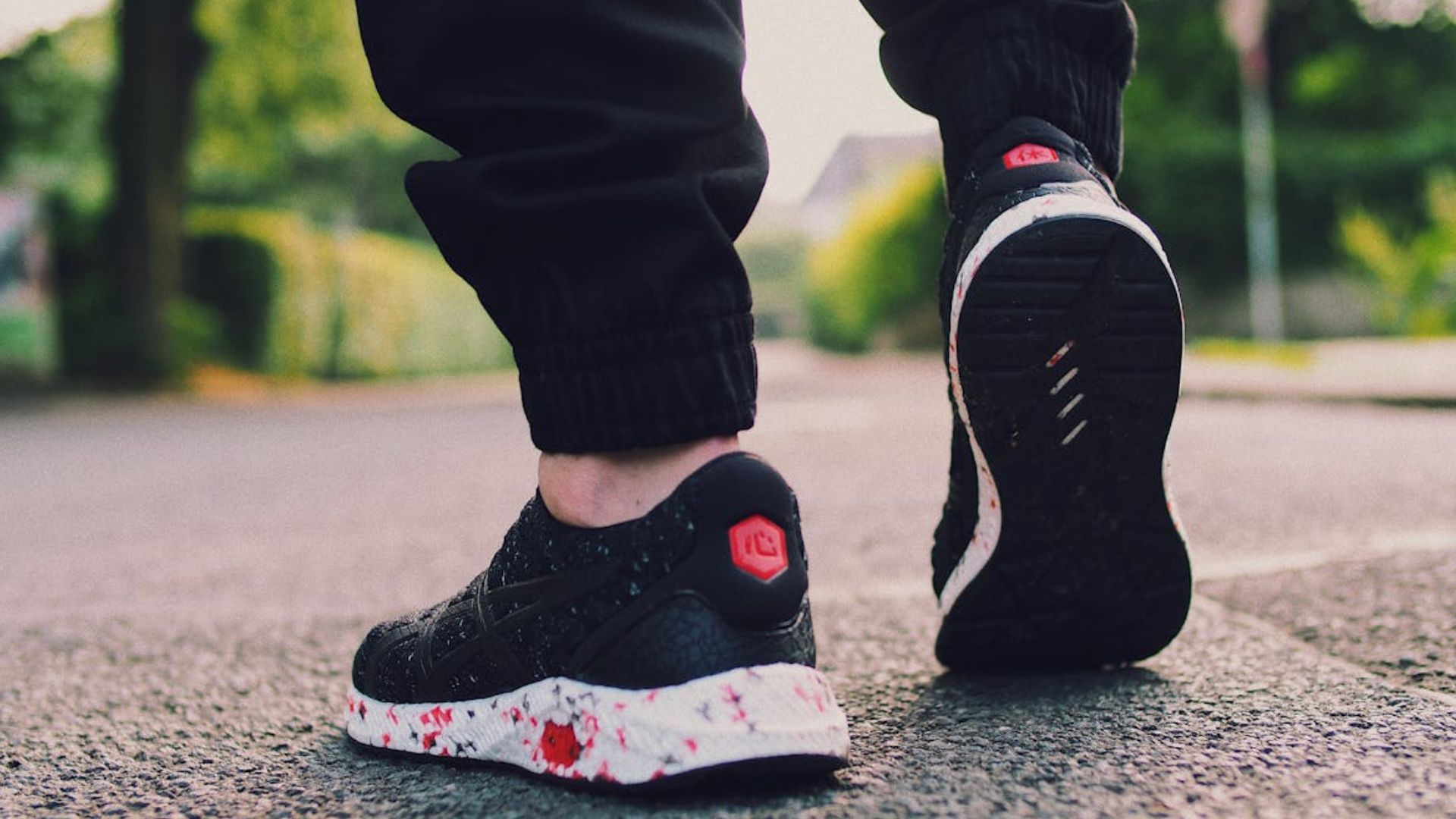
Shoes are among the first details people notice, shaping quick impressions. Practical footwear signals dependability, and those who prefer bold or unique designs are often considered more creative. Surprisingly, psychologists can predict age and income levels with accuracy by studying footwear.
Accessories Highlight Self-Expression
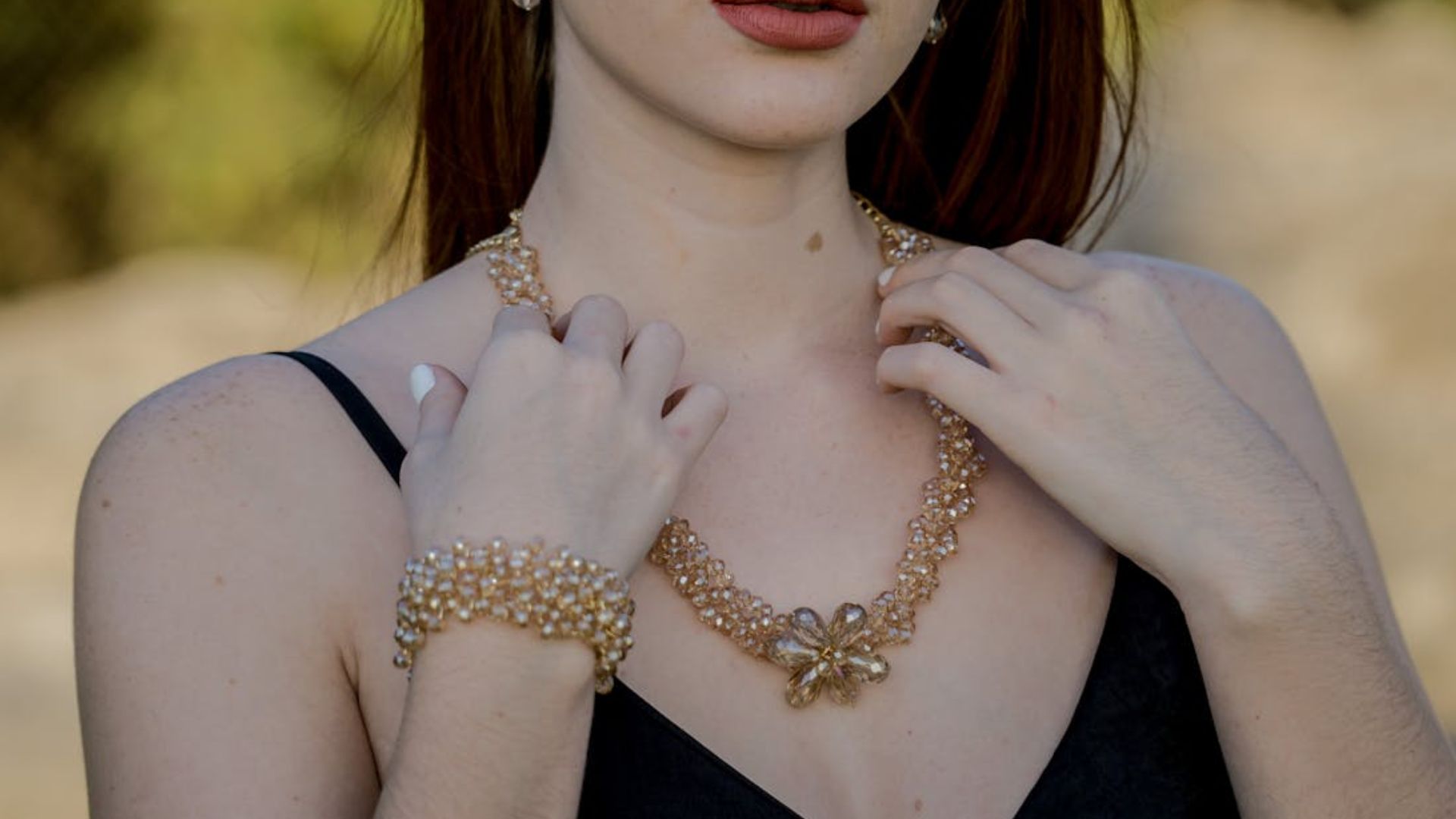
Accessories often act as personal signatures, as they can totally alter how an outfit looks and feels. Jewelry, watches, sunglasses, and scarves reflect individuality and sometimes hold cultural or symbolic meaning. Many people also adopt signature accessories and turn them into defining elements of their identity and consistent personal style.
Patterns Suggest Risk-Taking Or Restraint

Bold patterns project confidence and a willingness to stand out. On the other hand, neutral designs signal caution or simplicity. Fashion history adds surprises: polka dots were once scandalous in the 19th century. Camouflage patterns later transitioned from military necessity to mainstream fashion, symbolizing individuality and rebellion far beyond their original purpose.
Casual Vs. Formal Choices Reflect Lifestyle
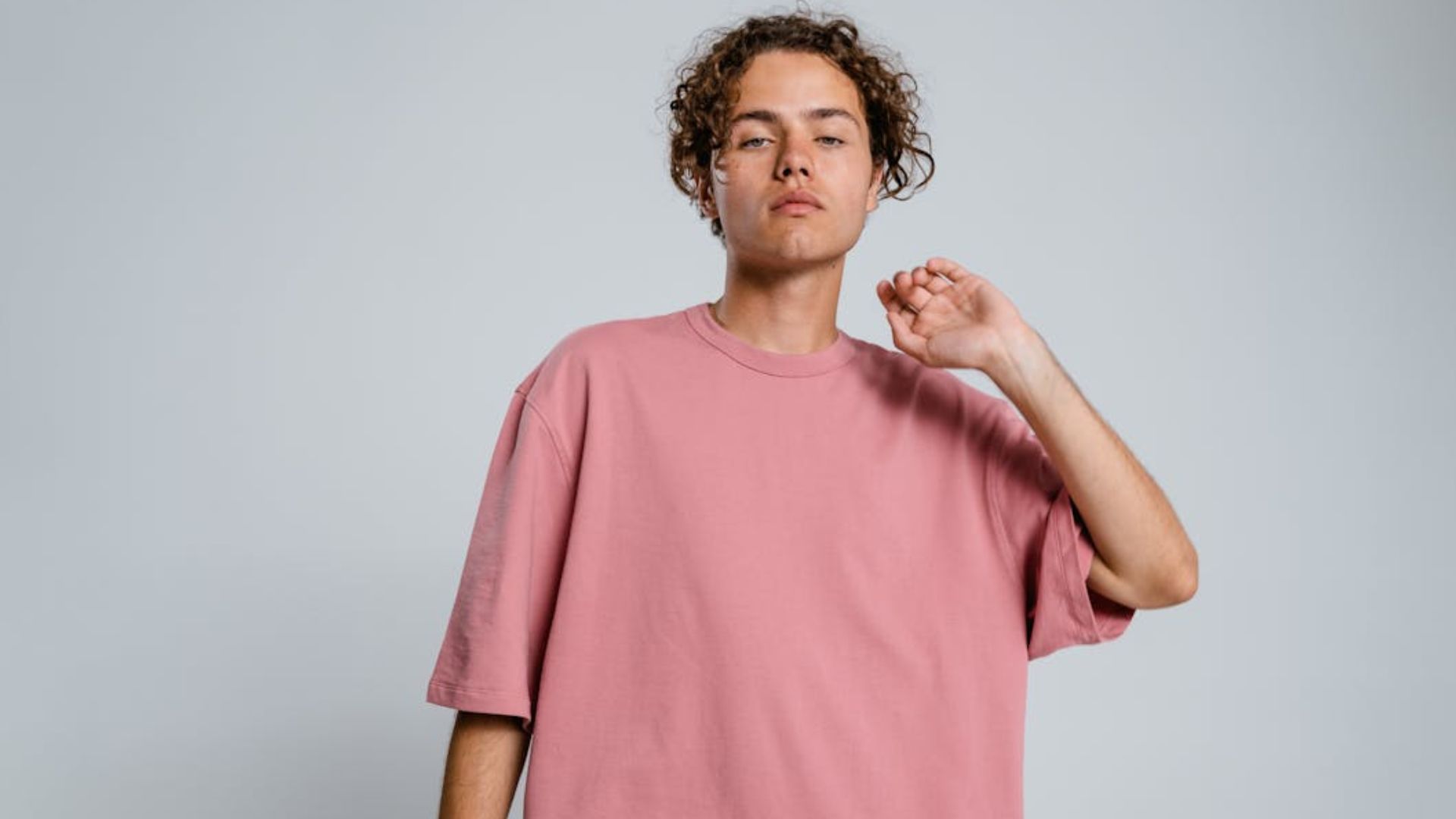
Did you know that tuxedos were once created as casual dinner jackets? Nevertheless, they now represent the height of formality. Casual clothing often points to a relaxed personality or flexible work culture, unlike formal wear, which reflects ambition and leadership. In the 1990s, business casual emerged as companies loosened traditional dress codes.
Wardrobe Consistency Shows Stability Or Variety-Seeking
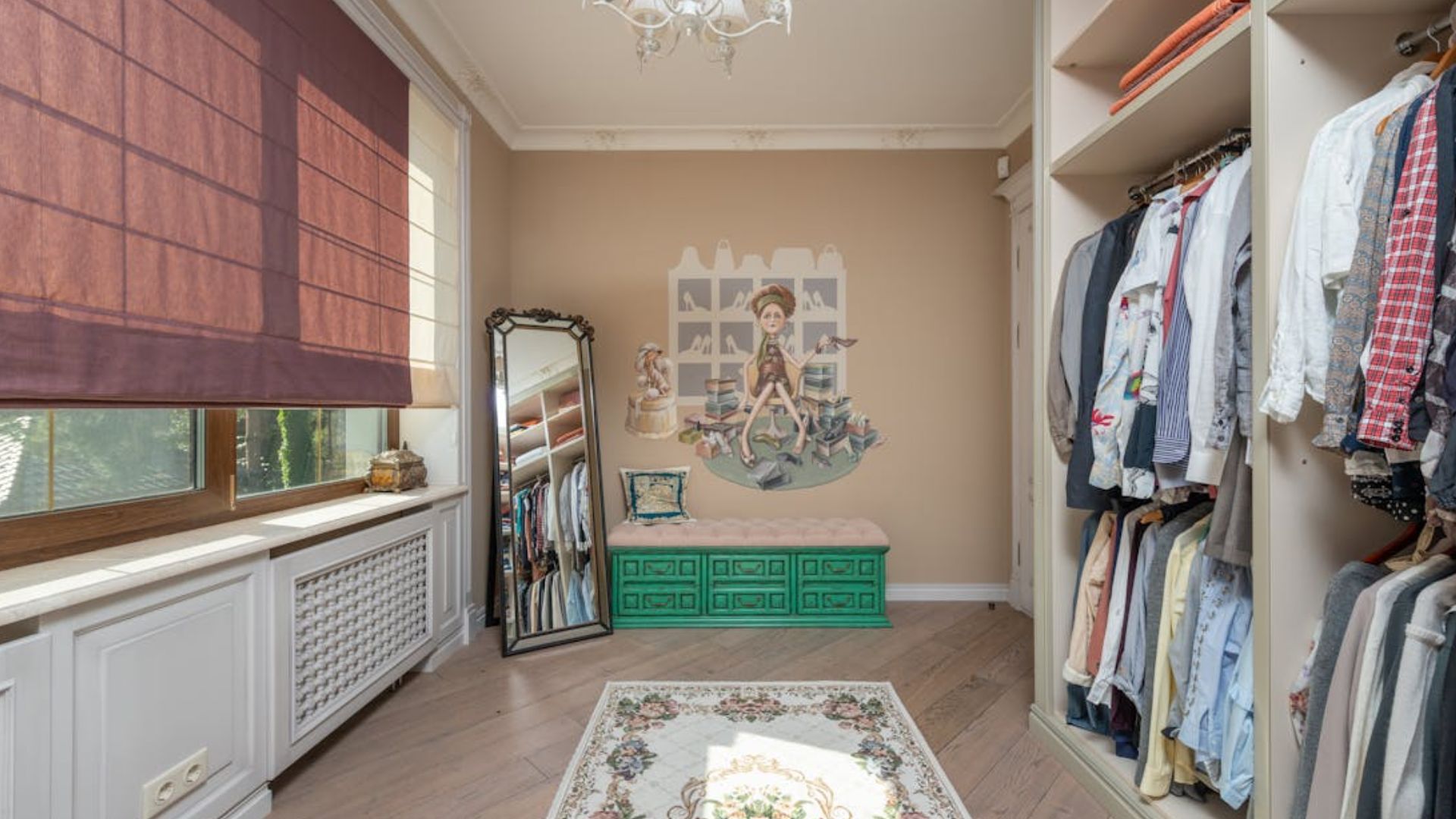
Consistent wardrobe choices often reflect stability and focus. Those who have more variety are usually more curious and adaptable. Modern capsule wardrobe followers embrace the same principle, reporting less stress by reducing decision fatigue and streamlining daily clothing choices for simplicity. Albert Einstein famously wore identical suits to preserve mental energy for work.
Seasonal Adaptation Indicates Flexibility
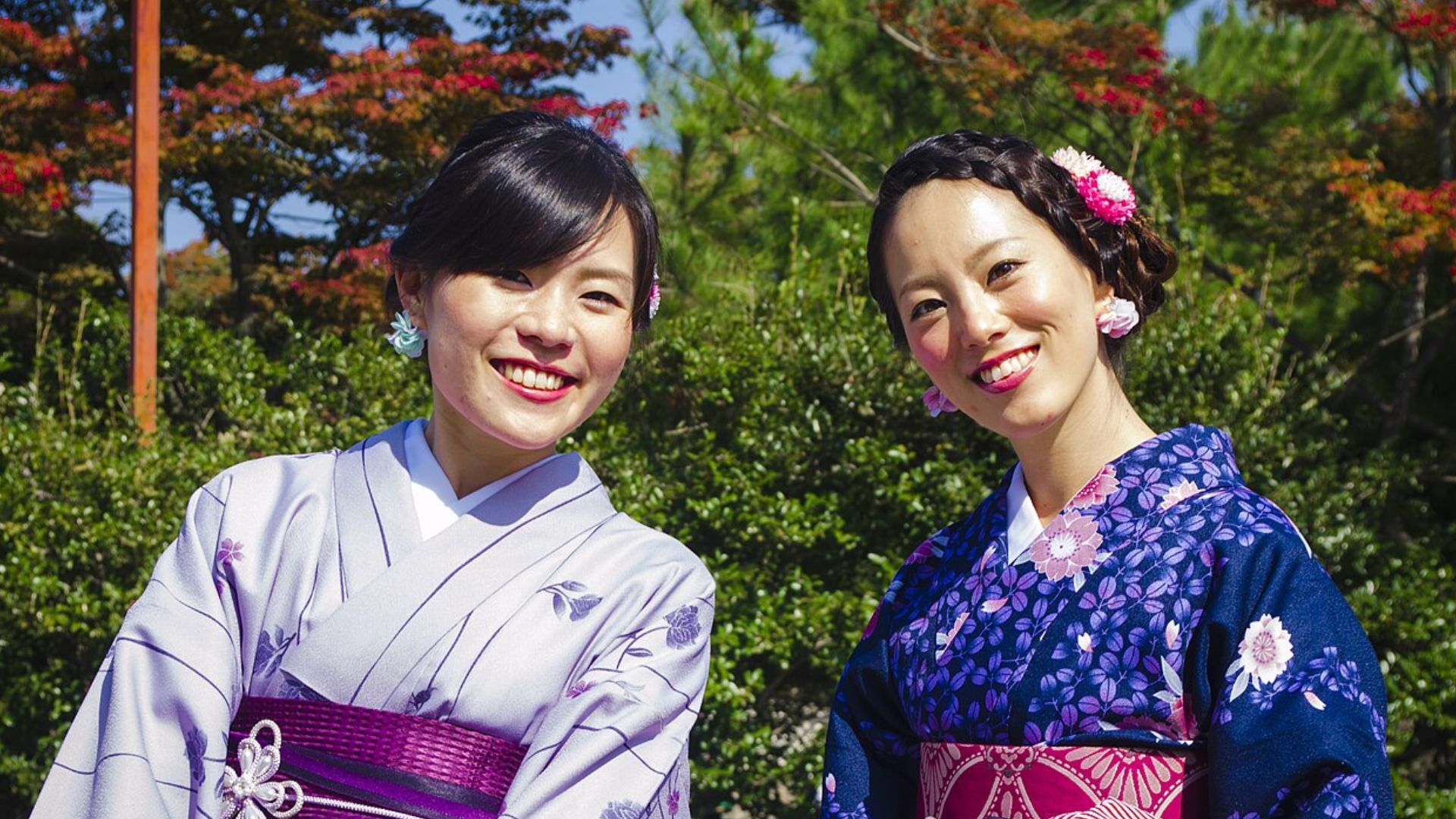
Many people adapt clothing to the seasons, which reflects practicality. For some, wearing the same style year-round is a sign of a strong identity or even rigidity. In Japan, kimonos traditionally shift colors and patterns with each season. Today, influencers attract audiences by showcasing seasonal outfit swaps, turning adaptability into an engaging fashion statement.