We all want to save money on major expenses, including auto tires, but in some states, we could place ourselves in danger. Harsh snowstorms and heavy precipitation can create road hazards and icy surfaces. These potentially catastrophic situations can lead to auto accidents with fatalities in minutes. Winter tires are critical to keeping us and our families safer during these precarious circumstances.
Some local laws require the use of snow tires throughout winter. Since winterized tires are costly, many consumers may become frustrated with these ordinances. However, when saving money can lead to serious safety risks, is it worth it? From better handling to channeling water away, winter tires offer many benefits. Let’s review these benefits and determine if we should put off buying these tires to save money or if the safety risks outweigh the savings.
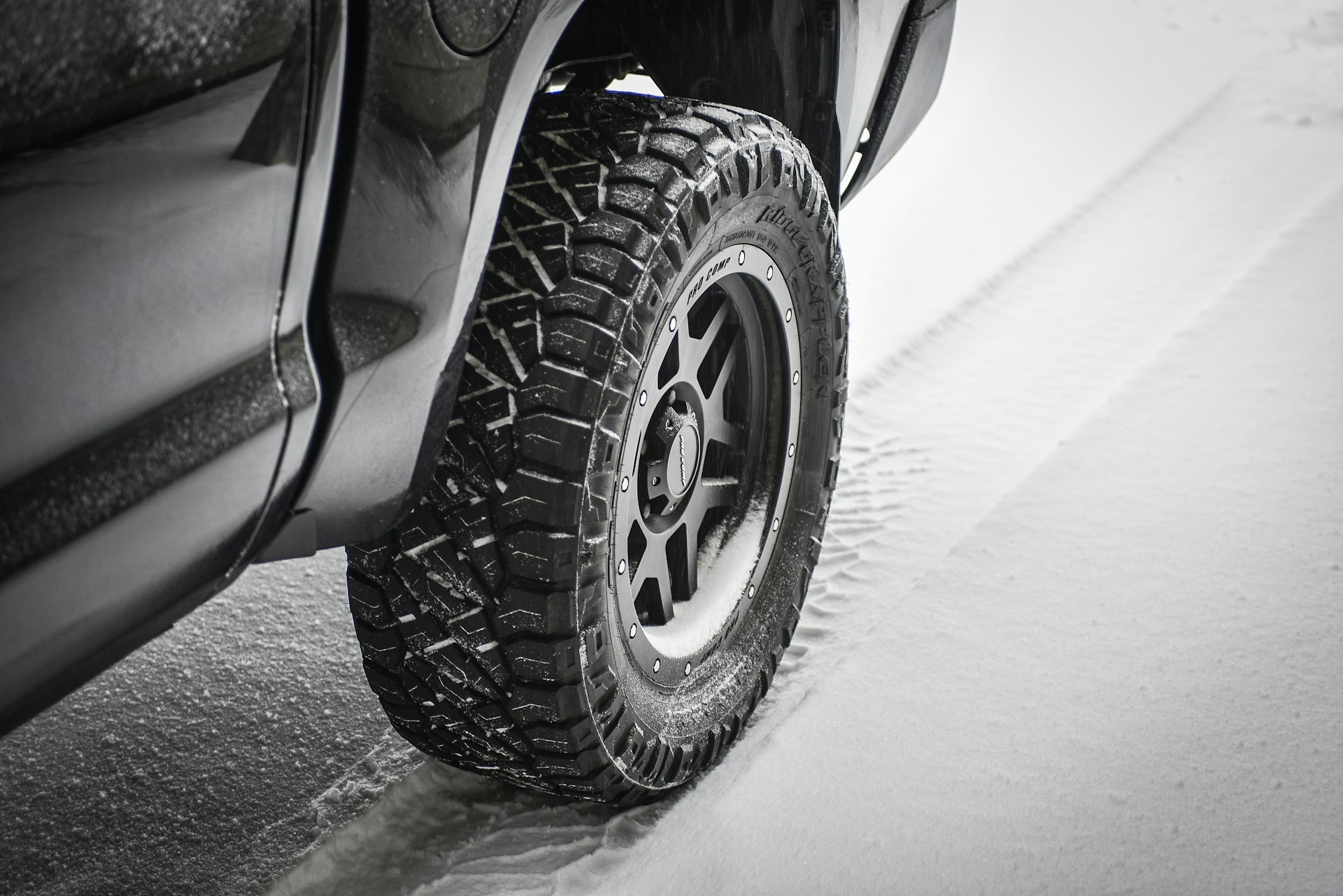
We all want to save money on major expenses, including auto tires, but in some states, we could place ourselves in danger. Harsh snowstorms and heavy precipitation can create road hazards and icy surfaces. These potentially catastrophic situations can lead to auto accidents with fatalities in minutes. Winter tires are critical to keeping us and our families safer during these precarious circumstances.
Some local laws require the use of snow tires throughout winter. Since winterized tires are costly, many consumers may become frustrated with these ordinances. However, when saving money can lead to serious safety risks, is it worth it? From better handling to channeling water away, winter tires offer many benefits. Let’s review these benefits and determine if we should put off buying these tires to save money or if the safety risks outweigh the savings.
1. They’re Designed For Flexibility in Winter Temperatures
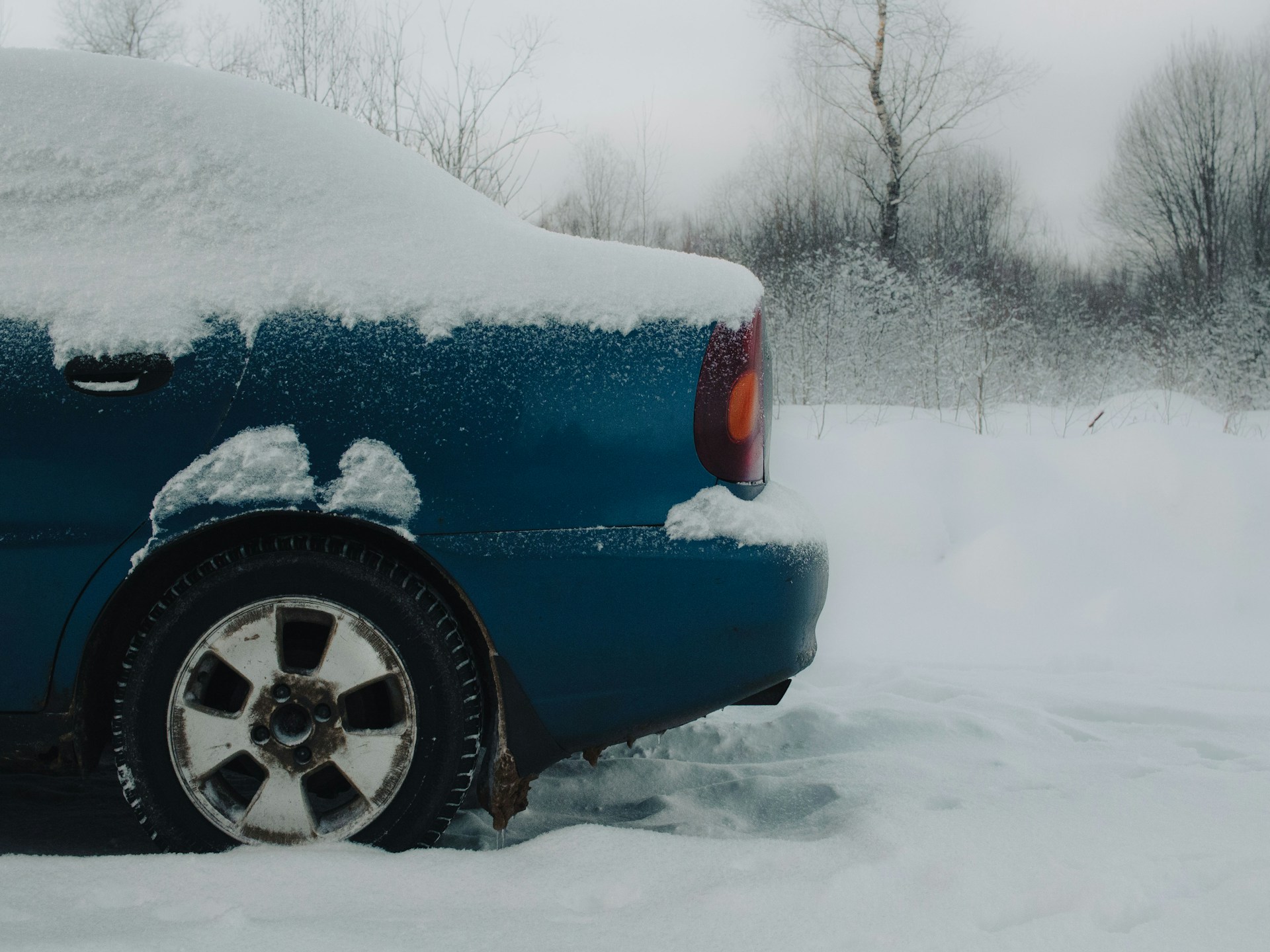
Winter tires won’t become hard like all-season or summer tires; hardening can lead to tire damage. They will remain flexible in the coldest of temperatures to offer a smoother ride. These tires can withstand the effects of temperatures that are below freezing and beyond.
2. They Are Manufactured Differently Than All-Season Tires

Winter or snow tires are manufactured with a different rubber than all-season tires. The rubber compound is more flexible and won’t crack or tear. Because of the compounds in the auto tire rubber, they have better protection against freezing temperatures.
3. They Have Deeper Tread and Tread Patterns
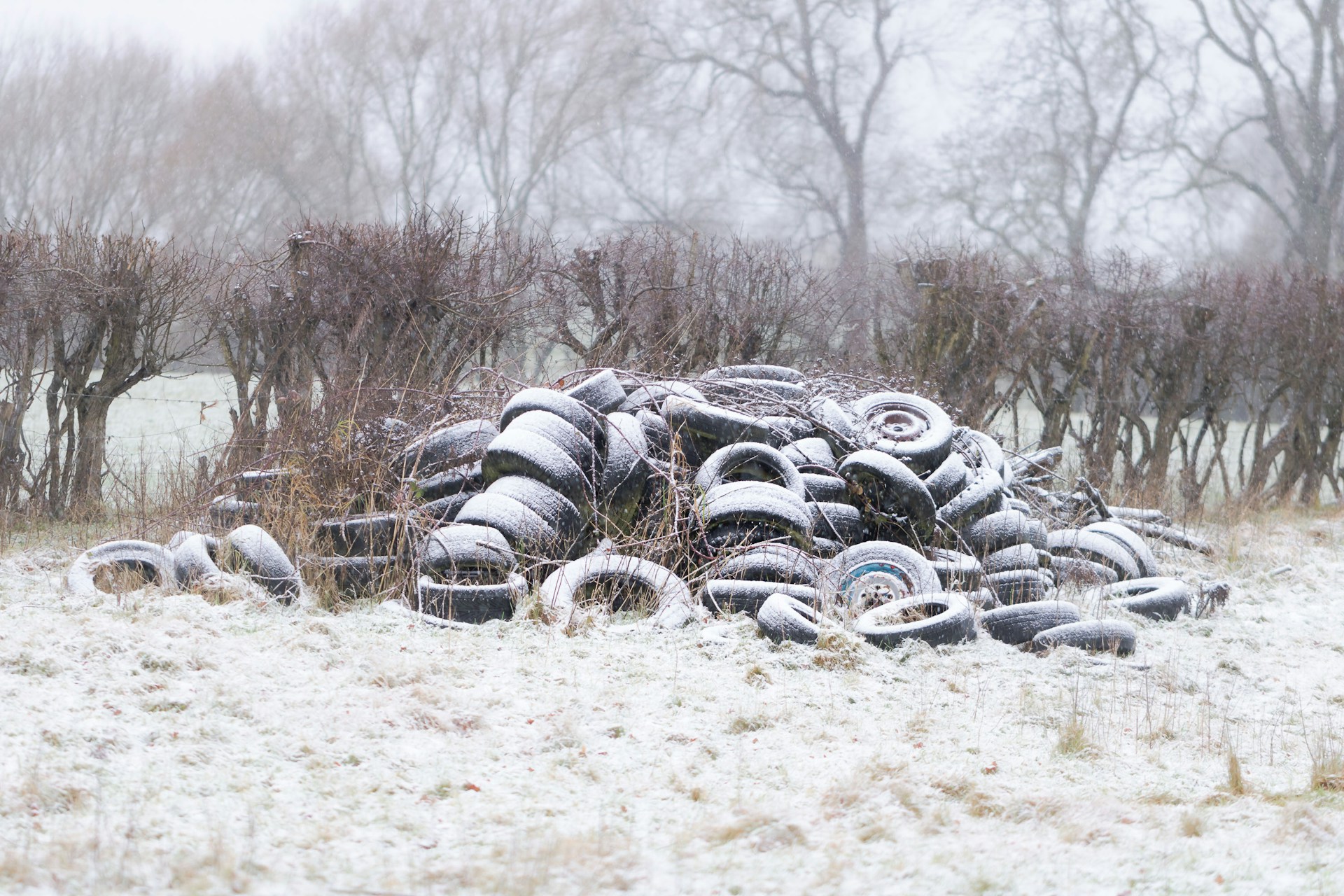
The winter tires have a deeper tread and tread pattern than all-season or summer tires. The tread makes it easier for your vehicle to move through thick snow. You won’t become stuck in the snow or slide around on the highway.
4. Winter Tires Reduce Auto Accident Risks
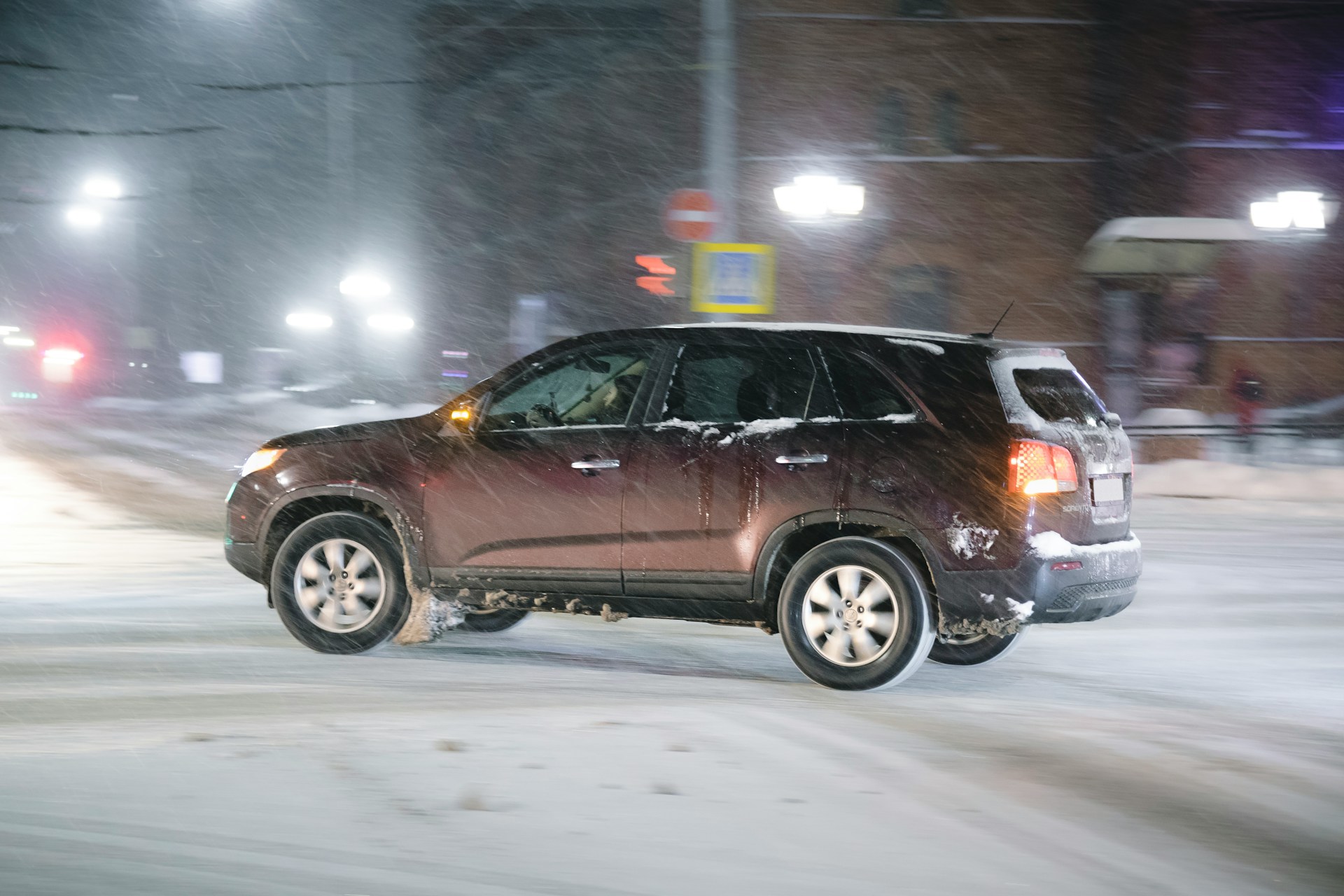
The tire design can reduce auto accident risks since the tread grips the road more effectively. Because the tires offer better grip, your vehicle will stay on the road even if the snow is melting and causing water puddles. They perform well in icy conditions, too.
5. They Are Required in Countries, Including Canada and Finland
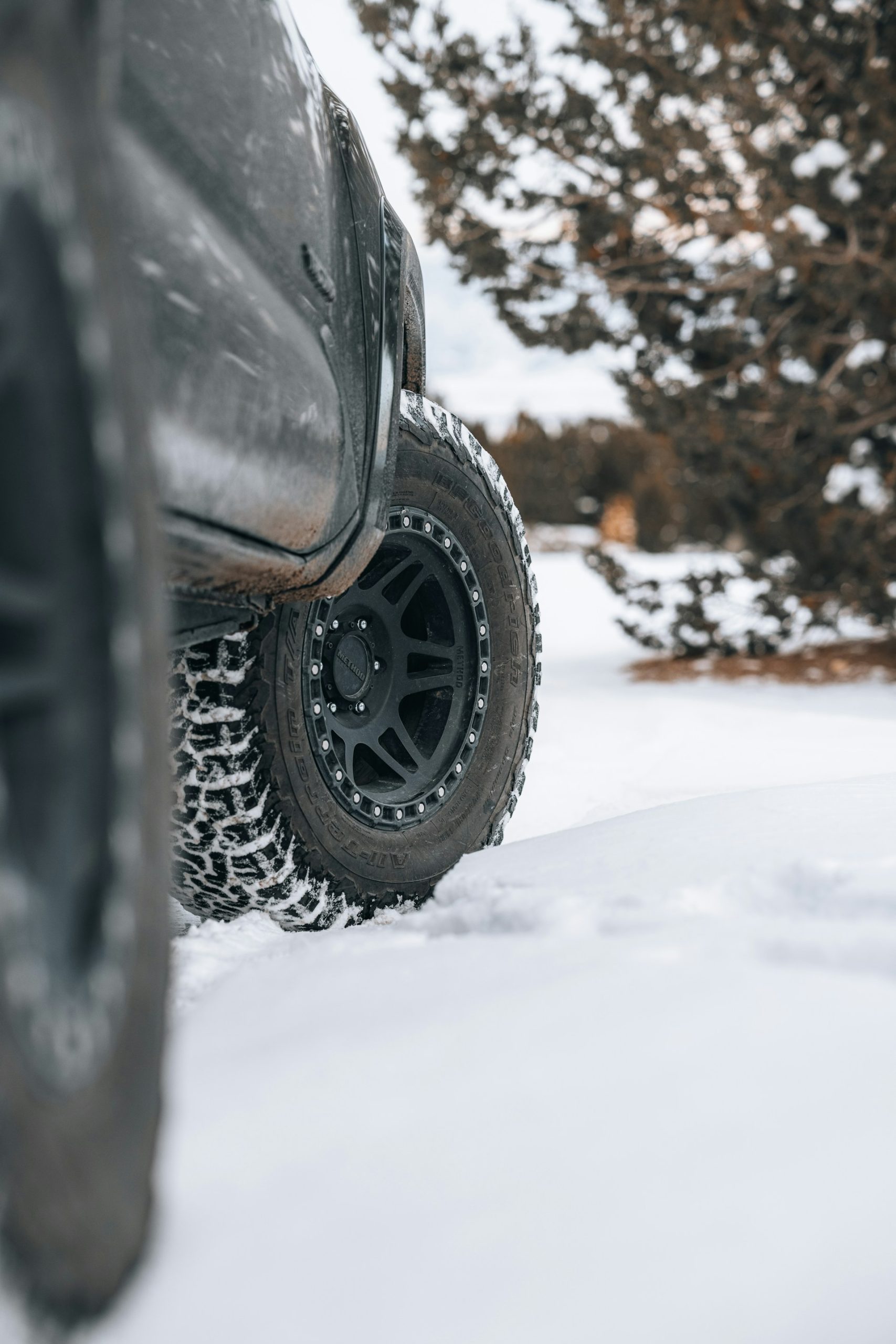
Geographical regions in which heavy snowfall is possible have laws and ordinances pertaining to winter tires. All vehicles in Finland and Canada must have winter tires installed during winter. You could face penalties for failure to adhere to these laws.
6. They Don’t Become Hard or Lose Traction
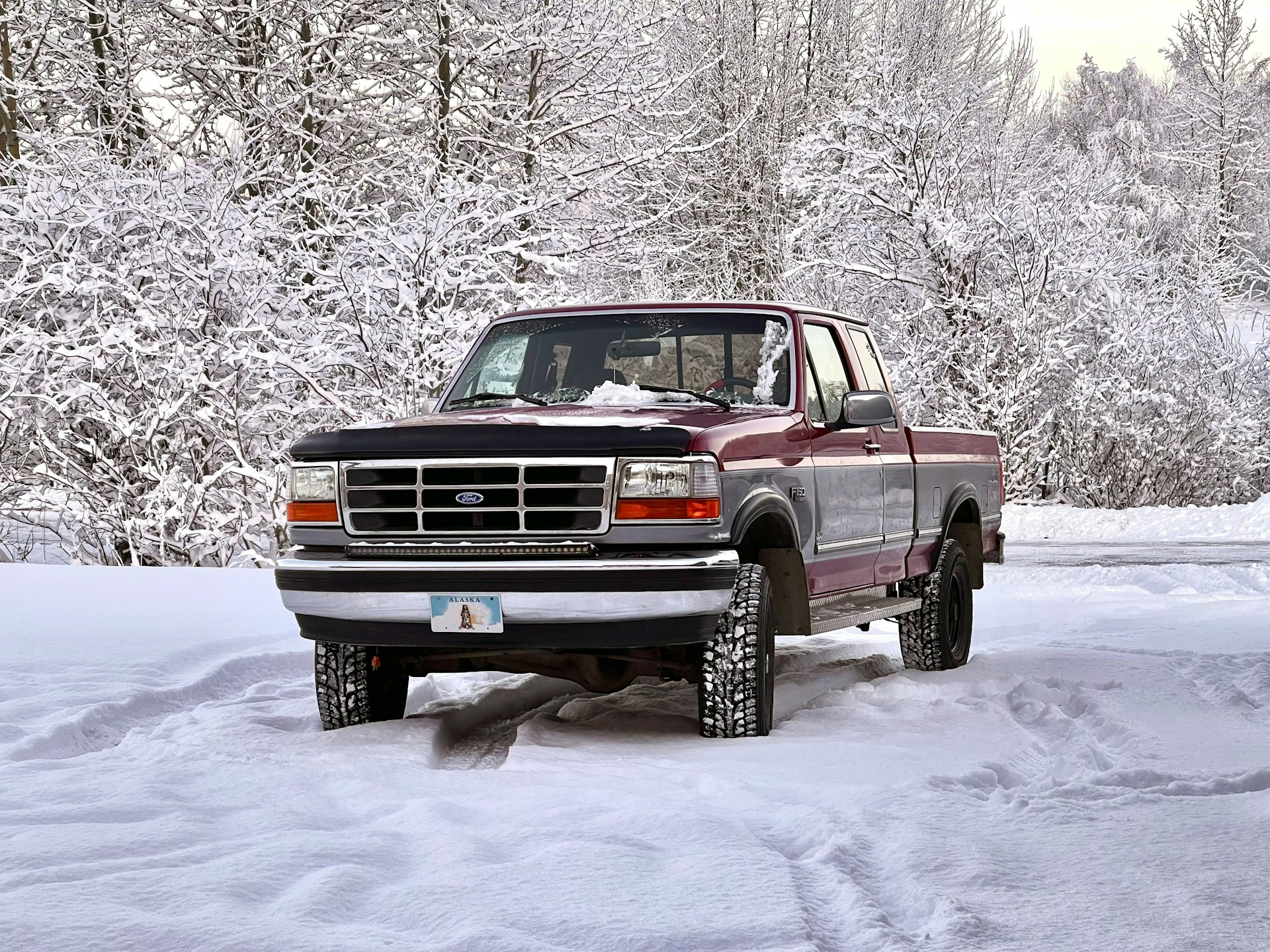
Decreasing temperature can cause severe tire damage, including cracking and breaking. This is why it is safer to drive on winter tires during the coldest months of the year. All-season tires cannot withstand these harsh temperatures. Winter tires will stay soft and grip the road better.
7. You Can Get Insurance Discounts If You Use Them

Auto insurers identify risks when creating policies. Drivers who install winter tires on their vehicles could receive a discount on their auto insurance premiums. Winter tires can mitigate common risks that lead to an auto accident. Drivers get discounts when mitigating these risks.
8. They Outperform Other Tires
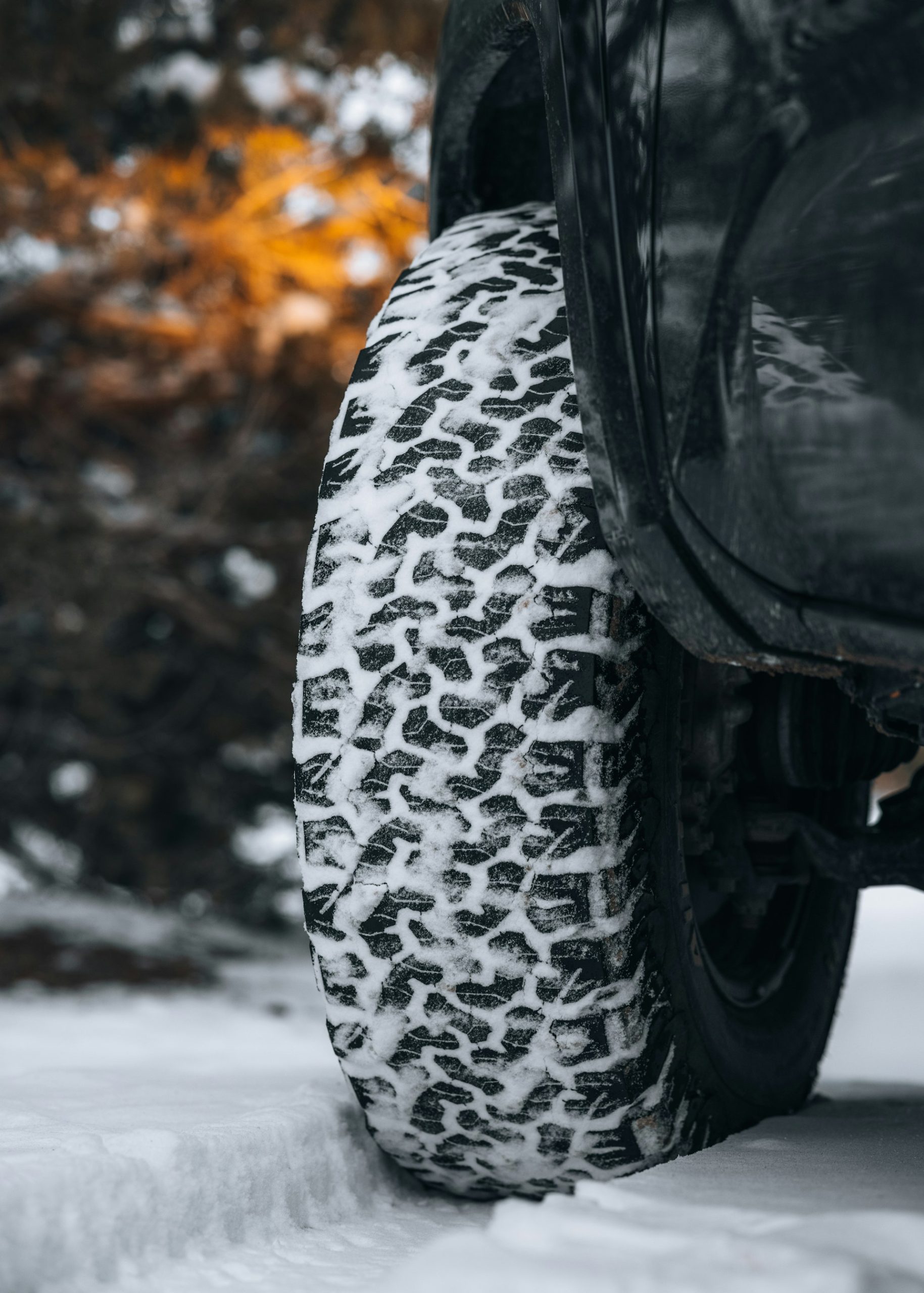
Consumer Reports conducts tests on automobiles and tires installed on them. They conducted a test to evaluate winter tires and discovered that they outperform better than all-season or summer tires because they have better traction in winter and allow for better braking on icy roads.
9. You Install Them On All Four Wheels
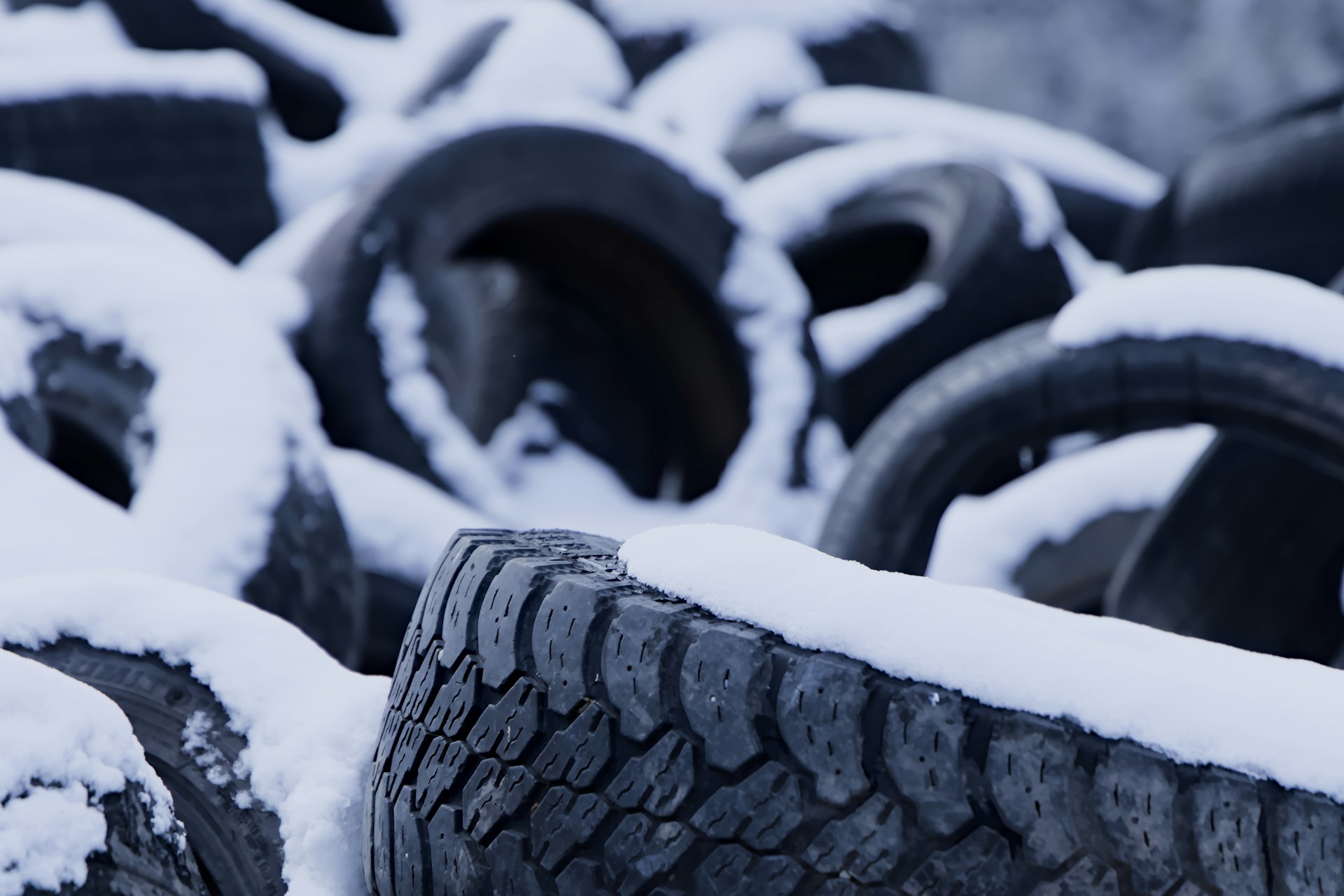
A common misconception about winter tires is that you’ll stay safe as long as you install them on the front of your car. This isn’t true, and you must install them on all four wheels to enhance road safety. If you have them on all four wheels, you’ll get better balance and handling in the snow and ice.
10. They Extend the Longevity of Your All-Season Tires

Experts recommend installing your winter tires right before the first snowfall. By using these tires throughout the winter, you can extend the longevity of your all-season tires. You’d use your all-season tires during the other months and reduce wear and tear.
11. They Have Deeper Treads and Sipes
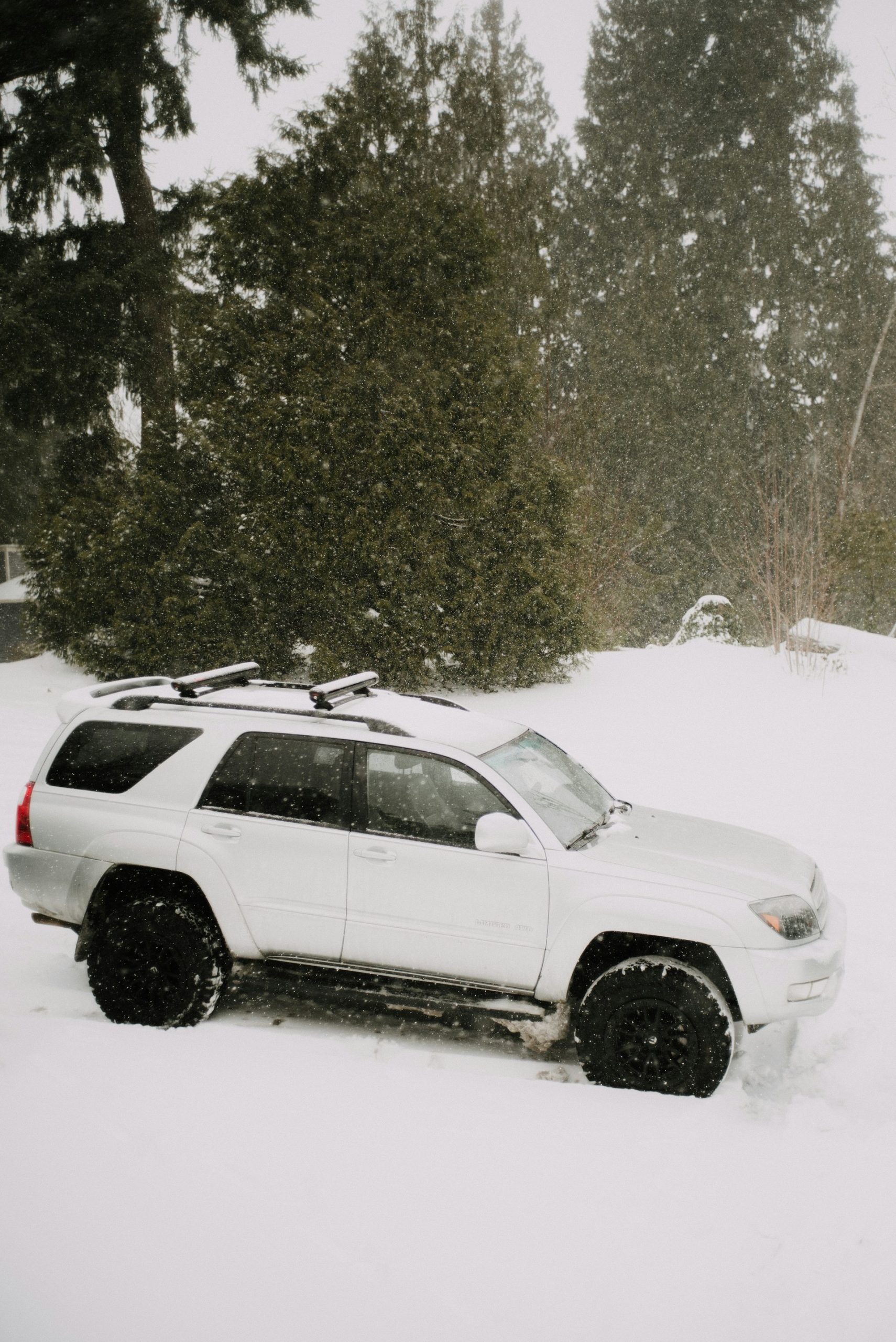
Deeper tire tread and sipes allows your vehicle to channel through the water and make it easier to move the water away from your tires. These features can prevent your vehicle from hydroplaning on the highway, causing vehicle damage and possible personal injuries.
12. They Are Better For SUVs
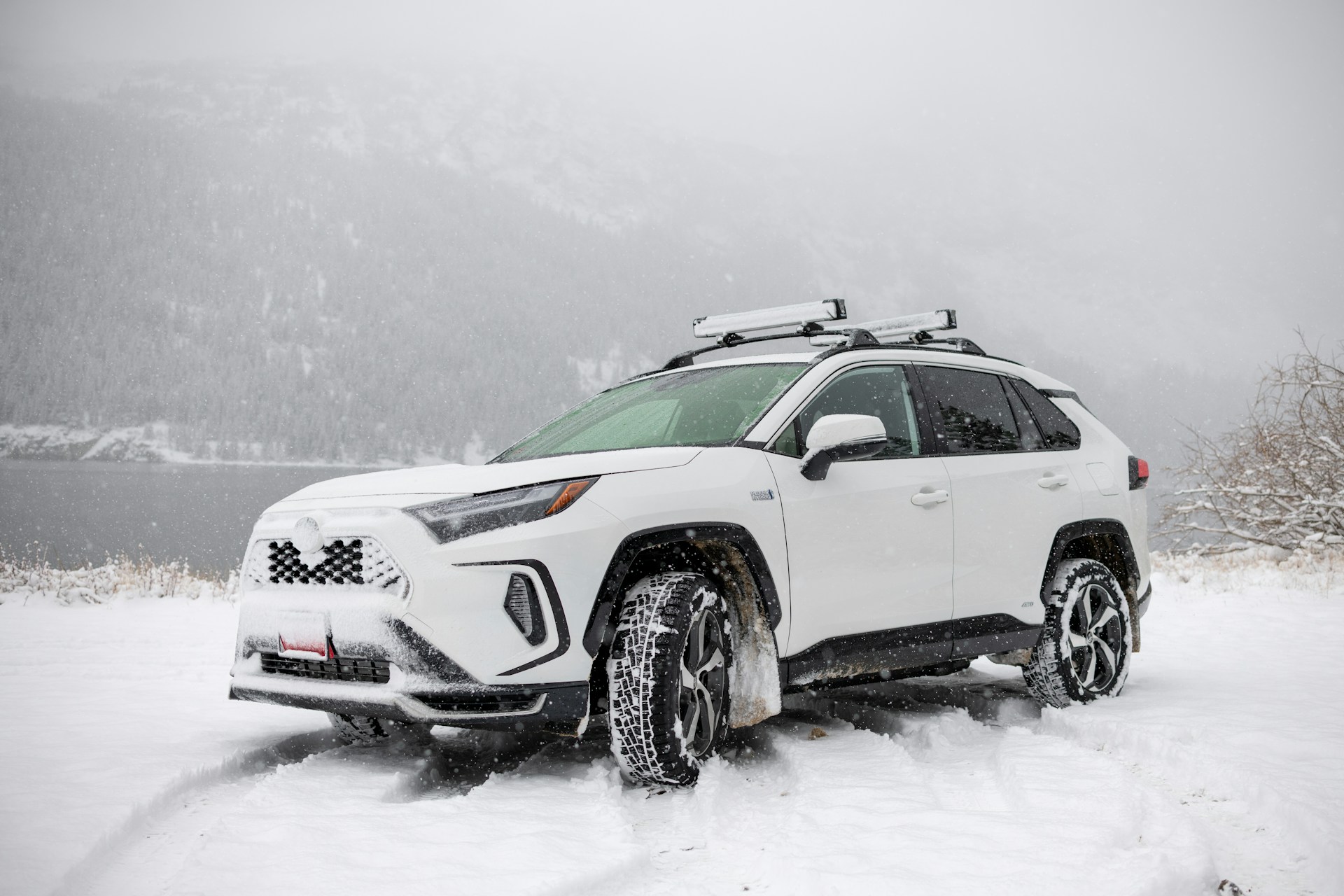
SUVs are heavier vehicles as compared to smaller cars. There is a greater risk for top-heavy vehicles to flip under certain conditions. If you use winter tires on your SUV, your car will perform better in snow and ice, providing superior grip, better braking, and safer towing performance than all-season tires.
13. They Improve Traction
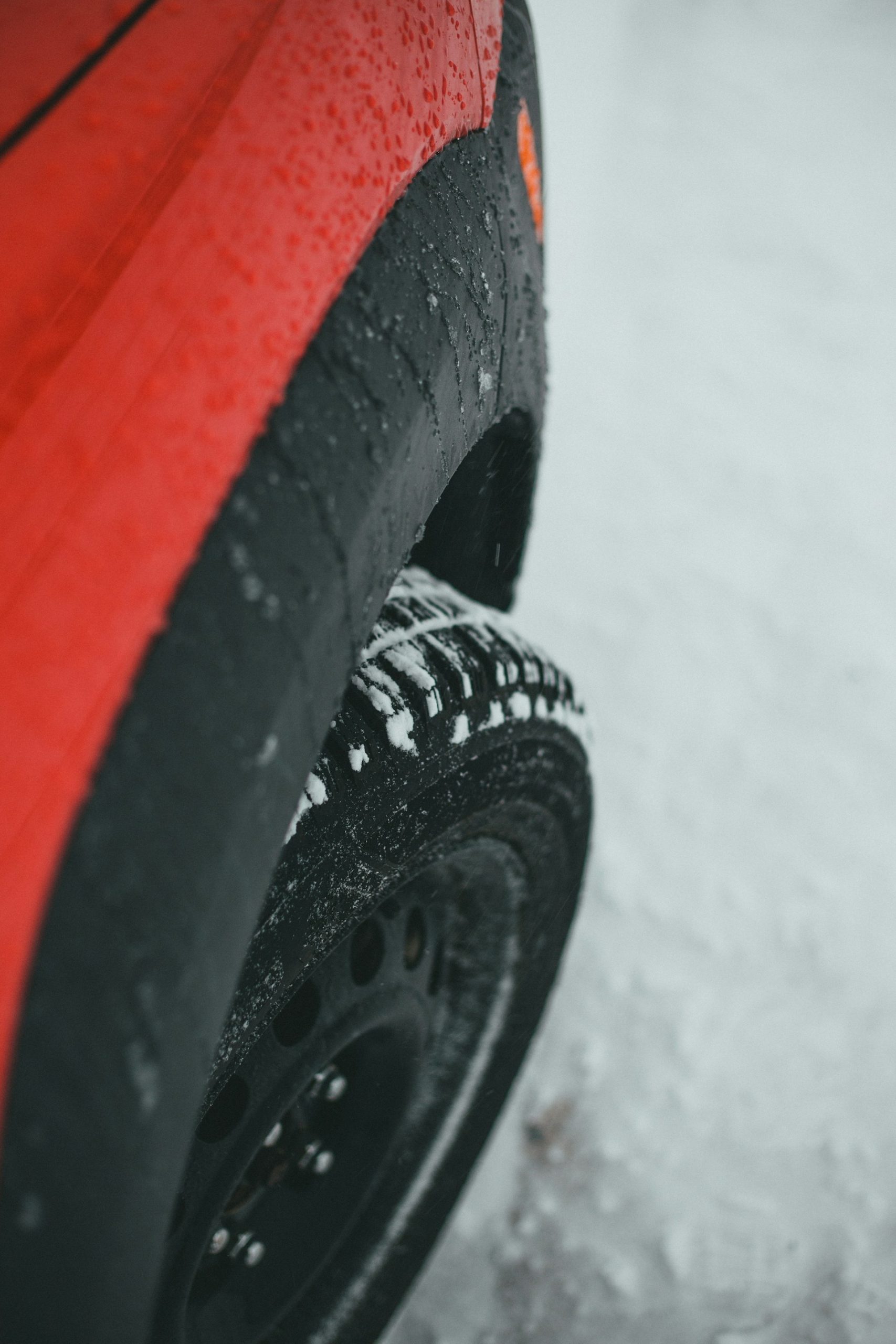
Traction is critical for moving through heavy terrain safely and avoiding accidents. When driving a heavy vehicle, enhanced traction helps you to navigate through rugged terrain smoothly. For smaller vehicles, improved traction can prevent the car from becoming stuck in snow, ice, and wet roads.
14. They Perform Well on Dry Pavement in Winter
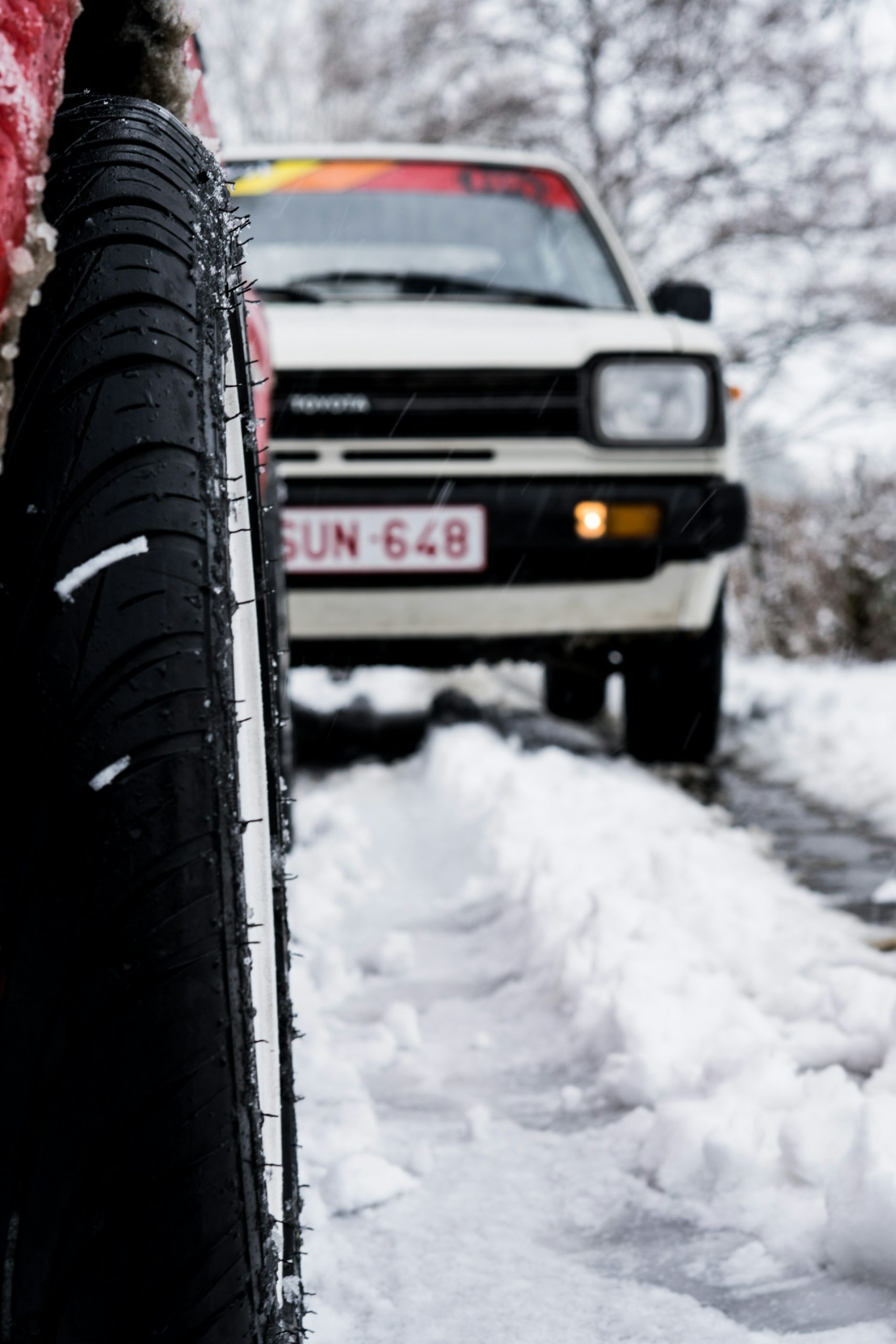
Another misconception about winter tires is that you cannot use them on drier pavement. This is also untrue. Winter tires perform well on dry pavement and won’t increase accident risks or become damaged. You can use them all winter, even during days when there isn’t any snow or ice on the road.
15. You’ll Pay More Now, But Save More Later
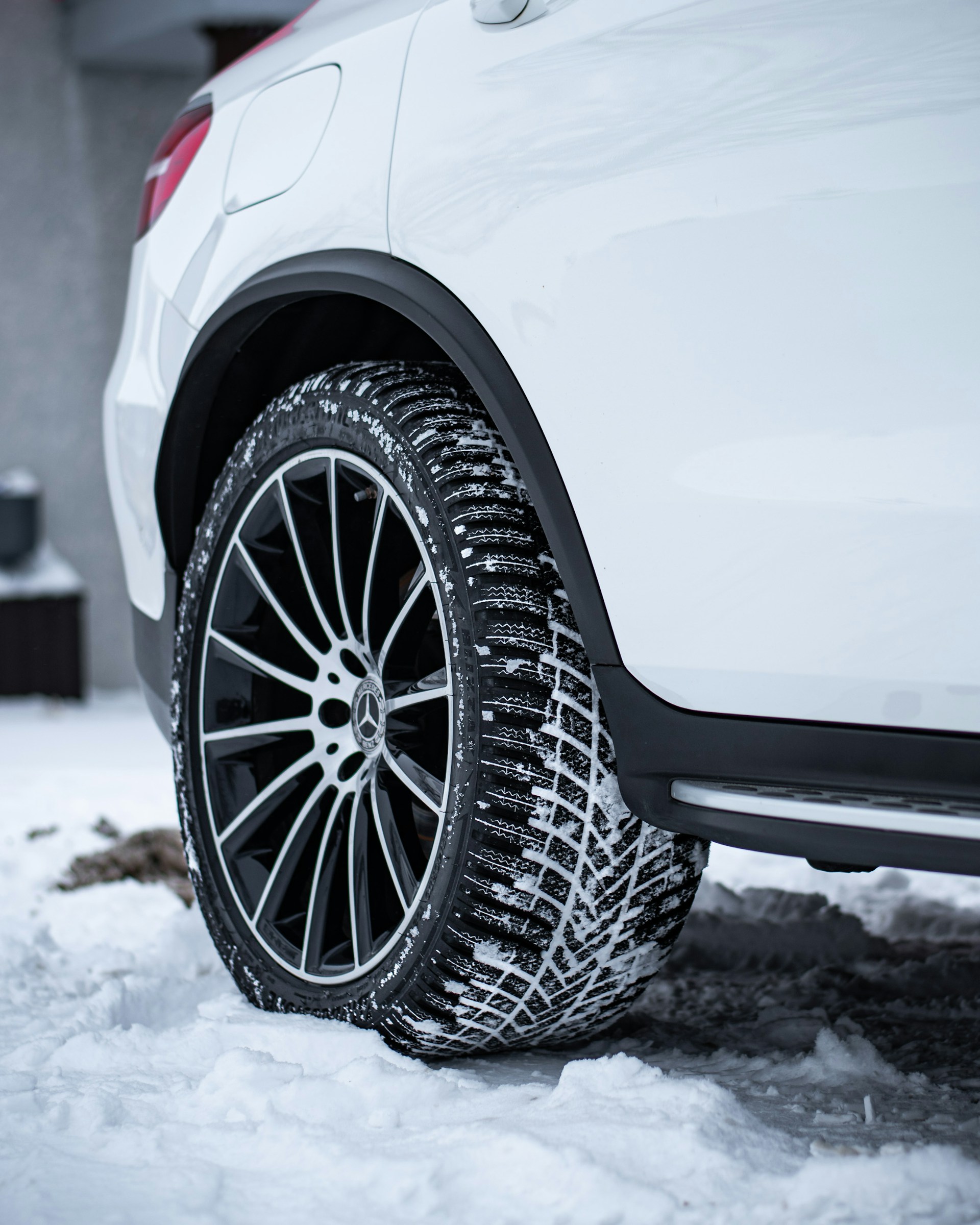
The cost of winter tires is high; however, you could actually save more money in the long run. You’ll use them only during winter, and you could use them for several years. Switching out the tires can also reduce wear and tear on your all-season tires, making them last longer.