Categories
Mobile Syrup

Microsoft Edge and Bing gain ChatGPT-like AI capabilities

At its AI event earlier today, Redmond, Washington-based Microsoft announced a new version of its hardly used Bing search engine.

The version, which adds AI capabilities to the search engine, is launching alongside a new version of Microsoft’s Edge browser.

Microsoft is partnering with OpenAI and using the same AI technology for Bing that is used for ChatGPT, with the next release of Bing reported to feature a new, next-gen language model that Microsoft says is “much more powerful” than ChatGPT.

The new Bing offers a chat function where people can type in questions, similar to ChatGPT, and receive answers in human-like language. The feature uses the “Prometheus Model,” which is a version of the AI language built by OpenAI for ChatGPT, but with updated, up-to-date information. Microsoft added that the model will make Bing safer to surf, with search results updating more quickly than before.

During the AI event, Microsoft consumer chief marketing officer Yusuf Mehdi asked Bing to compare big Mexican artists and their well-known paintings. Bing displayed the results in a new side panel with annotations and links to results. Mehdi also asked Bing to create an itinerary for a 5-day trip to Mexico. The chatbot was able to respond with a detailed itinerary, with different activities to do on each day. The result also shared relevant links for sources.

As shared by Engadget, in cases where Bing does not have the answer to query, it will point you toward relevant useful information that might match your query.

Similarly, Edge has been updated with new AI capabilities and a redesigned look. For example, with Edge’s Sidebar, you can now ask the browser for the summary of a lengthy piece of text, a lengthy financial report for example. You can then use the chat function to ask for a computing company’s financials and compile all the information in a table.

Similar to ChatGPT, you can ask the Edge to compose content for you, like a LinkedIn or a Twitter post.

The new Bing AI is rolling out now for all users on desktop as a “limited preview.” You’ll currently only have a limited number of queries that you can ask the chatbot for help with.

Microsoft says that it will be scaling the preview to millions globally in the coming weeks, while a mobile experience will also be in preview soon. Users can visit Bing.com and sign up for the waitlist for the feature’s wide rollout.

Learn more here.

Image credit: Microsoft

Source: Microsoft

Categories
Mobile Syrup

Non-WebKit browsers for iOS could appear with iOS 17

New iPhone browsers are on the way, reportedly much sooner than expected.

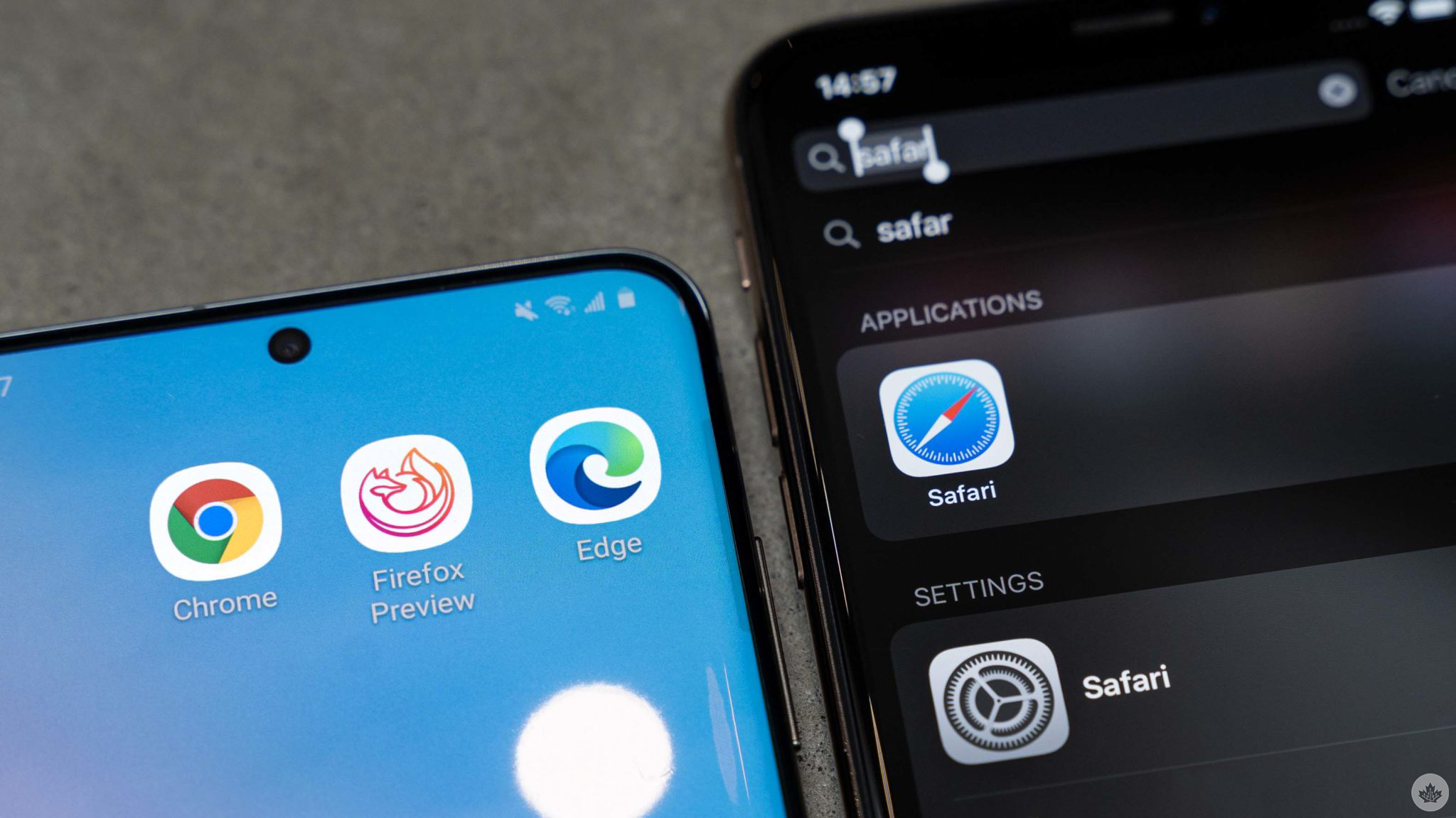
Up until now, competing browsers, including the likes of Google Chrome and Mozilla Firefox on iOS have had to use the WebKit rendering engine for their browsers. This is the same engine Apple’s Safari is built on, essentially limiting the number of features that can be offered by competing browsers.

This essentially also means that it is impossible for other companies to create an iPhone browser that performs faster than Safari.

Now, with the antitrust pressure against Apple growing in the UK, Apple’s WebKit requirement is reportedly being classified as ‘anticompetitive.’ UK’s Competition and Markets Authority wrote:

Apple bans alternatives to its own browser engine on its mobile devices; a restriction that is unique to Apple. The CMA is concerned this severely limits the potential for rival browsers to differentiate themselves from Safari (for example, on features such as speed and functionality) and limits Apple’s incentives to invest in its browser engine.

This restriction also seriously inhibits the capability of web apps – apps that run on a browser rather than having to be individually downloaded – depriving consumers and businesses of the full benefits of this innovative technology.

9to5Mac says that Apple would be required to drop the WebKit requirement sooner than later, with the European Digital Markets Act forcing Apple’s hand. The WebKit requirement is reported to be dropped with iOS 17 later this year.

This has caused Apple to buckle up. According to The Register, Apple knows that dropping the WebKit requirement could allow competing browsers to steal some of Safari’s market share. Because of this, Apple is adding more staff to the WebKit team to close the gap between its and competing rendering engines.

Source: 9to5Mac

Categories
Mobile Syrup

February 2023 security patch rolling out to Pixel Watch now

On the heels of Pixel phones getting the February 2023 security patch, Google is rolling out the patch for the Pixel Watch.

This time around, Google’s moving a little faster than before — in January, the Pixel Watch update came about a week after the smartphone update. Unfortunately, there’s not much exciting in the update. Google’s patch notes simply note that the update brings “the latest security patches for Pixel Watch users,” and that’s about it.

The over-the-air (OTA) update is rolling out now and will continue over the next week, but you can reportedly force the update by heading into Settings > System > System updates and repeatedly tapping the ‘Your watch is up to date’ screen (this has never worked for me, but your mileage may vary).

Android Police notes that this update once again doesn’t bring fall detection to the Pixel Watch. Google previously promised the feature would launch in the winter, but it hasn’t arrived yet — except for some lucky users who saw the feature show up.

Source: Google Via: Android Police

Categories
Mobile Syrup

Apple patents new under-screen Face ID and Dynamic Island tech

The U.S. Patent Office has granted Apple a new patent that talks about an under-screen Face ID that features more sensors than we’ve seen in the previous iPhone displays. The patent describes a new way to use the Dynamic Island.

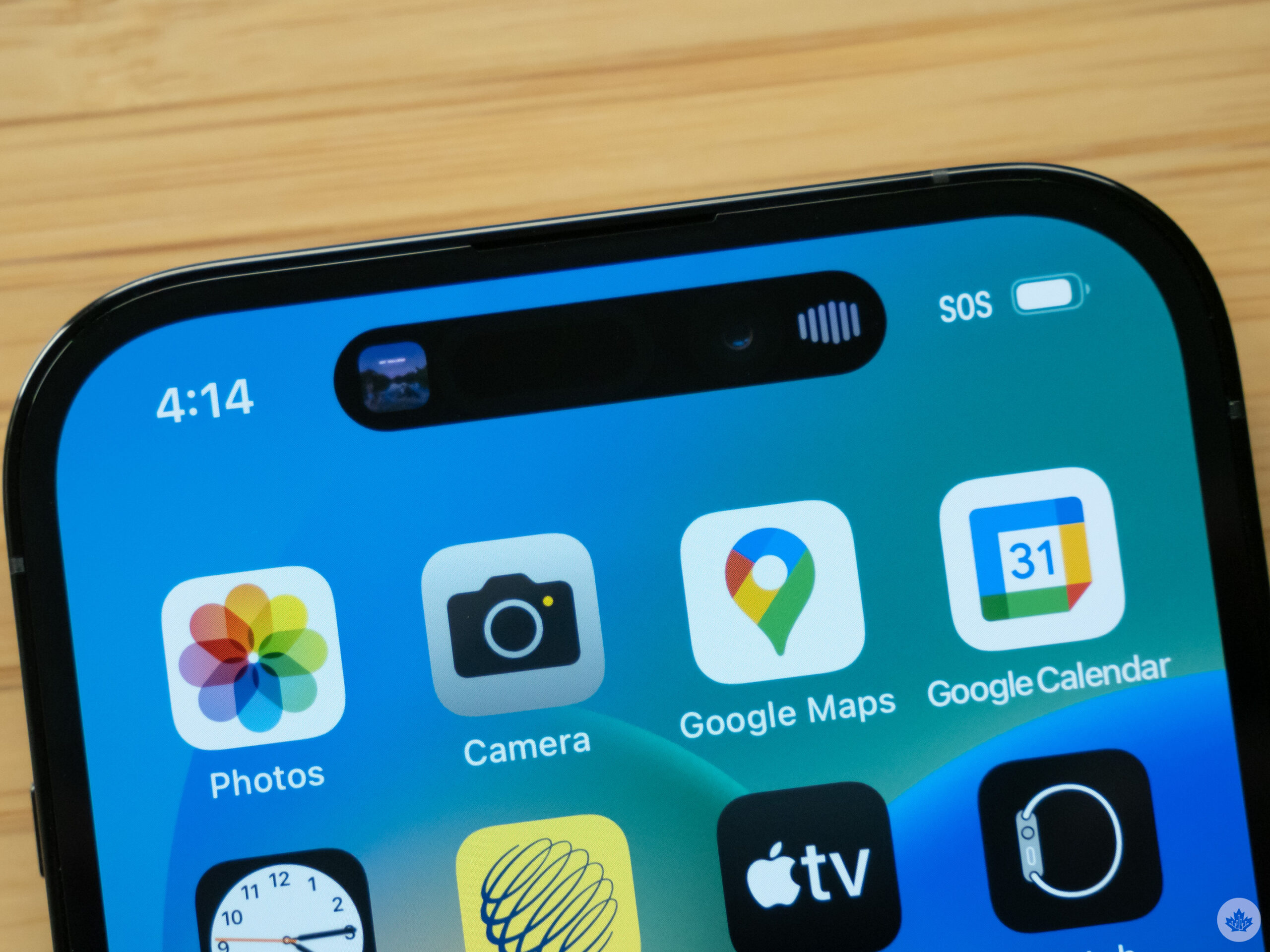
On the iPhone 14 Pro, Apple has two cutouts in the display that are disgusted as the island-shaped Dynamic Island. Unlike most Android cutouts, Apple made it part of its user interface, and you can see what song is playing and other contextual information in the cut-out. However, Apple would rather have the display be one slab of glass and place the camera and Trudepth sensors below the glass.

Patently Apple spotted a patent that uses the Dynamic Island in interesting ways. The first allows for sensors that Apple can place into the display, including a sensor for air gestures, pressure sensors for detecting position, orientation, and motion, accelerometers, magnetic sensors and more. It’s worth noting that I’ve reviewed the LG G8 and Pixel 4 XL, which both offered some sort of Air Gestures, and I’d love it if Apple added it to a future iPhone and did the feature some justice.

The second allows the Dynamic Island to vary in size and position. Apple would do this by using a series of tiny transparent windows and, effectively, selectively activating or deactivating different pixels allowing the island to move in random directions and even rotate.

The transparent windows may be shifted by a random amount in a random direction relative to a grid defining point and/or may be randomly rotated to increase the non-periodicity. A transparency gradient may be formed between the transparent windows and the surrounding opaque portion of the display. The transparent windows may be defined by non-linear edges. Describes Patently Apple

According to 9to5Mac, Apple’s displays consist of 13 layers, and light transmission through these areas is reduced by a lot and would need to lower the number of layers for areas with sensors. However, this patent would fix this issue by making these areas invisible to the eye and allowing neighbouring pixels to be turned off to increase light transmission.

Source: Patently Apple, 9to5Mac

Categories
Mobile Syrup

Xbox unveils ‘Stellar Shift Special Edition’ wireless controller

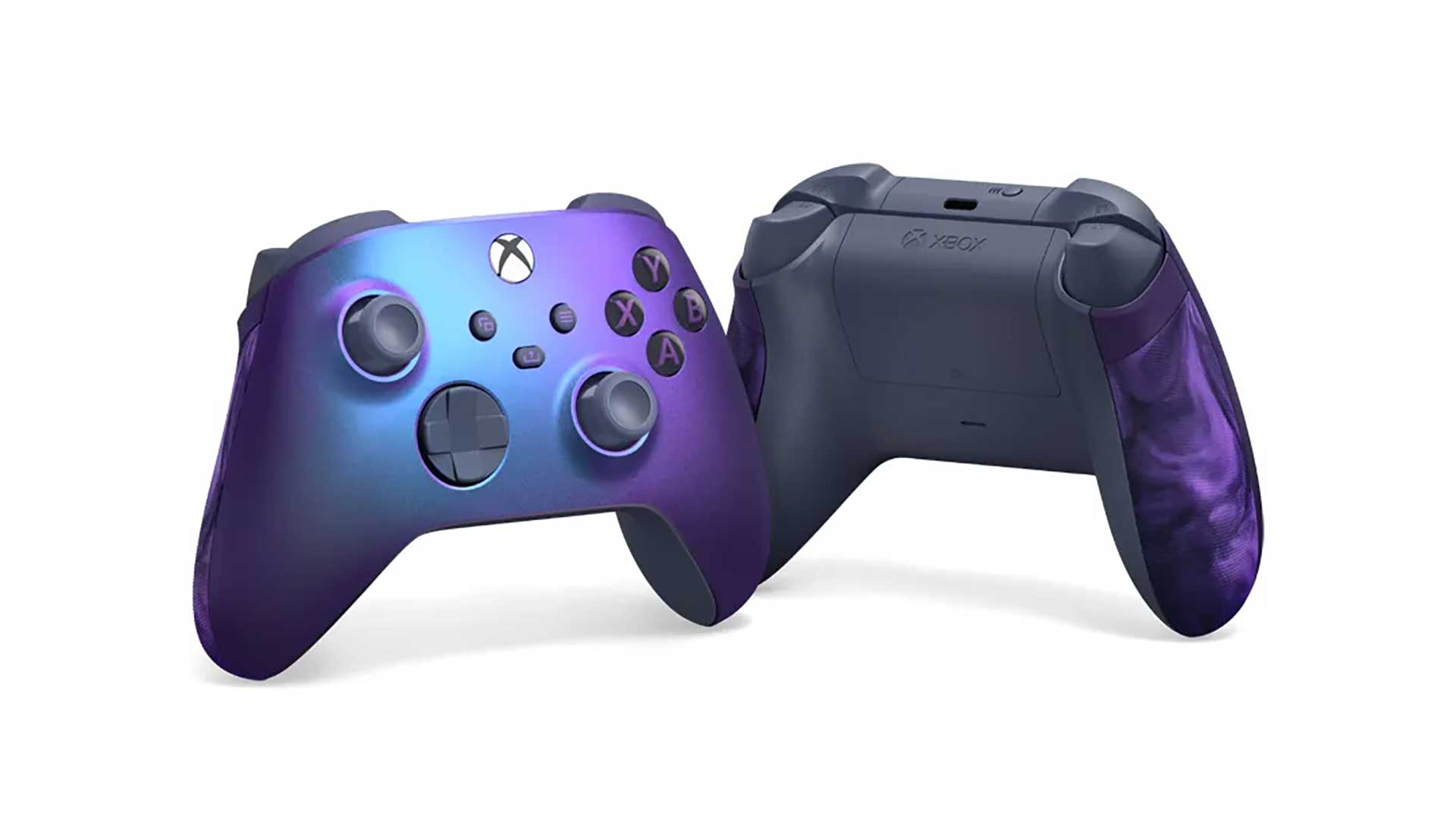
Xbox has revealed its latest special edition controller, the space-themed ‘Stellar Shift.’

The gamepad sports a distinct blue-purple aesthetic and unique swirl grips on the rear.

Xbox Wireless Controller Lunar Shift


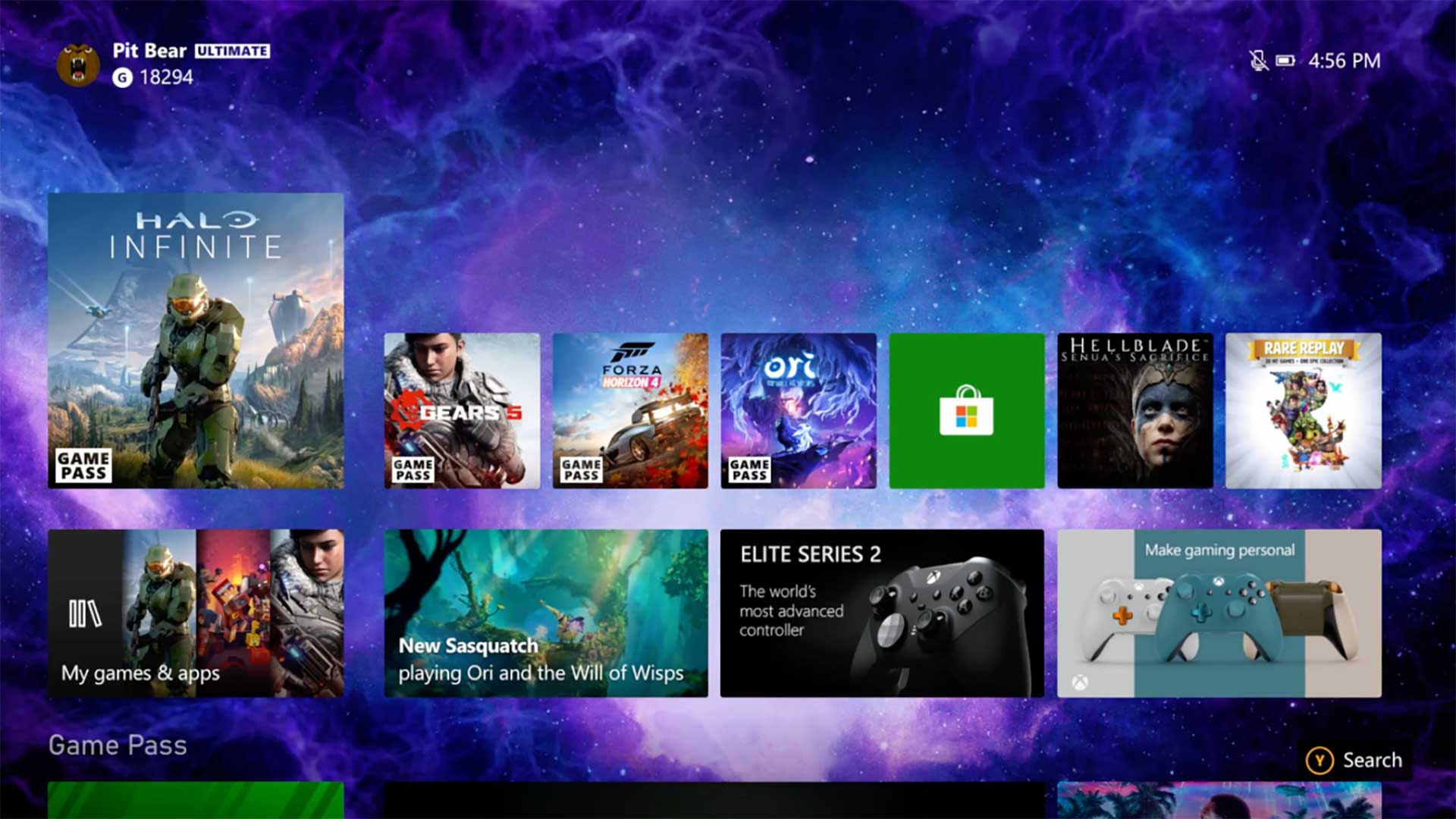
It also comes with an exclusive dynamic background for your Xbox:

Xbox Lunar Shift dynamic background

Otherwise, it’s the same as the standard Xbox Wireless Controller in terms of form factor and layout. Like those other gamepads, it’s also compatible with Xbox consoles, PC and mobile devices.

The Xbox Wireless Controller — Stellar Shift Edition can be ordered from the Microsoft Store for $79.99 CAD. For context, the standard Xbox Wireless Controller is priced at $74.99.

The Stellar Shift follows the introduction of the silver-gold Lunar Shift gamepad last year. Custom Xbox Elite Series 2 controllers also launched in late 2023.

Source: Xbox

Categories
Mobile Syrup

OnePlus 11 Review: Stuck on a plateau

The OnePlus 11 is a peculiar phone with an interesting camera skillset. However, as with most OnePlus smartphones from the past four years, it comes with compromises.

The camera is fantastic, and the three years of Hasselblad partnerships has brought pleasing colours and decent photography enhancements to the OnePlus formula. Although, it’s hard to say if the OnePlus 11 is truly better than the OnePlus 10 Pro since both cameras offer different optics and skill sets.

Overall, I don’t think this is OnePlus’ best phone lately and considering how closely it falls with the OnePlus 10 Series, it’s hard to set this one out from the pack. With the pricing and discounts on the 2022 flagships, it’s not a tough decision at the end of the day.

OnePlus 11

OnePlus 10 Pro

Display

6.7-inch LTPO3 Fluid AMOLED 120Hz refresh rate

6.7 inches LTPO2 Fluid AMOLED 120Hz refresh rate

Processor

Snapdragon 8 Gen 2

Snapdragon 8 Gen 1

RAM

8GB/12GB

8GB/12GB

Storage

128GB, 256GB, 512GB

128GB, 256GB, 512GB

Dimensions (in.)

163.1 x 74.1 x 8.5mm

163 x 73.9 x 8.6mm

Weight

205g

201g

Rear Facing Camera

50-megapixel (f/1.8, 24mm, OIS) + 32-megapixel (f/2.0, 48mm, telephoto), 48-megapixel (f/2.2, 115°)

48-megapixel (f/1.8, 23mm, OIS,) + 8-megapixel (f/2.4, 77mm, OIS) + 50-megapixel (f/2.2, 14mm)

Front Facing Camera

16-megapixel (f/2.5, 25mm)

32-megapixels (f/2.2)

OS

OxygenOS 13

OxygenOS 12

Battery

5,000mAh

5,000mAh

Network Connectivity

GSM/CDMA/HSPA/EVDO/LTE/5G

GSM/HSPA/LTE/5G/Wi-Fi 6

Sensors

Fingerprint (under display, optical), accelerometer, gyro, proximity, compass, color spectrum

Fingerprint (in-display), accelerometre, gyro, electronic compass, ambient light sensor, proximity sensor, sensor core, laser sensor, flicker detect sensor and barometer

SIM Type

nano SIM

nano SIM

Launch Date

January 9, 2023

January 11, 2022

Misc

Colour: Titan Black, Eternal Green

Colour: Emerald Forest, Volcanic Black

Display

OnePlus 11

6.7-inch LTPO3 Fluid AMOLED 120Hz refresh rate

OnePlus 10 Pro

6.7 inches LTPO2 Fluid AMOLED 120Hz refresh rate

Processor

OnePlus 11

Snapdragon 8 Gen 2

OnePlus 10 Pro

Snapdragon 8 Gen 1

RAM

OnePlus 11

8GB/12GB

OnePlus 10 Pro

8GB/12GB

Storage

OnePlus 11

128GB, 256GB, 512GB

OnePlus 10 Pro

128GB, 256GB, 512GB

Dimensions (in.)

OnePlus 11

163.1 x 74.1 x 8.5mm

OnePlus 10 Pro

163 x 73.9 x 8.6mm

Weight

OnePlus 11

205g

OnePlus 10 Pro

201g

Rear Facing Camera

OnePlus 11

50-megapixel (f/1.8, 24mm, OIS) + 32-megapixel (f/2.0, 48mm, telephoto), 48-megapixel (f/2.2, 115°)

OnePlus 10 Pro

48-megapixel (f/1.8, 23mm, OIS,) + 8-megapixel (f/2.4, 77mm, OIS) + 50-megapixel (f/2.2, 14mm)

Front Facing Camera

OnePlus 11

16-megapixel (f/2.5, 25mm)

OnePlus 10 Pro

32-megapixels (f/2.2)

OS

OnePlus 11

OxygenOS 13

OnePlus 10 Pro

OxygenOS 12

Battery

OnePlus 11

5,000mAh

OnePlus 10 Pro

5,000mAh

Network Connectivity

OnePlus 11

GSM/CDMA/HSPA/EVDO/LTE/5G

OnePlus 10 Pro

GSM/HSPA/LTE/5G/Wi-Fi 6

Sensors

OnePlus 11

Fingerprint (under display, optical), accelerometer, gyro, proximity, compass, color spectrum

OnePlus 10 Pro

Fingerprint (in-display), accelerometre, gyro, electronic compass, ambient light sensor, proximity sensor, sensor core, laser sensor, flicker detect sensor and barometer

SIM Type

OnePlus 11

nano SIM

OnePlus 10 Pro

nano SIM

Launch Date

OnePlus 11

January 9, 2023

OnePlus 10 Pro

January 11, 2022

Misc

OnePlus 11

Colour: Titan Black, Eternal Green

OnePlus 10 Pro

Colour: Emerald Forest, Volcanic Black

The last optic by Hasselblad?
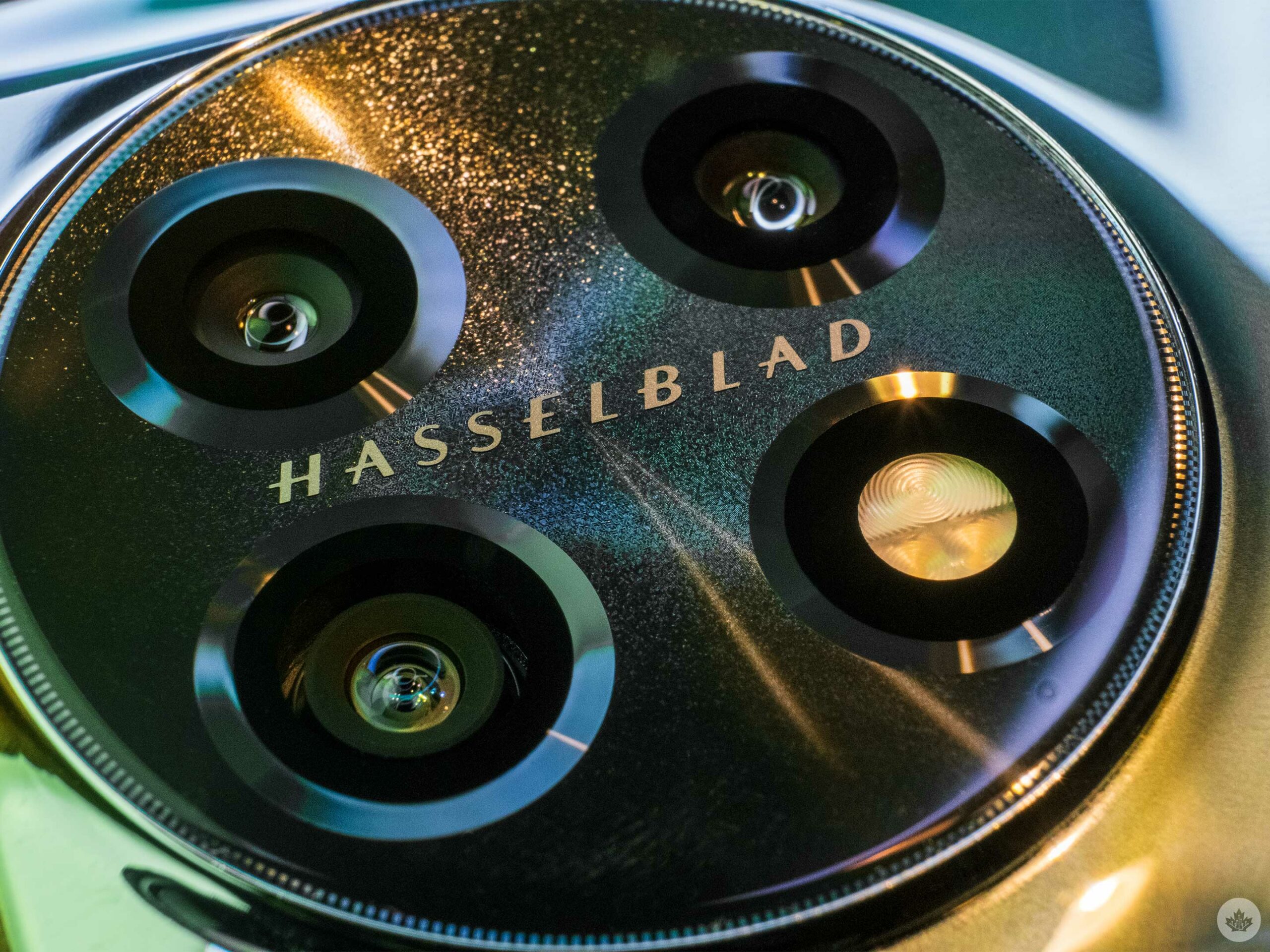
OnePlus and Hasselblad partnered on the company’s mobile camera optics for the past three years, and while the collaboration never yielded the results enthusiasts were hoping for, it did help bring OnePlus up to par. Over the past three years, I’ve been more than happy with the camera performance offered in the company’s smartphones, and OnePlus has somehow worked its way into my heart as one of my favourite mobile camera systems around.

This year’s camera doesn’t hold that bar up as high as it felt with the OnePlus 10 Pro, but it’s an intelligent system that produces pleasing results. All three sensors have changed this year, but the main improvement is the new 32-megapixel zoom lens that’s built to mimic the bokeh effect from a 65mm Hasselblad lens when you’re shooting in Portrait mode.
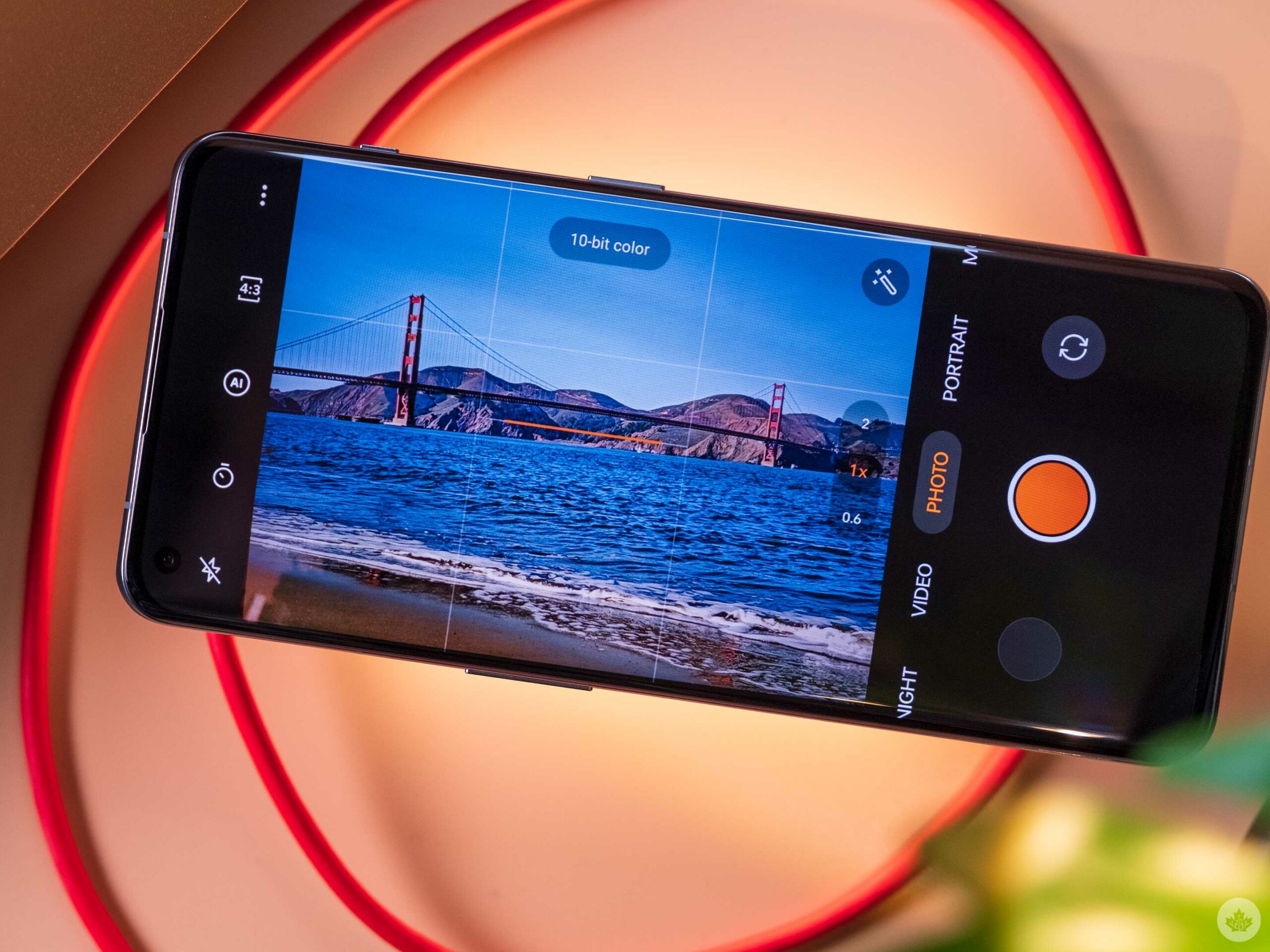
The increase in quality decreases the zoom’s reach since this year’s lens can only reach as far as a 48mm full frame lens before you start using digital zoom. This is around 2x on most phone camera systems. The increased resolution on the telephoto optic helps the OnePlus 11 capture better zoom photos than its predecessor’s eight-megapixel (77mm) zoom lens, so it’s a bit of a toss-up which one is right for you. Personally, I miss the further reach of the 10 Pro.

During the launch, OnePlus hyped up other elements like its new HDR engine and faster performance, but compared to the experience of using the 10 Pro, it doesn’t feel incredibly different. The images usually turn out as long as I’m not rushing, and the soft Hasselblad colours are a pleasing base to edit from. As someone who edits most photos before sharing them, this works out great for me, but other people might be happier with the extra bit of processing you can get from Samsung and Apple.

When I tested this phone alongside the new S23 Ultra, the OnePlus 11 did a more pleasing job with its HDR in extreme circumstances. Instead of flattening the scene, the algorithm leaves a bit more shadows, which helps make the photos feel more dramatic.

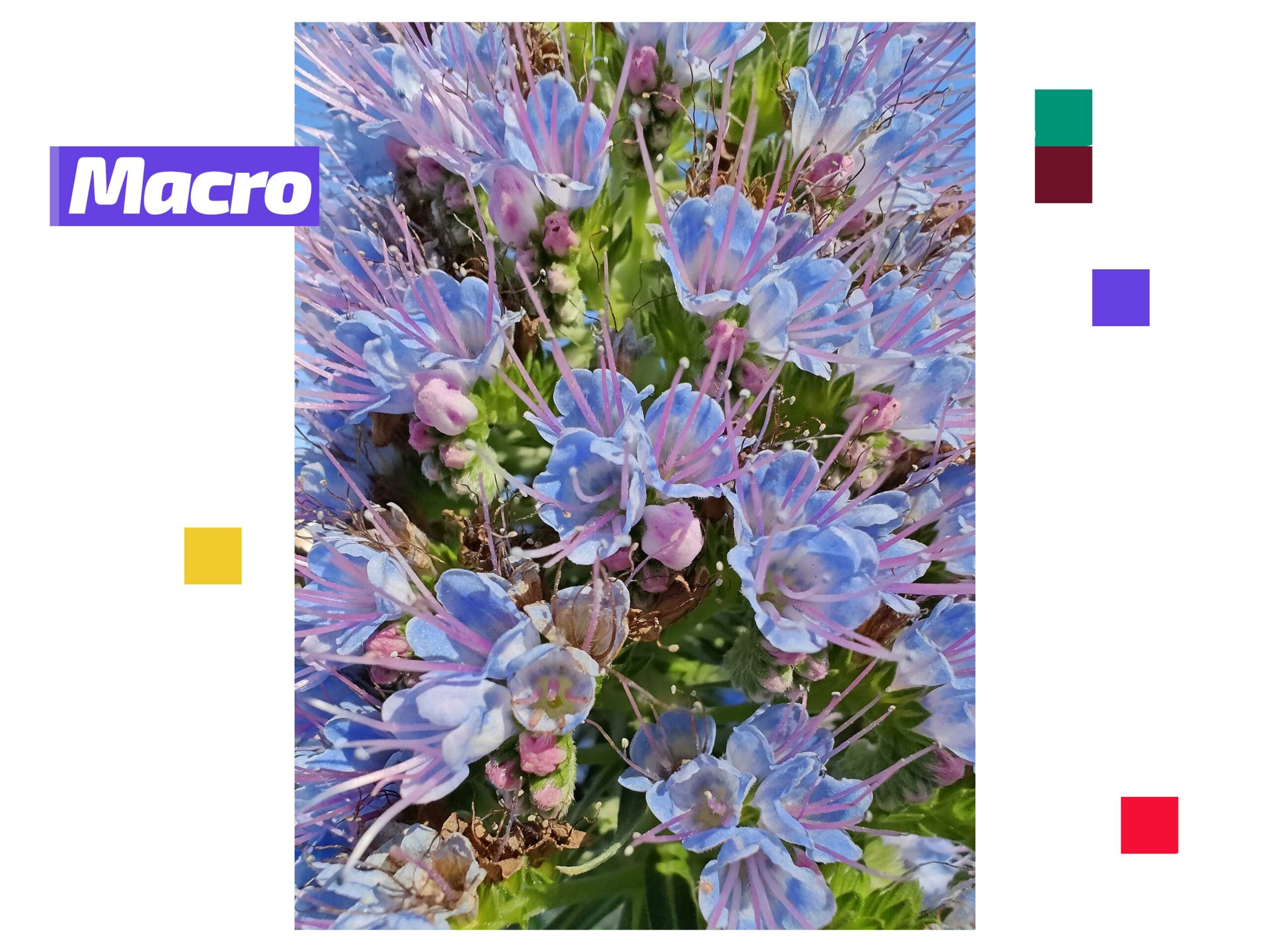
The company has also brought macro capabilities back to the ultra-wide lens, which is nice. Images look great, but it can’t go as close as the iPhone 14 and Galaxy S23 series. Having said that, I’m glad it’s back from the OnePlus 9 series.
IMG20230206214347
IMG20230205171455
IMG20230204175949
IMG20230204175539
IMG20230204175245
IMG20230201161004
IMG20230130134621
IMG20230130145622
IMG20230130162309 (1)
IMG20230131212626
IMG20230201144817
IMG20230201154813
IMG20230130134358
IMG20230130134032
IMG20230130131603
IMG20230130131439
IMG20230130131020
IMG20230130124418
IMG20230130105414
IMG20230130105609
IMG20230130122048
IMG20230130124009
IMG20230130124345
IMG20230130122513
IMG20230130000832
IMG20230130000828
IMG20230127205330
IMG20230126132847
IMG20230126103332
IMG20230115143658

You can find full resolution samples on Google drive

Like the last few OnePlus flagships, XPan mode is still here for taking wide panoramic images with punchier colours. Being able to whip out a phone and take a picture that looks like a movie frame will always be fun. That said, even though the new Ultra wide is back up to par from the 9 Pro, the 30mm XPan mode is sadly missing from this phone, so you’re only locked to somewhere around the 45mm focal length equivalent.

I’m hoping OnePlus and Hasselblad continue to work together so I can keep using this mode, but if the two companies split, I don’t think people would notice much missing from the end product. The Hasselblad colours are nice when they hit, but they’re not a secret sauce making every OnePlus photo look good. The OnePlus 10T from last year is a good indicator of this.
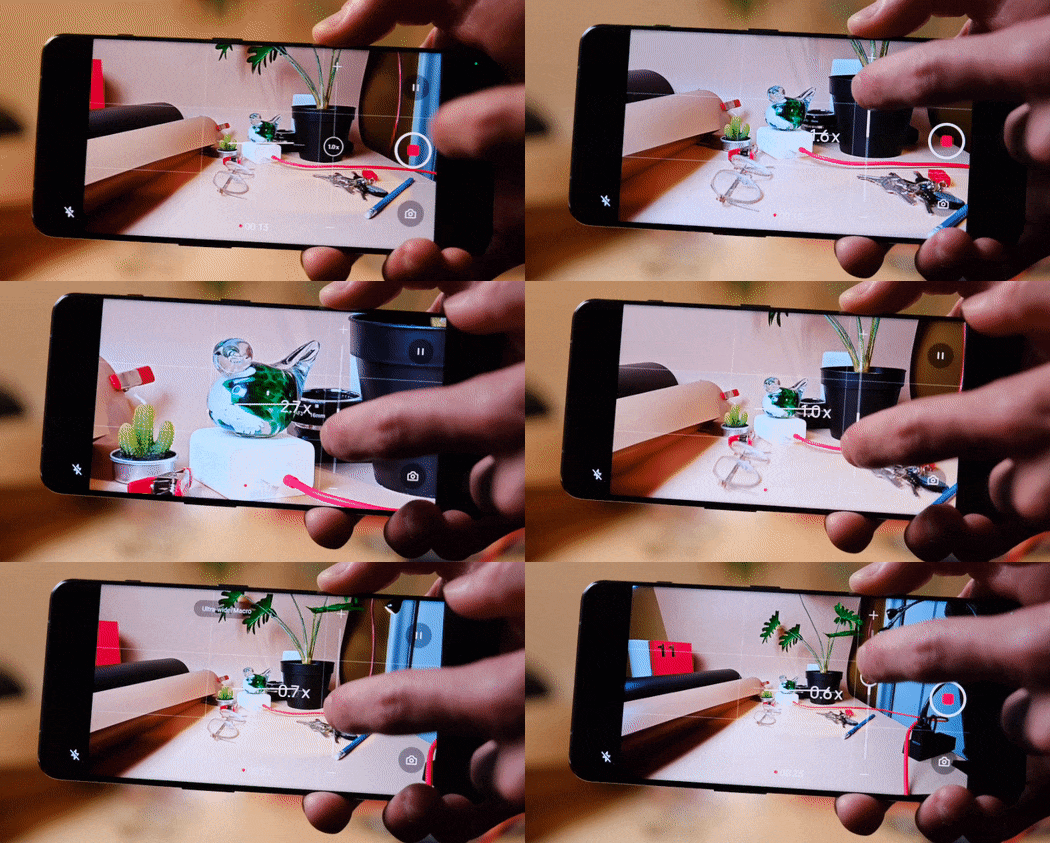
While the three lenses take great photos, the video department needs to be evaluated separately. For some reason, the videos in bright sunlight are over-saturated, while videos in low light can look grainy. Both are usable for social media but leagues behind the iPhone or even the new S23 series. One thing I like about OnePlus and Oppo phones is the smooth zoom controls in Video mode. It’s effortless and helps get great shots without jerky crash zooms.

Not the most comfortable OnePlus phone
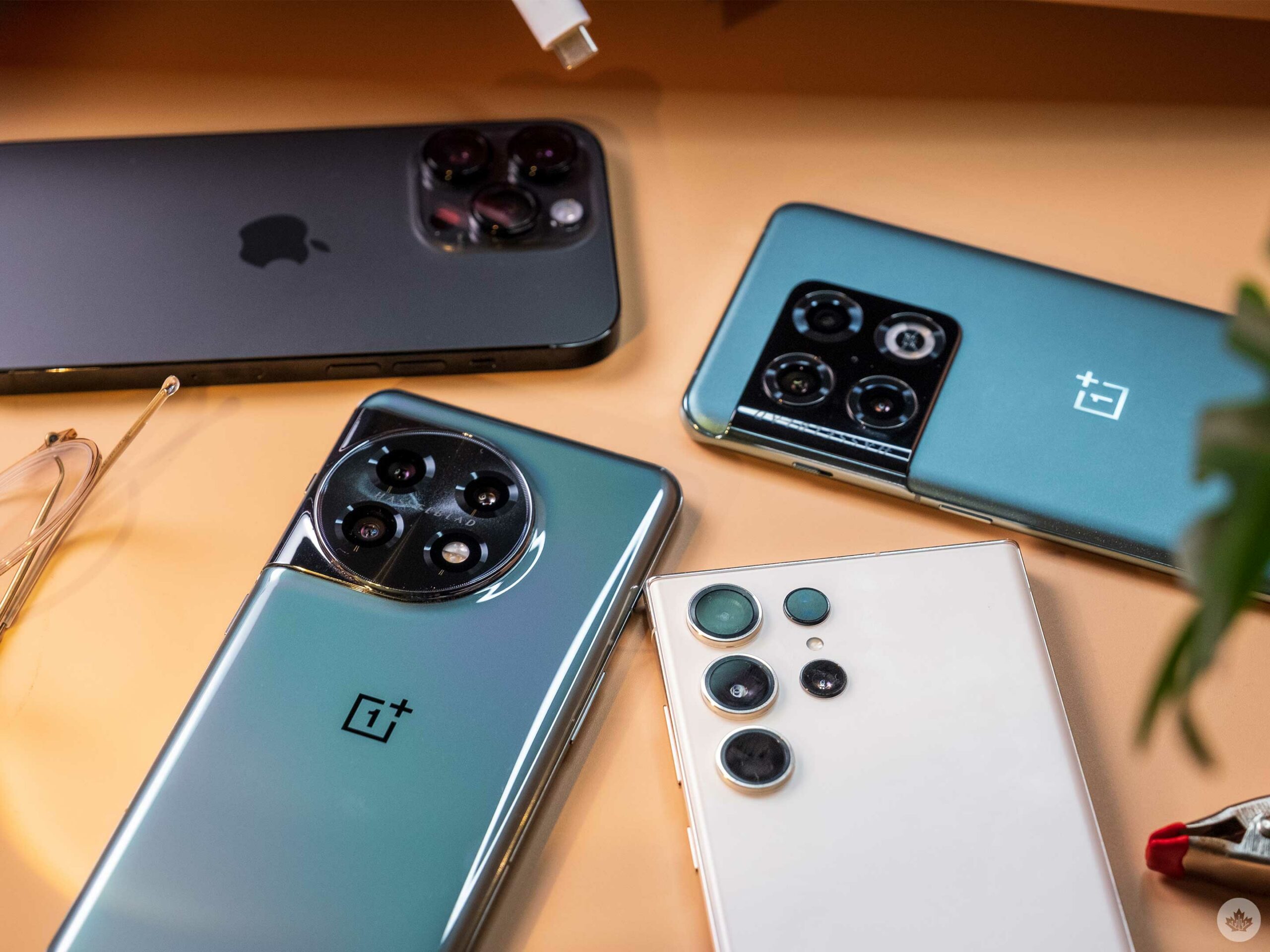
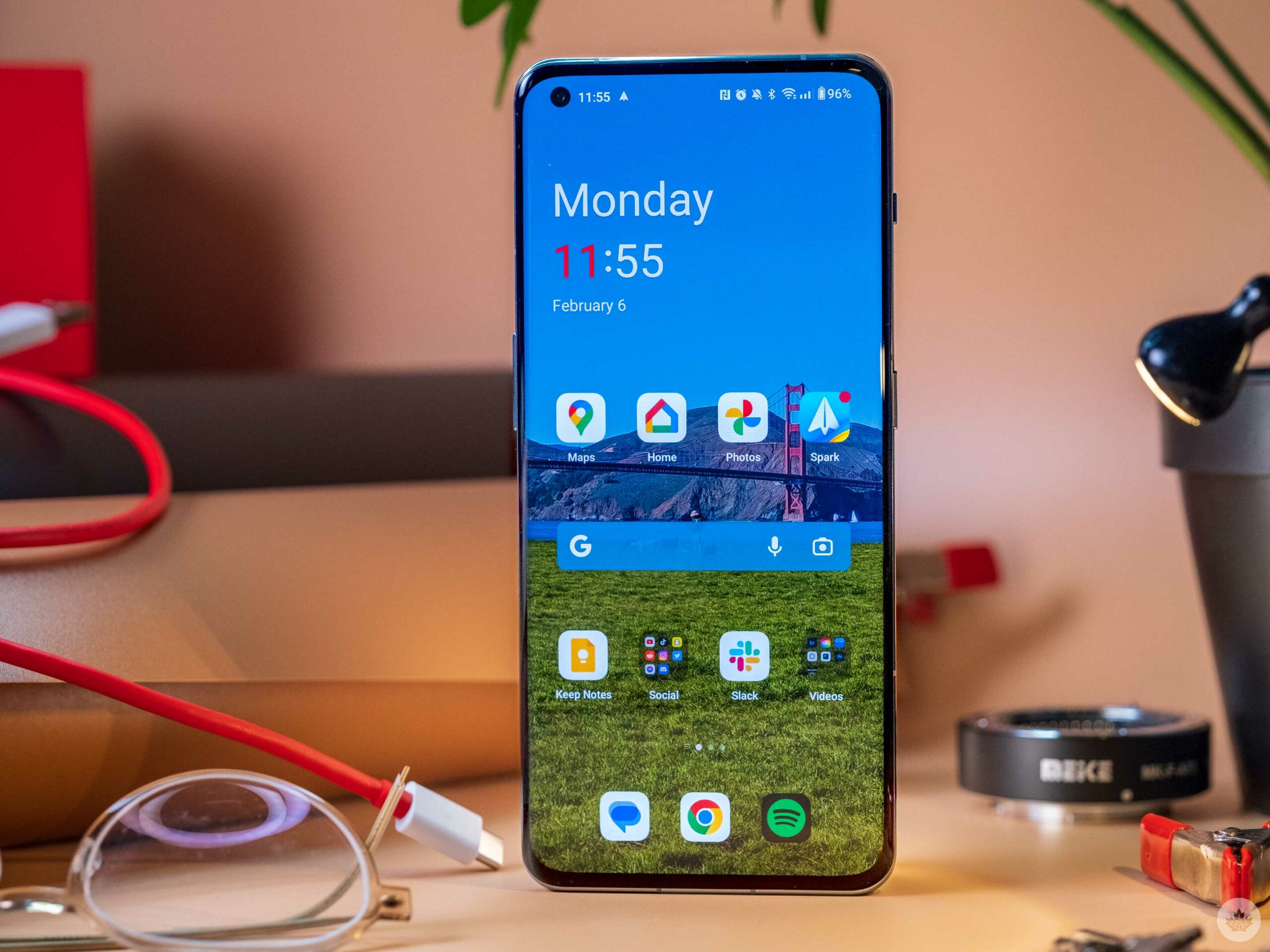
The OnePlus 11 feels great with solid haptics and tight build quality, but it feels quite heavy, which is weird considering it’s the same weight as my iPhone 14 Pro. This is because the phone is glossy and slick, so it’s harder to get a comfortable grip. It might be the most premium feeling OnePlus to date, but the in-hand ergonomics could be better. It’s not a deal breaker, but I found it more uncomfortable than phones with squared edges like the Nothing Phone.

Speaking about the phone’s design, I’m forced to bring up the large flying saucer-styled camera bump. It’s large and reminiscent of the OnePlus 7T, but with a glossier edge that has a more jewelry-like finish with a silver rim that glints in the light. Inside the rim is a texture that sparkles and looks reminiscent of the sandstone back of the original OnePlus One. I was half expecting OnePlus to mention that it’s “bold like a crater on the moon” or something during the product briefings I attended, but they never mentioned its design. Beyond the camera bump’s massive size, the only issue I have with it is that it’s rimed in silver, but the metal that comprises the phone’s edges is tinted green, so where they meet is an awkward divide.
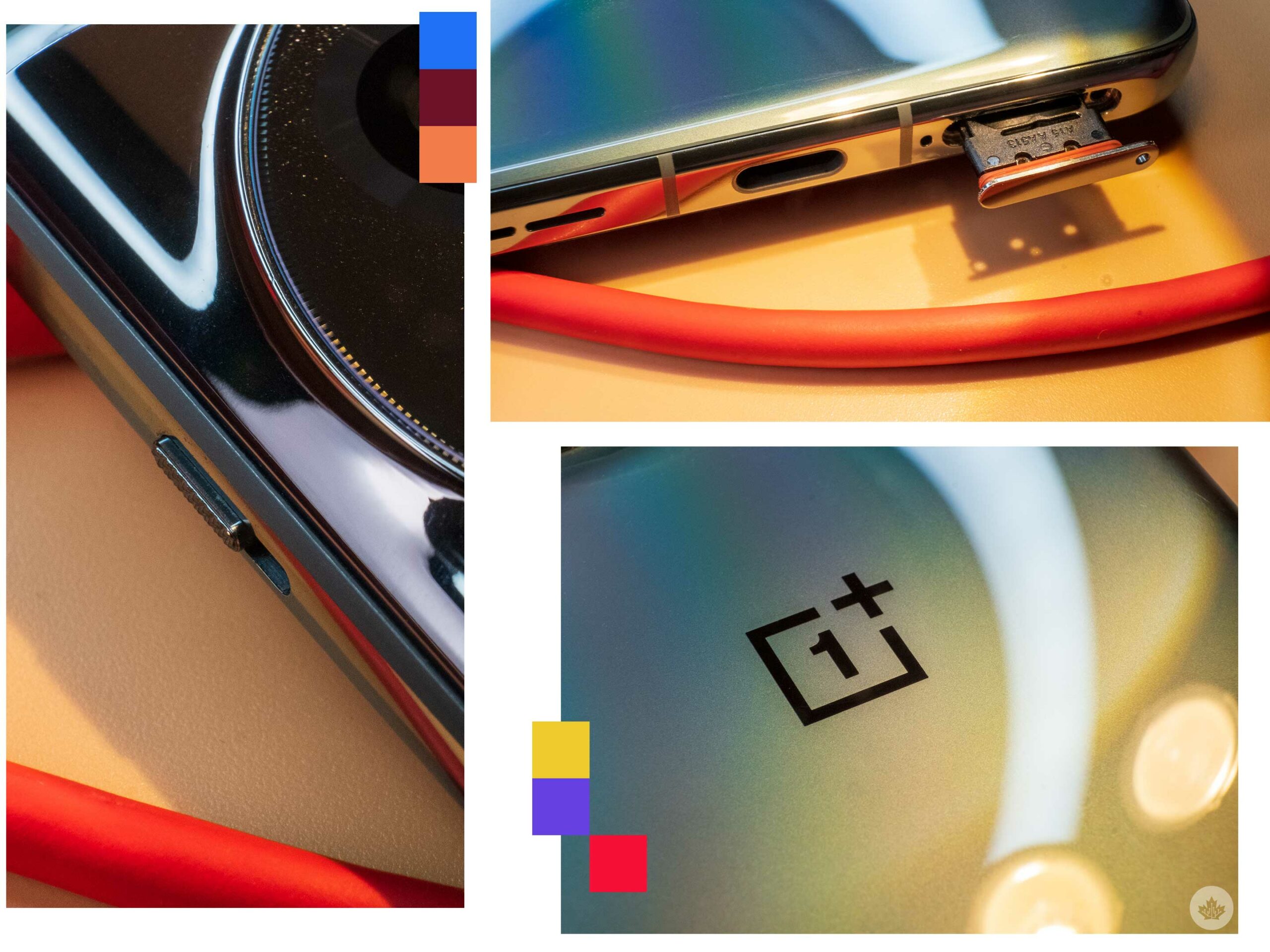
One of the phone’s significant improvements is what OnePlus calls the Battery Health Engine. The company has been working on this for years, and its goal is to help extend the battery’s lifespan. The first part uses smart algorithms when charging and using the phone, and the second aspect is a new Electrolyte formula that should reduce the damage done to the battery by using it. OnePlus even went as far as to call this “Battery Healing Technology,” so it will be interesting to see how that claim stands up over time.

In my experience, the battery day-to-day has been phenomenal, easily lasting over a day. To top it off, the smartphone comes with an 80-watt fast charger in the box that can top the OnePlus 11 up to 100 percent in around 28 minutes. It’s pretty awesome, and like other OnePlus phones, it means I spend way less time on a charger and no longer need to charge overnight. It’s excellent freedom, but you need to have your charger around to take advantage of it.
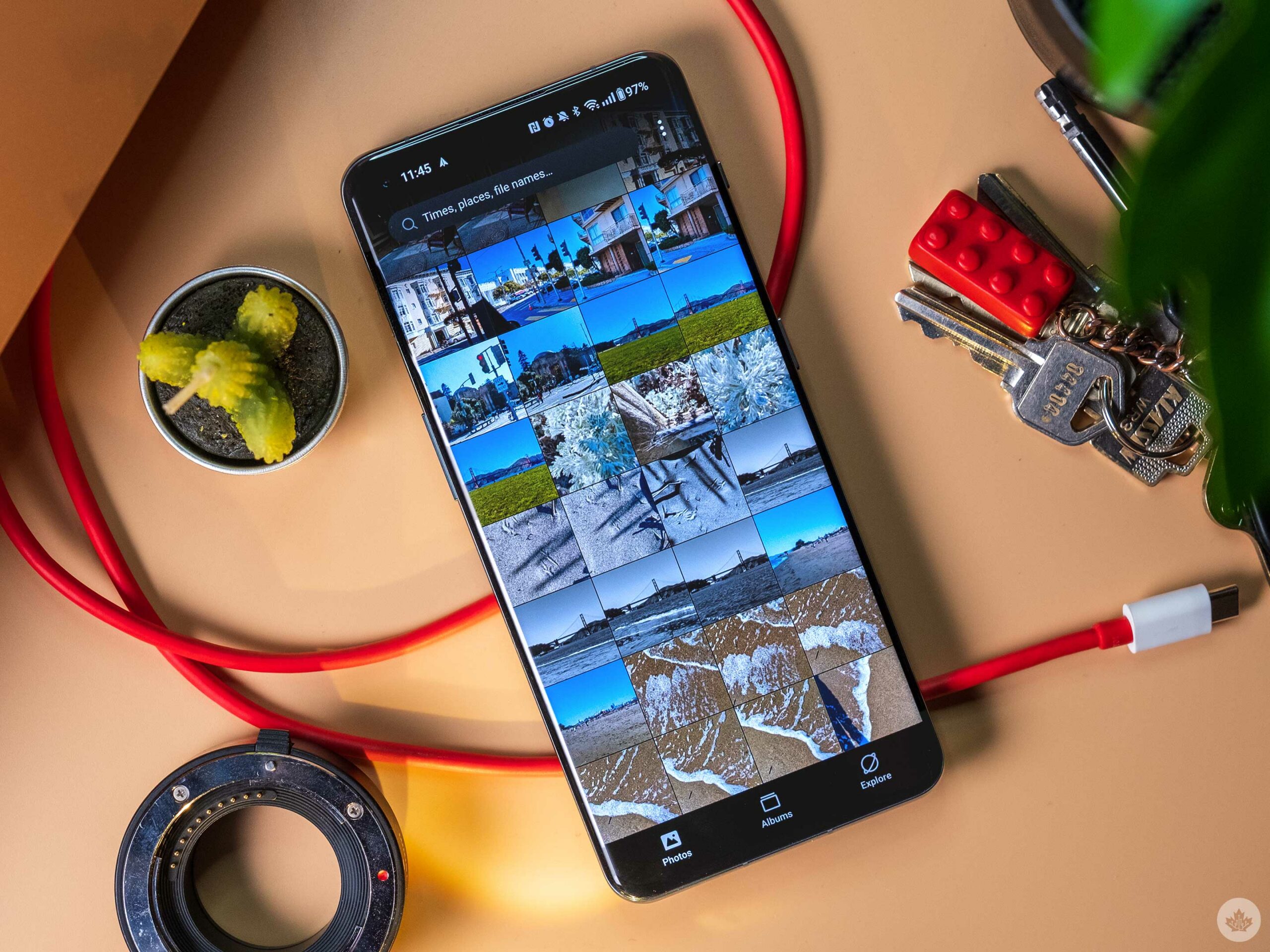
What’s strange this year is that the cable comes with a USB-C to USB-A cable instead of a C-to-C like most modern OnePlus phones. The company says that consumers find it more convenient to have the USB-A port since it’s more likely to be built into hotel rooms, power bars and vehicles. They’re right about that, but the tide is changing, and since I likely bought a OnePlus for the fast charging, I don’t see myself travelling to hotels without my brick anytime soon. Overall, not a dealbreaker again, but an interesting quirk nonetheless.

It’s also worth mentioning that the OnePlus 11 follows in the footsteps of the 10T and doesn’t feature wireless charging, which is an interesting quirk for a phone positioning itself as a flagship. It doesn’t matter much to me since the fast charging is good enough that I don’t need to charge it wirelessly.

Beyond this, I’d like to see OnePlus jump up to a more robust form of glass. The 11 uses Gorilla Glass 5 on the back and Gorilla Glass Victus on the front. Before the release of this phone, OnePlus made a big show about making its phones last longer with improved software support, but that sentiment feels at odds with the older Gorilla Glass on the rear of the phone.

One improvement that was easy to test was the improved speakers, which sound fantastic and get quite loud. It wasn’t something I expected to notice, but over my time with the OnePlus 11, I was constantly surprised by how well it could fill a room.
Categories
Mobile Syrup

The Pixel 7 Pros have an issue with buttons falling off

Throughout the years, we’ve seen a lot of problems with Google’s Pixel smartphones, so another Pixel 7 Pro issue isn’t all that weird. Now, an Android Central writer has noticed that the volume rocker has popped off his Pixel 7 Pro.

According to AC, people have been complaining about this issue since the launch of the Pixel 7 back in October, but a lot of the complaints came around New Year’s. Complaints have hit the Google Support Forums and Reddit about others who have had this issue.

It’s unclear if this is only a Pixel 7 Pro issue, but many people complaining are owners of the larger flagship. This seems to be a manufacturer’s defect, but it also can be considered wear and tear, so hopefully, this issue is covered under warranty.

I haven’t had this issue, nor has MobileSyrup‘s Jon Lamont, who has a Pixel 7.

The phone also has other issues, like how easy it is to scratch, which I noticed during my first week of reviewing.

Let us know in the comments below if you’ve had this issue.

Source: Android Central

Categories
Mobile Syrup

OnePlus Pad can share cellular data with your OnePlus phone

OnePlus has launched its first Android tablet today, and it’s called the OnePlus Pad.

The OnePlus Pad could easily be one of the better Android tablet offerings of the year, as its specs speak for themselves. Before the specs, however, it’s worth going over what the tablet looks like.

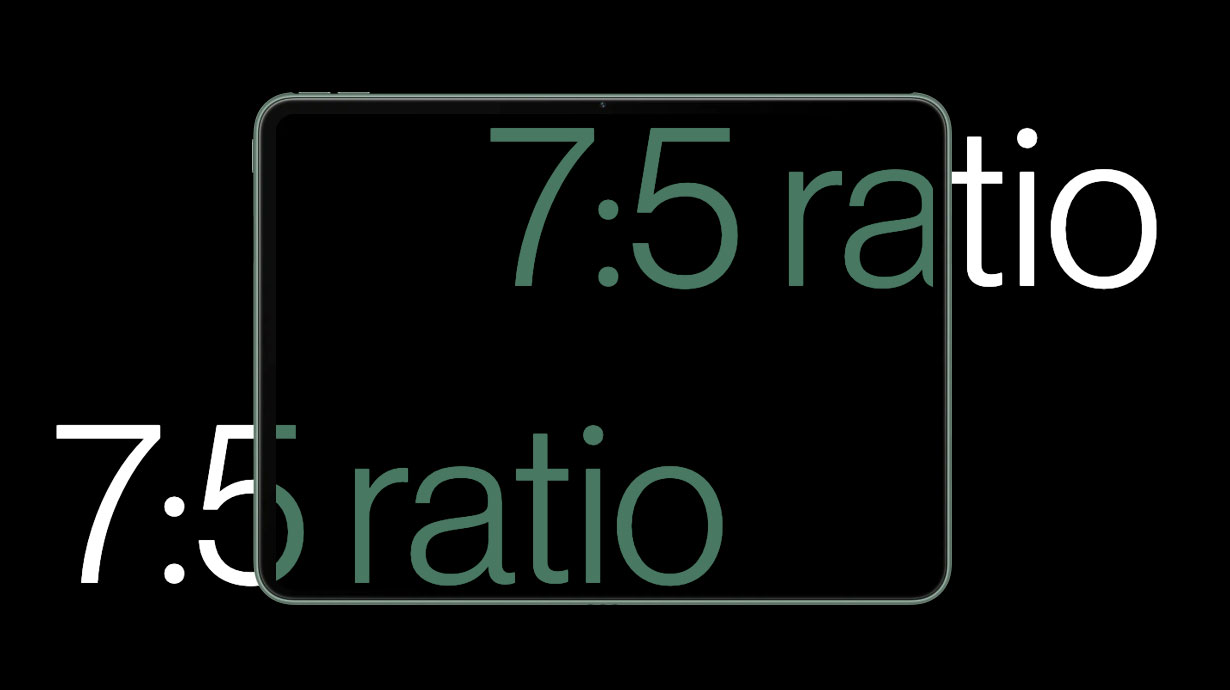
The tablet features a CNC-machined aluminum casing that gives the handheld a premium look, alongside a large 11.61-inch LCD display with a rather unusual 7:5 aspect ratio. The display has a 2000p resolution with a refresh rate of up to 144Hz alongside support for Dolby Vision.

The bezels on the front are visible, though they aren’t overly obvious as they come in at 6.54mm on all four sides, resulting in an 88 percent screen-to-body ratio. Further, the tablet comes out in only one colour, ‘Halo Green,’ which is an olive-like shade.

Specs-wise, the OnePlus Pad is powered by the Dimensity 9000 chipset, the first mobile chip to feature a Cortex-X2 core clocked at up to 3.05GHz. The Pad features 12GB of RAM, alongside a 9,510mAh battery, which OnePlus says ensures 12 hours of video watching, and a one-month standby life. For reference, the Galaxy Tab S8 Ultra sports an 11,200mAh battery, while the 12.9-inch iPad Pro (2022) features a 10,758mAh cell.

The Pad comes with 67W SuperVooc charging, allowing it to go from zero to 100 percent battery in roughly 80 minutes.

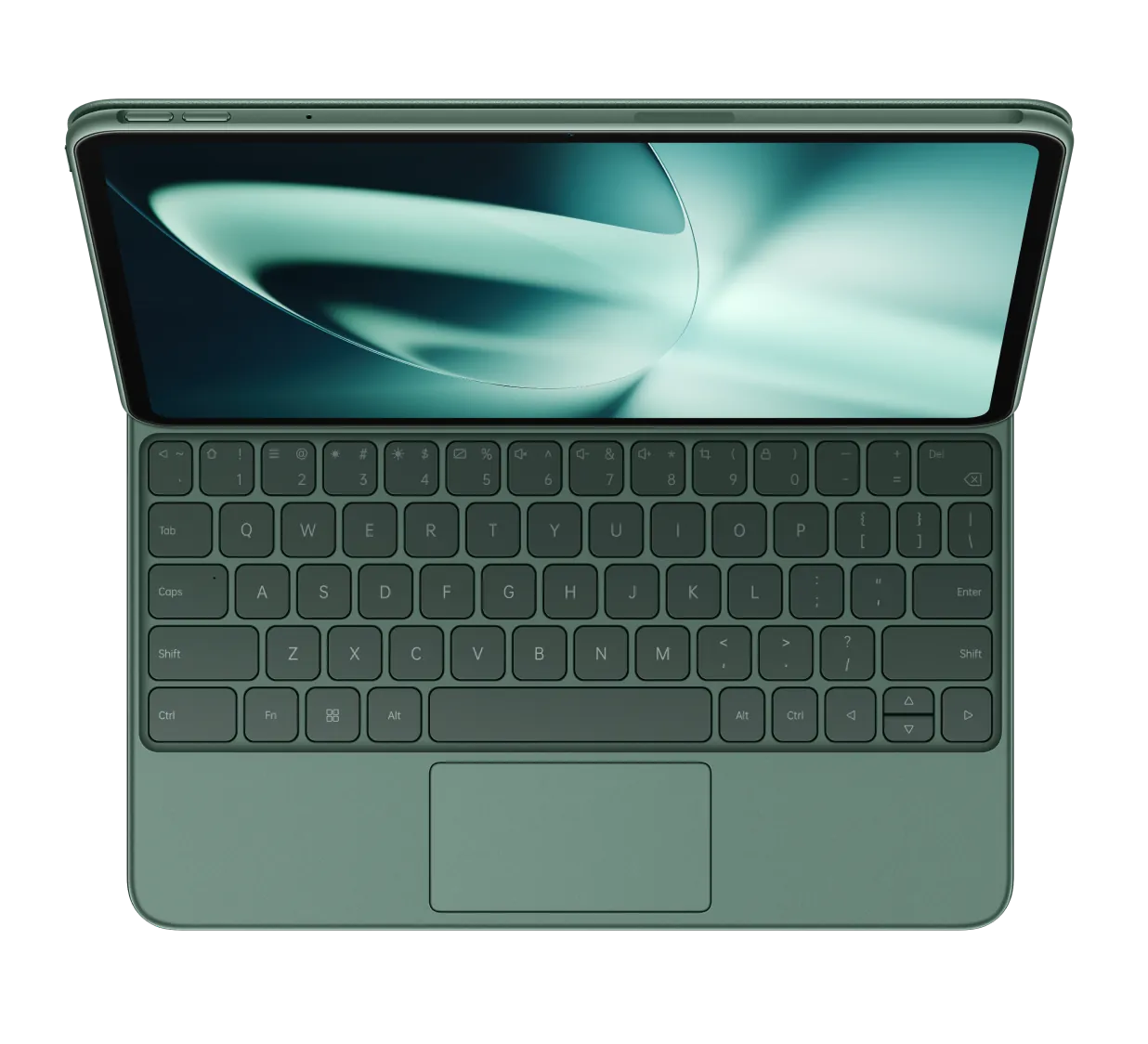
It also features a magnetic keyboard and a magnetic “OnePlus Stylo” (stylus). One Plus hasn’t shared much information about the two, other than the fact that the stylus features 2ms latency.

Other notable features include cellular data sharing, which allows the Pad to seamlessly connect with OnePlus smartphones and surf the internet by connecting to the Wi-Fi or mobile data through the smartphone. This removes the need to purchase a separate SIM card for the tablet.

“The cellular data sharing capability supports connections around 1-5 meters away,” wrote OnePlus. On the rear, the tablet features a centre 13-megapixel camera, while an 8-megapixel camera sits on the front.

It’s currently unclear when the tablet will be available to purchase in Canada.

Image credit: OnePlus

Source: OnePlus

Categories
Mobile Syrup

Nintendo Switch surpasses the PS4 in all-time sales

The Nintendo Switch has finally outsold Sony’s PlayStation 4, the Kyoto, Japan-based company revealed during its latest earnings report.

Sony has reportedly sold 117.2 million units of the PlayStation 4 since its launch in 2013. During Q4 2022, Nintendo sold 8.2 million Switch units, taking its total sale count to 122.55 million units, roughly 5.35 million units more than the PlayStation 4.

This makes the Nintendo Switch the third best-selling gaming system of all time, behind only the PlayStation 2 (over 155 million units) and the Nintendo DS (over 154.02 million units).

Apart from the console sales, Nintendo also shared sales numbers for its first-party Switch titles:

  1. Mario Kart 8 Deluxe: 52 million
  2. Animal Crossing: New Horizons: 41.59 million
  3. Super Smash Bros. Ultimate: 30.44 million
  4. The Legend of Zelda: Breath of the Wild: 29 million
  5. Pokémon Sword/Pokémon Shield: 25.68 million
  6. Super Mario Odyssey: 25.12 million
  7. Pokémon Scarlet/Pokémon Violet: 20.61 million
  8. Super Mario Party: 18.79 million
  9. Ring Fit Adventure: 15.22 million
  10. Pokémon: Let’s Go, Pikachu!/Pokémon: Let’s Go, Eevee!: 15.07 million

The company also reiterated a timeline for some upcoming releases:

  • Kirby’s Return to Dream Land Deluxe: February 24th
  • Bayonetta Origins: Cereza and the Lost Demon: March 17th
  • The Legend of Zelda: Tears of the Kingdom: May 12th
  • Pikmin 4: Sometime in 2o23

In related news, Nintendo recently revealed that the Switch is Canada’s best-selling console for the fifth-year in a row. Read more about it here.

Source: Nintendo

Categories
Mobile Syrup

Nintendo Direct officially announced for February 8

Nintendo has announced that its next Direct presentation will take place on Wednesday, February 8th at 2pm PT/5pm ET.

On social media, the company confirmed that the showcase will run for about 40 minutes and “mostly” focus on Switch games coming in the first half of 2023. As is normally the case, specific games were not teased.

However, we have some ideas of what we could see. The most obvious title — and one that lines up with previous reports — would be The Legend of Zelda: Tears of the Kingdom. While the Breath of the Wild sequel is currently set to release in May, we haven’t actually seen much gameplay. There have also long been rumours of Wind Waker HD and Twilight Princess HD Switch portsnot to mention a Metroid Prime remaster — that have yet come to pass. Meanwhile, Pikmin 4 is officially slated for 2023, so it may make an appearance.


We’ll find out more on February 8th. You can watch the Direct live via Nintendo’s official YouTube and Twitch channels.

Image credit: Nintendo