Categories
Mobile Syrup

New GeForce Now RTX 4080 tier brings 240FPS gaming to the cloud

Even though it’s only been a little over a year since Nvidia’s RTX 3080 GeForce Now membership launched, the company is already replacing the membership tier with a better one.

Now that Nvidia’s Ada Lovelace architecture RTX 4080 GPU is out, the company is phasing out the RTX 3080 GeForce Now tier in favour of a new ‘Ultimate’ subscription tier at the same price.

“GeForce NOW RTX 4080 SuperPODs will deliver over 64 teraflops of graphics horsepower to an individual user, which is more than 5x that of an Xbox Series X and nearly 1.75x over the previous-generation SuperPODs,” reads Nvidia’s news release about the upgrade.

Each member subscribed to the new tier gets access to a dedicated RTX 4080 GPU in the cloud, which offers a substantial performance boost over other GeForce Now subscription tiers.

The RTX 3080 GeForce Now tier allowed subscribers to game 1440p gaming at up to 120FPS on a Mac or PC, 4K HDR at 60FPS on Nvidia Shield and up to 120FPS on select Android devices. However, the new Ultimate tier gives users access to up to 240FPS. 4K gaming has been upgraded from 60FPS to 120 FPS, “while ultrawide monitors will be supported for the first time, at up to 3,840 x 1,600 resolution, including many popular variants such as 3440 x 1440 and 2560 x 1080.”
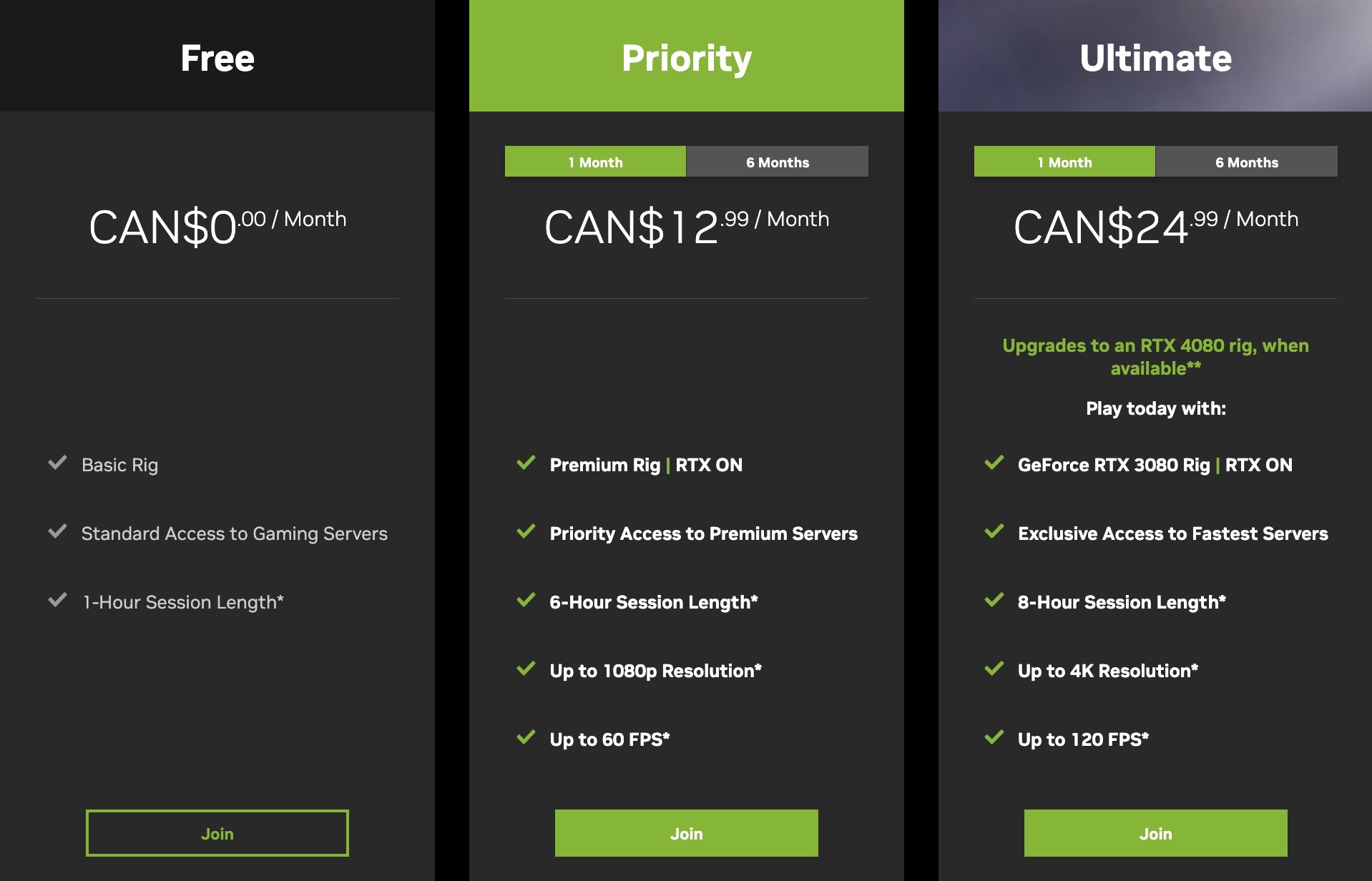
All GeForce Now RTX 3080 member accounts will automatically be upgraded to the new Ultimate tier at no additional cost, with Upgraded GeForce RTX 4080 performance streaming from the new SuperPODs will be available in North America and Europe starting later this month.

The pricing for the new ultimate tier is the same as the RTX 3080 tier. It costs $24.99 per month, or $129.99 for six months.

Learn more about the new subscription tier here.

Image credit: Nvidia

Source: Nvidia

Categories
Mobile Syrup

Leaked OnePlus 11 store photos give us our best look at the flagship

With the OnePlus 11 scheduled to make its first appearance in China tomorrow, January 4th, in-store images of the flagship have already surfaced on Chinese social media platform Weibo.

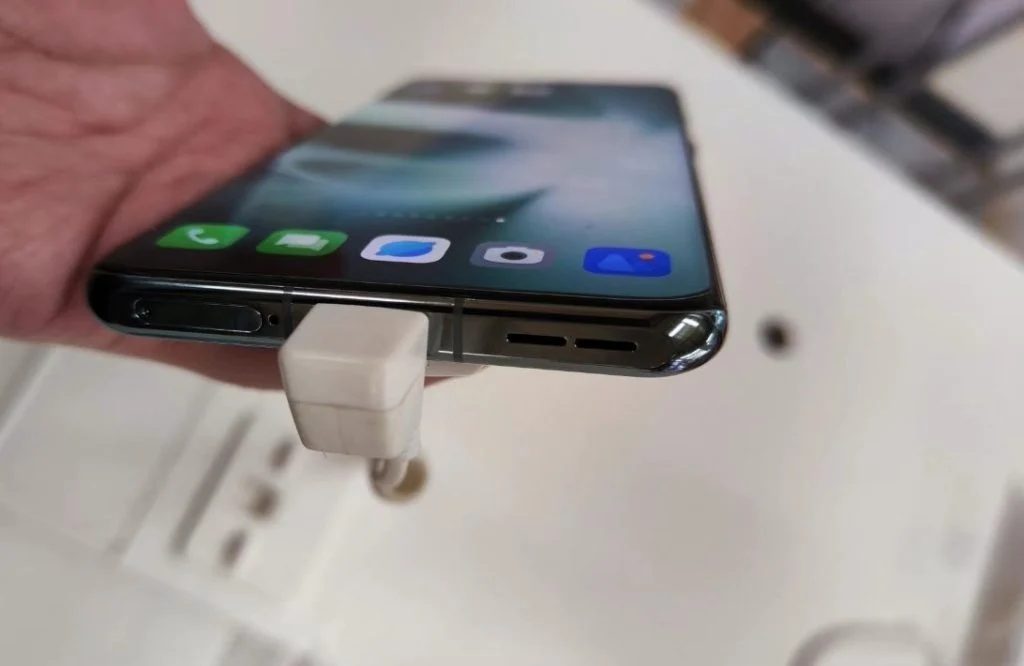
As expected, the images reveal that the OnePlus 11 sports a hole-punch selfie camera positioned on the display’s top left with thin bezels and curved edges. On the rear, the flagship’s camera module is circular, and fuses with the edge of the device almost seamlessly.

Interestingly, the rear has a glossy look to it, in contrast to its predecessors OnePlus 10 Pro and OnePlus 10T, both of which featured a textured glass back. The top of the device has two holes, one for the phone’s microphone, and the other is likely a speaker. On the bottom, the phone features a SIM card slot, another microphone, a speaker grille, and a USB-C charging port.

Further, while the flagship’s leaked specs have already made the rounds, here’s a recap. From what we know so far, the OnePlus 11 will feature a 6.7-inch 2K AMOLED display with a 120Hz refresh rate and runs on Qualcomm’s new Snapdragon 8 Gen 2 chip. The device is reported to weigh 205g and will come in either 12GB or 16GB RAM configurations with either 256GB or 512GB of UFS 4.0 storage. The OnePlus 11 will also sport a 5,000mAh battery and support 100W fast charging.

On the rear, the OnePlus 11 will sport a primary 50-megapixel Sony IMX890 sensor, a 48-megapixel ultrawide camera and a 32-megapixel telephoto shooter with 2x optical zoom. On the front will be a 16-megapixel selfie camera, and the device will IP54 certification, a downgrade from the OnePlus 10 Pro’s IP68 water and dust resistance.

The device will release worldwide on February 7th.

Check out the in-store images of the OnePlus 11 below:

Image credit: GizmoChina

Source: GizmoChina

Categories
Mobile Syrup

iPhone 15 Pro could feature more RAM, titanium frame and taptic buttons

The iPhone 15 rumour mill is starting to kick into high gear.

According to a new research note from Haitong International Securities’ tech analyst Jeff Pu (via MacRumors), Apple’s iPhone 15 Pro and iPhone 15 Pro Max could include new features like additional RAM, a titanium frame and buttons that don’t move but offer haptic feedback, similar to the iPhone SE (2022)’s Touch ID button.

More specifically, Pu says that the iPhone 15 Pro and iPhone 15 Pro Max will feature 8GB of RAM, an increase from 6GB in the iPhone 14 Pro and iPhone 14 Pro Max (the iPhone 15 and iPhone 15 Pro would reportedly still feature 6GB). Size-wise, the entire iPhone 15 line-up will measure as follows: 6.1-inch iPhone 15, 6.7-inch iPhone 15 Plus, 6.1-inch iPhone 15 Pro, and 6.7-inch iPhone 15 Pro Max.

Pu goes on to say that the iPhone 15 Pro series will feature a new 3nm A17 Bionic chip, while the iPhone 15 and iPhone 15 Plus will include the same A16 chip as the iPhone 14 Pro series. Overall, Pu expects iPhone, Apple Watch, Mac and AirPods shipments to decline year-over-year in 2023 because product momentum has “turned weak.”

In the same report, Pu mentions that Apple’s high-end Apple Watch Ultra could feature a larger 2.1-inch display and adopt Micro LED screen technology in 2024.

While the iPhone 15 series is still several months away from release, several leaks about the upcoming smartphone line have appeared over the past few months. For example, a report from Ming-Chi Kuo states that the iPhone 15 Pro and iPhone 15 Pro Max will offer different features. Adding more fuel to this rumour, Bloomberg’s Mark Gurman says that his sources indicate Apple could ditch “Max” for “Ultra” with its 6.7-inch high-end iPhone.

Finally, there are also rumours the iPhone 15 will make the jump to USB-C following the EU mandating that all smartphones must adopt the port format by 2024. Given the iPhone has been pretty stagnant year-over-year since the iPhone 13, it would be great to see Apple make significant changes with the iPhone 15, especially since iPhone 14 sales are reportedly slow.

Apple is expected to reveal its iPhone 15 line at a hardware event in September.

Via: MacRumors

Categories
Mobile Syrup

Nvidia is bringing its GeForce Now game streaming service to cars

As part of this year’s Consumer Electronics Show (CES), Nvidia has announced that it’s bringing its GeForce Now game streaming service to cars.

Specifically, the tech giant is partnering with Hyundai, Polestar and BYD, who are all part of the company’s ‘Nvidia Drive’ autonomous vehicle platform. However, Nvidia didn’t provide details on which cars will be supported or when this might even launch, simply saying the GeForce Now client will run in cars either via Android-based infotainment systems or built-in web browsers.

The popular service features a catalogue of more than 1,000 controller-supported games, including Cyberpunk 2077The Witcher 3: Wild HuntA Plague Tale: Requiem, Rocket League and Fortnite. GeForce Now will also only be accessible to drivers and front-seat passengers when parked or charging, with those in the backseat able to play at any time.

Automakers have been looking at gaming as a way to bolster their entertainment offerings for a while now. 2019 saw the launch of Tesla Arcade, which lets Tesla owners play games like Cuphead and Sonic the Hedgehog, while Sony and Honda are even looking into bringing PS5-quality games to their joint venture’s electric vehicles.

Source: Nvidia

Categories
Mobile Syrup

January Pixel update, security patch hits 4a devices and newer

The January security patch is now rolling out to the Pixel 4a and newer, alongside an update adds fixes to the Pixel 7 series.

Of course, this update doesn’t come with anything significant, as Google released a Feature Drop in December.

The security patch also came with 20 security issues resolved, with vulnerabilities that range from moderate to critical.

The update is rolling out over the air and should hit your phone sooner than later.

Via: 9to5Google

Categories
Mobile Syrup

Alienware reveals ridiculous 500Hz gaming monitor

After buying LG’s 4K 120Hz 27GP950 UltraGear monitor a few months ago specifically to play Halo infinite, I’m entirely sold on higher refresh rate displays when it comes to gaming. They’re fluid, smooth and offer a clear competitive advantage over 60Hz monitors.

But 500Hz might be pushing things more than a little too far.

Dell-owned Alienware has a history of unveiling weird and wacky products at CES, and this year is no different with the 24.5-inch AW2524H. The gaming monitor is poised to be the world’s first 500Hz monitor you can actually buy.

Will this monitor make you the esports megastar of your dreams? Probably not. The response time difference between a 360Hz and 500Hz panel is just 0.78 milliseconds, and this response time would only be available in games that support 500fps (and there aren’t many).

It’s also worth noting that hitting 500Hz requires the panel to be overclocked since its standard refresh rate is 480Hz. At 500Hz, you’re locked to just 1080p (not that any PC would be capable of pushing 4k/500Hz anyways). Further, you’ll need to use DisplayPort connectivity to hit a refresh rate over 240Hz since HDMI 2.1 caps out at that refresh rate.

Other notable specs include an IPS panel, two HDMI 2.1 ports, a DisplayPort 1.4 port, four 5Gbps USB-A ports and, of course, RGB backlighting. Oh, and there’s a headphone stand on the left side of the monitor.

To be fair, Asus revealed a prototype 500Hz gaming monitor several months ago but hasn’t revealed any additional information about the device yet. On the other hand, Alienware’s AW2524H will release in North America on March 21st.

Image credit: Alienware

Categories
Mobile Syrup

Twitch outage impacting streaming pages

Twitch says it’s investigating an ongoing problem that’s preventing multiple areas from loading.

Users are met with blank pages or a display message that reads “an error has occurred” when accessing accounts, making it appear like accounts have been deleted.

Problems began just after 1pm ET, according to Downdetector.

Twitch’s homepage during the outage. Image credit: Twitch

According to Twitch, the outage impacts logins and video, among other features.

“We are actively working on a fix for the issues impacting multiple areas of Twitch,” the platforms support account tweeted.

Source: Twitch Via: The Verge 

Categories
Mobile Syrup

Ottawa resident charged with making threats on Twitter

A 19-year-old Ottawa resident has been arrested for posting threats on Twitter.

The Royal Canadian Mounted Police (RCMP) say they were first made aware of the threats on November 8th. The tweets targeted Parliament Hill, the Department of Defense, and the Chinese and American embassies in Ottawa.

The RCMP’s Integrated National Security Enforcement Team (INSET) arrested Daniel Houde. He is charged with several counts, including knowingly uttering a threat to damage property.

Not sure if this is the digital town square Elon Musk envisioned when he bought the social media platform, which reported a spike in hate speech soon after the acquisition.

Source: RCMP

Categories
Mobile Syrup

Fortnite may return to iOS this year, teases Epic Games CEO

Fortnite may finally return to iOS in 2023, according to a vague tweet from Epic Games CEO Tim Sweeney.

On New Years Eve, Sweeney simply tweeted “Next year on iOS!” with a follow-up tweet containing an in-game image from Fortnite.

Sweeney didn’t provide any clarification, however, so it’s unclear if and when this might even happen. That said, it would be quite notable if it did, given that Fortnite has been banned from the App Store since 2020. At the time, Apple claimed that Epic violated its App Store policies by launching an in-app payments platform, which would circumvent its requirement to give up a 30 percent revenue share.

Given how much Sweeney has openly criticized Apple, it’s unclear whether he’d come to an agreement with the company. What could happen eventually, though, is Epic just making its own marketplace, now that the EU has ruled that Apple must allow third-party marketplaces on its devices starting in 2024. Epic also continues to contest Apple’s App Store policies in court.

Source: @TimSweeneyEpic

Categories
Mobile Syrup

Samsung’s new QD-OLED TVs can hit 2,000 nits of peak brightness

Samsung’s 2023 TVs are extremely bright.

Every year at CES, TV and monitor manufacturers reveal their upcoming models, and there’s usually some sort of theme regarding new features.

For example, a few years ago, it was 3D technology, then it was the thinnest possible design, and in the last bit, we’ve seen several modular prototype televisions. But at CES 2023, the emphasis seems to be on brightness levels when it comes to arch-rivals Samsung and LG.

This is where Samsung’s 2023 QD-OLED TV lineup comes in. The South Korean tech giant says its TVs are capable of hitting 2,000 nits of brightness thanks to a new “HyperEfficient EL’ panel from Samsung’s Display. In comparison, LG’s 2023 lineup of TVs reportedly only hit 1,800 nits, which is likely why the company doesn’t specifically mention nits in its press release. Samsung also says that its new TVs feature more accurate colours and are more energy efficient.

Sizes this year include 49-inches, 55-inches, 65-inches and 77-inches. Beyond the new display technology, nothing else is known about these TVs yet, but expect them to feature Tizen OS, HDR10+, HDMI 2.1, and, unfortunately, likely Bixby integration.

Canadian pricing and availability haven’t been revealed yet, but this story will be updated as more information becomes available. For a look at LG’s 2023 TVs, follow this link.

Image credit: Samsung

Source: Samsung Display