Categories
Mobile Syrup

Here’s how the Pixel 7 compares to the Pixel 6

Google revealed its Pixel 7 series lineup today at its ‘Made by Google’ hardware event alongside the Pixel Tablet and Google’s first wearable: the Pixel Watch.

The Pixel 7 starts at $799 for the 128GB model in Canada, and goes up to $929 for the 256GB option. The device is available to pre-order today, Thursday, October 6th, and will release next week on Thursday, October 13th.

Before you decide to pre-order the new flagship device, check out how it compares to its 2021-released predecessor to decide which is a better device for your needs.

Pixel 6

Pixel 7

Display

6.4-inch FHD+ (1080 x 2400) OLED display, 411ppi, 90Hz refresh rate

6.3-inch FHD+ (1080 x 2400) OLED display, 416ppi, 90Hz refresh rate

Processor

Tensor

Tensor G2

RAM

8GB of RAM

8GB of RAM

Storage

128GB, 256GB

128GB, 256GB

Dimensions (in.)

160.4 x 75.1 x 8.2mm

6.1 x 2.9 x 0.3in (155.6 x 73.2 x 8.7mm)

Weight

207g

197g (6.9oz)

Rear Facing Camera

50-megapixel (primary) + 12-megapixel (ultrawide)

50-megapixel (primary) + 12-megapixel (ultrawide)

Front Facing Camera

8-megapixel

10.8-megapixel

OS

Android 12

Android 13

Battery

4,600mAh

4,355mAh

Network Connectivity

LTE/ 5G

LTE/ 5G

Sensors

Fingerprint (in-display), accelerometor, gyro, proximity, compass

Fingerprint (in-display), accelerometor, gyro, proximity, compass

SIM Type

Nano SIM, eSIM

Nano SIM

Launch Date

October 28, 2021

October 13, 2022

Misc

Colours: Kinda Coral, Sorta Seafoam, Stormy Black | IP68 water and dust resistance

Colours: Obsidian, Snow, Lemongrass

Display

Pixel 6

6.4-inch FHD+ (1080 x 2400) OLED display, 411ppi, 90Hz refresh rate

Pixel 7

6.3-inch FHD+ (1080 x 2400) OLED display, 416ppi, 90Hz refresh rate

Processor

Pixel 6

Tensor

Pixel 7

Tensor G2

RAM

Pixel 6

8GB of RAM

Pixel 7

8GB of RAM

Storage

Pixel 6

128GB, 256GB

Pixel 7

128GB, 256GB

Dimensions (in.)

Pixel 6

160.4 x 75.1 x 8.2mm

Pixel 7

6.1 x 2.9 x 0.3in (155.6 x 73.2 x 8.7mm)

Weight

Pixel 6

207g

Pixel 7

197g (6.9oz)

Rear Facing Camera

Pixel 6

50-megapixel (primary) + 12-megapixel (ultrawide)

Pixel 7

50-megapixel (primary) + 12-megapixel (ultrawide)

Front Facing Camera

Pixel 6

8-megapixel

Pixel 7

10.8-megapixel

OS

Pixel 6

Android 12

Pixel 7

Android 13

Battery

Pixel 6

4,600mAh

Pixel 7

4,355mAh

Network Connectivity

Pixel 6

LTE/ 5G

Pixel 7

LTE/ 5G

Sensors

Pixel 6

Fingerprint (in-display), accelerometor, gyro, proximity, compass

Pixel 7

Fingerprint (in-display), accelerometor, gyro, proximity, compass

SIM Type

Pixel 6

Nano SIM, eSIM

Pixel 7

Nano SIM

Launch Date

Pixel 6

October 28, 2021

Pixel 7

October 13, 2022

Misc

Pixel 6

Colours: Kinda Coral, Sorta Seafoam, Stormy Black | IP68 water and dust resistance

Pixel 7

Colours: Obsidian, Snow, Lemongrass

Display and design

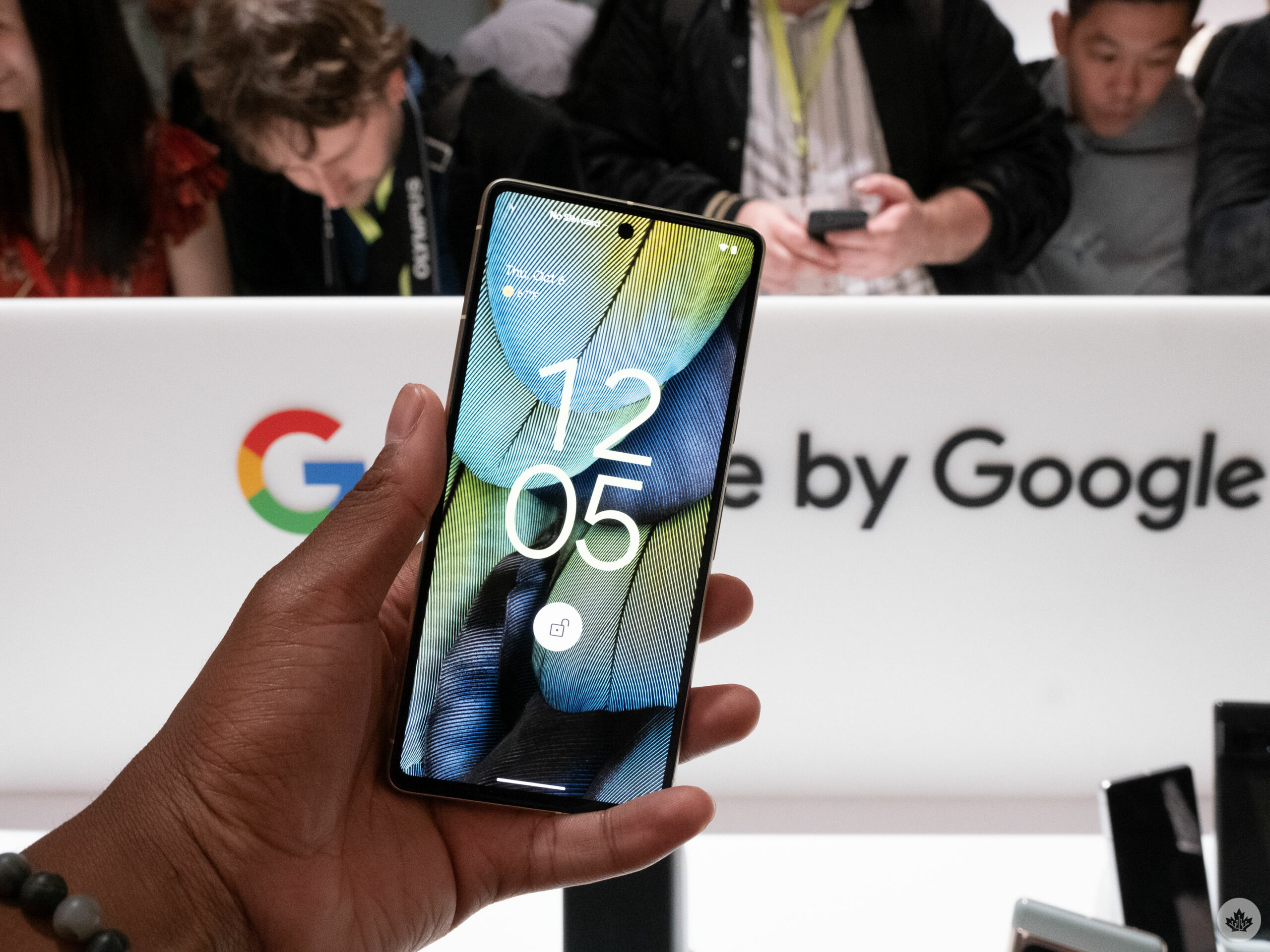
The new Google Pixel 7 features a slightly smaller display than its predecessor. The Pixel 6’s display measures at 6.4-inches, whereas the Pixel 7 stands at 6.3-inches. Both devices have the same Full HD+ OLED display with a  90Hz refresh rate and a 20:9 aspect ratio.

The Pixel 7 has a slightly higher Pixel density than its predecessor, coming in at 416ppi vs 411ppi.

Further, both the Pixel 7 and Pixel 6’s display support Always-on, Now Playing, At a Glance and have a Corning Gorilla Glass Victus cover glass.
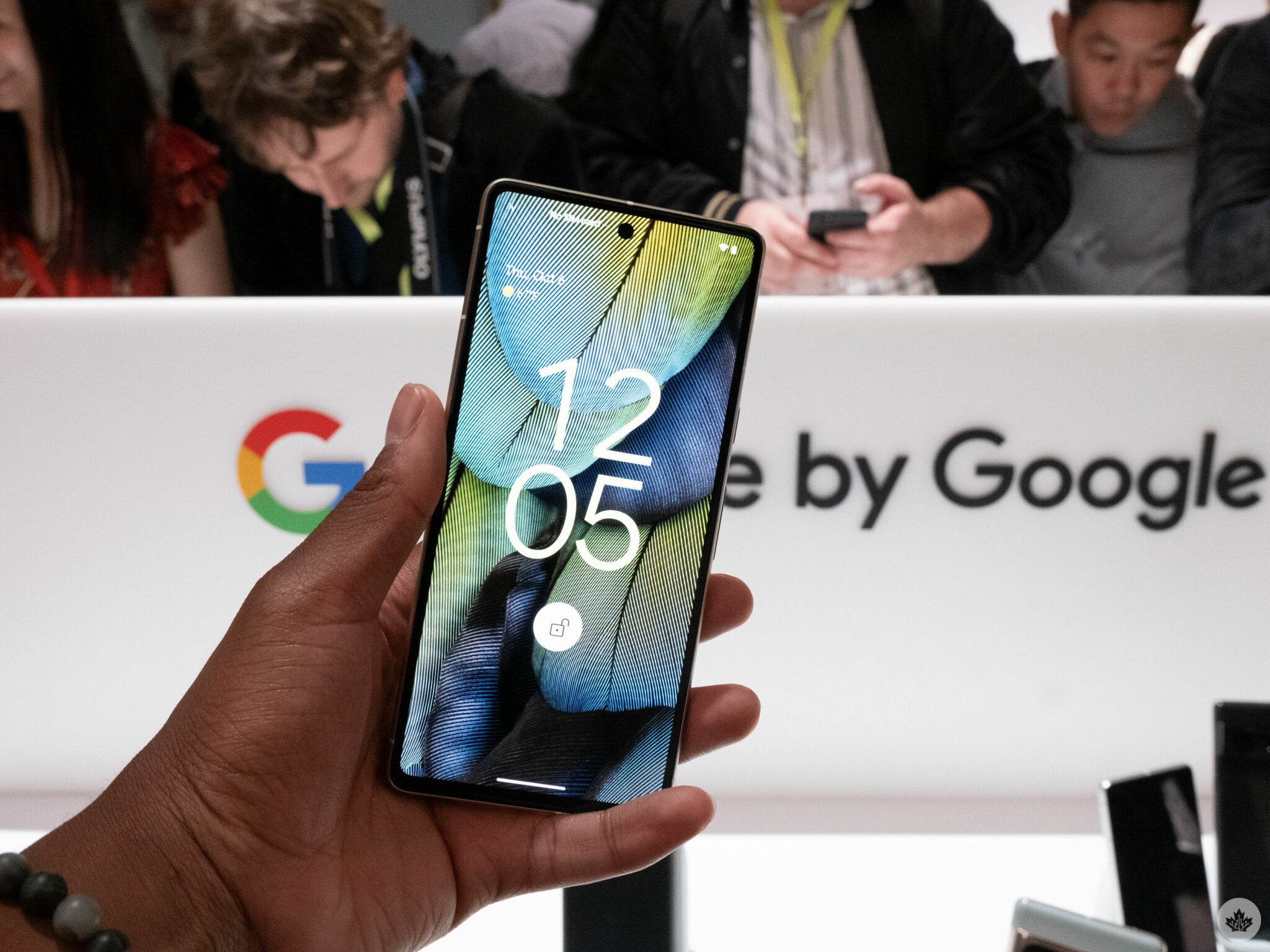
The side bezels on the Pixel 7 appear to be thinner than the Pixel 6, but other than that, both devices are identical from the front.

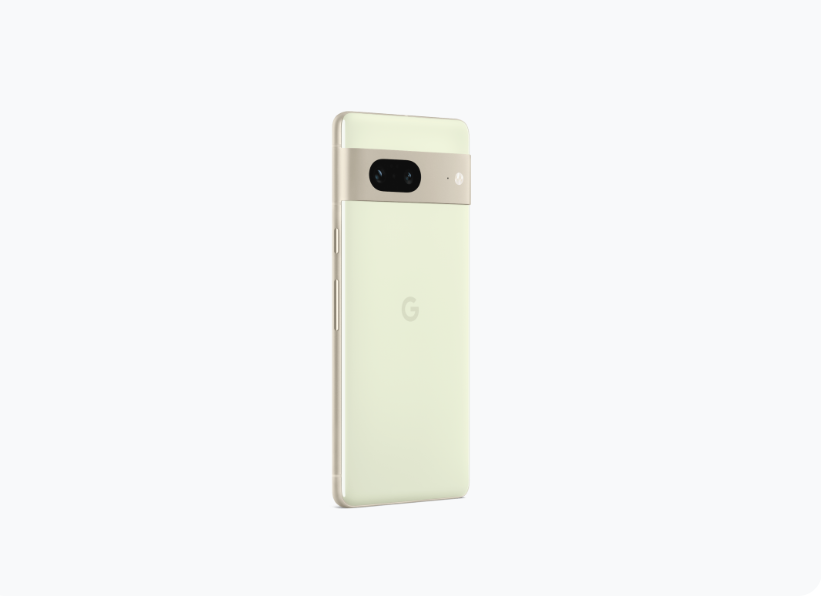
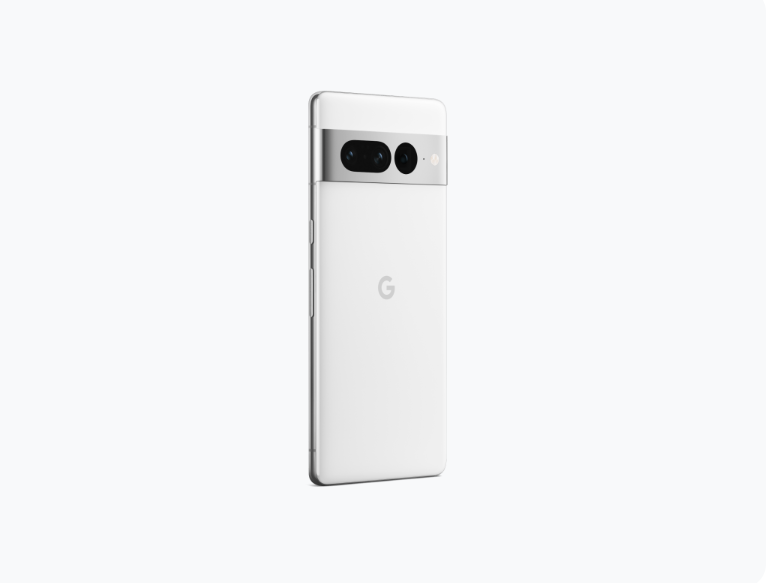
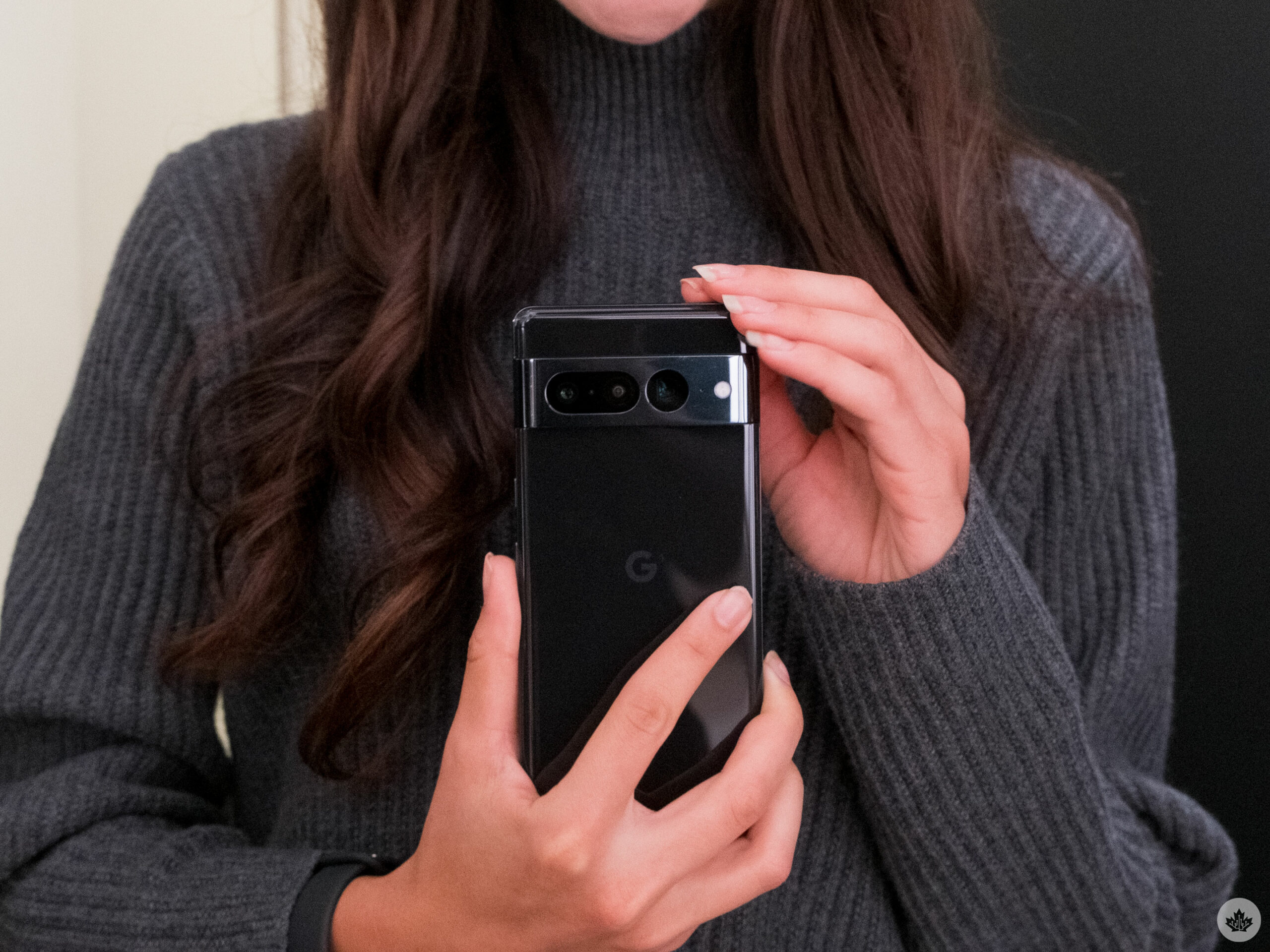
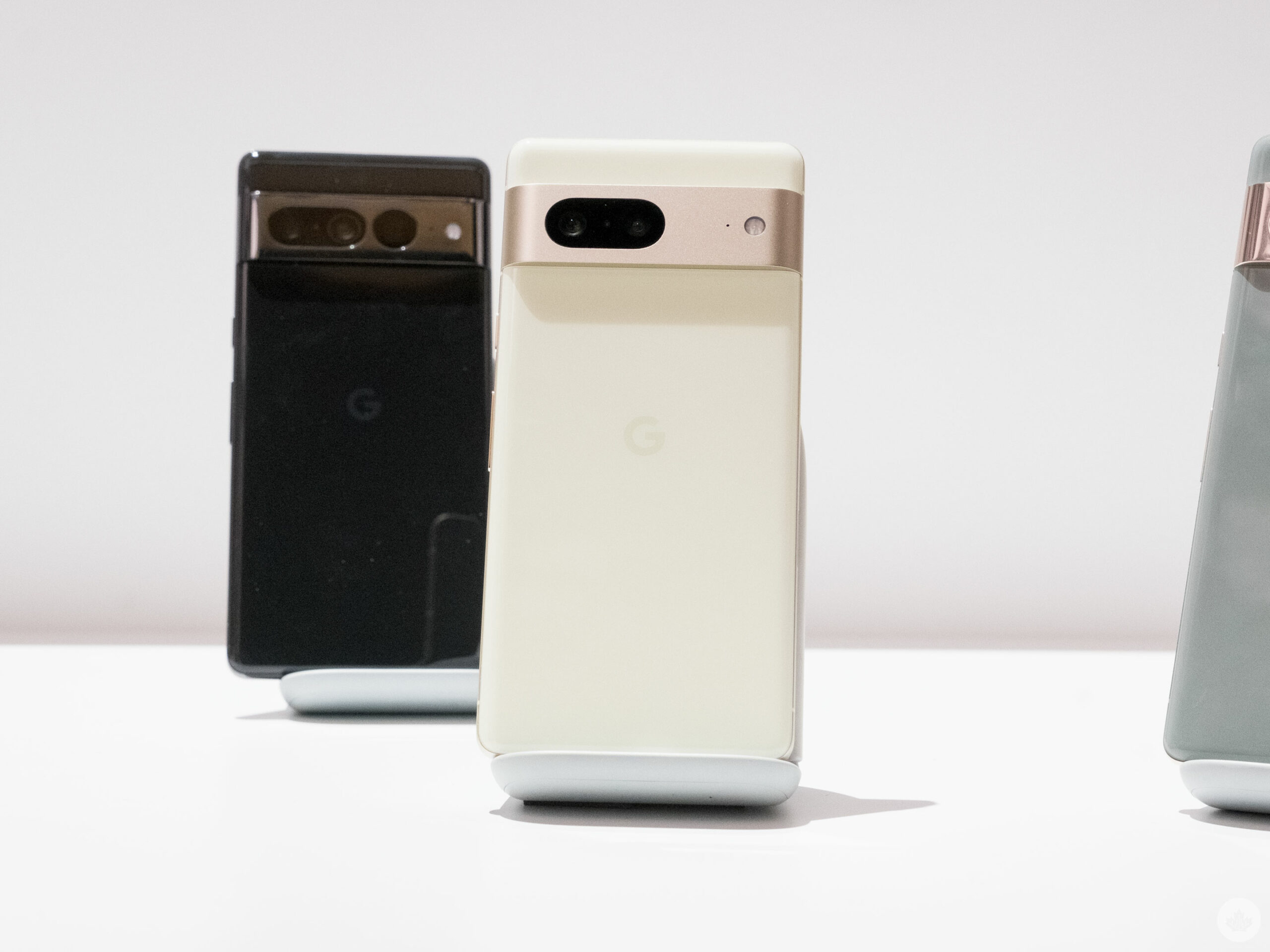
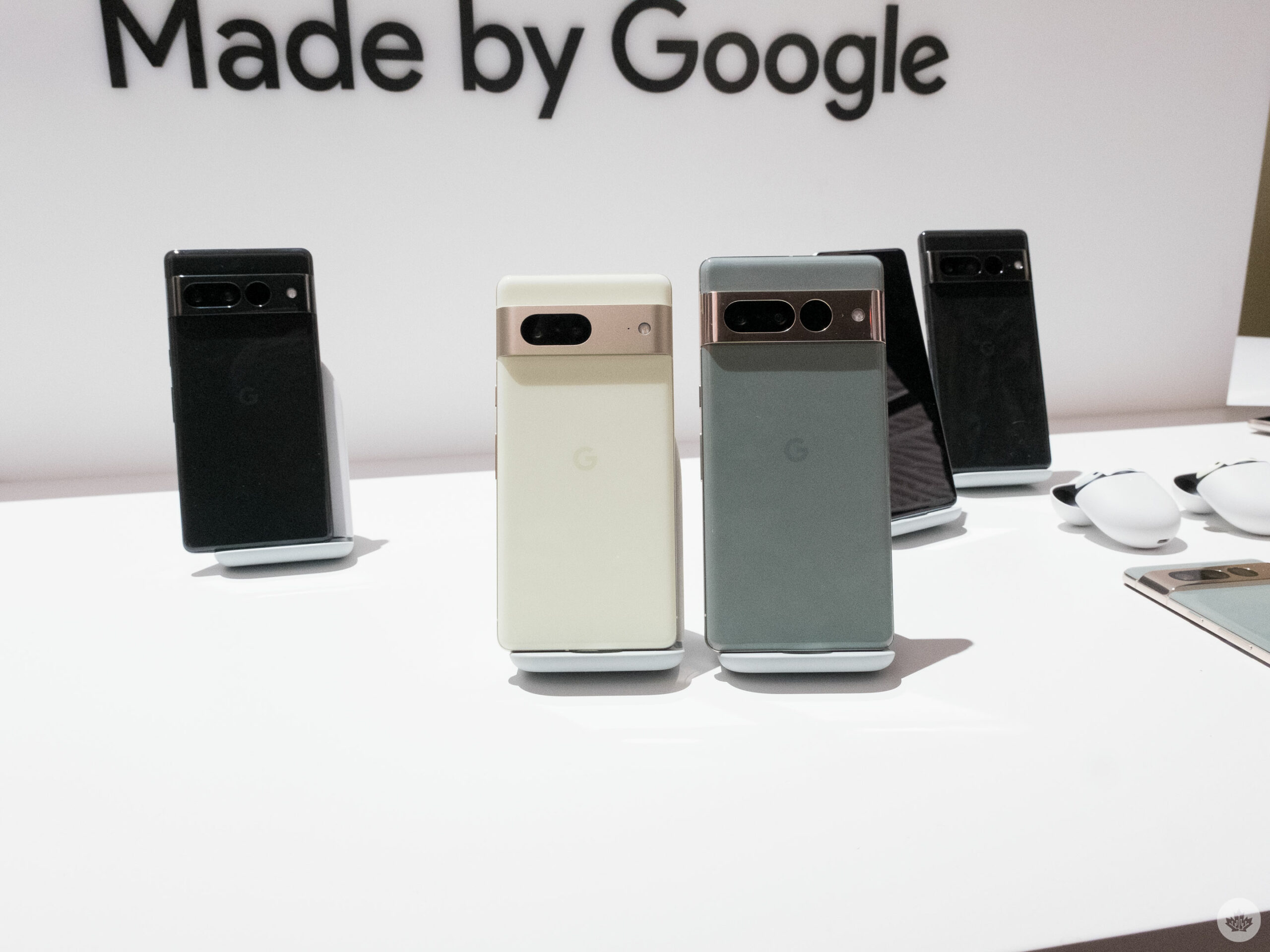
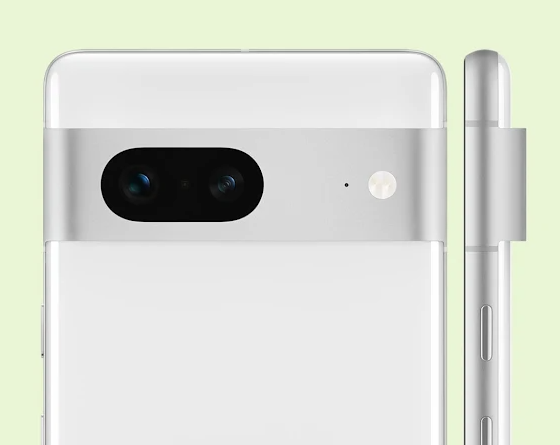
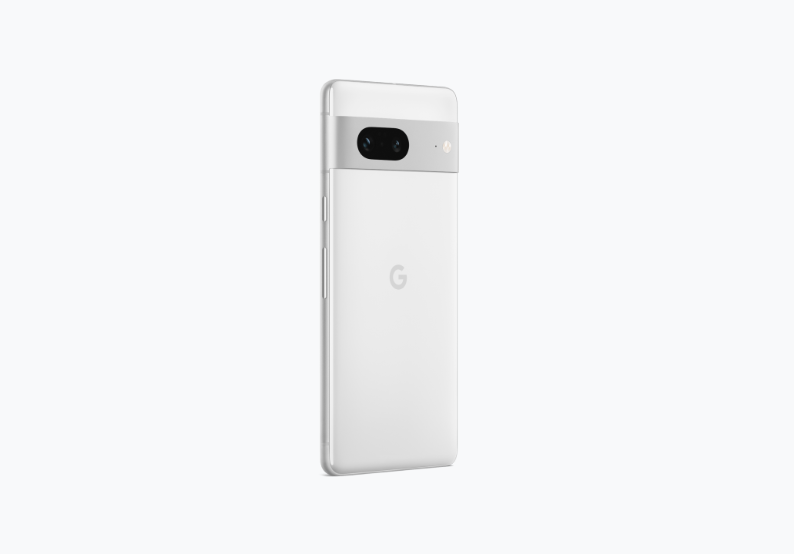
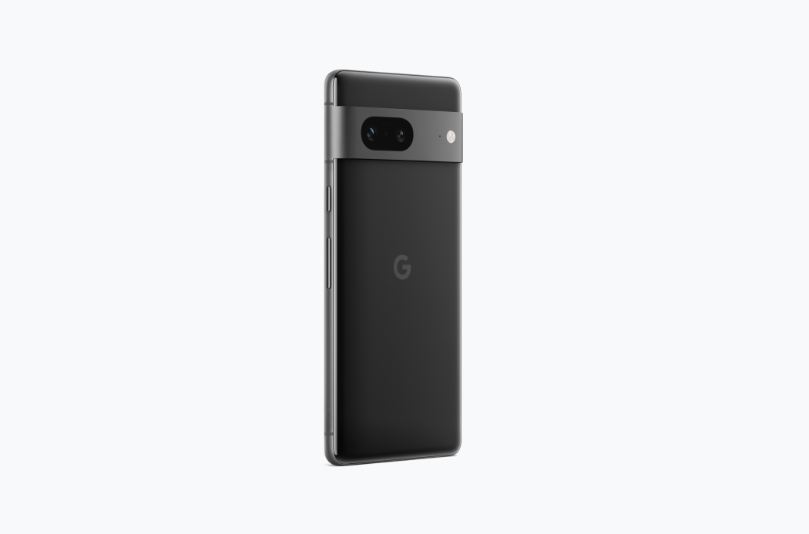
On the rear, the Pixel 6 and Pixel 7 both have a protruded camera bar, though the one on the Pixel 7 has a metallic finish, in contrast to the glass on the Pixel 6’s camera bar.

In terms of weight, the Pixel 7 is considerably lighter than its predecessor. It weighs 197g, whereas the Pixel 6 weighs 207g. This is likely due to the smaller screen on the Pixel 7 and an overall smaller 55.6 x 73.2 x 8.7mm footprint when compared to the Pixel 6’s 160.4 x 75.1 x 8.2mm dimensions.

Internals

Google introduced its custom Tensor chipset with the Pixel 6 series, and is now upgrading it with the Pixel 7. The new flagships are powered by Google’s Tensor G2 chipset, which will make the Pixel 7 “faster, more efficient and more secure,” on paper. The upgraded chipset is also reported to help Google’s Machine Learning (ML) models function with less power, optimize speech recognition and help conserve battery.

The chip is also touted to aid in advanced image processing and work with Google’s computational photography models to “improve photo quality and the processing speed of your camera.”
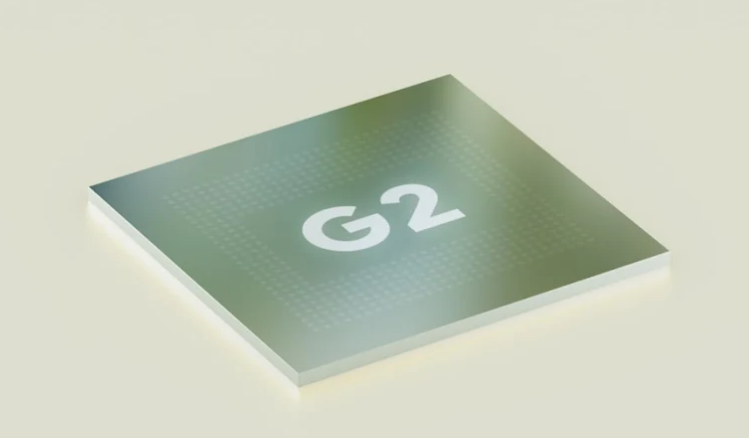
Both devices feature the Titan M2 security chip, alongside consistent 8GB of LPDDR 5 RAM. On the storage side of things, the Pixel 7 and the Pixel 6 are both available in 128GB and 256GB storage options.

Another reason for the Pixel 7 being lighter than its predecessor is that it has a smaller battery than the Pixel 6. The new flagship device is powered by a 4,355mAh battery, which is roughly 5.6 percent smaller than the Pixel 6’s 4,614mAh battery. Regardless of the smaller battery size, Google says both devices can last beyond the 24-hour mark on a single charge, which is likely due to the Tensor G2 being more power-efficient. On ‘Extreme Battery Saver’ mode, the Pixel 7 can last for up to 72 hours, whereas the Pixel 6, with its bigger battery, gives up around the 48-hour mark.

Both devices feature fast charging, fast wireless charging, battery share capabilities and are IP68 dust and water-resistant. The Pixel 6 and the Pixel 7 both feature an in-display fingerprint scanner, accelerometer, gyro, proximity sensors, and compass. The Pixel 7 also supports Face Unlock, while the Pixel 7 does not.

Camera

The Pixel 6 and Pixel 7 both feature a protruded camera bar, with their own build differences, as mentioned above. Apart from the visual changes, the rear double camera setup is identical on both devices. The Pixel 6 and Pixel 7 both feature a 50-megapixel ƒ/1.85 wide camera and a 12-megapixel ƒ/2.2 ultra-wide camera. The difference, however, is that the main camera can now do a 2x optical zoom and an 8x ‘Super Res Zoom.”

The field of view and the pixel width on both the Pixel 7 cameras received no upgrades.
Moving to the front, the Pixel 7 now features a 10.8-megapixel ƒ/2.2 camera, which is a considerable upgrade from the Pixel 6’s 8-megapixel ƒ/2.0 camera. The Pixel 7 can also take wider shots from the front camera. It features a 92.8° ultrawide field of view, compared to the Pixel 6’s 84° wide field of view.

Further, ‘Photo Unblur,’ which is a new feature powered by the Tensor G2 chip, can allow you to unblur and sharpen old images from Google Photos in just a tap. Since the feature requires the Tensor G2 to function, it isn’t available in Pixel 6.

Below is a list of all the camera features that the two devices have in common:

  • Night Sight
  • Top Shot
  • Portrait Mode
  • Super Res Zoom
  • Motion autofocus
  • Live HDR+
  • Frequent Faces Dual exposure controls
  • Cinematic Pan
  • Ultrawide lens
  • Portrait Light
  • Magic Eraser
  • Motion Mode
  • Real Tone
  • Face Unblur
  • Panorama
  • Manual white balancing
  • Locked Folder

Colours and Pricing

Upon release last year, the Pixel 6 was priced at $799, and was available in ‘Stormy Black,’ Kinda Coral,’ and ‘Sorta Seafoam’ colourways. Google is likely to discount the Pixel 6 Pro, though the price drop hasn’t reflected on its web store yet. We will update this story with the new Pixel 6 Pro pricing as soon as it is available.

The Pixel 7 starts at the same price as the Pixel 6 did: $799. The 256GB storage model is available to pre-order for $929. Colour options include ‘Lemongrass,’ ‘Snow’ and ‘Obsidian.’
Pixel 7: Yay or nay?

Similar to the Pixel 7 Pro vs Pixel 6 Pro debate, the Pixel 7 doesn’t offer any revolutionary updates over the Pixel 6. It does have a slightly better camera system and an upgraded chipset on paper, though those upgrades can’t be translated to real-world benefits until we’ve spent some time using the device.

On the other hand, it features a slightly smaller display than its predecessor and a 5 percent smaller battery, which Google claims can offer the same battery life as its predecessor. Aesthetically, the Pixel 7 looks almost identical to its predecessor, and if it weren’t for the rear camera bar, it would be difficult to tell both devices apart.

We think that if you’re using a Pixel 6, upgrading to the Pixel 7 after just one year of use is pointless, simply because the Pixel 7 feels more like a slightly improved version of the Pixel 6 instead of feeling like a new flagship device.

Image credit: Google 

Categories
Mobile Syrup

Here’s how the Pixel 7 Pro compares to the Pixel 6 Pro

After several months of teasers and brief sneak peeks, Google finally unveiled its flagship Pixel 7 lineup at its ‘Made by Google’ event earlier today.

The higher-end Pixel 7 Pro starts at $1,179 for the 128GB model and goes up to $1,439 for the 512GB storage variant. The device is available to pre-order today, Thursday, October 6th, and will release next week on Thursday, October 13th.

Before you decide to shell out $1,000+ for the new device, you might want to see how it squares up against the 2021-released Pixel 6 Pro, and if your needs warrant the absolute latest Pixel.

Pixel 6 Pro

Pixel 7 Pro

Display

6.7-inch, (1440 x 3120) LTPO AMOLED display, 512ppi, 120Hz refresh rate

6.7-inch, (1440 x 3120) QHD+ display, 512ppi, 10-120Hz refresh rate

Processor

Tensor

Tensor G2

RAM

12GB of RAM

12GB of RAM

Storage

128GB, 256GB

128GB, 256GB, 512GB

Dimensions (in.)

163.9 x 75.8 x 8.9mm

6.4 x 3.0 x 0.3in. (162.9 x 76.6 x 8.9mm)

Weight

210g

212g (7.5oz)

Rear Facing Camera

50-megapixel (primary) + 48-megapixel (telelphoto, x4 zoom) + 12-megapixel (ultrawide)

50-megapixel (primary) + 48-megapixel (telelphoto, x5 zoom) + 12-megapixel (ultrawide)

Front Facing Camera

11.1-megapixel

10.8-megapixel (ultrawide)

OS

Android 12

Android 13

Battery

5,000mAh

5,000mAh

Network Connectivity

LTE/ 5G

LTE/ 5G

Sensors

Fingerprint (in-display), accelerometor, gyro, proximity, compass

Fingerprint (in-display), Face Unlock, accelerometor, gyro, proximity, compass

SIM Type

Nano SIM, eSIM

Nano SIM

Launch Date

October 28, 2021

October 13, 2022

Misc

Colours: Cloudy White, Sorta Sunny, Stormy Black | IP68 water and dust resistance

Colours: Obsidian, Snow, Hazel

Display

Pixel 6 Pro

6.7-inch, (1440 x 3120) LTPO AMOLED display, 512ppi, 120Hz refresh rate

Pixel 7 Pro

6.7-inch, (1440 x 3120) QHD+ display, 512ppi, 10-120Hz refresh rate

Processor

Pixel 6 Pro

Tensor

Pixel 7 Pro

Tensor G2

RAM

Pixel 6 Pro

12GB of RAM

Pixel 7 Pro

12GB of RAM

Storage

Pixel 6 Pro

128GB, 256GB

Pixel 7 Pro

128GB, 256GB, 512GB

Dimensions (in.)

Pixel 6 Pro

163.9 x 75.8 x 8.9mm

Pixel 7 Pro

6.4 x 3.0 x 0.3in. (162.9 x 76.6 x 8.9mm)

Weight

Pixel 6 Pro

210g

Pixel 7 Pro

212g (7.5oz)

Rear Facing Camera

Pixel 6 Pro

50-megapixel (primary) + 48-megapixel (telelphoto, x4 zoom) + 12-megapixel (ultrawide)

Pixel 7 Pro

50-megapixel (primary) + 48-megapixel (telelphoto, x5 zoom) + 12-megapixel (ultrawide)

Front Facing Camera

Pixel 6 Pro

11.1-megapixel

Pixel 7 Pro

10.8-megapixel (ultrawide)

OS

Pixel 6 Pro

Android 12

Pixel 7 Pro

Android 13

Battery

Pixel 6 Pro

5,000mAh

Pixel 7 Pro

5,000mAh

Network Connectivity

Pixel 6 Pro

LTE/ 5G

Pixel 7 Pro

LTE/ 5G

Sensors

Pixel 6 Pro

Fingerprint (in-display), accelerometor, gyro, proximity, compass

Pixel 7 Pro

Fingerprint (in-display), Face Unlock, accelerometor, gyro, proximity, compass

SIM Type

Pixel 6 Pro

Nano SIM, eSIM

Pixel 7 Pro

Nano SIM

Launch Date

Pixel 6 Pro

October 28, 2021

Pixel 7 Pro

October 13, 2022

Misc

Pixel 6 Pro

Colours: Cloudy White, Sorta Sunny, Stormy Black | IP68 water and dust resistance

Pixel 7 Pro

Colours: Obsidian, Snow, Hazel

Display and design

The Pixel 6 Pro was Google’s first smartphone to feature a large 6.7-inch QHD+ display with a 512 ppi pixel density and a 120Hz refresh rate. The new Pixel 7 Pro offers a display setup identical to its predecessor, with a 6.7-inch display QHD+ screen with a 512ppi pixel density and the same adaptive 10-120Hz refresh rate.

Both devices have an always-on display and HDR support, alongside Corning’s Gorilla Glass Victus on the front and back and identical bezels

In terms of weight, the new Pixel 7 Pro is roughly 2g heavier than its predecessor, while maintaining roughly the same 163.9 x 75.8 x 8.9mm dimensions. The aluminum in both the Pixel 7 Pro’s phone enclosure, and the Pixel 6 Pro’s body is made of 100 percent recycled content. In the Pixel 6 Pro, however, recycled aluminum made up approximately 14 percent of the product based on weight, whereas with the Pixel 7 Pro, Google says, “recycled materials are approximately 19 percent of phone based on weight.”

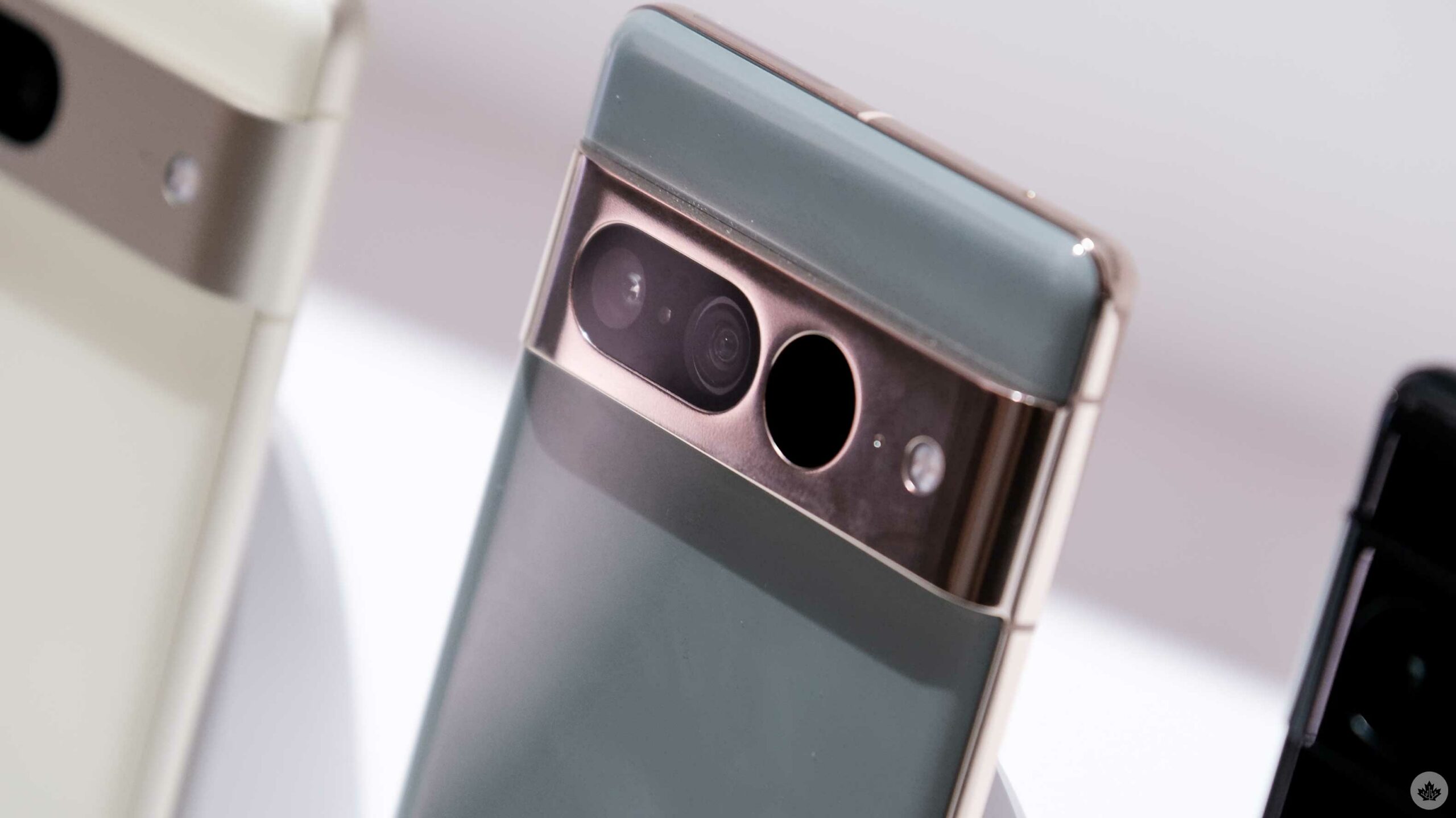
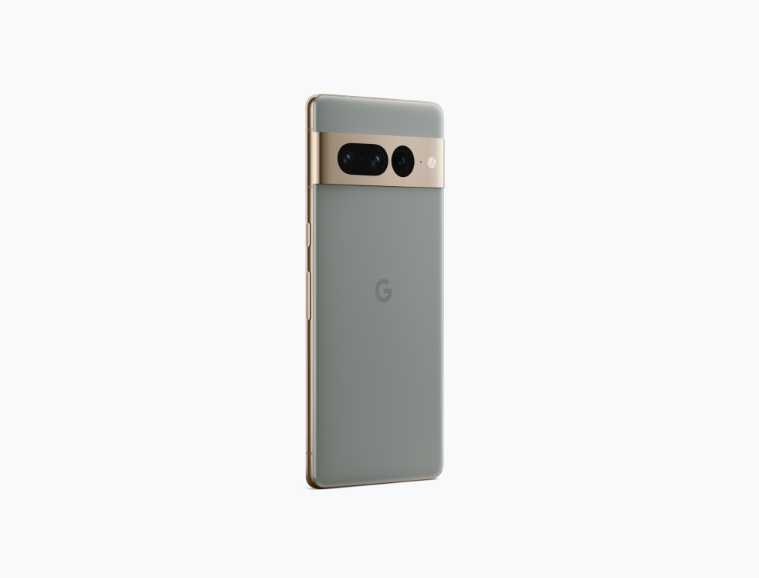
One of the major design changes is visible on the rear of the Pixel 7 Pro. Although the new flagship retains the Pixel 6 Pro’s rear camera bar, it comes in a new metallic finish, instead of a glass finish, which offers the rear a dual-tone look, and makes the cameras prominently stand out.

Internals

The Pixel 6 series marked the beginning of Google’s experiment with its custom-made Tensor chips, and it’s safe to say the bet paid off. With the new Pixel 7 Pro, Google has updated the Tensor chip to a new Tensor G2, which according to Google, will “bring even more helpful, personalized features to photos, videos, security, and speech recognition.” Additionally, on paper, the updated chip should bring better battery efficiency to the device, alongside improved speech recognition.

Both devices feature the Titan M2 security chip, alongside consistent 12GB of RAM. On the storage side of things, the Pixel 7 Pro and the Pixel 6 Pro are both available in 128GB, 256GB and 512GB storage options.

Both devices feature identical-sized 5,000mAh batteries, which Google claims can last upwards of 24 hours, with the Pixel 7 Pro getting a maximum of 72 hours of uptime with ‘Extreme Battery Saver’ enabled, while the Pixel 6 Pro can last for a maximum of 48 hours with the same mode enabled.

Both devices feature fast charging, fast wireless charging, battery share capabilities and are IP68 dust and water-resistant.

The Pixel 6 Pro and the Pixel 7 Pro both feature an in-display fingerprint scanner, accelerometer, gyro, proximity sensors, and compass, though the latter also has support for Face Unlock, a feature a lot of Pixel 6 users have missed.

Camera

The Pixel 6 Pro and the new Pixel 7 Pro both feature an almost identical triple rear camera setup with a 50-megapixel ƒ/1.85 (primary) + 48-megapixel ƒ/3.5 (telephoto) + 12-megapixel ƒ/2.2 (ultrawide) sensor. The difference, however, is in the 48-megapixel telephoto camera’s zoom capabilities.

On the Pixel 6 Pro, the telephoto lens featured a 4x optical zoom, and a 20x ‘Super Res Zoom’, both of which have been upgraded to 5x optical zoom and 30x ‘Super Res Zoom,’ respectively, on the Pixel 7 Pro.

Another non-revolutionary change includes the ultra-wide camera’s field-of-view being increased to 125.8° on the Pixel 7 Pro from 114° on the Pixel 6 Pro. Other new camera features included with the Pixel 7 Pro include ‘Photo Unblur’ and ‘Macro Focus’ modes.

Below is a list of all the camera features that the two devices have in common:

  • Night Sight
  • Top Shot
  • Portrait Mode
  • Super Res Zoom
  • Motion autofocus
  • Live HDR+ Frequent Faces
  • Dual exposure controls
  • Cinematic Pan
  • Ultrawide lens
  • Portrait Light
  • Magic Eraser
  • Motion Mode
  • Real Tone
  • Face Unblur
  • Panorama
  • Manual white balancing
  • Locked Folder

The front camera seems to have been downgraded, going from 11.1-megapixel f/2.2 on the Pixel 6 Pro to a 10.8-megapixel ƒ/2.2 camera on the Pixel 7 Pro. Both selfie cameras offer 1.22 μm pixel width, and the slight decrease in the Pixel 7 Pro’s pixel count should be offset by the Tensor G2’s advanced image processors and Google’s computational photography to improve the overall photo quality.

Colours and pricing

When released back in 2021, the Pixel 6 Pro started at $1,179 and was available in ‘Stormy Black,’ ‘Cloudy White,’ and ‘Sorta Sunny’ colourways. The smartphone will likely receive a press drop soon and this story will be updated.

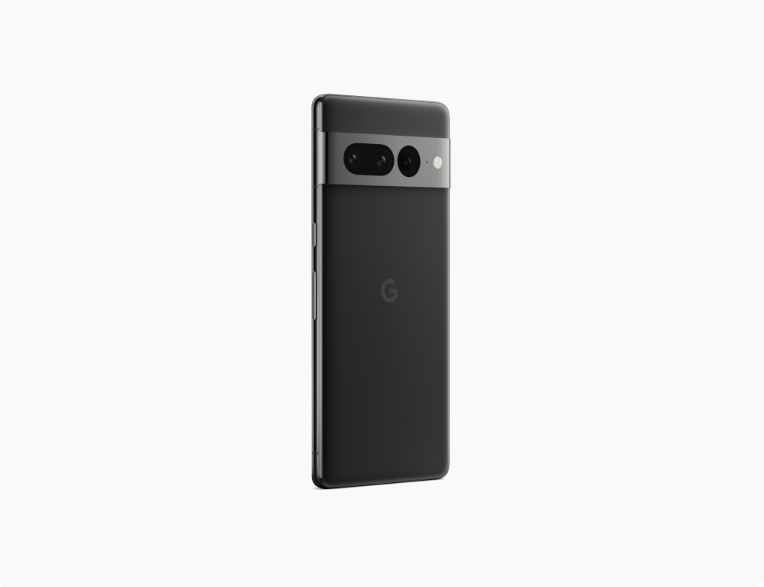
The Pixel 7 Pro is starting at the same price as the Pixel 6 Pro did: $1,179. The 256GB storage model starts at $1,309, whereas the 512GB model is available to pre-order for $1,439. Colour options include ‘Hazel,’ ‘Snow’ and ‘Obsidian.’

Is the new flagship for you?

The Pixel 7 Pro feels like an improved version of the Pixel 6 Pro, though it doesn’t feel like an entirely new-gen device. It features an almost identical display, with the same battery size, and the same RAM configuration.

Improvements on the camera side aren’t revolutionary, though we’ll have to get our hands on the device to see how much of a difference the Tensor G2 makes when it comes to photography, and overall device performance.

Elsewhere, the rear camera setup bar does look way cleaner and more premium than it did on the Pixel 6 Pro, and we’d imagine the metallic finish on the 7 Pro would also be more durable than the glass finish on the 6 Pro.

The menial upgrades definitely don’t warrant an upgrade if you’re already using a Pixel 6 Pro. If you’re using an older device and looking to upgrade, the decision falls entirely on your budget and requirements.

For more on the Pixel 7 Pro, check out our hands-on with the smartphone. For everything from Google’s Pixel event, follow this link.

Image credit: Google

Categories
Mobile Syrup

First Super Mario Bros. Movie trailer curses your ears with ‘Italian’ Chris Pratt

Just over a year after Nintendo revealed the hilariously out-there voice cast for The Super Mario Bros. Movie, the first trailer for the animated movie has finally been revealed.

The footage comes from an October 6th Nintendo Direct focused entirely on the Illumination-produced film, and it gives us what we’ve all been dreading  waiting for: the debut of Chris Pratt as Mario.

Before that, though, we get a look at Jack Black’s Bowser and his Koopa army, and then we’re introduced to our hero. Amusingly, Pratt as Mario sounds almost entirely like normal Chris Pratt, but with the faintest faux Italian accent. It’s extremely bizarre and seems like it’s out of a Saturday Night Live sketch. We also get a brief look at Luigi (Charlie Day).

Aaron Horvath and Michael Jelenic (Teen Titans Go! To the Movies) serve as co-directors, while the cast also includes Anya Taylor-Joy (Princess Peach), Canada’s own Seth Rogen (Donkey Kong) and original Mario actor Charles Martinet in various cameos. Aaron Horvath and Michael Jelenic (Teen Titans Go! To the Movies) serve as co-directors.

Following a delay out of 2022The Super Mario Bros. Movie will hit North American theatres on April 7th, 2023.

Categories
Mobile Syrup

Pixel Watch Hands-on: Google’s Pixel ecosystem starts today

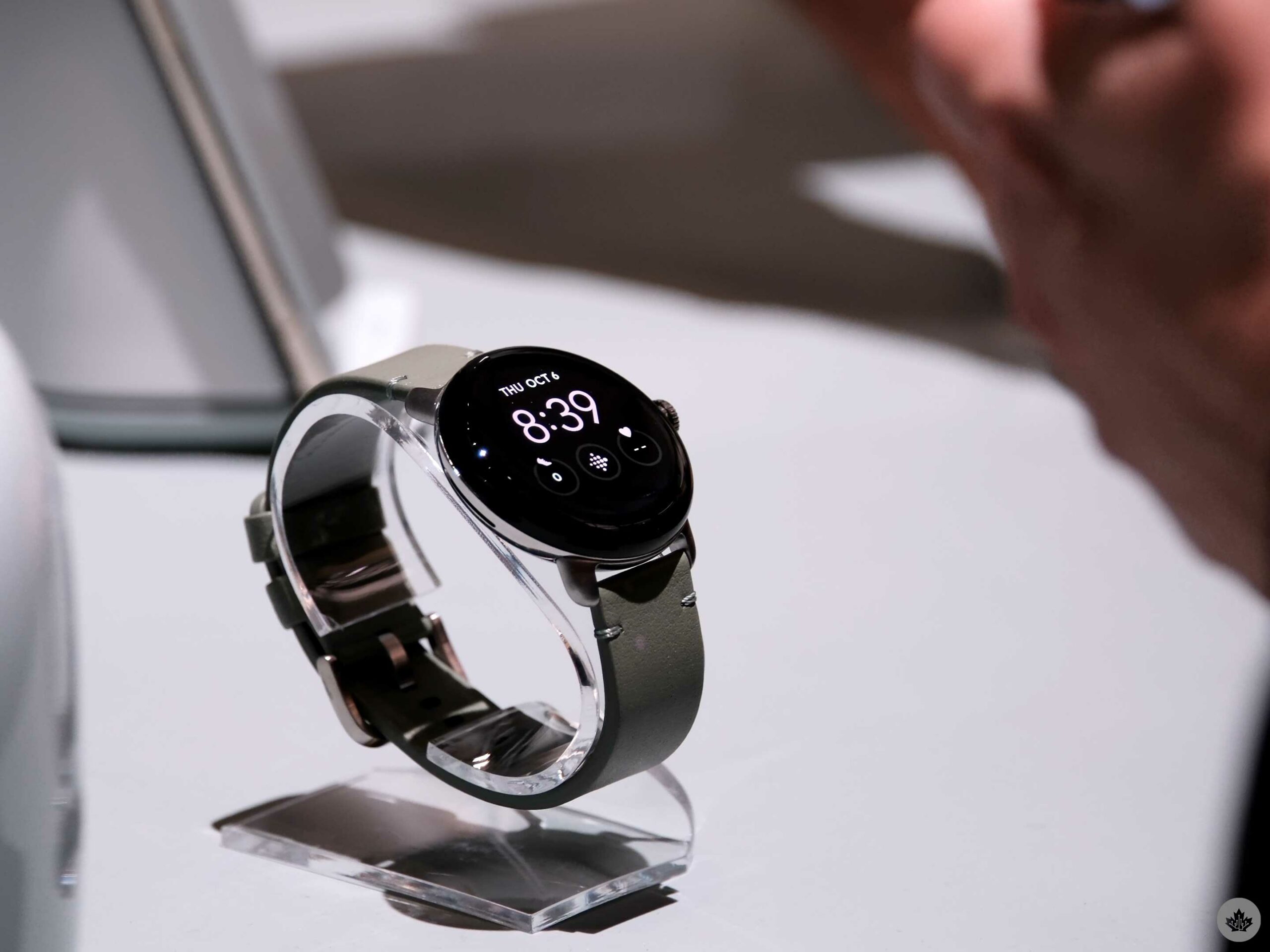
Google is stepping firmly into the wide world of wearables with the launch of the new Pixel Watch, and it represents a big shift in the way the search giant values its hardware lineup, and maybe even the slowly-forming Pixel ecosystem.

That said, none of that matters if the watch isn’t any good, and in my brief hands-on time with it, I walked away feeling very excited to see where Google’s smartwatch ambition goes over the next few years.

The company has been teasing us with hints since I/O, so we’ve known that the new Pixel Watch is thin, round, and features a very minimal take on what a smartwatch should be. From the software to the hardware, it’s a simple device designed to be comfortable and easy to use.

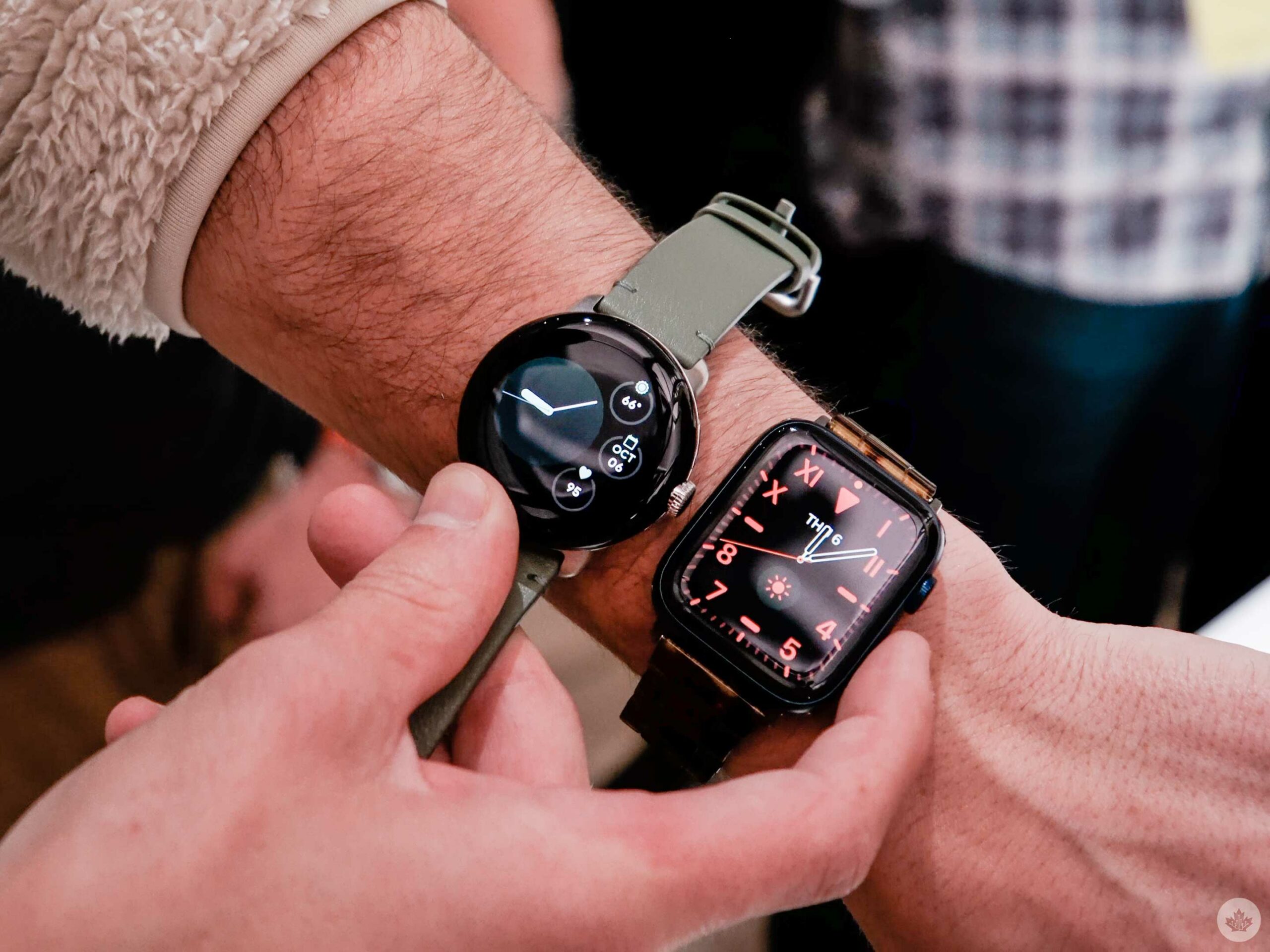
At 41mm in diameter, it’s smaller than the larger-sized Apple Watch and it weighs in at 36g, making it substantially lighter than even the smallest stainless steel Apple Watch and the Fitbit Sense 2. Instead, it’s actually much closer in weight and size to Samsung’s Galaxy Watch 5.
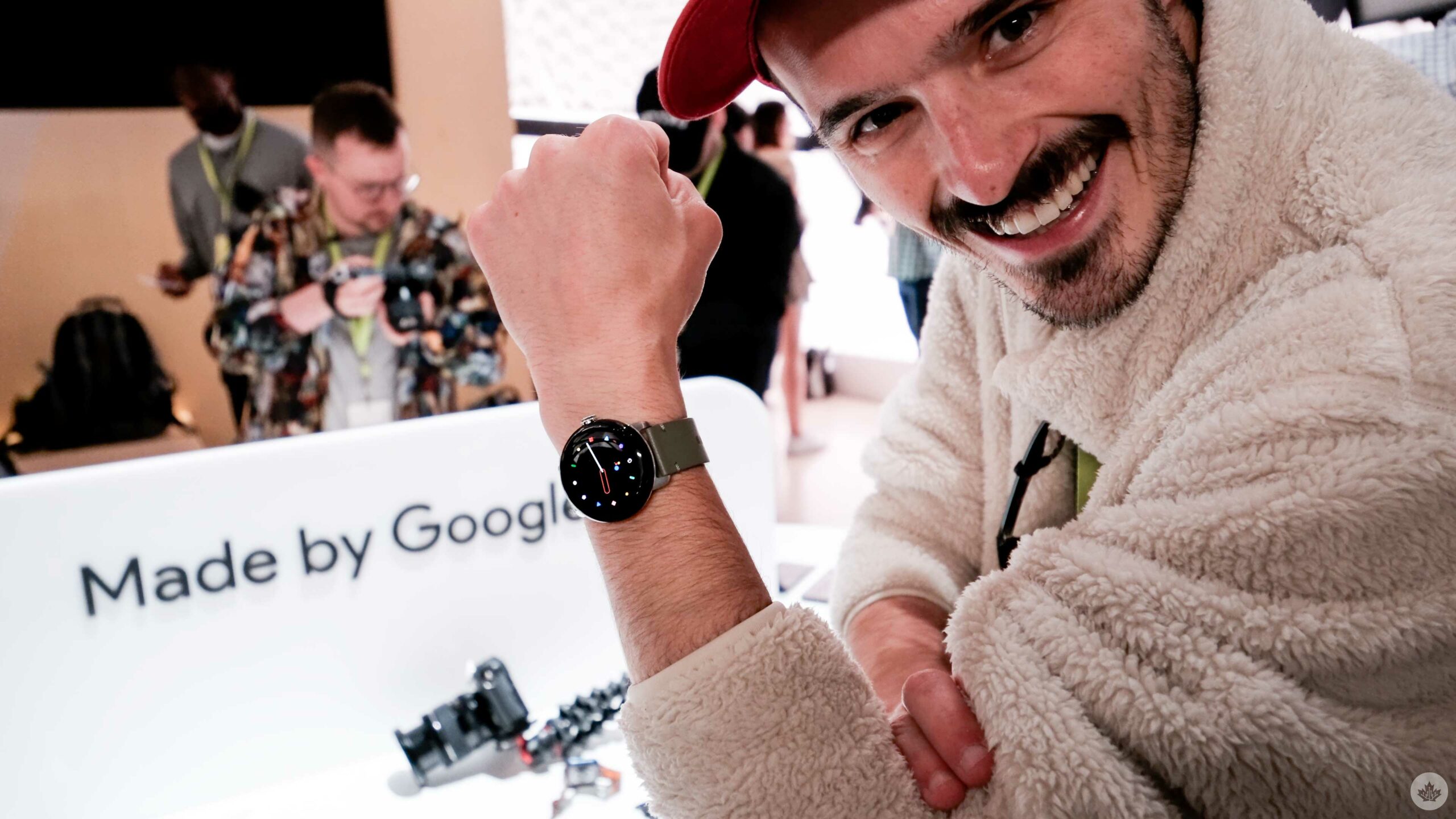
This all adds up to a supremely comfortable wrist computer, but it does make me worry about battery life.

This story focuses on what the watch feels like to wear and what it might represent for Google. For a more detailed view of the specs, read Jon Lamont’s initial overview of the Pixel Watch.

How it felt to wear

The device’s stainless steel frame feels incredibly sturdy in the hand and almost like a small Pebble, allowing it to nestle into your wrist as comfortably as a standard round watch.
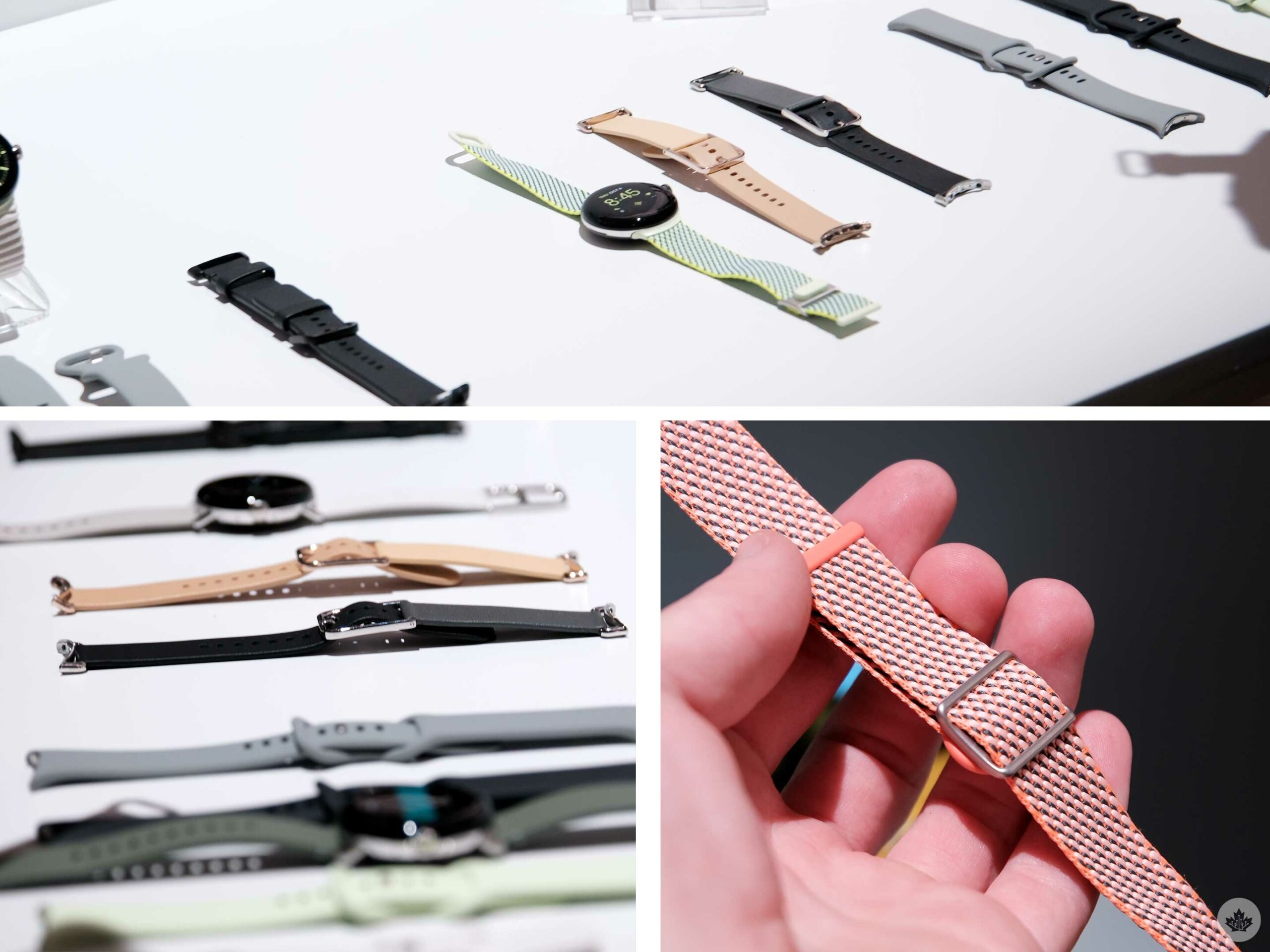
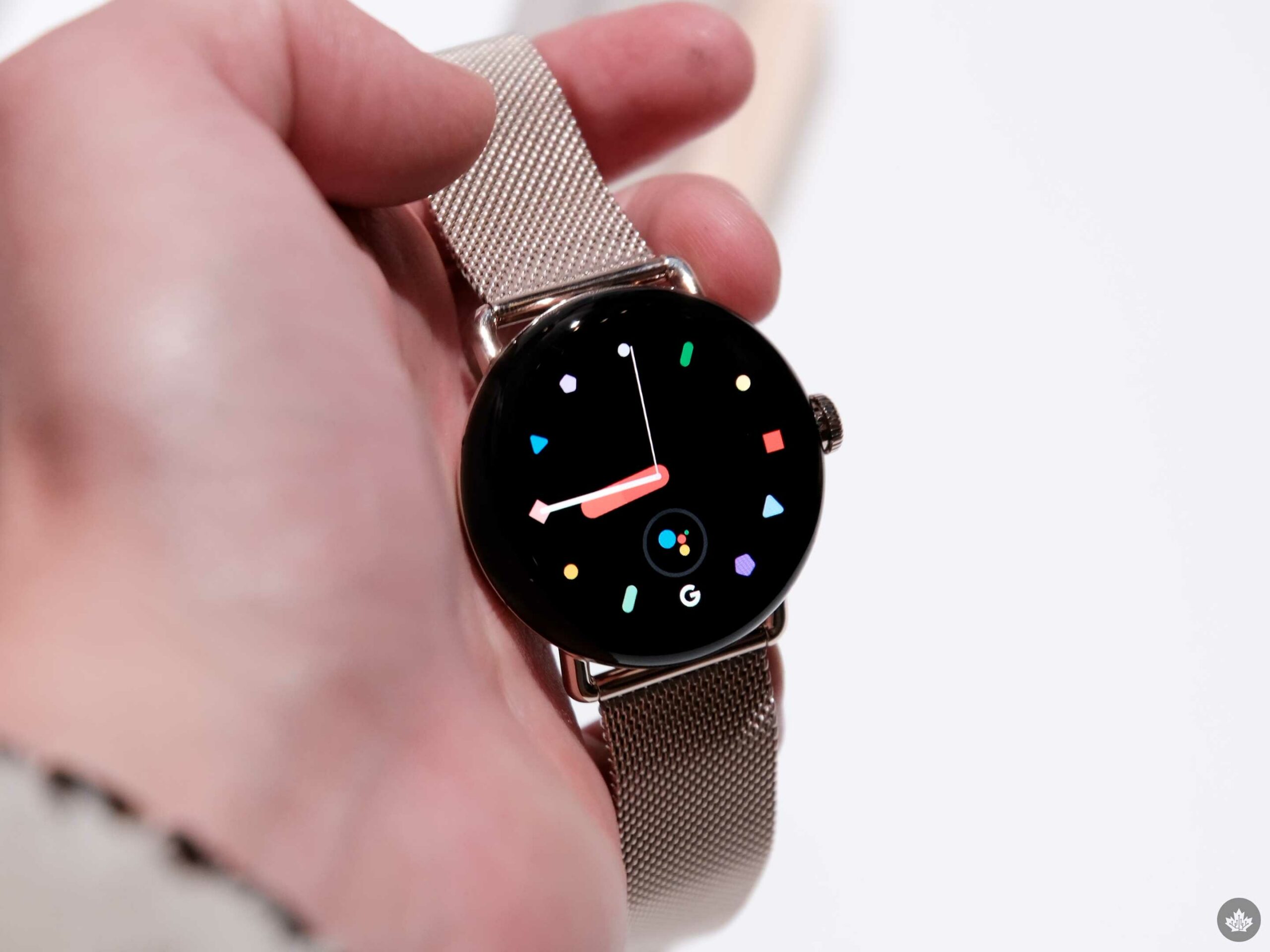
Before moving on from the design, I’d be remiss not to mention the bands. There are seven different types ranging from standard silicon sport bands to metal links like you’d expect on higher-end watches.

They’re quite enticing and offer a reasonable number of options to start the Pixel Watch out in the correct direction when it comes to customizability. Standouts to me were the comfortable leather bands that felt premium and came in a few Google colours to match the new Pixel 7 and Pixel 7 Pro. The metal link band also felt really nicely sized for my wrist and gave the watch a classy feel without adding too much bulk.

On the software side of things, there’s a lot to love. Google has packed just about everything people love about Fitbit’s fitness tracking into this sporty watch, except for a temperature sensor. It’s a little hard to test in the crowded Google showroom, but MobileSyrup’s Fitbit expert Jon Lamont is going to be looking deeper when he reviews the watch soon.

Beyond that, I can say that scrolling around the interface felt smooth, but there were brief moments of loading when I tried to customize the watch face. Beyond that, it looked great. Whatever team at Google designed the software deserves a pat on the back because it looks great and does a fantastic job of hiding the device’s bezels.
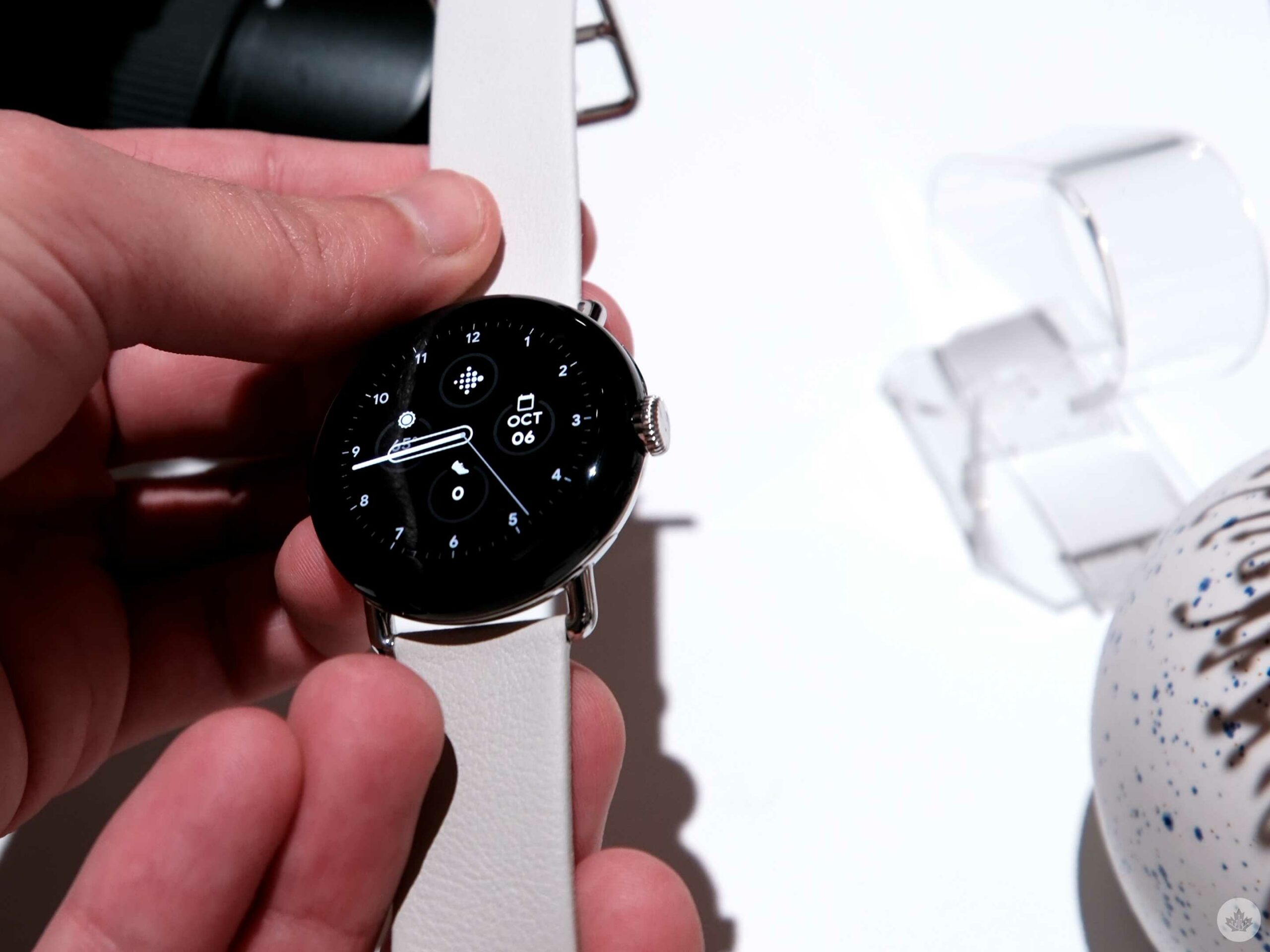
Some may be thrown by the larger bezels, but most of the interface hides them and based on my time with the watch, it truly feels like something you’d forget you had on since it’s minimal and comfortable.

On the watch face side of things, there are tons of faces, ranging from modern takes on classic watch designs, abstract options and faces with customizable areas that can show a few complications like the date, weather, your Fitbit scores and more. There are enough to choose from, and it will be exciting to see what gets added in the future. Tapping on these complications felt nice and decently responsive.
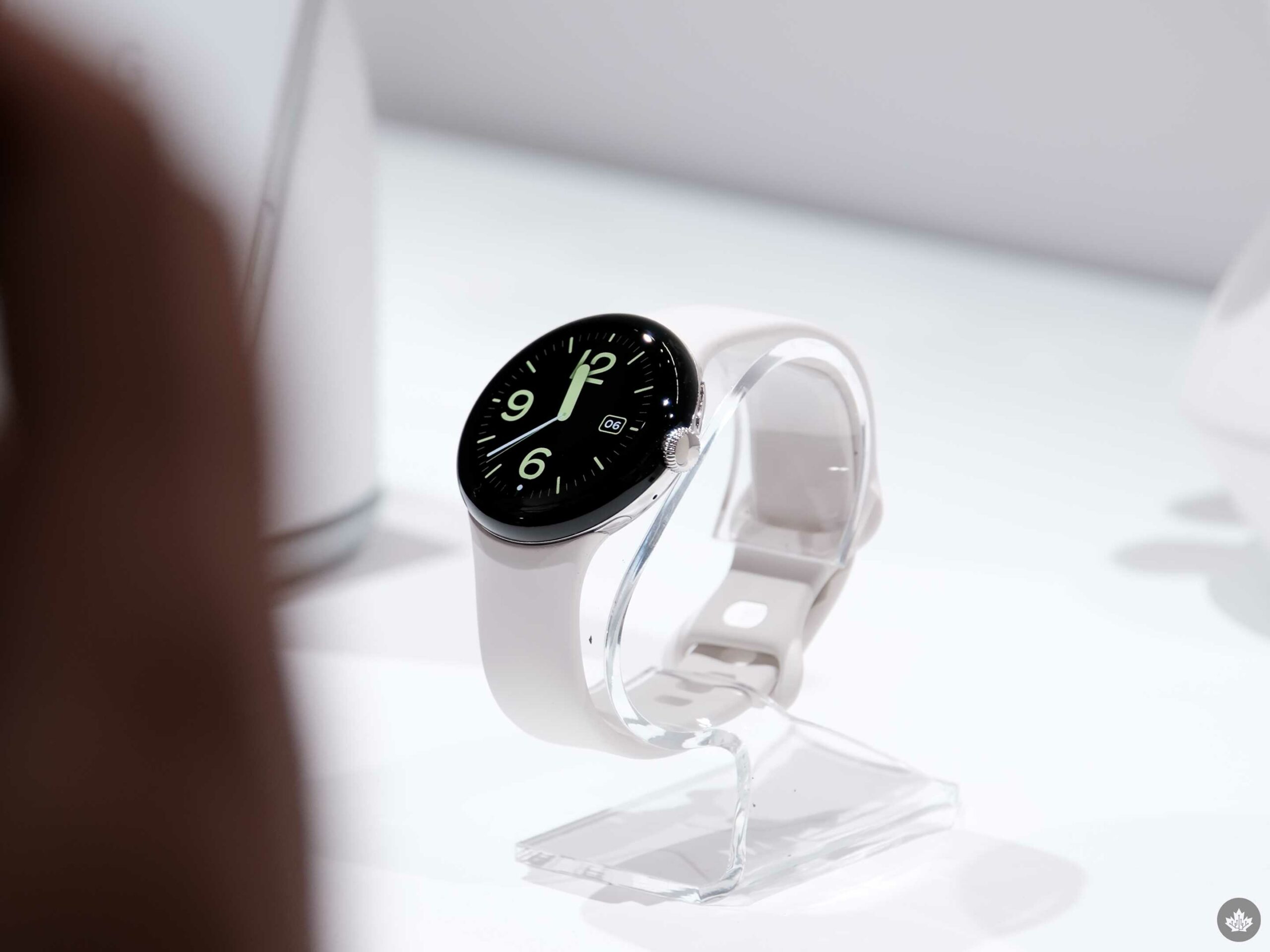
To change the watch face, all you need to do is tap and hold on to the device. You can even use photos from your own library. This sounds like a small thing, but it’s one of my favourite features of the Apple Watch, so it’s nice to see Google include that detail here. There’s even a really cool watch face called ‘Shapes’ that has a really fun minimal take on Google branding that I really liked.

The glass specifically is 3D Gorilla Glass and only time will tell if this version is prone to scratches. That said, interacting with it felt glassy and natural.

Other smartwatch perks

It’s exciting to see Google Maps’ turn-by-turn navigation on another wrist-based device. Newer Samsung watches running Wear OS 3 can also do this, and as a biker, I can say that having directions pop up on your wrist in a big city can be extremely helpful.
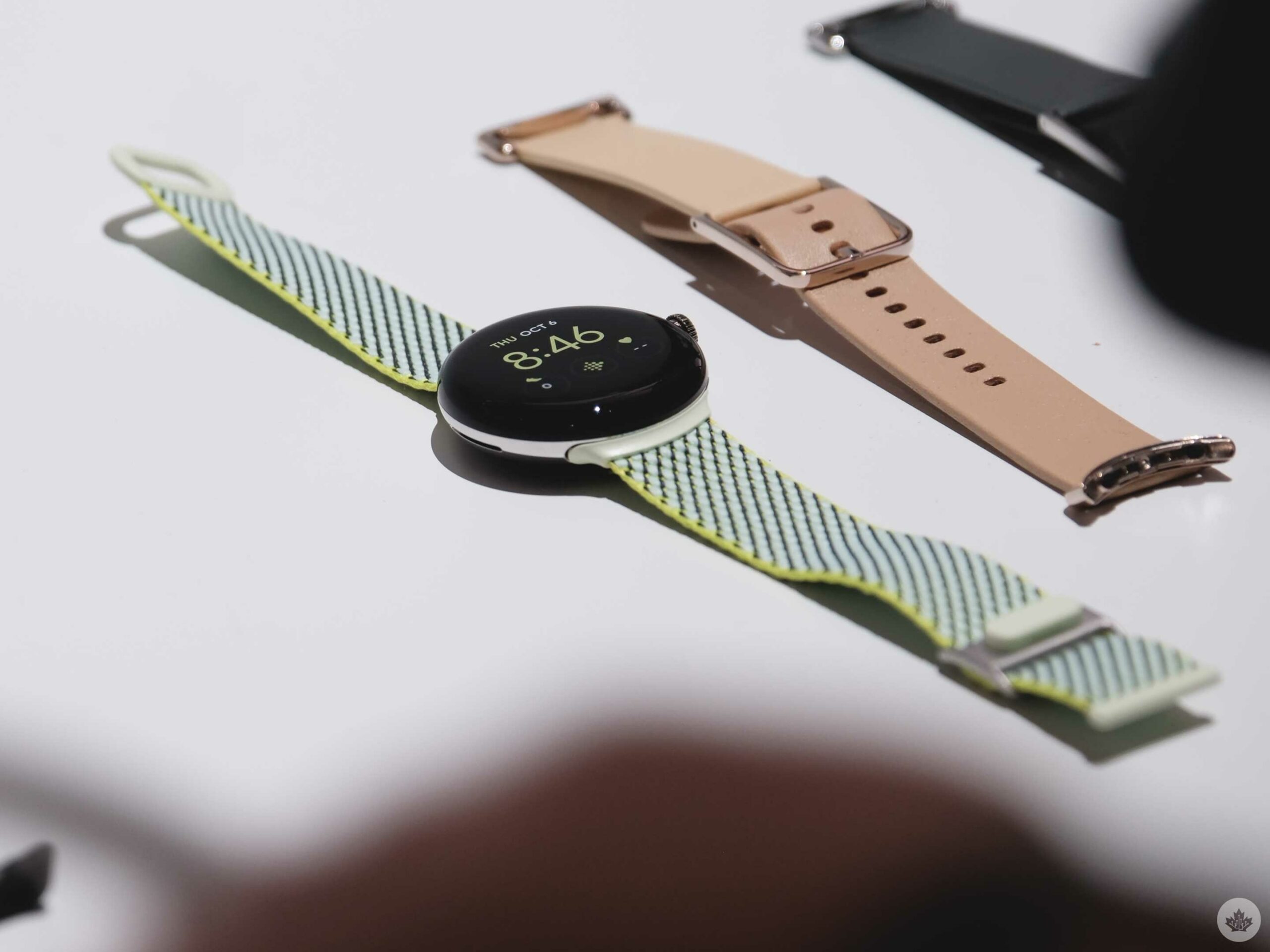
Beyond that, other Google apps you’d expect are present, like YouTube Music, Gmail, Google Wallet and, of course, Google Assistant.

The company touted that the heart rate sensor on the new Pixel Watch is also the most accurate sensor ever in a Fitbit-supported device. Google is also hyping up the watch’s sleep-tracking ability, but that’s another thing we’ll need to wait until the review to test.

Beyond the health tracking, I didn’t notice anything else that jumped out at me, but since the watch is running WearOS 3.5 and can get third-party apps, it will be exciting to see what comes in the future.
Finally, the watch also has fall detection that can call emergency services if you fall and remain motionless.

Final thoughts

Google is calling the Pixel Watch the latest device in the ‘Pixel Collection,’ and its ambitions for a larger Google-based ecosystem are becoming clearer all the time.
The company is in a good position to become a dominant consumer technology company even more than it already is, but as it seems to be learning with the refined Pixel 7 series and the new Pixel Watch, you need to create hooks and familiarity to keep people coming back.

Devices like a really helpful smartwatch and great wireless earbuds are a step in the right direction for the company. They may even hook in a lot of users with the watch, but getting people familiar will take time. Google has pump-faked us on so many things already, from the Pixelbook to Stadia, and it might be hard for consumers to jump on board with the latest and greatest Google product out of fear that it will be an afterthought in a few years.

Regardless, the Pixel Watch is a stunning wearable, and I’m really excited to see what Google does in the coming years to pad out the Pixel Collection to really make it a compelling ecosystem to invest in.

Categories
Mobile Syrup

Pixel 7 Pro Hands-on: Flagship worthy

Google revealed the Pixel 7 Pro back in May, but I’ve finally gotten my hands on the company’s premium smartphone offering.

I’ve been waiting to hold this phone for months, and at least at the outset, it delivers. While I only spent a few moments with the device, I’m excited to work on the full review and really put it through its paces.

The Pixel 7 Pro feels premium and well-built. In comparison to the Pixel 6 Pro, the handset feels more solid, heavier and worthy of the flagship term. However, the change in design was barely noticeable, and I could only really identify what was different when I also held my Pixel 6 Pro.

Design-wise I absolutely love the striking visor on the rear, as it makes the smartphone stand out. The polished aluminum on the Pixel 7 Pro, unfortunately, didn’t feel as nice as the matte aluminum on the Pixel 7. Of course, it looked more premium and matches an elegant stainless steel watch finish, but I preferred the Pixel 7.  Flagships like the iPhone 14 Pro and Galaxy S22 Ultra have more of what I’d call a standard camera setup, but the Pixel 7 Pro stands out from the bunch. And despite my preference for the matte visor, the polished aluminum finish takes it one step further, compared to its predecessor.

The handset comes in ‘Obsidian’ and ‘Snow,’ but ‘Hazel’ stole the show for me because of its stunning bronze accents.

The Pixel Pro’s 6.7-inch display with 1440 x 3120-pixel resolution and 120Hz refresh rate looks great at first glance, but I’ll definitely need to take a closer inspection when I get my hands on a review device. The refresh rate makes scrolling smooth, which was evident in my time with the device.

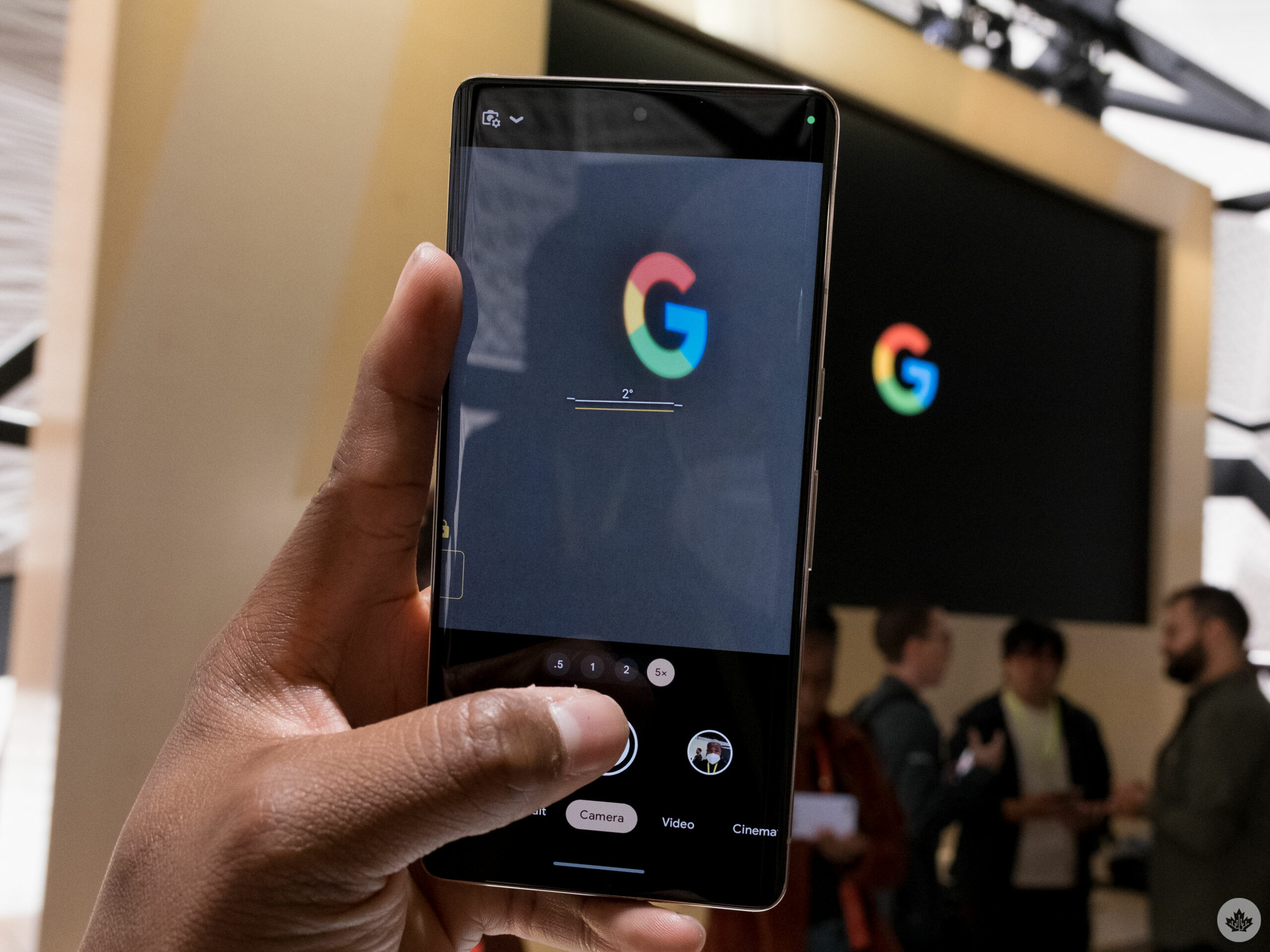
The Pixel 7 Pro features a 50-megapixel primary shooter, a 48-megapixel telephoto camera with 5x zoom, and a 12-megapixel ultrawide shooter. Google has claimed a lot about its Super Res feature, saying that the Pixel 7 Pro can take quality shots at 2x -4x zoom with cropping, as well as at 10x zoom and 30x zoom. I snapped a couple of shots on during the hands-on period, and they looked good, but I’ll definitely need more time with the device before making any definite statements. For instance, I got a somewhat okay 5x zoom shot, but 30x zoom was impossible to gauge in that venue. In my full review, I’ll definitely try out the 30x, 10x and 5x zoom and figure out whether the quality matches Google’s claims.

The Pixel 7 Pro also features a macro shot feature that I tried out, and they were pleasant. When you’re taking a picture and holding your phone right up to something like flowers, the autofocus snaps into macro mode. I can’t wait to compare this to phones like the Galaxy A53 that have a dedicated macro shooter.

Google has also claimed that the Pixel 7 Pro can unblur photos, take quicker night shots and have offers improved Night Sight. When I write my full review of the Pixel 7 Pro, I’ll offer detailed opinions on each of these features, so stay tuned. I did take a couple of wide-angle selfies, and I thought this was a useful feature and can have me soon getting rid of my selfie stick.

Oddly, selfies with ‘Real Tone’ didn’t look all that impressive, and my selfies on my Pixel 6 Pro, in comparison, are more pleasing. I’m hoping this has something to do with the less-than-perfect lighting situation in the venue because Real Tone is one of the reasons I’m such a huge Pixel fan.

Alongside new camera tech, the Pixel 7 Pro features 12GB of RAM, the Tensor G2 and a 5,000mAh battery. Google says the Pixel 7 Pro can last between 24 to 72 hours depending on the usage of Extreme Battery Saver. I doubt I’ll use Extreme Battery Saver for all 72 hours, but definitely plan on stretching out battery life as long as possible, while taking photos, watching YouTube videos, video calling and playing games.

At this time, I’d be hard-pressed to say that anyone using a Pixel 6 Pro should update, but maybe I’ll be surprised during my review period. The Pixel 7 Pro costs $1,179 and is now available to pre-order. If you want to learn more about the Pixel 7, check out my hands-on here.

Stay tuned for my review of the Pixel 7 Pro. The device releases on October 13th.

Categories
Mobile Syrup

Pixel 7 Hands-on: Flagship built small

At 2022’s Made by Google event in New York City, I went hands-on with the Pixel 7, Google’s latest small-sized flagship.

While I won’t be reviewing the Pixel 7, I still wanted to share my overall impressions of Google’s latest handset. In a few days, MobileSyrup’s Jon Lamont will share his more detailed thoughts about the phone after putting it through its paces.

Pixel 7

Pixel 6

Display

6.3-inch FHD+ (1080 x 2400) OLED display, 416ppi, 90Hz refresh rate

6.4-inch FHD+ (1080 x 2400) OLED display, 411ppi, 90Hz refresh rate

Processor

Tensor G2

Tensor

RAM

8GB of RAM

8GB of RAM

Storage

128GB, 256GB

128GB, 256GB

Dimensions (in.)

6.1 x 2.9 x 0.3in (155.6 x 73.2 x 8.7mm)

160.4 x 75.1 x 8.2mm

Weight

197g (6.9oz)

207g

Rear Facing Camera

50-megapixel (primary) + 12-megapixel (ultrawide)

50-megapixel (primary) + 12-megapixel (ultrawide)

Front Facing Camera

10.8-megapixel

8-megapixel

OS

Android 13

Android 12

Battery

4,355mAh

4,600mAh

Network Connectivity

LTE/ 5G

LTE/ 5G

Sensors

Fingerprint (in-display), accelerometor, gyro, proximity, compass

Fingerprint (in-display), accelerometor, gyro, proximity, compass

SIM Type

Nano SIM

Nano SIM, eSIM

Launch Date

October 13, 2022

October 28, 2021

Misc

Colours: Obsidian, Snow, Lemongrass

Colours: Kinda Coral, Sorta Seafoam, Stormy Black | IP68 water and dust resistance

Display

Pixel 7

6.3-inch FHD+ (1080 x 2400) OLED display, 416ppi, 90Hz refresh rate

Pixel 6

6.4-inch FHD+ (1080 x 2400) OLED display, 411ppi, 90Hz refresh rate

Processor

Pixel 7

Tensor G2

Pixel 6

Tensor

RAM

Pixel 7

8GB of RAM

Pixel 6

8GB of RAM

Storage

Pixel 7

128GB, 256GB

Pixel 6

128GB, 256GB

Dimensions (in.)

Pixel 7

6.1 x 2.9 x 0.3in (155.6 x 73.2 x 8.7mm)

Pixel 6

160.4 x 75.1 x 8.2mm

Weight

Pixel 7

197g (6.9oz)

Pixel 6

207g

Rear Facing Camera

Pixel 7

50-megapixel (primary) + 12-megapixel (ultrawide)

Pixel 6

50-megapixel (primary) + 12-megapixel (ultrawide)

Front Facing Camera

Pixel 7

10.8-megapixel

Pixel 6

8-megapixel

OS

Pixel 7

Android 13

Pixel 6

Android 12

Battery

Pixel 7

4,355mAh

Pixel 6

4,600mAh

Network Connectivity

Pixel 7

LTE/ 5G

Pixel 6

LTE/ 5G

Sensors

Pixel 7

Fingerprint (in-display), accelerometor, gyro, proximity, compass

Pixel 6

Fingerprint (in-display), accelerometor, gyro, proximity, compass

SIM Type

Pixel 7

Nano SIM

Pixel 6

Nano SIM, eSIM

Launch Date

Pixel 7

October 13, 2022

Pixel 6

October 28, 2021

Misc

Pixel 7

Colours: Obsidian, Snow, Lemongrass

Pixel 6

Colours: Kinda Coral, Sorta Seafoam, Stormy Black | IP68 water and dust resistance

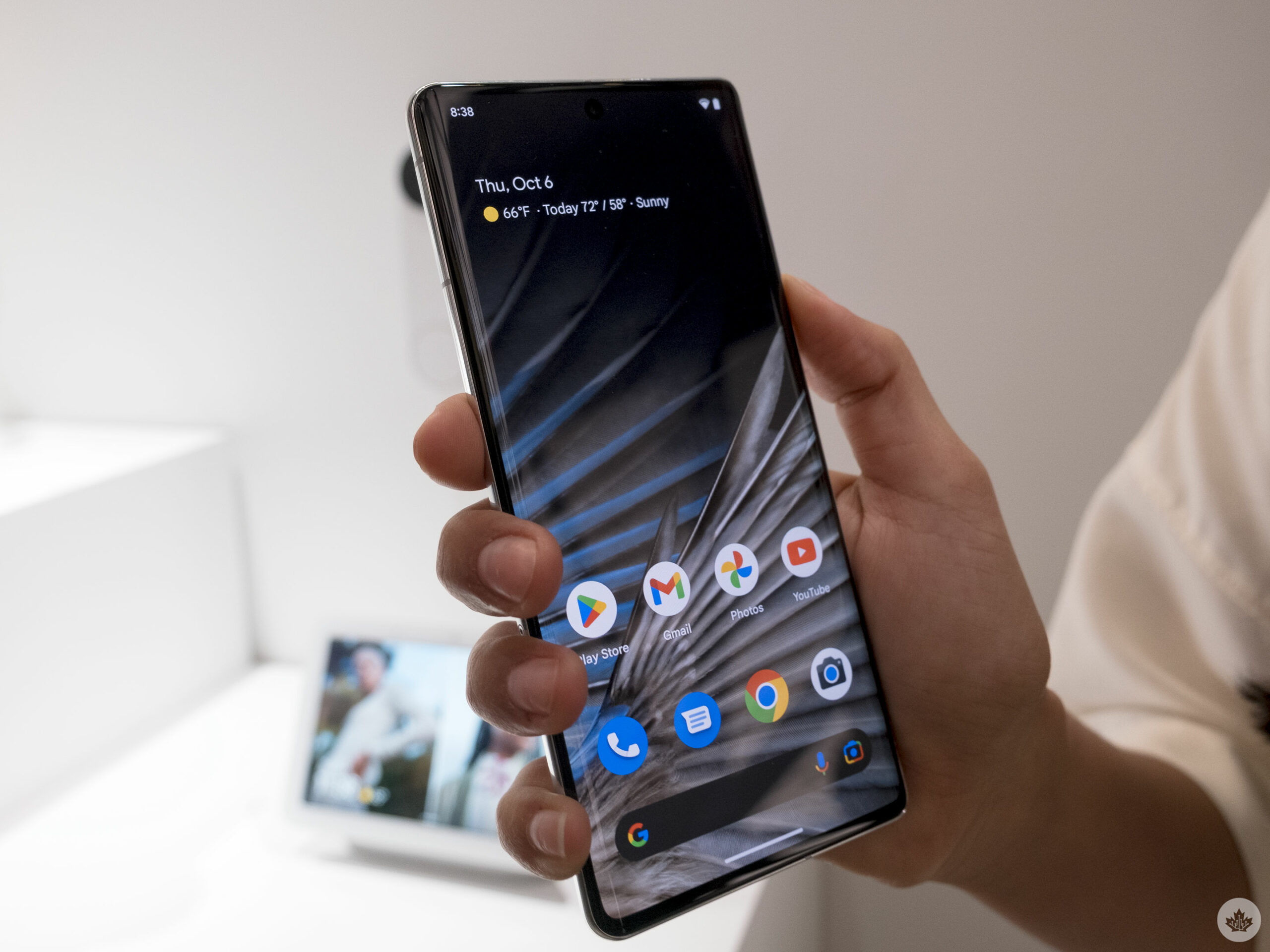
Compared to Google’s 2021 model, the Pixel 7 surprisingly feels like a far more premium device. The handset isn’t unwieldy, and it’s small enough to easily use with one hand. The smartphone is lighter, too, which is the first thing I noticed about it. Further, even though the decrease in display size is minimal (6.4-inches to 6.3-inches), the change feels more substantial when you’re holding the Pixel 7 in your hand.

I’m someone who typically prefers larger smartphones, and I often hold handsets with both hands, but I understand why the size change is beneficial.

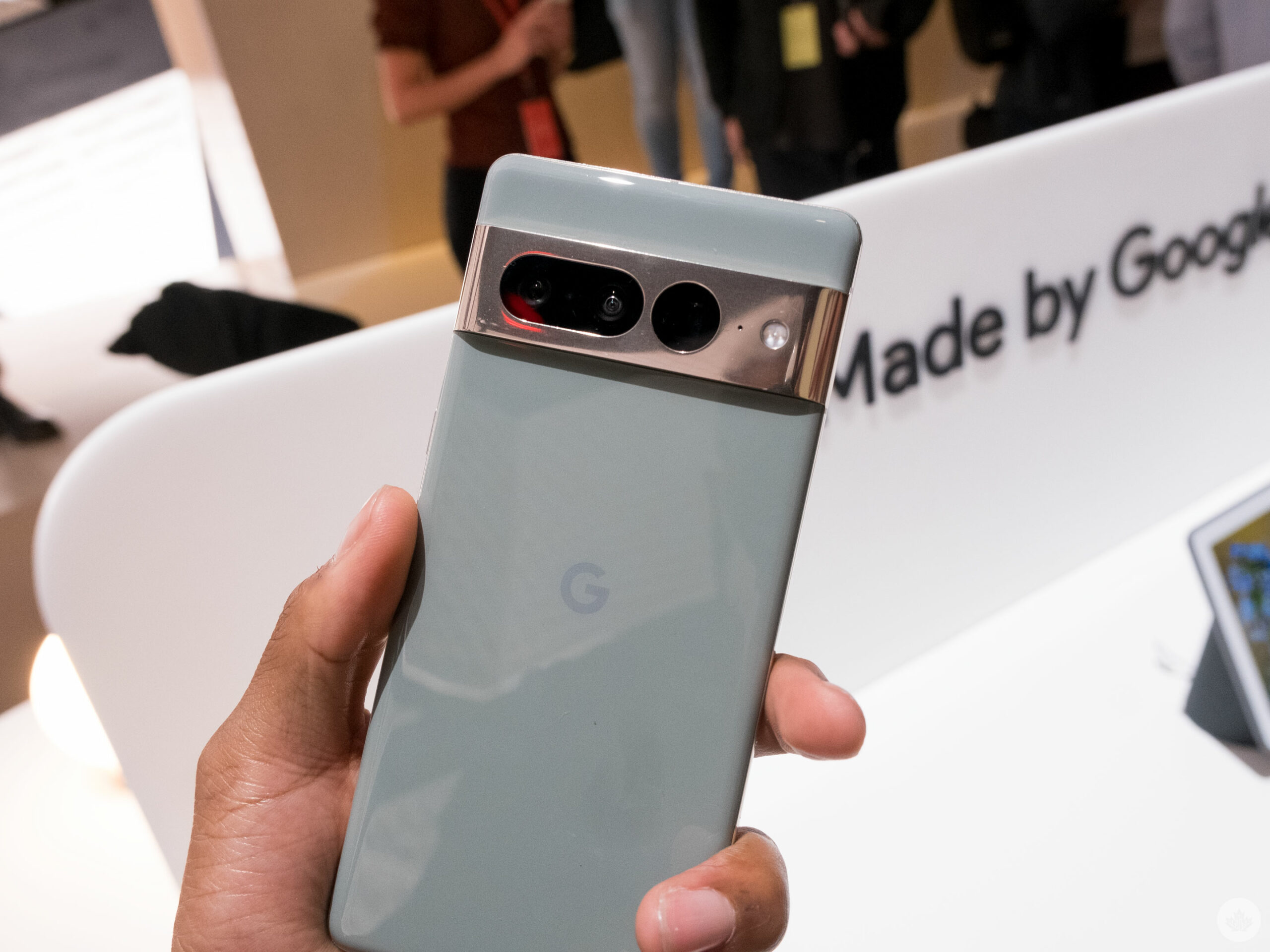
I also think the Pixel 7’s overall design is quite attractive. The visor on the back is striking, thanks to its matte aluminum finish. I prefer this aesthetic more than last year’s Pixel 6 series and feel it adds a premium flair to the device. In fact, I preferred the visor on the Pixel 7 compared to the Pixel 7 Pro because of its more matte texture.  The back of the phone is glossy, which I’m not fond of.

Regarding colours, I prefer the Pixel 7’s new ‘Lemongrass’ hue over the less vibrant ‘Obsidian’ and ‘Snow.’

The Pixel 7 offers a 6.3-inch display with a 1080 x 2400 pixel resolution and a 90Hz refresh rate. Scrolling seems sufficiently smooth, and while I can often tell the difference between 60Hz and 120Hz, the shift between 90Hz and 120Hz is less noticeable. I looked at several photos, checked out a few YouTube videos and browsed the internet, and the display looks stellar. Of course, I need to spend more time with the device to know for sure.

The Pixel 7 features a 4,355mAh battery that Google claims offers 24 hours of battery life and up to 72 hours with extreme battery save enabled. We plan to do more testing surrounding the smartphone’s battery life in the coming weeks.

Further, the device features 8GB of RAM, a 50-megapixel primary and 48-megapixel ultra-wide, a 10.8-megapixel selfie camera, Google’s Tensor G2 chip, the Titan M2 security and finally, the return of ‘Face Unlock.’ Google also says it improved ‘Real Tone,’ and that the G2 chip is faster and more efficient than last year’s processor.

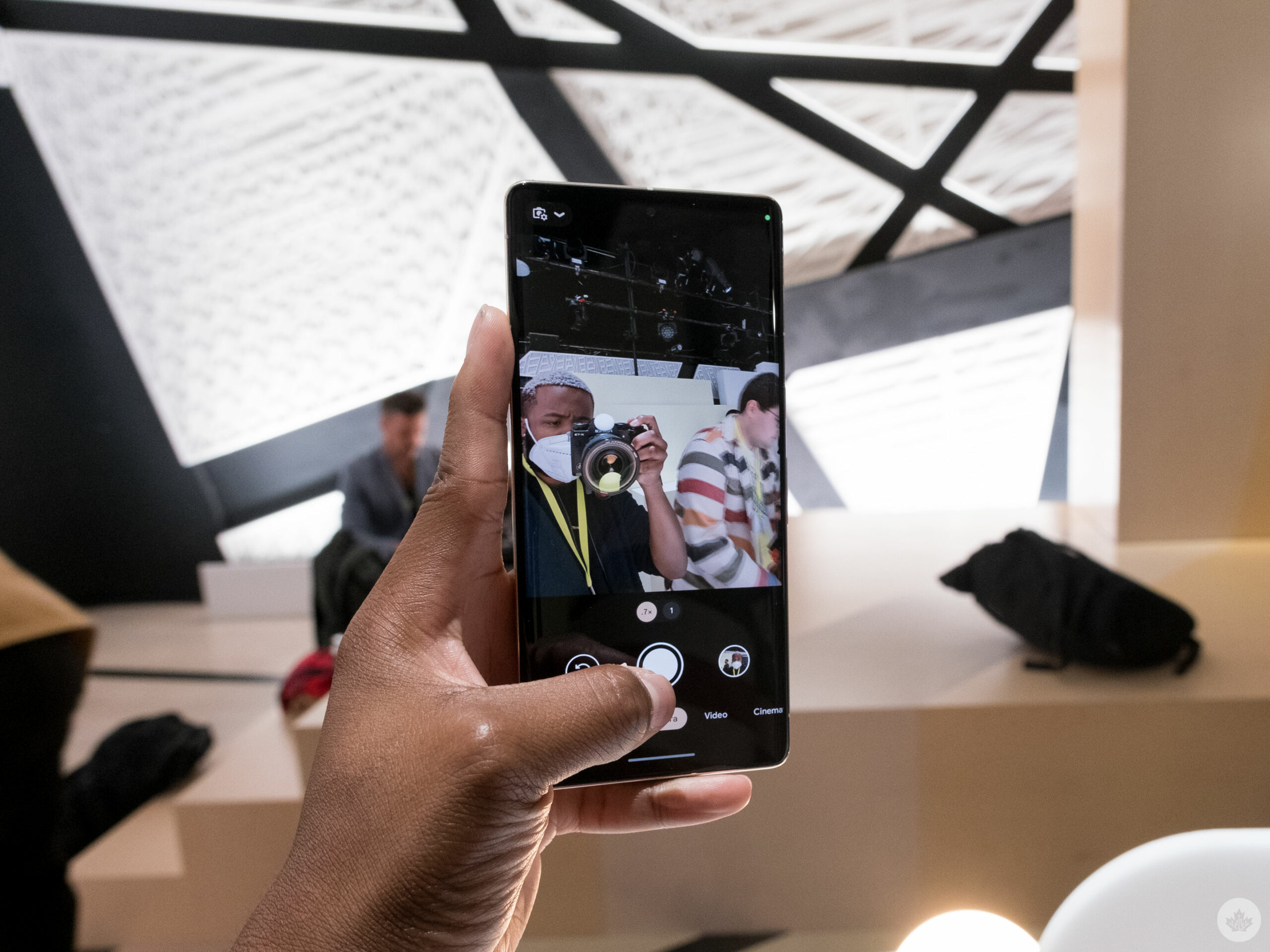
I didn’t get the chance to really test the G2 out, but the phone seems snappy and responsive. I also snapped a few pictures at Google’s event, and they looked solid, although similar to the experience with the Pixel 6. Of course, we’ll need to do more camera testing, but I’m quite happy with what I’ve seen so far. I also tried out the ultrawide front camera and can see how it would be useful when taking selfies with large groups of friends. You won’t need a selfie stick anymore.

These specs aren’t the most impressive on the market, but at a $799 price tag, Google’s Pixel 7 offers a lot of high-end features. Jon will be putting the smartphone’s cameras, Face Unlock and more through their paces, so keep an eye out for our full review in the coming days. The Pixel 7 is now available for pre-order and will release on October 13th.

To learn about the Pixel 7 Pro, check out my hands-on here, and keep an eye on MobileSyrup for our Pixel 7, 7 Pro and Pixel Watch reviews.

For all of MobileSyrup’s content from Google’s fall hardware event, follow this link.

Categories
Mobile Syrup

Steam Deck now available for outright purchase, no reservation required

Valve’s Steam Deck is now available for purchase without any reservation.

As spotted by Twitter user @Lbabinz, visiting the Steam Deck page gives you the option to ‘Buy now,’ with deliveries estimated to occur within one to two weeks.

It’s a significant move from Valve, which has been operating under a reservation system since last year. Previously, people would have to place a small deposit and then wait any number of months before receiving an email that gave them a small window in which they could complete their purchase and await shipping soon thereafter. For example, a friend and I pre-ordered our Steam Decks in June and just received them within the past week.

Now, though, the supply constraints seem to have improved enough for Valve to do away with this reservation system. That said, it’s unclear how long this might last — it’s always possible Steam could revert to reservations down the line — so you may want to purchase a Steam Deck sooner rather than later if interested.

The base Steam is priced at $499 CAD and comes with a 64GB Embedded MultiMediaCard (eMMC) and carrying case. However, you’ll likely want to go with one of the other two models, as they’re SSD-powered and, therefore, a lot faster. The middle Deck costs $659 and comes with a 256GB NVMe SSD, carrying case and exclusive Steam Community profile bundle, while the most expensive model is priced at $819 and comes with a 512GB NVMe SSD, premium anti-glare etched glass, exclusive carrying case, exclusive Steam Community profile bundle and exclusive virtual keyboard theme.

You can order the Steam Deck here.

Categories
Mobile Syrup

Loblaws starts transporting goods from its distribution facility in driverless trucks

Loblaws Canada, in partnership with Gatik, is looking to scare drivers in the Greater Toronto Area (GTA). The Canadian supermarket chain and the autonomous vehicle tech company have teamed up to bring driverless trucks on the roads of the GTA.

Loblaws’ partnership with Gatik dates back to 2019, when the retailer started using Gatik’s services to move grocery orders for its PC Express service via a fleet of ‘multi-temperature autonomous box trucks.’

“Since then, Loblaw and Gatik have transported more than 150,000 autonomous deliveries (with a safety driver on board),” says the retailer. “Throughout this time, the goal was always to get to a fully driverless operation — a milestone we achieved this past summer.”

During the deliveries, there was always a ‘Safety Driver’ on board who wouldn’t operate the vehicle, but still, they’d be present as a safeguard. Now, however, Loblaws and Gatik have removed the safeguard, and its fleet has started to transport refrigerated and frozen goods seven days a week from a Loblaw distribution facility to five nearby stores in the GTA driverless.

The routes taken were reviewed over a three-month period, including sending degraded/incorrect sensor data, GPS jamming/spoofing, incorrect acceleration with objects in front, and more to train the technology.

“Being the first in Canada with this technology and deploying a fully driverless solution is exciting and illustrates our commitment to making grocery shopping better for customers,” said David Markwell, Loblaw’s Chief Technology Office, in a recent press release.

Loblaws says as the technology develops, it will see if it can be used in other areas of its businesses. Maybe, you’ll soon have driverless vehicles delivering groceries right to your doorstep!

Read more about the driverless transportation fleet here.

Image credit: Loblaws

Source: Loblaws

Categories
Mobile Syrup

Pixel Tablet with magnetic dock coming in 2023

Google shared more details about the Pixel Tablet at its October 6th event, noting that the Pixel family “doesn’t feel complete” without a larger screen.

Throughout the event, Google showed several teases of the tablet before announcing it towards the end of the event. Google also talked about the Pixel Tablet’s design, highlighting a “nano ceramic coating” applied to the recycled aluminum body to create a soft, grippy finish.

The company says it partnered with app developers to ensure apps support larger screens and features like stylus input.

Moreover, Google confirmed long-running rumours when it revealed a charging speaker dock for the Pixel Tablet, which effectively turns the tablet into a Nest Hub Max when you’re not using it.

However, that was all that Google said about the tablet, which is still coming in 2023. The company will share more about the tablet when it arrives next year.

Categories
Mobile Syrup

Google’s first wearable says no to iPhone users

At its ‘Made by Google’ event today, Google unveiled the new Pixel 7 lineup alongside its first wearable, the Pixel Watch.

The WearOS-powered watch starts at $449.99 CAD for the Bluetooth/Wi-Fi model and $529.99 for the LTE + Bluetooth/Wi-Fi model.

The watch features Google Wallet for contactless payments and Google Maps for turn-by-turn navigation, alongside support for Google Assistant so you can ask questions or request tasks completely hands-free.

Now, before you get too excited and visit the Google Store to order the device, we’d like to give you some bad news. It’s not necessarily bad for everyone, but it is for those looking to pair the watch with an iPhone: iOS users aren’t invited to the party.

Like Samsung’s Galaxy Watch 4 and Watch 4 Classic, the Pixel Watch won’t work with an iPhone. The watch’s specifications say that it “Requires an Android 8.0 or newer phone, Google Account, and internet access,” to function.

This is a disappointment for those who like to mix and match different ecosystem products, but something we saw coming. Before Google officially unveiled the Watch, the Fitbit Android app already had a pairing screen for the Pixel Watch, whereas the iOS application didn’t. It is also Apple getting a taste of its own medicine, as it locks Android users out of the Apple Watch ecosystem.

More to come…