MobileSyrup utilizes affiliate partnerships. These partnerships do not influence our editorial content, though we may earn a commission on purchases made via these links that helps fund the journalism provided free on our website.
Québec is getting three new area codes to meet the growing demand for new telephone numbers.
A 263 code will be introduced in Montréal. The city currently has the 514 and 438 area codes.
A 354 code will be introduced in the area surrounding Montréal, which currently has the 450 and 579 area codes.
A 468 code will serve areas served by the 819 and 873 codes.
The new codes will be introduced on October 22nd.
“The introduction of a new area code creates millions of additional telephone numbers without affecting the existing numbers,” Kelly T. Walsh, program manager at the Canadian Numbering Administrator, said. “The new area codes will be added where the current area codes are already in use in the affected regions in Québec.”
The introduction of new codes doesn’t disrupt the geographic boundaries for local or long-distance calls or the way people dial calls.
Apple Podcasts are getting a much-needed update in April that will allow creators to gauge their audience and monetize their content.
The update will basically provide creators with follower metrics that will allow them to check how many followers are listening to their shows, along with metrics to gauge new followers gained in the past week, month, two months and all-time via a private analytics dashboard. Additionally, the dashboard will also let creators check the time listened, categorized under following and non-following listeners.
Until now, follower counts were not visible to Apple Podcast creators. Apple’s aim with the update is to allow creators to see what kind of a following they have, and accordingly, consider launching a subscription to give users an ad-free experience and exclusive subscriber-only content.
The Cupertino, California-based company is also letting creators customize their subscription banners by adding messages to promote their channels and shows. Learn more about the banners and how they can be customized here.
“Starting today, all creators enrolled in the Apple Podcasters Program can now request direct guidance from the Apple Podcasts team to help jump-start their subscriptions,” reads Apple’s blog post about the update. The Apple Podcasts team can help new creators create a channel, set up their show for a subscription, learn about subscription best practices, understand subscription reports, and more, according to Apple.
Lastly, Apple Podcasts now supports MP3 files for subscriber audio, in addition to WAV and FLAC files, making it easier for creators to create and share their podcasts.
Nintendo is officially shutting down Dragalia Lost, its first original mobile game.
In a blog post on the Dragalia Lost website, Nintendo said the final set of new adventurers will be added on March 31st. Further, the action-RPG title’s main campaign will wrap up in July 2022 with Chapter 26, Part Two.
Once the campaign has been released, “service for the game itself will come to a close at a later date,” Nintendo confirms. The company says further details on the game’s complete shutdown “will be provided in a future notification.”
Dragalia Lost was developed by Cygames and was originally released in February 2019. In the game, players assume the role of a Dragonblood Prince who protects his kingdom with a dragon and magic.
What was particularly notable about the game, however, was that it was free-to-play with a ‘gacha’ system. In other words, players spend currency to receive randomized rewards — in Dragalia Lost‘s case, new characters and dragons. While this helped Dragalia Lost top $100 million USD (about $126 million CAD) in revenue by July 2019, the game never maintained popularity. For comparison, Nintendo’s Fire Emblem Heroeshas generated around $1 billion USD (about $1.26 billion CAD) to date.
For the time being, Dragalia Lost can be downloaded on Android and iOS.
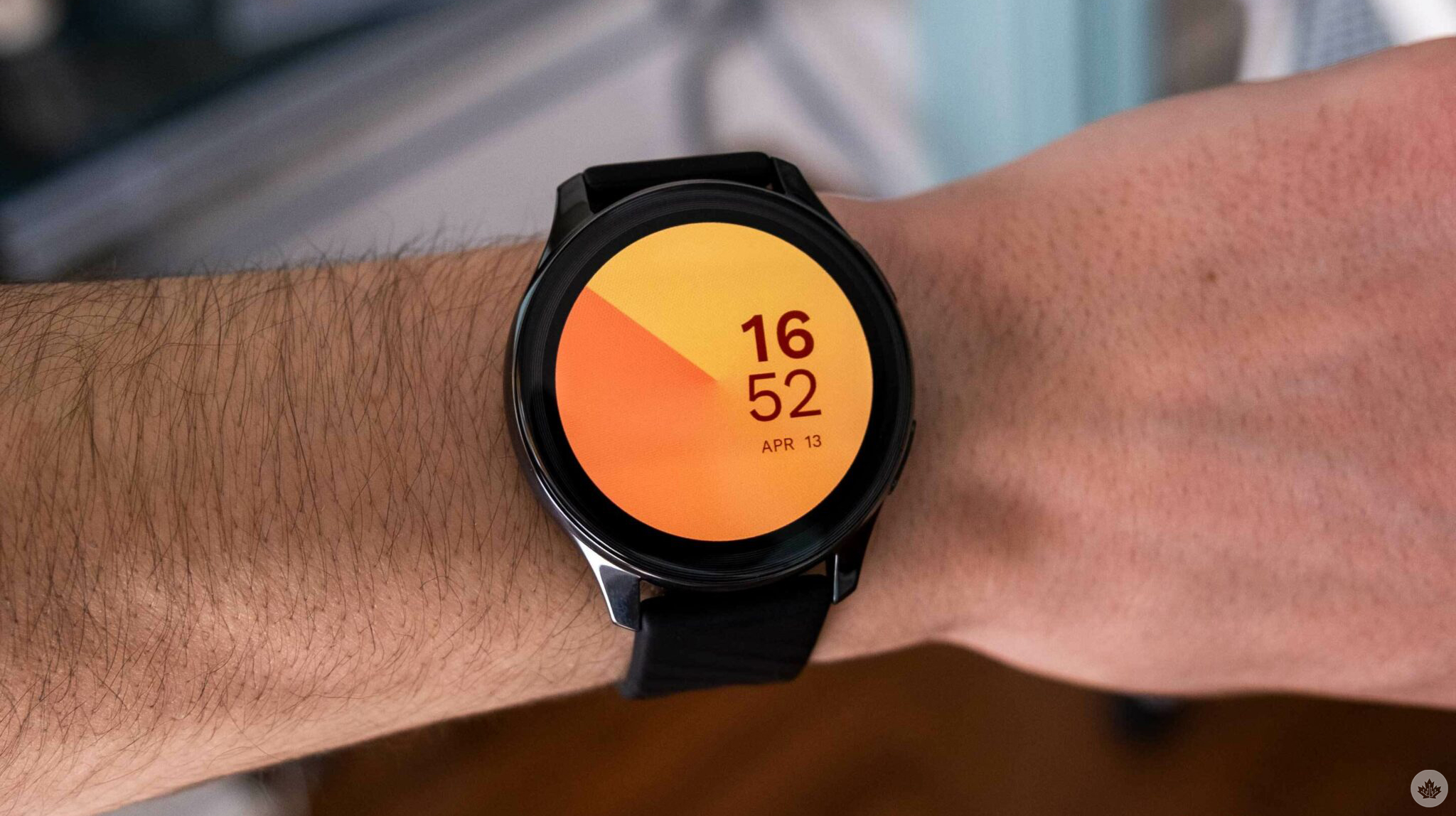
OnePlus might be ready to step into the smartwatch market again.
For those who don’t remember, OnePlus launched the OnePlus Watch early last year, a device that was greeted with unfavourable reviews. The watch wasn’t as capable as industry staples like the Apple Watch, Fitbit and Garmin, making it difficult for the wearable to find a place for itself in the saturated market.
MobileSyrup staff reporter Bradley Bennett gave the watch a 5/10 rating and said, “With the OnePlus Watch, the company has built a decent beta wearable and I think with a few more cycles of refinement, it could have an excellent activity tracker on their hands.”
Since then, it appears OnePlus has gone back to the drawing board, and according to 91Mobiles, a new smartwatch, under the company’s mid-range Nord sub-brand might be on the way.
We aren’t sure if the smartwatch will make its way to Canada. According to the leak, the watch will release in India alongside the OnePlus Nord 3 sometime in the second half of 2022 for ₹5,000 to ₹8,000 (roughly $80 to $132 CAD). For reference, the original OnePlus Watch costs $219.
Though nothing is certain, 91Mobiles speculates that the watch will offer a range of health tracking features, including heart rate monitoring, SpO2 monitoring, sleep tracking, music control, smartphone notifications, along with a full touch screen colour display.
Another YouTuber, Luke Miani, has quenched the hype in a new video revealing that even if you can get into your Mac Studio and install a new SSD, it won’t work because Apple blocks it on a software level. Big bummer.
The video, spotted by Apple Track (via The Verge), shows Miani attempting to upgrade his Mac Studio’s storage by adding another SSD. When trying to boot the device, the Mac Studio flashed an amber light in Morse code for SOS — nothing else worked. Miani then tried swapping the include Mac Studio SSD to the second slot, which also didn’t work.
Because of this, Miani concluded that the Mac Studio’s second SSD slot is locked using software, preventing Mac Studio owners from adding new SSDs — even official Apple SSDs like the one included with the device.
So, not only has Apple buried the extra SSD slot beneath the power supply, making the process to access it difficult and potentially dangerous, but the company has gone out of its way to lock down the extra SSD slot.
As The Verge points out, both decisions don’t reflect particularly well on Apple. There are several takes here — Apple’s Mac Studio doesn’t help on the environment side, where it encourages people to purchase a new device rather than extend the life of an existing one by upgrading components. The Mac Studio also encourages customers to spend more upfront by buying a model with more storage in case they might need that storage in the future.
And it’s not like Apple lacks the capability. The old Mac Pro — which the Mac Studio apparently outclasses in every way — has upgradeable storage.
That’s what makes Disney Mirrorverse so interesting. Developed by Vancouver-based Kabam, the team behind the massively popular Marvel Contest of Champions, Disney Mirrorverse is a mobile action-RPG that sees Mickey Mouse assemble a slew of iconic Disney and Pixar heroes and villains to protect the multiverse from the dark forces known as The Fractured.
While that premise would be undoubtedly appealing in and of itself to many fans, the key twist here is that each character gets their own unique spin.
“We’ve been taking a new approach to creating games at Disney — really focusing on telling original stories, and evolving our iconic characters and worlds to form unique experiences that only games can offer,” said Luigi Priore, VP of games at Disney and Pixar, during a media briefing. “So when we started working together with Kabam, we began by building an entirely new universe, one based on the Disney and Pixar stories that we know and love, but different in new and unexpected ways — one that really allows us to explore how these well-known Disney and Pixar characters are evolved in that new universe with a wide range of unique stories we could tell.”
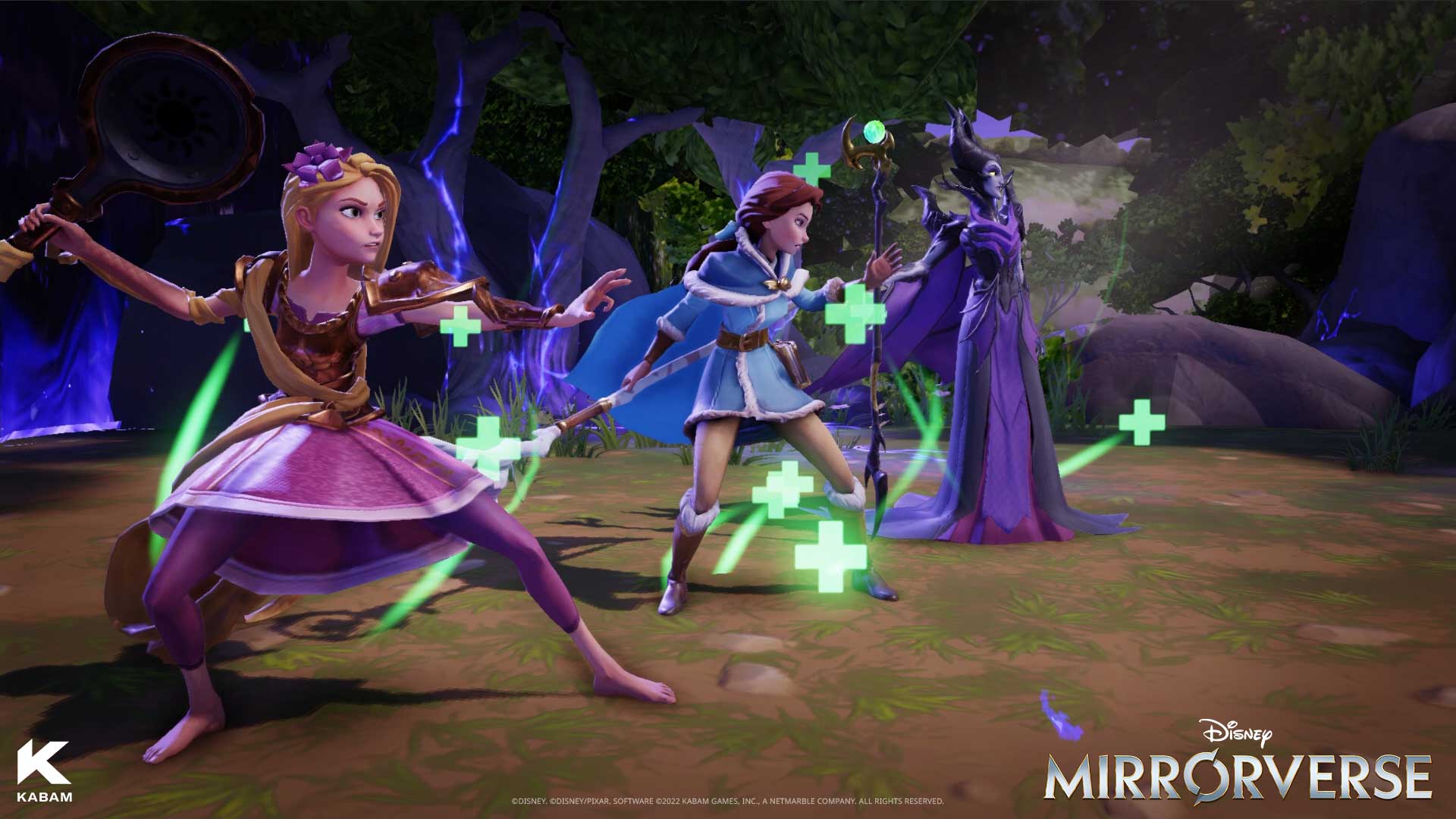
The novelty of this approach becomes apparent quite quickly upon watching the reveal trailer. Recognizable Disney and Pixar characters soon appear, but something’s… different. Sulley from Monster’s, Inc. is wearing shiny armour and a matching shield, Beauty and the Beast‘s Belle is sporting a full sorceress garb and staff, and Brave‘s Merida is wielding Scottish warrior clothing to go with a magical bow. If that weren’t enough, Kabam says it took special care to incorporate classic elements of each Disney and Pixar property into their respective characters. With Sulley, that means his shield is, quite literally, one of the “scare” doors from Monster’s, Inc., while Belle’s staff is actually powered by the enchanted rose from Beauty and the Beast.
All told, it was quite fun to see these otherwise innocent and friendly characters get these decidedly badass makeovers. But how the characters look is only half of the equation. As Kabam character designer Dennis Lever tells it, the team set out to answer “two big questions” when designing the gameplay for Mirroverse.
“First, what kind of gameplay will best satisfy players who have these strong emotional connections to these iconic characters? And second, how can we make sure that our game is both easy to play and challenging to master so that Disney fans of all ages and all walks of life can have fun in our new worlds?” he said.
The answer, per Lever, was “a cinematic style of action gameplay with intuitive controls” through which you have “full control” over the characters. While I didn’t get to go hands-on with Mirrorverse to experience this myself, the briefing did include a brief gameplay demo as played by Kinda Funny‘s Greg Miller and Tim Gettys.
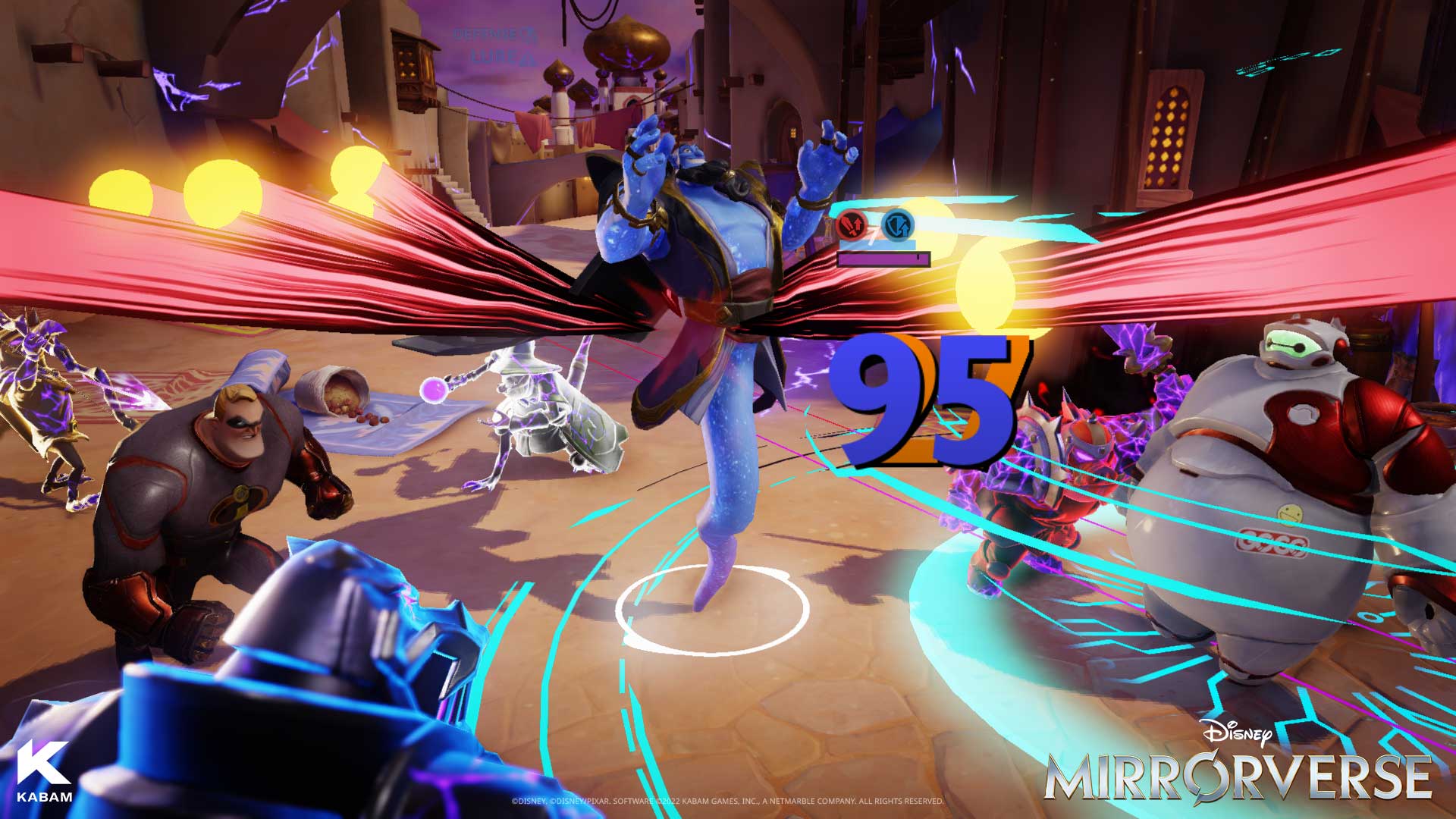
Based on what I saw, Mirrorverse‘s combat seemed reminiscent of the fun Marvel Ultimate Alliance games, albeit in a solid mobile-friendly form. As Lever said, you’re able to fully move around your characters and tap the ground to avoid attacks, which should make it feel less automated than some other mobile titles. (An “auto-play” option will be available for those who want it, though.)
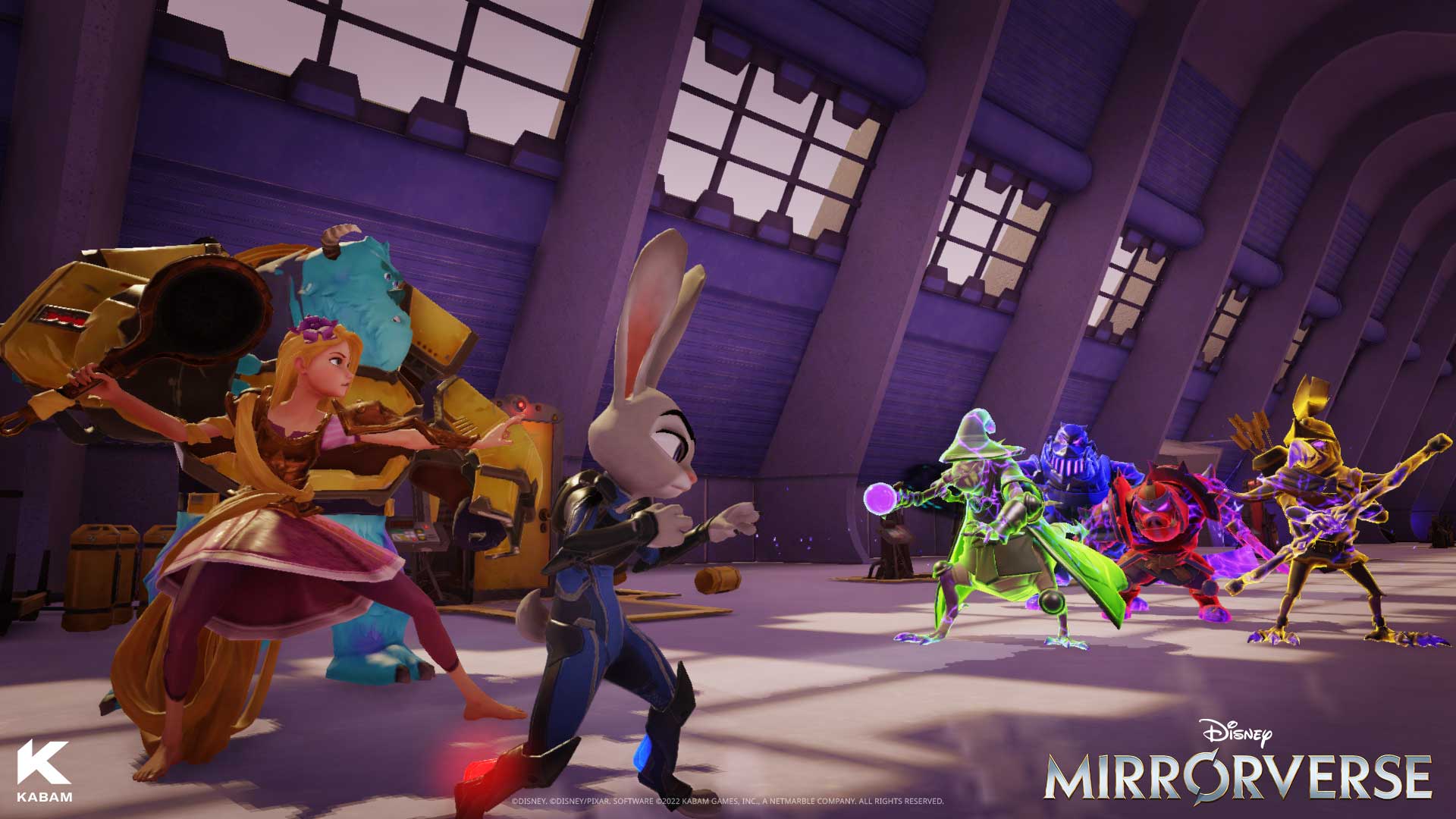
From there, each character has their own unique abilities to effectively give them “classes,” like Belle having healing and buffing spells, Merida using ranged arrows and Sulley throwing heavy melee attacks. Other characters range from Sleeping Beauty‘s Maleficent (switches between witch and dragon forms for lightning and fire attacks) and Toy Story‘s Buzz Lightyear (can fly and shoot lasers) to more unorthodox picks like Zootopia‘s Judy Hopps (quick melee attacks) to The Jungle Book‘s Baloo (a pilot who turns parts from ships into weapons). While I’d still like to go hands-on at some point, the variety of characters looks quite impressive so far.
On top of that, Kabam is also promising a breadth of content, including many Disney and Pixar worlds to visit.
“Since the Mirrorverse worlds were created by a collision of light and dark, it was important for us to pull that same dramatic tension through intimate design of the game world,” explains Johnson Truong, lead artist at Disney and Pixar Games. “We created a visual language to continue to tell the story of light solar magic, clashing with dark Fractured magic that is always threatening to seep in. And their visual story plays out across several Mirrorverse worlds, like Agrabah, the Monsters, Inc. Scare Floor, Port Royal from Pirates of the Caribbean and the Corona Forest from Tangled.”
Other Mirrorverse content will include limited-time quests for rewards, and monthly updates to add new characters, events and more. My two biggest remaining questions, though, surround the story and monetization. With respect to the former, I didn’t get a clear look at the unique character backstories or potential banter they might share, which would certainly be some highlights of a multiverse plot like this. More importantly, though, it remains to be seen how extensive the inevitable in-app purchases will be. Hopefully, they’re not egregious like some other mobile games.
In any event, I’m looking forward to seeing more from Disney Mirrorverse as we lead up to its worldwide release on Android and iOS on June 23rd, 2022. Pre-registration is available here.
Warsaw, Poland-based CDProjekt RED (CDPR) announced on Monday, March 21st that the next instalment of its Witcher series is currently in development and that it’s being built on Unreal Engine 5.
The franchise is transitioning from REDengine to Unreal Engine 5, marking “a multi-year strategic partnership with Epic Games.” While that means future games would utilize the Epic Games-developed engine, CDPR Cyberpunk 2077 and its upcoming expansion are and will continue to use the company’s proprietary REDengine technology.
Other titles utilizing Unreal Engine 5 include Fortnite, The Matrix Awakens and the upcoming Redfall.
The developer did not share any other information about the upcoming title, so we don’t have a tentative release schedule, though they made it clear that their relationship with Epic Games will go further than just utilizing its engine for the Witcher title. “We’ll closely collaborate with Epic Games’ developers with the primary goal being to help tailor the engine for open-world experiences,” reads CDPR’s release about the upcoming title.
What we have NOT announced today: – A game called The Witcher 4. – A game exclusive to one storefront. It was our initial confirmation of a new saga in The Witcher franchise. Right now, we are not discussing any specifics in terms or story, characters, mechanics, or plot details.
CDPR’s global PR director Radek Grabowski clarified in a following tweet that the successor to Witcher 3: Wild Hunt won’t necessarily be called Witcher 4, and the strategic partnership with Epic won’t limit the game to one storefront.
That being said, don’t expect to play the game anytime soon. CDPR is likely to take its good time with the development, especially after the bug-filled blunder of a release that was Cyberpunk 2077.
Xplornet Communications Inc. is in talks to acquire Freedom Mobile.
The Globe and Mailreports the New Brunswick-based rural internet provider is negotiating to become the fourth-largest cellphone company in Canada. Xplornet has roughly a million internet customers across the country.
Rogers is currently in the process of taking over Shaw Communications, which owns Freedom Mobile. Rogers has to sell Freedom to create a fourth-leading cellphone provider to gain approval.
Minister of Innovation, Science and Industry François-Philippe Champagne said Shaw wouldn’t be allowed to transfer all of its wireless licenses to Rogers if the merger of the two companies is approved.
Globalive is also reportedly in talks to purchase Freedom Mobile. Anthony Lacavera, who serves as the head of Globalive, founded Wind Mobile in 2008 and sold it to Shaw in 2016.
“We believe Globalive is well-positioned to be the acquirer given our unique track record of bringing independent competition to the Canadian market,” Lacavera told MobileSyrup. “We brought prices down and improved services for consumers before, and we will do it again.”
As I walk through the hauntingly empty and rain-soaked streets of modern Tokyo, which juxtapose nicely with the catchy jingles in the nearest convenience store, I find myself deeply engrossed in Ghostwire: Tokyo. Developer Tango Gameworks, which is based in Tokyo, has clearly recreated its city with loving reverence.
But it’s a feeling of immersion that doesn’t last. All too often, Ghostwire falls back on dated world design philosophies and repetitive combat. That’s a shame, because there’s quite a lot of potential here, and it’s only somewhat realized by the time the credits roll.
Monotonous magic
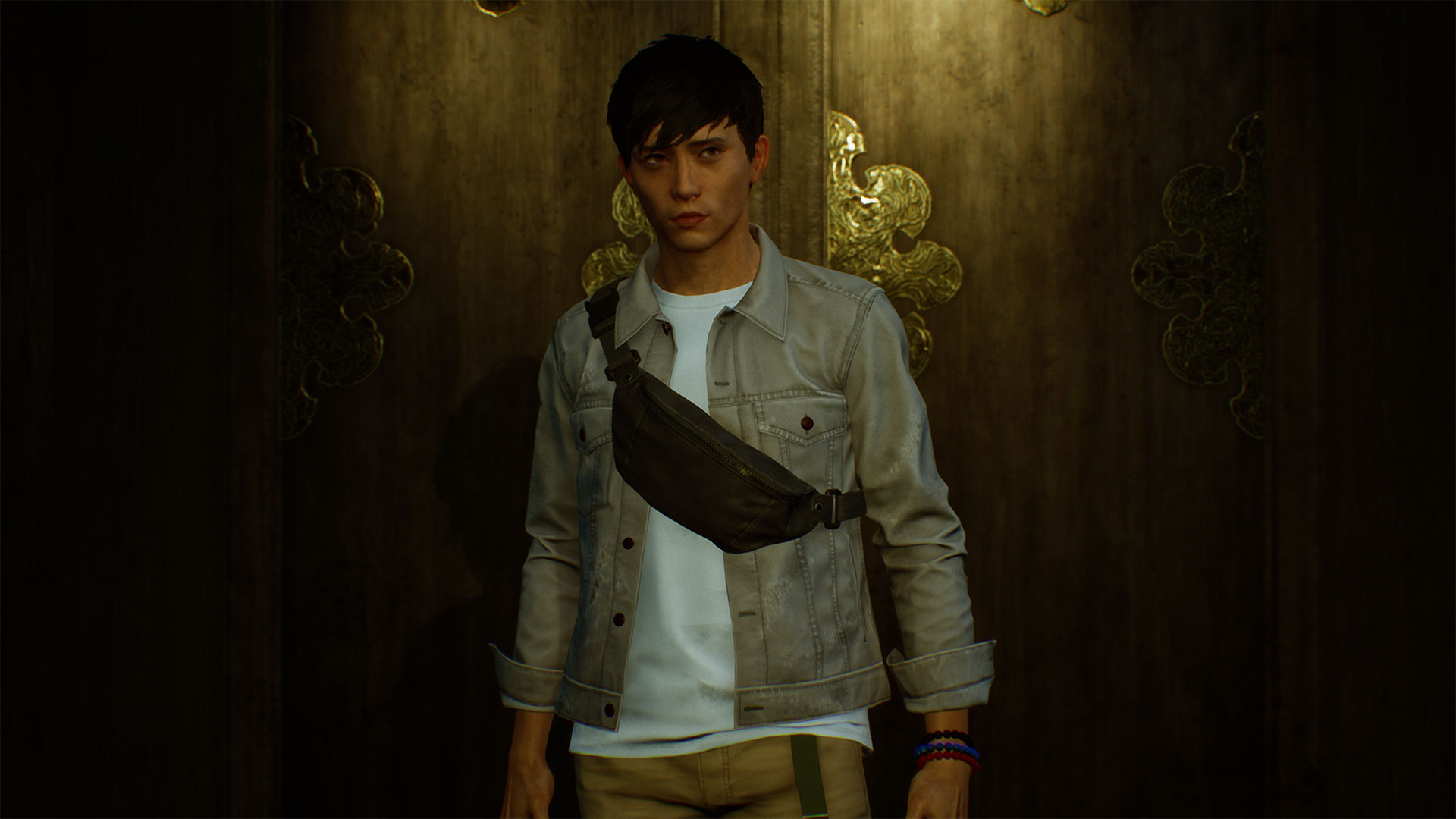
All of that is even more disappointing because Ghostwire has an exceptionally intriguing start. One day, the bustling streets of Tokyo are suddenly overrun by paranormal entities known as ‘Visitors,’ reducing the iconic city’s population by a staggering 99 percent. As this happens, a young man named Akito becomes possessed by a spirit detective named ‘KK,’ and together, the two must investigate the strange Visitor threat and save Akito’s sister, Mari. While some of these elements might seem spooky, this is not at all a horror game like Tango’s last two The Evil Within titles.
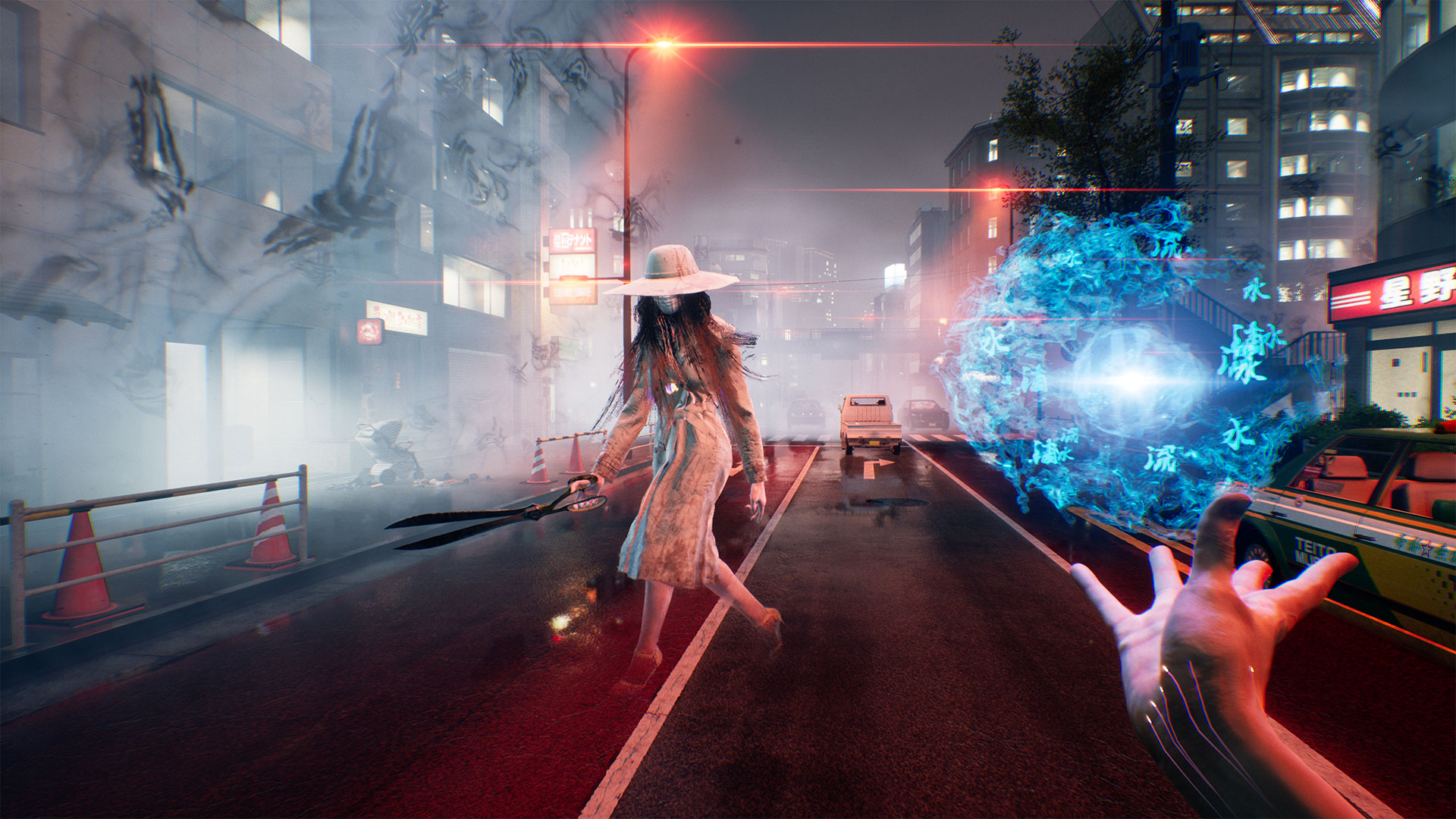
If anything, Ghostwire first comes off as a wickedly cool power fantasy. Thanks to KK, Akito — who you control in first-person — is granted some ethereal magic powers. These are called Weavings and they’re animated with such lively flair that they quickly become delightfully reminiscent of Aang’s bending skills from Avatar The Last Airbender or Dr. Strange’s spells from the Marvel films. Considering that most first-person action games involve guns, it’s commendable that Tango has taken such a novel, otherwordly approach. The problem, however, is that you quickly see that Ghostwire‘s magic is the epitome of style over substance.
Within the game’s first two hours, you acquire three spells — the single-shot, rapid-fire Wind Weaving, the explosive Fire Weaving and the wider-ranged Water Weaving — and these are the only three spells you’ll have for the 10-15 hour campaign. That wouldn’t be an issue in and of itself, except for the fact that the utility of the Weavings never really changes, and the types of enemies — as appreciably creepy as they can be — aren’t that varied. While the fairly basic XP-based progression system lets you improve the efficiency of these moves, their core “shoot ad nauseum” functionality remains frustratingly the same throughout. You do also have a bow and an instant-kill sneak attack, but the environments simply aren’t set up for stealth, so these don’t really prove to be meaningful additions to your arsenal.
What does somewhat elevate the dull combat is the finishers. Deal enough damage to an enemy and you expose its core, which you can latch onto with your “Ghostwire” to yank out. It’s in these moments where the PS5’s DualSense controller goes wild, delivering visceral vibrations as you pull harder. This, combined with the flashiness of your moves and conceptually unique take on first-person combat, made me lament the fact that fighting Visitors wasn’t anywhere near as fun as it looks.
Rewarding discovery… sometimes
Thankfully, Tango is overall fairly more successful with Ghostwire’s various other aspects, albeit with some key caveats. Interestingly, the game’s narrative has the inverse problem of the combat — it starts weak and picks up as you go along. Initially, Akito is a bland, personality-less hero who only talks about rescuing Mari, and because Ghostwire does nothing at first to develop Mari beyond a token damsel he must save, I found myself not caring at all about his quest. KK, at least, had a slightly more interesting backstory, which I enjoyed uncovering over time. And if nothing else, little bits of banter between Akito and KK, such as the former’s infatuation with dogs and the latter’s constant desire for a cigarette, help create an engaging, if superficial, core character dynamic.
Interestingly, though, Ghostwire becomes significantly more story-driven in the final few hours, bombarding you with flashbacks to Akito and Mari’s childhoods and a deepening of Akito and KK’s bond. On the one hand, these feel like “too little, too late,” but on the other, I appreciated the more methodical pacing for emotional moments. If more time was dedicated to fleshing out all of Ghostwire‘s narrative threads, especially its woefully underdeveloped villain, then more of an impact would have been had.
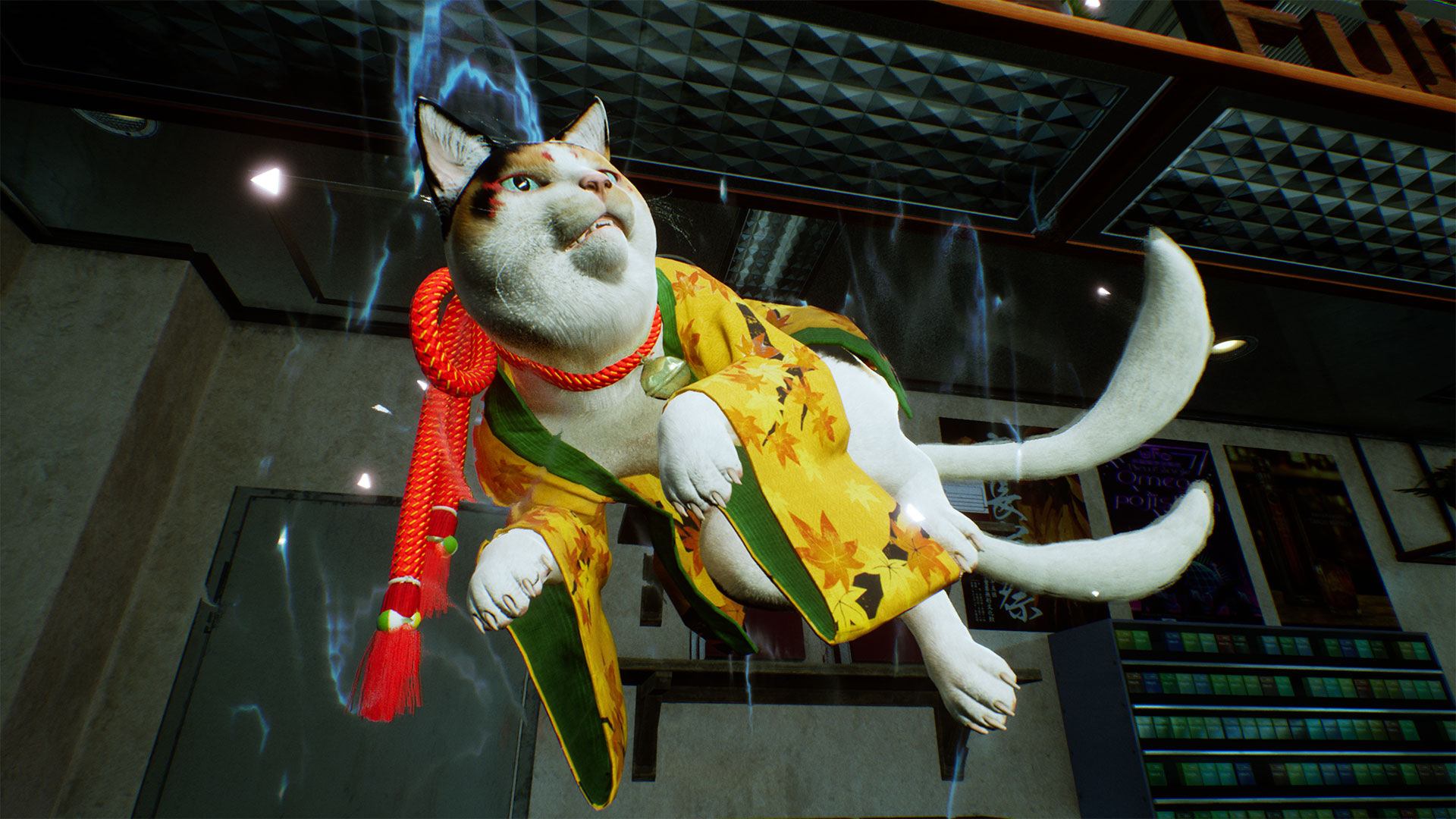
That said, Ghostwire‘s most well-realized character is named right in the title: Tokyo. Indeed, Ghostwire is at its best when you’re just roaming the stunningly detailed city and absorbing it all in. From towering neon skyscrapers and tranquil shrines to dense underground shopping areas and narrow alleyways, Tango’s fictionalized version of Tokyo feels meticulously crafted. You’ll eventually be able to zip up to buildings using winged creatures named Tengu, which hover in fixed locations and, when used in conjunction with your brief gliding ability, open up a nice degree of verticality to the city.
Some higher areas even require a bit of thought in how to ascend them; in one instance, I had to run through a little plaza to get close enough to jump onto a highway with an abandoned bus, which I could then jump off to reach a gondola to begin scaling my desired building.
Meanwhile, little collectibles that you can find, such as wayward souls speaking about their lives or discarded personal belongings, further help create the feeling that this was a city that was once lived in. Sidequests, too, are quite compelling. In addition to being satisfyingly short and sweet at around 20-30 minutes each, they’re also quite diverse in premise. In one instance, I chased a cackling demon through a multi-story complex to help out a grieving lover, while in another, I gave a moaning ghost some toilet paper. They’re by no means groundbreaking, but the way these quests vary in terms of tone, and the wells of fascinating Japanese folklore from which they draw, often made them more compelling than the main story.
If only Tango left you to your own devices during all of this; unfortunately, the developer has a frustrating tendency to stifle your exploration. The chief example of this is the way in which Ghostwire‘s world is structured. Each district of the map is covered in supernatural fog that you cannot pass, which can only be cleared by purifying sets of Torii Gates strewn about Tokyo. Not only is this an uninspired take on the trite “Ubisoft Towers,” but it’s one that frustratingly just makes you fight more waves enemies at each Gate.
Nowhere is this more egregious than in the late-game, in which you’re required to clear a set of one dozen consecutively to open up the final area. What’s more, you’re forced to watch after purifying Gates as the game automatically opens the map and adds markers for points of interest like sidequests, preventing you from naturally discovering these on your own even if you wanted to.
Given that Tango has created such a beautiful world containing surprisingly solid side content, it’s a shame that you weren’t given more freedom to explore. As mentioned before, Ghostwire is at its best when you’re just wandering the streets and picking up the last remnants of society. It’s an excellent sort of environmental storytelling in the vein of Gone Home or What Remains of Edith Finch, a rewarding and atmospheric way to allow you to piece things together yourself. But sadly, you can never fully do that when the game is constantly bombarding you with mandatory Torii Gates and resulting marker pop-ups.
A solid foundation
If I’ve sounded too harsh on Ghostwire, it’s mostly because I’m just disappointed with how Tango’s questionable design choices often do a disservice to its genuinely clever ones. Rarely have I seen such a unique and detailed open-world setting, nor have I come across sidequests that are well-paced and interwoven with rich and lovely folklore. Hopefully, Tango is able to make a sequel that can double down on all of that while providing a stronger narrative and deeper gameplay loop. For now, though, I wholly appreciate that the developer has taken a chance on a new IP, and it’s one that’s still worth playing, warts and all.
Ghostwire: Tokyo is now available on PlayStation 5 and PC to Deluxe Edition members, and will release for everyone on March 25th.