Categories
Uncategorized

Netflix Buys WB and HBO in Historic 83B$ Megadeal

Netflix took the entertainment world by surprise by announcing plans to acquire Warner Bros. and HBO in a deal valued at 82.7 billion dollars, a megatransaction that would instantly position the company as one of the most powerful forces in the global streaming industry. In a statement on its website, Netflix described the move as «Netflix to Acquire Warner Bros. Following the Separation of Discovery Global for a Total Enterprise Value of $82.7 Billion (Equity Value of $72.0 Billion)» and framed the acquisition as a way to expand its reach. The company said the transaction «unites Warner Bros.’ iconic franchises and storied libraries with Netflix’s leading entertainment service, creating an extraordinary offering for consumers» while promising to «maintain Warner Bros.’ current operations». Netflix added that the combination would «offer more choice and greater value for consumers, create more opportunities for the creative community and generate shareholder value», concluding that the acquisition «will strengthen the entertainment industry».

https://twitter.com/ABC/status/1996929482020544775

Under the terms of the deal, Netflix says it has entered into «a definitive agreement under which Netflix will acquire Warner Bros., including its film and television studios, HBO Max and HBO», bringing almost all of Warner Bros. Discovery’s core entertainment assets under its control. The company describes the transaction as a cash-and-stock offer valued at «$27.75 per WBD share (subject to a collar as detailed below), with a total enterprise value of approximately $82.7 billion (equity value of $72.0 billion)». According to Netflix, the acquisition is expected to close only after the previously announced separation of WBD’s Global Networks division, Discovery Global, into a new publicly traded company, a structural step that is now anticipated to be completed in Q3 2026, clearing the way for regulatory review and final approval of the takeover.

An unprecedented streaming offer

With the Warner Bros. deal, Netflix presents the acquisition as a way to fuse two major entertainment catalogues into what it calls an unprecedented streaming offer. In its announcement, the company says: «This acquisition brings together two pioneering entertainment businesses, combining Netflix’s innovation, global reach and best-in-class streaming service with Warner Bros.’ century-long legacy of world-class storytelling.» It highlights that «beloved franchises, shows and movies such as The Big Bang Theory, The Sopranos, Game of Thrones, The Wizard of Oz and the DC Universe» will sit alongside Netflix hits like «Wednesday, Money Heist, Bridgerton, Adolescence and Extraction». Co-CEO Ted Sarandos links the move directly to the company’s core identity, stating: «Our mission has always been to entertain the world,» and adding that by bringing together Warner Bros. classics «from timeless classics like Casablanca and Citizen Kane to modern favorites like Harry Potter and Friends» with Netflix’s own «culture-defining titles like Stranger Things, KPop Demon Hunters and Squid Game», the combined catalog will «give audiences more of what they love and help define the next century of storytelling.»

Getty Images

According to Netflix, the deal will not close immediately but only after a key restructuring step at Warner Bros. Discovery has been completed. The company says: «The transaction is expected to close after the previously announced separation of WBD’s Global Networks division, Discovery Global, into a new publicly-traded company, which is now expected to be completed in Q3 2026.» Netflix co-CEO Greg Peters presents the timeline as part of a long-term strategy, saying: «This acquisition will improve our offering and accelerate our business for decades to come,» and praising Warner Bros. as a studio that «has helped define entertainment for more than a century». He argues that Netflix’s «global reach and proven business model» will give a broader audience access to the worlds Warner’s creators build and «create more value for shareholders.» Warner Bros. Discovery boss David Zaslav echoes that message, calling Netflix and Warner Bros. «two of the greatest storytelling companies in the world» and saying that by «coming together with Netflix, we will ensure people everywhere will continue to enjoy the world’s most resonant stories for generations to come.»
https://twitter.com/netflix/status/1996912825508462707
Categories
Uncategorized

Failure for Trump’s ceasefire plan in Sudan

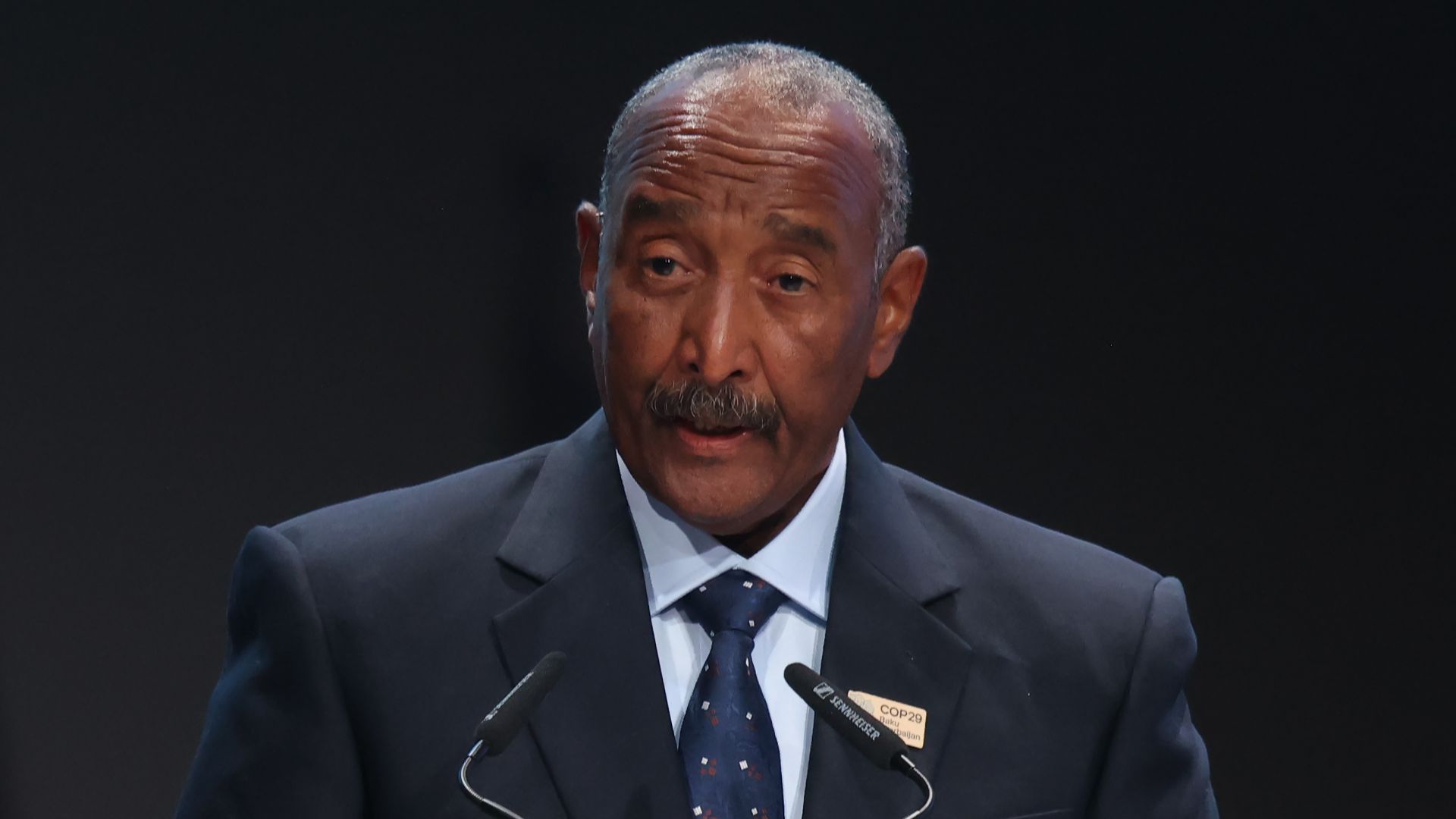
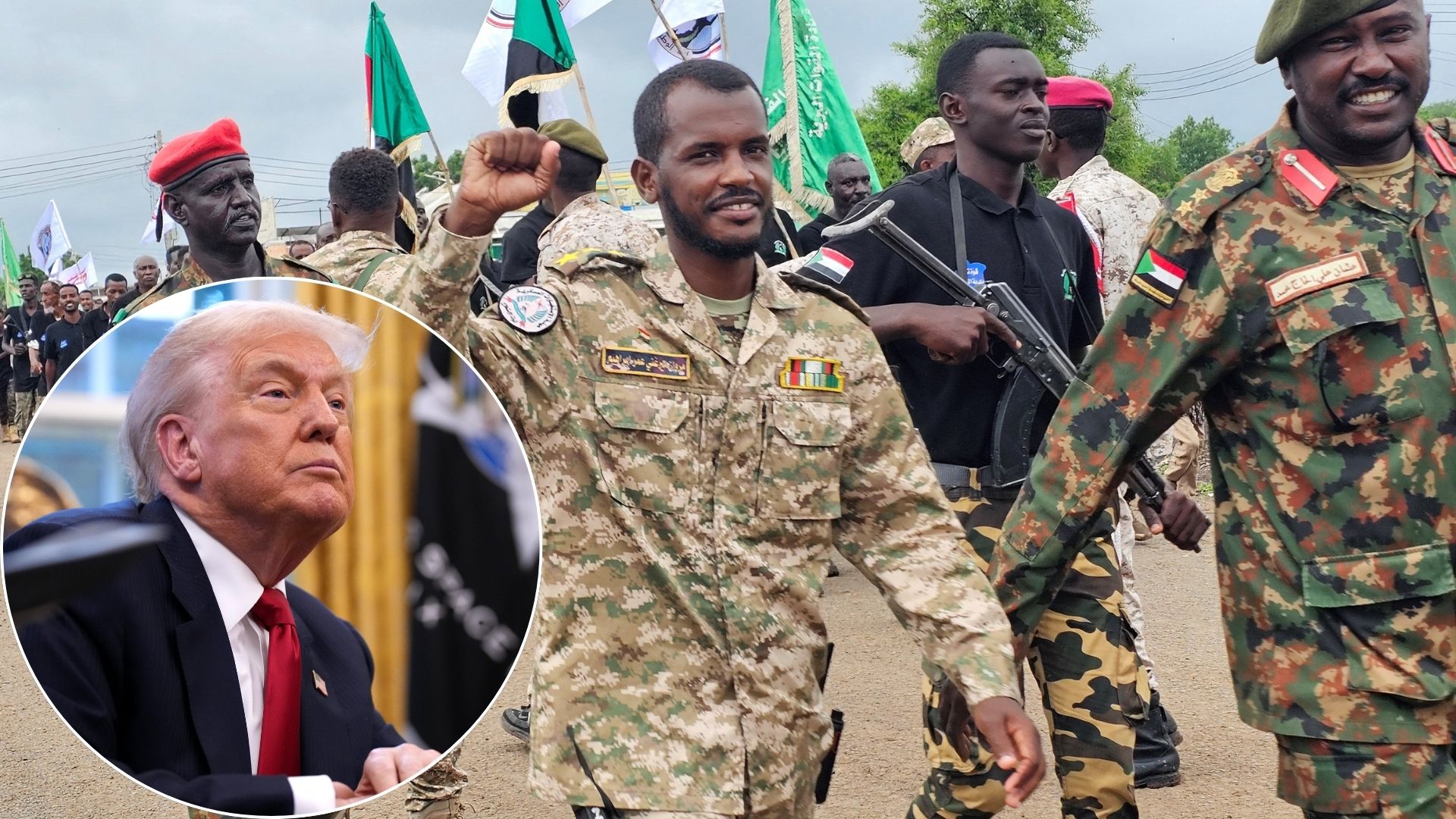
The Trump administration’s attempt to secure a peace deal in Sudan is likely to fail, with Abdel-Fattah Burhan, a senior Sudanese general, expressing strong opposition to the US-led ceasefire proposal aimed at ending the war that has raged in Sudan since 2023.

General Burhan denounces the proposal as “the worst document to date” and accuses the US of trying to “impose conditions on us”.

Getty Images

At war since 2023

The conflict in Sudan, which escalated dramatically in 2023, pits the Sudanese Armed Forces (SAF), led by Sudan’s de facto leader Abdel-Fattah Burhan, against the Rapid Support Forces (RSF) commanded by Mohamed Hamdan Dagalo, known as Hemedti.

Getty Images

What began as a power struggle between two former allies who jointly took control in 2019 quickly turned into one of the world’s deadliest urban wars, devastating Khartoum and spreading to Darfur and other regions. Millions of civilians were displaced, basic services collapsed and widespread atrocities were reported, particularly in Darfur where ethnic targeting resurfaced. Despite multiple international attempts at mediation, a lasting ceasefire was not possible, with both sides accusing each other of atrocities and refusing to give ground.

Getty Images

United States accused of “biased mediation

Abdel-Fattah Burhan insisted that “nobody can threaten us or dictate conditions to us”, while rejecting accusations of warmongering: “We are not warmongers and we do not reject peace”. He stressed, however, that his army would only agree to a ceasefire when the Rapid Support Forces (RSF) withdrew completely from civilian areas. Sudan’s top general called the US mediation attempt a “biased mediation”, claiming that it “eliminates the armed forces”, “dissolves the security agencies” and “keeps the militias where they are”, and accused the Trump administration of lying.

Getty Images

Burhan’s rejection further complicates ongoing diplomatic efforts, as the US plan had been presented as the basis for the next round of negotiations.

Several international players, including the UN, the African Union and key Arab states, had seen the US proposal as the last serious attempt to secure a pause in the fighting. On the US side, officials privately claim that Burhan’s stance is primarily aimed at buying time on the ground and consolidating its military lines. For the Trump administration, this setback is significant, as Trump was particularly keen to add Sudan to his list of peace deal trophies.

Getty Images
Categories
Uncategorized

The real «Sleepy Joe» might now be Trump, caught nodding off for an hour while his Cabinet praised him on camera

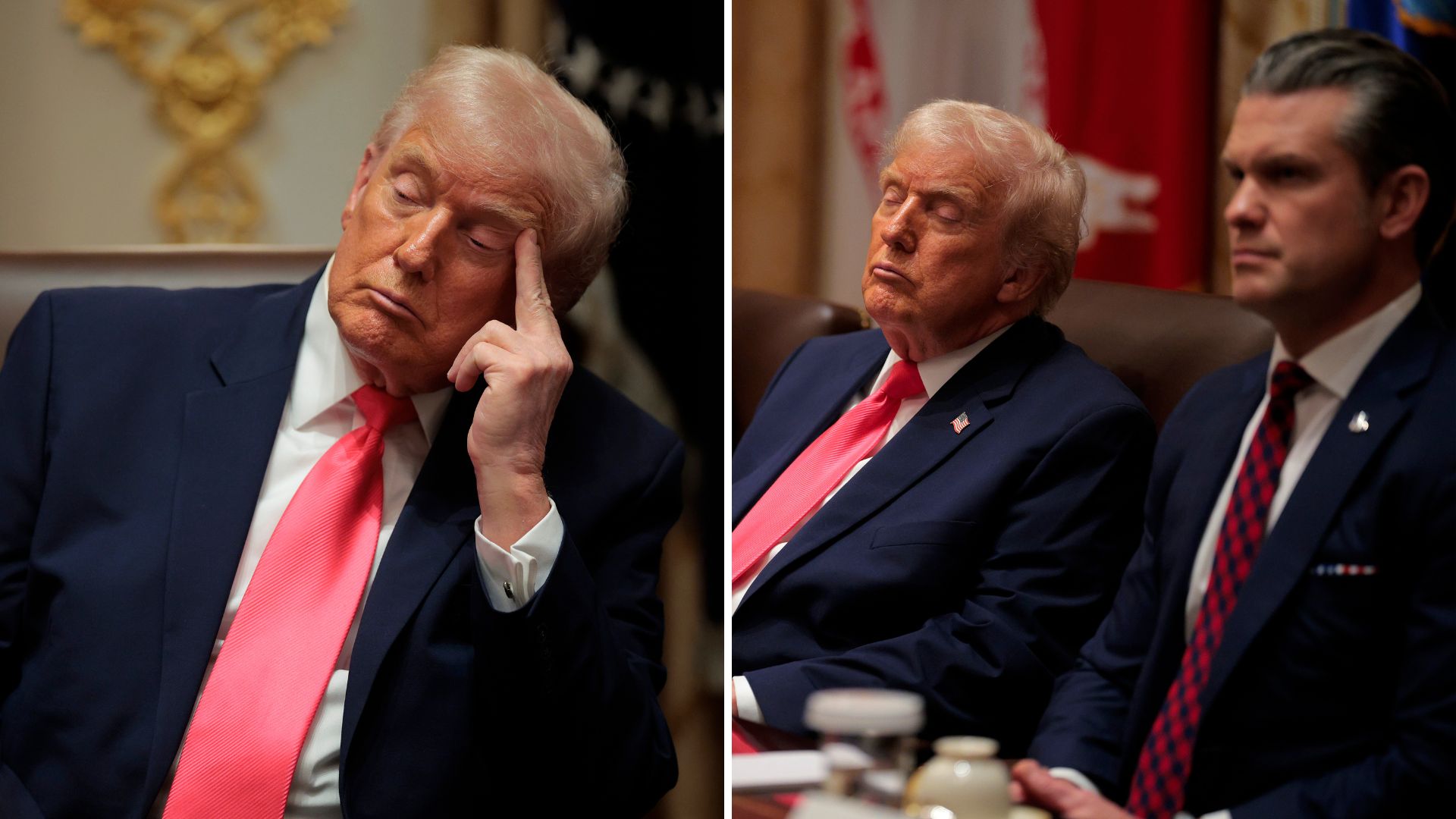
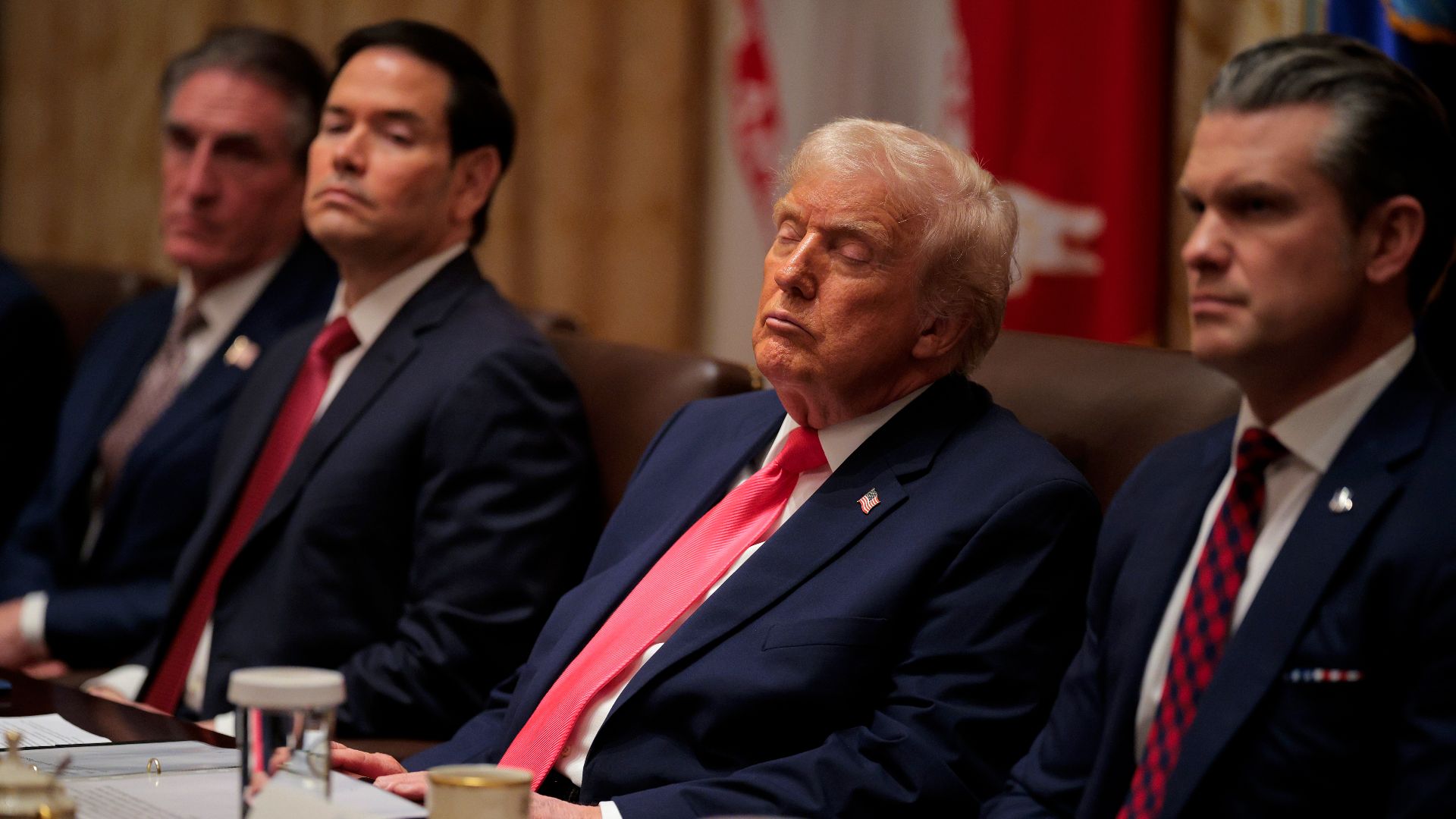
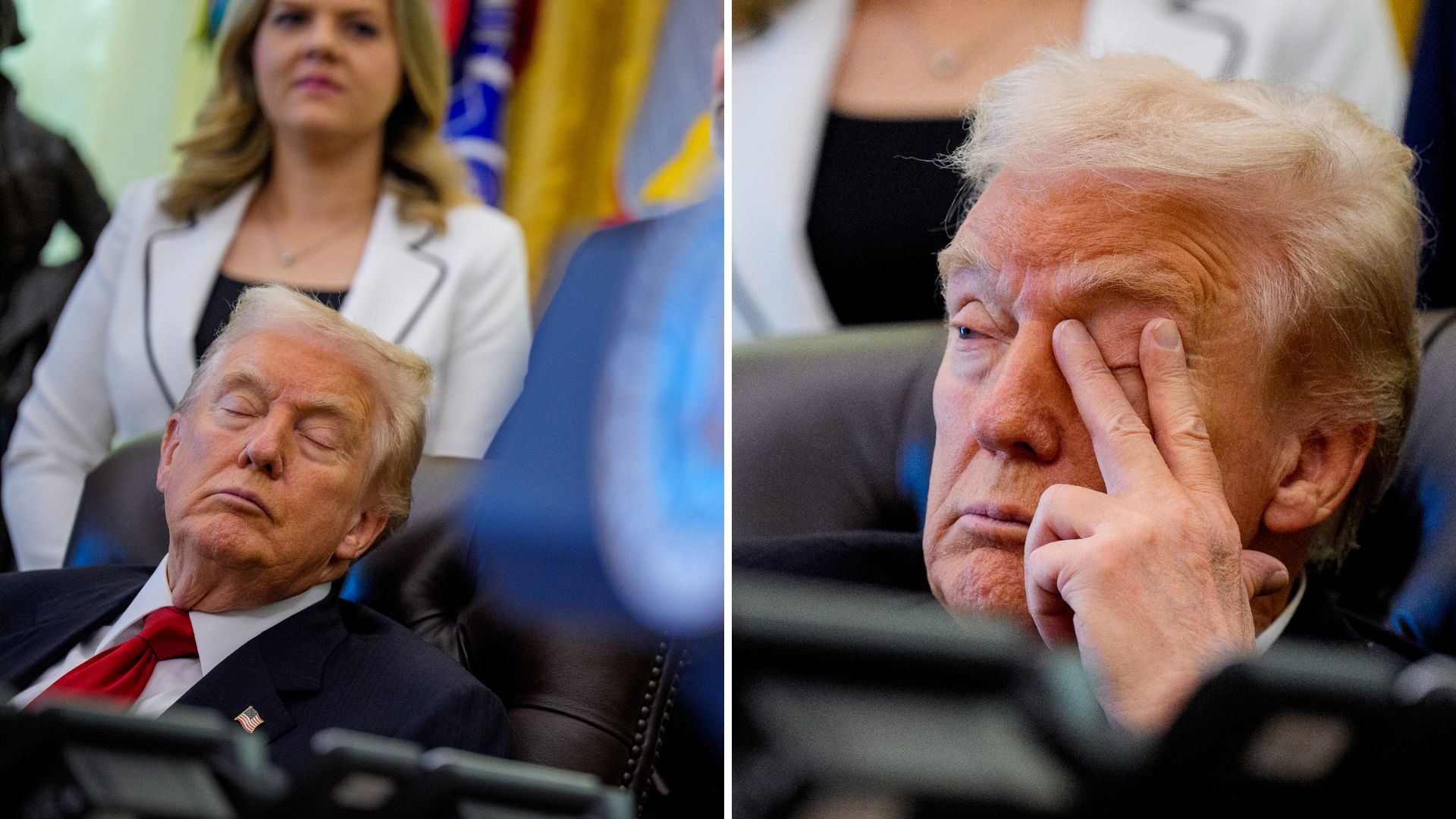
Trump is becoming the «Sleepy Joe» of his own attacks. For years, he built a central pillar of his political message on the claim that Joe Biden lacked energy, stamina, and alertness — a narrative he reinforced with constant mockery, viral clips, and the now-iconic nickname he repeated at every rally. Now Trump is literally sleeping on the job, caught nodding off for about an hour while his Cabinet praised him on camera, and he can no longer hide it as close-up shots of his drooping eyelids ricochet across every network. What might have passed once as an awkward moment is turning into a pattern, documented by mainstream outlets and fact-checkers, even as some conservative commentators on Fox News scramble to spin his mid-meeting naps as a sign of brilliance or a clever power move. The result is a surreal split-screen: Trump still branding Biden as «Sleepy Joe» in his rhetoric, while the visual evidence increasingly suggests that the president who looks exhausted on camera is Trump himself.

But that storyline is boomeranging back: during another Cabinet meeting filmed on camera, Trump spent more than an hour visibly battling — and often losing — a fight against sleep, his eyes closing for long stretches as his own secretaries showered him with praise. It wasn’t the first such moment, but it’s becoming harder and harder for him to hide, especially when close-up shots capture every slow blink. And despite Trump insisting he’s «sharper than I was 25 years ago,» the footage told a very different story — one of a president now displaying the very signs of fatigue he once weaponized against his rival.

«You’ll never see me sleeping in front of cameras.»

-Donald Trump

On the campaign trail

Trump’s greatest hits against Biden’s supposed sleepiness now read like a setup for his own predicament. Back in November 2021, after Biden visibly closed his eyes during the COP26 climate summit in Scotland, Trump blasted out an email to supporters sneering that «Nobody that has true enthusiasm and belief in a subject will ever fall asleep!» He kept leaning on the same theme over the next years, branding Biden «Sleepy Joe» at rallies and, after Biden’s fiery State of the Union in early 2024, complaining that «most of the time, he looks like he’s falling asleep.» In June 2024, he escalated to the blanket claim that «He falls asleep at every single event.»

By September 2024, Trump was still drilling the same line on the campaign trail, mocking Biden for supposedly dozing on the beach and asking his crowd, «How do you fall asleep when cameras are raging, right?»

He even told podcast host Andrew Schulz: «You’ll never see me sleeping in front of cameras.»

Those quotes now collide awkwardly with the images of Trump apparently nodding off for close to an hour in front of his own Cabinet.

Getty Images

As Trump sat at the center of the long Cabinet table, his secretaries took turns delivering glowing monologues about his leadership, his trade policies, his reshaping of federal agencies, and even his supposed global achievements — an orchestrated cascade of praise that often sounded more like a loyalty recital than a policy meeting. Yet while they lauded him with superlatives, Trump appeared to drift in and out of sleep, his eyes closing for long stretches as he nodded slightly in his chair, the contrast between their scripted enthusiasm and his visible fatigue growing more surreal by the minute. By the time Kristi Noem launched into her now-familiar detour «Thank you for no hurricanes this season.» The scene had become almost absurd: a president dozing through his own mythmaking, as his Cabinet embellished accomplishments he wasn’t even awake to hear.

Getty Images

An earlier Oval Office appearance

In that earlier Oval Office appearance, the pattern was already on display. Seated at the Resolute Desk for what was supposed to be a tightly choreographed event, Trump spent long stretches with his eyes drooping shut as aides and guests spoke just a few feet away, the pauses in his expression stretching well beyond a normal blink and turning into sequences where he looked completely disconnected from the room. Camera angles from different networks all captured the same thing: a president slipping into brief pockets of unresponsiveness while the microphones were still live. The images rocketed around social media not just because he looked tired, but because they clashed so directly with his own bravado, including his boast to a podcast host that «You’ll never see me sleeping in front of cameras.»

Getty Images
Categories
Uncategorized

Ukraine Strikes Russia’s Shadow Fleet in International Waters

Ukraine hits Russia’s energy fleet in international waters, marking a decisive escalation in its campaign to disrupt Moscow’s wartime revenue. In late November, Ukrainian naval drones struck two tankers — the Kairos and the Virat — as they transited through the Black Sea off the coast of Turkey, far outside Russian territorial waters. Both vessels are tied to Russia’s so-called “shadow fleet,” the network of aging, sanctions-dodging tankers that keep Russian oil flowing despite Western restrictions. Ukrainian security officials said the ships were not carrying crude at the time but were en route to load sanctioned Russian exports, making them high-value targets in Kyiv’s effort to undermine Moscow’s financial lifeline. The strikes disabled both tankers and forced emergency responses from regional maritime authorities, underscoring that this was not a domestic act of sabotage but a cross-border, maritime operation in a strategically sensitive international corridor.

After the initial strikes disabled the two targeted tankers, the full extent of the damage became clear as emergency responders approached the vessels. The drones had not merely halted their transit — they had torn into the lower sections of the hulls, causing progressive flooding that forced crews to shut down power systems to avoid electrical fires. Maritime traffic records show both ships drifting for hours, signaling distress as regional authorities issued navigation alerts to prevent collisions. Tugboats dispatched from nearby ports struggled to stabilize the tankers, whose compromised ballast systems left them listing sharply in the swells. Preliminary assessments shared with insurers indicated that the engine rooms of both vessels had taken on significant water, making short-term repairs nearly impossible and raising the likelihood that they will be sidelined for months. The aftermath underscored how a single precisely executed strike can ripple outward — halting operations, triggering costly recovery efforts, and inserting new uncertainty into Russia’s tightly stretched export chain.

Getty Images

Over the past year, Ukraine has repeatedly targeted Russia’s energy infrastructure in strikes confirmed by Russian regional officials and independent reporting. Ukrainian drones have hit oil refineries in regions such as Ryazan, Krasnodar, and St. Petersburg, temporarily disrupting processing operations according to regional authorities and Russian state media. Several fuel depots and oil-handling facilities have also been struck in attacks attributed to Ukraine, including sites near St. Petersburg and in Russia’s southern regions. Kyiv has stated that these operations are intended to reduce Russia’s ability to finance its war through energy exports. Western intelligence assessments and Reuters analyses have noted that repeated strikes have forced temporary shutdowns at multiple refineries, prompting Russia to reroute some crude supply and accelerate repair efforts. These confirmed incidents form the backdrop for Ukraine’s recent expansion of attacks to maritime targets linked to Russia’s oil-export system.

«The most radical solution is to cut Ukraine off from the sea, then piracy will be impossible in principle.»

-Vladimir Putin

Ukraine’s latest strikes unfold against a backdrop of intense controversy surrounding the Trump–Russia peace plan, which major U.S. and European media have described as deeply destabilizing for Kyiv. According to The New York Times and France 24, the proposal being discussed between Trump and Vladimir Putin would require Ukraine to cede territory and abandon its long-standing bid for NATO membership — conditions Ukrainian officials have publicly and firmly rejected. The Washington Post has reported that the plan has alarmed European governments, who fear it would legitimize Russia’s territorial gains and weaken collective security arrangements on the continent. Reuters has similarly noted that Ukrainian leaders view the negotiations with deep suspicion, interpreting them as a diplomatic framework built largely without Ukraine’s participation. As these debates unfold, Ukraine continues to carry out strikes on Russian energy infrastructure — actions that underscore Kyiv’s determination to assert its own leverage and agency at a moment when international discussions about its future are taking place largely above its head.

Following the November 29 drone strikes on the Russian-linked tankers Kairos and Virat, the Ukrainian government confirmed the operation, framing it as a blow to Moscow’s capacity to fund the war through oil exports. While President Zelenskyy has previously urged international partners to blacklist and block Russia’s shadow fleet — calling these vessels a major mechanism of sanctions evasion — he has not issued a specific public comment on this particular attack. Putin, by contrast, responded with explicit threats, denouncing the strike as piracy and declaring: «The most radical solution is to cut Ukraine off from the sea, then piracy will be impossible in principle.» He further warned that Russia would “intensify strikes on Ukrainian facilities and vessels … and take measures against tankers of countries that help Ukraine.” As of now, there is no verified record of Donald Trump commenting on the tanker strikes.

Categories
Uncategorized

Putin’s threats grow more erratic as he vows to seize Donbas and warns Europe of war

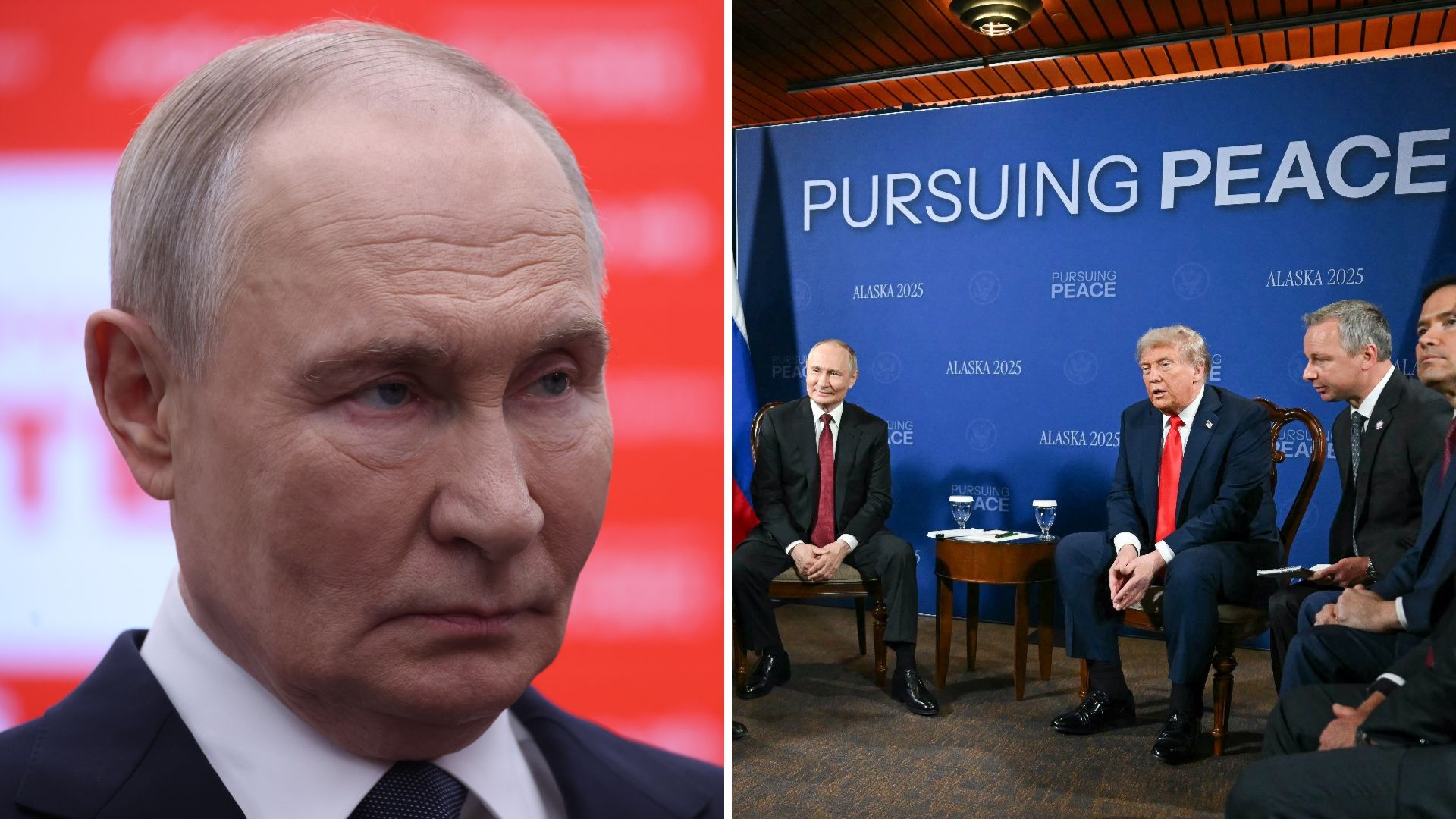
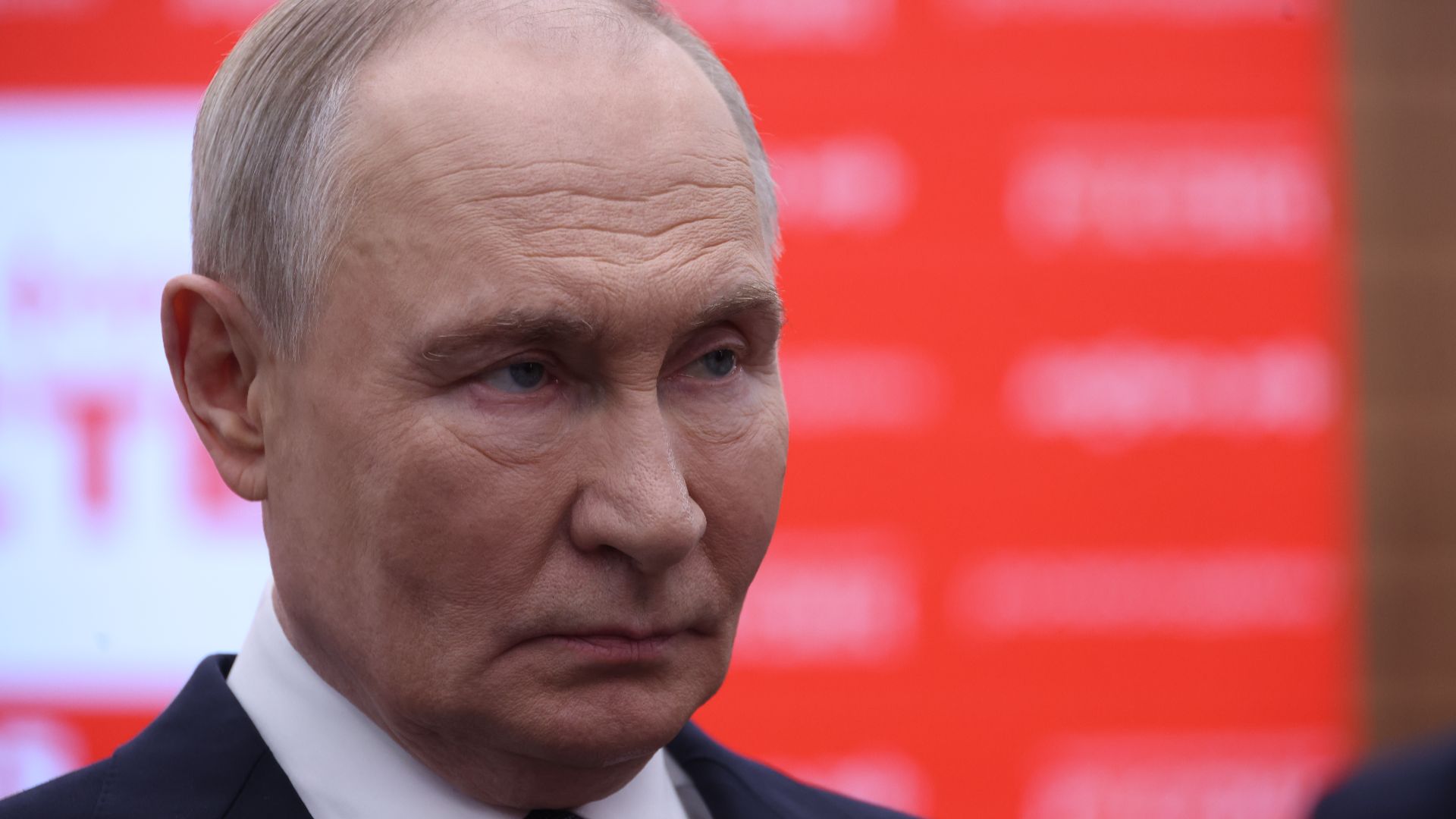
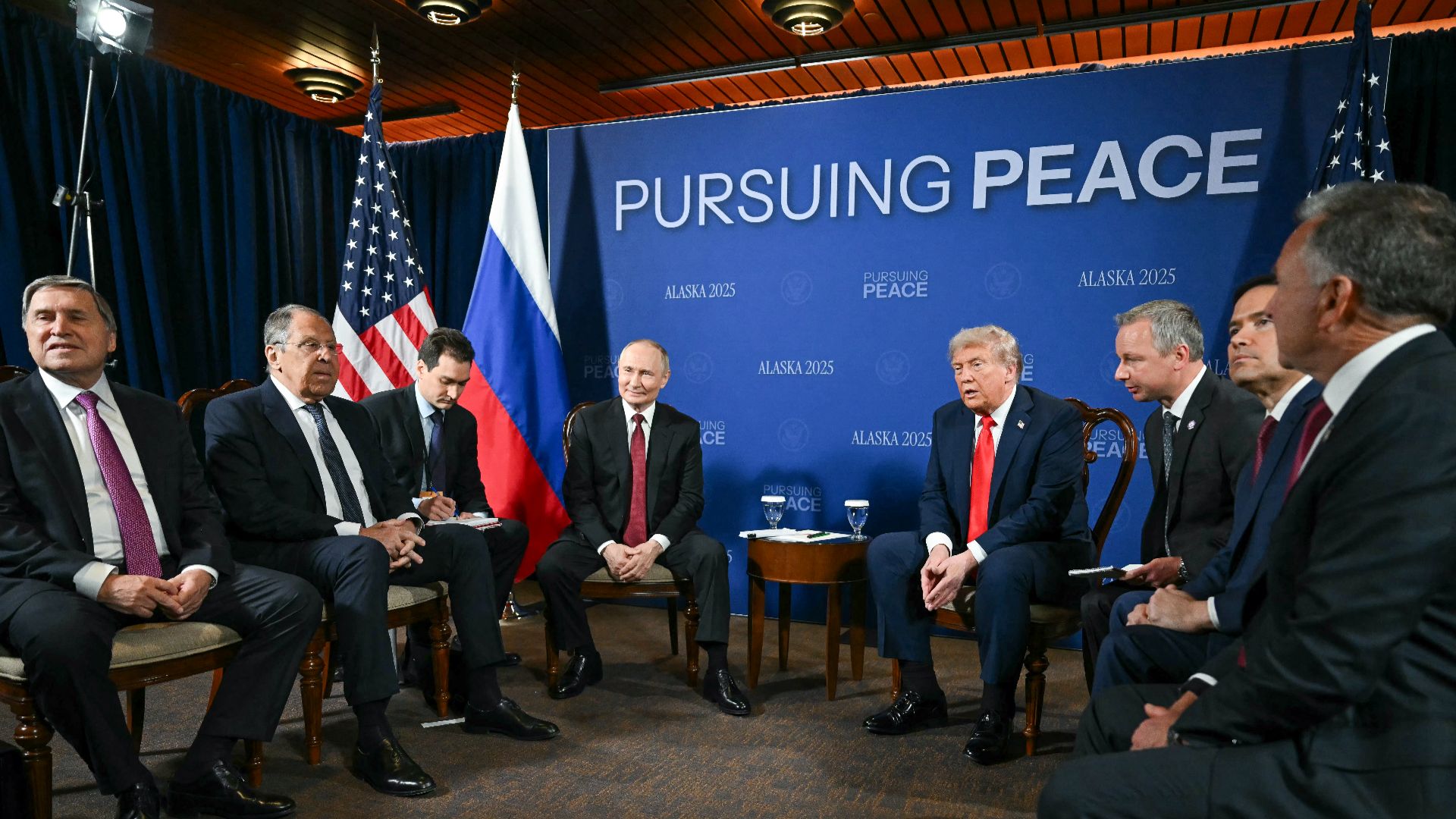
Hours before a new round of US–Russia contacts aimed at exploring a possible framework for peace, Vladimir Putin delivered one of his most confrontational statements in months, vowing that Russia would seize the entire Donbas region and warning that Europe could face war if it chose to challenge Moscow. His comments, made just as American representatives prepared to arrive in Moscow for preliminary talks, underscored a widening gap between diplomatic efforts and the Kremlin’s increasingly erratic rhetoric. By insisting that Donetsk and Luhansk would fall «militarily or otherwise» while cautioning Europe that Russia was «ready» for conflict, Putin set a tense tone that threatened to overshadow any tentative steps toward negotiation.

In his televised remarks on the battlefield situation, Putin hardened Russia’s position on the Donbas, presenting the fate of the region as non-negotiable and setting out a blunt ultimatum for Kyiv. He stated that Russia’s goal was to assert full control over Donetsk and Luhansk, describing this as a matter of time rather than choice. As he put it, «Either we liberate these territories by force of arms, or Ukrainian troops leave these territories.» By framing the issue in such stark terms, he effectively ruled out any compromise over the status of the Donbas and signaled that Moscow is prepared to sustain a long and costly campaign. Putin went further by insisting that Russia would secure these territories «militarily or otherwise», a phrase that leaves the door open to additional tools of pressure, from political coercion to economic leverage, while reinforcing the impression that, in his view, the end state is fixed and only the method remains in question for the Kremlin.

Getty Images

When he turned to Europe, Putin’s rhetoric grew even more confrontational, shifting from territorial claims in Ukraine to a direct warning aimed at Western capitals. Addressing the possibility of a deeper European role in the conflict, he delivered a stark message that cast Russia as fully prepared for a wider confrontation. «If Europe suddenly wants to fight with us and starts it, we are ready right now», he said, presenting Moscow as both confident in its military strength and unafraid of escalation. He then added a chilling line about the consequences of such a clash:

«There would be no one to negotiate with in Europe.»

Taken together, these comments amount to a threat that any move by European states to challenge Russia more directly could trigger a level of destruction that would obliterate the very partners Washington is trying to involve in a peace framework, undercutting diplomatic efforts and amplifying concerns about how unrestrained and volatile the Kremlin’s messaging has become.

Ukraine wants «real peace, not appeasement»

Ukraine’s response to Putin’s latest comments was immediate and defiant, with both President Volodymyr Zelensky and senior officials rejecting any suggestion that Kyiv might retreat from the Donbas or accept Moscow’s territorial demands as the price of peace. Zelensky and his team have repeatedly stressed that Ukraine will not withdraw its troops from the territories it still controls in Donetsk and Luhansk, nor legitimize Russia’s claim over land seized by force, framing Putin’s ultimatum as a continuation of the same coercive tactics that began with the 2014 annexation of Crimea. Ukrainian diplomats underlined that peace talks must not become a new version of appeasement, with Foreign Minister Andrii Sybiha insisting that Ukraine wants «real peace, not appeasement» and warning against repeating the historical mistakes of rewarding aggression. Kyiv has also bristled at the broader threat directed at Europe, arguing that Putin’s warning that «there would be no one to negotiate with in Europe» only proves why the EU and NATO must stay united behind Ukraine, maintain sanctions and military support, and refuse any deal that would cement Russian control over occupied regions.

Getty Images

European leaders reacted to Putin’s latest threats with a mix of public condemnation and concrete moves to harden the continent’s defences, framing his comments as proof that Russia remains a direct and long-term danger to European security rather than a partner for compromise. In Brussels and key capitals, officials stressed that warning Europe it could be destroyed if it confronted Moscow would not split the alliance but instead reinforce the urgency of staying united behind Ukraine and resisting any peace terms built on territorial concessions.

EU institutions have kept up sanctions and financial support while exploring the use of frozen Russian assets to fund Kyiv’s war effort, and NATO’s new secretary general has underlined that the alliance is «ready and willing» to defend itself against any attack, explicitly responding to Putin’s war talk. At the same time, the EU is pushing ahead with its Readiness 2030 defence initiative, which seeks to massively increase joint spending on air and missile defence, artillery, drones and other critical capabilities, marking a strategic shift toward a more militarily assertive Europe designed precisely to deter the kind of escalation Putin is now openly threatening.

A network of influential US businessmen and Russian oligarchs

The current US effort to negotiate a Ukraine peace plan has increasingly centered on direct, often discreet discussions between American envoys and the Kremlin, with figures such as Steve Witkoff and Jared Kushner holding extensive talks with Vladimir Putin on a 28-point framework that critics argue mirrors many of Russia’s demands while sidelining Kyiv.

Reports indicate that the US delegation has explored options involving partial sanctions relief or economic incentives for Moscow as part of a potential ceasefire, raising concern in Ukraine and Europe that Washington may be prioritizing geopolitical expediency over Ukrainian sovereignty. Adding to the controversy, investigative outlets have reported that a network of influential US businessmen and Russian oligarchs sees the negotiations as an opening for future energy, infrastructure, and investment deals — fueling suspicion that the proposed peace plan risks blending diplomatic concessions with lucrative private interests rather than ensuring a transparent, Ukraine-first process.

Categories
Uncategorized

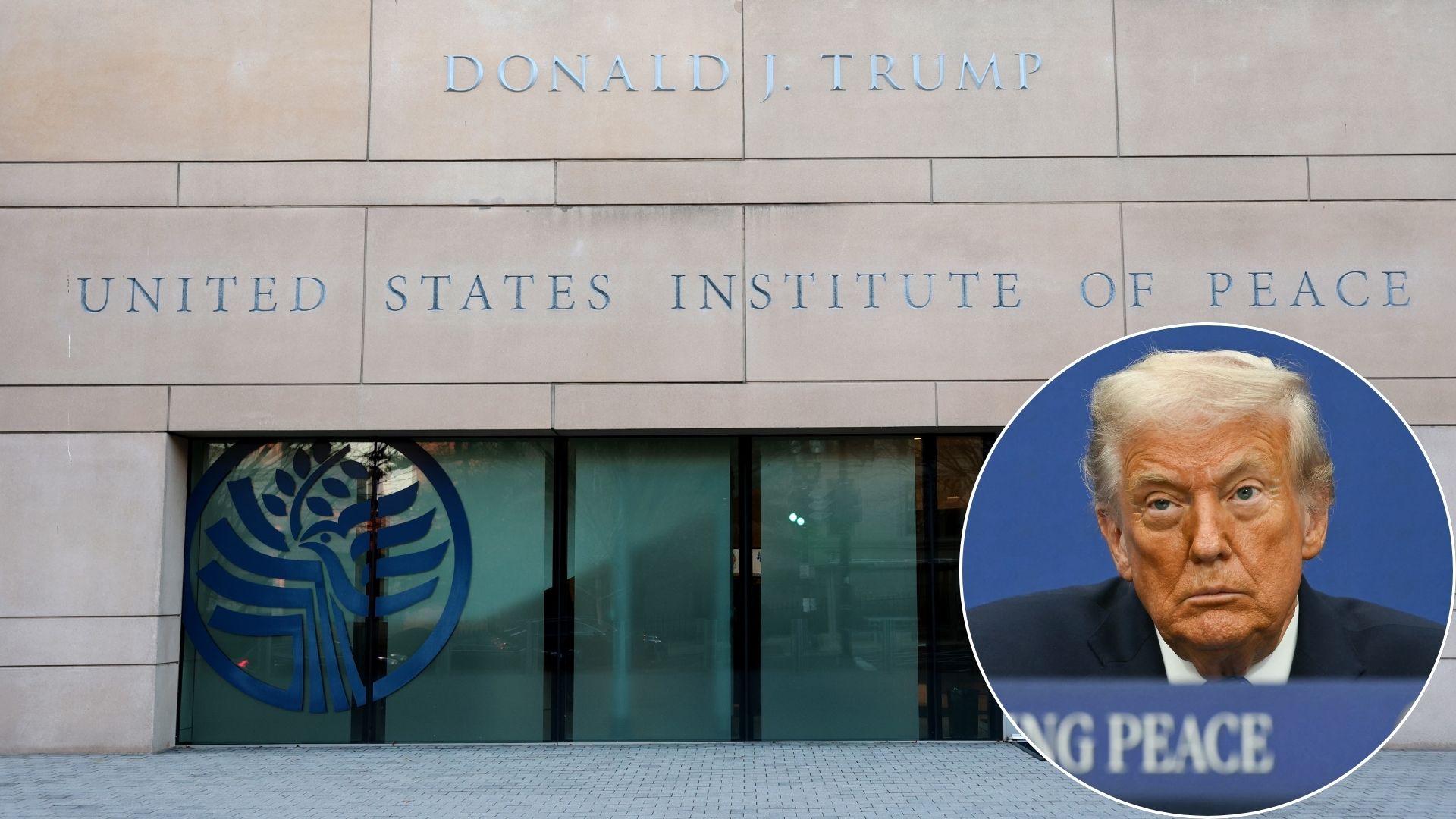
Trump Slaps His Own Name on US Institute of Peace

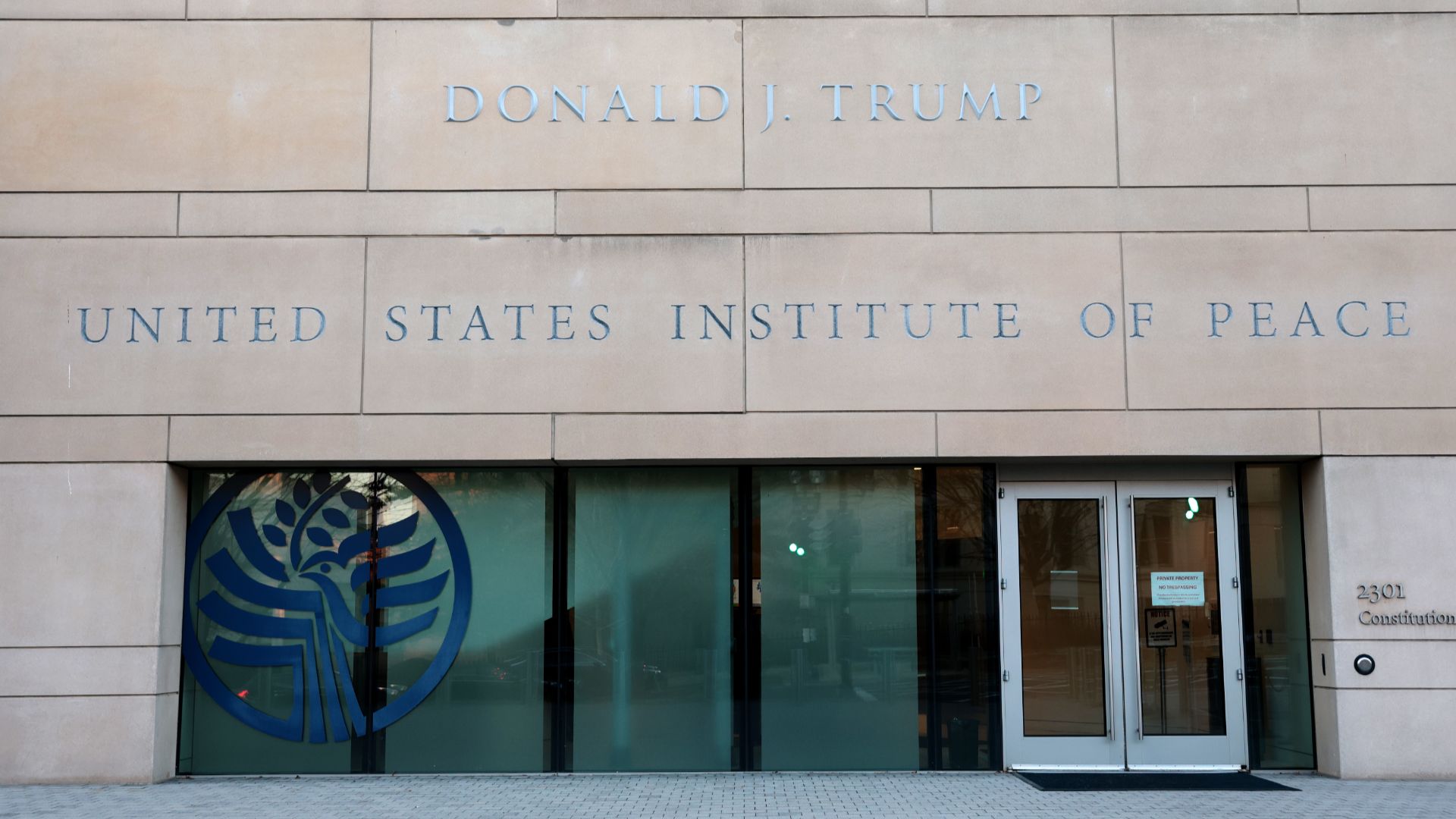
On December 3rd, the State Department used its official X account to turn an ongoing legal and political fight over the US Institute of Peace into a public branding moment. Alongside a photo of the Washington headquarters showing Trump’s name in new metal letters above the existing sign reading “United States Institute of Peace”, the department declared:

«This morning, the State Department renamed the former Institute of Peace to reflect the greatest dealmaker in our nation’s history. Welcome to the Donald J. Trump Institute of Peace. The best is yet to come.»

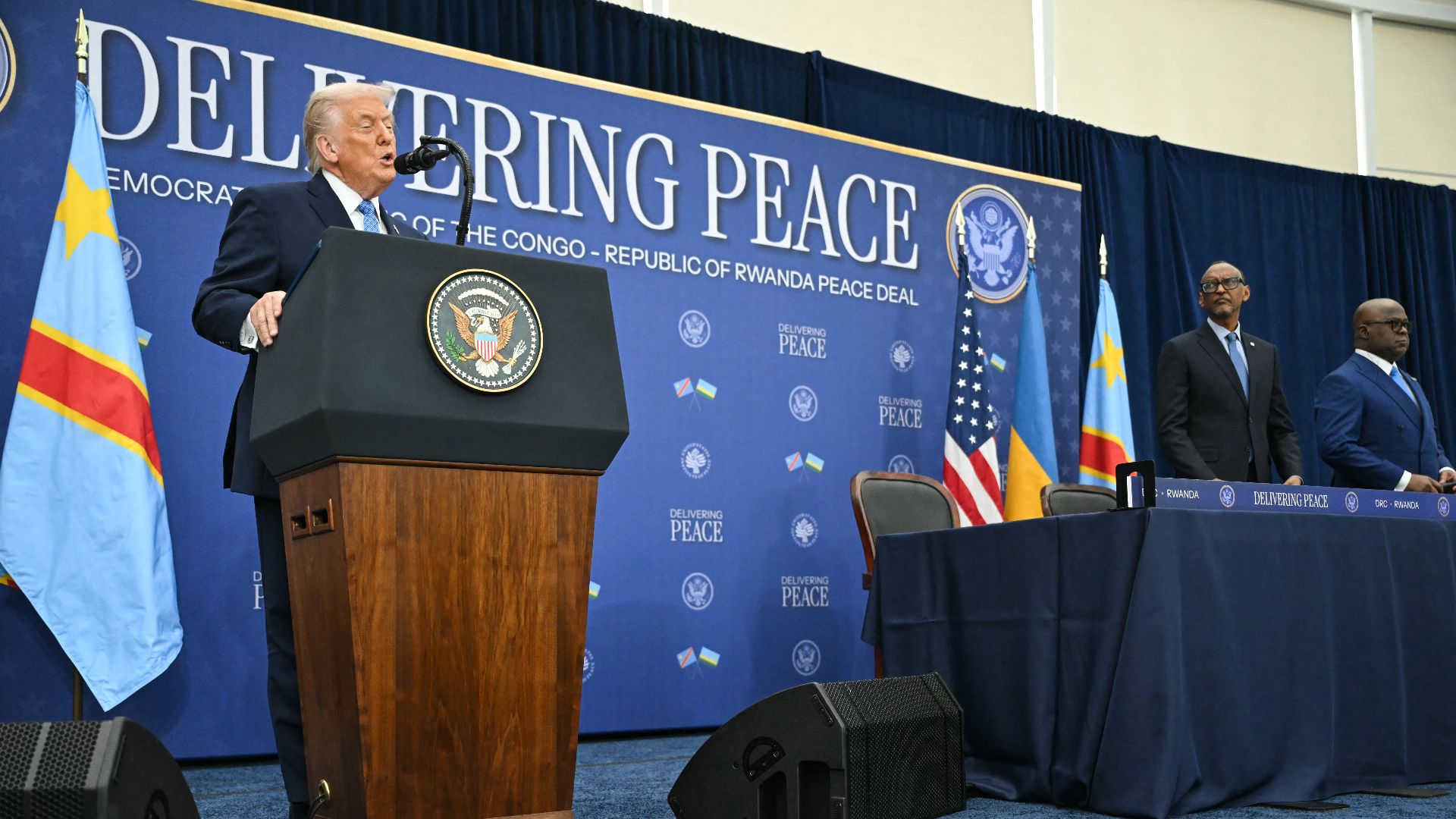
The announcement, issued on the eve of a US-brokered peace and economic agreement between Rwanda and the Democratic Republic of Congo to be signed in the building, signalled that the Trump administration now considers the congressionally created institute to be the Donald J. Trump Institute of Peace, a move that immediately drew criticism from former staff, diplomats and lawmakers who warned it was politicizing an institution designed to be independent.

Workers installed Trump’s name in large metal letters on the front of the Institute of Peace building on Constitution Avenue, a change photographed and published by the State Department when it announced the new branding. The modern glass-and-stone headquarters, normally marked only by the institute’s dove-and-olive-branch seal, now displays “Donald J. Trump Institute of Peace” above the original sign. The rebranding matches the narrative Trump has repeated throughout his second term, calling himself a president who would end “endless wars” and celebrating diplomatic deals as proof of that promise. In recent months he has also highlighted the State Department’s praise describing him as «the greatest dealmaker in our nation’s history», a line repeated in the official announcement. But reporting from outlets such as Reuters and CNN notes that many of the agreements Trump cites—often presented as breakthroughs—are in fact temporary ceasefires or limited frameworks in conflicts where tensions continue, making the contrast between his rhetoric and the situation on the ground a point of debate among analysts.

Getty Images

Criticism of Trump’s self-portrait as a peace-focused leader has sharpened as his Caribbean campaign against alleged Venezuelan drug boats has expanded and he now talks openly about sending troops. Since early September, the US military has carried out at least 14 to 21 strikes on small vessels in the Caribbean and eastern Pacific, killing between 60 and 80 people, many of them on boats that left Venezuela, in what the administration describes as a fight against «narcoterrorists» tied to Nicolás Maduro. Trump has told reporters that a land assault on Venezuela would begin «very soon», while a notification to Congress described a «non-international armed conflict» with a Venezuelan cartel, language that effectively treats the campaign as a war.

A bipartisan group of senators has responded with a war-powers resolution, with Adam Schiff warning: «We are being dragged into a war with Venezuela without legal basis or congressional authorization», and analysts quoted in outlets such as Time, War on the Rocks and FactCheck.org say the pattern of undeclared strikes against an ill-defined enemy, justified as self-defense and launched without a clear mandate, echoes the early phases of the War on Terror, when operations in Afghanistan and then Iraq grew from limited missions into open-ended conflicts. That contrast is especially stark because Trump campaigned on promises to end what he called «endless wars» and told supporters:

«I’m not going to start a war, I’m going to stop the wars», a message his allies still use to defend the decision to rename the US Institute of Peace in his honor.

Getty Images

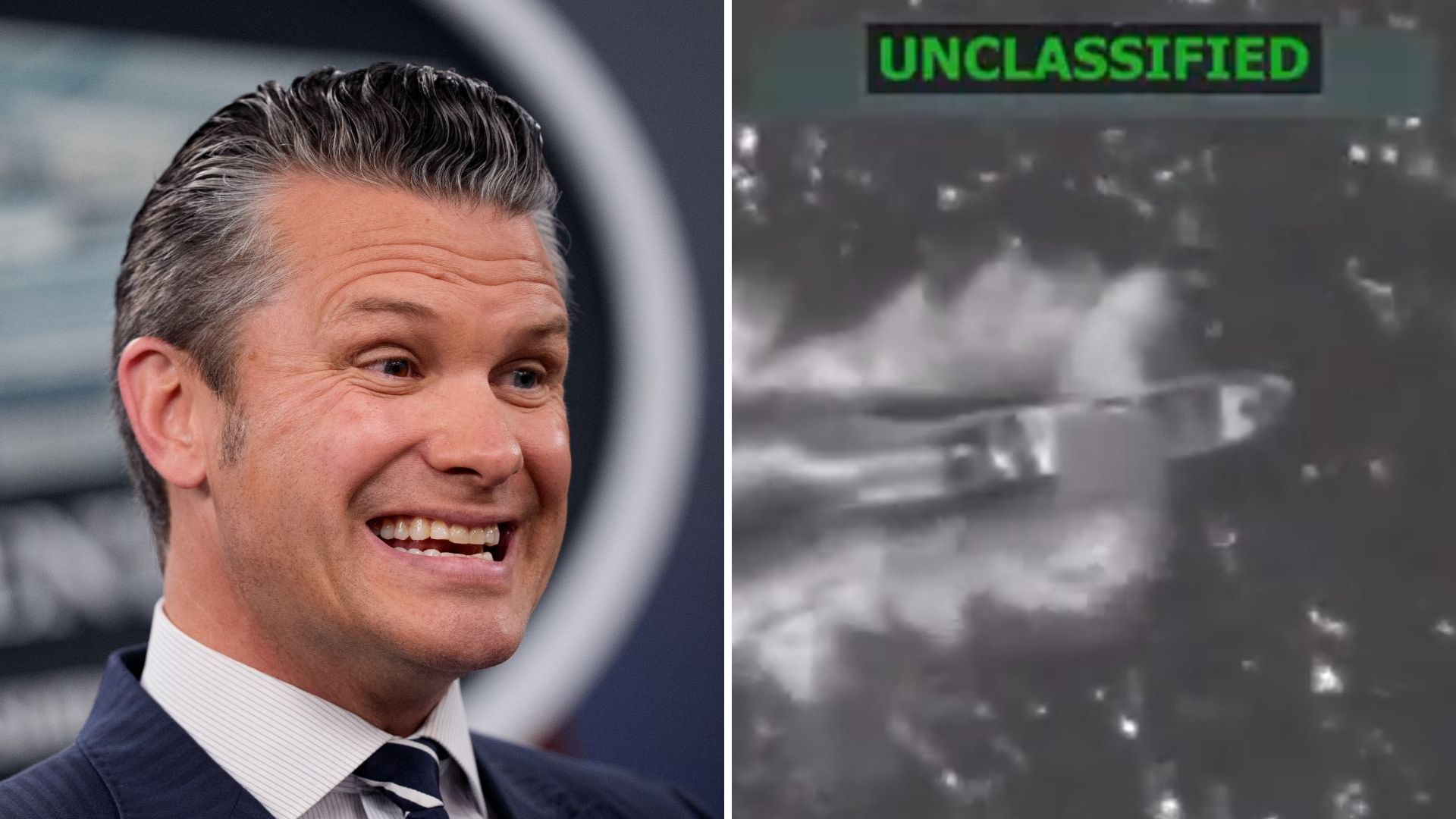
The fiercest backlash has focused on whether part of this campaign may already cross the line into a war crime. Investigations by the Washington Post, Reuters and other outlets describe the first strike on a suspected Venezuelan drug boat on 2 September, in which 11 people were killed after a US missile destroyed the vessel off Trinidad. According to multiple sources cited by the Post, Defense Secretary Pete Hegseth gave an oral order in advance that «the order was to kill everybody», and when two men were seen clinging to the wreckage, a second missile was fired to kill the survivors, an account Hegseth and the Pentagon dispute. Legal experts quoted by FactCheck.org, Reuters and the Guardian argue that, because drug traffickers are not combatants in a recognized armed conflict and shipwrecked survivors are protected under the laws of war, deliberately attacking those men could amount to murder or, if an order to show no quarter is proven, a war crime. For critics, seeing Trump’s name going up on the façade of what is now called the Donald J. Trump Institute of Peace at the exact moment Congress is fighting to rein in a potential war with Venezuela, and investigators are probing whether his first Caribbean strike broke the laws of war, turns the rebranding into a symbol of the gap between the image of a president who stops wars and the reality of a presidency that may be starting a new one.

Categories
Uncategorized

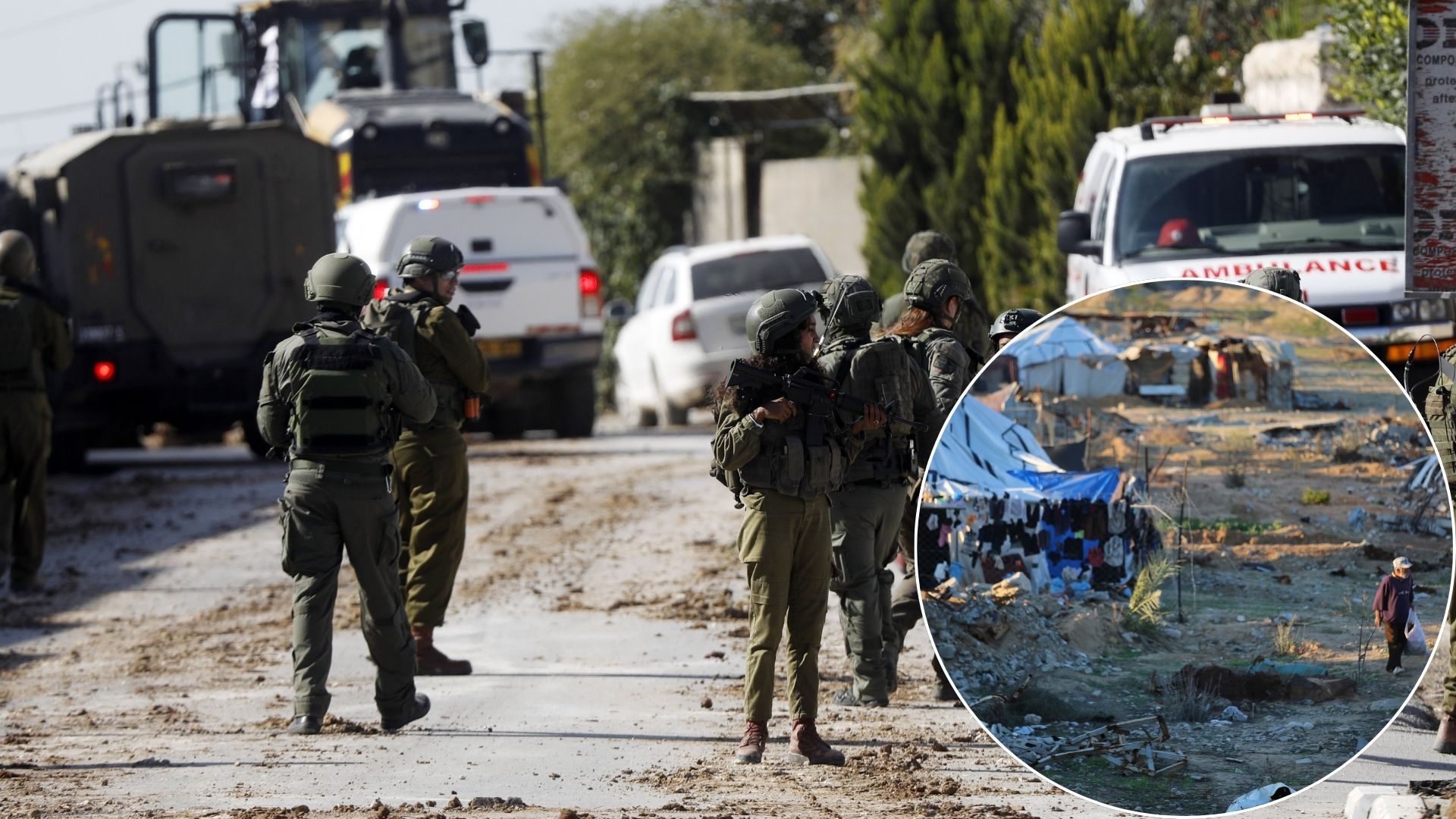
Israel Says It Will Begin Allowing Palestinians to Leave Gaza «in the Coming Days»

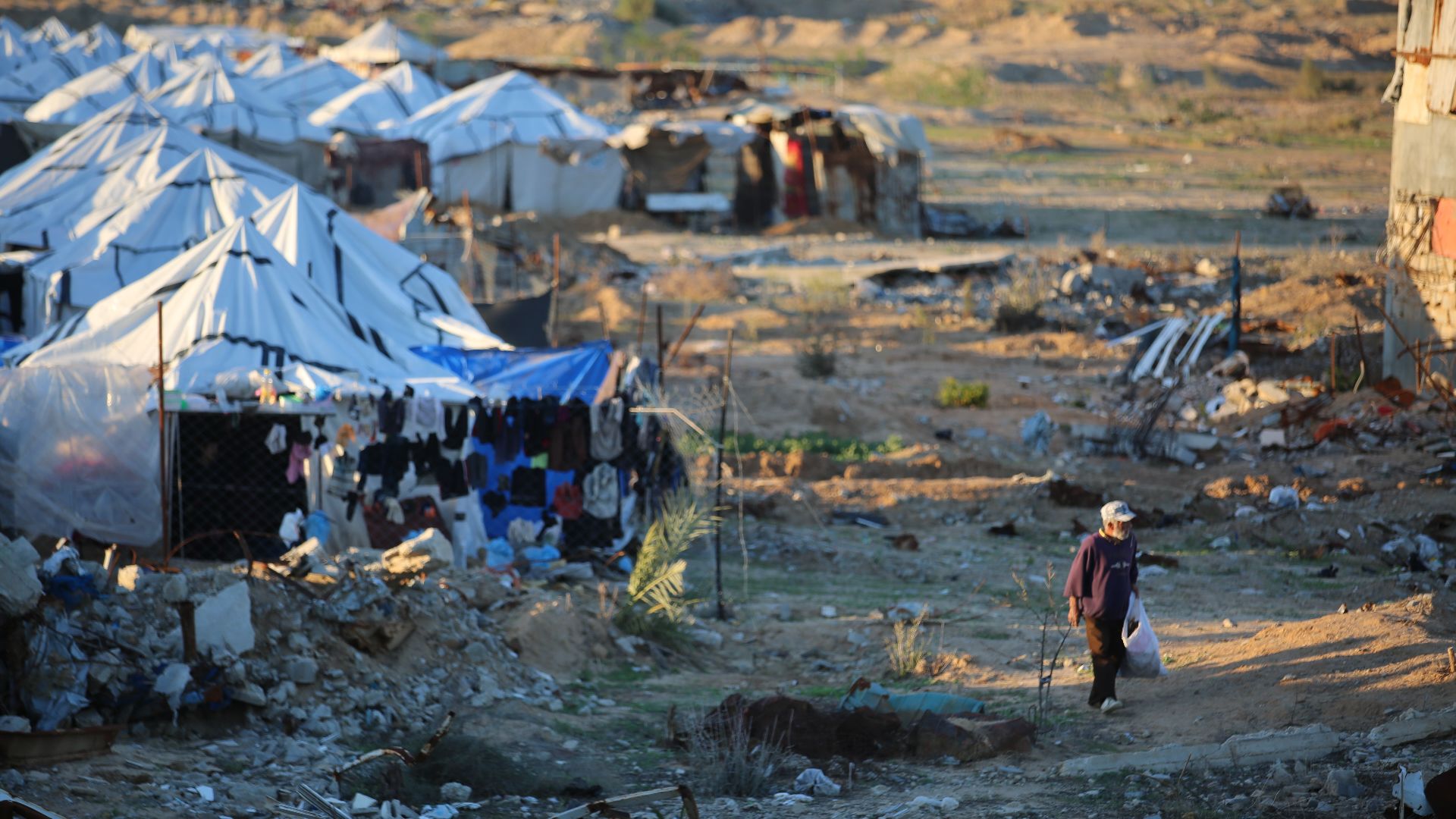
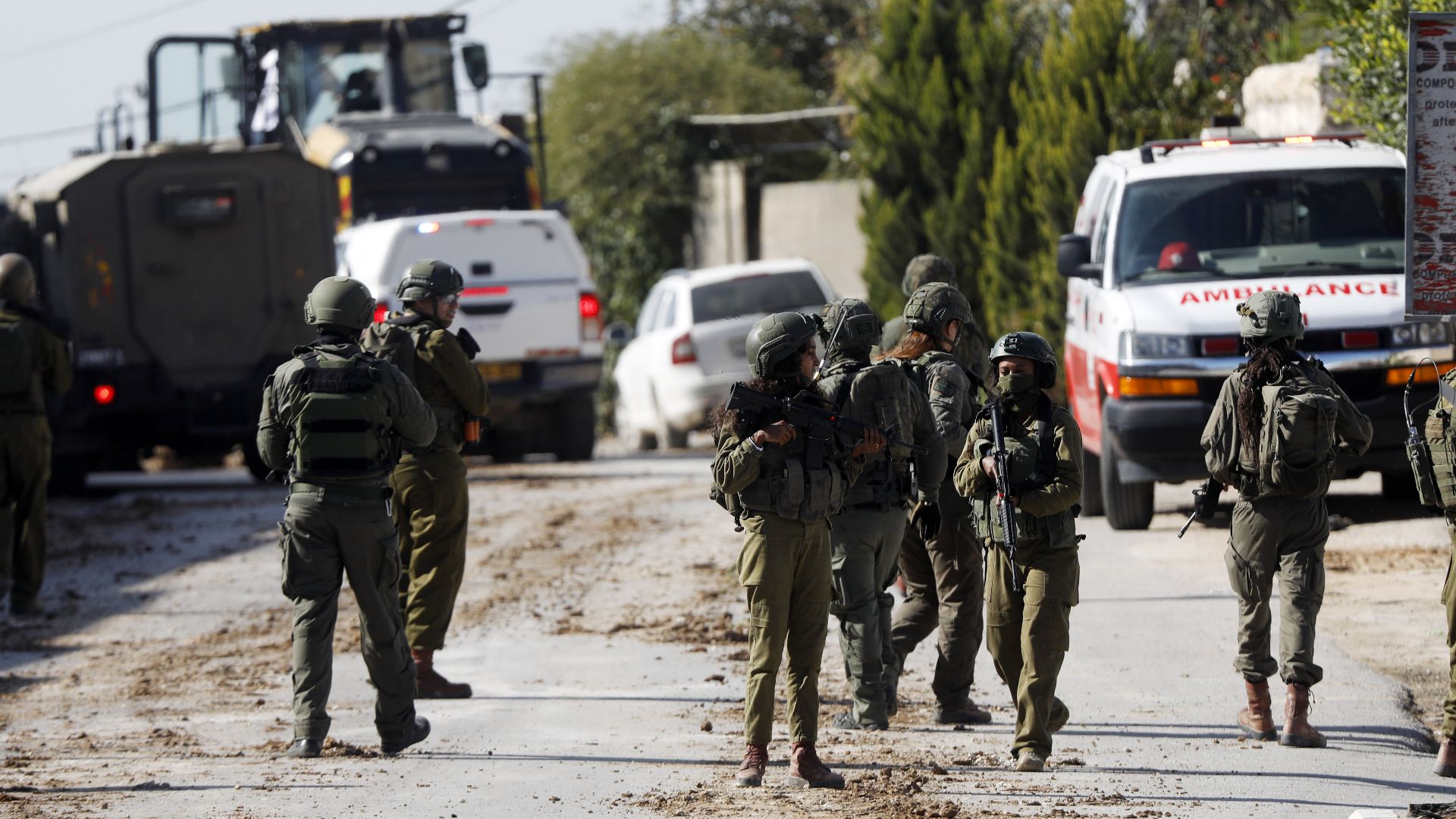
Israel says it will begin allowing Palestinians to leave Gaza «in the coming days,» but the move falls far short of a full reopening of the Rafah border crossing. According to Israeli officials, only a narrow group of people — primarily the wounded, urgent medical cases, and others cleared on restricted humanitarian lists — will be permitted to exit. The announcement has fueled confusion among residents hoping for broader relief, yet both Israel and Egypt have made clear that normal cross-border movement remains off the table for now. Instead of a return to pre-war operations, the opening will function more as a tightly controlled humanitarian corridor, leaving the vast majority of Gazans unable to leave despite the headline of a “reopening.”

Israeli officials have framed the move as part of the ceasefire arrangements around Gaza, saying that the Rafah crossing will be used to facilitate humanitarian cases in coordination with Egypt and international partners. Cairo, for its part, has signaled that it will cooperate on evacuations for the wounded and gravely ill but continues to reject any arrangement that would turn Sinai into a long-term destination for displaced Gazans. Humanitarian organizations and UN agencies point out that tens of thousands of people in Gaza are in need of urgent medical treatment or evacuation, far beyond the limited numbers likely to be approved under the current mechanism. For them, Israel’s promise to let some Palestinians leave Gaza «in the coming days» underscores how tightly controlled and exceptional these exits will remain, rather than marking a real restoration of freedom of movement.

Getty Images

Egypt’s response undercut Israel’s framing almost immediately. While COGAT publicly said Rafah would reopen “in the coming days” for Palestinians to exit Gaza into Egypt under joint oversight with Cairo and the European Union, the Egyptian government flatly denied that any such coordination was underway. In a statement issued on Wednesday, Egypt’s state information service said it was not currently working with Israel to reopen the crossing and reminded all parties that, under the October ceasefire terms, Rafah is supposed to operate in both directions, not just as a one-way outlet for people leaving Gaza. That public rejection exposed a sharp gap between Israeli announcements and Egyptian policy, and cast further doubt on how, when, and under whose terms the crossing might actually function again.

No long-term resolution

Over the past several months, the situation between Israel and Gaza has been defined by cycles of intense fighting, shifting ceasefires, and growing humanitarian collapse inside the enclave. After Israel’s expanded military operations earlier in the year, large areas of Gaza were left severely damaged, with the population facing shortages of food, water, medical supplies, and power. Ceasefire negotiations, backed at various moments by the United States, Egypt, Qatar, and later the Trump administration, produced temporary pauses but no long-term resolution, as disputes over hostages, border control, and post-war governance repeatedly stalled progress. Israeli forces maintained tight restrictions on movement in and out of Gaza, while humanitarian agencies warned that the enclave’s health system was nearing breakdown and that tens of thousands of civilians required urgent evacuation or medical care. Against this backdrop, the question of reopening key crossing points — especially Rafah — has become a central point of contention, reflecting both the fragile nature of the current ceasefire and the unresolved political struggle over Gaza’s future.

Getty Images
Categories
Uncategorized

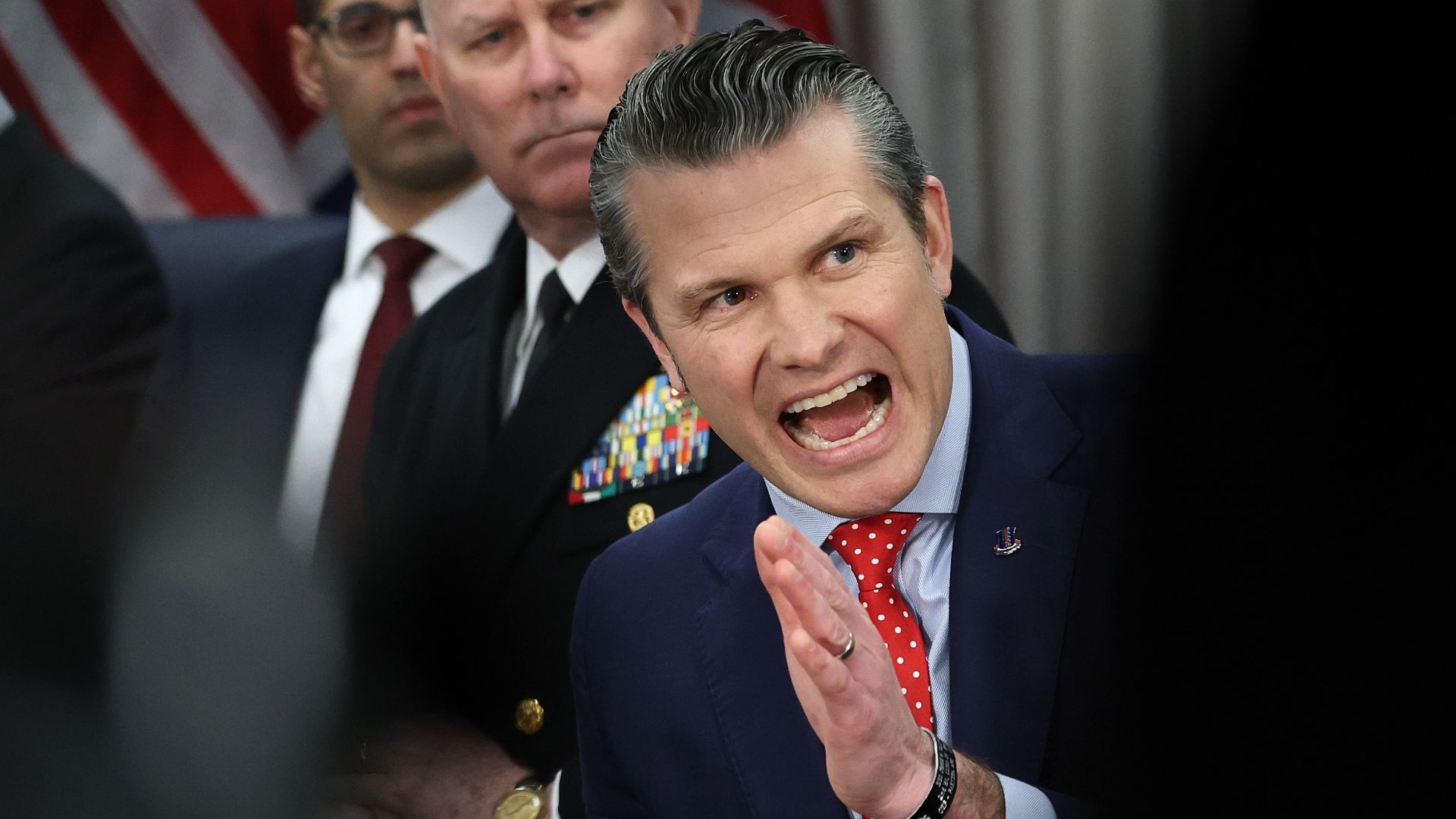
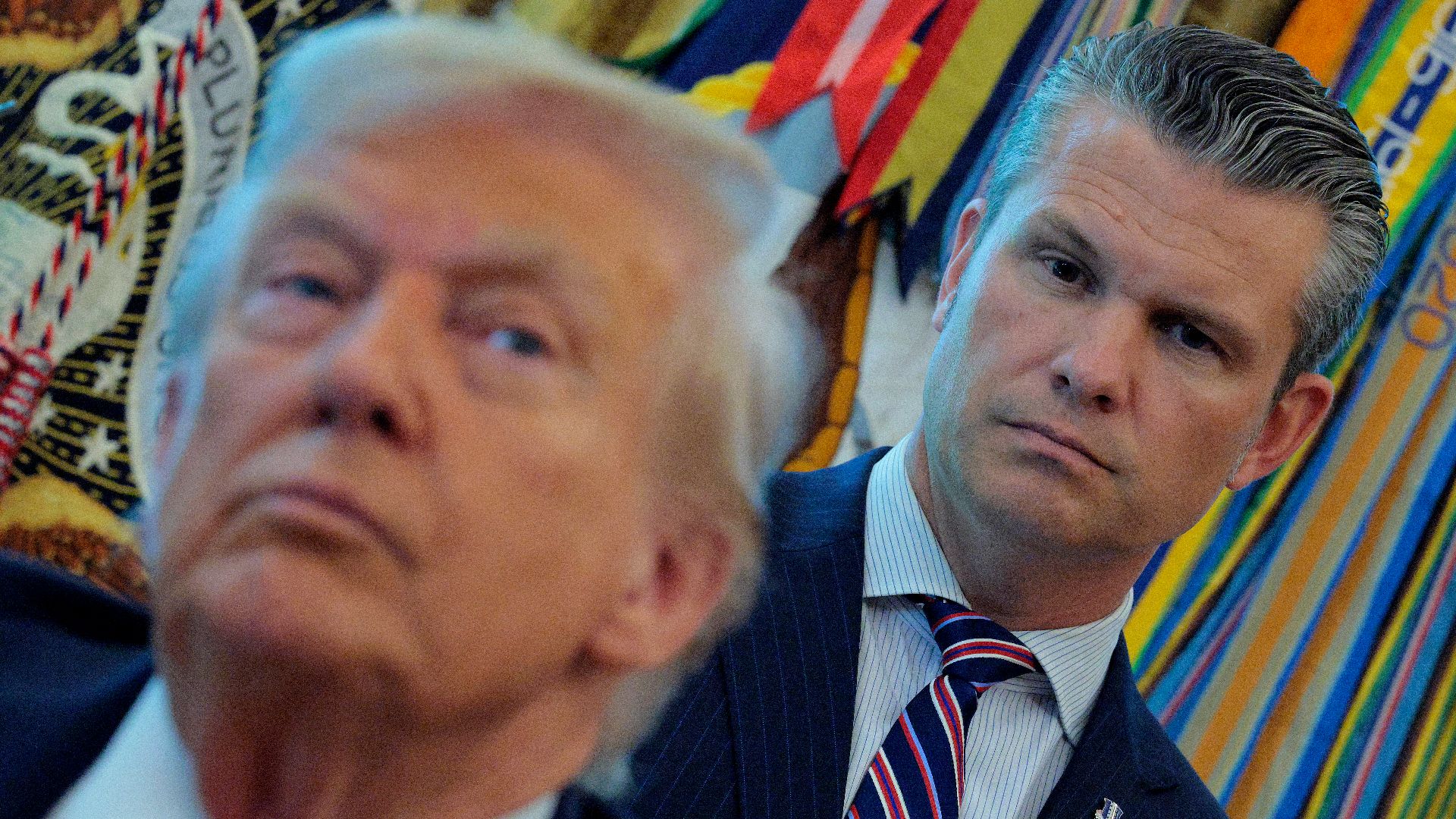
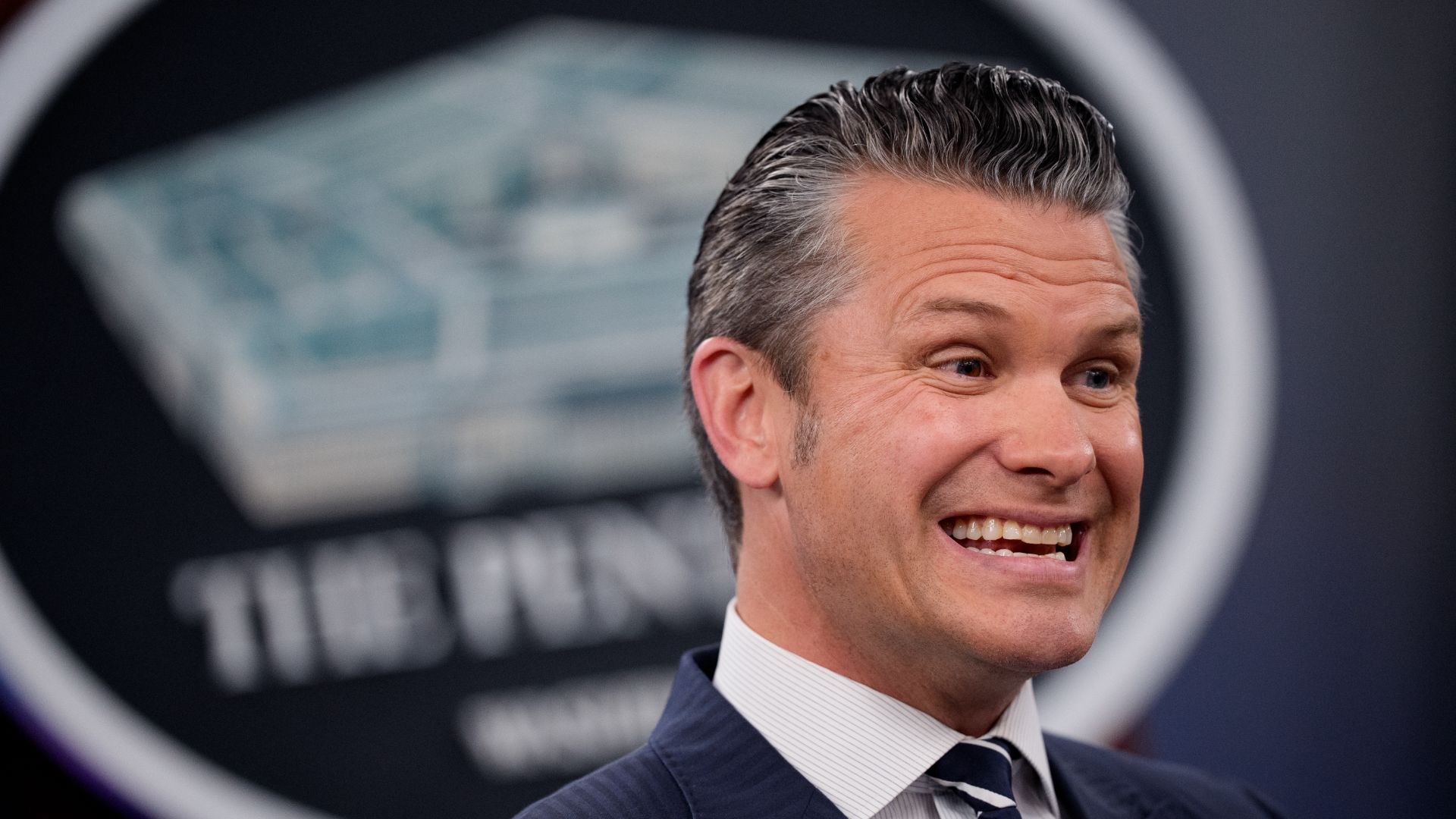
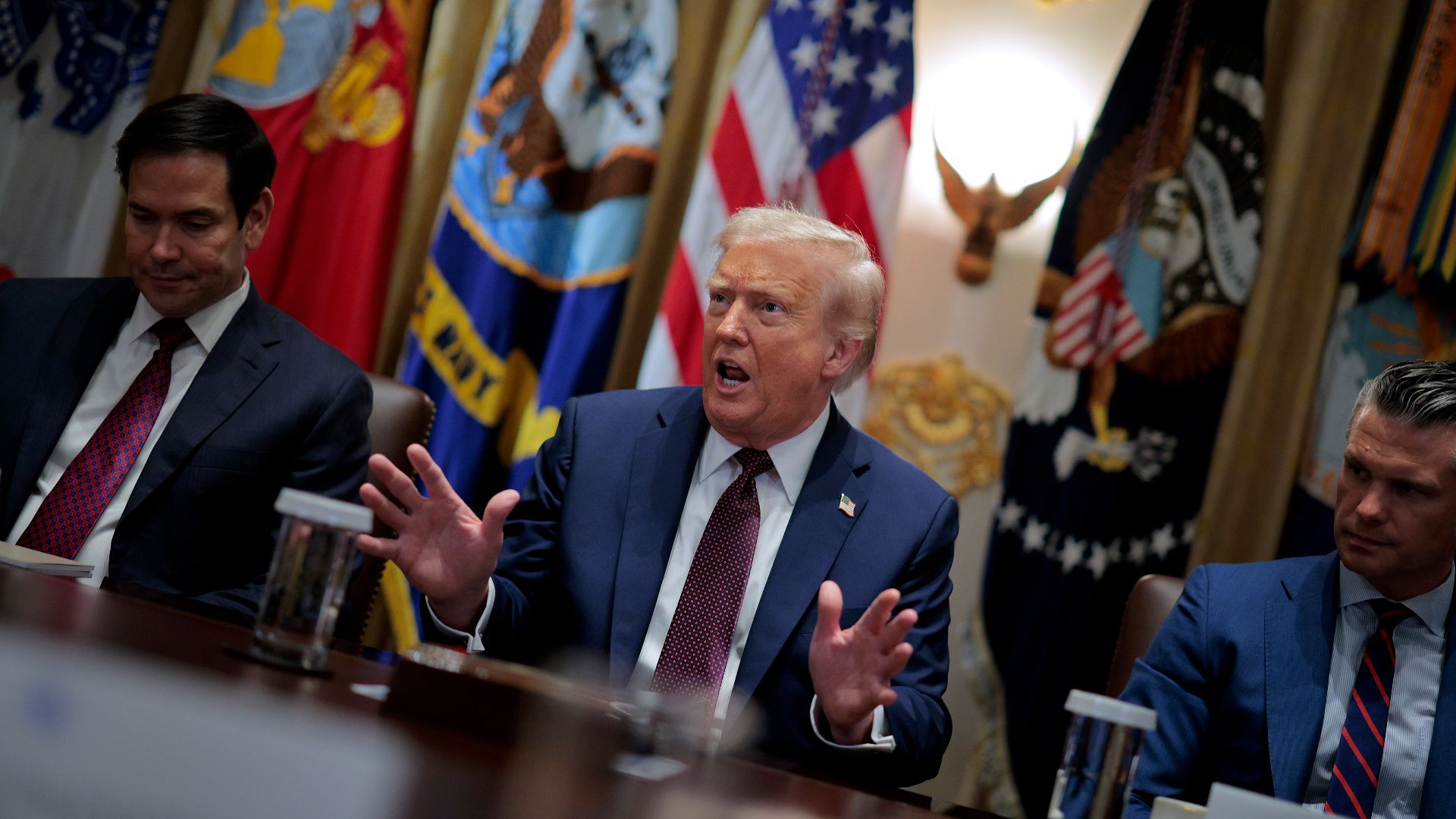
«Kill everybody»: Hegseth faces growing backlash

Defense Secretary Pete Hegseth is facing allegations over claims that he issued a scandalous order to «kill everybody» during the second strike of an attack on a suspected cartel drug boat last September. At the time of the second strike, the occupants of the boat were reportedly already stranded, and many experts say that this follow-up strike is considered a «war crime».

Getty Images

The legality of striking survivors

Republican and Democratic lawmakers have launched inquiries into allegations that U.S. forces, acting on an order from Defense Secretary Pete Hegseth, targeted survivors of an initial strike on an alleged drug-smuggling boat.

Getty Images

The scrutiny centers on a follow-up strike carried out against individuals who had already survived the first attack on the vessel, which was suspected of involvement in cartel-linked trafficking.

The White House on Monday defended a U.S. admiral’s decision to conduct multiple strikes on the alleged Venezuelan drug-smuggling vessel in September, stating that he had authorization from Defence Secretary Pete Hegseth.

«We’ll look into it, but no I wouldn’t have wanted that, a second strike. The first strike was very lethal. It was fine.»
CaptureXSecWar

A potential war crime

However, critics are questioning the legality of striking survivors, with many describing the operation as a potential war crime.

Getty Images

The second strike is considered by many experts to be a war crime because it allegedly targeted stranded survivors who were already out of combat, which would violate international humanitarian law by breaching the principles of distinction and proportionality, ignoring the special protection granted to shipwrecked persons and other individuals hors de combat under the Geneva Conventions, and potentially failing to respect the obligation to spare and, where possible, rescue those who no longer pose a military threat.

Getty Images

When asked by reporters whether he had authorized or supported such a follow-up strike, Trump responded:

«We’ll look into it, but no I wouldn’t have wanted that, a second strike. The first strike was very lethal. It was fine.»
Getty Images

Republican Rep. Don Bacon, a member of the House Armed Services Committee, said the allegations warranted scrutiny, declaring:

«We should get to the truth. I don’t think he would be foolish enough to make this decision to say, kill everybody, kill the survivors because that’s a clear violation of the law of war. So, I’m very suspicious that he would’ve done something like that because it would go against common sense.»

14 strikes

Based on currently available media counts, as of December 2, 2025 the Trump administration has publicly acknowledged or been reported as carrying out roughly 14 U.S. military strikes on alleged drug-smuggling boats in the Caribbean and Pacific since early September, meaning at least that many vessels have been hit.

Getty Images

Estimated deaths range from a minimum of 61 people in 14 strikes according to FactCheck.org to more than 70–80 alleged traffickers killed in «more than a dozen» strikes according to NPR and an ABC News timeline.

Congress is now demanding access to any audio or video recordings of the controversial second boat strike, as the Trump administration moves to deflect blame away from Pete Hegseth.

Categories
Uncategorized

Costco Sues Trump Admin Over Tariffs, Wants Money Back

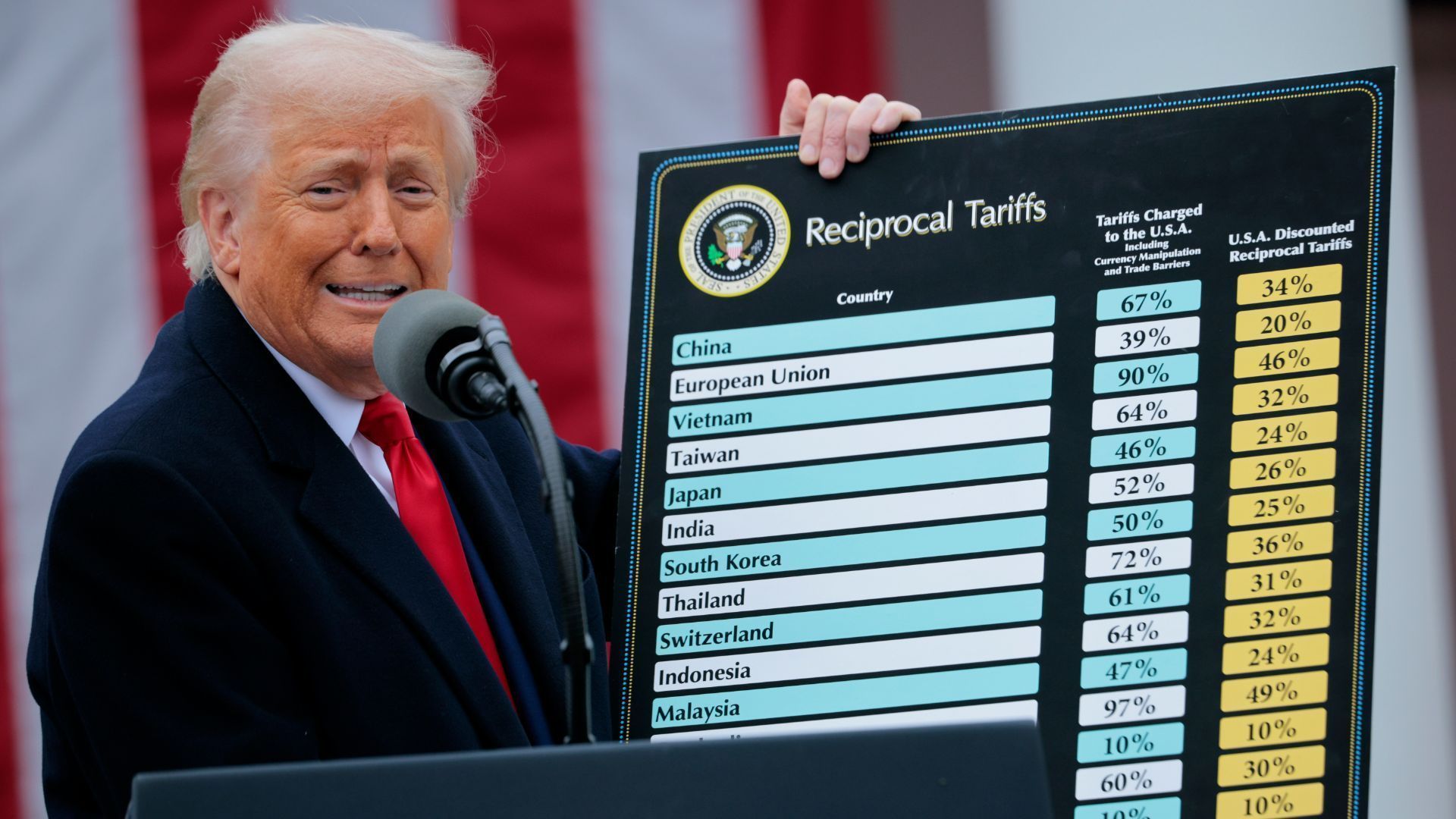
The wholesale retail giant Costco has filed a lawsuit against the Trump administration over the so-called Trump tariffs, seeking to claw back what it says are unlawful costs. The case comes as the Supreme Court is weighing the legality of those tariffs and whether Trump has the authority to impose sweeping duties on most imports under the 1977 International Emergency Economic Powers Act.

Costco’s lawsuit, filed in the U.S. Court of International Trade in New York on Nov. 28, asks the court to rule that Trump’s use of the International Emergency Economic Powers Act to impose broad tariffs was unlawful.

Getty Images

A full refund

The wholesale retailer is seeking a full refund of the tariffs it paid and is also suing the Trump administration for an unspecified amount of damages linked to those duties.

Getty Images

In its complaint, Costco argues that importers have no assurance they will be refunded tariffs already paid, even if the Supreme Court ultimately strikes them down as unlawful, unless they bring their own lawsuits.

By going to court now, Costco is effectively trying to secure its place in line, ensuring it can recover what it views as improperly collected tariff payments if the high court rules that Trump overstepped his legal authority.

Getty Images

No deadline for a ruling

Now before the justices in the consolidated cases Learning Resources v. Trump and V.O.S. Selections v. Trump, the Supreme Court heard arguments on November 5 over whether Donald Trump can use a 1977 emergency-powers law to levy sweeping tariffs on most imports, but has set no firm deadline for a ruling, which court watchers expect sometime later this term.

Several companies, including Bumble Bee Foods, Kawasaki Motors, EssilorLuxottica, Revlon and Yokohama Tire, have already gone to court over the Trump tariffs, but Costco — with more than $275 billion in annual revenue and a business heavily reliant on imports — is by far the largest corporate challenger so far.

Categories
Uncategorized

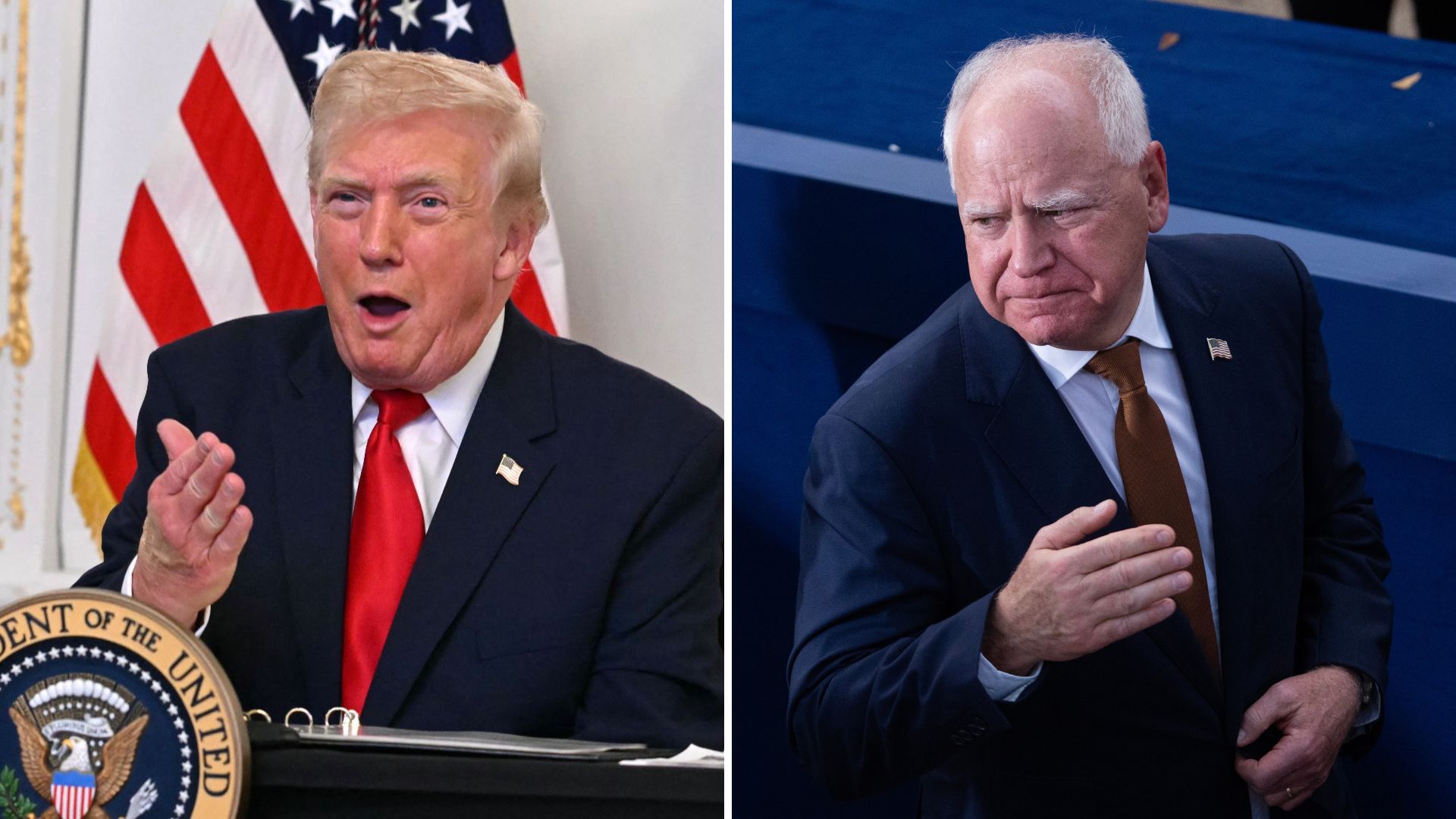
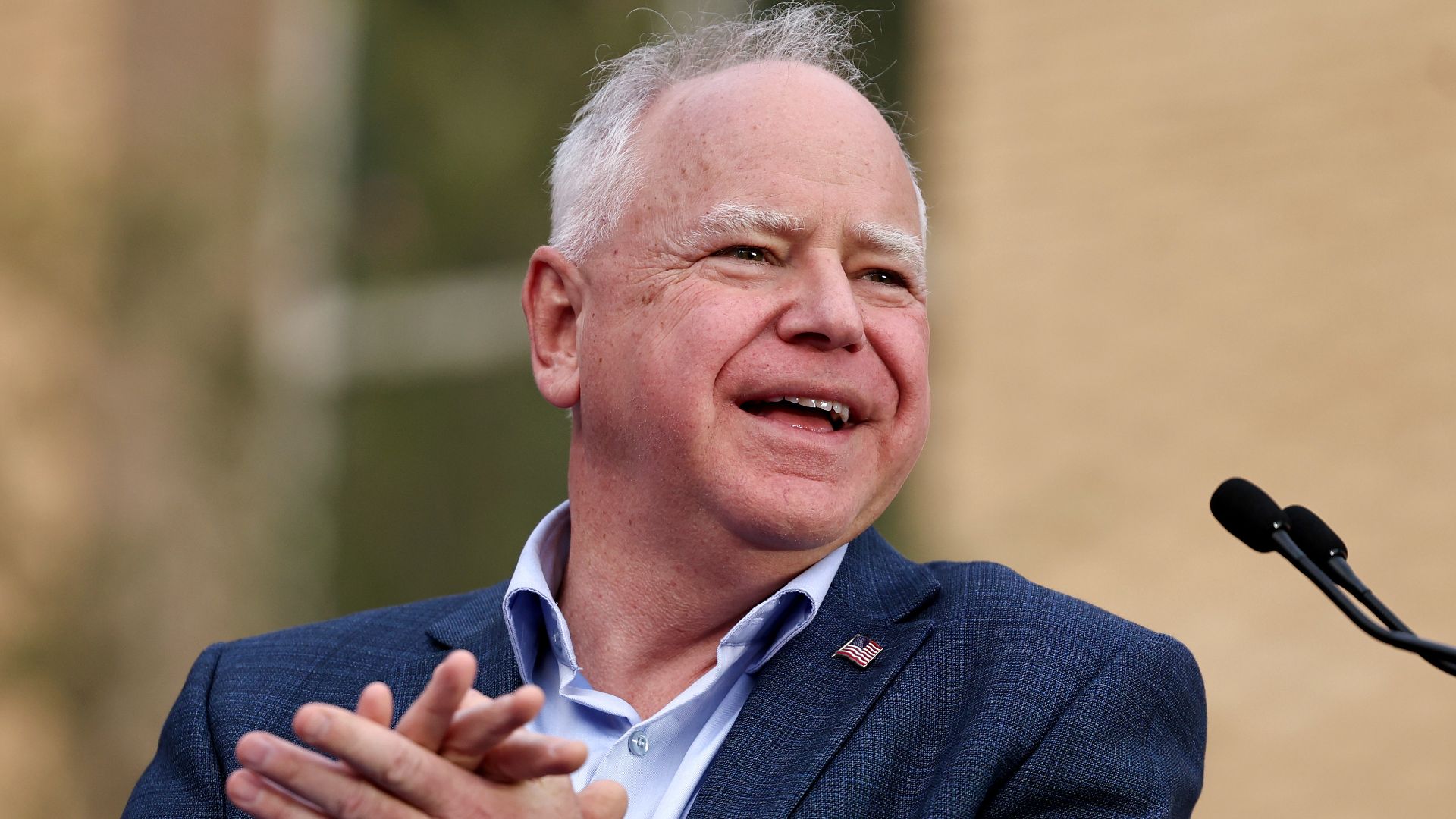
Trump doubles down on using R-Word slur on Tim Walz: «I think there’s something wrong with him»

As backlash grows over the president’s latest outburst, his recent decision to call Minnesota Governor Tim Walz the R-Word is drawing widespread condemnation from disability advocates, political opponents and even some within his own party, who see the remark as another blatant example of ableist and demeaning rhetoric unworthy of the office.

«Release the MRI results.»

-Minnesota Governor Tim Walz

Yet despite the criticism and repeated calls to apologize, the president does not appear to have a second thought about his words. When questioned by reporters about the slur and whether he regretted using it, he chose instead to double down, brushing aside concerns about respect and decorum and adding another cutting line aimed at Walz. Rather than soften his stance or walk anything back, he escalated the attack by declaring in front of cameras and microphones:

«I think there’s something wrong with him», a statement that further inflamed the controversy and reinforced the impression that he is deliberately leaning into insults as a political weapon.

Getty Images

«This is not normal behavior. It’s not healthy.»

A late-night Thanksgiving message on Truth Social

Trump first used the slur against Tim Walz in a late-night Thanksgiving message posted on Truth Social on November 27, where he launched into a long attack on immigration, Somali refugees in Minnesota and what he portrayed as rising crime in the state, presenting Minnesota as a «once great» place that was being overwhelmed by newcomers. In that post, after claiming that Somali gangs were roaming the streets and that residents were afraid to leave their homes, he turned his fire directly on the Democratic governor and labeled him «seriously re****ed», writing the now-quoted line:

«The seriously re****ed Governor of Minnesota, Tim Walz, does nothing, either through fear, incompetence, or both.»

Getty images

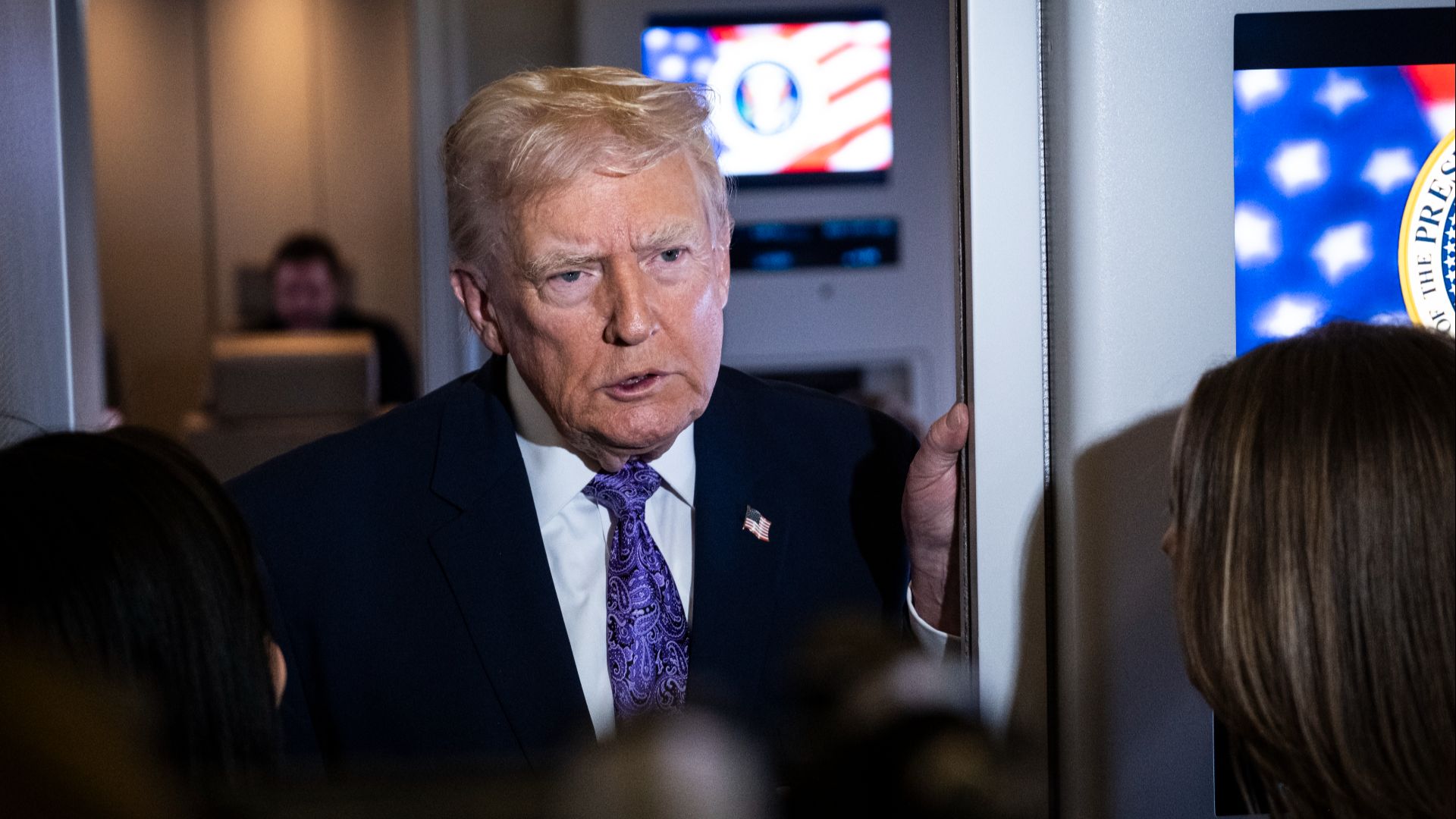
During a press gaggle aboard Air Force One on November 30, the president was directly confronted about his earlier use of the slur against Minnesota Governor Tim Walz. A reporter asked: «You mentioned Tim Walz and you called him what many Americans do find an offensive word—‘re****ed’. Do you stand by that claim of calling Tim Walz ‘re****ed’?» Instead of backing down, the president doubled down without hesitation, replying: «Yeah, I think there’s something wrong with him. Absolutely sure. Do you have a problem with it?» He went on to insist that Walz was «incompetent» and blamed him for what he described as a massive influx of Somali refugees into Minnesota, claiming the state had spent “billions” tied to immigration and community support — remarks that further escalated the controversy and reinforced his strategy of transforming criticism into an opportunity to intensify personal attacks.

Getty Images

«President of the eighth grade.»

-Jimmy Kimmel

Not normal behavior

Minnesota Governor Tim Walz was the first to answer the president’s insult directly, turning Trump’s language back on him with a short, pointed message that instantly went viral. On X, he reposted the Thanksgiving Truth Social rant in which Trump called him «seriously re****ed» and replied with just four words: «Release the MRI results.» In the days that followed, Walz used interviews to frame the slur as a question about the president’s own fitness for office. On Meet the Press, he described a leader who spent Thanksgiving night ranting online instead of being with family and warned that «This is not normal behavior. It’s not healthy», adding that he believes the president is «fading physically» and that he is «deeply concerned» Trump may be «incapable of doing the job». Walz also accused him of «throwing around slurs» that «demonize our children», arguing that a president who refuses to release basic medical records while attacking people with disabilities is failing the standards historically expected of the office.

Getty Images

« I will be voting NO on redistricting, perhaps he can use the next 10 months to convince voters that his policies and behavior deserve a congressional majority.»

-Indiana State Senator Michael Bohacek

A «president of the eighth grade»

Beyond Walz, the backlash spread quickly through both cultural and political circles, with late-night host Jimmy Kimmel and at least one Republican elected official publicly rebuking the president’s language. On Jimmy Kimmel Live!, the comedian read from Trump’s Thanksgiving post and mocked his claim that the world is laughing at America by shooting back: «They’re laughing at you!», before zeroing in on the insult toward Walz and sarcastically calling Trump the «president of the eighth grade» to underline how juvenile the slur sounded coming from a head of state. The criticism from inside his own party was even more striking: Indiana state senator Michael Bohacek, whose daughter has Down syndrome, wrote that he has been «an unapologetic advocate for people with intellectual disabilities» and warned that the president’s rhetoric cannot be brushed aside because «His choices of words have consequences.» Bohacek went further, announcing, «I will be voting NO on redistricting, perhaps he can use the next 10 months to convince voters that his policies and behavior deserve a congressional majority», effectively tying his opposition to a key Republican priority directly to Trump’s use of the slur and underscoring how politically costly the comment could become even among Republicans.