Mark Carney at the EPC: $270 million for Ukraine, European meetings, and domestic political issues
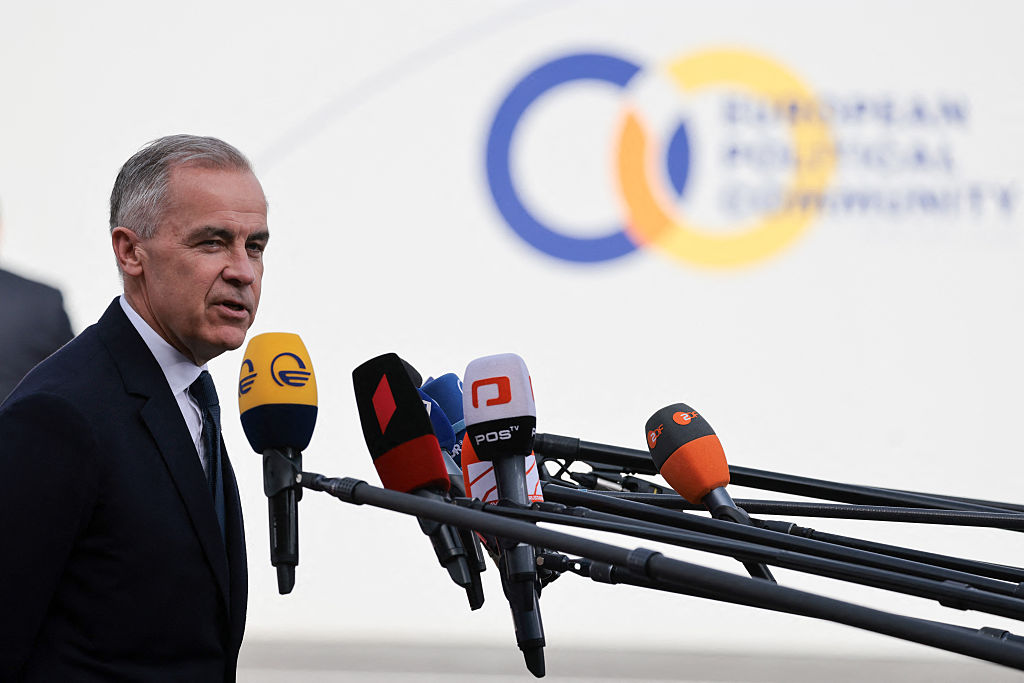
- Carney spoke at a European summit.
- He is representing Canada.
- New financial support for Ukraine.
- Strengthening ties with Europe.
- Political criticism in Canada.
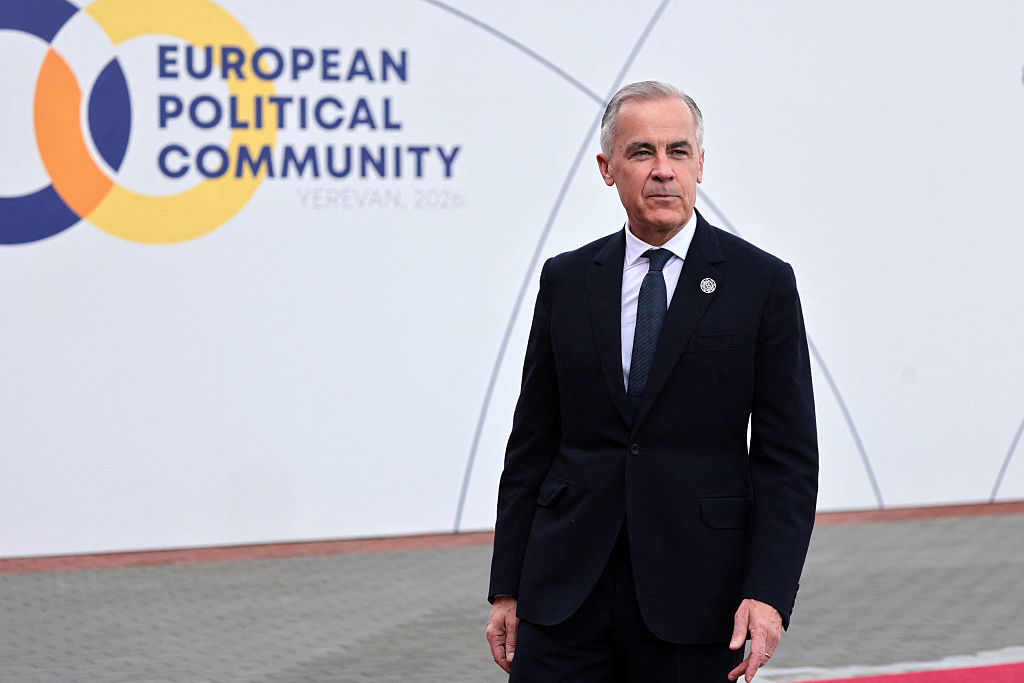
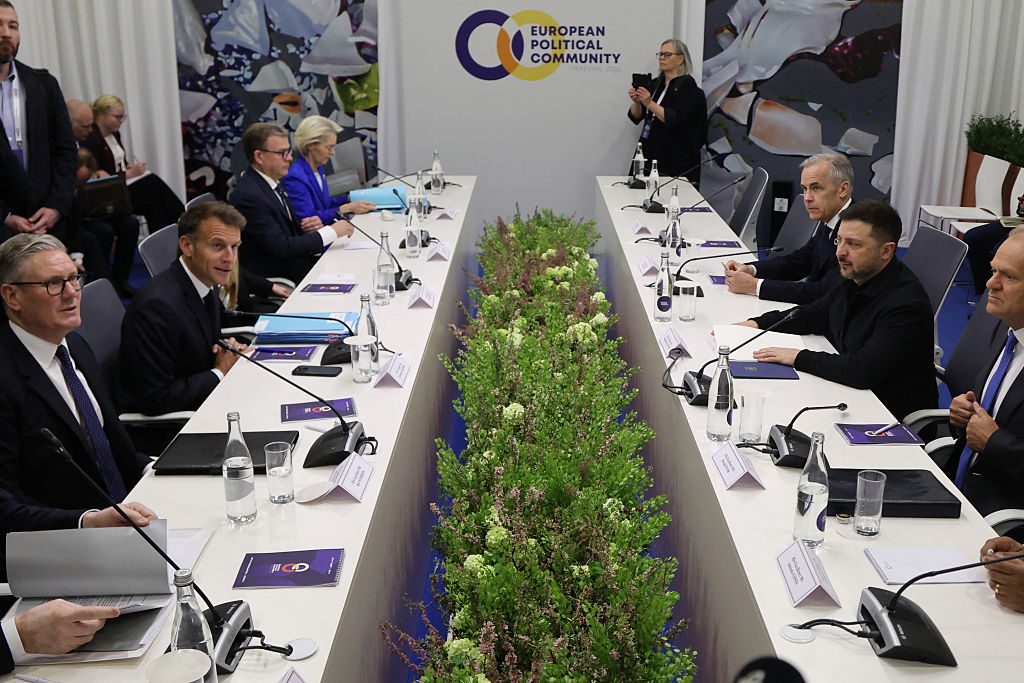
At the biannual EPC summit in Armenia, Mark Carney made a lasting impression by becoming the first non-European representative to address the assembly. His speech, brief but substantive, covered several topics: the announcement of a $270 million financial commitment to Ukraine, the strengthening of Canada–Europe relations, and a series of bilateral meetings aimed at consolidating partnerships on energy, supply chains, and critical minerals.
Targeted financial support:
Carney confirmed that Canada would provide $270 million to Ukraine, specifying that these funds would be directed toward the purchase of weapons and ammunition, primarily from U.S. suppliers. This announcement is part of a much broader Canadian commitment: since 2022, Ottawa has reportedly committed over $25 billion in support of Ukraine, according to figures presented at the summit. This total amount is fueling a significant public debate in Canada regarding the hierarchy of budget priorities and the nature of military versus humanitarian aid.
Why Europe?
Carney described Canada as “the most European of non-European countries,” highlighting elements of cultural and institutional proximity: strong European immigration, bilingualism, and sustained economic ties. Beyond the image, his objective was clear: to establish Canada as a reliable and strategic partner for the EU and European countries, particularly on issues of security, energy, and critical technologies.
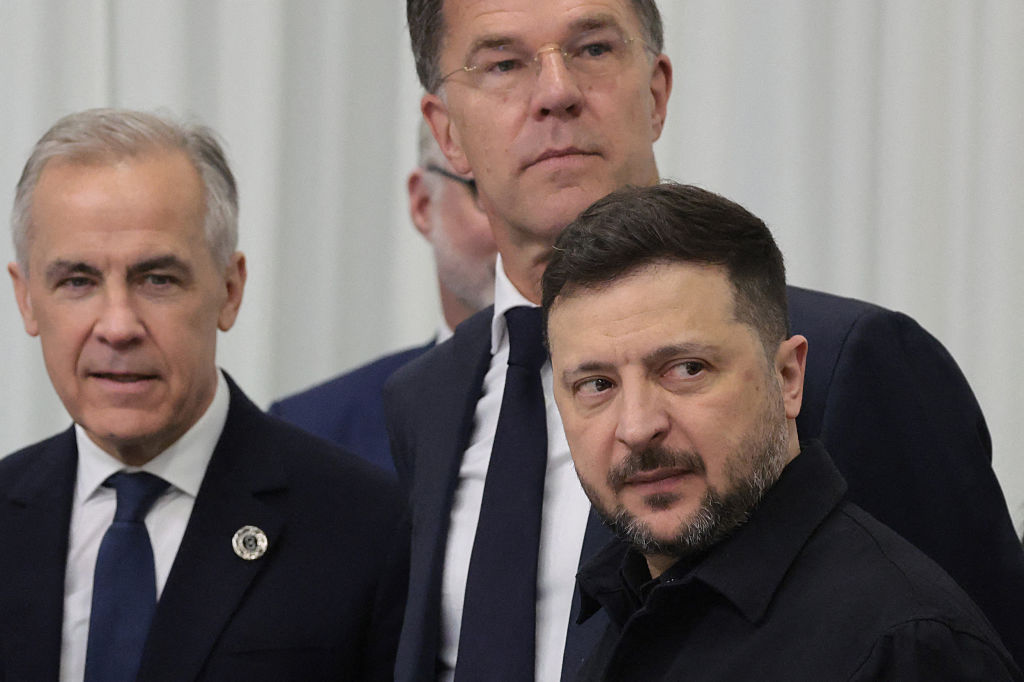
During his visit, he held numerous high-level meetings: from discussions with Ursula von der Leyen and Antonio Costa to bilateral talks with Giorgia Meloni and Pedro Sánchez. These discussions focused on securing supply chains, cooperation on critical minerals, and investment prospects in joint energy projects.
Ambitions and Limits:
While Carney extols the role of “middle powers”—countries with strong economic sovereignty but without superpower status—he did not shy away from acknowledging their constraints. He cautioned against nostalgic analyses of the global economy, advocating for strategic realism in the face of risks posed by actors such as Russia and political turbulence in the United States. He also highlighted Canada’s position as a major energy producer, while omitting to mention certain controversial sectors, such as uranium reserves.
Reactions and Political Friction:
Back in Canada, the announcement and Carney’s active presence on the international stage have fueled controversy. Conservative Party leader Pierre Poilievre criticized the trip and public spending, calling certain commitments a waste of money. Criticism focuses as much on the amount invested in Ukraine as on the frequency of diplomatic trips: Armenia was the 21st country Carney had visited since taking office, according to his critics.
These debates point to a broader question: how can international ambition be reconciled with domestic expectations? Opponents point out that campaign promises focused on housing or infrastructure were perceived as lower priorities compared to outward-looking diplomacy.
Non-binding but symbolic agreements:
Carney has signed several memorandums of understanding (MOUs) which, although not legally binding, serve as a tool to formalize intentions to cooperate. These MOUs cover energy projects, oil pipelines, and technology partnerships with European governments and companies. Critics point out the legal limitations of these documents, but supporters see them as a strong signal sent to markets and international partners.
What are the implications for the future?
- For Canada: strengthening ties with Europe can open markets and secure supply chains, but this requires clear communication to the public to justify the costs.
- For Europe: the inclusion of a non-European partner as a guest at the EPC summit signals a desire to expand strategic coalitions around security and the economy.
- For Ukraine: targeted contributions, even if they remain controversial within donor countries, remain crucial for short-term defense capabilities.
In short, Mark Carney’s move to the EPC exemplifies an ambitious diplomatic strategy that combines financial commitments, political signals, and network-building. It remains to be seen whether, domestically, this strategy will garner majority support or whether it will fuel ongoing debates over national priorities.