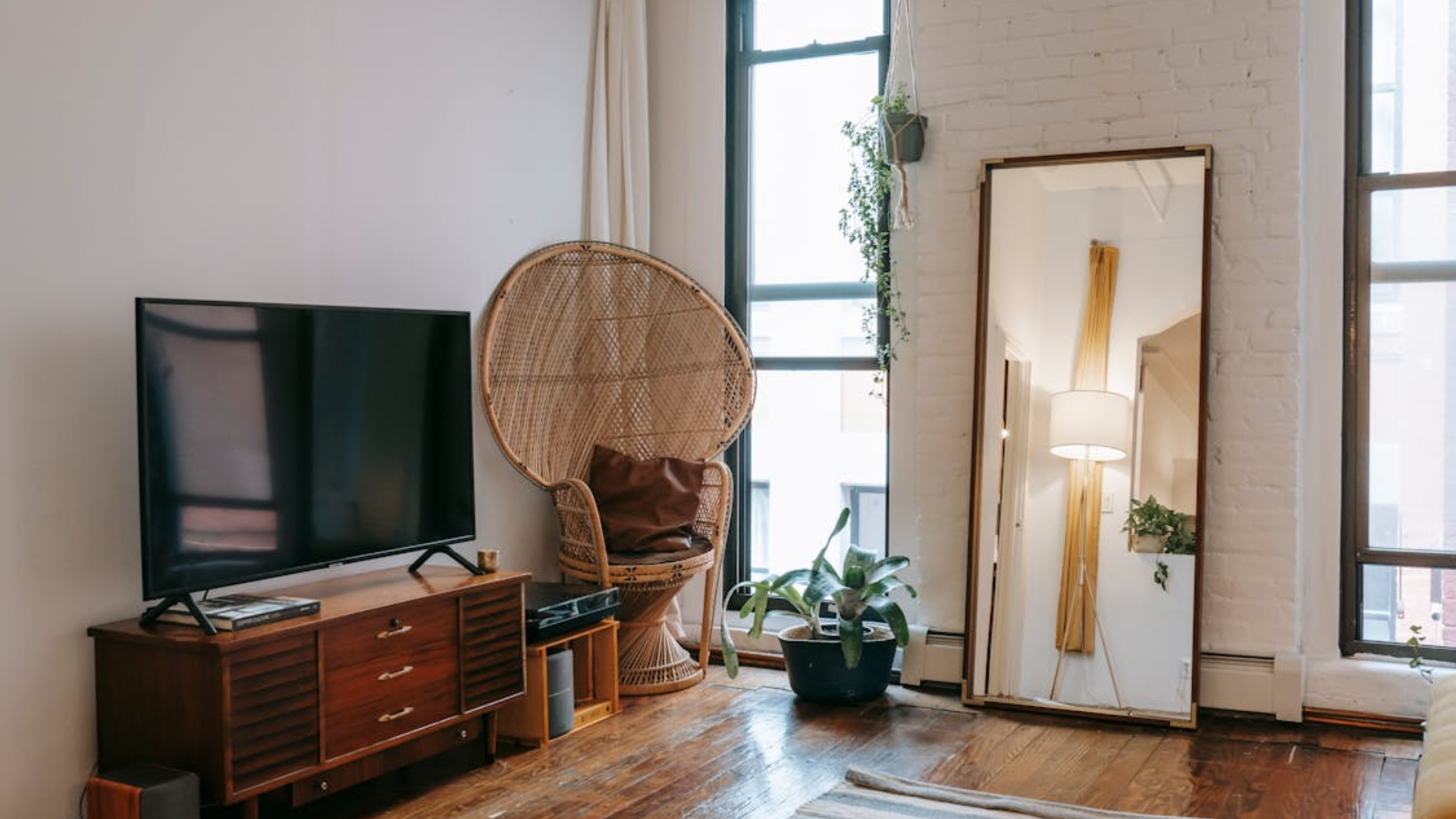
Mirrors do more than just reflect an image: when placed correctly, they can completely change the perception of a space. This practical guide details specific uses, installation tips, and decorating ideas to help you get the most out of reflective surfaces in every room of your home.
Before installing a mirror, ask yourself three simple questions: What effect do you want to achieve (enlarge, brighten, decorate)? What is the ideal size in relation to the wall and furniture? Will the chosen surface be exposed to moisture or risk of breakage? The answers will guide your choice of mirror type (custom-made, adhesive, panel, tempered glass) and mounting method.
Entrance and hallway: These spaces benefit greatly from a large vertical mirror or a model leaning against the wall. In addition to allowing you to check your appearance, the mirror adds immediate depth and reflects light from the landing or a window. A large leaning mirror requires few tools and is suitable for renters; just remember to add a non-slip pad under the base and a safety fastener if children or pets are often around.
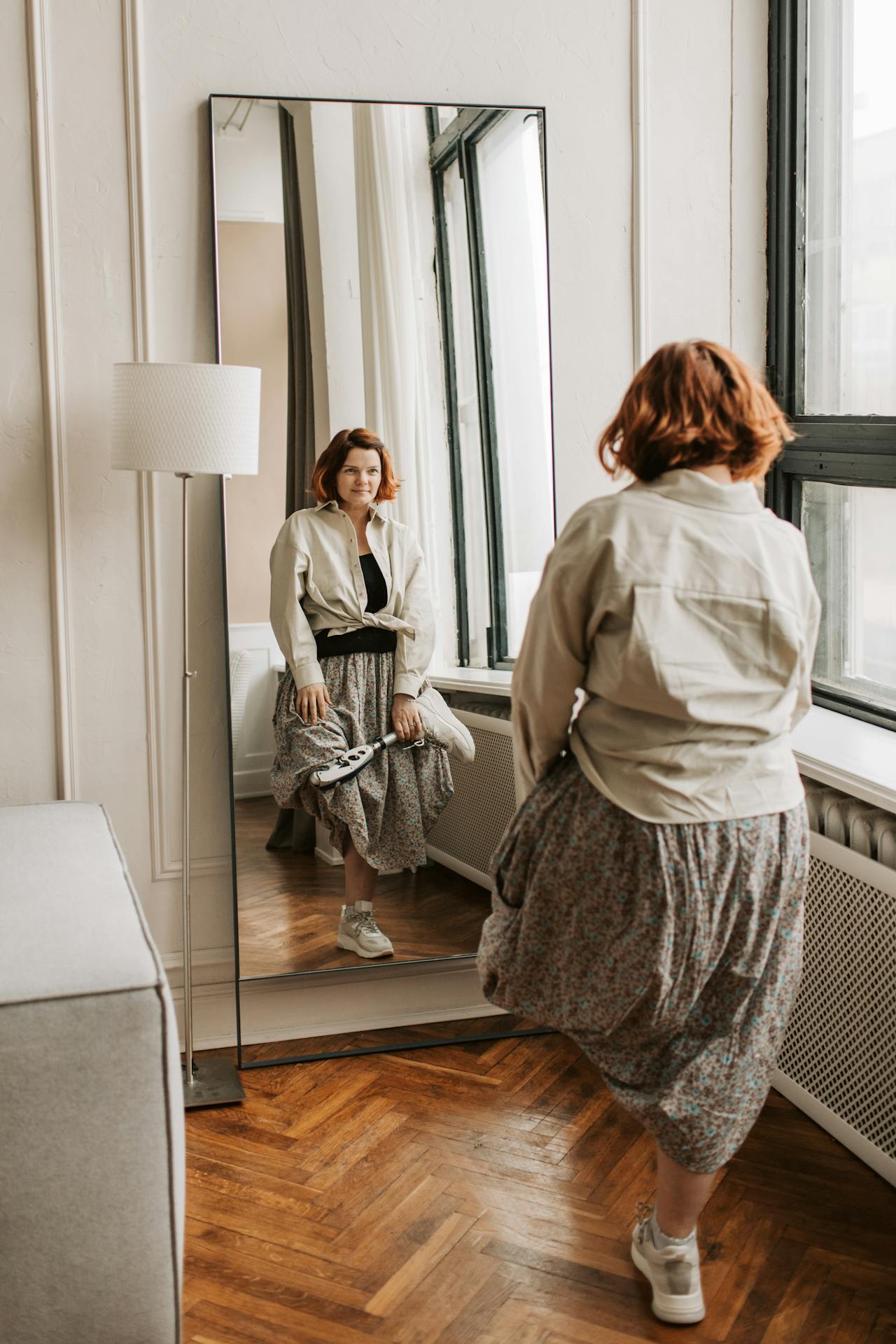
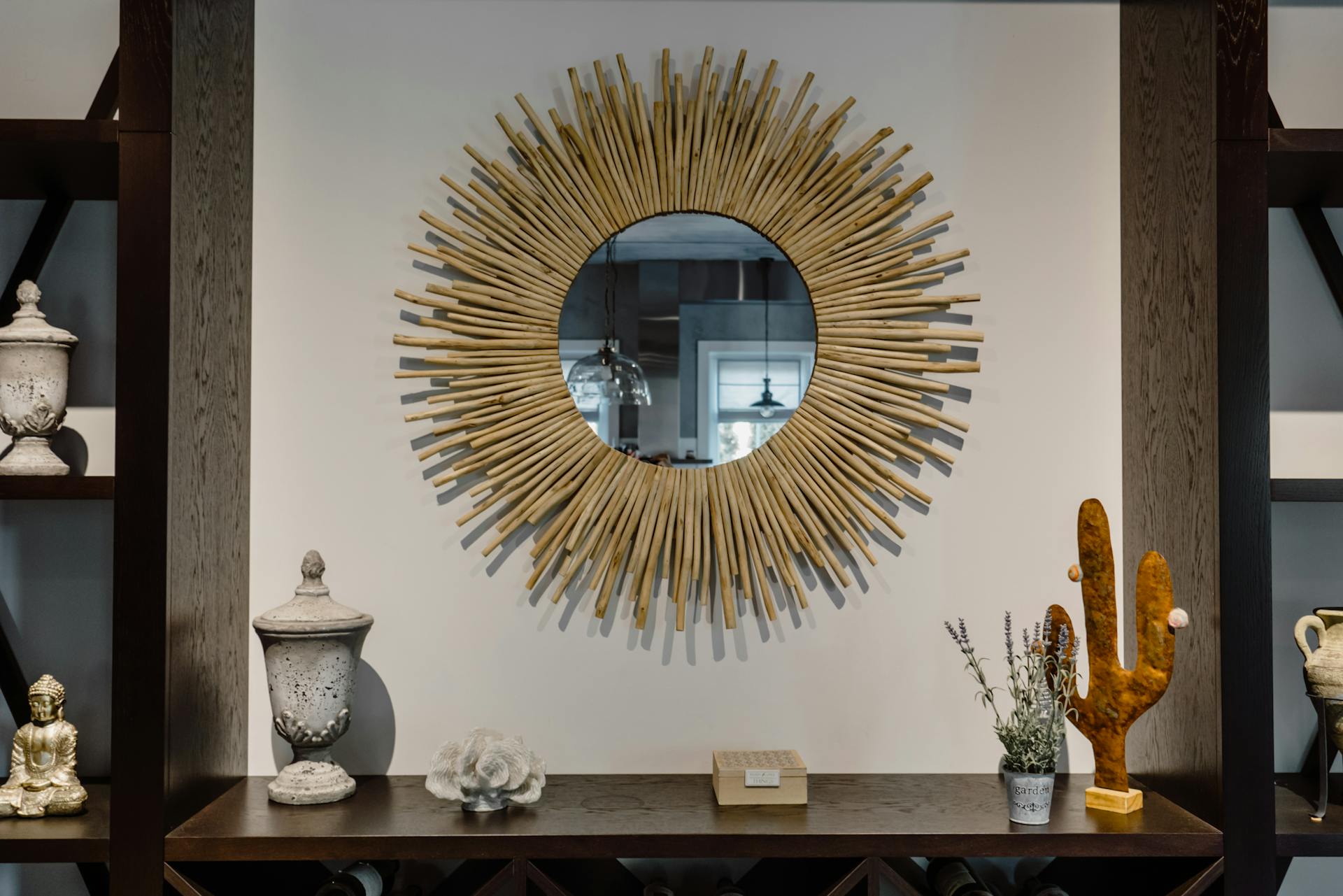
Living room and fireplace: A sunburst mirror or a large central mirror above the fireplace attracts the eye and creates an elegant focal point. Pair it with low objects on the mantel to maintain visual balance. If the room is dark, place the mirror opposite a light source to multiply the brightness.
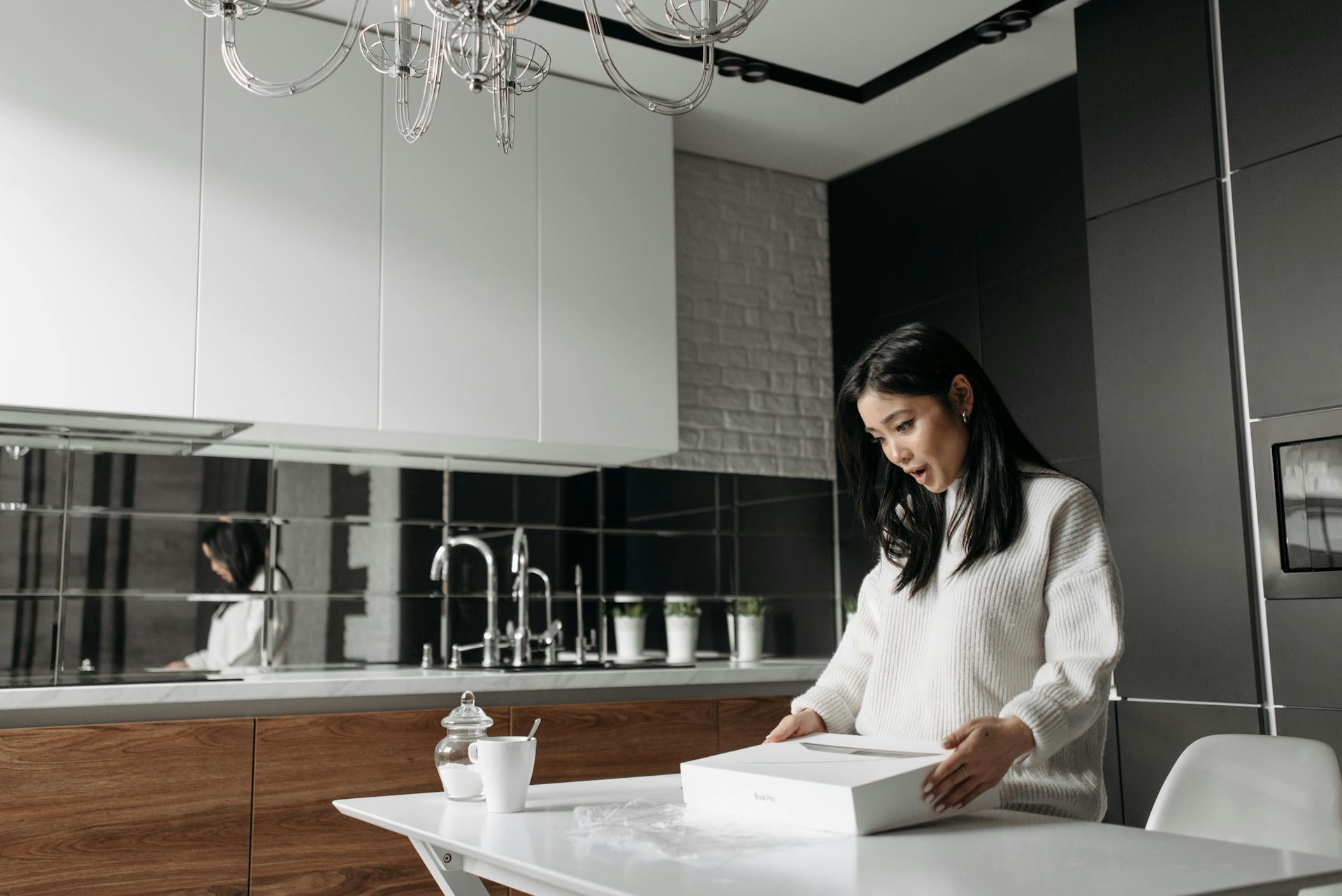
Kitchen: A mirrored backsplash is particularly useful in small kitchens; it enlarges the perspective and reflects light onto the countertops. Choose treated glass to withstand splashes and regular cleaning. If you cook with a lot of grease, an easily removable panel will make maintenance easier.
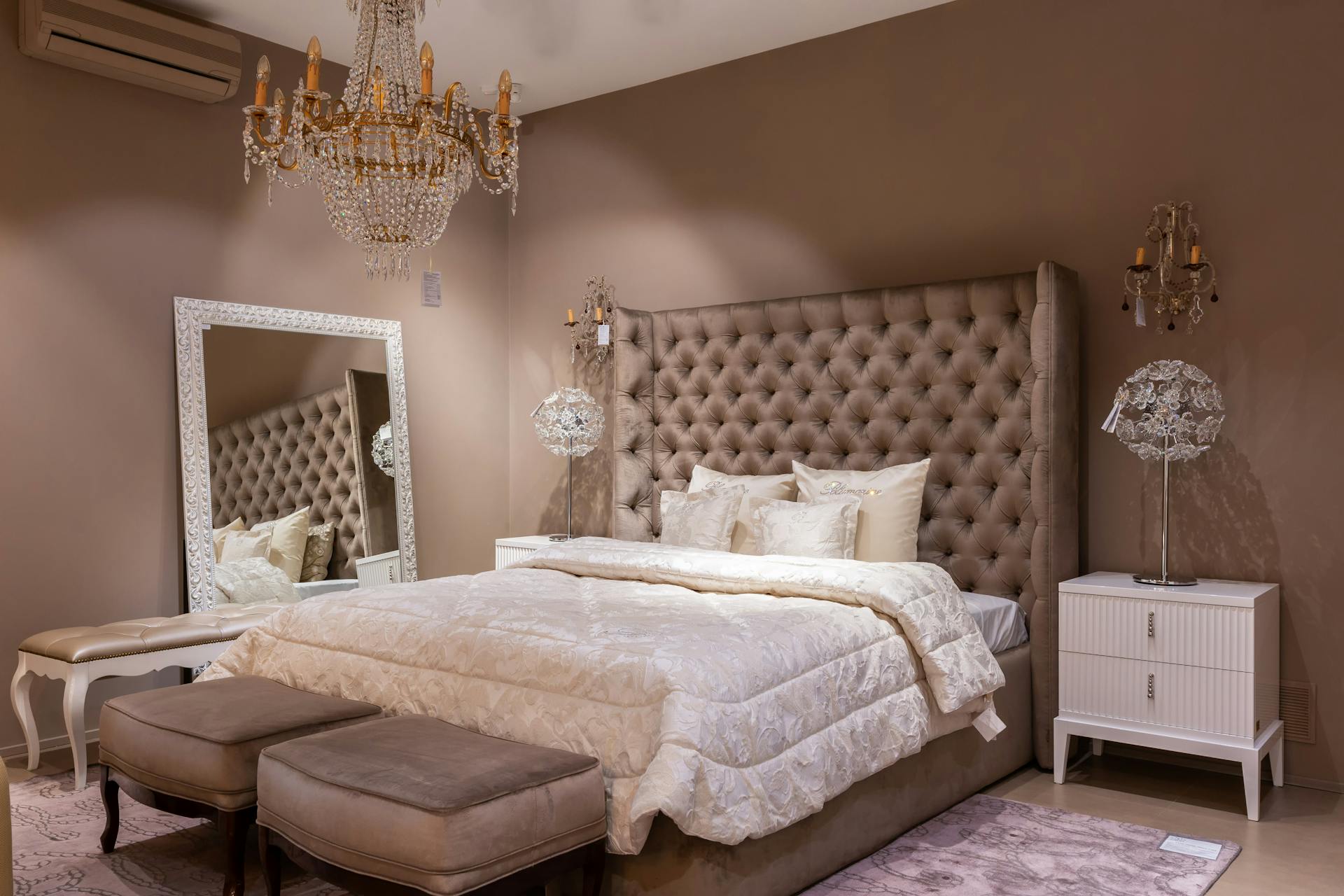
Bedroom: An oversized mirror behind the headboard or a floor-to-ceiling mirrored closet door visually enlarges the space and adds a hotel-like touch. For a softer look, choose a slightly tinted or beveled mirror and complement it with warm textiles to break up the coldness of the pure reflection.
Stairs and narrow hallways: Placing mirrors in a staggered pattern along the staircase lengthens the perspective and improves the visibility of the space. It’s also a way to play with angles and add visual dynamism without cluttering the passageway.
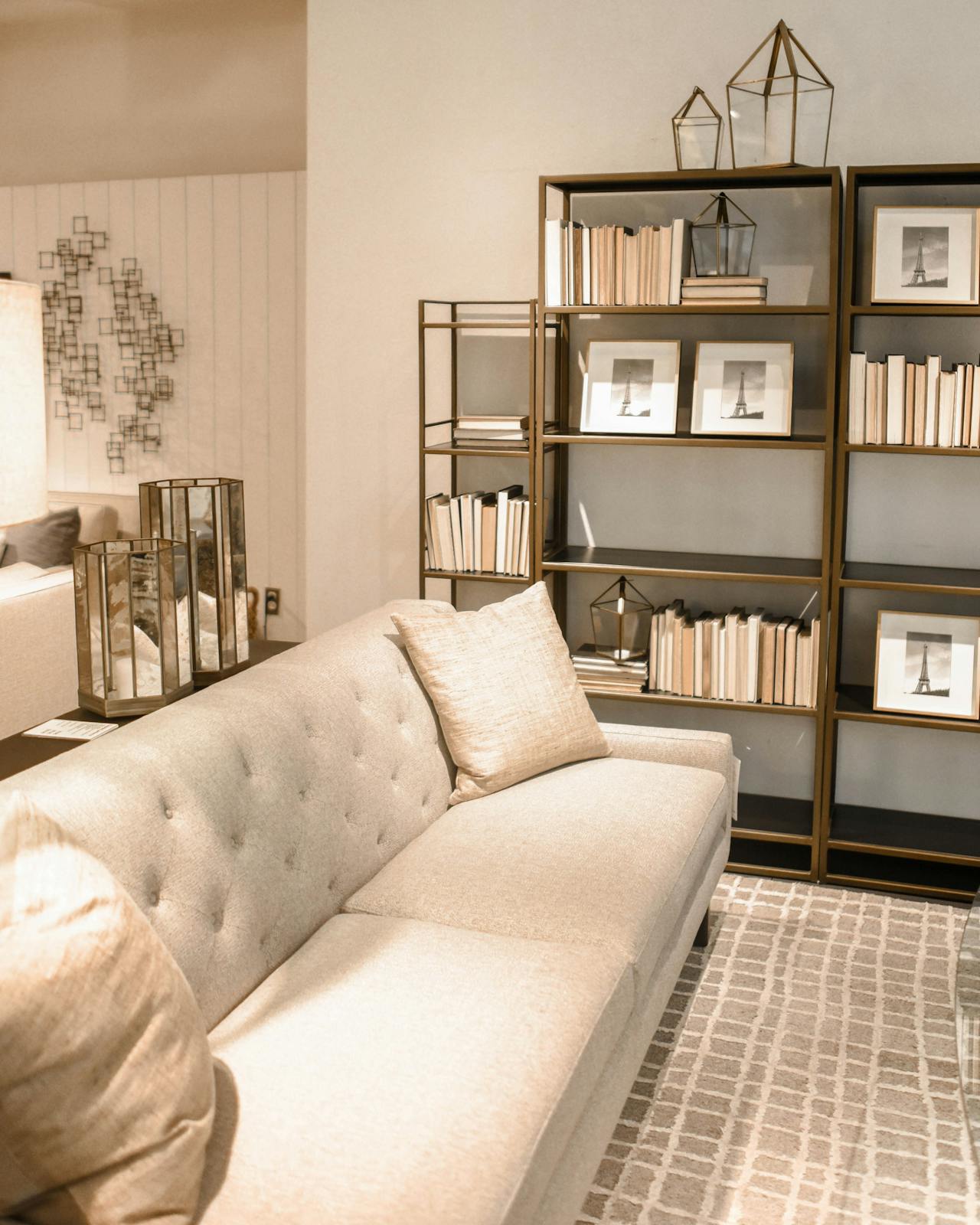
Bookcases and shelves: Placing a mirror behind the shelves gives an immediate impression of depth and highlights the objects on display. Adhesive panels or mirror tiles are simple and reversible solutions for experimenting with this effect.
Garden and terrace: Using weather-resistant mirrors on an exterior wall can visually extend the garden and create reflections on the vegetation. Choose stainless steel mounting systems and mirrors designed for outdoor use to prevent oxidation.
A few technical tips: opt for tempered or laminated glass in high-traffic areas, use anchors and fasteners suitable for the type of wall, and avoid installing mirrors facing a direct light source, which would cause glare. For a consistent look, match the frames or choose a mirror tint (slightly golden or gray) that complements your interior color scheme.
In short, mirrors are a multidimensional decorative tool: they enlarge, illuminate, and contribute to the design of each room. With a little attention to proportions, safety, and lighting, they can transform an ordinary space into a brighter, more balanced interior full of character.