Recognizing misleading « healthy » foods: 10 families to know and concrete alternatives
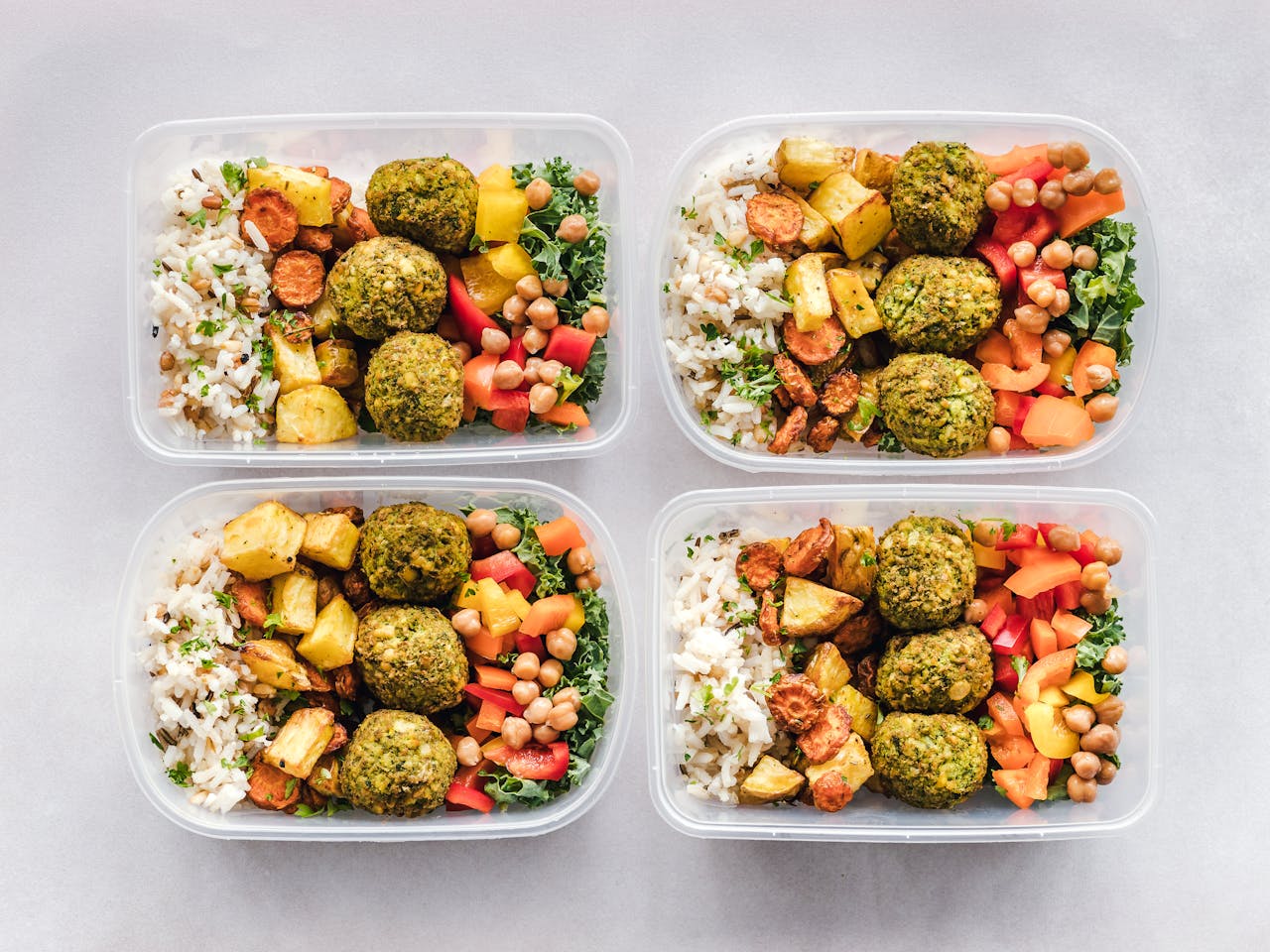
Many foods today carry labels or visual codes that give the impression of immediate well-being: « natural, » « light, » « gluten-free, » « organic. » However, marketing appearances can mask a less flattering nutritional reality. This feature article guides you through ten categories of foods that are often presented as healthy but deserve closer scrutiny. At the end, you will find simple alternatives and practical tips for reading labels and making more informed choices. Juices and smoothies: watch out for the glycemic load
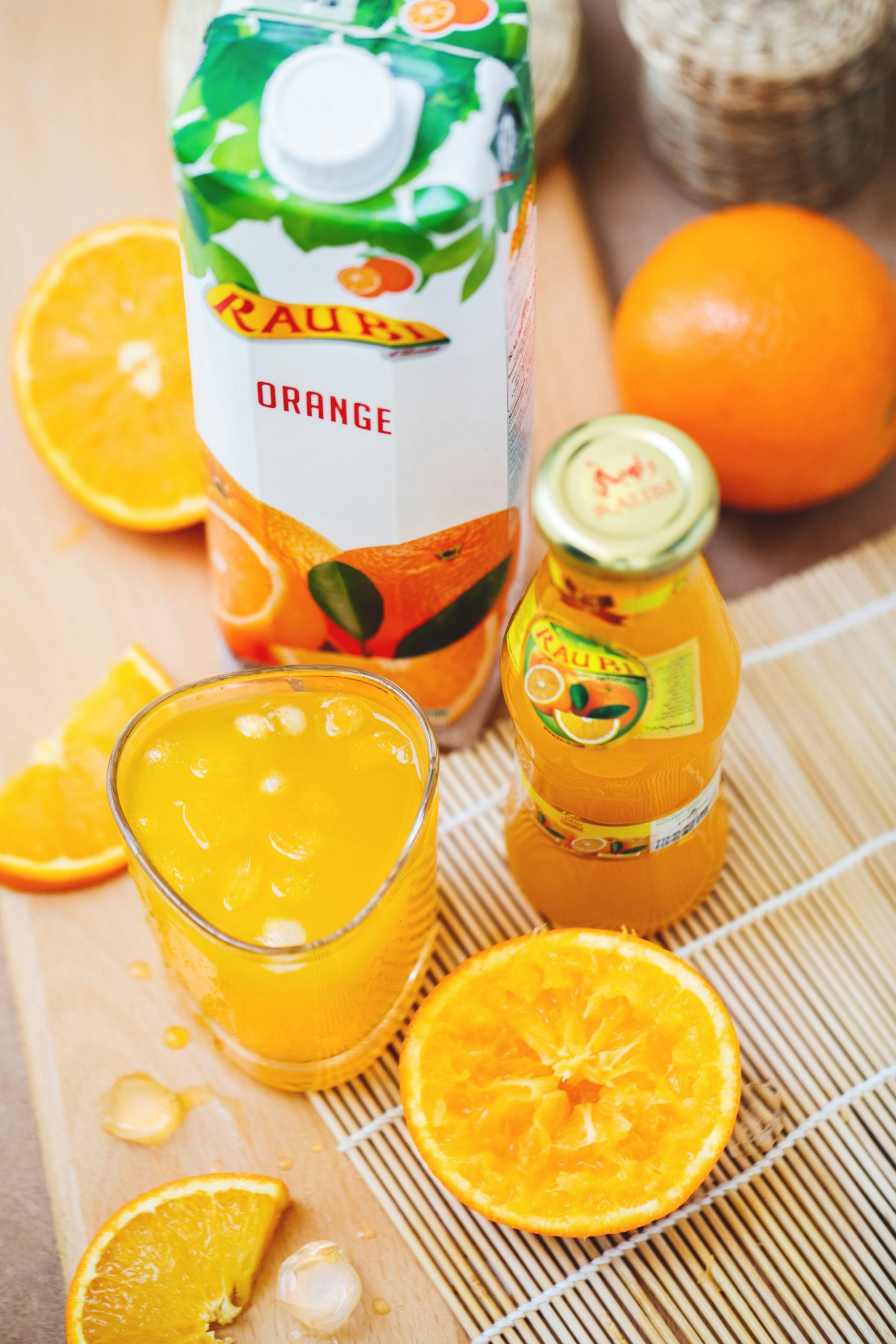
Fruit juice and smoothies are appealing because of their freshness and natural image. In reality, bottling or blending concentrates the fructose and destroys some of the fiber. Without fiber to slow down absorption, blood sugar levels rise quickly and fall shortly afterwards, causing hunger and cravings. To limit this effect, choose whole fruits or smoothies made mainly from leafy vegetables, with a serving of protein (plain yogurt, silken tofu) and no added sugar.
2) « Cereal » bars and « healthy » snacks
These products often combine ultra-processed ingredients and hidden sugars: glucose syrup, coated nuts, artificial flavors. They are designed with industrial considerations (preservation, texture, taste) in mind rather than nutritional ones. Read the list of ingredients: if the first ingredient is not a whole grain, a nut, or fruit puree, be wary. Make your own bars or combine dried fruit and nuts for a sustainable snack.

3) Plant-based milks: check the additives
Oat, rice, and almond milks have become popular alternatives to animal milk. But some commercial versions contain added sugars, thickeners, and oils. Oat milk, for example, can have a higher glycemic index. Choose « no added sugar » versions or opt for less processed alternatives such as soy milk or unsweetened almond milk.
4) Low-fat yogurts and « zero » products
When fat is removed, the satiety it provides is often replaced by thickeners and sweeteners. Over time, these products can increase hunger and alter the perception of sweetness. Plain whole yogurt, enriched with fresh fruit and seeds, is often the best choice.

5) So-called « whole grain » breads and processed grain products
The term « whole grain » is not always synonymous with whole wheat flour. Many industrial breads use enriched white flour and add improvers or sugar to improve the crumb. To enjoy the real benefits of a whole grain product, buy it from a bakery or check that whole wheat flour is at the top of the list of ingredients.
6) Rice cakes and « light » snacks
These products have a high glycemic index and are not very filling. They encourage snacking. Replace them with unsalted nuts, vegetable sticks with hummus, or whole-grain bread with nut butter.
7) Margarine and industrial spreads
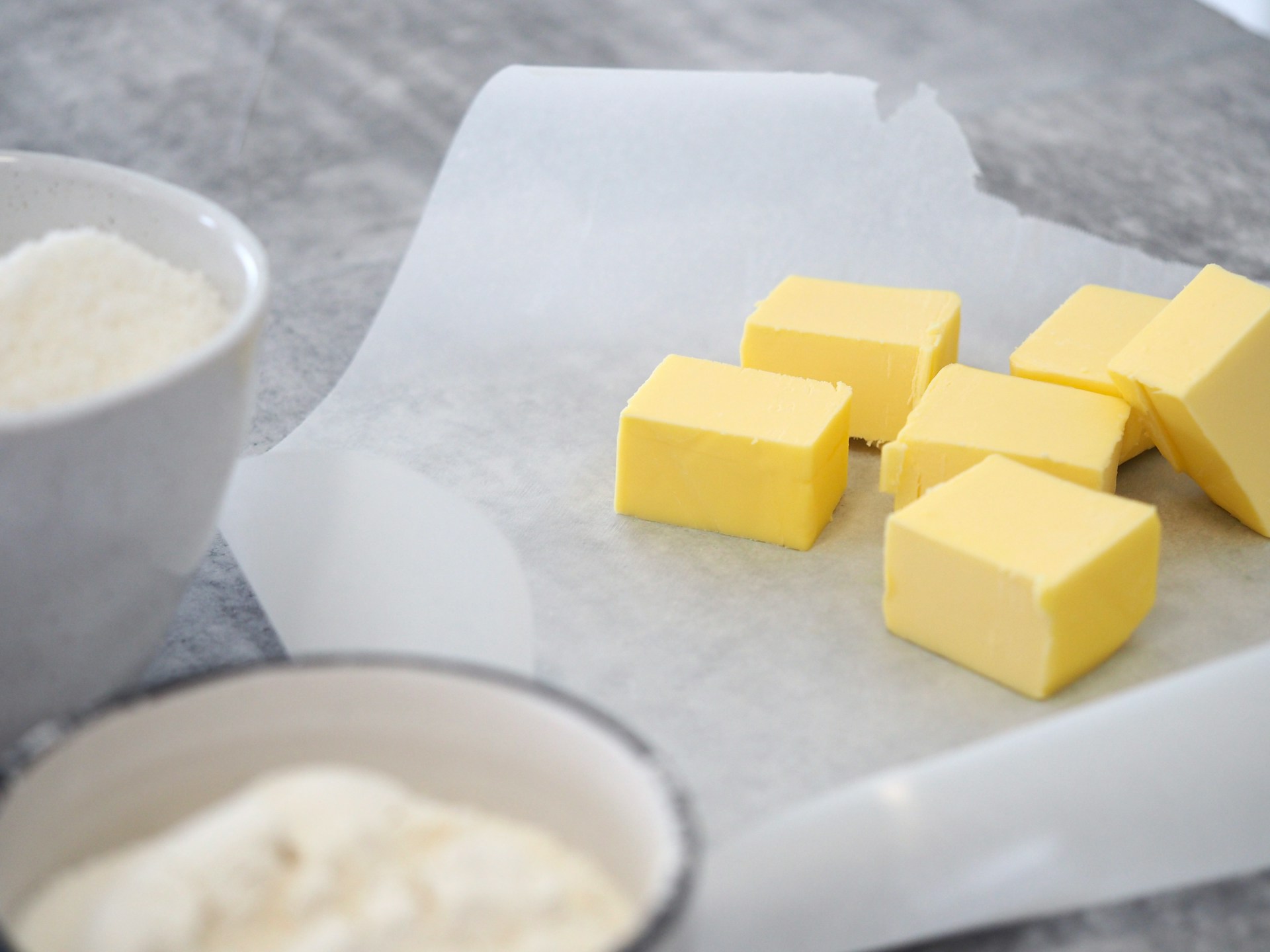
Margarine is an industrial product that may contain refined oils and additives. Rather than making it a daily staple, alternate with small amounts of butter or nut butters, and use virgin vegetable oils for cooking or seasoning.
8) Cornstarch and thickeners
These ingredients are very rich in rapidly digestible starch, which increases the glycemic load of recipes. To thicken foods, opt for vegetable purée, legume flour, or potato starch as needed, varying your choices to increase nutritional value.
9) Commercial smoothies and bowls
These can contain several servings of fruit, syrups, and sweetened milks. If you consume them, choose versions that are mostly vegetables and add a source of protein and fat to slow down sugar absorption.
10) Industrial vegetarian dishes
Vegetarianism can go hand in hand with healthy eating, but ready-to-eat vegetarian dishes are sometimes highly processed. Read the labels and choose minimally processed products (plain tofu, legumes, fresh vegetables) and cook as much as possible.
Practical tips for making better choices
- Look at the list of ingredients: the first items represent the majority of the product.
- Choose products with few recognizable ingredients.
- Be wary of marketing claims (« light, » « free from, » « organic » do not guarantee a healthy nutritional profile).
- Choose raw foods and homemade preparations whenever possible.
In summary, the label « healthy » is not a guarantee: read the ingredients, understand the nature of sugars and additives, and gradually replace ultra-processed products with simple and satisfying alternatives. Your daily choices, informed and pragmatic, will have a real impact on your long-term well-being.