Angus Reid Poll: Why 60% of Albertans Want to Stay in Canada and What Issues Lie Ahead
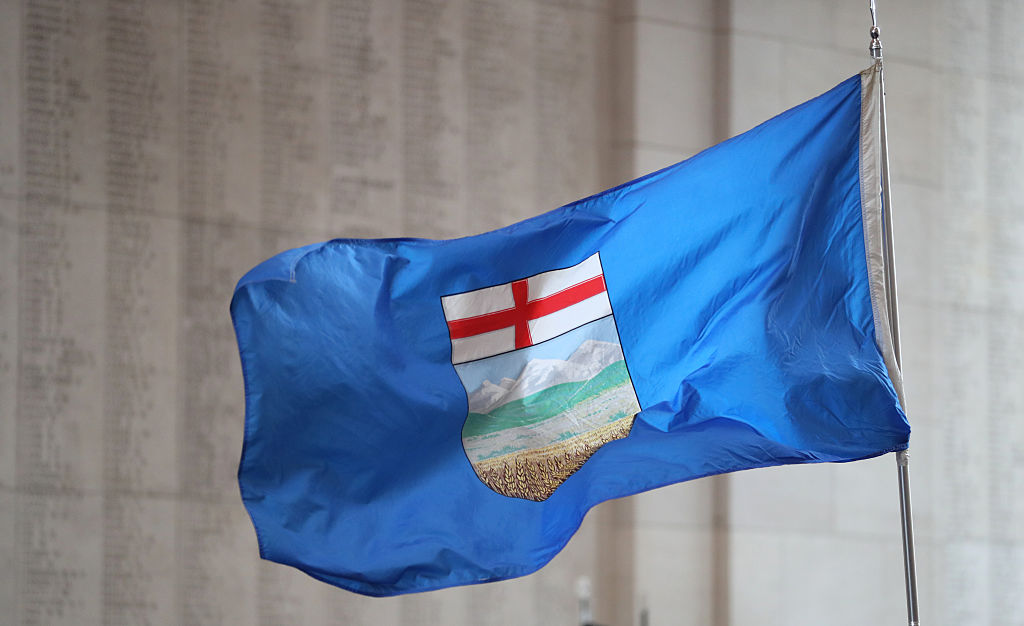
A new poll released by the Angus Reid Institute has reignited the public debate in Alberta: despite the rise of separatist rhetoric, a majority of Albertans say they want to remain part of Canada. The results, based on a sample of 800 adult Albertans (margin of error approximately 3%), offer cause for both reassurance and vigilance.
What the numbers show: Overall, about 60% of those surveyed say they would prefer Alberta to remain a province of Canada rather than seek independence. However, support varies significantly by political affiliation, age, and region. For example, the poll shows overwhelming support for remaining part of Canada among NDP voters (about 90%), while the Conservative camp shows a significantly higher proportion in favor of secession.
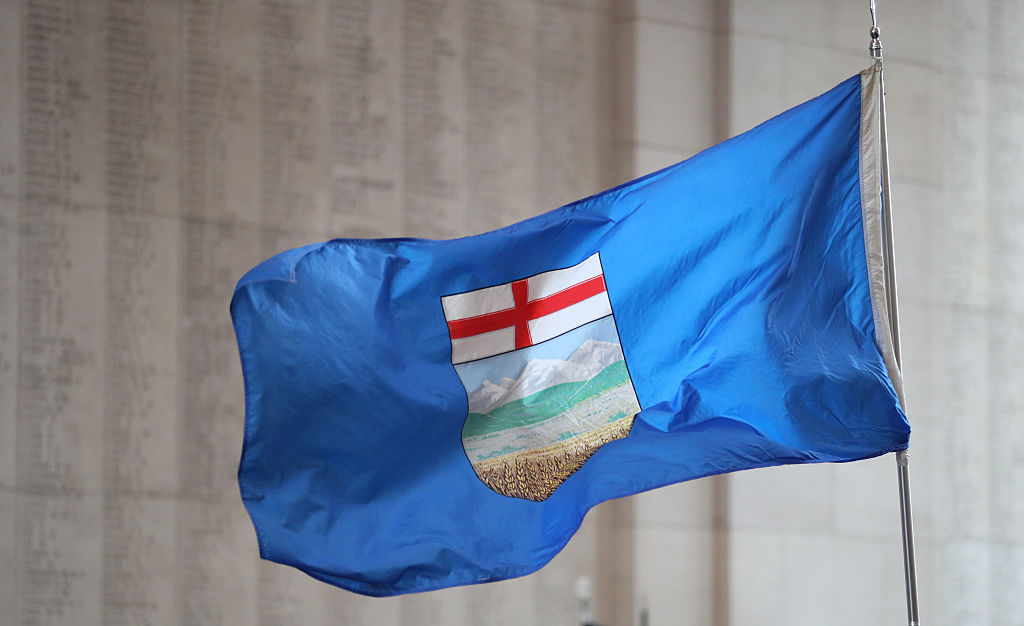
The breakdown by age group is particularly revealing: support for separatism tends to increase with age. Similarly, residents of large cities show less enthusiasm for the idea of independence than those in rural areas or small towns, reflecting deep socioeconomic and cultural divides.
The wording of the question: a sensitive issue
An important aspect of the poll concerns the referendum question proposed by the provincial government. Rather than being a simple “stay” or “leave” choice, the official wording consists of 37 words and is considered cumbersome and potentially confusing.
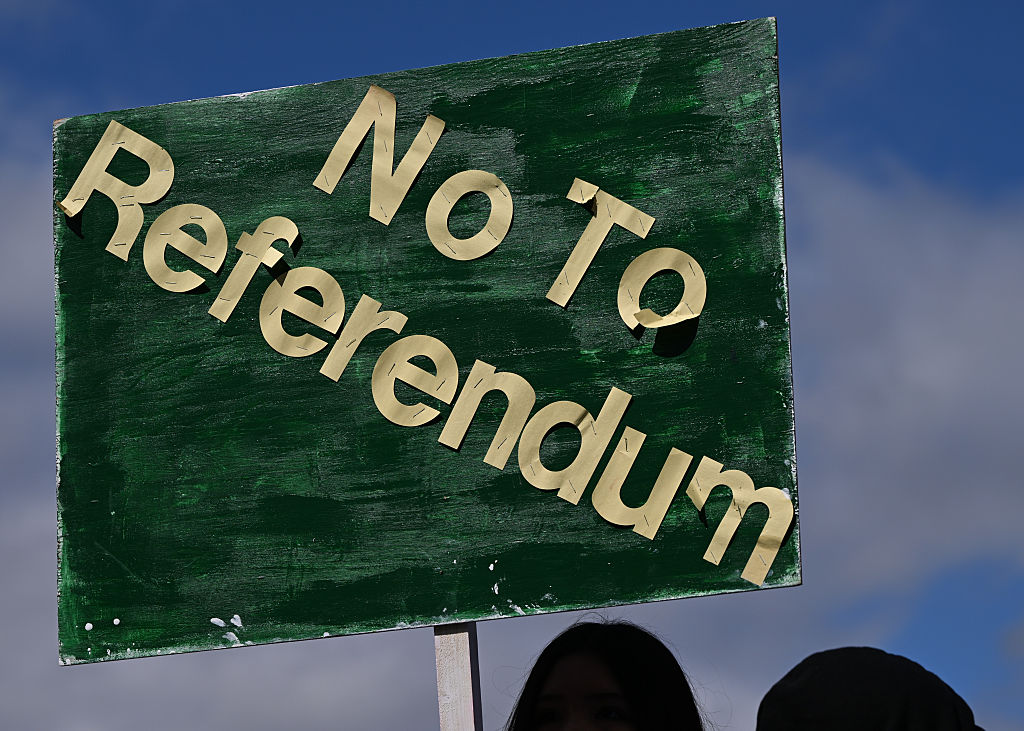
The Angus Reid Institute conducted a small experiment: when presented in its full form, 60% of respondents chose to stay; when presented as a simple “stay/leave” choice, the percentage favoring staying rose to 67%. The difference, though small (7 points), shows that the wording of questions can influence public opinion and perceptions of the vote. This is a factor that policymakers, judges, and democratic observers must take seriously.
Perception of Political Leadership
The poll also assessed how Premier Danielle Smith has handled the issue of separatism so far. The result: a majority of Albertans (57%) believe she has mishandled the issue. This figure is slightly lower than the percentage in favor of remaining in the country, suggesting a nuanced public opinion: one can disapprove of the political handling of the issue without necessarily supporting a departure from Canada.

The Risks of Prolonged Polarization
Another troubling finding: 70% of respondents believe that separatist supporters would likely not accept a result indicating that Alberta should remain part of Canada. Among supporters of the movement, 41% stated that they would not respect such a verdict. This mistrust points to a risk of social and political tensions if the referendum does not result in a unanimous decision.
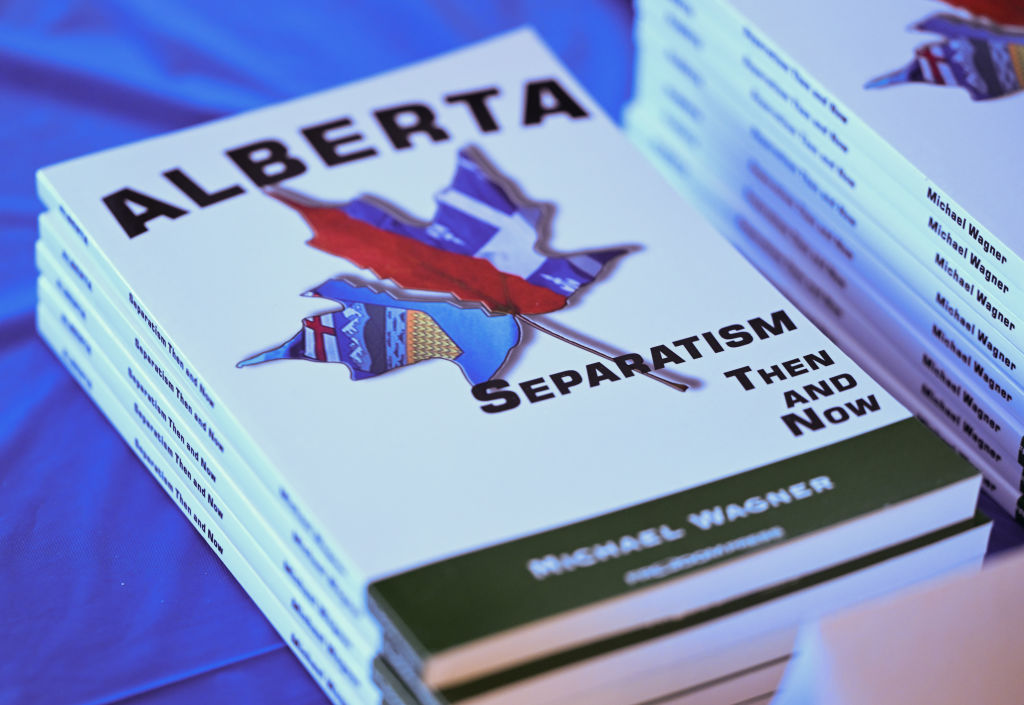
The federal prime minister himself has called this dynamic a “dangerous bluff” and compared the situation to some of the consequences seen after Brexit: when generational and regional divides are deep, democratic resolution can lead to lasting repercussions if mishandled.
What to Watch Now
- The final wording of the question that will appear on the ballot: the clearer it is, the more likely the vote will be understood and accepted.
- Communication from the authorities—both provincial and federal—to reduce misunderstandings and reassure the public about the practical consequences of their choice.
- The ability of leaders from both sides to respect the democratic verdict and avoid provocations that could inflame the situation.

In summary, the Angus Reid poll offers a note of reassurance: a significant majority of Albertans wish to remain part of Canada. But it also highlights vulnerabilities—question wording, demographic divides, and potential mistrust should one side lose—that require careful preparation by the authorities and clear communication. The upcoming debate would benefit from being conducted in a spirit of transparency and mutual respect to limit the risks of lasting polarization.
Conclusion: The numbers currently favor remaining in the federation, but the success of a democratic process depends as much on a sense of civic duty and the responsibility of political actors as it does on the intentions expressed in the polls. Staying attuned to developments and insisting on a clear and unambiguous question are essential steps to ensure that the verdict, whatever it may be, is heard and accepted.