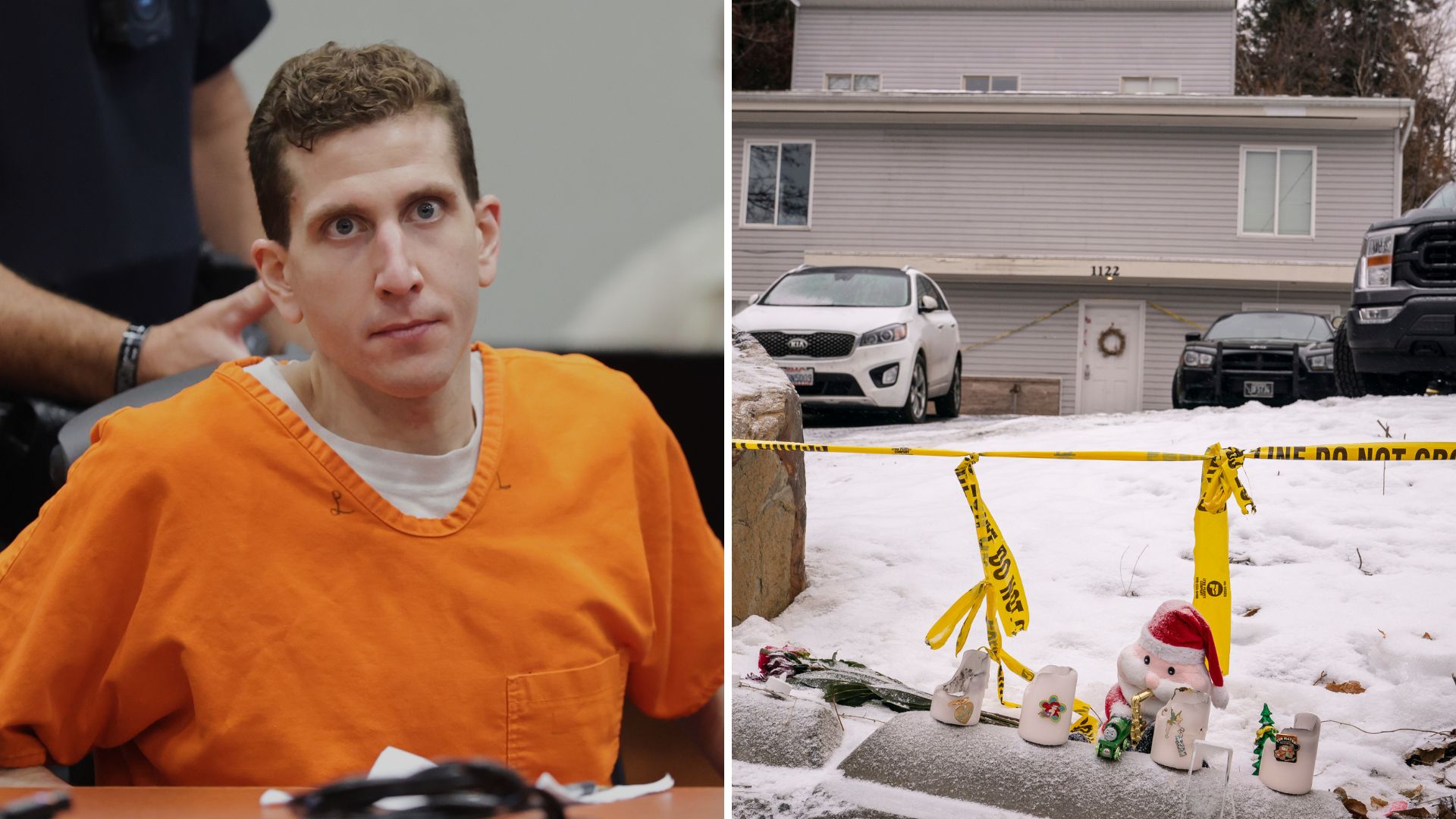
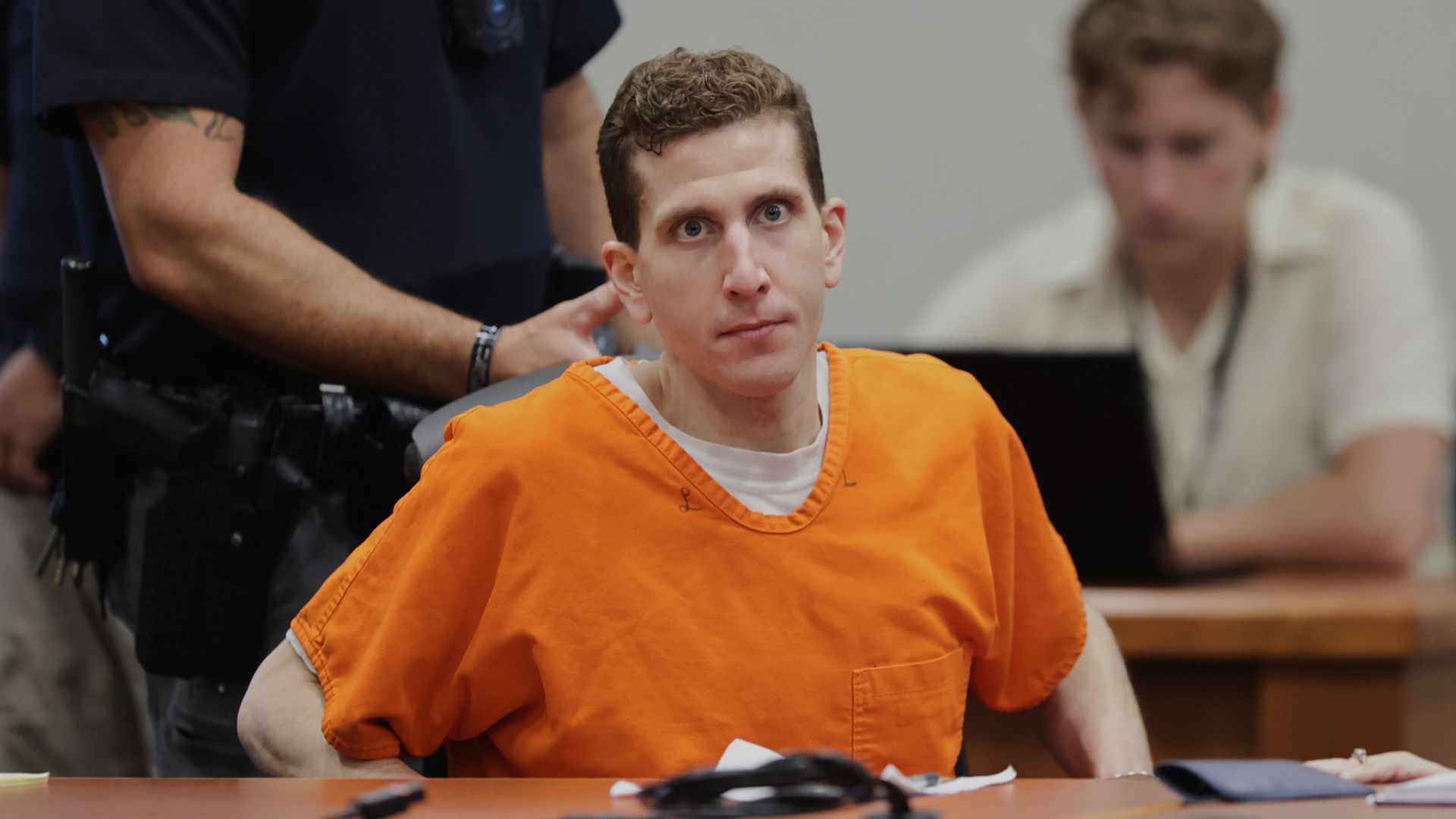
Bryan Kohberger is attempting to reopen one of the most closely watched murder cases in recent U.S. history, filing a petition to withdraw the guilty plea that spared him from the death penalty for the fatal stabbings of four University of Idaho students. A year after admitting guilt to four counts of first-degree murder and one count of burglary, Kohberger is now arguing that his conviction should be overturned because the plea was not entered voluntarily or with a full understanding of the evidence against him. His effort comes despite receiving four consecutive life sentences without the possibility of parole under the July 2025 agreement. Because that deal required him to waive his traditional right to appeal, Kohberger is instead relying on Idaho’s Uniform Post-Conviction Procedure Act, a separate legal process that allows convicted individuals to challenge their convictions by alleging constitutional violations. The filing has immediately revived national attention on a case that devastated the University of Idaho community and captivated the country for months as investigators searched for the killer responsible for one of the most shocking mass murders in the state’s history.
In a handwritten petition and his first known prison interview with The New York Times, Kohberger claims his guilty plea resulted from a series of failures and misrepresentations by his own legal team rather than an informed decision based on the evidence. He argues that his attorneys, led by veteran capital defense lawyer Anne Taylor, failed to adequately review or explain evidence that he believes could support his claim of innocence. Among the examples highlighted in his filing, Kohberger points to what he describes as «clumps of unknown hair» allegedly found in Ethan Chapin’s hands, asserting the material was never properly investigated or disclosed to him before he agreed to plead guilty. He further alleges that critical discovery was withheld, preventing him from making a fully informed decision about whether to proceed to trial. Speaking from prison, Kohberger summarized his position in a statement to The New York Times, declaring, «My actual innocence is my truth, and the plea, hinged on by false promises and blatant disinformation, MUST be withdrawn.» His petition argues that these alleged deficiencies undermined the fairness of the plea process and ultimately violated his constitutional rights.
Misleading information
Kohberger also accuses his former attorneys of coercing him into accepting the plea agreement by presenting what he characterizes as misleading information about both the risks of going to trial and the conditions he would face in prison if he accepted a life sentence. According to the petition, his lawyers allegedly warned that execution was virtually unavoidable unless he admitted guilt and instructed him that he would have to falsely acknowledge responsibility in court to secure what they viewed as a legal victory by avoiding capital punishment. He further claims they relied on what he describes as elaborate falsehoods regarding death row while simultaneously promising privileges that never materialized after sentencing, including immediate contact visits with family members, greater freedom of movement within the prison system and opportunities for prison employment. Those alleged assurances, he contends, played a decisive role in his decision to plead guilty. If proven, Kohberger argues the combination of coercion, misinformation and ineffective legal representation would amount to a constitutional violation serious enough to invalidate the plea agreement, although those allegations remain unproven and will almost certainly be vigorously contested by the state.
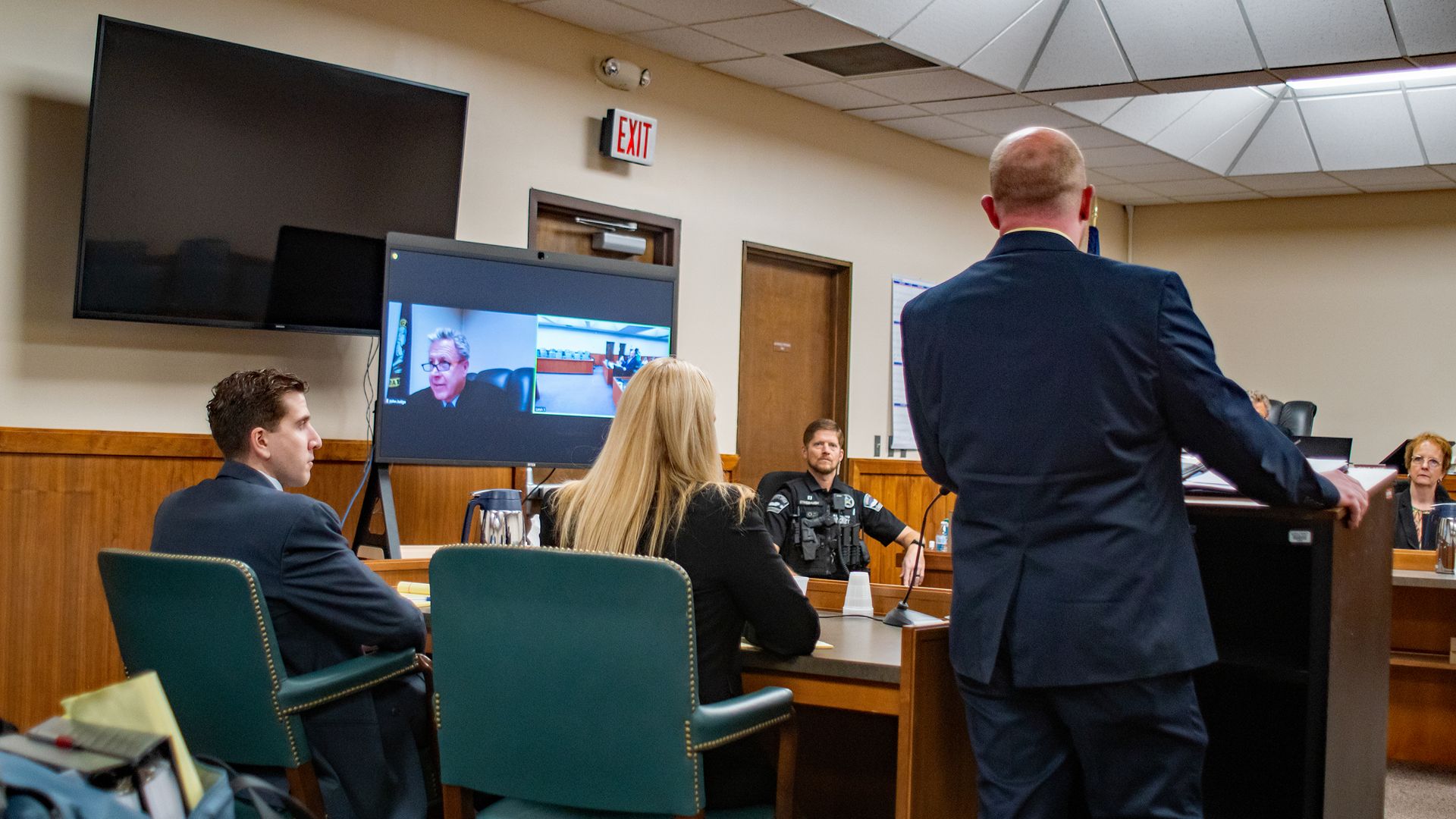
Although Kohberger’s petition has generated widespread attention, legal experts say overturning the plea agreement will be extraordinarily difficult. By pleading guilty in 2025, he formally waived his right to a direct appeal, leaving post-conviction relief as his only remaining legal avenue. Under Idaho’s Uniform Post-Conviction Procedure Act, convicted individuals may challenge their convictions by alleging constitutional violations such as ineffective assistance of counsel, but the burden of proof is exceptionally high. Once a sentence has been imposed, Idaho Criminal Rule 33(c) allows a guilty plea to be withdrawn only to correct what the law describes as a « manifest injustice. » That means Kohberger must do far more than raise doubts about his attorneys’ performance. He must demonstrate that their alleged misconduct fundamentally deprived him of his constitutional rights and directly caused him to enter a guilty plea he otherwise would not have accepted. Given the extensive court record created before his sentencing, many legal analysts believe meeting that standard will be an enormous challenge.
«My actual innocence is my truth, and the plea, hinged on by false promises and blatant disinformation, MUST be withdrawn.»
– A statement from Bryan Kohberger to The New York Times
The record from Kohberger’s plea hearing is expected to become one of the prosecution’s strongest arguments against his petition. Before accepting the agreement, District Judge Steven Hippler conducted a lengthy exchange to ensure the plea was entered knowingly and voluntarily. During that hearing, the judge repeatedly asked whether anyone had threatened him, coerced him or made promises outside the written agreement to secure his guilty plea. Kohberger answered that he was acting voluntarily and confirmed multiple times that he was pleading guilty because he was, in fact, guilty of the crimes charged. Those sworn statements now present a significant obstacle to his latest claims that he was manipulated into confessing to crimes he insists he did not commit. In addition, Anne Taylor is widely regarded as one of Idaho’s most experienced capital defense attorneys, meaning any allegation that she deliberately concealed evidence or knowingly misled her client will require substantial supporting evidence before a court is likely to order an evidentiary hearing, let alone vacate the conviction.
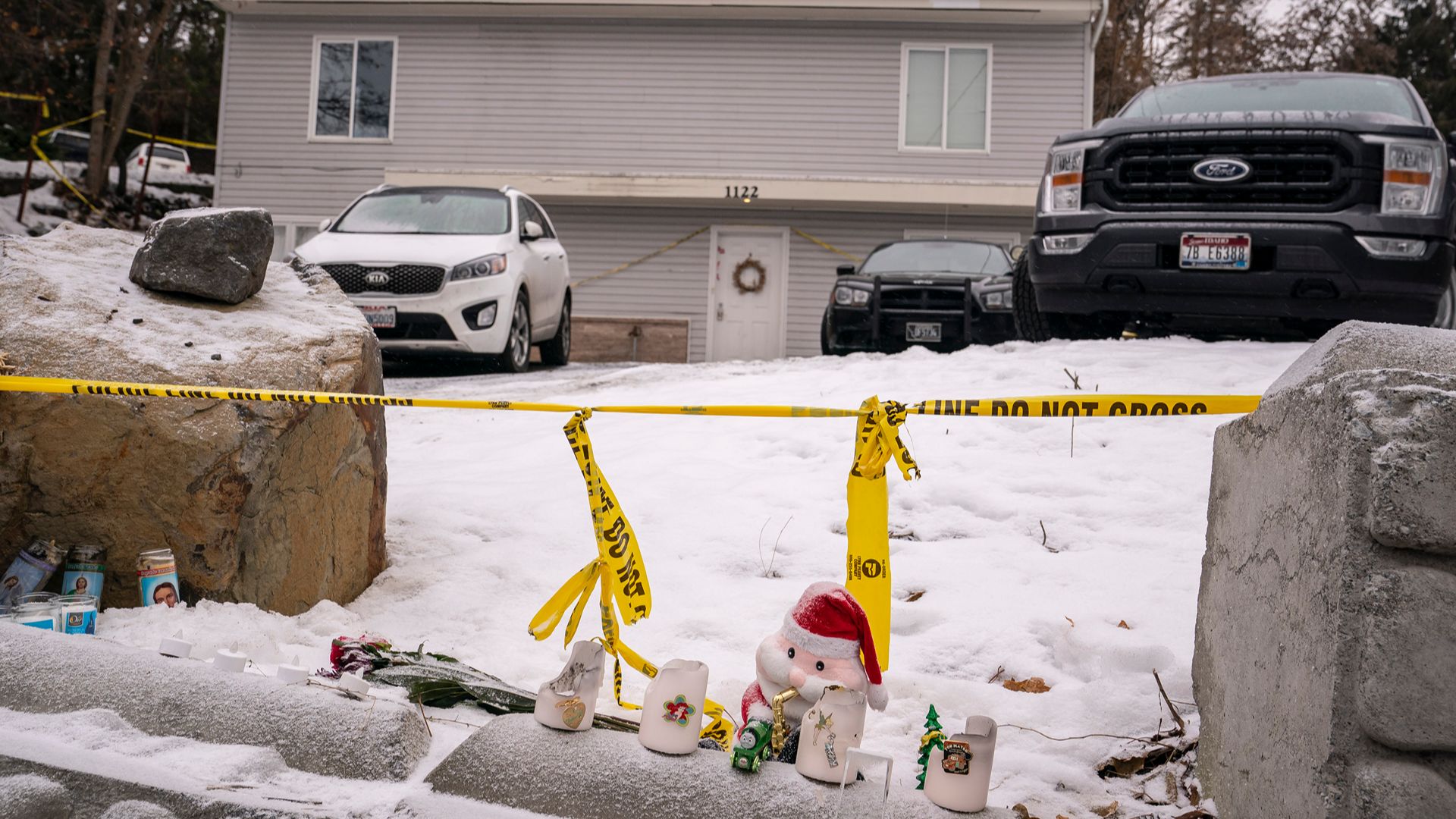
Kohberger’s filing has reignited painful emotions for the families of Kaylee Goncalves, Madison Mogen, Xana Kernodle and Ethan Chapin, whose murders on Nov. 13, 2022, shocked the nation and triggered a six-week investigation that ended with Kohberger’s arrest at his parents’ Pennsylvania home. Through their attorney, Kaylee Goncalves’ family dismissed the petition in a sharply worded statement, describing Kohberger as «a mosquito you just can’t seem to swat» and accusing him of once again seeking public attention while forcing the victims’ loved ones to relive their trauma. Idaho Attorney General Raúl Labrador also reaffirmed the state’s commitment to defending the conviction, stating that his office «stands ready to do whatever is necessary to ensure justice is fully carried out» and keep Kohberger behind bars. Prosecutors now have 30 days to formally respond to the handwritten petition. A judge will then determine whether the filing should be dismissed outright or whether Kohberger has presented sufficient evidence to justify a full evidentiary hearing that could reopen one of the most closely followed criminal cases in recent American history.


























 Cette image illustre la fragilité des corridors maritimes qui acheminent une part importante du pétrole mondial. Les opérateurs surveillent ces zones en permanence et ajustent leurs itinéraires en fonction du niveau de risque.
 Les marchés financiers ont déjà manifesté leur nervosité, avec des baisses nettes sur plusieurs indices majeurs.
 Les choix logistiques et la sécurité des navires auront un impact direct sur le coût final de l’énergie et des biens transportés.