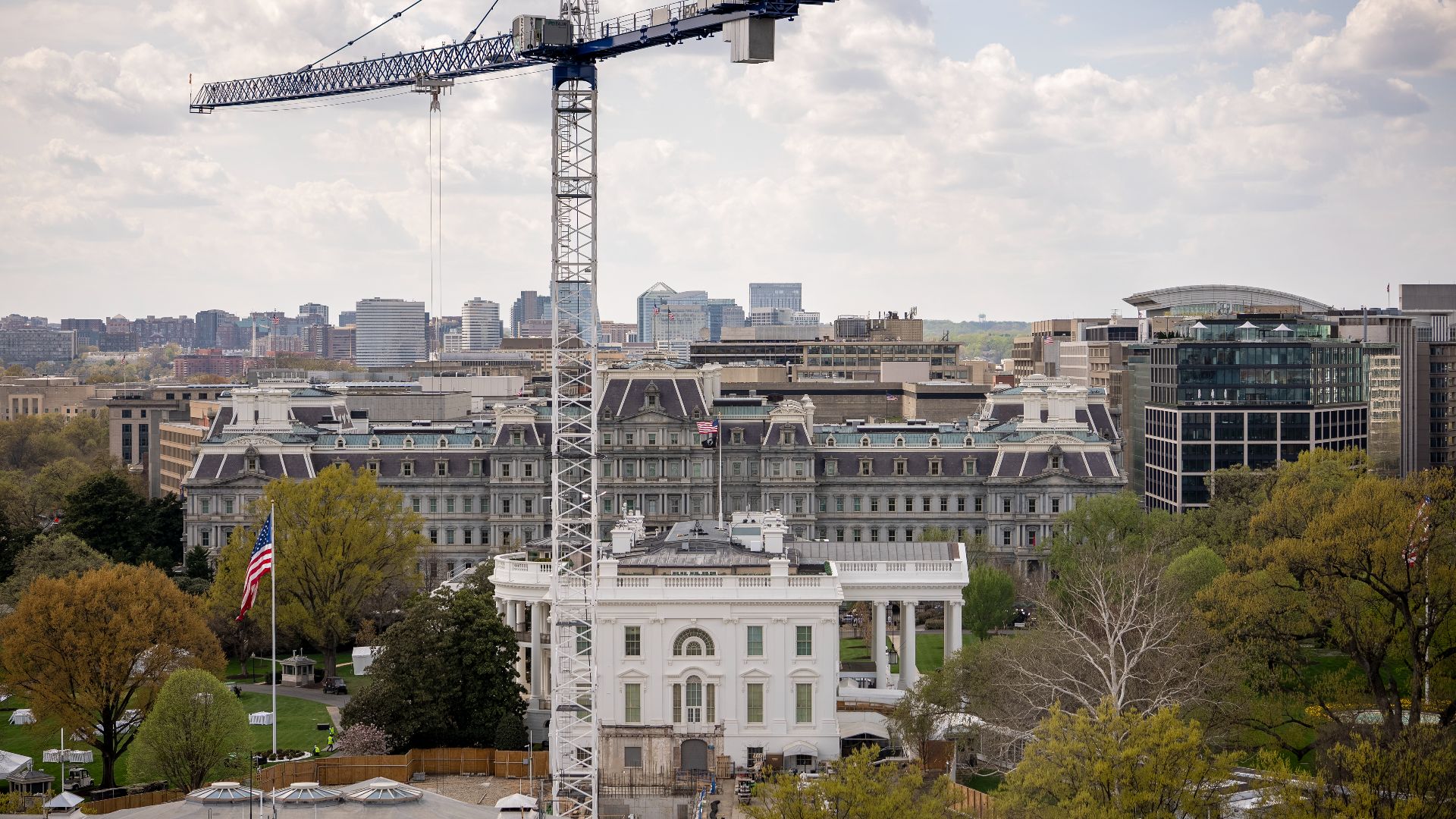
Trump Touts $400 Million Ballroom as «Way Under Budget» as Congress Moves Toward $1B in Public Funds
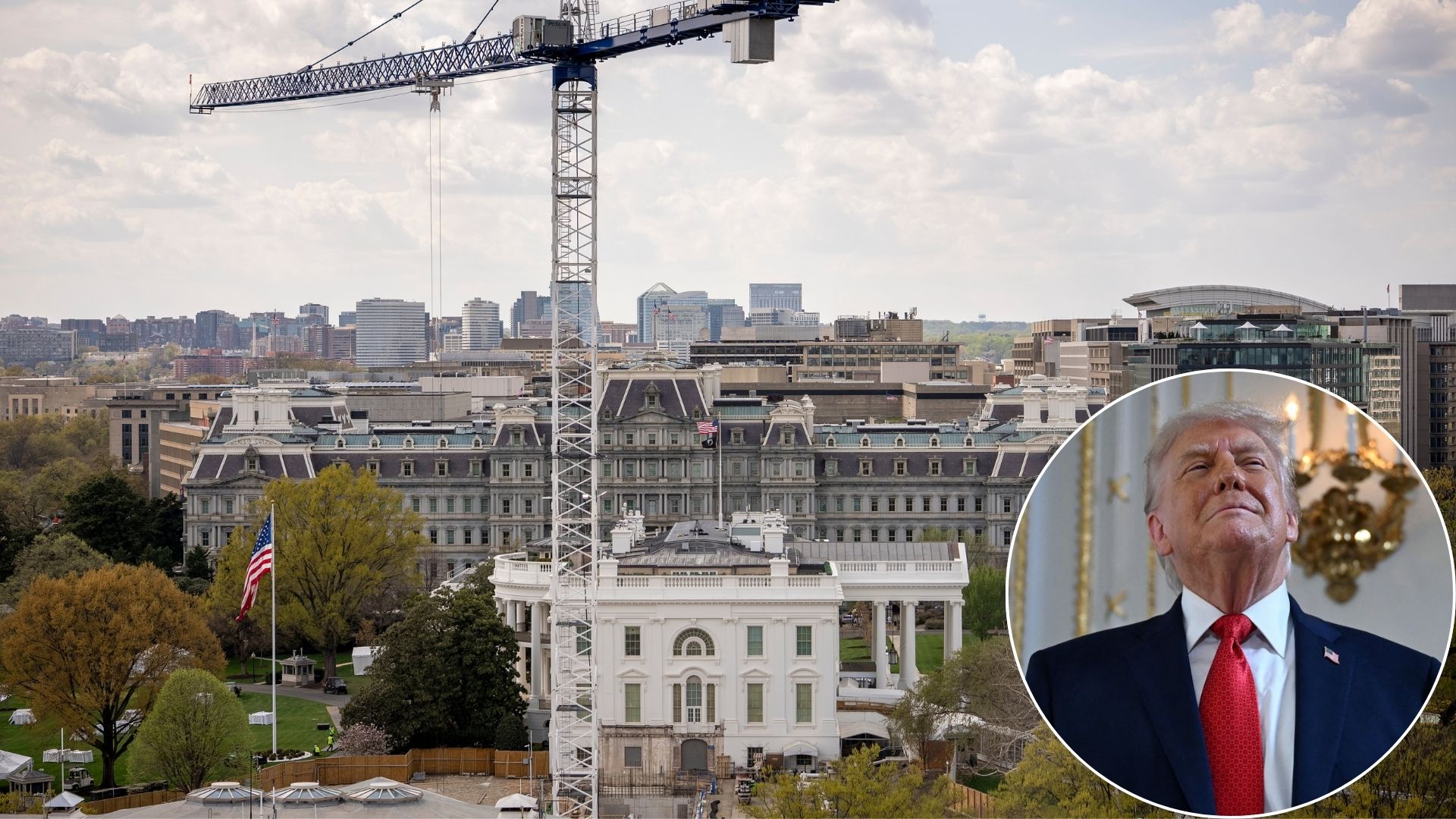
As Republicans push toward securing $1 billion in public funding for Trump’s White House ballroom project, the president is highlighting what he describes as a financial success, despite earlier promises that the construction would rely entirely on private funding. The ballroom, which Trump began building during his second term after controversially ordering the demolition of the East Wing without congressional approval, was initially presented as a privately financed initiative. Now, as lawmakers consider allocating taxpayer money, Trump is using Truth Social to emphasize that the project is «Way Under Budget» while accusing «the Fake News» of misrepresenting its costs.
«The White House Ballroom is going up rapidly on the East side of the White House,» Trump wrote in a recent post, outlining the current state of construction. He added «The only reason the cost has changed is because, after deep rooted studies, it is approximately twice the size, and a far higher quality, than the original proposal, which would not have been adequate to handle the necessary events, meetings, and even future Inaugurations.» The president framed the expansion as a necessary adjustment, arguing that earlier plans underestimated the scale required for official functions and long-term use.
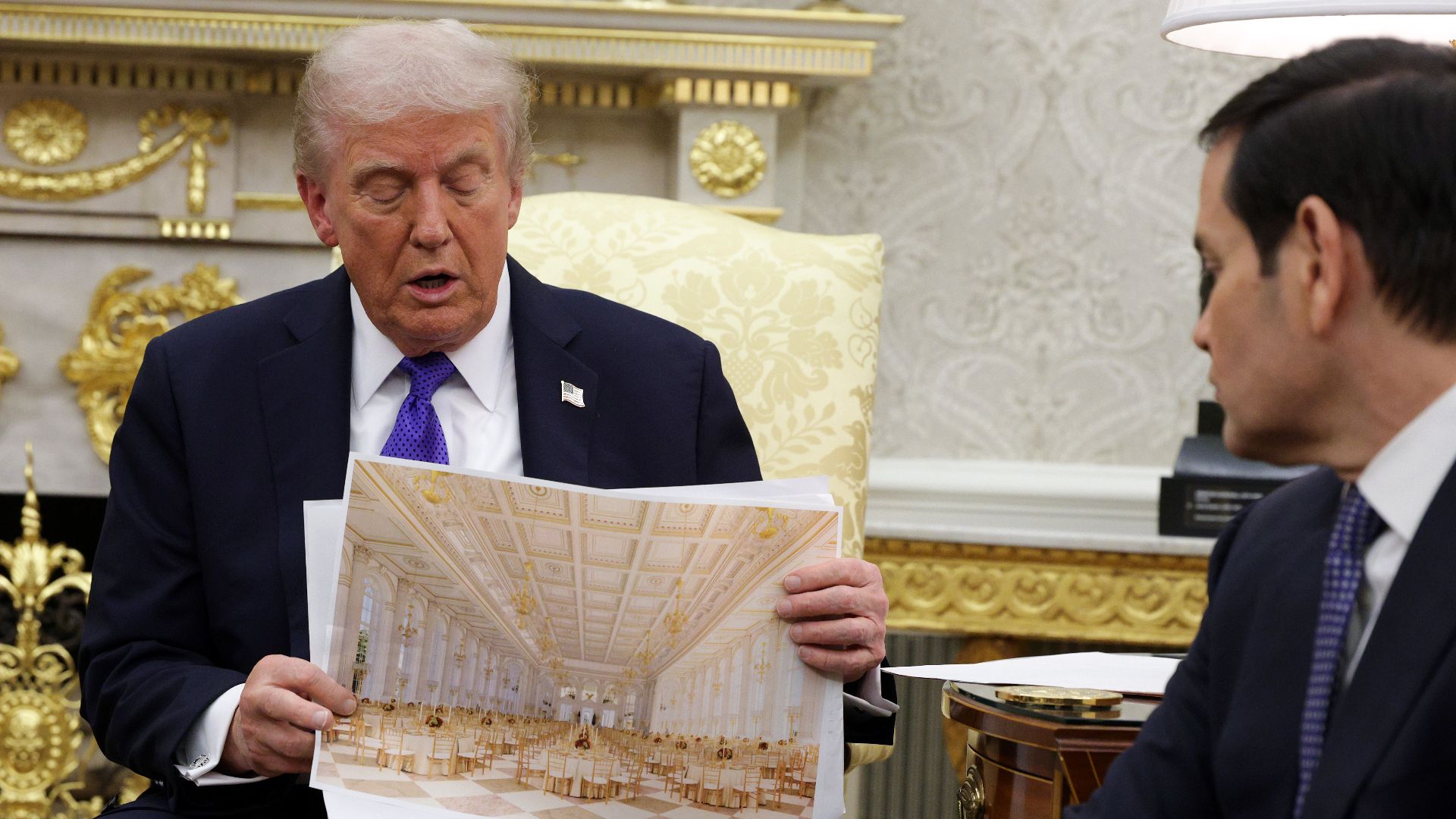
The ballroom project has seen multiple revisions in projected costs since its inception, contributing to growing scrutiny in Washington. Trump acknowledged that the original estimate stood at $200 million before increasing to $300 million and eventually nearing $400 million. «The original price was 200 Million Dollars, the double sized, highest quality completed project will be something less than 400 Million Dollars,» he said, presenting the increase as a reflection of improved design rather than mismanagement. The shifting figures, however, have drawn criticism from lawmakers questioning the consistency of the administration’s financial planning.
«This was a necessary change, it was done long ago, but the Fake News failed to report it, trying to make it look like there was a cost overrun. Actually, it is coming in ahead of schedule, and under budget!»
-U.S. President, Donald Trump on Truth Social
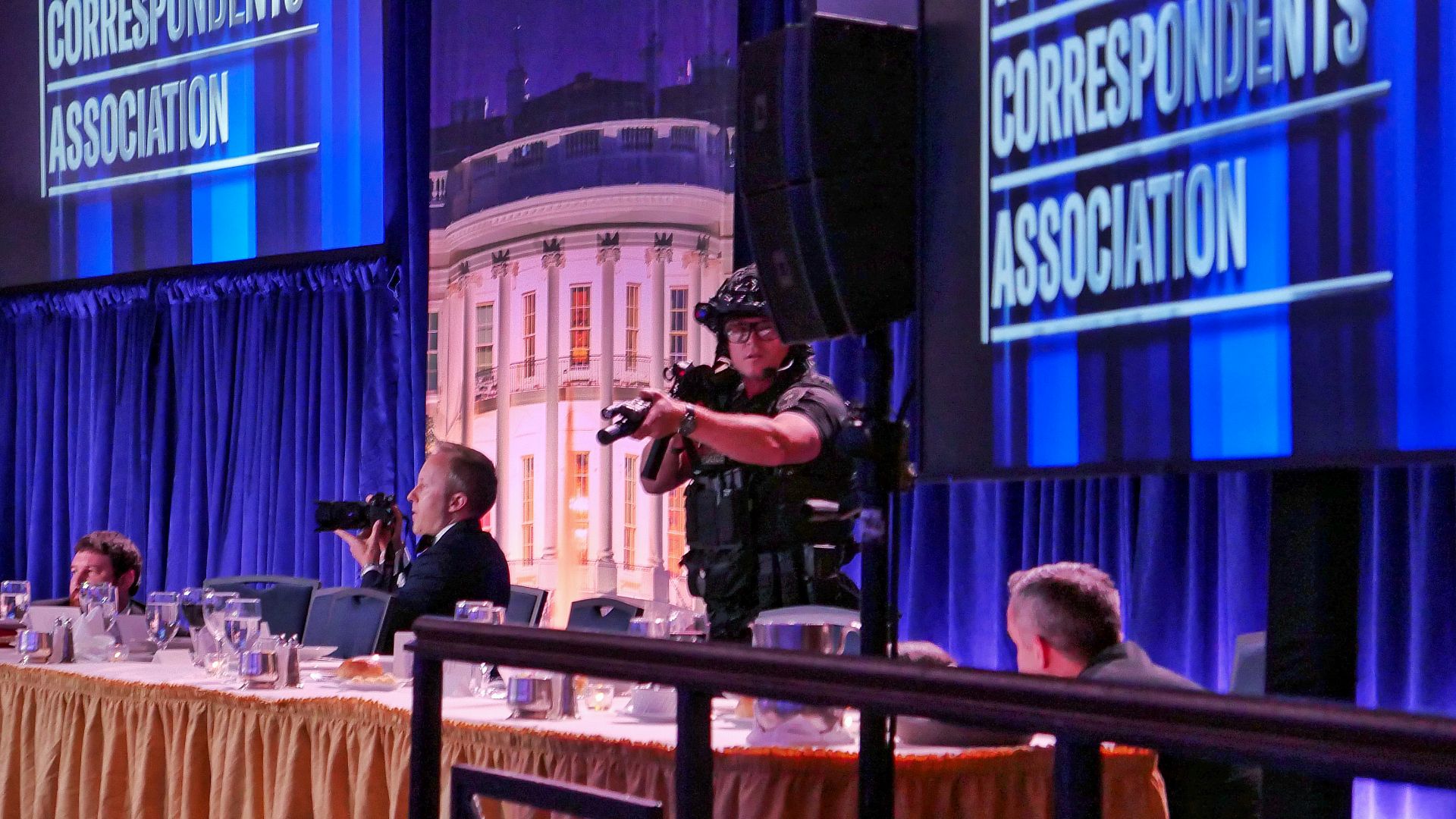
At the same time, the administration has moved to secure public funding for the project, marking a significant shift from its initial commitment to avoid taxpayer involvement. The push intensified following political tensions tied to recent White House Correspondents’ Dinner events, with officials arguing that a new, larger venue is needed for security and logistical reasons. Congress is now considering a proposal that would allocate up to $1 billion for the ballroom and related infrastructure, raising concerns among critics about the use of federal funds for what was initially framed as a privately financed initiative.
Trump has sought to counter criticism by emphasizing construction progress and framing the project as both efficient and ahead of schedule. «It will be magnificent, safe, and secure!» he wrote, while also addressing public skepticism about the rising costs. He argued that negative perceptions are largely driven by media coverage, stating «This was a necessary change, it was done long ago, but the Fake News failed to report it, trying to make it look like there was a cost overrun. Actually, it is coming in ahead of schedule, and under budget!» The comments reflect a broader effort to control the narrative surrounding the project.
«The original price was 200 Million Dollars, the double sized, highest quality completed project will be something less than 400 Million Dollars.»
-U.S. President, Donald Trump on Truth Social
The debate over the ballroom highlights ongoing tensions between the administration and Congress over federal spending priorities, as well as broader questions about transparency and accountability in large-scale government projects. Supporters argue that the expansion addresses longstanding infrastructure limitations at the White House, while critics point to the evolving cost estimates and the shift toward public funding as key concerns. As lawmakers continue to weigh the proposal, the project remains a focal point in discussions about executive authority, fiscal responsibility, and the role of taxpayer money in presidential initiatives.