Canada and nuclear weapons: understanding the renewed debate and alternative paths
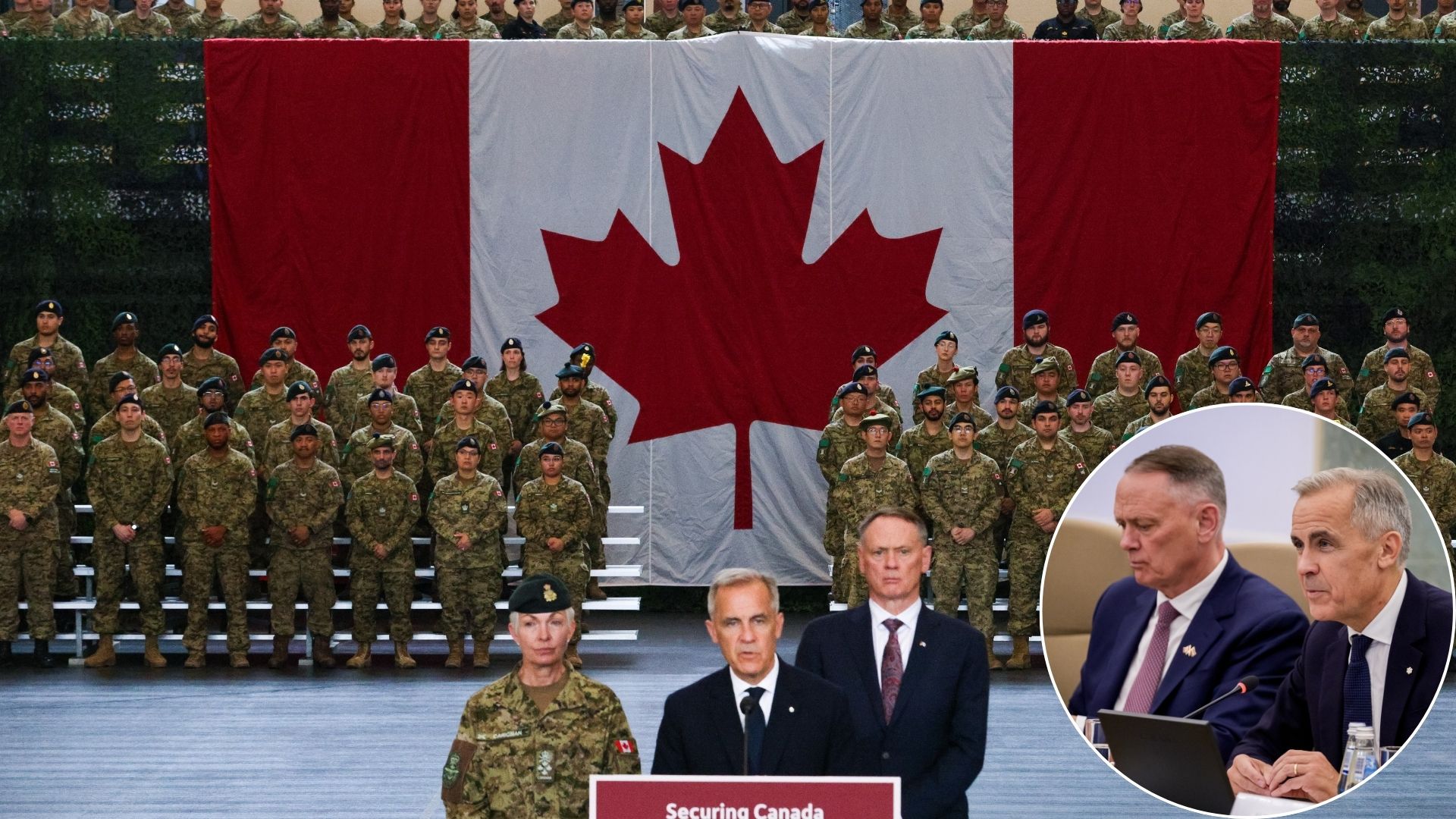
The comment by a former military leader reviving the idea that Canada should not completely rule out the nuclear option has sparked lively public and political debate. First and foremost, it is useful to put this debate into context: we are living in a period of geopolitical uncertainty, with increased tensions between major powers, doubts within alliances, and rapidly evolving security doctrines. That said, moving from strategic thinking to the acquisition of nuclear weapons has profound diplomatic, economic, and moral implications.
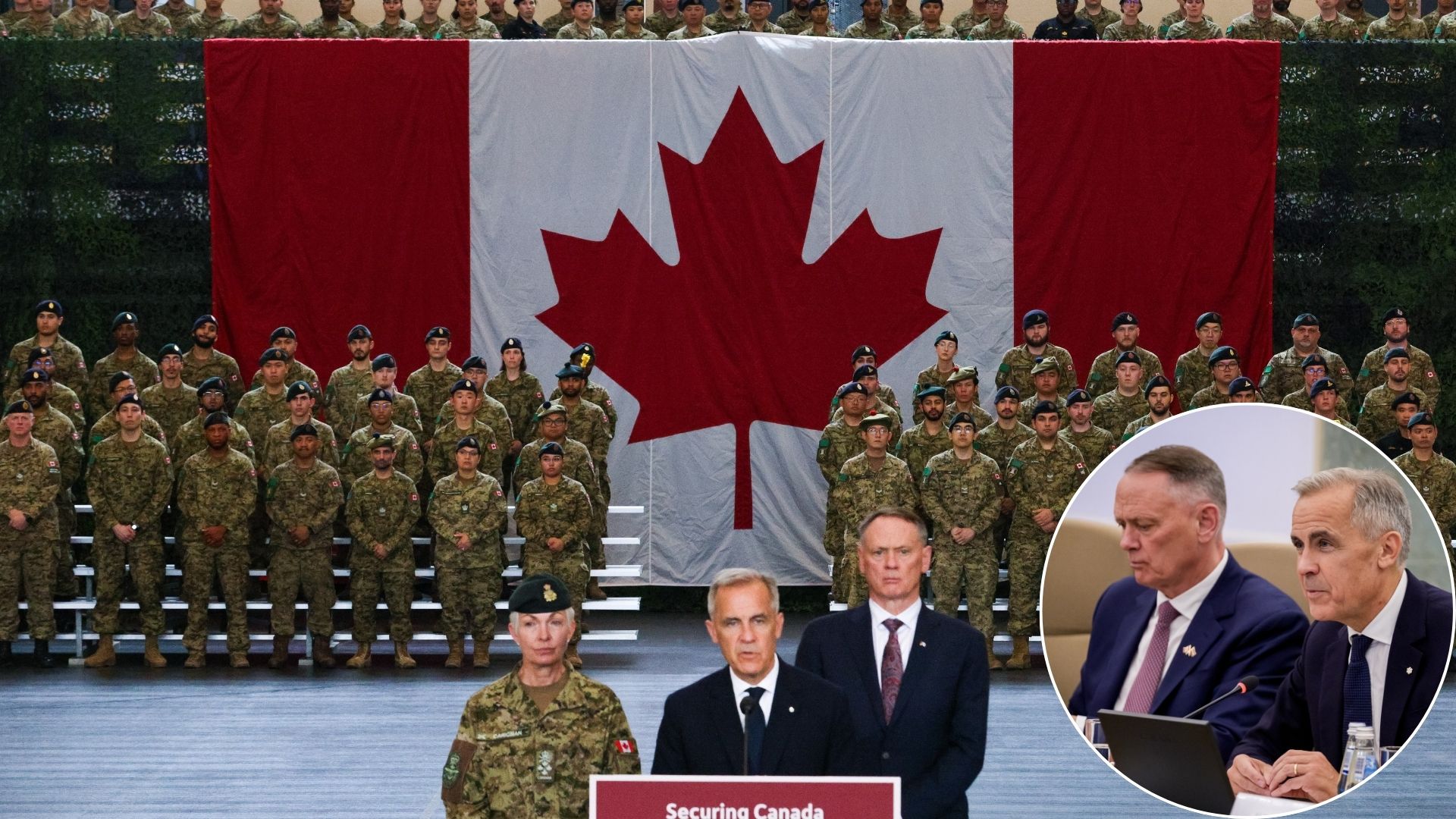
Why is this idea resurfacing? Several factors explain it: the increase in perceived threats (notably the nuclear rhetoric of certain states), concerns about the reliability of security guarantees offered by allies, and the desire of some leaders to consider all options to ensure sovereignty and national defense. The former general suggested that total strategic independence could, in the very long term, be difficult to achieve without some form of enhanced deterrence.
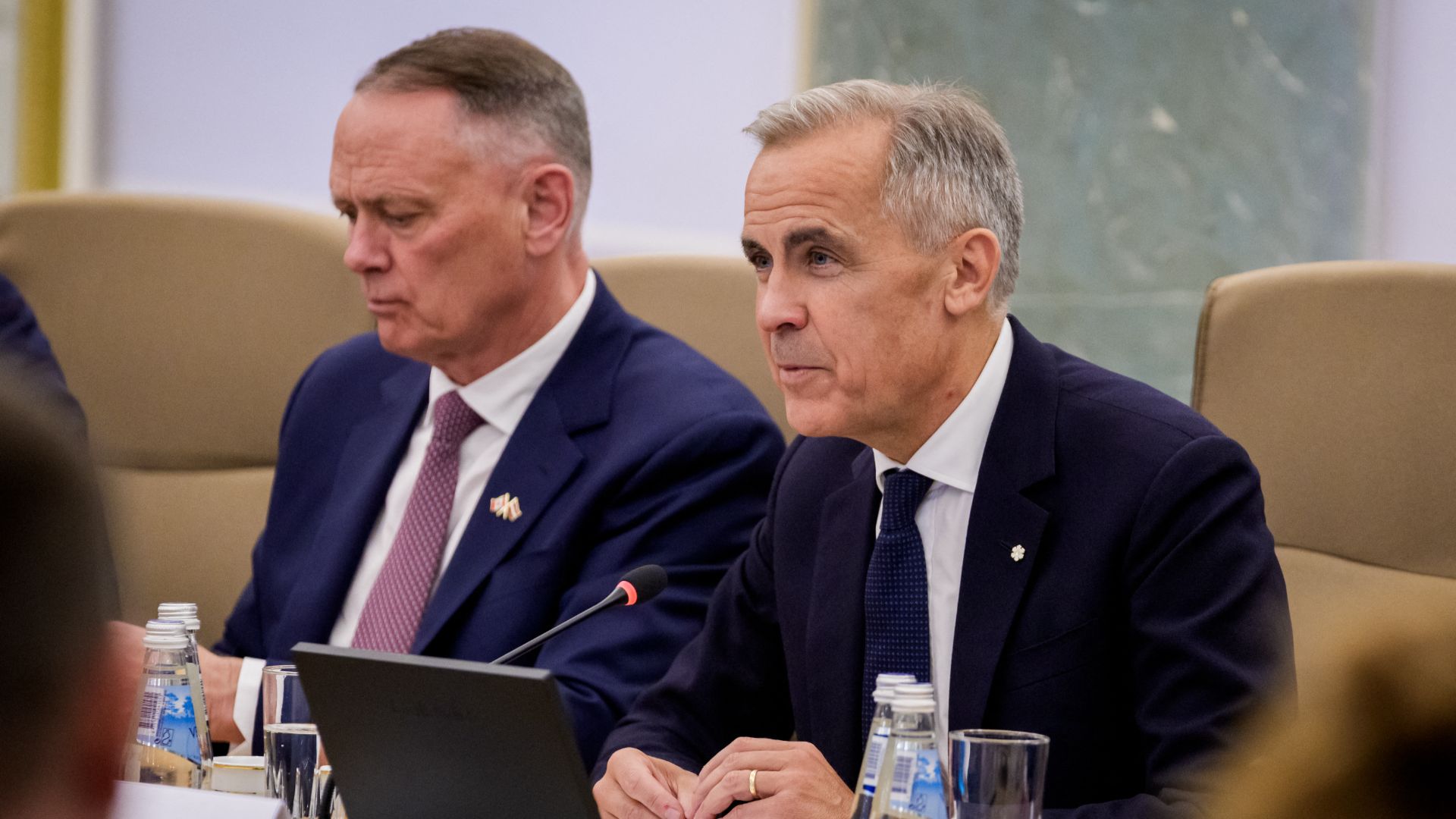
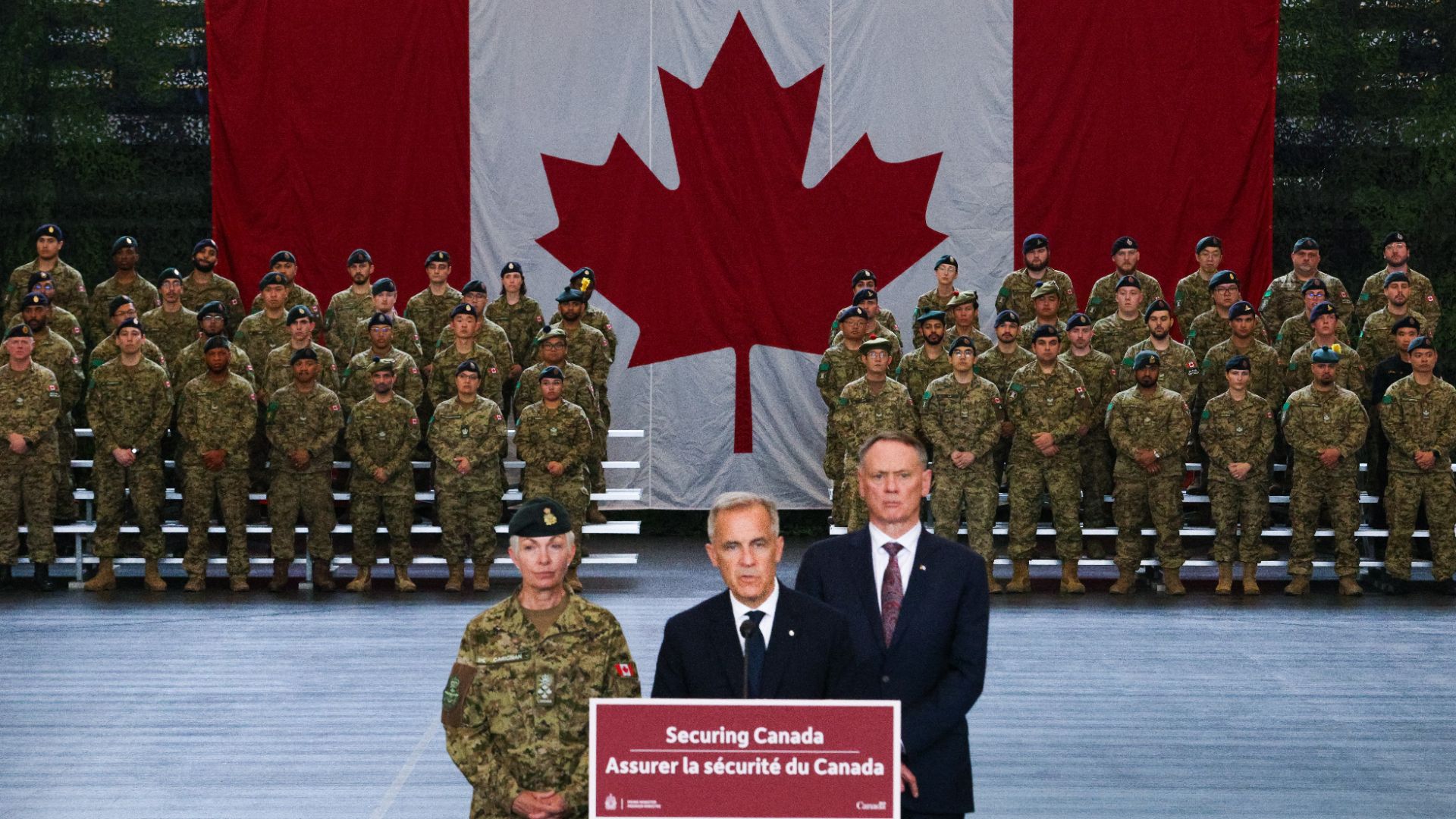
However, the government immediately dismissed the idea, reiterating Canada’s commitment to the Nuclear Non-Proliferation Treaty (NPT) and the importance of focusing resources on strengthening conventional capabilities. The Minister of Defense emphasized that the country has no plans to acquire nuclear weapons and prefers to invest in modernizing the armed forces, protecting the Arctic, and territorial sovereignty.
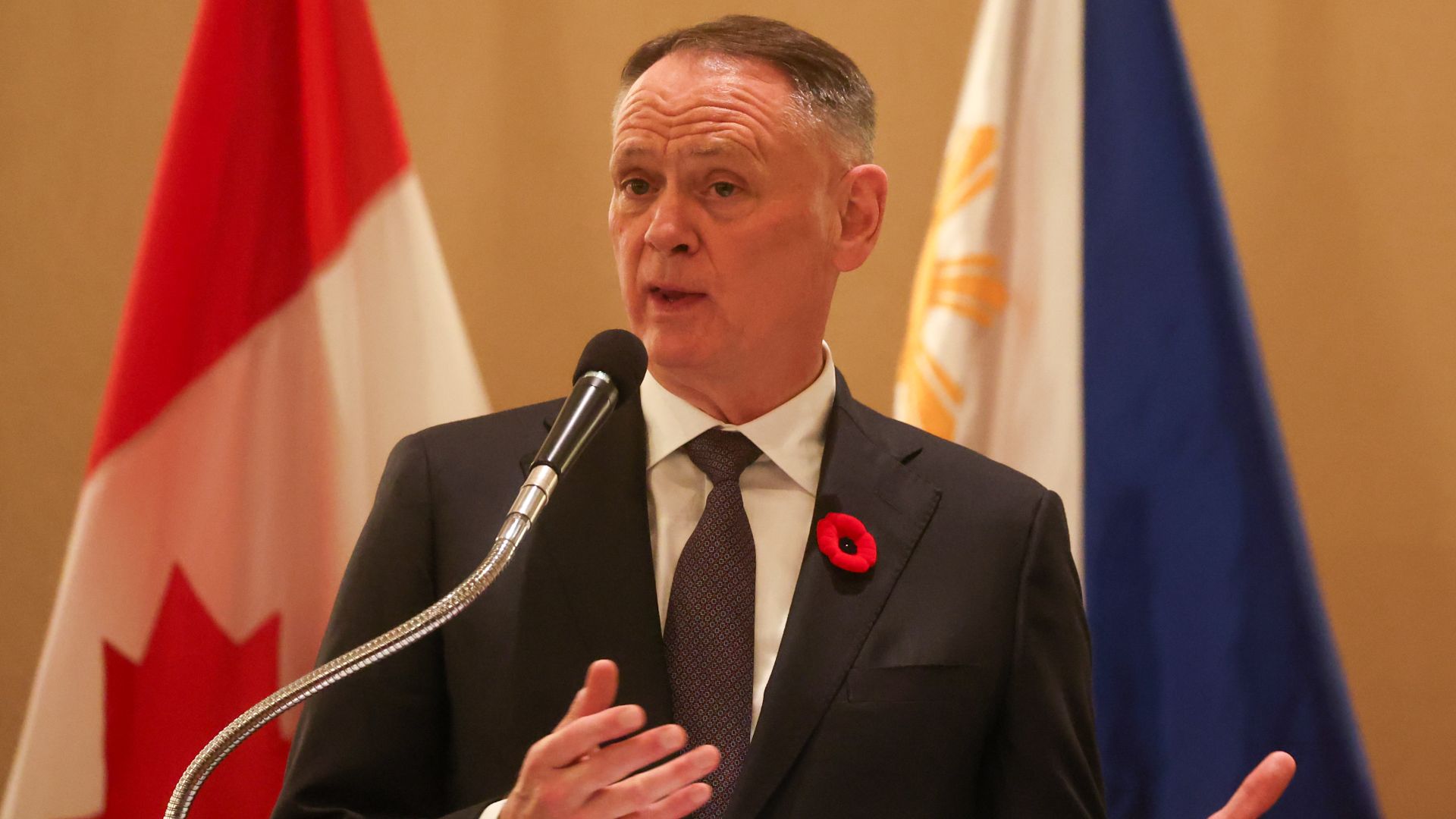
The arguments for and against
Proponents of open reflection put forward concrete points: nuclear deterrence is seen by some as the ultimate guarantee of security, and continued dependence on the nuclear umbrellas of allies can be perceived as a vulnerability. This is countered by a series of powerful arguments:
- The international legal framework: Canada has been a signatory to the NPT since 1970—a central instrument that prohibits non-nuclear-weapon states from seeking or acquiring nuclear weapons.
- Cost and logistics: developing, deploying, and securing nuclear weapons requires massive investments and considerable technical and industrial capabilities.
- Diplomatic consequences: such a decision would isolate Ottawa, weaken its alliances, and compromise its traditional role in promoting disarmament and non-proliferation.
- Risks of proliferation and escalation: the possession of nuclear weapons by more states increases the risks of error, dissemination, and accidents.

Security experts have pointed out that the issue is not only technical, but also strategic: what objectives would be sought? Does deterrence really protect against contemporary threats, or would investments in cyber defense, conventional capabilities, and civil resilience offer better value for money?
Alternative approaches and recommendations
Leaving aside the nuclear option, several pragmatic priorities emerge for strengthening Canada’s security:
- Strengthen conventional capabilities: modernize forces, acquire equipment suited to Arctic missions and interoperability with allies.
- Consolidate alliances: work within NATO and with partners such as the United States to clarify guarantees and improve strategic coordination.
- Invest in diplomacy and arms control: promote multilateral initiatives to limit risks and revive arms control agreements.
- Strengthen national resilience: cybersecurity, critical infrastructure protection, and civil crisis preparedness.
In summary, the debate reignited by a former general is healthy in that it forces us to reflect on vulnerabilities and priorities. But the nuclear path carries major costs and risks that, for now, seem disproportionate to the expected benefits for Canada. The government favors a strategy based on non-proliferation, strengthening conventional capabilities, and international cooperation—an approach consistent with the country’s strategic identity.
If you are following this issue, expect further public debate and expert analysis. The question raised by the former general may resurface whenever international tensions peak, but any decision to make a major change in posture would require in-depth democratic debate, rigorous technical assessments, and international acceptance, which currently seems highly unlikely.