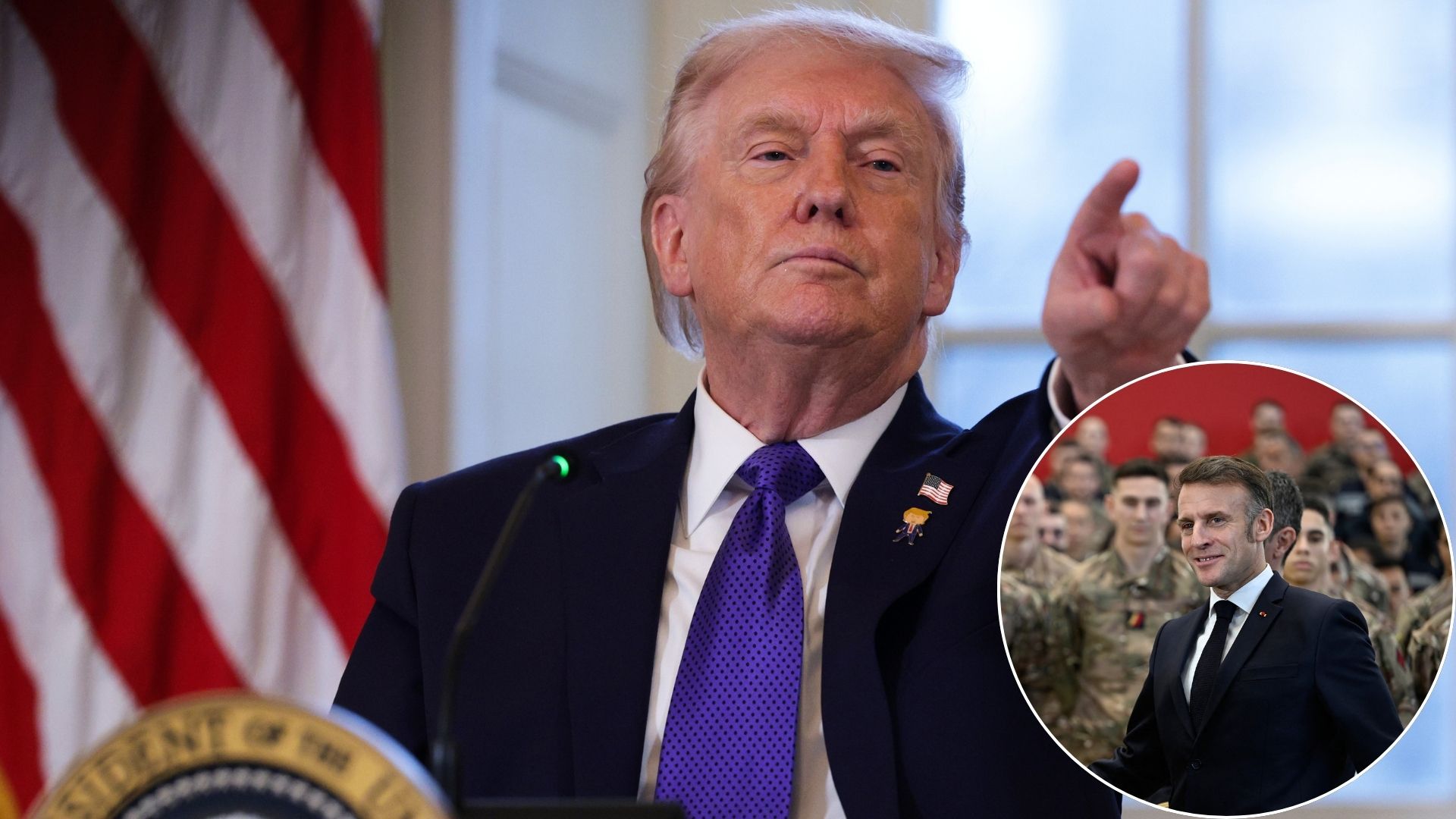
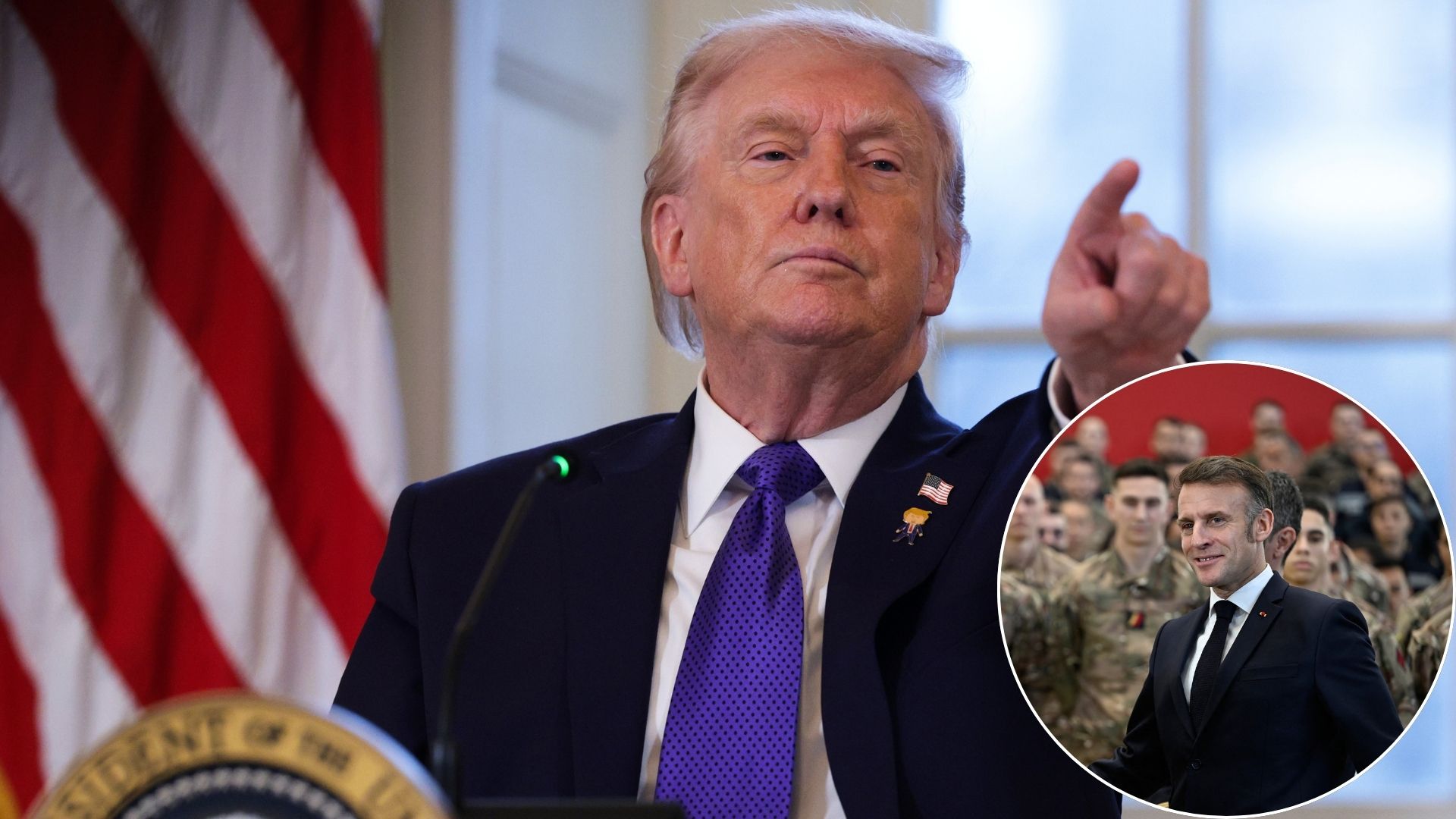
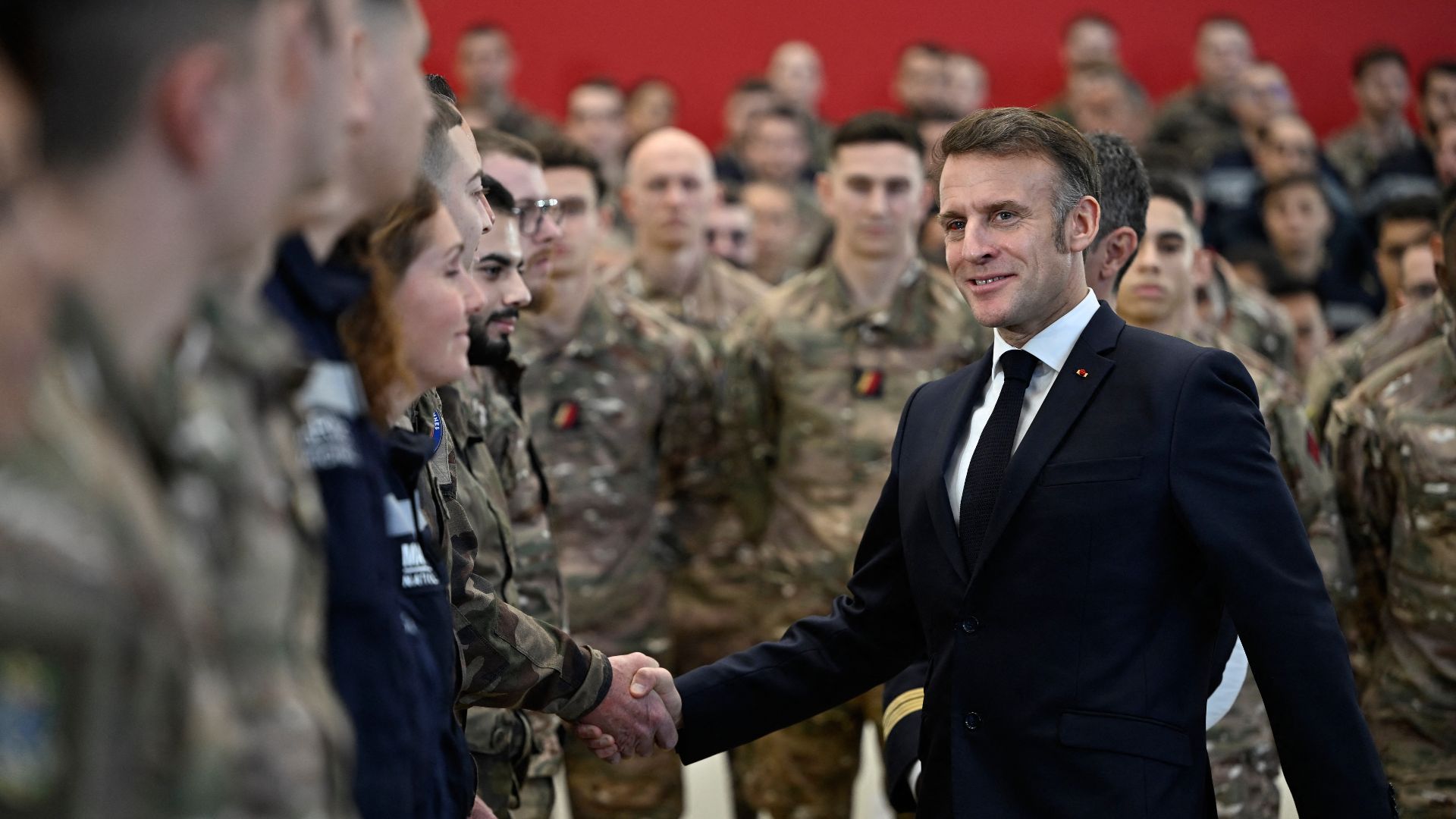
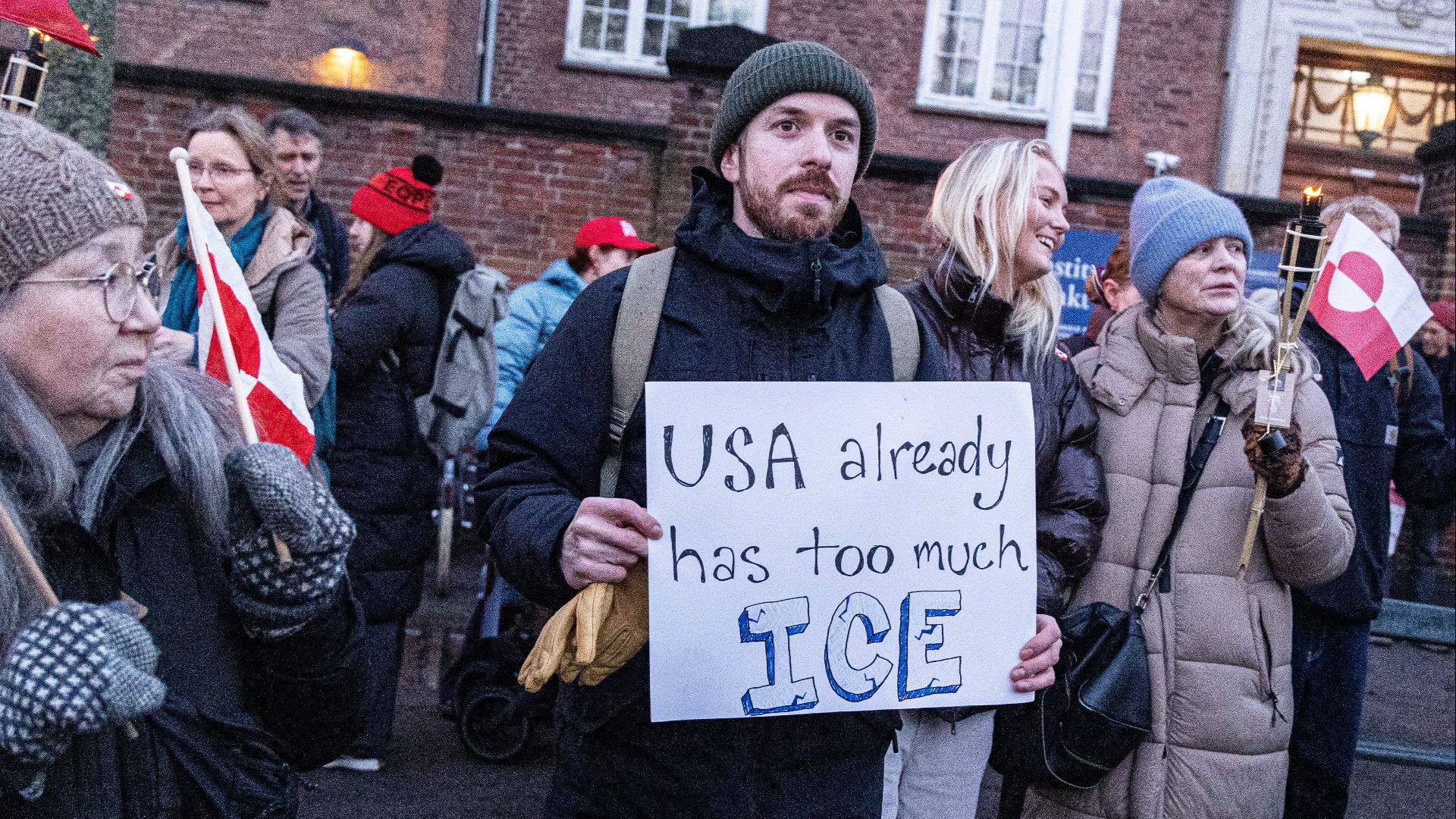
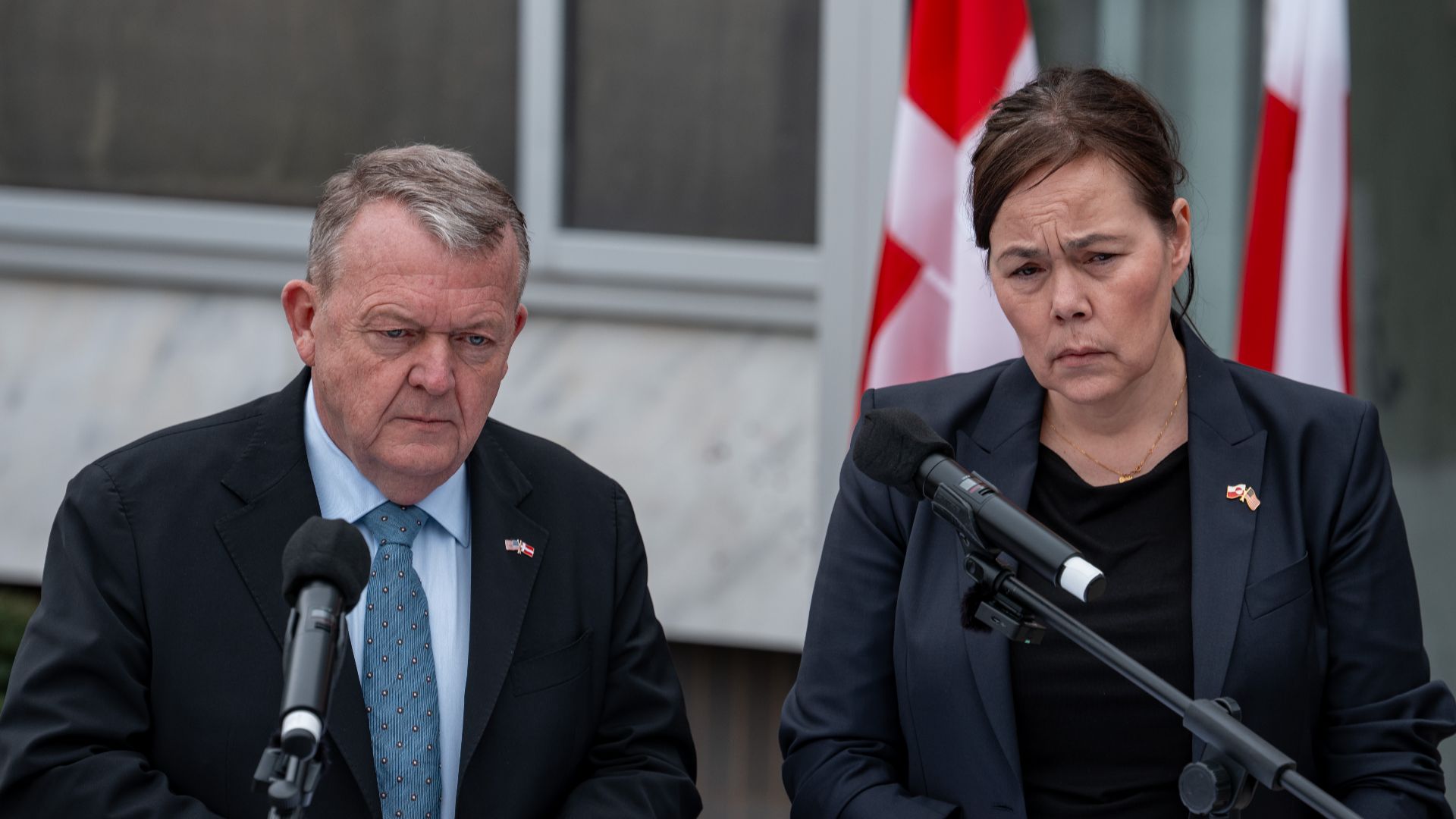
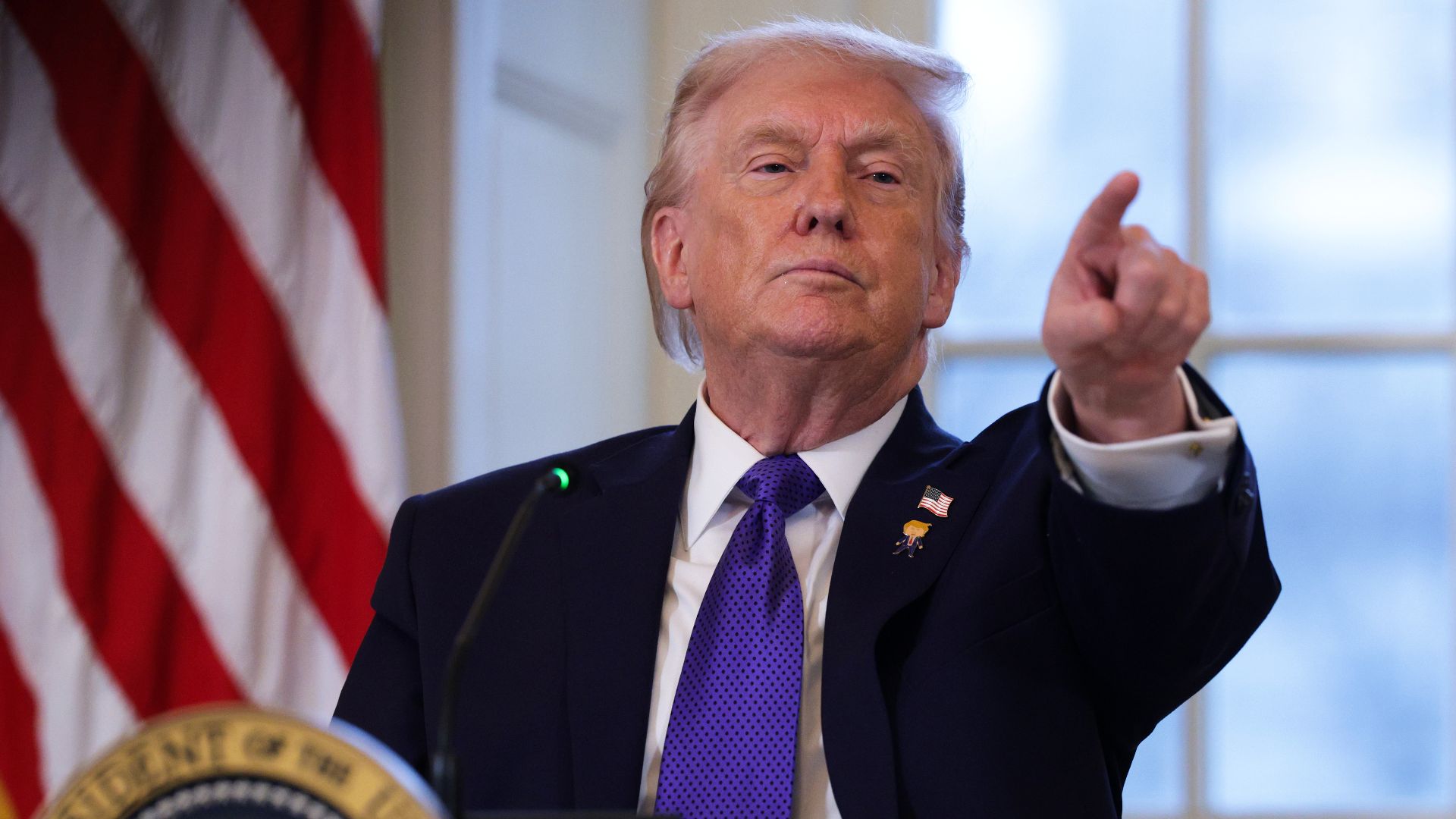
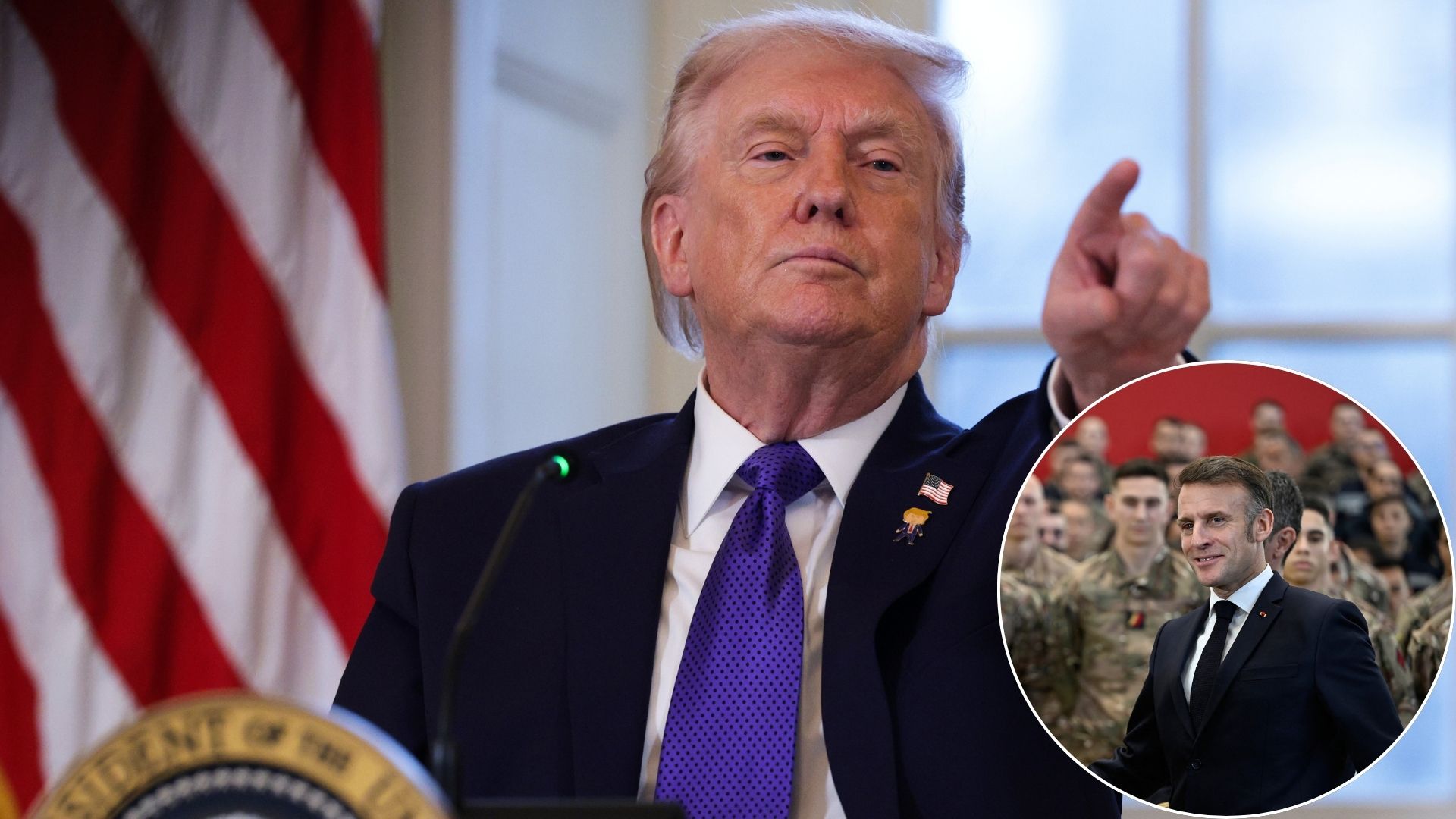
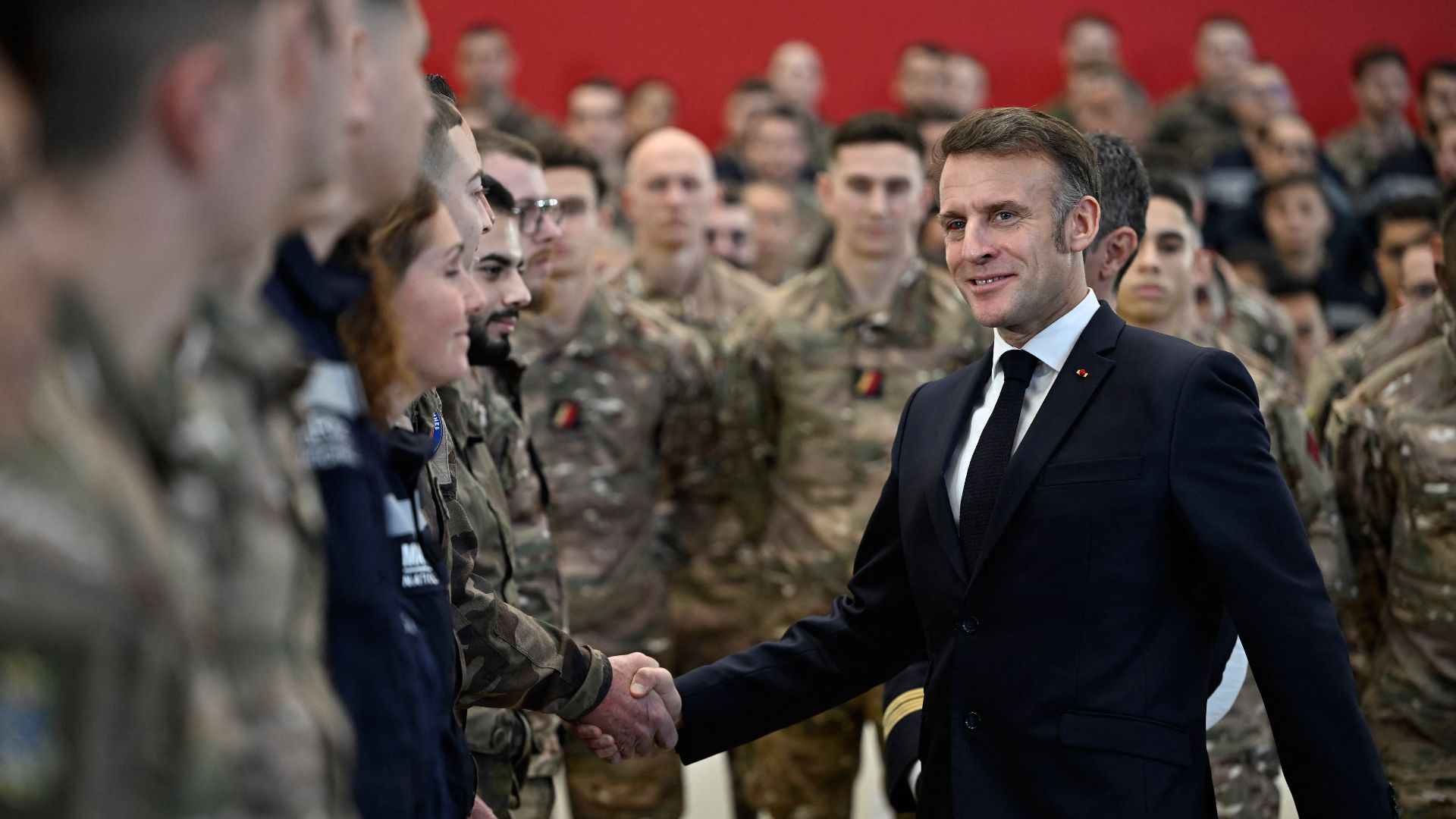
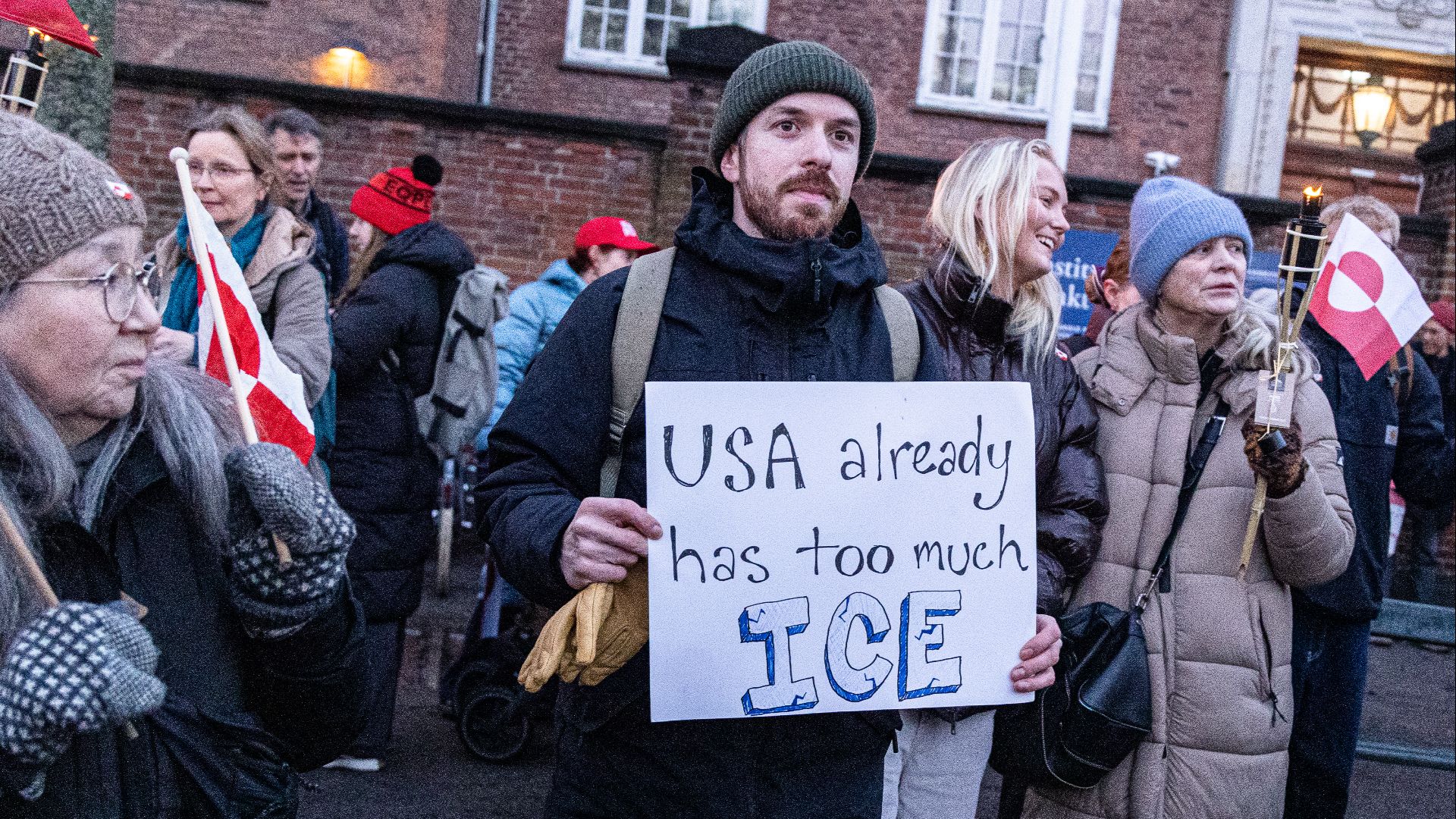
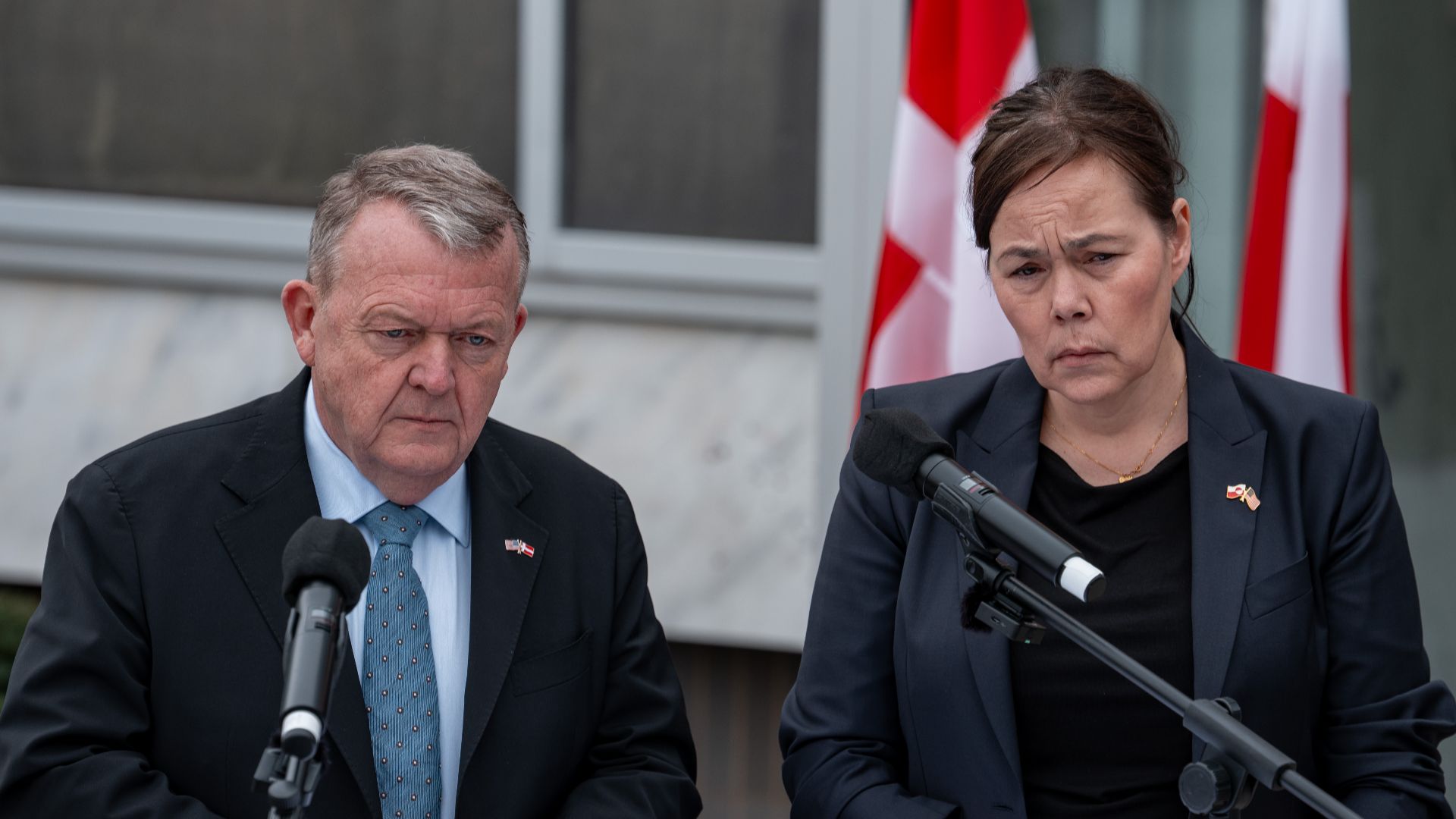
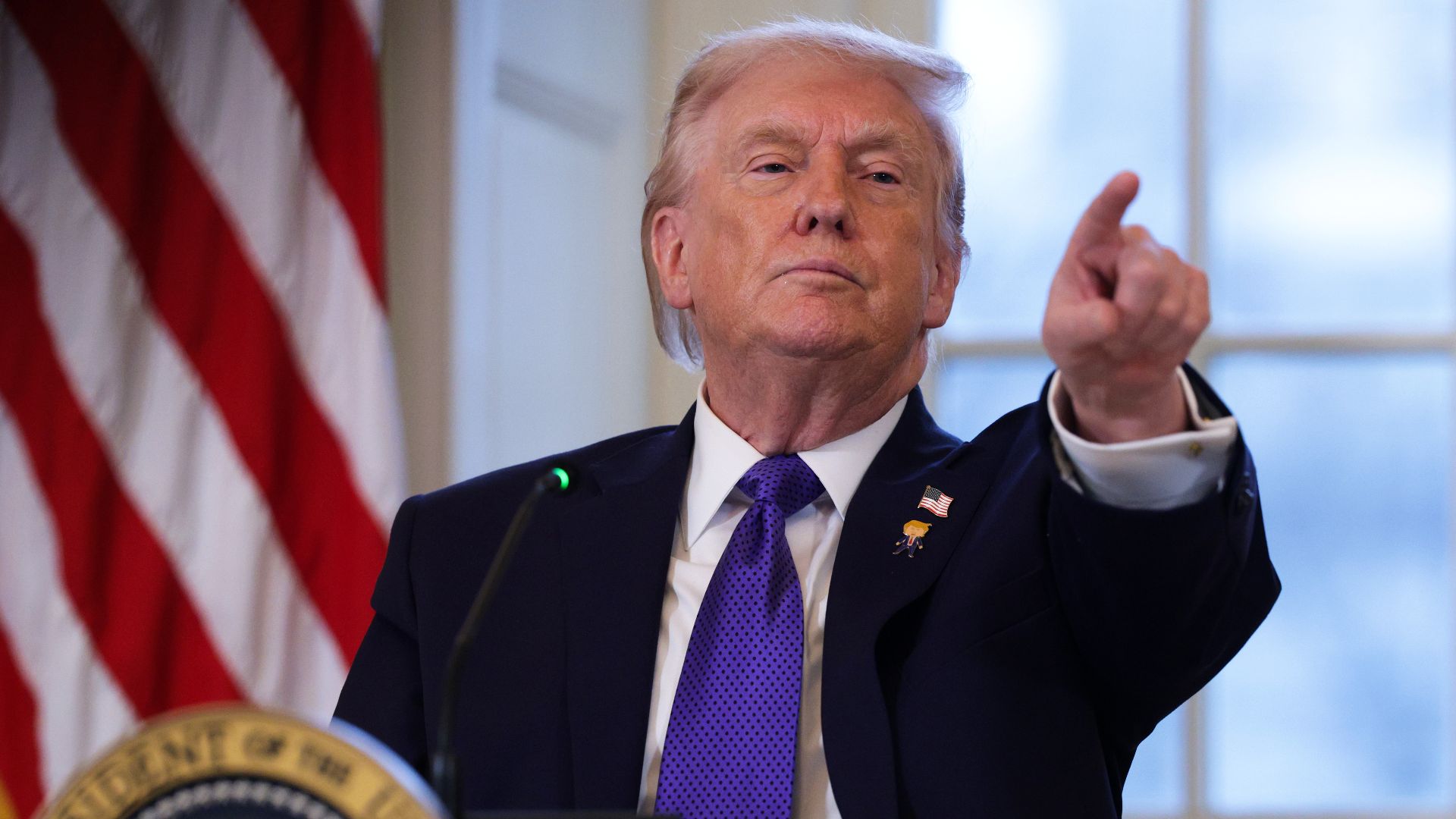
Plusieurs grands pays européens, dont la France, l’Allemagne, la Suède, la Norvège et la Finlande, ont envoyé des troupes au Groenland aux côtés du Danemark, élargissant ainsi la présence militaire liée à l’OTAN en réponse à ce que les responsables décrivent comme une menace sans précédent d’un allié contre un autre. Cette décision fait suite à des remarques de Donald Trump suggérant que les États-Unis pourraient prendre le contrôle du territoire « qu’ils le veuillent ou non », ce qui a alarmé les capitales européennes. Alors que les dirigeants insistent sur le caractère symbolique et coopératif du déploiement, axé sur la sécurité de l’Arctique et la coordination des alliances, les tensions se sont aggravées lorsque Trump a réitéré ses revendications sur Truth Social et a averti que les États-Unis agiraient si la Russie ou la Chine passaient à l’action en premier. Les pourparlers d’urgence n’ont pas permis de résoudre un désaccord fondamental.
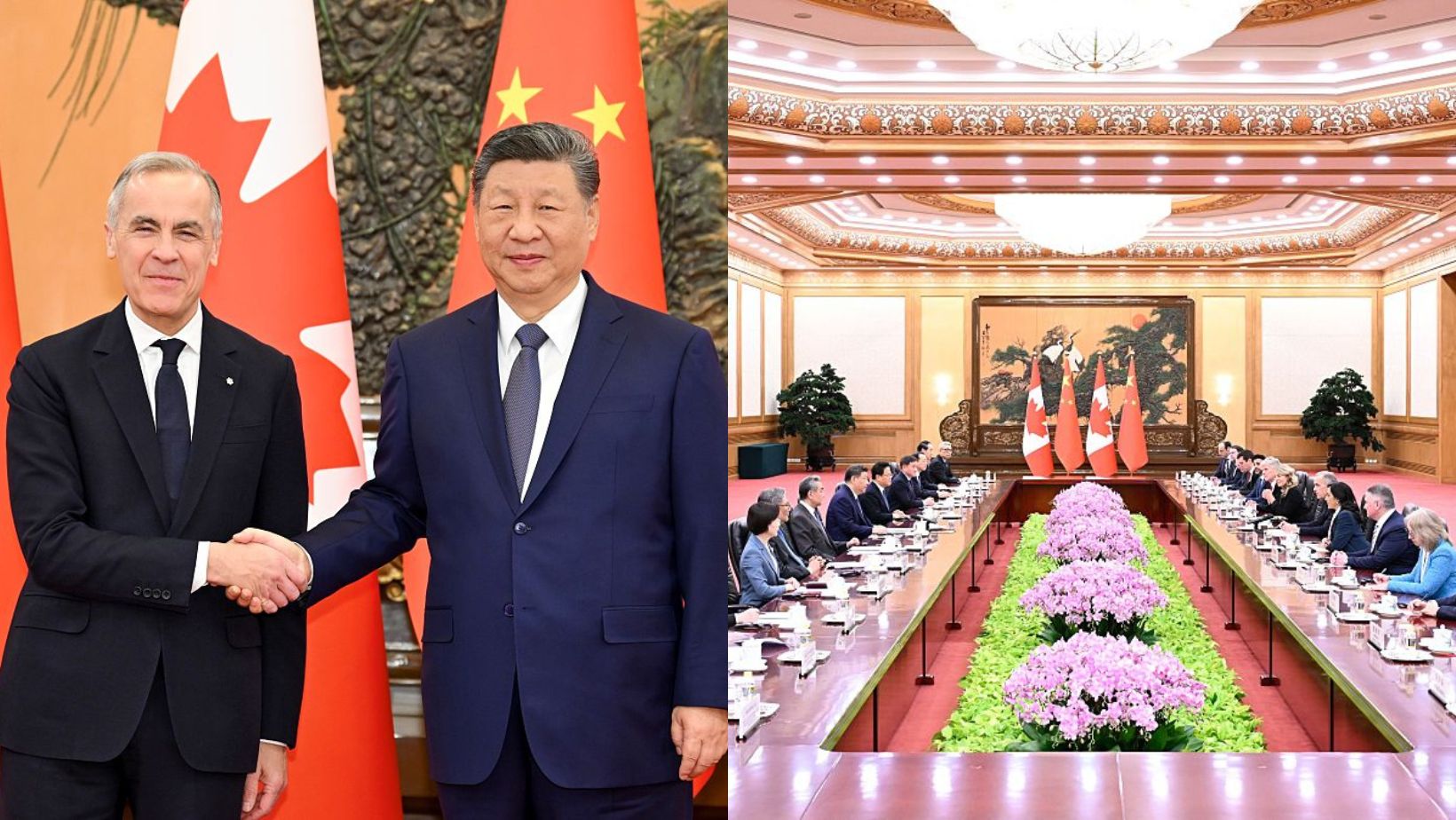
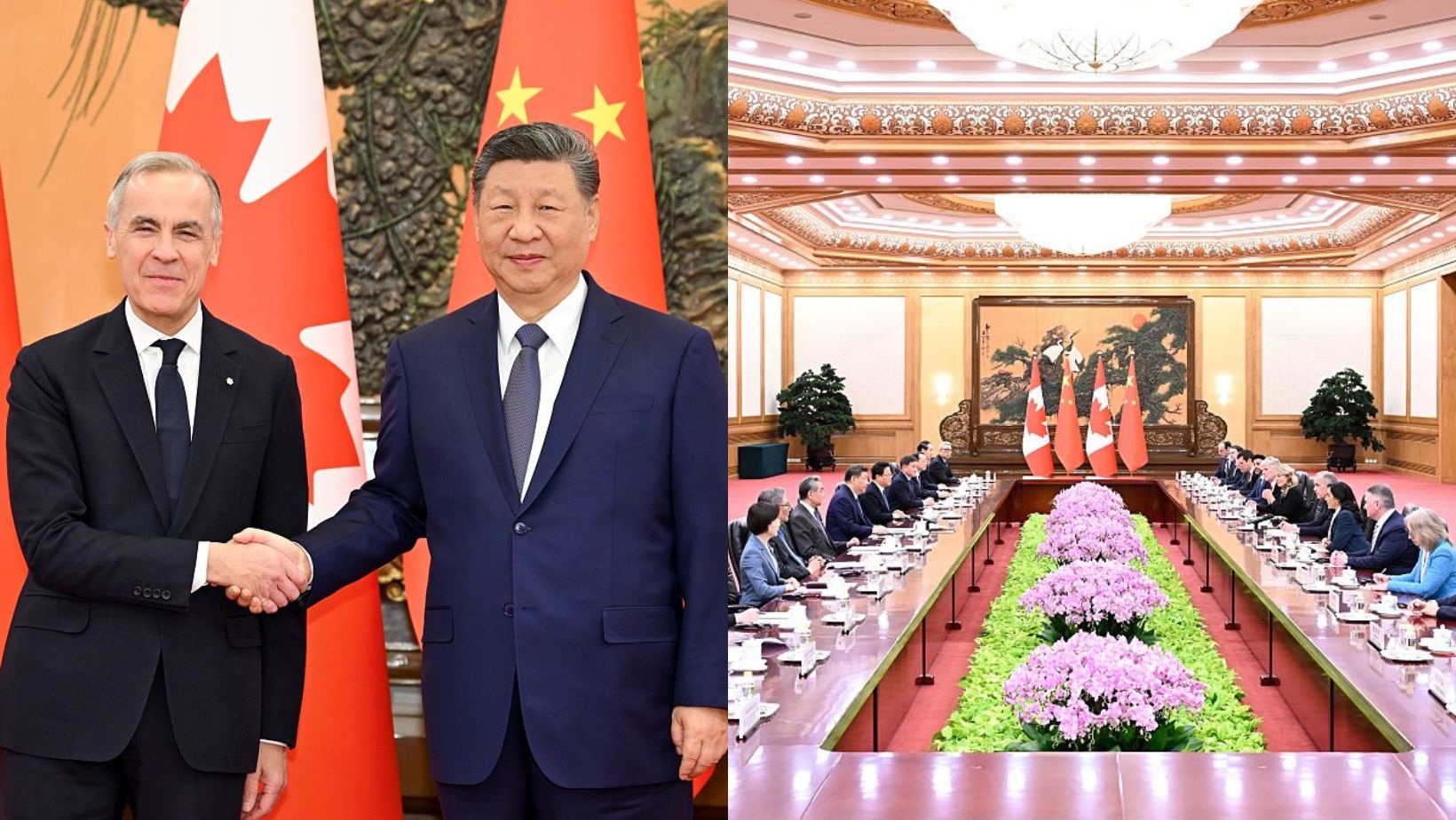
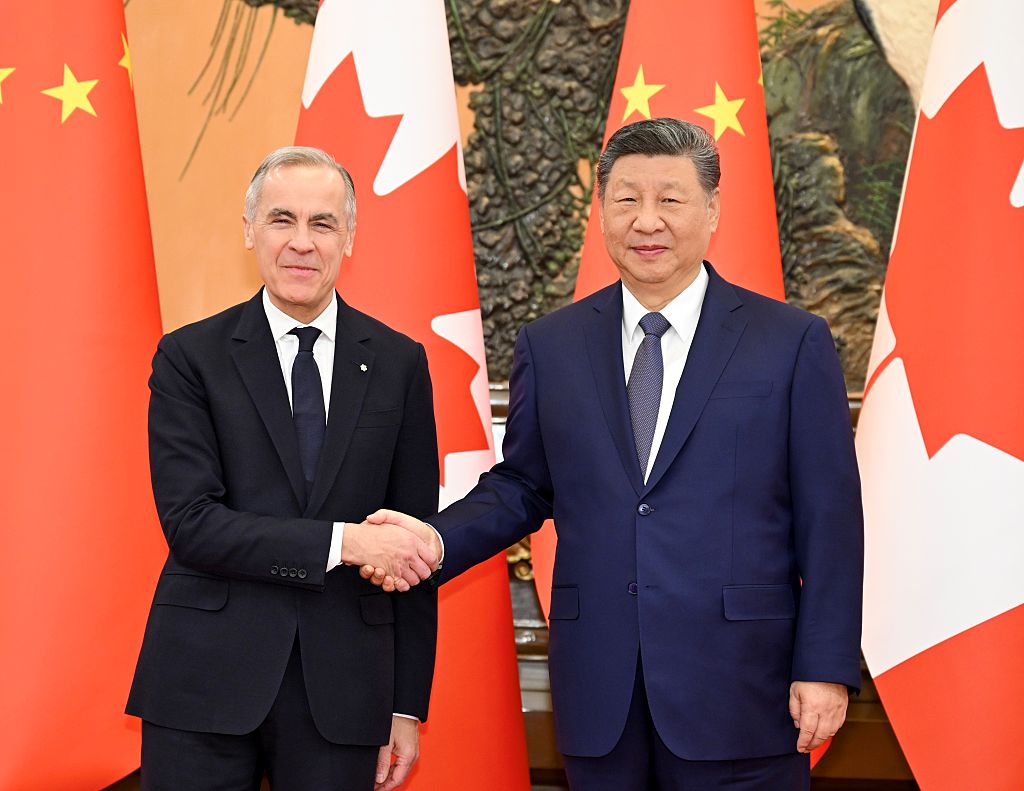
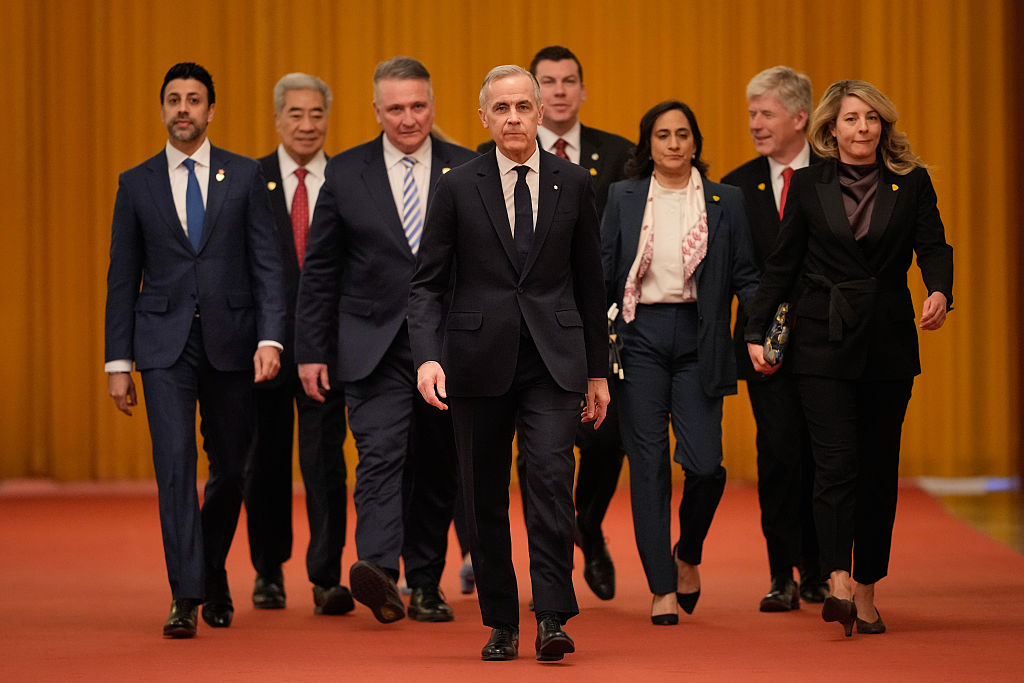
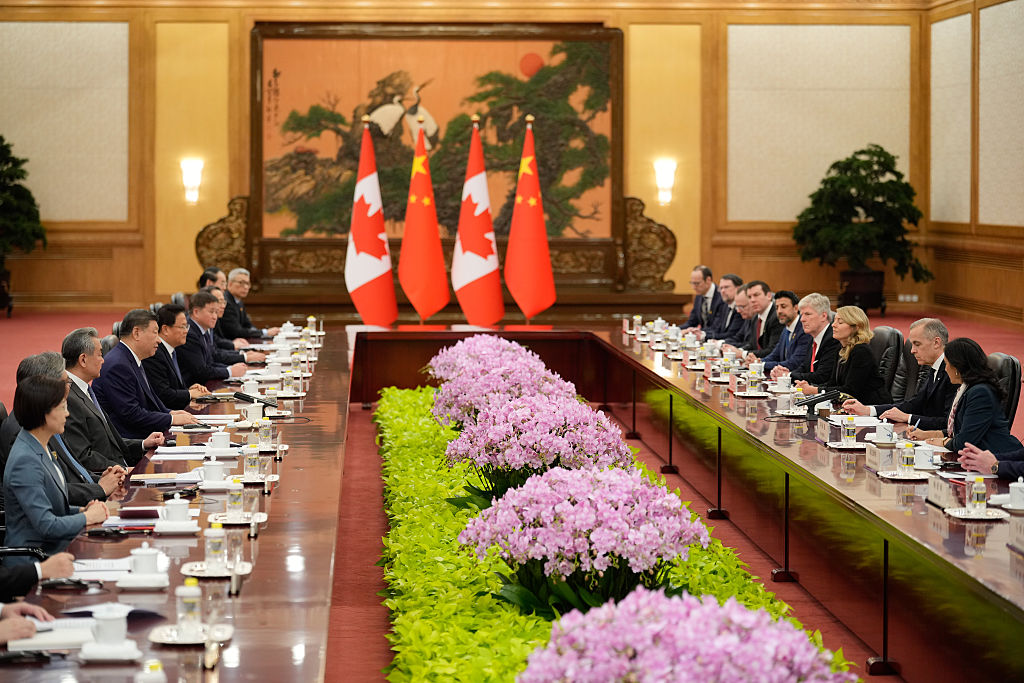
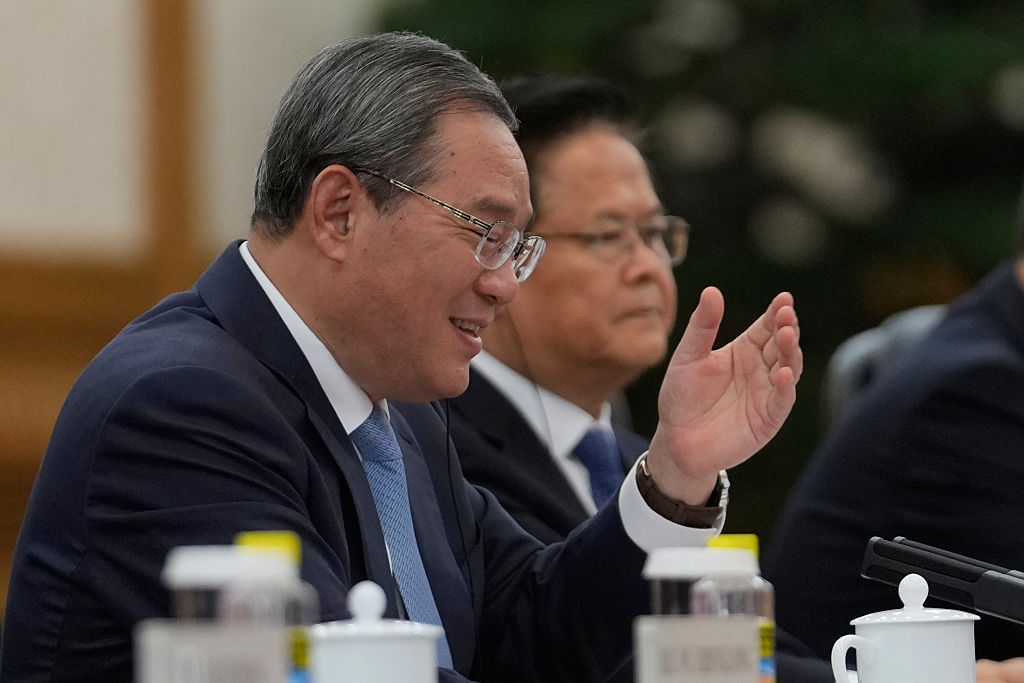
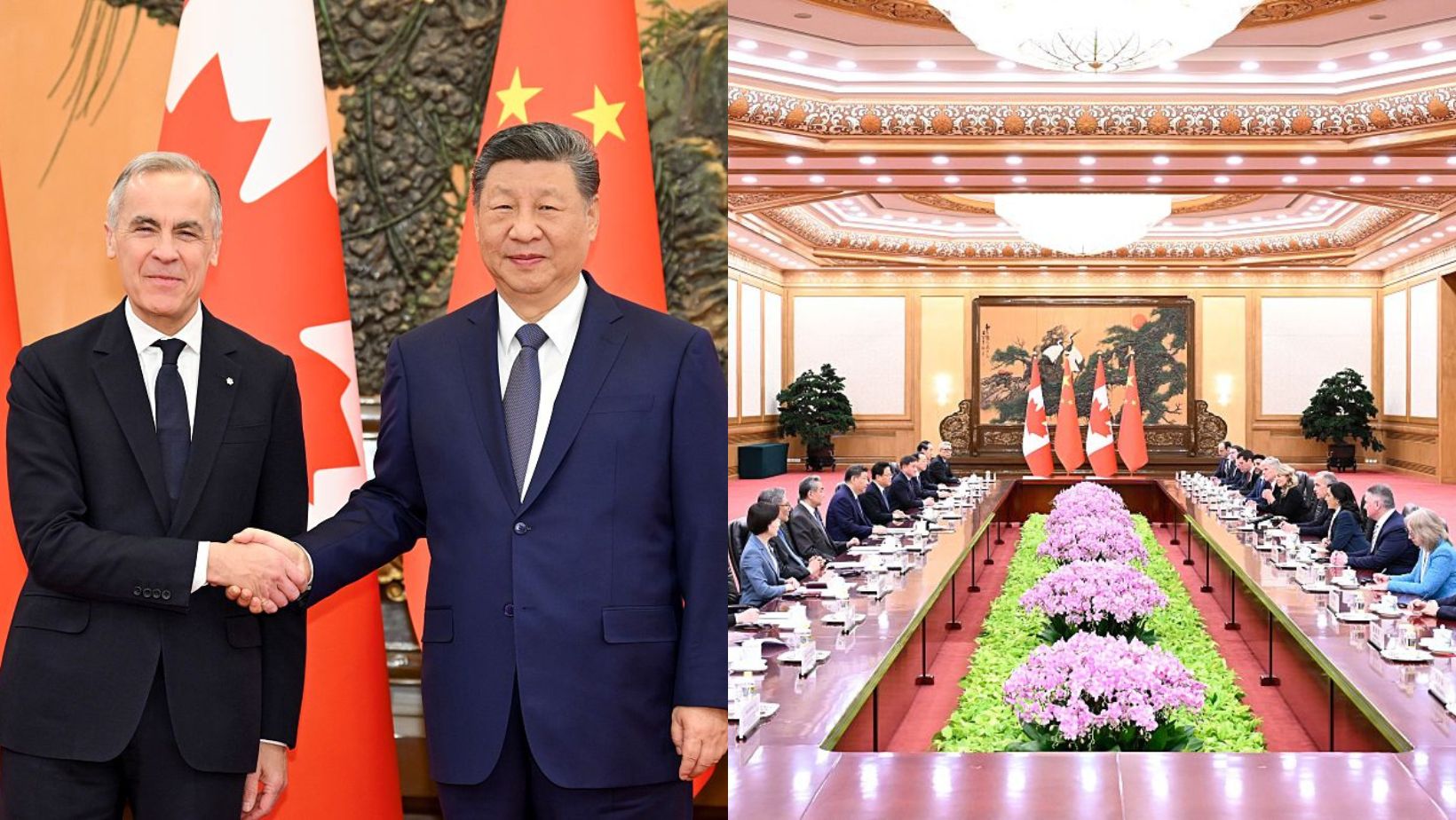
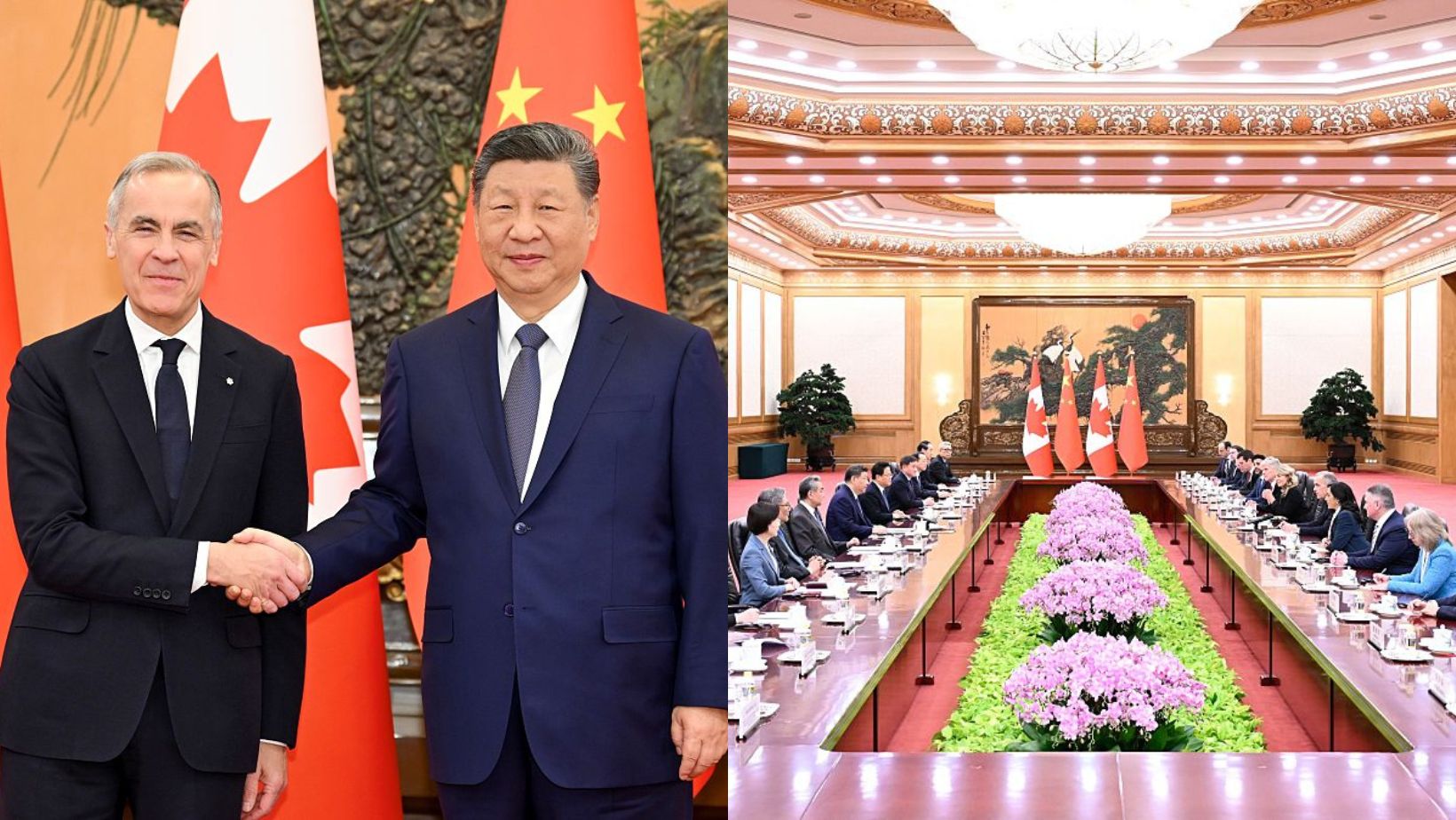
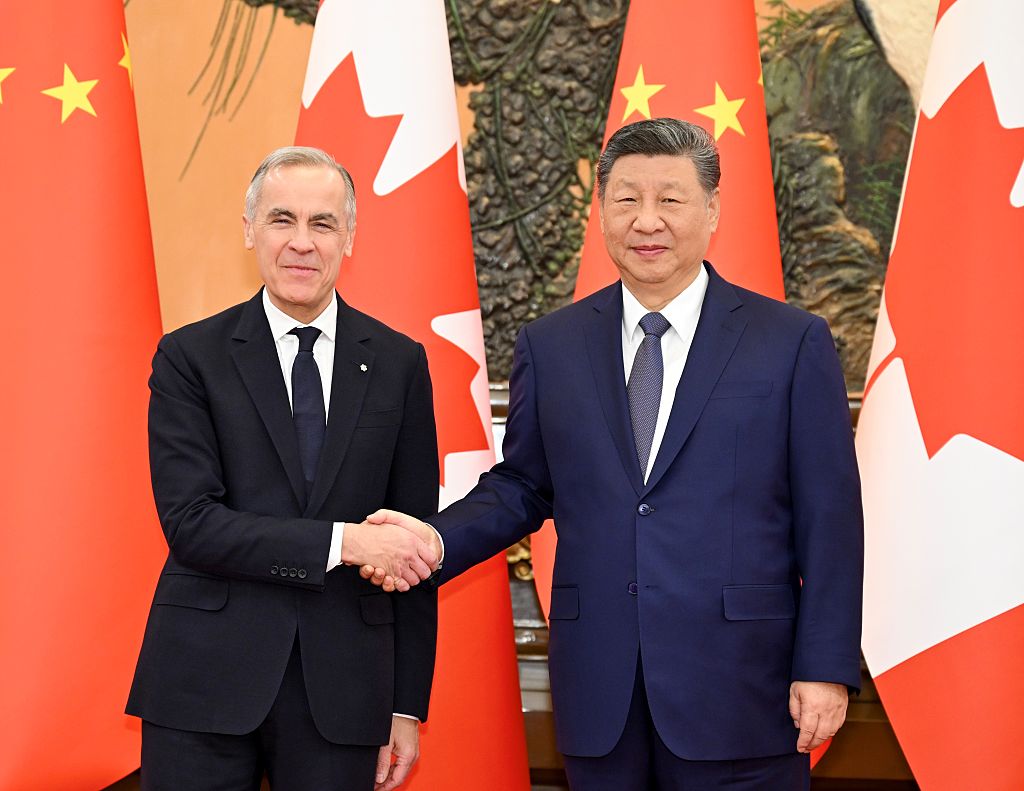
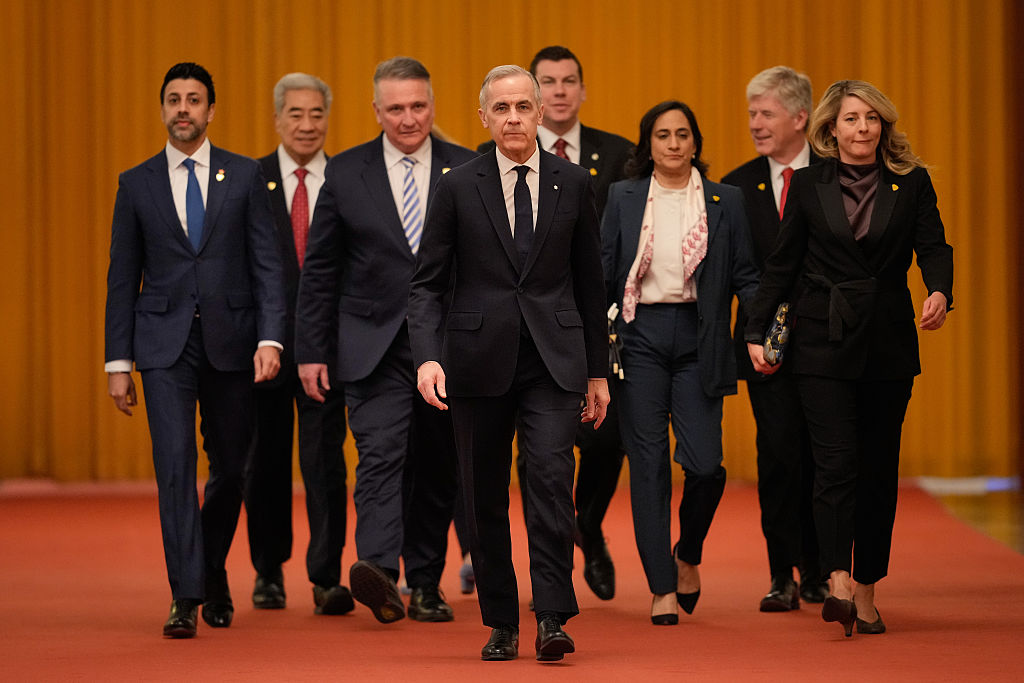
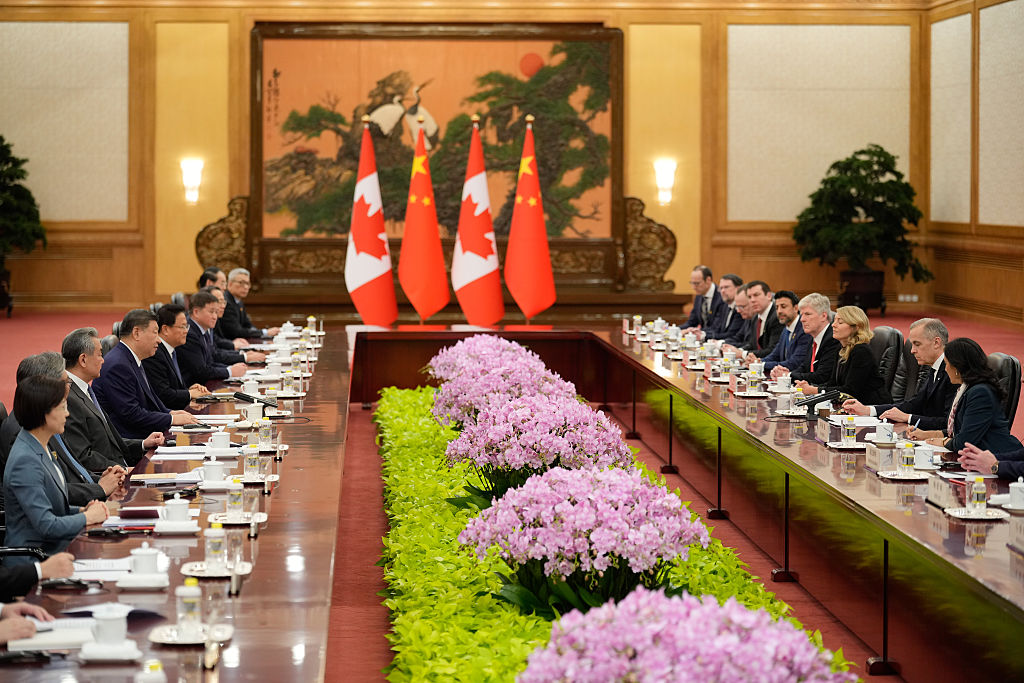
Following a meeting with Chinese President Xi Jinping, Prime Minister Mark Carney has declared that a « new era » is opening up for Canada in its relations with the East Asian state. The purpose of the visit is to renew Sino-Canadian ties, after a diplomatic chill that has lasted almost a decade. From energy and agriculture to people-to-people links, multilateralism and security issues, Mark Carney talked about many things immediately after being welcomed to Beijing by Premier Li Qiang and Zhao Leji, Chairman of the Standing Committee of the National People’s Congress.
En aval d’une rencontre avec le président chinois Xi Jinping, le premier ministre Mark Carney a déclaré qu’une «nouvelle ère» s’ouvre pour le Canada dans ses relations avec l’État d’Asie orientale. Cette visite a pour but de renouer les liens sino-canadiens, après un froid diplomatique qui a duré près d’une décennie. «De l’énergie à l’agriculture, en passant par les liens entre nos peuples, le multilatéralisme et les questions de sécurité, nous sommes convaincus que l’esprit et le fond de ces discussions et de ces accords seront très bénéfiques pour nos deux peuples», a déclaré Mark Carney juste après son accueil à Pékin par le premier ministre Li Qiang et Zhao Leji, président du Comité permanent de l’Assemblée nationale populaire.
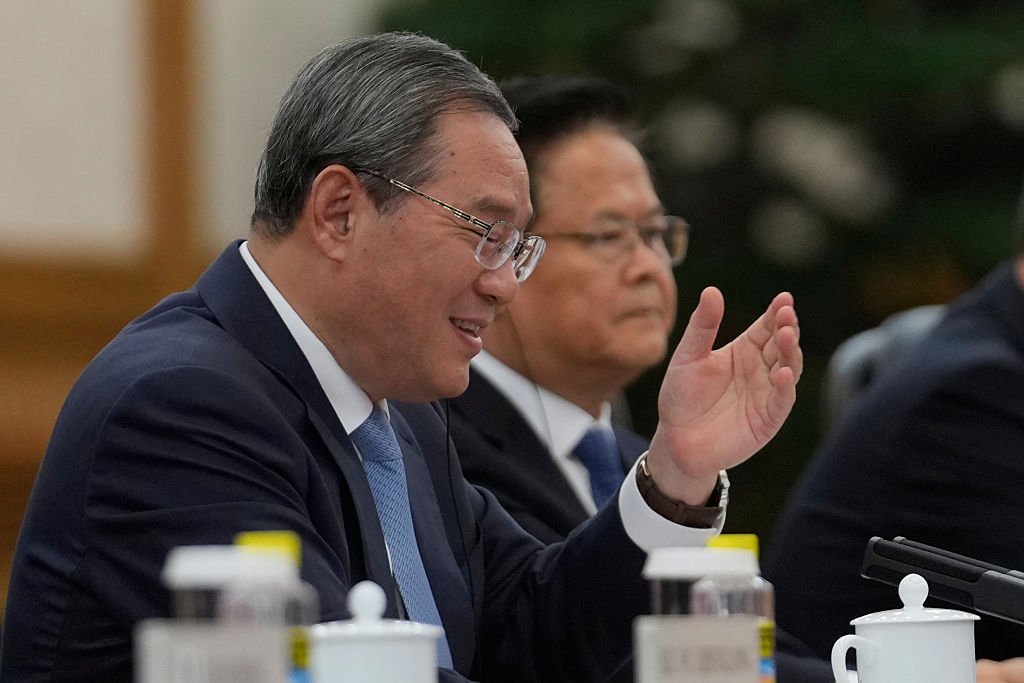
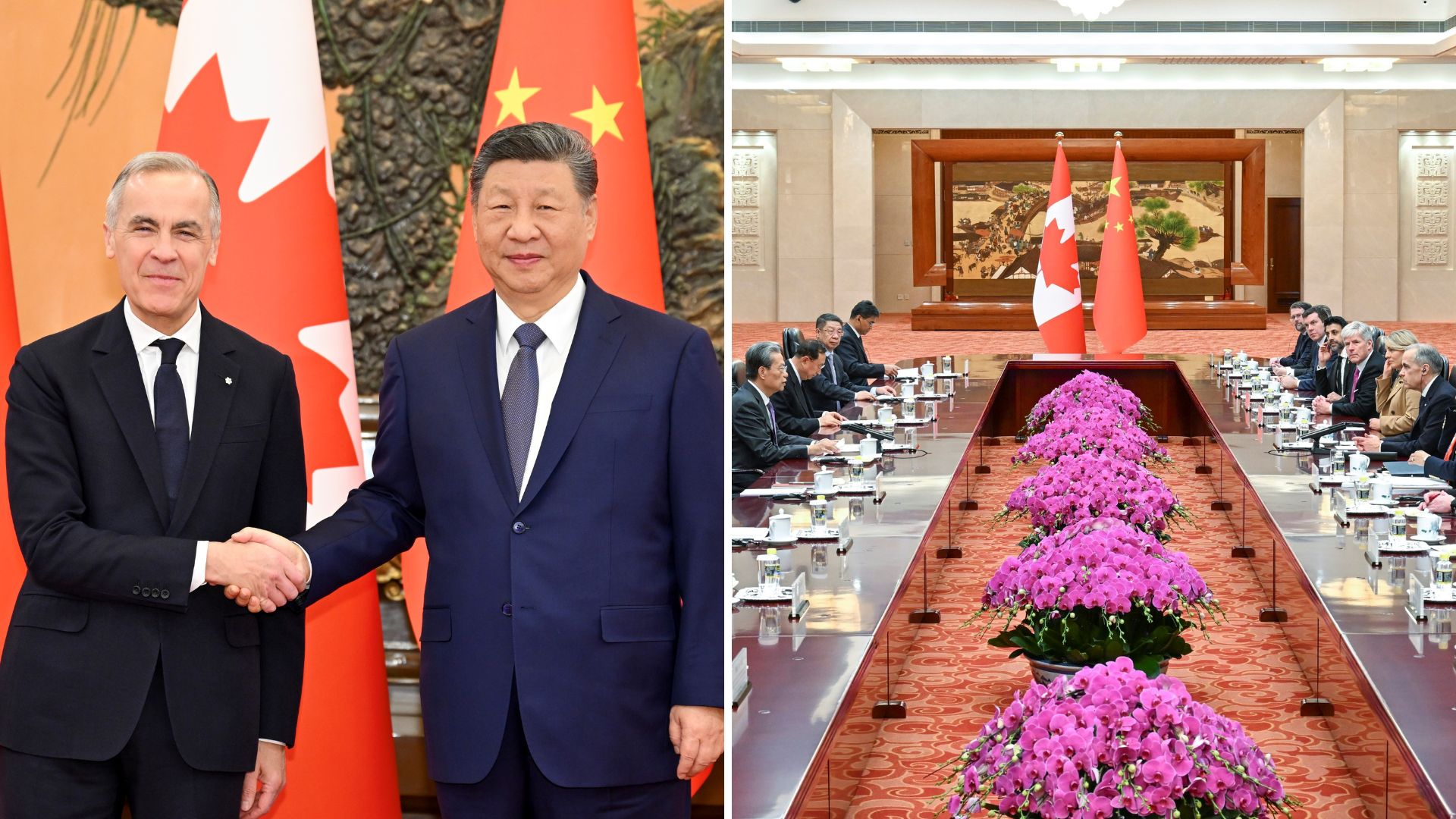
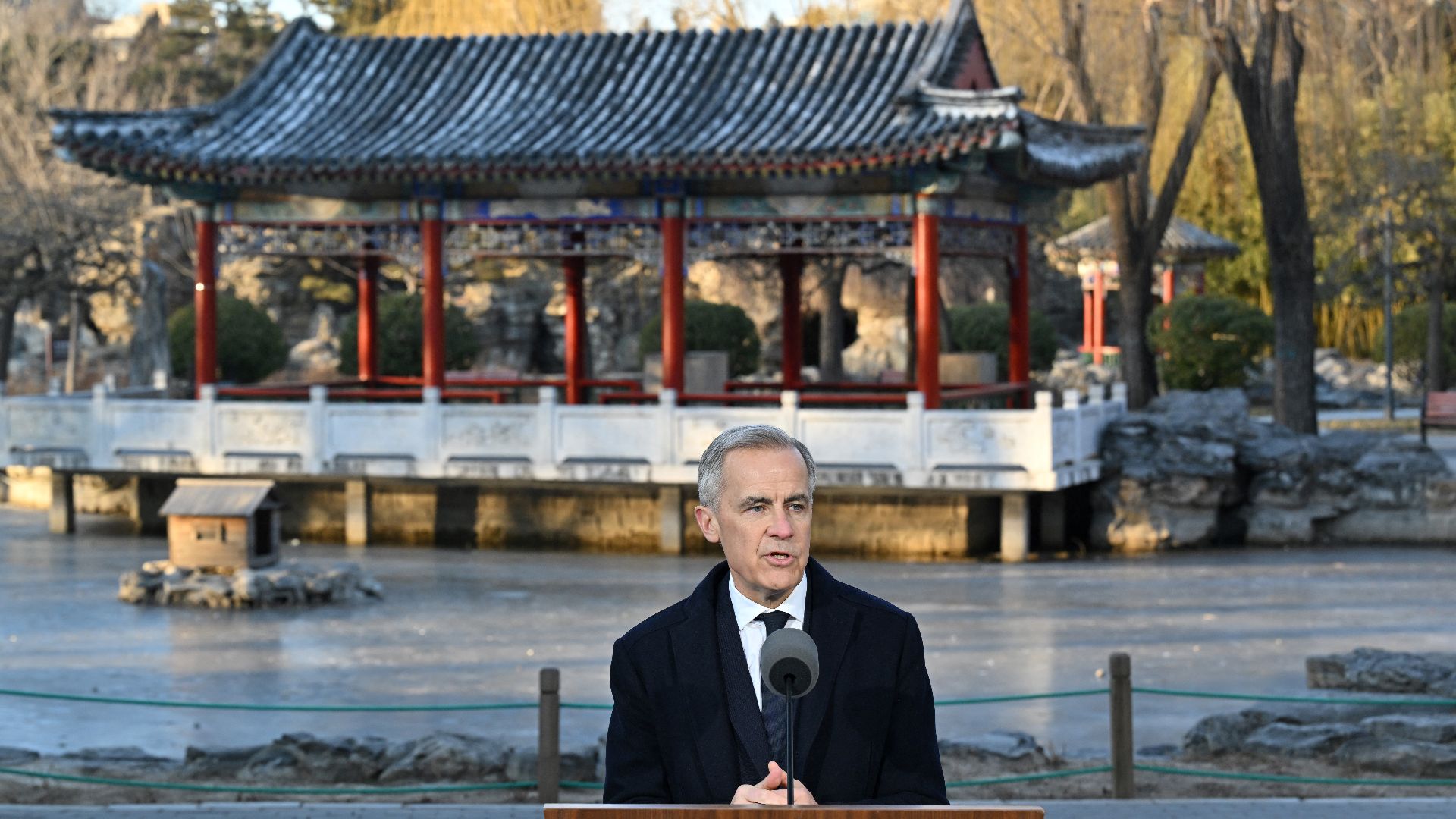
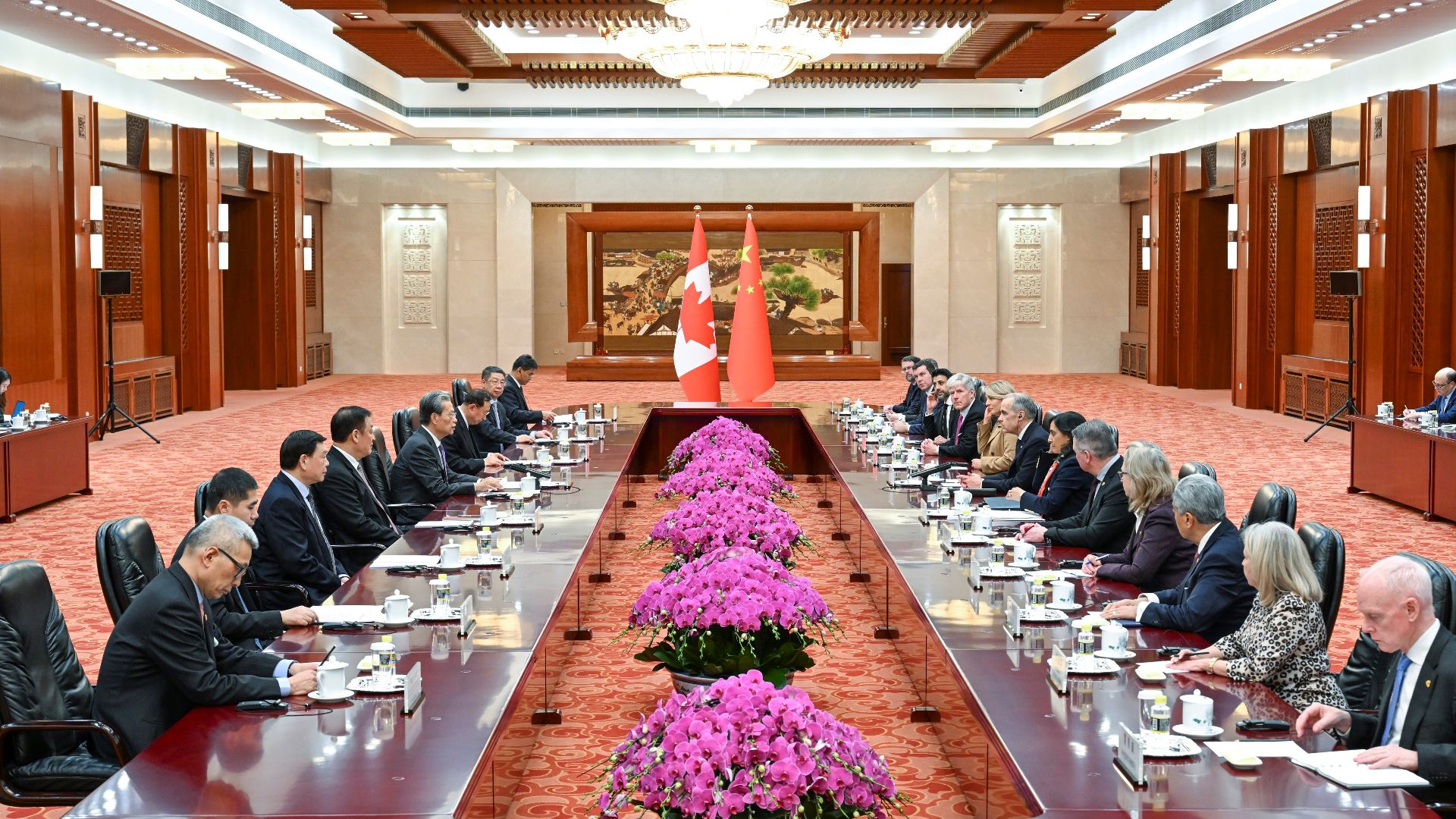
Chinese President Xi Jinping meets with Canadian Prime Minister Mark Carney at the Great Hall of the People in Beijing, capital of China, Jan. 16, 2026. (Photo by Xie Huanchi/Xinhua via Getty Images)BEIJING, CHINA – JANUARY 16: Canada’s Prime Minister Mark Carney (C) arrives for a meeting with Chinese President Xi Jinping at the Great Hall of the People on January 16, 2026 in Beijing, China. (Photo by Vincent Thian – Pool/Getty Images)BEIJING, CHINA – JANUARY 16: Chinese President Xi Jinping (3rd-L) and Canada’s Prime Minister Mark Carney (2nd-R) meet at the Great Hall of the People on January 16, 2026 in Beijing, China. (Photo by Vincent Thian – Pool/Getty Images)BEIJING, CHINA – JULY 24: Chinese Premier Li Qiang (centre), speaks during opening remarks meeting with European Commission President Ursula von der Leyen during the China EU summit at Great Hall of People on July 24, 2025 in Beijing, China. (Photo by Mahesh Kumar A. – Pool/Getty Images)
Several major European countries, including France, Germany, Sweden, Norway and Finland, have sent troops to Greenland alongside Denmark, expanding a NATO-linked military presence in response to what officials describe as an unprecedented threat by one ally against another. The move followed remarks by Donald Trump suggesting the United States could take control of the territory «like it or not», alarming European capitals. While leaders insist the deployment is symbolic and cooperative, focused on Arctic security and alliance coordination, tensions have deepened as Trump reiterated his claims on Truth Social and warned the U.S. would act if Russia or China moved first. Emergency talks failed to resolve a fundamental disagreement.
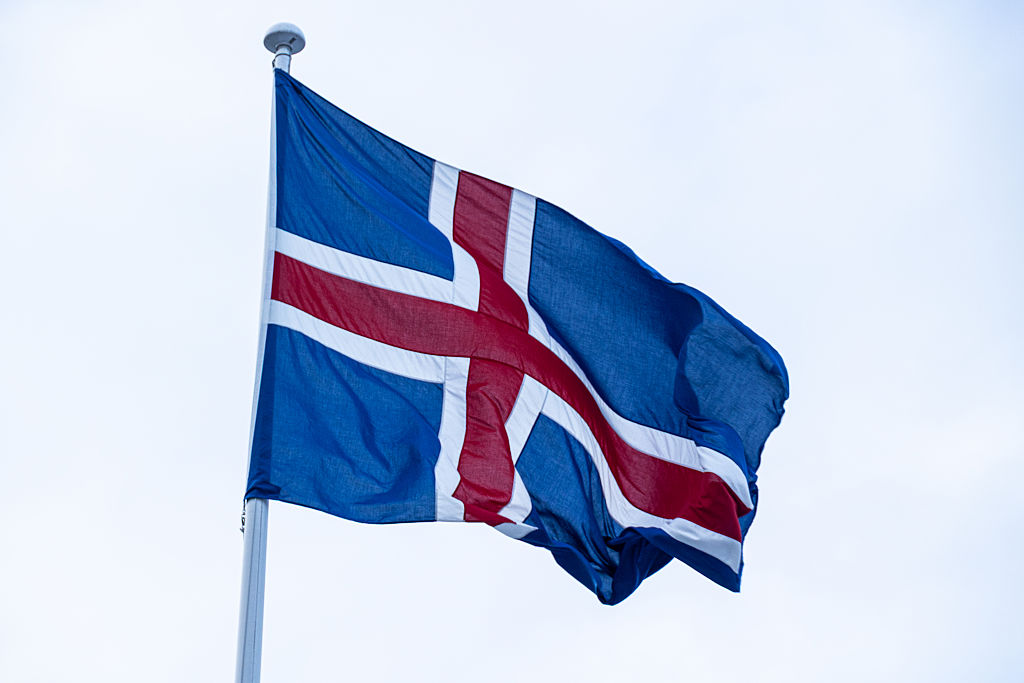
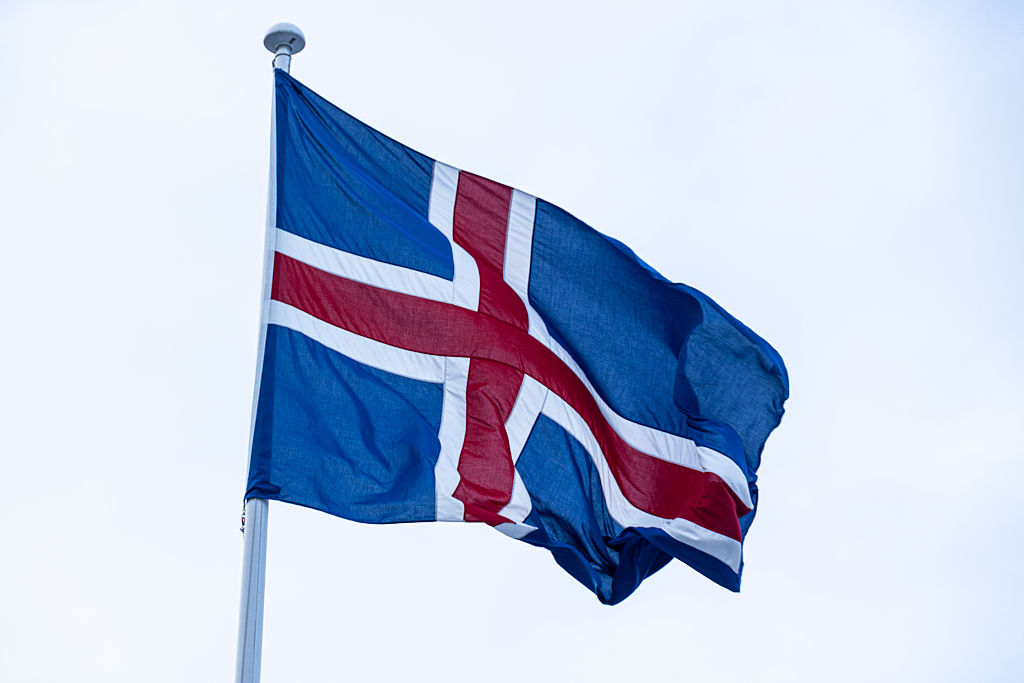
Le drapeau islandais flotte devant la représentation groenlandaise à Nordatlantens Brygge à Copenhague, au Danemark, le 9 janvier 2026. (Photo de Kristian Tuxen Ladegaard Berg/NurPhoto via Getty Images)
Des milliers de personnes ont signé une pétition exprimant leur colère contre le candidat de Donald Trump au poste d’ambassadeur en Islande, qui aurait plaisanté sur le fait que le pays nordique devrait devenir le 52e État américain. Quelques heures avant que le Danemark et le Groenland ne se réunissent aux États-Unis pour tenter de contrer la rhétorique d’annexion de Donald Trump, le site d’information Politico a publié les commentaires d’un haut fonctionnaire américain sur la question. Selon Politico, le représentant Billy Long, candidat de Trump au poste d’ambassadeur en Islande, a plaisanté devant ses collègues en disant que l’Islande deviendrait le 52e État des États-Unis.
L’Islande a immédiatement réagi à l’article, le ministère des affaires étrangères s’adressant aux autorités américaines pour remettre en question la validité de la déclaration. Peu après, une pétition du public islandais a fait surface, appelant le ministre islandais des affaires étrangères, Þorgerður Katrín Gunnarsdóttir, à rejeter la candidature de Long au poste d’ambassadeur du pays. La pétition reconnaît que, même si les déclarations ont été faites sur le ton de la plaisanterie, elles restent offensantes pour le peuple islandais et insultantes pour le soutien de longue date de l’Islande aux États-Unis. Quelques heures après le lancement de la pétition, celle-ci avait recueilli près de 3 500 signatures, encourageant les États-Unis à trouver un représentant plus approprié.
Quelques heures plus tard, le représentant Billy Long s’est excusé pour ses propos, affirmant qu’ils avaient été prononcés pour rire lors d’une conversation avec Jeff Landry, l’envoyé spécial de Trump au Groenland. Il est certain que ni l’Islande ni le Groenland n’apprécieraient que leurs envoyés plaisantent sur l’annexion de leur pays. Si Long a reconnu que ses propos pouvaient être offensants, il a également refusé de s’excuser davantage, déclarant qu’il s’agissait d’une plaisanterie et qu’il se réjouissait de travailler avec le peuple islandais. Rep Long devra attendre de voir si Trump tiendra compte des souhaits de la population islandaise et trouvera un nouvel envoyé spécial pour le pays nordique, ou s’il deviendra l’envoyé américain le moins populaire de l’histoire de l’Islande.
Les rêves d’annexion de Trump
Bien que Trump n’ait jamais explicitement menacé d’annexer l’Islande, s’il envisage sérieusement des actions au Groenland, l’Islande est une étape naturelle. L’Islande est l’un des pays les plus ouvertement opposés aux actions proposées par Trump au Groenland et a été placée sur une liste de pays susceptibles d’être frappés de droits de douane s’ils interfèrent avec les plans de Trump d’annexer le Groenland. Alors que Trump semble déterminé à aller de l’avant avec son projet au Groenland, plusieurs pays ont envoyé des troupes dans le pays, et d’autres, dont la France, prévoient d’envoyer des unités terrestres, aériennes et maritimes pour défendre le Groenland. Un projet de loi bipartite est actuellement présenté au Congrès américain pour tenter d’empêcher l’annexion du Groenland par Trump, mais les membres républicains du Congrès ont parrainé un projet de loi en faveur de l’annexion. Le Groenland est un territoire semi-autonome du Royaume du Danemark. L’île gère ses propres affaires intérieures, mais les décisions en matière de politique étrangère et de défense sont prises à Copenhague.
The Icelandic flag flies outside the Greenlandic Representation at Nordatlantens Brygge in Copenhagen, Denmark, on January 9, 2026. (Photo by Kristian Tuxen Ladegaard Berg/NurPhoto via Getty Images)
Thousands of people have now signed a petition expressing their anger towards Donald Trump’s nominee for ambassador to Iceland, who reportedly joked that the Nordic country should become the 52nd US state. Just hours before Denmark and Greenland were supposed to meet in the U.S. to try to deter Donald Trump’s annexation rhetoric, news site Politico released comments directed at the issue from a top U.S. official. According to Politico, Rep Billy Long, Trump’s nominee for ambassador to Iceland, joked on the floor to fellow representatives that Iceland will become the 52nd state of the U.S.
Iceland responded to the article immediately, with the foreign ministry reaching out to U.S. officials, questioning the validity of the statement. Shortly after, a petition from the Icelandic public surfaced, calling on Iceland’s foreign minister, Þorgerður Katrín Gunnarsdóttir, to reject Long as ambassador to the country. The petition recognized that, even if the statements were made in jest, they remain offensive to the Icelandic people and insulting to Iceland’s longstanding support for the U.S. Within hours of the petition’s launch, it had garnered nearly 3,500 signatures, encouraging the U.S. to find a more fitting representative.
Rep Billy Long apologized for his comments hours later, claiming they were indeed said in jest during a conversation with Jeff Landry, Trump’s US special envoy to Greenland. Certainly, neither Iceland nor Greenland would appreciate their envoys joking about the nation’s annexation. While Long acknowledged that the comments could have been offensive, he also refused to apologize any further, stating that the comments were a joke and that he looks forward to working with the people of Iceland. Rep Long will have to wait and see whether Trump will heed the wishes of Iceland’s population and find a new special envoy for the Nordic country, or whether he will become the least-popular U.S. envoy in Icelandic history.
Trump’s annexation dreams
While Trump has never explicitly threatened to annex Iceland, if he’s seriously considering actions in Greenland, Iceland is a natural next step. Iceland is one of the countries most publicly opposed to Trump’s proposed actions in Greenland and was placed on a list of countries to be slapped with a tariff if they interfere with Trump’s plans to annex Greenland. With Trump seemingly committing to advancing action in Greenland, a series of Nations have sent troops to the country, and others, including France, plan on sending land, air, and ground units to defend Greenland. There is currently a bipartisan bill being introduced to the U.S. Congress attempting to halt Trump’s annexation of Greenland, but Republican congresspeople have sponsored a bill of their own in support of the annexation. Greenland is a semi-autonomous territory of the Kingdom of Denmark. The island governs its own domestic affairs, but decisions on foreign and defence policy are made in Copenhagen.
Los primeros acuerdos anunciados entre China y Canadá forman un paquete más que un acuerdo único, marcando lo que Ottawa ha descrito como un restablecimiento «histórico» tras años de tensas relaciones diplomáticas y económicas. En un discurso pronunciado en Pekín al comienzo de un viaje de varios días al extranjero, Mark Carney enmarcó el acuerdo como una recalibración pragmática impulsada por las realidades globales, argumentando que China se ha convertido en un socio más predecible que Estados Unidos en medio de la escalada de la presión comercial de la administración Trump. Los analistas señalan que el acuerdo refleja el esfuerzo más amplio de Canadá por diversificar los lazos comerciales lejos de la fuerte dependencia de Estados Unidos, incluso cuando los funcionarios reconocen que la desconfianza, las preocupaciones de seguridad y las cuestiones de derechos humanos con Pekín no han desaparecido.
Getty Images
En concreto, el paquete incluye un acuerdo arancelario-cuota que permite la entrada de hasta 49 000 vehículos eléctricos chinos en el mercado canadiense, en sustitución del arancel del 100 % impuesto en 2024, a cambio de importantes concesiones en las exportaciones agrícolas canadienses. Ottawa espera que Pekín reduzca los aranceles sobre las semillas de colza al 15 % desde el 84 % en marzo, una medida que Carney calificó de «enorme progreso», mientras que los aranceles sobre la pasta de colza, las langostas, los cangrejos y los guisantes canadienses se eliminarán a partir de marzo hasta al menos finales de 2026. El acuerdo también incluye compromisos para ampliar los lazos turísticos y culturales, y China se compromete a que los canadienses viajen sin visado, aunque el componente de los vehículos eléctricos ya ha suscitado las críticas del primer ministro de Ontario, Doug Ford, lo que subraya los riesgos políticos y económicos que entraña el pivote de Canadá.
Getty Images
El acuerdo ya ha provocado malestar en Washington, donde funcionarios estadounidenses han mostrado su descontento con la decisión de Canadá de estrechar lazos económicos con Pekín en un momento de fuertes fricciones comerciales. Según funcionarios comerciales estadounidenses citados por la prensa internacional, la medida se considera problemática y podría complicar las futuras negociaciones sobre el Acuerdo Canadá-EE. UU.-México, ya que la administración Trump sigue esgrimiendo los aranceles como palanca contra aliados y rivales por igual. Para Ottawa, sin embargo, la reacción subraya la razón de ser del giro: reducir la dependencia de los Estados Unidos.-México, ya que la administración Trump sigue esgrimiendo los aranceles como palanca contra aliados y rivales por igual. Para Ottawa, sin embargo, la reacción subraya la razón de ser del giro: reducir la vulnerabilidad frente a una postura comercial estadounidense cada vez más impredecible ampliando su red de socios, aunque se arriesgue a tensiones diplomáticas a corto plazo con su aliado más cercano.
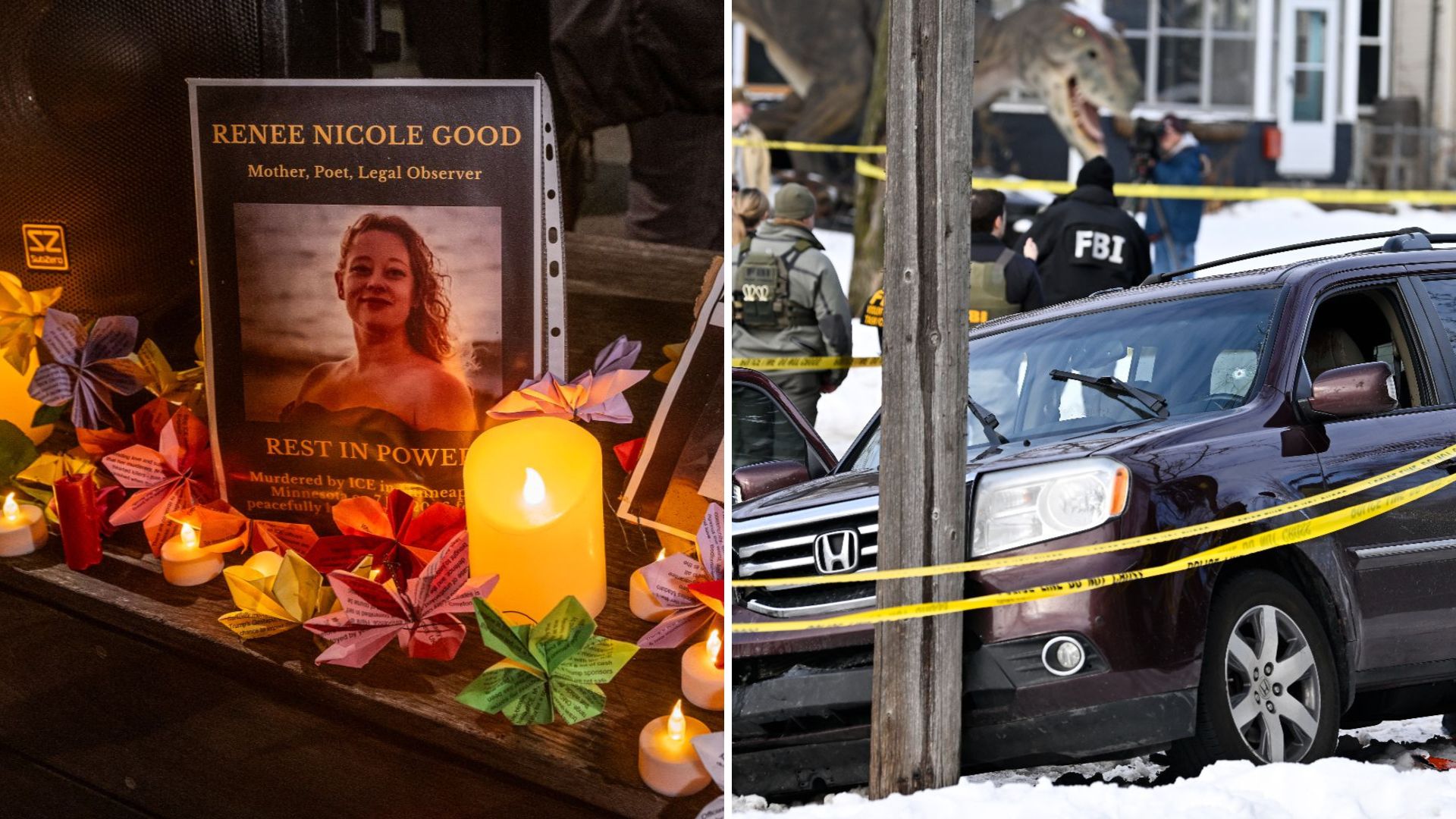
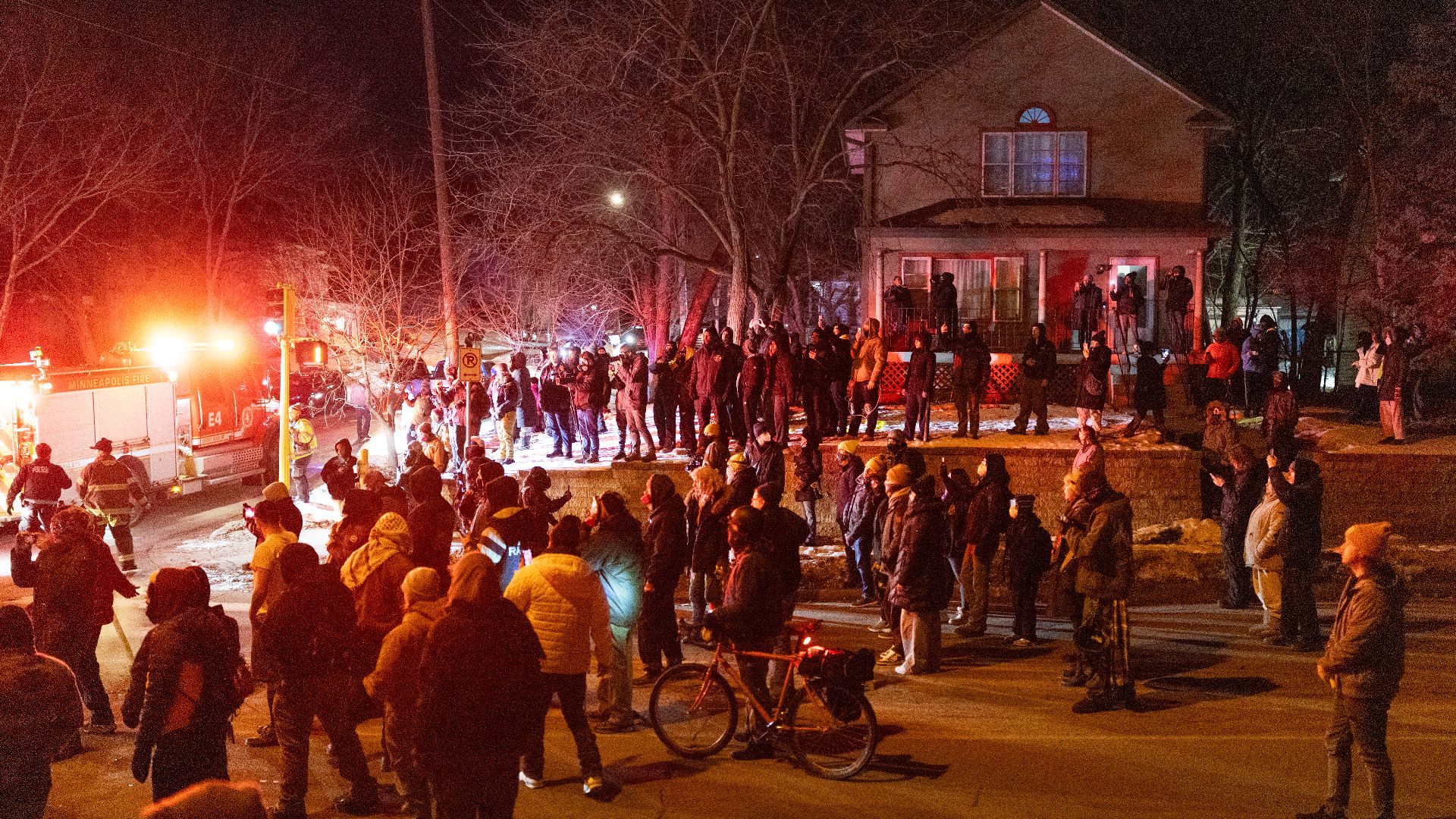
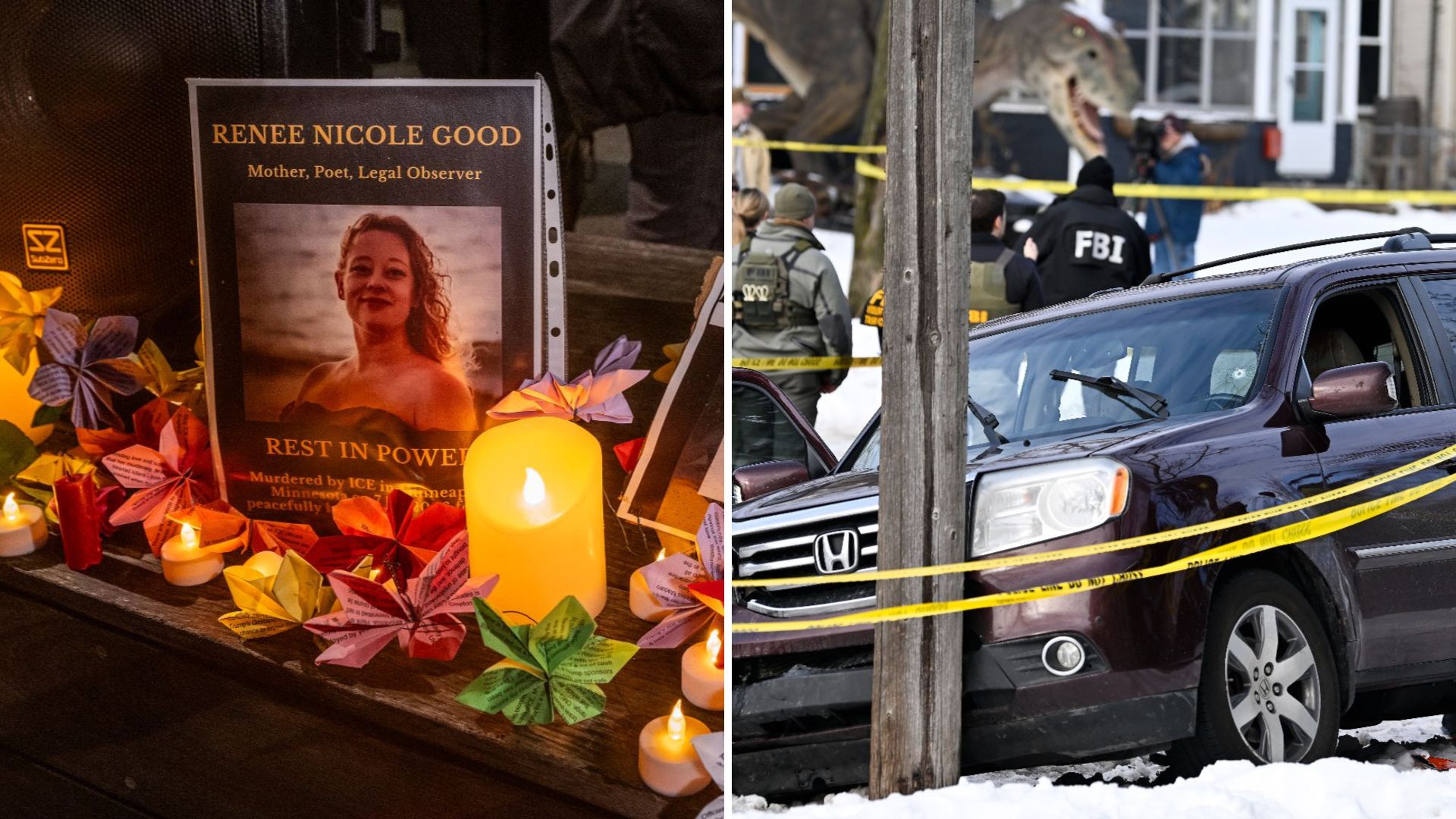
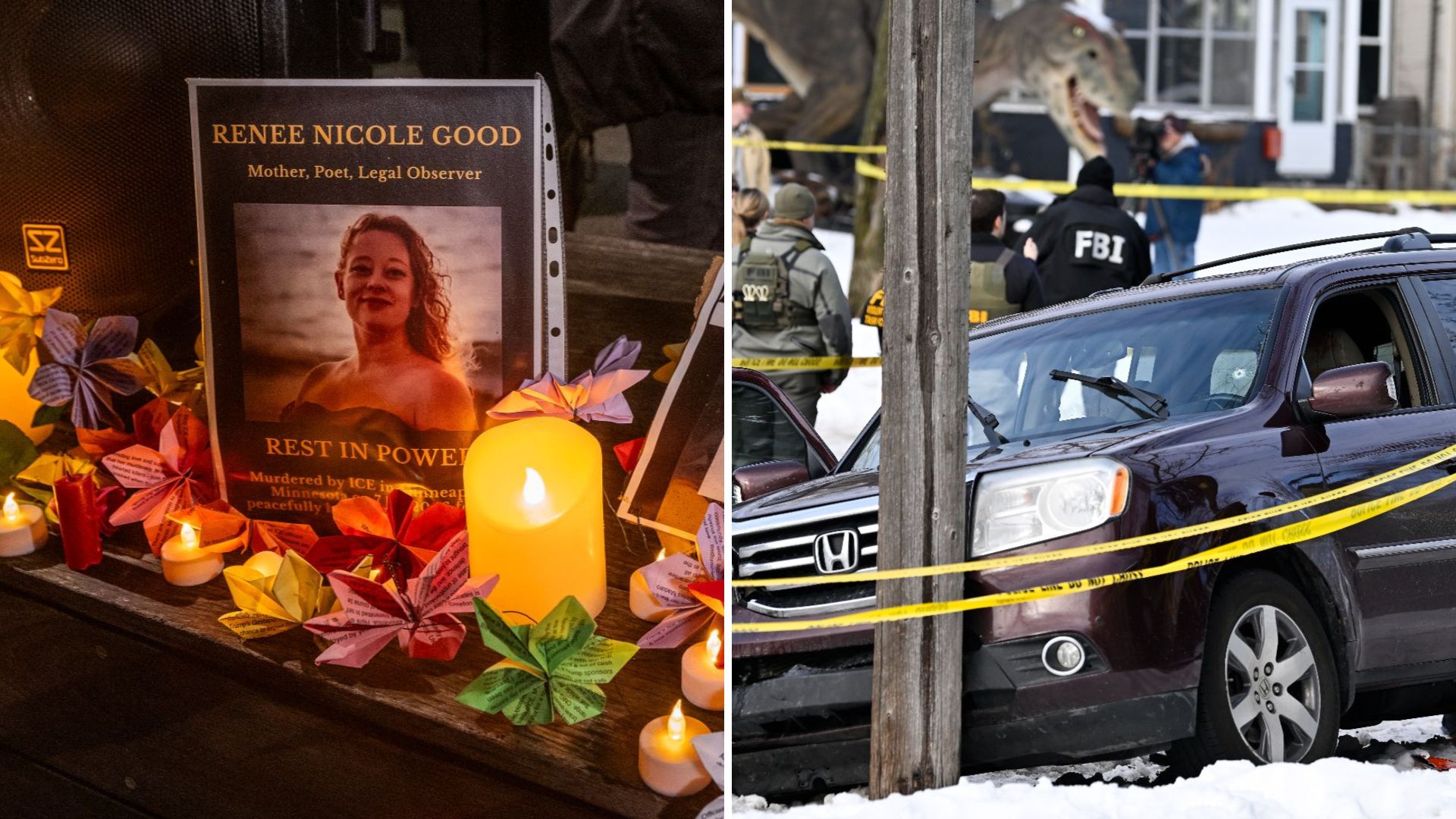
Renee Good erlitt bei einer tödlichen und umstrittenen ICE-Begegnung in Minneapolis vier Schusswunden, da trotz der Weigerung der Trump-Administration, den Behörden von Minnesota eine unabhängige Untersuchung zu gewähren, immer neue Informationen auftauchen. Nach Berichten mehrerer Medien, darunter CNN und USA Today, geht aus einem Notruf und einem Bericht der Sanitäter hervor, dass Good bei dem Vorfall vier Schusswunden erlitten hat: eine im Arm, zwei in der Brust und eine im Kopf. Die medizinischen Befunde haben den zeitlichen Ablauf der Schießerei, die sich während einer ICE-Operation ereignete, um wichtige Details erweitert und den öffentlichen Druck auf die Verantwortlichen verstärkt.
Getty Images
Seit dem 7. Januar hat die Trump-Administration eine offizielle Darstellung gefördert, die behauptet, dass ein ICE-Agent während der tödlichen Konfrontation in Minneapolis in Selbstverteidigung geschossen hat und Renee Nicole Good beschuldigte, versucht zu haben, Bundesbeamte mit ihrem Fahrzeug zu überfahren. Diese Darstellung hielt sich hartnäckig, obwohl schon früh mehrere Videos von Schaulustigen in Umlauf gebracht wurden, die schnell Zweifel an der Erklärung der Regierung und dem Ausmaß der Bedrohung am Tatort aufkommen ließen. Neben dem seit Tagen öffentlich zugänglichen Filmmaterial werfen nun zusätzliche Details, die Nachrichtenorganisationen erhalten haben – darunter ausführliche Abschriften von Notrufen und offizielle Berichte über den Vorfall –, ein neues Licht auf die Begegnung und bieten eine genauere Rekonstruktion der Ereignisse, die zum Tod von Good durch die Hand von ICE-Beamten führten, die versuchten, sie aus unklaren Gründen aus ihrem Fahrzeug zu ziehen.
Getty Images
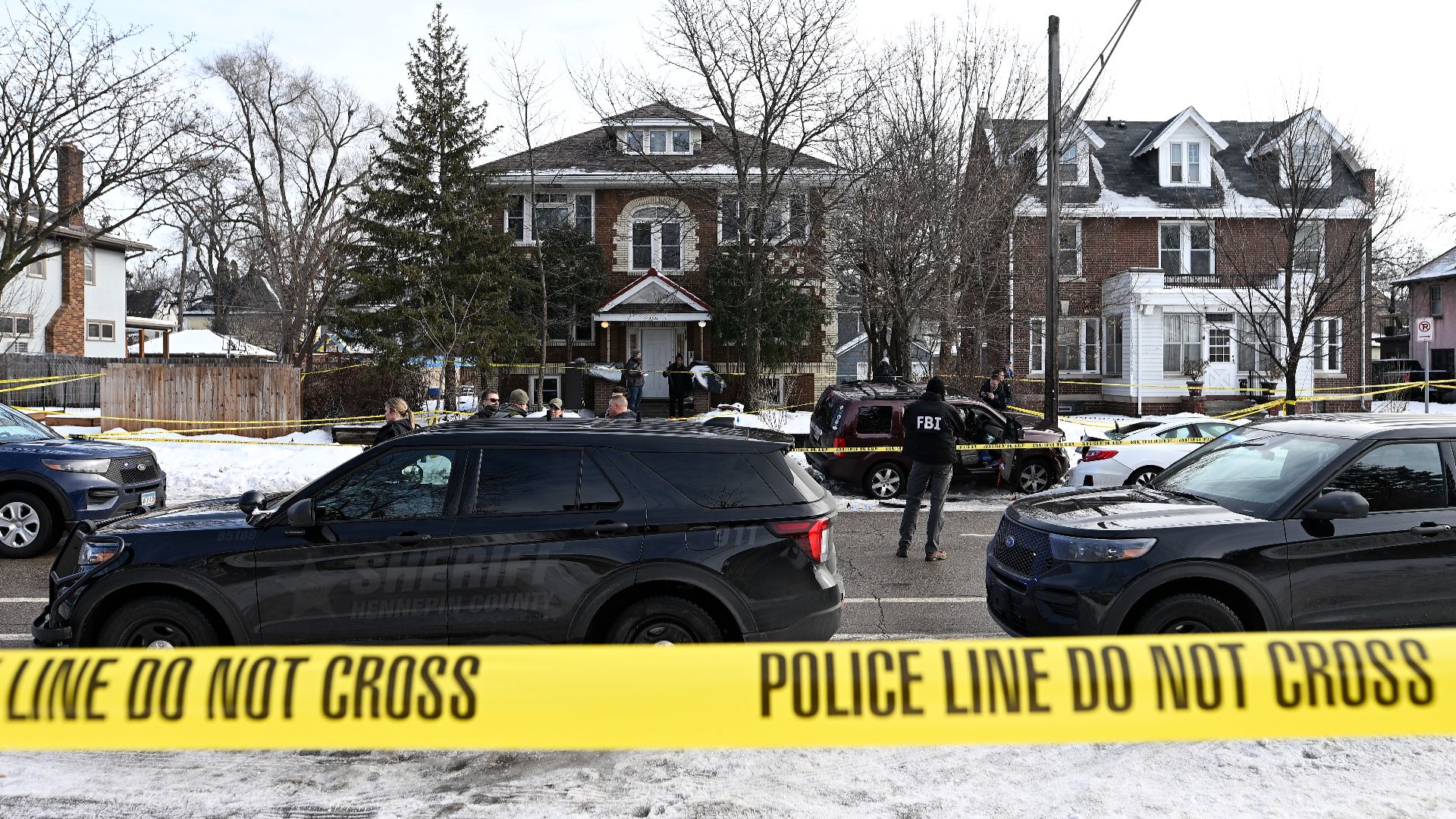
Nach Berichten von CNN und USA Today beginnt die Zeitleiste um ca. 9:38 Uhr, als eine Welle von Notrufen meldete, dass eine Frau von Bundesbeamten angeschossen worden sei, während sie in ihrem SUV saß. Mehrere Anrufer berichteten, dass sie sahen, wie Agenten durch die Windschutzscheibe schossen, als Good versuchte, wegzufahren, während ein anderer Anruf im Namen von Beamten des Heimatschutzes beschrieb, dass Agenten von Demonstranten umzingelt waren. Sanitäter trafen Minuten später ein und stellten fest, dass Good nicht ansprechbar war, nicht atmete und einen unregelmäßigen Puls hatte. In einem Bericht der Feuerwehr von Minneapolis, der von beiden Medien zitiert wird, heißt es, dass sie vier Schusswunden erlitt – zwei in die Brust, eine in den Unterarm und möglicherweise eine in den Kopf –, bevor sie in ein Krankenhaus gebracht wurde, wo sie gegen 10:30 Uhr für tot erklärt wurde.
Getty-Bilder
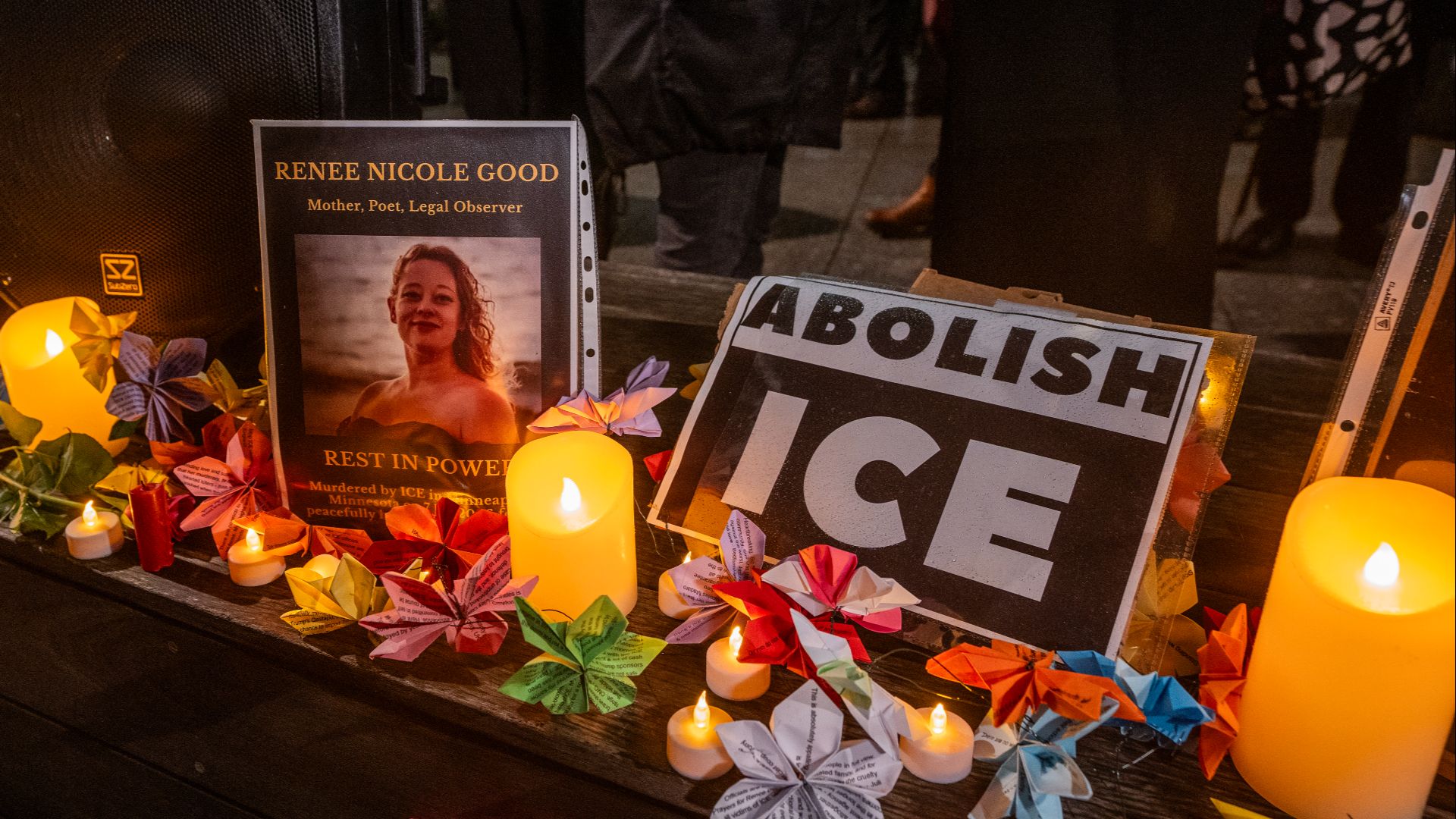
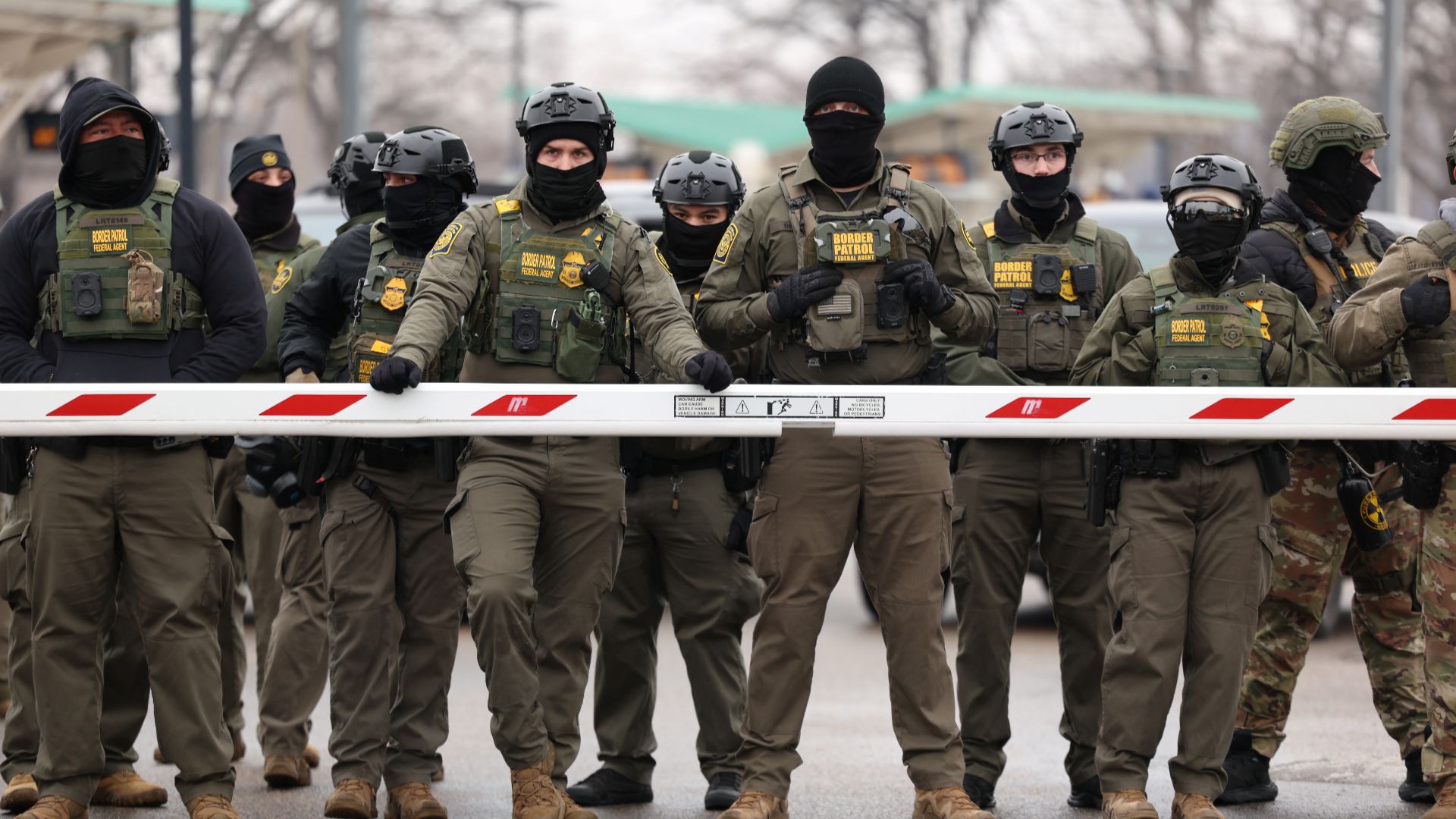
Insgesamt stehen die in Notrufen, Augenzeugenaussagen und Berichten über den Vorfall dokumentierten Schilderungen in einem Spannungsverhältnis zur Behauptung der Bundesregierung, dass es sich bei den Schüssen um einen unvermeidlichen Akt der Selbstverteidigung handelte, und werfen ungelöste Fragen zur Entscheidungsfindung, Eskalation und Gewaltanwendung auf. Diese Fragen haben sich noch verschärft, da die Trump-Administration Anträge von Beamten aus Minnesota auf eine unabhängige Untersuchung auf Bundesstaatsebene abgelehnt hat, mit dem Argument, dass allein die Bundesbehörden den Fall untersuchen sollten. Die Kombination aus widersprüchlichen Darstellungen und institutionellem Widerstand hat die Wut in Minneapolis und darüber hinaus angeheizt und dazu beigetragen, die Proteste aufrechtzuerhalten und das Misstrauen gegenüber ICE-Operationen zu vertiefen, zumal die Schießerei inmitten einer breiteren Welle aggressiver Einwanderungsdurchsetzung stattfand und Tage später von einer weiteren ICE-bezogenen Schießerei in der Stadt gefolgt wurde.
Renee Good suffered four gunshot wounds in a fatal and controversial ICE encounter in Minneapolis, as new information continues to emerge despite the Trump administration’s refusal to grant Minnesota authorities an independent investigation. According to reporting from multiple outlets, including CNN and USA Today, 911 calls and a paramedics’ report detail that Good sustained four gunshot wounds during the incident: one to her arm, two to the chest and one to the head. The medical findings have added critical detail to the timeline of the shooting, which occurred during an ICE operation and has intensified scrutiny over the use of lethal force as public pressure for accountability continues to grow.
Getty Images
Since Jan. 7, the Trump administration has promoted an official narrative claiming that an ICE agent fired in self-defense during the fatal Minneapolis confrontation, accusing Renee Nicole Good of attempting to run over federal officers with her vehicle. That account persisted despite the early circulation of multiple bystander videos, which quickly raised doubts about the government’s explanation and the level of threat posed at the scene. Now, beyond footage that has been publicly available for days, additional details obtained by news organizations — including extensive 911 call transcripts and official incident reports — are shedding new light on the encounter, offering a more precise reconstruction of the events that led to Good’s death at the hands of ICE agents who were attempting to pull her from her vehicle for reasons that remain unclear.
Getty Images
According to reporting from CNN and USA Today, the timeline begins at approximately 9:38 a.m., when a wave of 911 calls reported that a woman had been shot by federal agents while sitting in her SUV. Several callers told dispatchers they saw agents fire through the windshield as Good tried to drive away, while another call placed on behalf of Homeland Security officers described agents surrounded by protesters. Paramedics arrived minutes later and found Good unresponsive, not breathing and with an irregular pulse. A Minneapolis Fire Department report cited by both outlets states that she suffered four gunshot wounds — two to the chest, one to her forearm and a possible wound to her head — before she was transported to a hospital, where she was pronounced dead around 10:30 a.m.
Getty images
Taken together, the accounts documented in 911 calls, eyewitness statements and incident reports stand in tension with the federal government’s insistence that the shooting was an unavoidable act of self-defense, raising unresolved questions about decision-making, escalation and the use of force. Those questions have only intensified as the Trump administration has refused requests from Minnesota officials for an independent state-level investigation, arguing that federal authorities alone should review the case. The combination of conflicting narratives and institutional resistance has fueled anger in Minneapolis and beyond, helping to sustain protests and deepen mistrust toward ICE operations, particularly as the shooting came amid a broader surge in aggressive immigration enforcement and was followed days later by another ICE-related shooting in the city.
Renee Good sufrió cuatro heridas de bala en un fatal y controvertido encuentro con el ICE en Minneapolis, mientras sigue surgiendo nueva información a pesar de la negativa de la administración Trump a conceder a las autoridades de Minnesota una investigación independiente. Según informan múltiples medios, entre ellos CNN y USA Today, las llamadas al 911 y un informe de los paramédicos detallan que Good sufrió cuatro heridas de bala durante el incidente: una en el brazo, dos en el pecho y una en la cabeza. Los hallazgos médicos han añadido detalles críticos a la cronología del tiroteo, que se produjo durante una operación del ICE y ha intensificado el escrutinio sobre el uso de la fuerza letal a medida que la presión pública para la rendición de cuentas sigue creciendo.
Getty Images
Desde el 7 de enero, la administración Trump ha promovido una narrativa oficial que afirma que un agente del ICE disparó en defensa propia durante el enfrentamiento fatal de Minneapolis, acusando a Renee Nicole Good de intentar atropellar a los agentes federales con su vehículo. Esa versión persistió a pesar de la rápida difusión de múltiples vídeos de transeúntes, que rápidamente plantearon dudas sobre la explicación del gobierno y el nivel de amenaza que se planteaba en la escena. Ahora, más allá de las imágenes que han estado a disposición del público durante días, los detalles adicionales obtenidos por las organizaciones de noticias —incluidas extensas transcripciones de llamadas al 911 e informes oficiales del incidente— están arrojando nueva luz sobre el encuentro, ofreciendo una reconstrucción más precisa de los acontecimientos que llevaron a la muerte de Good a manos de agentes del ICE que estaban tratando de sacarla de su vehículo por razones que siguen sin estar claras.
Getty Images
Según informan CNN y USA Today, la cronología comienza aproximadamente a las 9:38 de la mañana, cuando una oleada de llamadas al 911 informaron de que una mujer había sido tiroteada por agentes federales mientras estaba sentada en su todoterreno. Varias personas informaron a los operadores de que habían visto a los agentes disparar a través del parabrisas mientras Good intentaba huir, mientras que otra llamada realizada en nombre de los agentes de Seguridad Nacional describía a los agentes rodeados de manifestantes. Los paramédicos llegaron minutos después y encontraron a Good inconsciente, sin respiración y con pulso irregular. Un informe del Departamento de Bomberos de Minneapolis citado por ambos medios afirma que Good sufrió cuatro heridas de bala —dos en el pecho, una en el antebrazo y una posible herida en la cabeza— antes de ser trasladada a un hospital, donde fue declarada muerta alrededor de las 10:30 de la mañana.
Getty images
En conjunto, los relatos documentados en las llamadas al 911, las declaraciones de testigos presenciales y los informes de incidentes entran en tensión con la insistencia del gobierno federal en que el tiroteo fue un acto inevitable de defensa propia, lo que plantea preguntas sin resolver sobre la toma de decisiones, la escalada y el uso de la fuerza. Esas preguntas se han intensificado a medida que la administración Trump ha rechazado las solicitudes de los funcionarios de Minnesota para una investigación independiente a nivel estatal, argumentando que las autoridades federales son las únicas que deben revisar el caso. La combinación de narrativas contradictorias y resistencia institucional ha alimentado la ira en Minneapolis y más allá, contribuyendo a mantener las protestas y a profundizar la desconfianza hacia las operaciones del ICE, en particular cuando el tiroteo se produjo en medio de un aumento más amplio de la aplicación agresiva de la ley de inmigración y fue seguido días después por otro tiroteo relacionado con el ICE en la ciudad.