Catégories
Uncategorized

Pope Leo blasts AI and tech giants, apologizes for slavery

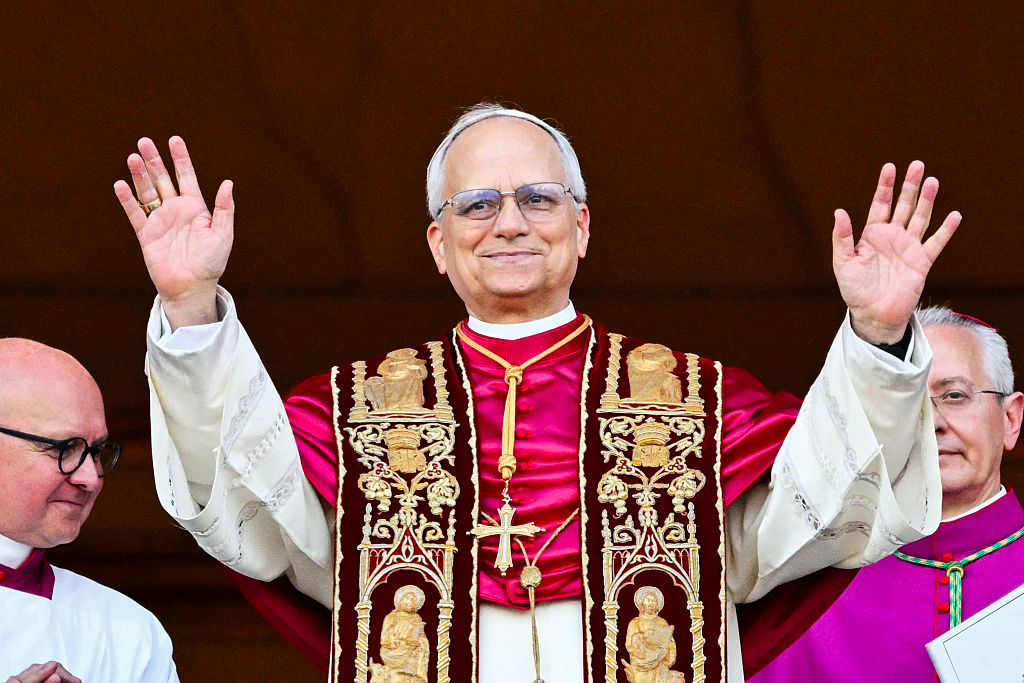
Pope Leo XIV used his first major teaching document to deliver one of the most sweeping and politically charged messages of any modern pope, apologizing for the Vatican’s historical role in slavery while warning that artificial intelligence, economic inequality and uncontrolled technological power now threaten the human race. In an 83-page encyclical titled Magnifica Humanitas (Magnificent Humanity) released May 25, Leo condemned what he described as new forms of “digital slavery,” and criticized the concentration of technological power among corporations while calling for stronger global oversight of artificial intelligence. The document is widely being viewed as the defining ideological blueprint for the early years of his papacy.

Pope Leo apologizes

The piece of the document sparking the most conversation is Leo’s apology for the Catholic Church’s direct role in legitimizing slavery. While previous popes condemned the slave trade or apologized for Christians’ involvement in colonial abuses, Leo became the first pope to explicitly acknowledge that the Holy See itself authorized and enabled slavery through papal decrees issued during the Age of Discovery. The encyclical specifically referenced 15th-century papal bulls that granted European powers authority to conquer and enslave non-Christians across parts of Africa and the Americas. Leo described slavery as “a wound in Christian memory” and asked forgiveness for the Church’s failures

“Yet neither can we deny or diminish the delay with which both society and the church came to denounce the scourge of slavery. This constitutes a wound in Christian memory, one from which we cannot consider ourselves detached.”

The apology immediately drew global attention, with Pope Leo directly addressing the Vatican’s institutional responsibility rather than skirting the topic. Past papal statements typically focused on broader Christian participation in slavery without acknowledging the role official Vatican doctrine played in authorizing conquest and enslavement. The Vatican formally repudiated the so-called “Doctrine of Discovery” in 2023, but Leo’s encyclical went significantly further by publicly confronting the Church’s own legal and theological role in the trans-Atlantic slave trade. Activists and certain theologians have praised the move as historic, but are still arguing it should eventually be followed by discussions surrounding reparative justice and deeper institutional accountability.

Pope Leo on AI and techno-capitalists
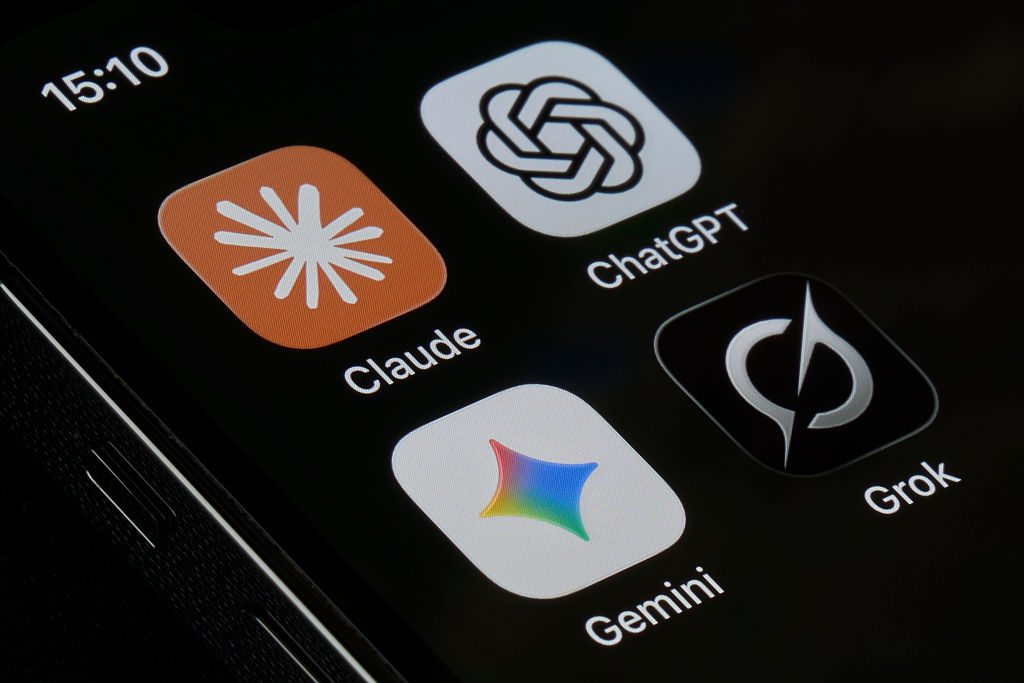
An iPhone screen photographed at close range displays four AI assistant application icons arranged in a two-by-two grid in San Ferdinando di Puglia, Italy, on May 17, 2026. The visible applications include Claude by Anthropic, ChatGPT by OpenAI, Gemini by Google, and Grok by xAI. The phone clock reads 15:10. The image provides a visual overview of leading consumer-facing generative AI chatbot applications available on mobile platforms as of May 2026. (Photo Illustration by Matteo Della Torre/NurPhoto via Getty Images)

Beyond the apology for slavery, Leo’s encyclical focused heavily on artificial intelligence and the growing influence that technology companies have on humanity. Pope Leo warned that AI systems will hand enormous economic and political power into the hands of a small number of corporations, giving them the ability to undermine democracy, truth and human dignity. He criticized the use of AI in warfare, as well as misinformation campaigns and labour displacement, arguing that technological development cannot be separated from ethical responsibility. Leo also warned against autonomous weapons systems operating beyond meaningful human control, calling for international regulation and political oversight before AI becomes too deeply embedded in military and economic systems.

« No algorithm can make war morally acceptable, »

Leo also used the document to criticize widening economic inequality and what he describes as the moral failures of modern capitalism. Building on the social justice teachings of previous popes, Leo argued that economic systems increasingly value profit over human dignity while abandoning vulnerable communities, workers and migrants. He called for stronger protections for labour, ethical oversight of technological development, and prompted AI leaders to commit to social welfare. The pope warned that societies risk becoming spiritually hollow when economic systems prioritize efficiency and accumulation over compassion and community. The encyclical echoed many themes associated with Pope Francis while framing them more directly through the lens of technology and globalization.

Defending the vulnerable

Migration and refugees also emerged as central themes throughout the encyclical. Leo defended migrants as people deserving dignity and protection rather than political scapegoats, warning against governments and movements that treat refugees primarily as threats. Pope Leo argued that wealthy countries have moral obligations toward displaced populations while criticizing increasingly popular political rhetoric focused on exclusion and fear. As a former missionary in Peru, Leo has repeatedly emphasized migration and poverty as priorities throughout his early papacy. Vatican observers noted that his comments could intensify tensions with nationalist political movements in Europe and North America, particularly amidst increasingly polarized debates surrounding immigration and border enforcement policies.

This is Pope Leo
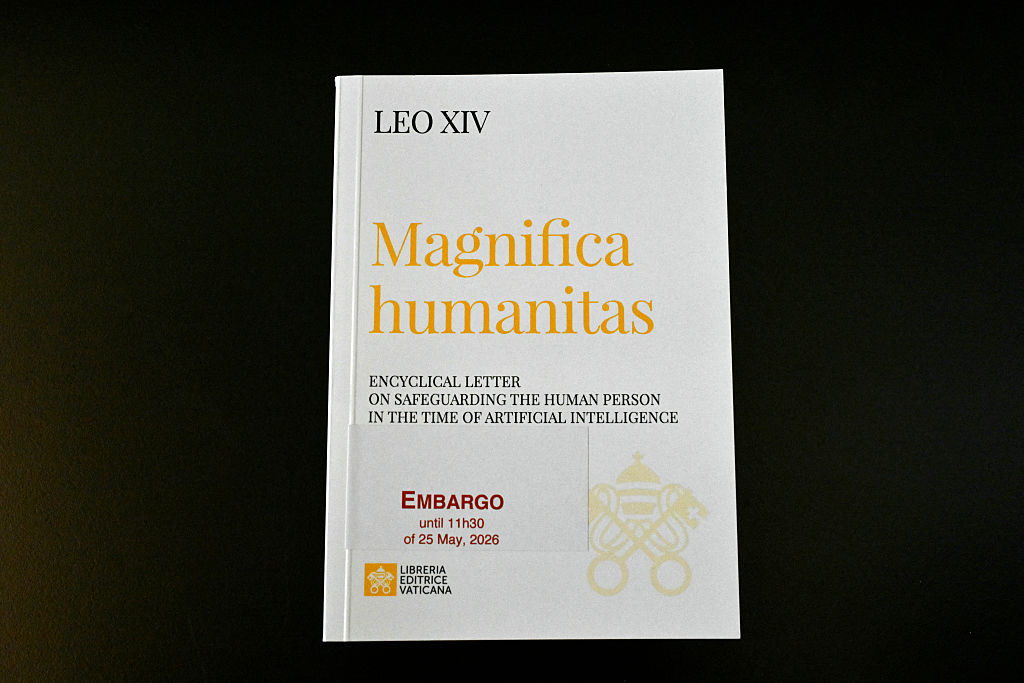
TOPSHOT – A picture shows Pope Leo XIV Encyclical Letter « Magnifica Humanitas », focused on the rise of artificial intelligence, in The Vatican on May 25, 2026. (Photo by Alberto PIZZOLI / AFP via Getty Images)

The release of Magnifica Humanitas is being viewed as the clearest indication yet of how Pope Leo intends to define his papacy. The first American-born pope has moved quickly to position the Vatican as a major moral voice in debates surrounding artificial intelligence, inequality, labour, and technological power. Earlier this month, Leo established a Vatican study group focused specifically on AI governance and ethics ahead of the encyclical’s release. The document’s title — translated as “Magnificent Humanity” — reflects Leo’s argument that technology and economic systems must ultimately serve human dignity rather than dominate it. It is no mistake that Pope Leo asked for multiple AI leaders, including Christopher Olah, co-founder of US AI giant Anthropic, to be present for the reading.
Catégories
Uncategorized

Le Guide suprême iranien serait en vie et planqué, selon un rapport

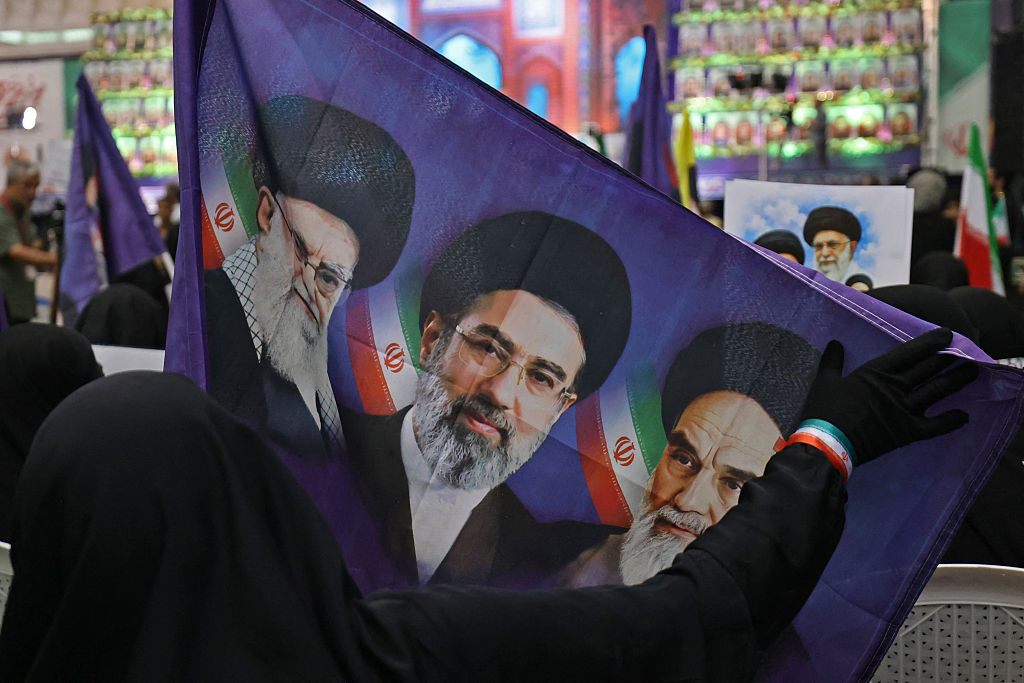
Selon Donald Trump, le Guide suprême iranien Mojtaba Khamenei se cacherait dans un lieu tenu secret et hautement sécurisé, et communiquerait par le biais d’un réseau de messagers secrets, alors que la crainte d’un assassinat et d’une instabilité interne continue de paralyser les dirigeants iraniens. Selon des responsables des services de renseignement américains, même les hauts responsables du gouvernement iranien ne savent pas exactement où se trouve actuellement Khamenei. Les responsables affirment que les négociateurs iraniens qui tentent de communiquer avec l’administration Trump ont eu du mal à transmettre des informations à travers la structure de commandement fragmentée de l’Iran, ce qui a contribué à retarder les négociations sur le cessez-le-feu et le nucléaire entre Téhéran et Washington.

La dissimulation de Khamenei a mis un frein aux négociations de cessez-le-feu, les États-Unis éprouvant d’importantes difficultés à communiquer avec le dirigeant iranien. Un haut responsable américain a affirmé que Khamenei avait donné son accord sur les grandes lignes du tout dernier accord de cessez-le-feu de Donald Trump, mais aucune confirmation officielle n’a été donnée par l’Iran. Donald Trump a publié sur Truth Social qu’il attendait une réponse définitive de l’Iran dans les jours à venir. Le Guide suprême iranien a été blessé lors de l’« Opération Epic Fury » menée par les États-Unis, opération qui a coûté la vie à son père et à la plupart des membres de sa famille proche. Mojtaba Khamenei n’a pas été vu ni entendu officiellement en public depuis avant le début de la guerre.

Les spéculations vont bon train

Le secret entourant le lieu où se trouve Khamenei a alimenté des spéculations croissantes concernant à la fois son état de santé et son contrôle sur le gouvernement iranien. Plusieurs rapports publiés ces dernières semaines ont indiqué que Khamenei avait subi de graves blessures lors des frappes américaines et israéliennes menées dans le cadre de l’opération « Epic Fury », bien que les responsables iraniens aient démenti les rumeurs selon lesquelles il serait hors d’état de fonctionner. Le Financial Times a rapporté que des responsables iraniens ont reconnu en privé que Khamenei avait subi des blessures au genou et au dos pendant le conflit, mais ont insisté sur le fait qu’il restait activement impliqué dans les décisions de la direction par le biais de canaux de communication sécurisés. Le président iranien Masoud Pezeshkian et d’autres hauts responsables ont affirmé rester en contact avec le Guide suprême malgré sa disparition prolongée de la scène publique.

L’incertitude entourant l’état de santé de Khamenei intervient alors que Téhéran reste engagé dans des négociations fragiles avec l’administration Trump au sujet d’un éventuel accord de cessez-le-feu et de l’avenir du programme nucléaire iranien, après des mois de conflit avec Israël et les États-Unis. Reuters a rapporté la semaine dernière que Khamenei avait récemment ordonné que les stocks d’uranium hautement enrichi de l’Iran restent à l’intérieur du pays, rejetant ainsi l’une des principales exigences de Washington dans le cadre des négociations en cours. Les responsables iraniens craindraient que la cession de ces stocks d’uranium ne rende le pays vulnérable à de futures attaques militaires tout en affaiblissant la position de négociation de l’Iran sur le plan diplomatique.

En coulisses, les analystes des médias ont émis l’hypothèse que la structure du pouvoir interne de l’Iran pourrait évoluer rapidement, les figures militaires et les commandants des Gardiens de la révolution gagnant en influence dans le contexte d’incertitude entourant le leadership de Khamenei. L’Associated Press a récemment rapporté que le général de brigade Ahmad Vahidi s’est imposé comme l’une des figures les plus puissantes du pays pendant la crise, jouant un rôle central dans les négociations et la stratégie militaire. Certains analystes régionaux estiment désormais que le gouvernement iranien est de plus en plus dirigé collectivement par de hauts responsables des Gardiens de la révolution plutôt que par le seul guide suprême lui-même. À cela s’ajoute la question des attaques américaines et israéliennes contre l’Iran, qui ne cessent de causer la mort de hauts responsables militaires, provoquant des changements systémiques au sein du parlement iranien.

La disparition du Guide suprême iranien de la vie publique a également intensifié les inquiétudes concernant la stabilité politique au sein du pays. Khamenei a hérité du pouvoir plus tôt cette année à la suite du décès de son père, dont le règne de plusieurs décennies a façonné le système politique et religieux de l’Iran moderne. Avant même que Mojtaba Khamenei ne prenne le pouvoir, des informations circulaient selon lesquelles certains membres de la direction iranienne se demandaient s’il possédait l’expérience politique ou l’autorité nécessaires pour maintenir le contrôle du pays en cette période d’instabilité croissante. Des évaluations des services de renseignement examinées par CBS auraient suggéré qu’Ali Khamenei lui-même avait des doutes quant à l’aptitude de son fils à diriger le pays.

Les États-Unis pensent que Khamenei est en vie

Malgré le secret qui entoure la situation, des responsables américains ont indiqué qu’ils pensaient que Khamenei était toujours en vie et continuait d’exercer au moins une certaine autorité sur les négociations et la stratégie militaire. Un haut responsable de l’administration Trump a déclaré à CBS que Khamenei avait déjà approuvé le cadre général d’un projet d’accord actuellement en discussion entre Washington et Téhéran. Le président Donald Trump a également déclaré sur Truth Social qu’il attendait une réponse définitive de l’Iran dans les jours à venir. Toutefois, les responsables ont averti que la structure de communication fragmentée au sein de l’Iran continuait de ralentir considérablement les négociations, car les messages mettent souvent plusieurs jours à parvenir au Guide suprême via le système de messagerie secrète qui le protège désormais.

Catégories
Uncategorized

Iran’s Supreme Leader in hiding: report

According to Donald Trump, Iran’s Supreme Leader Mojtaba Khamenei is hiding in a heavily secured undisclosed location and communicating through a secret courier network as fears of assassination and internal instability continue gripping Iran’s leadership. According to U.S. intelligence officials, not even senior Iranian government figures know exactly where Khamenei is currently located. Officials claim that Iranian negotiators attempting to communicate with the Trump administration have struggled to relay information through Iran’s fractured command structure, contributing to delays in ceasefire and nuclear negotiations between Tehran and Washington.

Khamenei’s hiding has thrown a wrench into ceasefire negotiations, with the US experiencing significant difficulty communicating with Iran’s leader. A senior US official claimed that Khemenei has agreed to the general contours of Donald Trump’s newest ceasefire agreement, but there has been no official confirmation from Iran. Donald Trump has posted on Truth Social that he a final word from Iran in the following days. Iran’s Supreme Leader was injured during the US’ ‘Operation Epic Fury’, the operation that killed his father and most of his immediate family. Mojtaba Khamenei has not been officially seen or heard in public since before the start of the war.

Speculation rising

The secrecy surrounding Khamenei’s whereabouts has fueled growing speculation regarding both his health and his control over Iran’s government. Multiple reports published in recent weeks stated Khamenei suffered serious injuries during U.S. and Israeli strikes carried out under Operation Epic Fury, though Iranian officials have denied rumors that he is incapacitated. The Financial Times reported that Iranian officials privately acknowledged Khamenei sustained knee and back injuries during the conflict but insisted he remains actively involved in leadership decisions through secure communication channels. Iranian President Masoud Pezeshkian and other senior officials have claimed to remain in contact with the supreme leader despite his prolonged disappearance from public view.

The uncertainty surrounding Khamenei’s condition comes as Tehran remains engaged in fragile negotiations with the Trump administration over a potential ceasefire agreement and the future of Iran’s nuclear program following months of conflict with Israel and the United States. Reuters reported last week that Khamenei recently ordered Iran’s stockpile of highly enriched uranium to remain inside the country, rejecting one of Washington’s central demands during ongoing negotiations. Iranian officials reportedly fear surrendering the uranium stockpile would leave the country vulnerable to future military attacks while weakening Iran’s bargaining position diplomatically.

Behind the scenes, media analysts have theorized that Iran’s internal power structure may be shifting rapidly as military figures and Revolutionary Guard commanders gain greater influence amidst the uncertainty surrounding Khamenei’s leadership. The Associated Press recently reported that Brig. Gen. Ahmad Vahidi has emerged as one of the country’s most powerful figures during the crisis, playing a central role in negotiations and military strategy. Some regional analysts now believe Iran’s government is increasingly being directed collectively by senior Revolutionary Guard officials rather than solely by the supreme leader himself. There is also the added layer of US and Israeli attacks on Iran, continuously killing major military personnel, triggering systemic shifts inside Iran’s parliament.

The disappearance of Iran’s supreme leader from public life has also intensified concerns regarding political stability inside the country. Khamenei inherited leadership earlier this year following the death of his father, whose decades-long rule shaped modern Iran’s political and religious system. Even before Mojtaba Khamenei assumed power, reports circulated that some members of Iran’s leadership questioned whether he possessed the political experience or authority necessary to maintain control over the country during a period of growing instability. Earlier intelligence assessments reviewed by CBS reportedly suggested Ali Khamenei himself had concerns regarding his son’s suitability for leadership.

US believes Khamenei is alive

Despite the secrecy, U.S. officials have indicated they believe Khamenei remains alive and continues exercising at least some authority over negotiations and military strategy. A senior Trump administration official told CBS that Khamenei had already approved the general framework of a draft agreement currently being discussed between Washington and Tehran. President Donald Trump also stated on Truth Social that he expected final word from Iran within days. However, officials cautioned that the fragmented communication structure inside Iran continues slowing negotiations dramatically because messages often take days to reach the supreme leader through the covert courier system now protecting him.

Catégories
Uncategorized

How were the Great Pyramids of Giza actually made? The creepy new ‘Unbuilt Theory,’ decoded

One TikTok account posted a video of a theory surrounding the way the pyramids were built and suggested they were unbuilt. But is it true or even plausible?

TikTok is home to many anonymous accounts with hefty audiences. One of these accounts, @truth.xposer, has accumulated nearly half a million followers thanks to its faceless videos featuring an AI voiceover discussing conspiracies.

The account posted a video with more than 337,000 views, where a narrator questioned the supposed origins of the Egyptian pyramids. Then, the narrator claimed that no one “actually built” the pyramids.

“They were unbuilt,” an AI voiceover said in the video. “The evidence has been right in front of us. We just misinterpreted it … Experts once thought the Egyptians used massive ramps. But there is zero evidence a mile-long ramp ever existed.”

The video went on to suggest that ancient Egyptians carved the pyramids out of a natural, limestone mountain.

The evidence

While there is an actual unbuilt theory outside of @truth.xposer’s video, it doesn’t match the video’s description. There is no evidence that the pyramids were “unbuilt” in the way the creator suggested, and the original theory doesn’t suggest that ramps weren’t used in the pyramids’ construction.

The pyramids are so ancient and impressive in scale that their construction remains an ongoing area of study. But there is at least some evidence that ramps were involved in the construction of the pyramids.

In 2018, a team of academics from the University of Liverpool discovered “huge alabaster blocks,” which they suggested were used in the construction of the pyramids.

The real unbuilt theory

The real unbuilt theory, which was first posited by Korean independent researcher Huni Choi and popularized by the YouTube breakdown of licensed architect Dami Lee, engaged with the idea that builders carved the pyramids downward out of a larger structure.

Cleveland 13 News’ Joan Elloway-Nash, synthesizing Lee’s video breakdown, wrote that Choi’s unbuilt theory “proposes that builders first created an oversized, trapezoidal ‘step mass’ that contained an integrated ramp system.”

“This broader structure provided a flat, stable working deck near the top, allowing crews to maintain the pyramid’s exact geometry as they reached the apex,” Elloway-Nash wrote. “Under this model, the pyramid seen today emerged only after builders carved downward into the final shape from this larger mass … The remaining 2 million tons of stone did not just disappear. Choi argues they were likely recycled to build other structures in the Giza complex, including the Pyramid of Khafre. This matches known Egyptian practices of repurposing materials across different dynasties.”

Pyramids theory vs. fact

Alternative theories have still been created that propose pseudoscientific ideas. Commenters, for instance, shared some of their alternative theories when discussing @truth.xposer’s video.

“Giants built the pyramids…. the pyramids are made of stone blocks as you said in your video, yet no mountain is already made of stone blocks, so this theory is wrong,” one commenter wrote.

While the post didn’t mention extraterrestrials, it did include flashes of pseudoscientific imagery. Reed Magazine wrote that “pseudoarchaeology” (e.g., that “extraterrestrials helped the ancient Egyptians build the pyramids at Giza”) is often based in racial bias.

“You see [pseudoarchaeology] principally applied to places that are exoticized, like Peru, Native American civilizations, Meso-America, Egypt, India,” Reed College professor Thomas Landvatter told the magazine. In contrast, civilizations such as ancient Greece and Rome have not received the same level of scrutiny, at least according to the interviewed experts.

The two interviewed subjects in the story, Landvatter and technologist Beth Platte, concluded that “it is important to identify and interrogate these dominant narratives.”

Buzz News has reached out to the creator via TikTok comment, along with Egyptologist Mark Lehner via email. The story will be updated if they reply.

@truth.xposer The Great Pyramid of Giza wasn’t built, it was UNBUILT. #ancientegypt #greatpyramid #archaeology #history #story ♬ original sound – ᴛʀᴜᴛʜ xᴘᴏꜱᴇʀ™
Catégories
Uncategorized

Comment les pyramides de Gizeh ont-elles été construites? La nouvelle «théorie de l’inachevé», hypothèse troublante, décryptée

Un compte TikTok a publié une vidéo présentant une théorie sur la construction des pyramides, suggérant qu’elles n’auraient jamais été construites. Mais est-ce vrai, ou même plausible ?

TikTok héberge de nombreux comptes anonymes qui attirent un large public. L’un de ces comptes, @truth.xposer, a rassemblé près d’un demi-million d’abonnés grâce à ses vidéos sans visage accompagnées d’une voix off générée par IA qui évoque des théories du complot.

Le compte a publié une vidéo qui a été visionnée plus de 337 000 fois, dans laquelle un narrateur remet en question les origines supposées des pyramides égyptiennes. Le narrateur affirme ensuite que personne n’a « réellement construit » les pyramides.

« Elles n’ont pas été construites », a déclaré une voix off générée par l’IA dans la vidéo. « Les preuves étaient juste sous nos yeux. Nous les avons simplement mal interprétées… Les experts pensaient autrefois que les Égyptiens utilisaient d’énormes rampes. Mais il n’existe aucune preuve qu’une rampe d’un kilomètre et demi ait jamais existé. »

La vidéo suggérait ensuite que les Égyptiens de l’Antiquité avaient sculpté les pyramides dans une montagne calcaire naturelle.

Les preuves

Bien qu’il existe une véritable théorie de la « non-construction » en dehors de la vidéo de @truth.xposer, celle-ci ne correspond pas à la description faite dans la vidéo. Il n’existe aucune preuve que les pyramides aient été « non construites » de la manière suggérée par l’auteur, et la théorie originale ne suggère pas que des rampes n’aient pas été utilisées lors de la construction des pyramides.

Les pyramides sont si anciennes et d’une telle ampleur que leur construction fait toujours l’objet d’études. Mais il existe au moins quelques preuves indiquant que des rampes ont été utilisées lors de la construction des pyramides.

En 2018, une équipe de chercheurs de l’université de Liverpool a découvert d’« énormes blocs d’albâtre », qui, selon eux, auraient été utilisés pour la construction des pyramides.

La théorie de la pyramide non construite

La théorie de la « pyramide non construite », initialement avancée par le chercheur indépendant coréen Huni Choi et popularisée par l’analyse YouTube de l’architecte agréée Dami Lee, repose sur l’idée que les constructeurs auraient sculpté les pyramides vers le bas à partir d’une structure plus grande.

Joan Elloway-Nash, de Cleveland 13 News, résumant l’analyse vidéo de Lee, a écrit que la théorie de la « pyramide non construite » de Choi « propose que les constructeurs aient d’abord créé une « masse en gradins » trapézoïdale surdimensionnée qui comprenait un système de rampes intégré ».

« Cette structure plus large offrait une plate-forme de travail plane et stable près du sommet, permettant aux équipes de conserver la géométrie exacte de la pyramide à mesure qu’elles atteignaient le sommet », a écrit Elloway-Nash. « Selon ce modèle, la pyramide que l’on voit aujourd’hui n’est apparue qu’après que les constructeurs eurent creusé vers le bas à partir de cette masse plus grande pour lui donner sa forme finale… Les 2 millions de tonnes de pierre restantes n’ont pas simplement disparu. Choi soutient qu’elles ont probablement été recyclées pour construire d’autres structures du complexe de Gizeh, notamment la pyramide de Khafré. Cela correspond aux pratiques égyptiennes connues consistant à réutiliser des matériaux à travers différentes dynasties. »

Théorie des pyramides vs réalité

D’autres théories ont encore été élaborées, proposant des idées pseudo-scientifiques. Des commentateurs, par exemple, ont partagé certaines de leurs théories alternatives lors d’une discussion sur la vidéo de @truth.xposer.

« Des géants ont construit les pyramides… Les pyramides sont faites de blocs de pierre, comme vous l’avez dit dans votre vidéo, mais aucune montagne n’est déjà constituée de blocs de pierre, donc cette théorie est fausse », a écrit un commentateur.

Bien que la publication ne mentionne pas d’extraterrestres, elle comportait des images à caractère pseudo-scientifique. Le magazine Reed a écrit que la « pseudoarchéologie » (par exemple, l’idée que « des extraterrestres ont aidé les anciens Égyptiens à construire les pyramides de Gizeh ») repose souvent sur des préjugés raciaux.

« On voit que la [pseudoarchéologie] s’applique principalement à des lieux exotisés, comme le Pérou, les civilisations amérindiennes, la Méso-Amérique, l’Égypte ou l’Inde », a déclaré au magazine Thomas Landvatter, professeur au Reed College. En revanche, des civilisations telles que la Grèce et la Rome antiques n’ont pas fait l’objet du même niveau d’examen, du moins selon les experts interrogés.

Les deux personnes interrogées dans l’article, Thomas Landvatter et la technologue Beth Platte, ont conclu qu’« il est important d’identifier et de remettre en question ces récits dominants ».

Buzz News a contacté le créateur via un commentaire sur TikTok, ainsi que l’égyptologue Mark Lehner par e-mail. L’article sera mis à jour s’ils répondent.

@truth.xposer La Grande Pyramide de Gizeh n’a pas été construite, elle a été DÉCONSTRUITE. #ancientegypt #greatpyramid #archaeology #history #story ♬ son original – ᴛʀᴜᴛʜ xᴘᴏꜱᴇʀ™

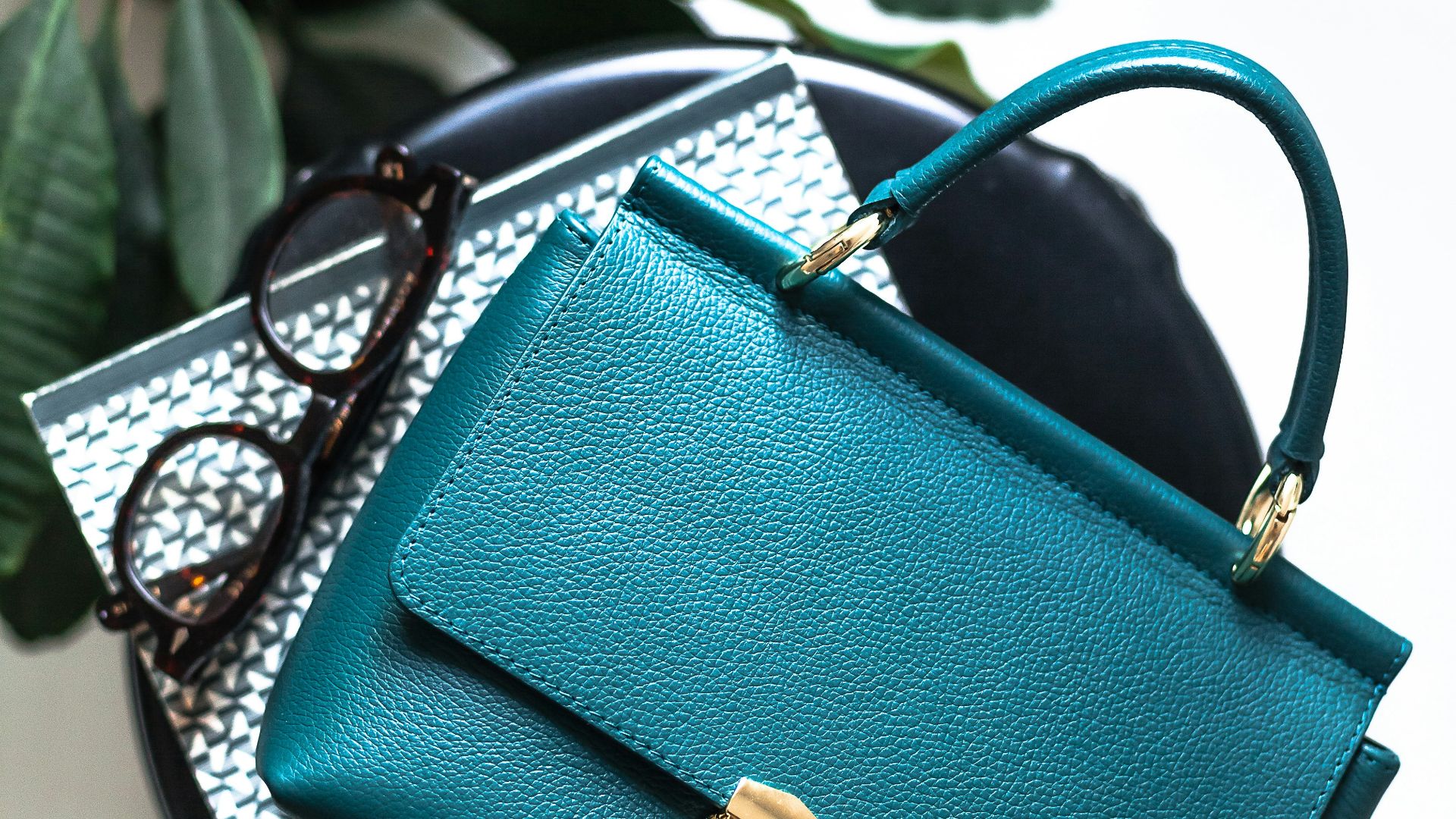
20 choses que seules les personnes vraiment élégantes portent

Si vous souhaitez donner une touche plus élégante à votre garde-robe, vous serez ravie d’apprendre que ce n’est pas aussi difficile qu’il n’y paraît. Un style élégant ne consiste pas à suivre toutes les tendances à la lettre ni à s’habiller comme si l’on en faisait trop. Il s’agit plutôt de choisir des vêtements soignés, qui vous vont à merveille et qui vous permettent de vous sentir serein sans pour autant paraître guindé. Les personnes véritablement élégantes savent que les vêtements parlent avant vous ; elles misent donc sur des basiques intemporels, des détails bien pensés et une certaine sobriété qui reste chaleureuse et personnelle.

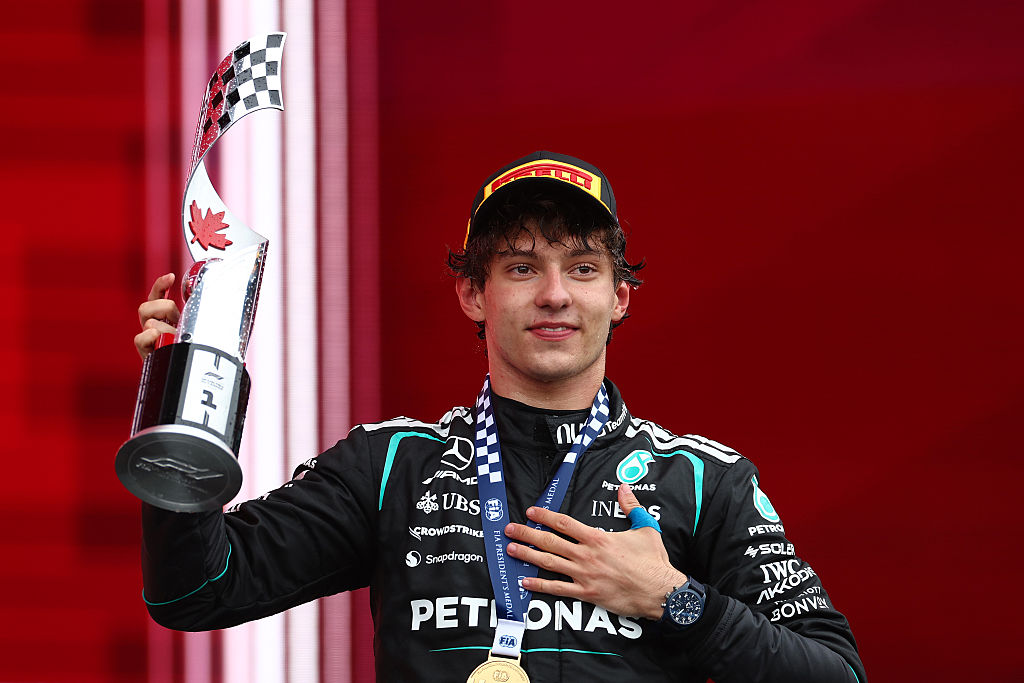
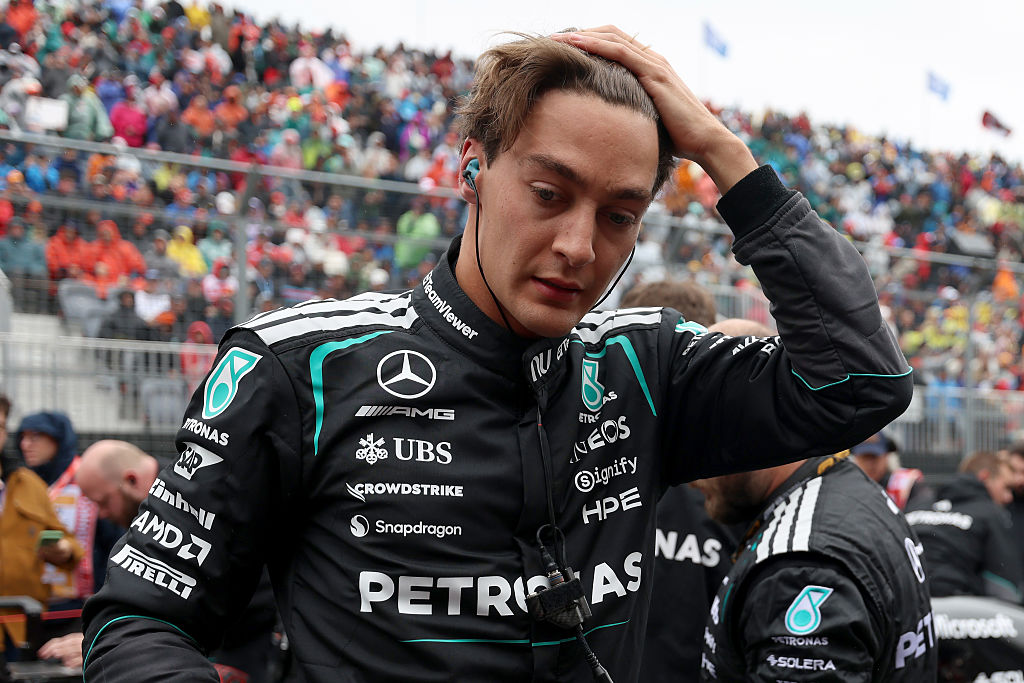
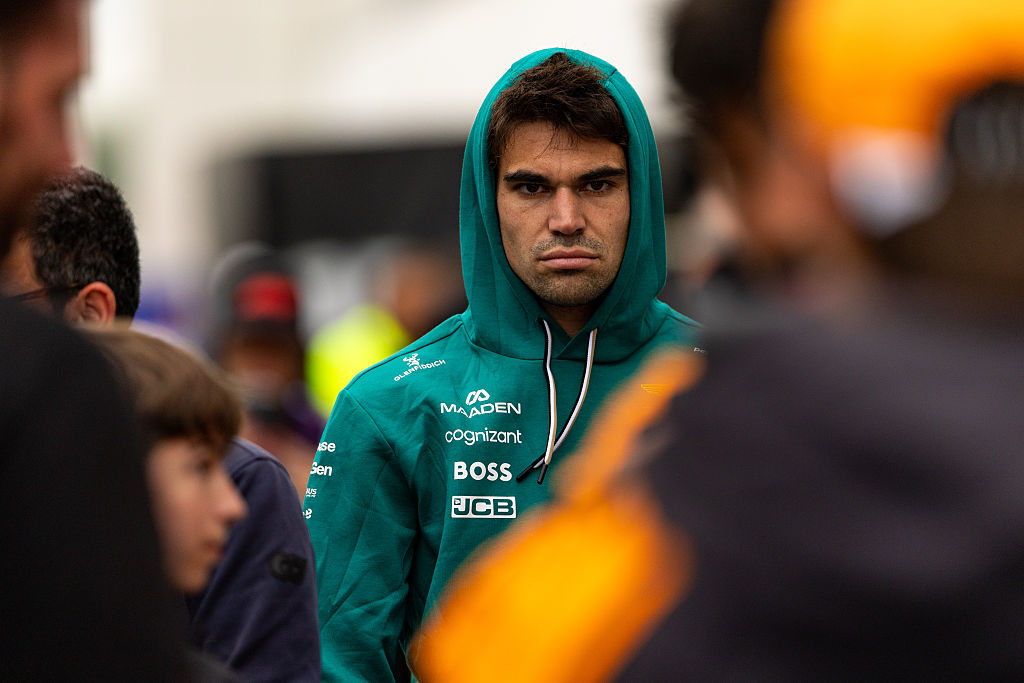
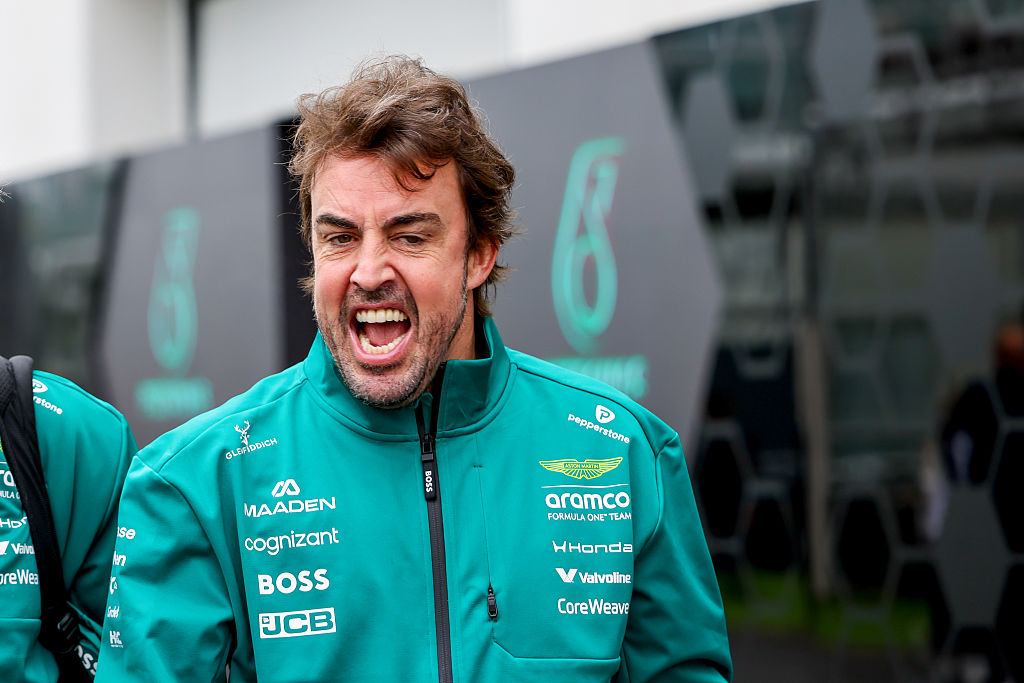
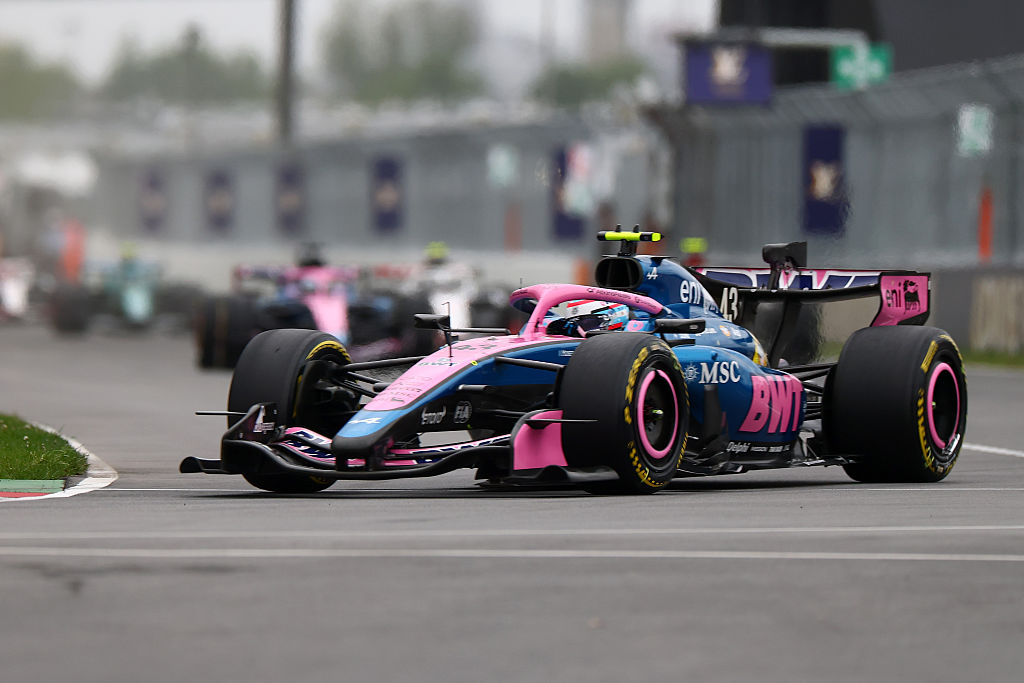
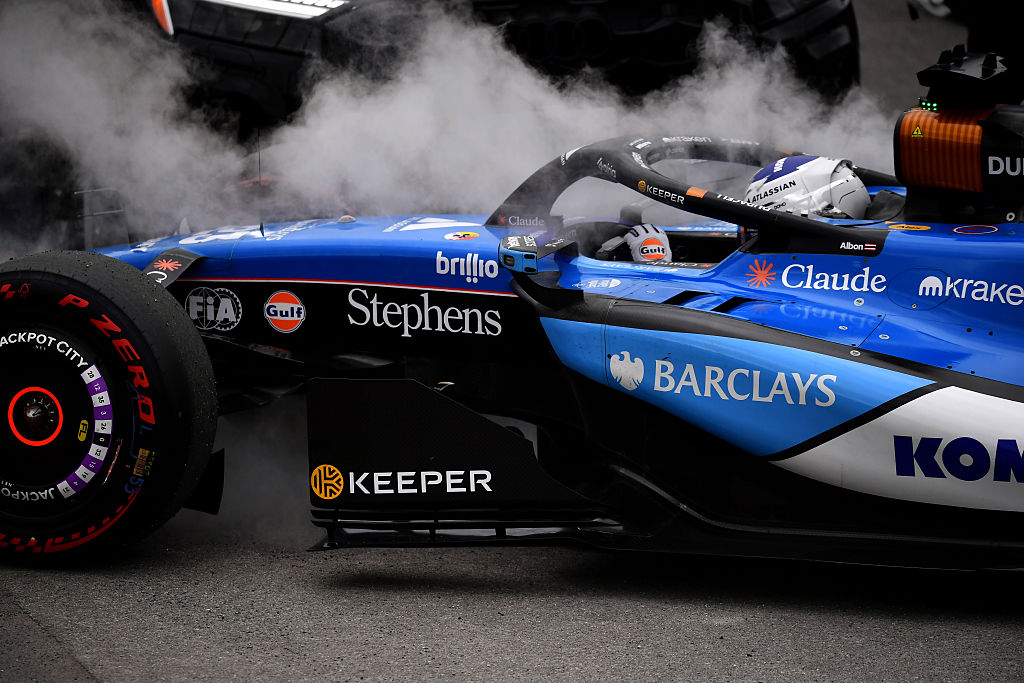
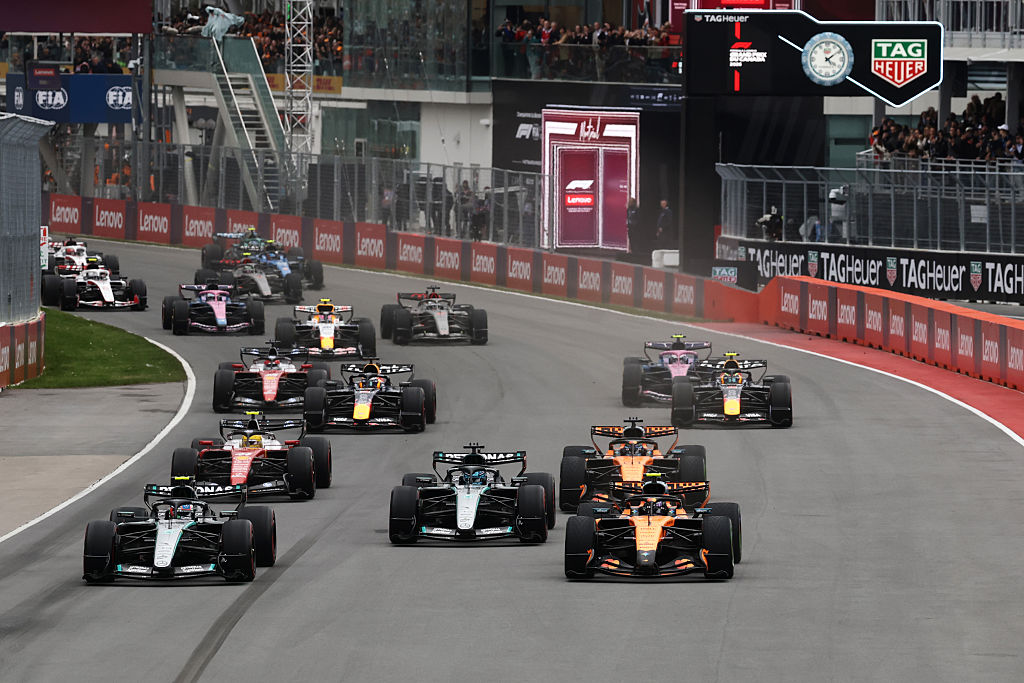
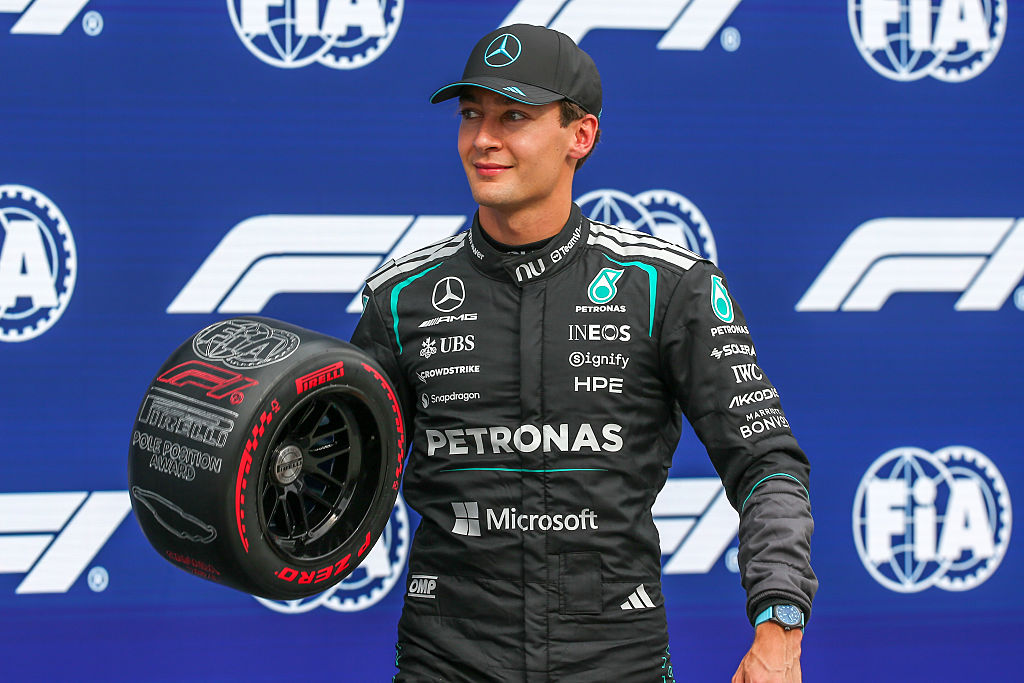
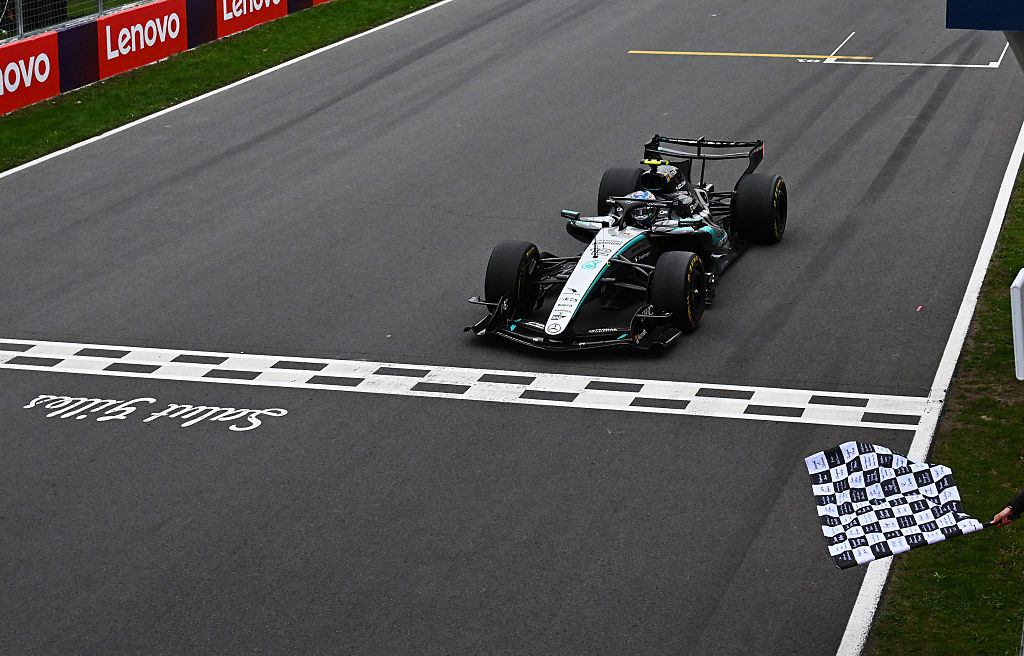
A Look Back at the Canadian Grand Prix in 15 Photos and Highlights

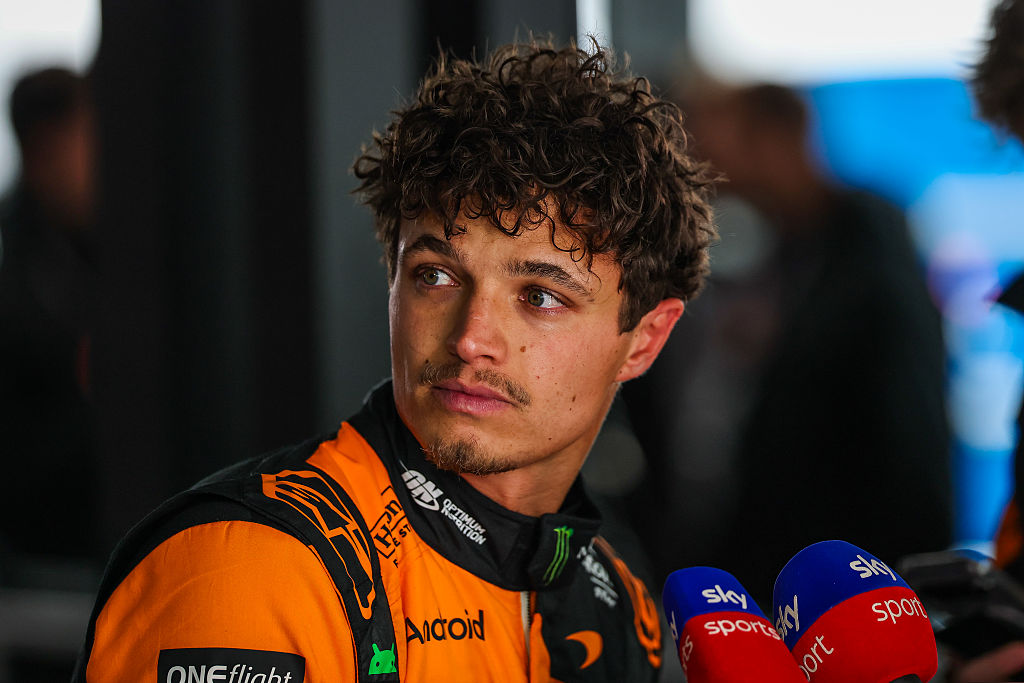
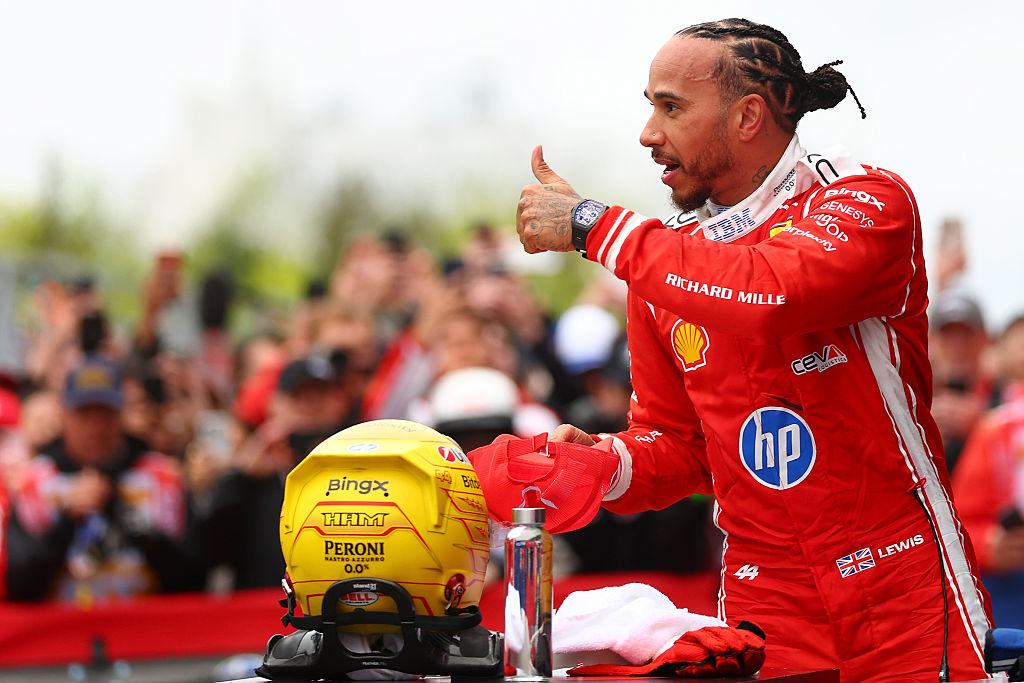
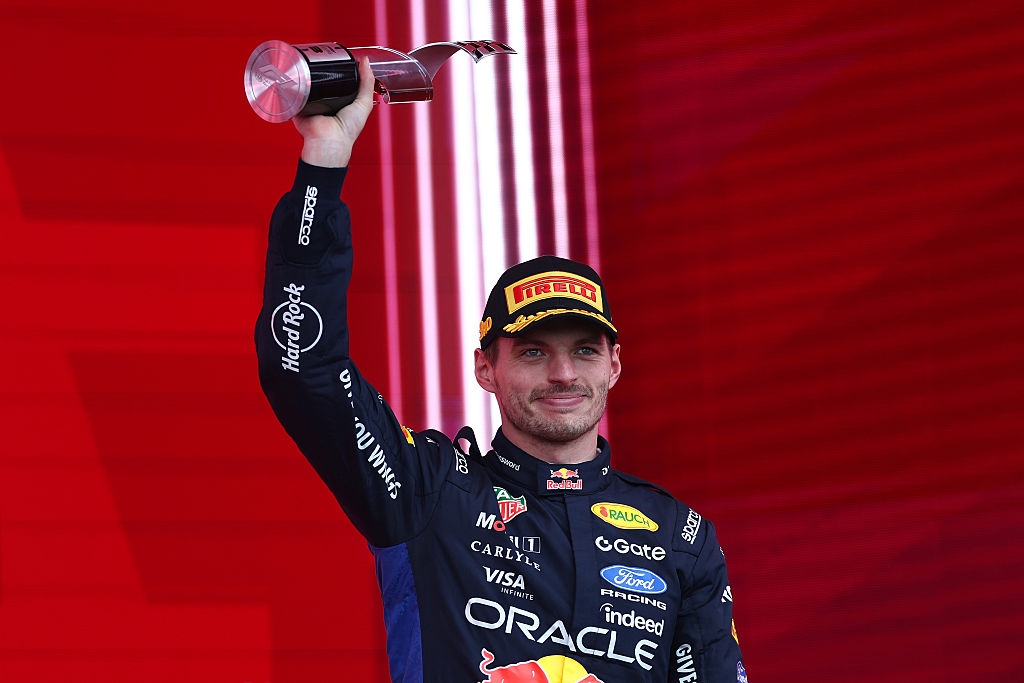
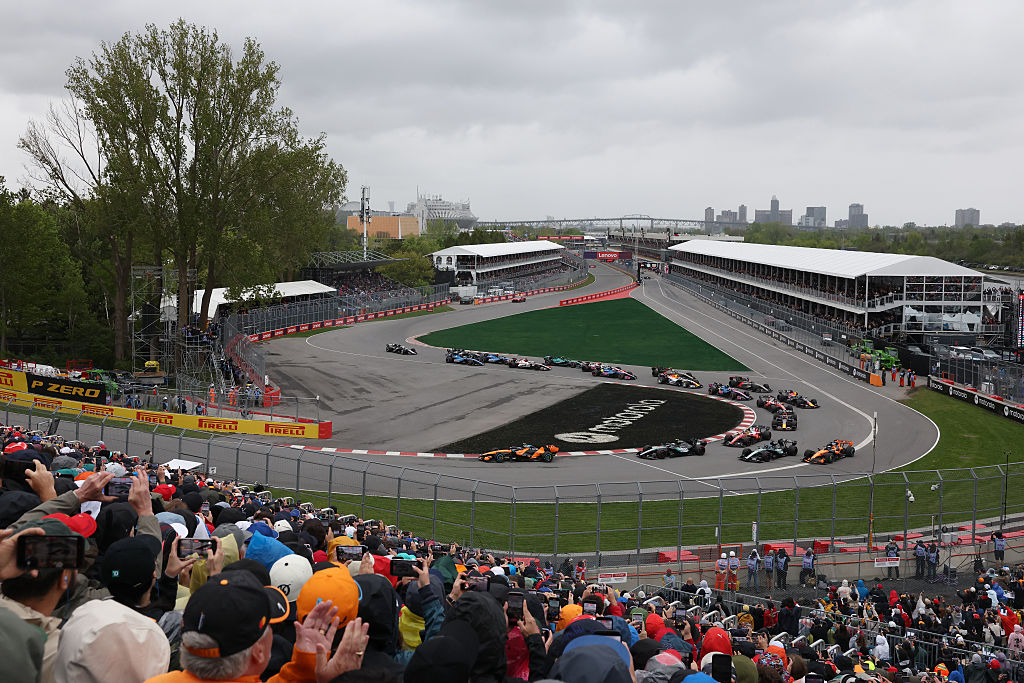
The 2026 Canadian Grand Prix delivered an exceptional show at Montreal’s legendary Circuit Gilles Villeneuve. Between Mercedes’ impressive dominance, Kimi Antonelli’s rise to prominence, strategic twists and turns, and numerous retirements, this race will go down as one of the most memorable in recent Formula 1 history. In front of packed grandstands and an electrifying atmosphere, the drivers pushed the limits on a track renowned for its aggressive braking zones and unforgiving walls.

Retour sur le Grand Prix du Canada en 15 photos et faits marquants

Le Grand Prix du Canada 2026 a offert un spectacle exceptionnel sur le mythique Circuit Gilles-Villeneuve de Montréal. Entre la domination impressionnante de Mercedes, la montée en puissance de Kimi Antonelli, les rebondissements stratégiques et les nombreux abandons, cette édition restera parmi les plus marquantes des dernières années en Formule 1. Devant des tribunes pleines à craquer et une ambiance électrisante, les pilotes ont repoussé les limites sur un tracé réputé pour ses freinages agressifs et ses murs impitoyables.

Catégories
Uncategorized

Mike Matheson and his wife welcome their third child!

  • Mike Matheson and his wife are welcoming their third child.
  • We know the baby’s name.
  • Born the day after Game 7 in Buffalo.
  • Mike Matheson, a hands-on dad.
  • Martin St-Louis’s right-hand man.

Big news has just broken in the Montreal Canadiens camp! Defenseman Mike Matheson and his wife Emily have welcomed a third child into their family. The couple announced the birth of a baby boy named Miles, much to the delight of their loved ones and Habs fans.

Already parents of two children, Mike and Emily are now seeing their family grow with the arrival of this new baby. Despite the demands of the season and the fast-paced nature of the NHL, Matheson always places a huge priority on his family life, and this happy news certainly adds a lot of joy to their daily lives.

Note that no official photos of the newborn are available on social media.

According to reports, little Miles was born the day after Game 7 against the Buffalo Sabres, a game that was already extremely emotional for the entire Montreal organization. In a situation where every moment on the ice mattered and the pressure was immense, Mike Matheson likely experienced one of the most intense periods of his life, both as a hockey player and as a father.

Instagram @mmatheson19

Born the day after Game 7

The Canadiens defenseman had just come through a crucial game, played in an electric atmosphere, with all the attention of fans and the media focused on him and his teammates. Then, less than 24 hours later, the adrenaline of hockey would have given way to a completely different emotion: that of welcoming a new child into his family.

The arrival of little Miles thus puts the events of the past few days into a whole new perspective. No matter how intense a Game 7 may be, certain moments go far beyond the realm of sports, and the birth of a child is obviously one of them. For Mike Matheson and his partner Emily, this mix of emotions—stress, fatigue, excitement, and happiness—must be absolutely indescribable.

This context also makes the news even more touching for Canadiens fans. Behind the veteran capable of logging heavy minutes night after night is, above all, a family man deeply devoted to his loved ones.

(Photo by Joe Hrycych/Getty Images)

A Dedicated Dad

Even with the frantic pace of the NHL, the constant travel, and all the pressure that comes with playing in Montreal, Mike Matheson has always shown himself to be an extremely involved father. Those who have followed the Canadiens defenseman for several years know just how important his family life is to his daily routine, no matter what’s happening on the ice.

The reality of a professional hockey player’s life is far from simple. Between morning practices, constant travel, games across North America, and long stretches away from home, many players must learn to juggle a completely unpredictable schedule. Yet, despite these demanding realities, Matheson seems to have found a way to remain deeply present for his wife Emily and their children.

Since joining the Montreal Canadiens, the Quebec native has often come across as a calm, composed, and very mature player. This stability also seems to extend to his personal life. Through various social media posts and public appearances, it’s clear how much he values spending time with his family whenever he gets the chance, even during the season.

Instagram @mmatheson19

The Blue Line Anchor

Night after night, despite the spectacular emergence of young defensemen like Lane Hutson, Kaiden Guhle, and Noah Dobson, Mike Matheson remains Martin St-Louis’s go-to man on the Montreal Canadiens’ blue line. In crucial moments, when the pressure mounts and the team needs stability, the head coach still very often turns to the Quebec veteran.

Since joining the Habs, Matheson has gradually carved out an extremely important role within the organization. Far beyond the statistics, he has become a pillar of the team thanks to his experience, mobility, and ability to handle heavy responsibilities in all game situations. Even with the impressive rise of young defensive talent, his role has never truly diminished.

Lane Hutson’s emergence has obviously changed the dynamic of Montreal’s defensive corps. The young offensive defenseman is drawing a lot of attention thanks to his creativity and intelligence with the puck. Kaiden Guhle, for his part, continues to establish himself as a robust and reliable presence capable of neutralizing the best opposing forwards. As for Noah Dobson, his arrival brings even more depth and talent to the back end.

Despite all this, Martin St-Louis continues to place immense trust in Mike Matheson, particularly in the critical moments of a game.

Congratulations to the Matheson family!!!

(Photo by Minas Panagiotakis/Getty Images)
Catégories
Uncategorized

Police Uncover 90 Kg of Cocaine in Truck Loaded With Kim Kardashian Skims Merchandise

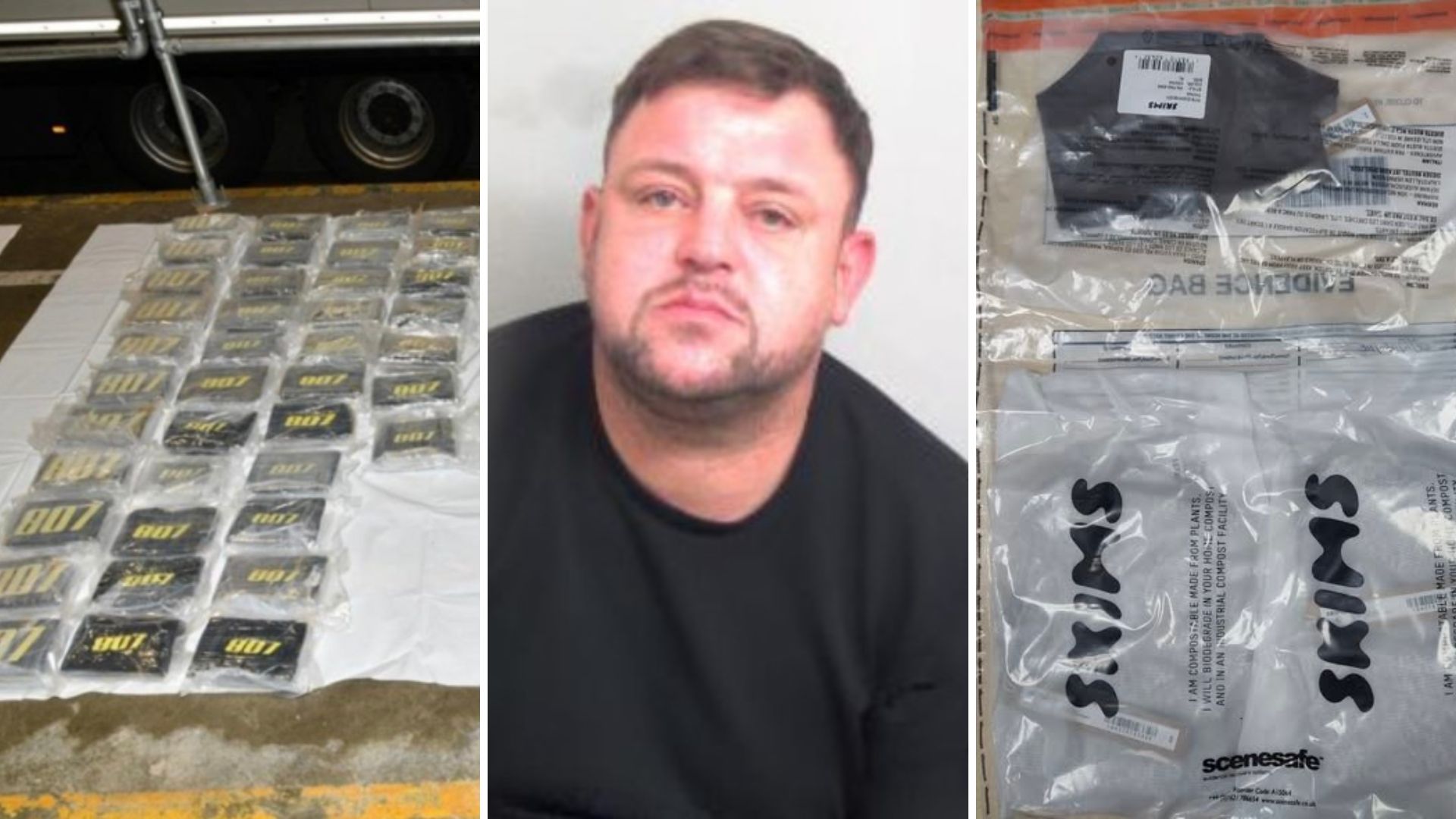
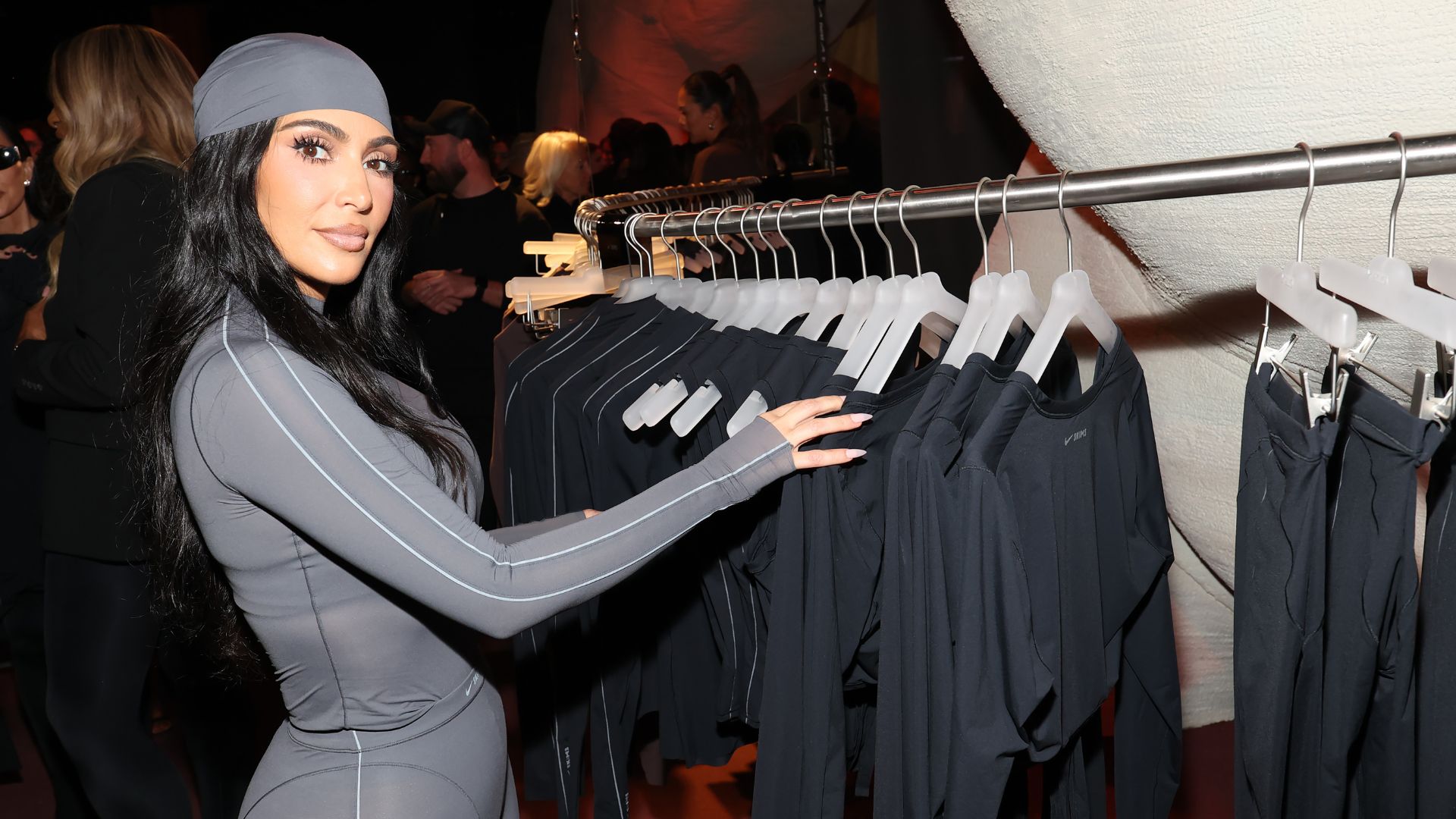
A major drug bust involving a vehicle carrying Kim Kardashian’s Skims products ended with a Polish truck driver being sentenced to more than 13 years in prison in the United Kingdom after authorities uncovered 90 kilograms of cocaine hidden among merchandise shipments. Jakub Jan Konkel, 40, was sentenced in the London area after investigators determined he smuggled millions of dollars worth of cocaine into Britain inside a heavy goods vehicle transporting 28 pallets of Skims merchandise from the Netherlands. Border Force officers stopped Konkel at the Port of Harwich in Essex after he arrived on a ferry crossing from mainland Europe. During an extensive inspection of the vehicle, officers discovered 90 one-kilogram packages of cocaine concealed within the cargo. Authorities estimated the drugs carried a street value of approximately £7.2 million, or nearly $9.6 million in the United States.

The seizure quickly became one of the most high-profile cross-border narcotics cases linked to a commercial retail shipment in recent months because of the connection to Kardashian’s globally recognized Skims brand. British prosecutors told the court that the cocaine haul represented a significant attempt to move Class A drugs into the country using legitimate consumer goods as cover. Investigators said Konkel had traveled from the Netherlands to the United Kingdom carrying the shipment when border staff identified suspicious irregularities during screening procedures at Harwich International Port. Officers then conducted a detailed search of the truck and located the tightly wrapped cocaine packages hidden among the merchandise pallets. Authorities later stated the quantity involved suggested the operation was connected to an organized drug trafficking network operating across Europe.

Capture National Crime Agency / Facebook

According to details reported by the BBC during the investigation and trial proceedings, Konkel was paid £3,918, approximately $5,268, to transport the cocaine shipment into the United Kingdom. Prosecutors argued the payment alone undermined his later claims that he had no knowledge drugs were hidden inside the truck. Investigators also discovered a separate cellphone inside the vehicle that was allegedly linked directly to the drug supply network coordinating the smuggling operation. Court documents revealed the device had been configured to automatically wipe its contents after 18 hours, a detail prosecutors cited as evidence of deliberate criminal planning. Officials told the court that encrypted communications and logistical coordination connected to the device played a significant role in disproving Konkel’s defense that he was an unwitting courier.
13 years in prison

Konkel attempted to argue during the proceedings that he believed he was merely transporting legitimate retail cargo and had no direct awareness cocaine was concealed inside the shipment. Prosecutors, however, rejected that explanation and pointed to multiple suspicious circumstances uncovered during the investigation. In addition to the burner-style cellphone discovered in the truck, investigators cited inconsistencies in Konkel’s statements and details surrounding the transport arrangement itself. British authorities also emphasized the unusually large quantity of narcotics involved and the sophisticated concealment methods used within the cargo load. During sentencing, the court concluded that Konkel knew about the cocaine operation directly. The judge ultimately sentenced him to more than 13 years in prison for importing Class A drugs into the United Kingdom.

A major international company

The case also highlighted growing concerns among European law enforcement agencies about criminal organizations using commercial supply chains and legitimate retail distribution systems to move narcotics across borders. British border officials have repeatedly warned that traffickers increasingly conceal cocaine, heroin and synthetic drugs inside ordinary consumer shipments to avoid detection during customs inspections. The use of branded merchandise cargo linked to a major international company like Skims attracted additional public attention because it demonstrated how organized crime groups attempt to blend illegal products into standard international trade routes. Authorities did not accuse Kim Kardashian, Skims or company employees of involvement in the smuggling operation, and investigators treated the merchandise shipment itself as an unwitting cover used by traffickers attempting to bypass border enforcement systems.

Large-scale drug shipments

The sentencing closed a months-long investigation involving Border Force officers, customs officials and organized crime specialists working across multiple jurisdictions. Officials praised the actions of the border staff at Harwich who intercepted the truck before the drugs entered wider distribution networks across Britain. Law enforcement authorities noted that the seizure prevented millions of pounds worth of cocaine from reaching the streets and potentially fueling violent criminal activity connected to the narcotics trade. The case also reinforced concerns surrounding the role of international ferry crossings between the Netherlands and the United Kingdom, routes that authorities say continue to be heavily targeted by trafficking organizations attempting to move large-scale drug shipments into Britain. As European authorities continue cracking down on smuggling networks, investigators warned that traffickers are becoming increasingly sophisticated in exploiting commercial transport operations and retail supply chains.

Getty Images