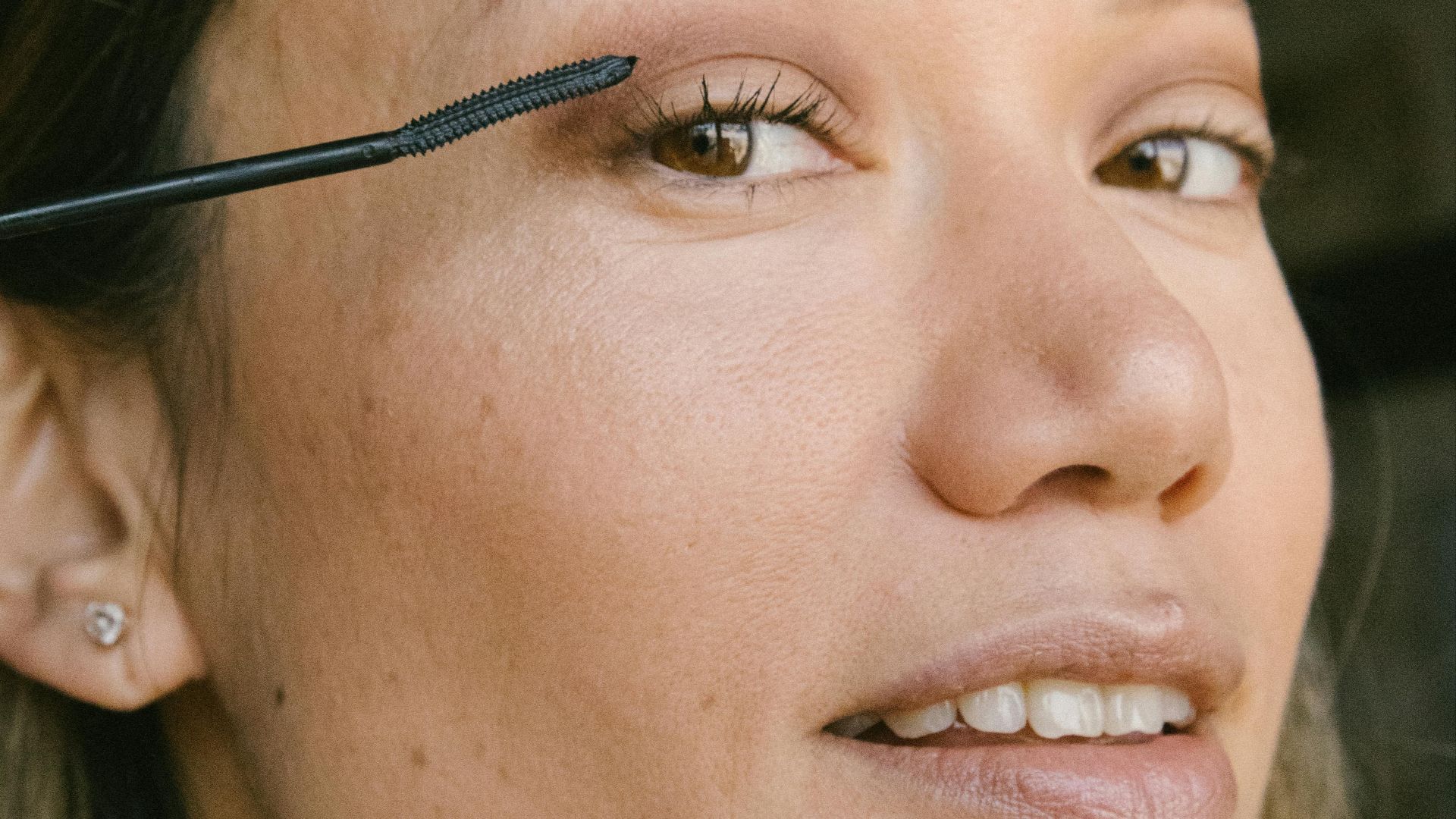
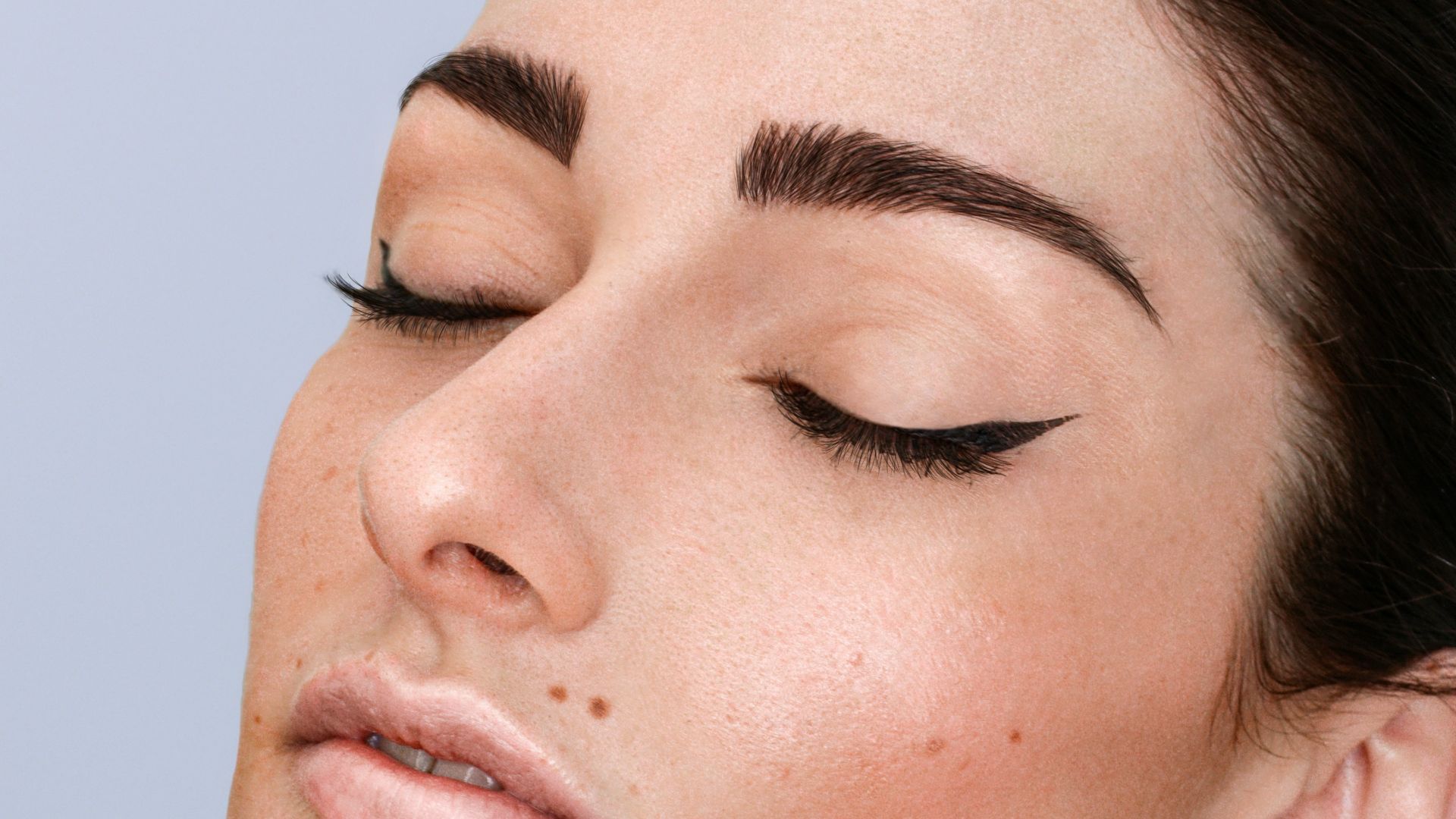
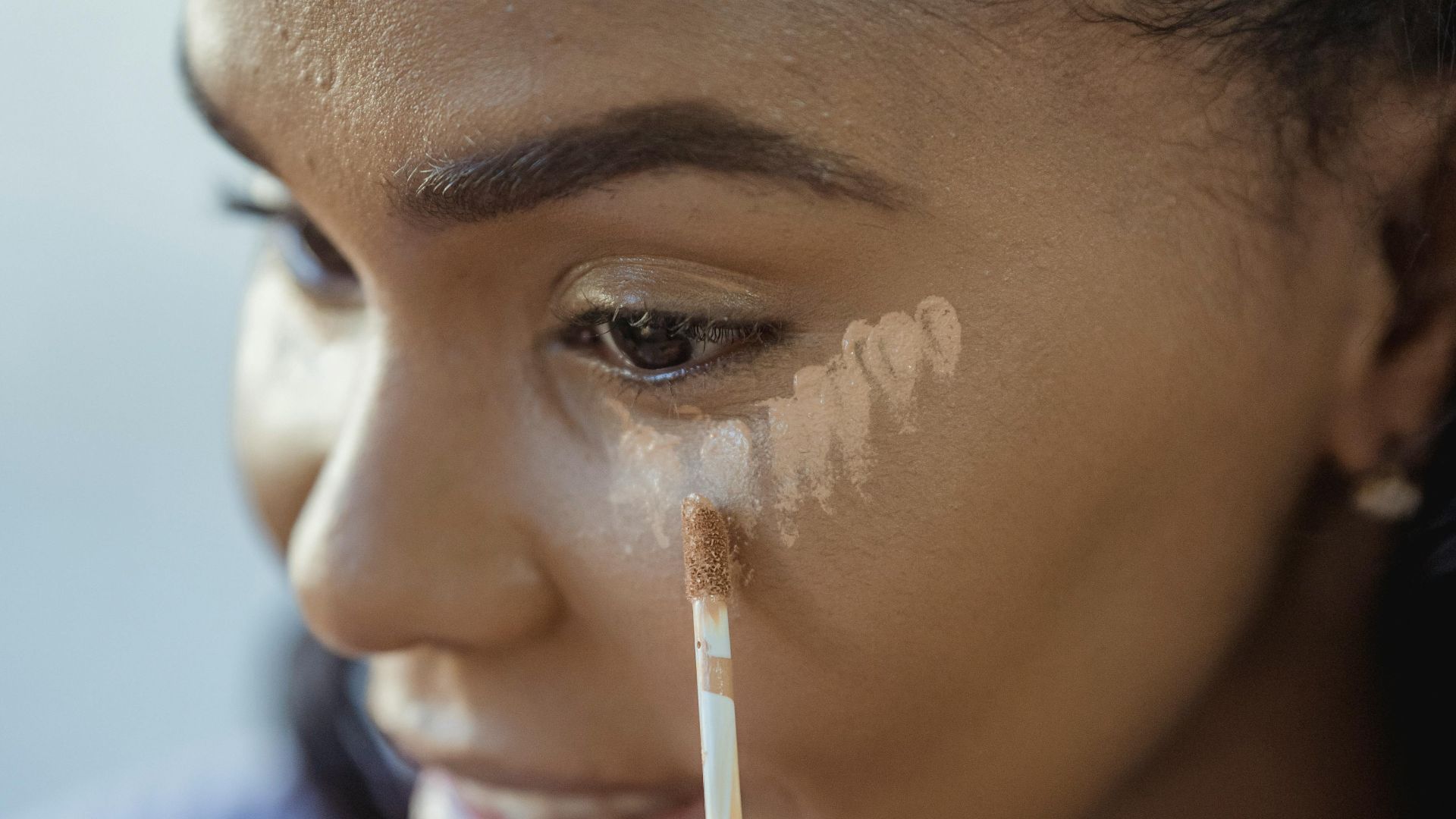
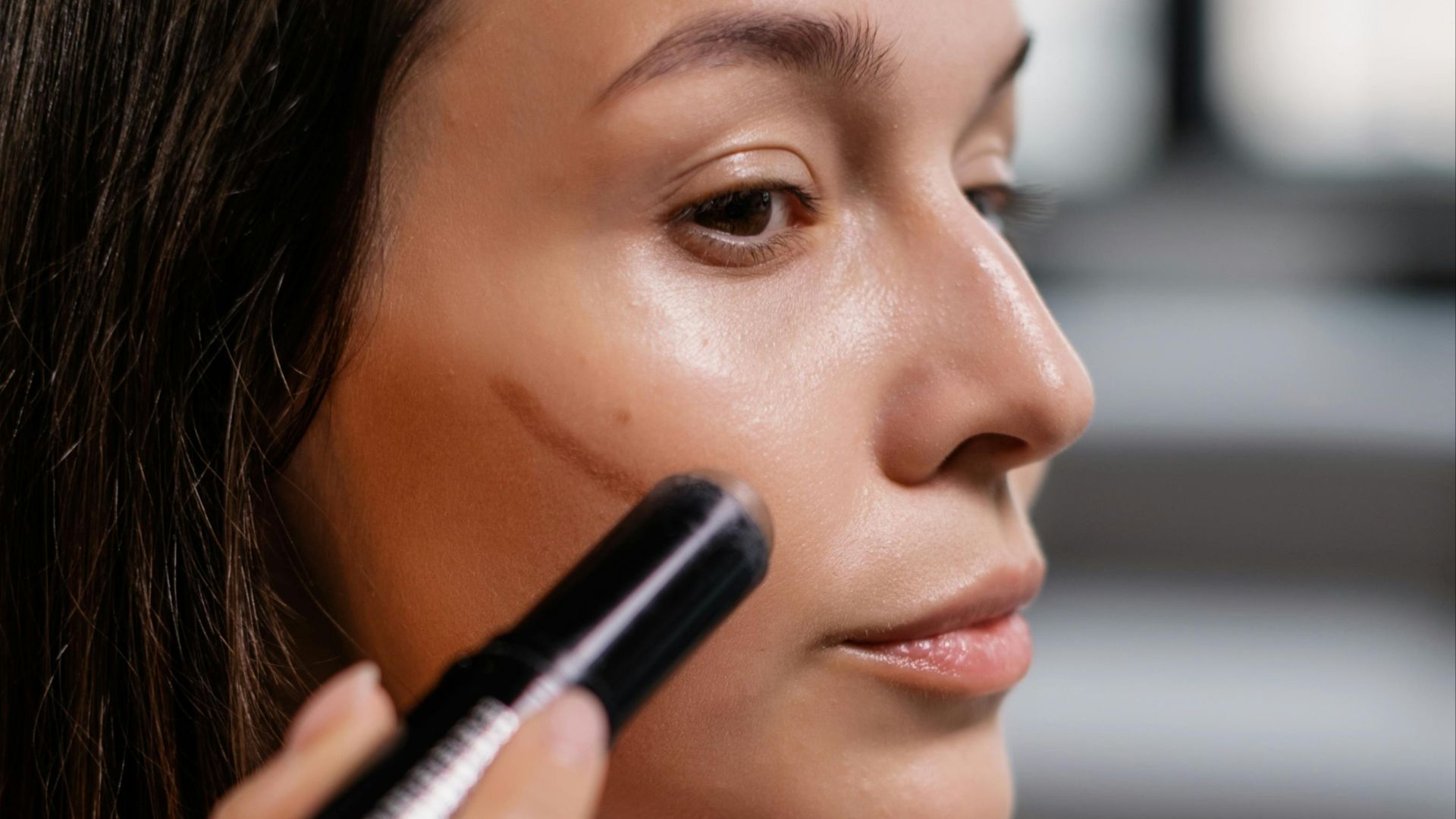
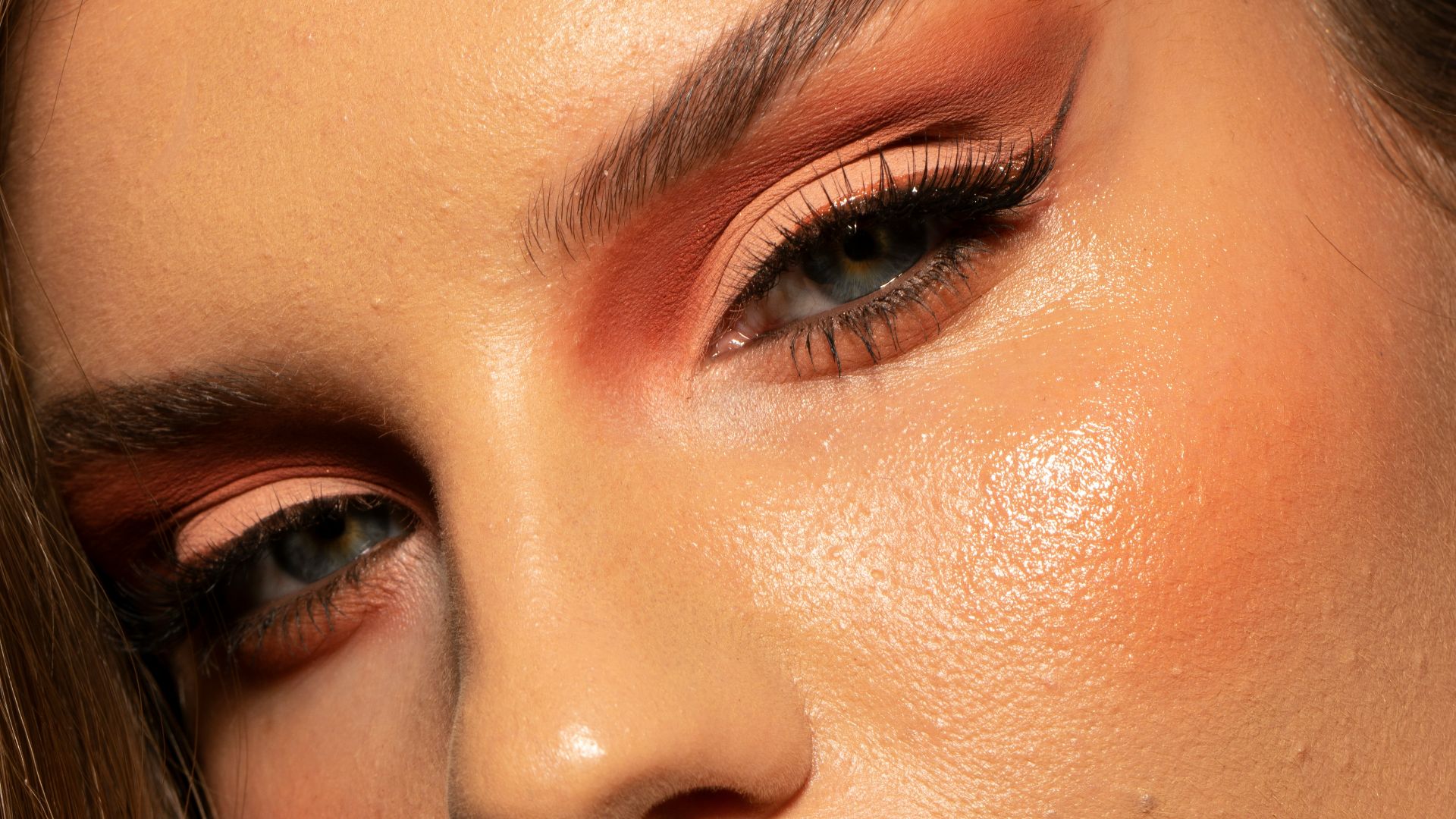
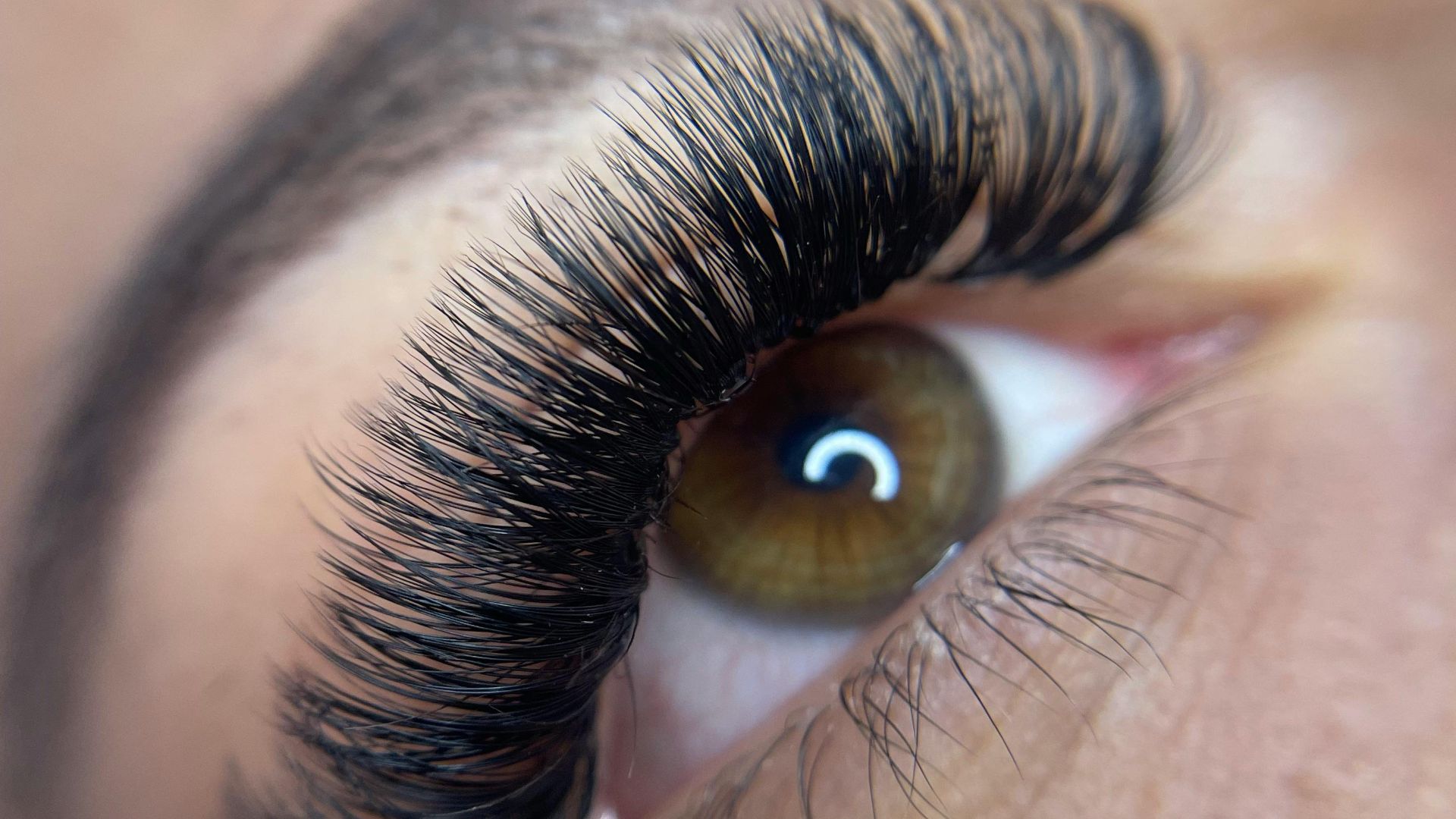
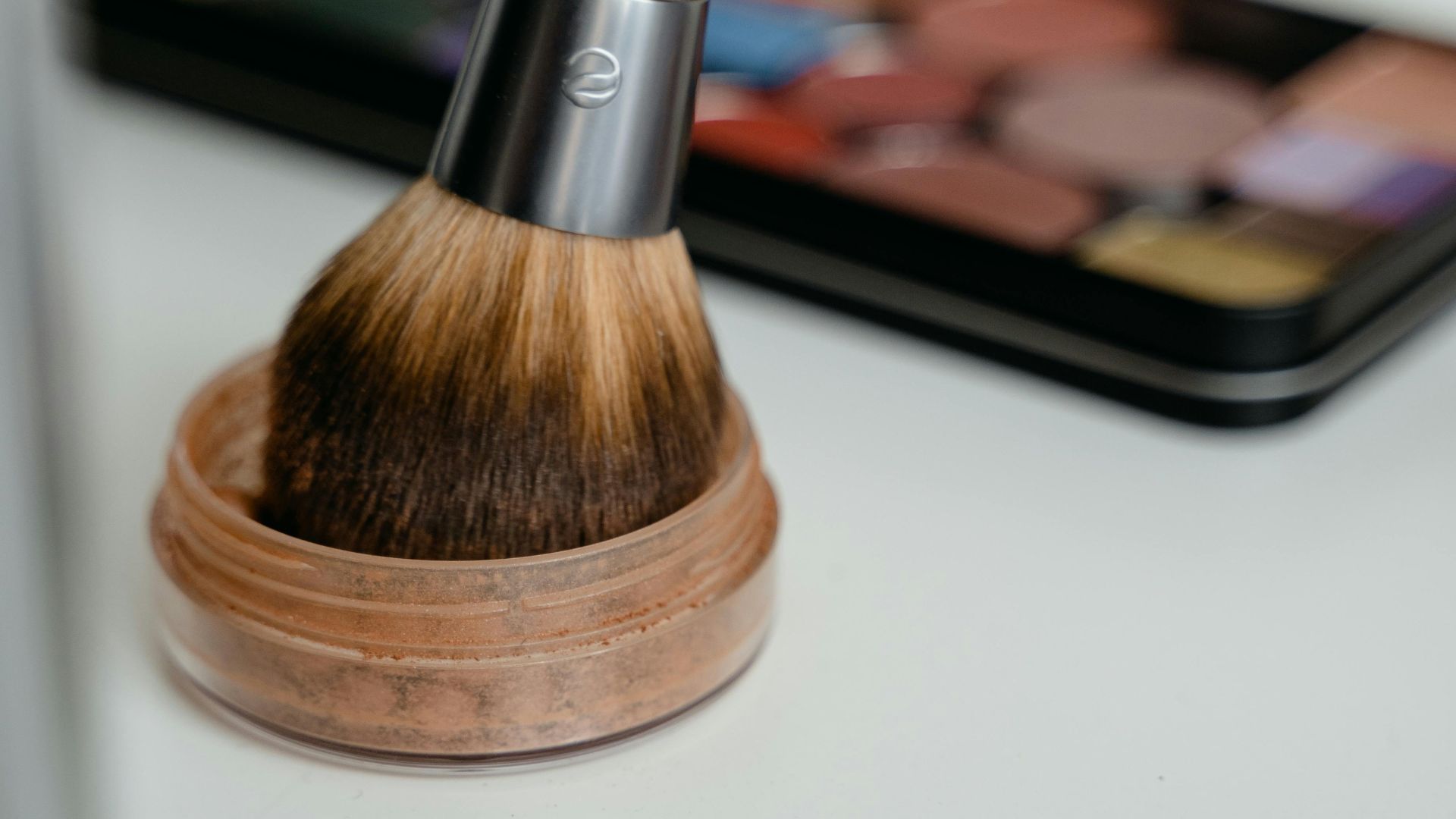
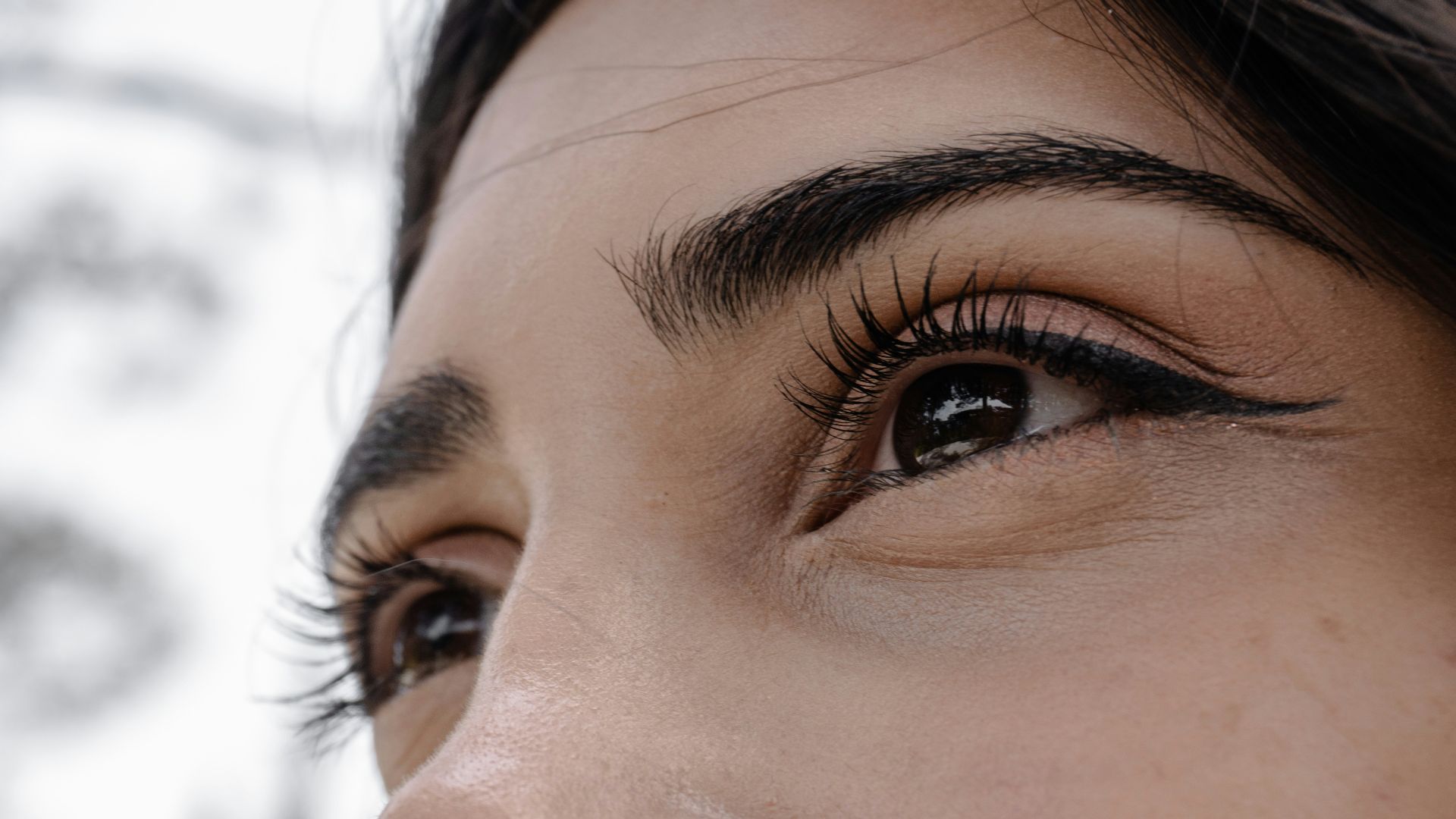
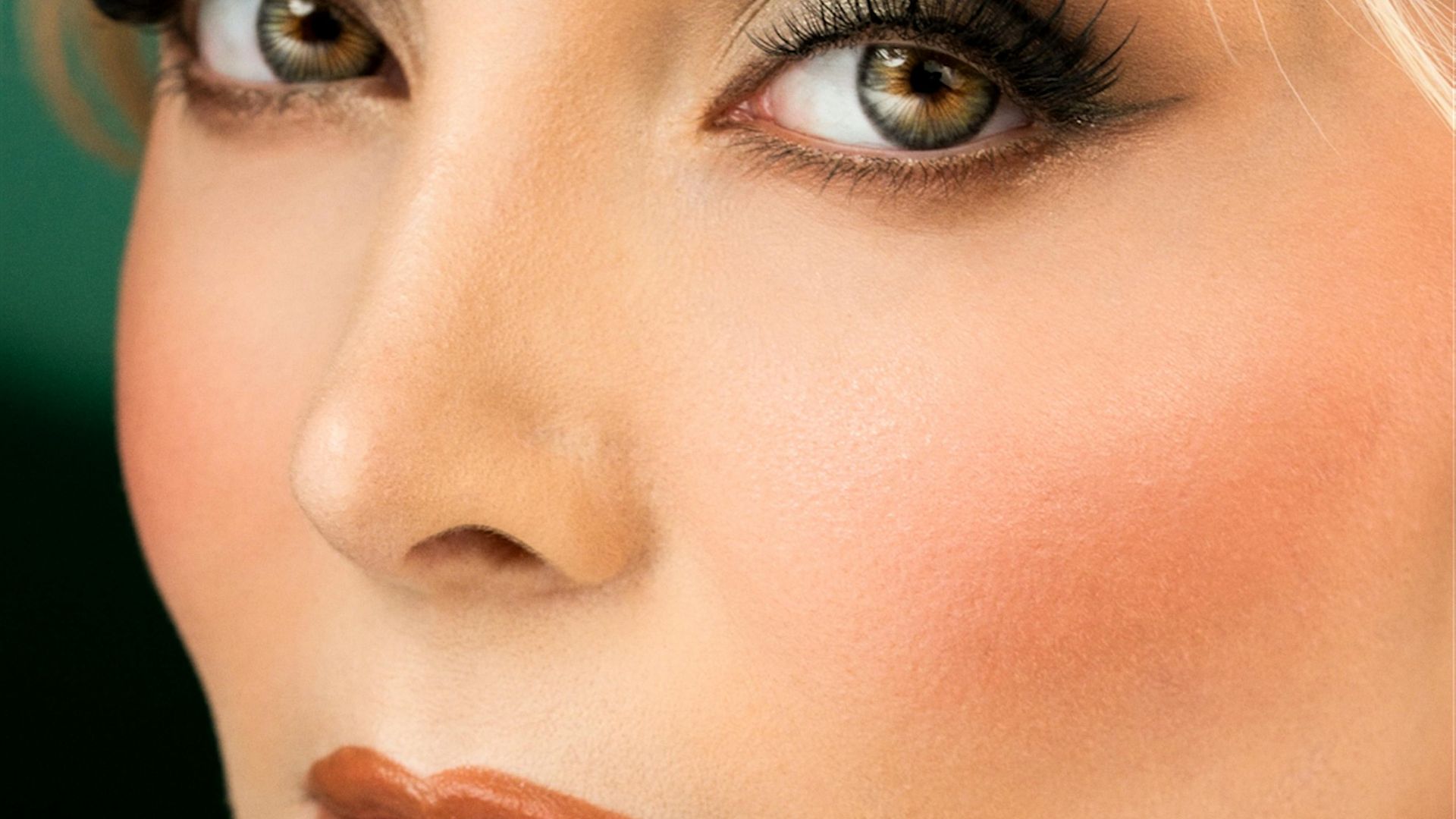
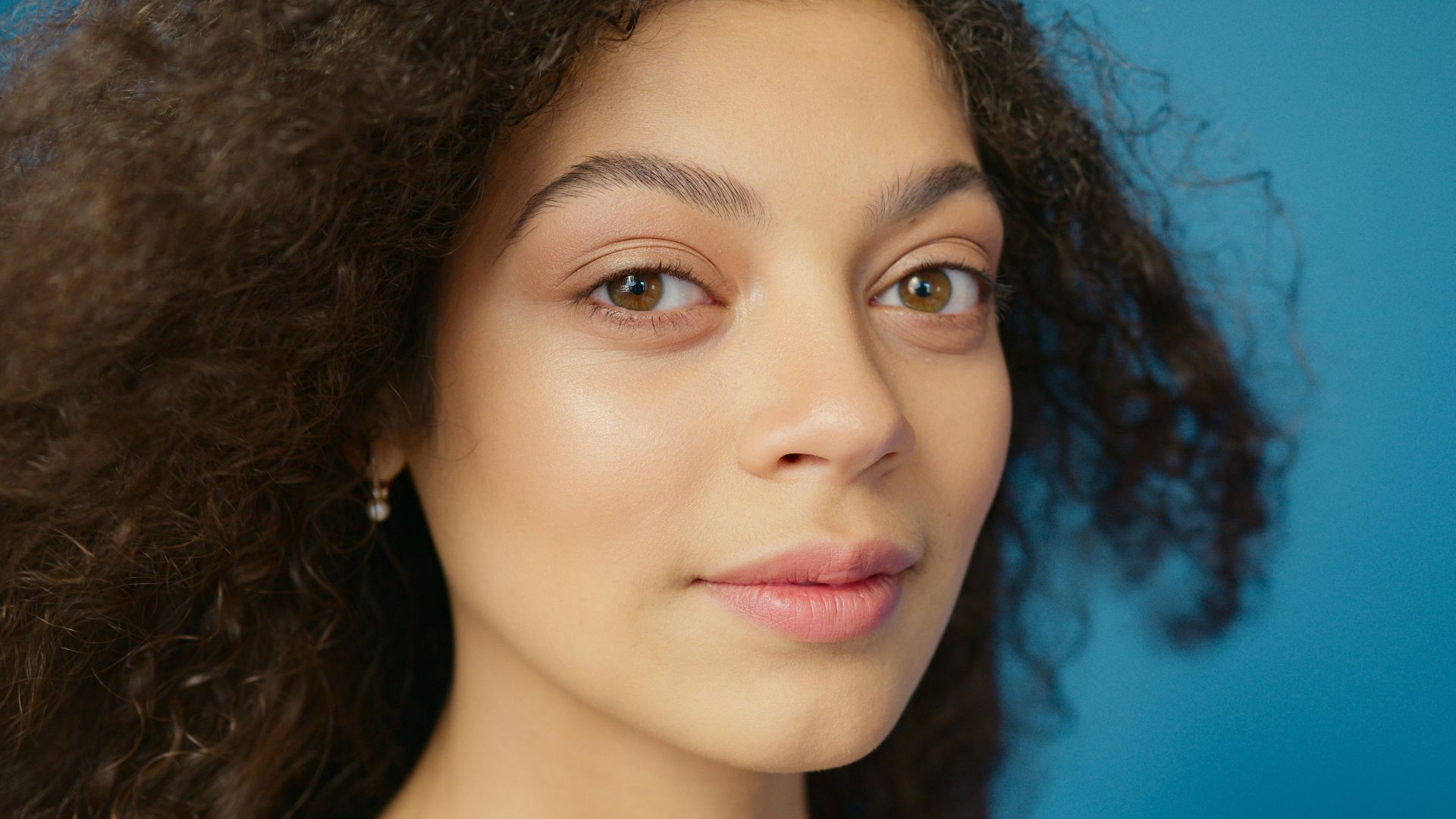
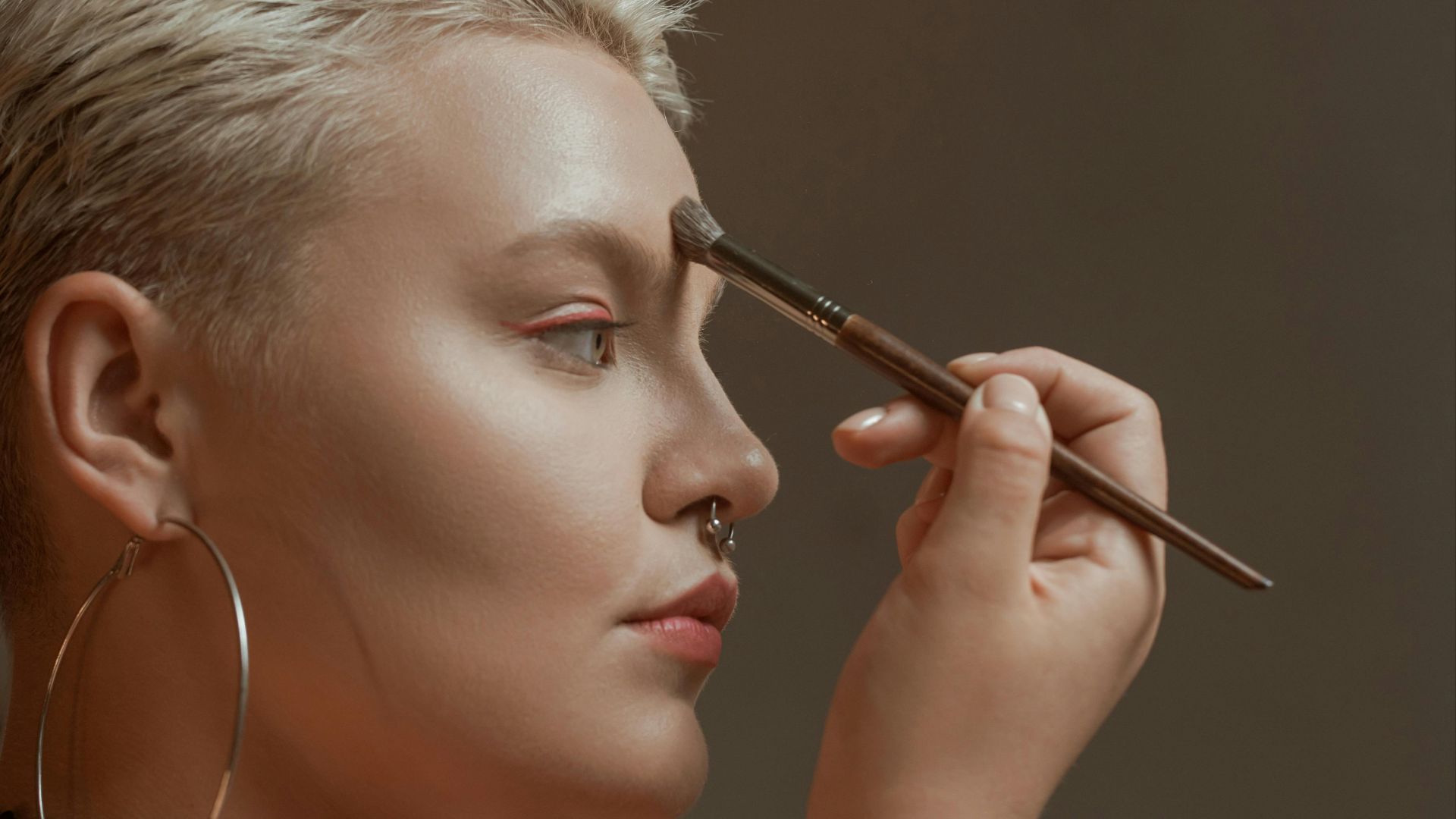
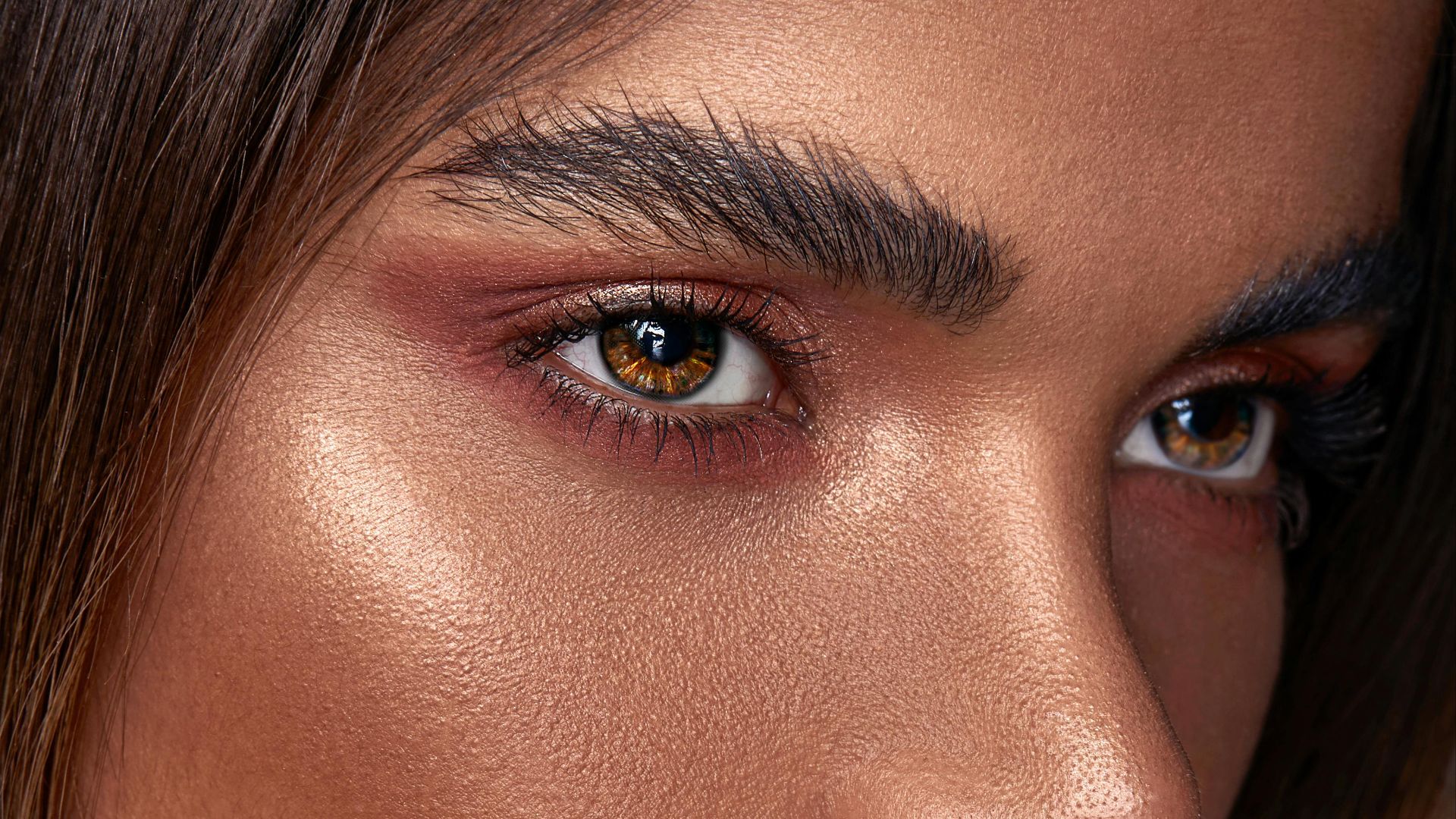
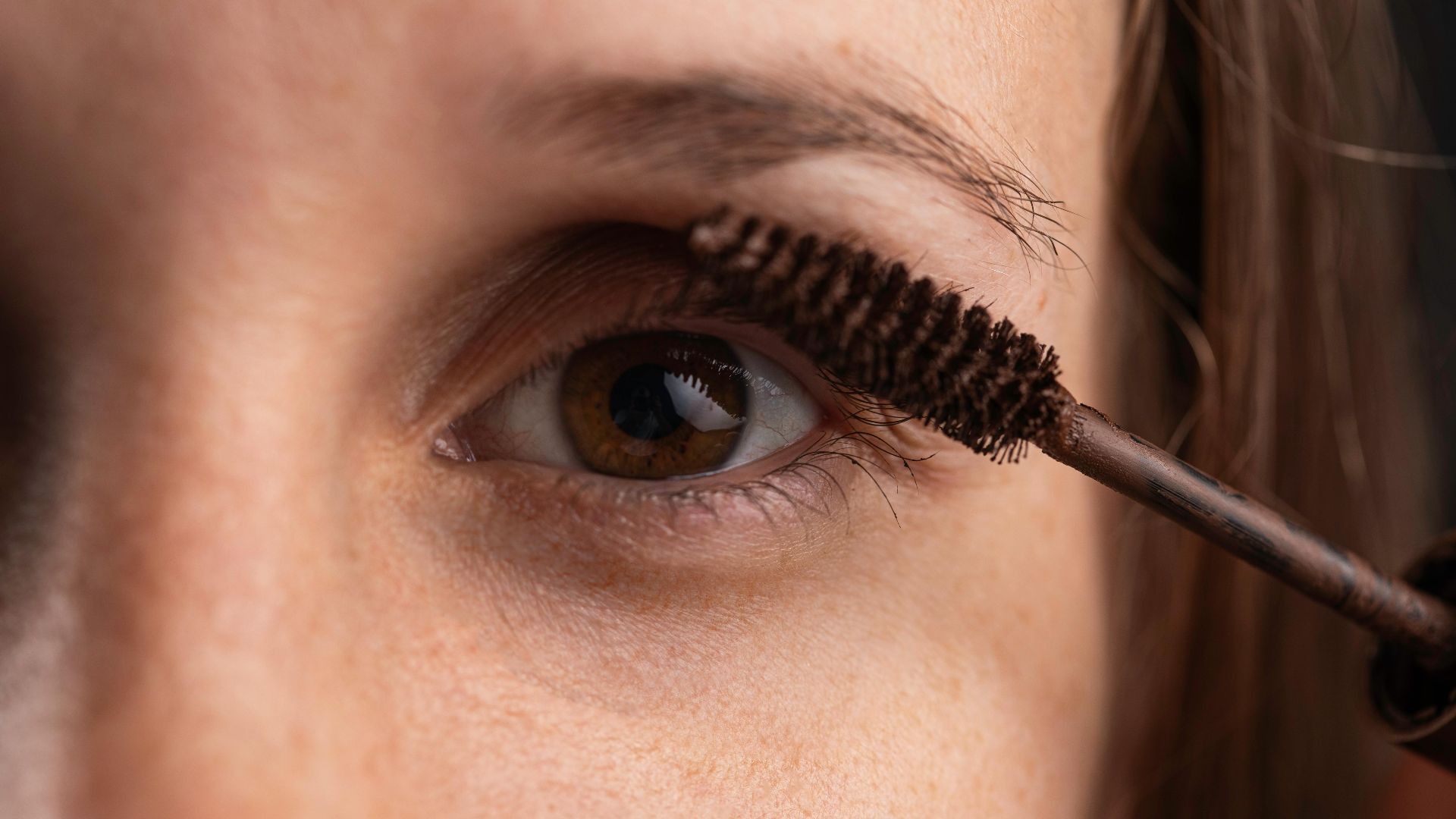
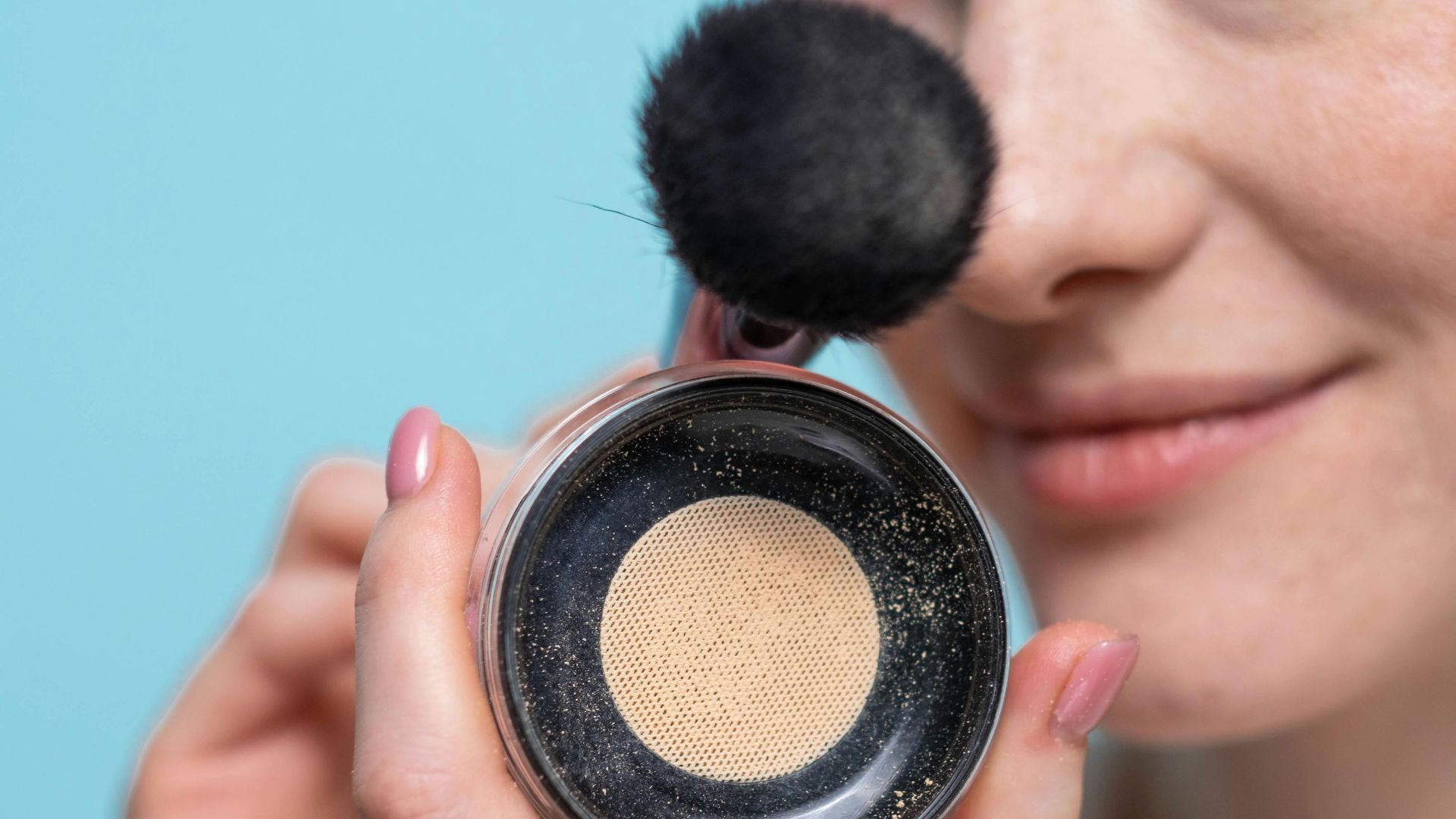
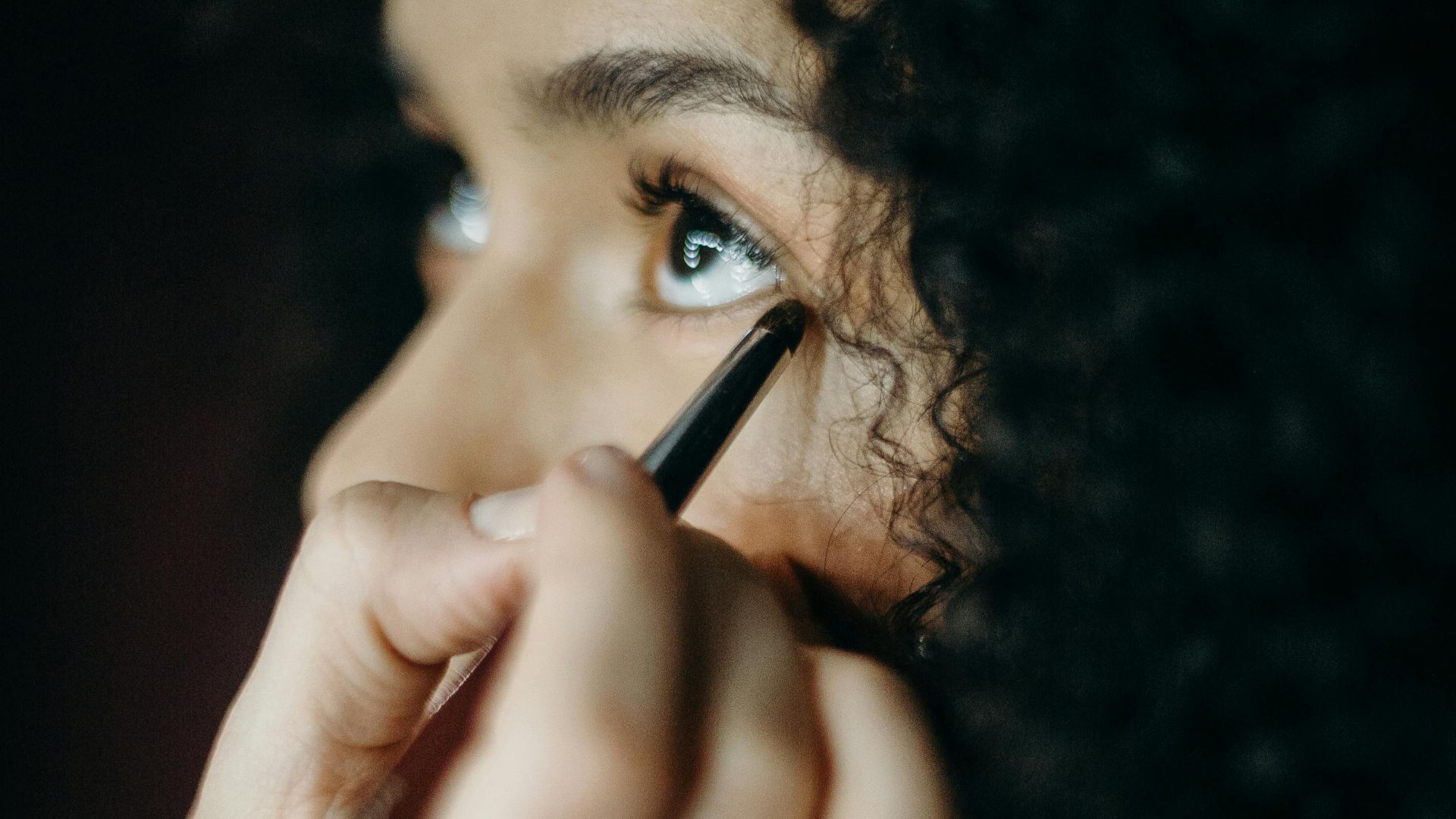
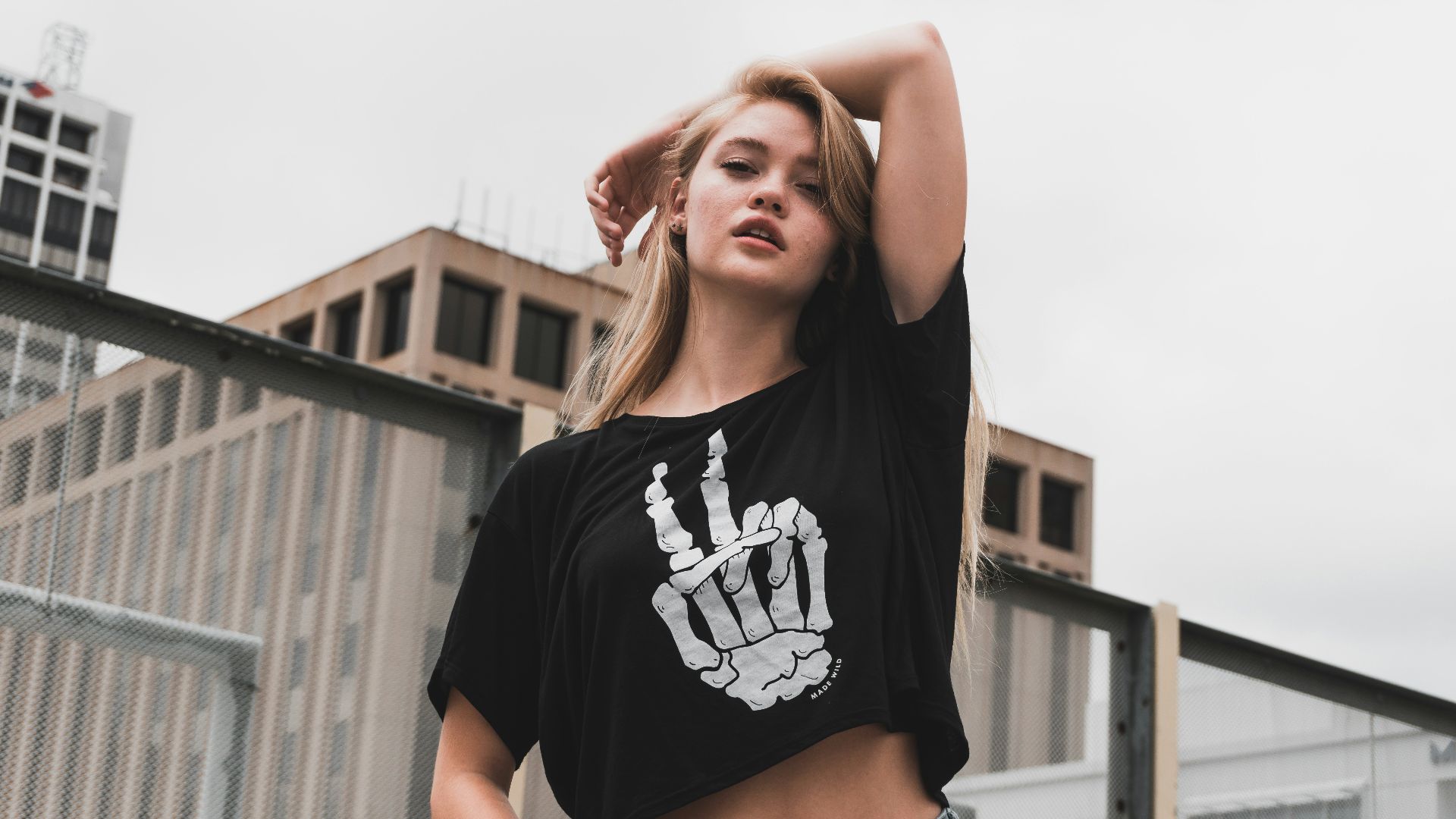
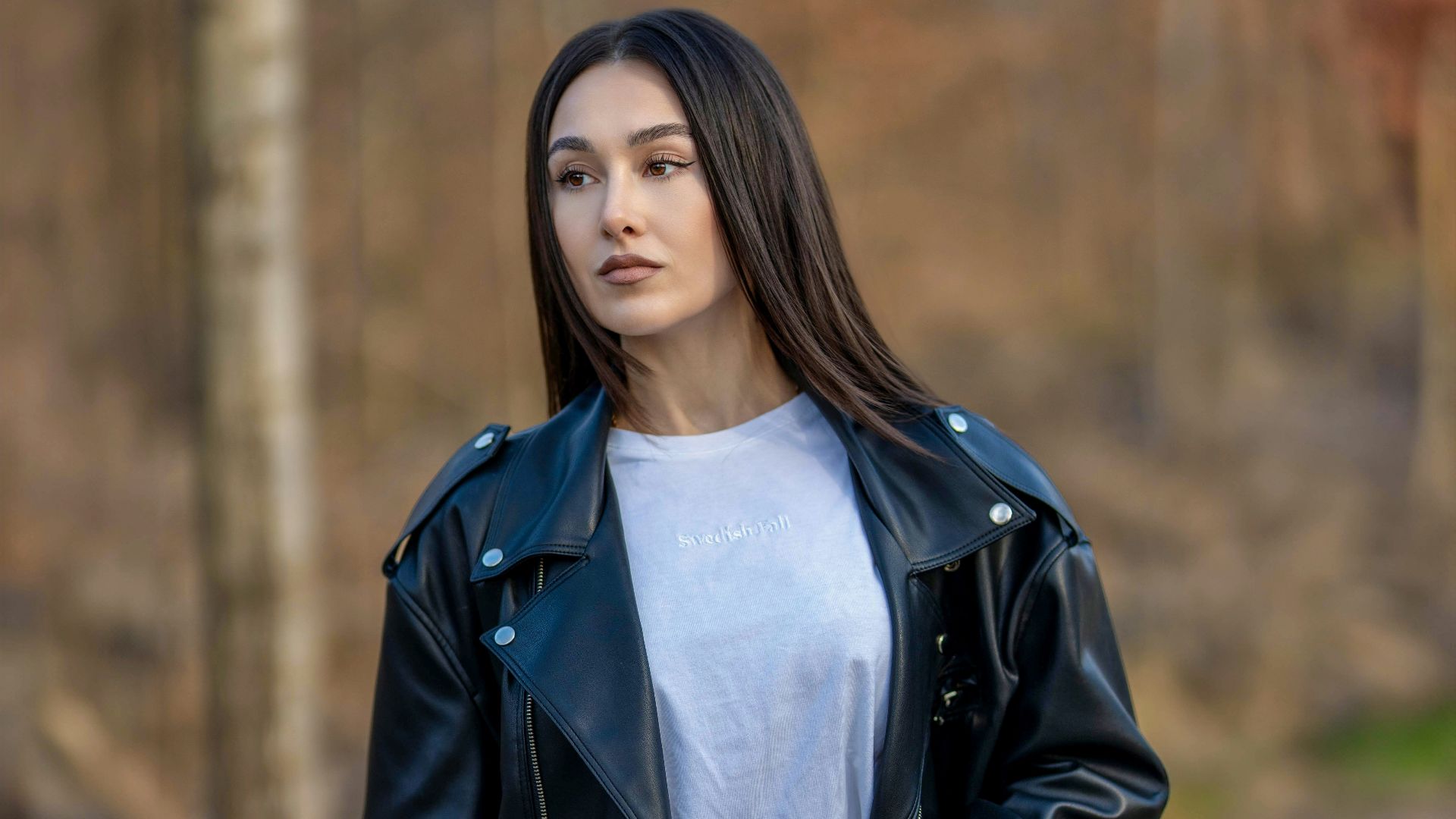
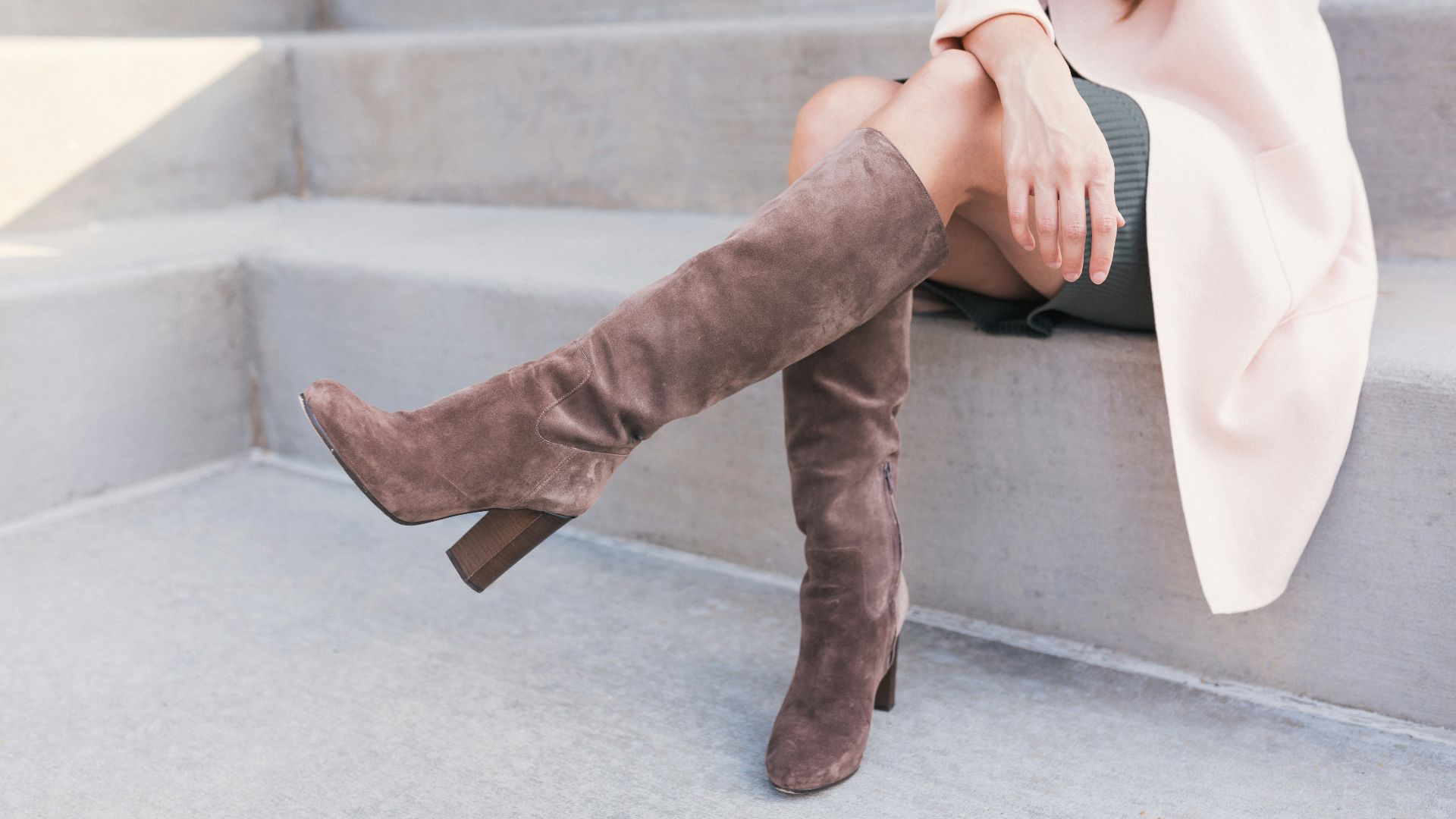
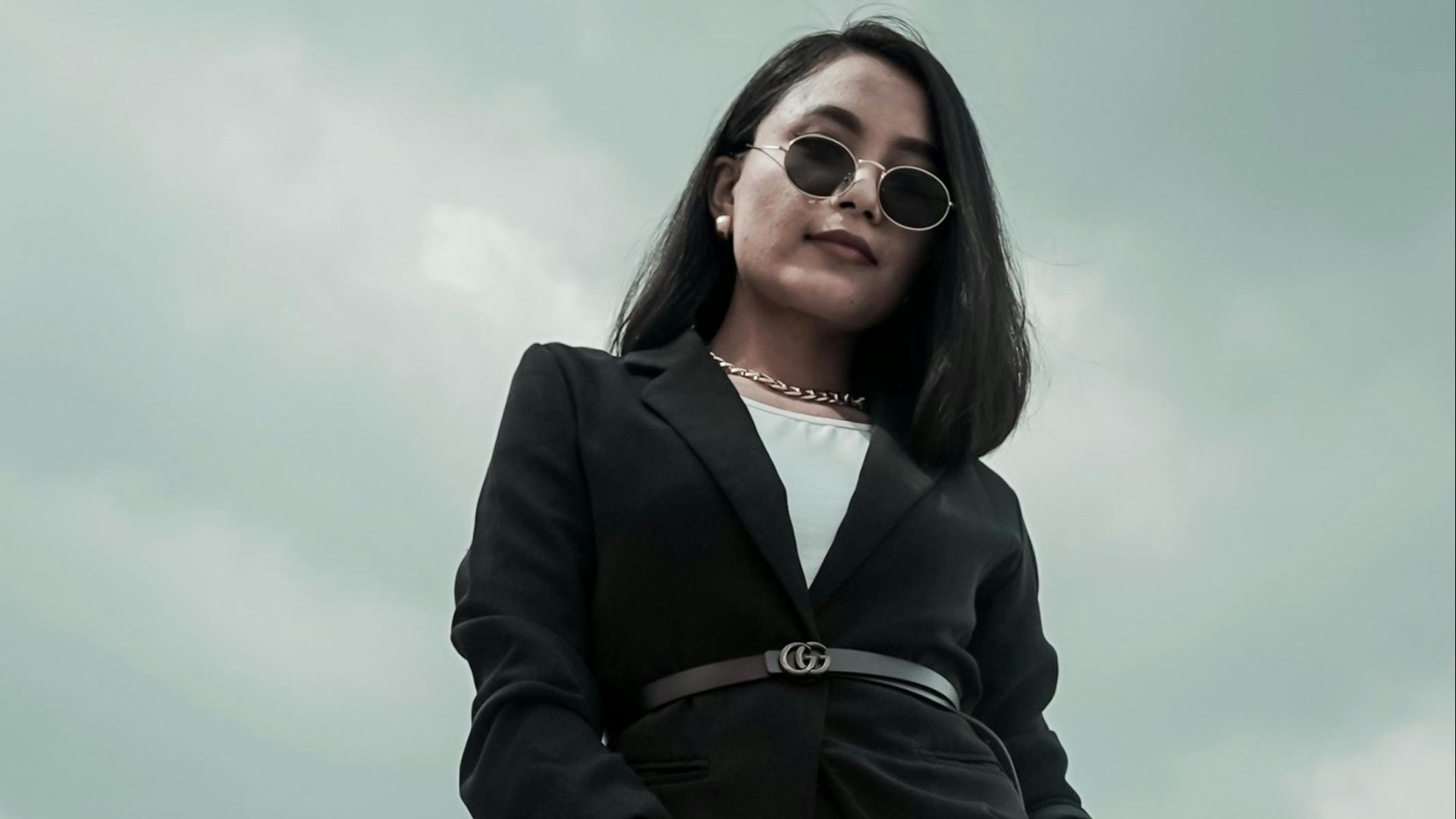
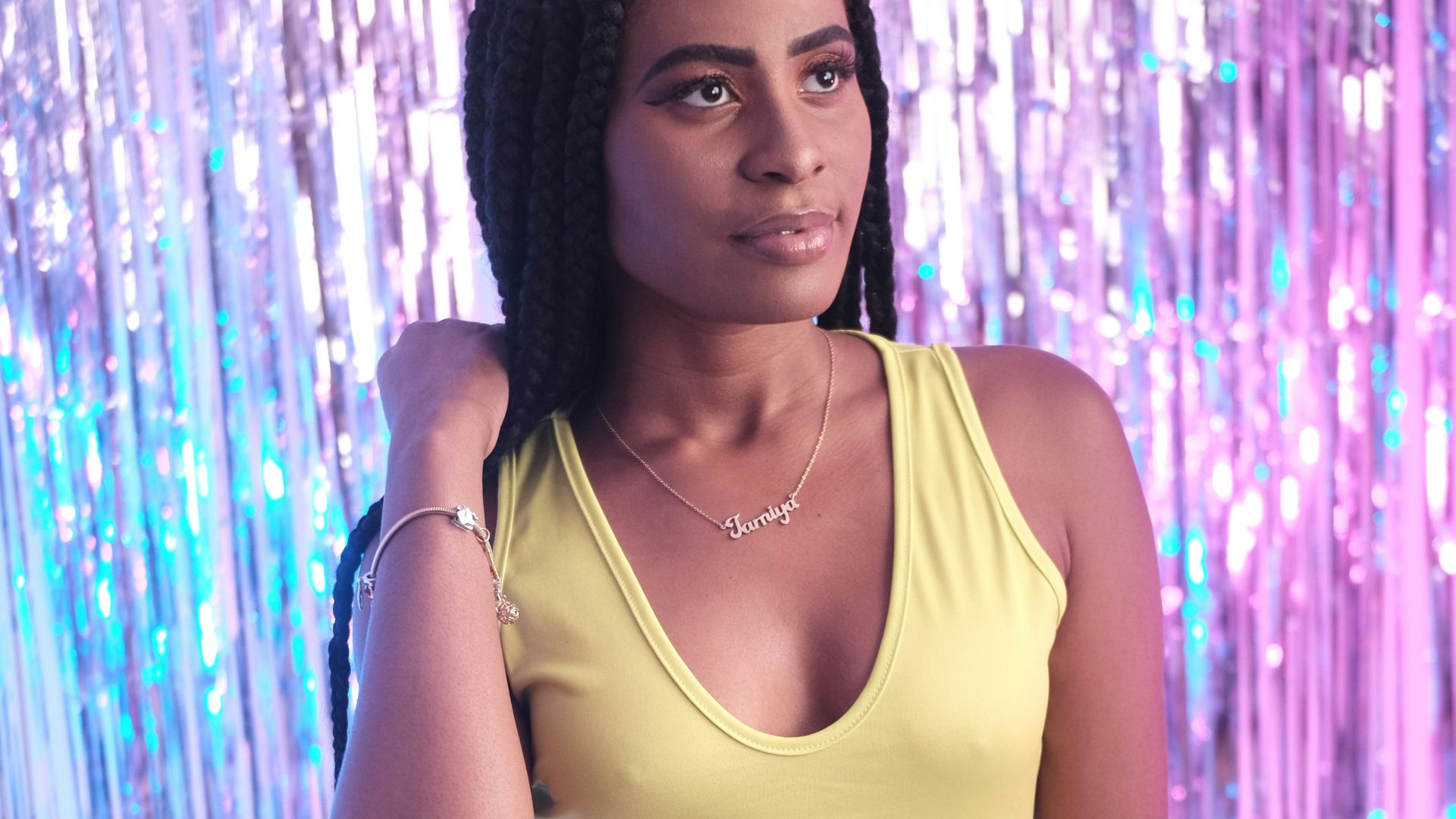
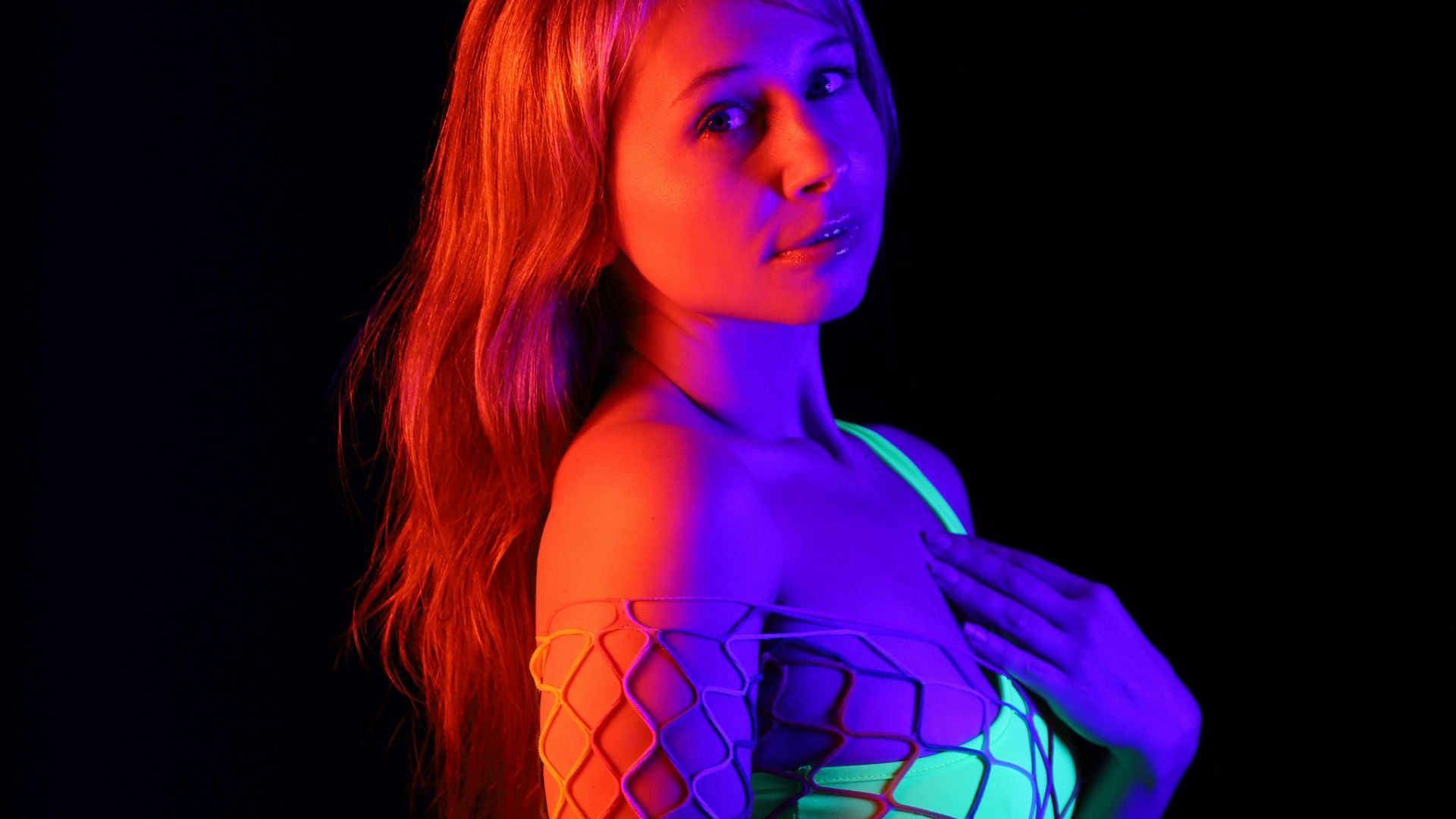
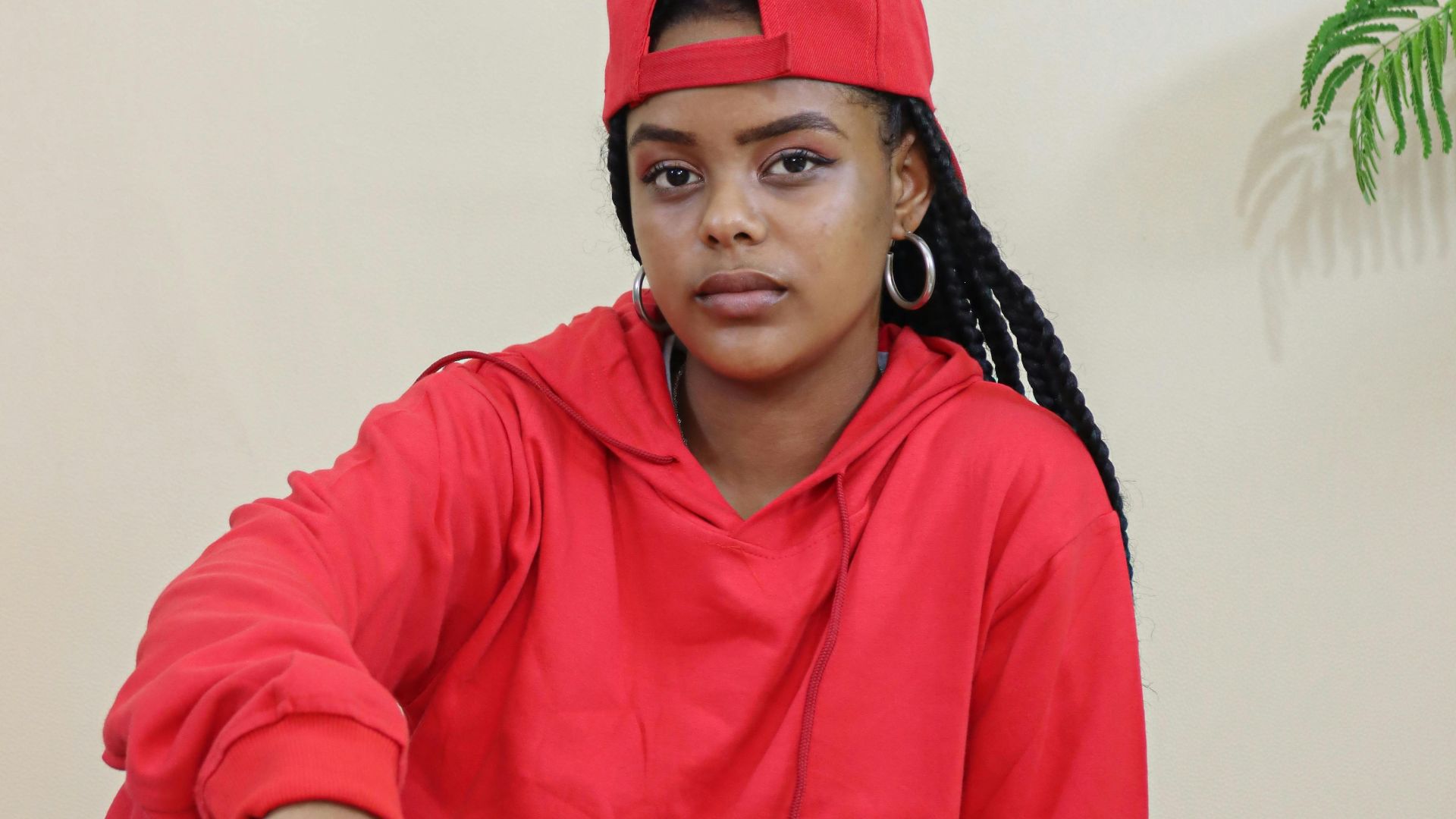
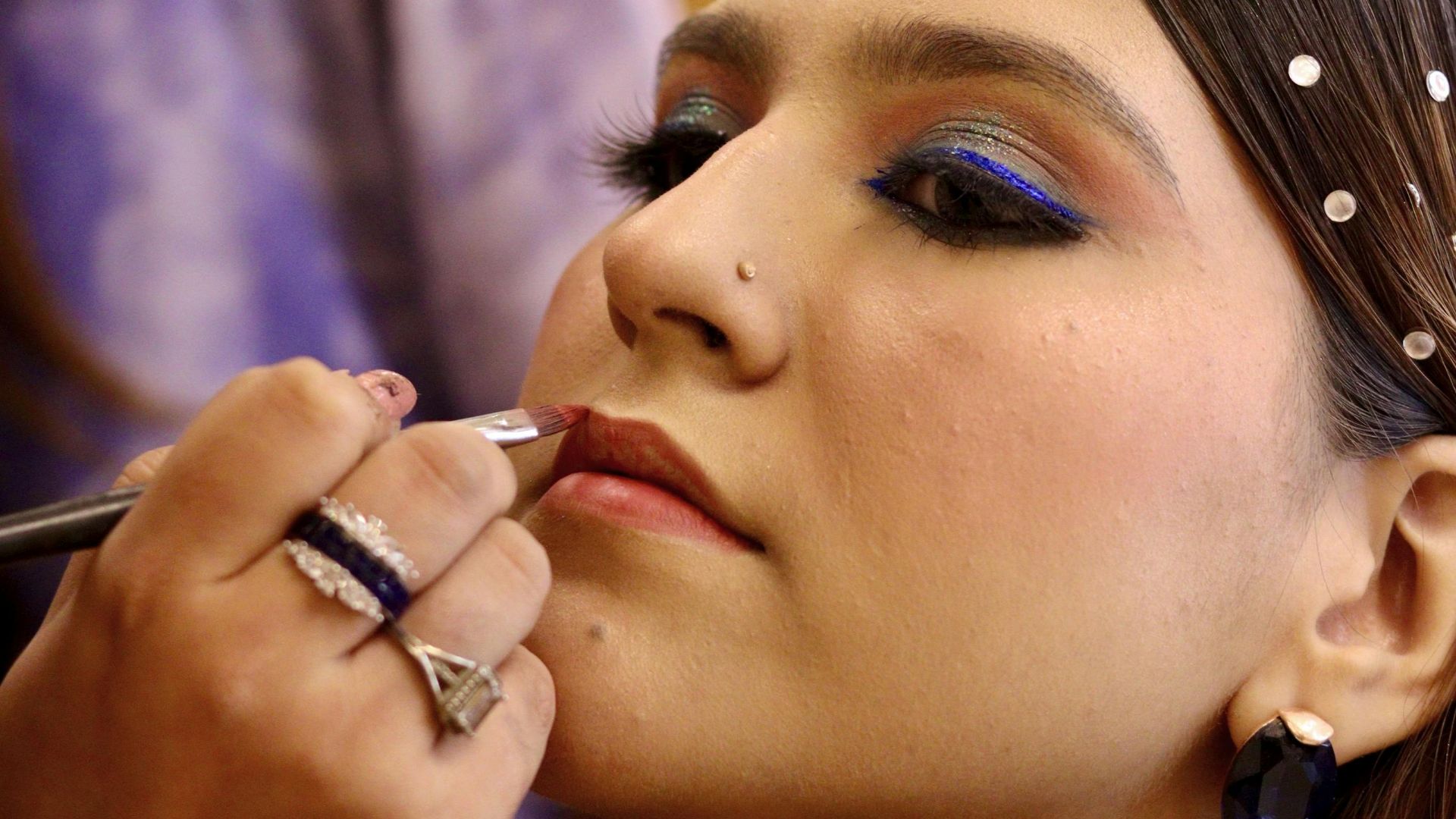
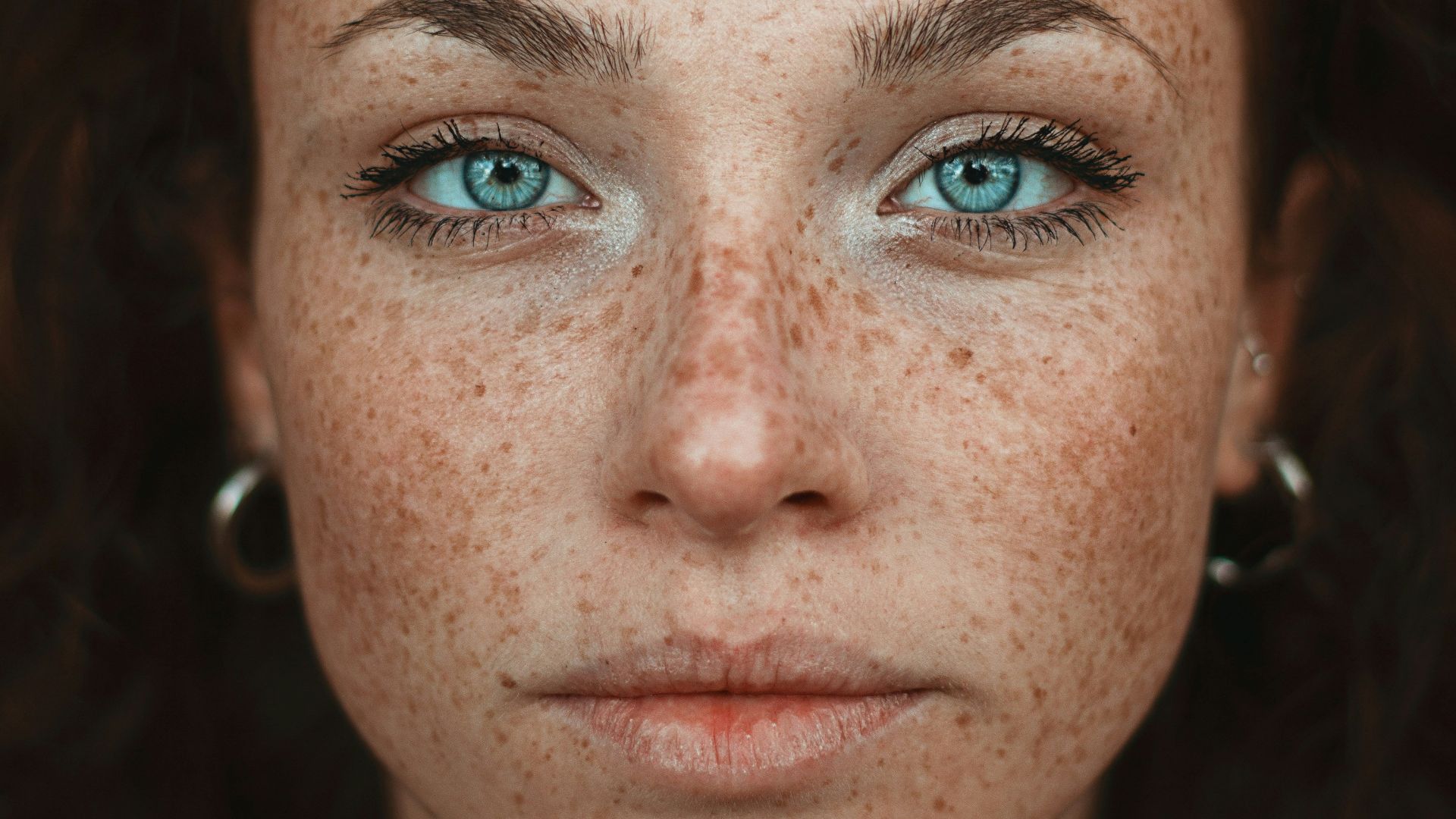
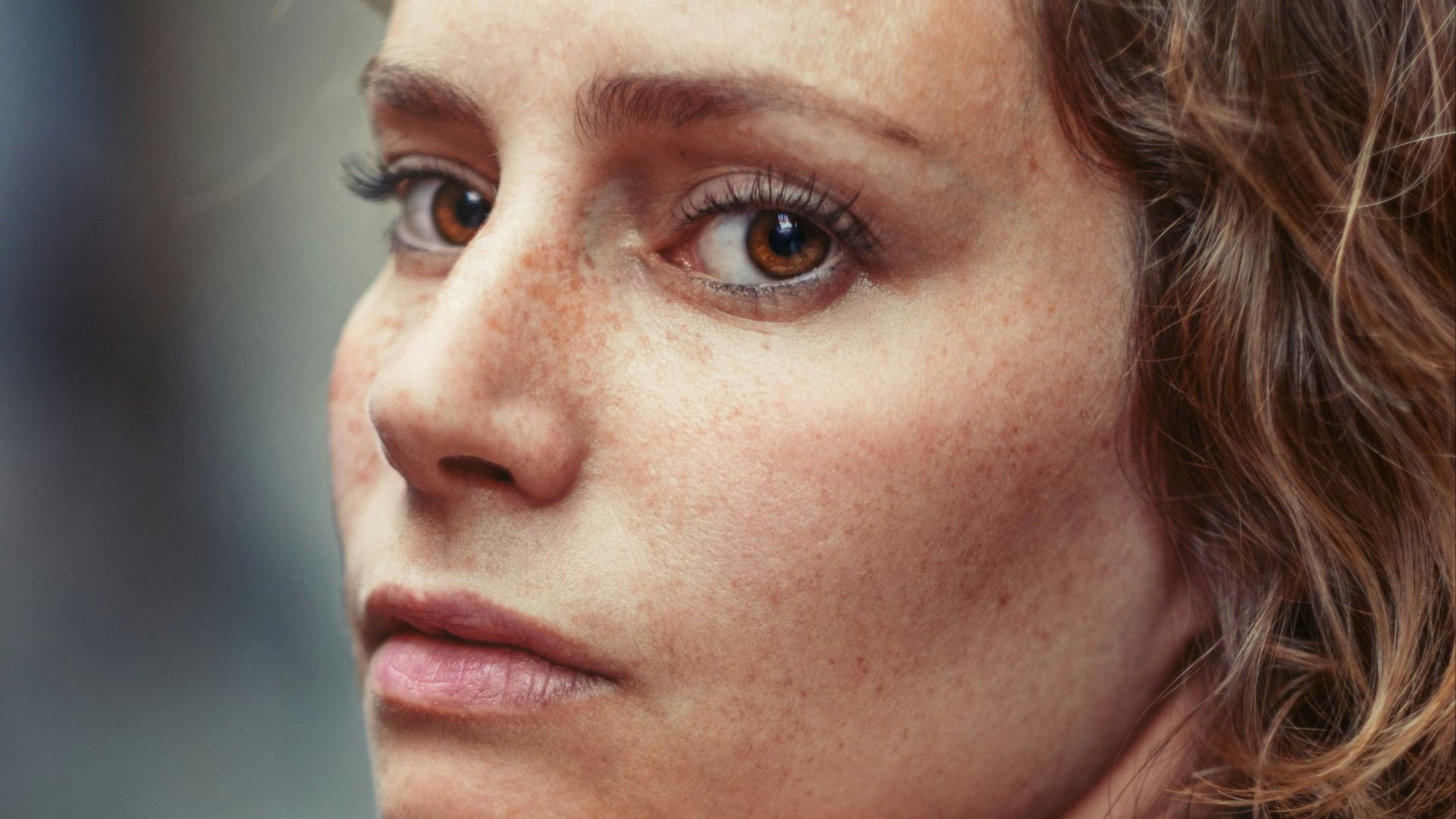
Le but du « maquillage naturel » est justement d’avoir l’air soigné sans que l’on remarque que vous avez passé 45 minutes à estomper vos produits devant le miroir. Pourtant, certains choix en matière de beauté finissent par se remarquer bien plus que vous ne le souhaiteriez lorsque vous visez un look naturel. Voici 10 choix de « maquillage naturel » qui se remarquent beaucoup trop et 10 autres qui fonctionnent mieux.
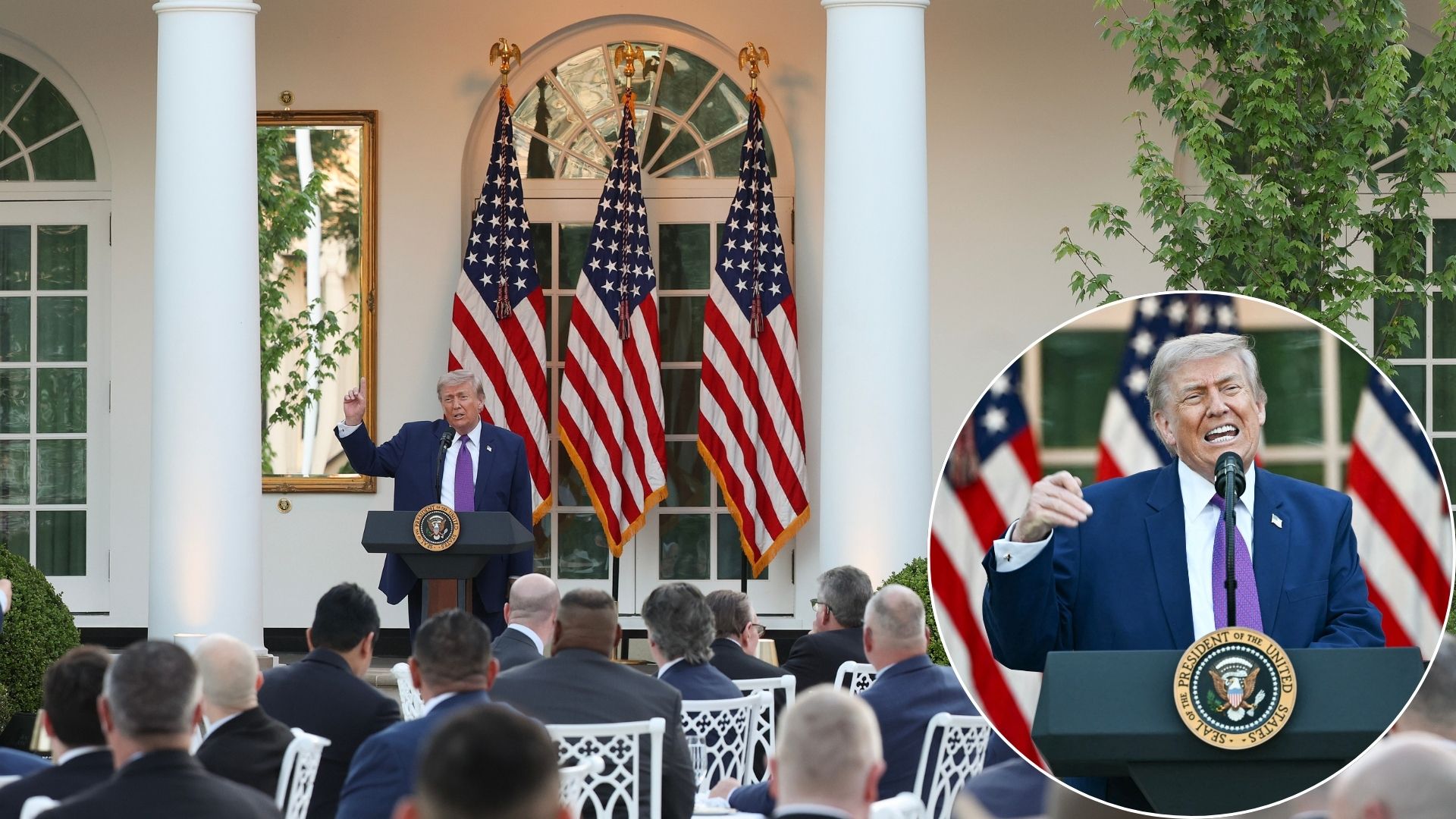
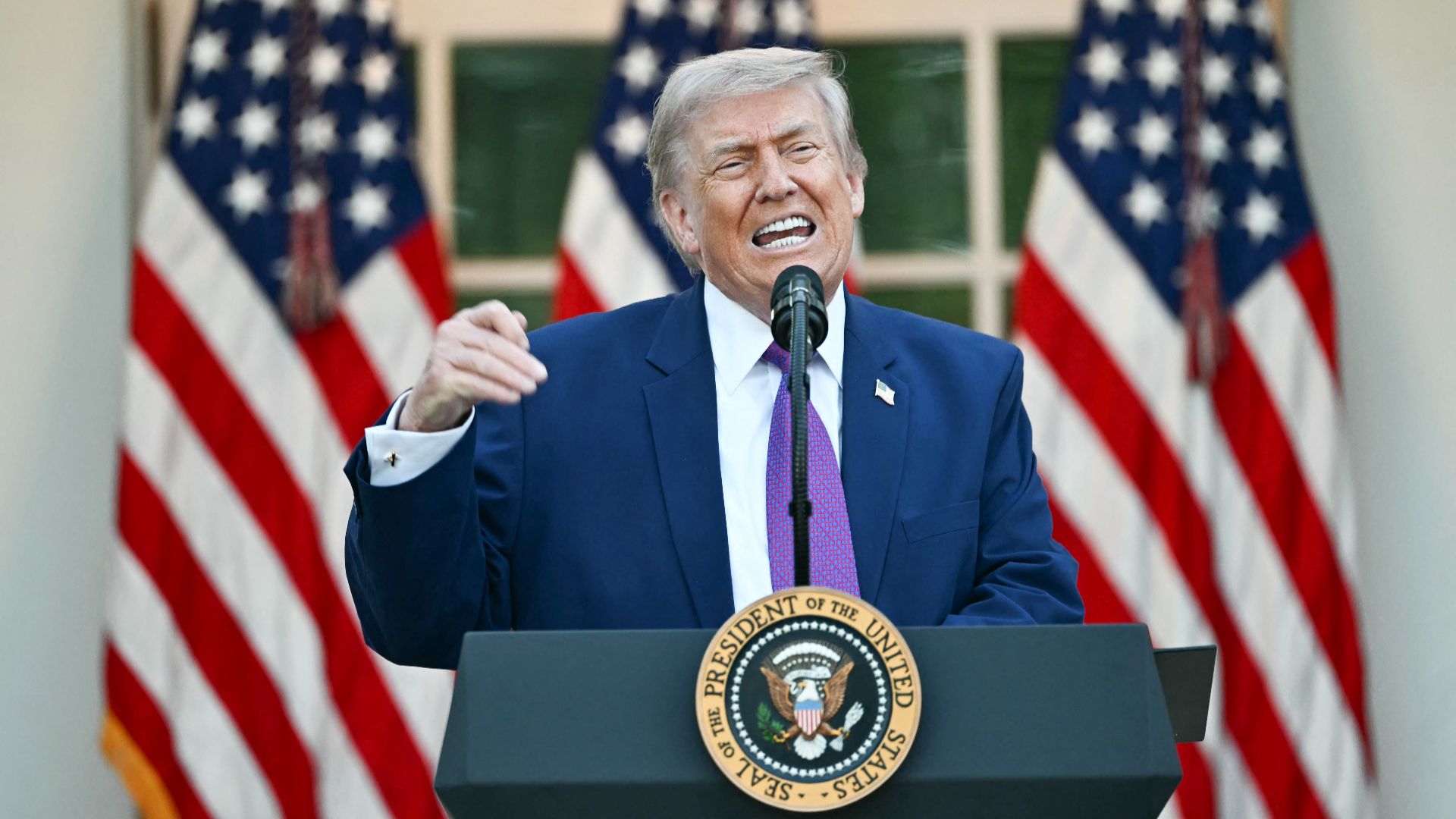
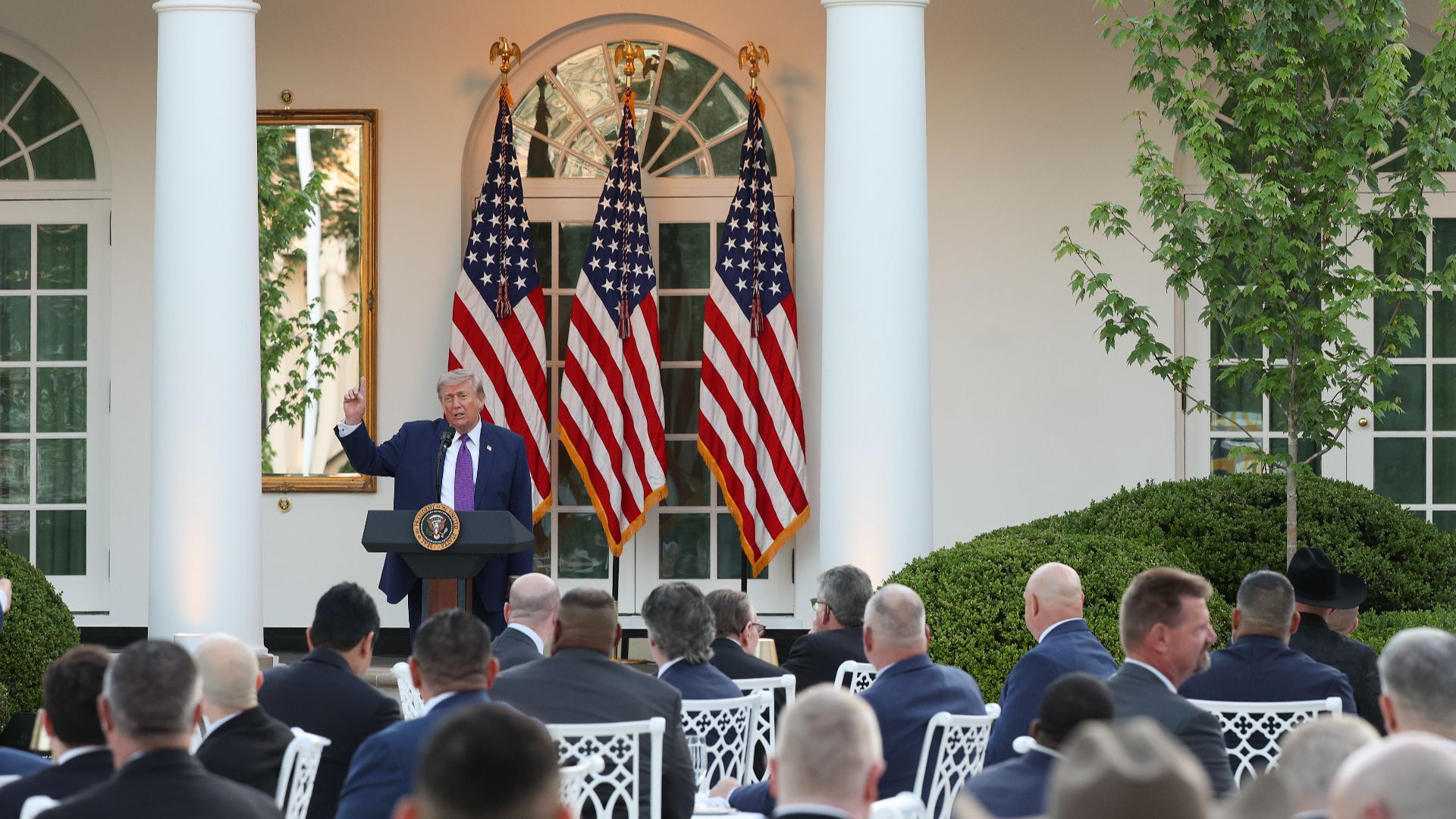
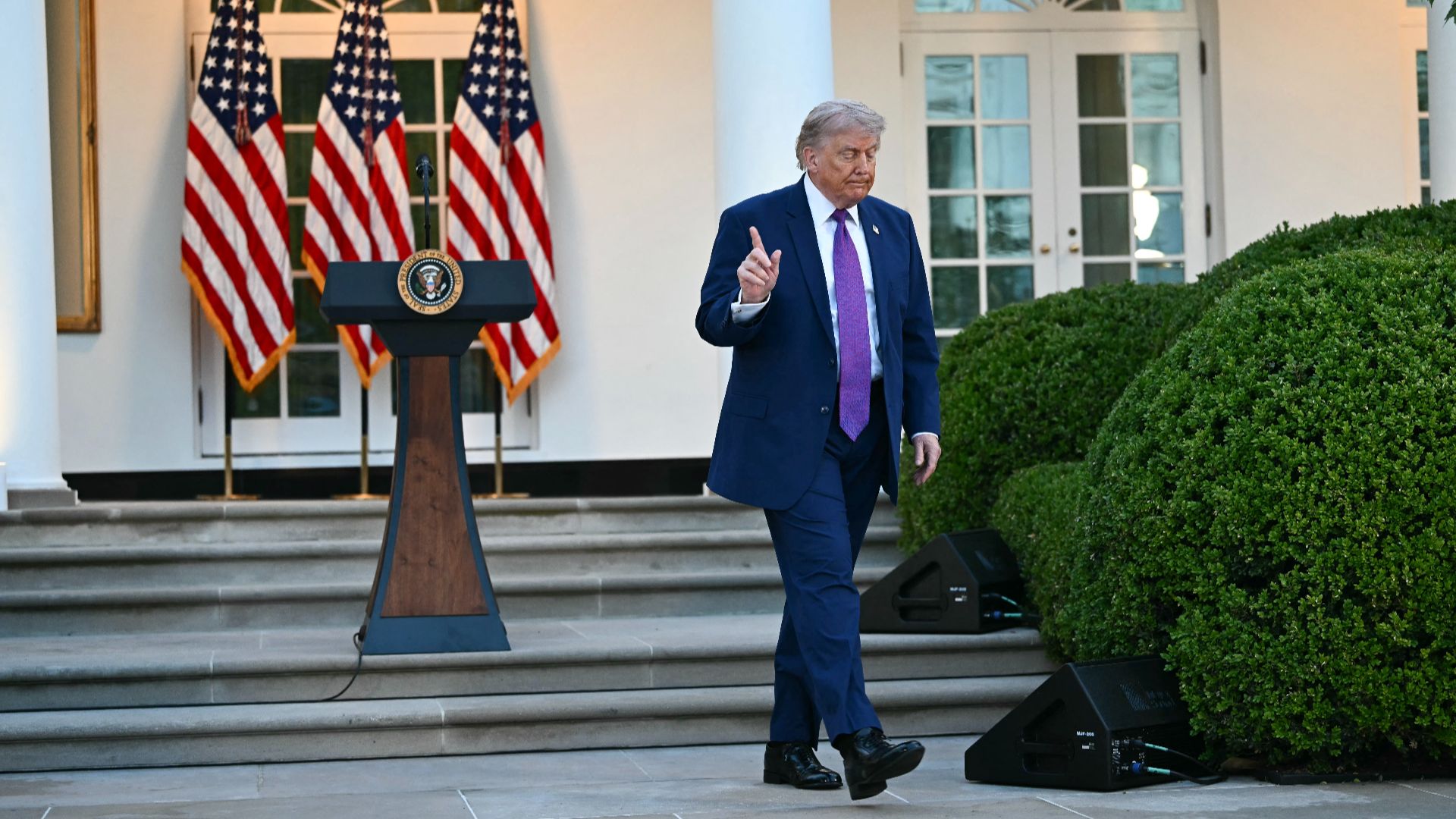
Trump’s recent rambling “Sea” explanation fueled a new mental fitness debate after the president delivered a confusing series of remarks while speaking before law enforcement officers during the White House Police Week Dinner. The event, promoted by official White House social media accounts with the message «The Trump administration will always back the blue», was initially focused on crime and drug trafficking issues affecting the United States. While discussing narcotics entering the country through maritime routes, Trump suddenly paused to clarify his wording in a way that immediately drew widespread attention online. «Drugs coming by sea, meaning coming by water.» Trump said before adding: «A lot of people don’t know what I mean by sea.» The comments quickly triggered ridicule and renewed scrutiny surrounding the president’s cognitive health.
Trump then continued the explanation in even greater detail, further intensifying the reaction across social media and political circles. «They think I mean vision. I’m talking about sea like the sea.» Trump told the crowd of law enforcement officers gathered at the White House event. Video clips of the remarks rapidly circulated online, with critics questioning why the president believed audiences would confuse the word “sea” with “see” during a discussion specifically about maritime drug trafficking. The unusual clarification quickly became a trending topic across multiple social media platforms, where users mocked the explanation and argued that Trump appeared increasingly confused during public appearances. Several commentators also pointed to a growing number of verbal tangents and rambling explanations delivered by Trump in recent speeches and campaign-style events.
Getty Images
California Governor Gavin Newsom’s press office amplified the controversy only hours later with a highly aggressive statement posted on social media directly targeting Trump’s mental state. «“LITTLE D’S” BRAIN IS DECLINING RAPIDLY IN REAL TIME. TODAY HE WAS CONFUSED BY THE DIFFERENCE BETWEEN « SEE » AND « SEA. » VERY SAD! HIS HANDLERS ARE TERRIFIED AND DESPERATELY TRYING TO HIDE IT FROM THE PUBLIC. THE AMERICAN PEOPLE DESERVE THE TRUTH.» wrote the governor’s press office account. The statement escalated further with a public challenge aimed directly at Trump. «THAT IS WHY I HEREBY CHALLENGE GRANDPA TO A LIVE COGNITIVE TEST ON NATIONAL TELEVISION. FOX NEWS CAN HOST. SEAN “SLUMPY RATINGS” HANNITY WOULD BE PERFECT. I’LL EVEN LET HIM GIVE “LITTLE D” THREE LIFELINES! PRIME TIME. NO TELEPROMPTERS. NO NOTES. « PERSON, MAN, CAMERA, TV, SQUIRREL, ELEPHANT, GIRAFFE, » LET’S SEE WHO PASSES!!! — Governor GCN.»
Getty Images
The backlash continued to spread throughout the night as thousands of social media users mocked Trump’s explanation and linked the moment to broader concerns surrounding aging political leaders in Washington. «He’s getting worse.» wrote one user responding to video clips from the dinner. «No one confuses simple words in English except you!» another person argued online. Others described the comments as evidence of deeper cognitive problems. «I can’t believe the nation can watch him in such a steady mental decline and do nothing about it.» one user posted. Another wrote: «When he says ‘a lot of people’ he means ‘me.’ His cognitive issues are a crisis.» Critics also suggested Trump’s explanation reflected a recent misunderstanding he personally experienced. «This means someone said ‘by sea’ to him and he didn’t know what it meant.» another social media user commented.
«“LITTLE D’S” BRAIN IS DECLINING RAPIDLY IN REAL TIME. TODAY HE WAS CONFUSED BY THE DIFFERENCE BETWEEN « SEE » AND « SEA. » VERY SAD! HIS HANDLERS ARE TERRIFIED AND DESPERATELY TRYING TO HIDE IT FROM THE PUBLIC. THE AMERICAN PEOPLE DESERVE THE TRUTH.»
-California Governor Gavin Newsom’s press office account on X
Additional reactions continued flooding social media as the clip spread across political commentary accounts, cable news programs and late-night discussions. «EVERY TIME he explains something like this, it means someone just had to explain it to HIM the exact same way.» one person posted while criticizing Trump’s speaking style. Another user mocked the president directly by writing: «OK, grandpa, we need you to finish the rest of your mashed potatoes because it’s time for bed.» One particularly viral response read: «I’m telling you — this motherf**ker learned like WEEKS ago, that ‘by sea’ wasn’t ‘by see.’» The controversy reignited broader debates already surrounding the age and mental sharpness of major American political figures following years of scrutiny directed at former President Joe Biden over verbal mistakes and public gaffes that now appear increasingly directed at Trump as well.
: «When he says ‘a lot of people’ he means ‘me.’ His cognitive issues are a crisis.»
-One social media user
Despite the growing criticism, Trump supporters and several conservative commentators defended the president by arguing that the backlash exaggerated a minor clarification made during a lengthy speech. Allies close to Trump insisted the president was simply attempting to ensure clarity while addressing law enforcement officers about international drug trafficking routes entering the United States through maritime operations. The White House itself did not issue any formal clarification following the controversy, though official administration accounts continued promoting footage and images from the Police Week Dinner without acknowledging the online backlash. Still, the viral moment once again placed Trump’s public speaking style under intense national scrutiny at a time when questions surrounding the health, age and cognitive fitness of political leaders remain a central issue heading into the next major election cycle.
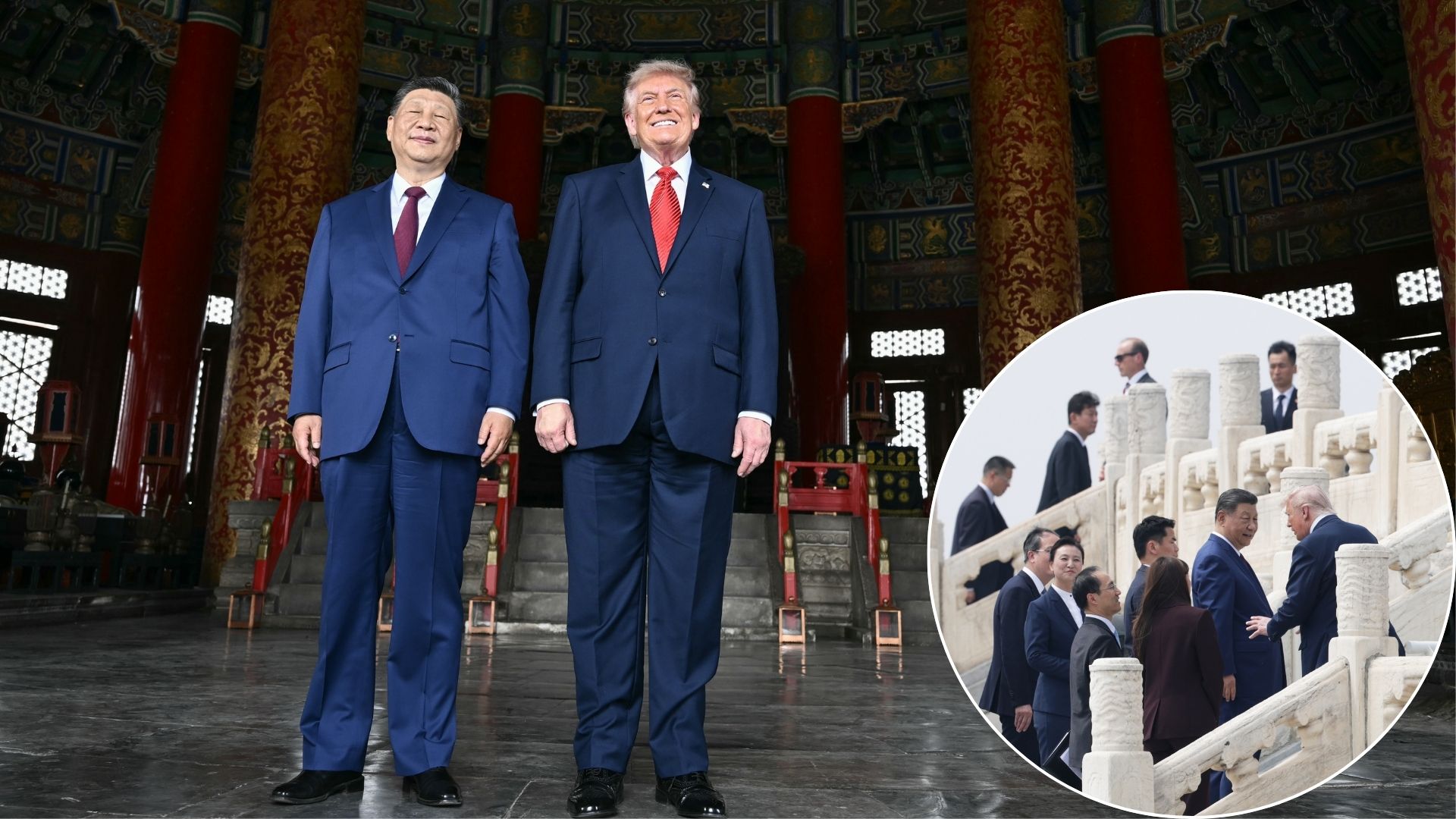
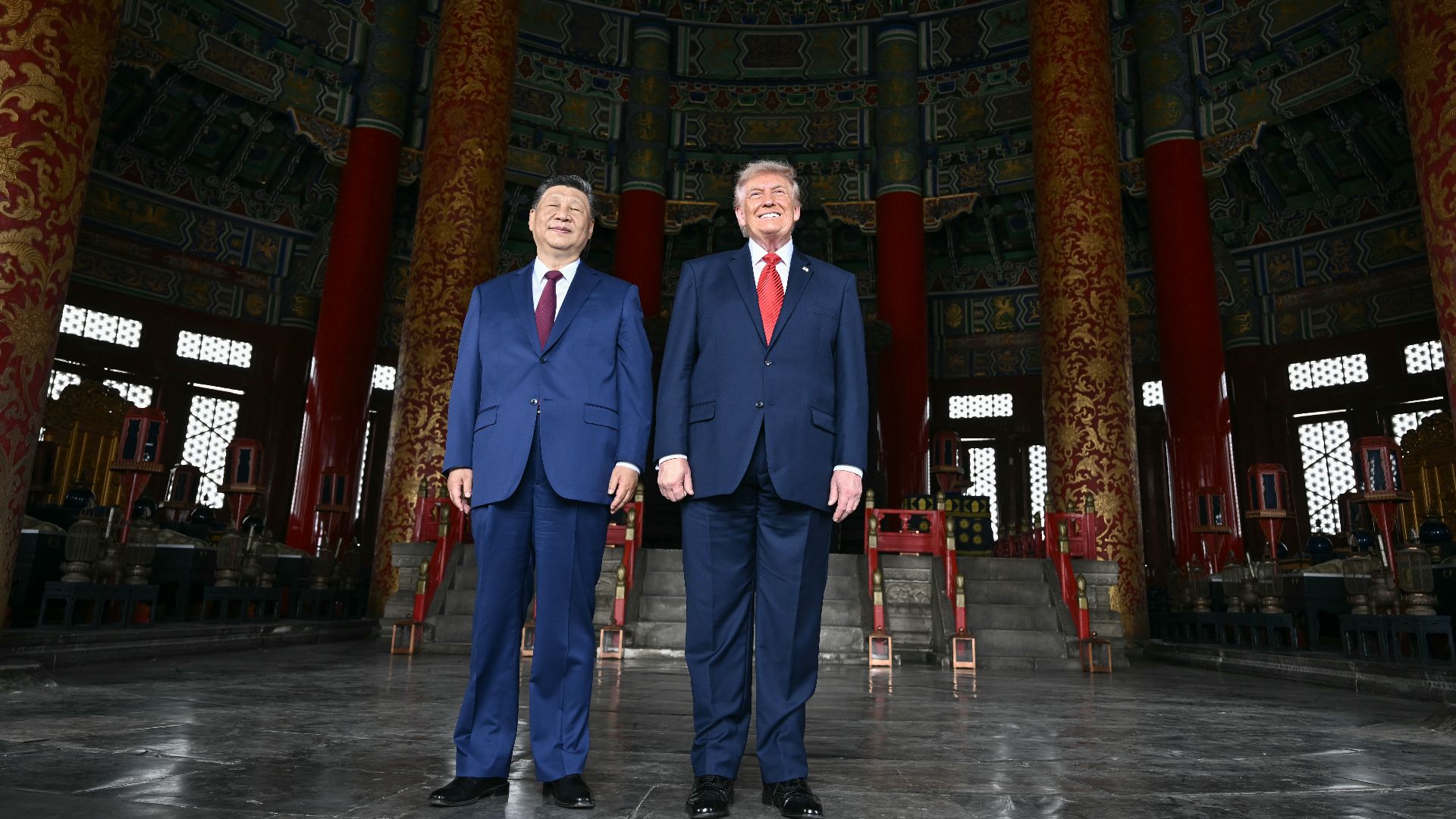
Tensions between the United States and China came from an unusual place as a highly anticipated meeting between U.S. President Donald Trump and Chinese President Xi Jinping was about to begin in Beijing. Trump and his delegation of business leaders arrived in China only hours earlier and were greeted on the tarmac by Chinese Vice President Han Zheng rather than Xi himself, an absence that immediately drew attention amid months of geopolitical friction between Washington and Beijing. The summit followed an extended tariff war initiated by the Trump administration and escalating global instability linked to the Iran conflict involving the United States and Israel. But the first major confrontation of Trump’s visit emerged not inside formal negotiations, but during a security standoff at Beijing’s Temple of Heaven.
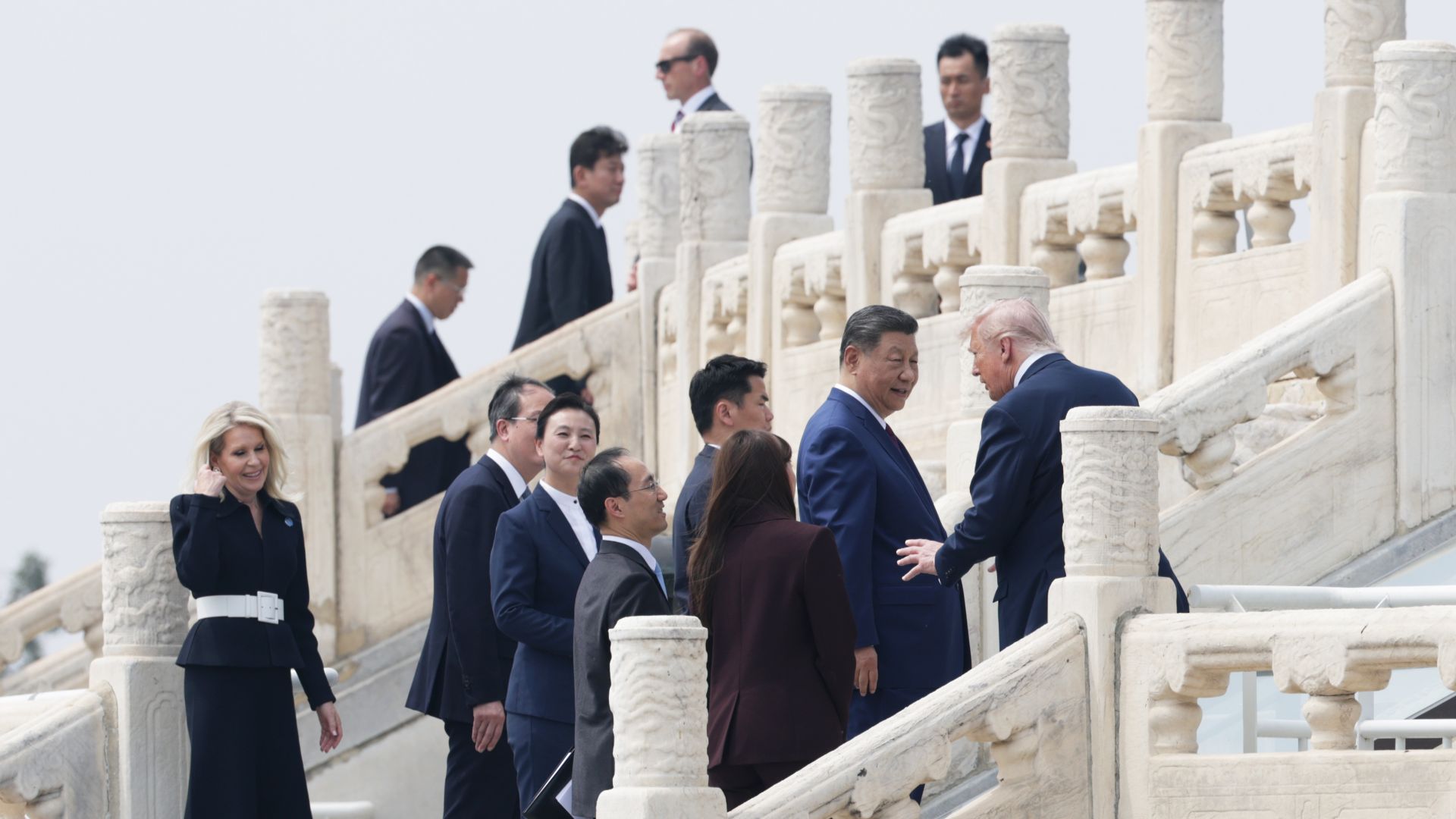
According to members of the White House press pool traveling with the president, Chinese security officials blocked armed U.S. Secret Service agents from entering the Temple of Heaven for nearly an hour and a half before a compromise was finally reached between both sides. Reporters described the confrontation as involving «intense discussions» after Chinese authorities refused to allow American agents carrying firearms into the historic religious and cultural site. The standoff reportedly delayed the beginning of an official diplomatic event attended by both Trump and Xi. Members of the traveling press corps said tensions between Chinese security personnel and American agents visibly escalated as negotiations continued behind closed doors while senior officials from both delegations attempted to avoid a broader diplomatic embarrassment during the opening day of the summit.
Getty Images
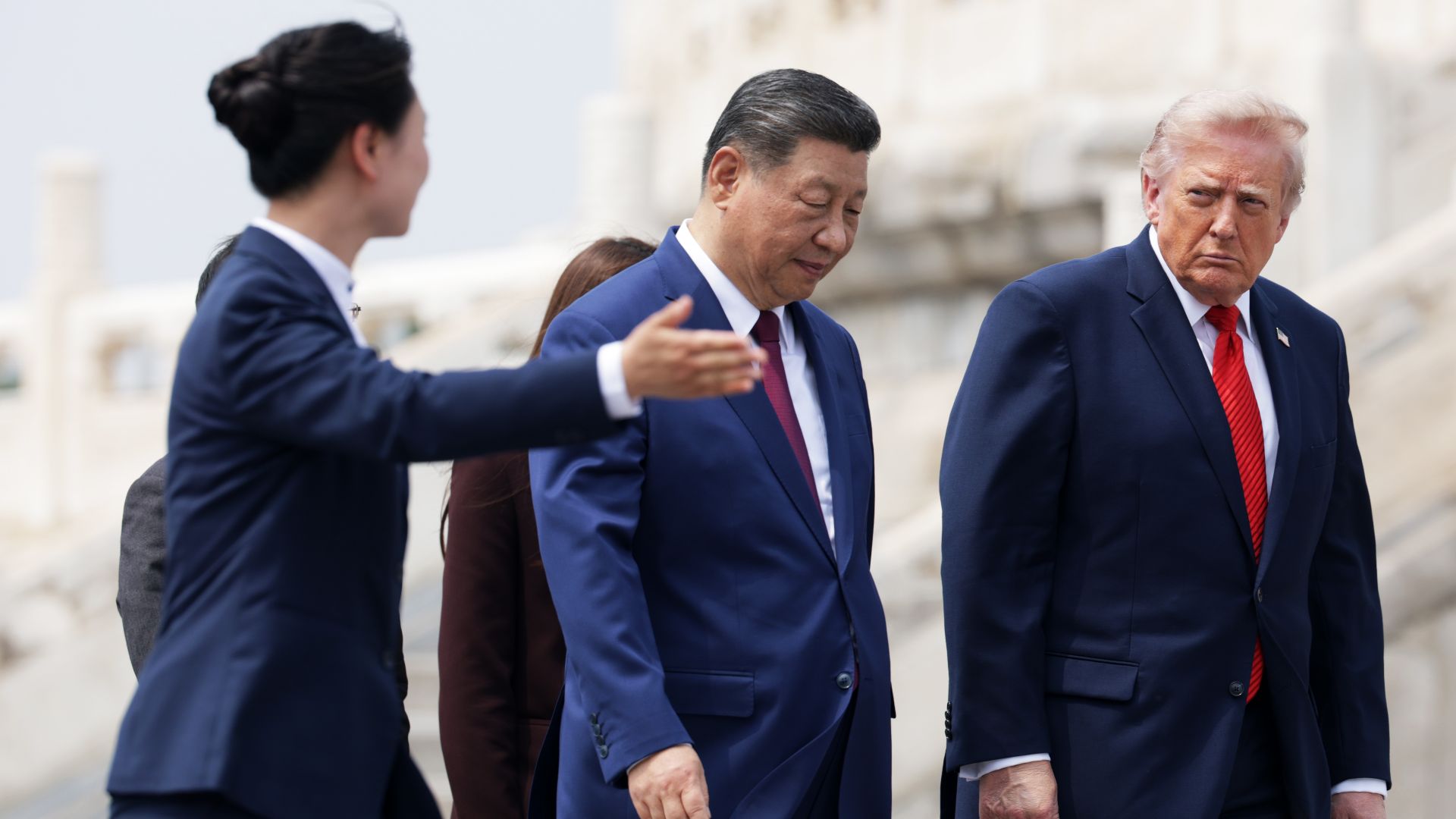
The dramatic confrontation unfolded during what had initially been presented as a carefully choreographed state visit designed to stabilize relations between the world’s two largest economies. Trump’s arrival in Beijing featured an elaborate red-carpet ceremony accompanied by military honors and a formal Chinese delegation. However, Xi Jinping’s decision to send Vice President Han Zheng instead of personally greeting Trump at the airport immediately fueled speculation among diplomats and analysts regarding the fragile state of relations between both governments. During subsequent bilateral meetings, Xi reportedly delivered a direct warning concerning Taiwan, telling Trump that mishandling the issue would create «frictions and even conflict» capable of destabilizing the entire Sino-American relationship during a period already marked by growing strategic mistrust across Asia and the Pacific region.
The Middle East
Beyond the Taiwan dispute, the meetings between Trump and Xi focused heavily on trade disputes, artificial intelligence regulations, military competition and maritime security concerns linked to the Middle East. Both leaders reportedly discussed maintaining stability in the Strait of Hormuz following weeks of international concern surrounding the conflict involving Iran. Trump nevertheless maintained that the United States did not require Beijing’s assistance regarding Tehran while continuing to defend his administration’s aggressive foreign policy posture. Officials familiar with the discussions described the atmosphere inside formal negotiations as tense but controlled despite the earlier confrontation involving security teams. The Secret Service incident at the Temple of Heaven nevertheless overshadowed much of the opening day coverage and quickly became one of the defining moments of Trump’s Beijing visit across international media outlets.
Getty Images
Security arrangements involving American presidents abroad have historically remained extremely sensitive because U.S. Secret Service agents are typically permitted to remain armed while protecting the president during foreign visits. Chinese authorities, however, reportedly insisted that local security protocols governing weapons inside the Temple of Heaven applied equally to all foreign personnel regardless of diplomatic status. The disagreement created a rare public clash between two elite security organizations operating under sharply different protocols and expectations. According to White House pool reporters, discussions between both sides became increasingly heated before negotiators eventually reached a compromise allowing the event to proceed. Neither the White House nor China’s Foreign Ministry publicly disclosed the precise terms of the agreement, though the incident immediately intensified speculation regarding underlying distrust between both governments despite the summit’s diplomatic objectives.
The historic site
Following the tense opening hours of the visit, Trump and Xi eventually proceeded with a joint cultural tour of the Temple of Heaven before attending an official banquet hosted at Beijing’s Great Hall of the People. Trump later described the historic site as «magnificent» while appearing alongside Xi during carefully staged public appearances intended to project diplomatic stability after the earlier disruption. Despite the ceremonial displays, the confrontation between Chinese security officials and American Secret Service agents reinforced the broader atmosphere of suspicion now defining relations between Washington and Beijing. What was originally expected to serve as a symbolic effort to calm months of economic and geopolitical tensions instead opened with an extraordinary security standoff that exposed how fragile the relationship between both superpowers has become behind closed doors.
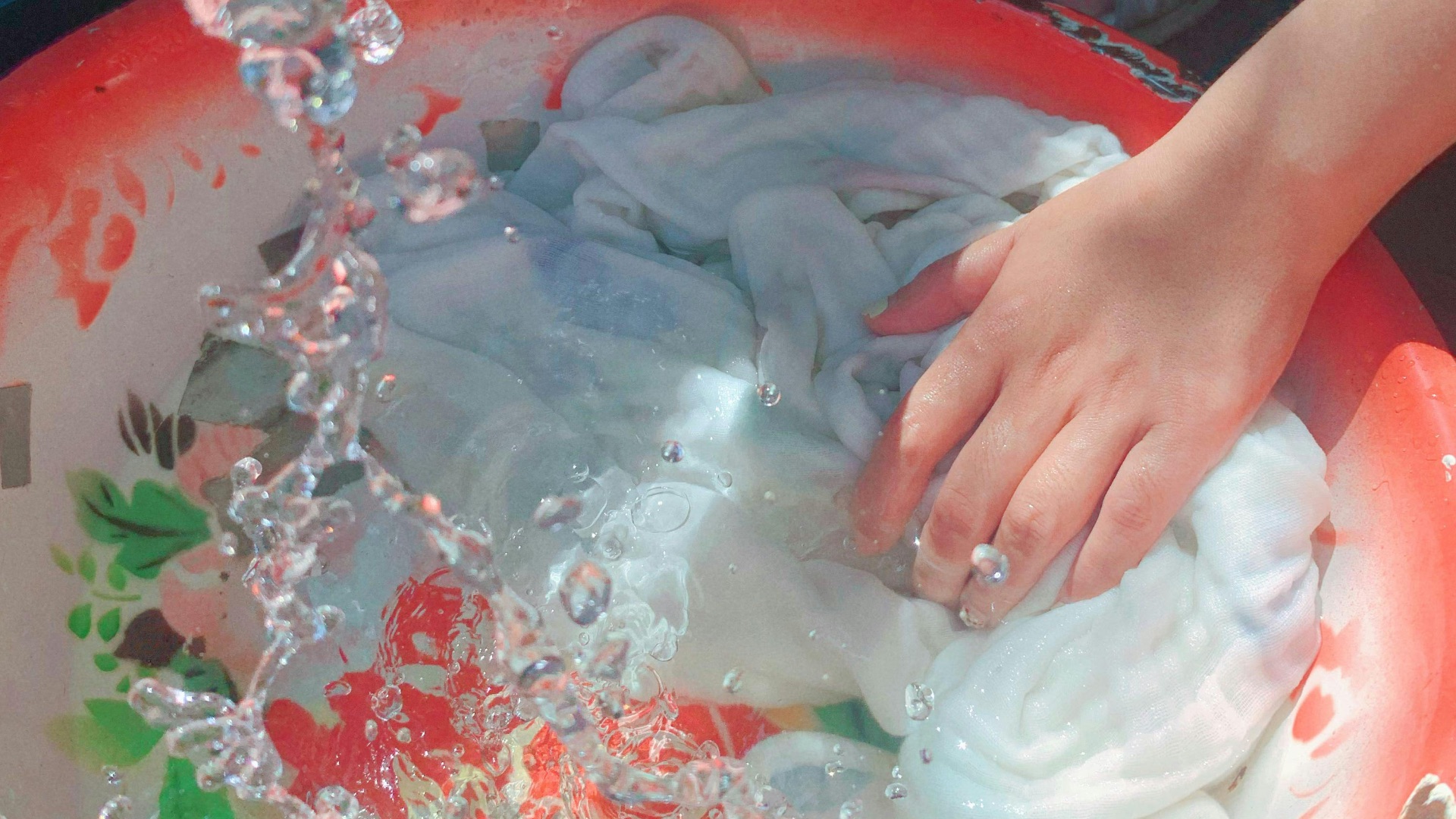
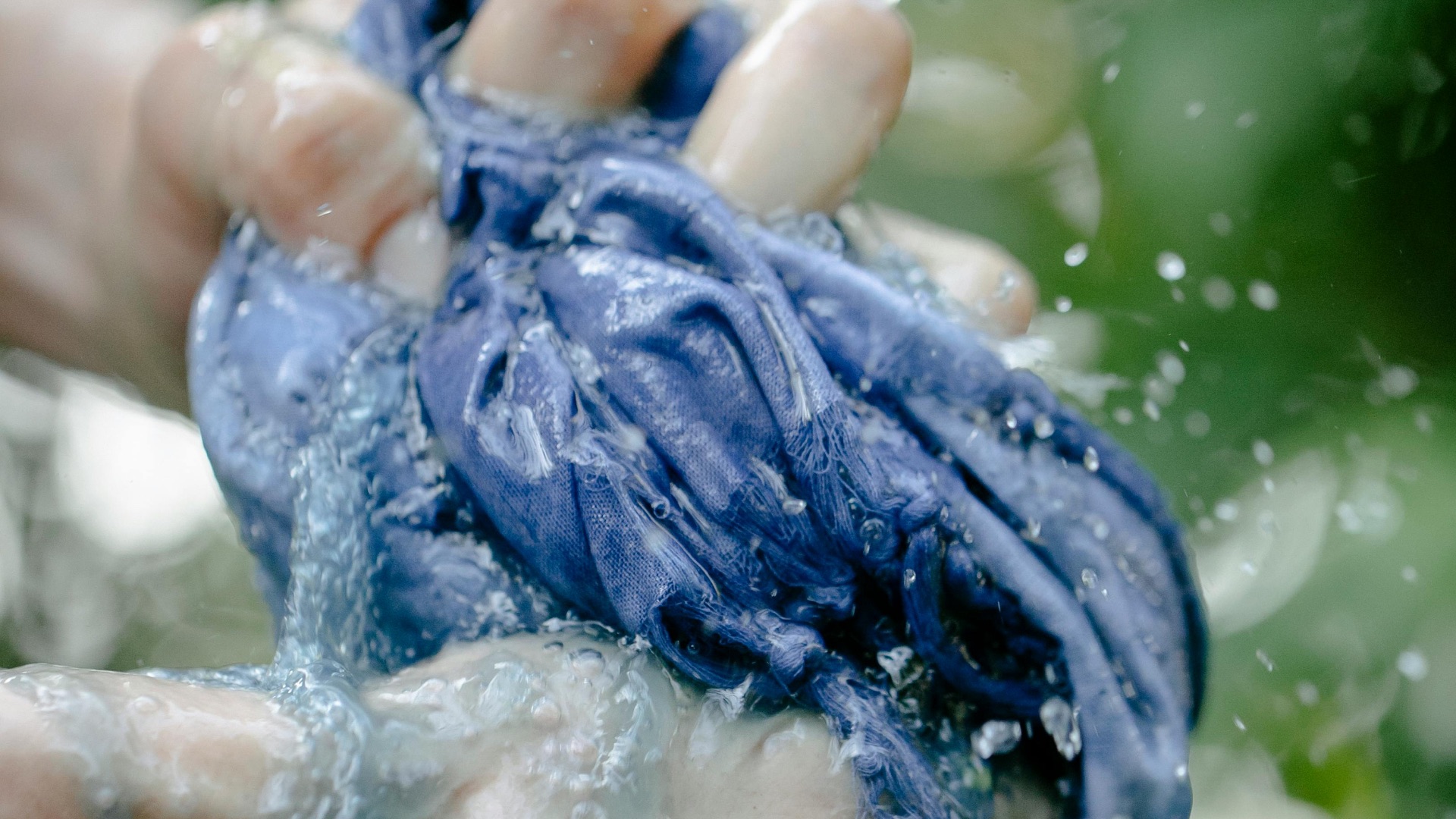
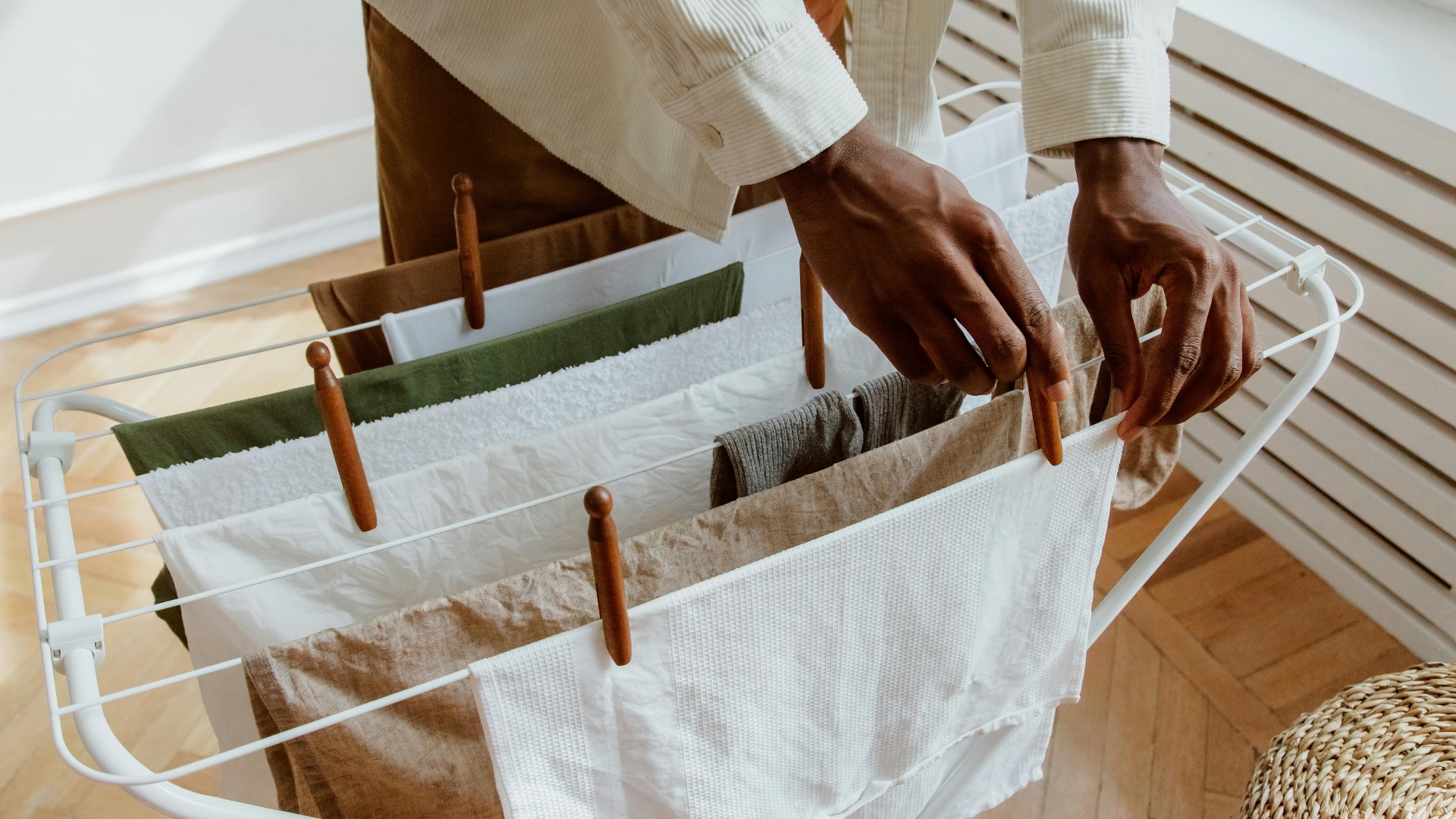
En matière de lessive, la plupart des gens ont tendance à tout jeter dans la machine à laver sans y réfléchir à deux fois. C’est rapide, pratique et cela vous libère du temps pour faire à peu près tout le reste. Mais le lavage à la main présente des avantages qui méritent vraiment d’être pris en compte, surtout si vous souhaitez que vos vêtements durent plus longtemps et restent en meilleur état. Bien sûr, le lavage à la main n’est pas sans inconvénients, et il existe de nombreuses situations où la machine à laver l’emporte sans conteste. Voici dix raisons pour lesquelles le lavage à la main pourrait être le meilleur choix, suivies de dix raisons pour lesquelles il peut sembler plus compliqué qu’il n’en vaut la peine.
Une tenue post-rupture a un rôle à jouer : celui de vous aider à vous sentir sereine, séduisante et à vous rappeler qui vous étiez avant qu’une personne ne commence à occuper trop de place dans votre tête. Les meilleures tenues donnent l’impression d’avoir été choisies avec soin sans paraître désespérées, sont confortables sans donner l’air abattue, et soignées sans quémander l’attention. Les pires, quant à elles, font de la rupture le sujet qui monopolise toute l’attention. Voici tout d’abord dix tenues post-rupture qui fonctionnent, suivies de dix autres qui font gagner l’ex.
Les femmes sont souvent bien plus dures envers elles-mêmes que n’importe qui d’autre, surtout lorsqu’il s’agit des détails qu’elles voient chaque jour dans le miroir. Comment ne pas s’en vouloir ? On nous apprend dès le plus jeune âge à nous critiquer sans relâche, même quand personne d’autre ne le fait, et ce cycle peut se répéter pendant des années ! Le plus drôle, c’est que bon nombre des traits que vous essayez de cacher sont justement ceux qui font votre beauté naturelle. Voici 20 choses que les femmes n’aiment généralement pas chez elles, mais que les hommes trouvent souvent bien plus charmantes qu’elles ne le pensent.
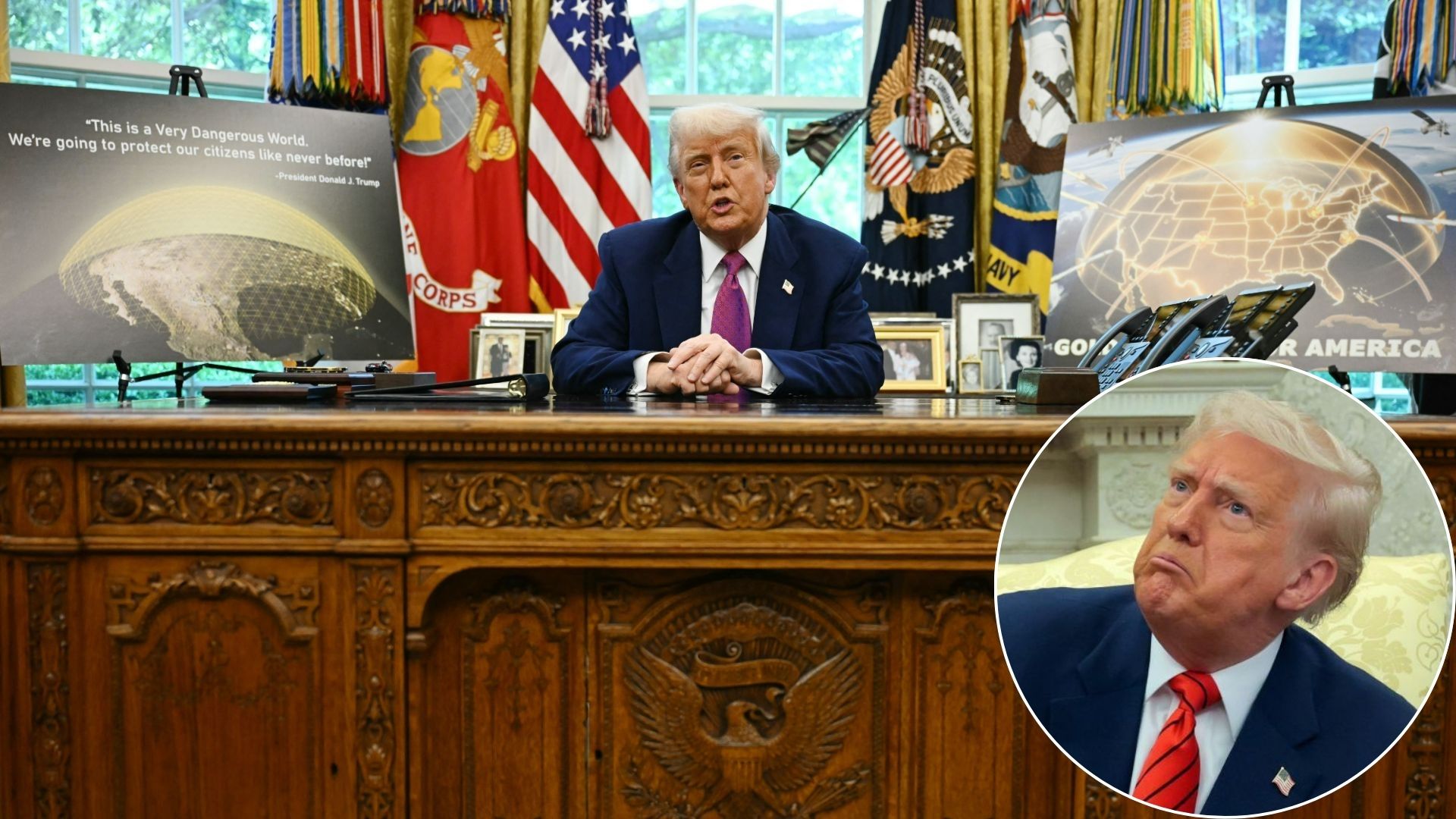
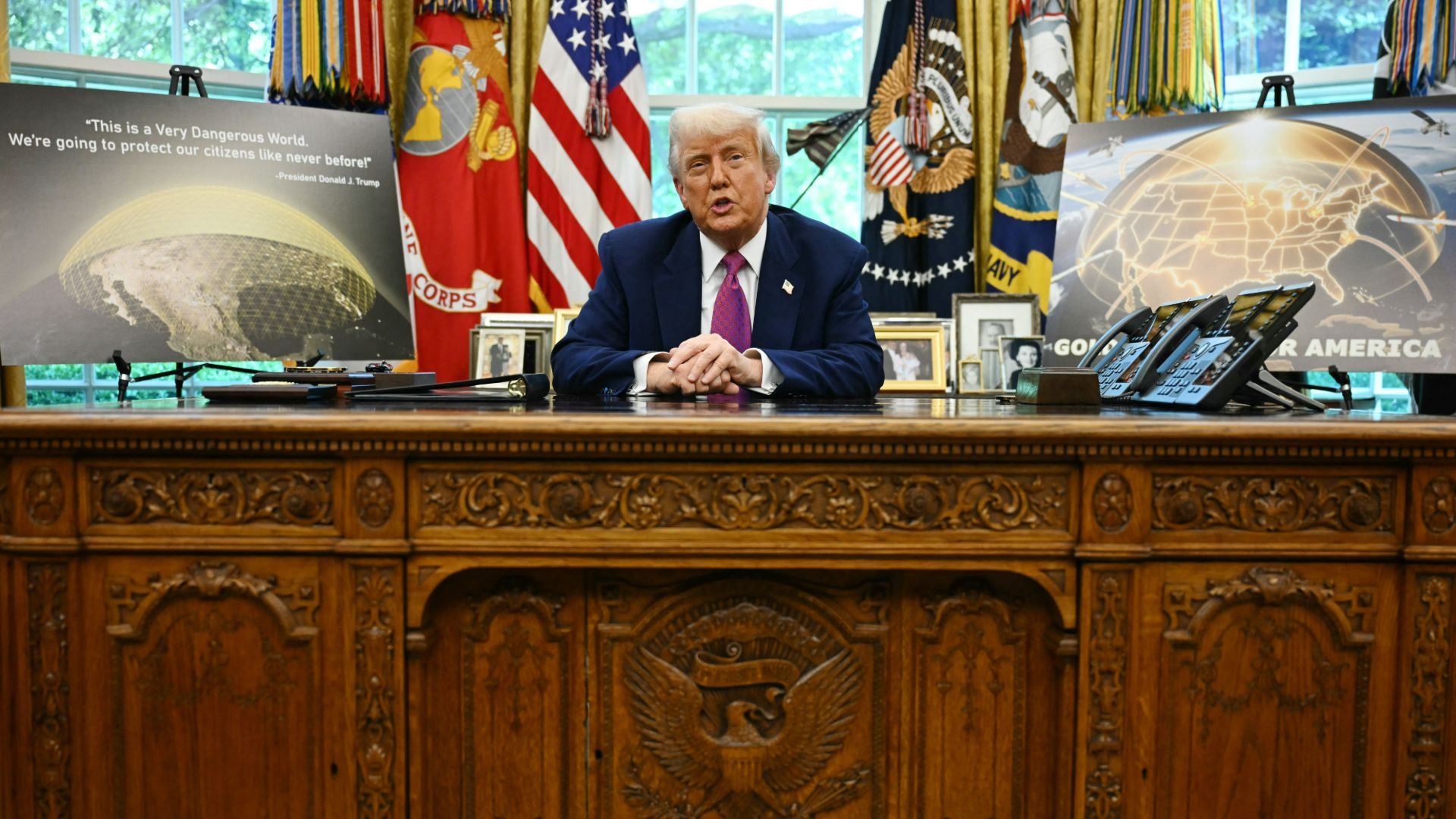
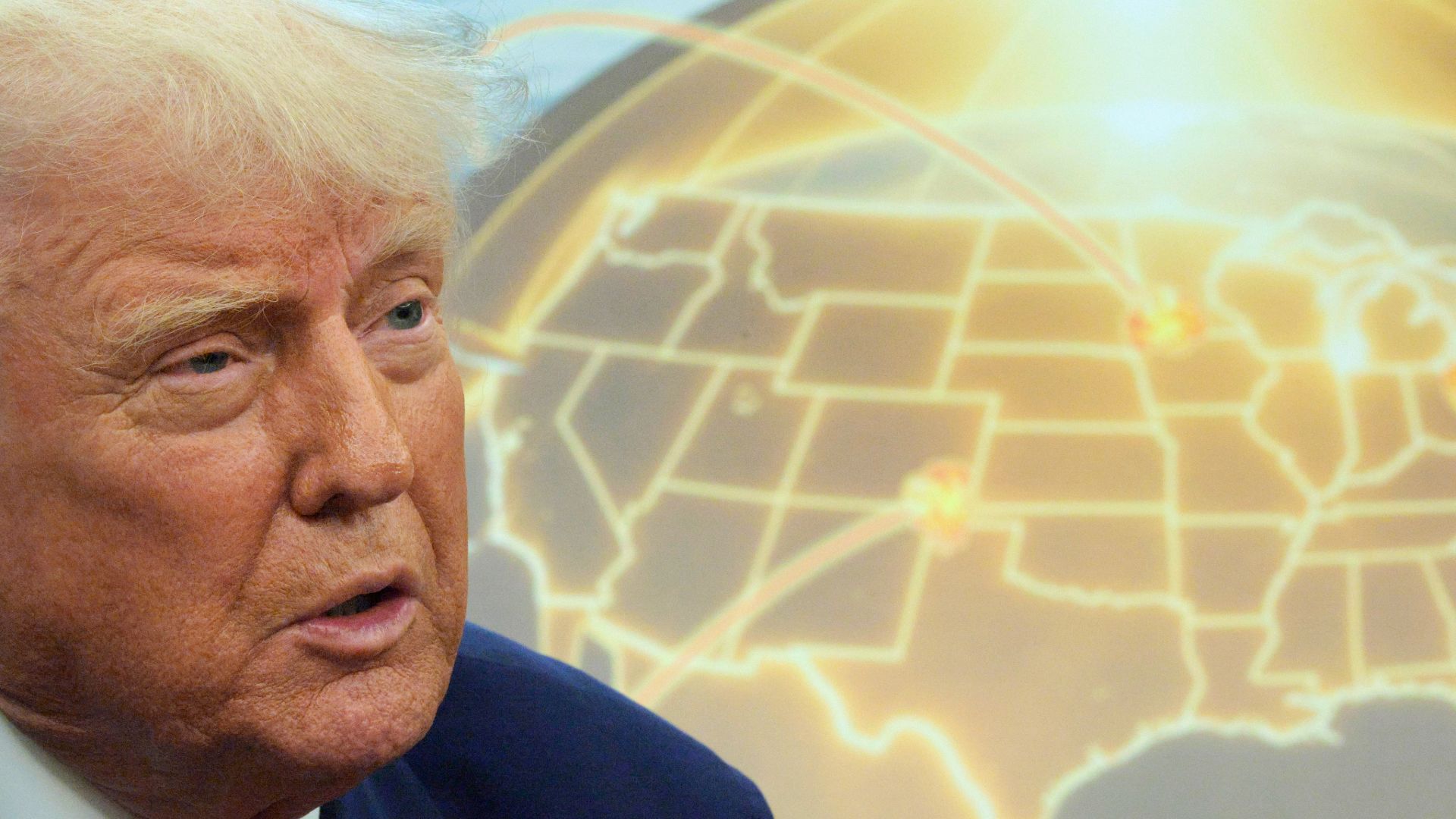
Le « Golden Dome » de Trump risque de se transformer en un gâchis de 1 200 milliards de dollars, le coût de ce projet de 175 milliards de dollars annoncé par Trump venant de grimper en flèche à 1 200 milliards de dollars à la suite d’une analyse du Bureau du budget du Congrès. Cette agence indépendante du Congrès a conclu que le programme de défense antimissile promu par l’administration Trump pourrait coûter près de sept fois plus cher que prévu initialement au cours des deux prochaines décennies. « Il coûtera environ 175 milliards de dollars une fois achevé », a déclaré Donald Trump lors de l’annonce du décret présidentiel relatif au projet.
La Maison-Blanche a présenté le « Golden Dome » comme un bouclier antimissile révolutionnaire conçu pour défendre les États-Unis contre les menaces de missiles balistiques, de croisière et hypersoniques grâce à un réseau massif combinant des systèmes radar avancés, des intercepteurs et une infrastructure de défense spatiale.
Le Congressional Budget Office a estimé que les coûts d’acquisition du projet dépasseraient à eux seuls 1 000 milliards de dollars, environ 70 % de ces dépenses étant directement liées au développement et au déploiement d’intercepteurs spatiaux et d’une constellation d’environ 7 800 satellites. L’analyse a également conclu que l’ampleur des infrastructures requises augmenterait considérablement les dépenses opérationnelles à long terme, chaque site au sol devant coûter près de 4 milliards de dollars à déployer et environ 170 millions de dollars par an à exploiter. Le rapport a averti que la complexité technologique du projet reste extrêmement élevée, notamment parce que de nombreux composants liés aux systèmes d’interception spatiaux sont encore au stade expérimental et n’ont jamais été testés à l’échelle envisagée par l’administration Trump.
« Israël en dispose, d’autres pays en disposent, et les États-Unis devraient en disposer aussi. »
– Donald Trump, président des États-Unis
Le 20 mai 2025, le président Donald Trump a officiellement dévoilé l’architecture de déploiement du bouclier antimissile « Golden Dome » lors d’une conférence de presse très médiatisée dans le Bureau ovale. Cette initiative s’inscrit dans le prolongement du décret 14186, que Trump a signé dès sa première semaine de retour au pouvoir pour établir officiellement le programme. L’administration a décrit le système comme un réseau défensif global à plusieurs niveaux destiné à déployer des capteurs et des intercepteurs de nouvelle génération basés sur terre, en mer et dans l’espace, capables de détruire les menaces de missiles avancés avant leur impact. Lors de l’annonce, Trump a confirmé que le général Michael Guetlein, de la Force spatiale américaine, superviserait le projet, tout en révélant qu’un acompte initial estimé entre 24 et 25 milliards de dollars avait déjà été obtenu grâce à une récente loi de réconciliation du Congrès.
Getty Images
Trump a défendu à plusieurs reprises le calendrier et les prévisions de coûts associés à cette initiative, malgré le scepticisme croissant des analystes de la défense et des législateurs.
« Nous aurons donc terminé dans environ trois ans », a déclaré Trump, tout en garantissant que le « Golden Dome » serait opérationnel avant la fin de son mandat présidentiel actuel. Cependant, l’analyse du Bureau du budget du Congrès a qualifié le calendrier de déploiement proposé d’ici 2029 d’irréaliste en raison d’importantes incertitudes techniques liées au développement des systèmes requis. Selon le rapport, plusieurs composants majeurs de l’architecture ne seraient probablement pas opérationnels avant 2028, voire plus tard, même dans des conditions d’approvisionnement accélérées.
Les experts en défense ont également averti que l’intégration de milliers de satellites dotés de capacités d’interception de missiles en temps réel nécessiterait une coordination sans précédent entre les sous-traitants militaires, les fabricants aérospatiaux et les agences de renseignement.
Getty Images
Trump a également comparé directement cette initiative au Dôme de fer israélien tout en tentant de présenter le projet comme un investissement de sécurité nationale attendu depuis longtemps pour les États-Unis.
« Israël l’a, d’autres pays l’ont, et les États-Unis devraient l’avoir aussi », a déclaré Trump lors de la présentation à la Maison Blanche. Mais alors que le système israélien « Iron Dome », largement utilisé, protège un territoire relativement petit d’environ 22 000 kilomètres carrés contre les roquettes à courte portée et les tirs d’artillerie, le « Golden Dome » tenterait de défendre un continent entier contre des missiles balistiques intercontinentaux et des armes hypersoniques se déplaçant à des vitesses extrêmes. Le système américain proposé s’appuierait donc fortement sur des technologies expérimentales d’interception spatiales et sur la couverture radar de l’Arctique pour surveiller les menaces susceptibles de traverser la région polaire en direction de l’Amérique du Nord.
« Il coûtera environ 175 milliards de dollars une fois achevé. »
– Donald Trump, président des États-Unis
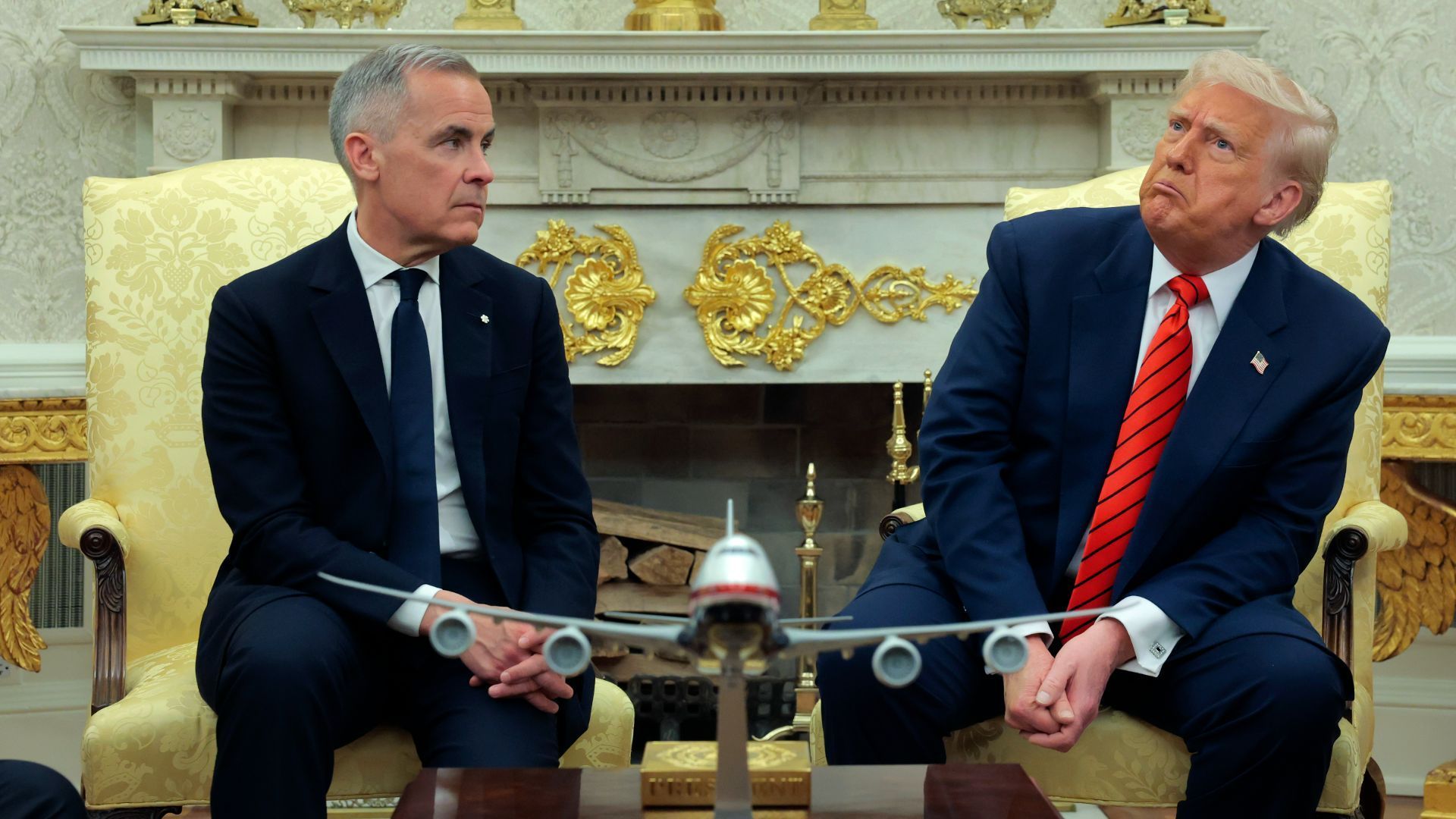
Le projet a également généré des tensions entre Washington et Ottawa en raison de l’importance stratégique du Canada pour l’architecture du bouclier proposé. Étant donné que les États-Unis s’appuient fortement sur l’espace aérien canadien et l’infrastructure radar du Nord pour surveiller les menaces potentielles de missiles traversant l’Arctique, Trump a publiquement exigé que le Canada contribue à hauteur d’environ 61 milliards de dollars pour participer au système, tout en plaisantant sur le fait que cette contribution pourrait disparaître si le Canada acceptait de devenir le « 51e État ».
Le Premier ministre canadien Mark Carney et le Cabinet du Premier ministre ont fermement rejeté ces propos, tout en insistant sur le fait que toute discussion future en matière de sécurité concernant le projet ne se ferait qu’avec le Canada agissant en tant que pays indépendant et souverain. L’ambassadeur du Canada auprès des Nations Unies, Bob Rae, a par la suite critiqué la proposition en comparant cette exigence à un « racket de protection ».
Trump’s Golden Dome Risks Turning Into a $1.2 Trillion Boondoggle, as Trump’s $175 billion project price tag given by just exploded to $1.2 trillion following an analysis from the Congressional Budget Office. The independent congressional agency concluded that the missile defense initiative promoted by the Trump administration could cost nearly seven times more than initially projected over the next two decades. «It will cost approximately $175 billion when completed.» said Donald Trump while announcing the executive order for the project. The White House presented Golden Dome as a revolutionary missile shield designed to defend the United States against ballistic, cruise and hypersonic missile threats through a massive network combining advanced radar systems, interceptors and space-based defense infrastructure.
The Congressional Budget Office estimated that acquisition costs for the project alone would exceed $1 trillion, with roughly 70 percent of those expenses tied directly to the development and deployment of space-based interceptors and a constellation of approximately 7,800 satellites. The analysis also concluded that the scale of the required infrastructure would dramatically increase long-term operational expenses, with each ground-based site projected to cost nearly $4 billion to deploy and approximately $170 million annually to operate. The report warned that the technological complexity of the project remains extremely high, especially because many components linked to space-based interception systems are still experimental and have never been tested at the scale envisioned by the Trump administration.
«Israel has it, other places have it, and the United States should have it too.»
-U.S. President, Donald Trump
On May 20, 2025, President Donald Trump officially unveiled the deployment architecture for the Golden Dome missile defense shield during a high-profile Oval Office briefing. The initiative expanded upon Executive Order 14186, which Trump signed during his first week back in office to formally establish the program. The administration described the system as a sweeping, multi-layered defensive network intended to deploy next-generation land, sea and space-based sensors and interceptors capable of destroying advanced missile threats before impact. During the announcement, Trump confirmed that U.S. Space Force General Michael Guetlein would oversee the project while also revealing that an initial down payment estimated between $24 billion and $25 billion had already been secured through recent congressional reconciliation legislation.
Getty Images
Trump repeatedly defended the timeline and cost projections attached to the initiative despite growing skepticism among defense analysts and lawmakers. «So we’ll have it done in about three years.» Trump said while vouching for Golden Dome to become operational before the end of his current presidential term. However, the Congressional Budget Office analysis described the proposed by-2029 deployment schedule as unrealistic because of significant technical uncertainties tied to the development of the required systems. According to the report, several major components of the architecture would likely not become operational until 2028 or later even under accelerated procurement conditions. Defense experts have also warned that integrating thousands of satellites with real-time missile interception capabilities would require unprecedented coordination between military contractors, aerospace manufacturers and intelligence agencies.
Getty Images
Trump also directly compared the initiative to Israel’s Iron Dome while attempting to frame the project as an overdue national security investment for the United States. «Israel has it, other places have it, and the United States should have it too.» Trump said during the White House presentation. But while Israel’s heavily used Iron Dome system protects a relatively small territory of roughly 22,000 square kilometres against short-range rockets and artillery fire, Golden Dome would attempt to defend an entire continent against intercontinental ballistic missiles and hypersonic weapons traveling at extreme speeds. The proposed American system would therefore rely heavily on experimental space-based interception technologies and Arctic radar coverage to monitor threats potentially traveling over the polar region toward North America.
«It will cost approximately $175 billion when completed.»
-U.S. President, Donald Trump
The project has also generated tensions between Washington and Ottawa because of Canada’s strategic importance to the architecture of the proposed shield. Since the United States relies heavily on Canadian airspace and northern radar infrastructure to monitor potential missile threats crossing the Arctic, Trump publicly demanded that Canada contribute roughly $61 billion to participate in the system while joking that the fee could disappear if Canada accepted becoming the «51st state.» Canadian Prime Minister Mark Carney and the Prime Minister’s Office firmly rejected the comments while insisting that any future security discussions involving the project would only occur with Canada acting as an independent and sovereign country. Canada’s ambassador to the United Nations, Bob Rae, later criticized the proposal by comparing the demand to a «protection racket.»
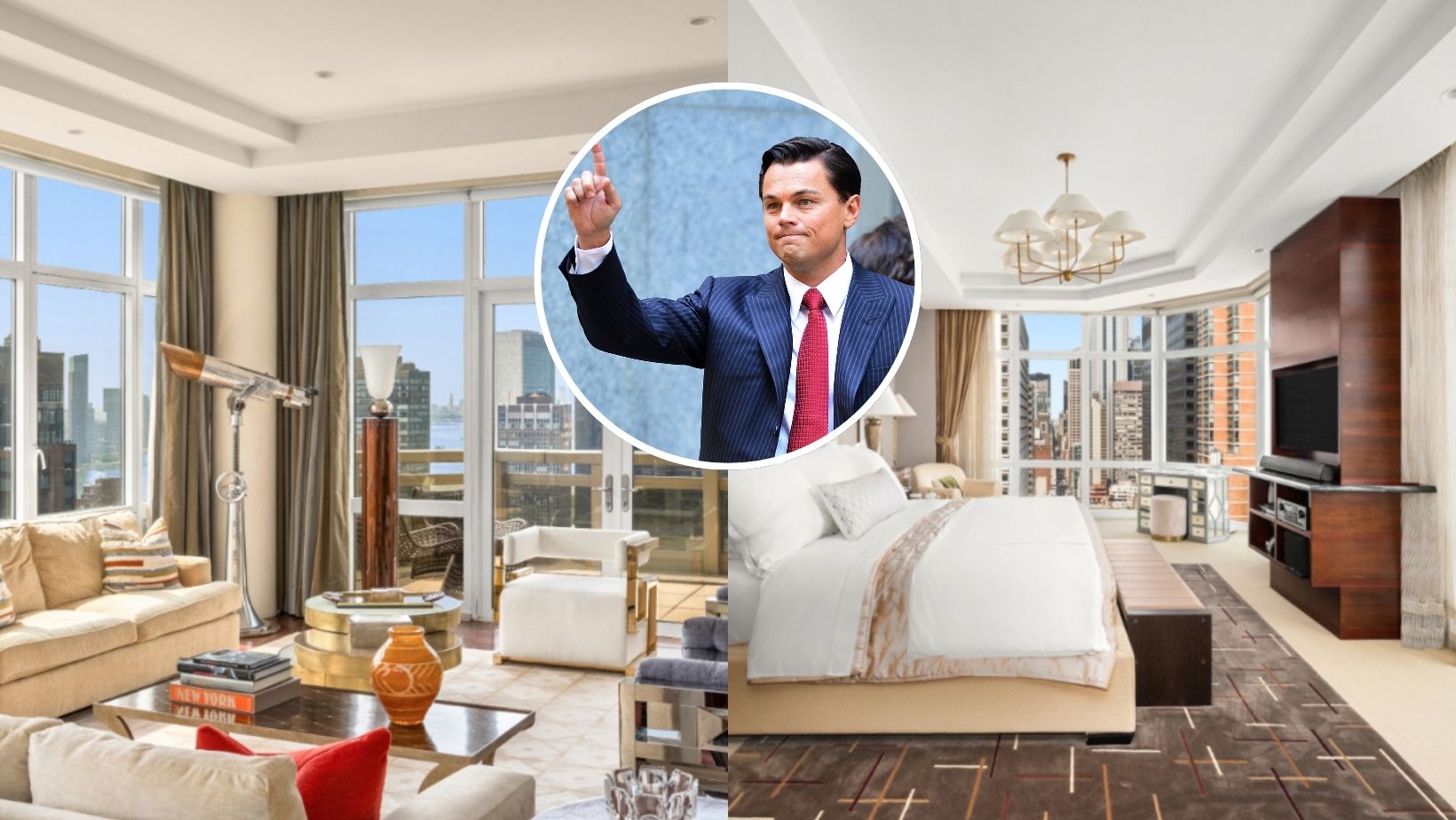
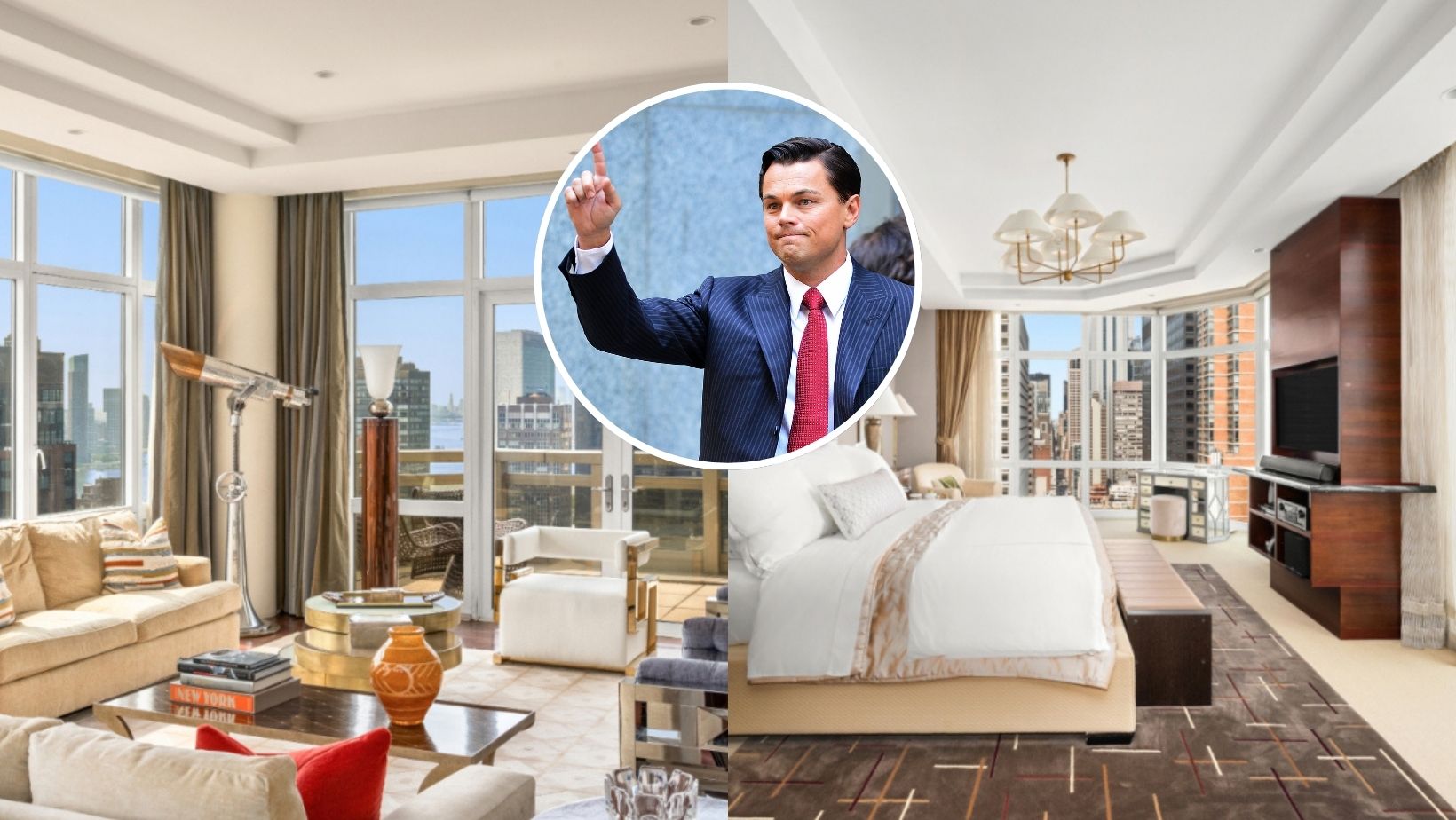
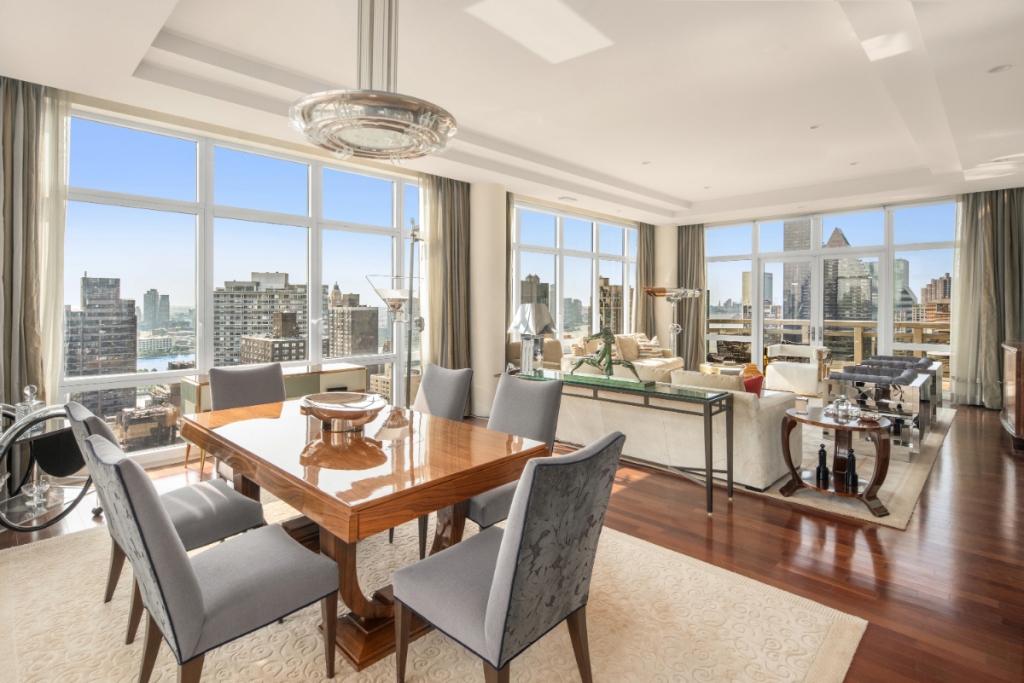
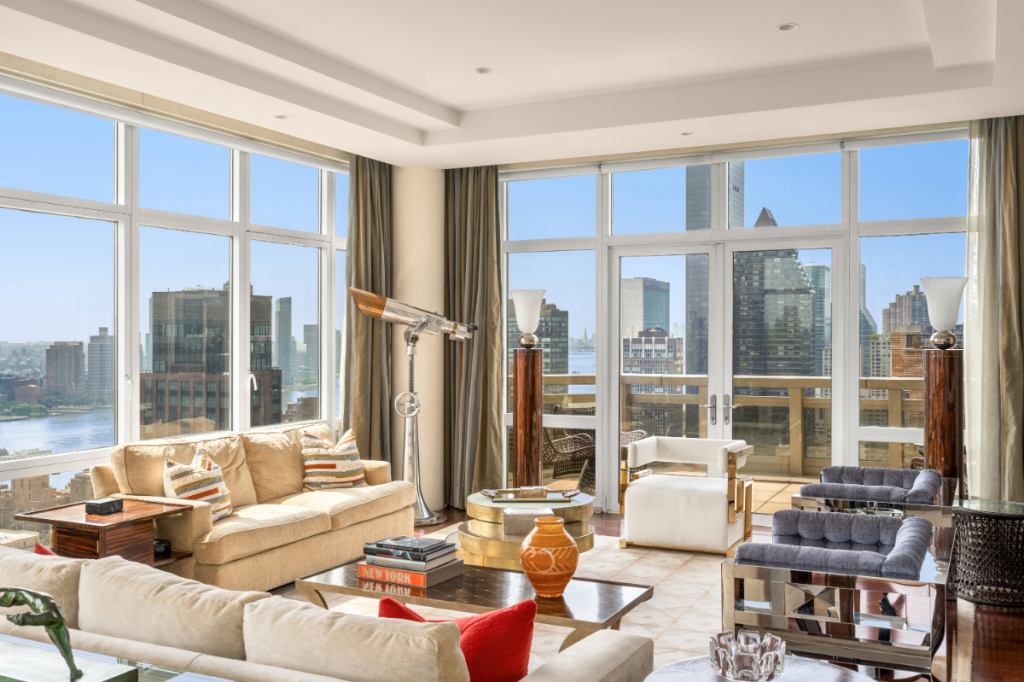
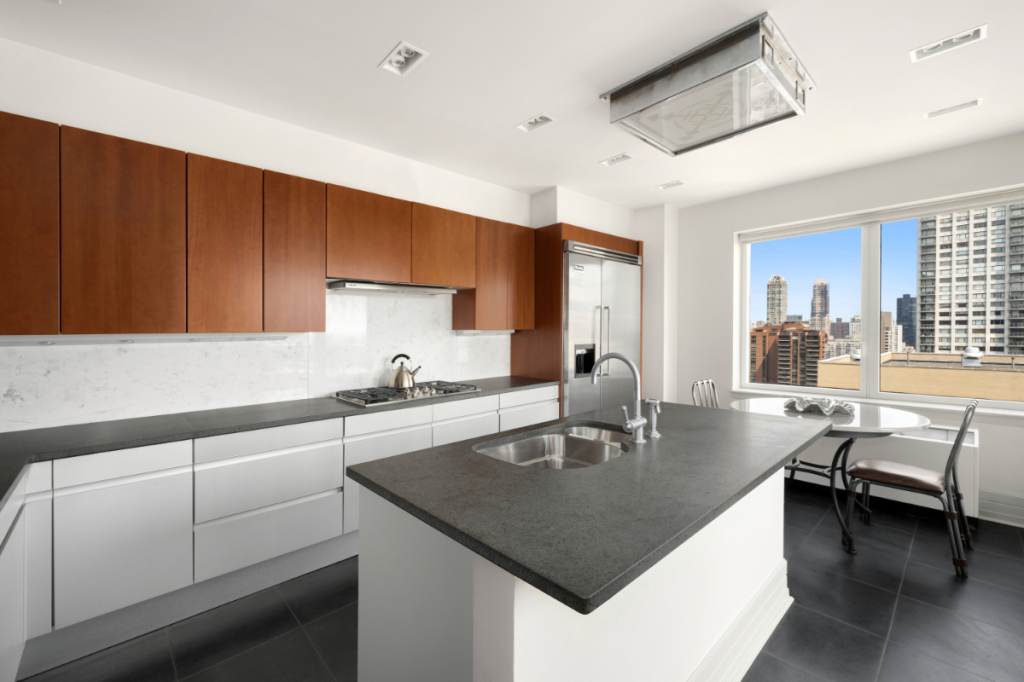
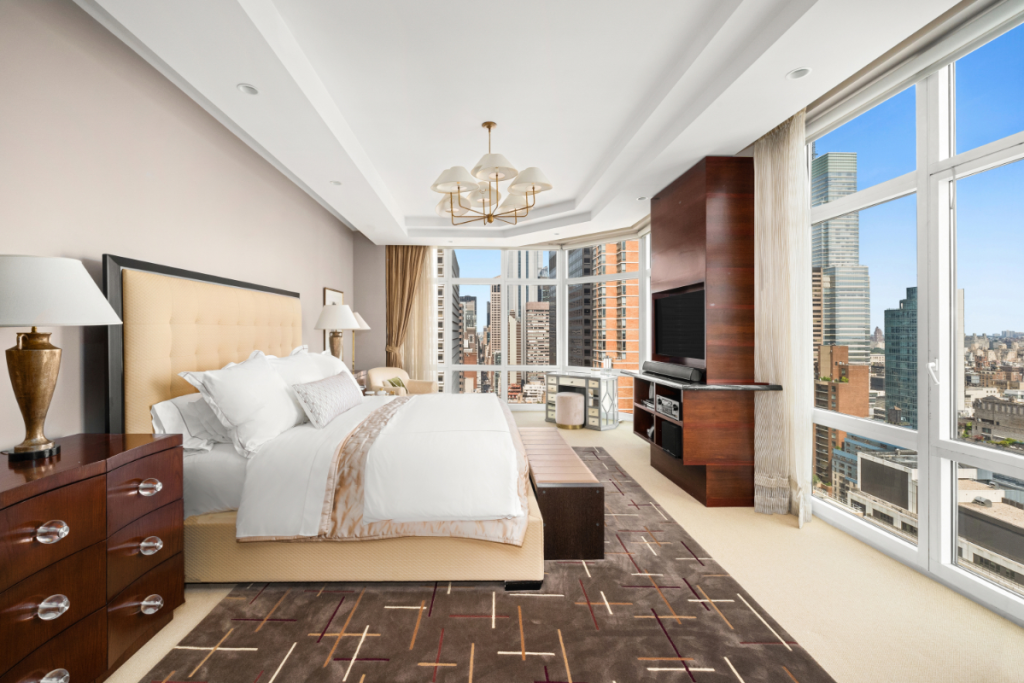
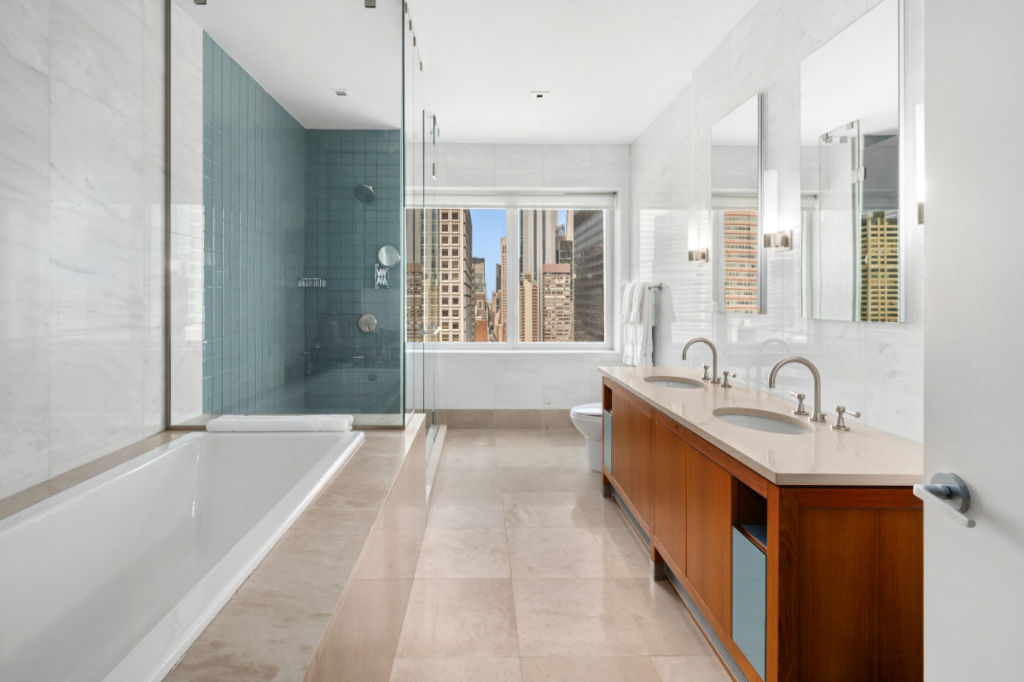
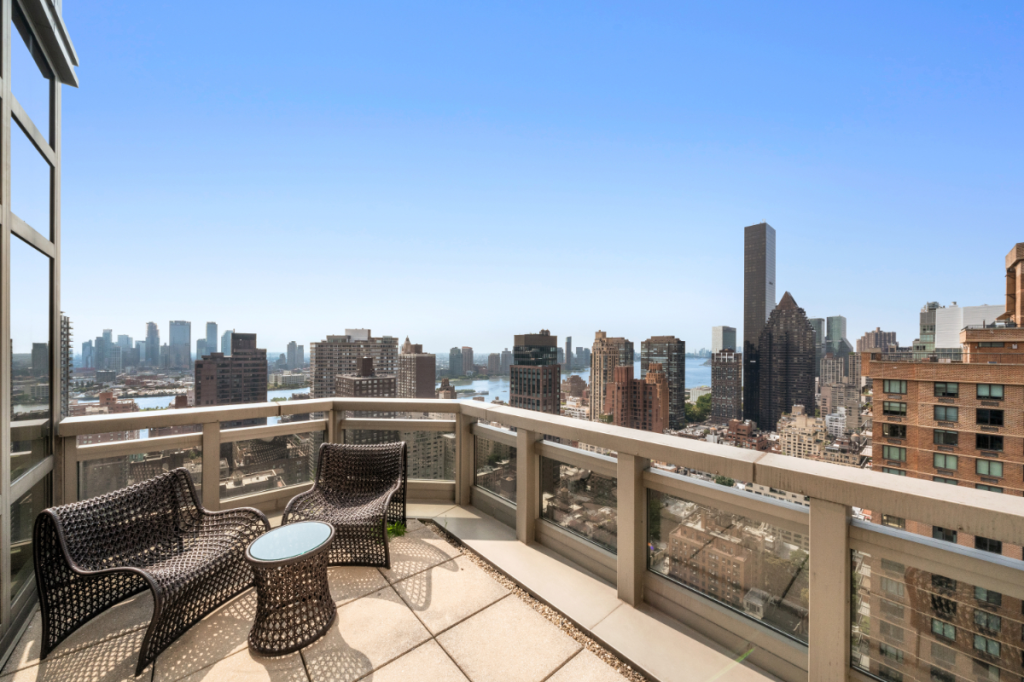
El famoso apartamento que aparece en la película «El lobo de Wall Street» salió a la venta en abril por unos 5 millones de dólares. Esta emblemática propiedad, de tres dormitorios, se encuentra en el edificio Milan, en la calle 55 Este de Nueva York. Este edificio también es conocido por haber servido de escenario a varias producciones populares, entre ellas las series «Gossip Girl», «The Good Wife» y «Blue Bloods».
Al parecer, el apartamento pertenece al empresario Bert E. Brodsky, quien lo habría comprado por unos 4,5 millones de dólares en 2015, cuando el edificio aún estaba en construcción. Residente en Long Island, utilizaría esta propiedad principalmente como pied-à-terre en lugar de como residencia principal.
Durante el rodaje de la película, habría puesto el lugar a disposición del equipo de producción entregándoles las llaves, antes de retirarse mientras se rodaban las escenas. Posteriormente, habría regresado al lugar y se habría cruzado brevemente con el equipo en pleno trabajo.
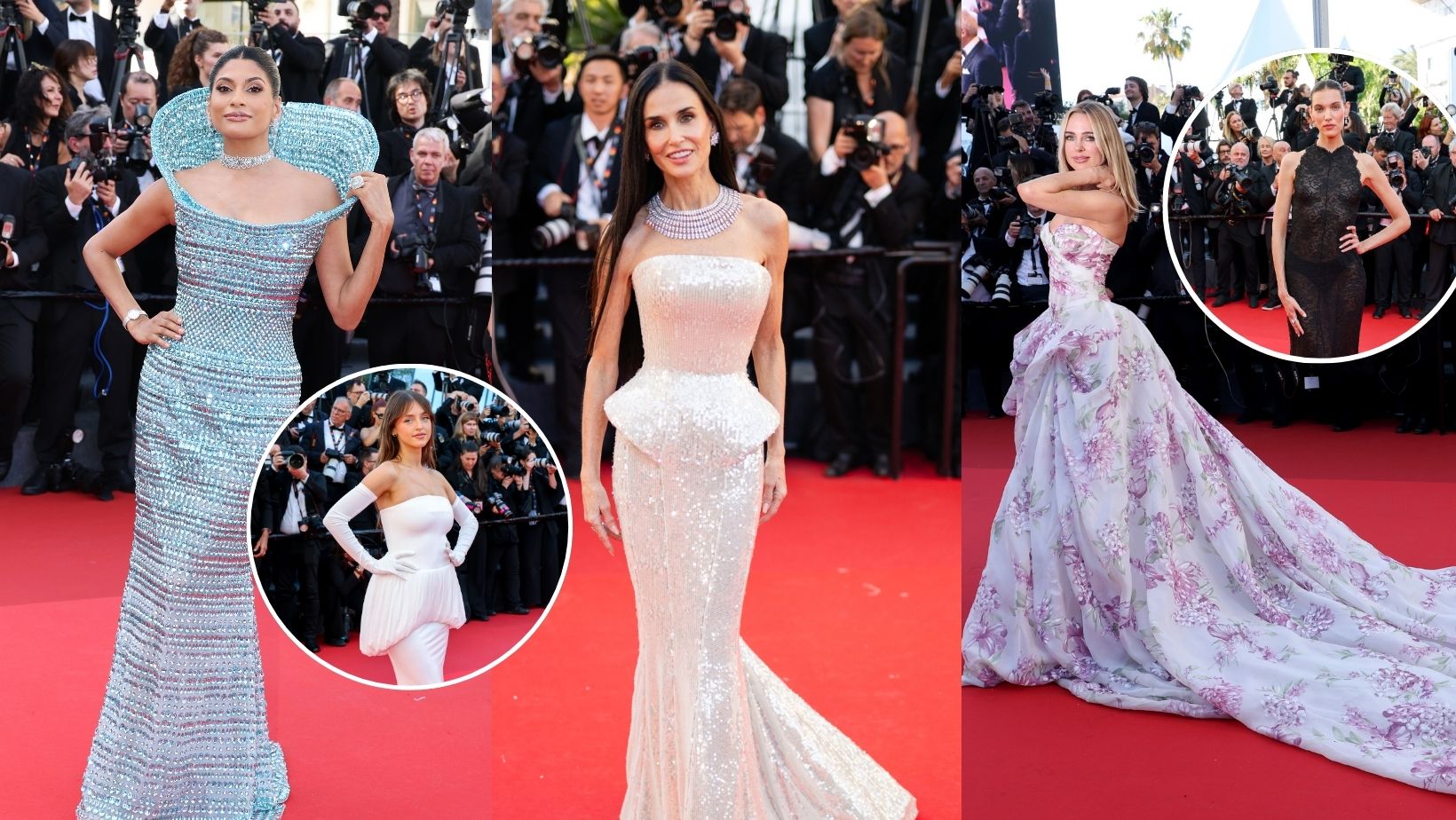
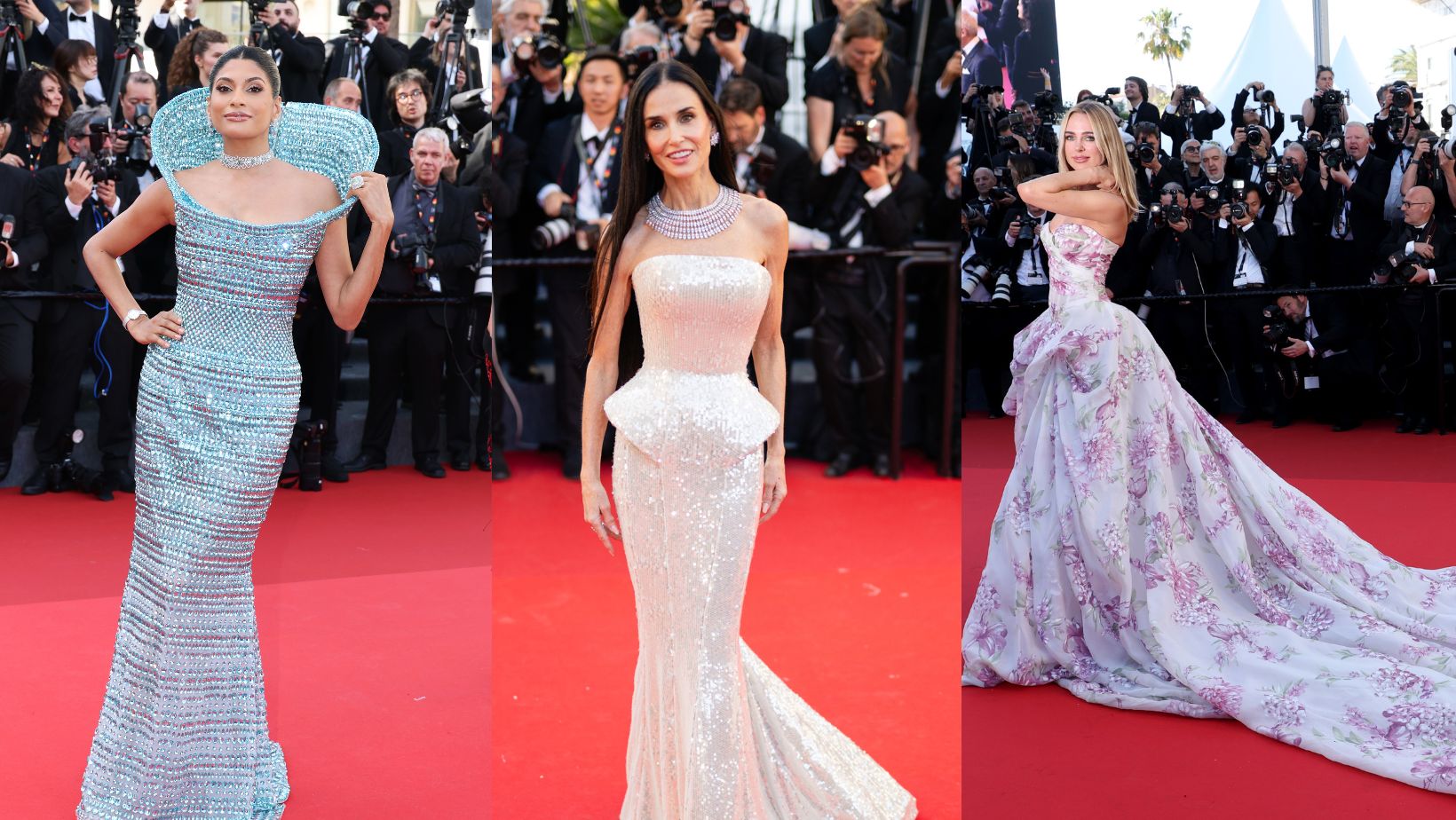
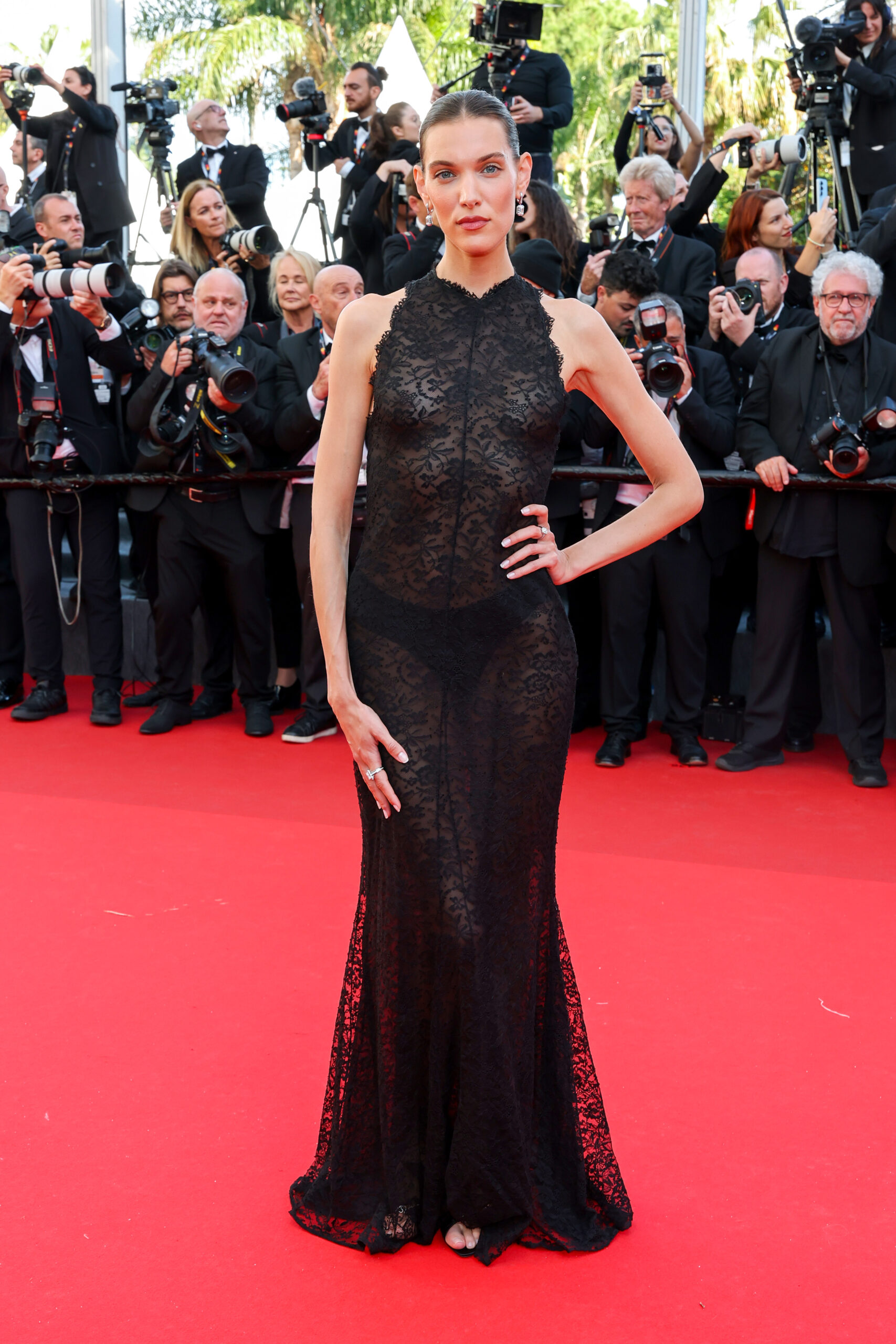
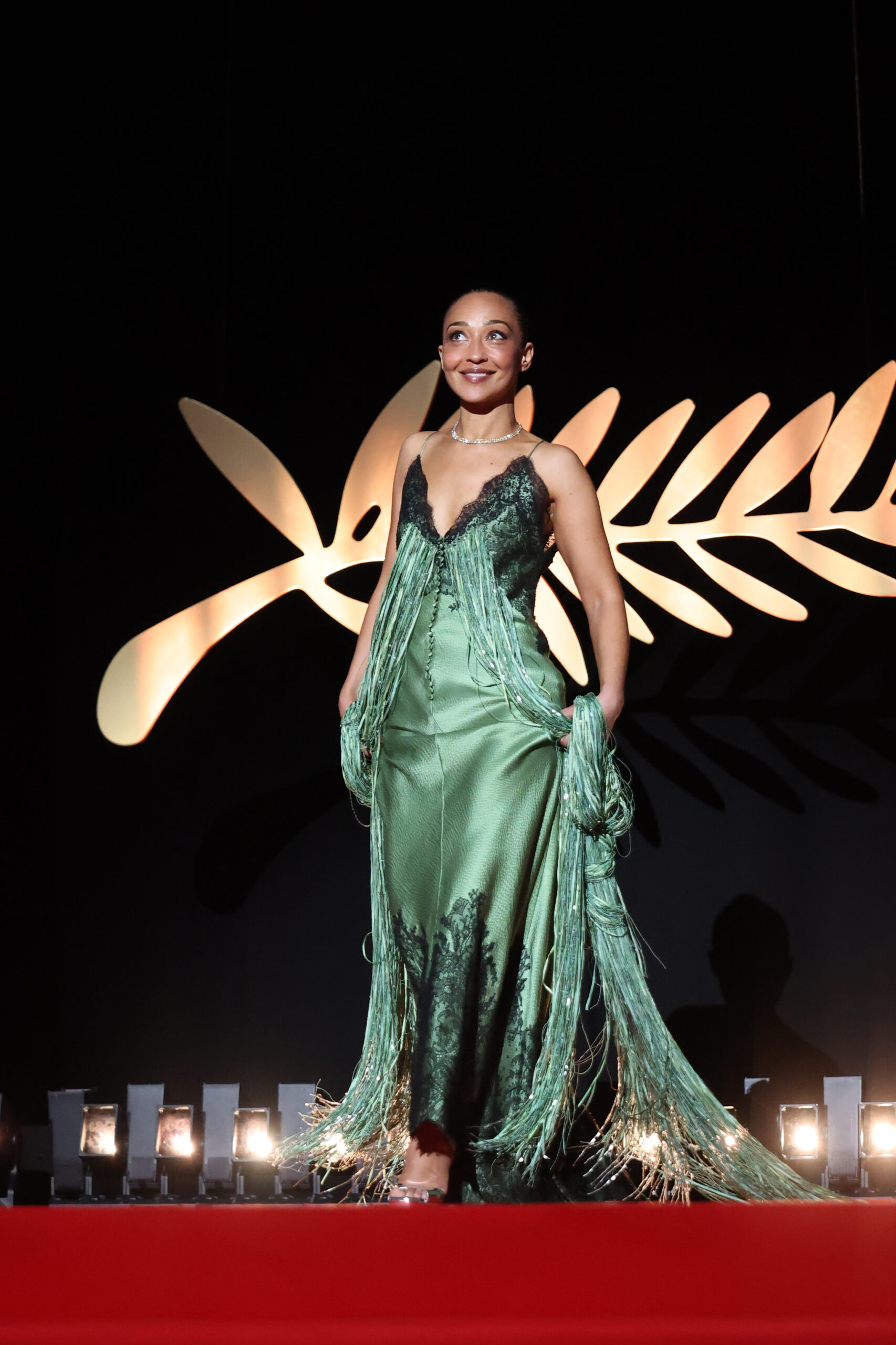
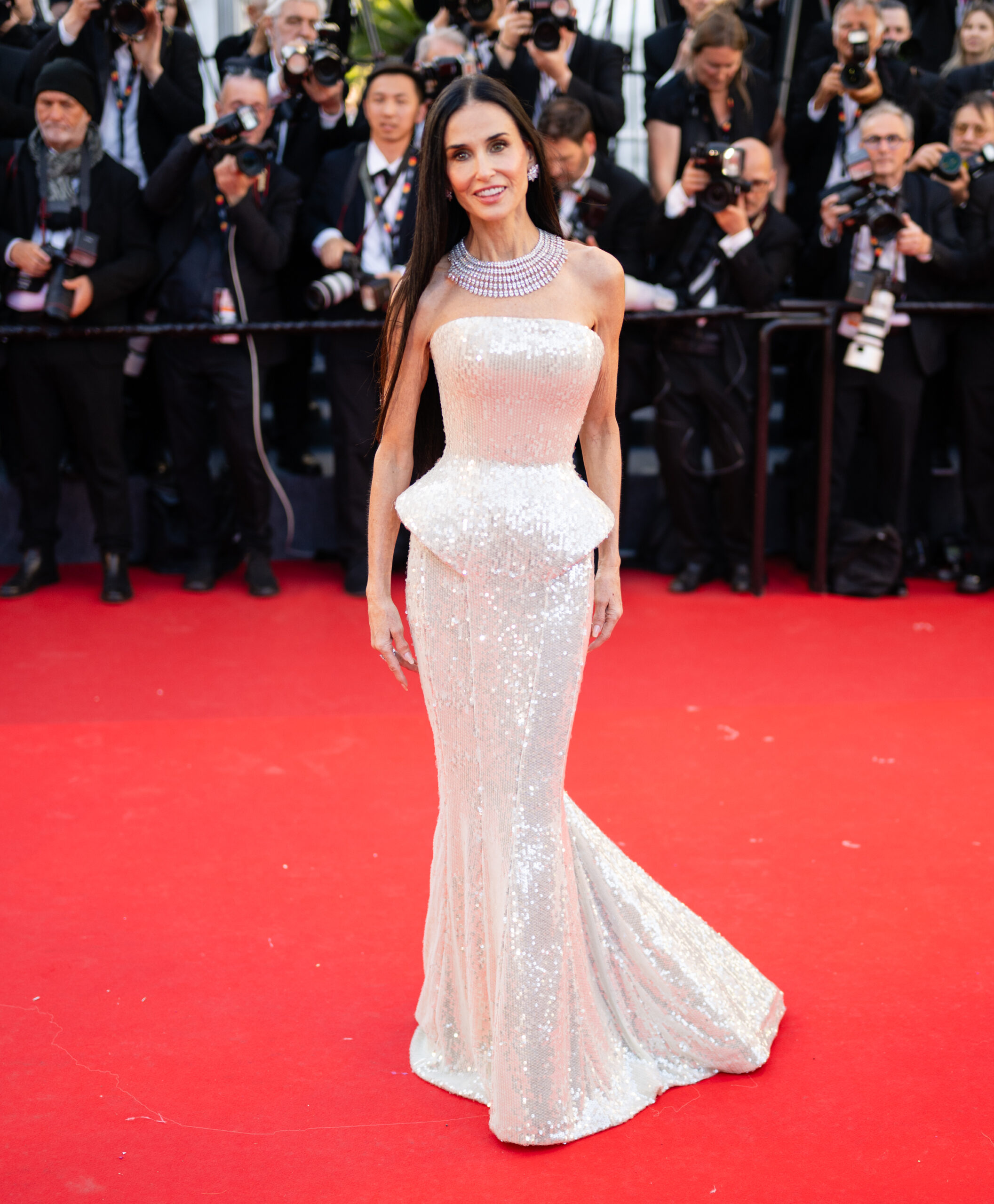
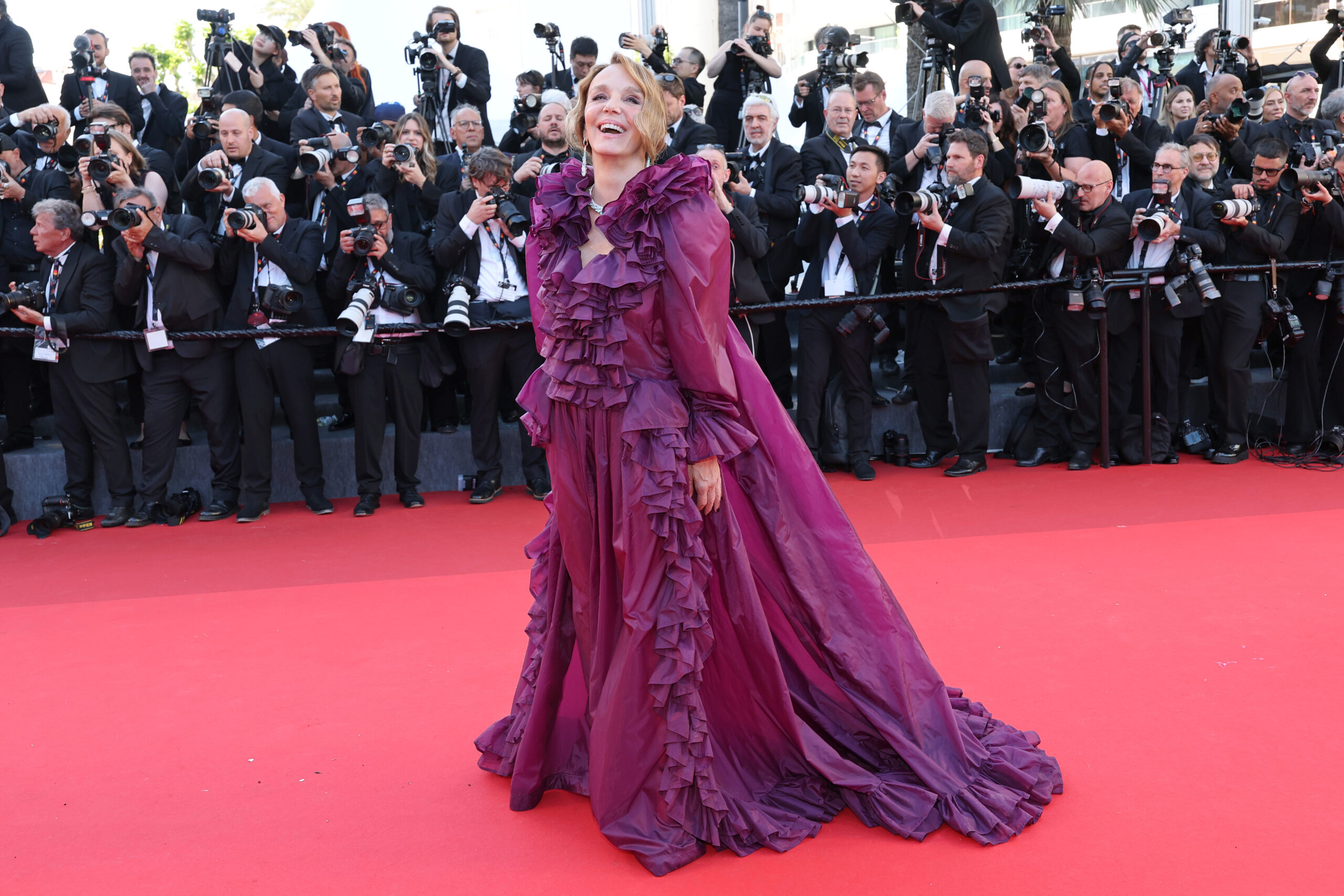
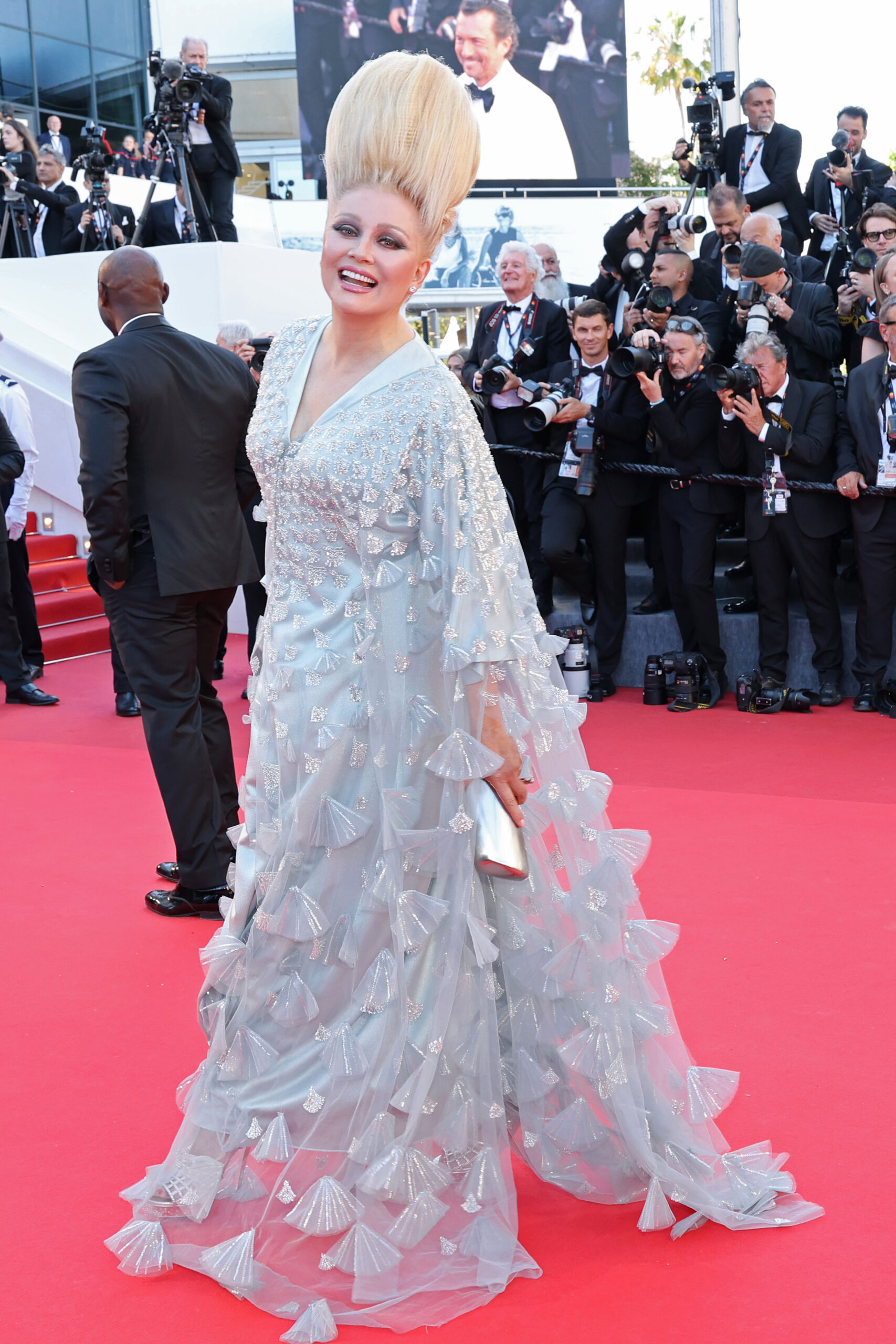
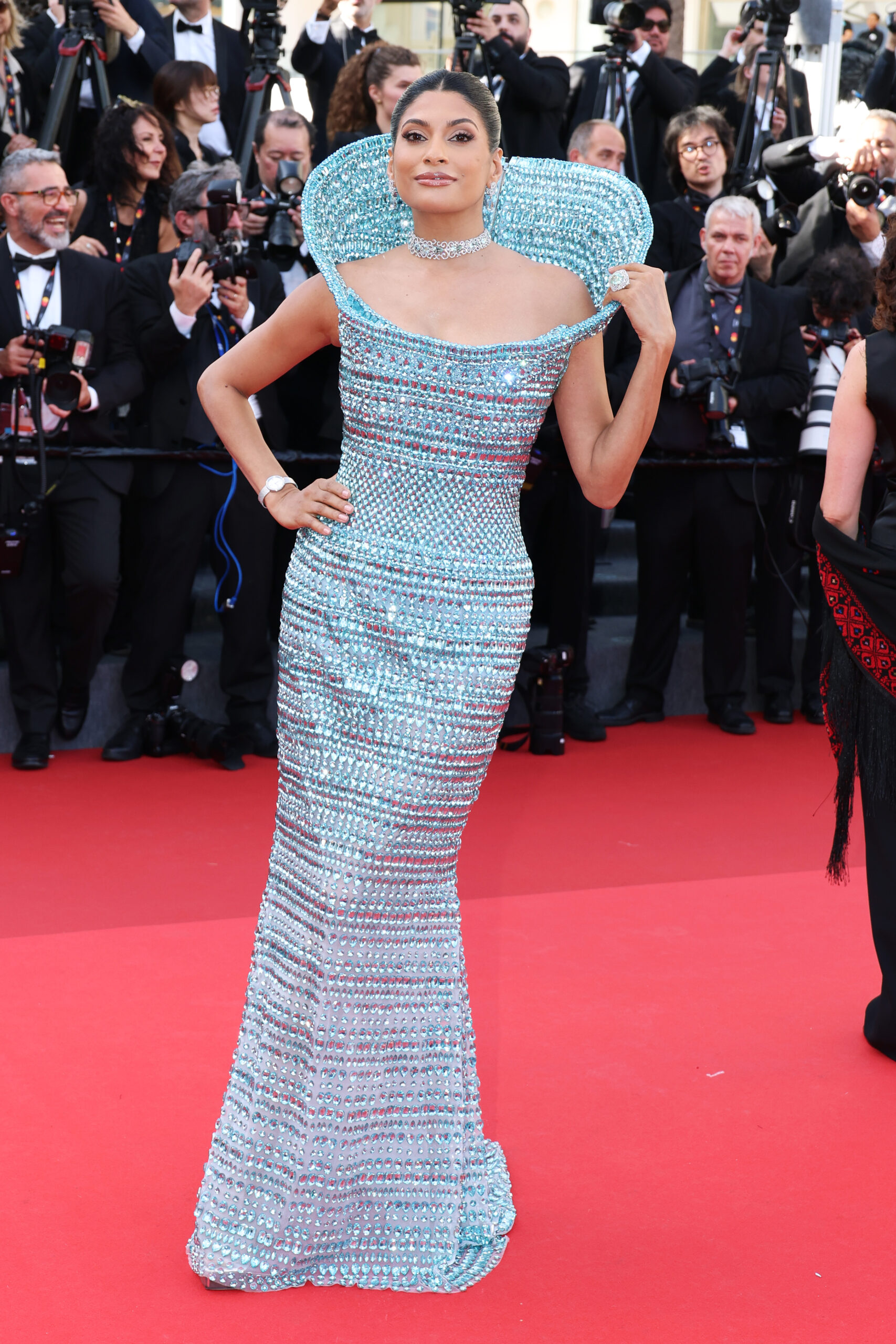
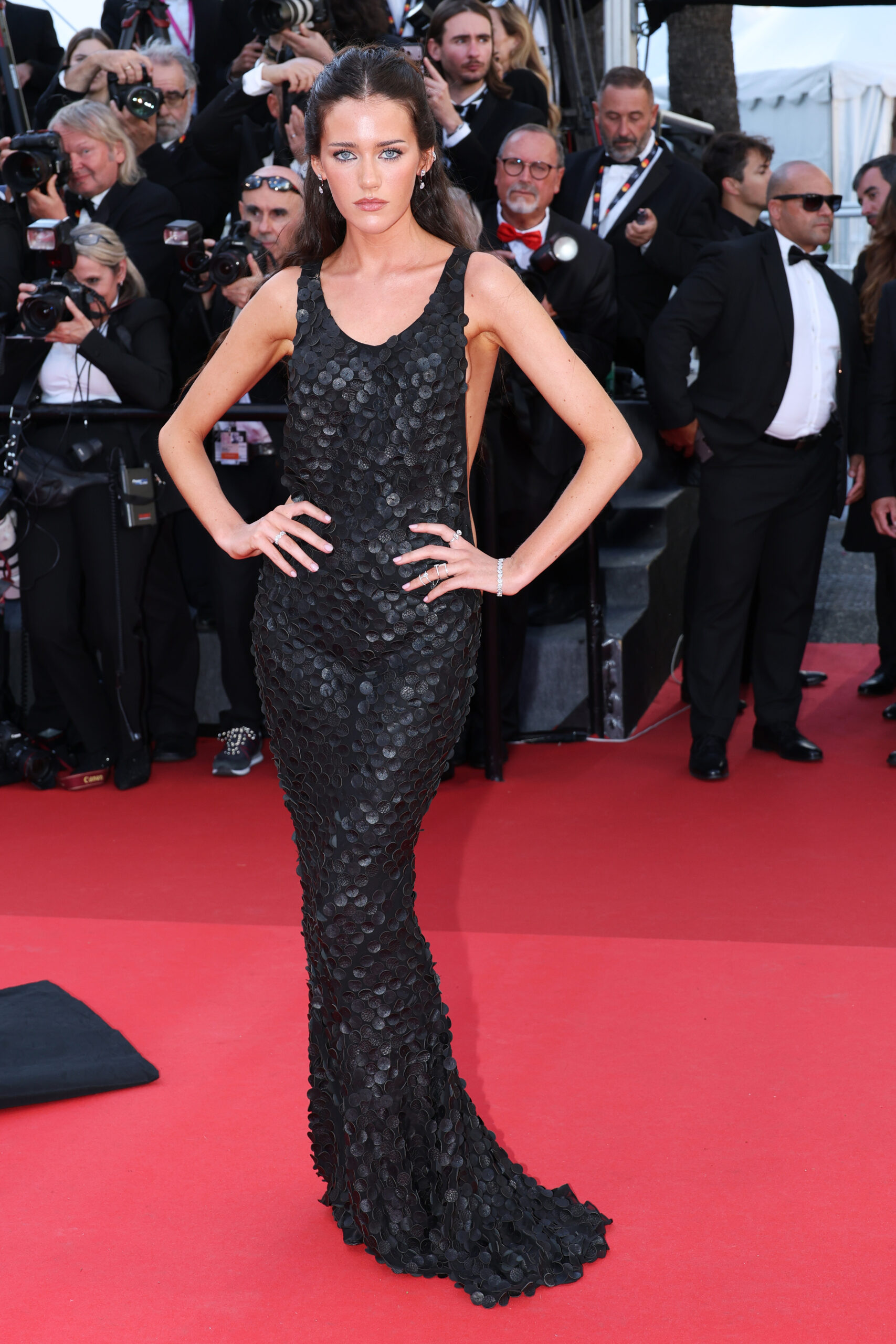
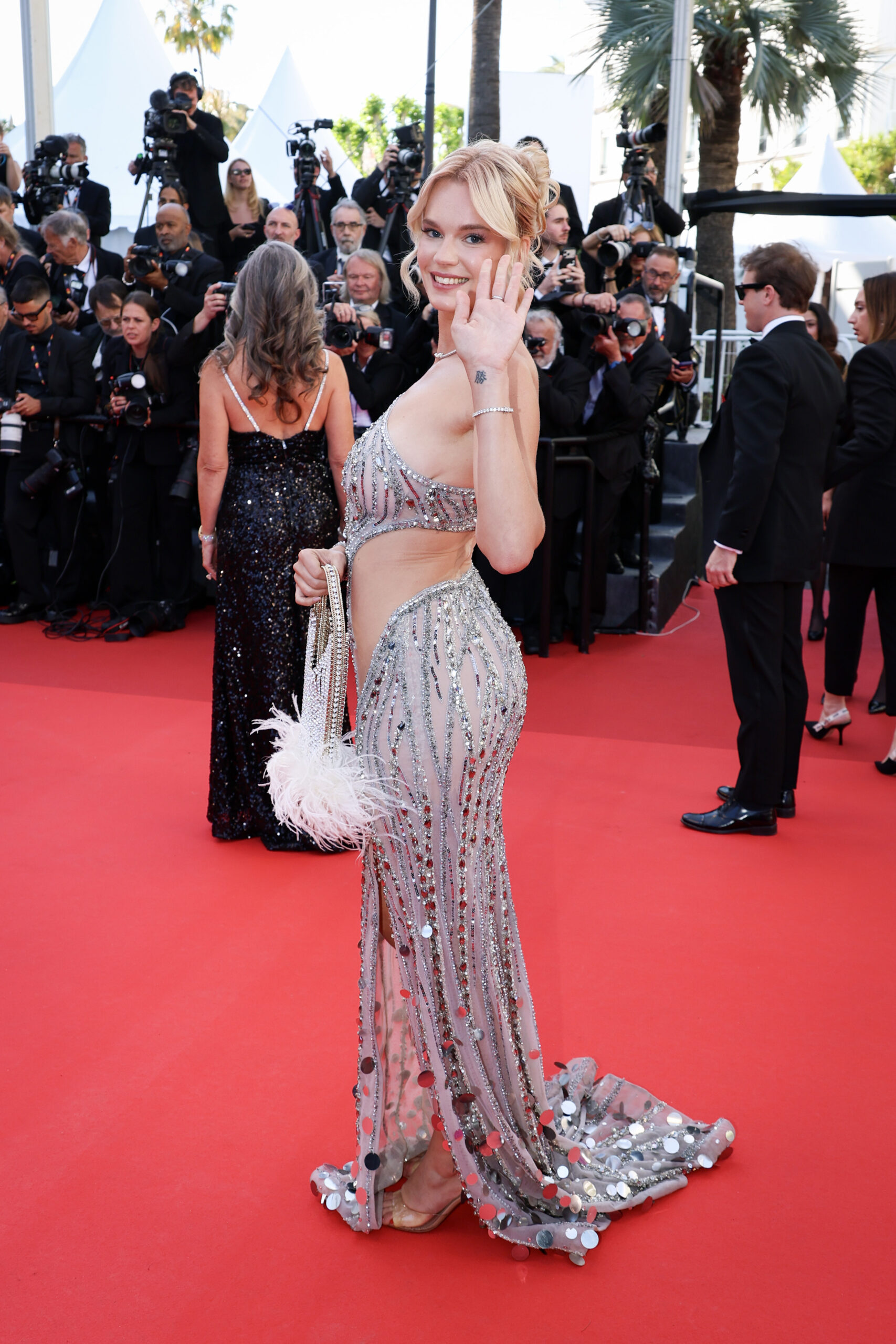
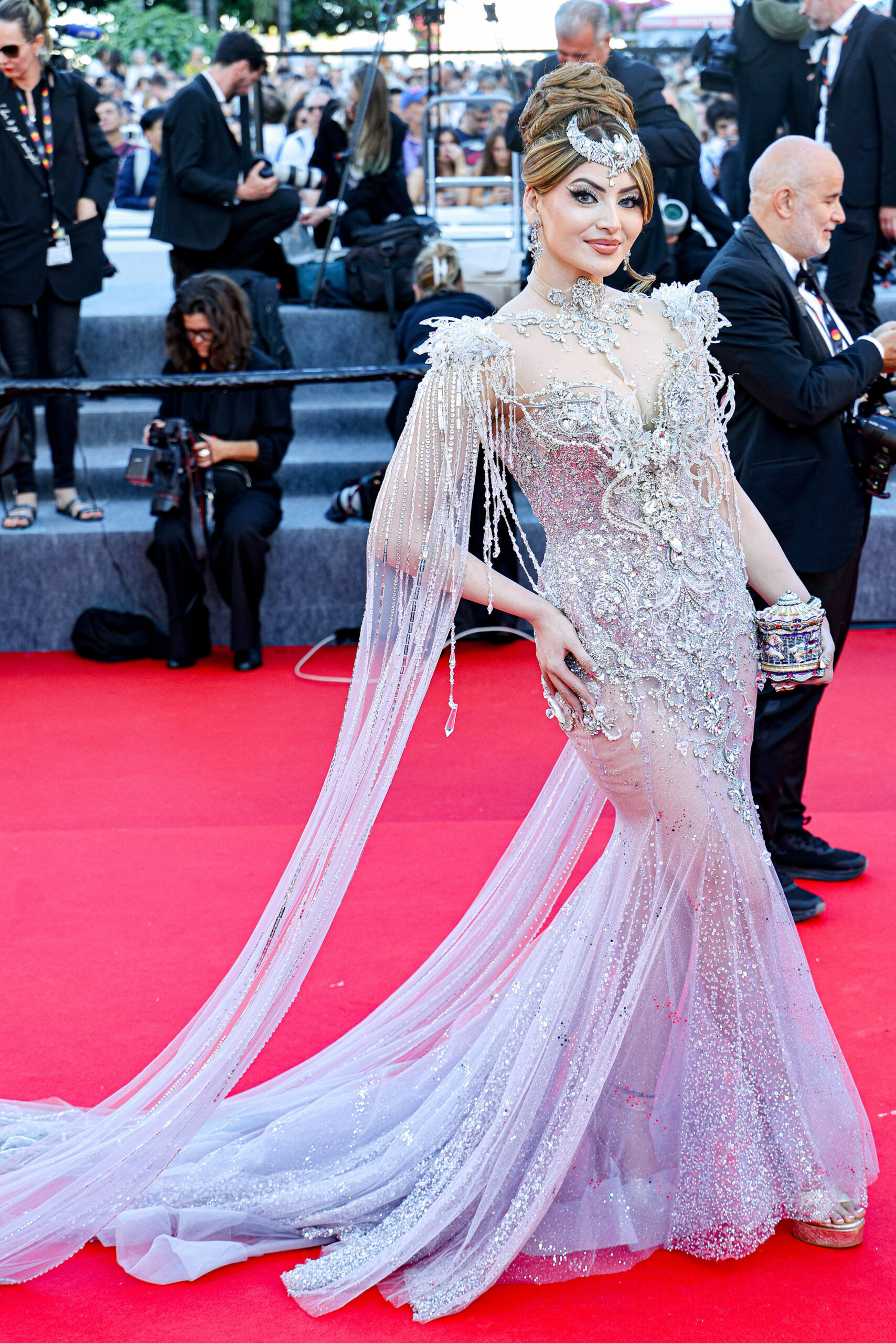
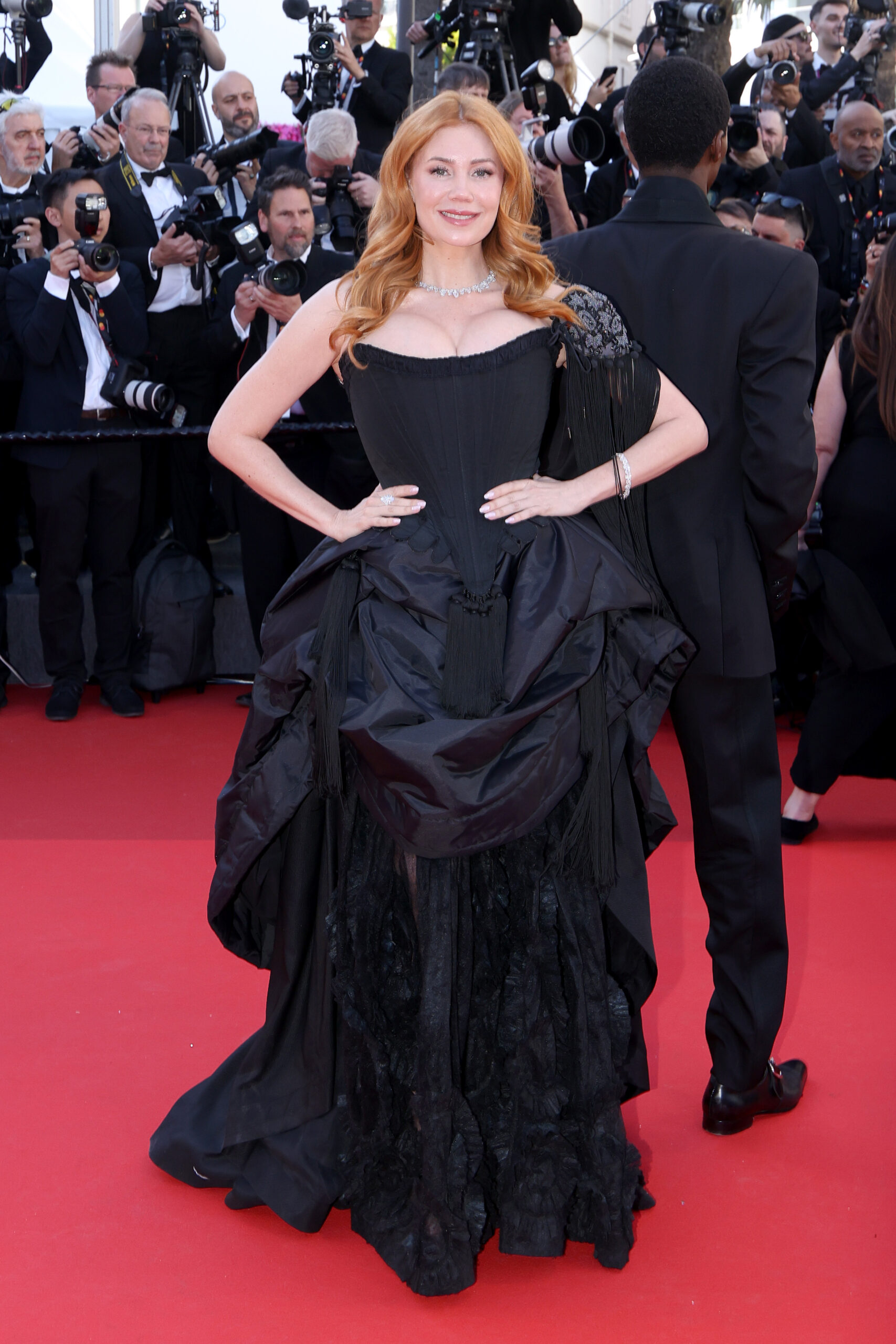
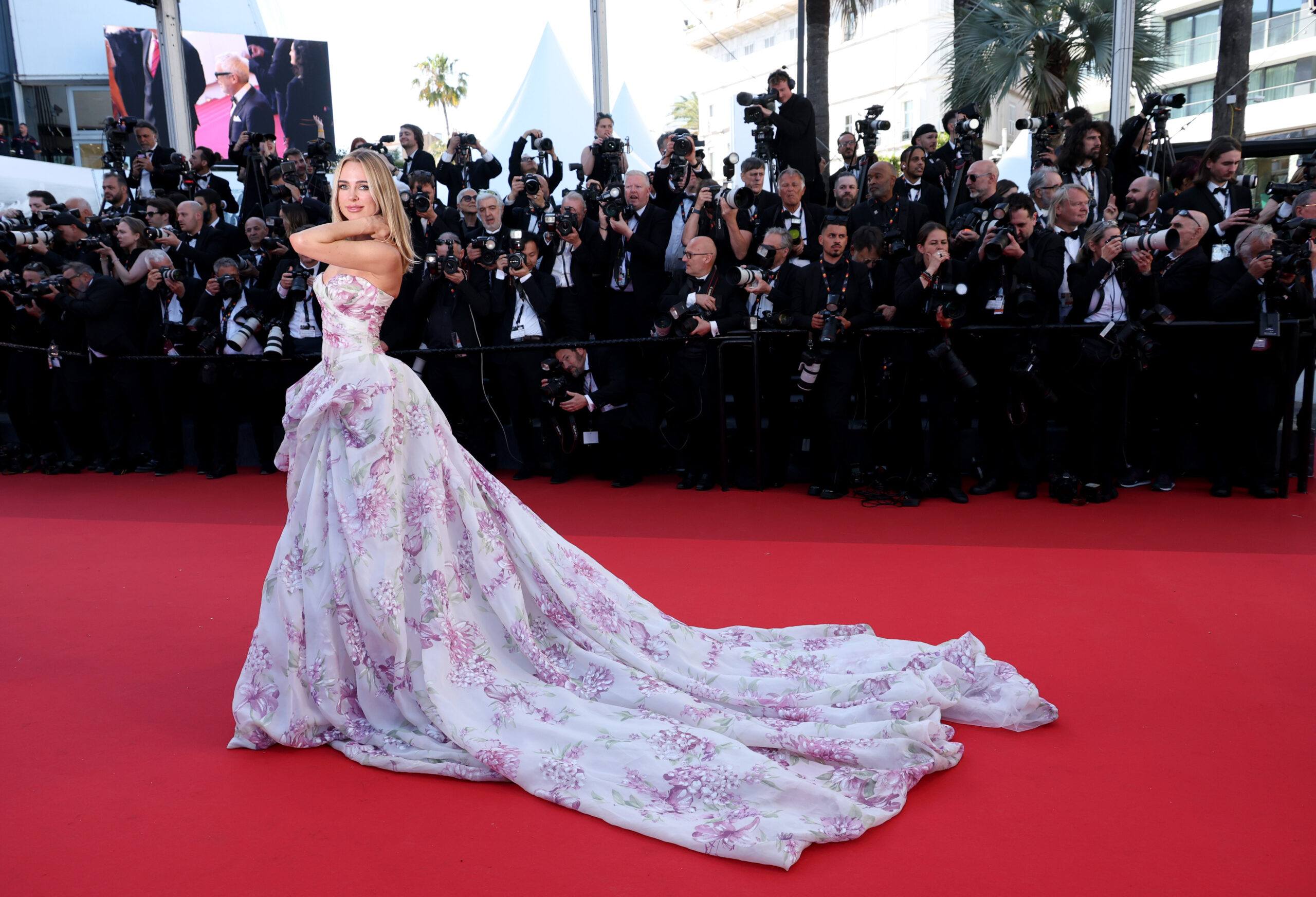
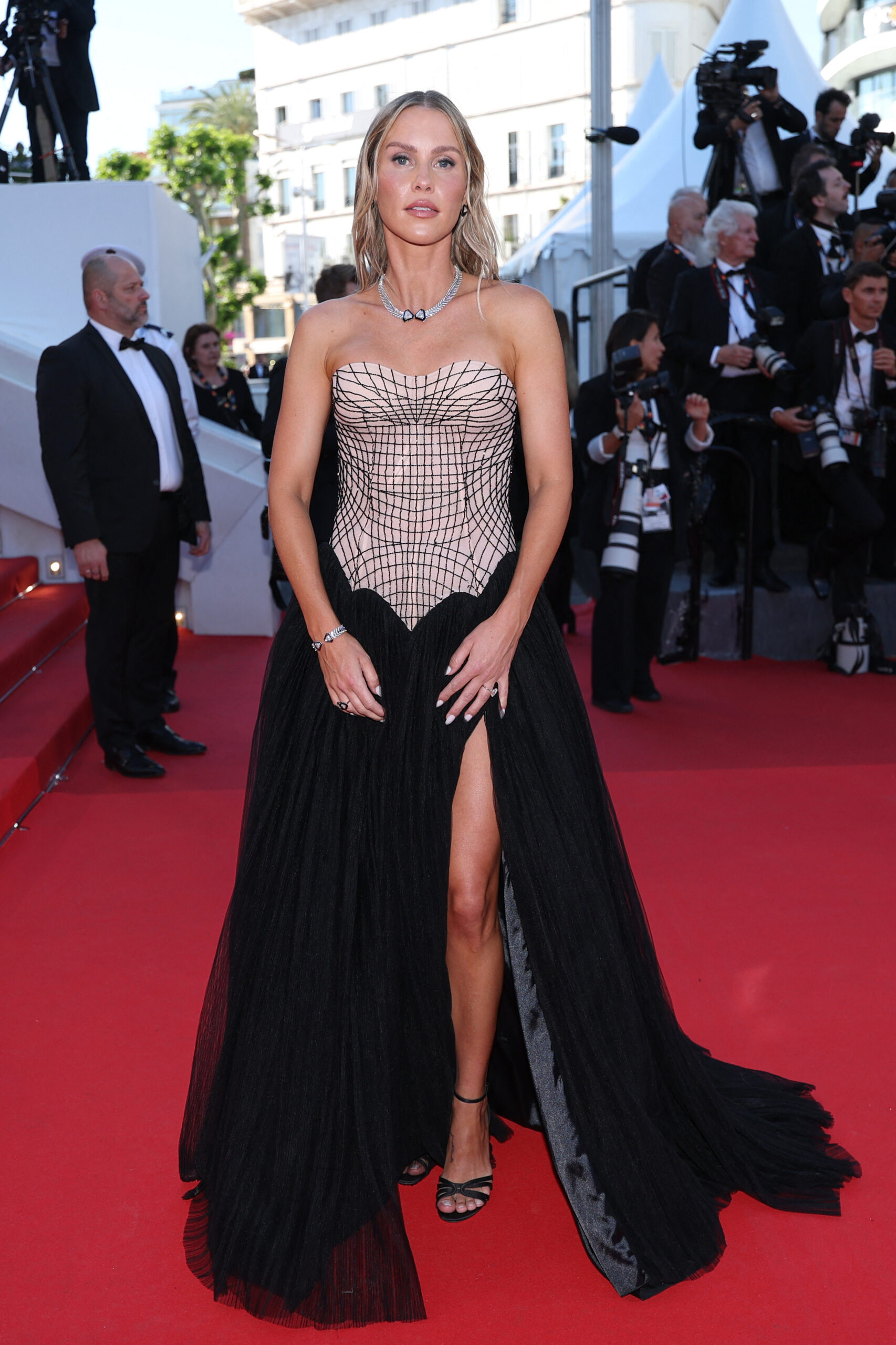
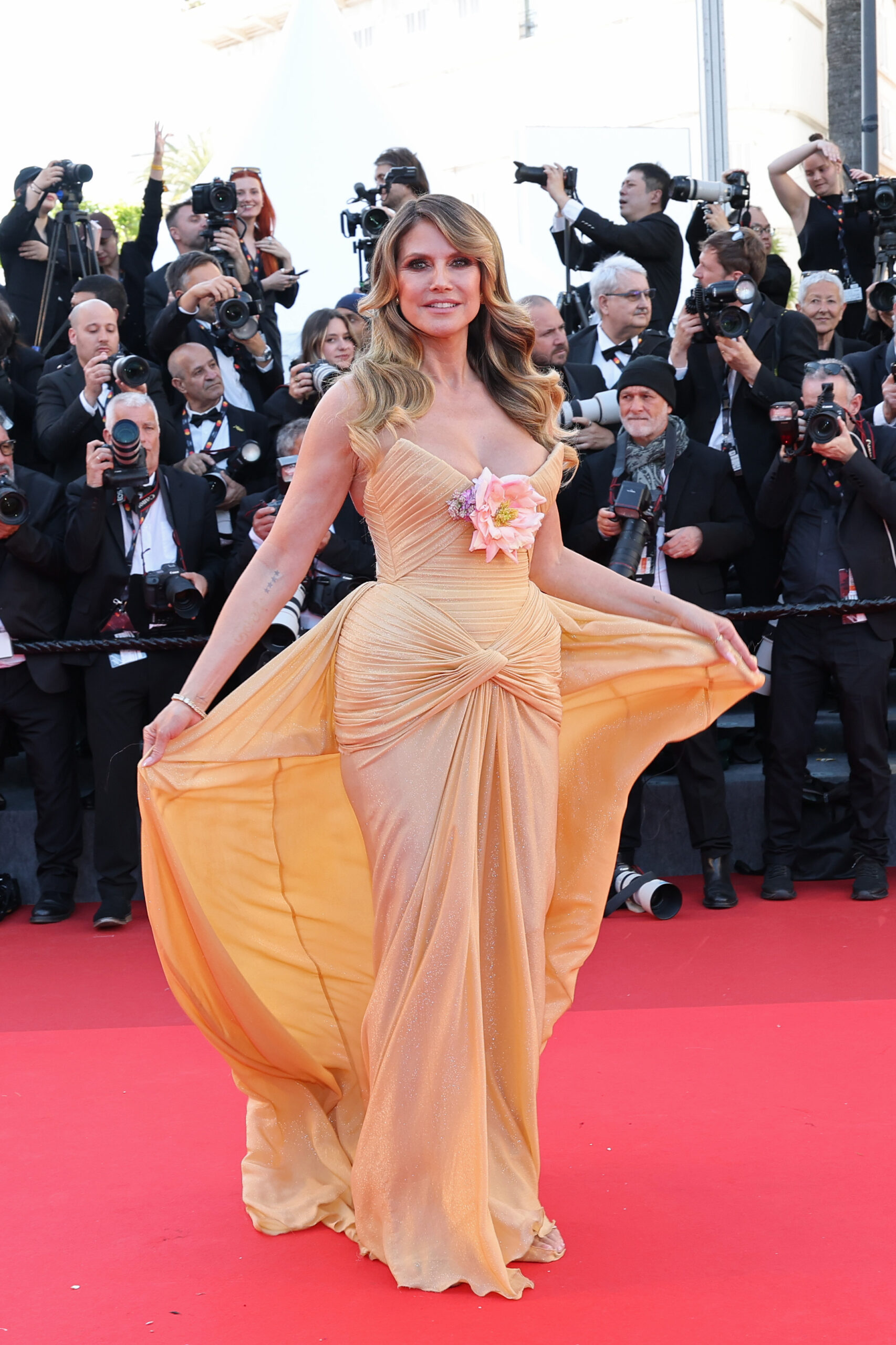
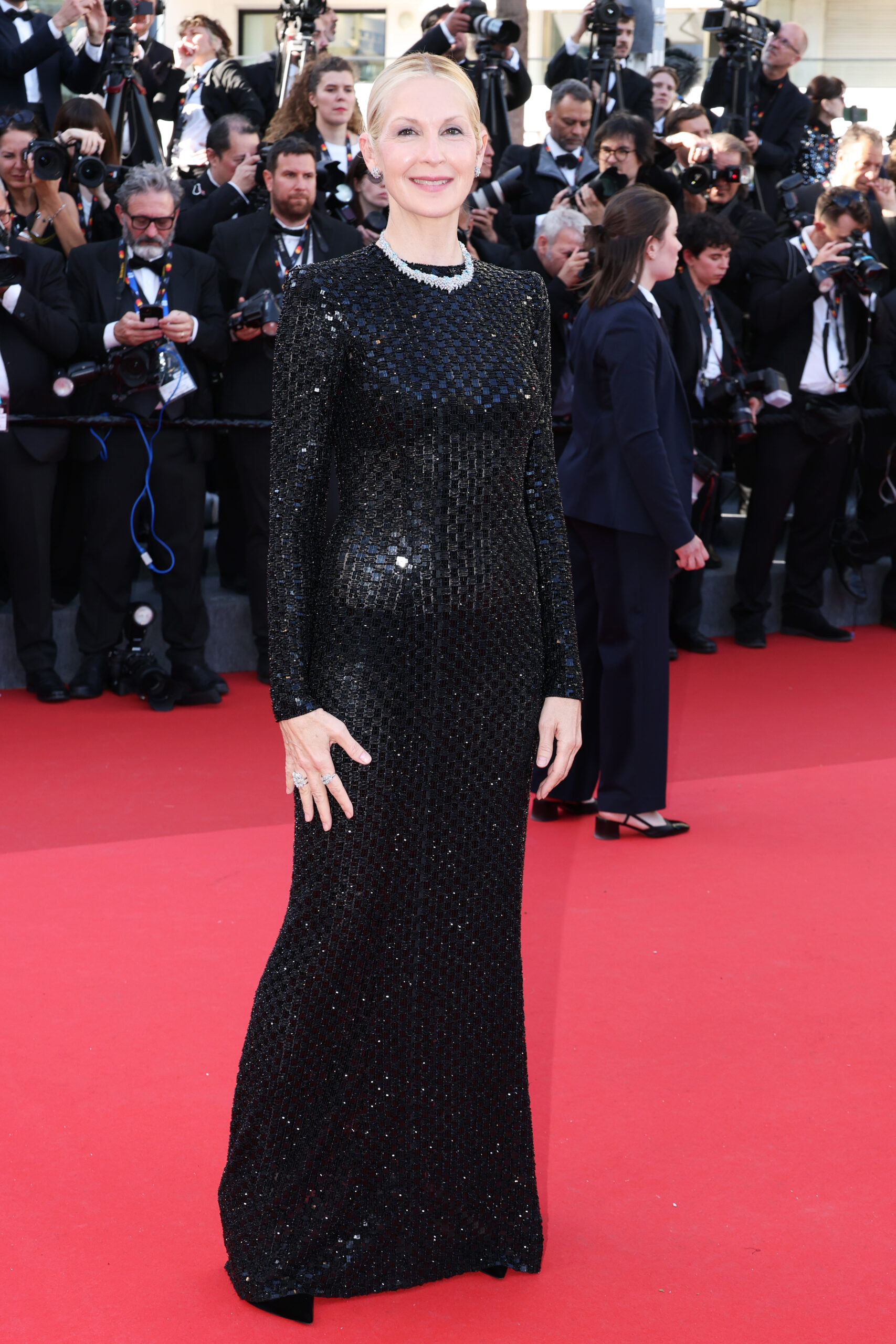
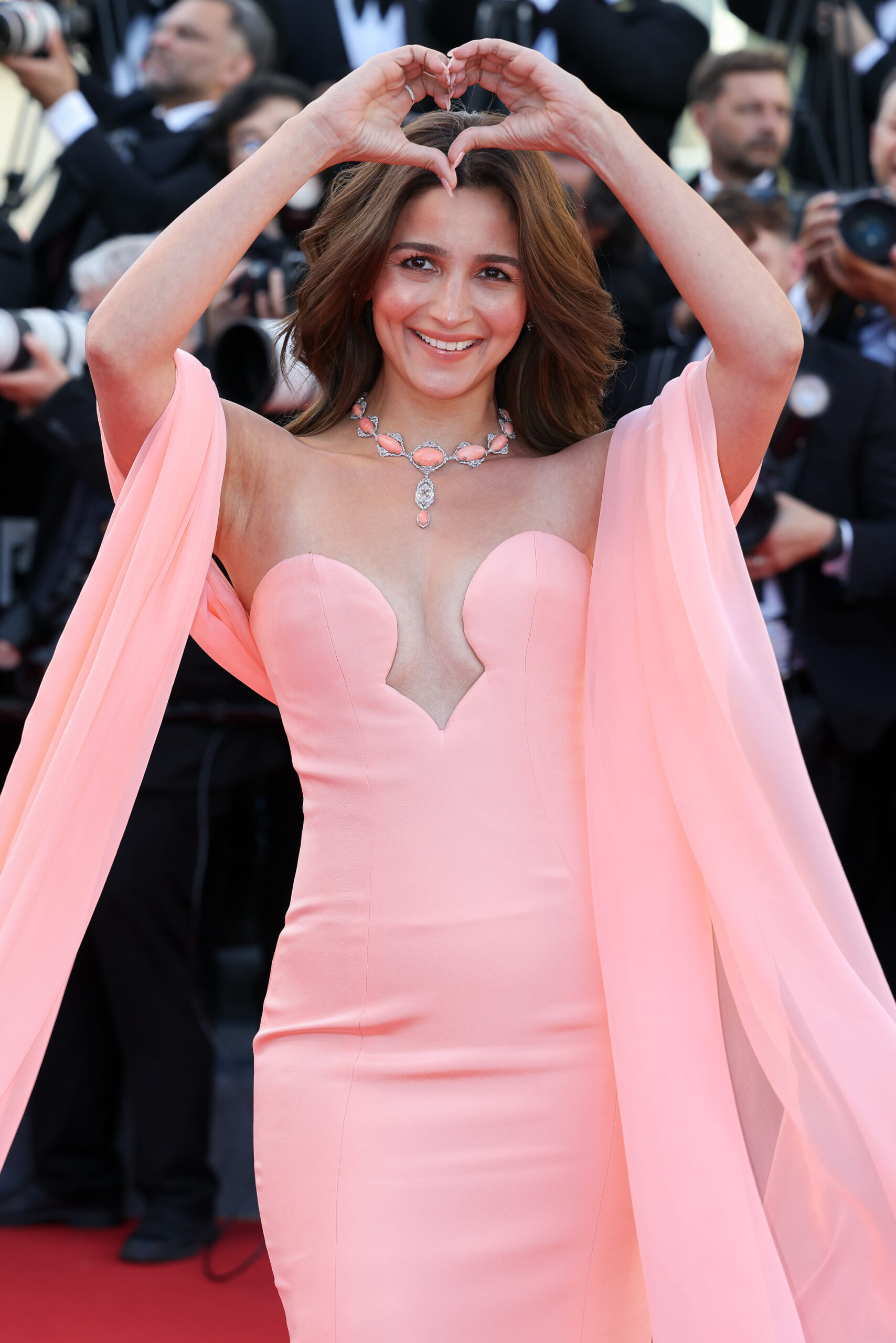
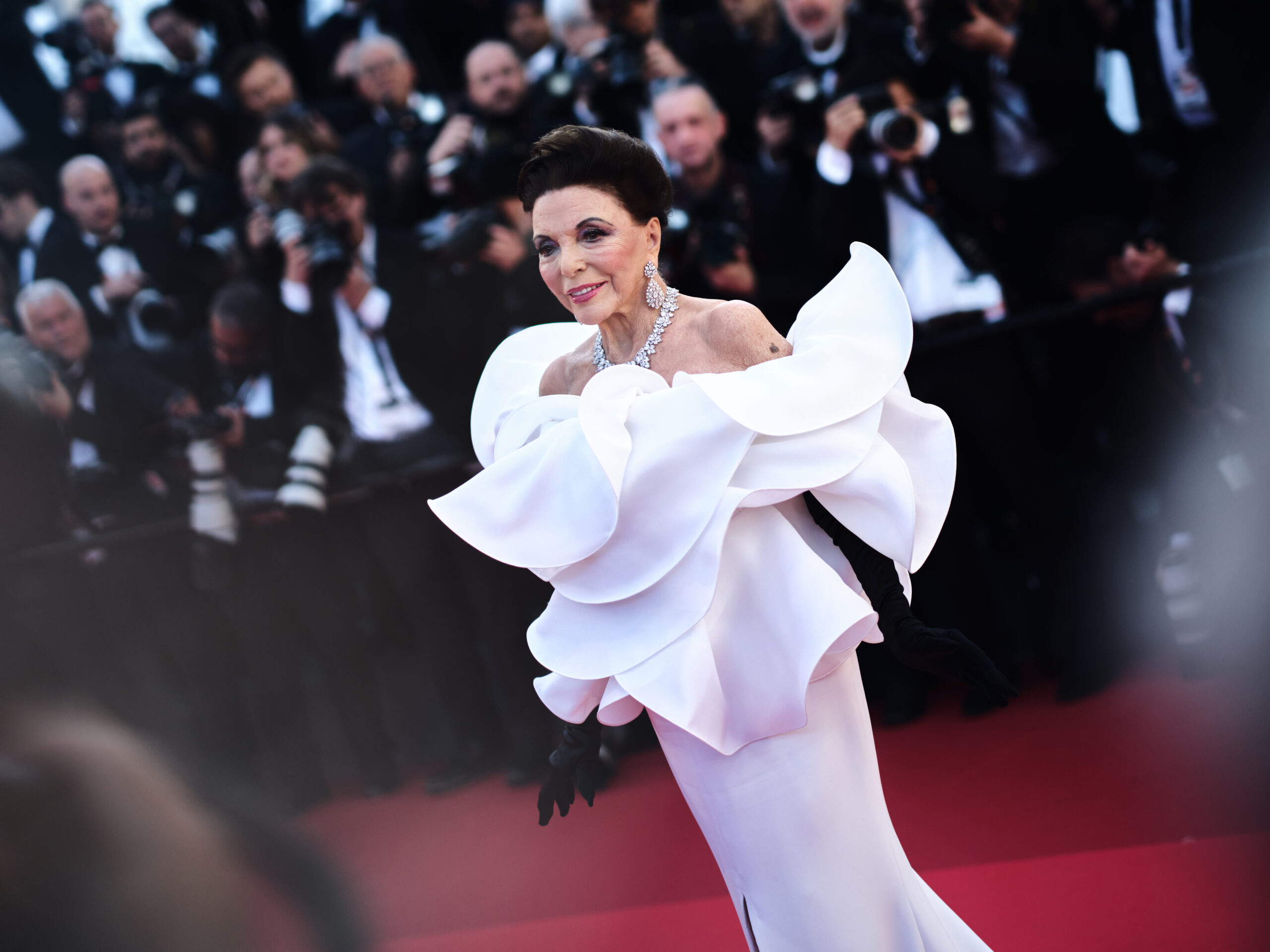
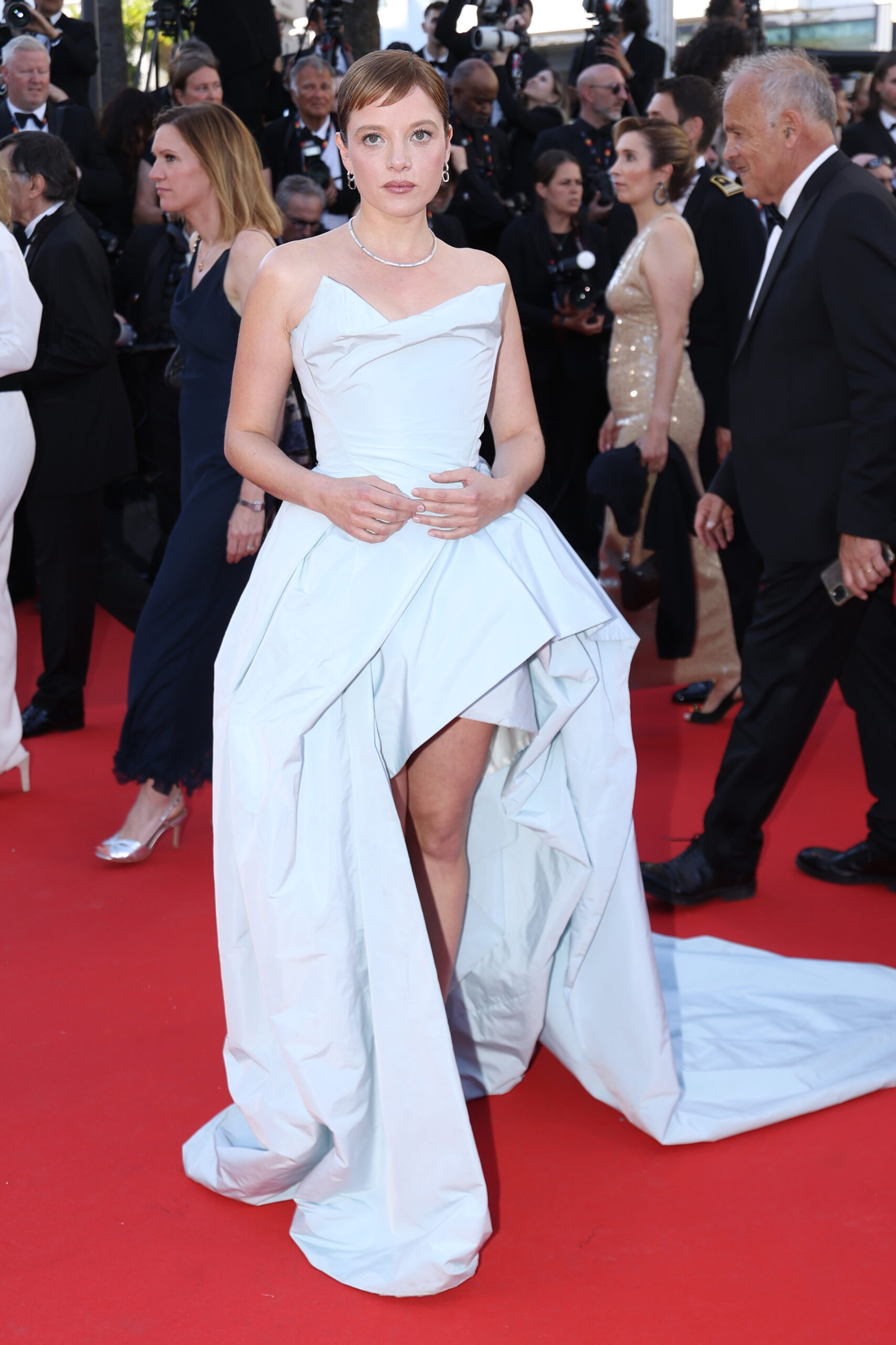
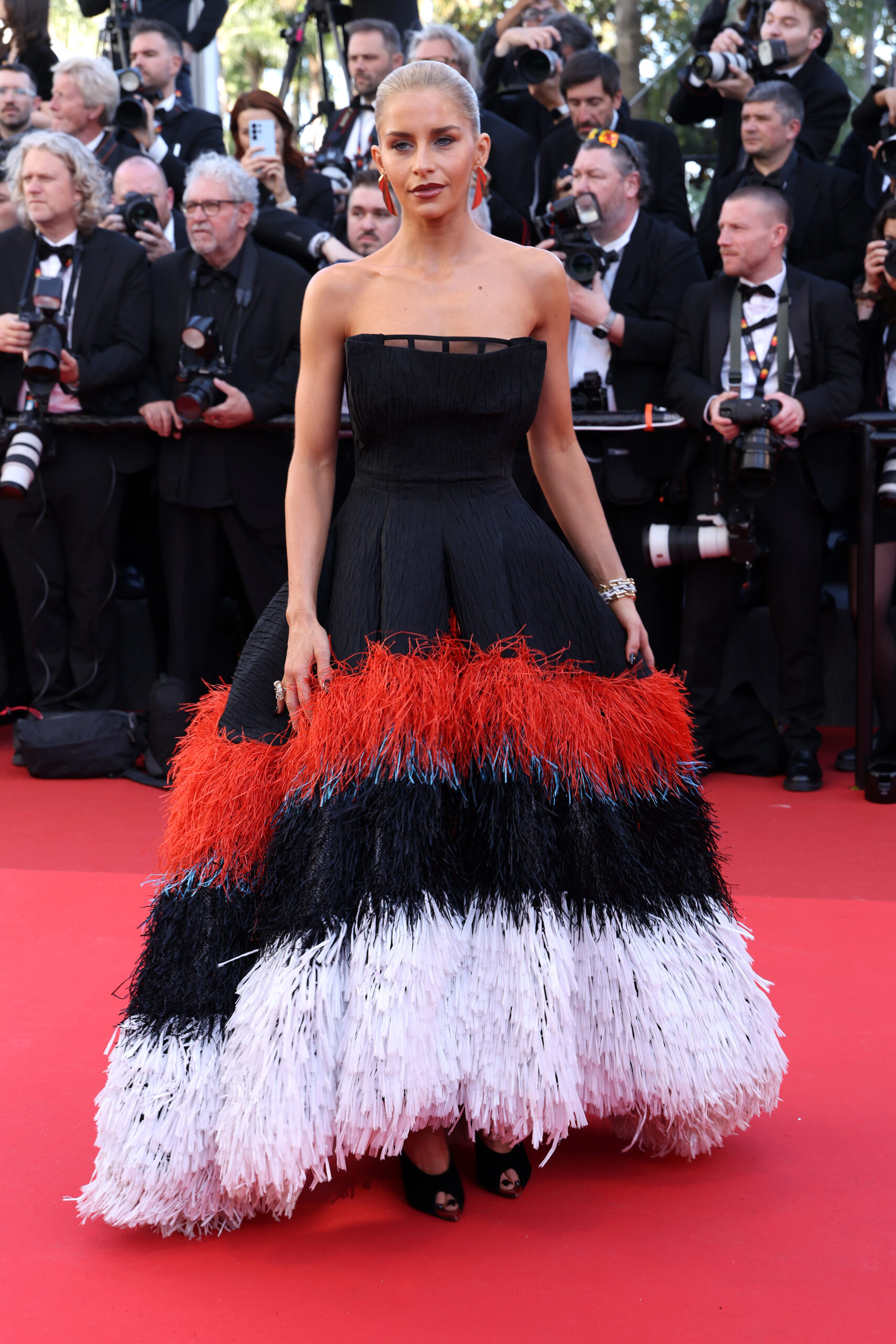
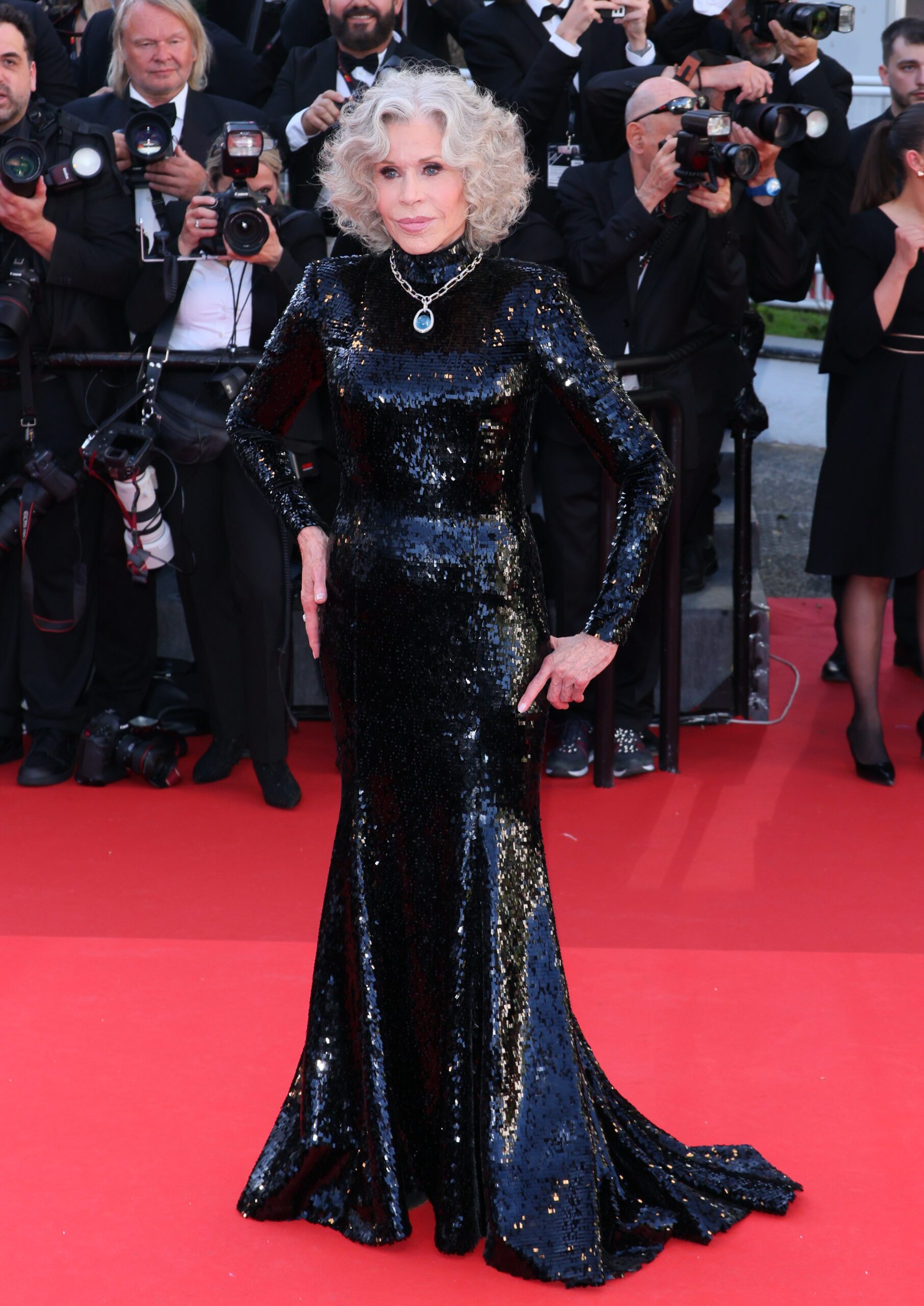
El Festival de Cannes es uno de los eventos cinematográficos más prestigiosos del mundo. La 79.ª edición acaba de comenzar y se prolongará hasta el 23 de mayo, reuniendo a directores, actores y personalidades influyentes del mundo del cine. Para dar inicio a las festividades, la famosa alfombra roja ha vuelto a acaparar todas las miradas, bajo los flashes de los fotógrafos y los focos de todo el mundo.
Las celebridades desfilaron con atuendos espectaculares, haciendo gala de elegancia, creatividad y glamour. Se sucedieron vestidos majestuosos, trajes refinados y estilos atrevidos, ofreciendo un auténtico espectáculo visual a los amantes de la moda y el cine. Cada aparición contribuyó a convertir la alfombra roja en un momento ineludible del festival.
Hemos seleccionado para ti los looks más impresionantes de esta edición, para el mayor deleite de los ojos y de los apasionados de la moda.