Catégories
Uncategorized

Miami Flips Blue for the First Time in Nearly 30 Years, Rejecting Trump’s Chosen Candidate

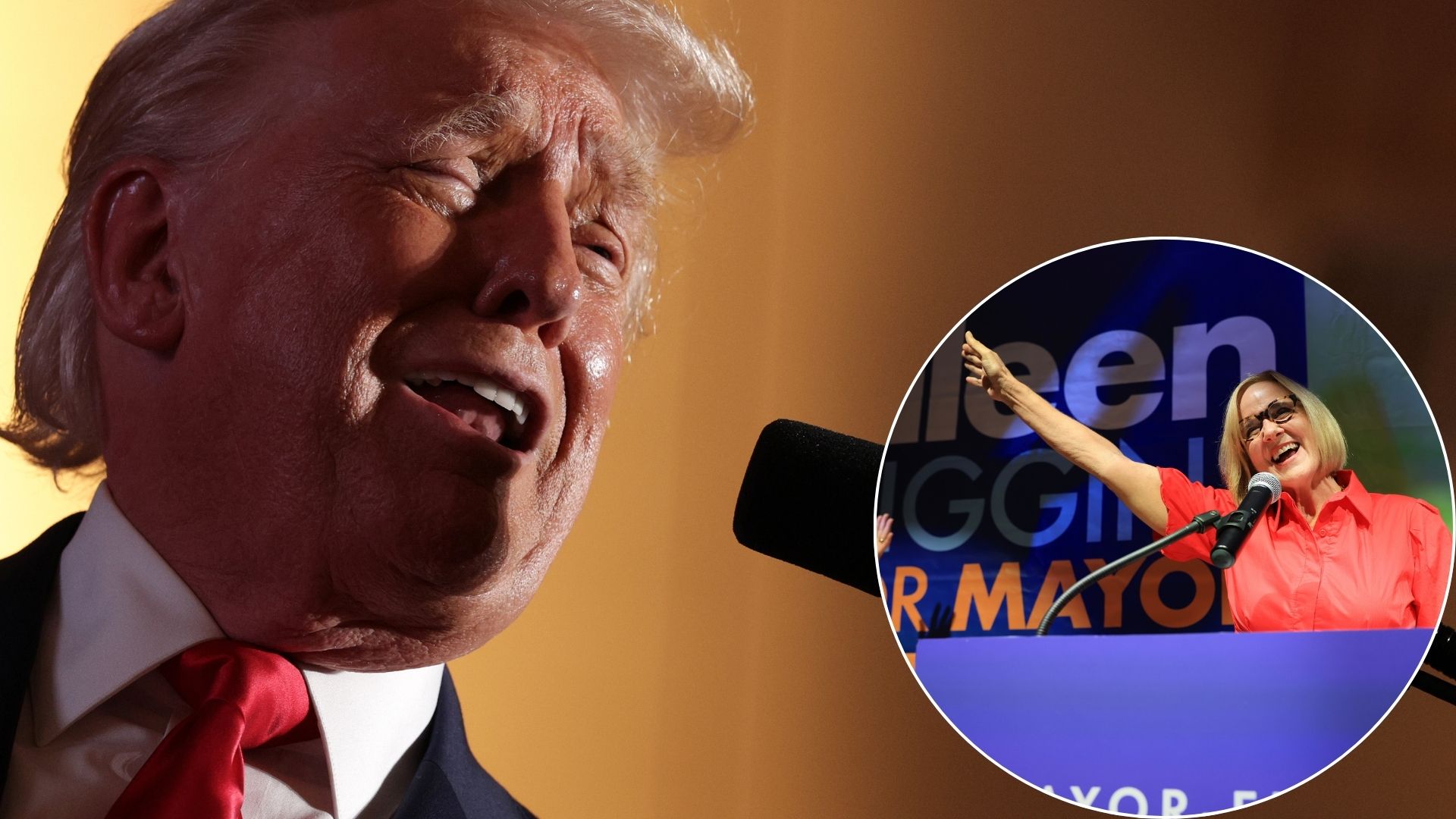
Democrat Eileen Higgins, a former county commissioner, defeated Republican Emilio González in the Miami mayor’s race, flipping a city widely viewed as deep Trump country blue for the first time in 28 years, a shift that breaks with nearly three decades of Republican control at City Hall and highlights how local dynamics can diverge from national narratives about South Florida. Higgins won about 60% of the vote, a decisive margin that left little doubt about the result and handed a clear and public defeat to Trump-backed candidate Emilio González, whose campaign had leaned heavily on his Republican credentials and support among conservative voters. The scale of Higgins’s victory shows that a Democrat can still build a broad coalition in Miami, bringing together longtime residents, younger voters and independents who were ready to turn the page on the city’s recent political direction, and it firmly plants a blue marker in a place that, until now, had been regarded as safe territory for Republicans.
Getty Images

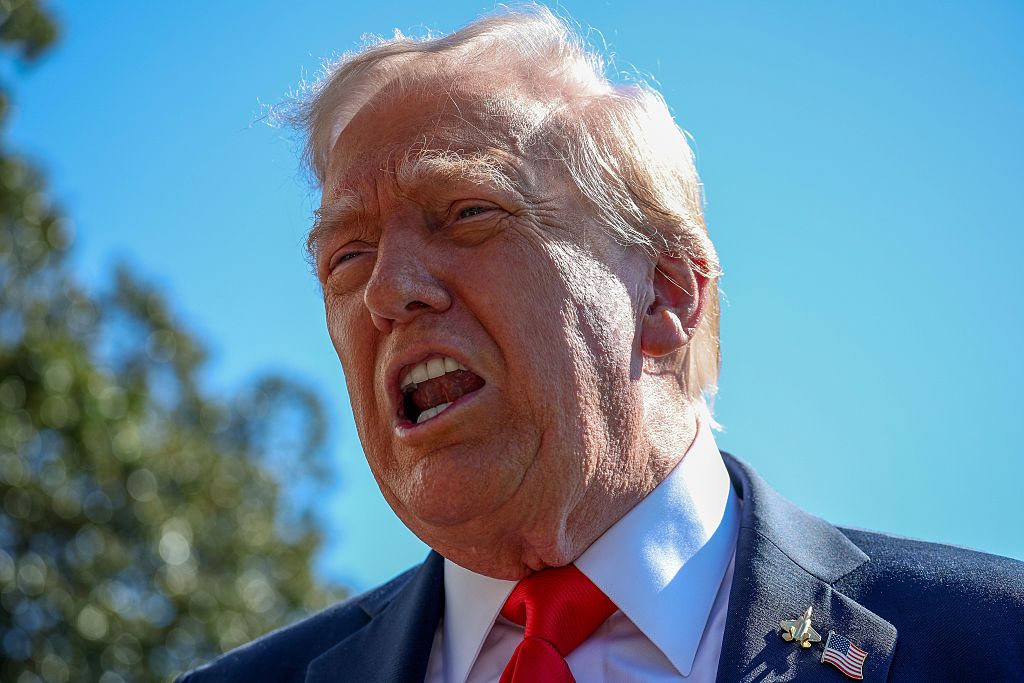
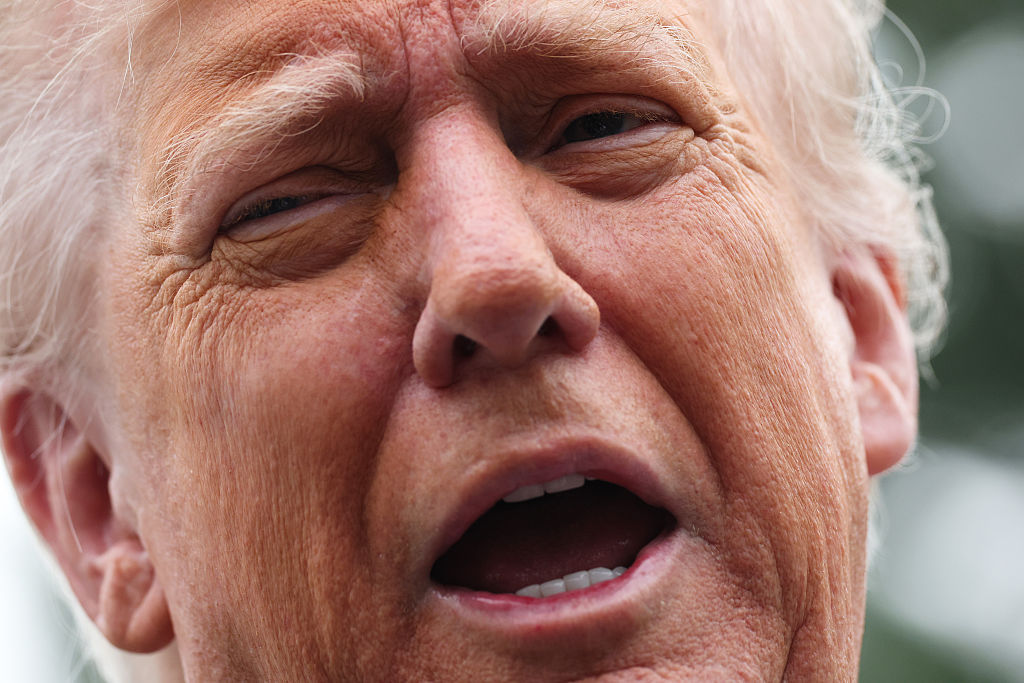
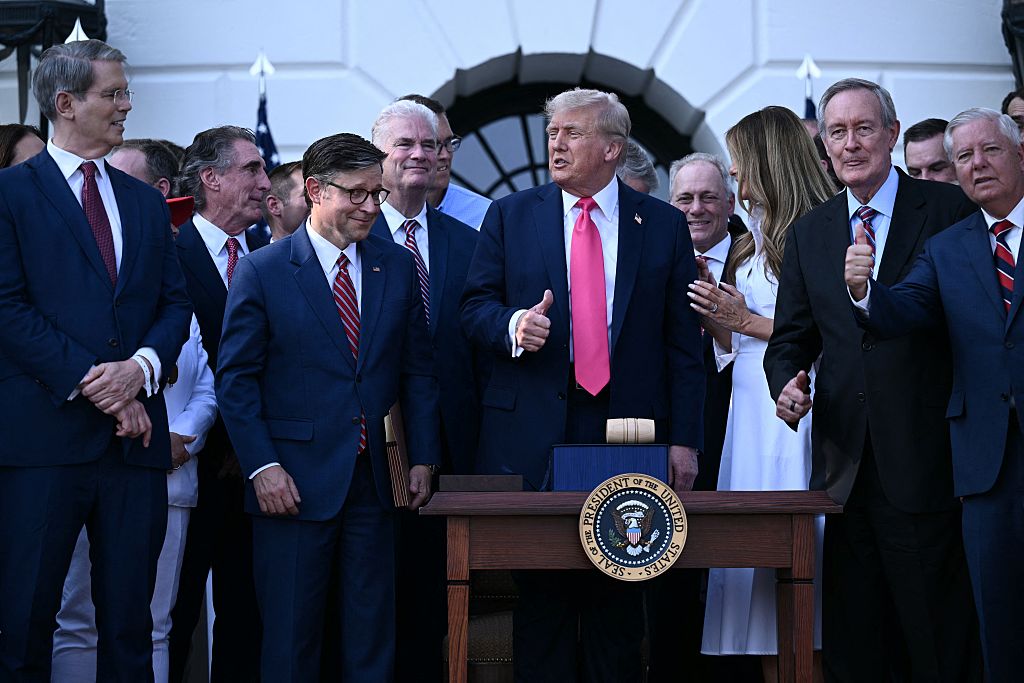
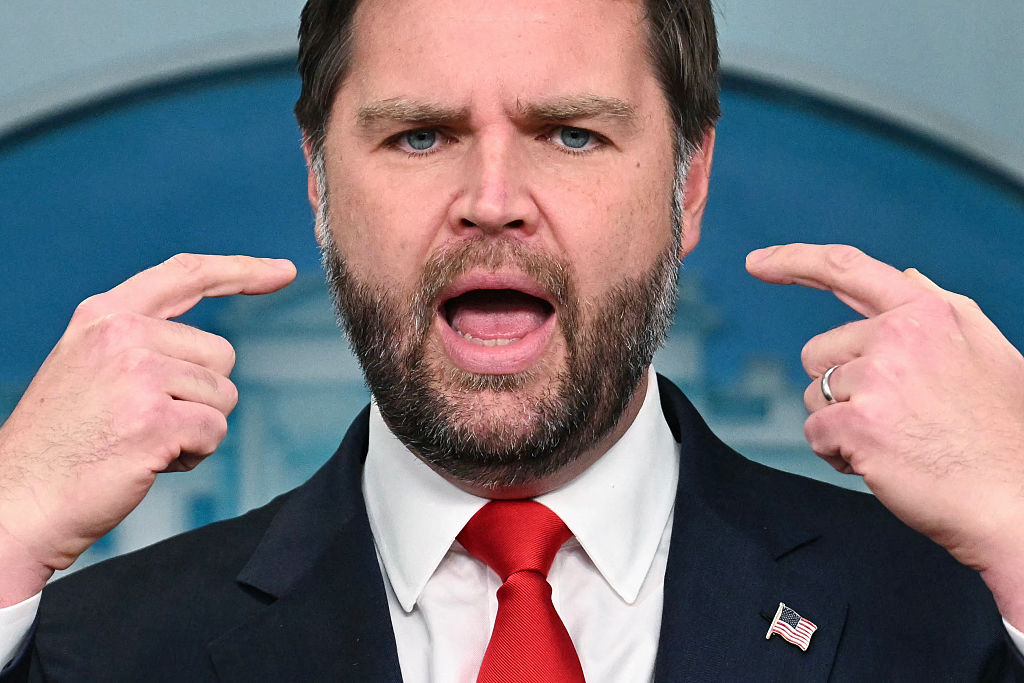
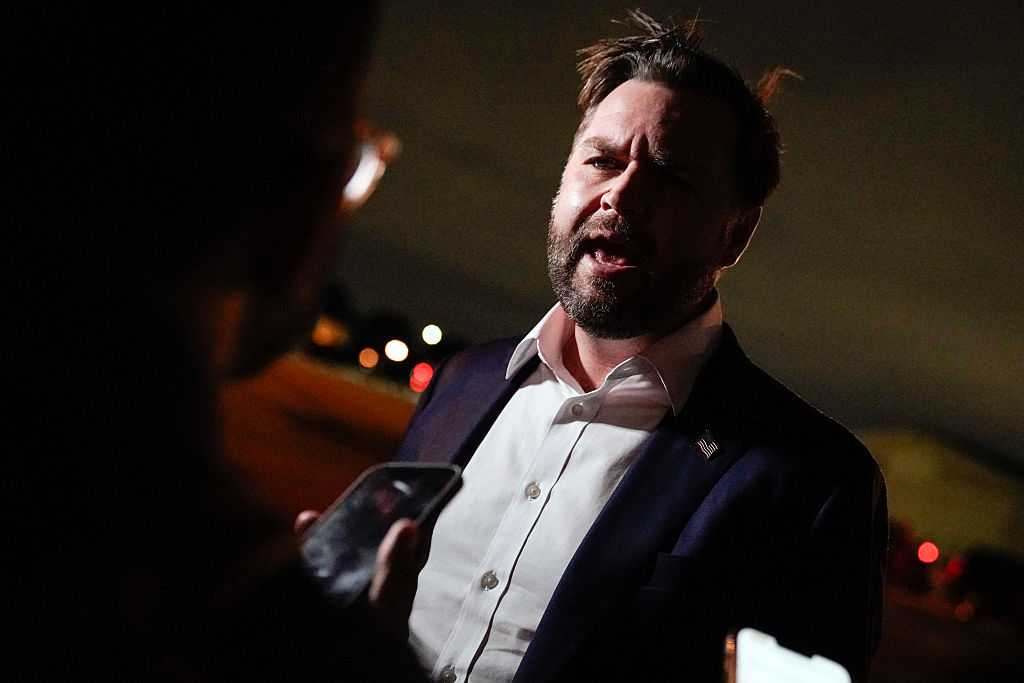
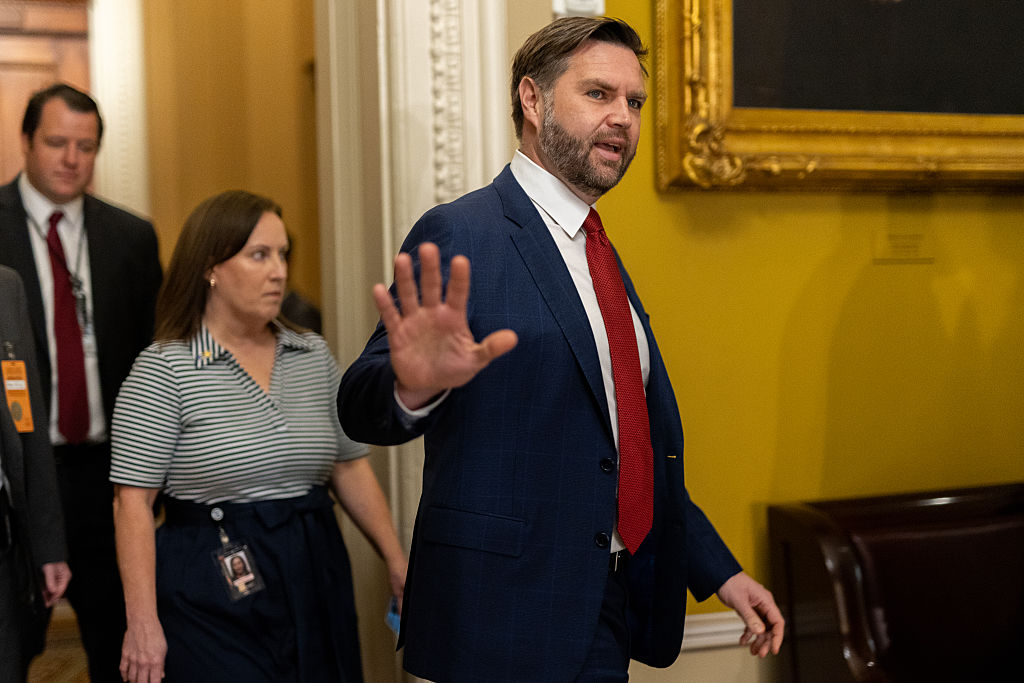
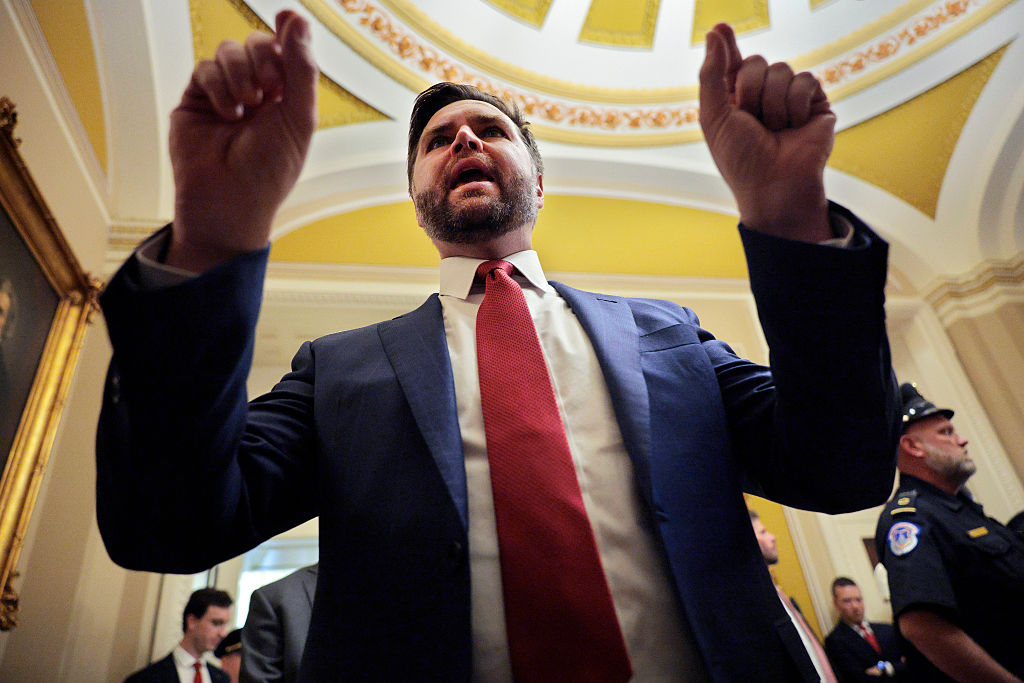
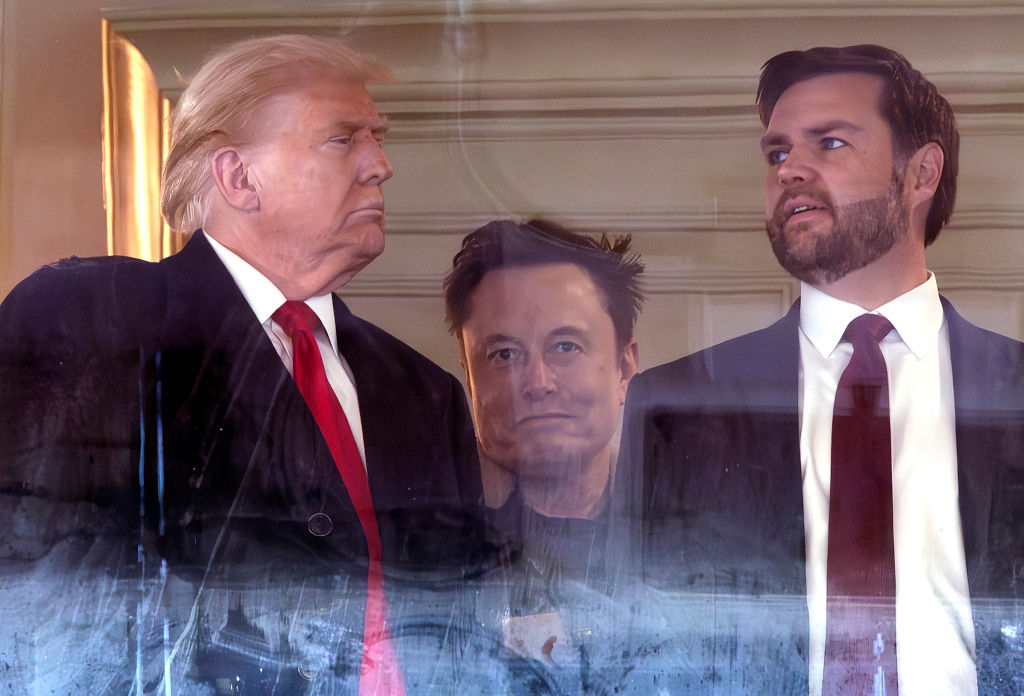
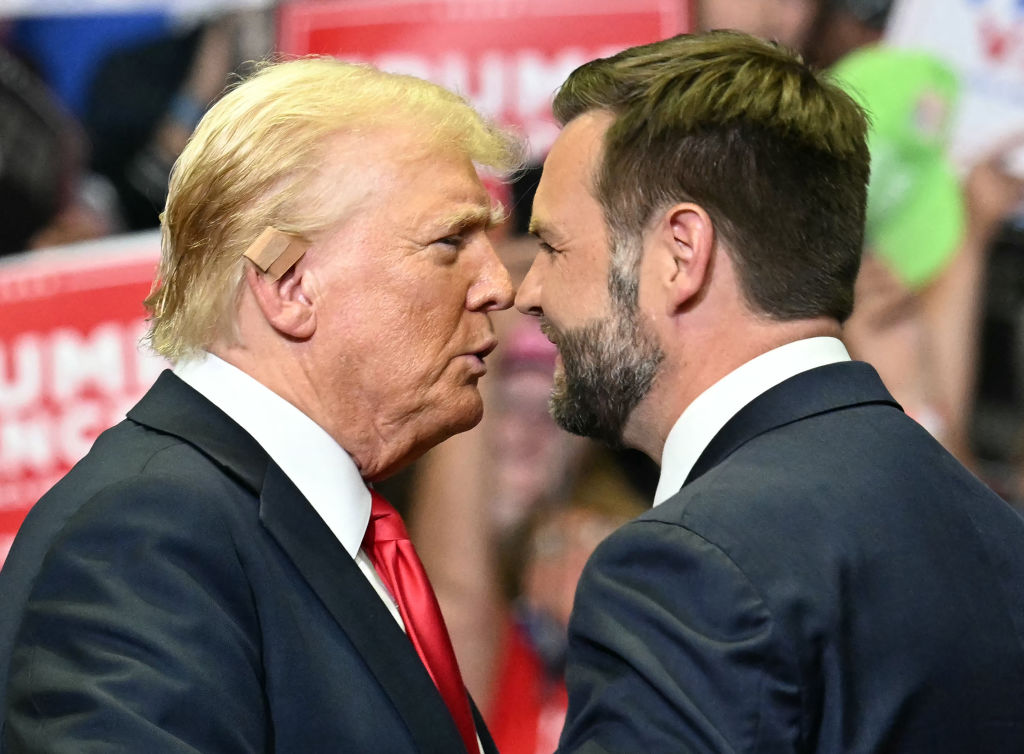
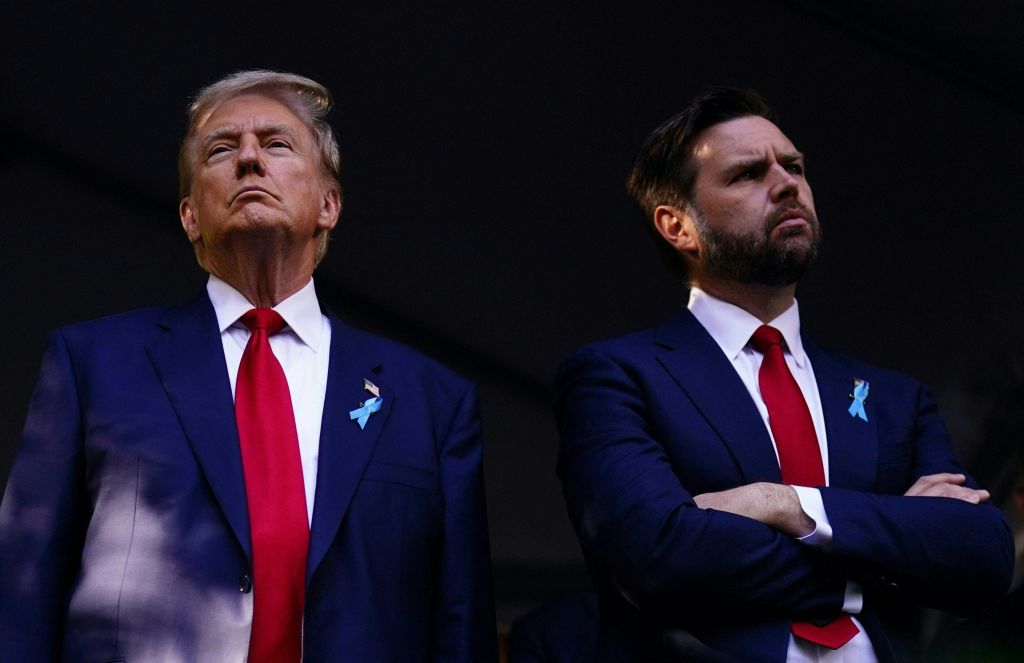
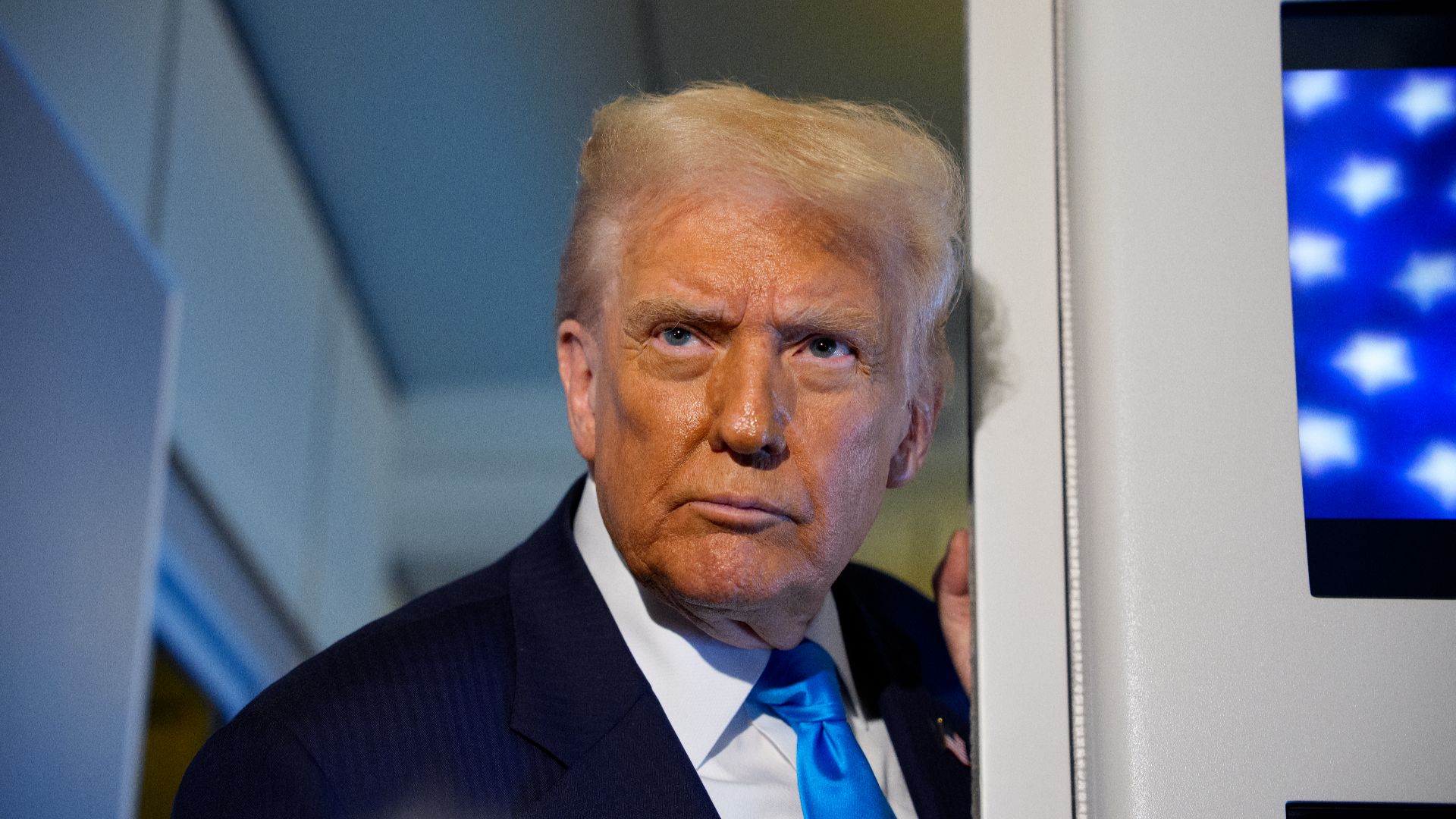
In the final weeks before Miami went to the polls, national Republicans closed ranks around Emilio González, turning a normally sleepy mayor’s race into a showcase for the right’s biggest stars and an explicit test of the movement’s strength in a city often described as deep Trump country. Trump, DeSantis and JD Vance all lined up behind the Republican, but it was Trump who put the most emphasis on the contest, using his megaphone on Truth Social to fire off a message that began with a blunt reminder to his followers: «Miami’s Mayor Race is Tuesday.» Trump immediately raised the stakes, insisting that this local contest carried national weight with the line: «It is a big and important race!!!». Then Trump tell his supporters exactly what he wanted from them: «Vote for Republican Gonzalez.» To seal the endorsement, he added a splash of his trademark hype — «He is FANTASTIC!» — before nudging his audience to turn that enthusiasm into action right away with: «You can also vote today.» And, as always, he closed by folding the Miami mayoral race into his broader political project, signing off with his familiar rallying cry: «MAKE AMERICA GREAT AGAIN!».

A new direction

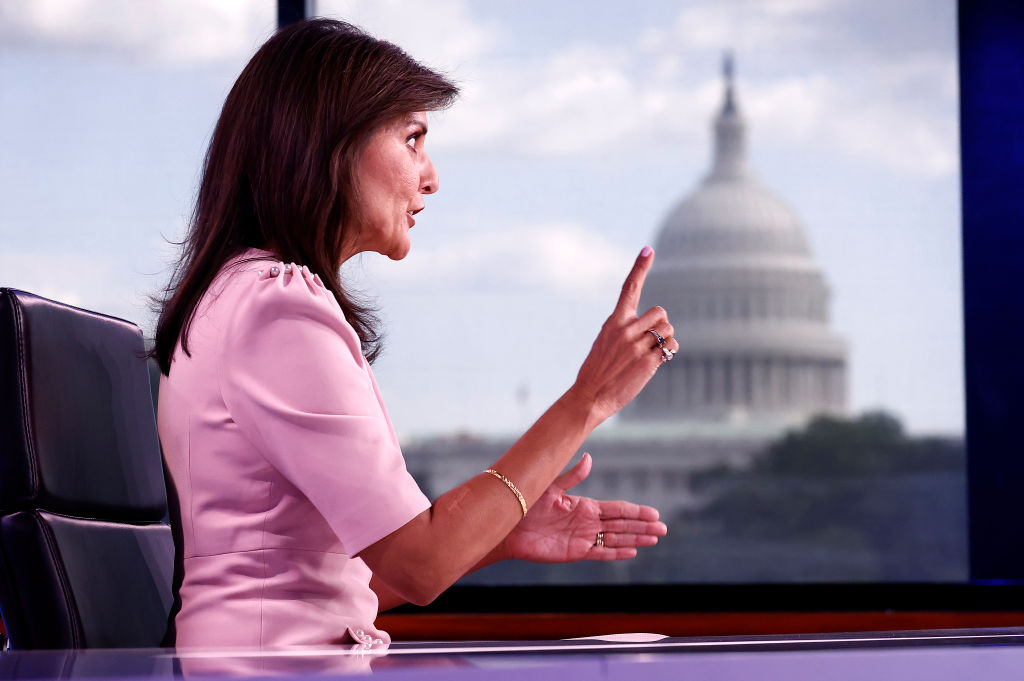
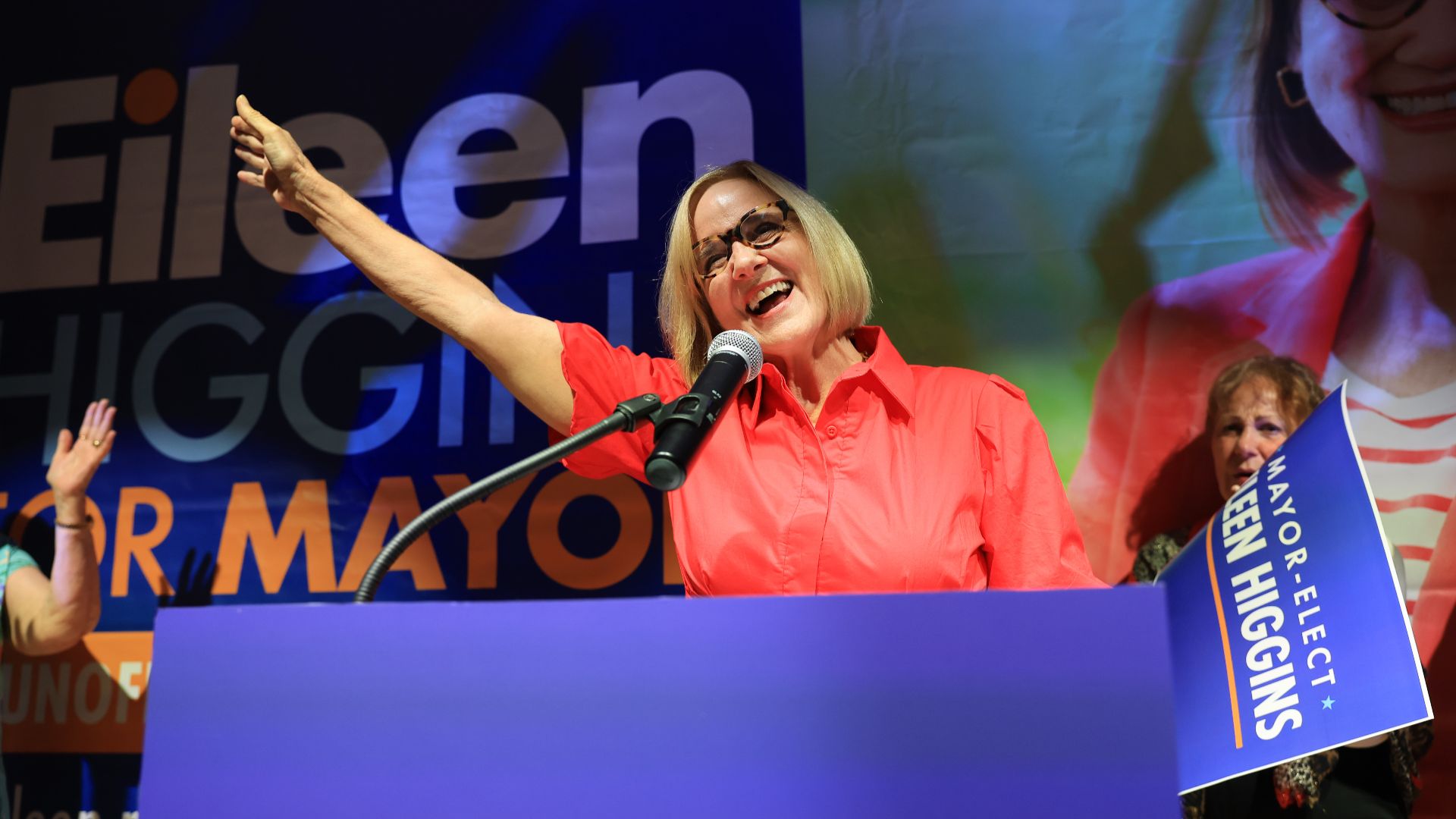
Higgins gave her victory speech at the Miami Woman’s Club, celebrating what she called a turning point for a city that had been pulled for years into the gravitational field of national Republican politics, and when she told the room «Miami chose a new direction», the crowd erupted, hearing in that line not just a celebration of her win but also a pointed contrast with what many in Miami see as the Trump administration’s habitual disorder, improvisation and lack of basic competency. A little later in the speech, she sharpened that contrast even more with a line that summed up her pitch to voters from the start of the campaign: «You chose competence over chaos, results over excuses and a city government that finally works for you.». She wove those ideas through the rest of her remarks, framing the result as a declaration of independence from outside political pressures and a reassurance that the city’s priorities would be anchored once more in local needs rather than national theatrics, and her message landed not only with supporters in the room but also with strategists across Florida who immediately began reading the result as a sobering signal for upcoming contests, because this loss — delivered despite Trump, DeSantis and JD Vance throwing their full weight behind González — suggests that Trump’s brand is no longer a guaranteed turnout engine in every Latino-heavy, previously friendly corner of South Florida, and that the political map in the region may be more fluid than Republicans have assumed for the past decade.

Getty Images

In last November’s off-year elections, Democrats were already building the wave that would later hit Miami: in New York City, Zohran Mamdani took City Hall with just over 50% of the vote, beating Andrew Cuomo by a little under ten points while Republican Curtis Sliwa was left in single digits, a narrow but clear majority in a huge, polarized city. That same night, Abigail Spanberger flipped Virginia’s governorship, defeating Republican Winsome Earle-Sears by about 58% to 42% — a margin of more than fifteen points and the strongest Democratic showing in a Virginia governor’s race since the early 1960s. In New Jersey, Mikie Sherrill didn’t just hang on for Democrats, she blew past expectations in what was supposed to be a nail-biter, turning a race many analysts rated as a toss-up into roughly a fourteen-point win over Jack Ciattarelli, the biggest Democratic margin in the state in decades. Taken together with Mamdani’s under-ten-point but symbolically huge victory in New York and a series of Democratic overperformances in specials earlier in the year, those November results looked less like isolated blue pockets and more like the early shape of a trend, giving Democrats a sense of real momentum as the 2026 midterm elections draw closer.

Getty Images
Catégories
Uncategorized

Miami Flips Blue for the First Time in Nearly 30 Years, Rejecting Trump’s Chosen Candidate

Democrat Eileen Higgins, a former county commissioner, defeated Republican Emilio González in the Miami mayor’s race, flipping a city widely viewed as deep Trump country blue for the first time in 28 years, a shift that breaks with nearly three decades of Republican control at City Hall and highlights how local dynamics can diverge from national narratives about South Florida. Higgins won about 60% of the vote, a decisive margin that left little doubt about the result and handed a clear and public defeat to Trump-backed candidate Emilio González, whose campaign had leaned heavily on his Republican credentials and support among conservative voters. The scale of Higgins’s victory shows that a Democrat can still build a broad coalition in Miami, bringing together longtime residents, younger voters and independents who were ready to turn the page on the city’s recent political direction, and it firmly plants a blue marker in a place that, until now, had been regarded as safe territory for Republicans.

Getty Images

In the final weeks before Miami went to the polls, national Republicans closed ranks around Emilio González, turning a normally sleepy mayor’s race into a showcase for the right’s biggest stars and an explicit test of the movement’s strength in a city often described as deep Trump country. Trump, DeSantis and JD Vance all lined up behind the Republican, but it was Trump who put the most emphasis on the contest, using his megaphone on Truth Social to fire off a message that began with a blunt reminder to his followers: «Miami’s Mayor Race is Tuesday.» Trump immediately raised the stakes, insisting that this local contest carried national weight with the line: «It is a big and important race!!!». Then Trump tell his supporters exactly what he wanted from them: «Vote for Republican Gonzalez.» To seal the endorsement, he added a splash of his trademark hype — «He is FANTASTIC!» — before nudging his audience to turn that enthusiasm into action right away with: «You can also vote today.» And, as always, he closed by folding the Miami mayoral race into his broader political project, signing off with his familiar rallying cry: «MAKE AMERICA GREAT AGAIN!».

A new direction

Higgins gave her victory speech at the Miami Woman’s Club, celebrating what she called a turning point for a city that had been pulled for years into the gravitational field of national Republican politics, and when she told the room «Miami chose a new direction», the crowd erupted, hearing in that line not just a celebration of her win but also a pointed contrast with what many in Miami see as the Trump administration’s habitual disorder, improvisation and lack of basic competency. A little later in the speech, she sharpened that contrast even more with a line that summed up her pitch to voters from the start of the campaign: «You chose competence over chaos, results over excuses and a city government that finally works for you.». She wove those ideas through the rest of her remarks, framing the result as a declaration of independence from outside political pressures and a reassurance that the city’s priorities would be anchored once more in local needs rather than national theatrics, and her message landed not only with supporters in the room but also with strategists across Florida who immediately began reading the result as a sobering signal for upcoming contests, because this loss — delivered despite Trump, DeSantis and JD Vance throwing their full weight behind González — suggests that Trump’s brand is no longer a guaranteed turnout engine in every Latino-heavy, previously friendly corner of South Florida, and that the political map in the region may be more fluid than Republicans have assumed for the past decade.

Getty Images

In last November’s off-year elections, Democrats were already building the wave that would later hit Miami: in New York City, Zohran Mamdani took City Hall with just over 50% of the vote, beating Andrew Cuomo by a little under ten points while Republican Curtis Sliwa was left in single digits, a narrow but clear majority in a huge, polarized city. That same night, Abigail Spanberger flipped Virginia’s governorship, defeating Republican Winsome Earle-Sears by about 58% to 42% — a margin of more than fifteen points and the strongest Democratic showing in a Virginia governor’s race since the early 1960s. In New Jersey, Mikie Sherrill didn’t just hang on for Democrats, she blew past expectations in what was supposed to be a nail-biter, turning a race many analysts rated as a toss-up into roughly a fourteen-point win over Jack Ciattarelli, the biggest Democratic margin in the state in decades. Taken together with Mamdani’s under-ten-point but symbolically huge victory in New York and a series of Democratic overperformances in specials earlier in the year, those November results looked less like isolated blue pockets and more like the early shape of a trend, giving Democrats a sense of real momentum as the 2026 midterm elections draw closer.

Getty Images

18 times GOP members criticized Trump (and how they all backed down)

10 Wege, auf denen Millennial-Mütter Elternschaft anders machen

Ein Blick auf den langsamen Tod der Knüppelschaltung

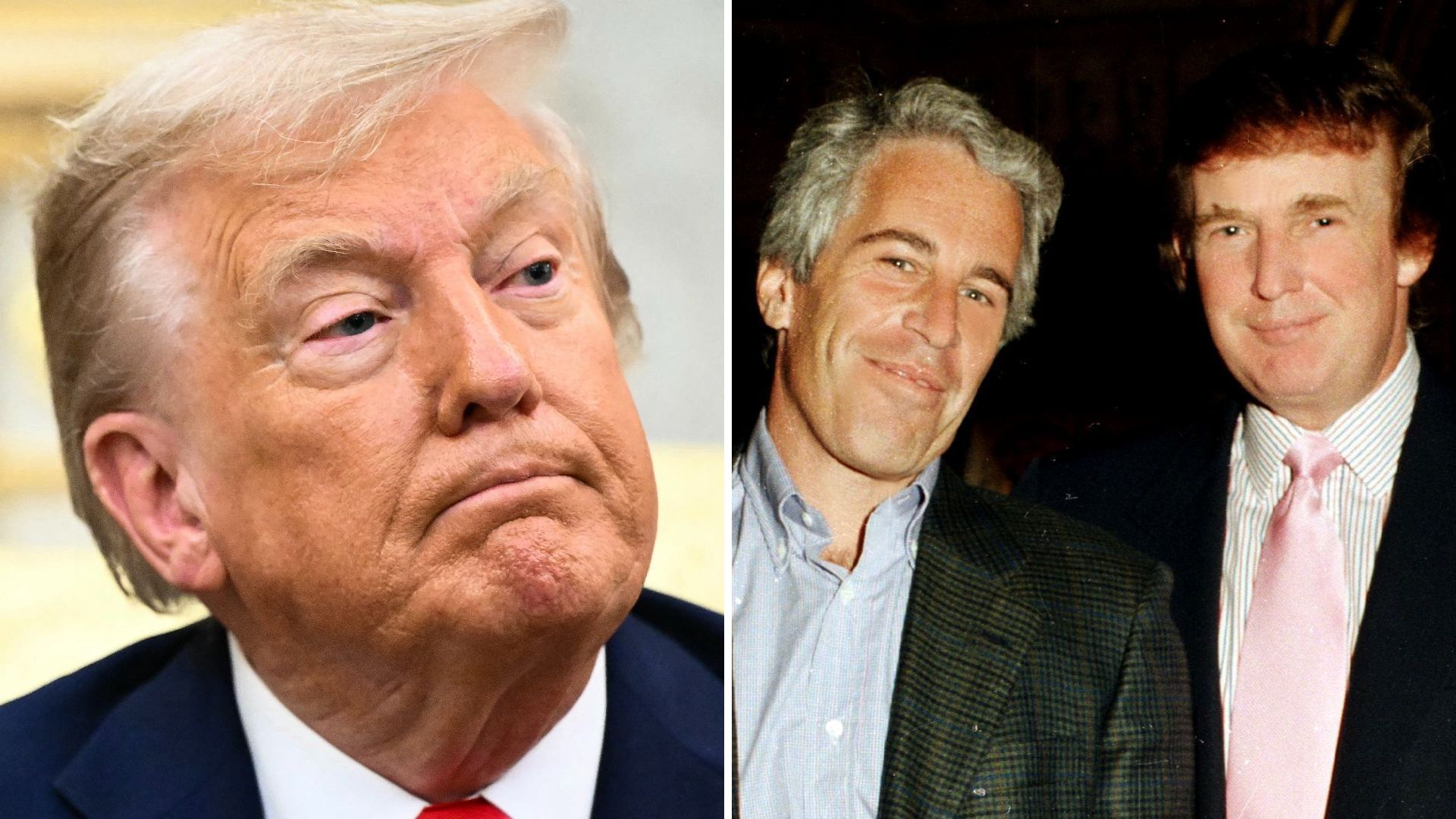
Trump admin spent almost 1M$ in FBI overtime on Epstein

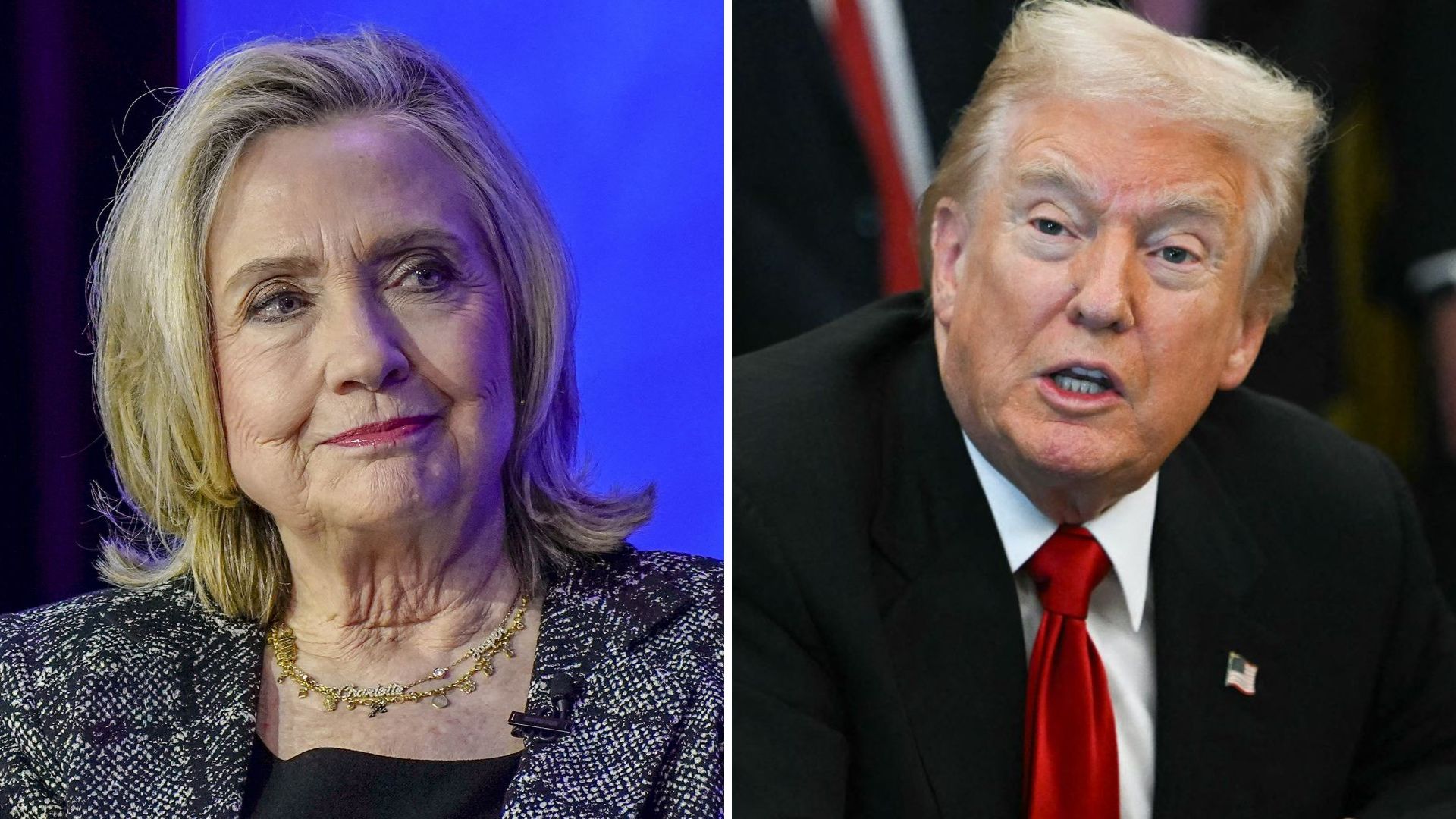
Court Rejects Trump Bid Against Clinton and Upholds $1M Penalty

Catégories
Uncategorized

Shopping de Noël: De plus en plus de gens utilisent l’IA

La météo se refroidit, tout doucement l’hiver arrive et avec cela vient aussi le temps des Fêtes. Cette saison des fêtes rime très souvent avec l’achat d’une grande quantité de cadeaux pour ses proches, sa famille ou même ses collègues. C’est l’un des moment les plus plus cruciaux pour les grandes chaînes de distribution, faisant une grande partie de leur chiffres d’affaires durant cette période de l’année. Avec l’émergence de l’IA, ces dernières se précipitent de mettre à jour leur dernière version d’outil d’IA afin d’offrir aux consommateurs une expérience d’achat plus simple et d’assurer une part accrue des dépenses en ligne.

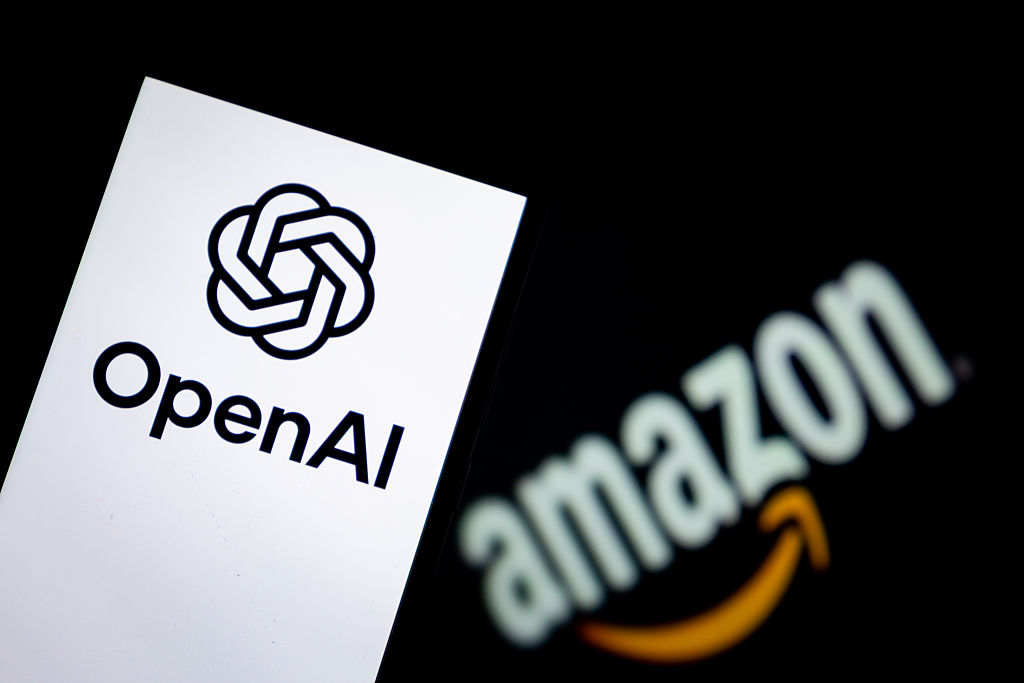
BEIJING, – NOVEMBER 03 2025: A staged image showing the logos of OpenAI and Amazon on screens. (Photo credit should read LI HONGBO / Feature China/Future Publishing via Getty Images)

Bien que les achats réalisés et accompagnés par l’IA sont qu’à leurs débuts, les dernières versions des plateformes d’IA comme ChapGPT d’OpenAI ou encore Google Gemini, développées pour ces fêtes de fin d’année n’ont jamais été autant avancées : Gemini permet par exemple d’appeler des magasins locaux pour demander si le produit recherché est en stock. Ces mises à jour sont révolutionnaires aussi bien au niveau de la technologie avancée mais également vis à vis du gain de temps pour les consommateurs utilisant ces technologies.

This photograph shows a general view of the Christmas market on the Parvis de la Defense, in the business district of La Defense, in Puteaux outside Paris, on December 7, 2025. (Photo by Ian LANGSDON / AFP via Getty Images)

Selon Salesforce, une société de logiciel basée à San Francisco, l’IA influencera cette année 73 milliards de dollars américain durant la période de Thanksgiving, soit 22% de toutes les ventes mondiales. Cette influence est calculée selon les suggestions de cadeaux générées par IA sur le site détaillant et devrait supposément augmentée de 13 milliards de dollars, en comparaison avec l’année passée.

NEW YORK, NY – NOVEMBER 28: The sun sets on a Salesforce corporate logo as seen from the 86th floor of the Empire State Building November 28, 2025, in New York City. (Photo by Gary Hershorn/Getty Images)

L’IA utilise ainsi plusieurs façons d’influencer nos habitudes d’achats, notamment en simplifiant la recherche de cadeau ! Les grands distributeurs ont pu développer ainsi des assistants de recherche permettant de faciliter les recherches pour un cadeau parfait. OpenAI a récemment amélioré ChatGPT afin d’ajouter une fonction de recherche d’achats fournissant des guides personnalisés. Cette fonctionnalité se base sur la page produit, d’avis et de prix des articles en question. Ce nouvel ajout est particulièrement utile pour des produits associés aux nouvelles technologies, aux électroménagers ainsi que pour les articles comme les produits de beauté et de sport. Du côté d’Amazon, l’assistant d’achat Rufus dévoilé l’an dernier, va personnaliser les recommandations à son utilisateur directement. Quant à Google, son outil de recherche en mode IA permettrait de générer des tableaux comparatifs présentant les différentes caractéristiques des possibles articles à offrir, tout en gardant la dimension de personnalisation de la recherche. Walmart a également développé son propre assistant d’achat, nommé Sparky, proposant des recommandations adaptés aux occasions et résumant les avis.

A vendor sells Christmas decorations ahead of Christmas in Kolkata, India, on December 7, 2025. (Photo by Sudipta Das/NurPhoto via Getty Images)

L’IA est également intégrée dans de nouveaux outils pour suivre les prix des articles et permettant ainsi de nouvelles comparaisons basées, par exemple, sur la taille et ou la couleur d’un vêtement. Amazon, Google et Microsoft ont été mis en avant par leurs outils de suivi de prix, permettant dans le cas d’Amazon, de notifier l’utilisateur lorsqu’un article tombe dans leur budget d’achat. Ces nouvelles fonctionnalités peuvent définitivement accentuer la pression sur les détaillants pour qu’ils restent compétitifs, selon Jason Goldberg, responsable de la stratégie commerciale chez Publicis Groupe.

En conclusion, l’IA est désormais pleinement intégrée dans le processus d’achat chez les plus grands distributeurs. Les géants technologiques tels qu’ Amazon, OpenAI et Google orientent leurs efforts vers l’établissement de liens directs entre leurs outils de recherche propulsés par l’IA et les vendeurs, permettant ainsi le paiement direct via l’application. Ces avancées soulignent que l’IA est loin de cesser son expansion.

La véritable interrogation est alors de déterminer les limites de cette progression.

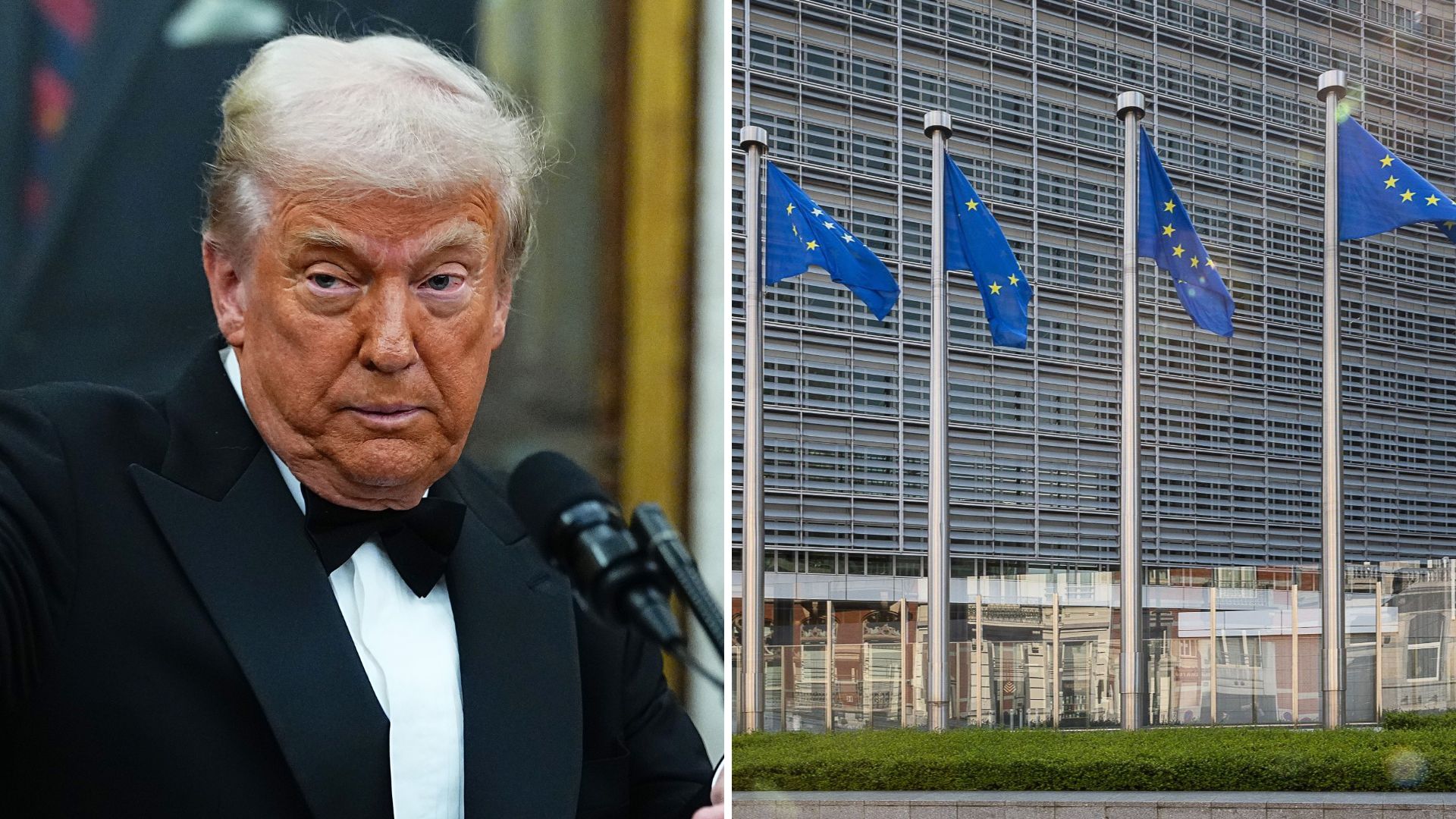
Trump slams Europe as «Weak» and «Decaying»

Catégories
Uncategorized

Les blondes des joueurs du CH s’unissent pour une belle cause de Noël

C’est reconnu à travers la LNH, les joueurs du Canadien de Montréal sont parmi les hockeyeurs les plus impliqués dans leur communauté respective.

Que ce soit pour des publicités en tout genre ou pour des bonnes causes, les Habs répondent souvent présents malgré leur horaire très chargée. Ceux-ci peuvent également comptés sur la présence de leur conjointe pour s’impliquer dans la communauté montréalaise, notamment auprès de la Fondation du CH pour l’enfance.

Unies pour une bonne cause

Dans cette récente publication partagée par le Canadien de Montréal, on assiste à une scène très familiale du temps des Fêtes: plusieurs conjointes de joueurs sont réunies pour emballer des cadeaux en lien avec l’Opération Père Noël, et le club choisit de mettre ce petit moment en lumière parce qu’il reflète bien l’esprit de groupe qui entoure l’équipe au-delà de la patinoire.

On peut notamment y reconnaître Katyaa (Ekaterina) Yakovleva, la copine du jeune espoir Ivan Demidov, qui accompagne son conjoint dans son arrivée au sein de l’organisation et qu’on voit de plus en plus présente dans l’univers montréalais du CH, signe d’une intégration rapide à la vie du club.

À ses côtés apparaît Jordan Leigh, l’épouse de Patrik Laine, dont l’implication dans ce type d’activités est cohérente avec la visibilité qu’elle assume depuis l’arrivée de Laine à Montréal, notamment via des contenus partagés autour d’initiatives du CH.

Finalement, Paola Anderson, la femme de Josh Anderson, fait aussi partie du groupe: elle est depuis plusieurs saisons l’une des figures familières de l’entourage du Tricolore lors d’événements sociaux et communautaires, et sa présence renforce l’idée que ces actions se vivent comme un effort collectif où les proches des joueurs s’impliquent concrètement.

Cette publication s’inscrit dans une continuité: celle d’un club qui, à l’approche des Fêtes, met son rayonnement au service d’une tradition de générosité bien québécoise. Et les conjointes aperçues y jouent un rôle discret mais précieux, en prêtant leur temps et leur énergie pour que la magie de Noël arrive jusqu’aux enfants qui en ont le plus besoin.

Qu’est-ce que l’Opération Père Noël?

L’Opération Père Noël est une fondation québécoise active depuis le milieu des années 1990, qui mobilise chaque automne un vaste réseau de donateurs, d’entreprises et de bénévoles pour répondre aux lettres de souhaits envoyées par des enfants vivant des situations de grande vulnérabilité à travers le Québec.

Les enfants inscrits rédigent une lettre, l’organisme les jumelle à des Pères/Mères Noël qui achètent un cadeau neuf correspondant à leurs demandes, puis des équipes de bénévoles s’occupent de la préparation et de la remise des présents, avec en parallèle une réserve de cadeaux et de fonds pour couvrir les demandes de dernière minute ou plus coûteuses.

L’initiative a grandi au fil des ans, au point d’approcher plusieurs dizaines de milliers d’enfants rejoints annuellement (près de 29 000 en 2023, et un objectif d’environ 32 000 annoncé pour la campagne suivante), ce qui en fait l’une des grandes traditions caritatives des Fêtes au Québec.

L’organisme souligne aussi que l’explosion des besoins et la hausse des coûts exercent une pression réelle sur sa capacité à tout couvrir, rendant la participation du public et le recrutement de bénévoles plus essentiels que jamais.

Une cause unique, pour une période magique!