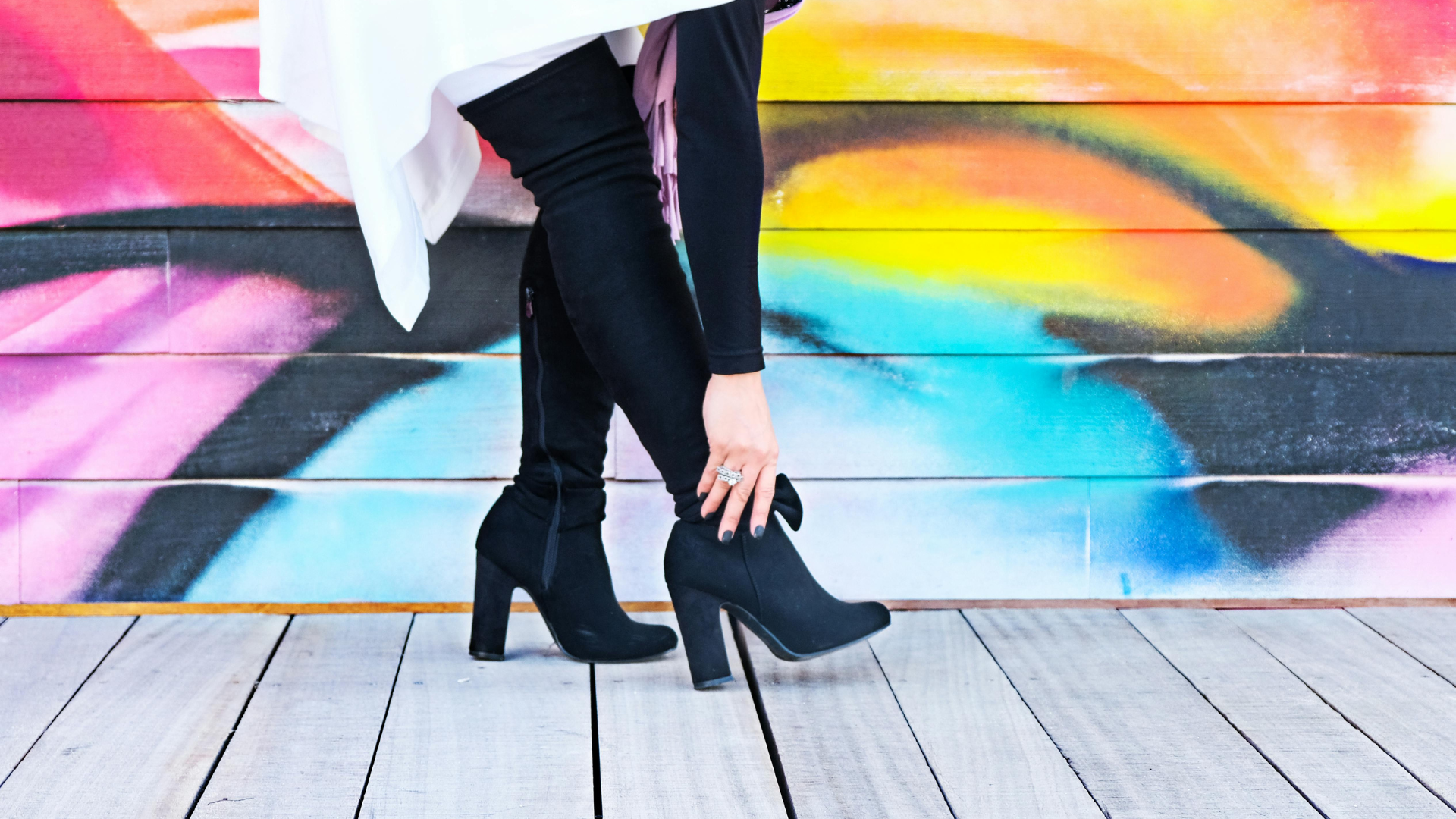
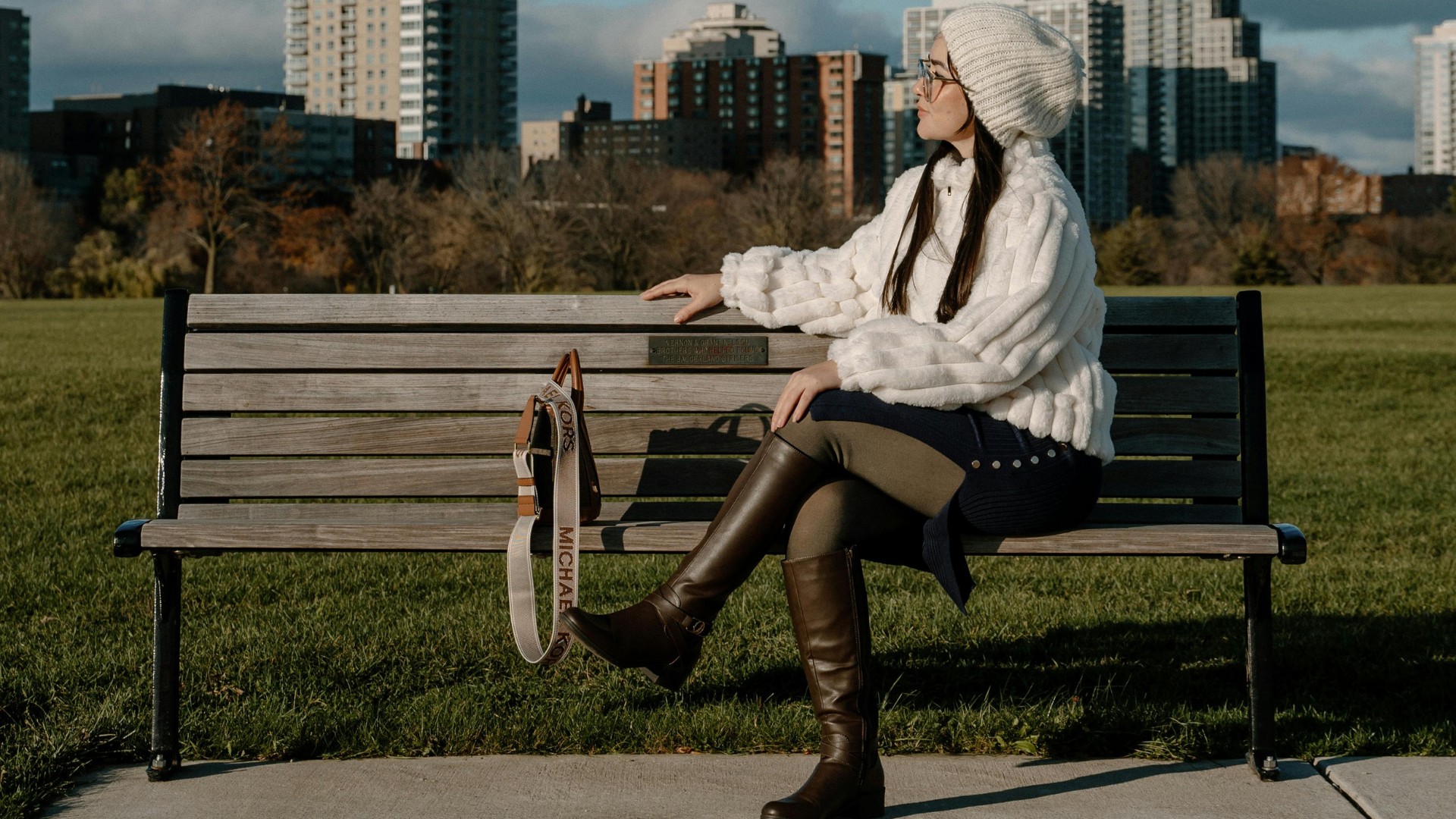
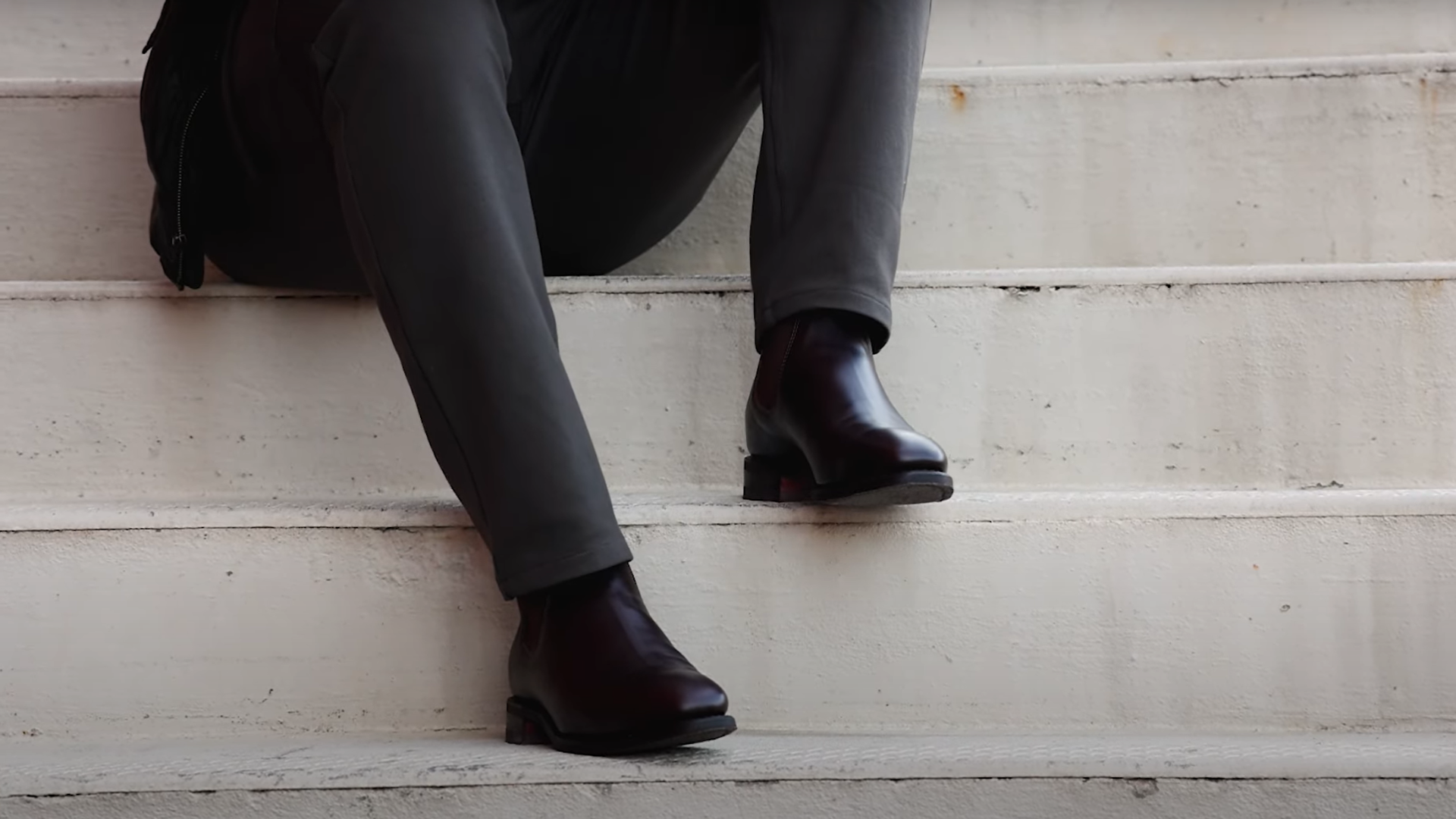
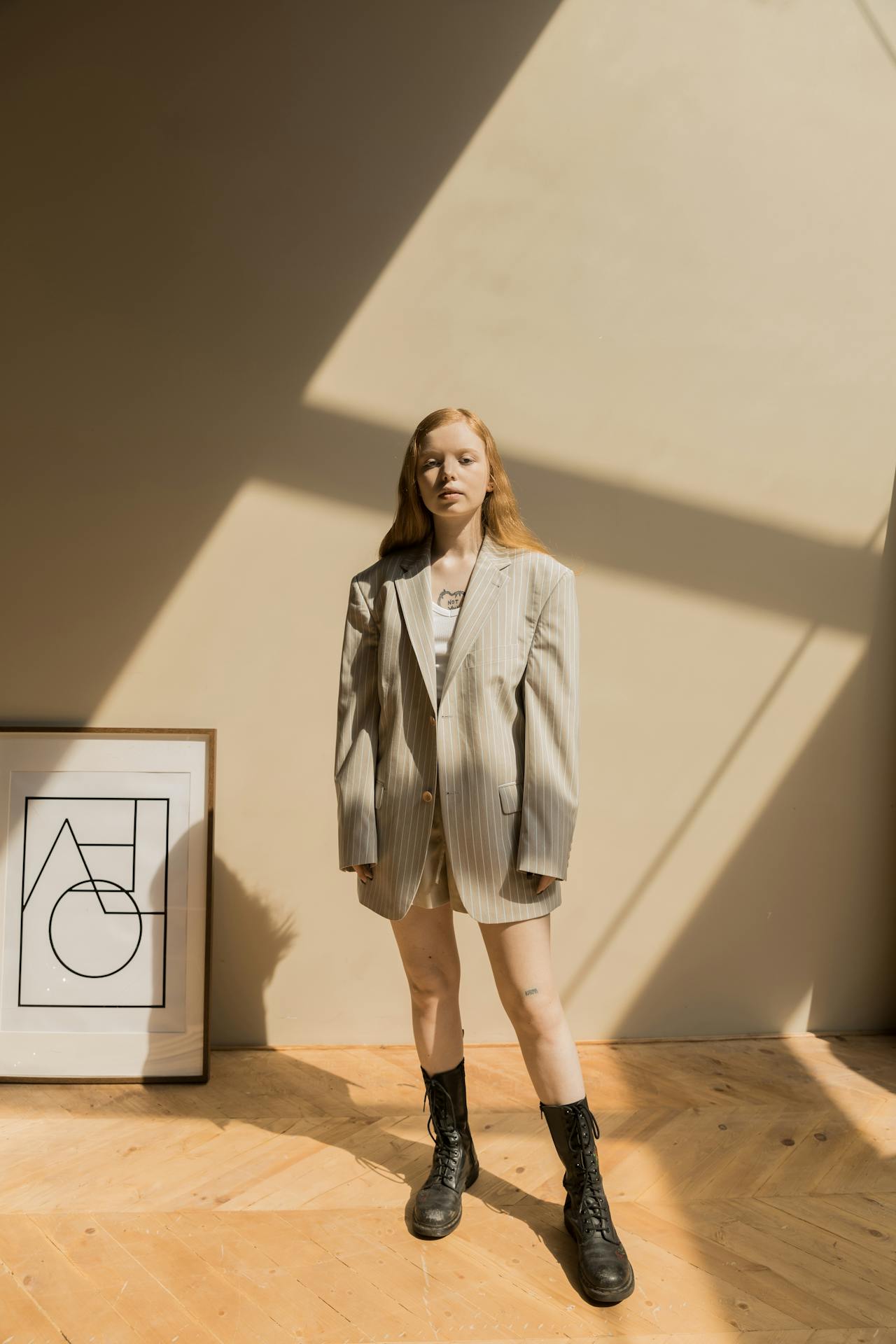
15 façons classiques de porter des bottes qui fonctionnent encore aujourd’hui

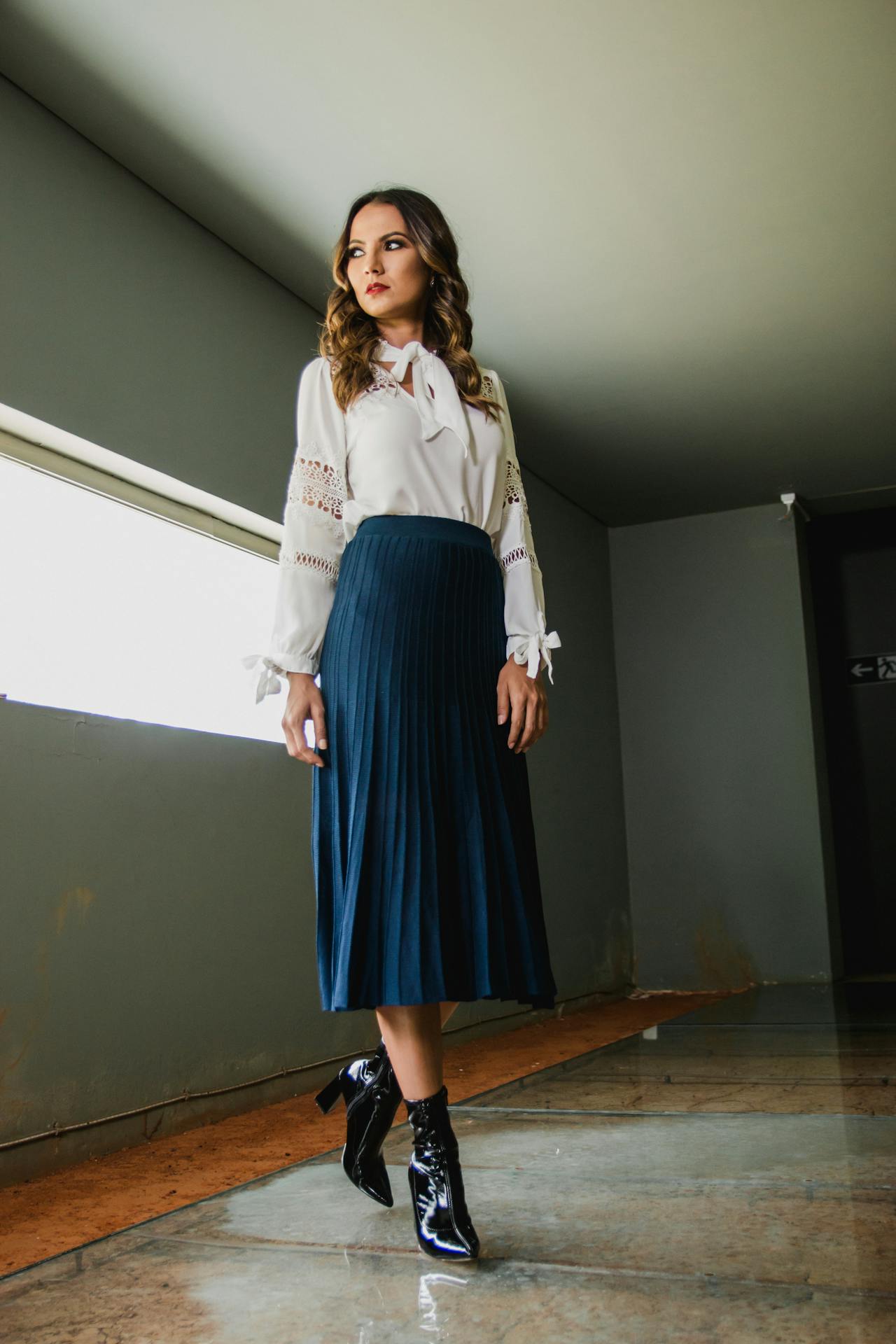
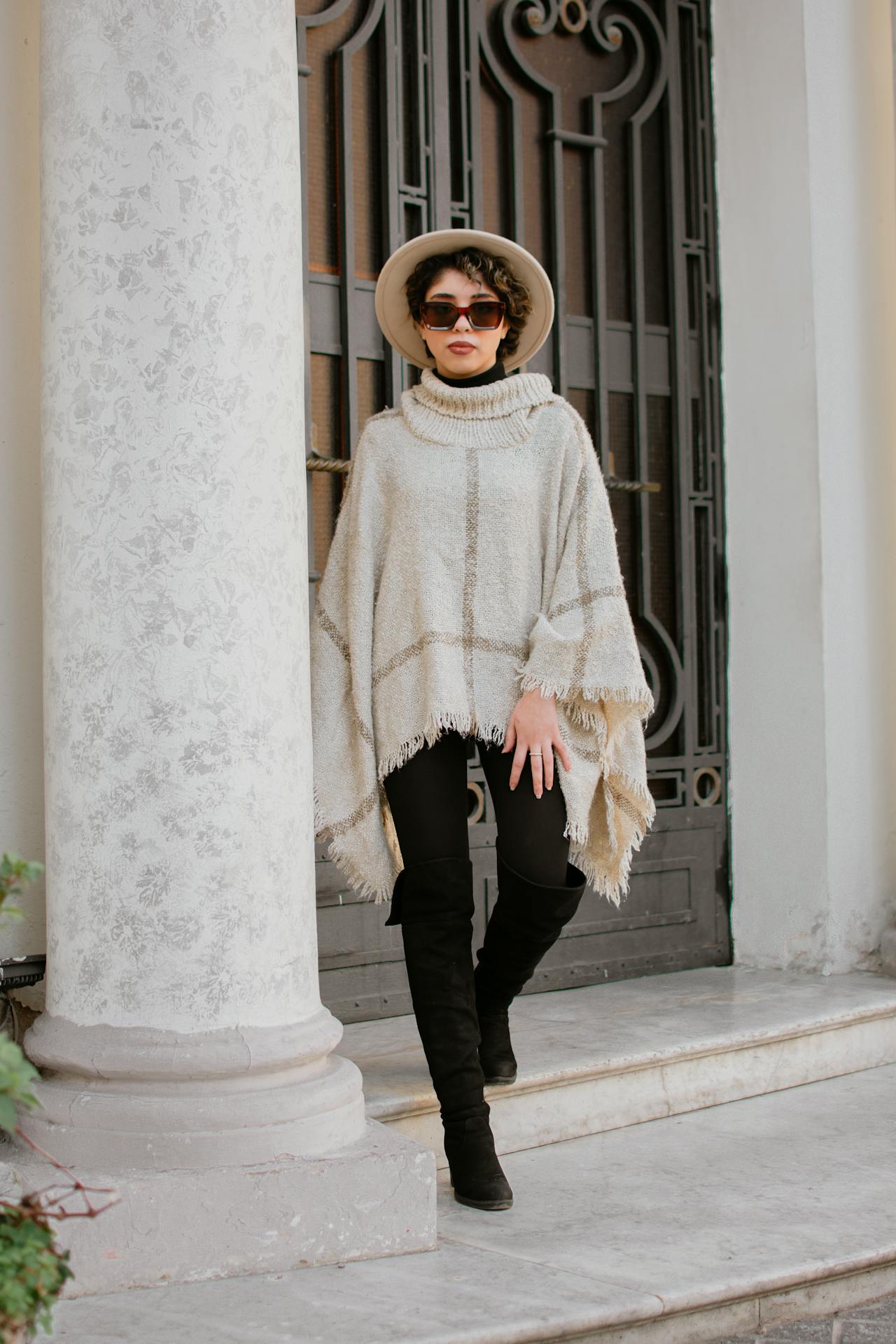
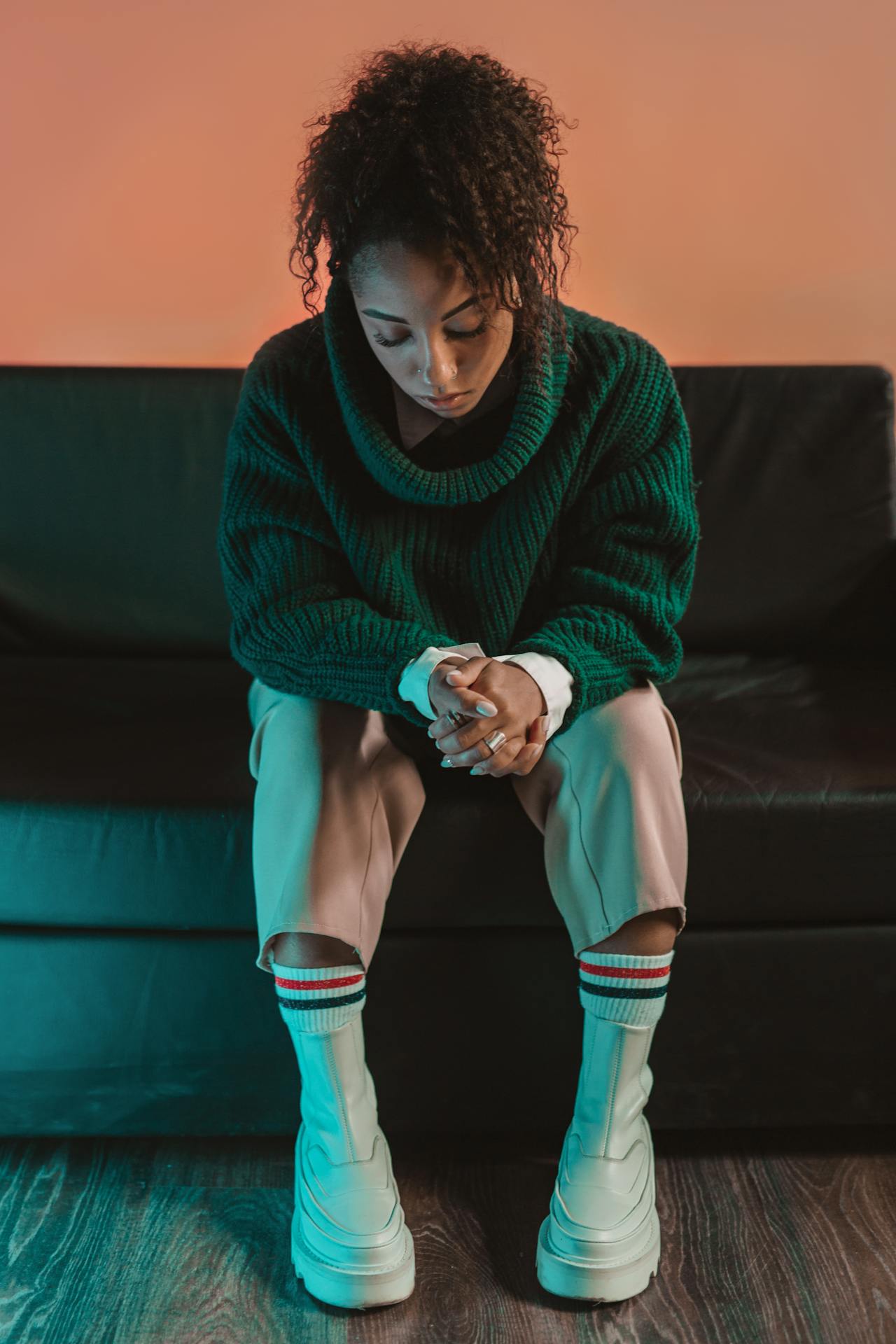
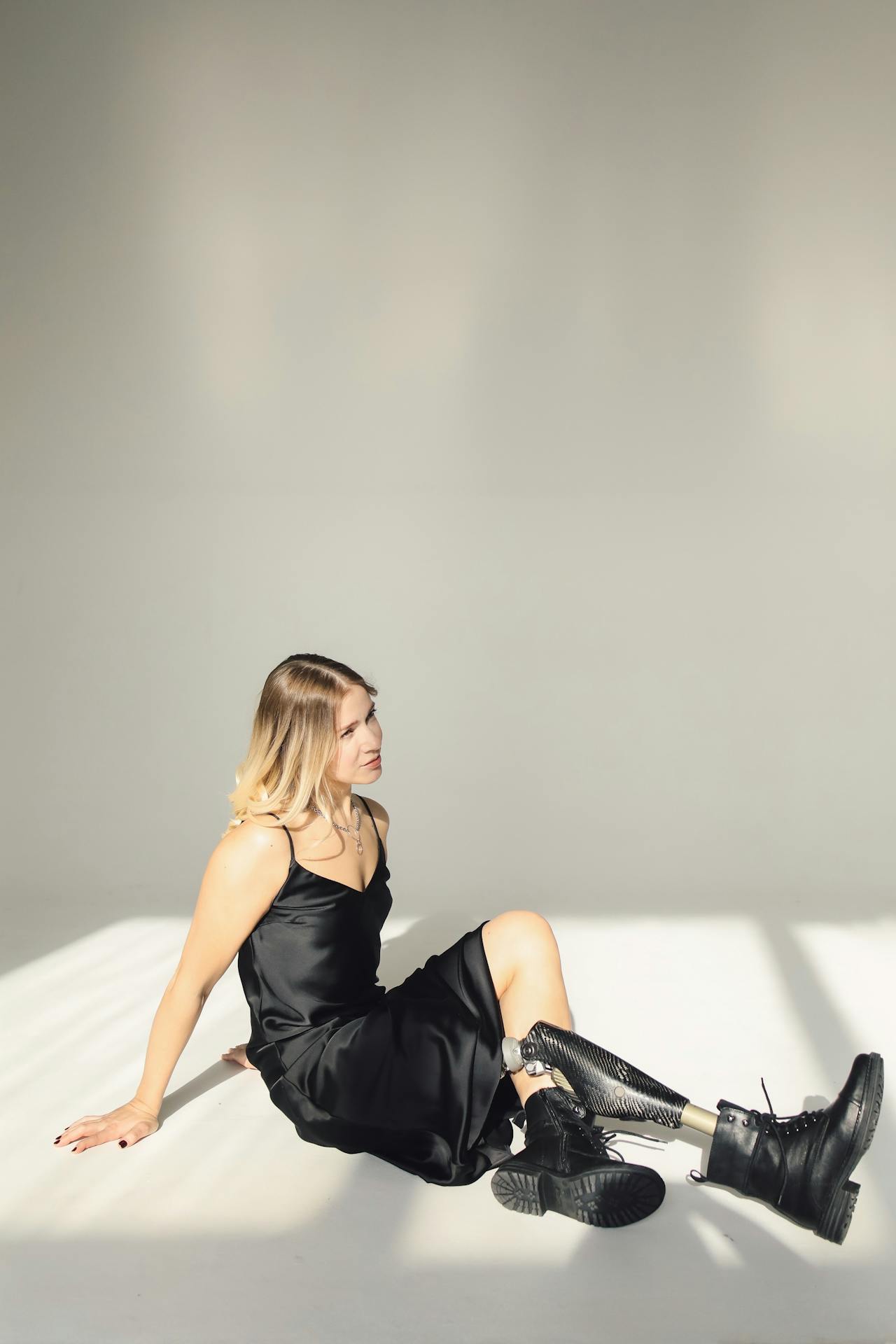
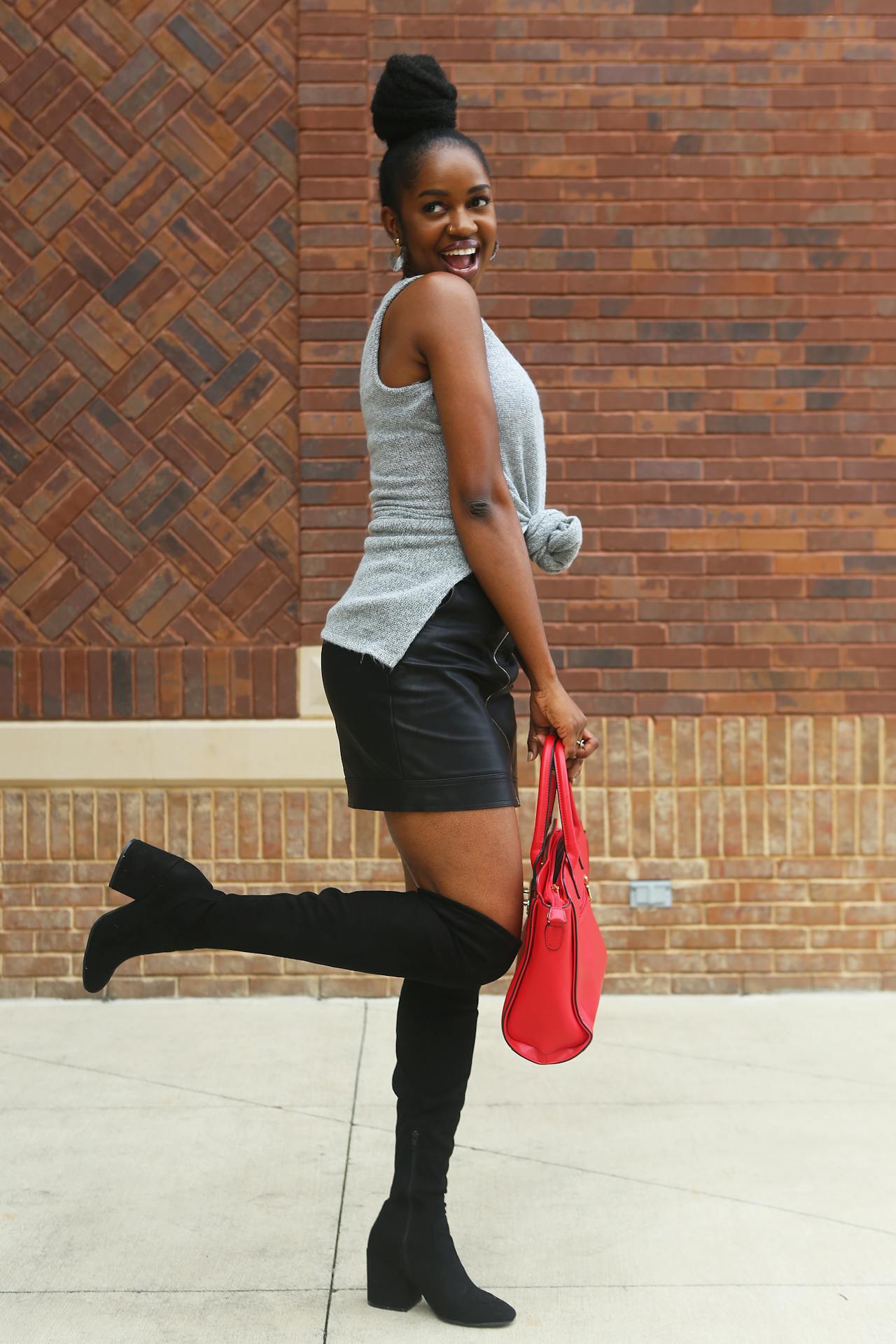
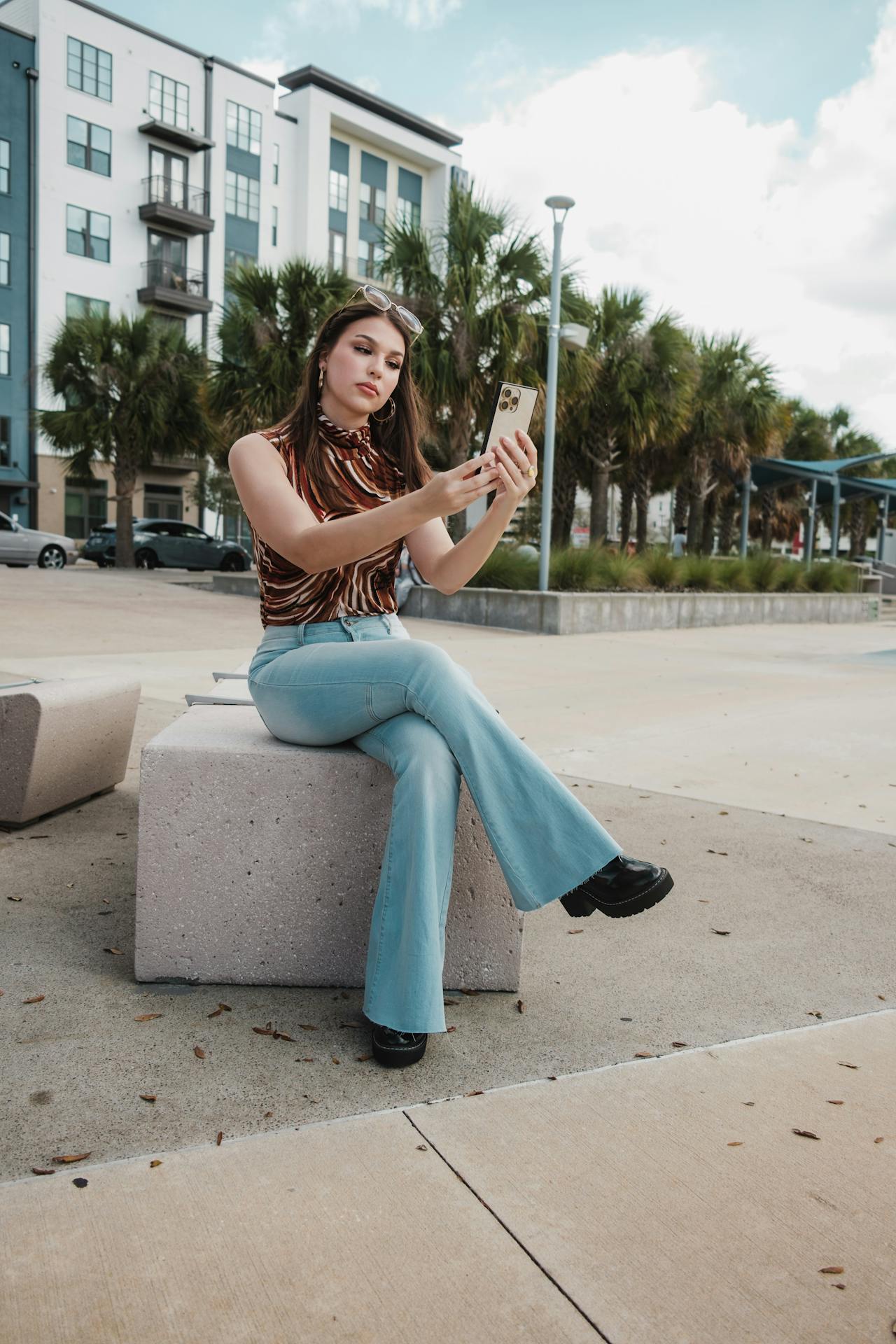
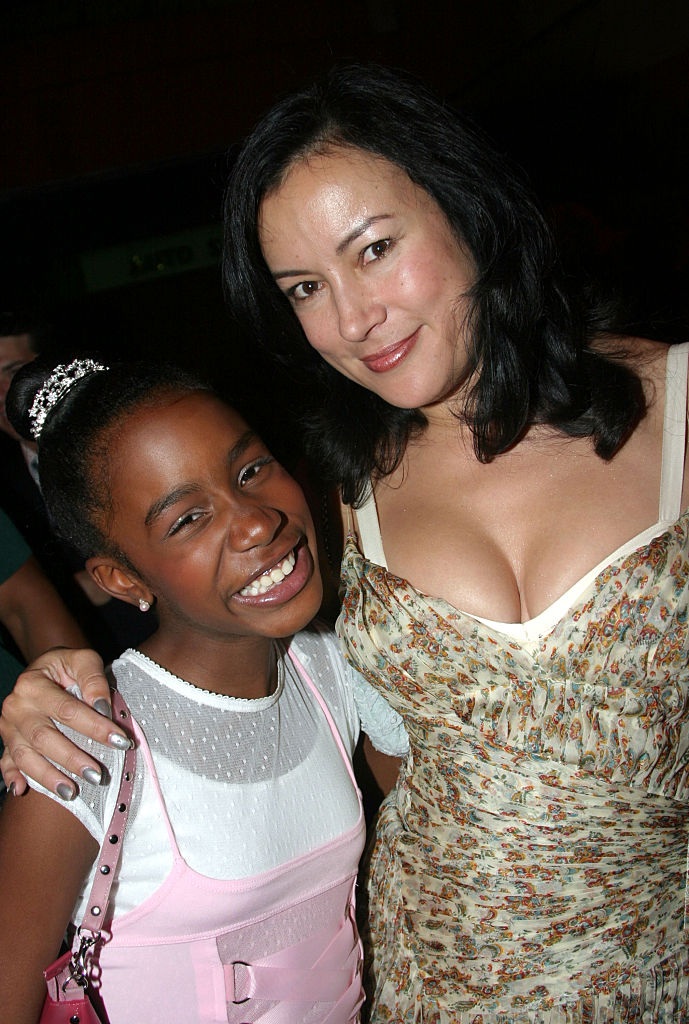
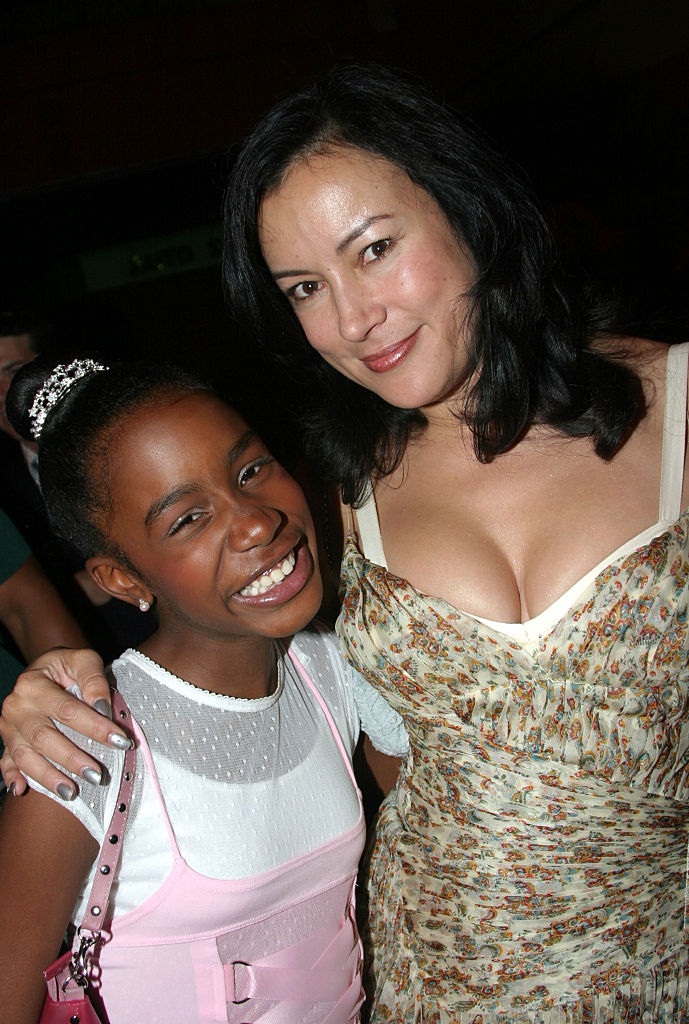
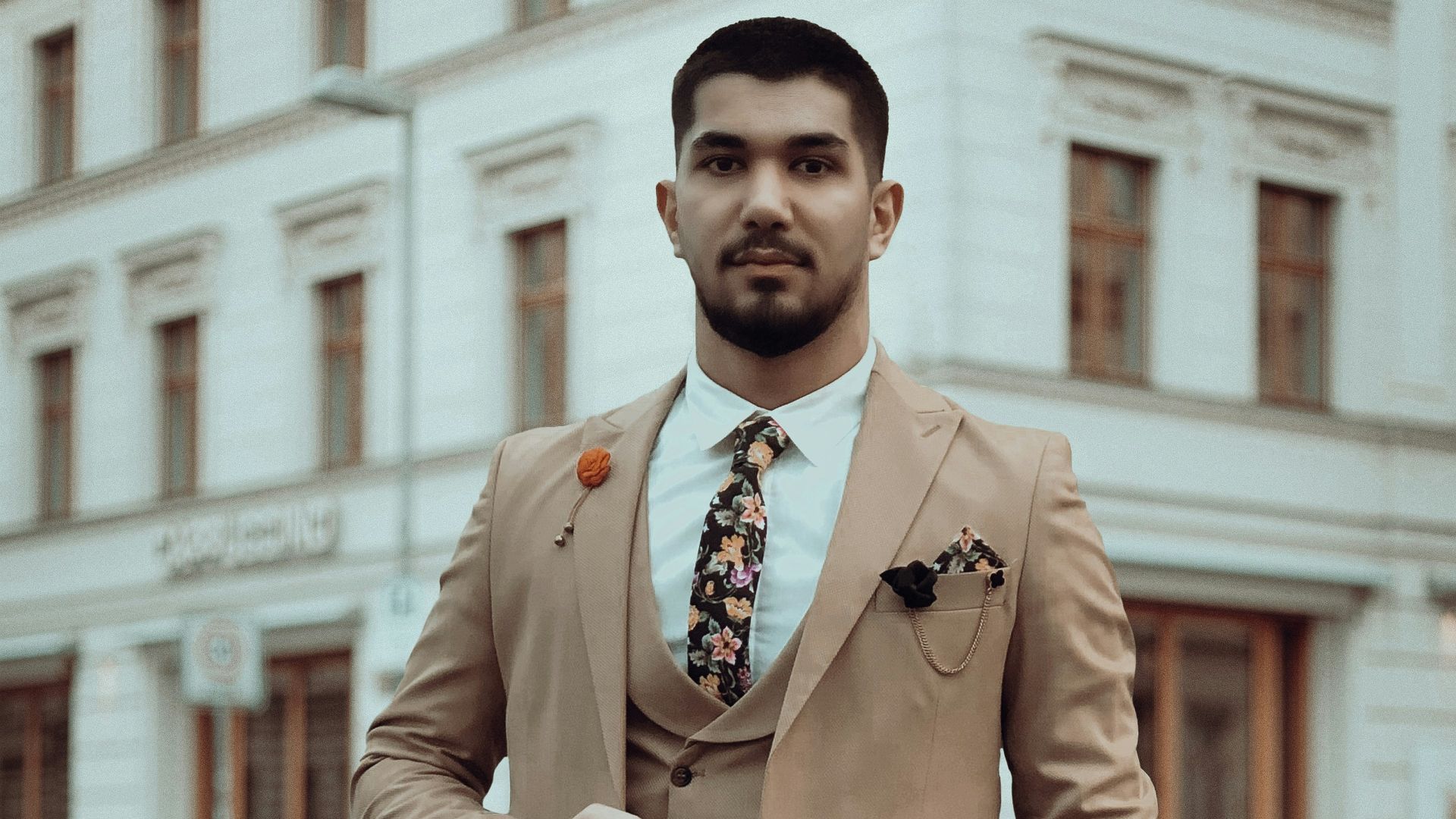
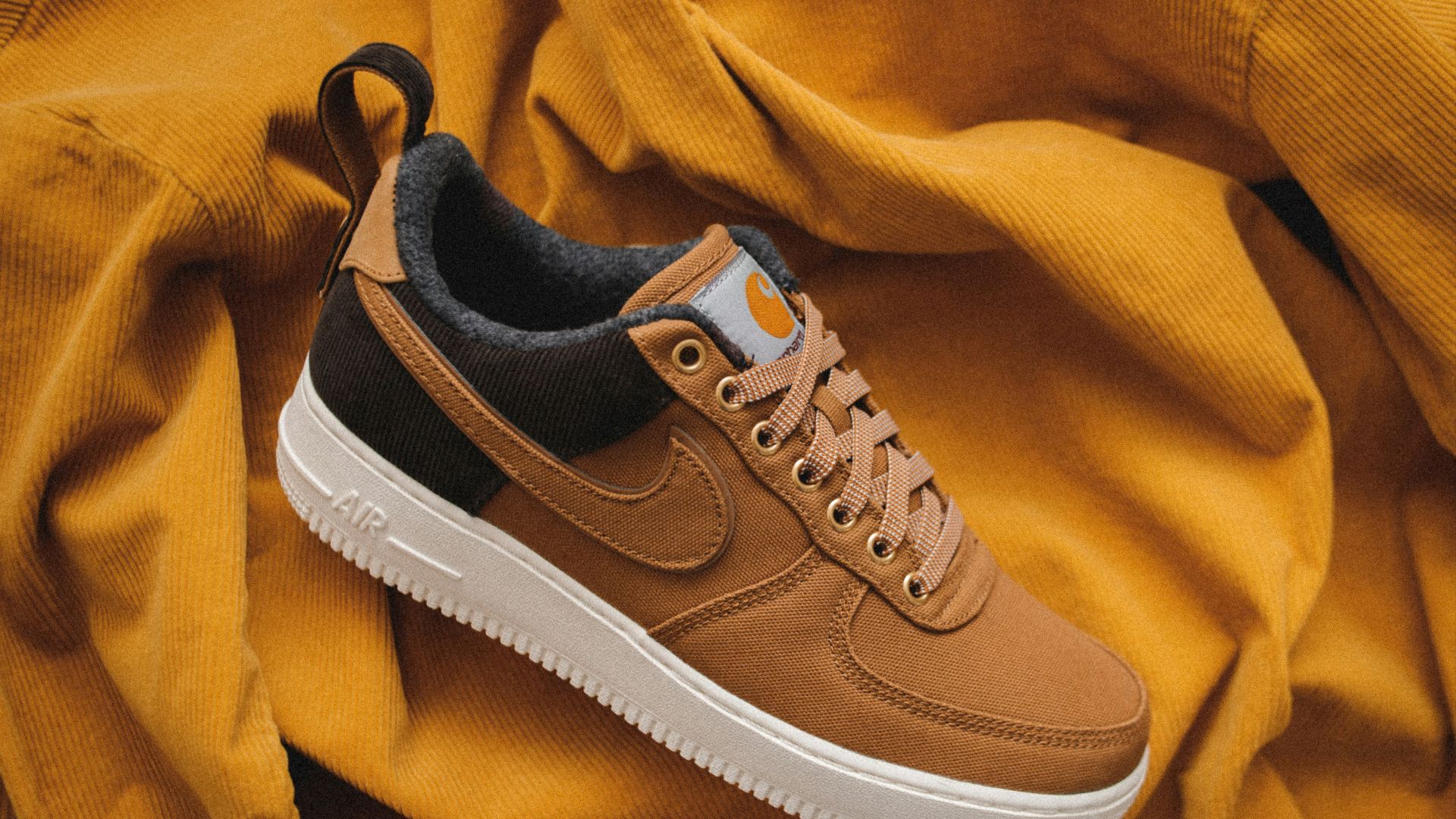
Certaines associations de styles disparaissent au fil des saisons. D’autres, en revanche, perdurent discrètement, indéfectiblement fiables et modulables. Les bottes font partie de cette dernière catégorie. Elles ont traversé des décennies de tendances changeantes, sans jamais perdre de leur attrait.  Ce qui rend une tenue avec des bottes intemporelle, ce n’est pas son côté flashy ou sa réinvention, mais la façon dont elle s’intègre dans la vie réelle, en ajoutant peut-être de la confiance à un vieux favori ou en remodelant quelque chose de familier. Les meilleures idées de style ne sont pas toujours nouvelles, mais simplement prêtes à être redécouvertes. Voici donc quelques façons durables de mettre vos bottes en valeur. Vous avez peut-être déjà vu certains de ces looks très appréciés. Préparez-vous à trouver un style qui vous correspond personnellement.

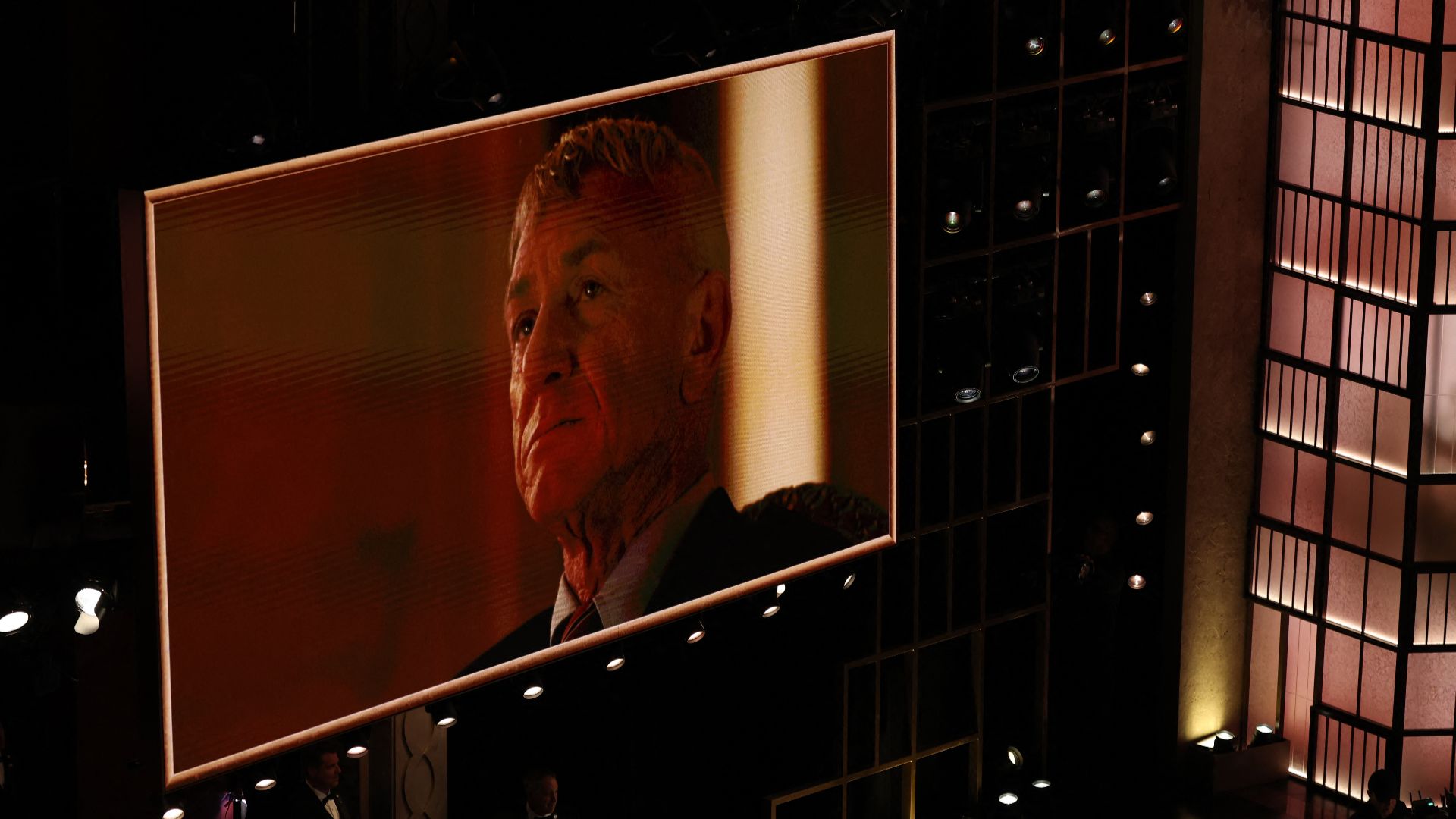
Sean Penn a donné un de ses Oscars à Zelensky après avoir boudé la cérémonie

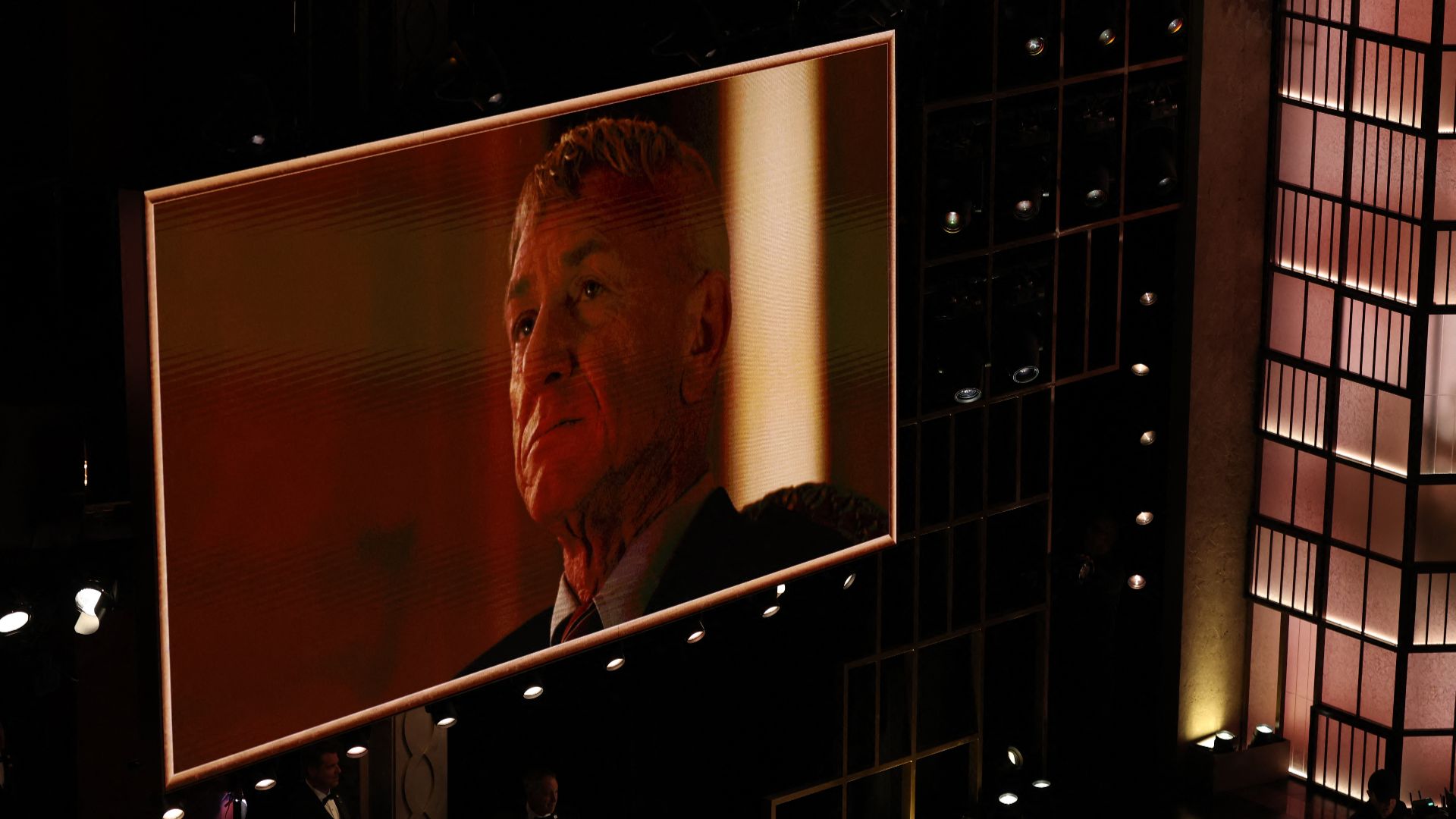
Sean Penn n’était pas à Hollywood pour recevoir son dernier Oscar. L’acteur a remporté l’Oscar du meilleur second rôle masculin pour son interprétation du colonel Steven J. Lockjaw dans le film One Battle After Another, mais il se trouvait à des milliers de kilomètres de là, à Kiev, au moment de la cérémonie.

Au lieu d’assister à l’événement au Dolby Theatre, Penn a choisi de rencontrer le président ukrainien Volodymyr Zelensky, poursuivant ainsi une relation qui s’est développée depuis le début de l’invasion à grande échelle de la Russie en février 2022. Son absence a rapidement attiré l’attention pendant la cérémonie, soulignant à quel point l’acteur avait une fois de plus fait passer son engagement politique et humanitaire envers l’Ukraine avant un moment majeur de sa carrière cinématographique.

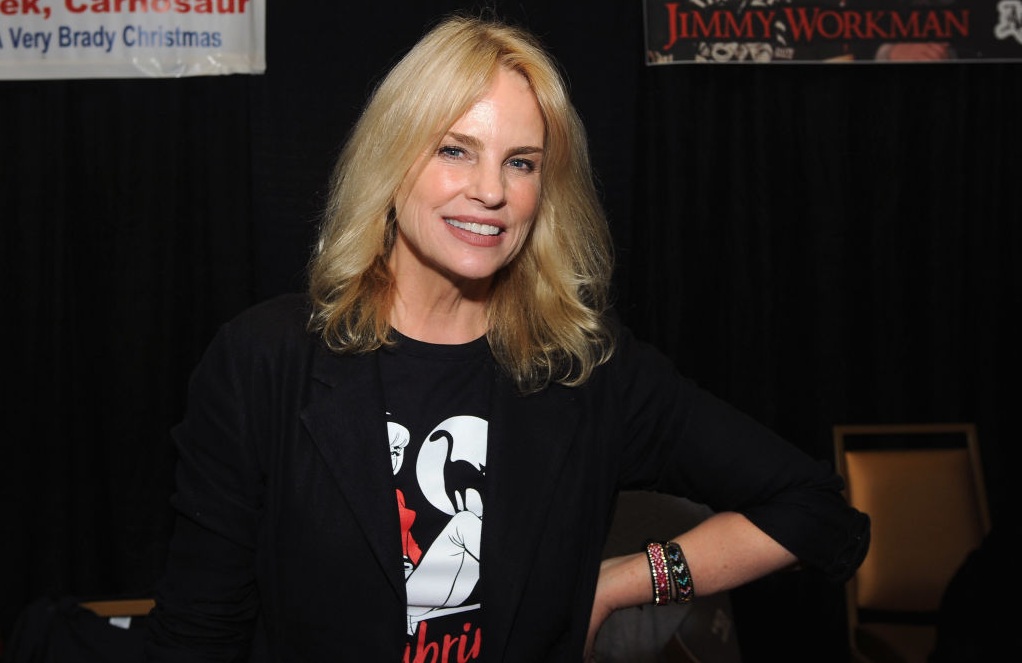
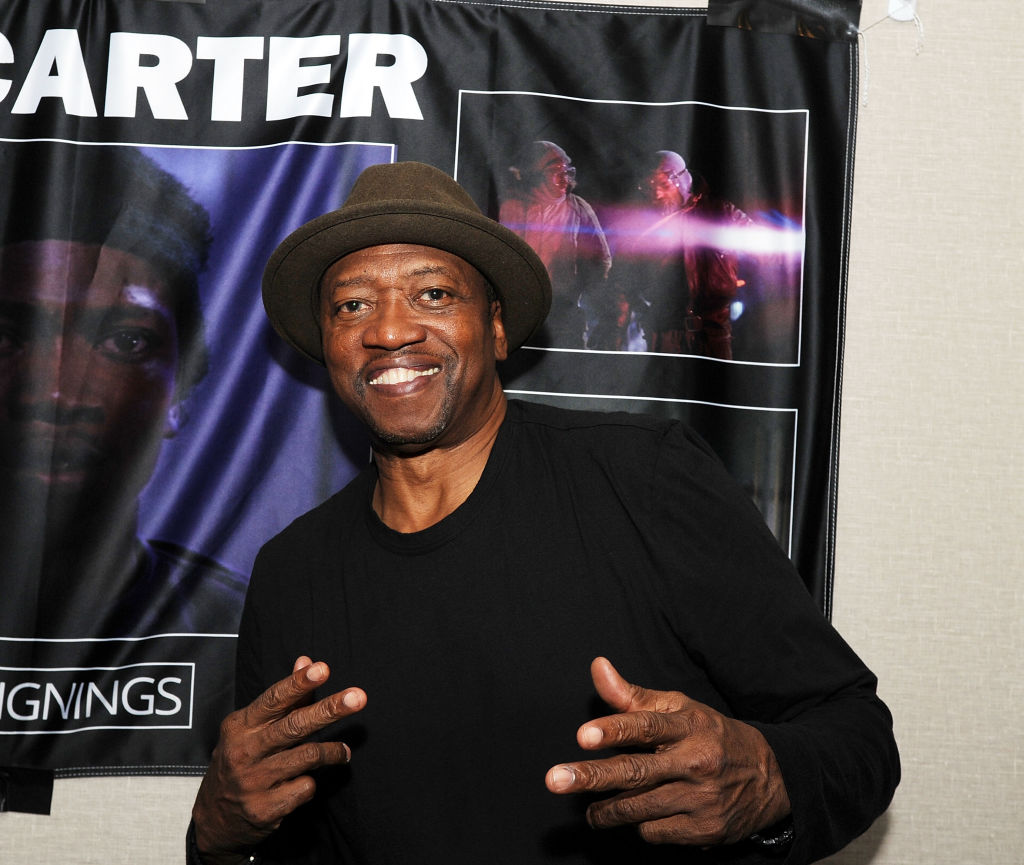
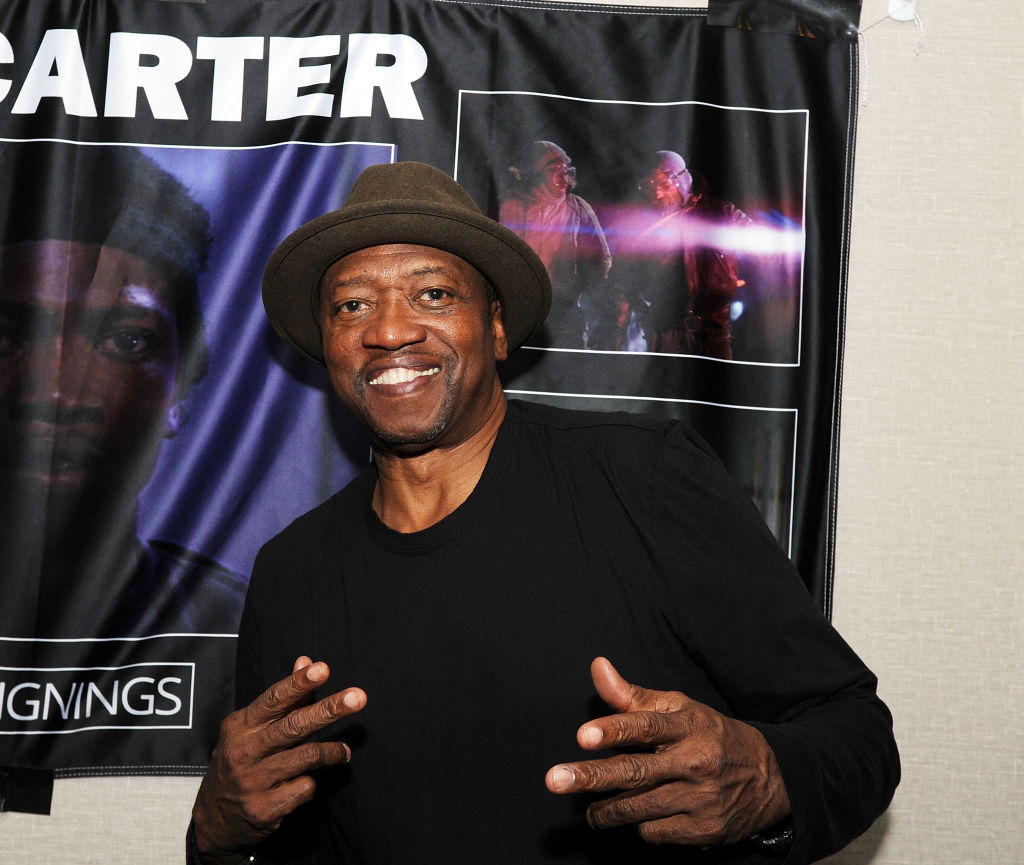
L’acteur Matt Clark meurt à 89 ans

L’année 2026 a été marquée par la disparition de nombreuses personnalités qui ont laissé une empreinte durable sur notre société. Artistes, créateurs, figures publiques, penseurs ou athlètes, chacun et chacune a contribué, à sa manière, à façonner notre époque et notre imaginaire collectif. Ce projet In memoriam rend hommage à celles et ceux qui nous ont quittés au cours de l’année. À travers ces souvenirs, nous prenons un moment pour nous rappeler leur influence, célébrer leur apport et honorer des vies qui continueront de résonner bien au-delà de leur absence.

‘Back to the Future’ actor Matt Clark has died

The year 2026 was marked by the passing of many personalities who left a lasting mark on our society. Artists, creators, public figures, thinkers, and athletes—each and every one contributed in their own way to shaping our era and our collective imagination. This In Memoriam project pays tribute to those who left us during the year. Through these memories, we take a moment to remember their influence, celebrate their contributions, and honor lives that will continue to resonate long after their passing.

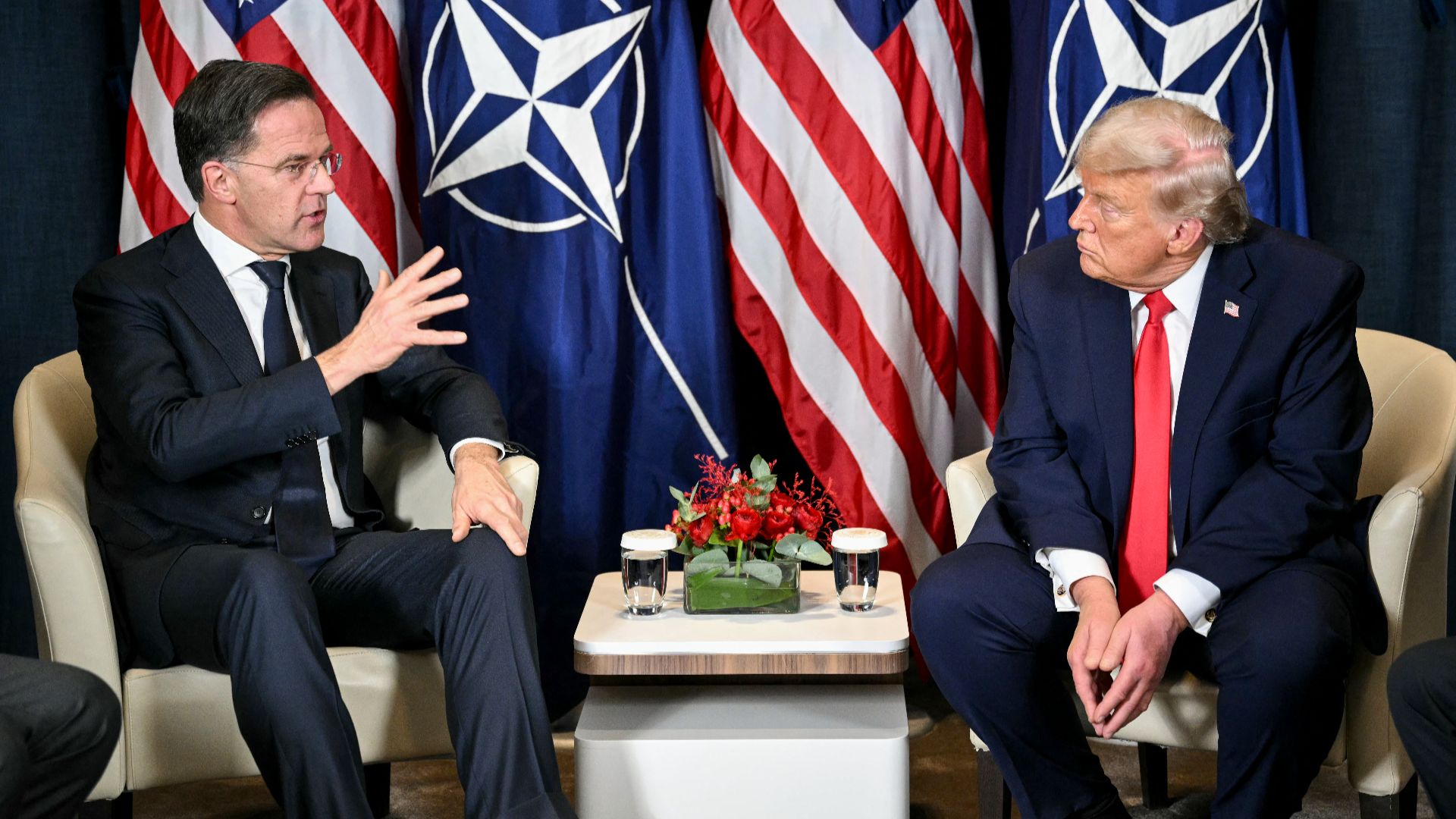
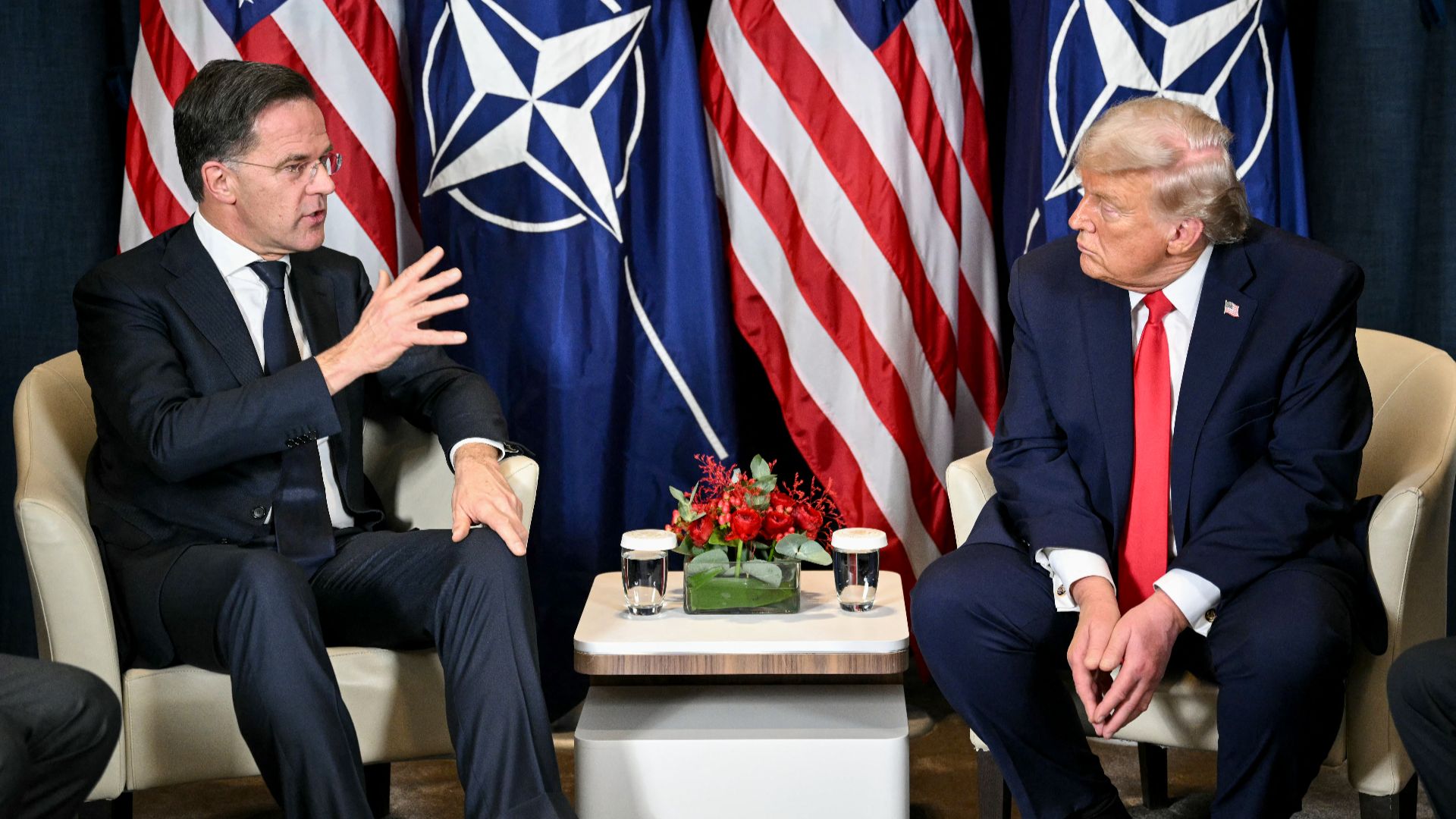
Trump menace les alliés des USA et prédit un avenir «très sombre» s’il n’obtient pas ce qu’il veut

Le président Donald Trump a averti les alliés de l’OTAN qu’ils risquaient de connaître un avenir «très sombre» s’ils refusaient de soutenir les efforts américains visant à sécuriser le détroit d’Ormuz, ce corridor pétrolier stratégique au cœur du conflit qui s’intensifie avec l’Iran. Cet avertissement fait suite au refus de plusieurs pays de répondre à la demande de Washington de déployer des forces navales pour protéger la navigation dans le Golfe, après les frappes américaines et israéliennes contre des cibles iraniennes et les menaces de Téhéran à l’encontre du trafic de pétroliers. Alors que les tensions montent et que les marchés énergétiques mondiaux sont sur les dents, ce différend met en évidence les divisions au sein de l’alliance de l’OTAN, les gouvernements débattant de l’opportunité de se joindre aux opérations militaires américaines dans l’une des régions les plus instables du monde.

Sean Penn gave one of his Oscars to Zelensky after ditching the ceremony

Sean Penn was not in Hollywood to receive his latest Academy Award. The actor won the Oscar for Best Supporting Actor for his performance as Colonel Steven J. Lockjaw in the film One Battle After Another, but he was thousands of miles away in Kyiv at the time of the ceremony.

Instead of attending the event at the Dolby Theatre, Penn chose to meet with Ukrainian president Volodymyr Zelensky, continuing a relationship that has developed since the start of Russia’s full-scale invasion in February 2022. His absence quickly drew attention during the ceremony, highlighting how the actor once again placed his political and humanitarian engagement with Ukraine ahead of a major moment in his film career.

Trump Snaps At Allies, Threatens «Very Bad» Future for NATO

President Donald Trump warned NATO allies they could face a «very bad» future if they refuse to support U.S. efforts to secure the Strait of Hormuz, the strategic oil corridor at the center of the escalating conflict with Iran. The warning came after several countries declined Washington’s request to deploy naval forces to protect shipping in the Gulf following U.S. and Israeli strikes on Iranian targets and Tehran’s threats against tanker traffic. With tensions rising and global energy markets on edge, the dispute is exposing divisions within the NATO alliance as governments debate whether to join American military operations in one of the world’s most volatile regions.

Catégories
Uncategorized

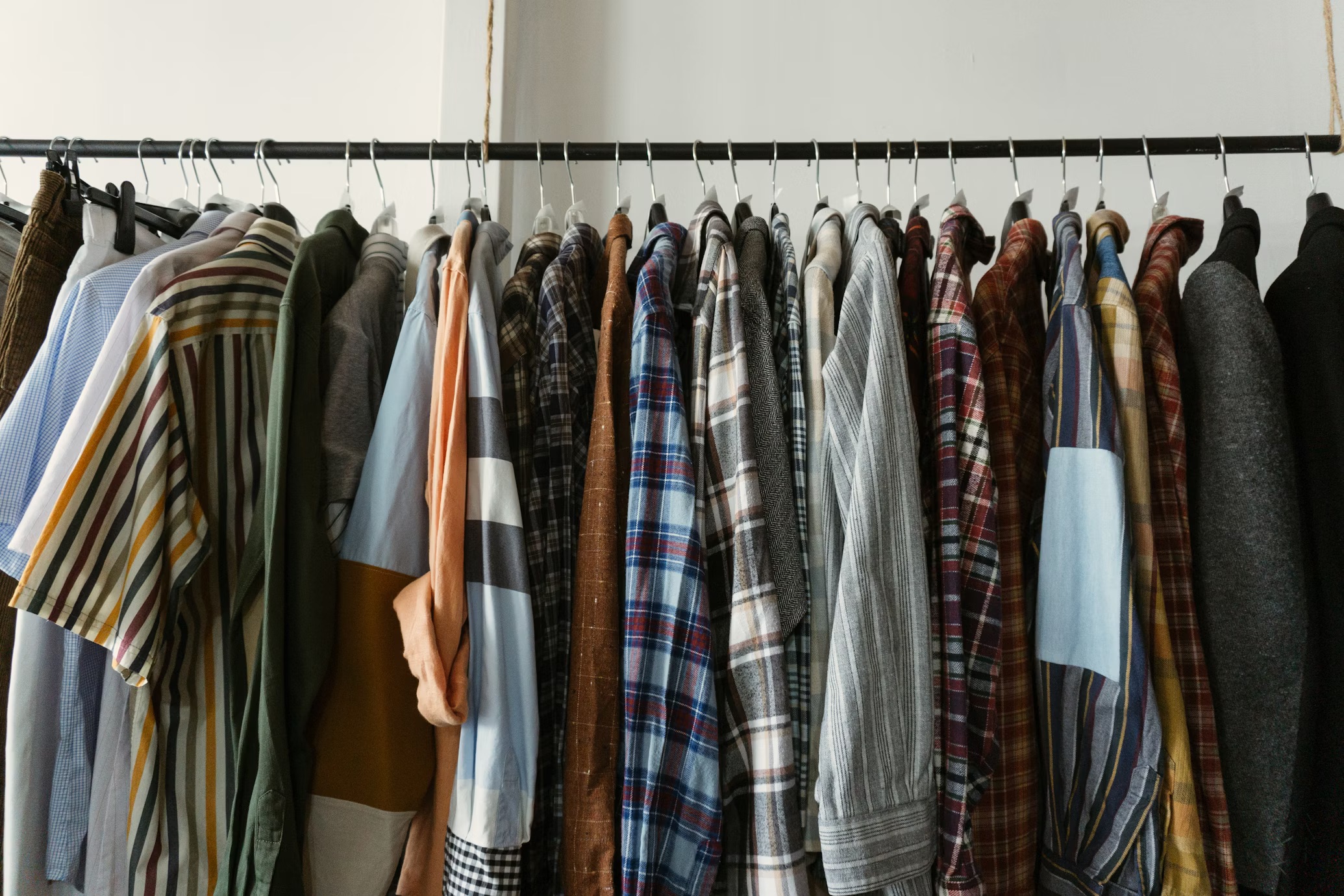
Why we keep certain clothes (and how to get rid of them without feeling guilty)

Our closets tell stories: old versions of ourselves, gifts, successes, and sometimes regrets. But when a garment remains hanging « just in case » for years, it becomes less of a useful object and more of an emotional burden. Understanding the reasons that drive us to keep these items is the first step toward gently decluttering our closets.

Why we keep clothes

  • Emotional attachment: a travel T-shirt or a formal dress reminds us of a special moment. Throwing the item away can feel like erasing the memory.
  • Financial guilt: After a costly purchase, it’s hard to admit that the item wasn’t ideal.
  • Hope for change: The famous « I’ll fit into it one day » keeps jeans that are too tight and underrated clothes in the closet.
  • Social obligation: we sometimes keep gifts we have been given so as not to hurt the person who gave them to us.

These reasons are perfectly human. The goal is not to eliminate them, but to learn to recognize them and act consciously.

A step-by-step guide to sorting without drama

Start by creating a relaxed environment: set a time limit (an hour or an afternoon), put on a good playlist, and prepare labeled bags (keep, repair, donate, recycle, sell). Consider the condition of the item, its actual usefulness, and its emotional value.

Simple questions to ask yourself

  • When was the last time I wore it?
  • Does this item bring me joy or weigh me down?
  • Can I easily repair or alter it?
  • What impact will it have if I donate it: will it really benefit someone?

Practical solutions depending on the type of garment

For jeans that are too tight: take a photo of yourself wearing them to preserve the memory, then choose to transform them (into shorts, a sewing project) or give them away. For a formal dress: try altering it, renting it out, or selling it to a second-hand store. Gifted sweaters can be kept in a memory box or reused as useful items (blanket, cushion).

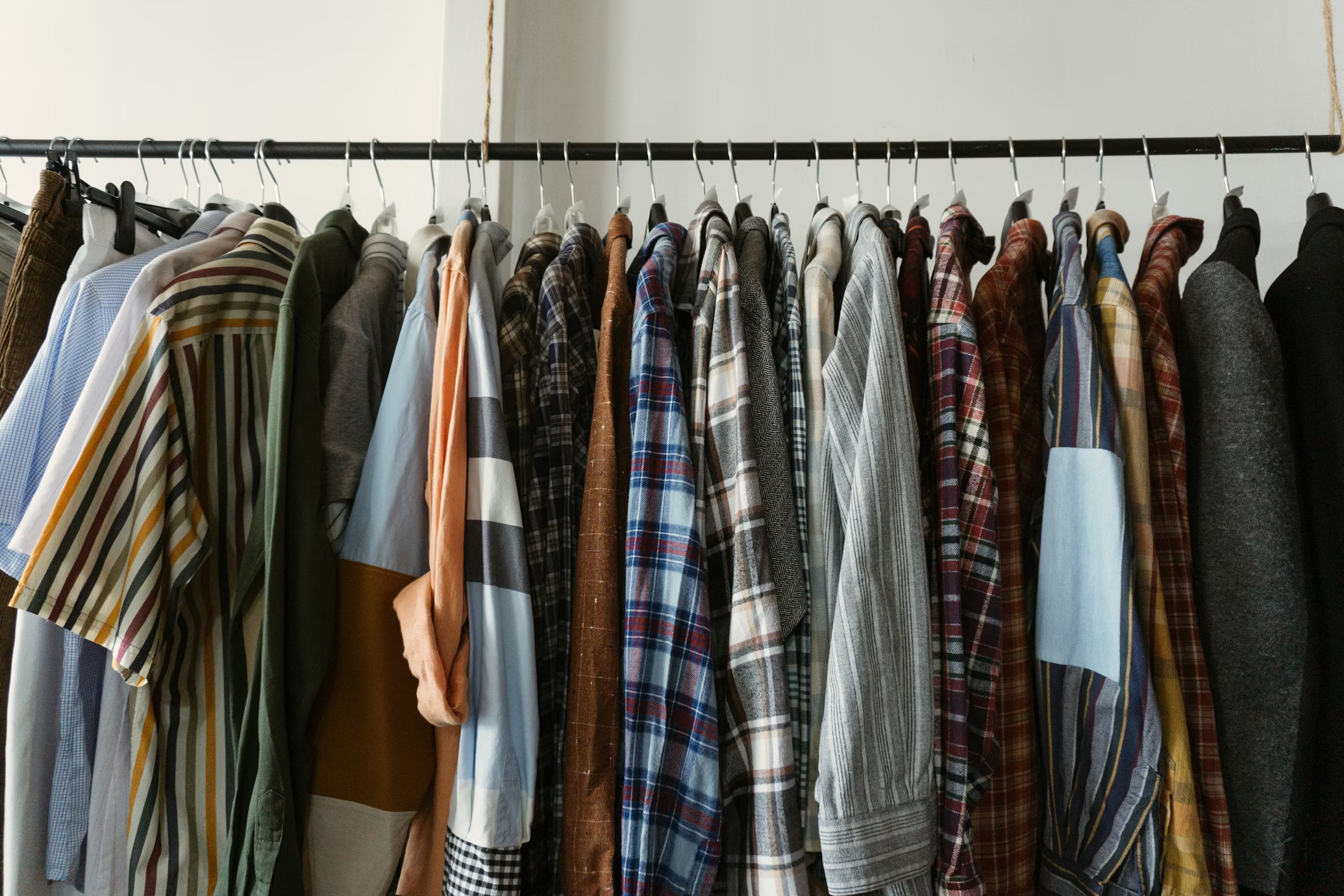
wardrobe

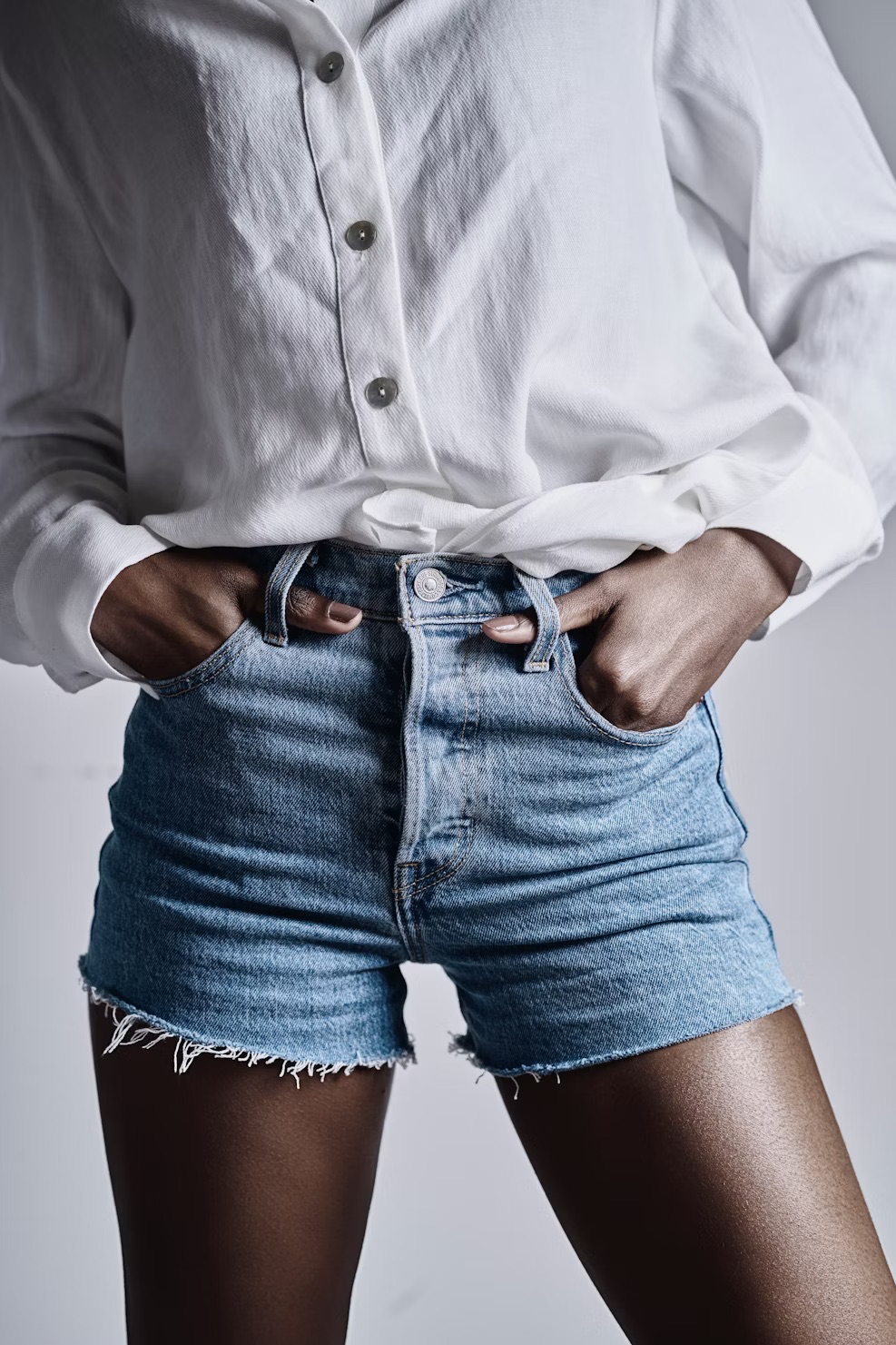
jean serre

evening dress

Repair or let go?

If the repair costs less than future use, it may be worthwhile. But don’t forget the pleasure factor: you probably won’t wear a repaired garment that you don’t like. For items with sentimental value, take a photo and keep it: memories often stick better to an image than to a pile of unused fabric.

Alternatives for giving items a second life

  • Sell on second-hand platforms to finance a more suitable purchase.
  • Donate to local charities, thrift stores, or resource centers.
  • Recycle or transform into decorative or useful objects.

A few tips for keeping your closet healthy

  • Implement a « one-year test »: if you haven’t worn the item in 12 months, it’s probably a no.
  • A memory box: for items with high sentimental value but which you rarely wear, store them neatly and in limited quantities.
  • A sorting schedule: a little sorting each season prevents accumulation.

Lightening your wardrobe doesn’t mean denying your past: it means choosing what accompanies you today and accompanying your story with objects that still have meaning. With a few simple rules and a little kindness, you can free up space, save time in front of the mirror, and feel a new lightness without sacrificing your memories.

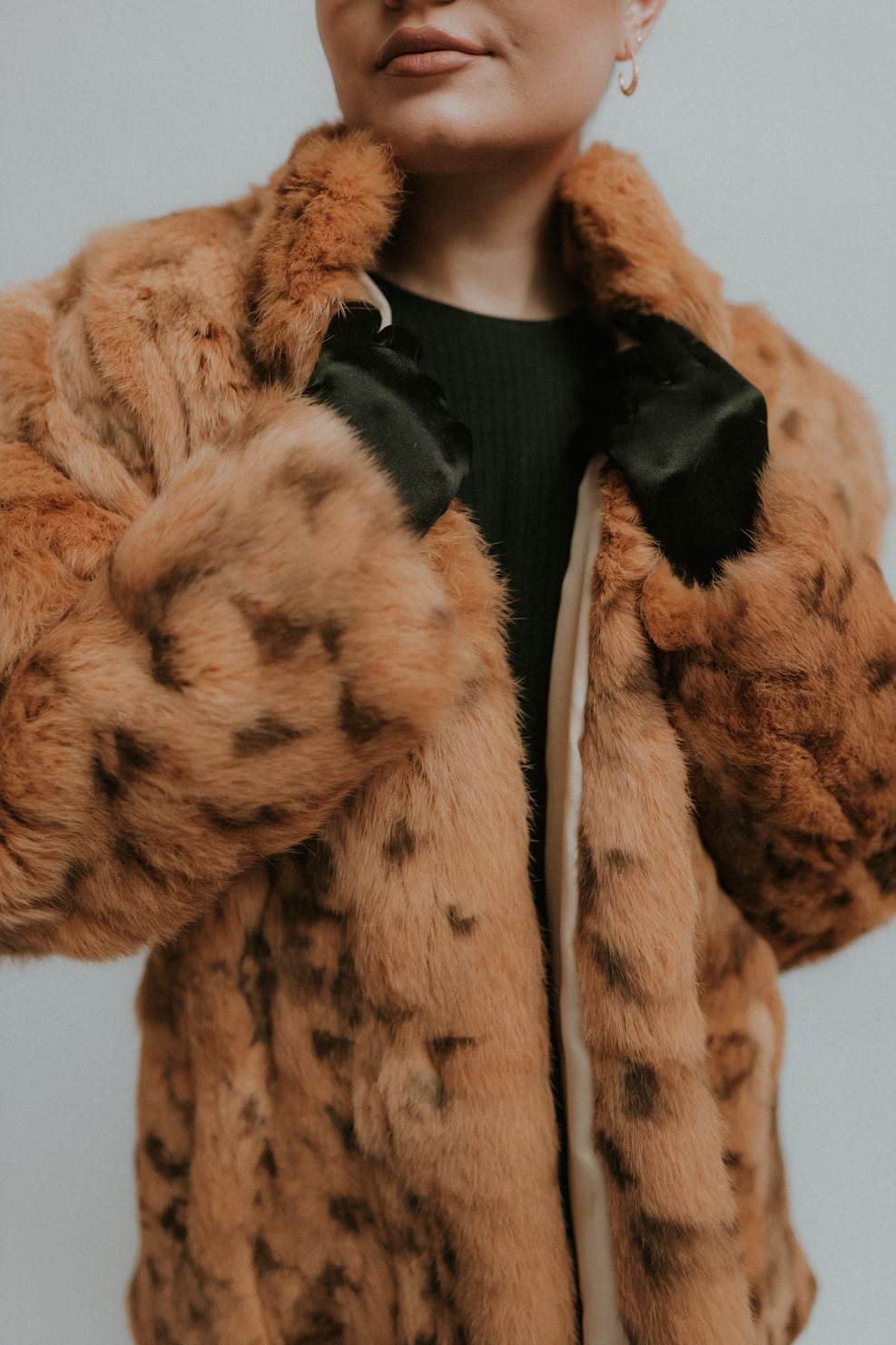
coat

Finally: start small, be kind to yourself, and celebrate each step. Giving away or transforming an item doesn’t mean losing a part of yourself; it often means giving it a better second life—and giving yourself more space for what really matters.

Photos: Pexels

Catégories
Uncategorized

Understanding and managing male fears: a practical 7-step guide to acting with kindness

Men’s fears—fear of failure, rejection, expressing emotions, or losing autonomy—are often invisible but deeply influential. They guide decisions, limit the quality of relationships, and weigh on mental health. Rather than imposing a heroic standard, this guide offers a structured and compassionate approach to identifying these fears, deciphering their origins, and developing concrete and lasting responses.

1) Identify the fear and its message

Every fear carries information: the anxiety of not being good enough often signals overly demanding expectations; the fear of rejection recalls childhood wounds; the fear of losing one’s autonomy may hide a fear of being hurt or controlled. Start by putting your feelings into words—writing, talking to a trusted loved one, or consulting a professional can help clarify things. Identifying your fears transforms them into useful signals rather than paralyzing verdicts.

2) Break down your exposure

Avoidance behaviors reinforce fear. Work in stages: choose gradual scenarios to test the reality of the risk. For example, if you are afraid to express an emotion, start by telling someone close to you, « I’m a little tired today, I need some peace and quiet. » This small experiment can relieve a lot of anxiety and pave the way for deeper exchanges.
Nonviolent Communication (NVC) is a practical tool: observe without judging, name your emotion, express your need, and make a request. For example: « When you come home late without warning, I feel worried because I need to know where I stand. Can you let me know when you’ll be late? » This wording avoids escalation and encourages cooperation.

4) Reconnect with your emotions

Practicing recognizing and verbalizing your emotions is essential. Simple exercises (morning/evening journal, breathing breaks, saying an emotion out loud) encourage the habit of listening to what is going on inside. Emotions are not weaknesses: they are adaptive information. Understanding them improves your choices. 5) Cultivate self-esteem and self-compassion Self-esteem takes work; it is not to be confused with arrogance. Every day, write down three things that went well or that you did well. Replace self-criticism with kinder words: « I did the best I could with what I had. » Self-compassion reduces the fear of failure and allows you to pick yourself up after a mistake.

6) Normalize asking for help and interdependence

Asking for help is a smart move: it conserves your energy and strengthens relationships. Start small (a piece of advice, a one-time favor) and notice that most people like to be helpful. Building a support network is a long-term strategy that protects against burnout.

7) Find inspiration and role models

Changing your social imagination helps: look for male role models who combine strength and vulnerability—artists, athletes, public figures, or loved ones. Their stories show that you can be strong while still being human. These stories can serve as permission to reform your own relationship with fear.

Conclusion and concrete actions

Fear does not disappear overnight, but it can be tamed through repeated and well-targeted actions: naming your emotions, testing micro-exposures, practicing NVC, asking for help, and cultivating self-compassion. Choose one simple action to try this week: write down an emotion, ask for constructive feedback, accept help with a task. Repeat, adjust, and celebrate progress, even if it’s modest.


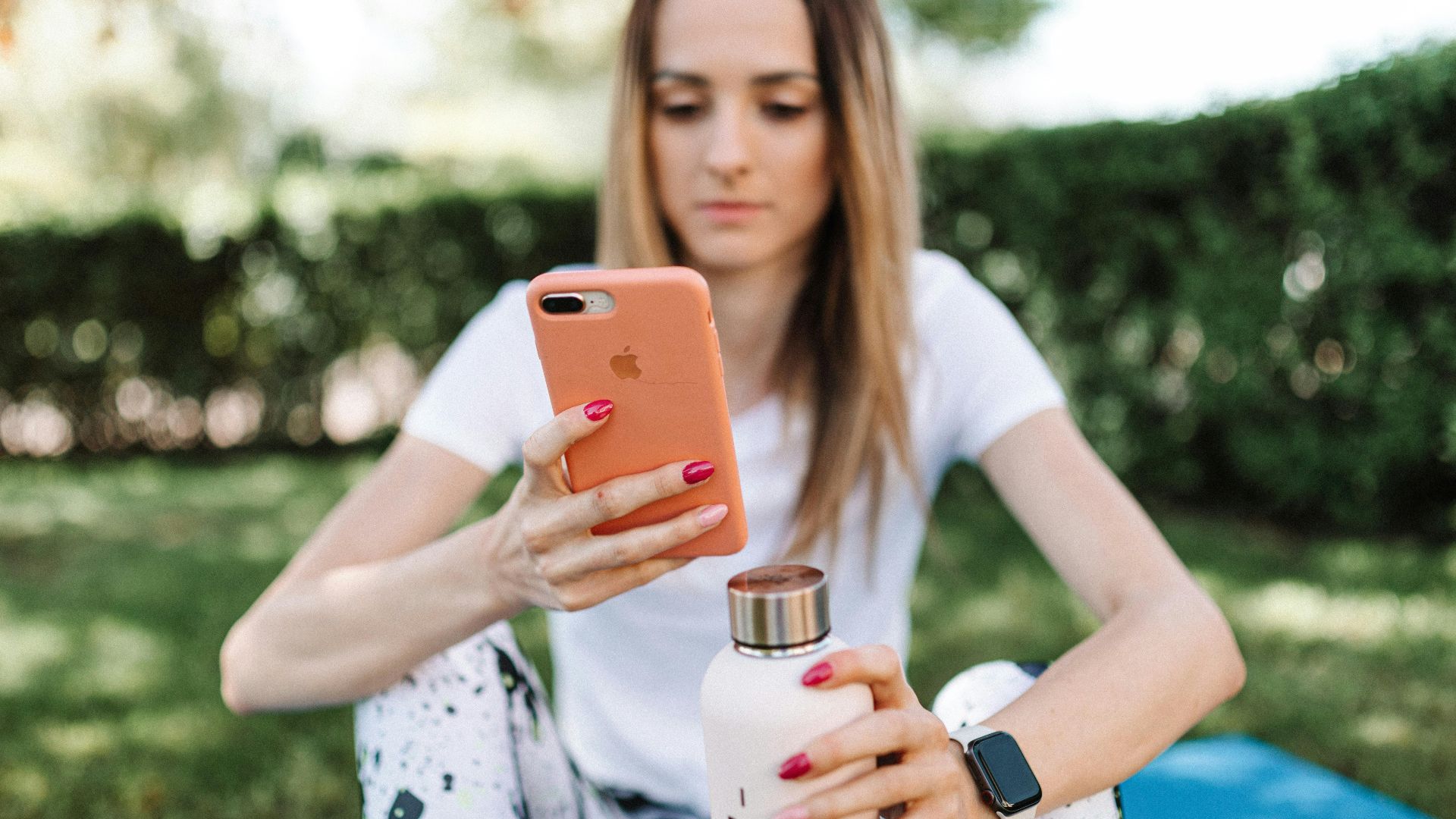
Assure Emotions Communication

If your fear becomes overwhelming (persistent insomnia, marked social withdrawal, intrusive thoughts), don’t hesitate to consult a mental health professional: psychologist, psychiatrist, or prevention center. Seeking help is a sign of courage and an essential step toward living more freely.

Photos: Pexels

Catégories
Uncategorized

Guide pratique pour distinguer tendances durables et modes éphémères

Introduction : Dans un monde saturé d’informations et d’images séduisantes, il devient crucial d’apprendre à séparer les tendances qui apportent une vraie valeur de celles qui ne durent que le temps d’un fil d’actualité. Cet article propose une méthode simple et des exemples concrets pour vous aider à décider où investir votre argent, votre temps et votre attention. Nous verrons pourquoi certaines tendances s’ancrent dans des changements sociétaux (durabilité, flexibilité des espaces, personnalisation) et pourquoi d’autres s’essoufflent rapidement (micro-tendances, produits surfaits des influenceurs, gadgets à usage unique).

Critères pour évaluer une tendance :

  • Utilité réelle : apporte-t-elle un bénéfice concret (gain de temps, confort, économies) ?
  • Longévité : peut-elle traverser les saisons et les changements de goût ?
  • Réparabilité et traçabilité : le produit est-il réparable, ses matériaux vérifiables ?
  • Polyvalence : s’intègre-t-il à plusieurs contextes ou usages ?
  • Preuve sociale durable : soutenu par des avis indépendants plutôt qu’un buzz éphémère ?

Exemples de tendances à suivre :

Basiques de qualitéInvestir dans des basiques bien conçus est l’une des décisions les plus pragmatiques. Ces pièces vous servent plus longtemps et s’associent à tout, réduisant ainsi les achats impulsifs. De plus en plus de consommateurs préfèrent la qualité à la quantité.

Chaussures confortables et élégantesLa chaussure confortable mais élégante traduit un changement d’attente : le confort n’est plus un compromis mais une exigence. Les modèles bien conçus sont portés plus souvent, améliorent le quotidien et limitent les douleurs liées à une mauvaise posture.

Meubles modulairesLes meubles modulaires et multifonctionnels répondent à la réalité des petits espaces. Ils permettent d’adapter un même salon en bureau, salle à manger ou chambre d’appoint sans multiplier les achats.
Pourquoi certaines tendances disparaissent :

Les micro-tendances ultra-spécifiques, les produits promus uniquement par la viralité et la fast fashion partagent un défaut : ils reposent sur l’illusion de nouveauté plutôt que sur une utilité pérenne. Lorsqu’une tendance est optimisée pour des clics (algorithmes, packaging instagrammable) et non pour la possession durable, elle a peu de chances de traverser l’année suivante.


Mode jetableLa mode jetable illustre ce point : achats fréquents, qualité médiocre, redondance. La réaction des consommateurs informés se traduit par un report vers la durabilité, la seconde main et la personnalisation.

Comment agir au quotidien ?

  • Avant d’acheter, attendez 48h pour un achat non essentiel. Le délai diminue l’achat impulsif.
  • Privilégiez la réparabilité : favorisez des marques qui proposent des services de réparation ou des pièces détachées.
  • Testez la valeur temps : si un appareil vous fait gagner régulièrement du temps, il peut valoir l’investissement.
  • Misez sur l’éducation : les compétences acquises (cours, ateliers) offrent souvent un meilleur retour sur investissement émotionnel et financier qu’un objet.

Technologie fiableEnfin, pour la technologie, favorisez la fiabilité et le service après-vente. Une bonne assistance, des mises à jour logicielles et une compatibilité sur le long terme sont plus précieuses que des fonctions spectaculaires qui tomberont en désuétude.

Conclusion : Investir dans la qualité, la polyvalence et la durabilité permet non seulement d’économiser à long terme, mais aussi de réduire le stress lié à la surabondance d’objets. Les tendances intéressantes sont celles qui améliorent durablement votre quotidien : gain de temps, confort, modularité et apprentissage. Les autres, souvent poussées par la viralité, disparaîtront. Adoptez une approche réfléchie et vous verrez rapidement la différence dans vos choix et votre bien-être.