Catégories
Uncategorized

Trois avions américains abattus au Koweït, possiblement par des tirs alliés

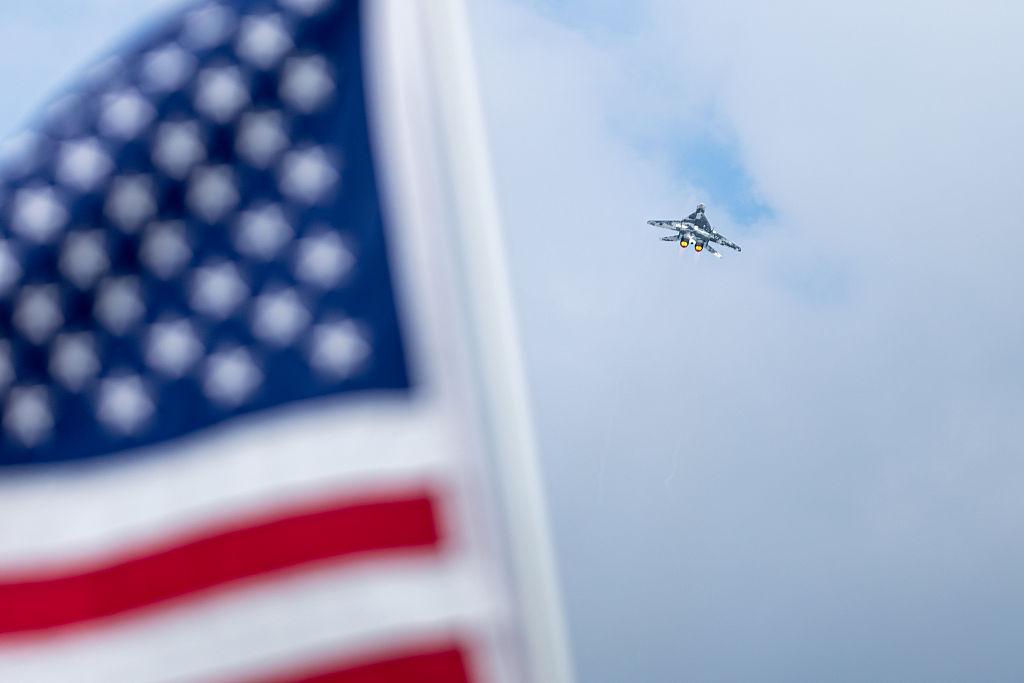
Trois avions de chasse américains se sont écrasés au Koweït le 1er mars 2026, apparemment à la suite d’un tir ami des forces de défense koweïtiennes. Selon le Commandement central américain, les six militaires ont pu s’éjecter sans encombre et ont été pris en charge pour des blessures sans gravité. Selon le gouvernement américain, les avions ont été abattus au cours d’un combat actif impliquant des avions, des missiles et des drones iraniens. Le colonel koweïtien Said Al-Atwan a affirmé que le Koweït était en coordination directe avec les autorités américaines.

Tirs amis ?

Selon les rapports américains, les trois avions ont été abattus par les forces de défense alliées du Koweït, qui ont pris les avions américains pour des menaces. Plusieurs vidéos ont été diffusées et leur authenticité a été confirmée par les médias. La vidéo montre plusieurs avions américains descendant en spirale vers le sol et les pilotes sautant en parachute pour se mettre en sécurité. Une vidéo a été géolocalisée à moins de dix kilomètres de la base américaine Ali Al Salem au Koweït. Une deuxième vidéo a été géolocalisée à 30 kilomètres de la base Ali Al Salem. Le Koweït est sur les nerfs depuis que l’Iran a commencé à attaquer les installations américaines dans le pays. Le Koweït est resté un centre énergétique relativement stable au cours des dix dernières années, mais les attaques constantes de l’Iran contre les bases américaines menacent l’économie du pays.

L’ambassade américaine attaquée

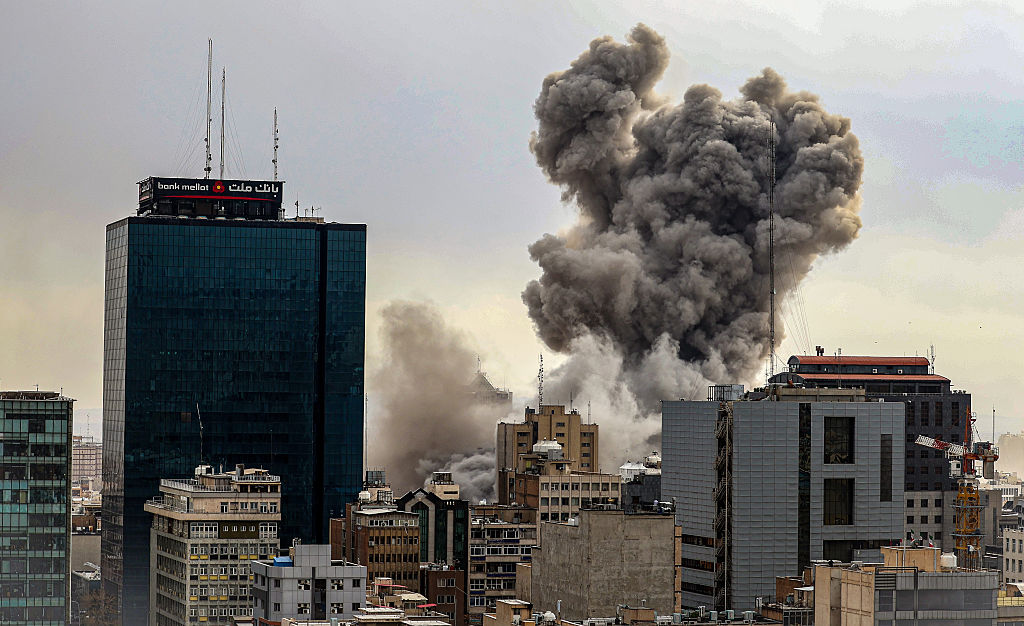
Une explosion a été signalée près de l’ambassade américaine au Koweït, et des photos et des vidéos montrent de la fumée entourant la zone. Depuis les attaques américaines et israéliennes du 28 février, l’Iran a frappé neuf pays différents et 27 installations militaires en représailles. L’Iran s’est tenu à l’écart des cibles civiles, se concentrant plutôt sur les bases et les installations américaines et israéliennes dans les pays du Golfe. L’Iran a attaqué l’aéroport international du Koweït, causant d’importants dégâts. Plusieurs membres du personnel de l’aéroport ont été blessés dans l’explosion, et le terminal principal de l’aéroport a été gravement endommagé, des images montrant des fenêtres soufflées et un plafond partiellement effondré. Le gouvernement koweïtien a annoncé que l’aéroport serait fermé dans un avenir prévisible et que des mesures d’urgence étaient mises en œuvre pour rétablir le fonctionnement normal.

Les États-Unis et Israël attaquent l’Iran

Le 28 février 2026, le gouvernement américain et Israël ont mené une opération conjointe en Iran, les États-Unis déclarant par la suite qu’ils étaient en guerre avec ce pays. Ces attaques ont déclenché des représailles de la part de l’Iran, qui a pris pour cible des bases militaires américaines et israéliennes à travers le Moyen-Orient. Selon Donald Trump, cette guerre n’a pas de calendrier précis et les États-Unis poursuivront leurs opérations dans le pays jusqu’à ce qu’ils constatent un changement de régime significatif et la fin du programme nucléaire présumé de l’Iran. Les frappes américaines et israéliennes ont tué le guide suprême iranien, Ali Khamenei, dès le premier jour de la guerre. Khamenei a recouru à une violence meurtrière contre les manifestants civils à Téhéran, et son assassinat a été le seul élément positif de l’intervention illégale de Donald Trump. Tout comme Maduro au Venezuela, Ali Khamenei était un dirigeant cruel et impopulaire, la majorité du pays souhaitant son départ. Cela dit, le fait d’être impopulaire ne justifie pas une intervention internationale illégale.

Selon Trump, sa guerre contre l’Iran n’a pas de calendrier précis et les États-Unis continueront à frapper le pays jusqu’à ce qu’ils obtiennent un changement de régime, la fin du programme nucléaire iranien et la certitude que l’Iran ne représente plus une « menace immédiate ». L’Iran est en proie à des troubles depuis près d’un an, les civils protestant contre le gouvernement et celui-ci répondant par la violence à l’encontre des civils.

Plus d’un millier de cibles frappées

Le Commandement central américain a annoncé que, au 1er mars, plus de 1 000 cibles avaient été frappées par les forces américaines et israéliennes. Selon des responsables américains, l’armée se concentre sur des cibles militaires telles que les centres de commandement et de contrôle, les navires et sous-marins de la marine iranienne et le quartier général du Corps des gardiens de la révolution islamique. Les rapports en provenance d’Iran divergent toutefois. Au moins 180 des 600 morts en Iran sont des enfants. Le 1er mars, Israël a frappé et détruit une école de filles à Minab, tuant près de 200 enfants et en blessant des dizaines d’autres. Israël frappe également la capitale libanaise, Beyrouth, où opère le groupe Hezbollah, financé par l’Iran.

Plus de 50 personnes ont été tuées au Liban depuis le 28 février.

Demi Lovato’s former villa is on the market for $11 million

Demi Lovato’s former home, located at 8080 Laurel View Dr in Los Angeles, is now up for sale. Nestled at the end of a quiet street, just above the famous Chateau Marmont, this private and secure property offers spectacular viewsstretching from the downtown skyscrapers to the sparkling Pacific Ocean. Covering more than 4,000 square meters, the residence combines light, proportion, and indoor-outdoor living. The double-height living room opens onto the city through large bay windows and Fleetwood sliding doors. The high-end kitchen and bright living spaces extend to the garden with an infinity pool, terraces, and fitness pavilion. The master suite with fireplace, panoramic balcony, and spa bathroom enhances the comfort. A lounge, bar, and panoramic terrace complete this exceptional home in the Hollywood Hills.

Catégories
Uncategorized

C’est la fin du sondage de popularité du président de Gallup

CHRONIQUE

L’un des instituts d’analyse les plus réputés et les plus renommés, Gallup, a annoncé le 11 février qu’il cesserait de publier son sondage sur la cote de popularité du président après 88 ans passés à informer les électeurs américains. Bien que Gallup ait montré une chute vertigineuse de la cote de popularité de Donald Trump au cours des 12 derniers mois, la société affirme que le président n’a rien à voir avec cette décision et que ce changement s’inscrit dans le cadre d’un effort plus large visant à aligner le travail de Gallup sur sa nouvelle mission. Fondée en 1935, Gallup a son siège à Washington, D.C. et suit les cotes de popularité des présidents depuis 1935.

Pourquoi supprimer ce sondage ?

Gallup a donné plusieurs raisons pour expliquer l’annulation de ce service légendaire, mais toutes les réponses sont en accord avec son message général. Dans un communiqué, Gallup a déclaré que la qualité des sondages s’était détériorée et qu’ils étaient désormais largement produits, agrégés et interprétés. Selon Gallup, les sondages ne constituent plus un domaine dans lequel l’entreprise peut apporter sa « contribution la plus distinctive ». Gallup affirme que son engagement réside dans « la recherche à long terme et méthodologiquement solide sur les questions et les conditions qui façonnent la vie des gens ». Que Gallup ait estimé que le public interprétait mal la cote de popularité catastrophique de Donald Trump ou que les résultats étaient devenus biaisés, les médias considèrent ce changement de pratique comme un nouvel exemple de la mainmise de Donald Trump.

Propagande agressive

Ce n’est un secret pour personne que Donald Trump s’efforce de convaincre le monde entier qu’il est le plus grand président de l’histoire des États-Unis. Trump n’a cessé de se présenter comme le sauveur de l’Amérique. Il affirme avoir sauvé la frontière, l’économie, le marché immobilier, la lutte contre la criminalité violente et la politique commerciale extérieure des États-Unis, alors qu’en réalité, tous ces domaines ont souffert sous son règne. Trump censure activement les médias qui soutiennent les candidats démocrates et domine l’espace publicitaire sur le câble avec des messages pro-Trump (le terme « manipuler » serait peut-être plus approprié). Plusieurs médias ont émis l’hypothèse que Gallup annule le sondage sur les taux d’approbation en raison de pressions perçues ou directes de la part de l’administration Trump.

Taux d’approbation en baisse

Avec un taux d’approbation de seulement 37 % en février 2026, le taux d’approbation annuel de Donald Trump est historiquement bas. Sa cote de popularité moyenne tout au long de son deuxième mandat est la plus basse de l’histoire des États-Unis. Le deuxième ? Trump 1.0, 2016-2020. La cote de popularité moyenne de Joe Biden était également parmi les plus basses de l’histoire présidentielle américaine. Trump refuse de répondre aux questions sur sa cote de popularité, mais il a nié les données présentées dans plusieurs sondages, affirmant qu’il était « populaire » malgré d’innombrables données prouvant le contraire. Trump a également déclaré dans la même interview qu’il pensait avoir la meilleure économie « de toute l’histoire ».

La cote de popularité de Trump n’a cessé de baisser depuis son investiture en 2025. En février 2025, la cote de popularité de Trump était près de 10 % supérieure au maigre 38 % qu’elle affiche actuellement. Il semble qu’un cinquième des électeurs de Trump regrettent aujourd’hui leur décision d’avoir voté pour Donald Trump.

L’Amérique a laissé Donald Trump s’installer sur son canapé, et maintenant il revendique des droits de squatter ; il provoque les démocrates en parlant d’une présidence infinie et affiche la puissance militaire américaine à travers le monde en menaçant d’annexer des alliés de longue date et des pays militairement neutres.

Quelle est la prochaine étape pour Gallup ?

Même si Gallup pourrait annuler son sondage le plus célèbre, le taux de popularité du président n’est plus la priorité de l’entreprise. Au cours des trois dernières années, Gallup s’est développé de manière agressive sur le marché de l’analyse et du conseil aux entreprises, utilisant ses compétences en matière de collecte de données pour créer des données pour les entreprises, en se concentrant spécifiquement sur les mesures de satisfaction des employés. Gallup mène également des recherches en dehors de la politique et des marchés individuels. Gallup recueille des données sur l’opinion publique concernant la diffusion de l’IA et d’autres indicateurs mondiaux de confiance et de satisfaction du public à l’égard des grandes institutions.

L’interview erratique de Trump

Dans une interview accordée à Larry Kudlow de FOX début février 2026, Trump a affirmé qu’il était populaire et a fait une série de déclarations mélodramatiques sur son succès. Selon Trump, il a hérité d’un pays « en train de mourir » et c’est lui seul qui a sauvé l’Amérique. Il a reproché aux « fausses nouvelles » de le présenter comme un échec et a affirmé qu’il adorait donner des interviews afin de pouvoir exagérer mettre en avant le succès de son administration.

À l’heure actuelle, YouGov/The Economist évalue le taux de popularité de Trump à 37 %, Gallup à 38 %, et Silver Bulletin indique que son taux d’impopularité est de -13,7. Et cela avant la guerre avec l’Iran.

Catégories
Uncategorized

L’Iran riposte et attaque des bases américaines

Après que les États-Unis et Israël aient mené une série de frappes aériennes contre l’Iran le 28 février 2026, l’Iran a riposté par une série d’attaques contre des installations militaires américaines à travers le Moyen-Orient. Au total, l’Iran a frappé neuf pays différents et 27 installations militaires. Les frappes américaines et israéliennes ont tué le guide suprême iranien, Ali Khamenei, qui avait recouru à une violence meurtrière contre les manifestants civils à Téhéran. Selon Trump, sa guerre contre l’Iran n’a pas de calendrier précis, et les États-Unis continueront à frapper le pays jusqu’à ce qu’ils assistent à un changement de régime, à la fin du programme nucléaire iranien et qu’ils soient certains que l’Iran ne représente plus une « menace immédiate ».

Frappes de représailles iraniennes : chronologie

Au total, l’Iran a attaqué neuf pays différents et 27 installations militaires différentes depuis qu’il a été attaqué le 28 février. Les premières représailles ont eu lieu une heure seulement après que les États-Unis aient frappé l’Iran, et l’Iran a continué à frapper les bases militaires américaines au cours des deux jours suivants, tandis que les forces américaines et israéliennes continuaient à bombarder Téhéran.

28 février 2026, 1 h 30 du matin (heure de l’Est) (10 h à Téhéran) : Moins d’une heure après les premières frappes américaines et israéliennes, l’Iran a riposté par une série d’attaques. L’Iran a pris pour cible des bases militaires américaines et israéliennes à travers le Moyen-Orient, en se concentrant sur les complexes de lancement de missiles balistiques, les bases de drones et les batteries de missiles côtières. L’Iran a frappé quatre pays abritant des forces militaires américaines et israéliennes. Au Qatar, l’Iran a lancé plusieurs vagues de frappes de missiles visant la base aérienne d’Al Udeid, la plus grande base américaine au Moyen-Orient. Le Qatar a déclaré que les attaques avaient été interceptées. À Bahreïn, l’Iran a pris pour cible le quartier général de la 5e flotte américaine et de la Naval Support Activity Bahrain. Bahreïn a confirmé le succès de l’attaque, et des images satellites ont montré une flotte de navires fuyant la base.

28 février 2026, 2 h 30 (heure de l’Est) (11 h à Téhéran) : Outre le Qatar et Bahreïn, l’Iran a pris pour cible des installations américaines au Koweït et aux Émirats arabes unis. Au Koweït, le CGRI a attaqué la base Ali Al Salem et le camp Arifjan, les deux bases continuant d’évaluer les dégâts. Environ 13 500 militaires et membres du personnel de soutien américains sont stationnés au Koweït. Le pays est un centre énergétique stable depuis des décennies, et les actions de l’Iran dans le pays ont provoqué une onde de choc dans le Golfe et au Koweït.

Aux Émirats arabes unis (EAU), la zone autour de la base aérienne d’Al Dhafra, avec des images satellites montrant de la fumée s’élevant près de la base. Les forces des EAU ont annoncé que plusieurs missiles avaient été interceptés, mais il y a eu au moins un mort lors de la frappe, et des éclats d’obus continuent de tomber des immeubles de grande hauteur au sud d’Abou Dhabi.

28 février 2026, 6 h 40 (heure de l’Est) (14 h 50 à Téhéran) : L’Iran envoie des roquettes en Jordanie, frappant la base aérienne de Muwaffaq Salti. Des images filmées par des civils au sol ont montré les systèmes de défense antimissile jordaniens entrer en action, envoyant des dizaines de roquettes pour intercepter l’attaque iranienne. Au moins un missile iranien a frappé la zone proche de la base aérienne, et une vidéo montre de la fumée s’échappant de l’intérieur des murs en béton de Muwaffaq Salti. Près de 4 000 soldats américains sont stationnés à la base aérienne de Muwaffaq Salti. Les États-Unis ont envoyé des dizaines d’avions d’attaque à Muwaffaq Salti ces dernières semaines, ce qui en fait une plaque tournante essentielle pour la puissance aérienne américaine au Moyen-Orient.

28 février 2026, 9 h 00 (heure de l’Est) (17 h 30 à Téhéran) : Plus tard dans la soirée, d’autres frappes iraniennes ont touché le Koweït. La base aérienne d’Ali Al Salem a de nouveau été prise pour cible, ainsi que l’aéroport international du Koweït. Les frappes ont gravement endommagé l’aéroport international du Koweït et plusieurs membres du personnel de l’aéroport ont été blessés dans l’explosion. Le terminal principal de l’aéroport a été gravement endommagé, comme le montrent les images montrant des fenêtres soufflées et un plafond partiellement effondré. Le gouvernement koweïtien a annoncé que l’aéroport serait fermé pour une durée indéterminée et que des mesures d’urgence étaient mises en œuvre pour rétablir le fonctionnement normal.

28 février 2026, dans la nuit : Les frappes contre l’Iran et les frappes de représailles contre les infrastructures américaines se sont poursuivies toute la nuit, avec au moins une frappe toutes les heures. L’Iran a lancé une salve de missiles sur Israël, dont la majorité a été interceptée par le système de défense israélien Iron Dome. Les roquettes qui ont réussi à pénétrer le système de défense ultramoderne d’Israël ont frappé des zones non habitées du pays. Dans la nuit du 28 février, plusieurs pays du Golfe ont reçu des alertes de missiles en raison de l’action militaire iranienne.

1er mars 2026, 6 h 00 (heure de l’Est) (14 h 30 à Téhéran) : Dans le cadre de l’une des plus importantes attaques simultanées menées par l’Iran, plusieurs missiles ont été tirés sur Israël et Bahreïn le 1er mars. Une fois de plus, le Dôme de fer israélien a intercepté la majorité des roquettes, et le missile qui a réussi à passer a frappé des champs. À Bahreïn, des sirènes ont retenti après qu’une série de missiles a été tirée depuis l’Iran.

L’Iran a également tiré des missiles sur Abu Dhabi et Doha, la capitale du Qatar. À Dubaï, deux explosions consécutives ont été entendues dans le centre-ville, et à Doha, 16 personnes ont été blessées par des débris tombés après qu’un missile iranien ait frappé un immeuble de grande hauteur. Le Koweït a également signalé que d’autres missiles avaient pénétré dans son espace aérien, mais a affirmé que ses systèmes de défense avaient intercepté les menaces.

Frappes en Iran et au Liban

Il est important de noter que toutes les frappes iraniennes ont été des représailles contre les États-Unis et Israël. Les frappes aériennes se poursuivent en Iran depuis le 28 février et ne montrent aucun signe d’arrêt, alors que les hôpitaux de Téhéran sont saturés et que la ville s’efforce de mettre en place des abris et des sites sûrs pour les civils déplacés. À ce jour, près de 600 personnes ont été tuées par les États-Unis et Israël en Iran, et 2 000 autres ont été blessées. Au moins 200 des 600 morts sont des enfants, après la destruction par Israël d’une école de filles à Minab dimanche. Israël frappe également la capitale libanaise, Beyrouth, où opère le groupe Hezbollah, financé par l’Iran. Plus de 50 personnes ont été tuées au Liban depuis le 28 février. Au total, plus de 700 personnes ont été tuées en 72 heures de conflit, 90 % des victimes étant originaires d’Iran. Israël a enregistré au moins neuf morts, trois militaires américains ont été tués et sept personnes ont été tuées dans les pays du Golfe lors de frappes iraniennes. Le Liban compte environ 50 morts après une journée de frappes israéliennes.

Les plans de Trump en Iran

Donald Trump affirmant qu’il est prêt à déployer des troupes américaines sur le terrain et les États-Unis ayant déjà réussi leur mission supposée, il n’y a pas de fin en vue à ce conflit. L’objectif de Donald Trump était un changement de régime, et il a réussi à tuer le guide suprême iranien dès le premier jour de la guerre. Un changement de régime a commencé, mais Donald Trump ne montre aucun signe d’arrêt de sa guerre violente contre l’Iran. Trump a fait campagne sur la base d’un programme « pas de nouvelles guerres », soutenu par les républicains.

Aujourd’hui, il a déclenché la guerre la plus importante depuis l’Irak en 2003, et il l’a fait sans qu’un événement tel que le 11 septembre ne vienne déclencher le mouvement.

Catégories
Uncategorized

Bill Clinton peppered with awkward questions during Epstein deposition

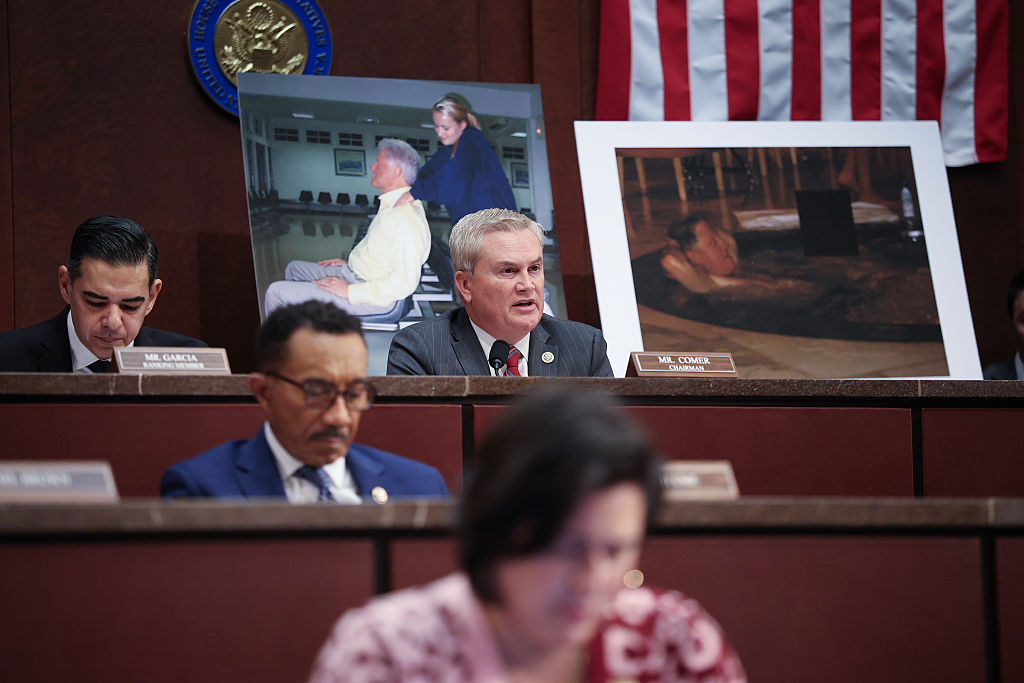
In a closed-door deposition with members of the Republican and Democratic parties on February 27, 2026, Bill Clinton was leaned on for six hours regarding his relationship with Jeffrey Epstein, and the mounting evidence of Clinton’s knowledge of Epstein’s pedophilia. Clinton’s deposition was an opportunity for the ex-President to comment on Donald Trump’s involvement with Epstein, and his connection to the Epstein files released by the FBI. Republicans claim Clinton’s comment exonerates Trump, Democrats claim they only raise more questions, and Donald Trump has started a war in Iran to help everyone forget about it.

Clinton pressed on Epstein during deposition

If Clinton thought his six-hour deposition was going to be easy, he was sorely mistaken. In the closed-door deposition in New York City, Clinton was specifically asked about his involvement with persons he’s pictured with in the files, as well as Donald Trump’s connection to Epstein. Clinton claimed that in all the years of his friendship with Jeffrey Epstein, he never saw anything that gave him pause. Epstein, the world’s most infamous child sex-trafficker, ran his criminal enterprise through his island.

According to Republicans, Clinton was extremely helpful during the deposition. According to Rep. Nancy Mace (SC), Clinton attempted to respond to every question, even after his attorneys advised him to stay silent. Video of the six-hour proceeding is expected to be released soon.

‘I did nothing wrong’

Clinton claimed his innocence in his opening statements. The former President claimed he knew nothing of Epstein’s crimes until the financier’s guilty plea in 2008. Clinton claimed he never witnessed any wrongdoing at Jeffrey Epstein’s island, on his plane, or at his New York residence – all three of which Clinton frequented. Epstein, who ran his criminal pedophile ring out of his island, employed dozens of teenage girls as staff members. Still, Clinton claimed, ‘I had no idea of the crimes Epstein was committing,’ to lawmakers on February 27.

Devaluing photographs

Former President Clinton spent enough time devaluing the validity of the photographs in which he’s pictured. In the Epstein files, there are photos of Clinton with multiple young women.

According to Clinton, the public should just forget about the photographs. Clinton stated that no matter how many photos they showed him, it would not change the fact that he knew nothing and saw nothing of Jeffrey Epstein’s global child sex-trafficking ring.

Bill Clinton was also shown a photo of himself reclining in a jacuzzi with a woman. Clinton was asked whether he ever had sex with the woman, to which he said no, before following the statement with a disclaimer about his memory potentially impacting the truth of his statements. The former President claimed that if he had ever known about Jeffrey Epstein’s crimes, and if he had, he would have turned him over to the police himself.

Clinton criticizes lawmakers

Former President Clinton also criticized lawmakers in his opening statements, specifically regarding their choice to interview Hillary Clinton. Hillary, who has consistently claimed that she did not know Epstein and had never flown on his jet nor attended his residencies, was forced to sit for a six-hour deposition like her husband. Clinton slammed lawmakers for forcing Hillary to sit through the deposition, claiming that she had no memory of even meeting Epstein, much less having witnessed crimes on his island.

Democrats also criticized Republicans for deposing Hillary Clinton, calling the move a political show. During her deposition, Clinton was quizzed on a litany of issues, not limited to Jeffrey Epstein. Clinton was quizzically asked about UFO’s, January 6th conspiracy theories, and her personal opinions on a slate of issues entirely unrelated to Jeffrey Epstein. After the deposition, Rep. Nancy Mace accused Clinton of “screaming” and being “unhinged” during her deposition, to which a representative of Clinton’s called her « full of s***.’

What’s next

While Democrats claim these depositions are meant to find out more information on Donald Trump’s connection to Jeffrey Epstein, Republicans are using them as a strategy to clear the entangled President’s name. With Democrats and Republicans trying to leverage the debates for entirely opposite reasons, it’s nearly certain that these depositions will continue to be a waste of government time and money.

Catégories
Uncategorized

Three US fighter jets shot down over Kuwait

Three US fighter jets crashed in Kuwait on March 1, 2026, due to apparent friendly fire from Kuwaiti defence forces. According to US Central Command, all six servicemen ejected safely and are being tended to with non-life-threatening injuries. According to the US government, the jets were shot down during active combat that involved Iranian aircraft, missiles, and drones. Kuwaiti Col. Said Al-Atwan claimed that Kuwait was in direct coordination with US authorities.

Friendly fire?

According to American reports, all three jets were shot down by allied Kuwait defences, mistaking the American jets for threats. Multiple videos have been released and confirmed by media outlets to be valid. The video shows multiple US aircraft spiralling to the ground, and pilots parachuting to safety. One video was geolocated less than ten kilometres away from the US Ali Al Salem base in Kuwait. A second video was geolocated to 30 kilometres from the Ali Al Salem base. Kuwait has been on edge since Iran began attacks on US installations in the country. Kuwait has remained a relatively stable energy hub over the last ten years, and constant attacks from Iran on American bases are threatening the country’s economy.

US embassy attacked

An explosion was reported near the US embassy in Kuwait, with photos and videos showing smoke surrounding the area. Since the US and Israel’s attacks on February 28, Iran has struck nine different countries and 27 military installations in response. Iran has been staying away from civilian targets, instead focusing on US and Israeli bases and installations across the Gulf countries. Iran did attack Kuwait International Airport, with the strikes severely damaging Kuwait International. Multiple airport personnel were injured in the blast, and the airport’s main terminal was severely damaged, with footage showing blown-out windows and a semi-collapsed ceiling. The government of Kuwait announced the airport would be closed for the foreseeable future, and that emergency measures are being implemented return operations to normal.

US and Israel attack Iran

On February 28, 2026, the US government and Israel undertook a joint operation in Iran, with the US subsequently declaring it was at war with the country. The attacks triggered retaliatory strikes from Iran, targeting US and Israeli military bases across the Middle East. According to Donald Trump, there is no timeline for this war, and the US will continue its operations in the country until it sees a significant regime change, as well as an end to Iran’s supposed nuclear program.

US and Israeli strikes killed Iran’s Supreme Leader, Ali Khamenei, on Day One of the war. Khamenei has been using deadly violence against civilian protesters in Tehran, and his killing has been the only positive piece of Donald Trump’s illegal intervention. Much like Maduro in Venezuela, Ali Khamenei was a vicious and unpopular leader, with the majority of the country wanting him ousted. That being said, being unpopular does not justify illegal international overreach.

According to Trump, his war on Iran has no timeline, and the US will continue to strike the nation until it sees regime change, the end of Iran’s nuclear program, and is certain that Iran will no longer pose an ‘immediate threat’. Iran has been in turmoil for the better part of a year, with civilians protesting against the country’s administration, and the administration responding with violence against civilians.

More than a thousand targets struck

US Central Command announced that by March 1, more than 1,000 targets had been struck by American and Israeli forces. According to US officials, the military is focusing on military targets like command and control centers, Iranian Navy ships and submarines, and Islamic Revolutionary Guard Corps headquarters. Reports from Iran have differed, though. At least 180 of the 600 dead in Iran are children. On March 1, Israel struck and destroyed an all-girls’ school in Minab, killing nearly 200 children and injuring dozens more. Israel is also striking the Lebanese capital of Beirut, where the Iranian-funded group Hezbollah operates.

More than 50 people in Lebanon have been killed since February 28.

Catégories
Uncategorized

Legendary analytics firm Gallup to stop tracking presidential approval ratings after nine decades of service

One of the most noteworthy and renowned analytics organizations, Gallup, announced on February 11 that it would stop running its presidential approval rating poll after 88 years of informing American voters. While Gallup has shown Donald Trump’s approval rating crater over the last 12 months, the company claims that the president has nothing to do with the decision, and that the change is part of a broader effort to align Gallup’s work with its new mission. Gallup was founded in 1935; is headquartered in Washington, D.C. and has been tracking presidential approval ratings since 1935.

Why cut the rating?

Gallup has released multiple reasons why it cancelled the legendary service, but all of the answers align with its overall messaging. A statement from Gallup claimed the quality of the ratings had deteriorated, and that they were now widely produced, aggregated, and interpreted. According to Gallup, the ratings are no longer an area where it can make its “most distinctive contribution. » Gallup claims its commitment lies in “long-term, methodologically sound research on issues and conditions that shape people’s lives. » Whether Gallup believed the public was misinterpreting Donald Trump’s abysmal approval rating, or it believed the results had become skewed, media outlets are pointing to the change in practice as another example of Donald Trump’s strong-arming.

Pushing propaganda

It’s no secret that Donald Trump is extremely focused on convincing the world he’s the greatest president in American history. Trump has claimed time and time again to be America’s saviour. Trump claims he’s saved the border, the economy, the housing market, violent crime, and America’s foreign trade policy; when in reality, all have suffered under his reign. Trump is actively censoring media outlets promoting democratic candidates, and dominating cable ad space with pro-Trump messaging (massaging might be a better word). Multiple news outlets have theorized that Gallup is cancelling the approval ratings poll because of perceived or direct pressure from the Trump administration.

Sinking approval rating

With an approval rating of just 37% as of February 2026, Donald Trump’s single-year approval rating is historically low. His average approval rating throughout his second term is the lowest in American history. The runner-up? Trump 1.0, 2016-2020. Joe Biden’s average approval rating was also among the lowest in American Presidential history. Trump refuses to answer questions about his approval rating, but he has denied the data showing across multiple polls, claiming ‘I’m popular’ amid countless data proving otherwise. Trump also claimed in the same interview that he thinks he has the greatest economy “actually ever in history”.

Trump’s approval rating has been steadily falling since his inauguration in 2025. In February 2025, Trump’s approval rating was nearly 10% higher than the measly 38% it sits at now. It seems as though a fifth of Trump’s voter base now has buyer’s remorse, regretting their decision to elect Donald Trump. Unfortunately, you can’t return fascism once you’ve brought it home. America let Donald Trump stay on her couch, and now he’s claiming squatter’s rights; provoking Democrats with talks of an infinite presidency, and posturing America’s military strength across the world by threatening to annex longtime allies and militarily neutral countries. If Trump’s money wasn’t tied into Switzerland, he’d probably be threatening to annex them too.

What’s next for Gallup?

While Gallup may be cancelling its most famous poll, the presidential approval rating is no longer the company’s focus. For the last three years, Gallup has been aggressively expanding into the business analytics and consultation market, using its data-collection skills to create data for corporations – specifically focusing on employee satisfaction metrics. Gallup also conducts research outside of politics and individual markets. Gallup collects data on the public’s views on the spread of AI and other global indicators of public trust and happiness with major institutions.

Trump’s erratic interview

In an interview with FOX’s Larry Kudlow in early February 2026, Trump both claimed he was popular and made a series of melodramatic statements about his success. According to Trump, he inherited a country that was ‘going to die’ and that he alone has saved America. He blamed the ‘fake news’ for painting him as a failure and claimed that he loves doing interviews so he can overstate highlight his administration’s success.

As of now, YouGov/The Economist have Trump’s approval rating at 37%, Gallup at 38%, and Silver Bulletin says his disapproval rating is -13.7.

And that was before the Iran war.

Catégories
Uncategorized

Iran retaliates against US bases across the Middle East

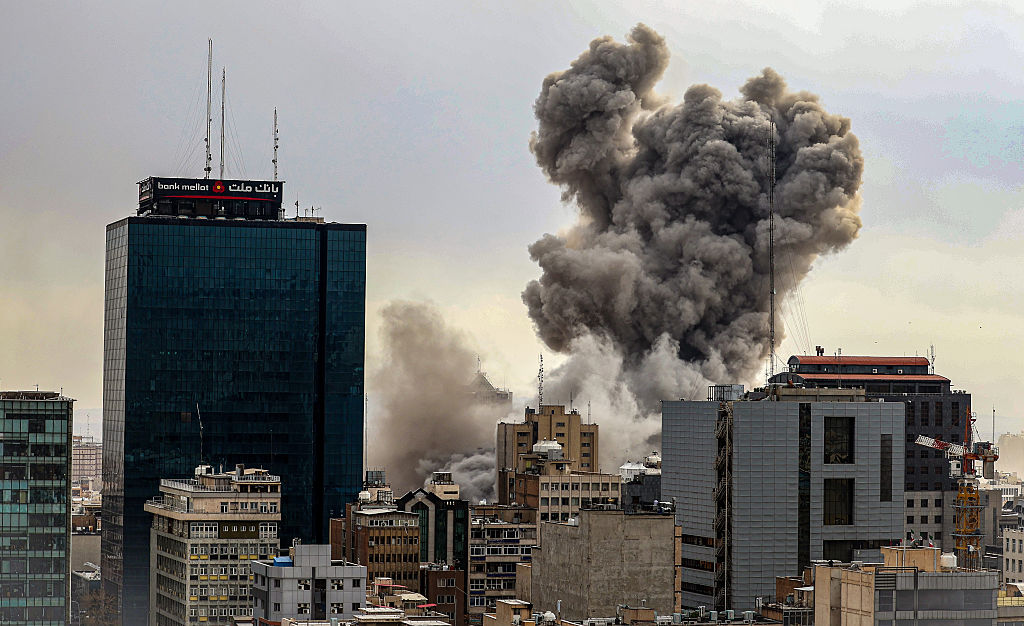
After the US and Israel conducted a series of airstrikes on Iran on February 28, 2026, Iran responded with a slew of attacks on American military installations across the Middle East. In total, Iran has struck nine different countries and 27 military installations. US and Israeli strikes killed Iran’s Supreme Leader, Ali Khamenei, who has been using deadly violence against civilian protesters in Tehran. According to Trump, his war on Iran has no timeline, and the US will continue to strike the nation until it sees regime change, and the end of Iran’s nuclear program, and is certain that Iran will no longer pose an ‘immediate threat’.

Iran retaliatory strikes: timeline

In total, Iran has attacked nine different countries and 27 different military installations since it was attacked on February 28. The first retaliations came just an hour after the US struck Iran, and Iran continued to strike US military bases over the next two days, as Us and Israeli forces continue to barrage Tehran.

February 28, 2026, 1:30 am ET (10:00 am in Tehran): Within an hour of the initial strikes from the US and Israel, Iran responded with a series of attacks of its own. Iran targeted US and Israeli military bases across the Middle East, focusing on ballistic missile launch complexes, drone bases, and coastal missile batteries. Iran struck four countries housing US and Israeli military forces. In Qatar, Iran sent multiple waves of missile strikes targeting the Al Udeid Air Base, the largest US base in the Middle East. Qatar reported the attacks were intercepted. In Bahrain, Iran targeted the US’s Naval Support Activity Bahrain / 5th Fleet HQ. Bahrain confirmed the attack as successful, and satellite imagery showed a fleet of ships fleeing from the base.

February 28, 2026, 2:30 am ET (11:00 am in Tehran): Along with Qatar and Bahrain, Iran targeted US installations in Kuwait and the UAE. In Kuwait, the IRGC attacked the Ali Al Salem base and Camp Arifjan, with both bases continuing to assess damages. About 13,500 US service members and support personnel are stationed in Kuwait. The country has been a stable energy hub for decades, and Iran’s actions in the country have sent shockwaves across the Gulf and in Kuwait.

In the United Arab Emirates (UAE), the area around the Al Dhafra Air Base, with satellite imaging showing smoke rising near the base. UAE forces announced that multiple missiles were intercepted, but there was at least one fatality from the strike, and shrapnel continues to fall from high-rise buildings south of Abu Dhabi.

February 28, 2026, 6:40 am ET (2:50 pm in Tehran): Iran sends rockets to Jordan, striking the Muwaffaq Salti airbase. Footage filmed by civilians on the ground showed Jordanian missile defence systems jump into action, sending dozens of rockets to intercept Iran’s attack. At least one Iranian missile struck the area near the airbase, with video showing smoke billowing from inside the concrete walls of Muwaffaq Salti. Nearly 4,000 American troops are stationed at Muwaffaq Salti airbase. The U.S. has sent dozens of attack aircraft to Muwaffaq Salti in recent weeks, making it a key hub for American airpower in the Middle East.

February 28, 2026, 9:00 am ET (5:30 p.m. in Tehran): Later in the evening, more Iranian strikes hit Kuwait. Ali Al Salem air base was targeted once again, as well as the Kuwait International Airport. The strikes severely damaged Kuwait International, and multiple airport personnel were injured in the blast. The airport’s main terminal was severely damaged, with footage showing blown-out windows and a semi-collapsed ceiling. The government of Kuwait announced the airport would be closed for the foreseeable future, and that emergency measures are being implemented return operations to normal.

February 28, 2026, overnight: Strikes on Iran and retaliatory strikes on US infrastructure continued throughout the night, with at least one strike happening every hour. Iran sent a flurry of missiles into Israel, the majority of which were intercepted by Israel’s Iron Dome. The rockets that managed to penetrate Israel’s state-of-the-art defence system struck open ground in the country. Overnight on February 28, multiple Gulf countries received missile alerts due to Iranian military action.

March 1, 2026, 6:00 am ET (2:30 PM in Tehran): In what represents one of the largest simultaneous attacks from Iran, multiple missiles were fired at Israel and Bahrain on March 1. Once again, Israel’s Iron Dome intercepted the majority of the rockets, and the missile that got through struck open fields. In Bahrain, sirens sounded after a series of missiles were fired from Iran.

Iran also fired missiles at Abu Dhabi, and Doha, the capital of Qatar. In Dubai, two back-to-back blasts were heard downtown, and in Doha, 16 people were injured from falling debris after an Iranian missile struck a high-rise building. Kuwait also reported more missiles entering its airspace, but claimed its defence systems intercepted the threats.

Strikes in Iran, Lebanon

It’s important to note that all of Iran’s strikes have been retaliatory against the US and Israel. Air strikes have been continuous in Iran since February 28 and show no signs of stopping as hospitals in Tehran hit capacity and the city scrambles to set up shelters and safe sites for displaced civilians. So far, nearly 600 people have been killed by the US and Israel in Iran, with another 2,000 injured. At least 200 of the 600 dead are children after Israel destroyed an all-girls’ school in Minab on Sunday. Israel is also striking the Lebanese capital of Beirut, where the Iranian-funded group Hezbollah operates. More than 50 people in Lebanon have been killed since February 28.

In total, more than 700 people have been killed in 72 hours of conflict, with 90% of the victims coming from Iran. Israel has had at least nine people killed, three US service members were killed, and seven people were killed across Gulf countries in Iranian strikes. Lebanon has an estimated death toll of 50 after a day of Israeli strikes.

Trump plans in Iran

With Donald Trump claiming that he is willing to deploy US troops on the ground, and the US already having succeeded in its supposed mission, there is no end in sight to this conflict. Donald Trump’s goal was regime change, and he succeeded in killing Iran’s Supreme Leader on Day One of the war. A regime change has begun, but Donald Trump shows no signs of stopping his violent war on Iran. Trump ran on a platform of ‘no new wars,’ something Republicans supported.

Now, he’s started the most significant war since Iraq in 2003, and he did so without an event like 9/11 spurring the moment.

Catégories
Uncategorized

The Timeline Of The US-Israel Attack On Iran

On February 28, 2026, the US government and Israel undertook a joint operation in Iran, with the US subsequently declaring it was at war with the country. The attacks triggered retaliatory strikes from Iran, targeting US and Israeli military bases across the Middle East. According to Donald Trump, there is no timeline for this war, and the US will continue its operations in the country until it sees a significant regime change, as well as an end to Iran’s supposed nuclear program. Iran has been in turmoil for the better part of a year, with civilians protesting against the country’s administration, and the administration responding with violence against civilians.

Timeline of US and Israeli strikes, February 28

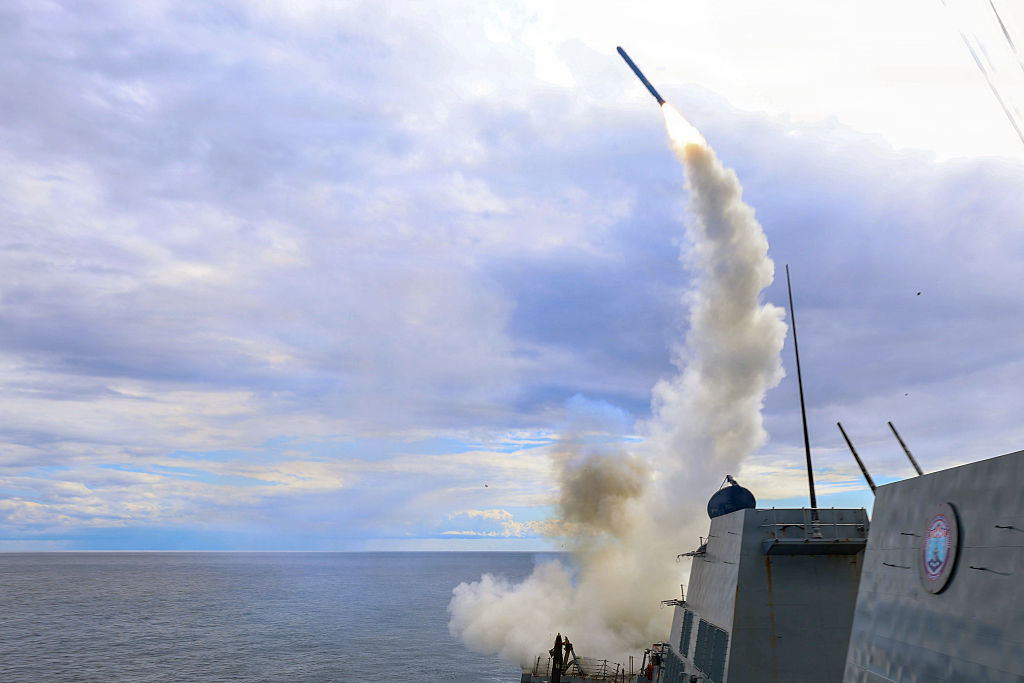
February 28, 1:15 am ET: At 1:15 am EST, or 9:45 am in Tehran, the US and Israel began a coordinated military strike entitled ‘Operation Epic Fury’. The first strikes were simultaneously launched from air, sea, and land, striking Iran’s capital, Tehran, and a series of other locations across the country. US naval vessels launched Tomahawk missiles into the capital, while Israeli fighter jets entered Iranian airspace.

The initial wave included stealth aircraft, cruise missiles, long-range precision weapons, and, for the first time in American history, armed ‘kamikaze’ drones. This is the first time the USA has used armed drones in a military operation, mimicking technology created by Iran.

February 28, military targets: the initial wave of attacks from the US and Israel focused on Iranian military installations. US missiles destroyed Missile bases, drone launch sites, military airfields, radar installations, and Islamic Revolutionary Guard Corps (IRGC) command posts.

Multiple initial strikes targeted Iranian leadership in the capital, Tehran. US missiles struck the Pasteur district of Tehran, which houses the presidential complex, National Security Council facilities, and the residence of Supreme Leader Ali Khamenei. Donald Trump announced shortly after the attacks that the Supreme Leader Khamenei was killed in an airstrike. Iranian sources confirmed that his wife, daughter, grandchild, daughter-in-law and son-in-law were also killed in the strike.

By the end of the day on February 28, more than 200 Iranians had been killed by US and Israeli military operations, and nearly 800 more civilians were injured.

Iran responds: timeline

February 28, 2026, 1:30 am ET (10:00 am in Tehran): Within an hour of the initial strikes from the US and Israel, Iran responded with a series of attacks of its own. Iran targeted US and Israeli military bases across the Middle East, focusing on ballistic missile launch complexes, drone bases, and coastal missile batteries. Iran struck four countries housing US and Israeli military forces. In Qatar, Iran sent multiple waves of missile strikes targeting the Al Udeid Air Base, the largest US base in the Middle East. Qatar reported the attacks were intercepted. In Bahrain, Iran targeted the US’s Naval Support Activity Bahrain / 5th Fleet HQ. Bahrain confirmed the attack as successful, and satellite imagery showed a fleet of ships fleeing from the base.

February 28, 2026, 2:30 am ET (11:00 am in Tehran): Along with Qatar and Bahrain, Iran targeted US installations in Kuwait and the UAE. In Kuwait, the IRGC attacked the Ali Al Salem base and Camp Arifjan, with both bases continuing to assess damages. About 13,500 US service members and support personnel are stationed in Kuwait. The country has been a stable energy hub for decades, and Iran’s actions in the country have sent shockwaves across the Gulf and in Kuwait.

In the United Arab Emirates (UAE), the area around the Al Dhafra Air Base, with satellite imaging showing smoke rising near the base. UAE forces announced that multiple missiles were intercepted, but there was at least one fatality from the strike, and shrapnel continues to fall from high-rise buildings south of Abu Dhabi.

Why the attack

U.S. President Donald Trump has given a laundry list of reasons for the attack, none of which hold ground individually. Trump gave the decades-old excuse of shutting down Iran’s nuclear program, an invisible threat the US has been fighting since 2001. Trump also cited Iran’s violent treatment of anti-government protesters as an excuse for the attack. According to Donald Trump, the US aims to ‘free’ Iran from the constraints of its supreme leader. After killing Supreme Leader Ali Khamenei, Donald Trump announced he would not stop the attacks, drawing questions about how he is planning on ‘freeing’ Iran.

Besides the two reasons that Donald Trump has been touting for months, he also gave a slew of ancillary reasons. Trump claimed that the US’s actions were preparatory for retaliation against Israel. This means, according to Trump, the US has attacked Iran out of fear of Iran attacking Israel. Trump claimed that his talks with Iran have stalled over the last two months (remember Iran has been destabilized due to protests), and that he has been convinced Iran poses an ‘immediate threat’.

This is the largest US military operation in the Middle East since the buildup to the Iraq war in 2002.

Mort de Neil Sedaka à 86 ans, regard sur les décès de 2026

L’année 2026 a été marquée par la disparition de nombreuses personnalités qui ont laissé une empreinte durable sur notre société. Artistes, créateurs, figures publiques, penseurs ou athlètes, chacun et chacune a contribué, à sa manière, à façonner notre époque et notre imaginaire collectif. Ce projet In memoriam rend hommage à celles et ceux qui nous ont quittés au cours de l’année. À travers ces souvenirs, nous prenons un moment pour nous rappeler leur influence, célébrer leur apport et honorer des vies qui continueront de résonner bien au-delà de leur absence.