Catégories
Uncategorized

The Timeline Of The US-Israel Attack On Iran

On February 28, 2026, the US government and Israel undertook a joint operation in Iran, with the US subsequently declaring it was at war with the country. The attacks triggered retaliatory strikes from Iran, targeting US and Israeli military bases across the Middle East. According to Donald Trump, there is no timeline for this war, and the US will continue its operations in the country until it sees a significant regime change, as well as an end to Iran’s supposed nuclear program. Iran has been in turmoil for the better part of a year, with civilians protesting against the country’s administration, and the administration responding with violence against civilians.

Timeline of US and Israeli strikes, February 28

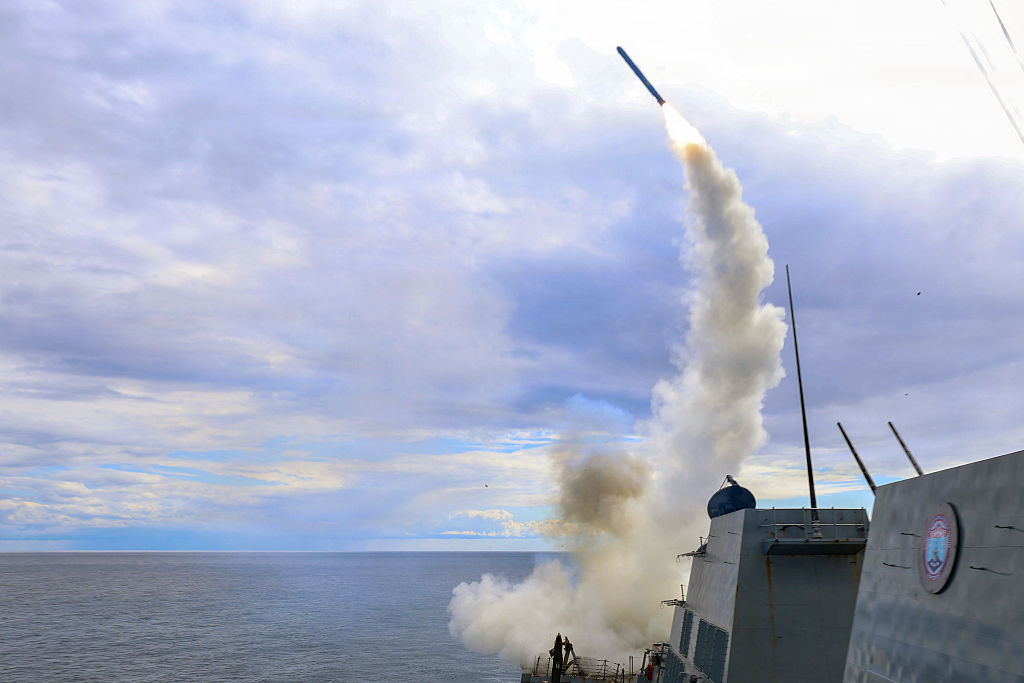
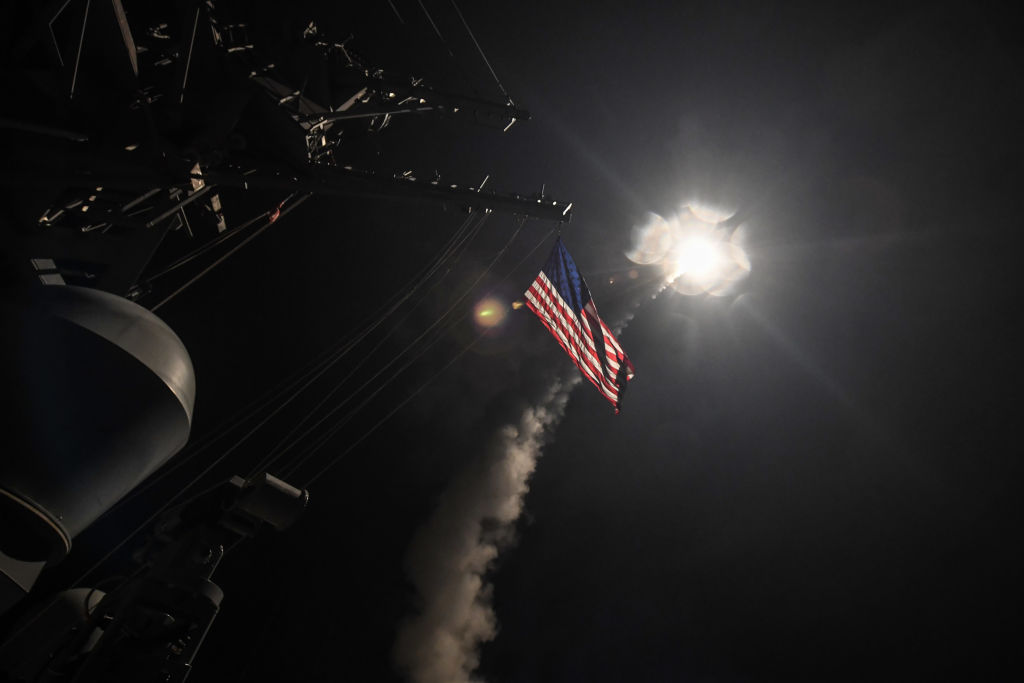
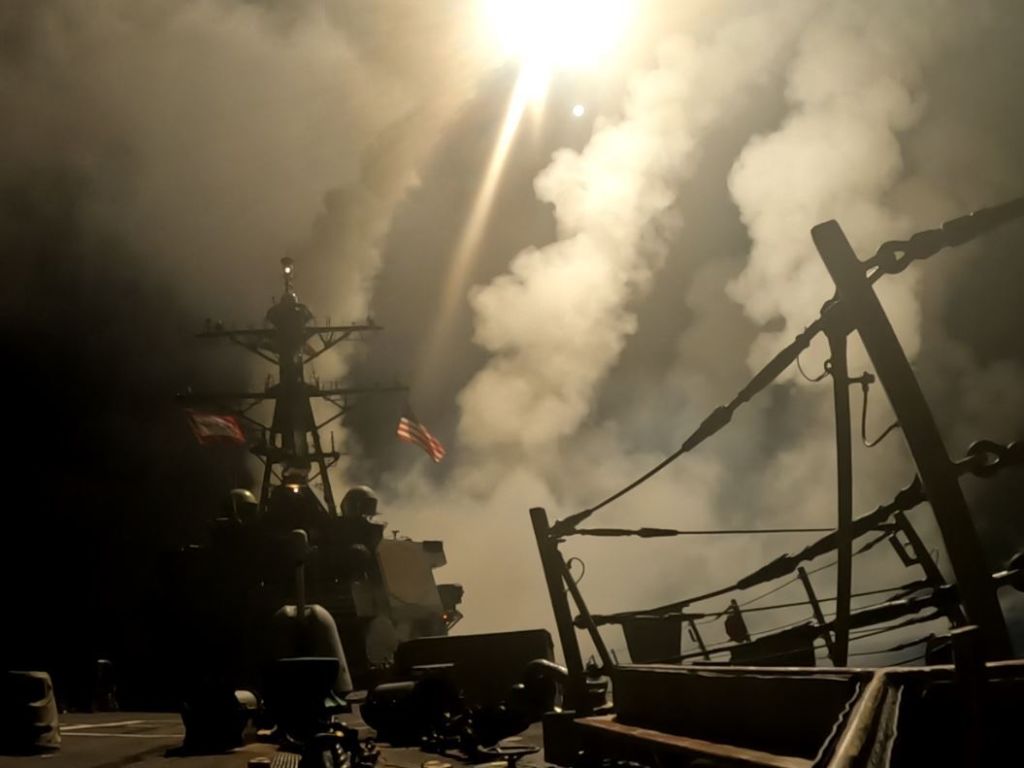
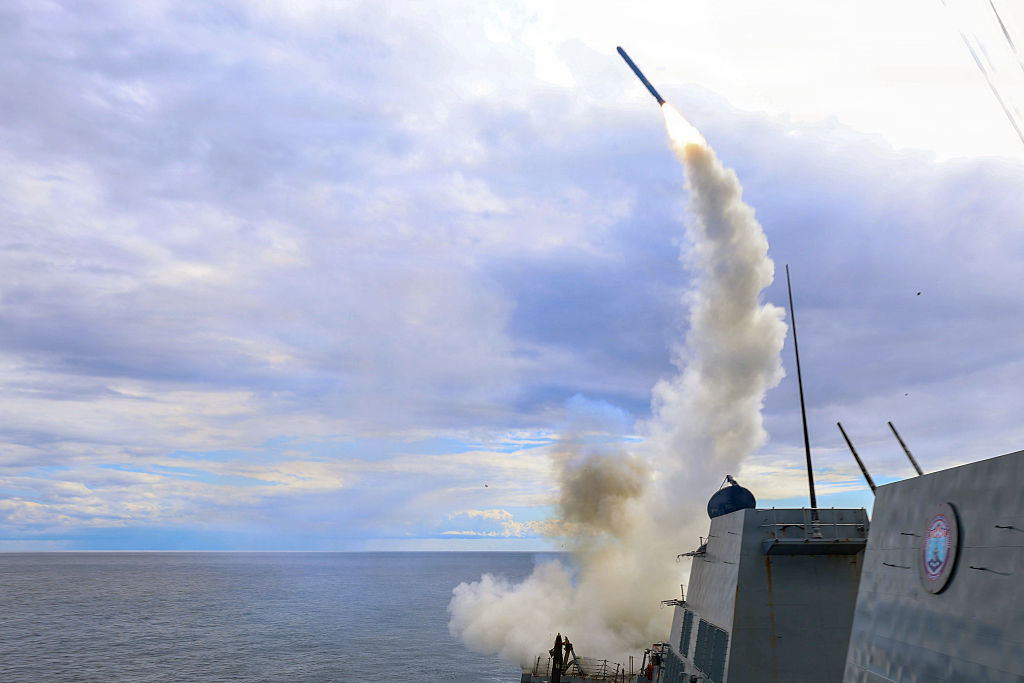
February 28, 1:15 am ET: At 1:15 am EST, or 9:45 am in Tehran, the US and Israel began a coordinated military strike entitled ‘Operation Epic Fury’. The first strikes were simultaneously launched from air, sea, and land, striking Iran’s capital, Tehran, and a series of other locations across the country. US naval vessels launched Tomahawk missiles into the capital, while Israeli fighter jets entered Iranian airspace.

The initial wave included stealth aircraft, cruise missiles, long-range precision weapons, and, for the first time in American history, armed ‘kamikaze’ drones. This is the first time the USA has used armed drones in a military operation, mimicking technology created by Iran.

February 28, military targets: the initial wave of attacks from the US and Israel focused on Iranian military installations. US missiles destroyed Missile bases, drone launch sites, military airfields, radar installations, and Islamic Revolutionary Guard Corps (IRGC) command posts.

Multiple initial strikes targeted Iranian leadership in the capital, Tehran. US missiles struck the Pasteur district of Tehran, which houses the presidential complex, National Security Council facilities, and the residence of Supreme Leader Ali Khamenei. Donald Trump announced shortly after the attacks that the Supreme Leader Khamenei was killed in an airstrike. Iranian sources confirmed that his wife, daughter, grandchild, daughter-in-law and son-in-law were also killed in the strike.

By the end of the day on February 28, more than 200 Iranians had been killed by US and Israeli military operations, and nearly 800 more civilians were injured.

Iran responds: timeline

February 28, 2026, 1:30 am ET (10:00 am in Tehran): Within an hour of the initial strikes from the US and Israel, Iran responded with a series of attacks of its own. Iran targeted US and Israeli military bases across the Middle East, focusing on ballistic missile launch complexes, drone bases, and coastal missile batteries. Iran struck four countries housing US and Israeli military forces. In Qatar, Iran sent multiple waves of missile strikes targeting the Al Udeid Air Base, the largest US base in the Middle East. Qatar reported the attacks were intercepted. In Bahrain, Iran targeted the US’s Naval Support Activity Bahrain / 5th Fleet HQ. Bahrain confirmed the attack as successful, and satellite imagery showed a fleet of ships fleeing from the base.

February 28, 2026, 2:30 am ET (11:00 am in Tehran): Along with Qatar and Bahrain, Iran targeted US installations in Kuwait and the UAE. In Kuwait, the IRGC attacked the Ali Al Salem base and Camp Arifjan, with both bases continuing to assess damages. About 13,500 US service members and support personnel are stationed in Kuwait. The country has been a stable energy hub for decades, and Iran’s actions in the country have sent shockwaves across the Gulf and in Kuwait.

In the United Arab Emirates (UAE), the area around the Al Dhafra Air Base, with satellite imaging showing smoke rising near the base. UAE forces announced that multiple missiles were intercepted, but there was at least one fatality from the strike, and shrapnel continues to fall from high-rise buildings south of Abu Dhabi.

Why the attack

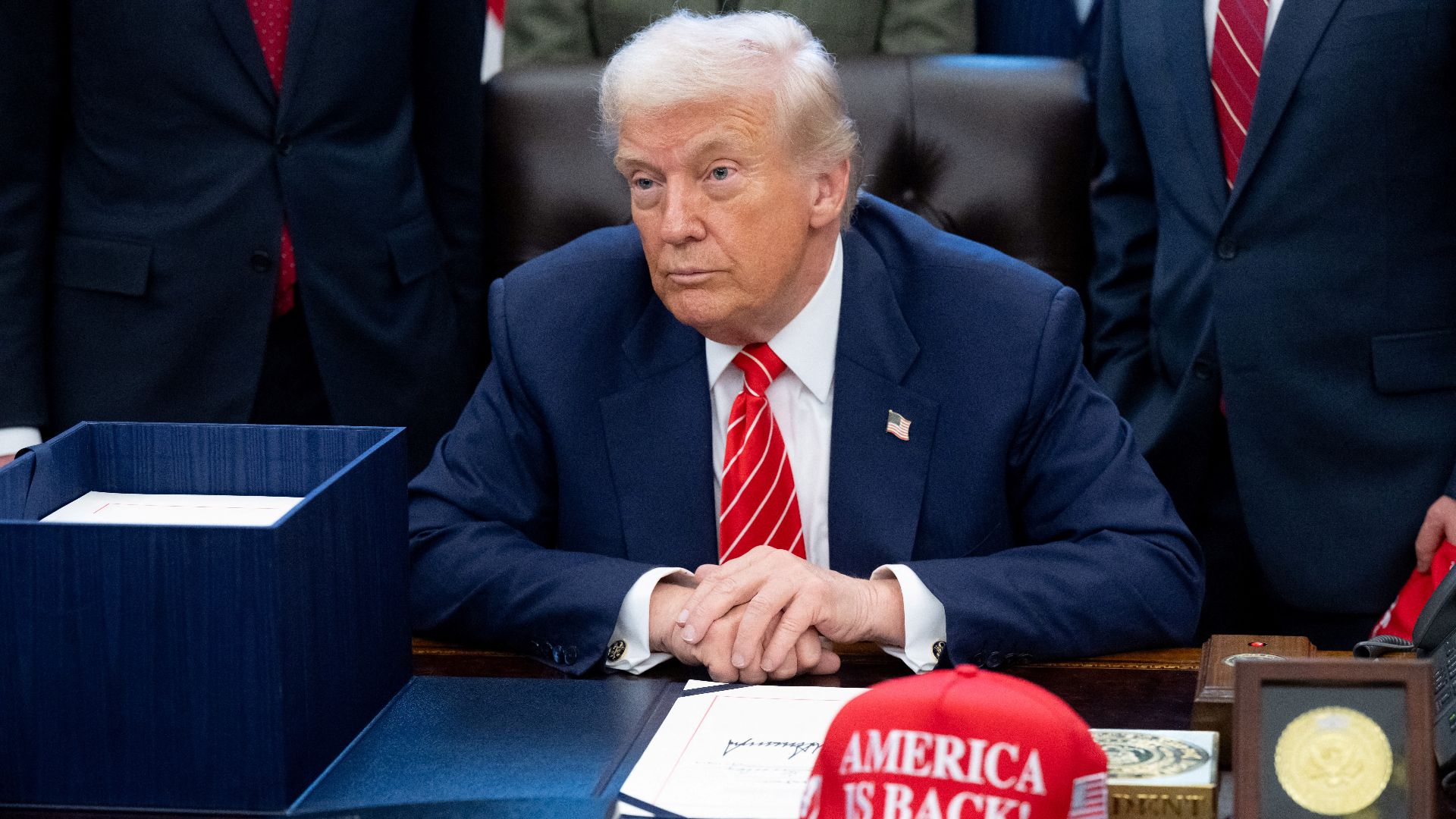
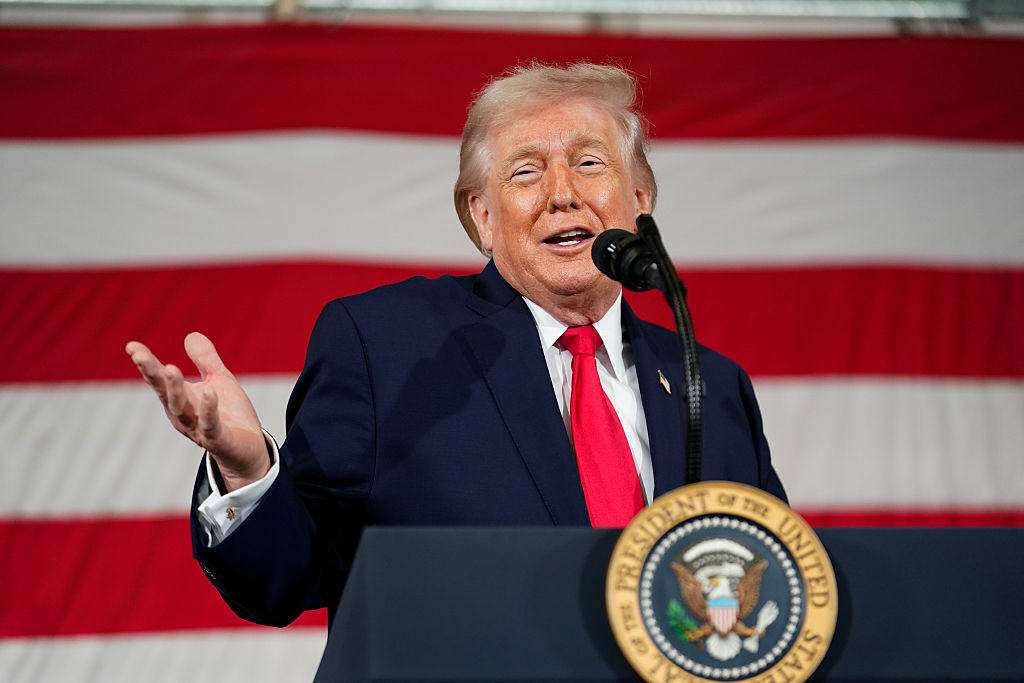
U.S. President Donald Trump has given a laundry list of reasons for the attack, none of which hold ground individually. Trump gave the decades-old excuse of shutting down Iran’s nuclear program, an invisible threat the US has been fighting since 2001. Trump also cited Iran’s violent treatment of anti-government protesters as an excuse for the attack. According to Donald Trump, the US aims to ‘free’ Iran from the constraints of its supreme leader. After killing Supreme Leader Ali Khamenei, Donald Trump announced he would not stop the attacks, drawing questions about how he is planning on ‘freeing’ Iran.

Besides the two reasons that Donald Trump has been touting for months, he also gave a slew of ancillary reasons. Trump claimed that the US’s actions were preparatory for retaliation against Israel. This means, according to Trump, the US has attacked Iran out of fear of Iran attacking Israel. Trump claimed that his talks with Iran have stalled over the last two months (remember Iran has been destabilized due to protests), and that he has been convinced Iran poses an ‘immediate threat’.

This is the largest US military operation in the Middle East since the buildup to the Iraq war in 2002.


Mort de Neil Sedaka à 86 ans, regard sur les décès de 2026

L’année 2026 a été marquée par la disparition de nombreuses personnalités qui ont laissé une empreinte durable sur notre société. Artistes, créateurs, figures publiques, penseurs ou athlètes, chacun et chacune a contribué, à sa manière, à façonner notre époque et notre imaginaire collectif. Ce projet In memoriam rend hommage à celles et ceux qui nous ont quittés au cours de l’année. À travers ces souvenirs, nous prenons un moment pour nous rappeler leur influence, célébrer leur apport et honorer des vies qui continueront de résonner bien au-delà de leur absence.

Neil Sedaka Dead At 86, See All The Personalities We Lost in 2026

The year 2026 was marked by the passing of many personalities who left a lasting mark on our society. Artists, creators, public figures, thinkers, and athletes—each and every one contributed in their own way to shaping our era and our collective imagination. This In Memoriam project pays tribute to those who left us during the year. Through these memories, we take a moment to remember their influence, celebrate their contributions, and honor lives that will continue to resonate long after their passing.

Catégories
Uncategorized

L’Iran sous attaque: Chronologie des événements

Le 28 février 2026, le gouvernement américain et Israël ont mené une opération conjointe en Iran, après quoi les États-Unis ont déclaré être en guerre avec ce pays. Ces attaques ont déclenché des représailles de la part de l’Iran, qui a pris pour cible des bases militaires américaines et israéliennes à travers le Moyen-Orient. Selon Donald Trump, cette guerre n’a pas de calendrier précis et les États-Unis poursuivront leurs opérations dans le pays jusqu’à ce qu’ils constatent un changement de régime significatif et la fin du programme nucléaire présumé de l’Iran. L’Iran est en proie à des troubles depuis près d’un an, les civils protestant contre le gouvernement et celui-ci répondant par la violence à l’encontre des civils.

Chronologie des frappes américaines et israéliennes

28 février, 1 h 15 (heure de l’Est) : À 1 h 15 (heure de l’Est), soit 9 h 45 à Téhéran, les États-Unis et Israël ont lancé une frappe militaire coordonnée baptisée « Opération Epic Fury ». Les premières frappes ont été lancées simultanément depuis les airs, la mer et la terre, touchant la capitale iranienne, Téhéran, et une série d’autres endroits à travers le pays. Des navires de guerre américains ont lancé des missiles Tomahawk sur la capitale, tandis que des avions de combat israéliens pénétraient dans l’espace aérien iranien. La première vague comprenait des avions furtifs, des missiles de croisière, des armes de précision à longue portée et, pour la première fois dans l’histoire américaine, des drones « kamikazes » armés. C’est la première fois que les États-Unis utilisent des drones armés dans une opération militaire, imitant ainsi la technologie créée par l’Iran.

28 février, cibles militaires : la première vague d’attaques des États-Unis et d’Israël s’est concentrée sur les installations militaires iraniennes. Les missiles américains ont détruit des bases de missiles, des sites de lancement de drones, des aérodromes militaires, des installations radar et des postes de commandement du Corps des gardiens de la révolution islamique (CGRI).

Plusieurs frappes initiales ont visé les dirigeants iraniens dans la capitale, Téhéran. Des missiles américains ont frappé le quartier Pasteur de Téhéran, qui abrite le complexe présidentiel, les installations du Conseil national de sécurité et la résidence du guide suprême Ali Khamenei. Donald Trump a annoncé peu après les attaques que le guide suprême Khamenei avait été tué dans un raid aérien. Des sources iraniennes ont confirmé que sa femme, sa fille, son petit-enfant, sa belle-fille et son gendre avaient également été tués dans l’attaque. À la fin de la journée du 28 février, plus de 200 Iraniens avaient été tués par les opérations militaires américaines et israéliennes, et près de 800 autres civils avaient été blessés.

Réponse de l’Iran : chronologie

28 février 2026, 1 h 30 du matin (heure de l’Est) (10 h à Téhéran) : Moins d’une heure après les premières frappes américaines et israéliennes, l’Iran a riposté par une série d’attaques. L’Iran a pris pour cible des bases militaires américaines et israéliennes à travers le Moyen-Orient, en se concentrant sur les complexes de lancement de missiles balistiques, les bases de drones et les batteries de missiles côtiers. L’Iran a frappé quatre pays abritant des forces militaires américaines et israéliennes. Au Qatar, l’Iran a lancé plusieurs vagues de frappes de missiles visant la base aérienne d’Al Udeid, la plus grande base américaine au Moyen-Orient. Le Qatar a déclaré que les attaques avaient été interceptées. À Bahreïn, l’Iran a pris pour cible le quartier général de la 5e flotte américaine et de la Naval Support Activity Bahrain. Bahreïn a confirmé le succès de l’attaque, et des images satellites ont montré une flotte de navires fuyant la base.

28 février 2026, 2 h 30 (heure de l’Est) (11 h à Téhéran) : Outre le Qatar et Bahreïn, l’Iran a pris pour cible des installations américaines au Koweït et aux Émirats arabes unis. Au Koweït, le CGRI a attaqué la base Ali Al Salem et le camp Arifjan, les deux bases continuant d’évaluer les dégâts. Environ 13 500 militaires et membres du personnel de soutien américains sont stationnés au Koweït. Le pays est un centre énergétique stable depuis des décennies, et les actions de l’Iran dans le pays ont provoqué une onde de choc dans le Golfe et au Koweït.

Aux Émirats arabes unis (EAU), la zone autour de la base aérienne d’Al Dhafra, avec des images satellites montrant de la fumée s’élevant près de la base. Les forces des EAU ont annoncé que plusieurs missiles avaient été interceptés, mais il y a eu au moins un mort lors de la frappe, et des éclats d’obus continuent de tomber des immeubles de grande hauteur au sud d’Abou Dhabi.

Pourquoi cette attaque ?

Le président américain Donald Trump a donné une longue liste de raisons pour justifier cette attaque, mais aucune d’entre elles n’est valable en soi. Trump a invoqué l’excuse vieille de plusieurs décennies consistant à mettre fin au programme nucléaire iranien, une menace invisible contre laquelle les États-Unis luttent depuis 2001. Trump a également cité le traitement violent réservé par l’Iran aux manifestants antigouvernementaux comme excuse pour l’attaque. Selon Donald Trump, les États-Unis visent à « libérer » l’Iran des contraintes imposées par son guide suprême. Après avoir tué le guide suprême Ali Khamenei, Donald Trump a annoncé qu’il ne mettrait pas fin aux attaques, soulevant des questions sur la manière dont il compte « libérer » l’Iran.

Outre les deux raisons que Donald Trump avance depuis des mois, il a également donné une série de raisons secondaires. Trump a affirmé que les actions des États-Unis étaient préparatoires à des représailles contre Israël. Cela signifie, selon Trump, que les États-Unis ont attaqué l’Iran par crainte que ce dernier n’attaque Israël. Trump a affirmé que ses négociations avec l’Iran étaient au point mort depuis deux mois (rappelons que l’Iran est déstabilisé par des manifestations) et qu’il était convaincu que l’Iran représentait une « menace immédiate ». Il s’agit de la plus grande opération militaire américaine au Moyen-Orient depuis la préparation de la guerre en Irak en 2002.
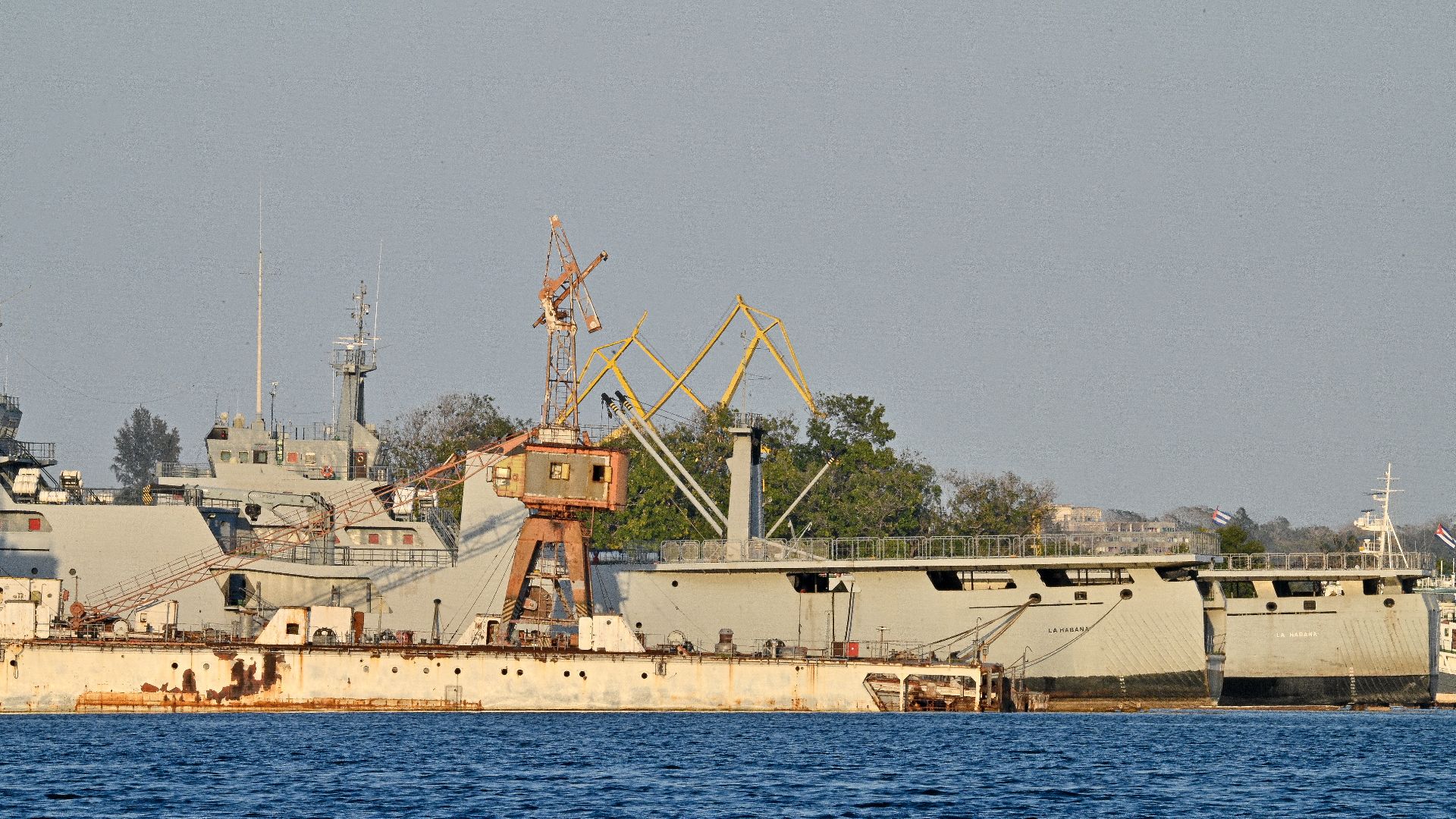
Four Fatally Shot, Six Wounded After Cuba Opens Fire on Speedboat, Accuses U.S. of «infiltration for terrorist purposes»

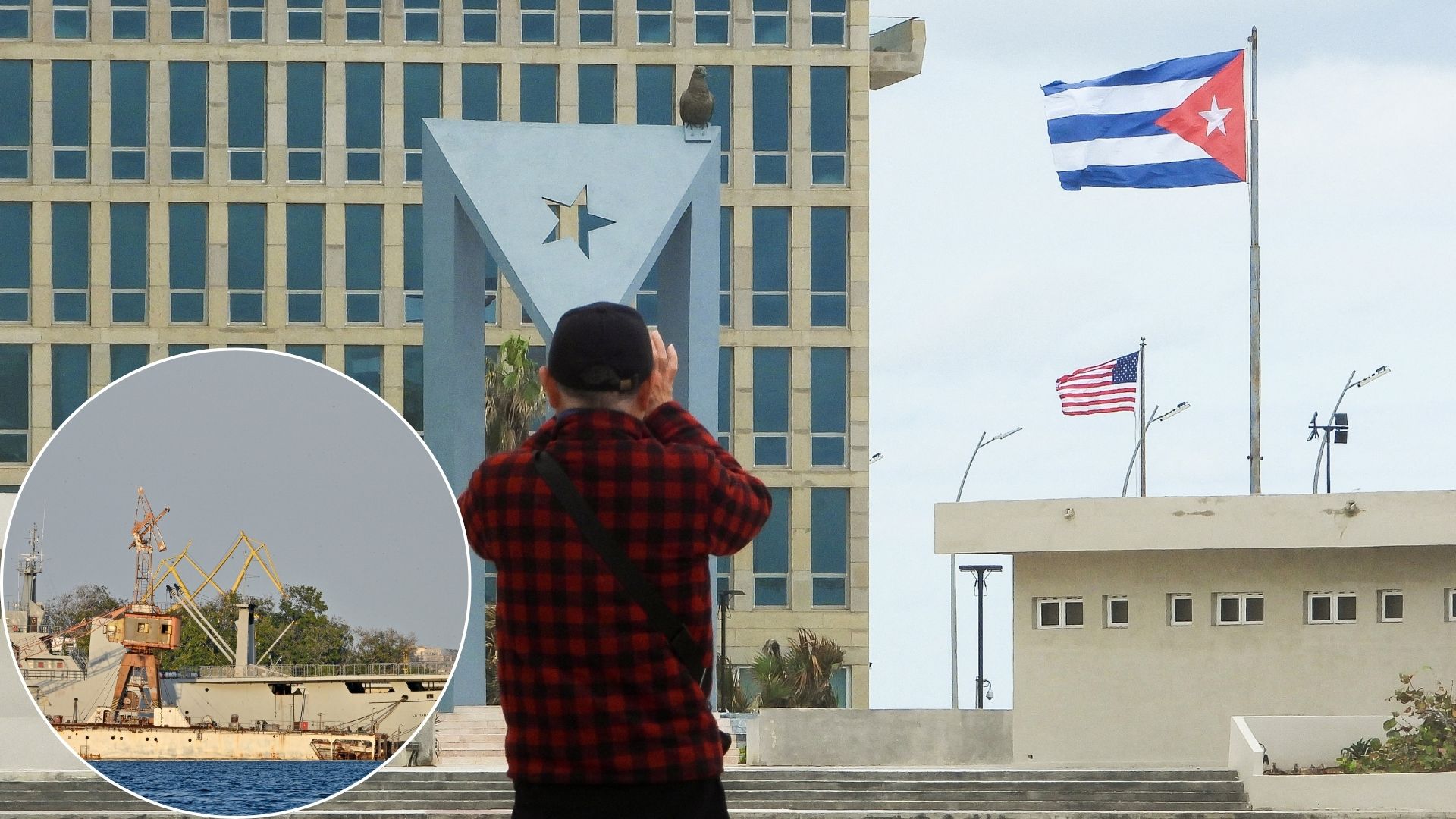
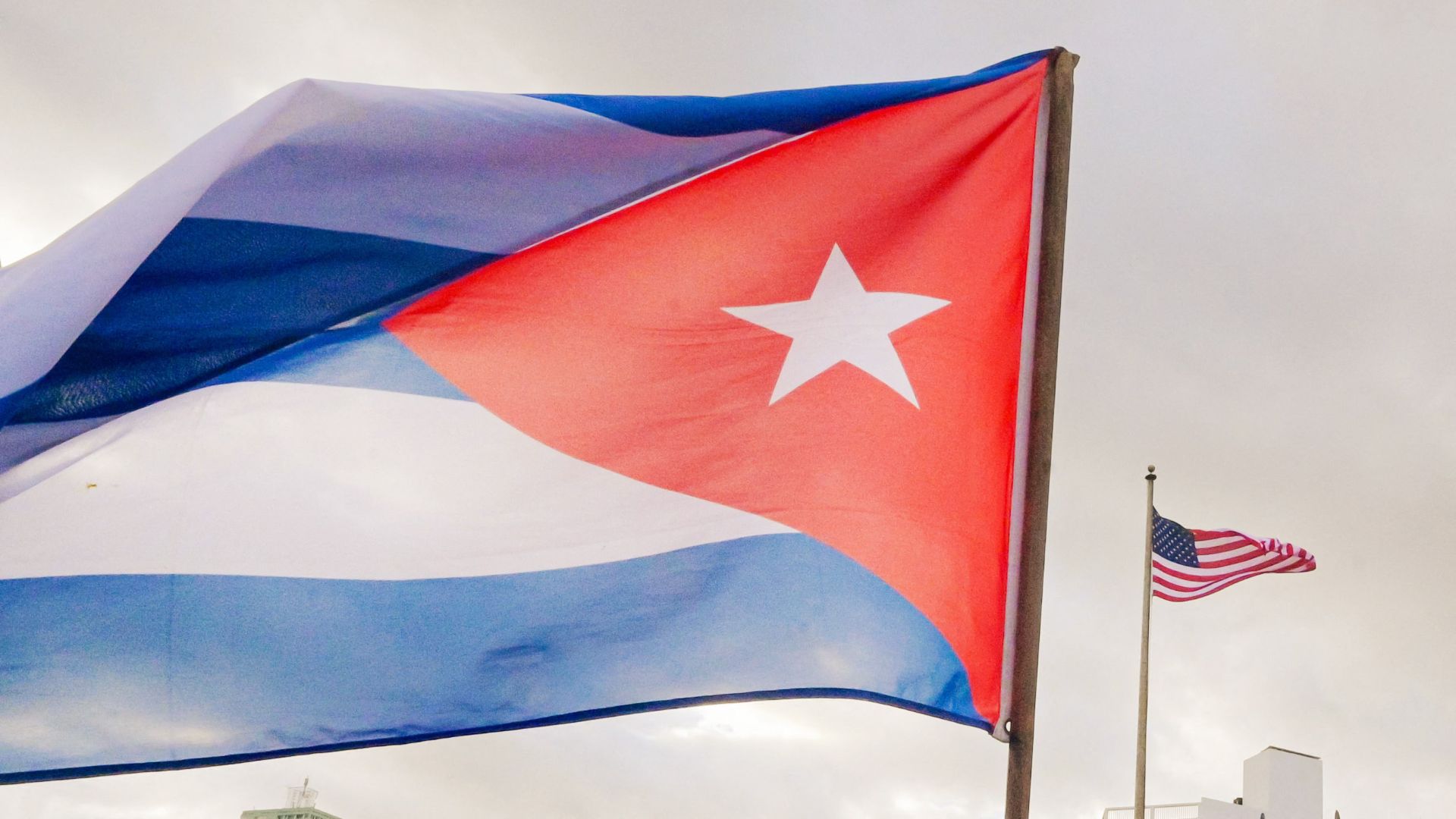
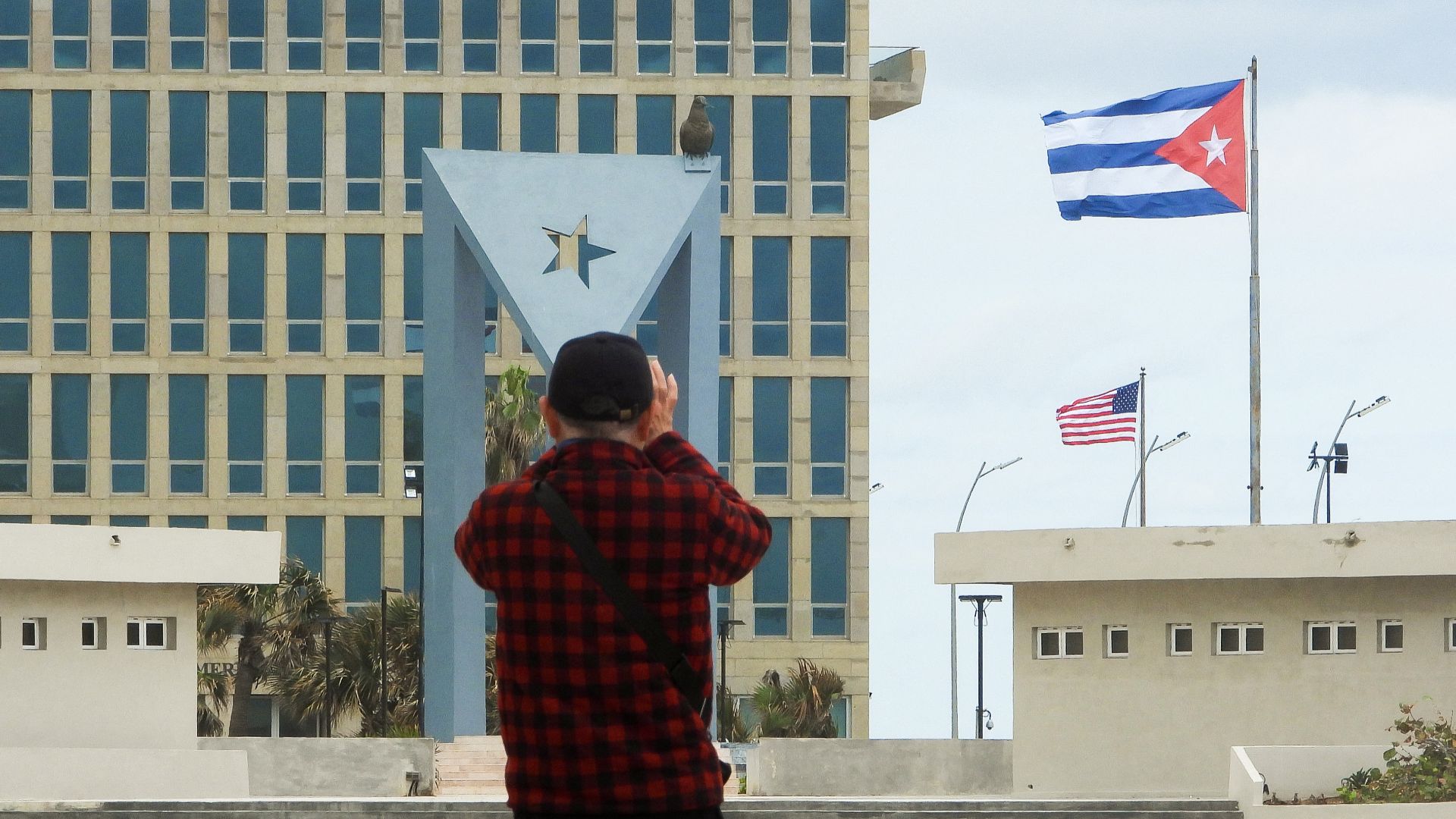
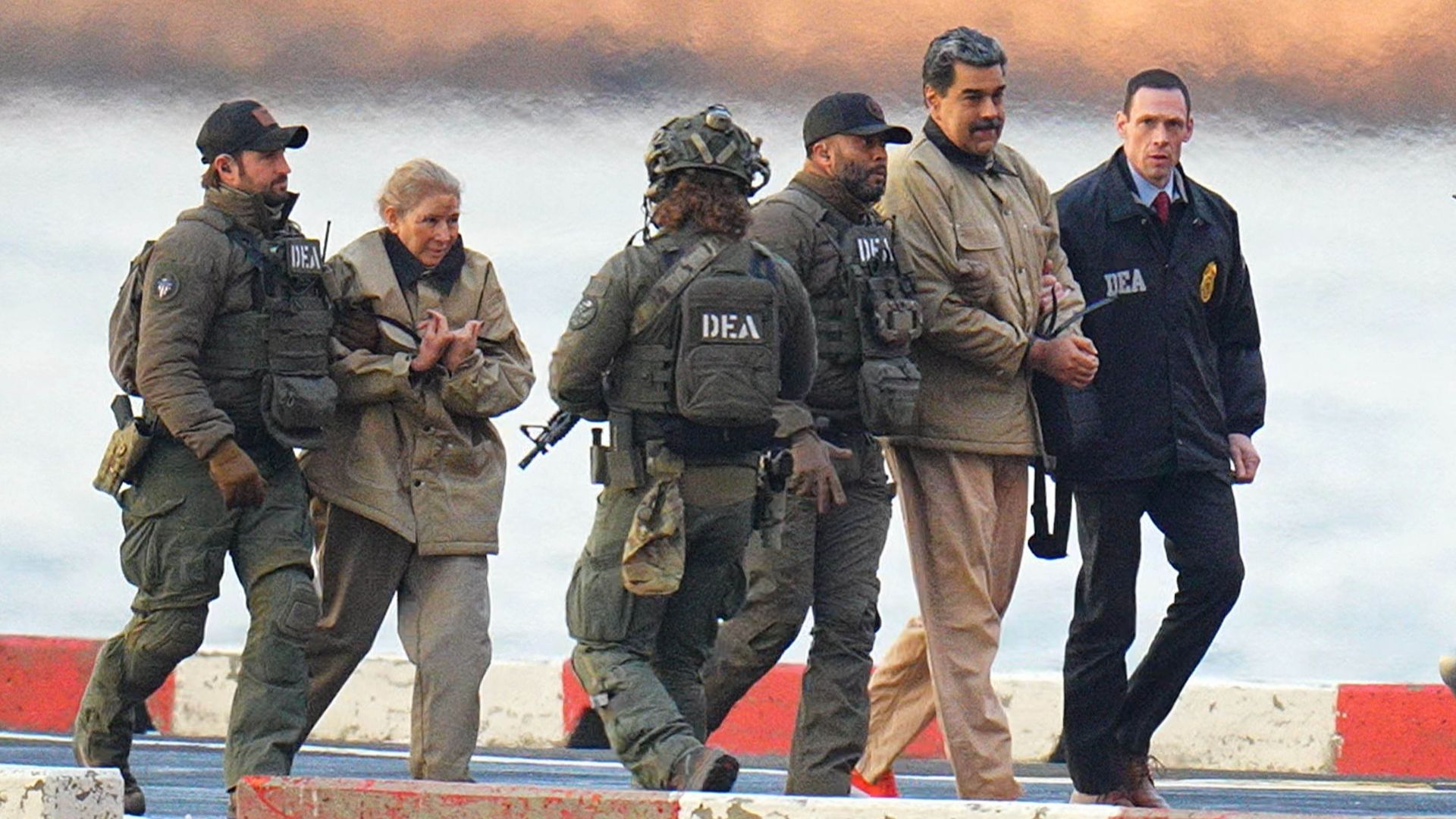
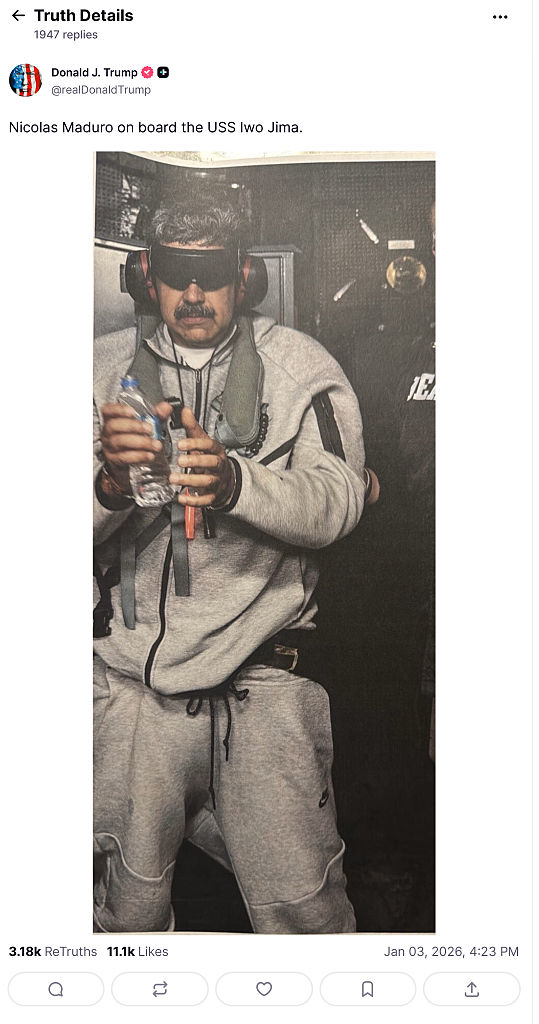
Cuban authorities say border forces opened fire on a Florida-registered speedboat after coming under attack, leaving four people fatally shot and six wounded. Havana claims those aboard were armed «Cuban residents of the United States» who «intended to carry out an infiltration for terrorist purposes,» an allegation U.S. officials have not accepted at face value. The clash comes amid heightened regional strain following the U.S. military operation in Venezuela and ongoing sanctions enforcement, raising fears that the incident could become a broader diplomatic flashpoint.

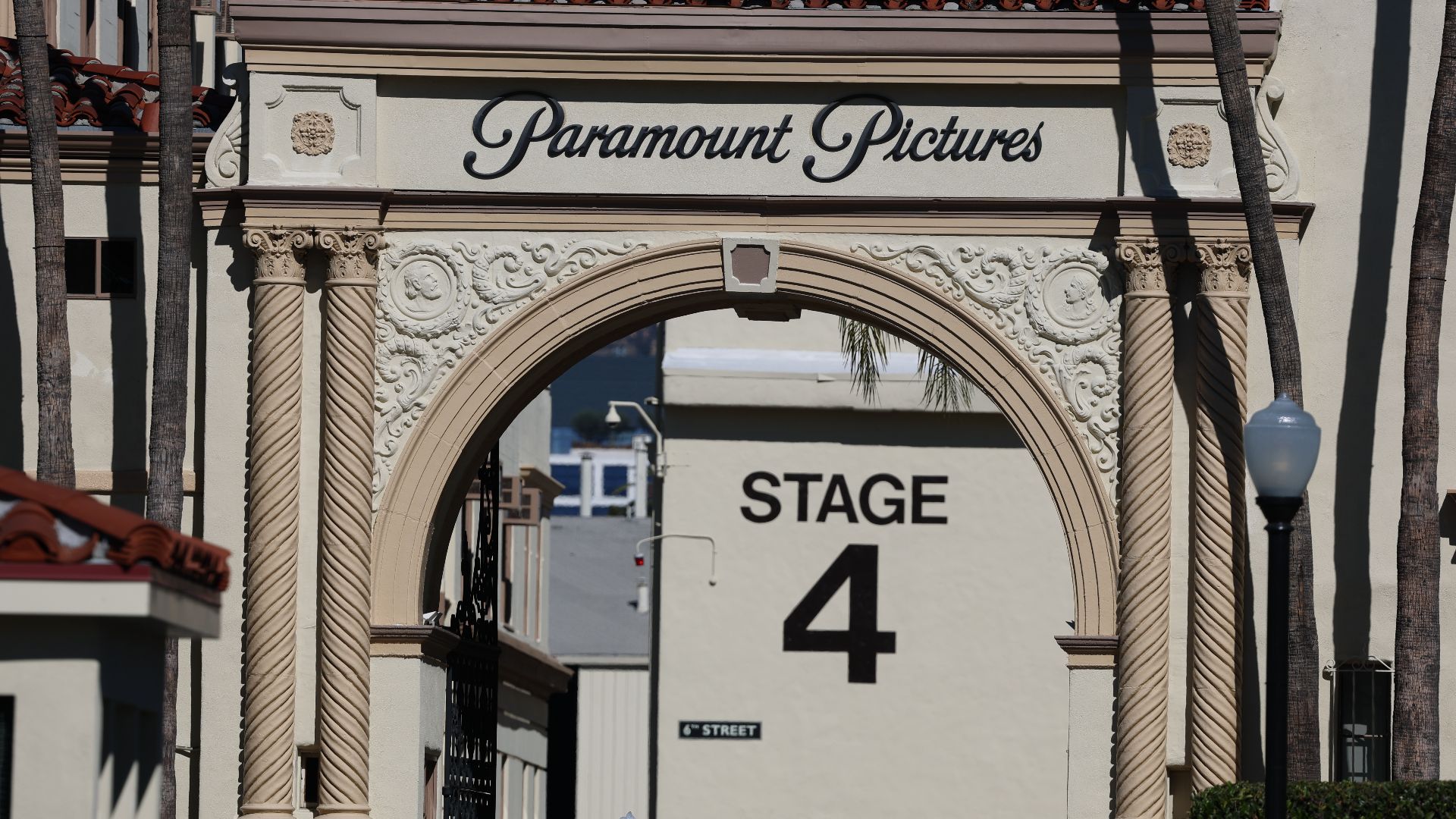
Netflix Backs Out Of Warner Bros. Deal

Netflix has officially stepped back from its pursuit of Warner Bros. Discovery, declining to match a higher all-cash offer submitted by Paramount and bringing one of the most closely watched bidding battles in the media industry to a pivotal moment. The streaming giant said it would not engage in a prolonged bidding war, signaling a disciplined financial approach despite the strategic appeal of Warner Bros.’ film studio, HBO and cable assets including CNN. Paramount’s improved proposal now awaits final evaluation from Warner Bros. Discovery’s board, as regulators, investors and political observers weigh the broader implications of a deal that could reshape the American media landscape.

Catégories
Uncategorized

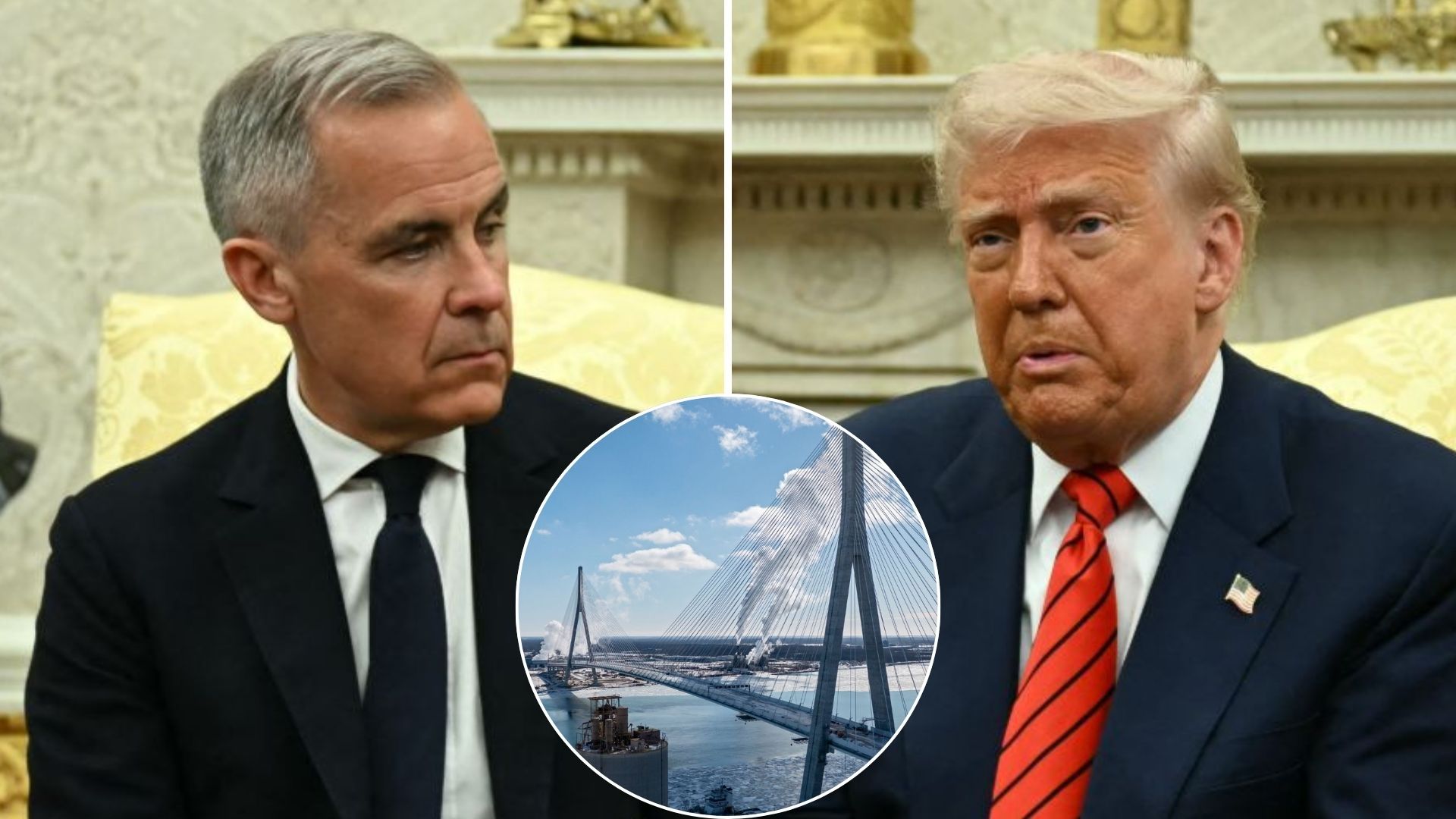
Threat of closure of the Gordie-Howe Bridge by the Trump administration: legal, economic, and political issues

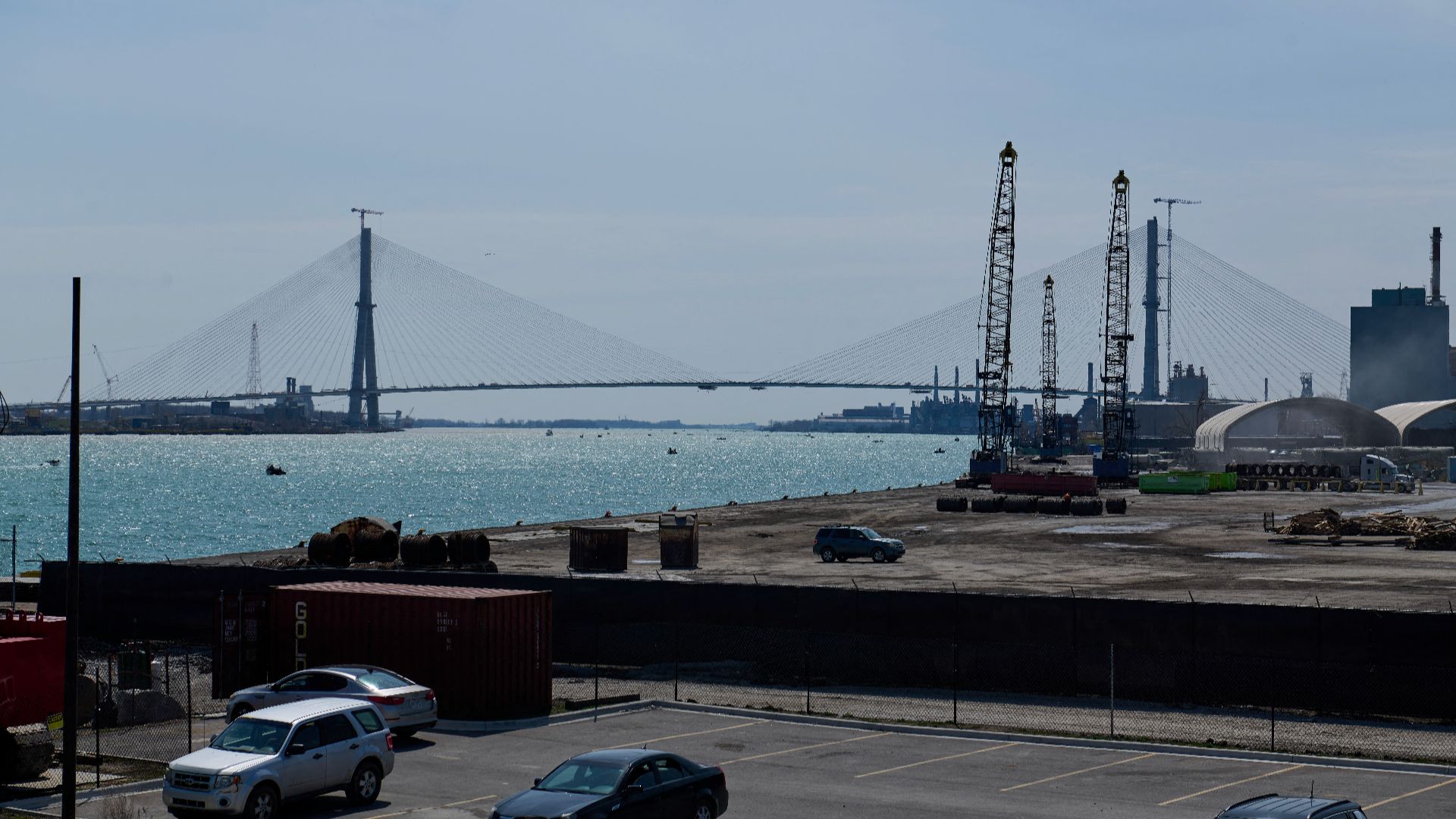
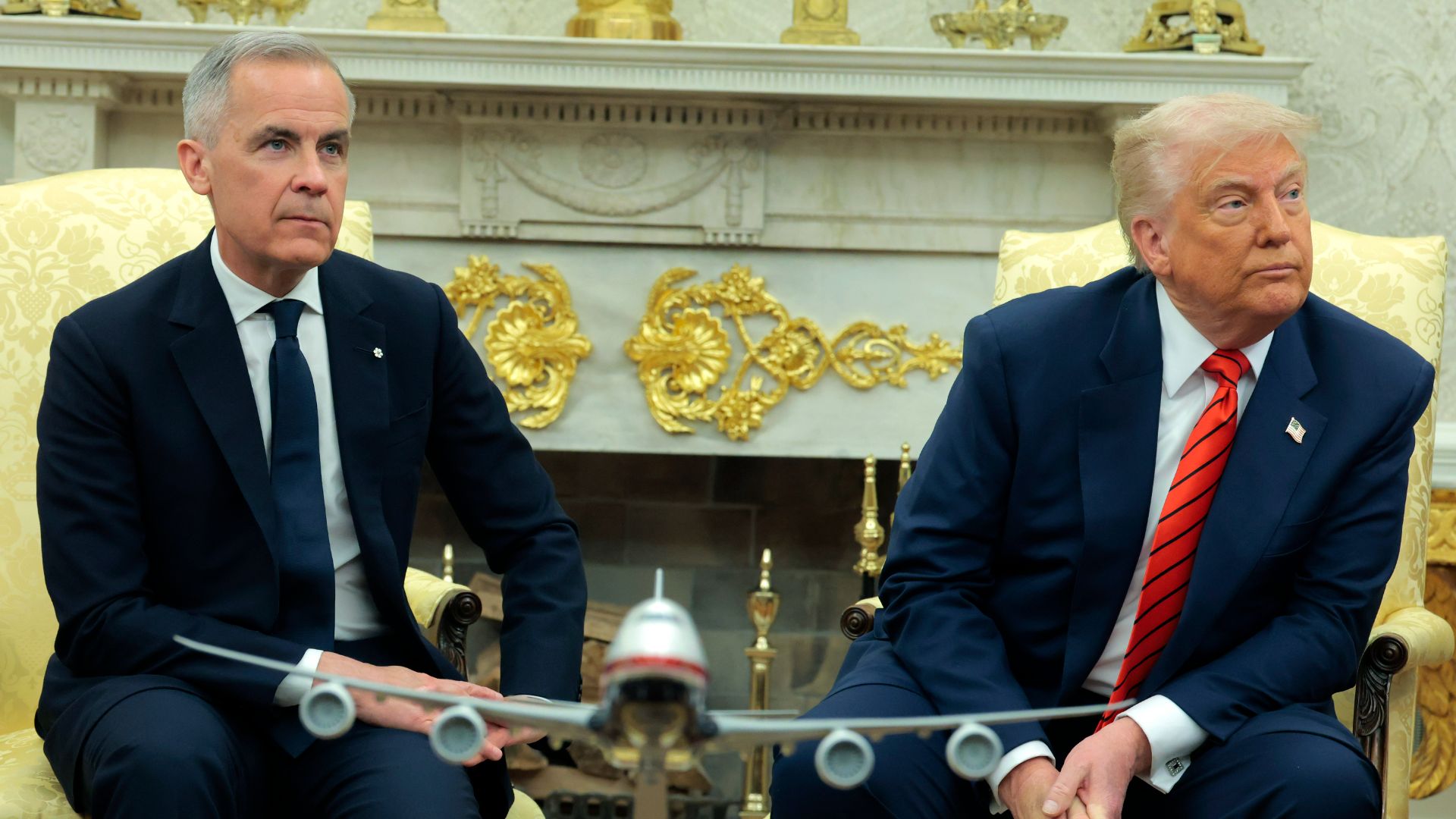
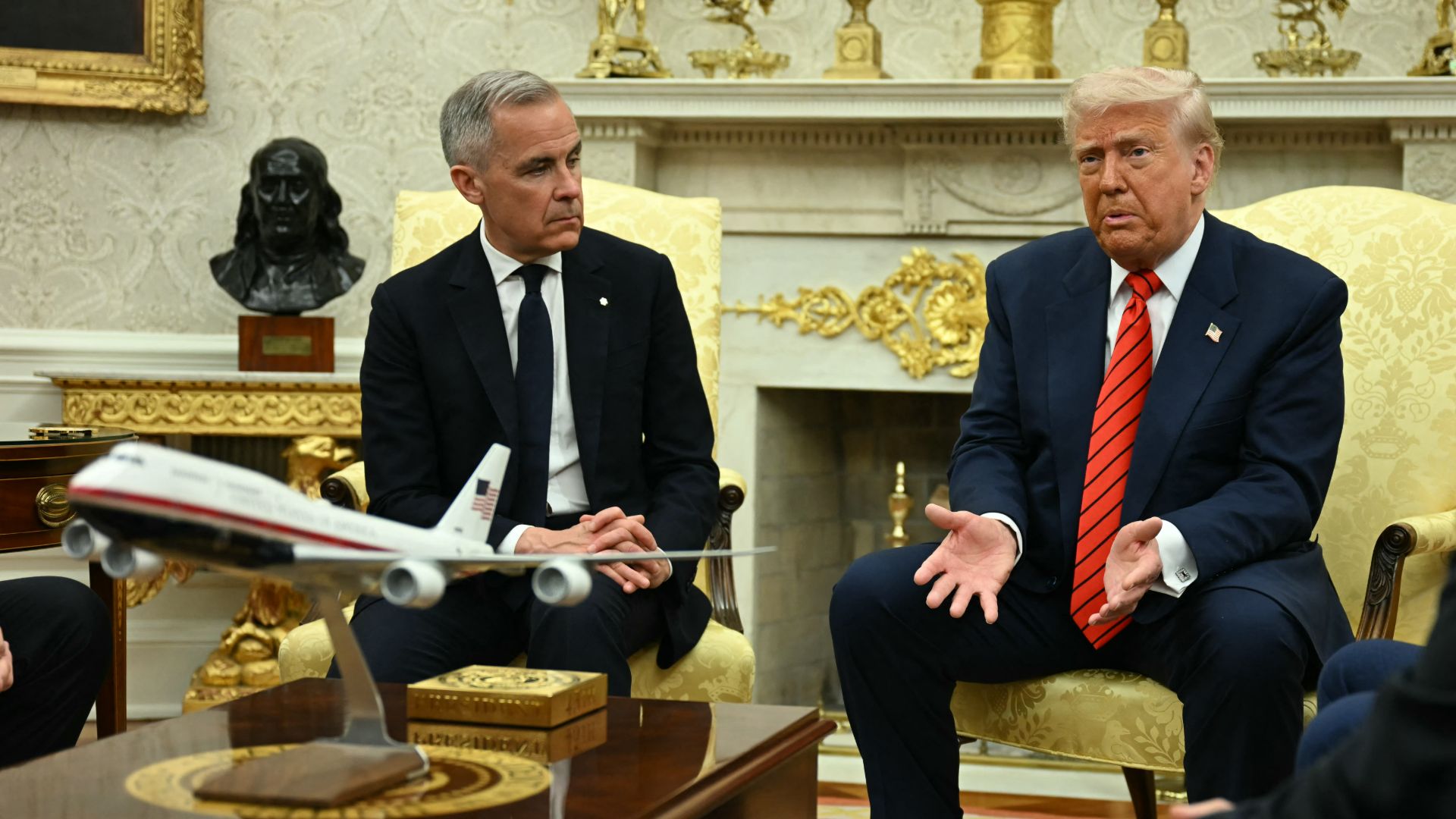
Quick background: President Donald Trump recently stated on Truth Social that he may block the opening of the Gordie Howe International Bridge, which will connect Detroit, Michigan, and Windsor, Ontario. This highly publicized announcement is part of a broader episode of trade and diplomatic tensions between the United States and Canada.

Trump threatens to block the new bridge

Before going into detail, it is worth remembering that the Gordie Howe Bridge is the result of a complex partnership: a bilateral investment valued at several billion dollars, developed over more than a decade, with production and employment commitments on both sides of the border. The 2012 framework agreement sets out specific rules on financing, construction, operation, and the use of North American steel and iron.

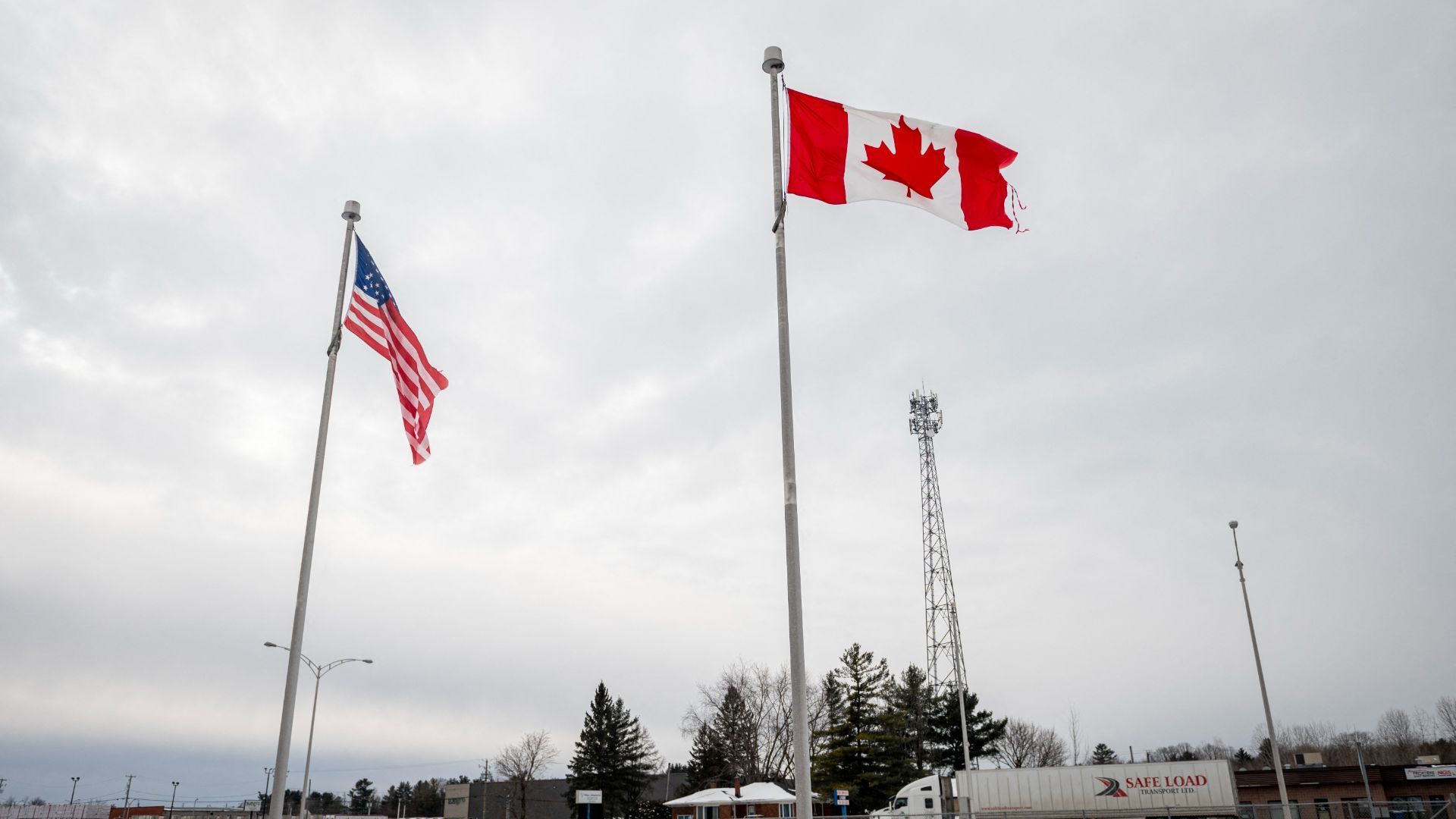
What exactly is the US administration complaining about? In his publication, Trump accuses Canada of « unfair » trade practices, claims that the bridge would have been built with « virtually no American content, » and demands compensation before allowing it to open. He also links this issue to broader disputes: tariffs on dairy products, the removal of American alcohol from store shelves in Ontario, and a possible trade agreement between Canada and China.

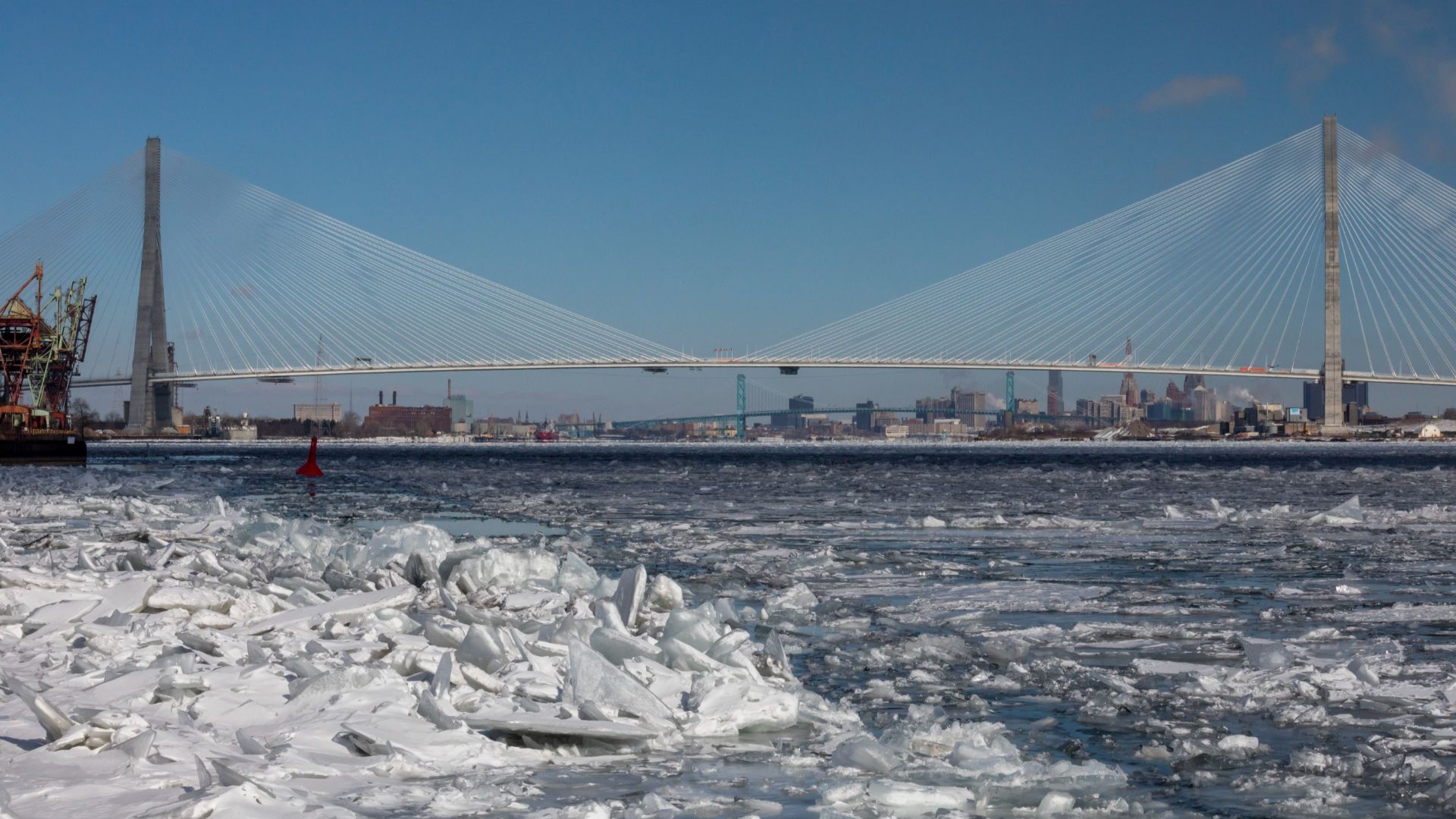
The Gordie Howe International Bridge

What real leverage does the US have?

  • Administratively, the US executive has limited room for maneuver to « prevent » the opening of infrastructure located on Canadian soil, especially if the bilateral agreement has set out specific terms and conditions.
  • Tariff sanctions or trade barriers (customs duties) remain a political option, but they come at a significant economic and diplomatic cost and may trigger retaliation.
  • Targeted legal or regulatory action is possible if violations of U.S. laws (e.g., Buy American) can be proven, but the project agreement specifically required North American content for steel and iron.

Accusations of economic injustice

What is Canada’s position? Ottawa and officials have denied allegations of a lack of US content and pointed out that US workers and materials were involved in the construction. The Canadian government also reiterated that the project, largely funded by Canada, is intended to improve the flow of cross-border trade and benefit both economies.

Plausible scenarios and consequences:

  • Escalation scenario: If Washington imposes tariffs or formally blocks operations related to the bridge, the immediate effect would be increased trade tensions, logistical disruptions for businesses on both sides, and a risk of investor confidence loss.
  • Diplomatic scenario: the two governments end up negotiating compensation or arbitration mechanisms—a less costly solution, but one that requires concessions.
  • Legal scenario: the outcome will depend on the contractual clauses and the competent jurisdictions. Given the complexity of the project, a prolonged dispute cannot be ruled out.

Bridge construction

Concrete impacts for local stakeholders: Manufacturing and logistics companies that depend on cross-border trade could face additional costs, delays, and increased uncertainty. Unions and construction workers could see their gains politicized. Finally, the agricultural and food sectors—milk, canola, lobster—are already included in the grievances raised and could face tariff retaliation.

Broader trade disputes

What can affected businesses and citizens do? Stay informed, diversify supply chains, strengthen trade compliance tools, and engage with chambers of commerce and elected officials to emphasize the importance of stable cross-border cooperation.

Potential agreement with China

In conclusion: the threat to block the opening of the Gordie Howe Bridge is a powerful but uncertain political lever. It highlights how major cross-border infrastructure projects are becoming variables in broader trade and diplomatic strategies. For now, legal agreements and economic ties present significant barriers to sudden cancellation; the most likely path remains negotiation and political maneuvering rather than direct physical closure. Stay tuned for further official announcements, as the outcome will have real local and sectoral repercussions for both countries.

Symbolic and political

Catégories
Uncategorized

US strikes in the Pacific: assessment, context, and challenges for the region

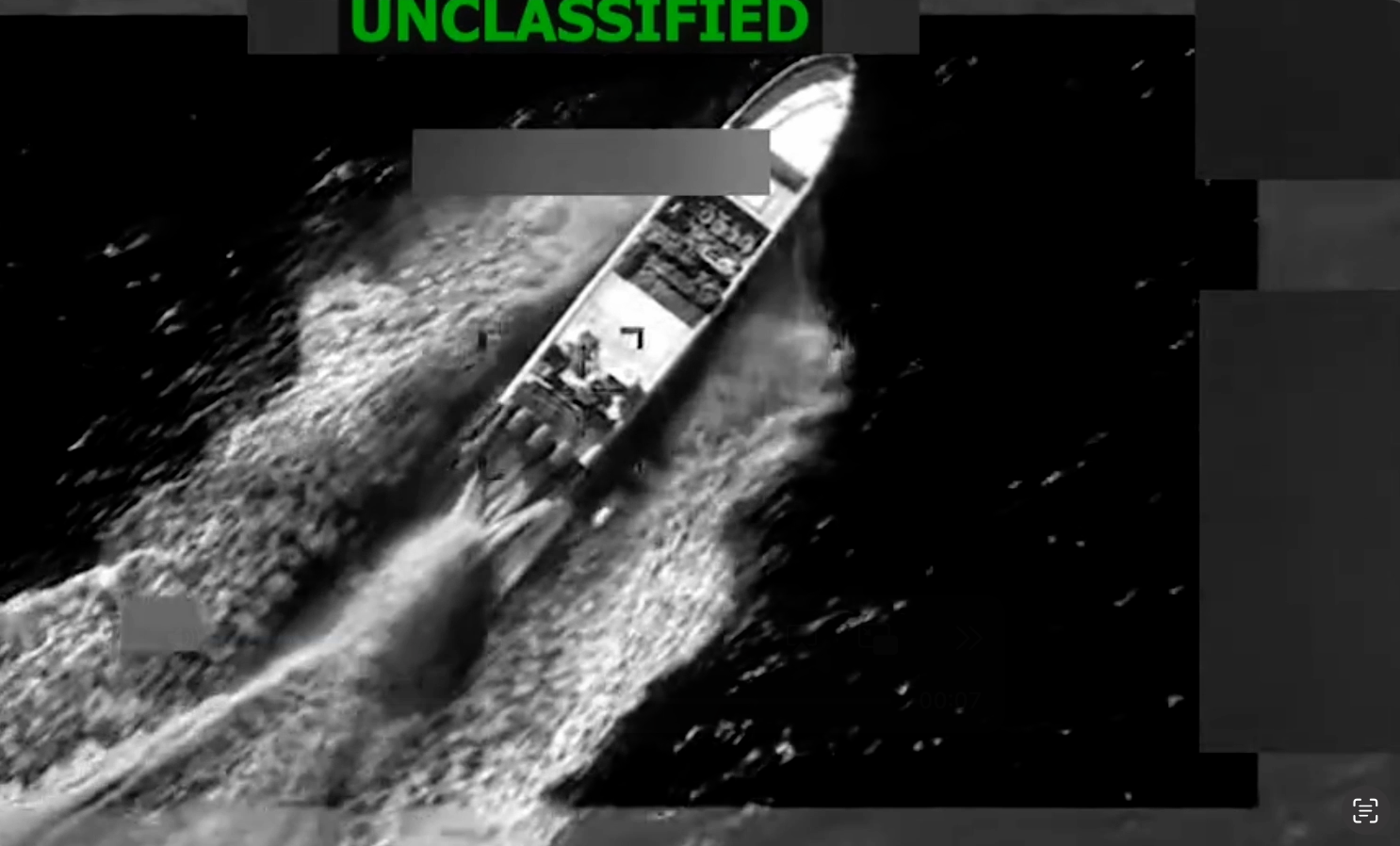
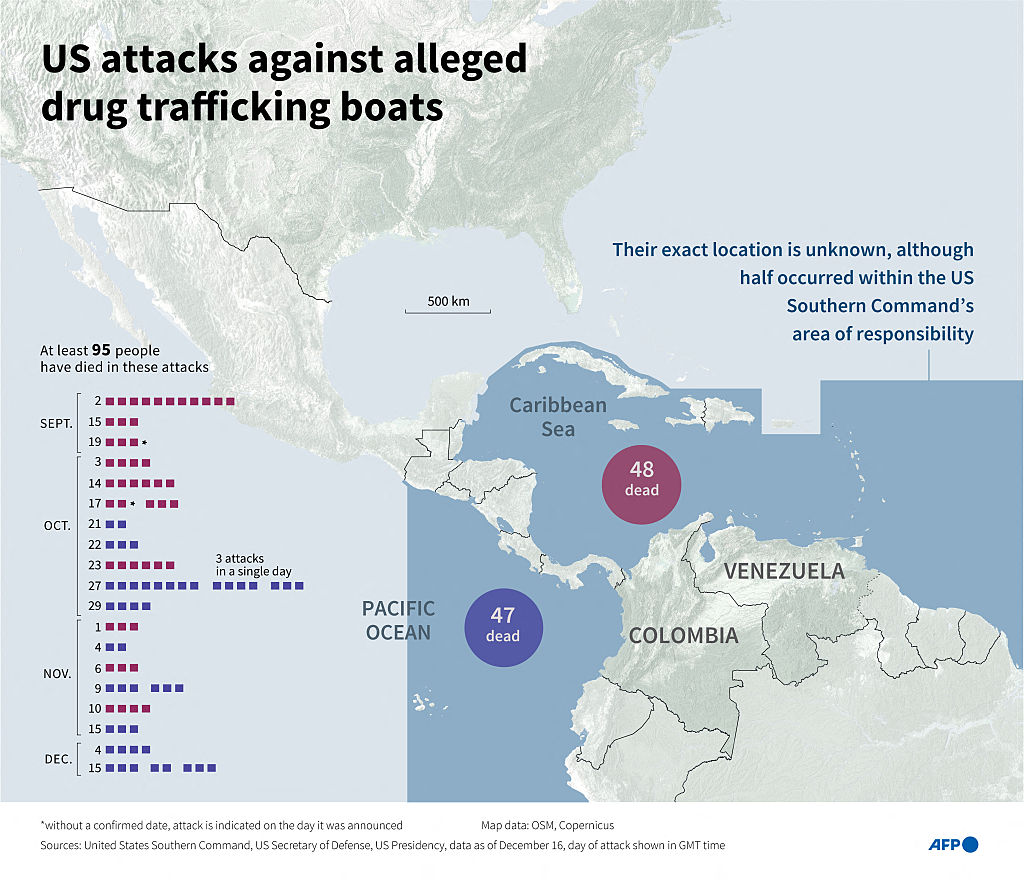
Summary: On February 9, 2026, a new US strike targeted a ship in the Pacific Ocean, raising questions about its human toll, legality, and geopolitical consequences. This article provides a concise and accessible overview of the known facts, their context, and the short- and medium-term implications for Latin America and US diplomacy. The US Southern Command issued a statement describing the operation as a « kinetic strike » targeting a vessel believed to be operated by an organization linked to drug trafficking. According to these statements, two people were killed and one survivor was rescued by the US Coast Guard. Images released by the US forces show the destruction of a small open-air vessel in black and white.

Naval strike in the Pacific Ocean

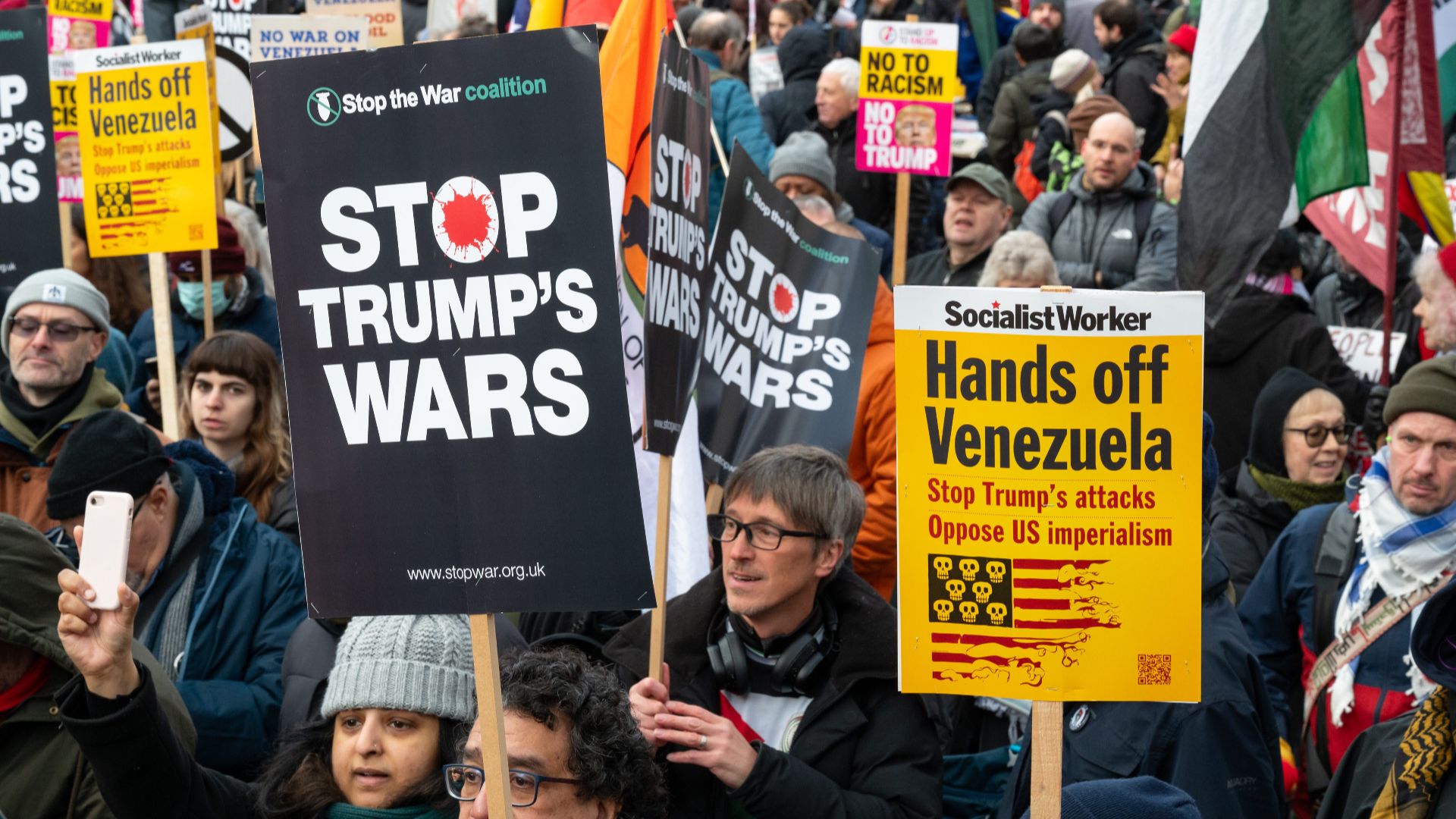
Recent context: these strikes come after a series of maritime operations launched in September 2025, targeting vessels that Washington considers to be involved in « maritime drug trafficking. » They are also part of a broader political context—displayed nationalism, operations against Venezuela, and measures to control its resources—which makes every military action particularly sensitive from a diplomatic standpoint.

Since the launch of the operations, several incidents have been reported: strikes hitting vessels, some of which were presented by Caracas as fishing boats, uneven drug seizures, and civilian or foreign casualties among those killed. These factors fuel the concerns of neighboring countries and the international community regarding compliance with maritime law and the ability to verify targets.

Images of the strike released by Southern Command

What the US authorities are saying: Southern Command described the operation as a success and referred to the individuals targeted as « narco-terrorists. » The argument put forward is the fight against transnational networks that use the sea to transport drugs. The authorities emphasize the principle of preserving regional security and the need to prevent the transport of large illicit shipments.

History of maritime strikes

Criticism and questions: several points remain controversial:

  • The characterization of targets: how can it be independently established that a ship actually belongs to a cartel and poses an imminent threat?
  • The human toll: reports mention victims identified as citizens of neighboring countries with no proven links to criminal groups.
  • The legal framework: these interventions raise questions about their legality under international law, the law of the sea, and the principles governing the use of force outside a recognized theater of war.

Diplomatic echoes and regional reactions

On the domestic political front in the US, these operations are also a divisive issue. An AP-NORC poll published in January indicated that more than half of American adults believed that the executive branch had gone « too far » in these interventions, reflecting a decline in its image and public debate over the foreign policy strategy adopted.

What are the consequences for the region? The proliferation of unilateral actions may:

  • exacerbate diplomatic tensions between Washington and certain Latin American governments;
  • fuel a sense of instability among coastal populations and local sailors;
  • compromise regional cooperation essential to the fight against trafficking, if the countries concerned feel that their rights are being violated.

Public opinion reactions

Outlook and recommendations: To reduce the risk of escalation and increase effectiveness, several avenues appear promising:

  • Promote transparency: disseminate investigation findings to regional partners and independent observers.
  • Multilateralize the response: create or strengthen regional maritime surveillance mechanisms with a clear mandate and the participation of coastal states;
  • Combine security measures and socio-economic actions: tackle the root causes of trafficking by supporting coastal development and the resilience of vulnerable communities.

In conclusion, the February 9 strike illustrates the complexity of a strategy combining military action, diplomatic pressure, and domestic issues. The challenge for the future will be to balance operational effectiveness with respect for the legal framework and regional partners, so that the fight against trafficking does not become an additional source of instability.

Overview of maritime operations

Sources and transparency: This article summarizes official statements from Southern Command, field reports, and publicly available investigative findings. It is important to remain vigilant as the situation evolves: this information may be supplemented by independent investigations as they become public.

Catégories
Uncategorized

Practical guide: 7 effective eco-friendly actions, 7 pitfalls to avoid, and how to act on a daily basis

Taking action for the environment may seem daunting, but there are simple, accessible, and truly effective steps we can take to reduce our ecological footprint. Conversely, some popular solutions that we are encouraged to believe in are not always as virtuous as they seem. This practical guide aims to clarify these differences, offer concrete advice, and help you structure your priorities on a daily basis.

Why distinguish between good actions and false good ideas? Because every choice has a cost in terms of resources and energy. Even an action presented as environmentally friendly can, if poorly thought out, generate more impact than it avoids. The goal is therefore to adopt a reflective attitude: favor solutions that truly reduce raw material consumption, waste production, and greenhouse gas emissions, while avoiding those that create an illusion of progress. Easy and effective actions

  • Use a reusable water bottle: this quickly eliminates the systematic purchase of plastic bottles and the waste they generate. A stainless steel or glass water bottle, used daily and maintained, has a marginal footprint compared to the daily use of disposable bottles.
  • Choose reusable bags: bags made of fabric or sustainable fibers avoid the proliferation of single-use bags. The key is to use them enough to offset their manufacturing.
  • Buy in bulk: buying in bulk reduces packaging, allows you to buy the right amount, and often promotes less processed products.
  • Compost: turning bio-waste into a resource reduces the volume of household waste and enriches the soil. There are solutions suitable for all types of housing (worm composters, community composters, etc.).
  • Consume local and seasonal products: this reduces the transport and processing required to preserve products, while supporting the local economy.
  • Repair rather than replace: extending the life of objects breaks the logic of disposability and reduces the demand for new raw materials.
  • Choose sustainable transportation: walking, cycling, public transportation, and trains are often much better choices than always using a car or plane.

eco-friendly water bottle compost

Common pitfalls to be aware of

  • Bioplastics: attractive on paper, but their degradation is often optimized for industrial facilities. In nature or in landfills, they can persist for a long time.
  • « Eco-friendly » wipes: these rely on specific degradation conditions. Replacing them with washable cloths is generally more sustainable.
  • Biodegradable trash bags: useful in certain contexts, but ineffective if the local waste management system does not allow for their industrial composting.
  • The indiscriminate use of LEDs: their lower unit consumption can be offset by an increase in the number of light points and unnecessary uses.
  • Excessive purchases of « eco-friendly » clothing: a sustainable garment that is rarely worn is less virtuous than a conventional garment that is worn frequently. Moderation and second-hand clothing remain powerful levers.

How to prioritize your actions? Start with high-impact, easy-to-implement measures: reduce single-use purchases, limit meat consumption if possible, cut down on non-essential motorized travel, and compost. Then adapt your choices to your situation (housing, budget, access to local channels). Don’t strive for perfection: every sustainable improvement counts. Practical tips for staying the course: Make gradual changes: replace one product at a time and turn these replacements into new habits.

  • Be informed: read labels, ask producers for details, and prioritize transparency.
  • Share and pool resources: tools, clothing, or group purchases can reduce individual impact.
  • Repair and recycle: favor local repair and recycling channels.

In summary, eco-responsibility is based on consistency and duration: favor actions that truly reduce resource consumption and be wary of solutions that create an illusion of progress. With a few simple and sustainable habits, everyone can contribute to a more environmentally friendly transition.

Catégories
Uncategorized

How to choose and arrange small decorative items to enhance the style of a room

Small objects have great power. They can transform an ordinary room into a welcoming and stylish space without requiring major work or a large budget. The trick is to select pieces that complement each other (colors, textures, materials) and arrange them in a way that creates points of interest. In this article, we explore the principles for choosing these accessories, layout ideas, and concrete examples for a living room, bedroom, or entryway. Defining the intention and focal point

Before buying, ask yourself what you want to emphasize: do you want to warm up a reading corner, structure an entryway console, or liven up a coffee table? A graphic cushion or accent lamp can create a comfortable focal point, while a mirror or large plant opens up and brightens the space. Your intention will guide your choice of objects and prevent cluttered accumulation. Mix materials and shapes to avoid monotony: a wooden tray with an amber glass candle and a small handmade ceramic piece creates a rich visual contrast. Be sure to repeat at least one color or material in several elements to ensure consistency. For example, an ochre color present in a cushion and in a plant pot subtly ties the composition together.

The size of objects should be proportional to that of the furniture or surface. A very large vase on a small table can throw off the balance of the room; conversely, several small pieces grouped together can function as a single visual unit. Vary the heights to create rhythm: a book laid flat, a taller candle, a small sculptural object lower down.

Small objects that add style to a room

4. Functionality and beauty

Choose objects that are both attractive and useful: a pretty and practical wicker basket for storing blankets, a tray that organizes and protects the table, beautiful books to display. Objects that are used every day are more likely to be appreciated and cared for.

5. The importance of light

Light reveals textures and colors. A well-placed accent lamp highlights a sculptural vase or small sculpture and creates interesting shadows. A mirror placed opposite a light source multiplies the effect. Think of lighting as a decorative element in its own right.

Scented candle in a designer container

6. Textures and materials

Natural materials—wood, brass, ceramic, rattan—bring warmth and authenticity. Contrasting textures (smooth/rough, matte/shiny) add energy to the overall look and prevent it from appearing flat. Handcrafted ceramics, for example, capture light differently depending on the time of day and give the decor soul.

7. Organization and temporary compositions

Create « tableaux » on your furniture: a large book laid flat, a candle, a small vase, and a personal item form a neat scene. Use trays to group items together and make them easier to move around. Don’t be afraid to change your composition regularly: quick changes are less expensive and keep things interesting.

Sculptural vase

8. Maintenance and durability

Choose items that are easy to maintain and durable. Washable cushion covers, natural wax candles, plants suited to your level of availability: these are all criteria that will prolong your enjoyment. Whenever possible, choose local or handcrafted items, which often have a longer lifespan and a smaller ecological footprint.

9. Decorating ideas for each room

  • Living room: a well-arranged tray on the coffee table, two graphic cushions, a side lamp near an armchair, and a tall plant in the corner.
  • Bedroom: a designer bedside lamp, a small sculptural vase on the dresser, and a glass bell jar to showcase a souvenir.
  • Entrance hall: a decorative mirror above a console table, a basket for throws, and a small sculpture for the finishing touch.

Stylized potted plant

In short, the power of small objects comes from their ability to add personality, texture, and warmth without much effort. By defining an intention, playing with contrasts, respecting proportions, and prioritizing quality and functionality, you can transform any room into a cohesive, stylish, and welcoming space. Start with one or two changes and observe the impact: often, it’s the details that make all the difference.